Bulbophyllum mastersianum
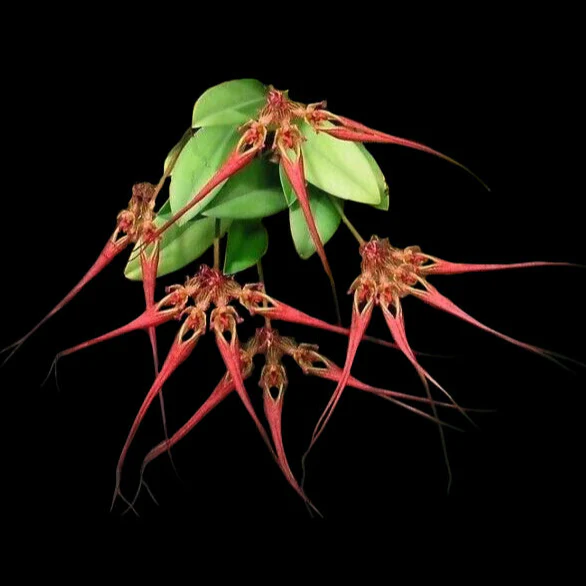
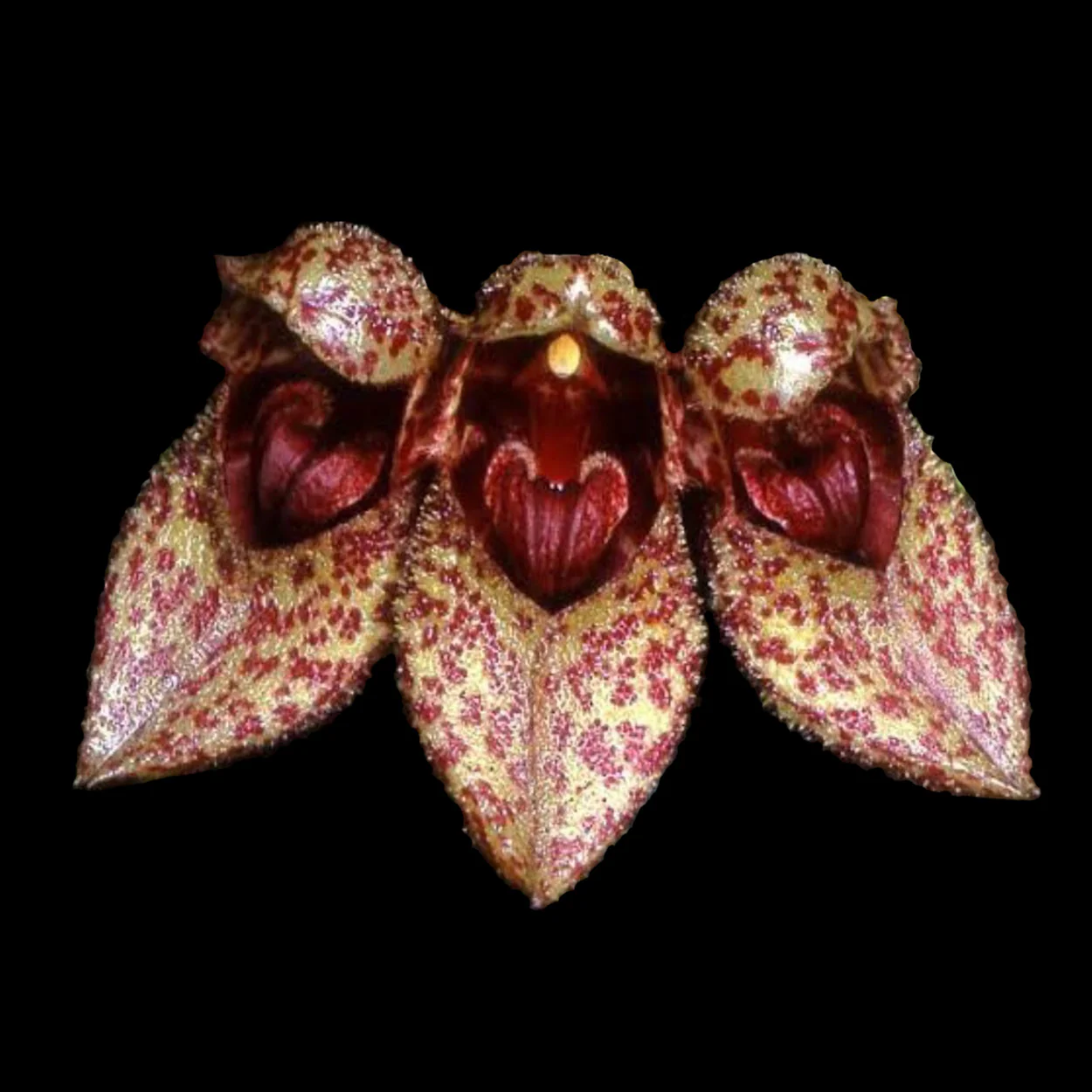
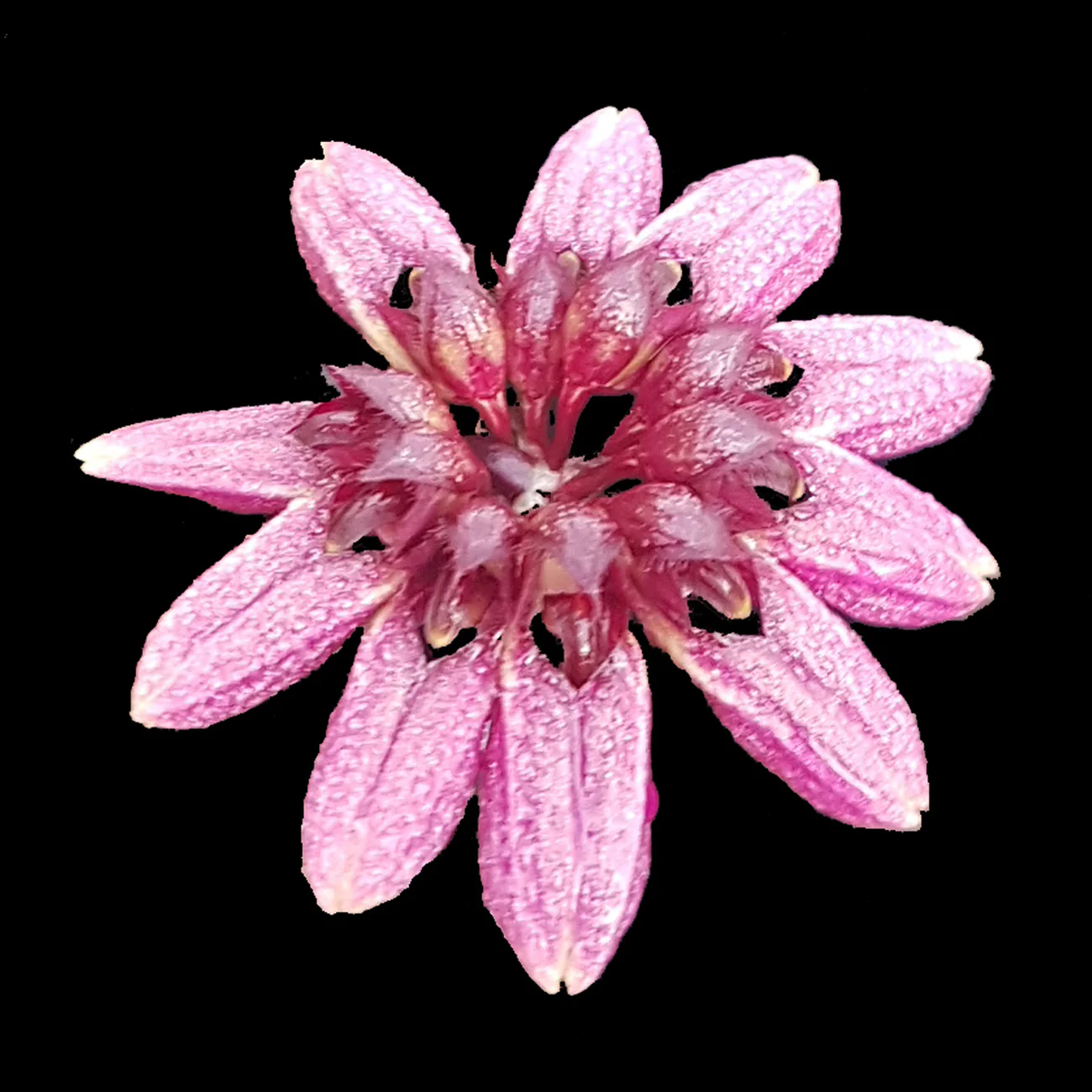
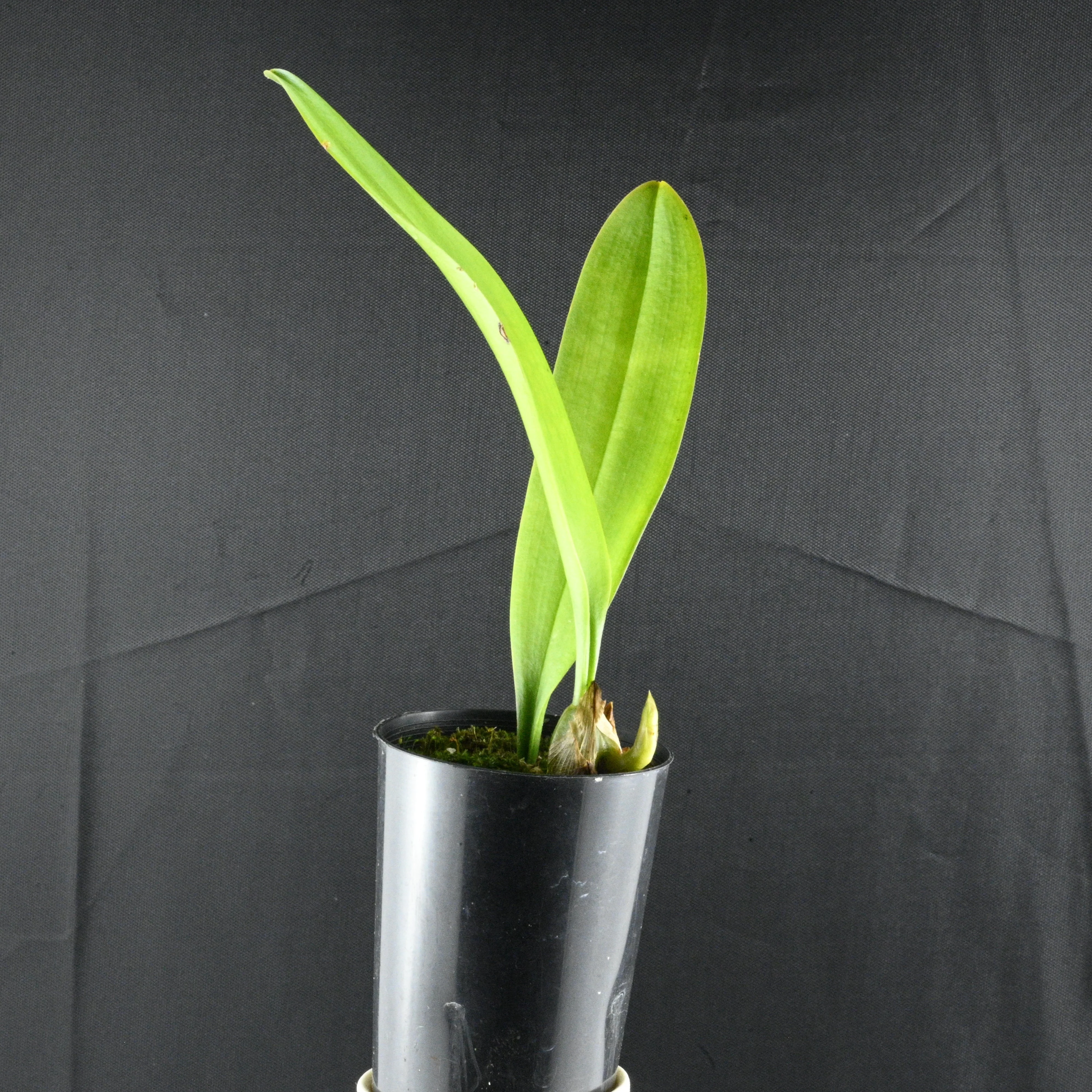
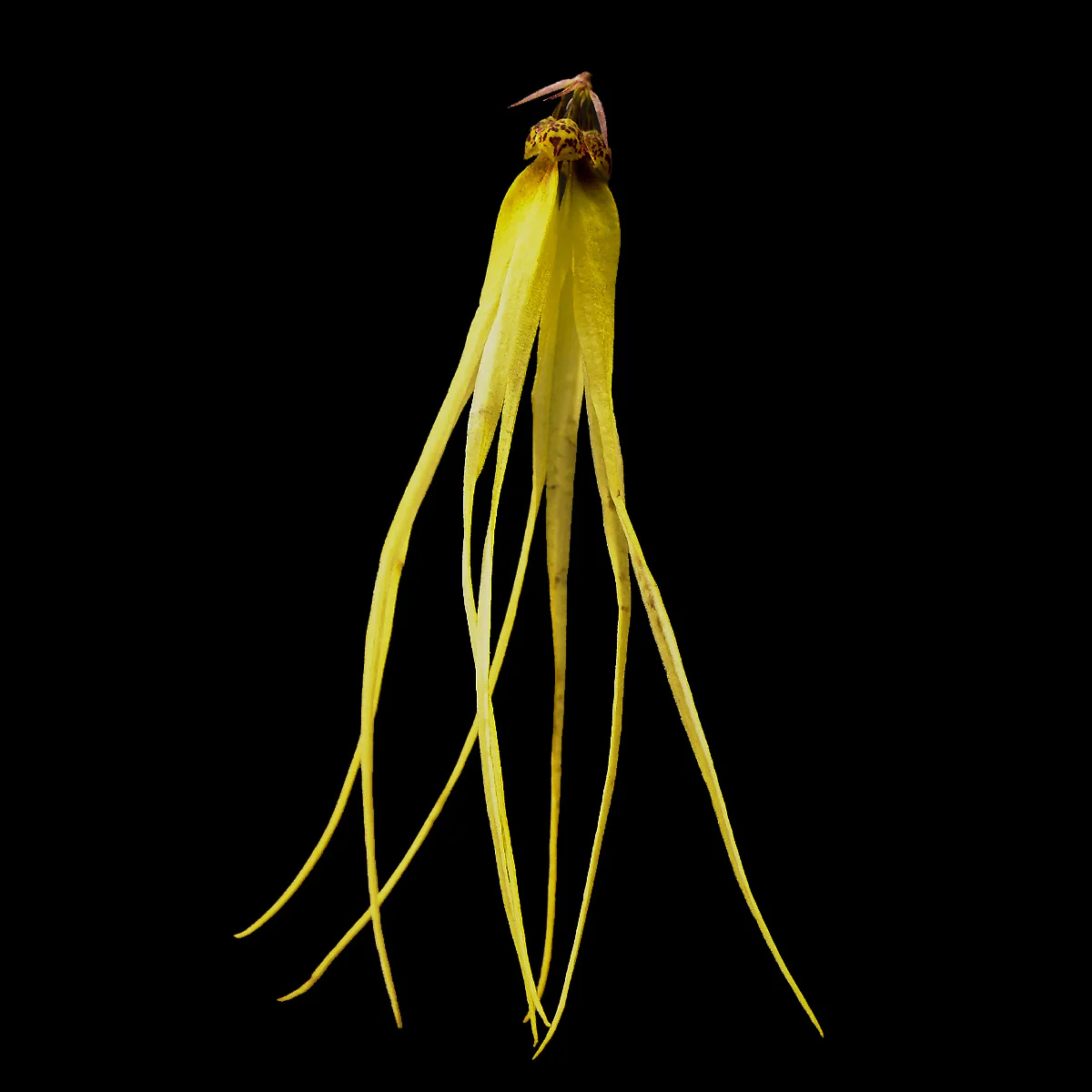
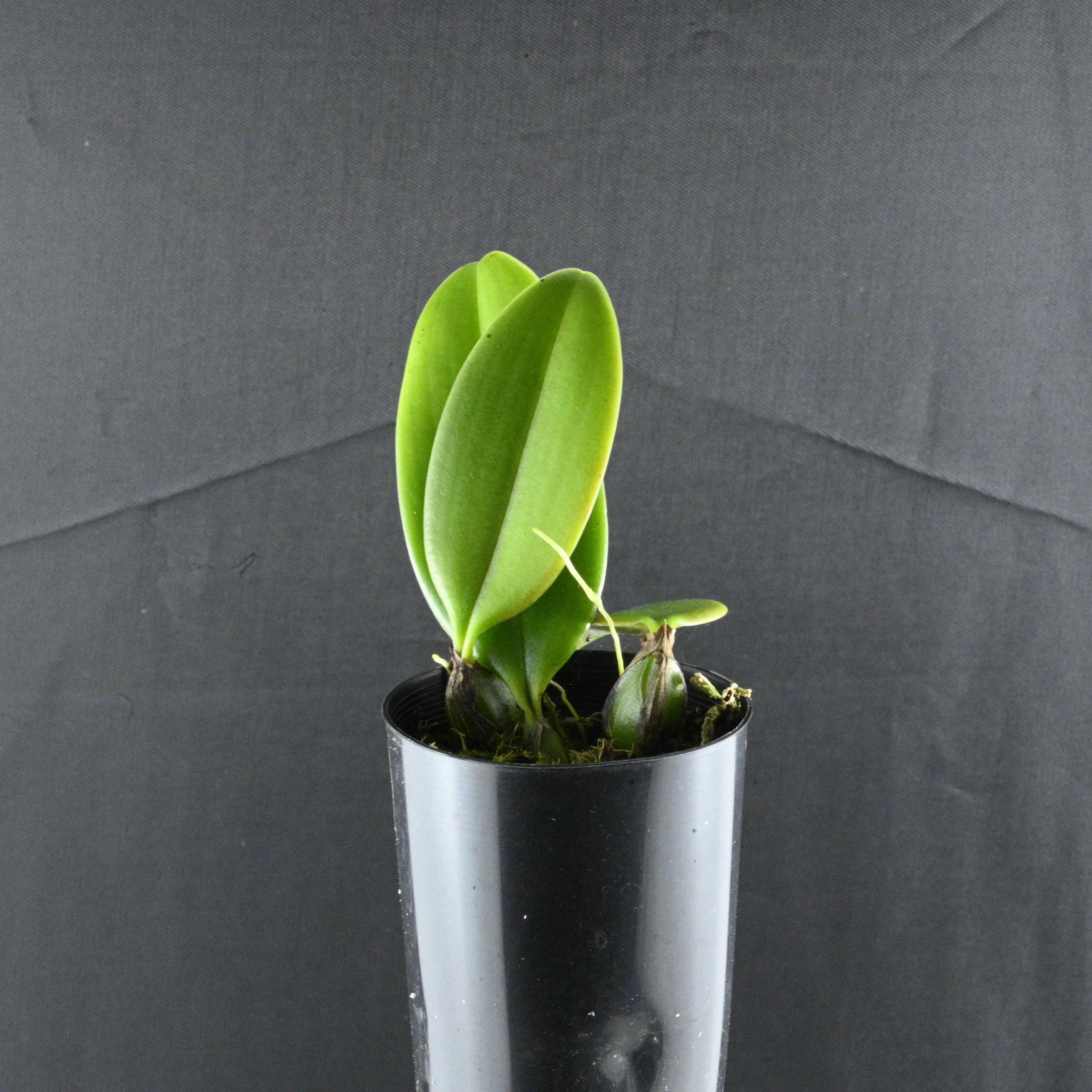
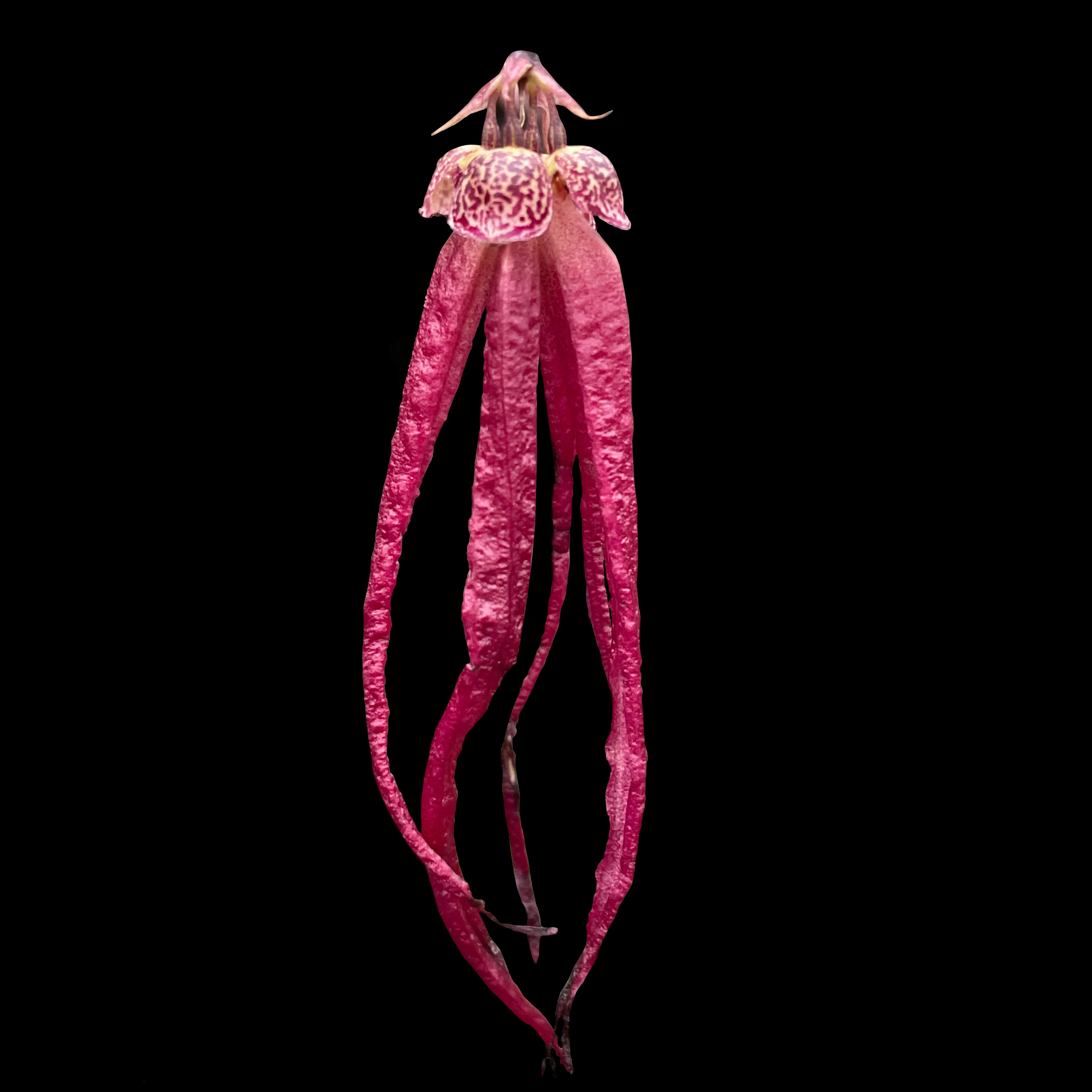
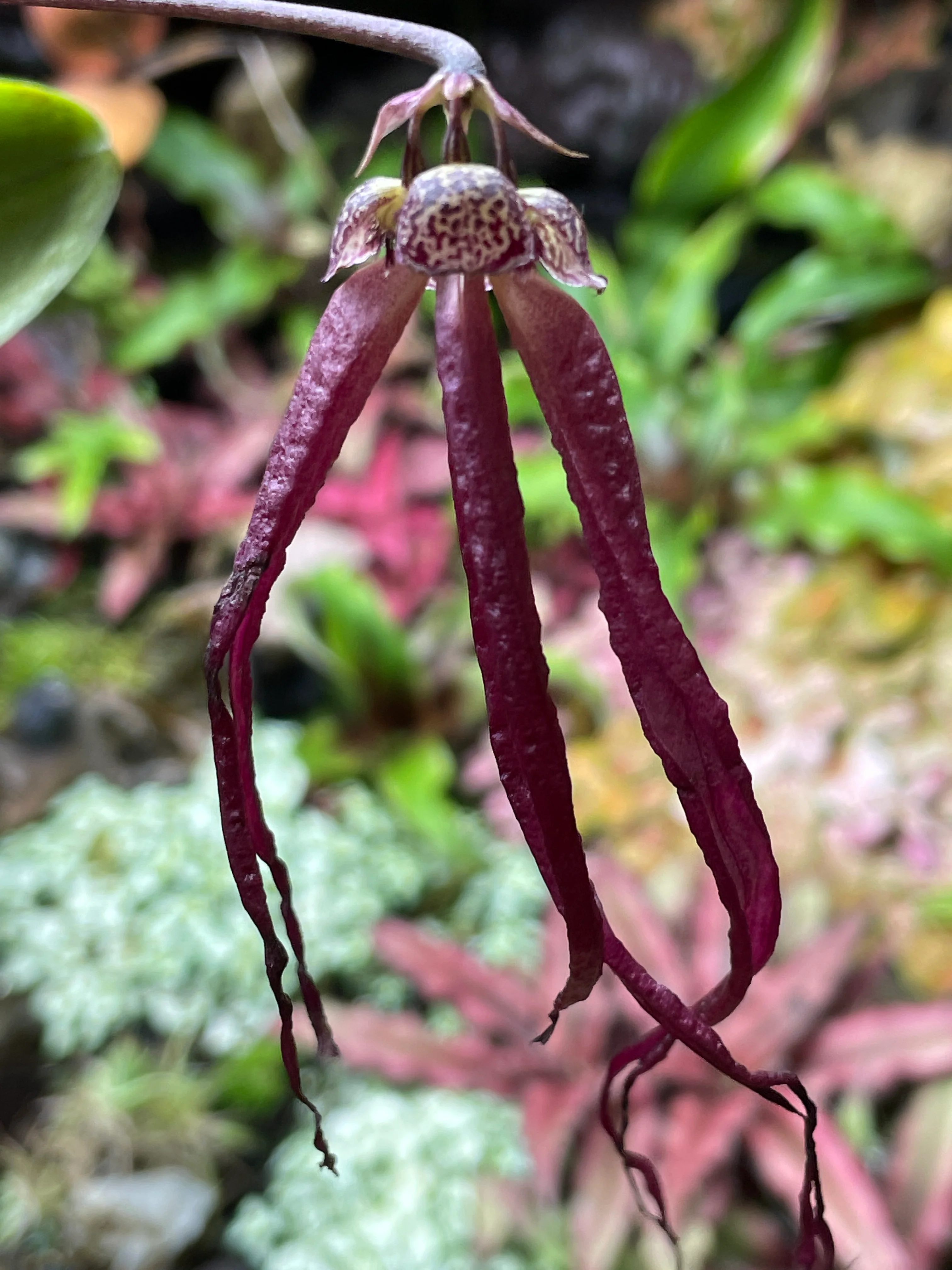
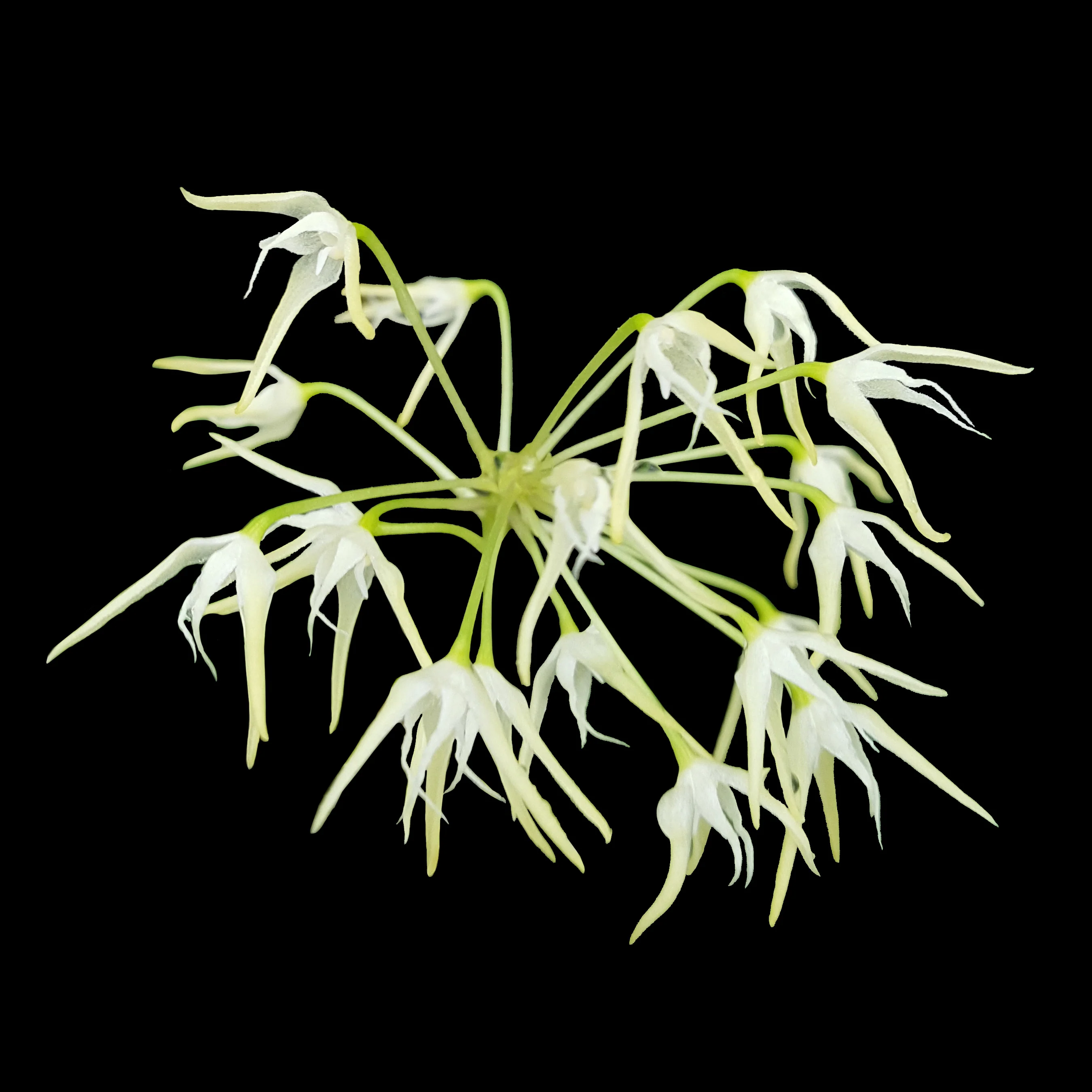
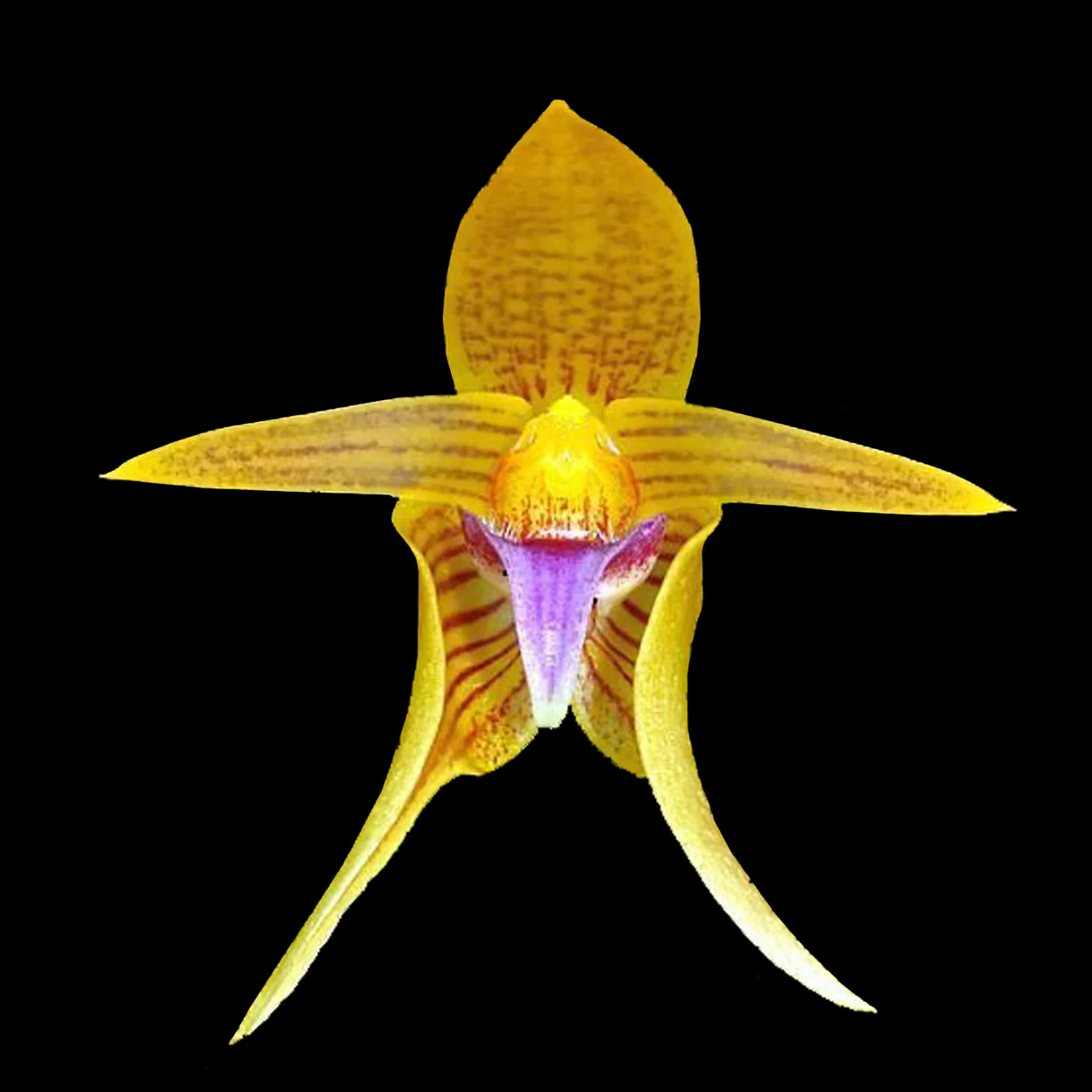
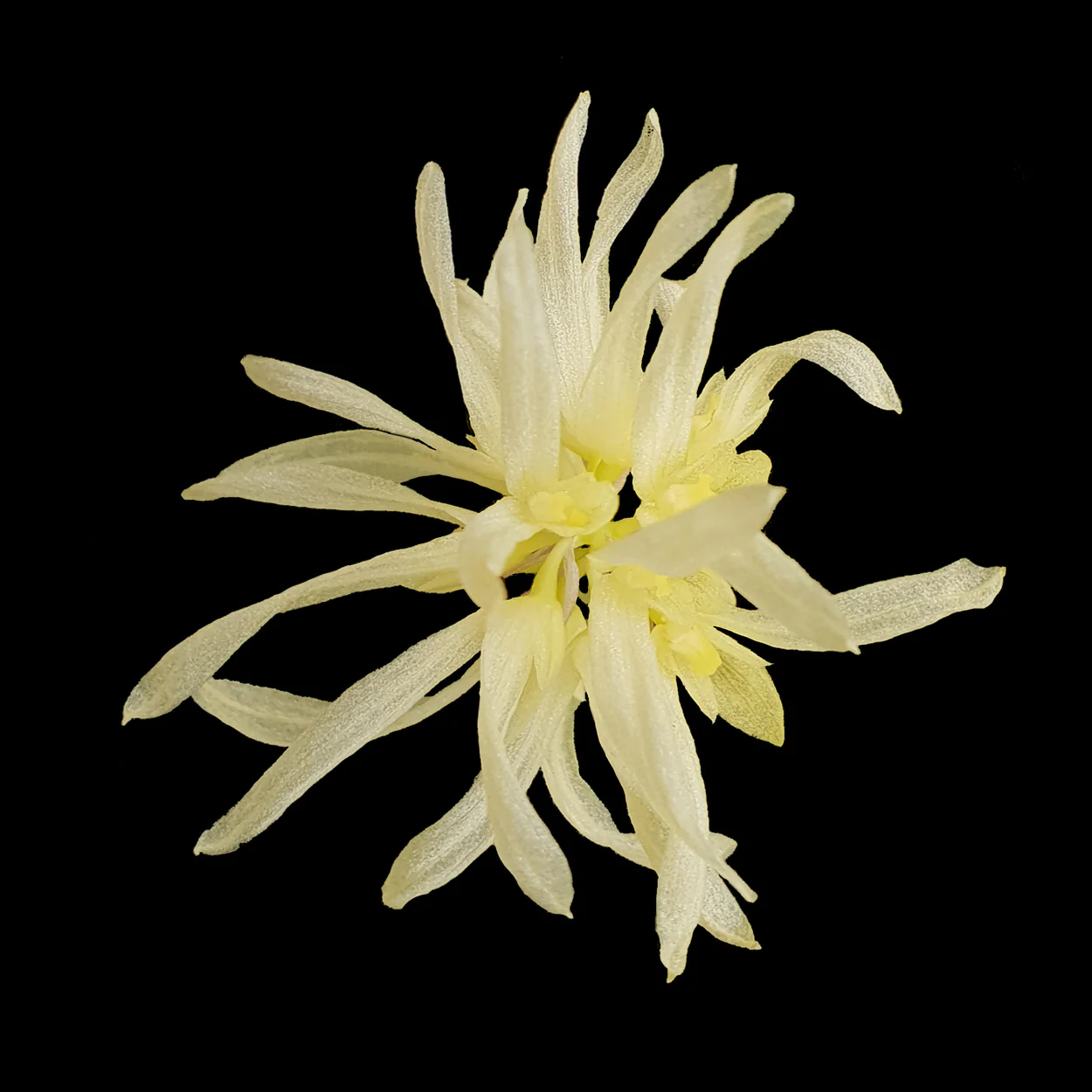
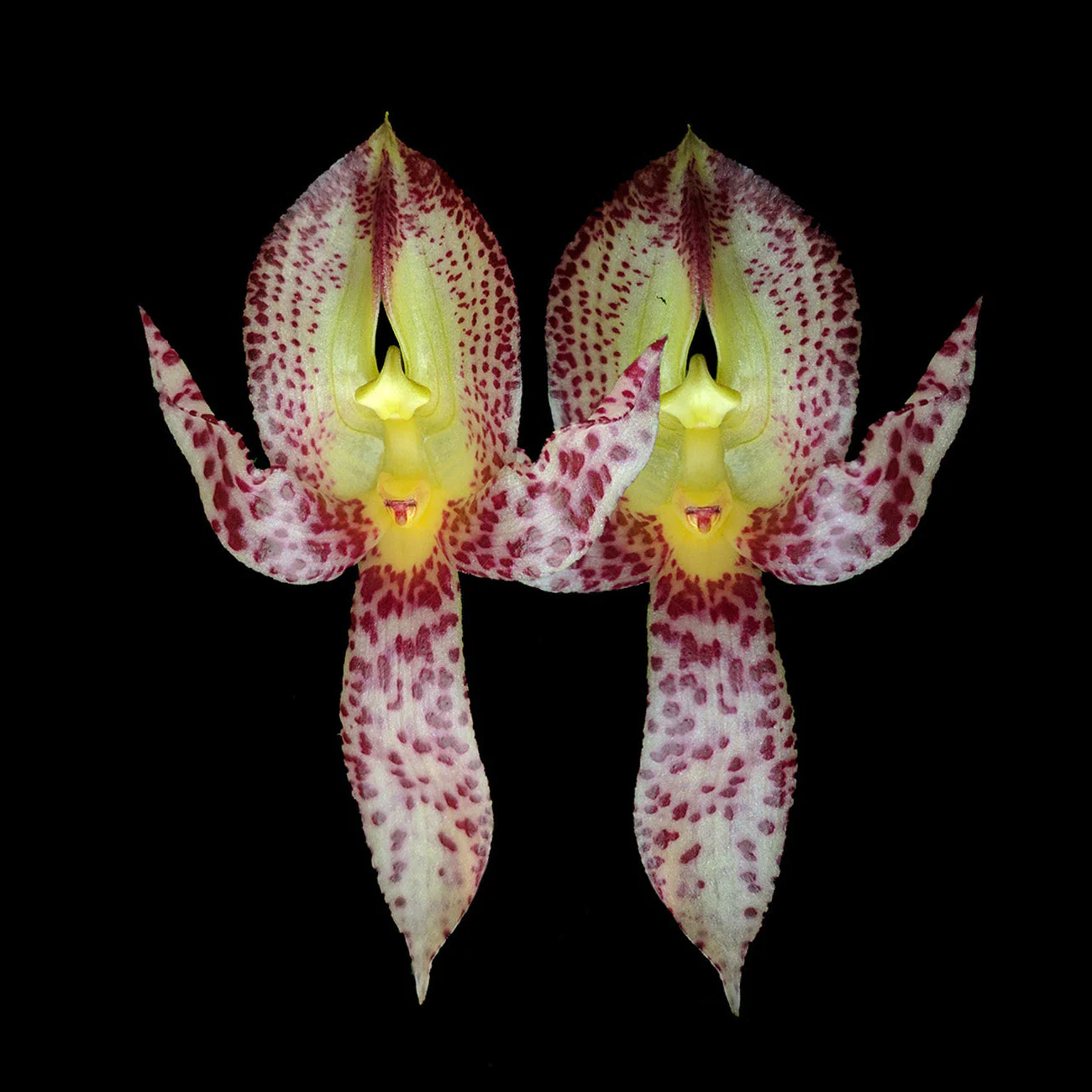
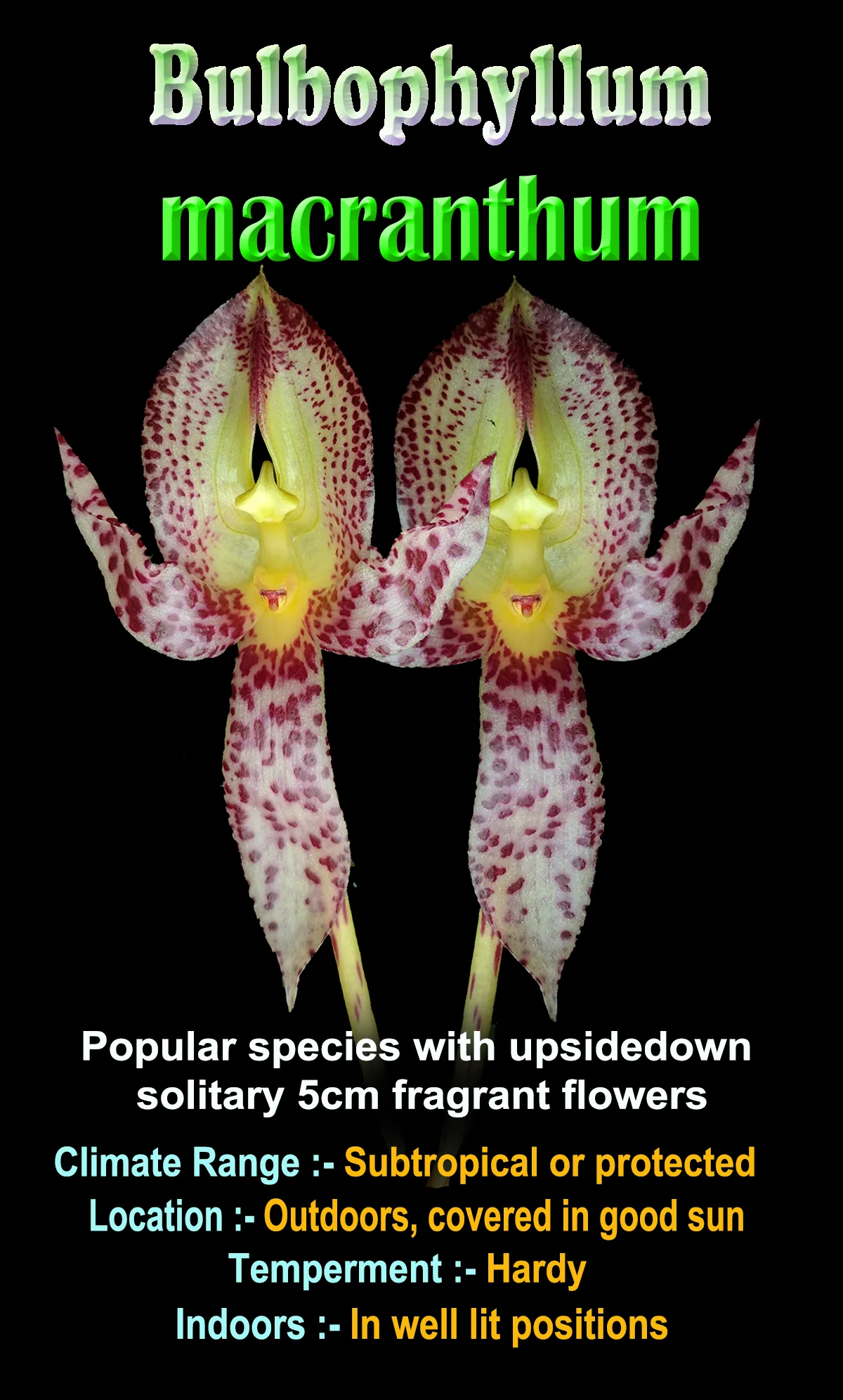
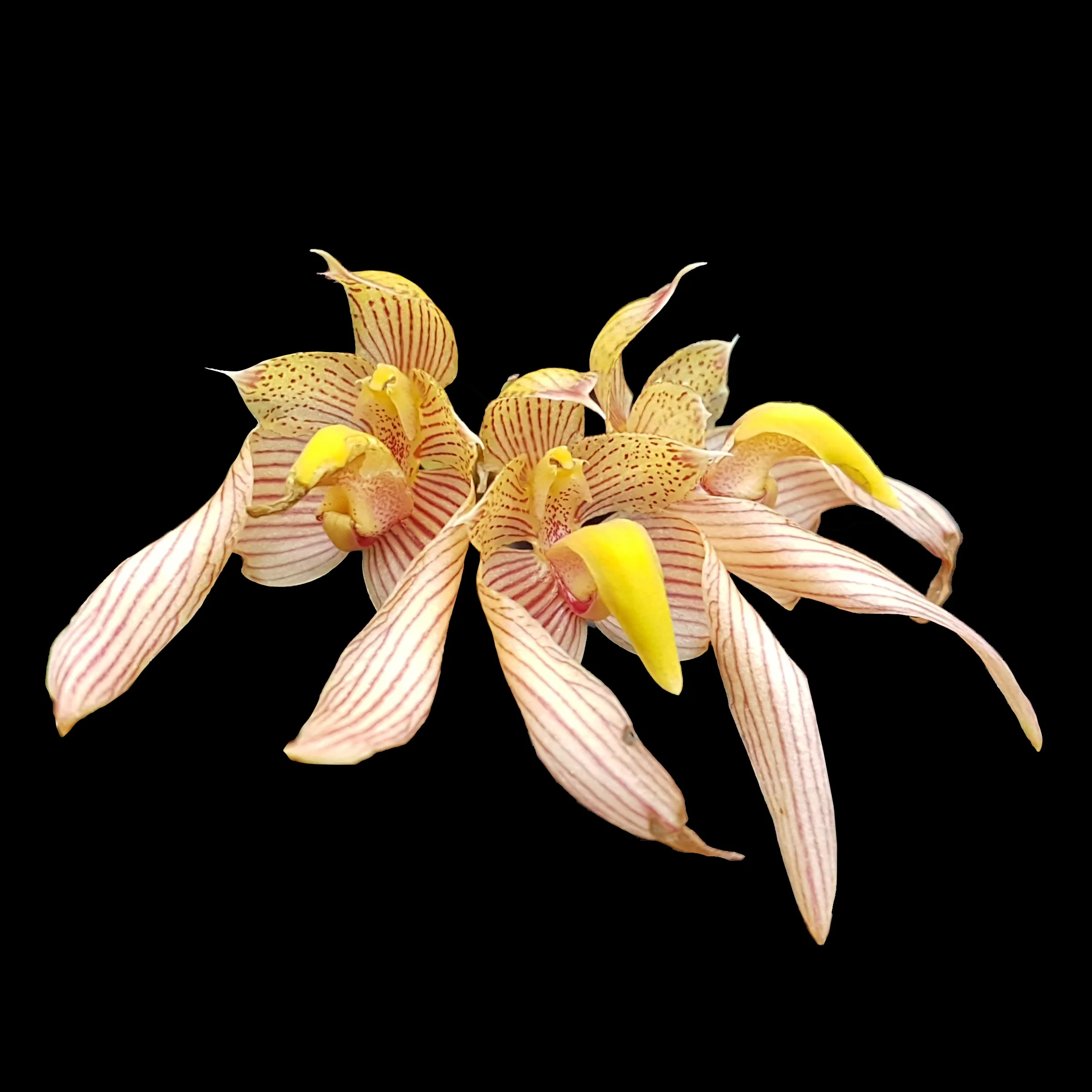
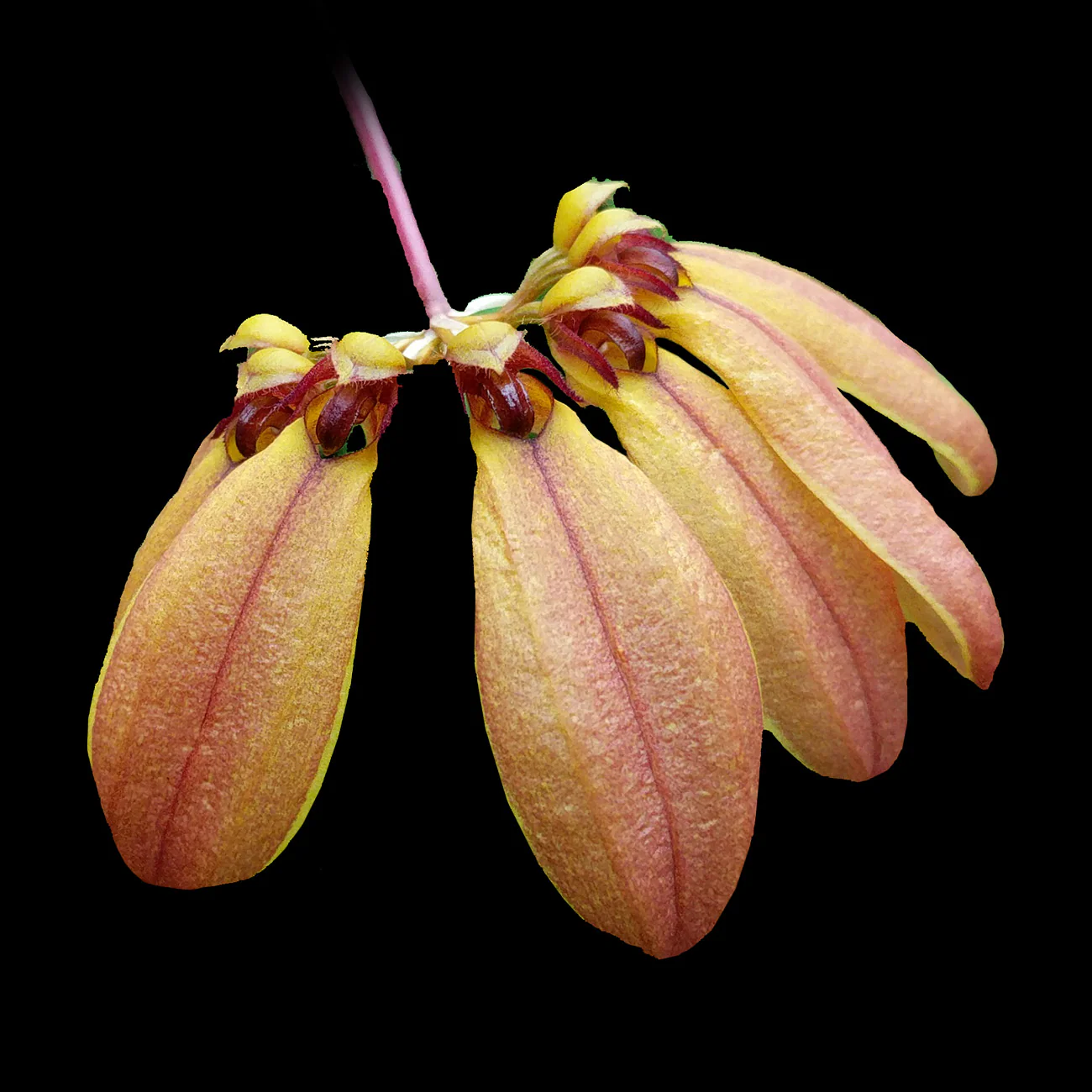
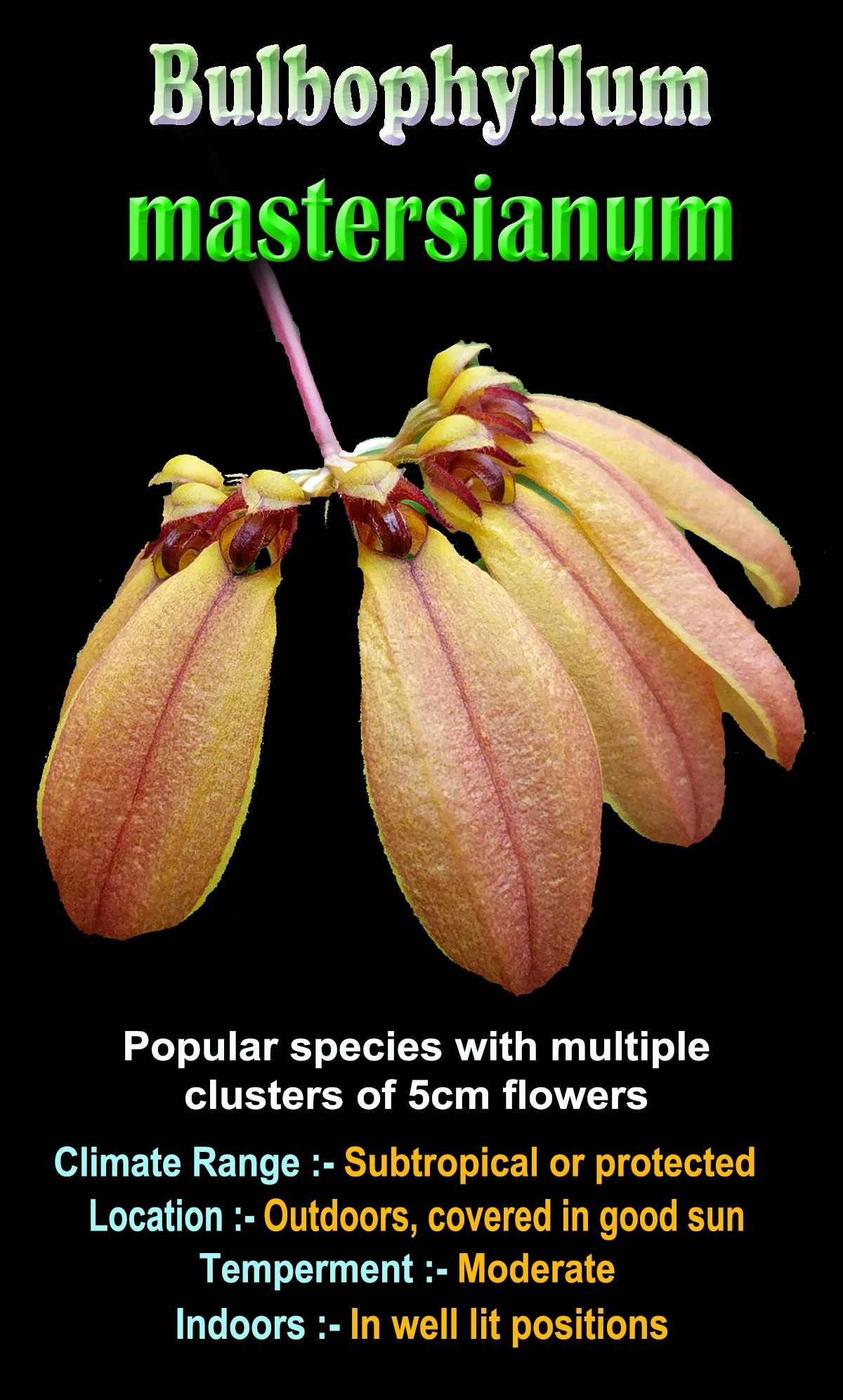
Bulbophyllum mastersianum is an orchid native to New Guinea, occurring in lowland and hill forests where conditions are warm and humid year-round. The plant produces small pseudobulbs along a creeping rhizome, each carrying a single leaf. Inflorescences emerge at the base and form umbels of several small flowers, usually pale yellow to pinkish in colour, spotted or blotched with red. The clustered display is typical of the group and attracts flies for pollination. Its compact habit and attractive floral markings make it a popular species with orchid collectors.
Distinctive Features
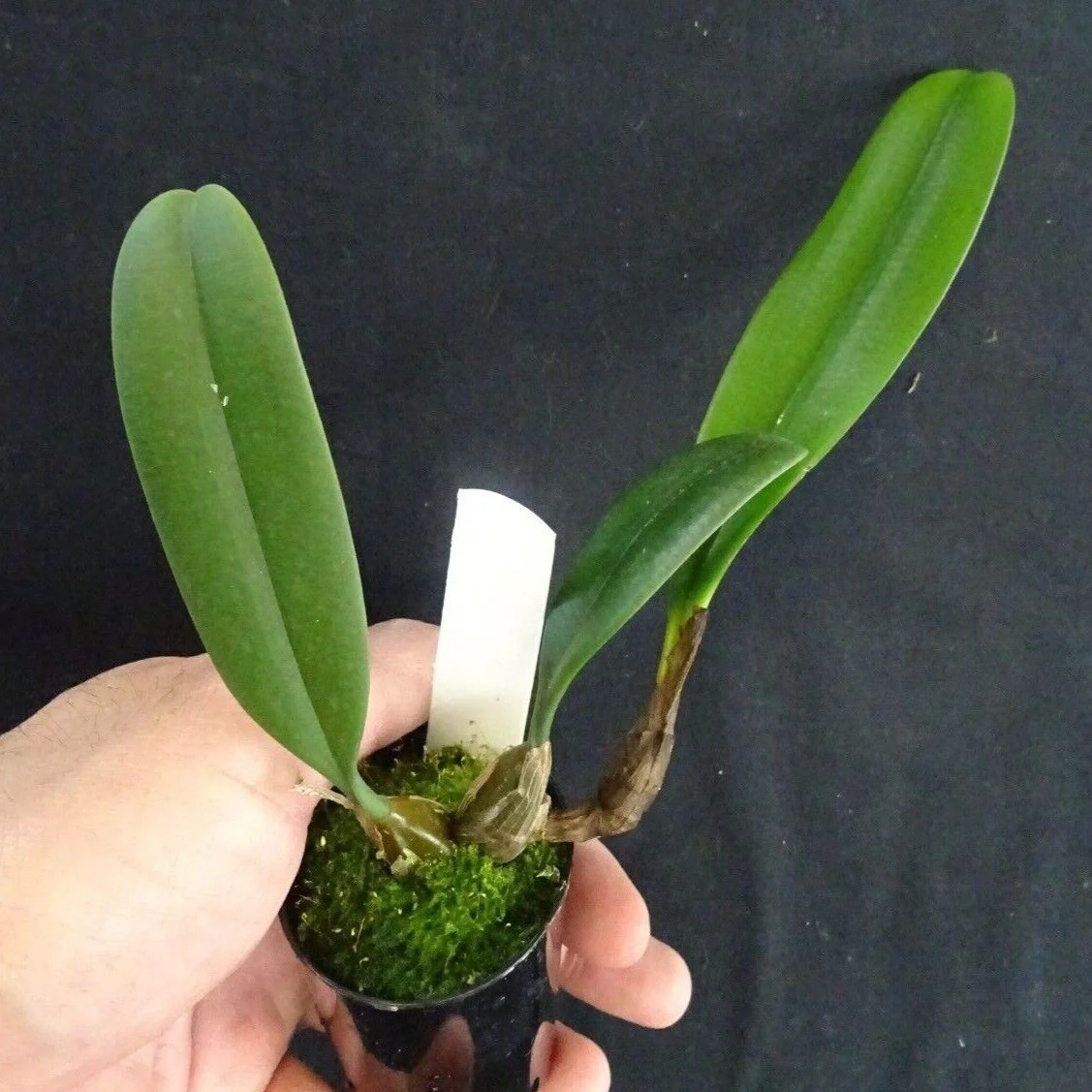
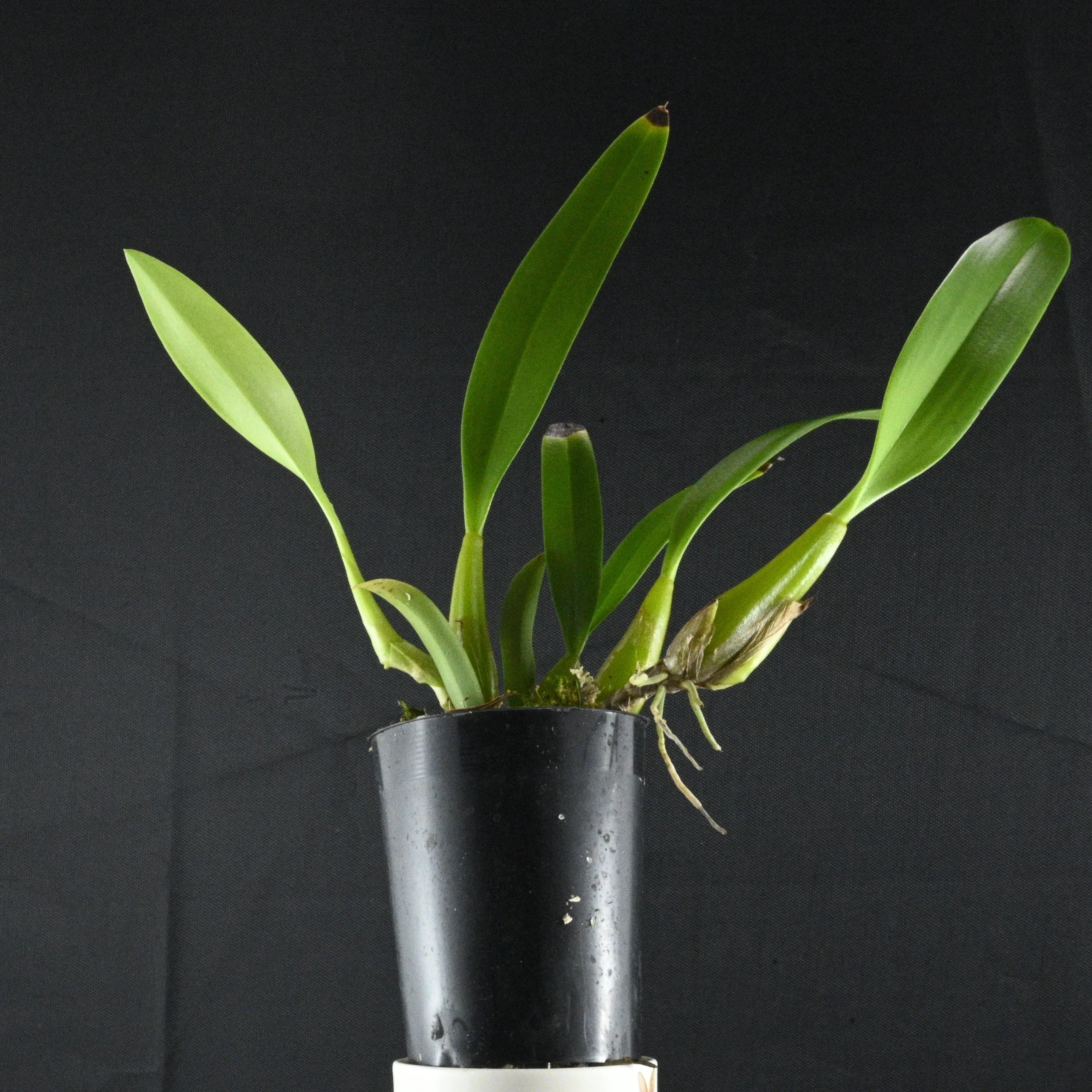
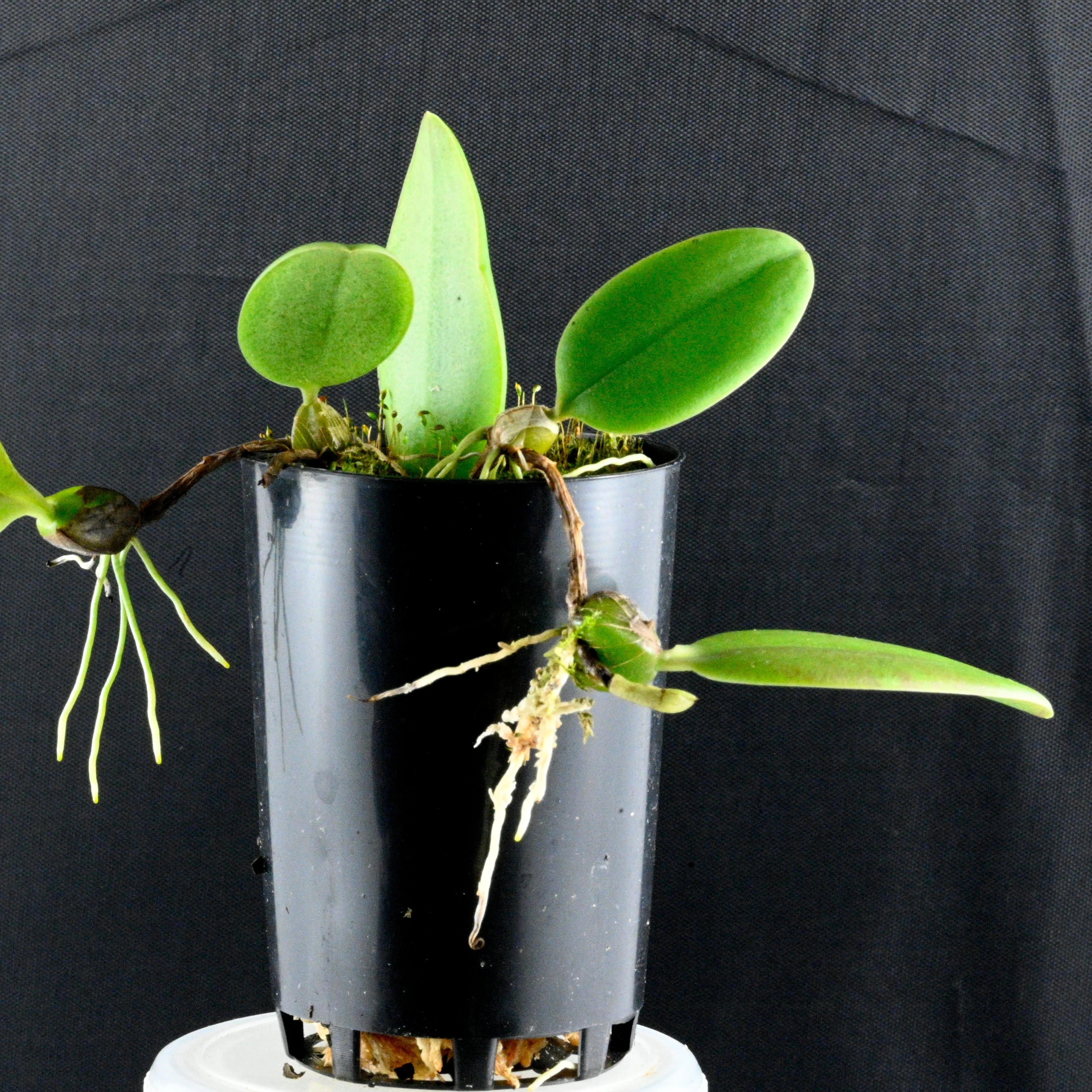
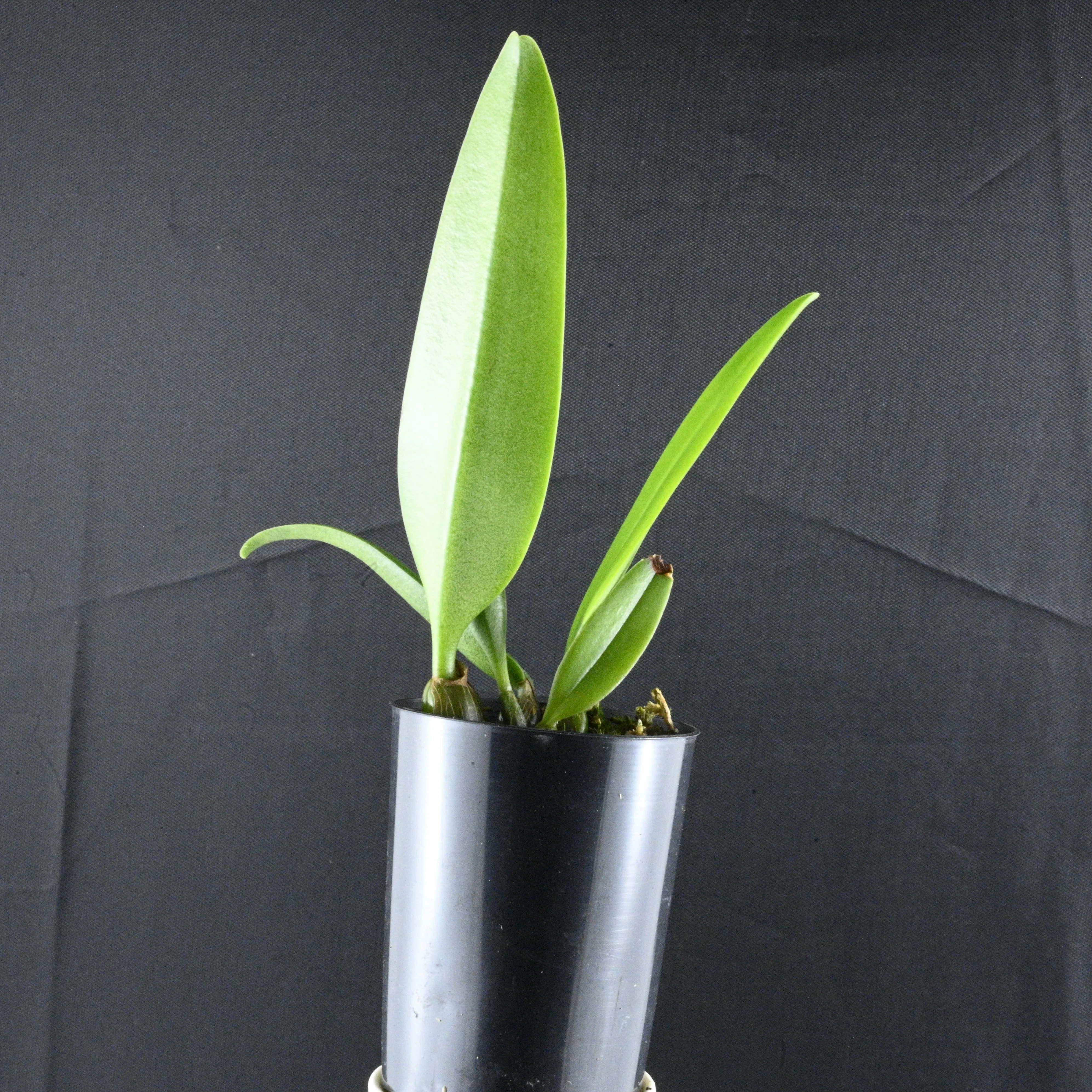
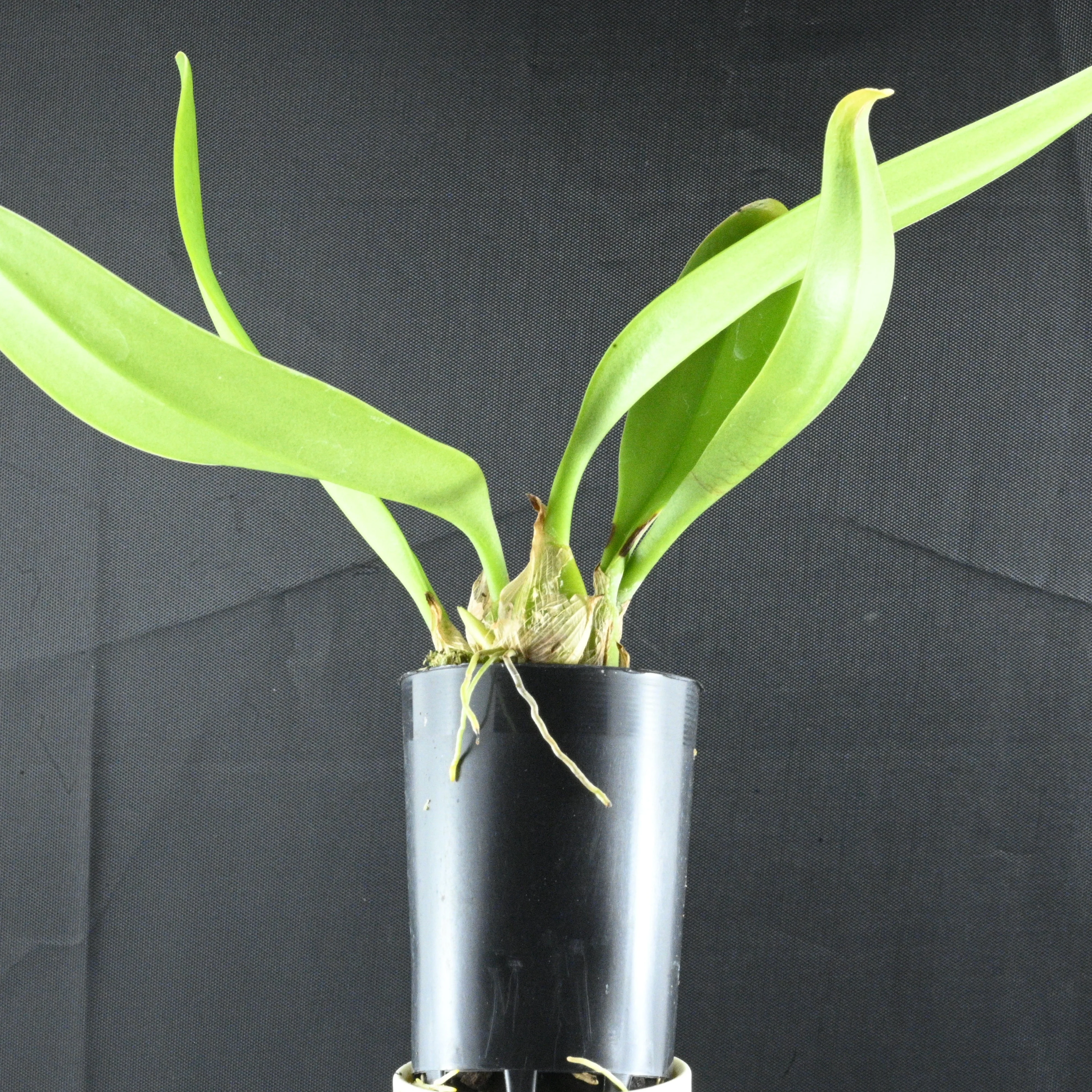
- Pseudobulbs: Small, egg-shaped pseudobulbs that are typically 2-3cm long (approximately 1 inch). Each pseudobulb produces a single leaf.
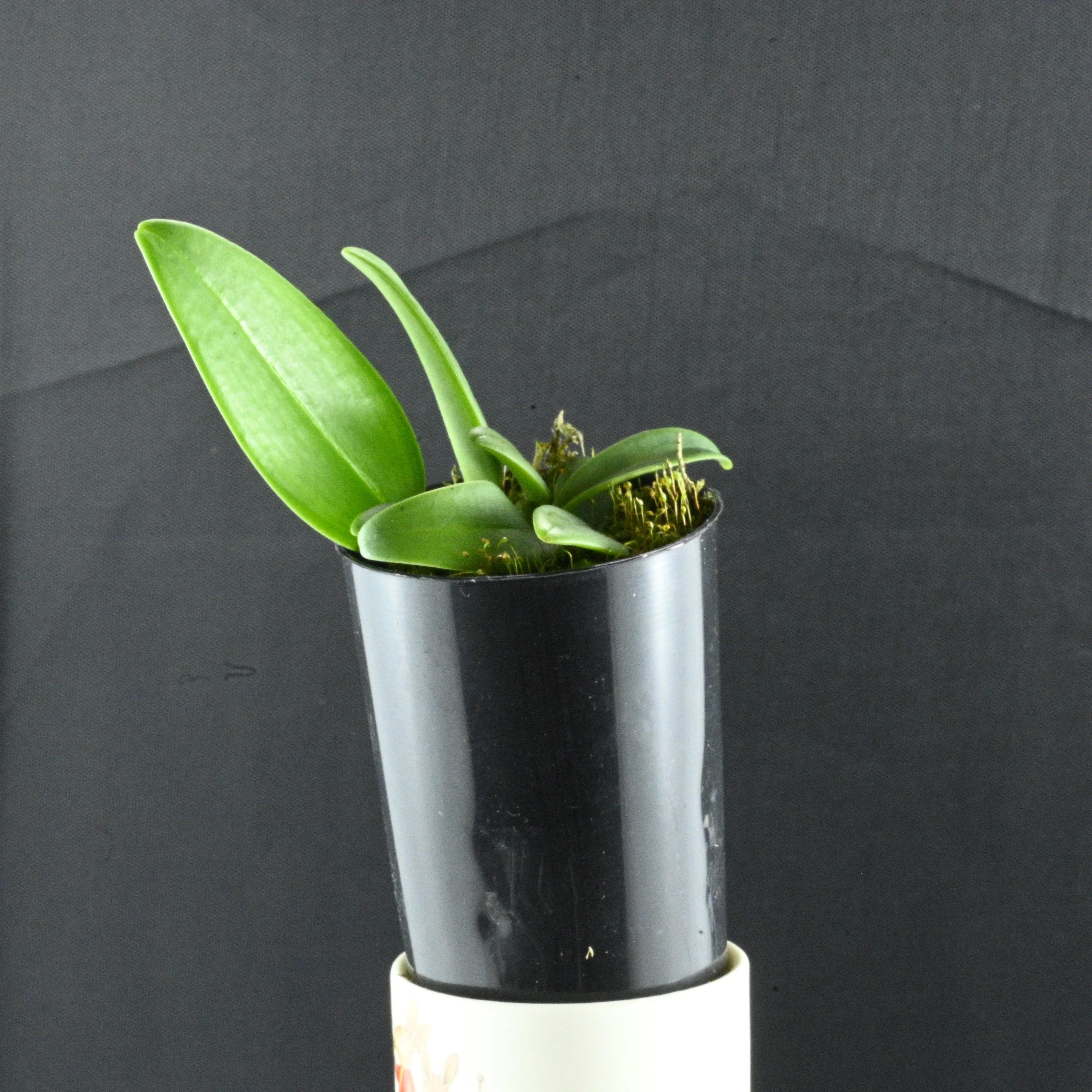
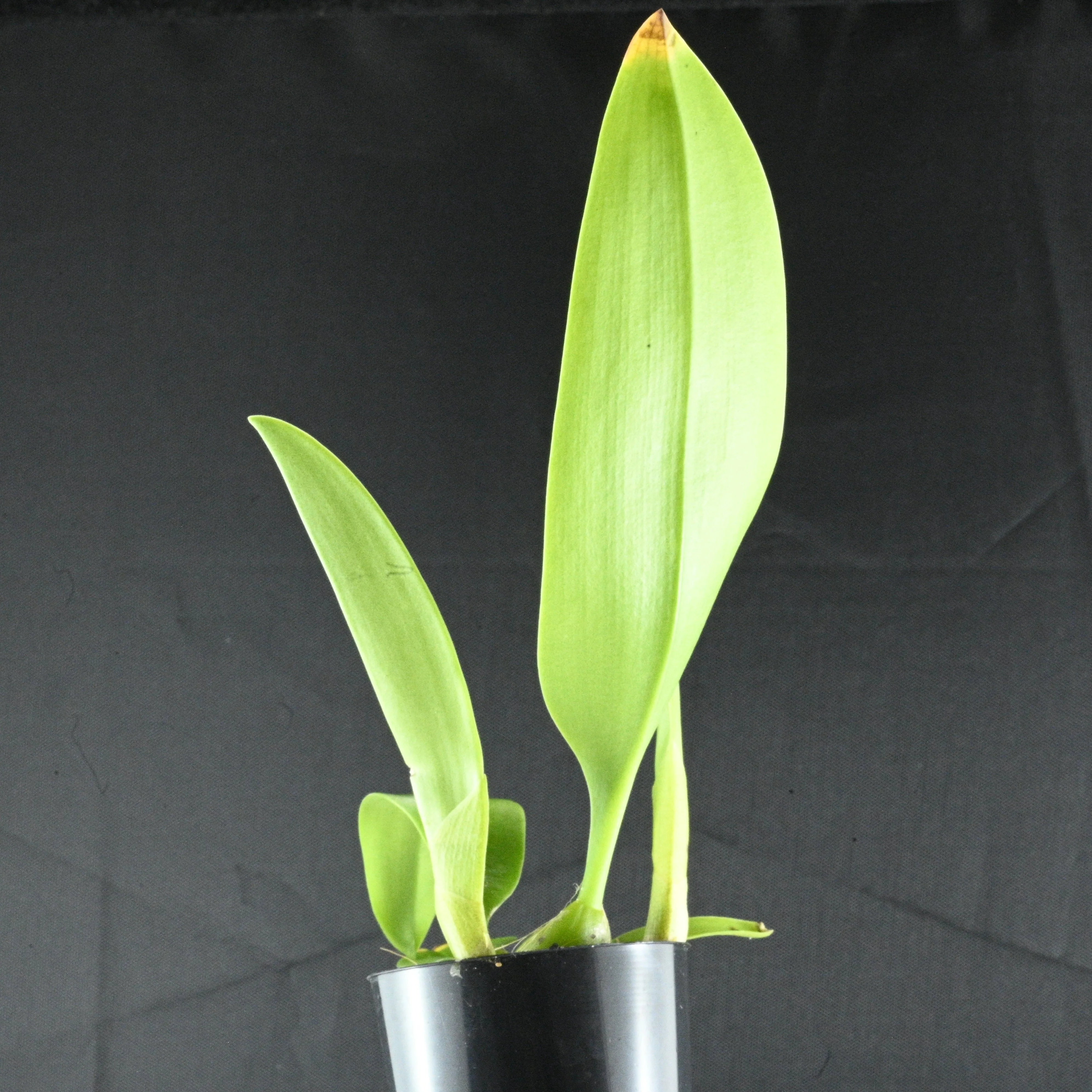
- Leaves: Leathery, dark green leaves that are typically 10-15cm long (approximately 4-6 inches). The leaves have a prominent midrib and a slightly folded appearance.
- Flowers: Produces a single, large flower that is typically 5-7cm in diameter (approximately 2-3 inches). The flower has a distinctive creamy yellow colour with reddish-brown markings and a delightful coconut fragrance.
- Growth Habit: This Bulbophyllum has a sympodial growth habit, meaning it grows horizontally, producing new pseudobulbs along a rhizome. It is an epiphyte, which means it naturally grows on trees and other surfaces, absorbing moisture and nutrients from the air and rain.
Care Tips
- Light: Bright, indirect light is best. Avoid harsh direct sunlight, which can scorch the leaves. An east-facing windowsill is often ideal.
- Water: Water regularly, allowing the potting mix to dry slightly between waterings. Avoid overwatering, which can lead to root rot.
- Humidity: This Bulbophyllum appreciates moderate to high humidity. You can increase humidity by using a humidifier, placing the plant on a pebble tray filled with water, or misting the leaves regularly.
- Temperature: Maintain warm temperatures between 18-29°C (65-85°F) for optimal growth. Avoid exposing this tropical gem to cold draughts or frost.
- Fertiliser: Use a diluted orchid fertiliser once a month during the growing season (spring and summer).
- Potting: This orchid can be grown in a pot with a well-draining orchid potting mix. A mix of bark, sphagnum moss, and perlite works well.
More Images
Bulbophyllum mastersianum
Bulbophyllum mastersianum is an orchid native to New Guinea, occurring in lowland and hill forests where conditions are warm and humid year-round. The plant produces small pseudobulbs along a creeping rhizome, each carrying a single leaf. Inflorescences emerge at the base and form umbels of several small flowers, usually pale yellow to pinkish in colour, spotted or blotched with red. The clustered display is typical of the group and attracts flies for pollination. Its compact habit and attractive floral markings make it a popular species with orchid collectors.
Distinctive Features
- Pseudobulbs: Small, egg-shaped pseudobulbs that are typically 2-3cm long (approximately 1 inch). Each pseudobulb produces a single leaf.
- Leaves: Leathery, dark green leaves that are typically 10-15cm long (approximately 4-6 inches). The leaves have a prominent midrib and a slightly folded appearance.
- Flowers: Produces a single, large flower that is typically 5-7cm in diameter (approximately 2-3 inches). The flower has a distinctive creamy yellow colour with reddish-brown markings and a delightful coconut fragrance.
- Growth Habit: This Bulbophyllum has a sympodial growth habit, meaning it grows horizontally, producing new pseudobulbs along a rhizome. It is an epiphyte, which means it naturally grows on trees and other surfaces, absorbing moisture and nutrients from the air and rain.
Care Tips
- Light: Bright, indirect light is best. Avoid harsh direct sunlight, which can scorch the leaves. An east-facing windowsill is often ideal.
- Water: Water regularly, allowing the potting mix to dry slightly between waterings. Avoid overwatering, which can lead to root rot.
- Humidity: This Bulbophyllum appreciates moderate to high humidity. You can increase humidity by using a humidifier, placing the plant on a pebble tray filled with water, or misting the leaves regularly.
- Temperature: Maintain warm temperatures between 18-29°C (65-85°F) for optimal growth. Avoid exposing this tropical gem to cold draughts or frost.
- Fertiliser: Use a diluted orchid fertiliser once a month during the growing season (spring and summer).
- Potting: This orchid can be grown in a pot with a well-draining orchid potting mix. A mix of bark, sphagnum moss, and perlite works well.
Product Information
Product Information
Shipping & Returns
Shipping & Returns
Description
Bulbophyllum mastersianum is an orchid native to New Guinea, occurring in lowland and hill forests where conditions are warm and humid year-round. The plant produces small pseudobulbs along a creeping rhizome, each carrying a single leaf. Inflorescences emerge at the base and form umbels of several small flowers, usually pale yellow to pinkish in colour, spotted or blotched with red. The clustered display is typical of the group and attracts flies for pollination. Its compact habit and attractive floral markings make it a popular species with orchid collectors.
Distinctive Features
- Pseudobulbs: Small, egg-shaped pseudobulbs that are typically 2-3cm long (approximately 1 inch). Each pseudobulb produces a single leaf.
- Leaves: Leathery, dark green leaves that are typically 10-15cm long (approximately 4-6 inches). The leaves have a prominent midrib and a slightly folded appearance.
- Flowers: Produces a single, large flower that is typically 5-7cm in diameter (approximately 2-3 inches). The flower has a distinctive creamy yellow colour with reddish-brown markings and a delightful coconut fragrance.
- Growth Habit: This Bulbophyllum has a sympodial growth habit, meaning it grows horizontally, producing new pseudobulbs along a rhizome. It is an epiphyte, which means it naturally grows on trees and other surfaces, absorbing moisture and nutrients from the air and rain.
Care Tips
- Light: Bright, indirect light is best. Avoid harsh direct sunlight, which can scorch the leaves. An east-facing windowsill is often ideal.
- Water: Water regularly, allowing the potting mix to dry slightly between waterings. Avoid overwatering, which can lead to root rot.
- Humidity: This Bulbophyllum appreciates moderate to high humidity. You can increase humidity by using a humidifier, placing the plant on a pebble tray filled with water, or misting the leaves regularly.
- Temperature: Maintain warm temperatures between 18-29°C (65-85°F) for optimal growth. Avoid exposing this tropical gem to cold draughts or frost.
- Fertiliser: Use a diluted orchid fertiliser once a month during the growing season (spring and summer).
- Potting: This orchid can be grown in a pot with a well-draining orchid potting mix. A mix of bark, sphagnum moss, and perlite works well.