Cereus forbesii monstrose variegata (WA Prohibited)
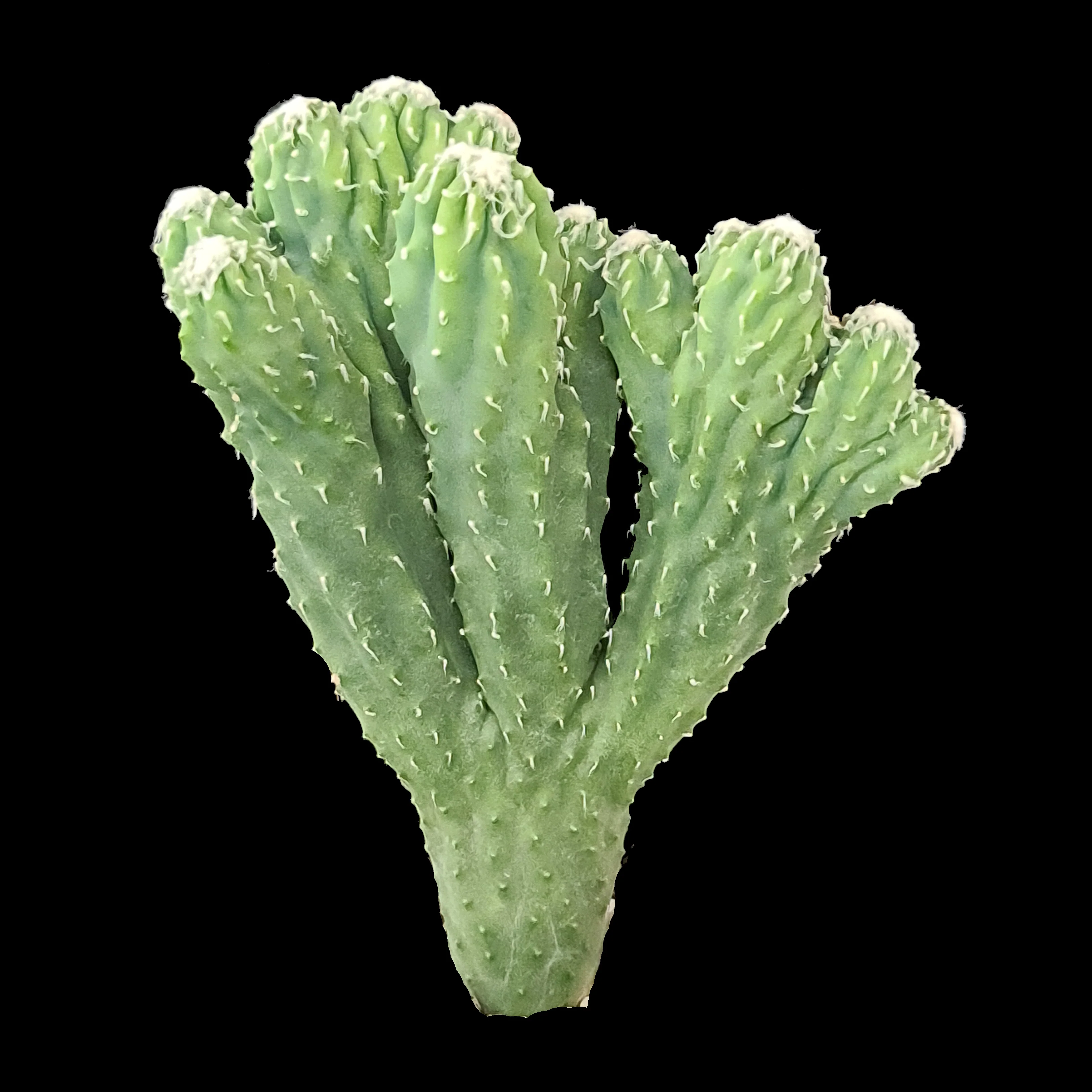
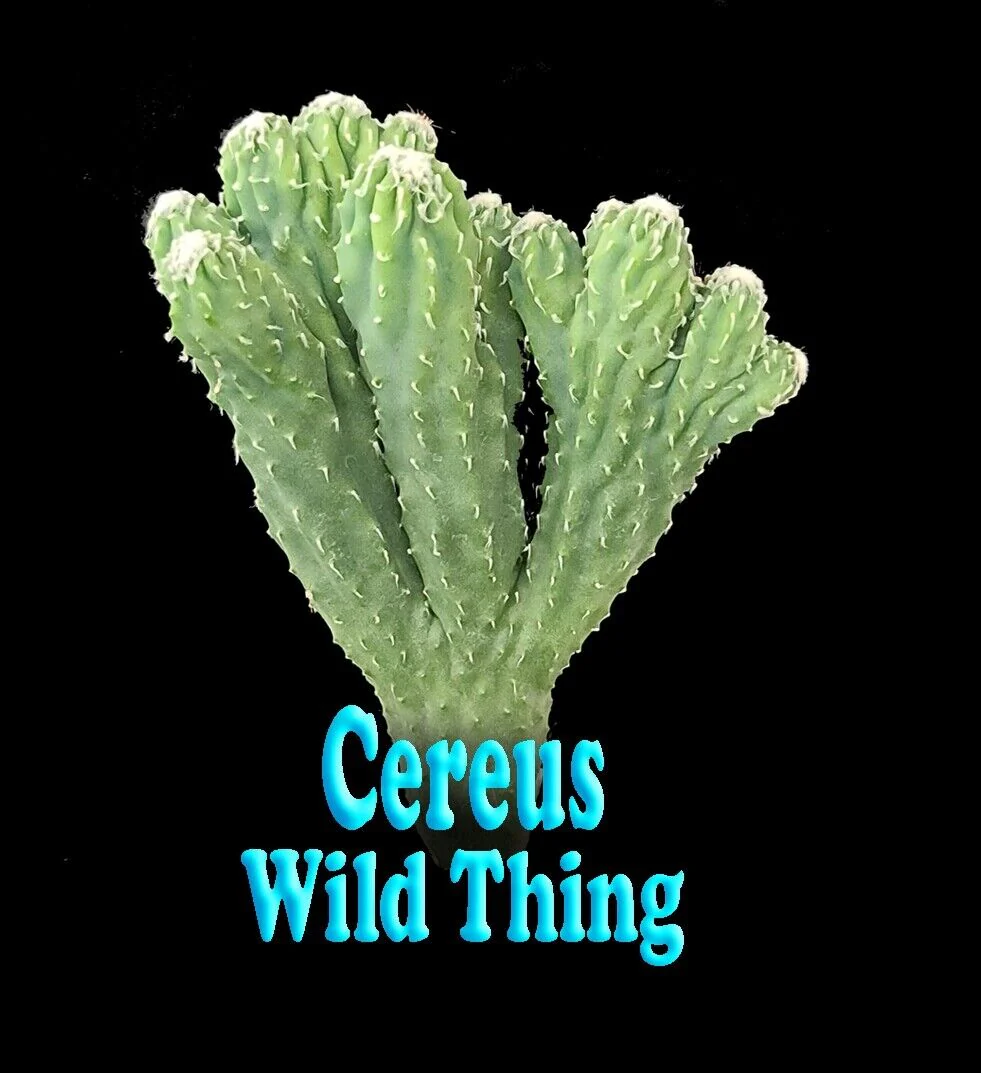
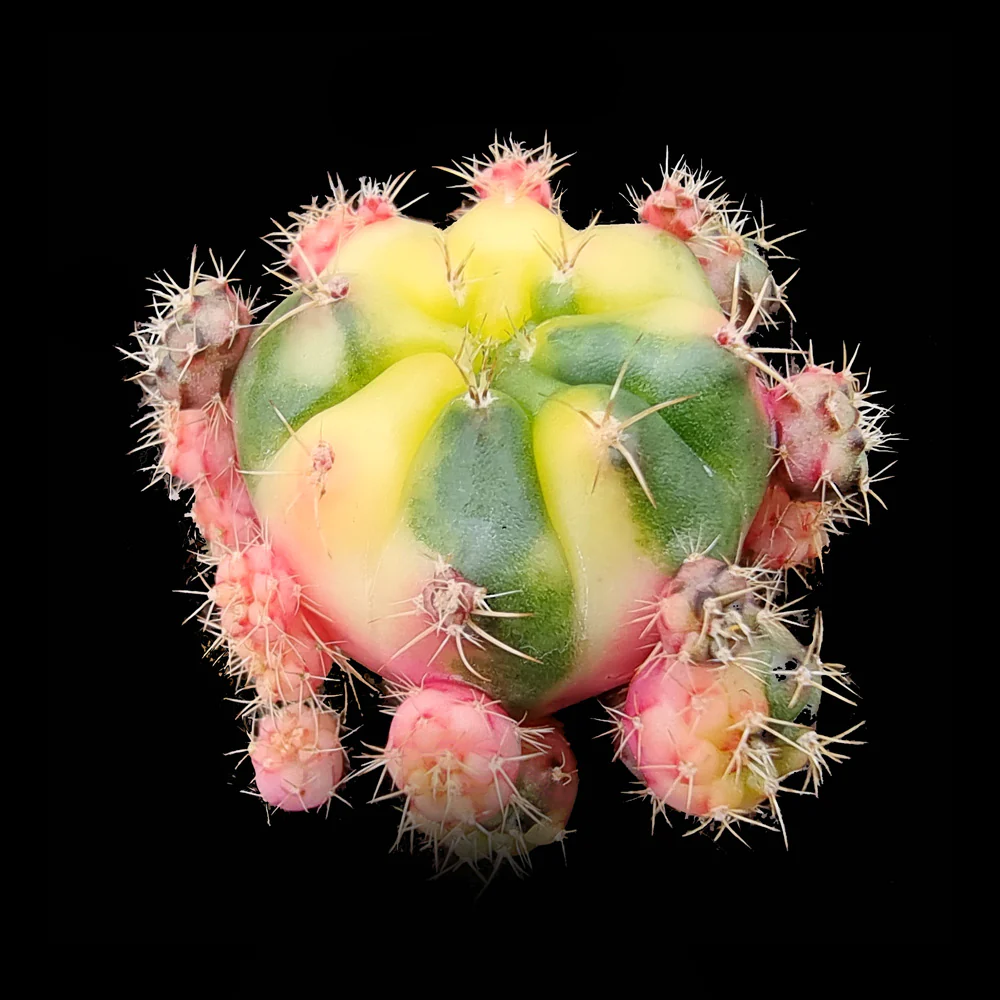
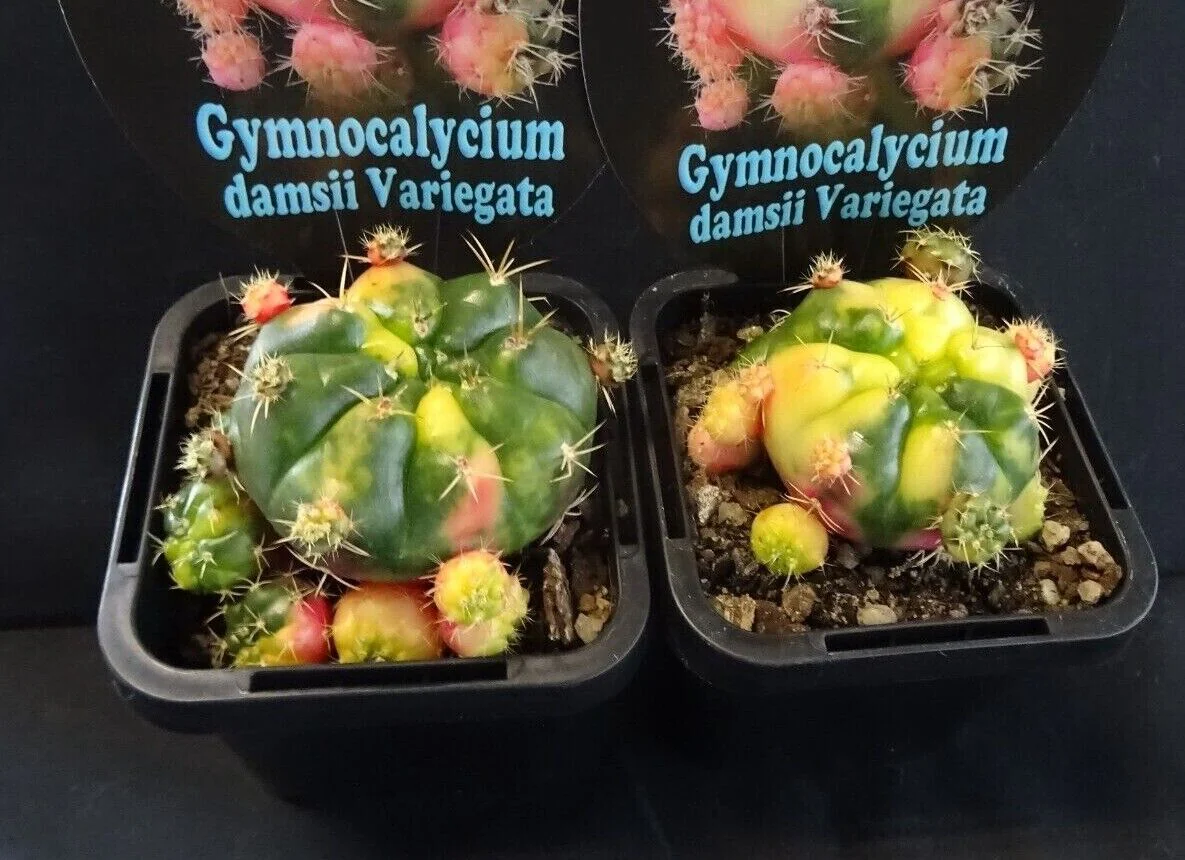
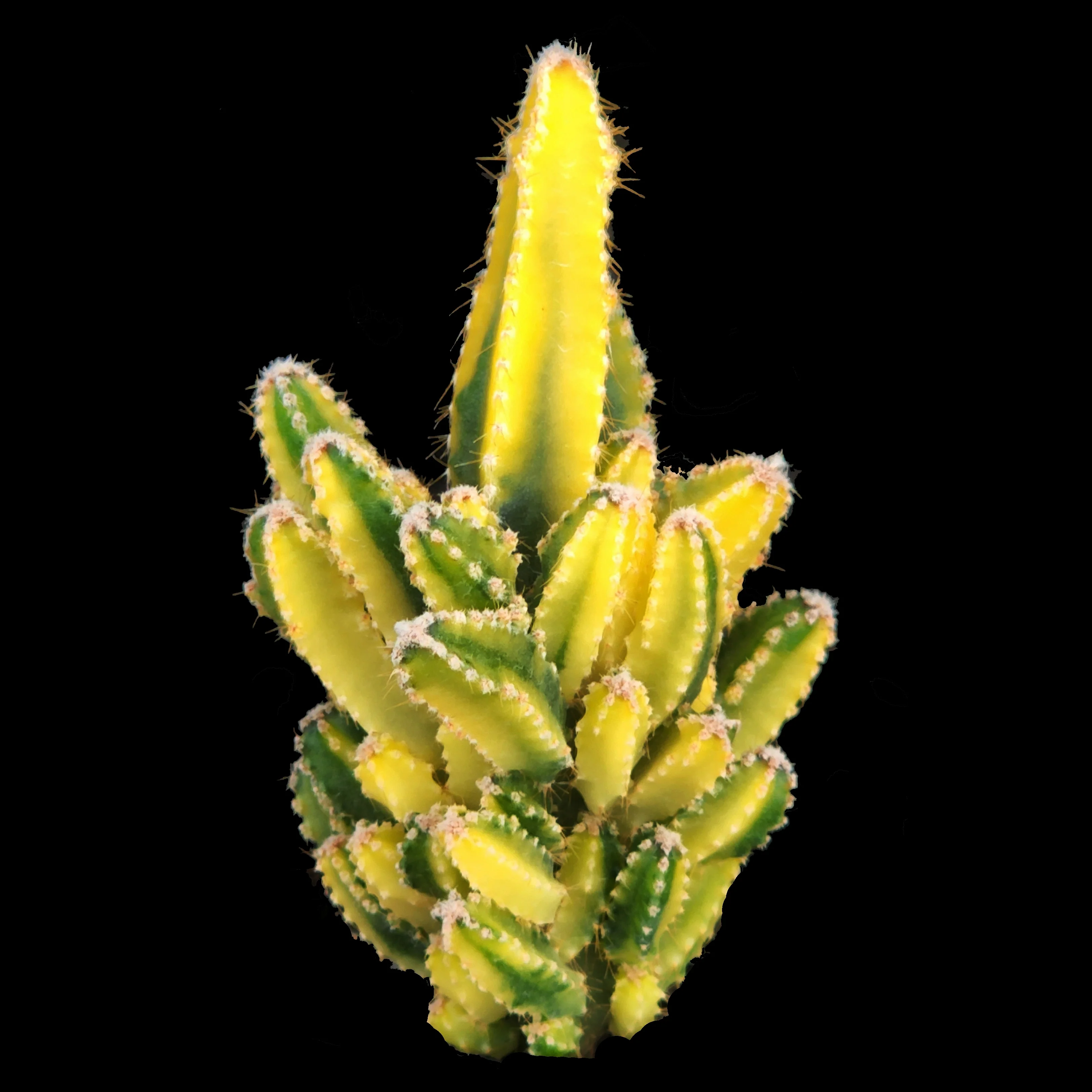
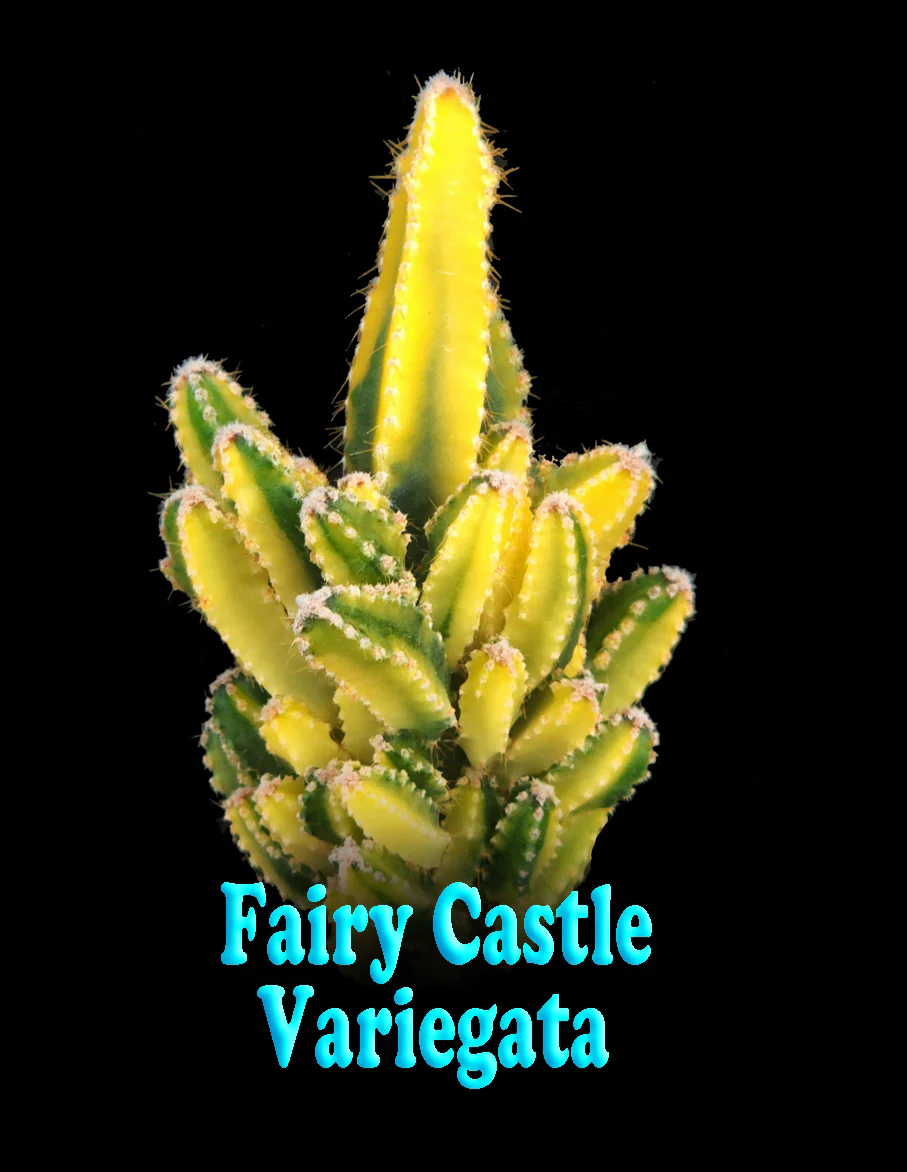
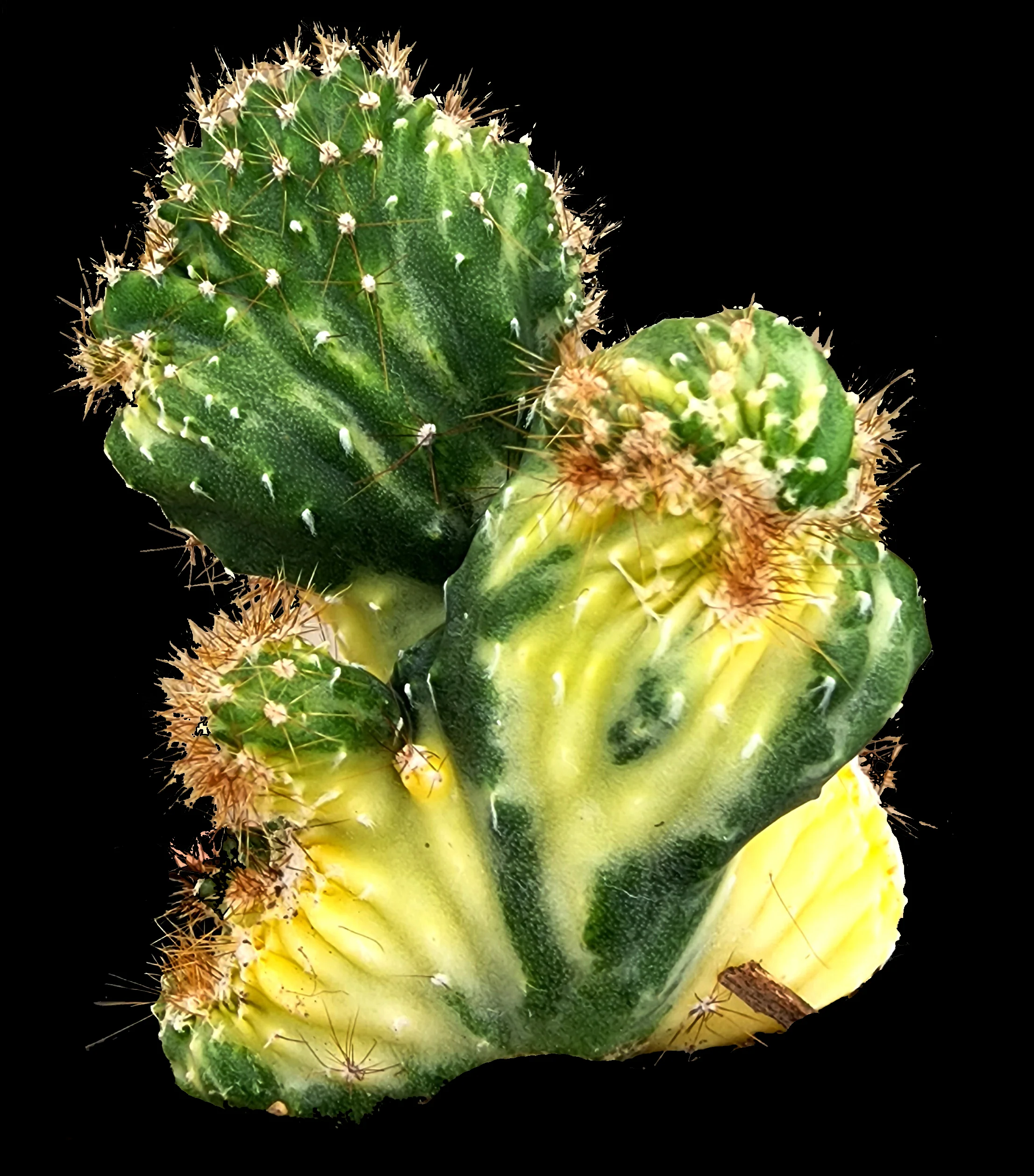
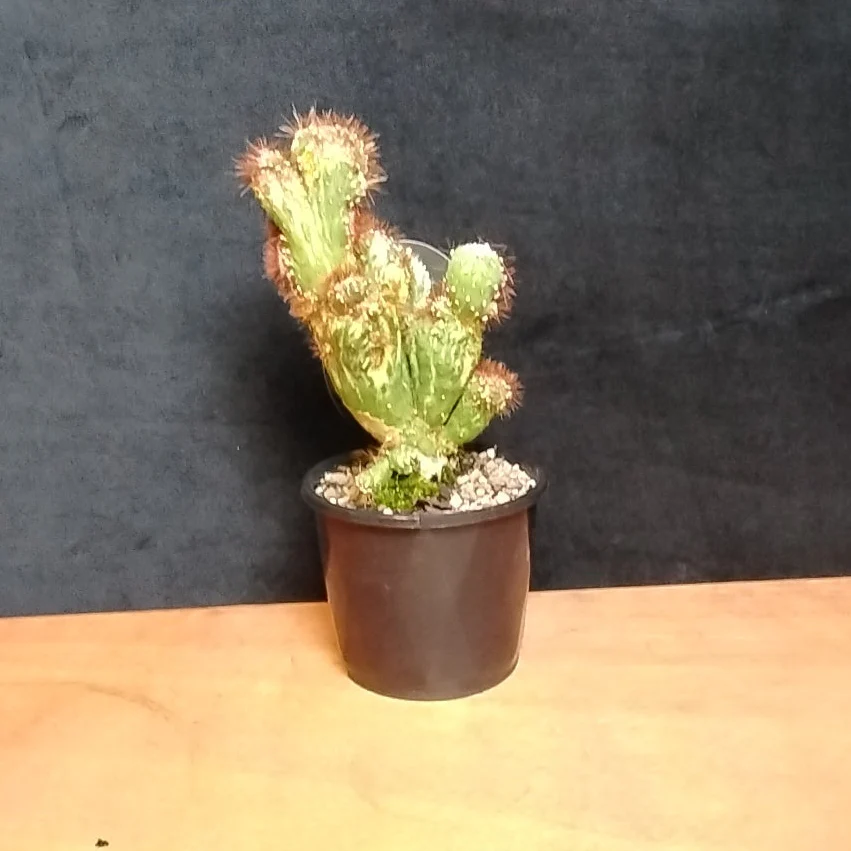
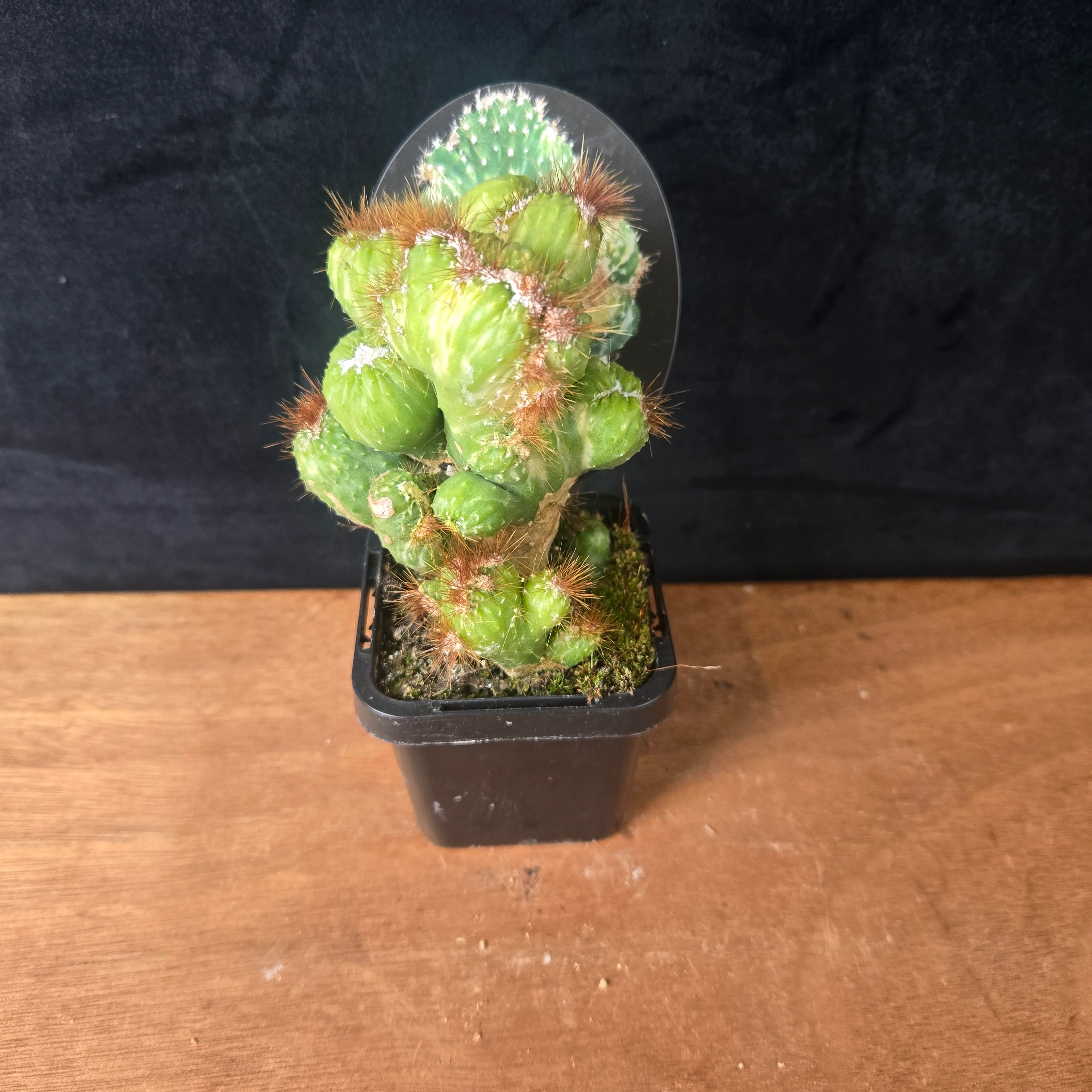
Cereus forbesii Monstrose Variegata is a cultivated form of the South American cactus species, native to Argentina, Bolivia, Paraguay and surrounding regions. The species in the wild develops upright, columnar stems, but in this cultivar the growth is monstrose, producing irregular, twisting forms rather than straight columns. The stems are marked by variegation, showing contrasting sectors of green, cream, and sometimes yellow. Spines occur from the areoles, generally shorter than in the typical species, and the overall form is more compact and sculptural. While Cereus forbesii is capable of producing large, nocturnal white flowers followed by red fruits, flowering is uncommon in monstrose variegated specimens under cultivation.
Distinctive Features
- Stems: Distinctively twisted and irregular, with variegated shades ranging from creamy-yellow to deep green.
- Spines: Short, sparse spines adding an interesting contrast to its sculptural form.
- Growth Habit: Compact, slow-growing, forming unique sculptural forms ideal for decorative displays.
Care Tips
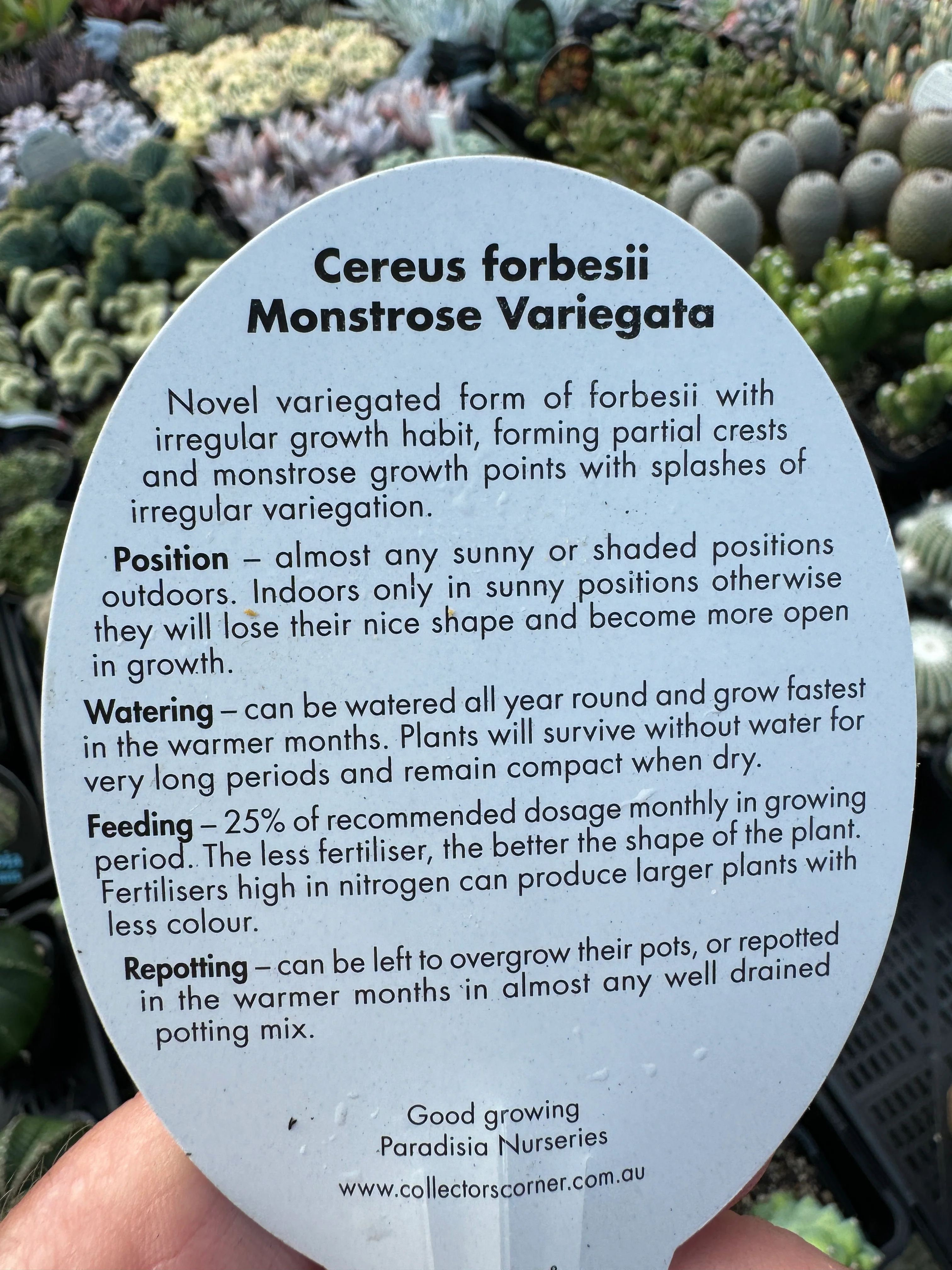
- Light: Prefers bright indirect sunlight or partial shade; avoid intense midday sun to prevent scorching.
- Water: Moderate watering; allow soil to dry thoroughly between waterings and significantly reduce watering in winter.
- Humidity: Ideal in low humidity environments; suited for indoor or dry conditions.
- Temperature: Thrives between 15°C and 28°C; sensitive to frost, protect below 5°C.
- Fertiliser: Feed monthly with a diluted cactus fertiliser during active growth periods.
- Repotting: Repot every 2-3 years, using a well-draining cactus potting mix.
Original: $27.50
-65%$27.50
$9.62More Images
Cereus forbesii monstrose variegata (WA Prohibited)
Cereus forbesii Monstrose Variegata is a cultivated form of the South American cactus species, native to Argentina, Bolivia, Paraguay and surrounding regions. The species in the wild develops upright, columnar stems, but in this cultivar the growth is monstrose, producing irregular, twisting forms rather than straight columns. The stems are marked by variegation, showing contrasting sectors of green, cream, and sometimes yellow. Spines occur from the areoles, generally shorter than in the typical species, and the overall form is more compact and sculptural. While Cereus forbesii is capable of producing large, nocturnal white flowers followed by red fruits, flowering is uncommon in monstrose variegated specimens under cultivation.
Distinctive Features
- Stems: Distinctively twisted and irregular, with variegated shades ranging from creamy-yellow to deep green.
- Spines: Short, sparse spines adding an interesting contrast to its sculptural form.
- Growth Habit: Compact, slow-growing, forming unique sculptural forms ideal for decorative displays.
Care Tips
- Light: Prefers bright indirect sunlight or partial shade; avoid intense midday sun to prevent scorching.
- Water: Moderate watering; allow soil to dry thoroughly between waterings and significantly reduce watering in winter.
- Humidity: Ideal in low humidity environments; suited for indoor or dry conditions.
- Temperature: Thrives between 15°C and 28°C; sensitive to frost, protect below 5°C.
- Fertiliser: Feed monthly with a diluted cactus fertiliser during active growth periods.
- Repotting: Repot every 2-3 years, using a well-draining cactus potting mix.
Product Information
Product Information
Shipping & Returns
Shipping & Returns
Description
Cereus forbesii Monstrose Variegata is a cultivated form of the South American cactus species, native to Argentina, Bolivia, Paraguay and surrounding regions. The species in the wild develops upright, columnar stems, but in this cultivar the growth is monstrose, producing irregular, twisting forms rather than straight columns. The stems are marked by variegation, showing contrasting sectors of green, cream, and sometimes yellow. Spines occur from the areoles, generally shorter than in the typical species, and the overall form is more compact and sculptural. While Cereus forbesii is capable of producing large, nocturnal white flowers followed by red fruits, flowering is uncommon in monstrose variegated specimens under cultivation.
Distinctive Features
- Stems: Distinctively twisted and irregular, with variegated shades ranging from creamy-yellow to deep green.
- Spines: Short, sparse spines adding an interesting contrast to its sculptural form.
- Growth Habit: Compact, slow-growing, forming unique sculptural forms ideal for decorative displays.
Care Tips
- Light: Prefers bright indirect sunlight or partial shade; avoid intense midday sun to prevent scorching.
- Water: Moderate watering; allow soil to dry thoroughly between waterings and significantly reduce watering in winter.
- Humidity: Ideal in low humidity environments; suited for indoor or dry conditions.
- Temperature: Thrives between 15°C and 28°C; sensitive to frost, protect below 5°C.
- Fertiliser: Feed monthly with a diluted cactus fertiliser during active growth periods.
- Repotting: Repot every 2-3 years, using a well-draining cactus potting mix.