Coryphantha elephantidens – Elephant's Tooth Cactus
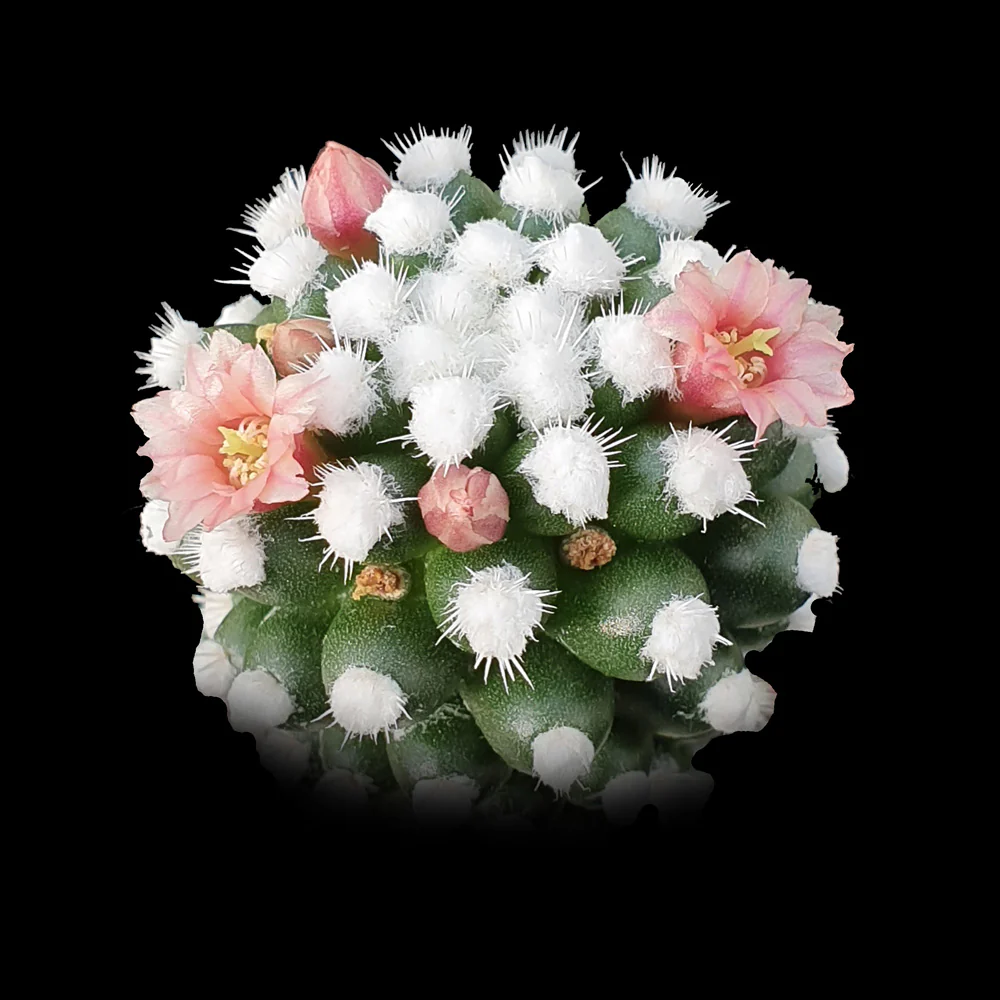
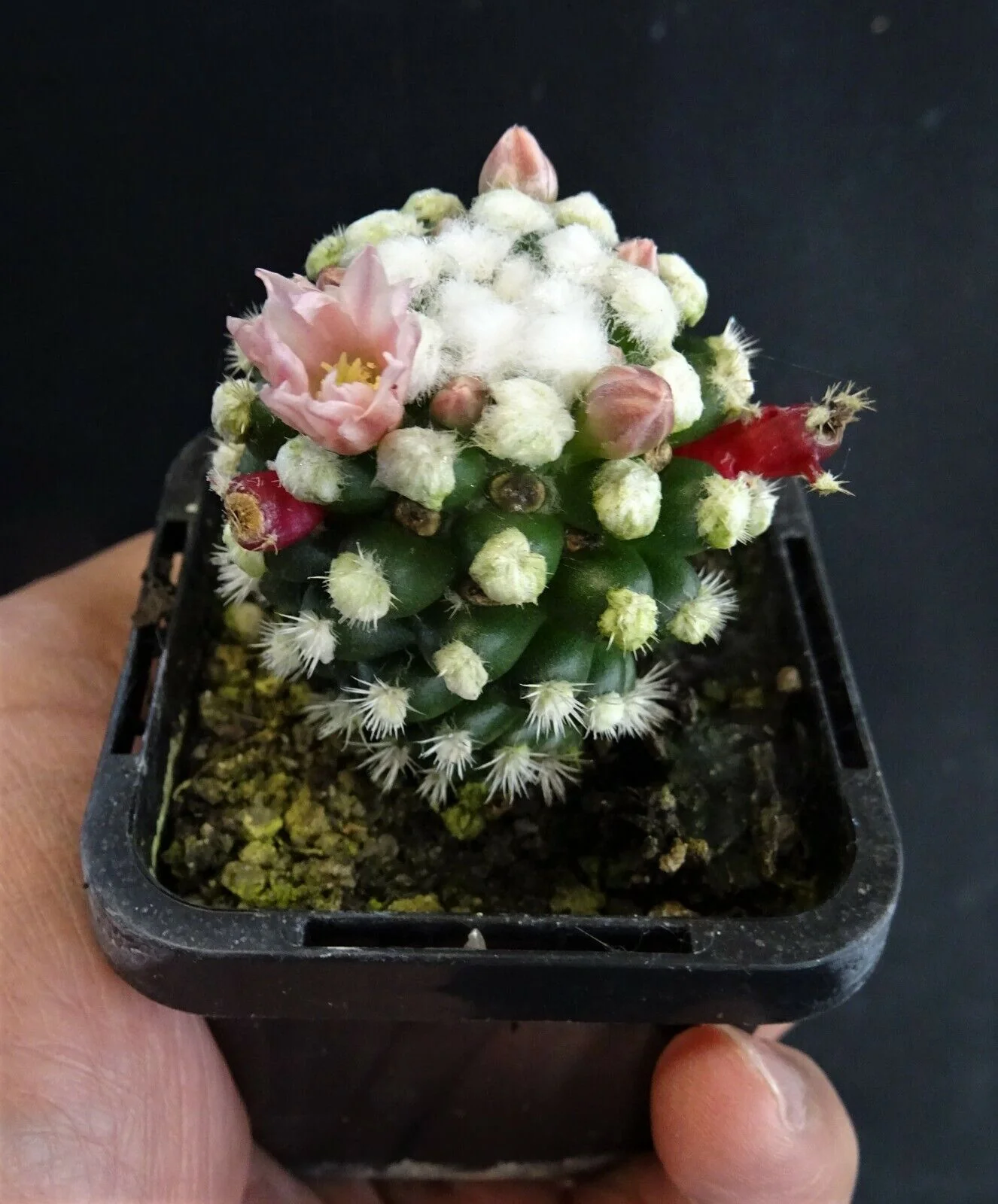
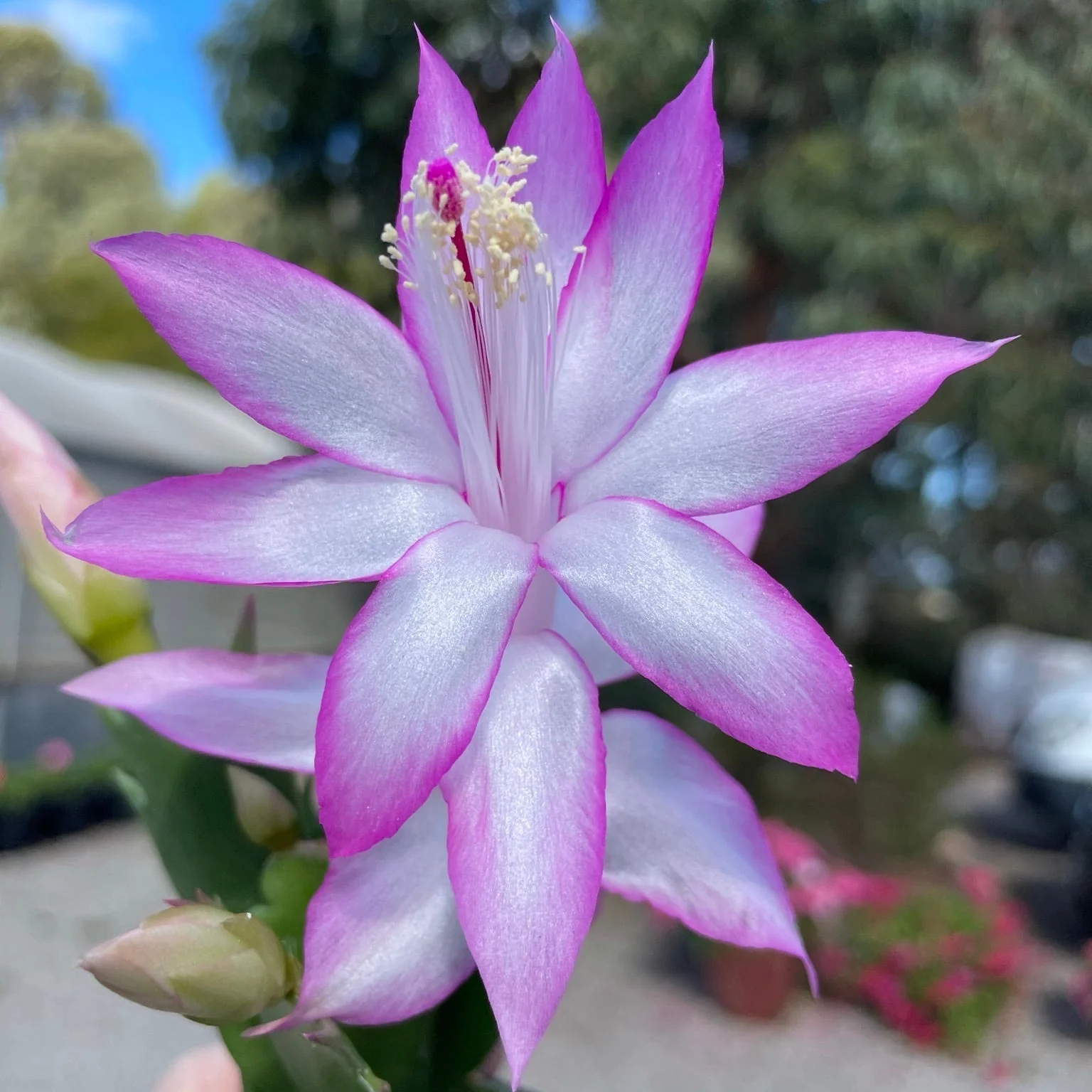
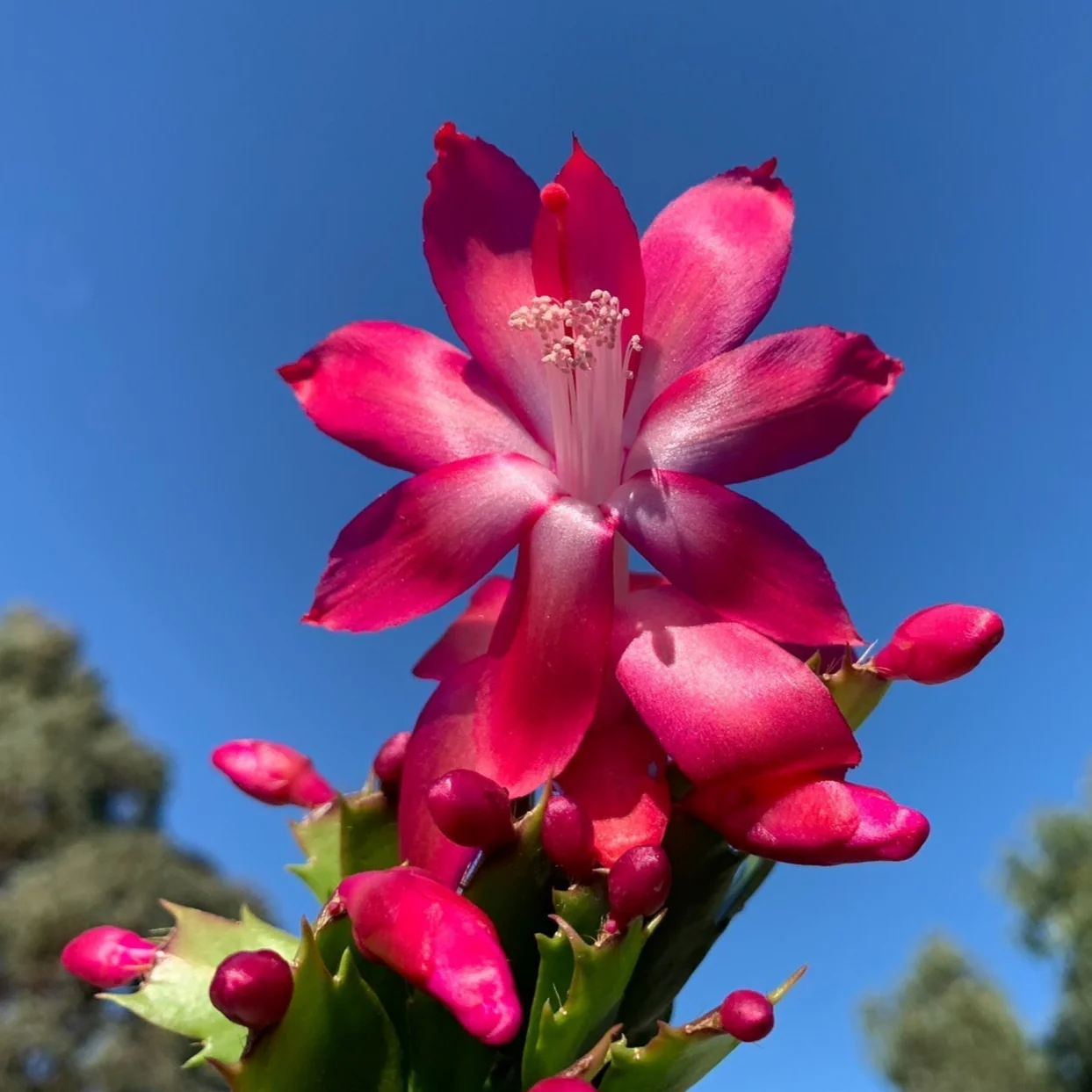
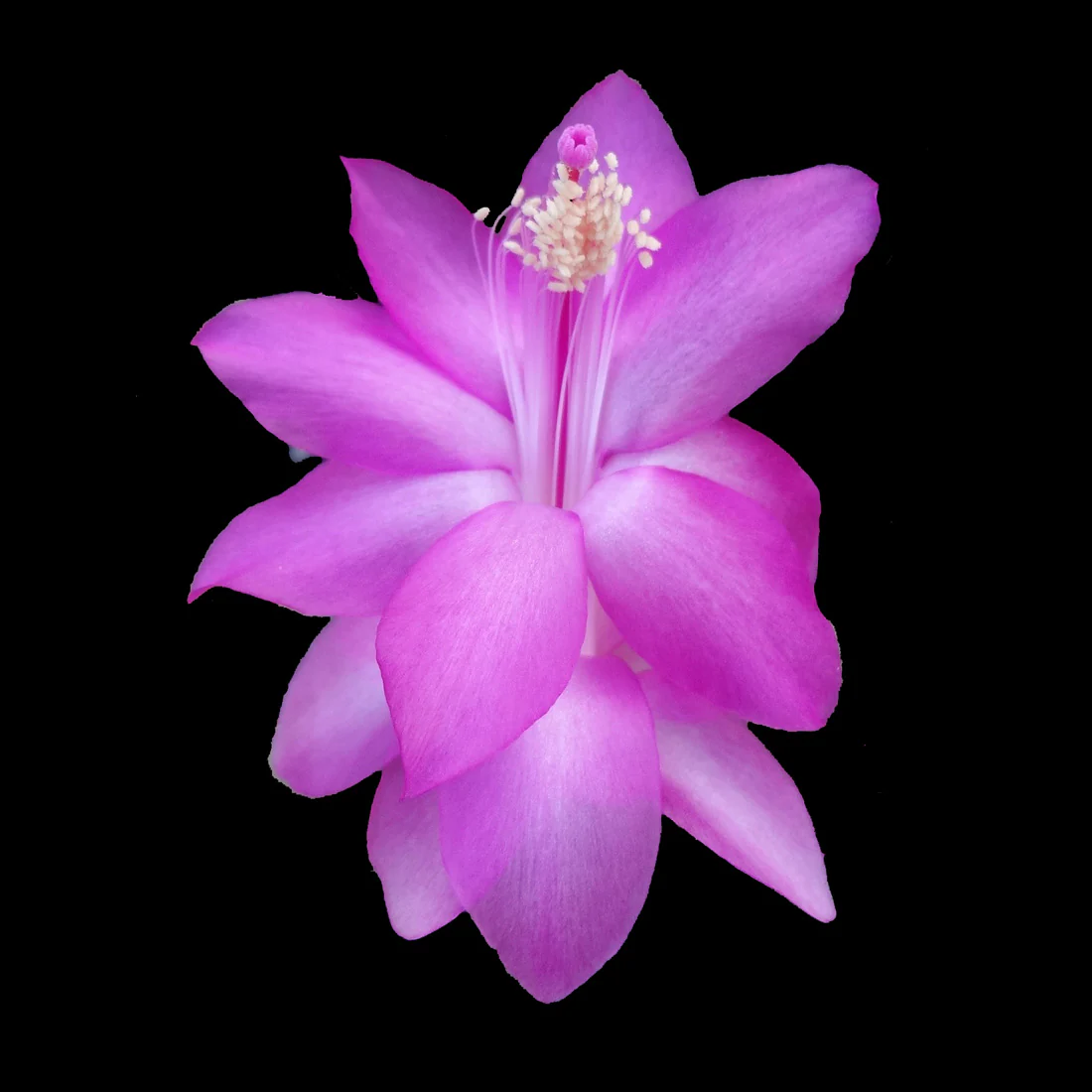
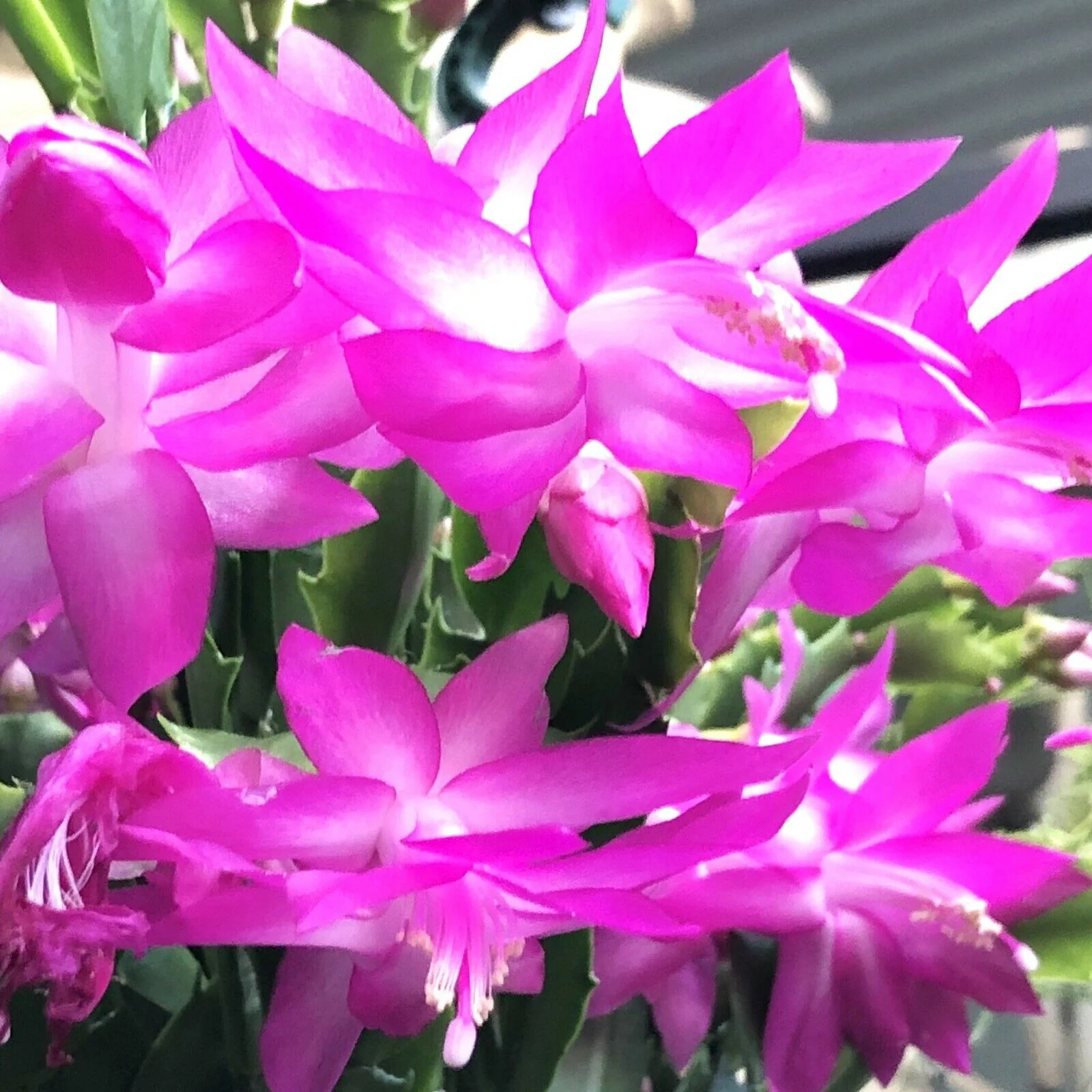
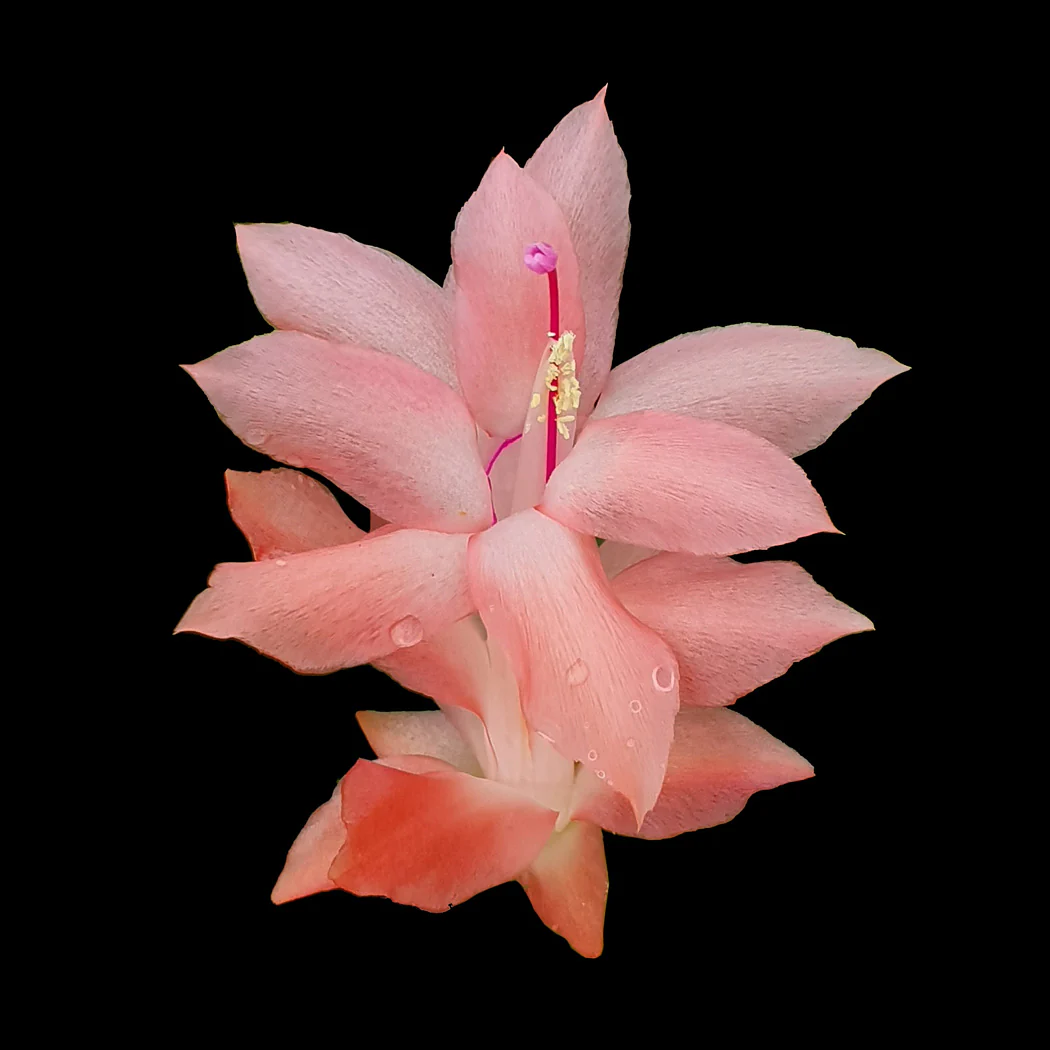
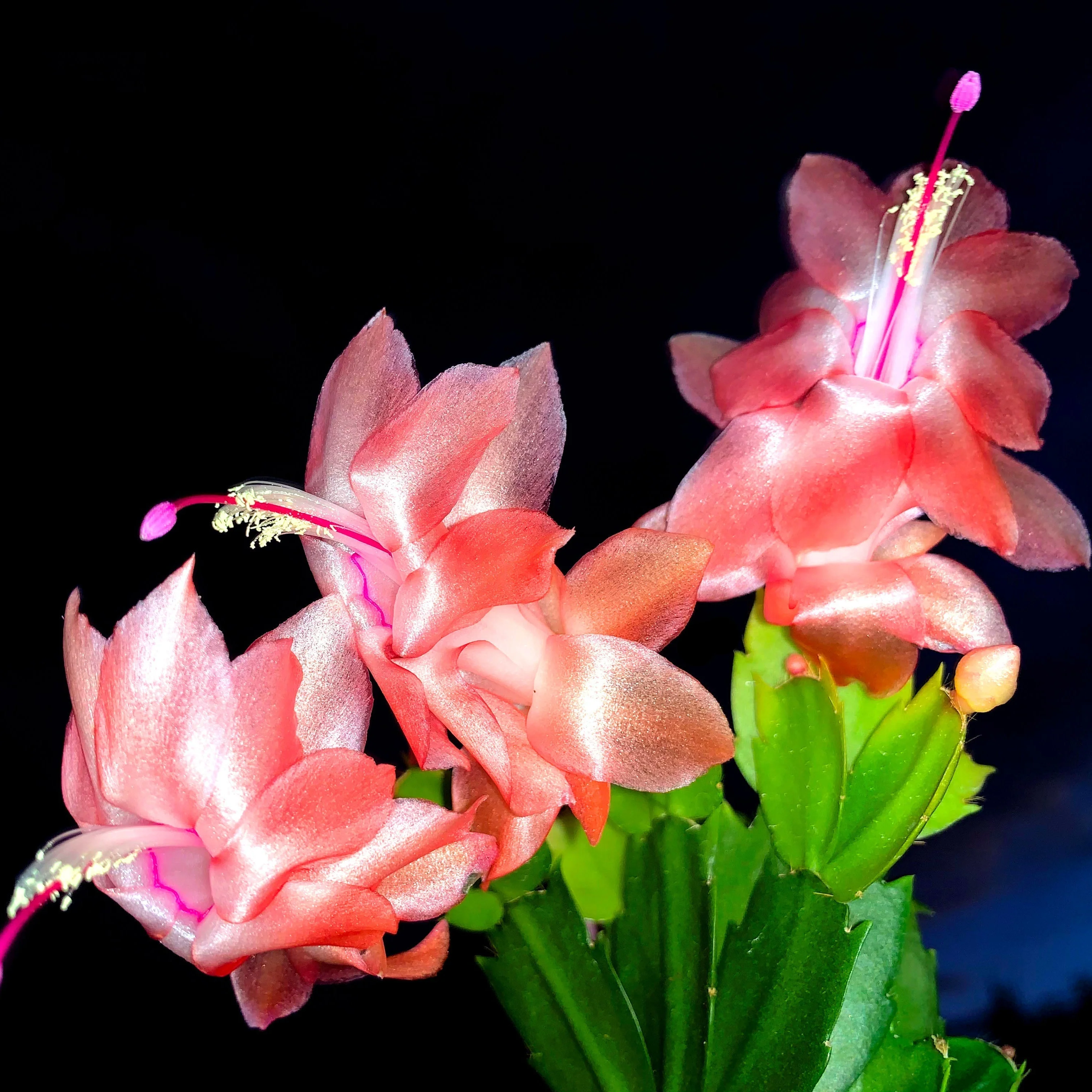
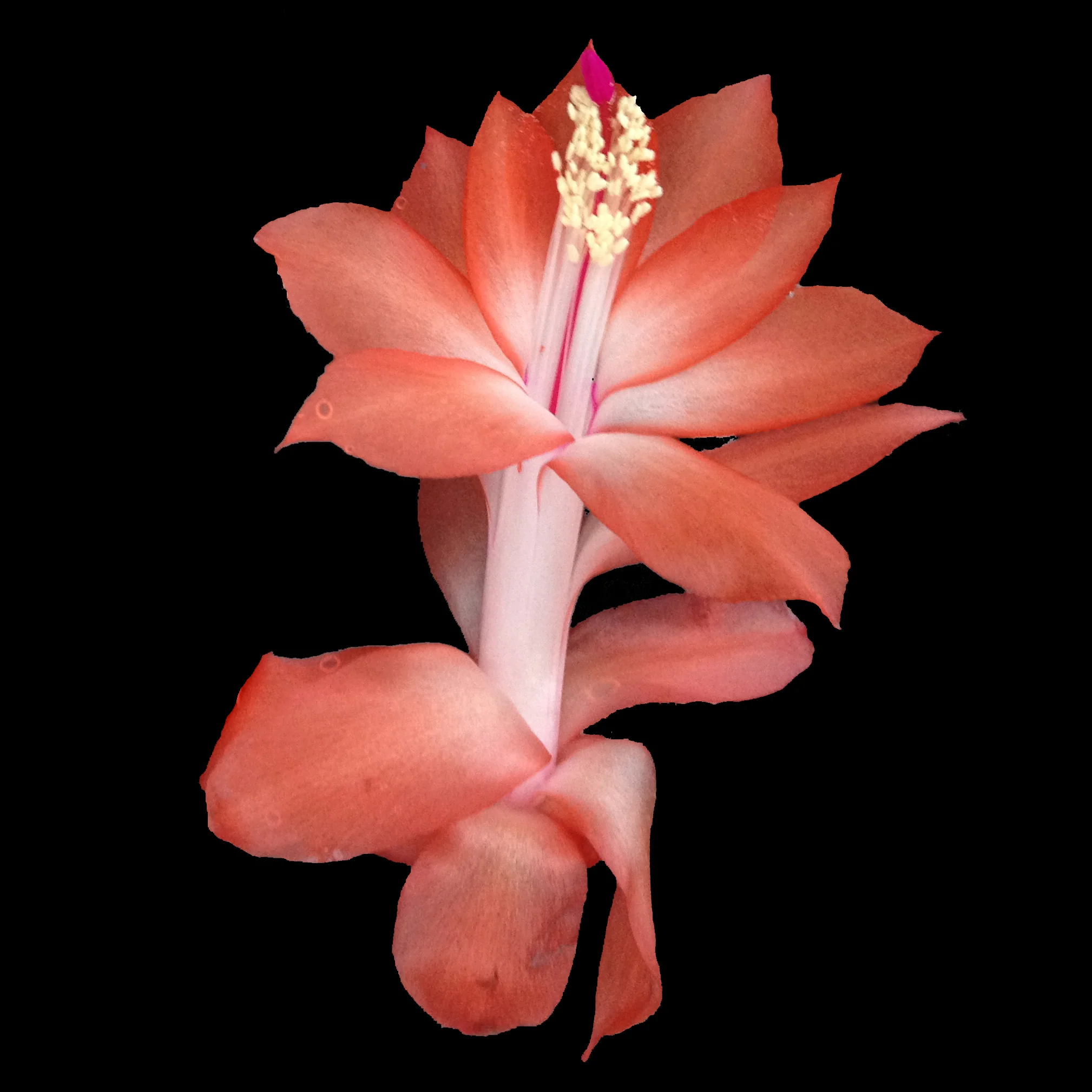
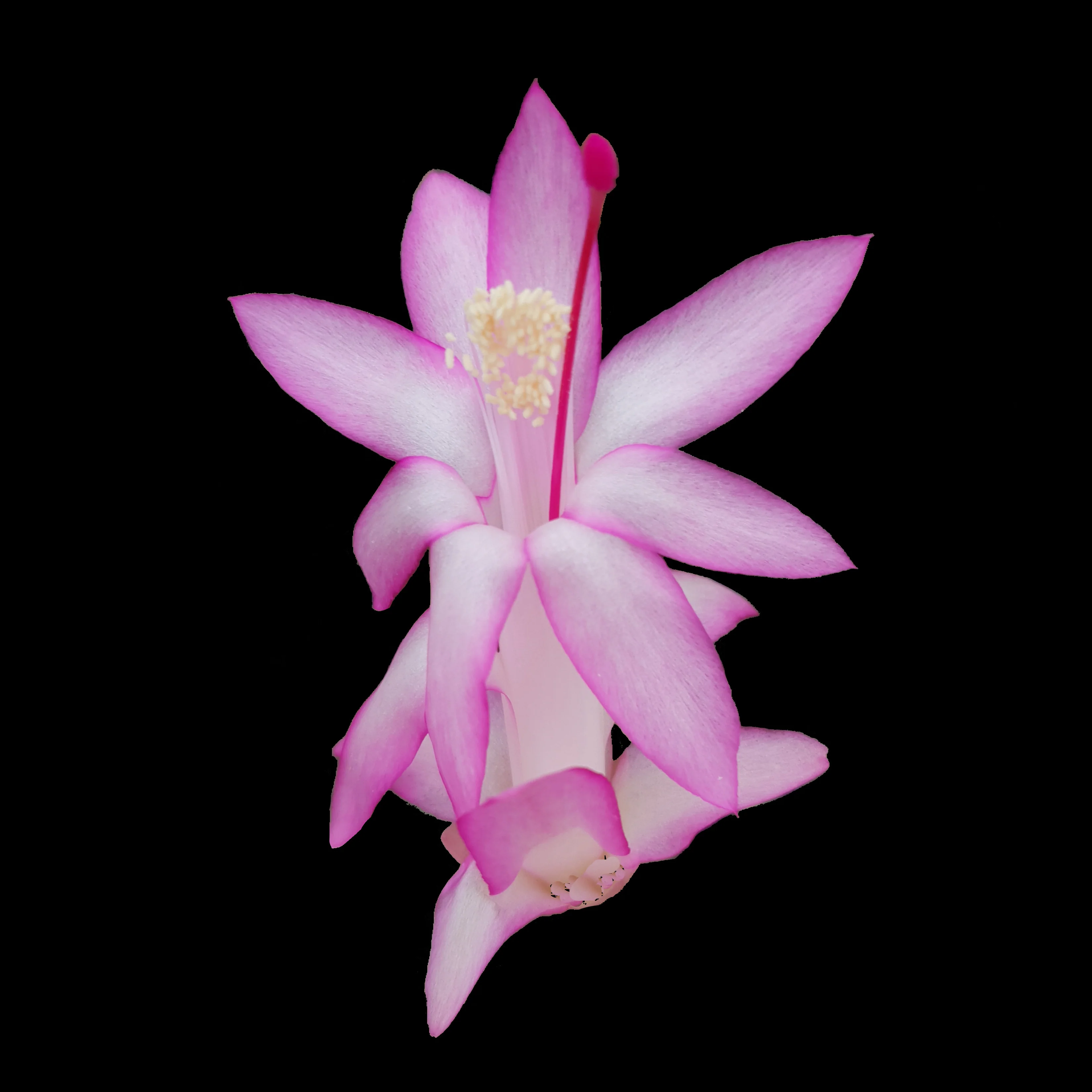
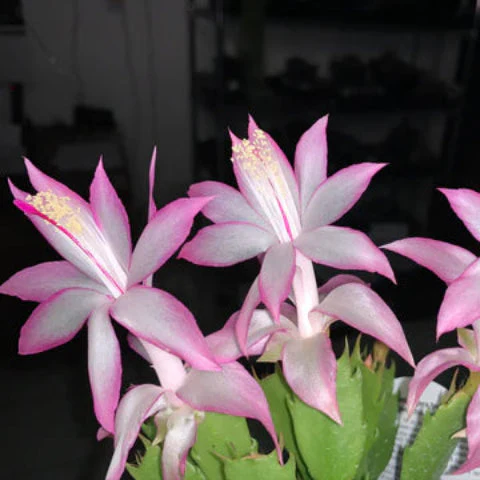
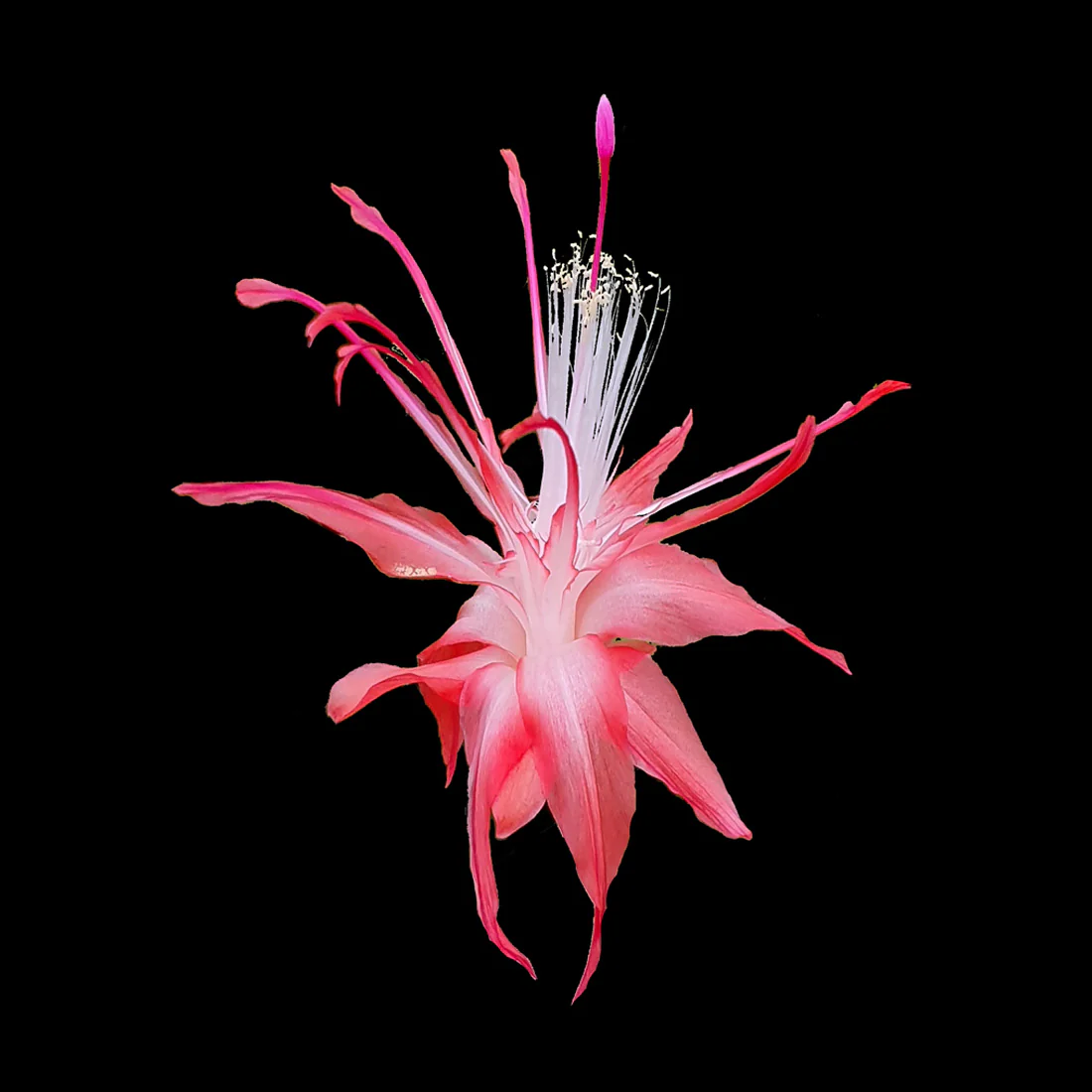
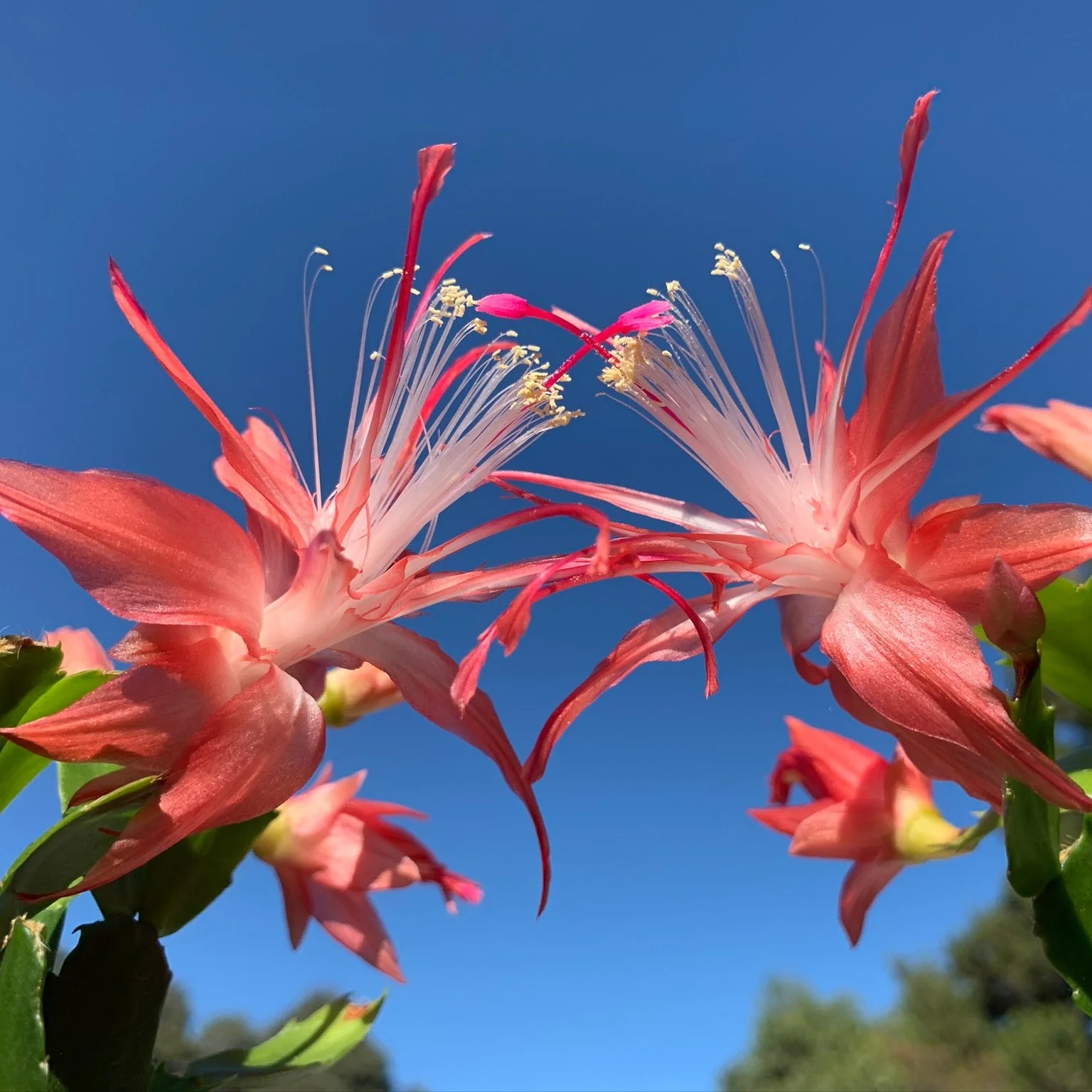
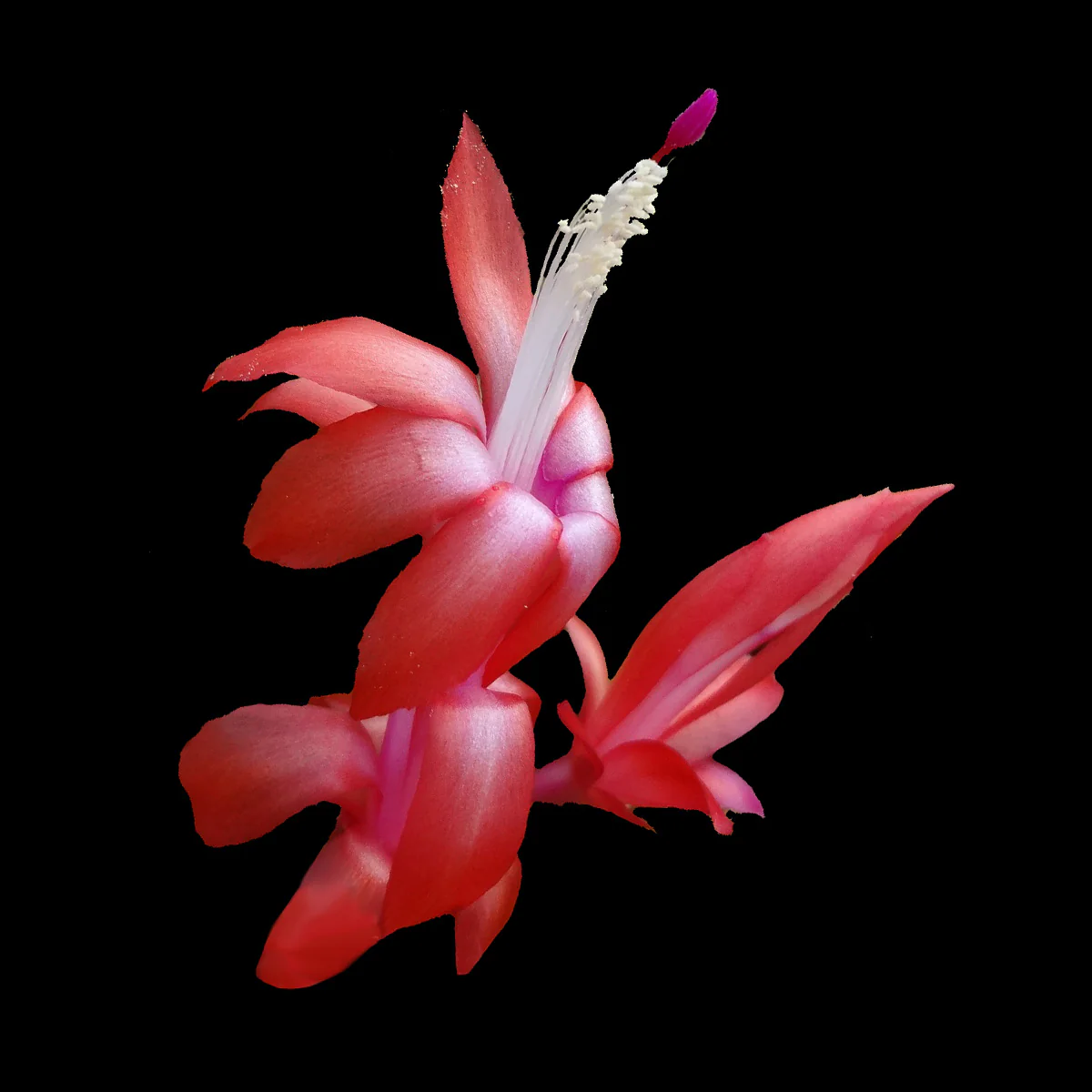
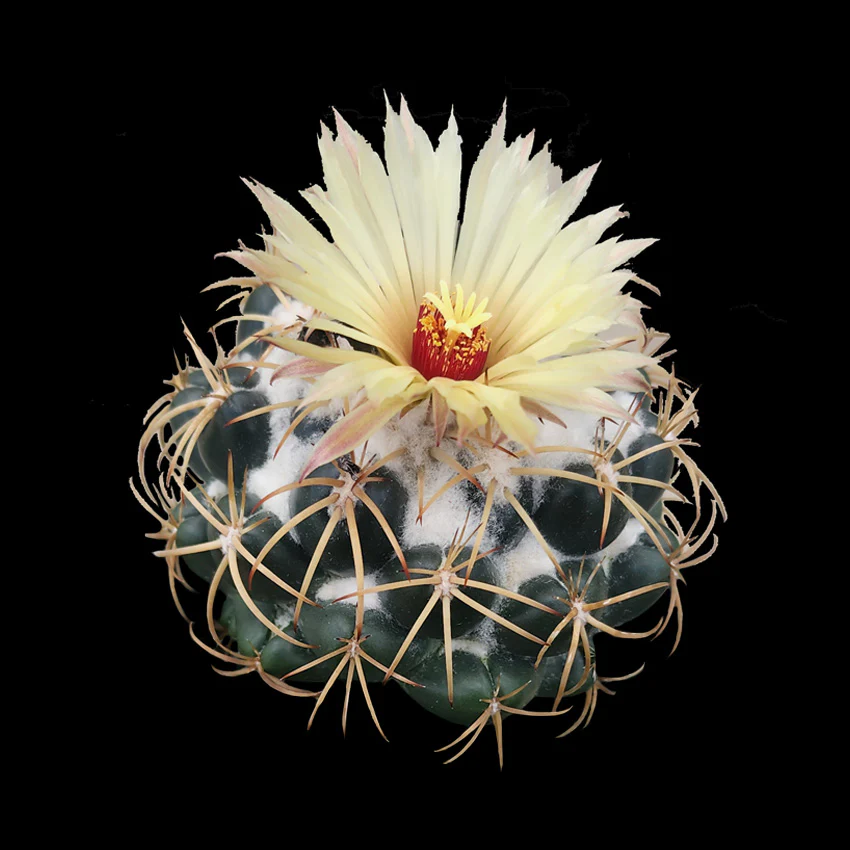
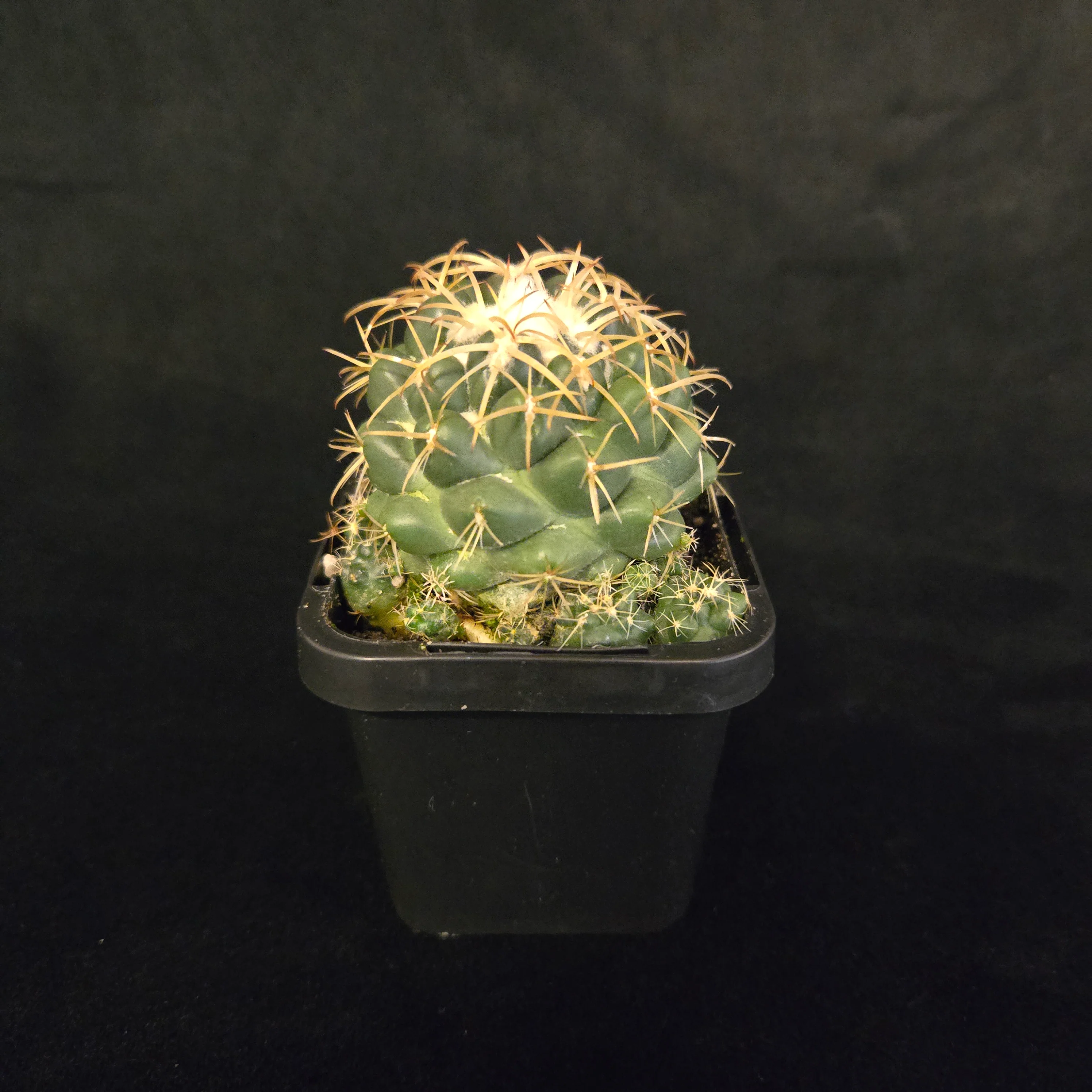
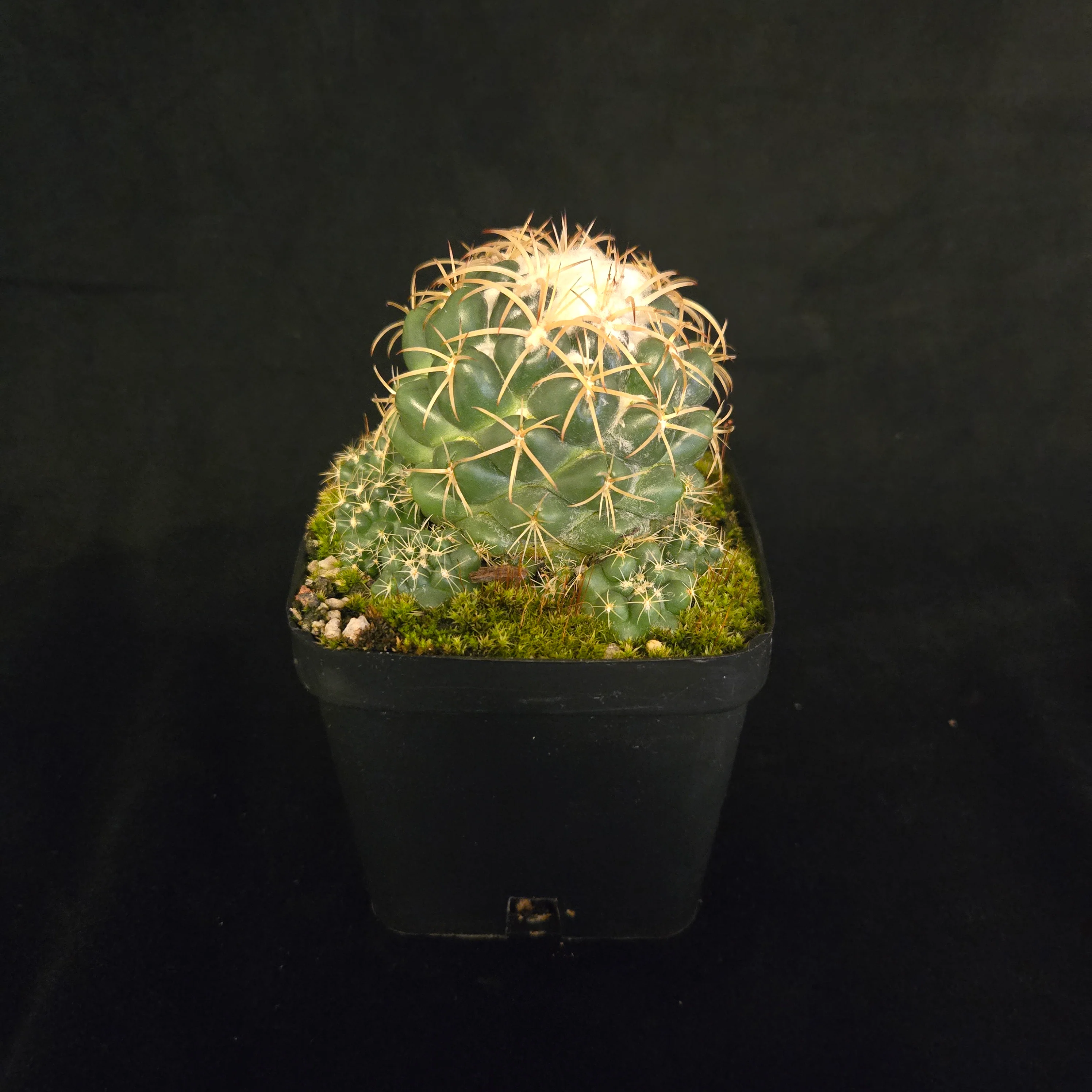
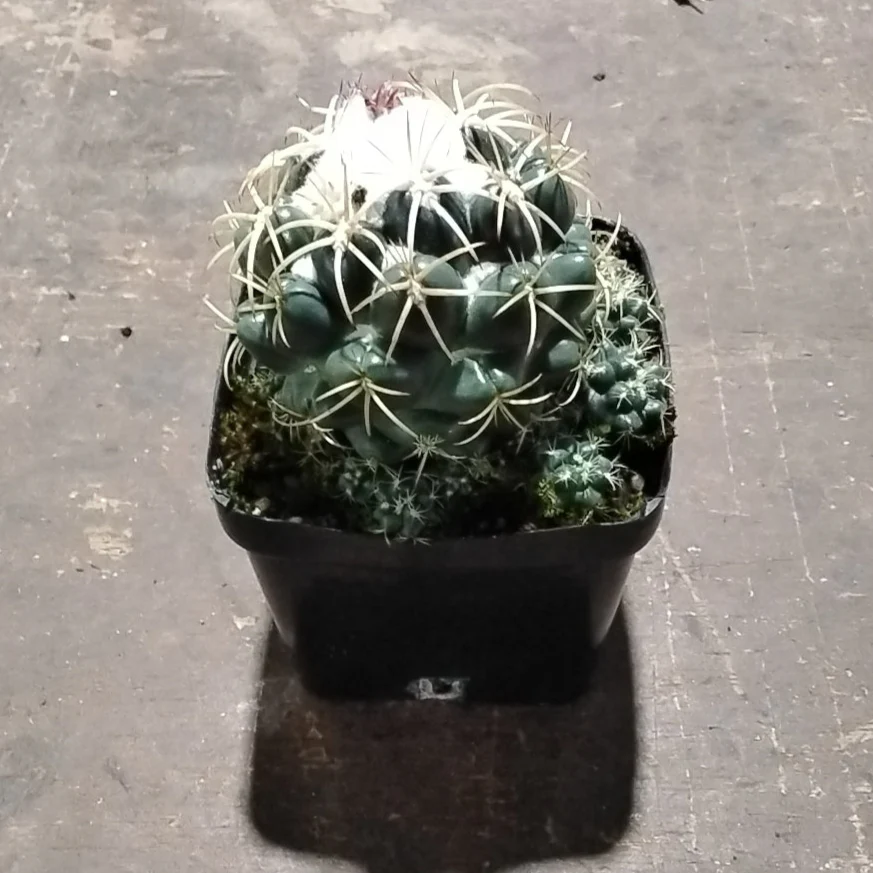
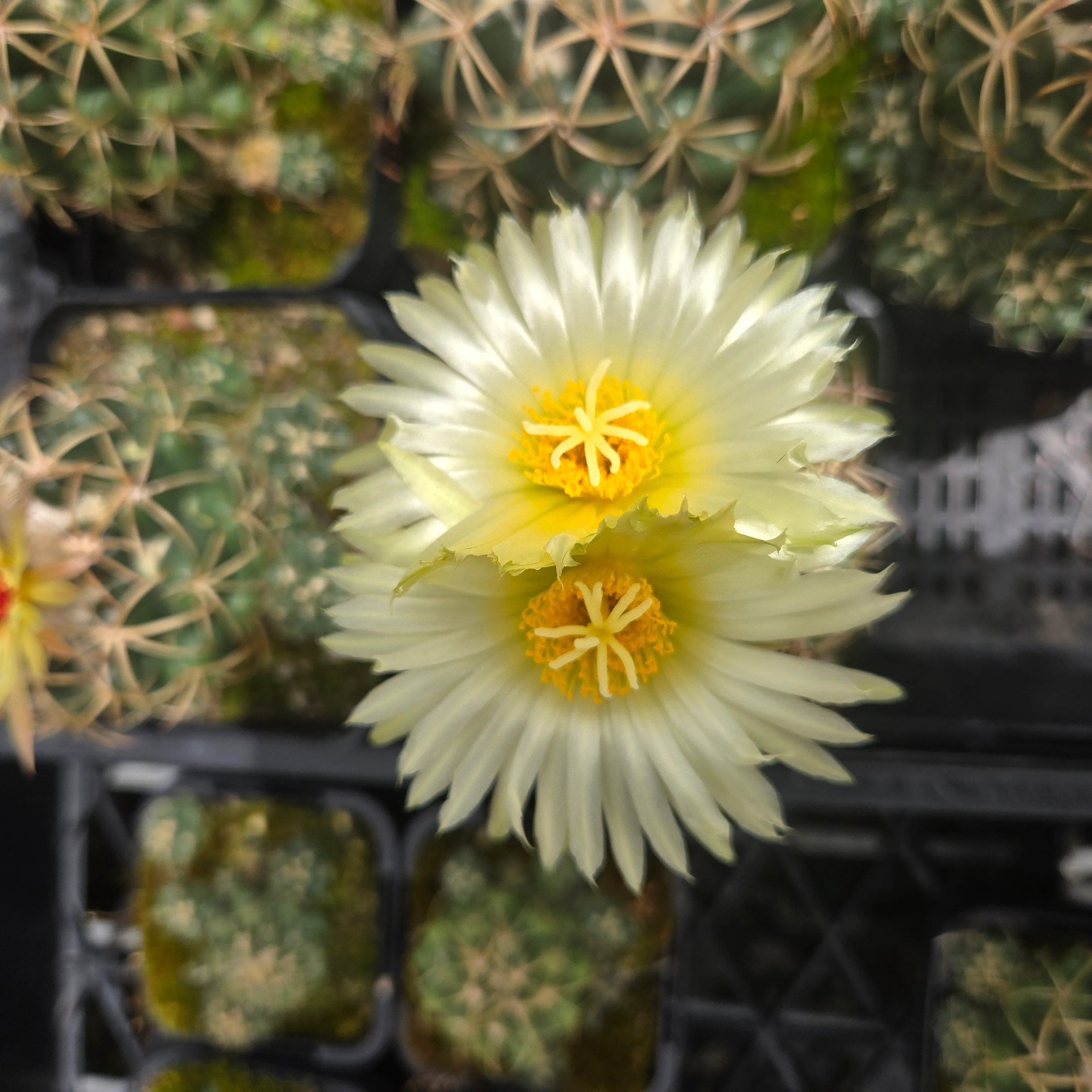
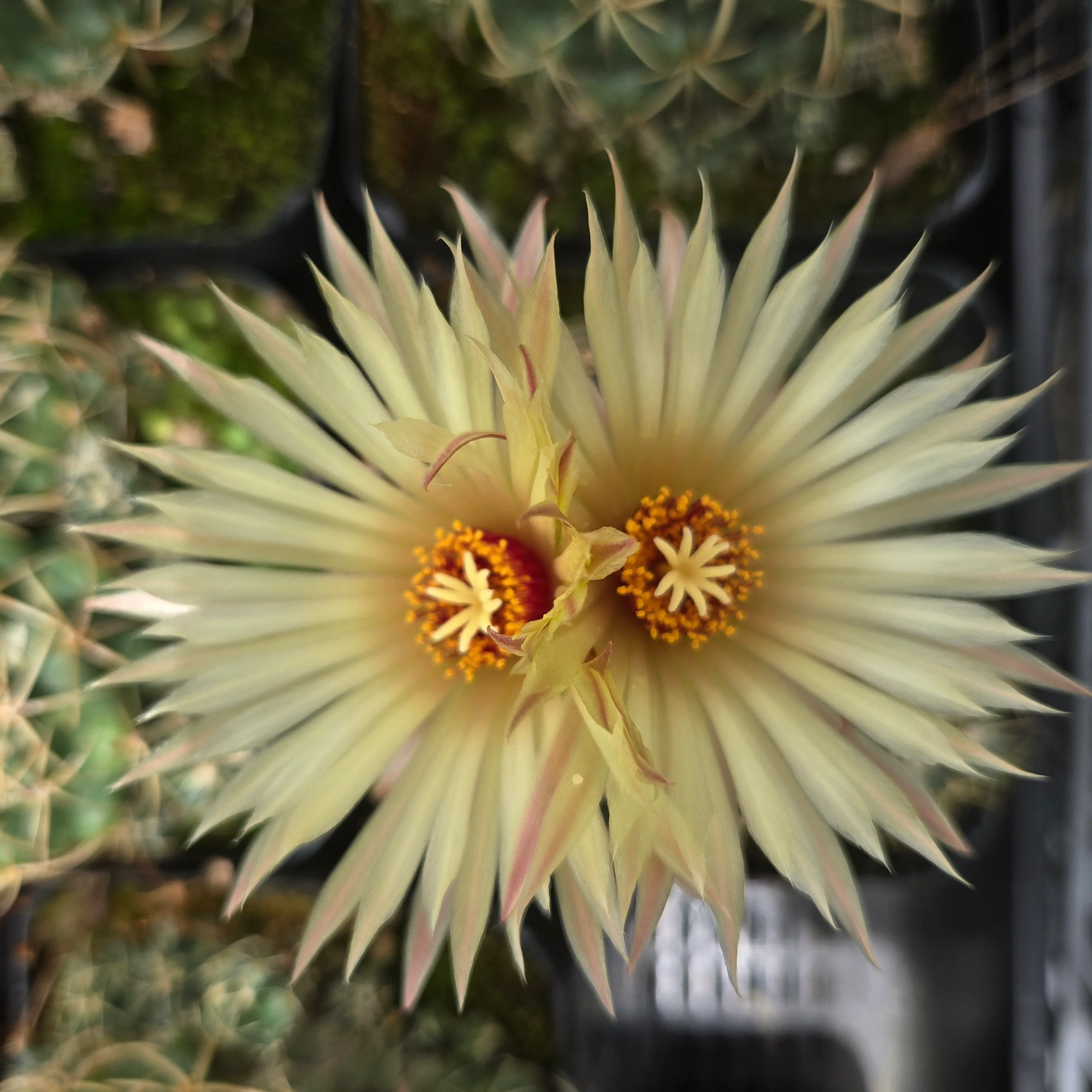
Coryphantha elephantidens is a globose to shortly cylindrical cactus native to central Mexico, where it grows in rocky soils at moderate elevations. The species is named for its distinctive, large rounded tubercles, whose shape and texture are reminiscent of elephant molars — a feature that gives rise to the name "elephant tooth". Unlike ribbed cacti, it displays spiralled rows of these fleshy tubercles, each tipped with an areole bearing short, pale spines. In summer, the plant produces large, funnel-shaped flowers in bright pink to magenta, often with a pale throat. Mature specimens may occasionally produce basal offsets, forming low clusters over time.
Care Tips:
- Light – Requires full sun to light shade; strong light encourages flowering and maintains compact growth.
- Water – Water deeply but infrequently during the growing season; allow the soil to dry completely between waterings. Keep dry in winter.
- Humidity – Prefers arid to semi-arid conditions and tolerates low humidity well.
- Media – Use a sharply draining cactus mix with added coarse sand, grit, or pumice.
- Temperature – Best grown between 15–30 °C; avoid frost and excessive moisture in cold conditions.
- Fertiliser – Feed with a low-nitrogen cactus fertiliser monthly during active growth; withhold in winter.
- Repotting – Repot every 2–3 years or when outgrowing its container; take care not to bruise the tubercles.
More Images
Coryphantha elephantidens – Elephant's Tooth Cactus
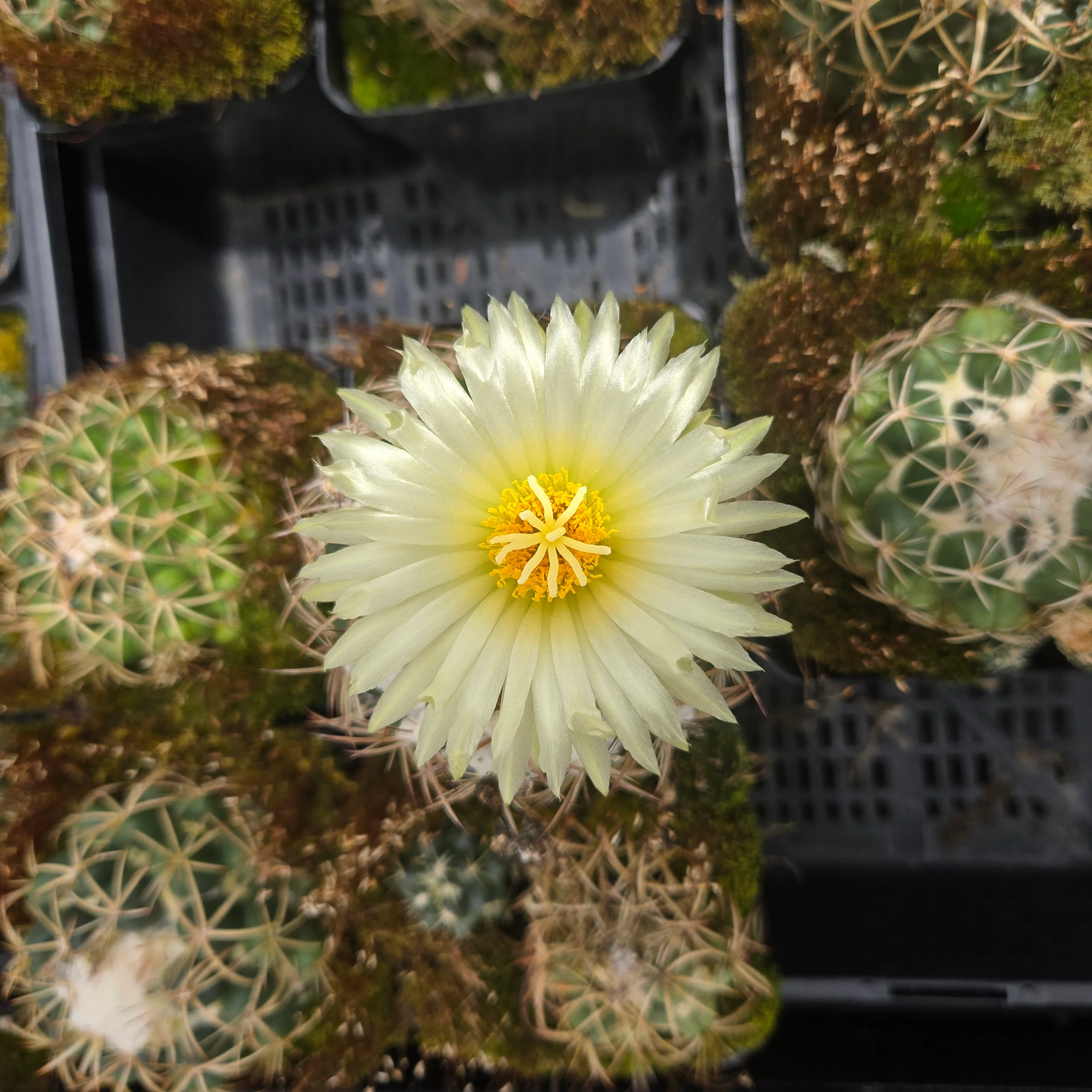
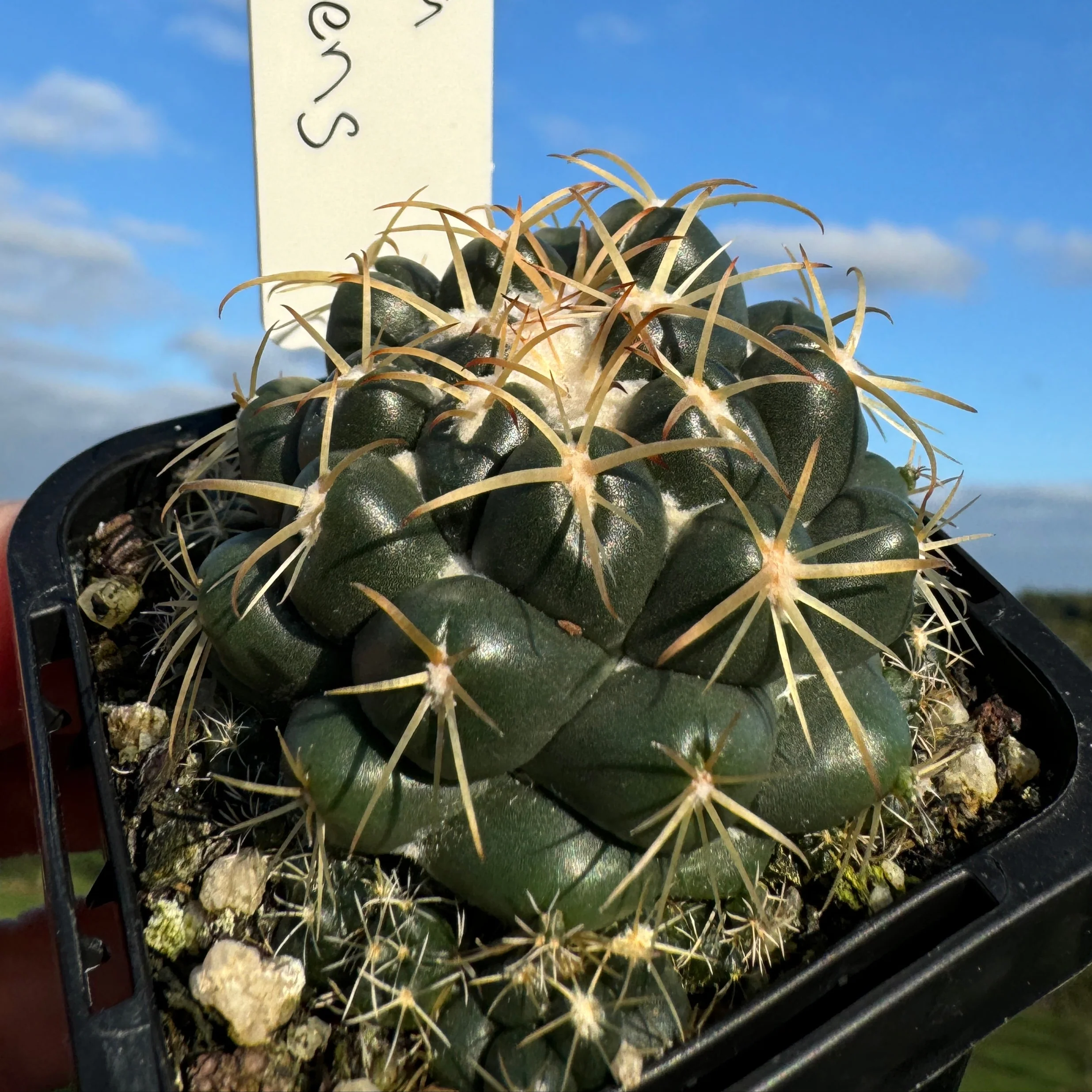
Coryphantha elephantidens is a globose to shortly cylindrical cactus native to central Mexico, where it grows in rocky soils at moderate elevations. The species is named for its distinctive, large rounded tubercles, whose shape and texture are reminiscent of elephant molars — a feature that gives rise to the name "elephant tooth". Unlike ribbed cacti, it displays spiralled rows of these fleshy tubercles, each tipped with an areole bearing short, pale spines. In summer, the plant produces large, funnel-shaped flowers in bright pink to magenta, often with a pale throat. Mature specimens may occasionally produce basal offsets, forming low clusters over time.
Care Tips:
- Light – Requires full sun to light shade; strong light encourages flowering and maintains compact growth.
- Water – Water deeply but infrequently during the growing season; allow the soil to dry completely between waterings. Keep dry in winter.
- Humidity – Prefers arid to semi-arid conditions and tolerates low humidity well.
- Media – Use a sharply draining cactus mix with added coarse sand, grit, or pumice.
- Temperature – Best grown between 15–30 °C; avoid frost and excessive moisture in cold conditions.
- Fertiliser – Feed with a low-nitrogen cactus fertiliser monthly during active growth; withhold in winter.
- Repotting – Repot every 2–3 years or when outgrowing its container; take care not to bruise the tubercles.
Product Information
Product Information
Shipping & Returns
Shipping & Returns
Description
Coryphantha elephantidens is a globose to shortly cylindrical cactus native to central Mexico, where it grows in rocky soils at moderate elevations. The species is named for its distinctive, large rounded tubercles, whose shape and texture are reminiscent of elephant molars — a feature that gives rise to the name "elephant tooth". Unlike ribbed cacti, it displays spiralled rows of these fleshy tubercles, each tipped with an areole bearing short, pale spines. In summer, the plant produces large, funnel-shaped flowers in bright pink to magenta, often with a pale throat. Mature specimens may occasionally produce basal offsets, forming low clusters over time.
Care Tips:
- Light – Requires full sun to light shade; strong light encourages flowering and maintains compact growth.
- Water – Water deeply but infrequently during the growing season; allow the soil to dry completely between waterings. Keep dry in winter.
- Humidity – Prefers arid to semi-arid conditions and tolerates low humidity well.
- Media – Use a sharply draining cactus mix with added coarse sand, grit, or pumice.
- Temperature – Best grown between 15–30 °C; avoid frost and excessive moisture in cold conditions.
- Fertiliser – Feed with a low-nitrogen cactus fertiliser monthly during active growth; withhold in winter.
- Repotting – Repot every 2–3 years or when outgrowing its container; take care not to bruise the tubercles.