Cymbidium dayanum
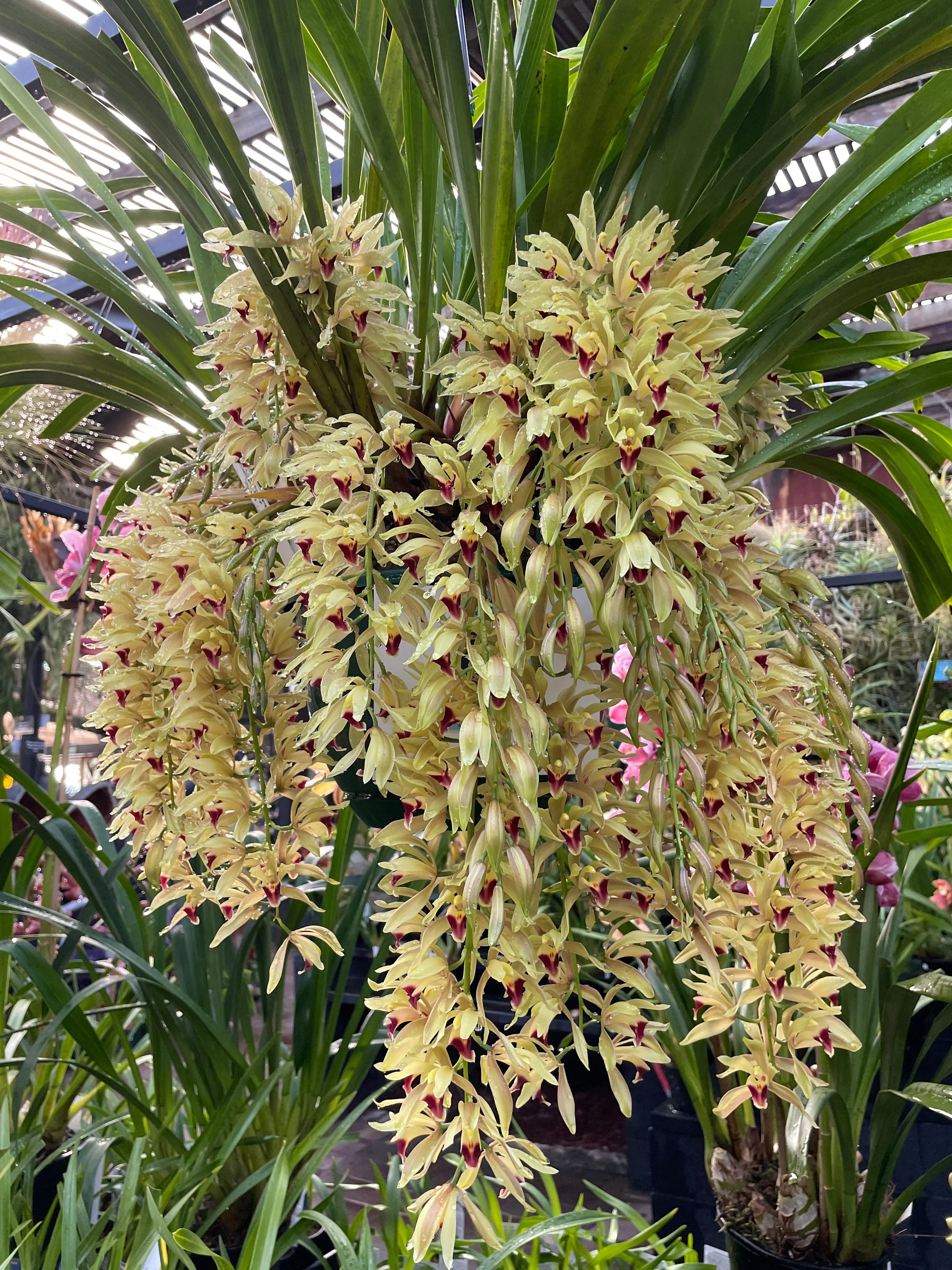
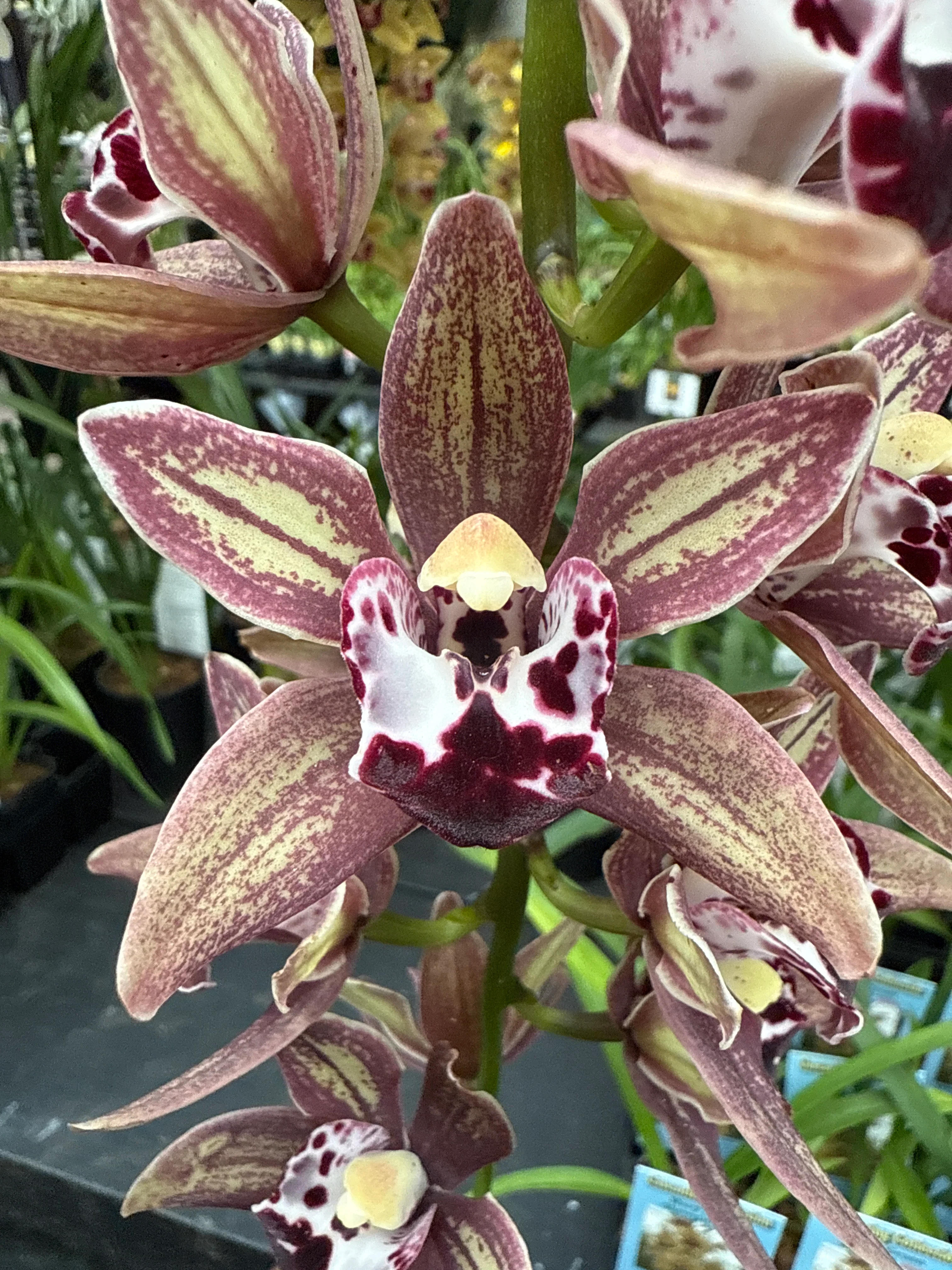
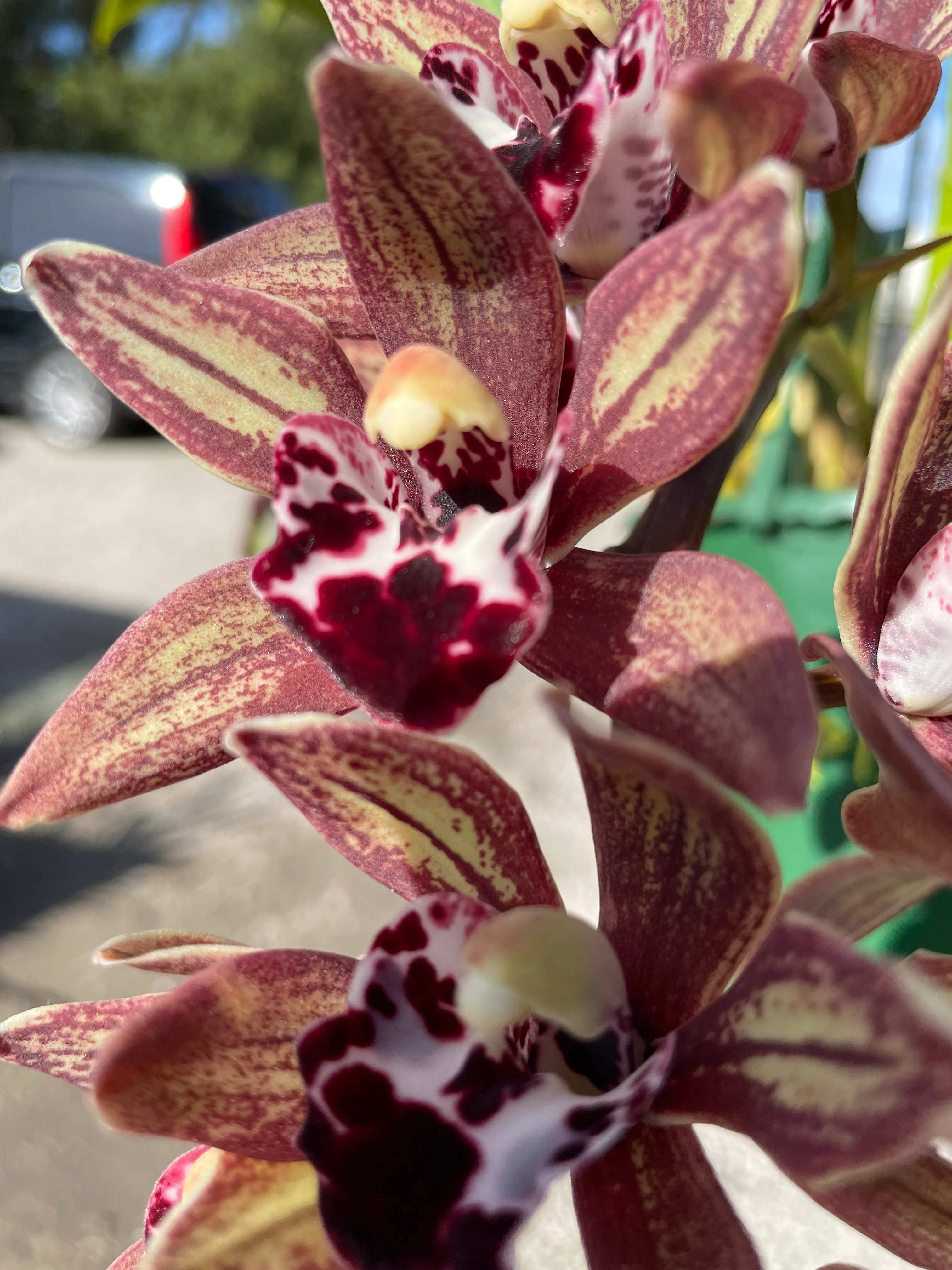
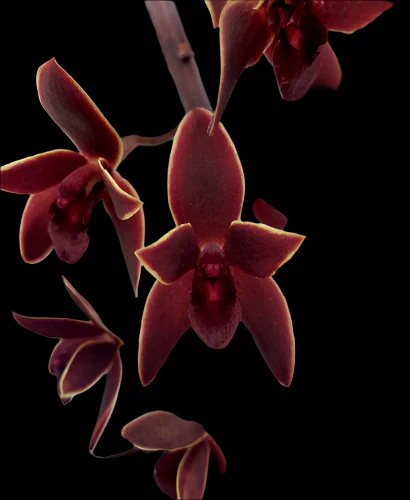
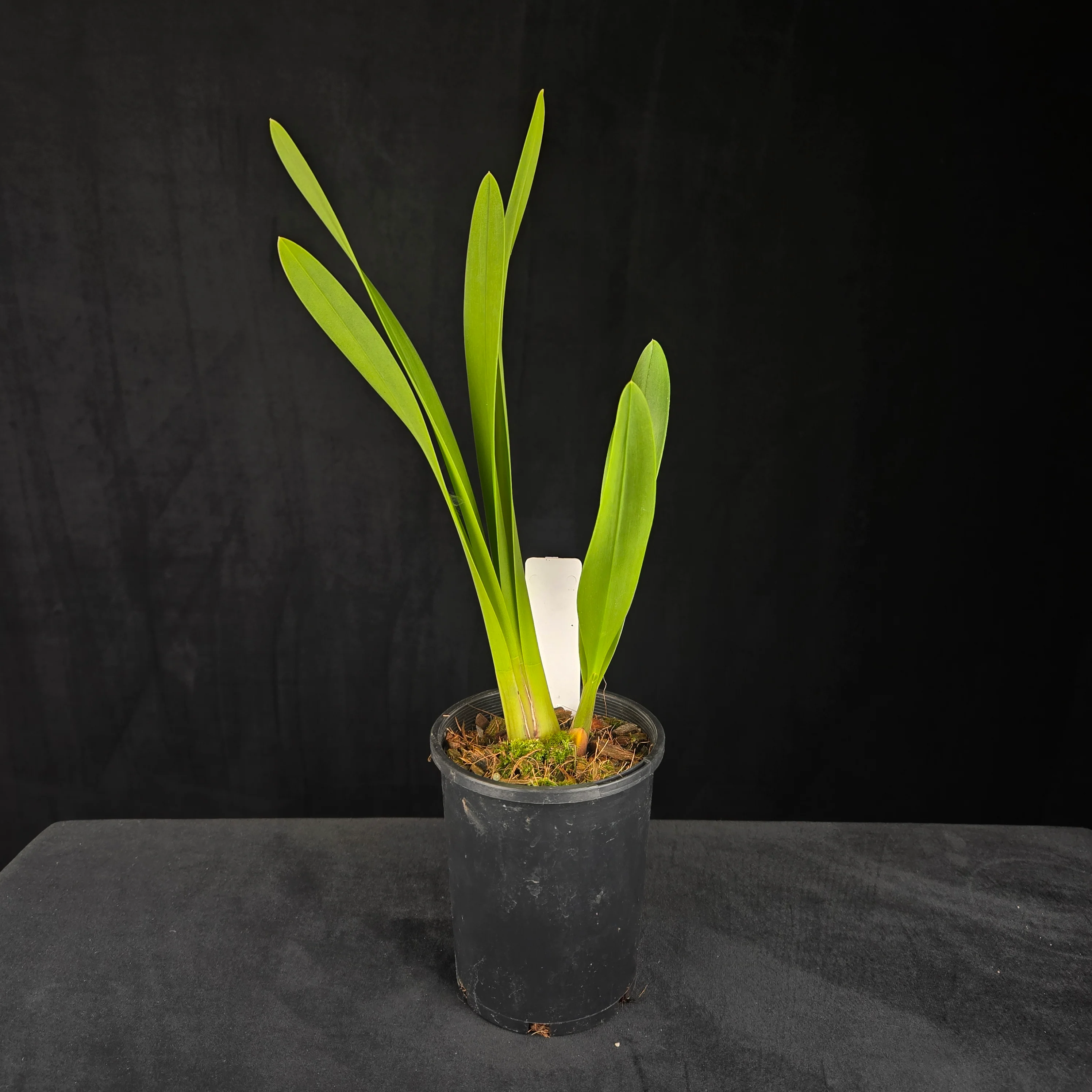
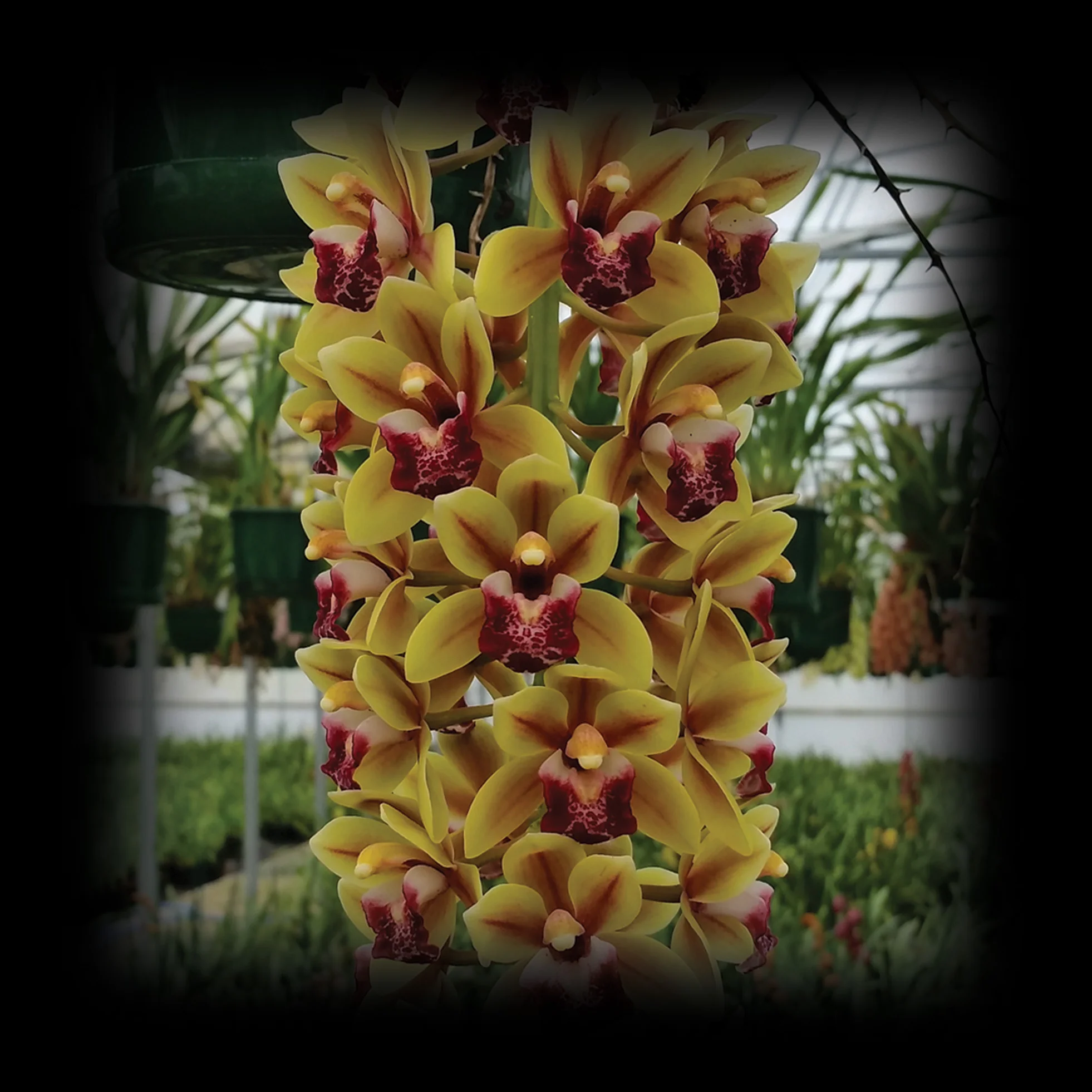
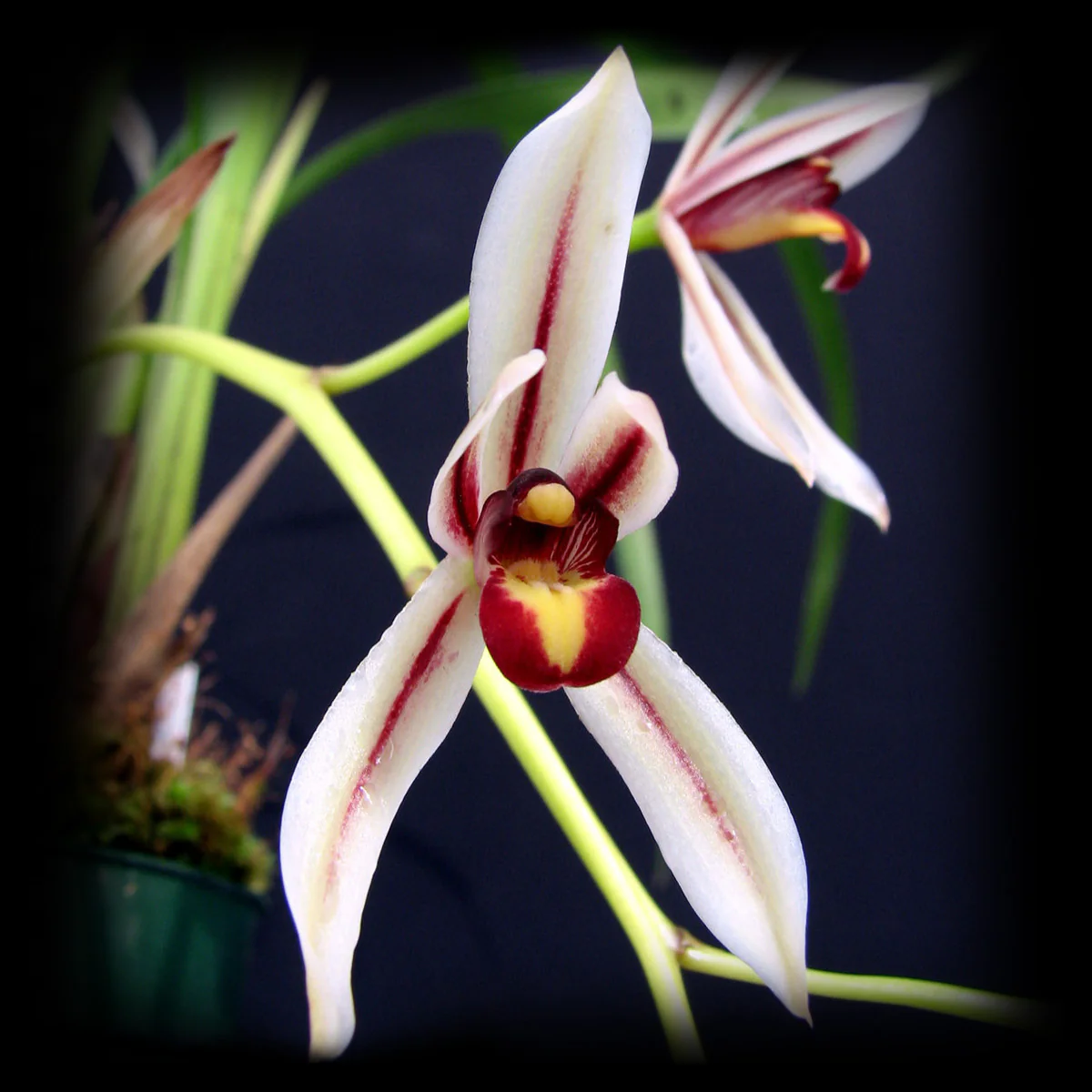
Cymbidium dayanum is a naturally occurring species found across parts of Southeast Asia, including southern China, India, and Malaysia. It is not a hybrid but rather a distinct botanical species. The flowers are typically creamy or pale yellow with pronounced maroon or reddish-brown stripes, borne on upright to arching spikes. This species has narrow, strap-like foliage and produces flowers that are smaller than many modern hybrids, but with strong visual appeal. It is best grown in pots and performs well in cool to intermediate climates under protection.
Key Characteristics
- Flower size: Small to medium (approx. 4–6 cm)
- Flower colour & pattern: Cream to yellow with bold maroon stripes
- Spike habit: Upright to arching
- Blooming season: Late season (typically summer to autumn)
- Plant size: Medium (50–70 cm leaf span)
- Growth habit: Upright, clumping
- Fragrance: Lightly fragrant
- Flower count per spike: 10–15
- Bloom longevity: 4–5 weeks
Care Notes
- Position: Bright filtered light or light morning sun
- Water: Keep moist during growth; reduce slightly in cooler months
- Potting: Use free-draining orchid mix; always grow in pots, never in-ground
- Feeding: Apply balanced orchid fertiliser fortnightly in active growth; reduce in winter
- Climate: Cool to intermediate; protect from frost
- Repotting: Every 2–3 years in spring or after flowering
Original: $85.00
-65%$85.00
$29.75More Images
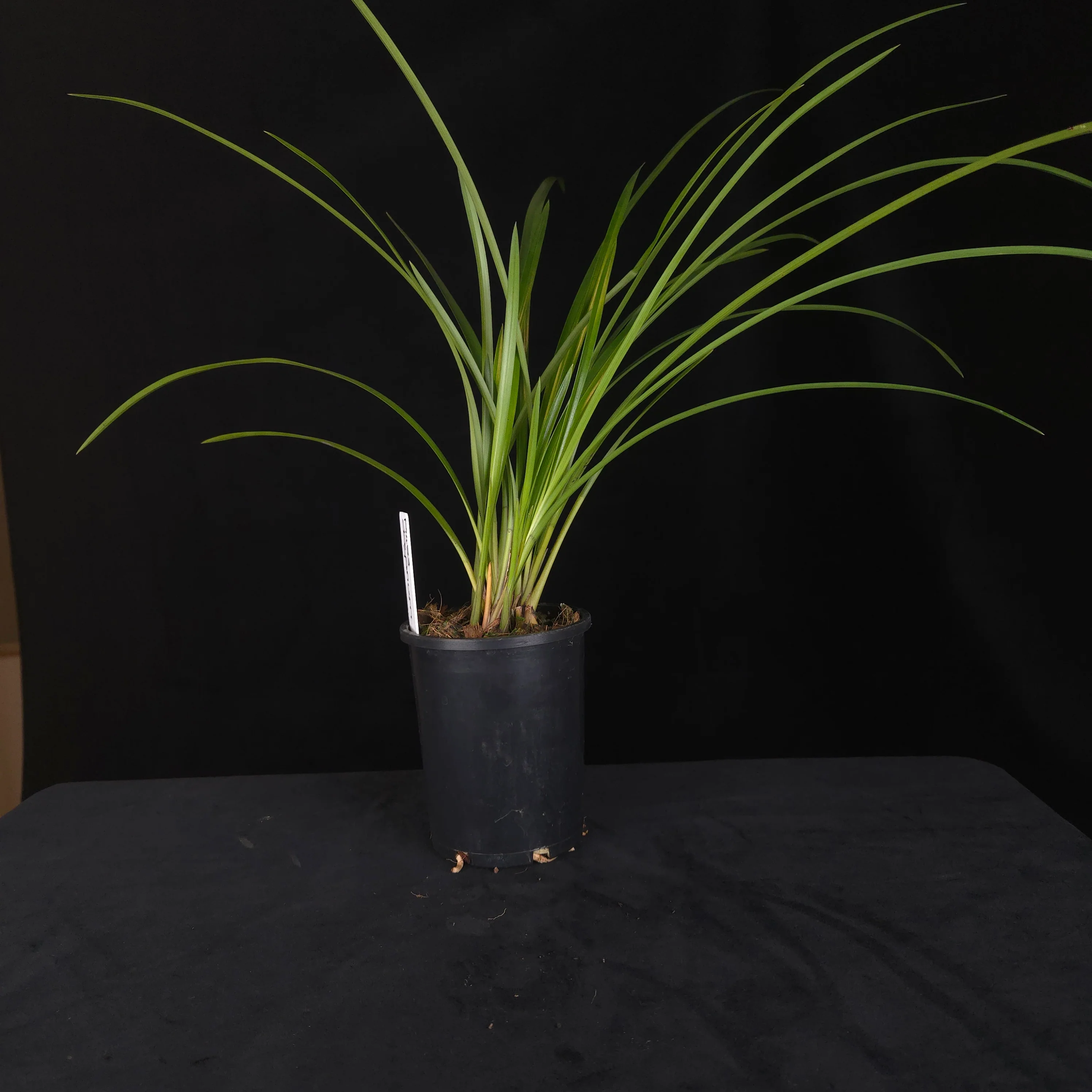
Cymbidium dayanum
Cymbidium dayanum is a naturally occurring species found across parts of Southeast Asia, including southern China, India, and Malaysia. It is not a hybrid but rather a distinct botanical species. The flowers are typically creamy or pale yellow with pronounced maroon or reddish-brown stripes, borne on upright to arching spikes. This species has narrow, strap-like foliage and produces flowers that are smaller than many modern hybrids, but with strong visual appeal. It is best grown in pots and performs well in cool to intermediate climates under protection.
Key Characteristics
- Flower size: Small to medium (approx. 4–6 cm)
- Flower colour & pattern: Cream to yellow with bold maroon stripes
- Spike habit: Upright to arching
- Blooming season: Late season (typically summer to autumn)
- Plant size: Medium (50–70 cm leaf span)
- Growth habit: Upright, clumping
- Fragrance: Lightly fragrant
- Flower count per spike: 10–15
- Bloom longevity: 4–5 weeks
Care Notes
- Position: Bright filtered light or light morning sun
- Water: Keep moist during growth; reduce slightly in cooler months
- Potting: Use free-draining orchid mix; always grow in pots, never in-ground
- Feeding: Apply balanced orchid fertiliser fortnightly in active growth; reduce in winter
- Climate: Cool to intermediate; protect from frost
- Repotting: Every 2–3 years in spring or after flowering
Product Information
Product Information
Shipping & Returns
Shipping & Returns
Description
Cymbidium dayanum is a naturally occurring species found across parts of Southeast Asia, including southern China, India, and Malaysia. It is not a hybrid but rather a distinct botanical species. The flowers are typically creamy or pale yellow with pronounced maroon or reddish-brown stripes, borne on upright to arching spikes. This species has narrow, strap-like foliage and produces flowers that are smaller than many modern hybrids, but with strong visual appeal. It is best grown in pots and performs well in cool to intermediate climates under protection.
Key Characteristics
- Flower size: Small to medium (approx. 4–6 cm)
- Flower colour & pattern: Cream to yellow with bold maroon stripes
- Spike habit: Upright to arching
- Blooming season: Late season (typically summer to autumn)
- Plant size: Medium (50–70 cm leaf span)
- Growth habit: Upright, clumping
- Fragrance: Lightly fragrant
- Flower count per spike: 10–15
- Bloom longevity: 4–5 weeks
Care Notes
- Position: Bright filtered light or light morning sun
- Water: Keep moist during growth; reduce slightly in cooler months
- Potting: Use free-draining orchid mix; always grow in pots, never in-ground
- Feeding: Apply balanced orchid fertiliser fortnightly in active growth; reduce in winter
- Climate: Cool to intermediate; protect from frost
- Repotting: Every 2–3 years in spring or after flowering