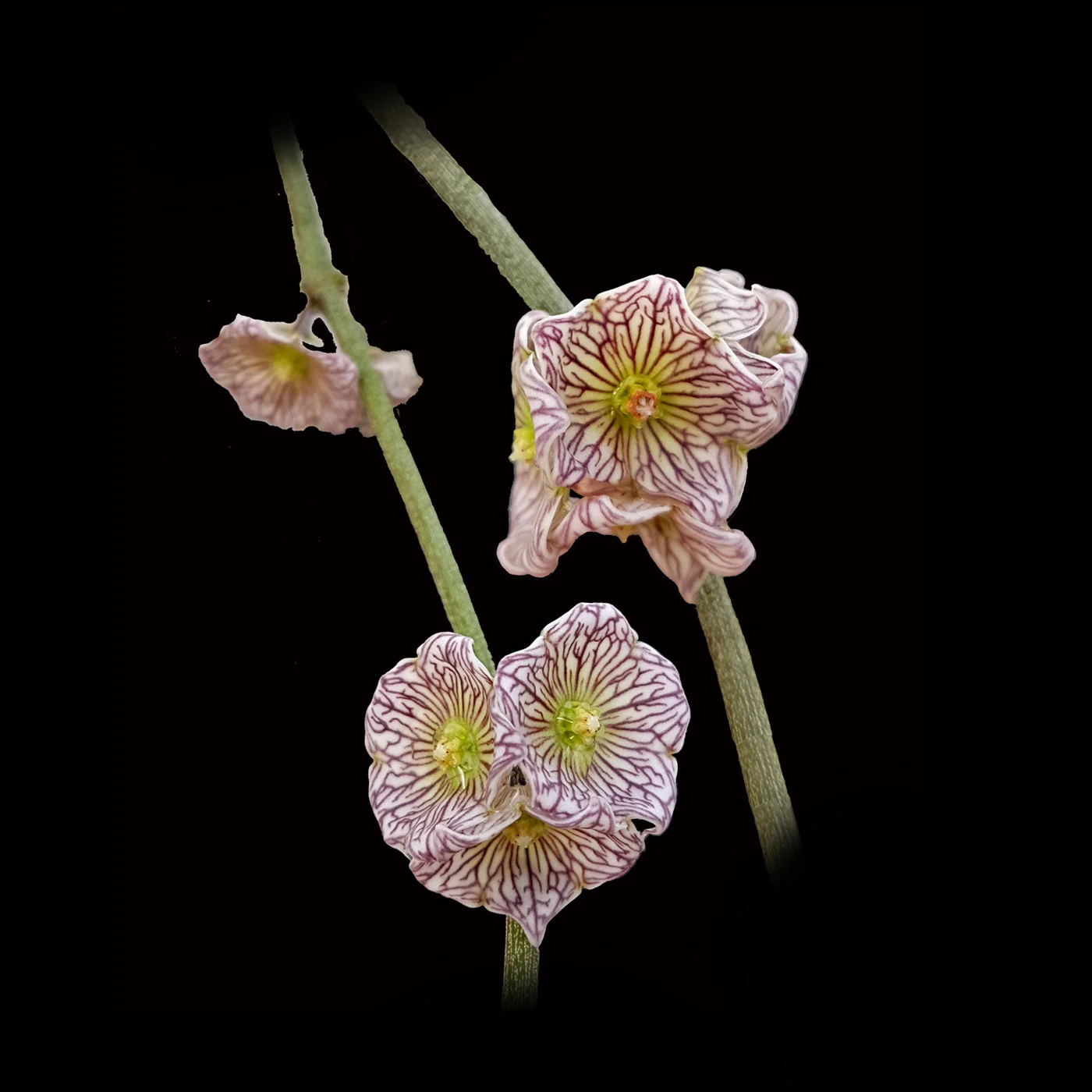
Cynanchum insigne
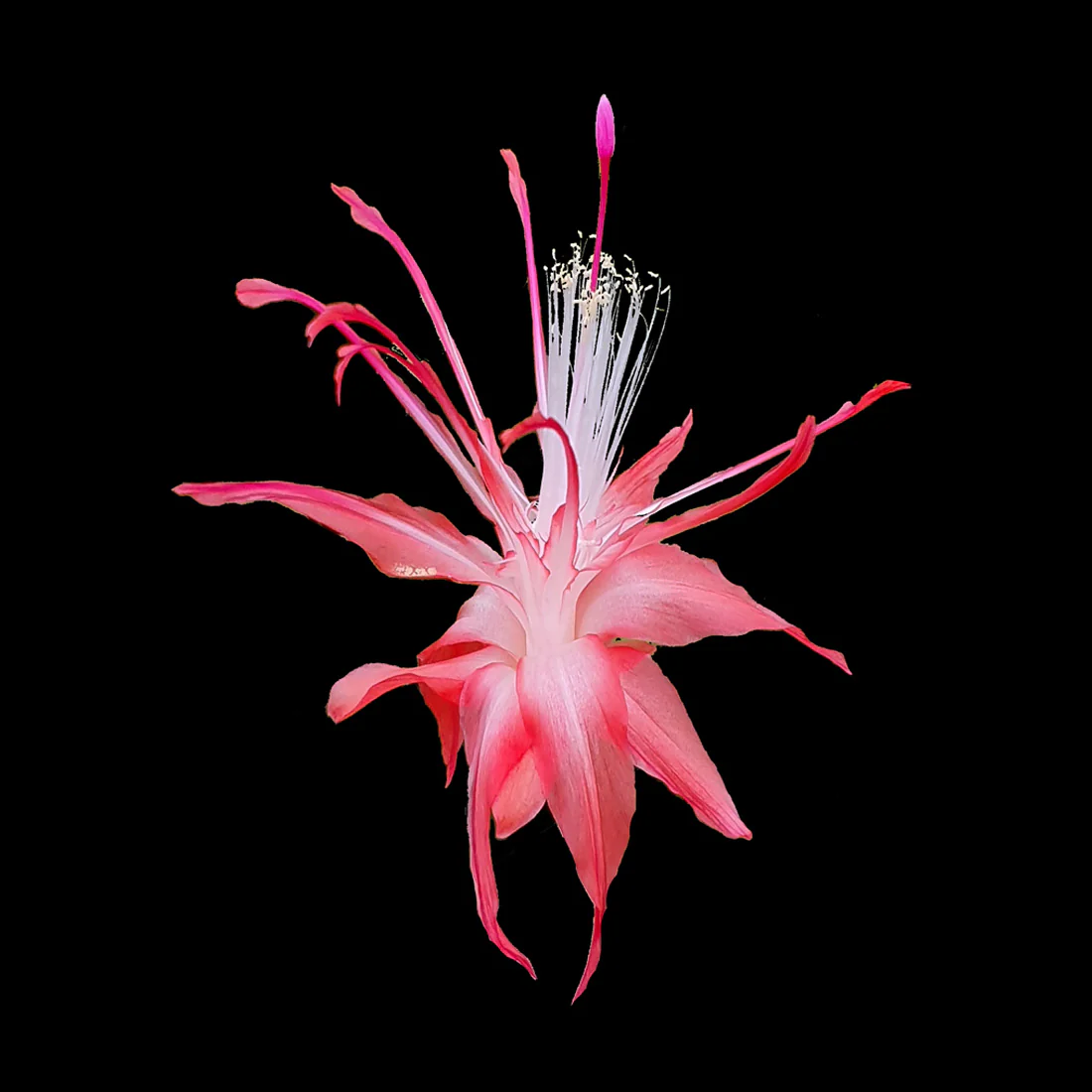
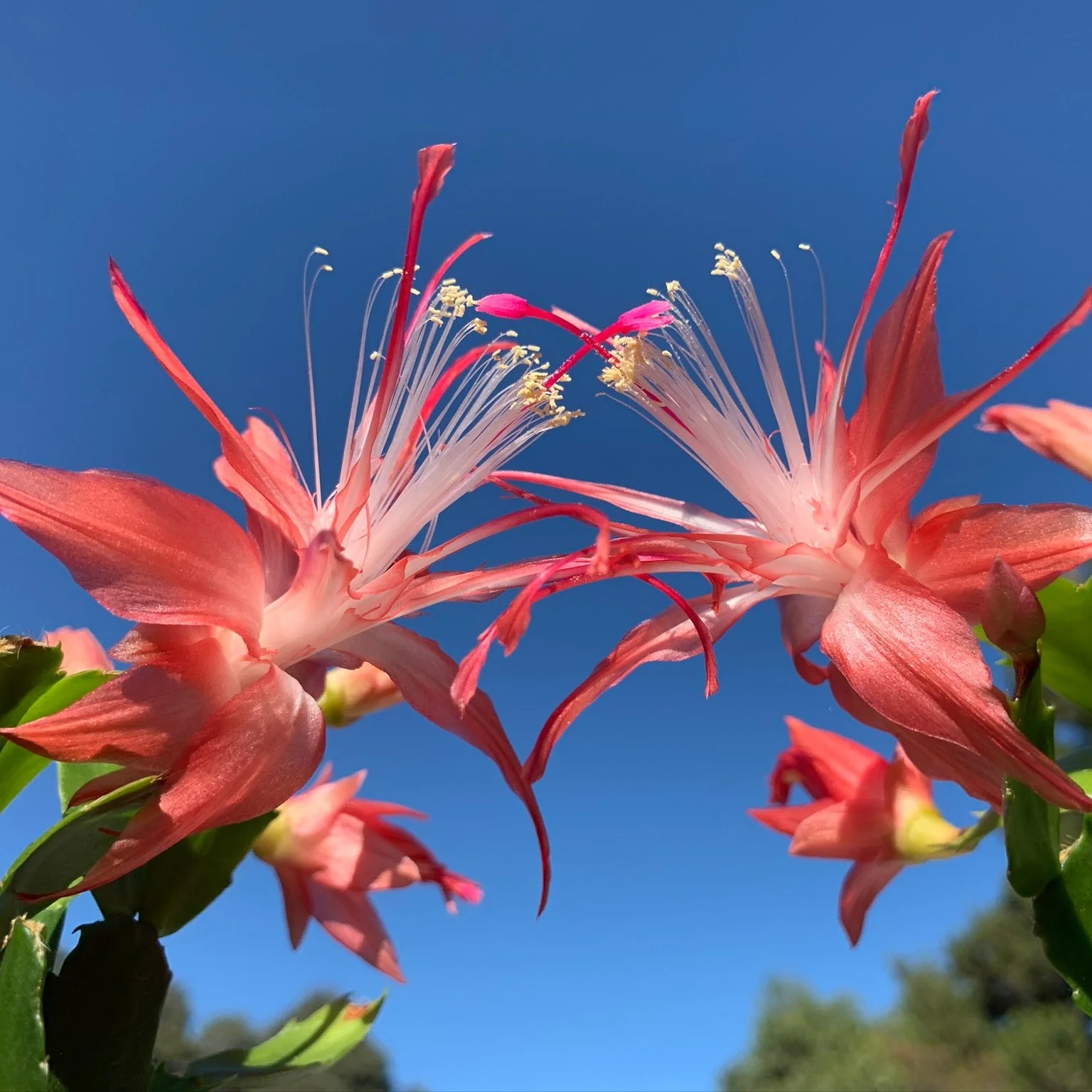
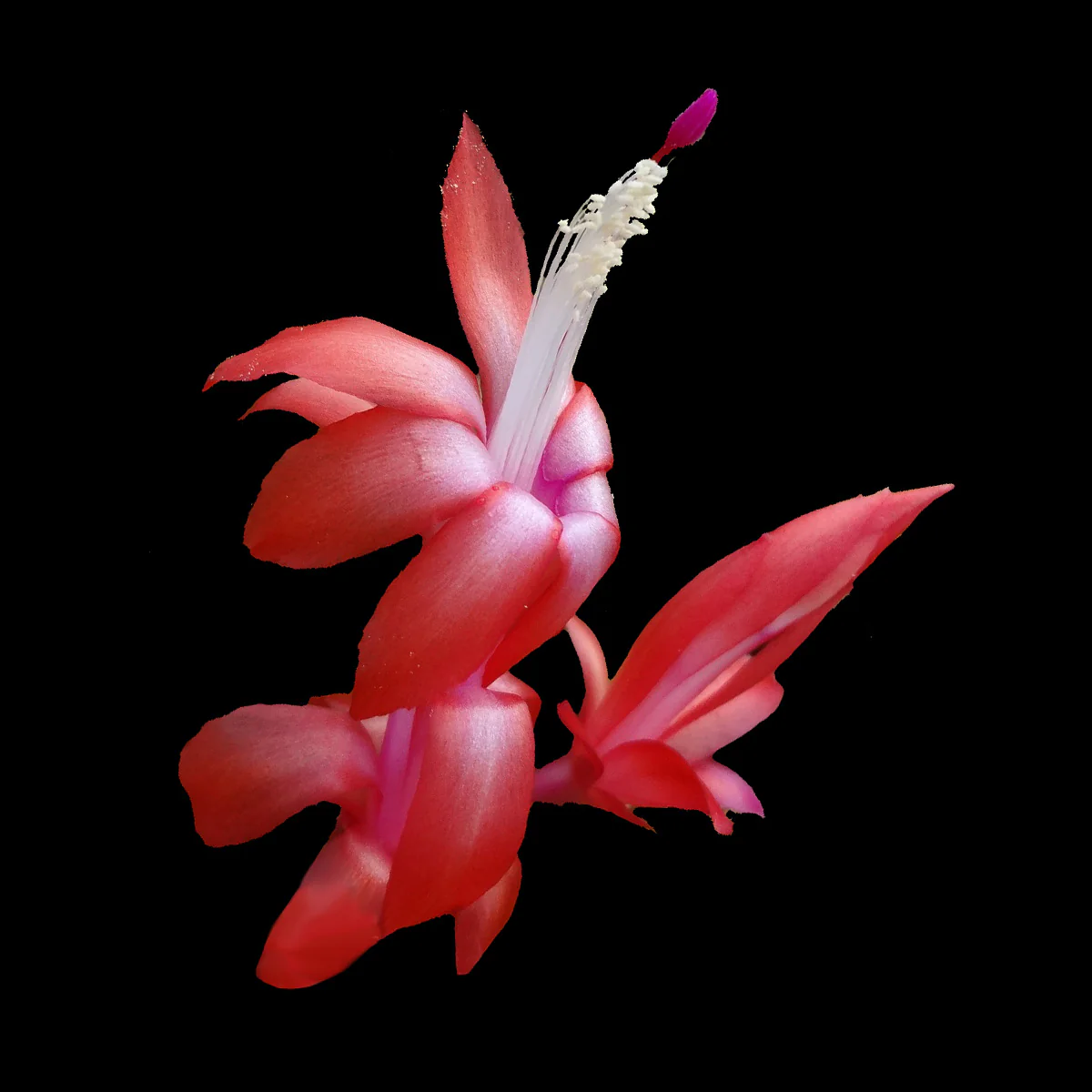
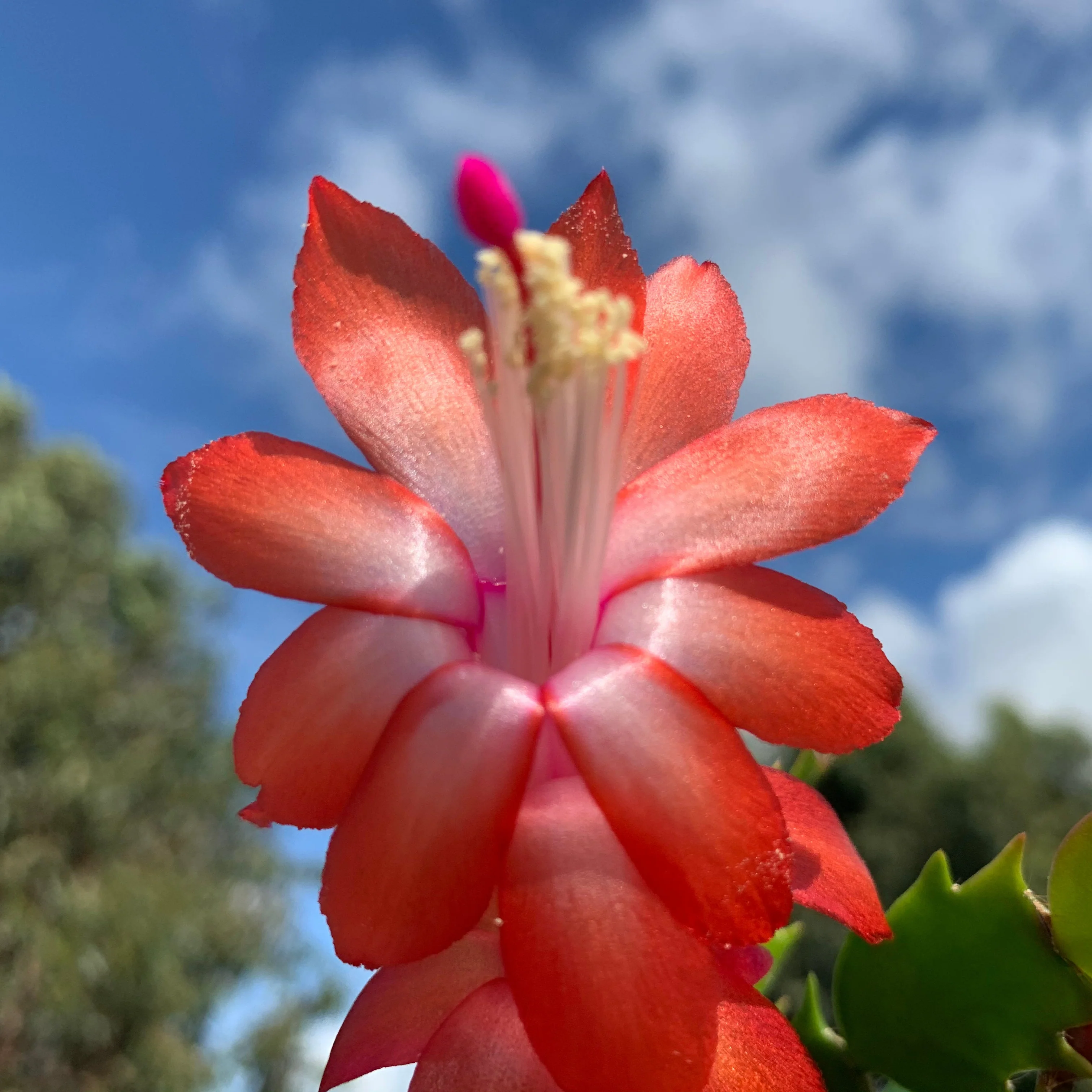
Cynanchum insigne is a member of the Apocynaceae family, native to parts of Southeast Asia. It is a climbing plant with slender, twining stems that use surrounding vegetation for support. The leaves are opposite, smooth-edged, and broadly ovate. Its flowers are small, star-shaped, and cream to pale green, arranged in clusters along the stems. Like other Cynanchum species, it produces a milky latex. In its natural range, this plant typically grows in warm, humid forests where it has access to support structures for climbing.
Distinctive Features
- Delicate Flowers: Produces small yet striking star-shaped flowers, typically in shades of white or pale yellow.
- Twining Growth Habit: This vine-like species climbs with ease, making it ideal for trellises or hanging baskets.
- Glossy Foliage: The leaves are smooth and green, providing a lush and vibrant backdrop to its flowers.
Care Tips
- Light: Prefers bright, indirect sunlight but can tolerate some direct morning light.
- Water: Allow the soil to dry slightly between waterings; avoid overwatering.
- Humidity: Enjoys moderate to high humidity levels, making it well-suited for tropical conditions.
- Temperature: Best kept in temperatures between 18-30°C.
- Fertiliser: Feed with a diluted liquid fertiliser during the growing season.
- Potting: Requires well-draining soil; a mix of peat and perlite works well.
- Propagation: Can be propagated from stem cuttings in warm, humid conditions.
Original: $14.50
-65%$14.50
$5.07More Images
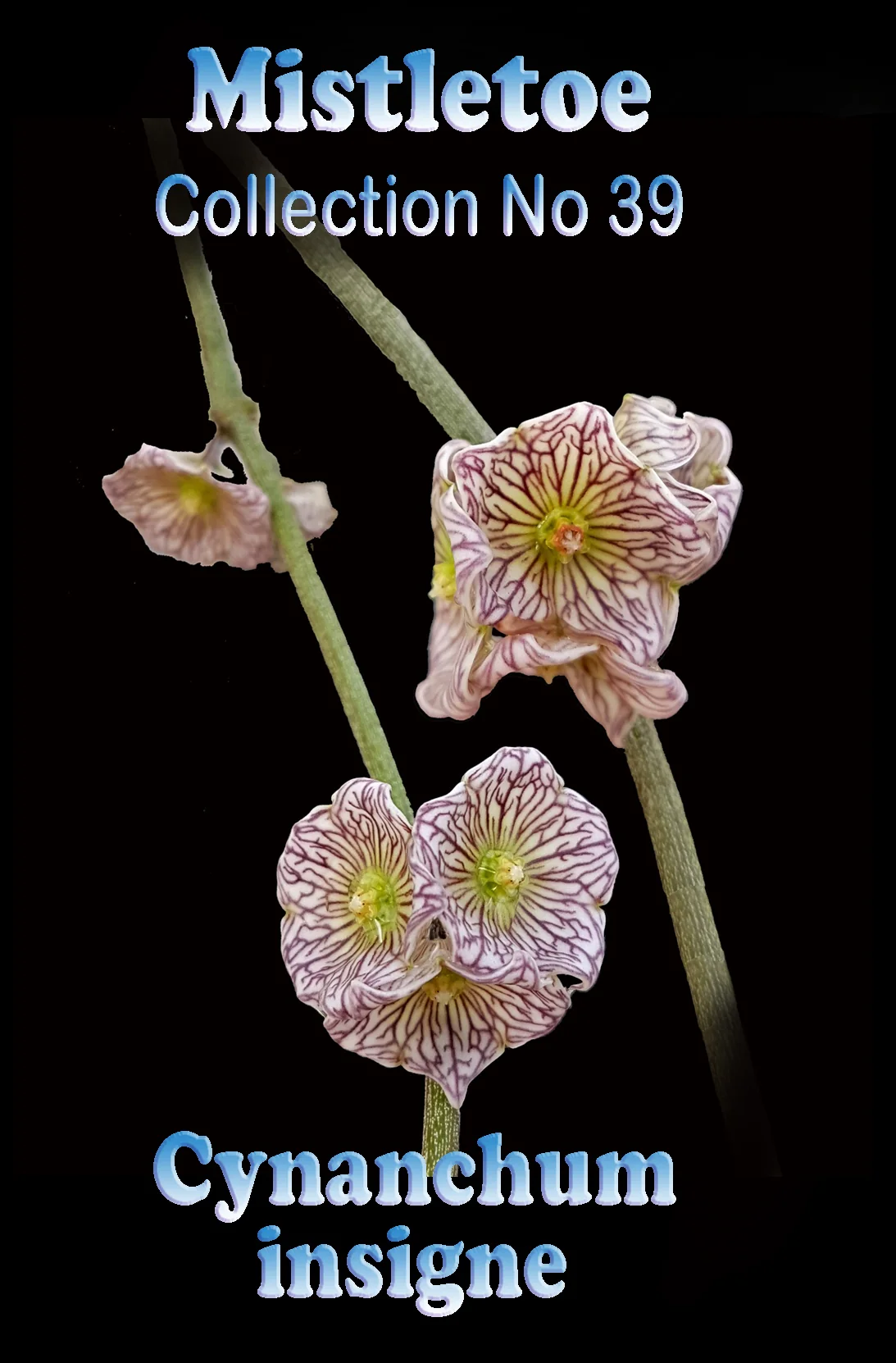
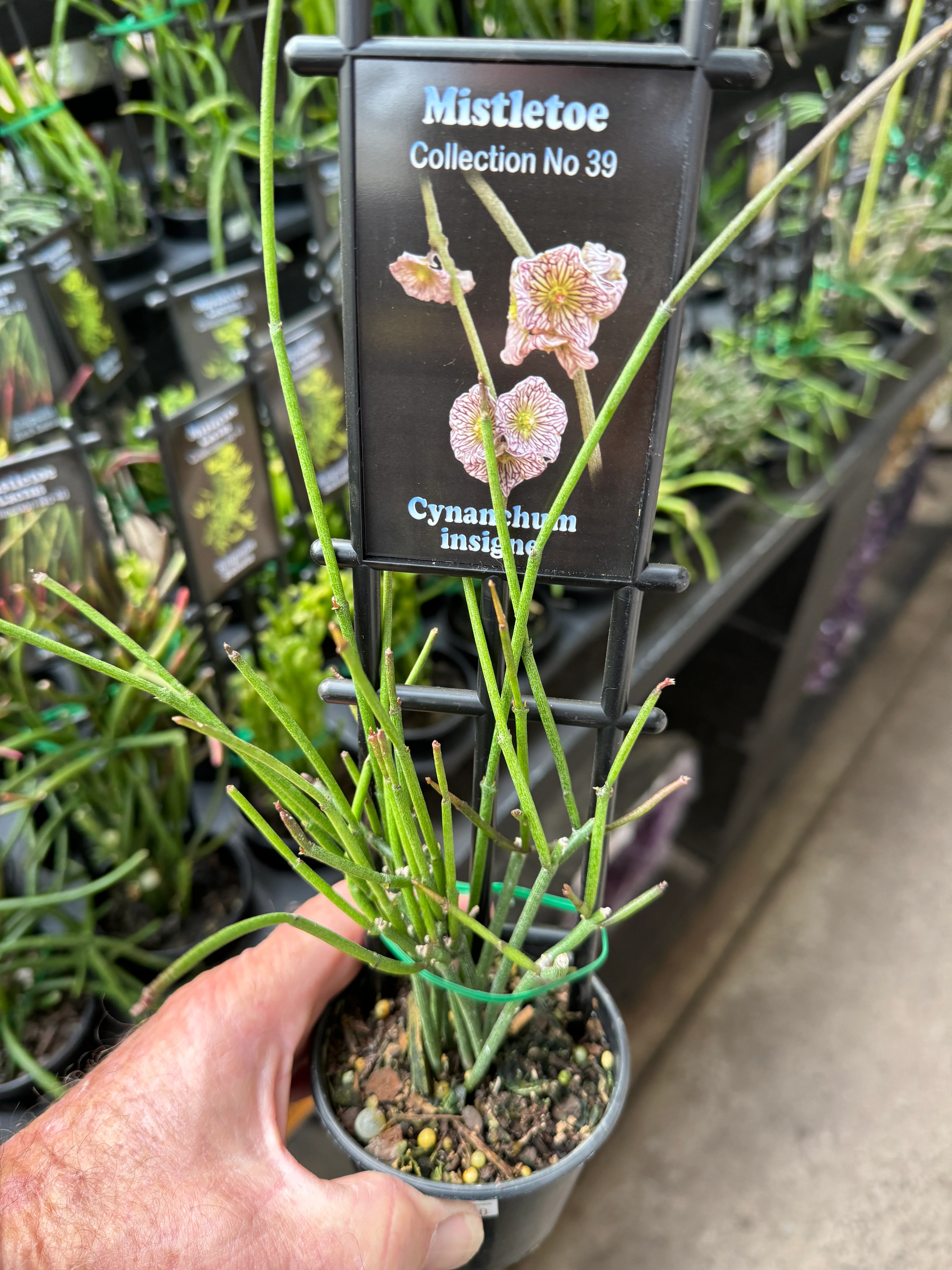
Cynanchum insigne
Cynanchum insigne is a member of the Apocynaceae family, native to parts of Southeast Asia. It is a climbing plant with slender, twining stems that use surrounding vegetation for support. The leaves are opposite, smooth-edged, and broadly ovate. Its flowers are small, star-shaped, and cream to pale green, arranged in clusters along the stems. Like other Cynanchum species, it produces a milky latex. In its natural range, this plant typically grows in warm, humid forests where it has access to support structures for climbing.
Distinctive Features
- Delicate Flowers: Produces small yet striking star-shaped flowers, typically in shades of white or pale yellow.
- Twining Growth Habit: This vine-like species climbs with ease, making it ideal for trellises or hanging baskets.
- Glossy Foliage: The leaves are smooth and green, providing a lush and vibrant backdrop to its flowers.
Care Tips
- Light: Prefers bright, indirect sunlight but can tolerate some direct morning light.
- Water: Allow the soil to dry slightly between waterings; avoid overwatering.
- Humidity: Enjoys moderate to high humidity levels, making it well-suited for tropical conditions.
- Temperature: Best kept in temperatures between 18-30°C.
- Fertiliser: Feed with a diluted liquid fertiliser during the growing season.
- Potting: Requires well-draining soil; a mix of peat and perlite works well.
- Propagation: Can be propagated from stem cuttings in warm, humid conditions.
Product Information
Product Information
Shipping & Returns
Shipping & Returns
Description
Cynanchum insigne is a member of the Apocynaceae family, native to parts of Southeast Asia. It is a climbing plant with slender, twining stems that use surrounding vegetation for support. The leaves are opposite, smooth-edged, and broadly ovate. Its flowers are small, star-shaped, and cream to pale green, arranged in clusters along the stems. Like other Cynanchum species, it produces a milky latex. In its natural range, this plant typically grows in warm, humid forests where it has access to support structures for climbing.
Distinctive Features
- Delicate Flowers: Produces small yet striking star-shaped flowers, typically in shades of white or pale yellow.
- Twining Growth Habit: This vine-like species climbs with ease, making it ideal for trellises or hanging baskets.
- Glossy Foliage: The leaves are smooth and green, providing a lush and vibrant backdrop to its flowers.
Care Tips
- Light: Prefers bright, indirect sunlight but can tolerate some direct morning light.
- Water: Allow the soil to dry slightly between waterings; avoid overwatering.
- Humidity: Enjoys moderate to high humidity levels, making it well-suited for tropical conditions.
- Temperature: Best kept in temperatures between 18-30°C.
- Fertiliser: Feed with a diluted liquid fertiliser during the growing season.
- Potting: Requires well-draining soil; a mix of peat and perlite works well.
- Propagation: Can be propagated from stem cuttings in warm, humid conditions.