Dischidia ruscifolia 'Million Hearts'
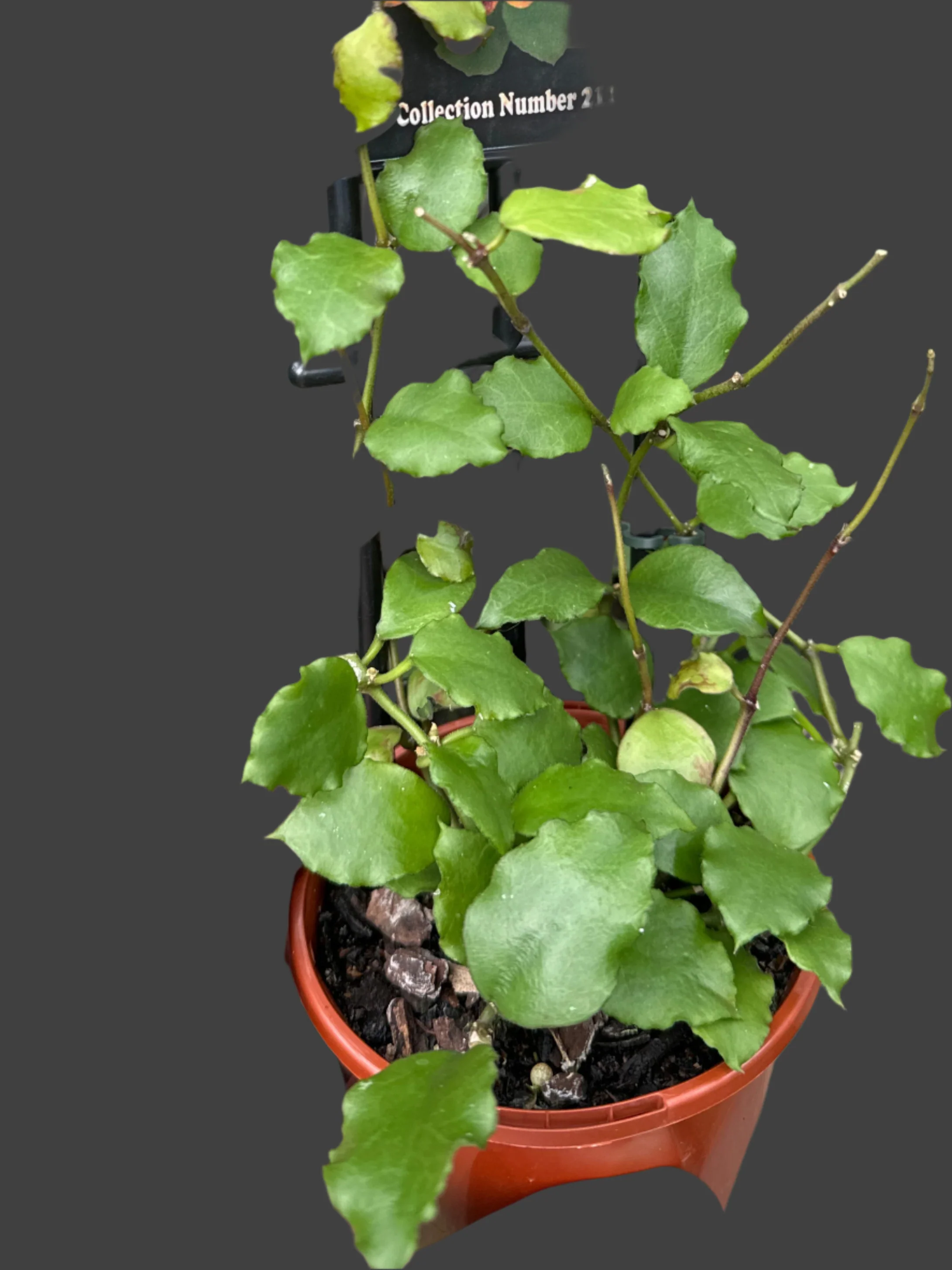
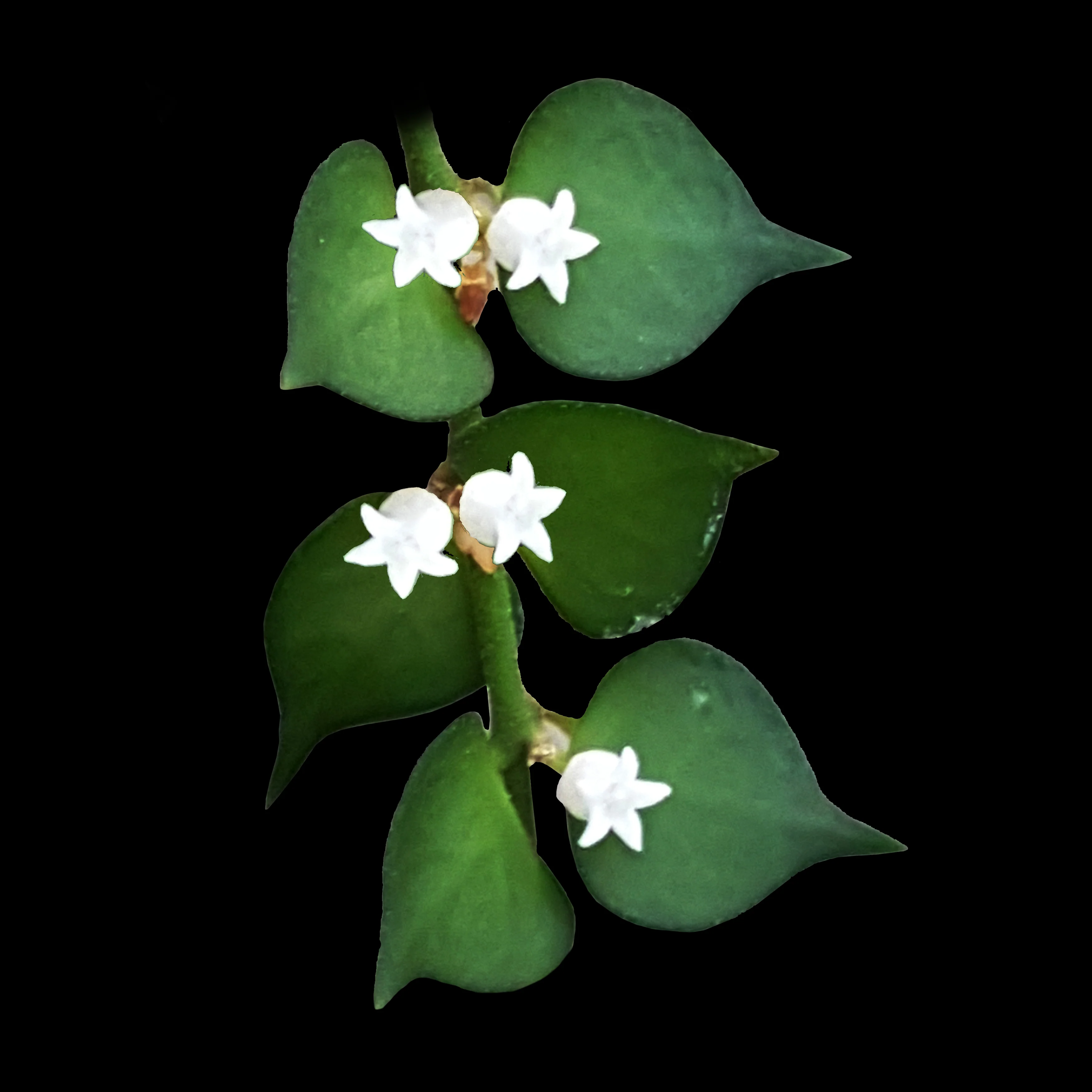
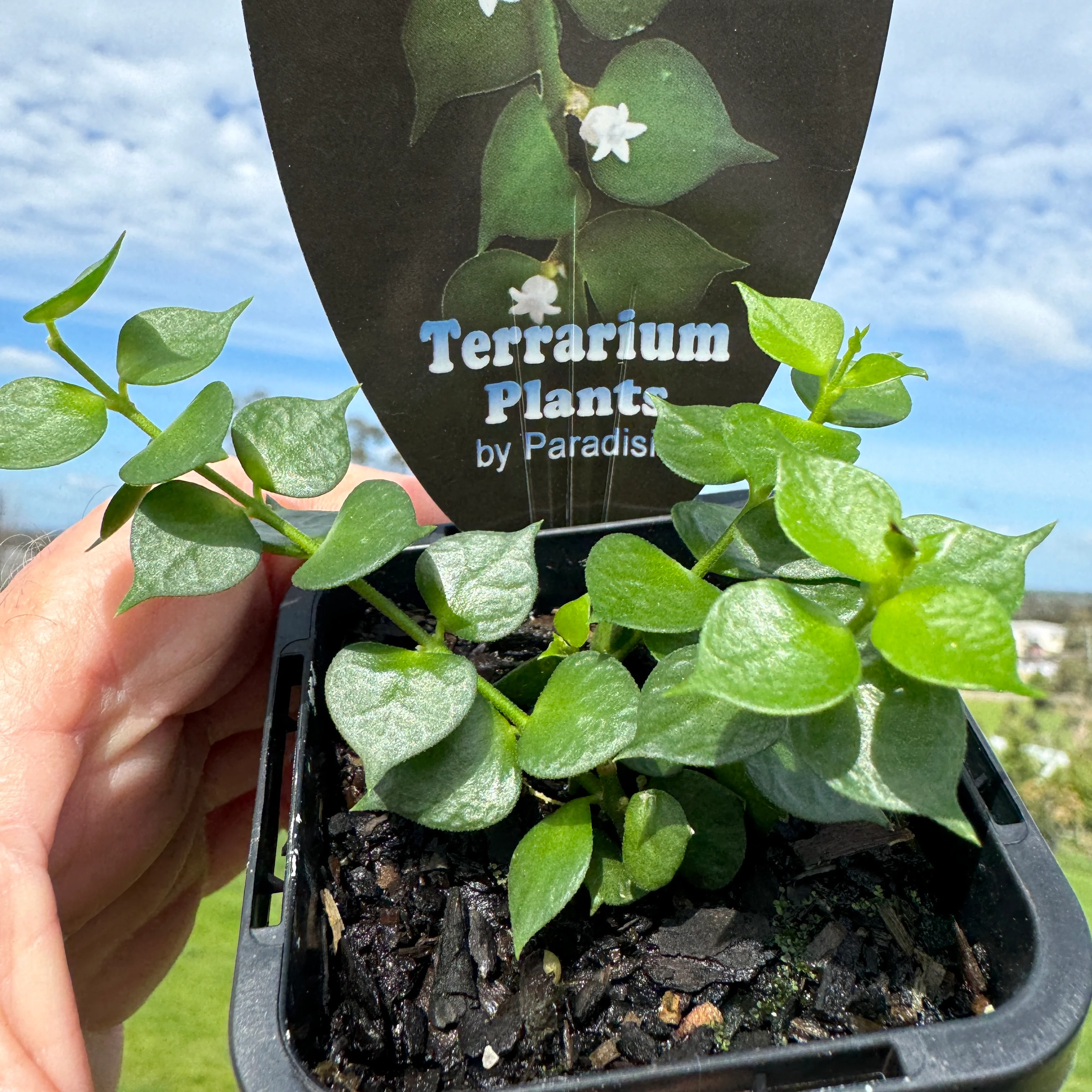
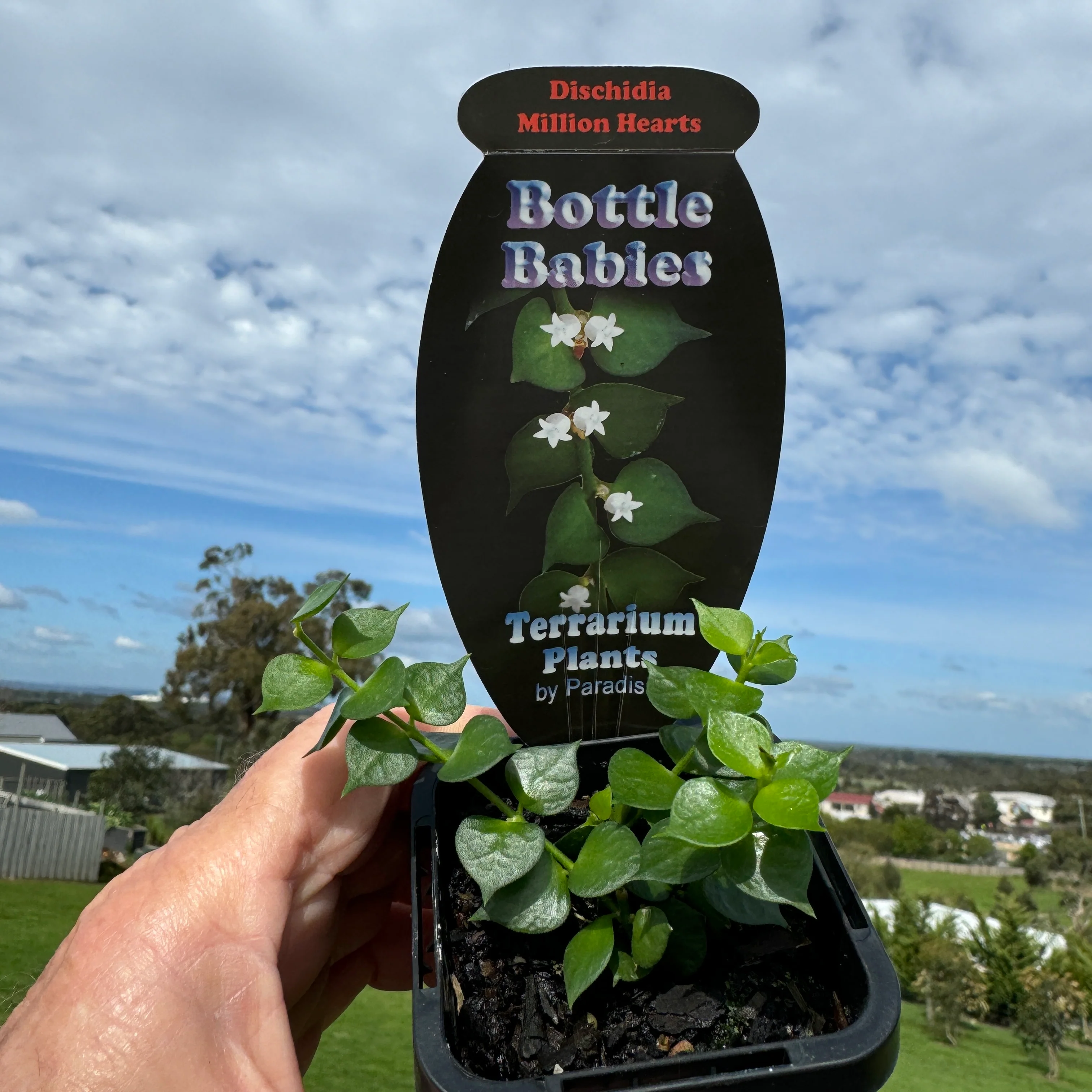
Dischidia ruscifolia, commonly known as Million Hearts, is a trailing and climbing species native to the Philippines. The plant is covered in pairs of small, opposite, heart-shaped leaves that line its slender stems, creating the effect of chains of green hearts. In suitable conditions it can produce small white flowers in the leaf axils. In nature, it is usually found growing on trees, where its wiry stems use surrounding vegetation for support. In cultivation, Million Hearts is frequently grown in hanging baskets or allowed to trail along supports.
Distinctive Features
- Leaves: Abundant, tiny heart-shaped leaves that rarely exceed 1cm in diameter (approximately 0.4 inches). These adorable leaves give the plant its common name, 'Million Hearts.' The leaves are typically a vibrant green colour, but can develop reddish hues under brighter light conditions.
- Flowers: Produces tiny, inconspicuous white or pinkish flowers. While the blooms are small, they add to the overall charm of this delightful plant.
- Growth Habit: This Dischidia has a delicate, vining growth habit. Its slender stems can trail gracefully or climb with the help of a small support. It's a relatively slow-growing plant, making it ideal for those who appreciate a more compact and manageable specimen.
Care Tips
- Light: Bright, indirect light is best. Avoid harsh direct sunlight, which can scorch the delicate leaves. A position near an east- or west-facing window is ideal.
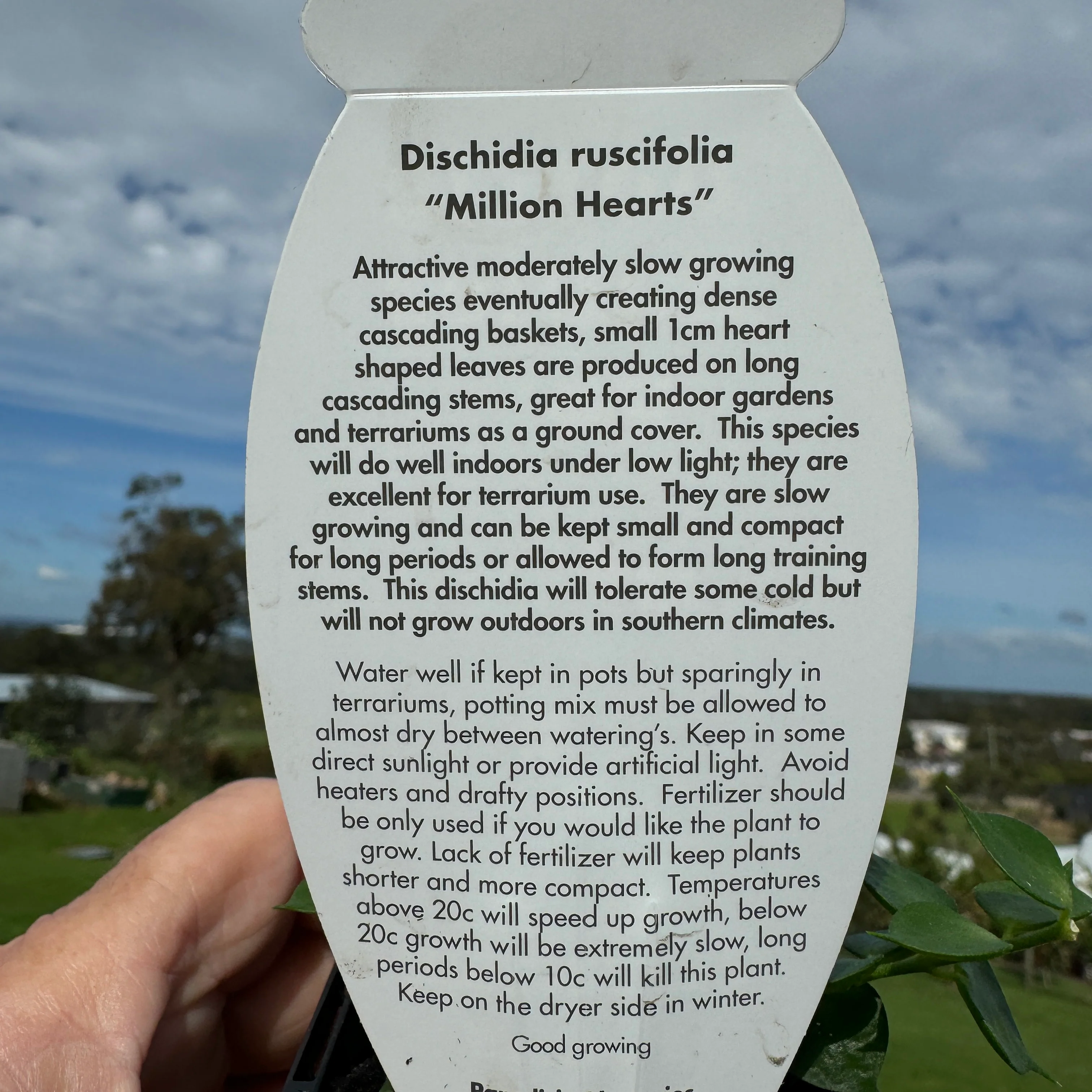
- Water: Allow the soil to dry out slightly between waterings. Overwatering can lead to root rot, so it's best to err on the side of caution. Water thoroughly when the top 2-3cm (approximately 1 inch) of the potting mix feels dry.
- Humidity: This Dischidia thrives in moderate to high humidity, mimicking its natural epiphytic environment. You can increase humidity by using a humidifier, placing the plant on a pebble tray filled with water, or misting the leaves regularly. Grouping plants together can also help create a more humid microclimate.
- Temperature: Maintain warm temperatures between 18-29°C (65-85°F) for optimal growth. Avoid exposing this delicate plant to cold draughts or temperatures below 15°C (59°F).
- Fertiliser: Use a balanced liquid fertiliser monthly during the spring and summer growing seasons. Dilute the fertiliser to half the recommended strength to avoid over-fertilisation.
- Repotting: Repot every 1-2 years as needed, using a well-draining potting mix. A mix formulated for orchids or epiphytes is ideal. Choose a pot that is only slightly larger than the previous one to prevent over-potting.
More Images
Dischidia ruscifolia 'Million Hearts'
Dischidia ruscifolia, commonly known as Million Hearts, is a trailing and climbing species native to the Philippines. The plant is covered in pairs of small, opposite, heart-shaped leaves that line its slender stems, creating the effect of chains of green hearts. In suitable conditions it can produce small white flowers in the leaf axils. In nature, it is usually found growing on trees, where its wiry stems use surrounding vegetation for support. In cultivation, Million Hearts is frequently grown in hanging baskets or allowed to trail along supports.
Distinctive Features
- Leaves: Abundant, tiny heart-shaped leaves that rarely exceed 1cm in diameter (approximately 0.4 inches). These adorable leaves give the plant its common name, 'Million Hearts.' The leaves are typically a vibrant green colour, but can develop reddish hues under brighter light conditions.
- Flowers: Produces tiny, inconspicuous white or pinkish flowers. While the blooms are small, they add to the overall charm of this delightful plant.
- Growth Habit: This Dischidia has a delicate, vining growth habit. Its slender stems can trail gracefully or climb with the help of a small support. It's a relatively slow-growing plant, making it ideal for those who appreciate a more compact and manageable specimen.
Care Tips
- Light: Bright, indirect light is best. Avoid harsh direct sunlight, which can scorch the delicate leaves. A position near an east- or west-facing window is ideal.
- Water: Allow the soil to dry out slightly between waterings. Overwatering can lead to root rot, so it's best to err on the side of caution. Water thoroughly when the top 2-3cm (approximately 1 inch) of the potting mix feels dry.
- Humidity: This Dischidia thrives in moderate to high humidity, mimicking its natural epiphytic environment. You can increase humidity by using a humidifier, placing the plant on a pebble tray filled with water, or misting the leaves regularly. Grouping plants together can also help create a more humid microclimate.
- Temperature: Maintain warm temperatures between 18-29°C (65-85°F) for optimal growth. Avoid exposing this delicate plant to cold draughts or temperatures below 15°C (59°F).
- Fertiliser: Use a balanced liquid fertiliser monthly during the spring and summer growing seasons. Dilute the fertiliser to half the recommended strength to avoid over-fertilisation.
- Repotting: Repot every 1-2 years as needed, using a well-draining potting mix. A mix formulated for orchids or epiphytes is ideal. Choose a pot that is only slightly larger than the previous one to prevent over-potting.
Product Information
Product Information
Shipping & Returns
Shipping & Returns
Description
Dischidia ruscifolia, commonly known as Million Hearts, is a trailing and climbing species native to the Philippines. The plant is covered in pairs of small, opposite, heart-shaped leaves that line its slender stems, creating the effect of chains of green hearts. In suitable conditions it can produce small white flowers in the leaf axils. In nature, it is usually found growing on trees, where its wiry stems use surrounding vegetation for support. In cultivation, Million Hearts is frequently grown in hanging baskets or allowed to trail along supports.
Distinctive Features
- Leaves: Abundant, tiny heart-shaped leaves that rarely exceed 1cm in diameter (approximately 0.4 inches). These adorable leaves give the plant its common name, 'Million Hearts.' The leaves are typically a vibrant green colour, but can develop reddish hues under brighter light conditions.
- Flowers: Produces tiny, inconspicuous white or pinkish flowers. While the blooms are small, they add to the overall charm of this delightful plant.
- Growth Habit: This Dischidia has a delicate, vining growth habit. Its slender stems can trail gracefully or climb with the help of a small support. It's a relatively slow-growing plant, making it ideal for those who appreciate a more compact and manageable specimen.
Care Tips
- Light: Bright, indirect light is best. Avoid harsh direct sunlight, which can scorch the delicate leaves. A position near an east- or west-facing window is ideal.
- Water: Allow the soil to dry out slightly between waterings. Overwatering can lead to root rot, so it's best to err on the side of caution. Water thoroughly when the top 2-3cm (approximately 1 inch) of the potting mix feels dry.
- Humidity: This Dischidia thrives in moderate to high humidity, mimicking its natural epiphytic environment. You can increase humidity by using a humidifier, placing the plant on a pebble tray filled with water, or misting the leaves regularly. Grouping plants together can also help create a more humid microclimate.
- Temperature: Maintain warm temperatures between 18-29°C (65-85°F) for optimal growth. Avoid exposing this delicate plant to cold draughts or temperatures below 15°C (59°F).
- Fertiliser: Use a balanced liquid fertiliser monthly during the spring and summer growing seasons. Dilute the fertiliser to half the recommended strength to avoid over-fertilisation.
- Repotting: Repot every 1-2 years as needed, using a well-draining potting mix. A mix formulated for orchids or epiphytes is ideal. Choose a pot that is only slightly larger than the previous one to prevent over-potting.