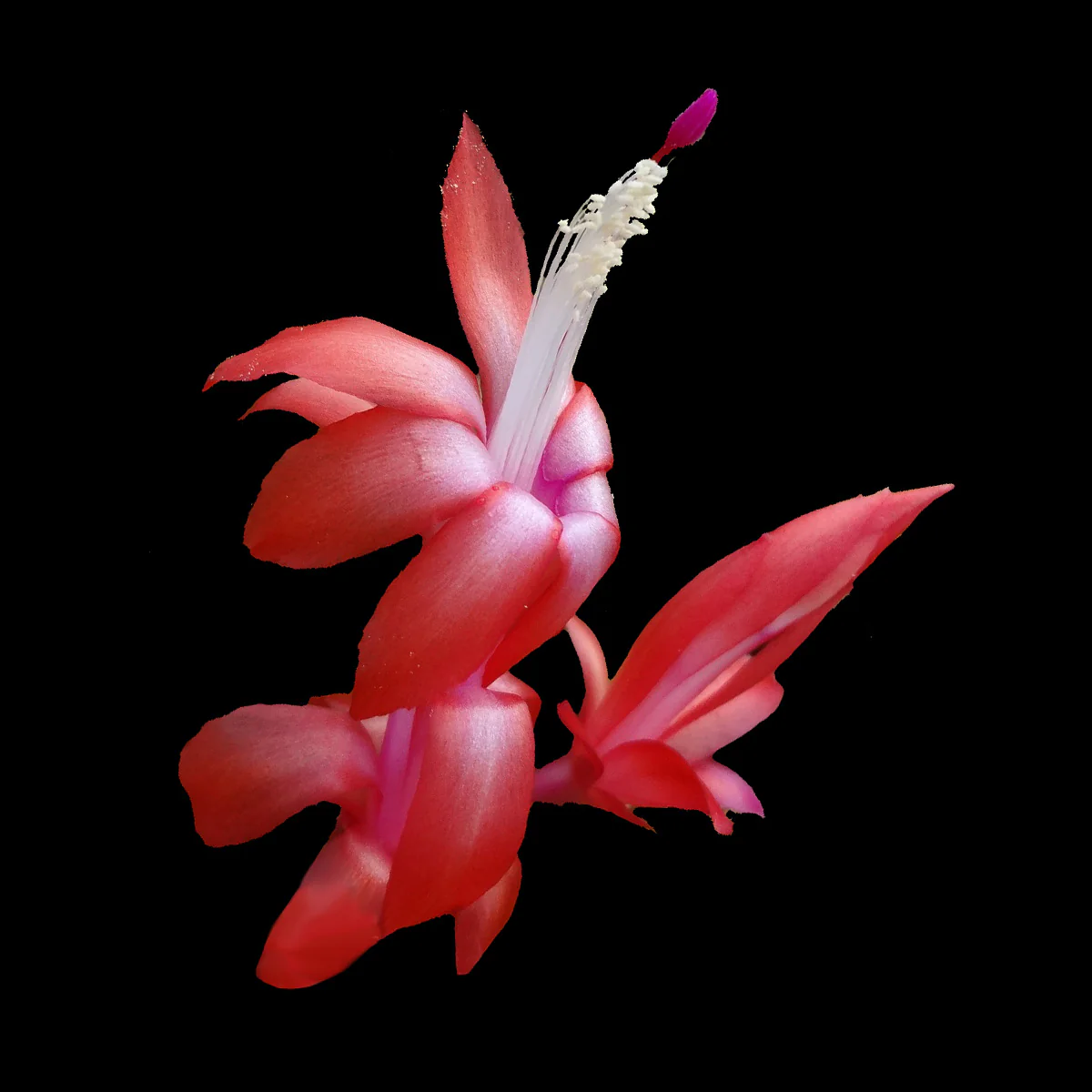
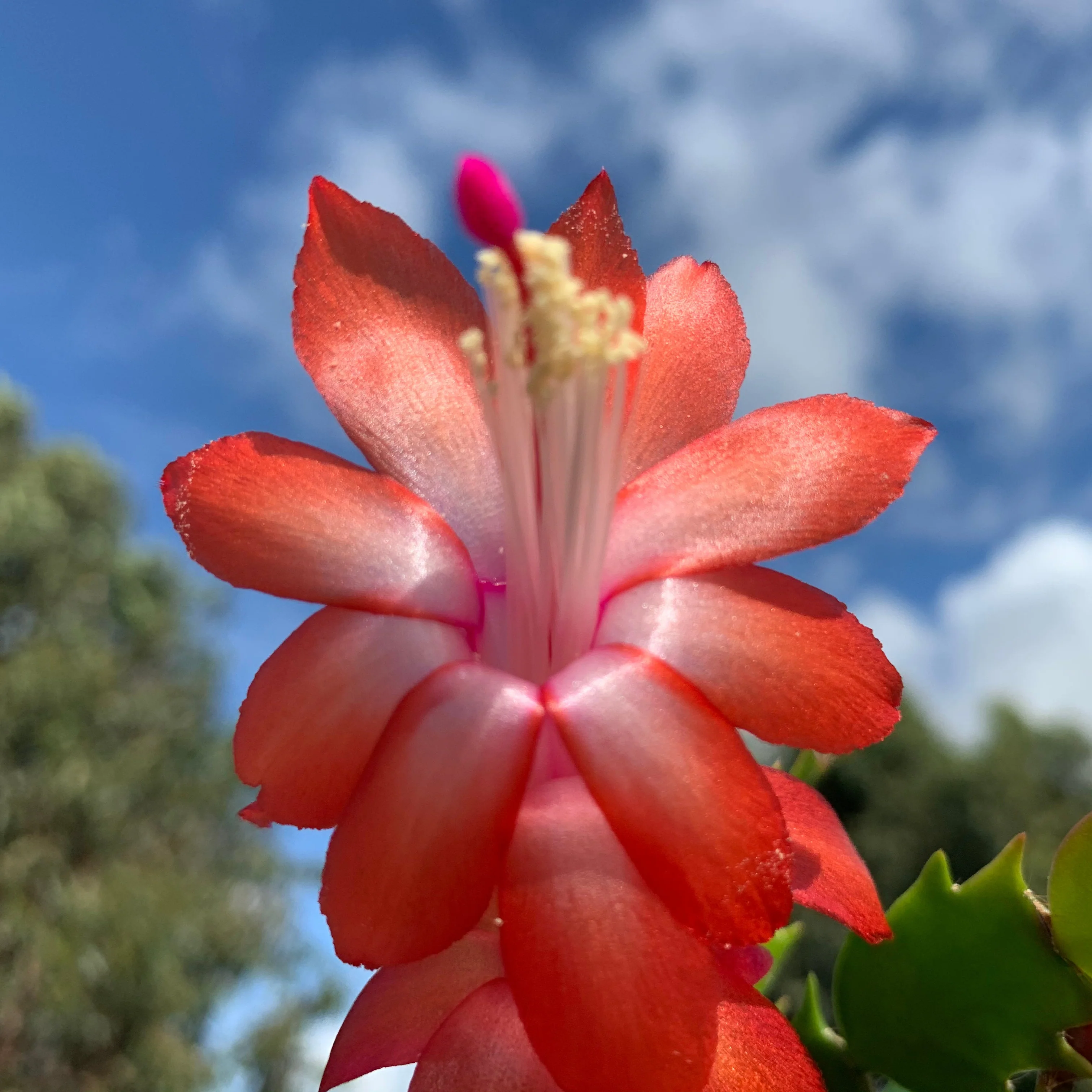
Disocactus anguliger (syn. Epiphyllum anguliger) Fishbone Cactus
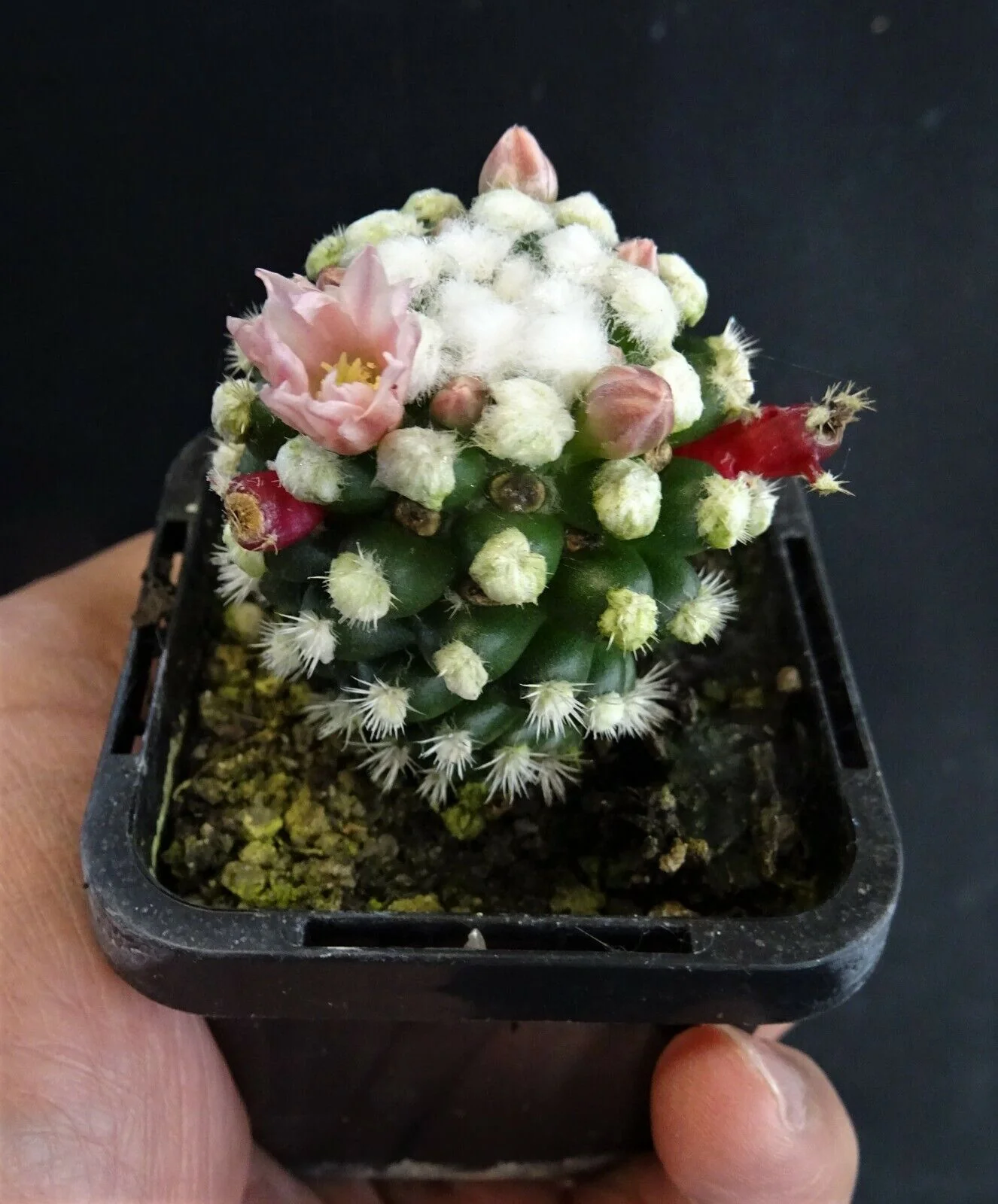
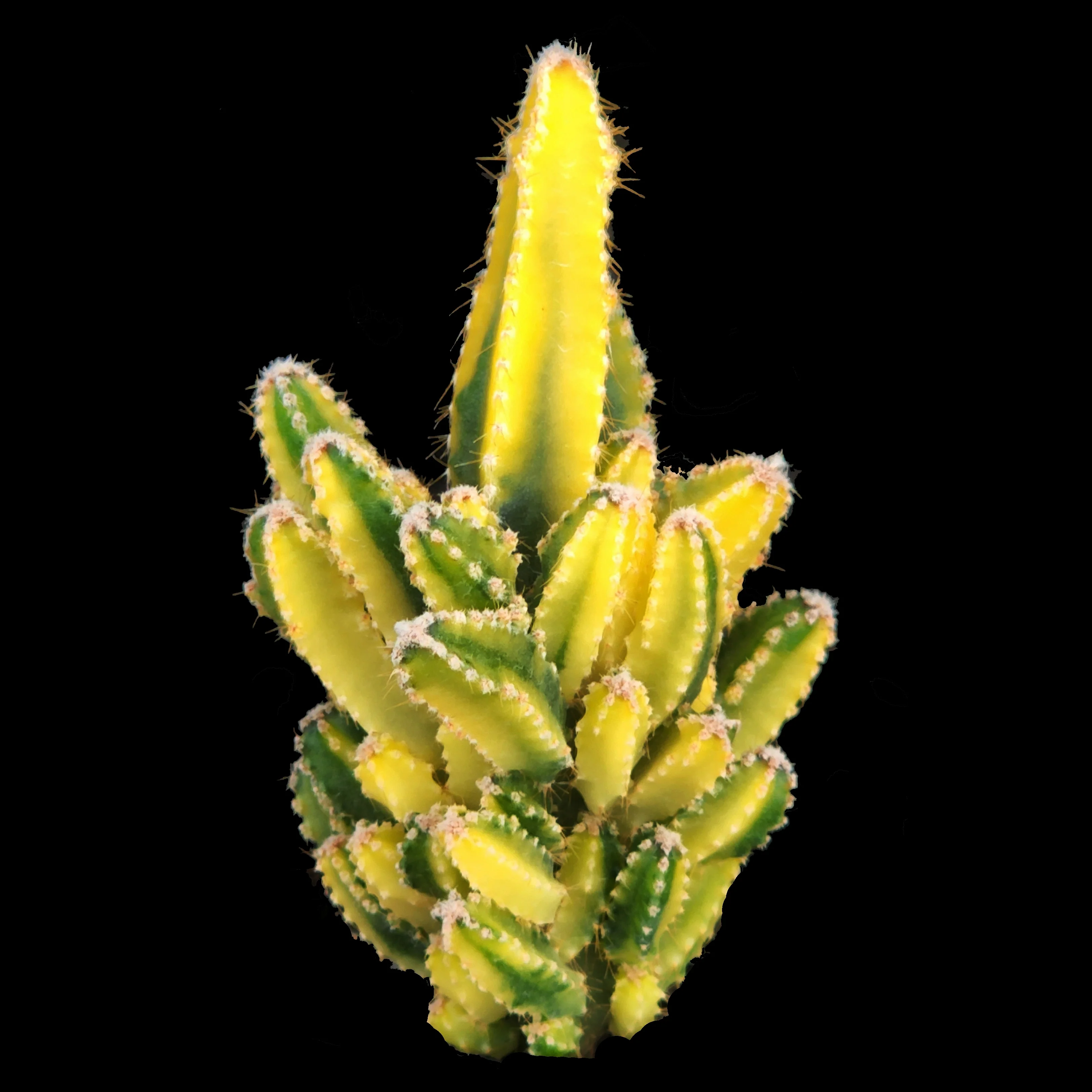
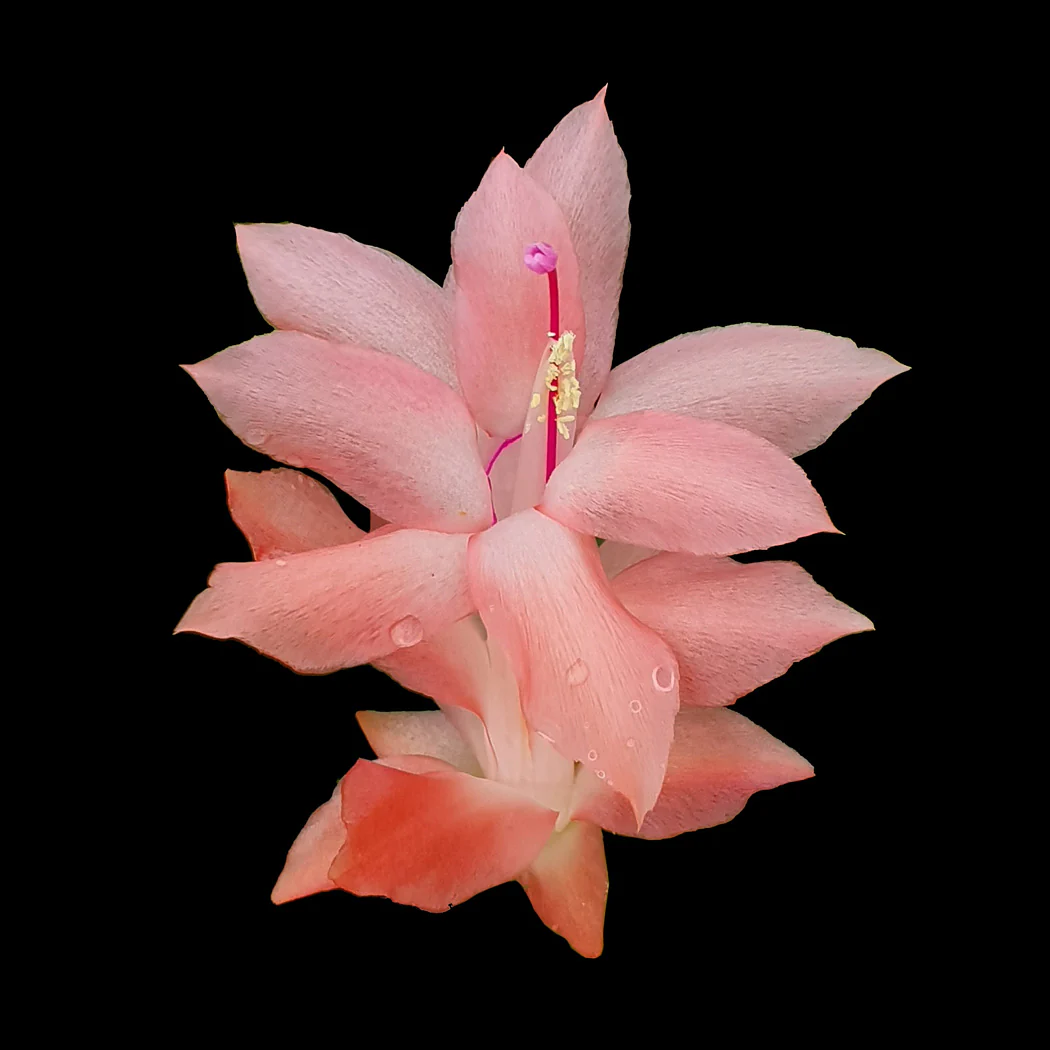
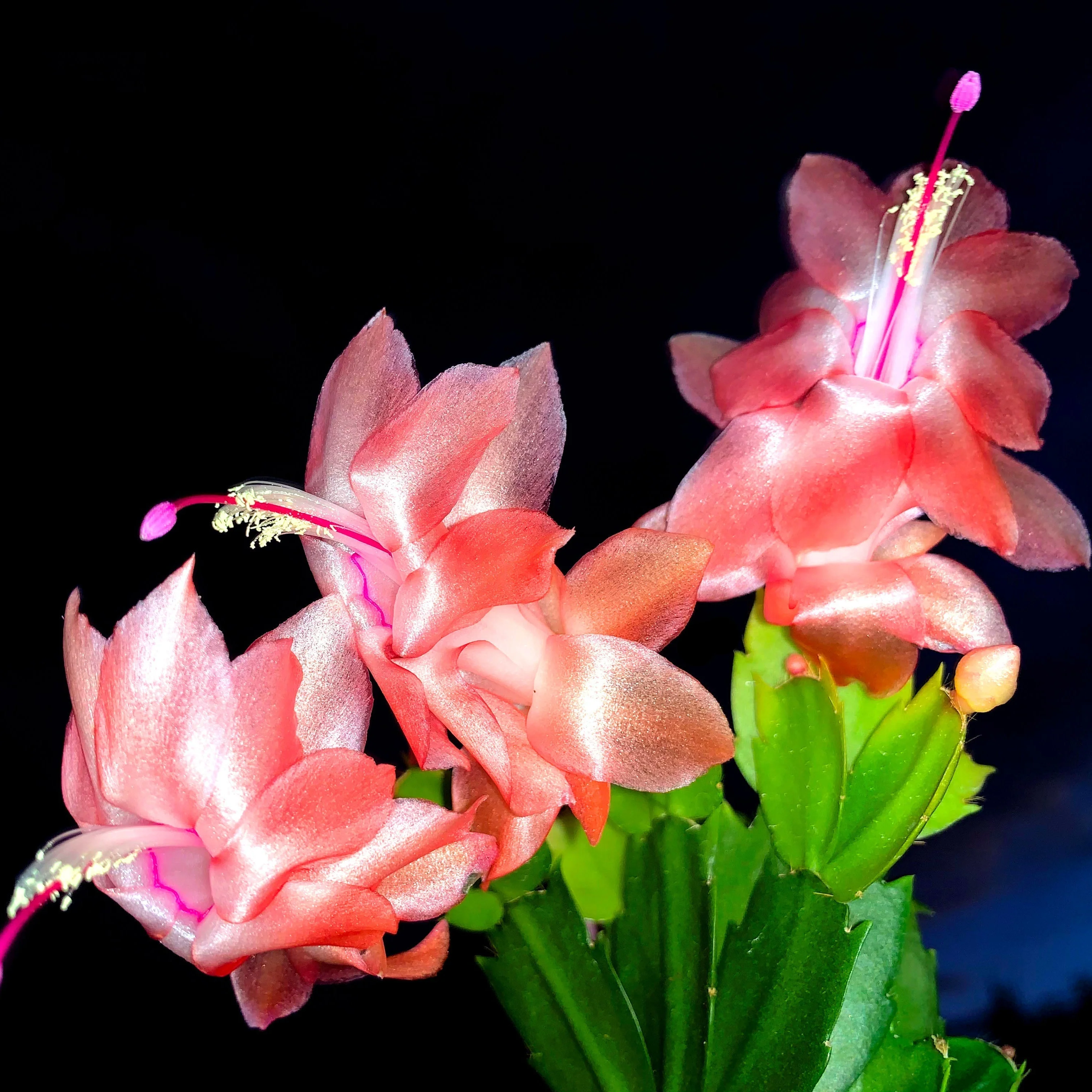
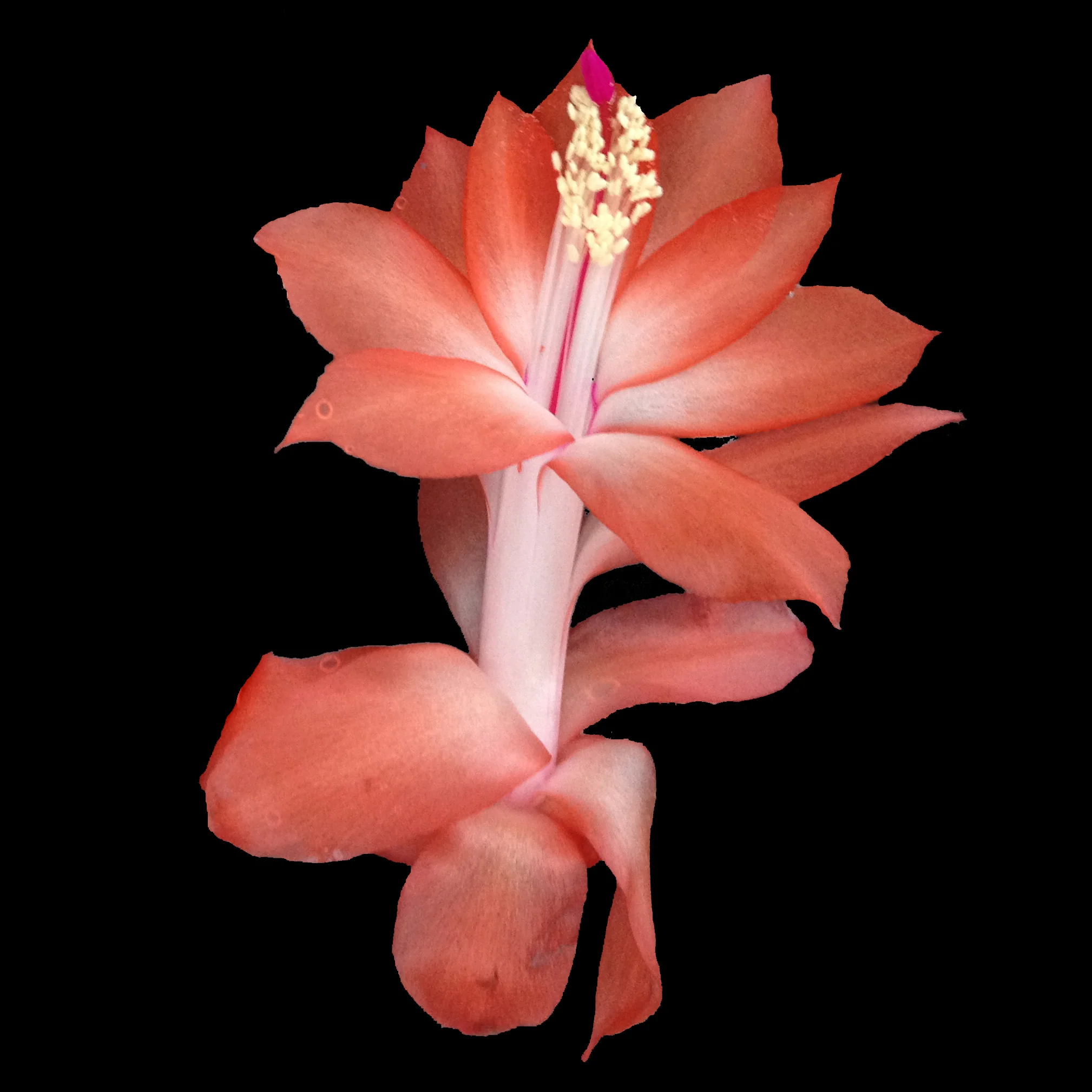
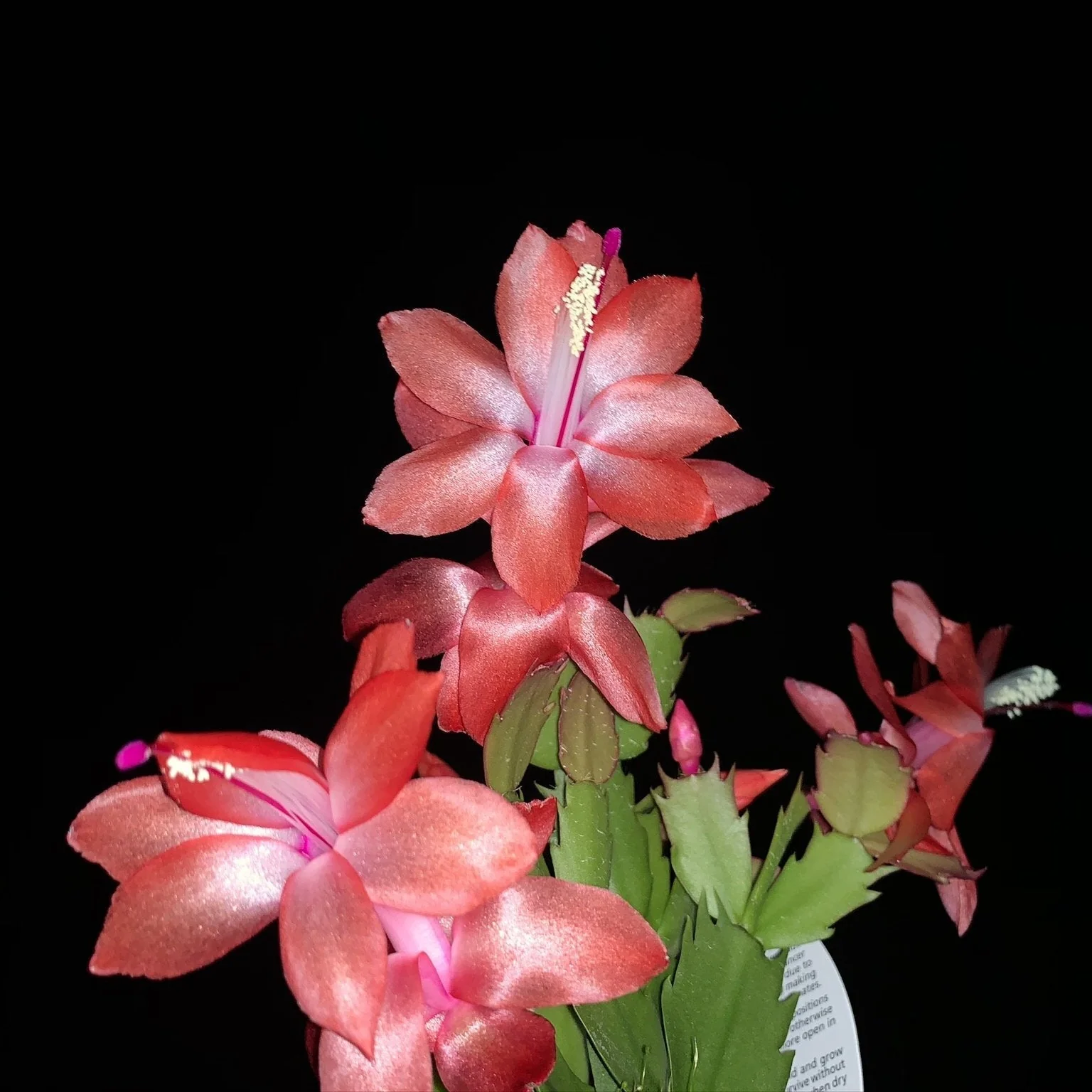
Disocactus anguliger, formerly known as Epiphyllum anguliger, is a captivating epiphytic cactus native to the cloud forests of Mexico. This species is admired for its dramatically lobed stems and fragrant, nocturnal flowers. Often referred to as the Fishbone Cactus, it thrives in the shaded canopies of tropical forests, making it an ideal indoor specimen for hanging displays.
Distinctive Features
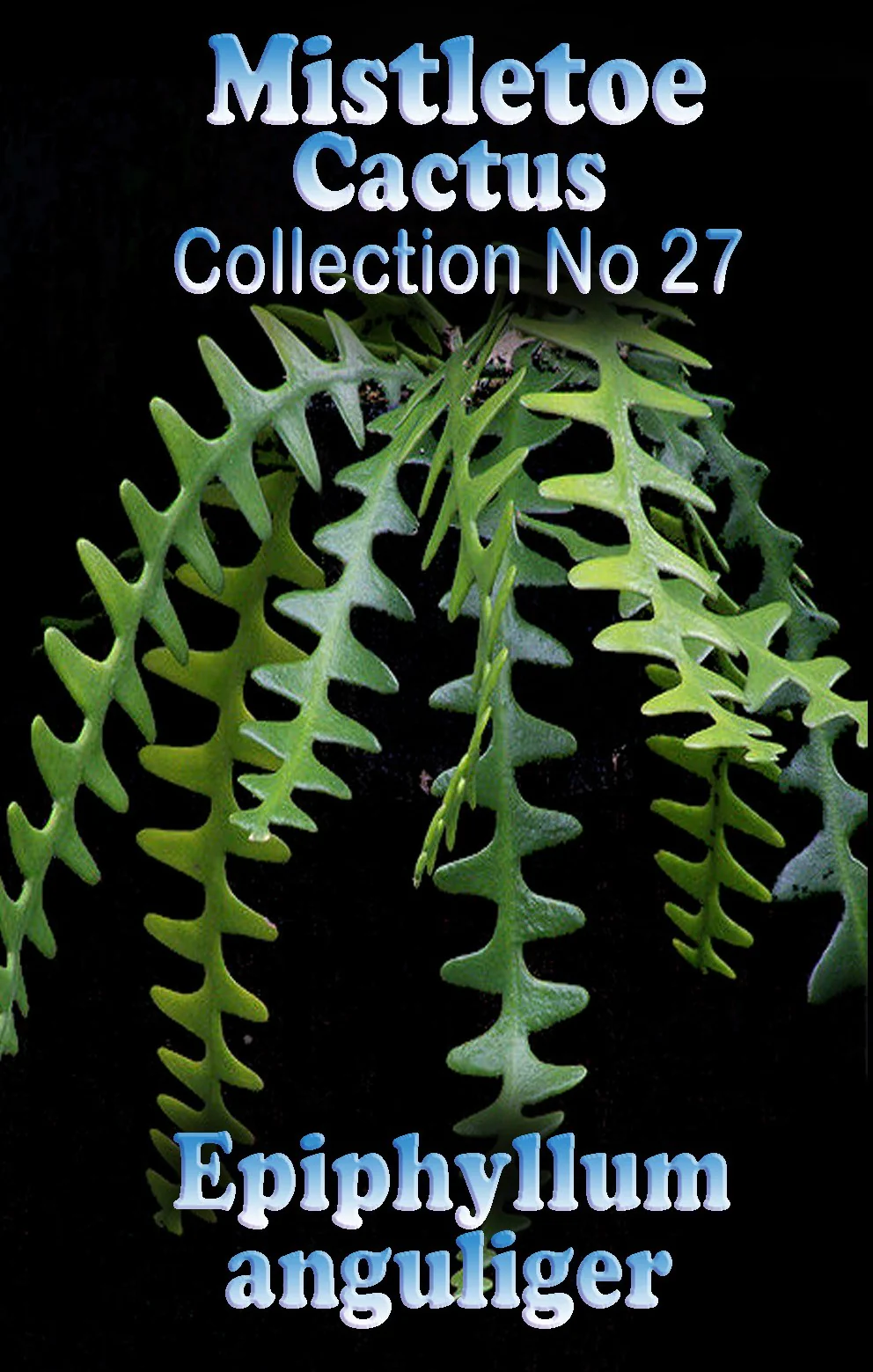
- Zig-zag stems: Flattened green stems with deep, angular lobes resembling a fishbone or ric-rac pattern.
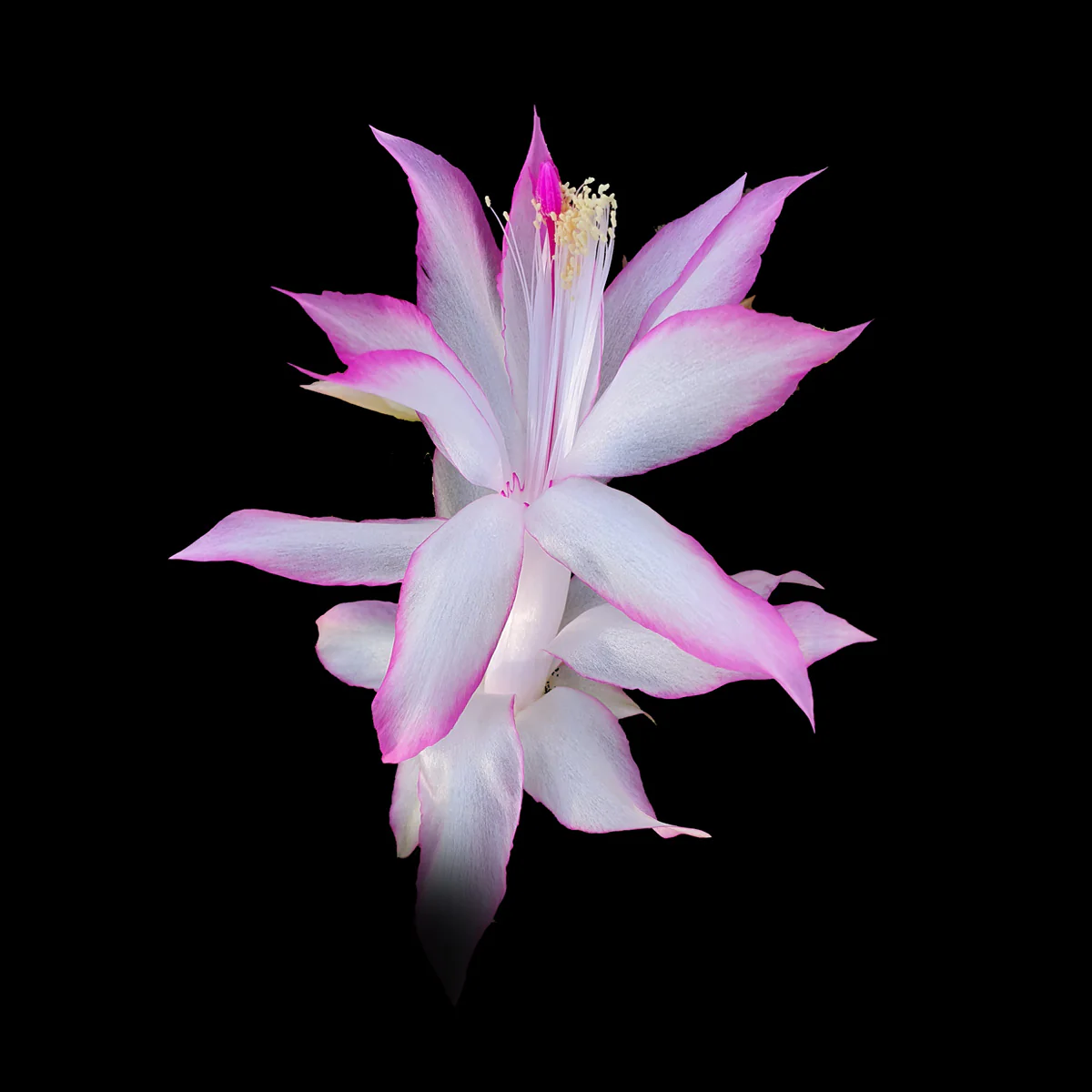
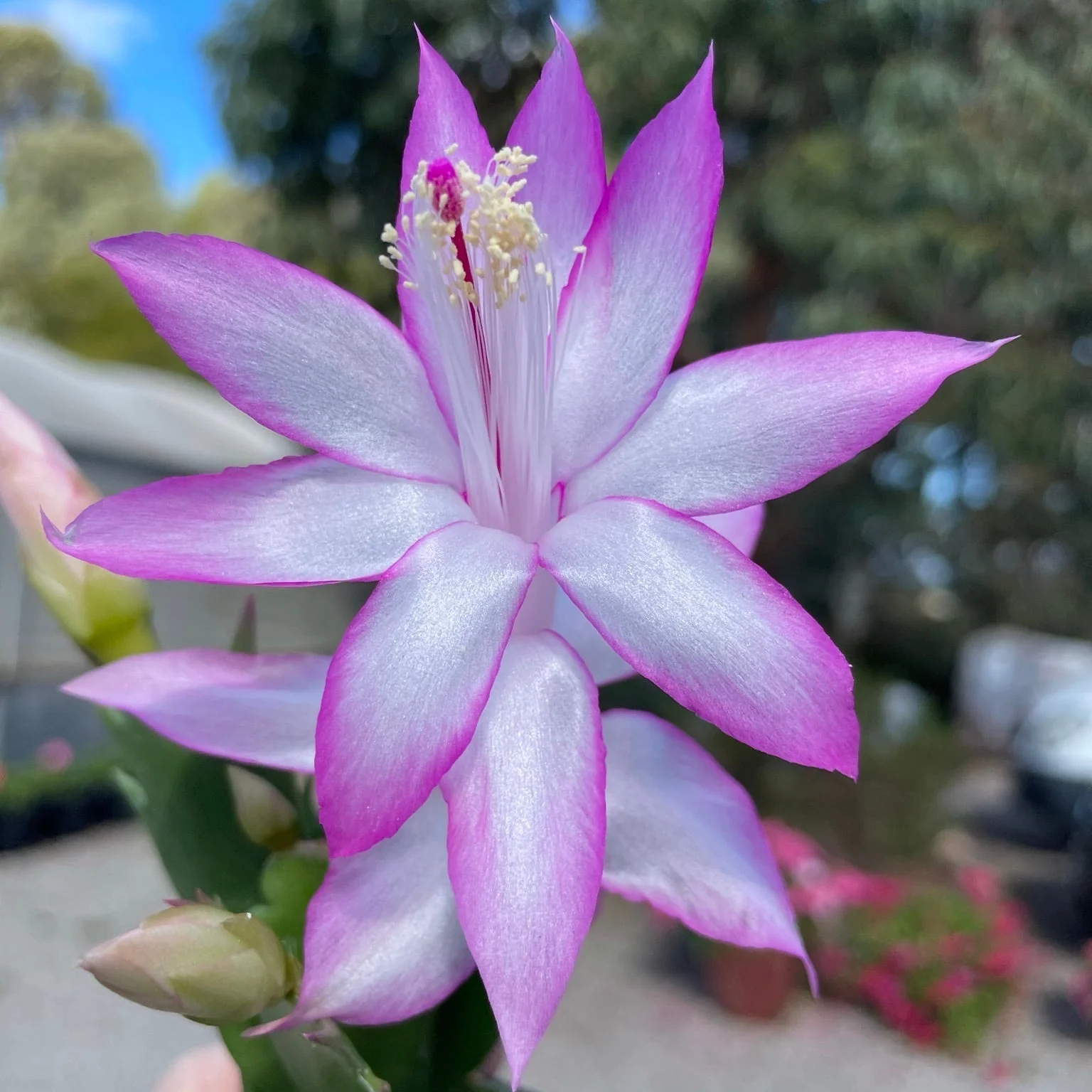
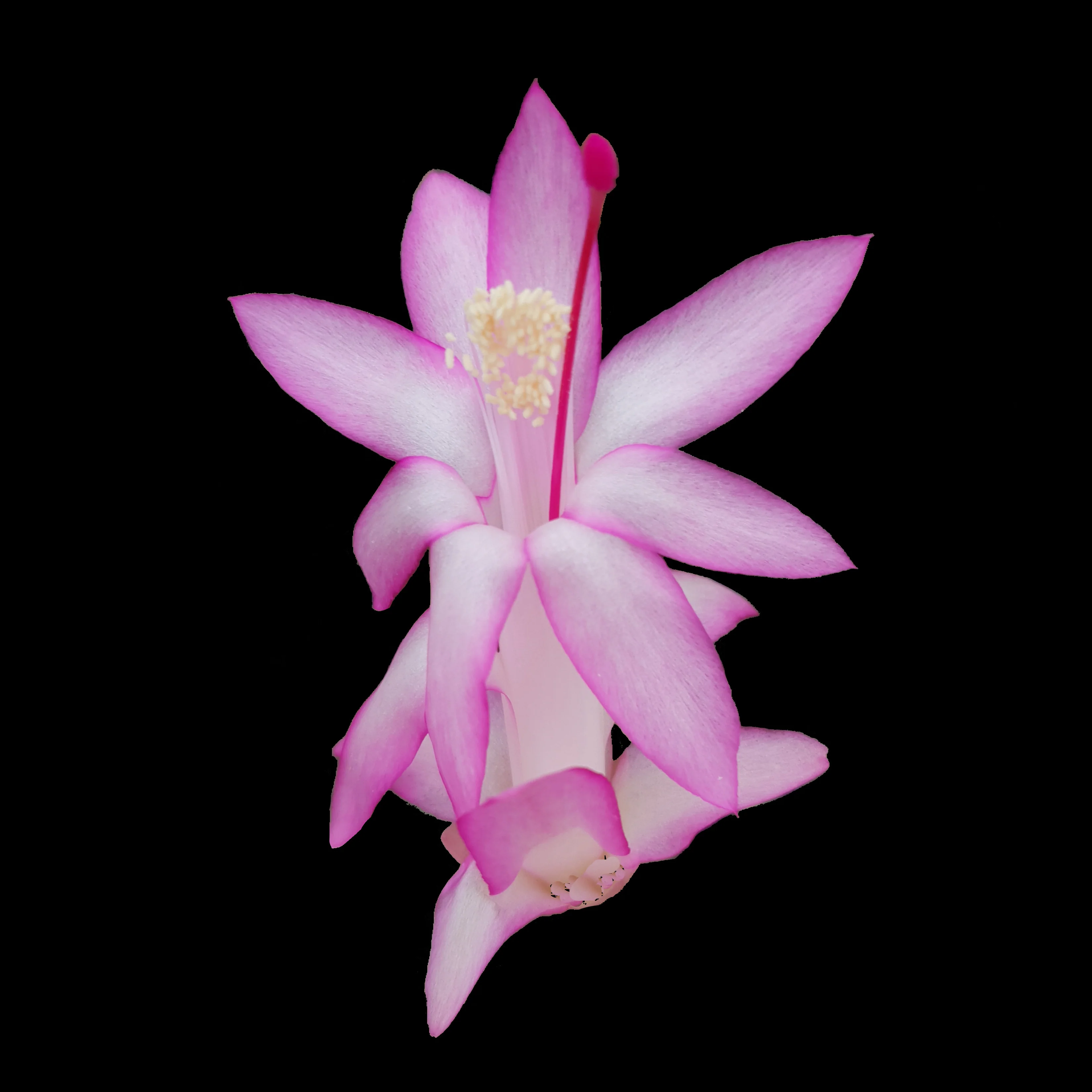
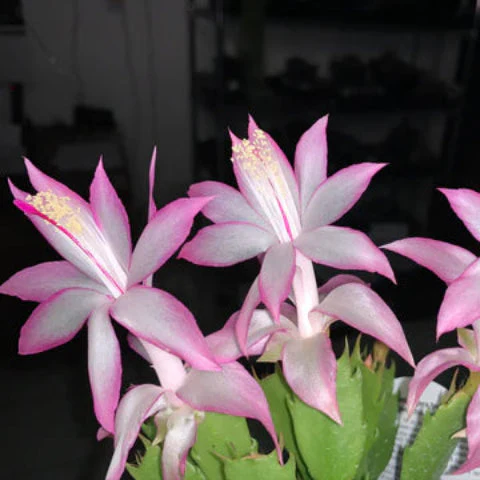
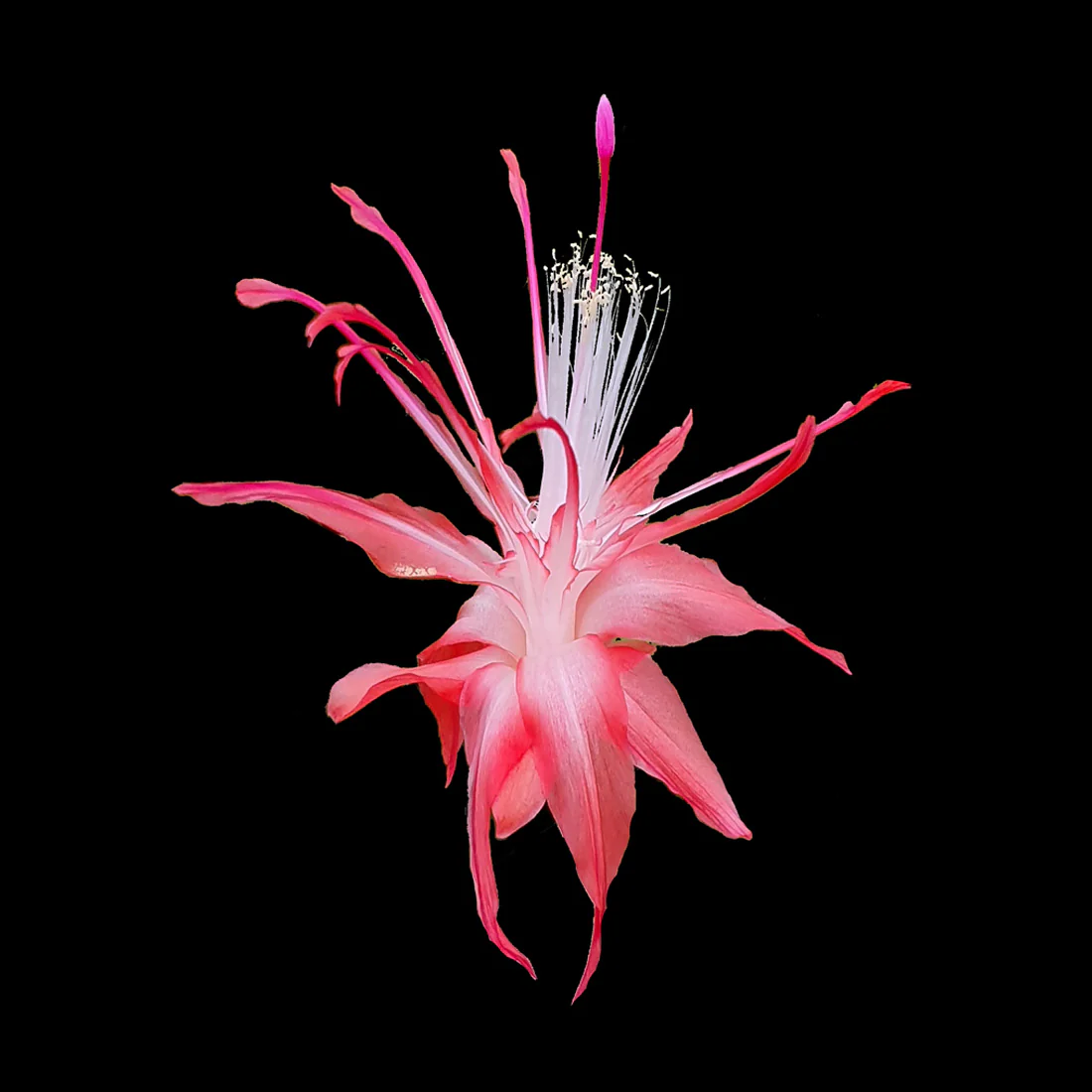
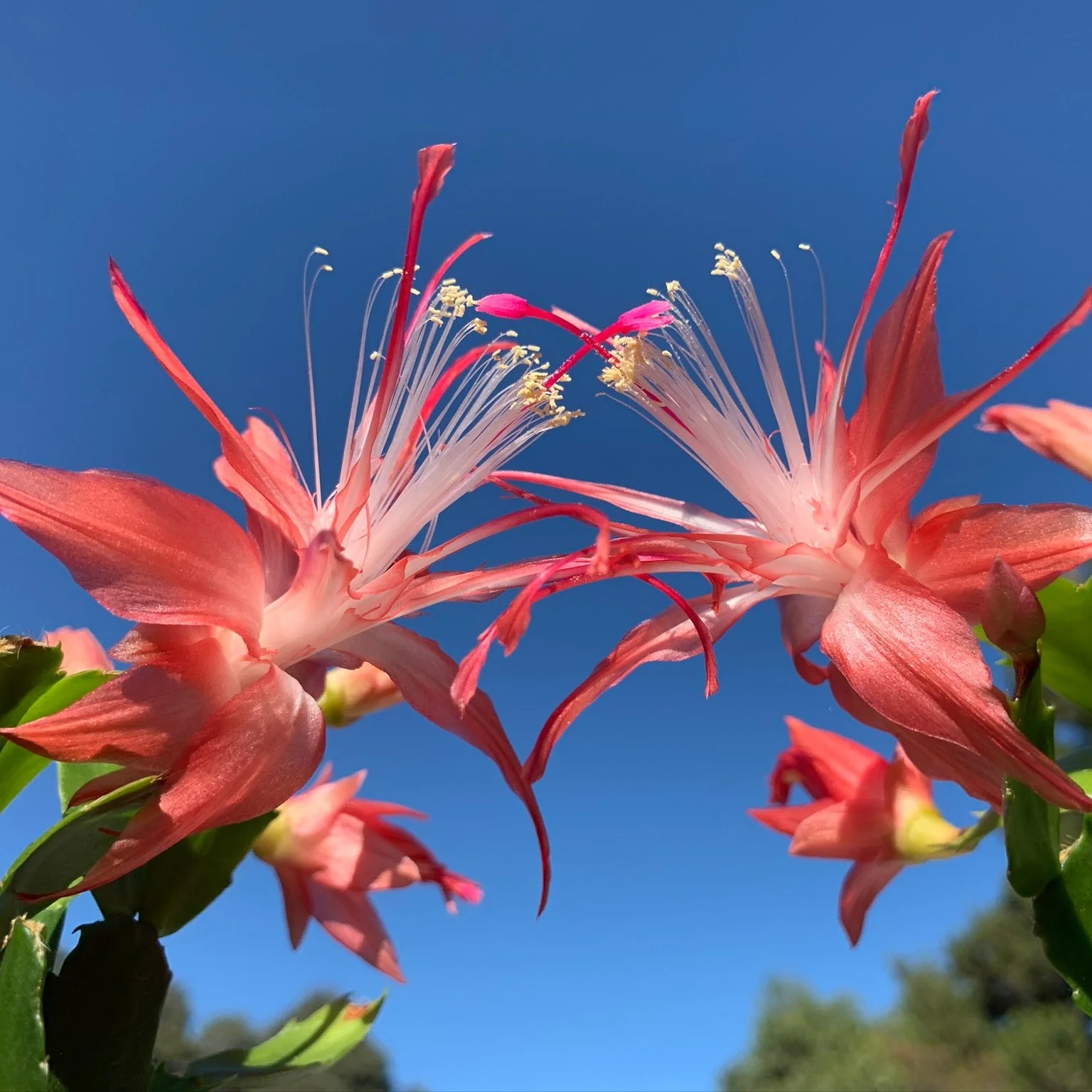
- Night-blooming flowers: Large, creamy-white blooms emerge in the evening, releasing a heady fragrance that attracts nocturnal pollinators.
- Epiphytic growth: In the wild, it clings to tree branches without drawing nutrients from the host, relying on humidity and organic debris for sustenance.
Care Tips
- Light: Prefers bright, indirect light; avoid harsh direct sun which may scorch stems.
- Water: Water thoroughly when the top few centimetres of mix are dry; reduce in winter.
- Humidity: Appreciates moderate to high humidity; misting can be beneficial in dry indoor air.
- Media: Use a very free-draining epiphytic mix with orchid bark, perlite, and peat or coir.
- Temperature: Thrives between 16–26°C; avoid exposure below 10°C.
- Fertiliser: Feed monthly in the growing season with a balanced liquid fertiliser diluted to half strength.
- Repotting: Repot every 2–3 years or when rootbound, ideally in spring.
More Images


Disocactus anguliger (syn. Epiphyllum anguliger) Fishbone Cactus
Disocactus anguliger, formerly known as Epiphyllum anguliger, is a captivating epiphytic cactus native to the cloud forests of Mexico. This species is admired for its dramatically lobed stems and fragrant, nocturnal flowers. Often referred to as the Fishbone Cactus, it thrives in the shaded canopies of tropical forests, making it an ideal indoor specimen for hanging displays.
Distinctive Features
- Zig-zag stems: Flattened green stems with deep, angular lobes resembling a fishbone or ric-rac pattern.
- Night-blooming flowers: Large, creamy-white blooms emerge in the evening, releasing a heady fragrance that attracts nocturnal pollinators.
- Epiphytic growth: In the wild, it clings to tree branches without drawing nutrients from the host, relying on humidity and organic debris for sustenance.
Care Tips
- Light: Prefers bright, indirect light; avoid harsh direct sun which may scorch stems.
- Water: Water thoroughly when the top few centimetres of mix are dry; reduce in winter.
- Humidity: Appreciates moderate to high humidity; misting can be beneficial in dry indoor air.
- Media: Use a very free-draining epiphytic mix with orchid bark, perlite, and peat or coir.
- Temperature: Thrives between 16–26°C; avoid exposure below 10°C.
- Fertiliser: Feed monthly in the growing season with a balanced liquid fertiliser diluted to half strength.
- Repotting: Repot every 2–3 years or when rootbound, ideally in spring.
Product Information
Product Information
Shipping & Returns
Shipping & Returns
Description
Disocactus anguliger, formerly known as Epiphyllum anguliger, is a captivating epiphytic cactus native to the cloud forests of Mexico. This species is admired for its dramatically lobed stems and fragrant, nocturnal flowers. Often referred to as the Fishbone Cactus, it thrives in the shaded canopies of tropical forests, making it an ideal indoor specimen for hanging displays.
Distinctive Features
- Zig-zag stems: Flattened green stems with deep, angular lobes resembling a fishbone or ric-rac pattern.
- Night-blooming flowers: Large, creamy-white blooms emerge in the evening, releasing a heady fragrance that attracts nocturnal pollinators.
- Epiphytic growth: In the wild, it clings to tree branches without drawing nutrients from the host, relying on humidity and organic debris for sustenance.
Care Tips
- Light: Prefers bright, indirect light; avoid harsh direct sun which may scorch stems.
- Water: Water thoroughly when the top few centimetres of mix are dry; reduce in winter.
- Humidity: Appreciates moderate to high humidity; misting can be beneficial in dry indoor air.
- Media: Use a very free-draining epiphytic mix with orchid bark, perlite, and peat or coir.
- Temperature: Thrives between 16–26°C; avoid exposure below 10°C.
- Fertiliser: Feed monthly in the growing season with a balanced liquid fertiliser diluted to half strength.
- Repotting: Repot every 2–3 years or when rootbound, ideally in spring.