Echeveria 'Black Pearl'
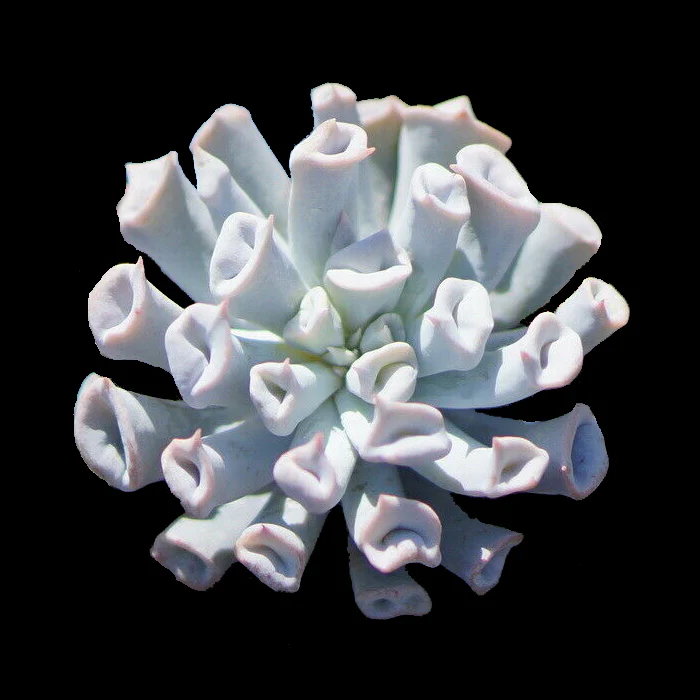
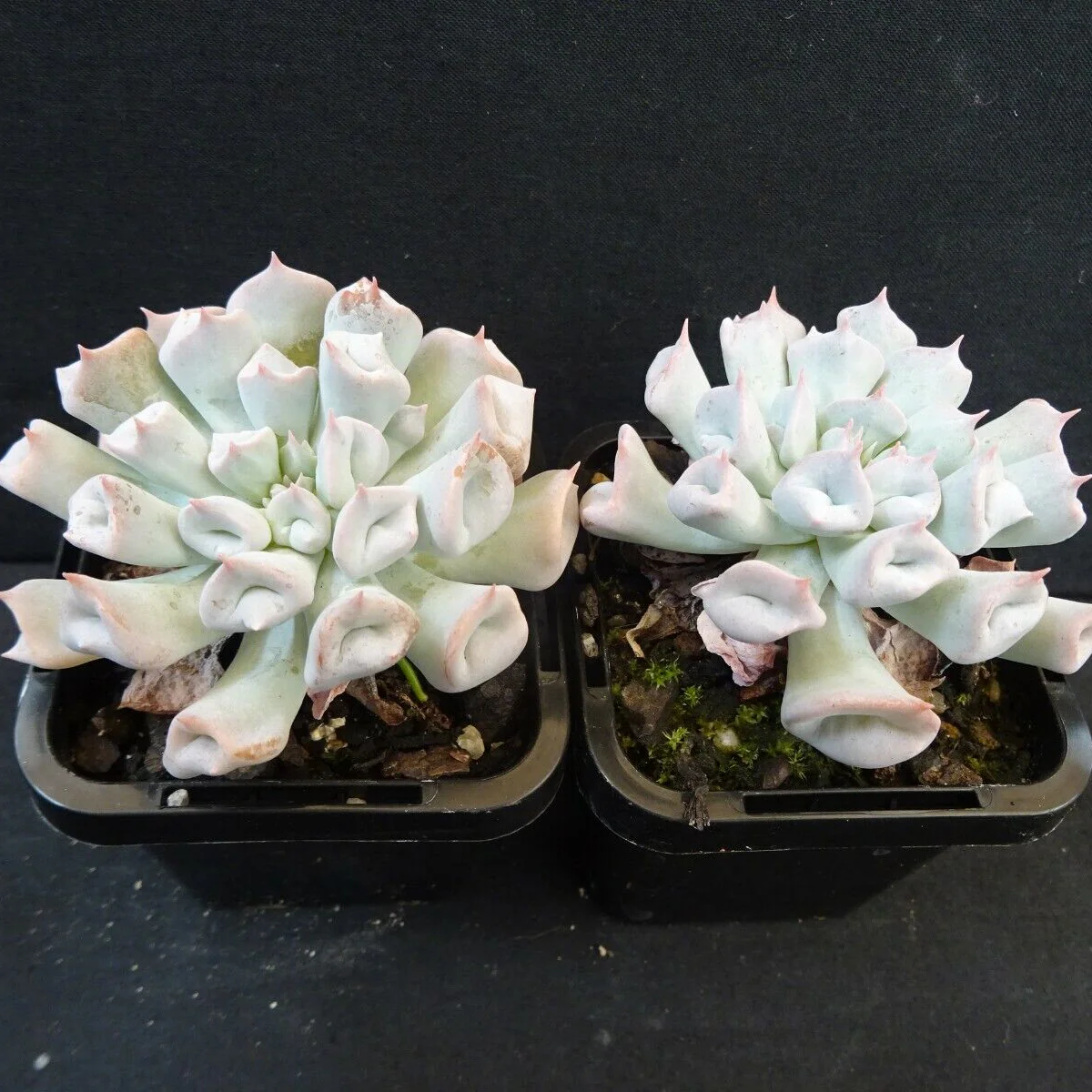
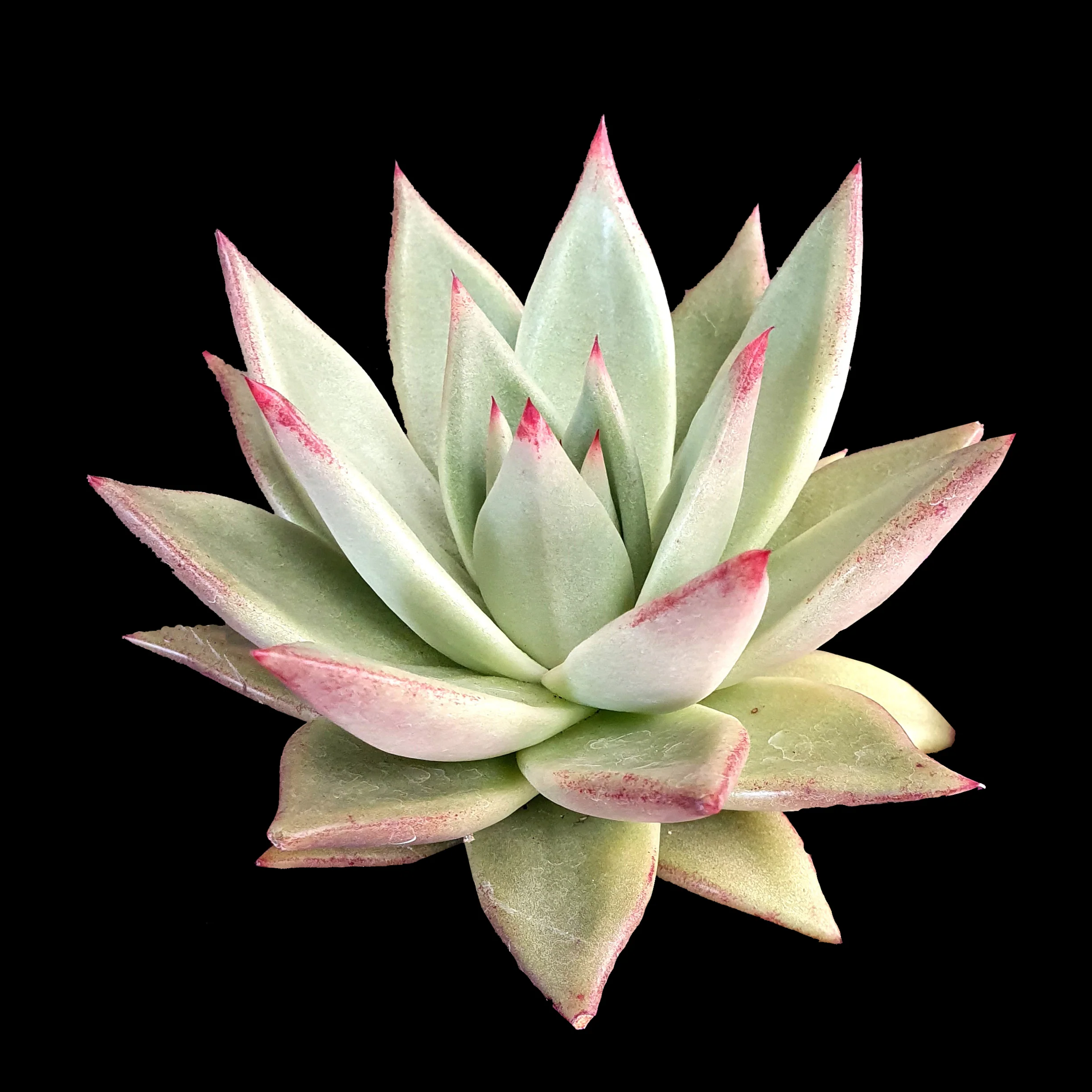
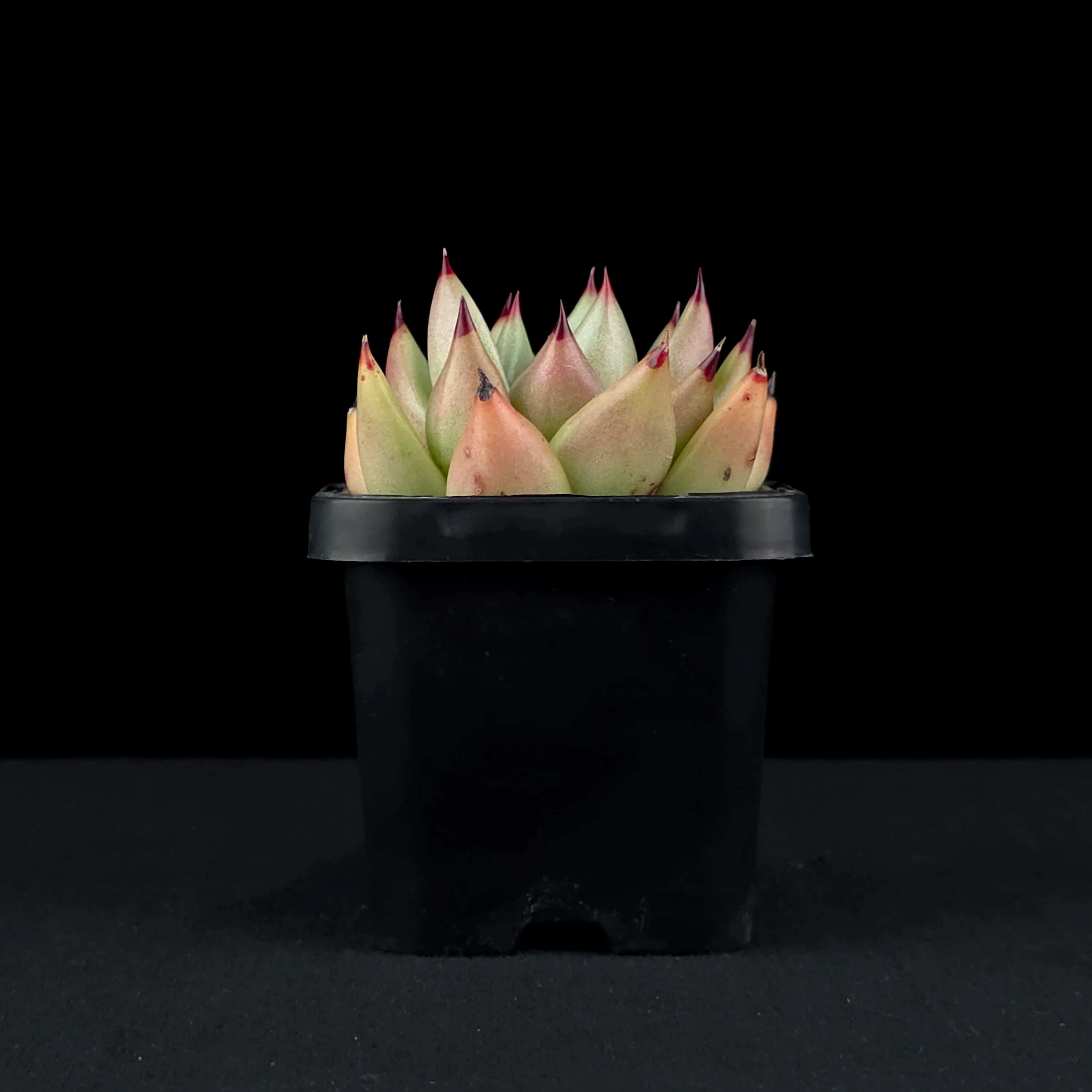
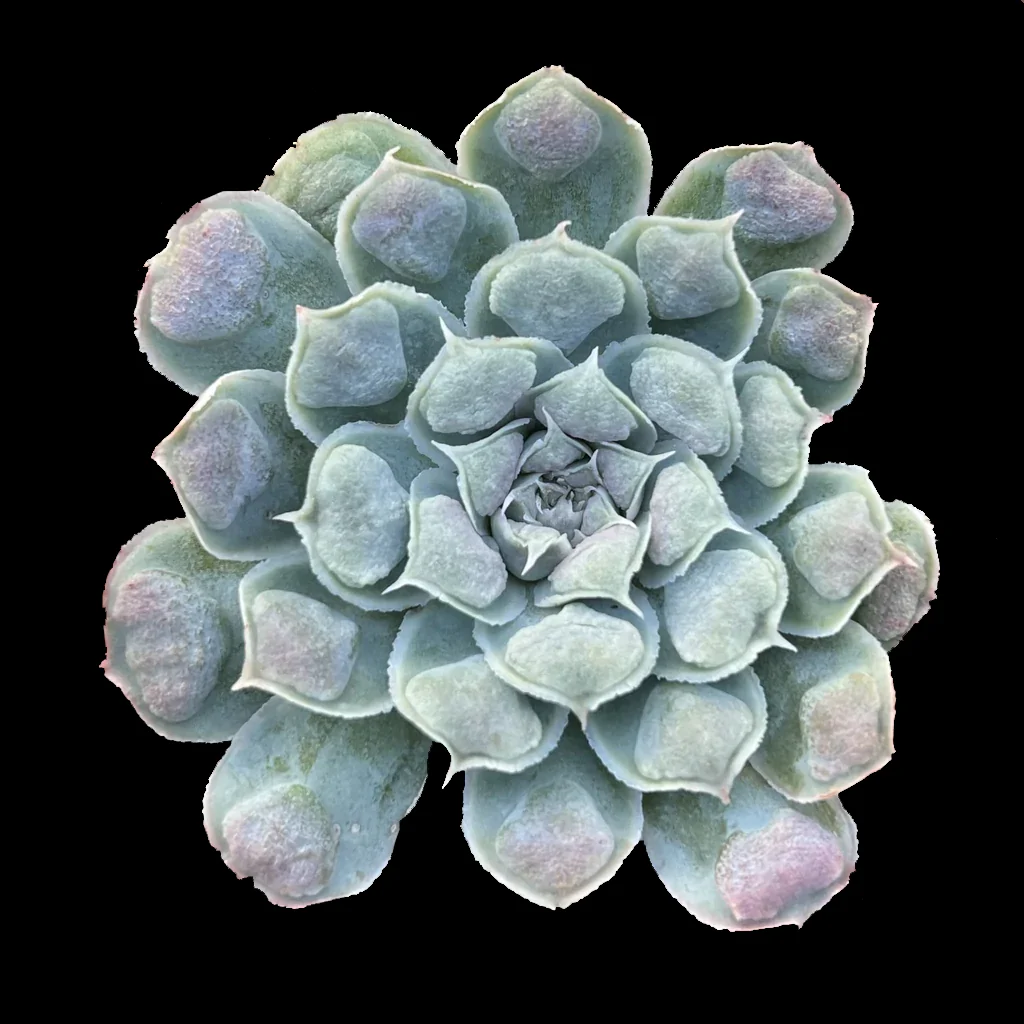
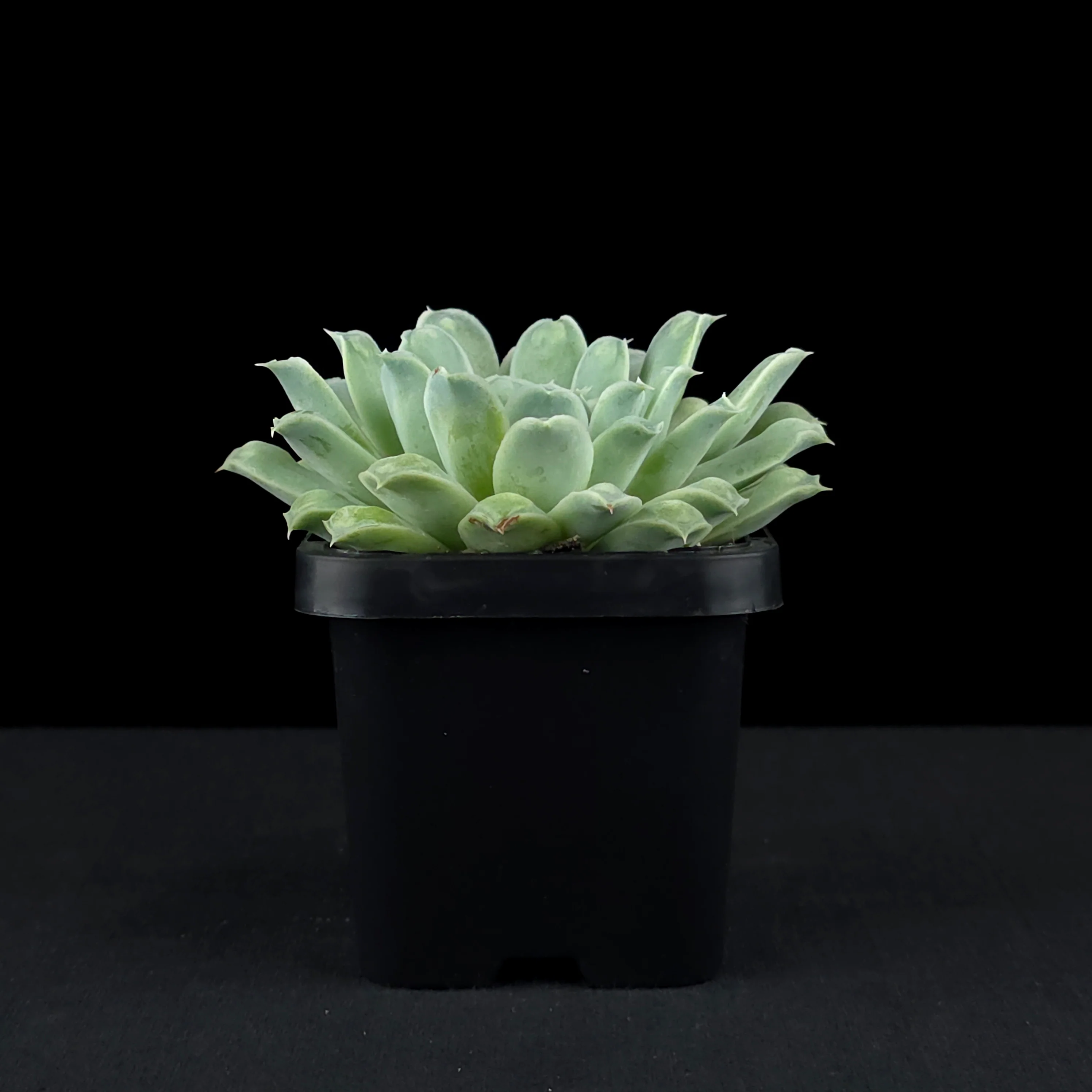
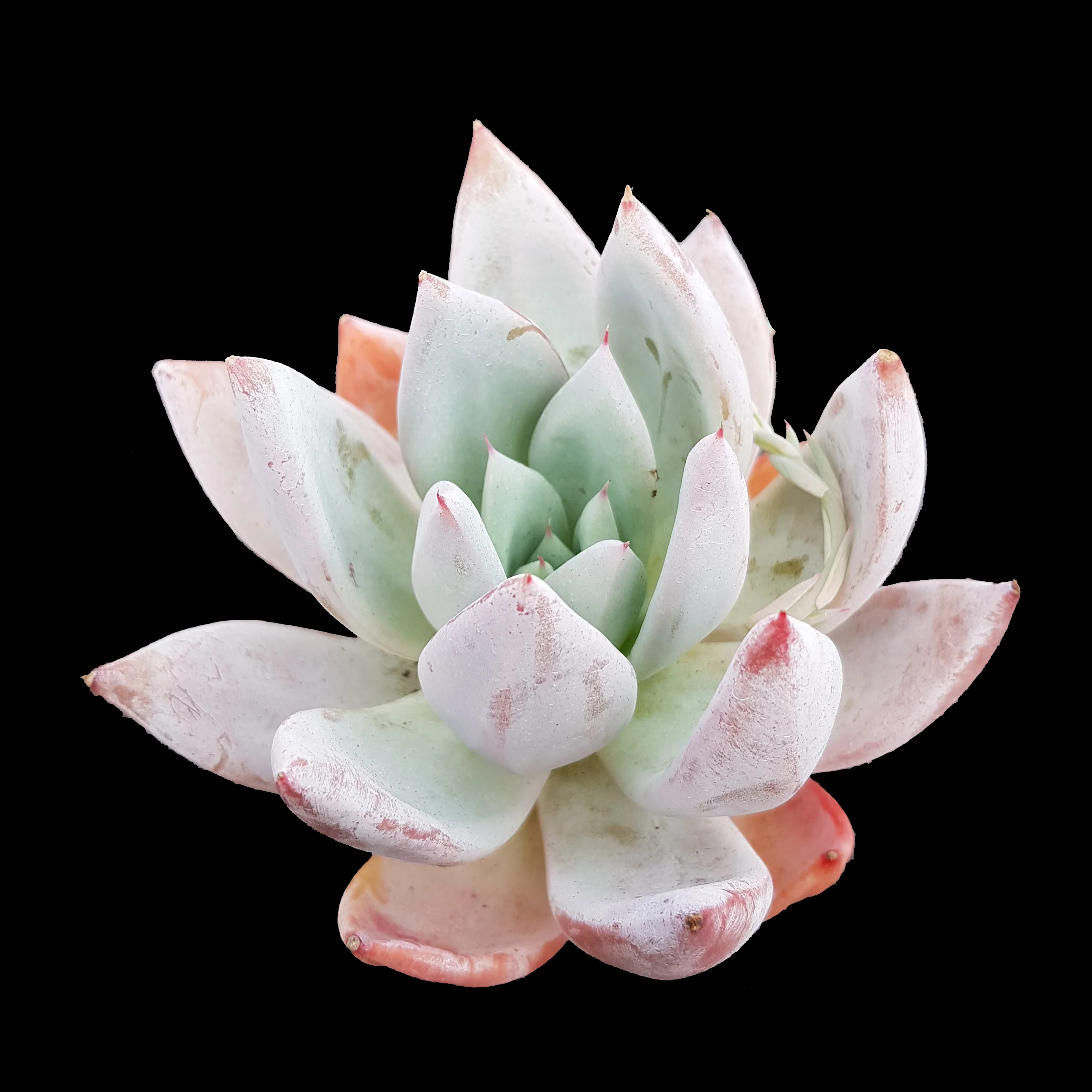
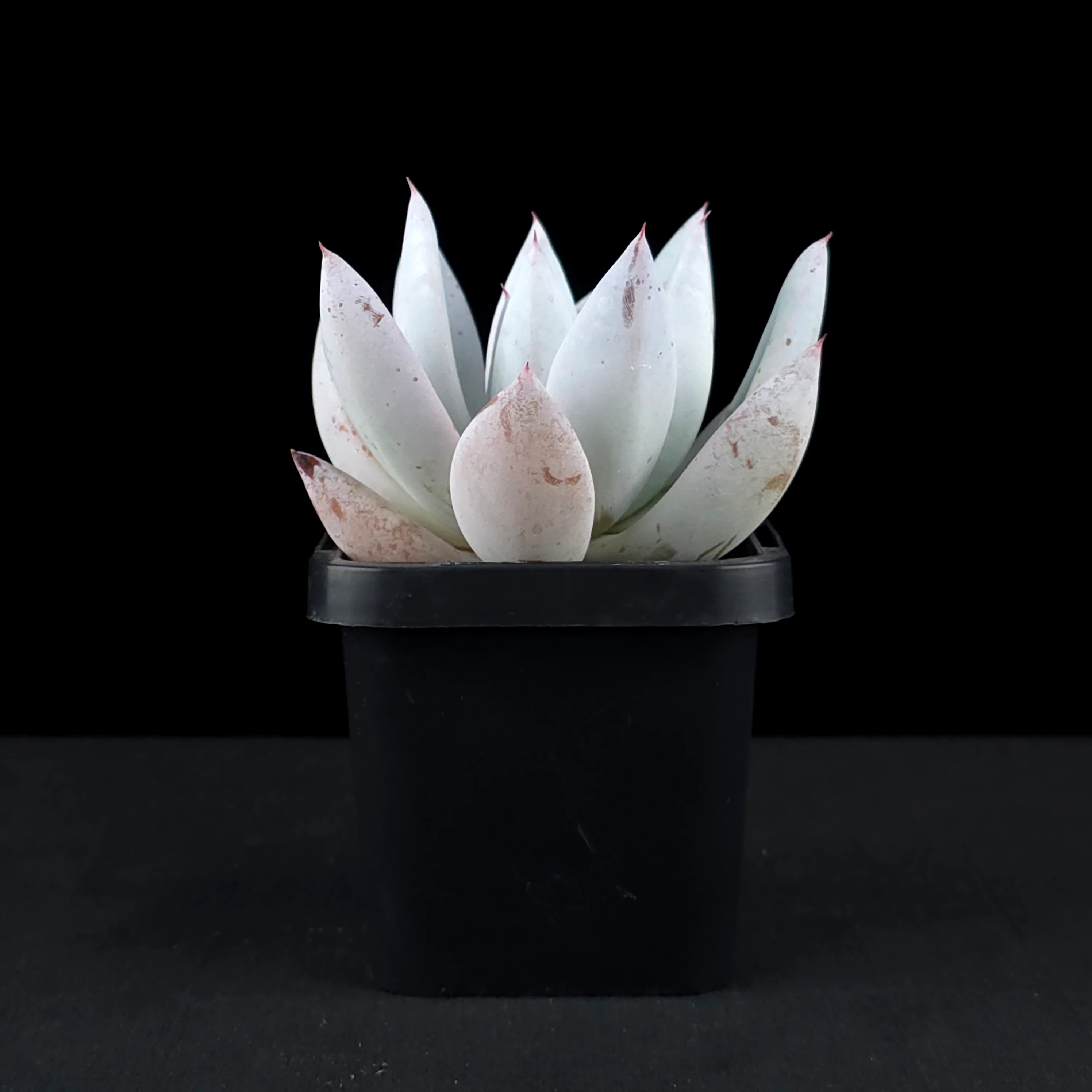
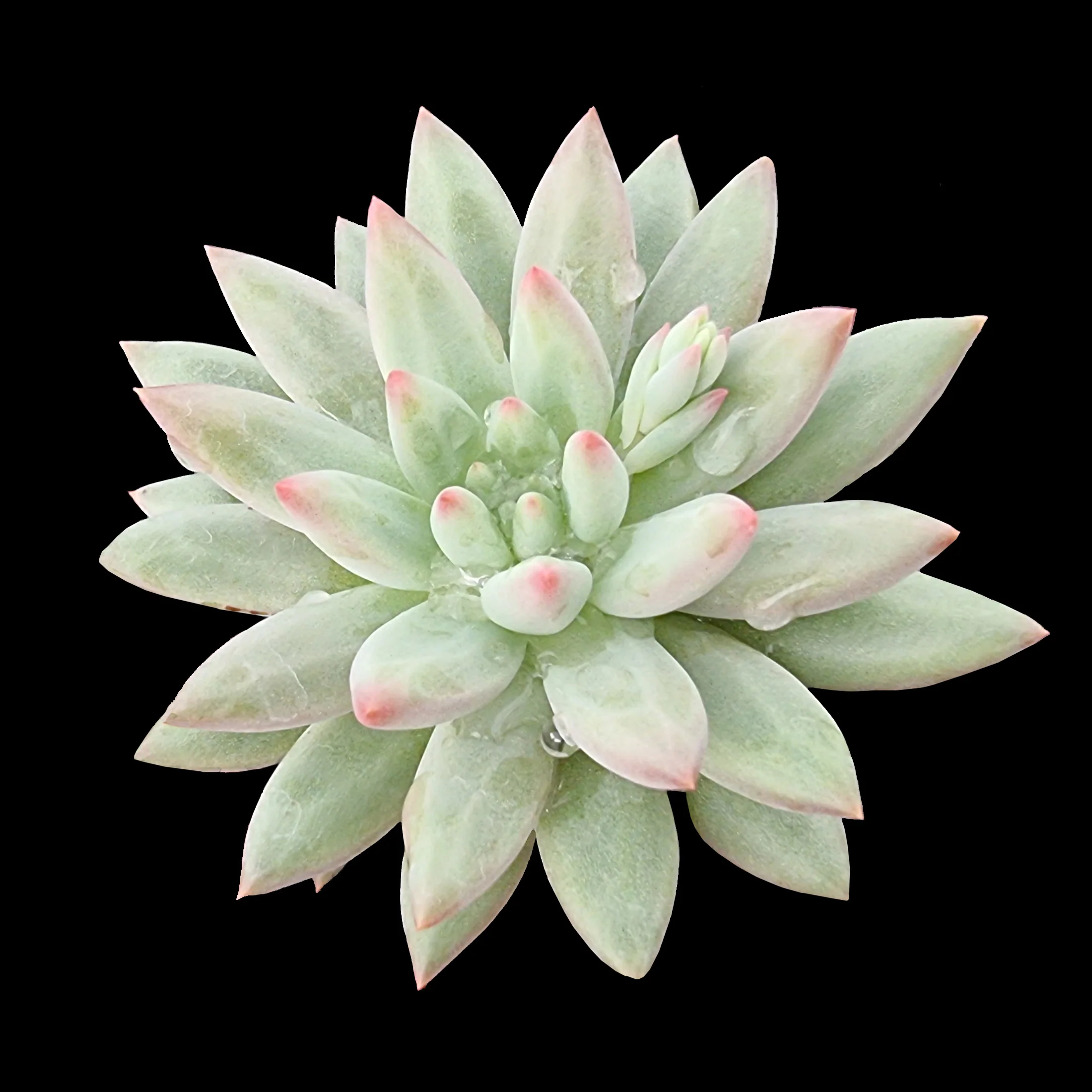
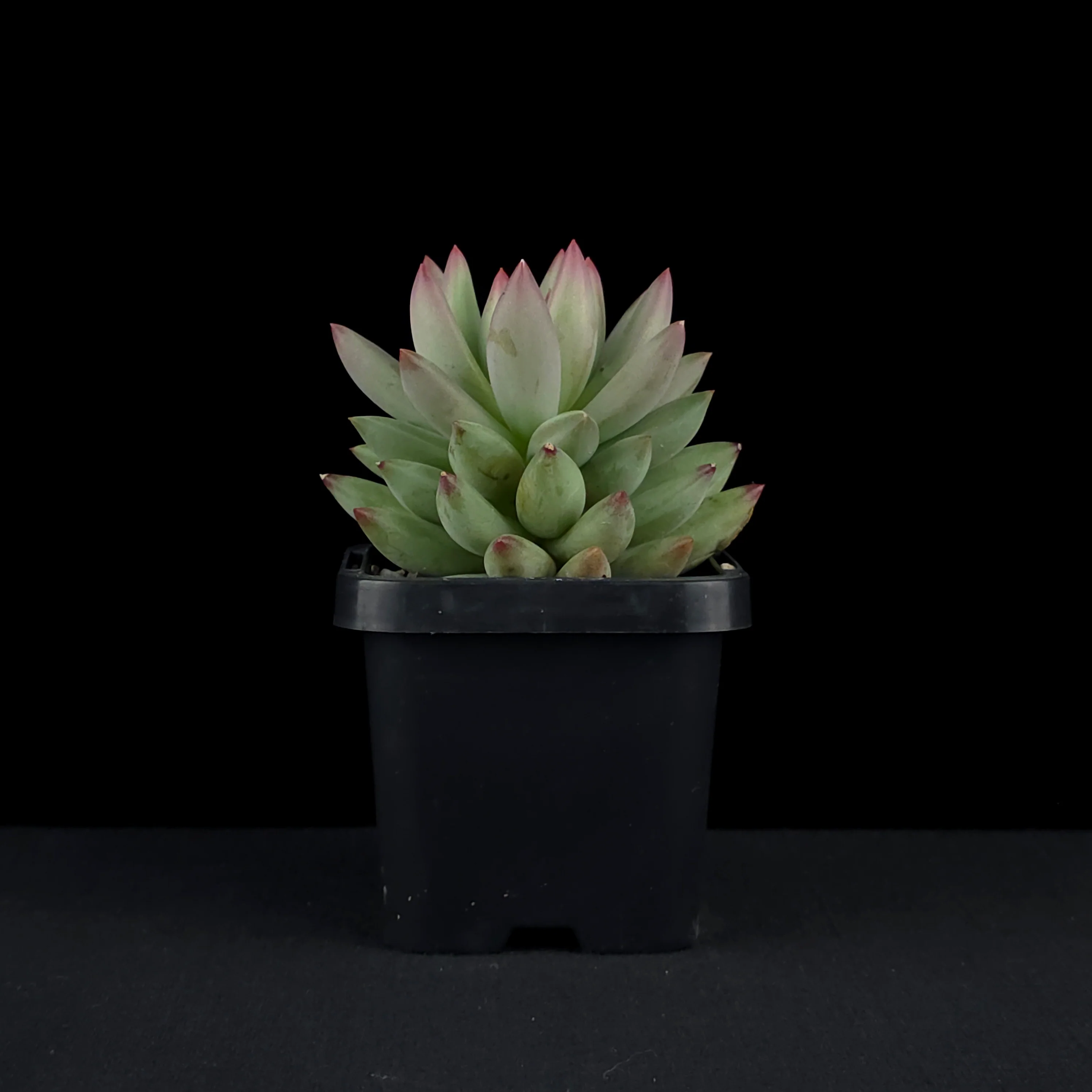
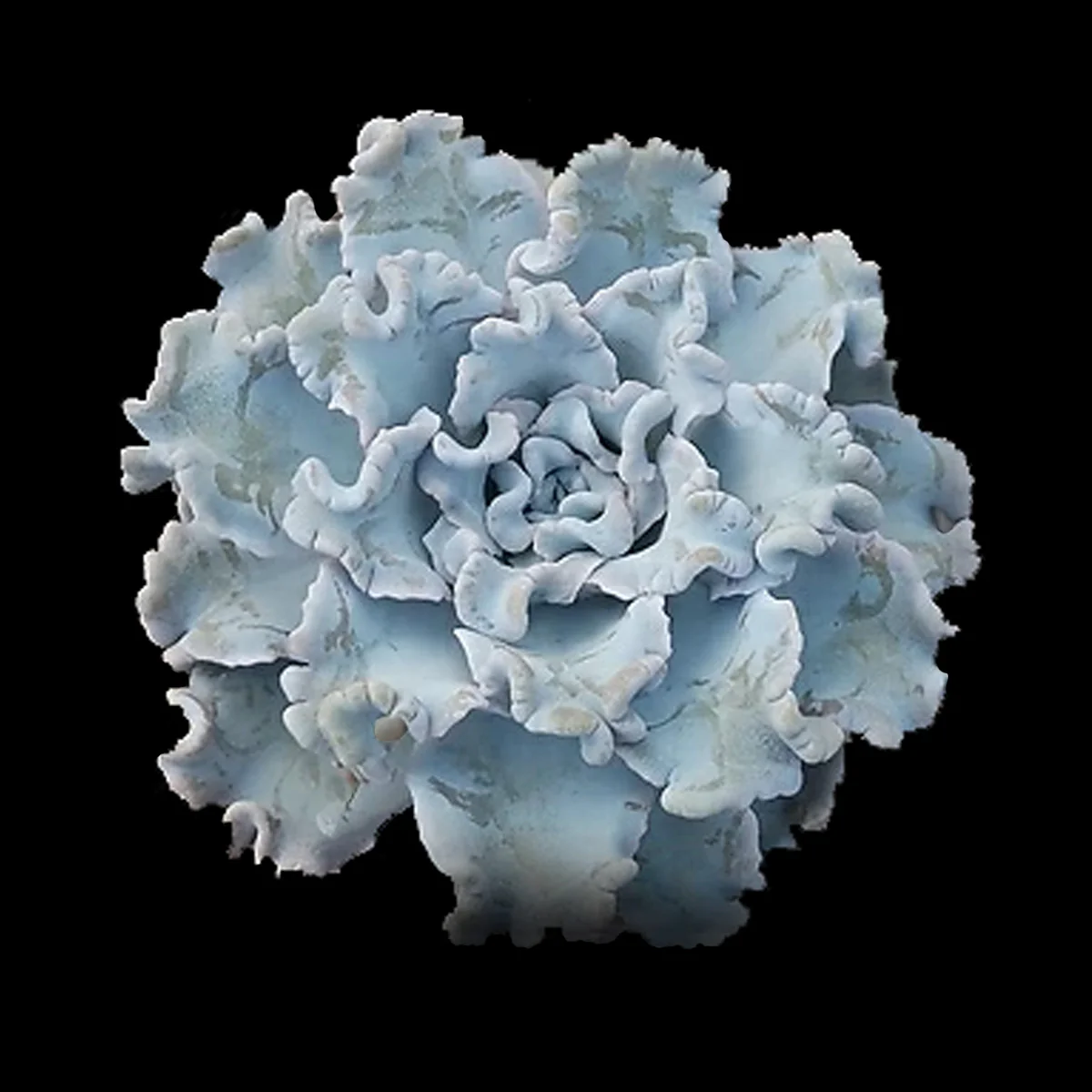
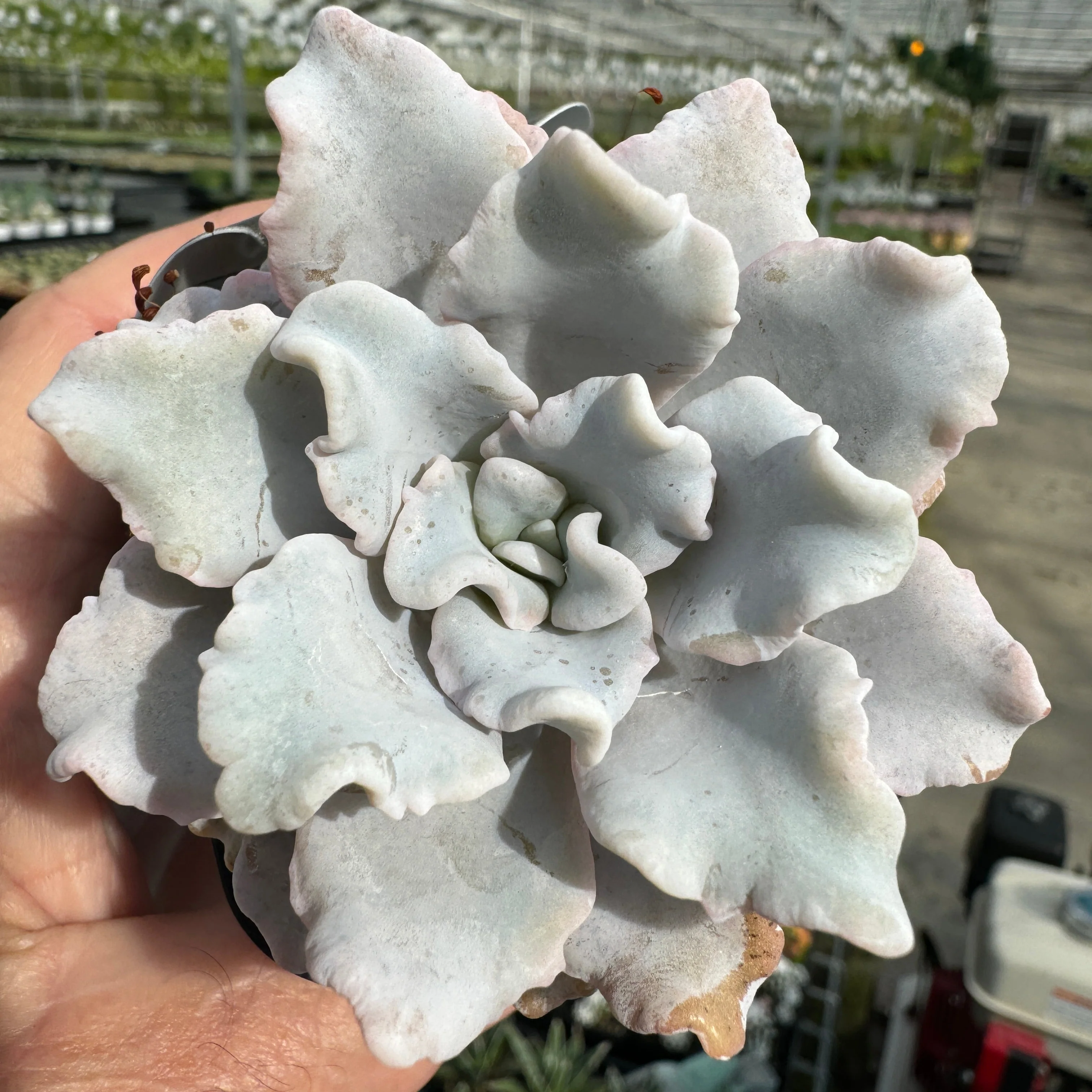
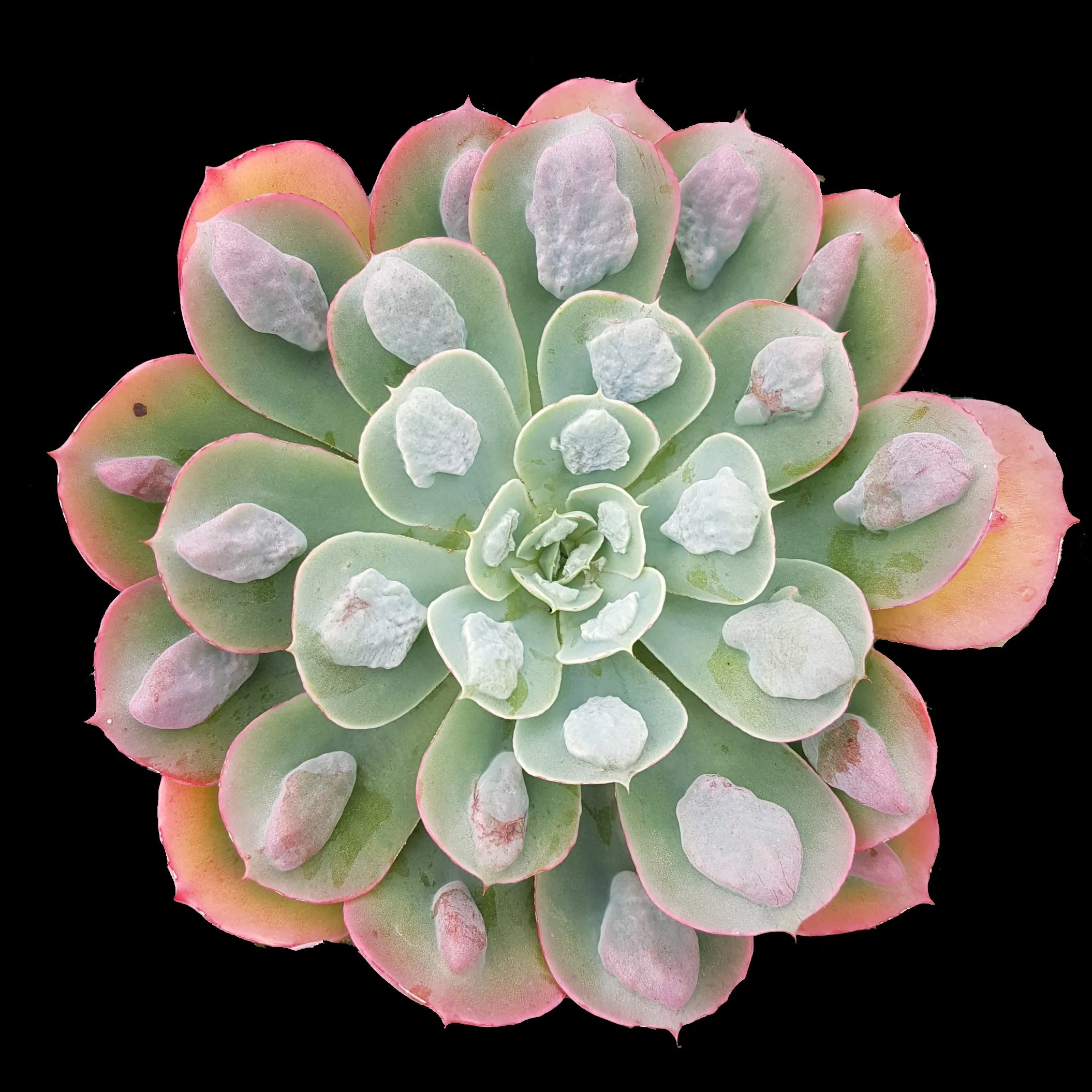
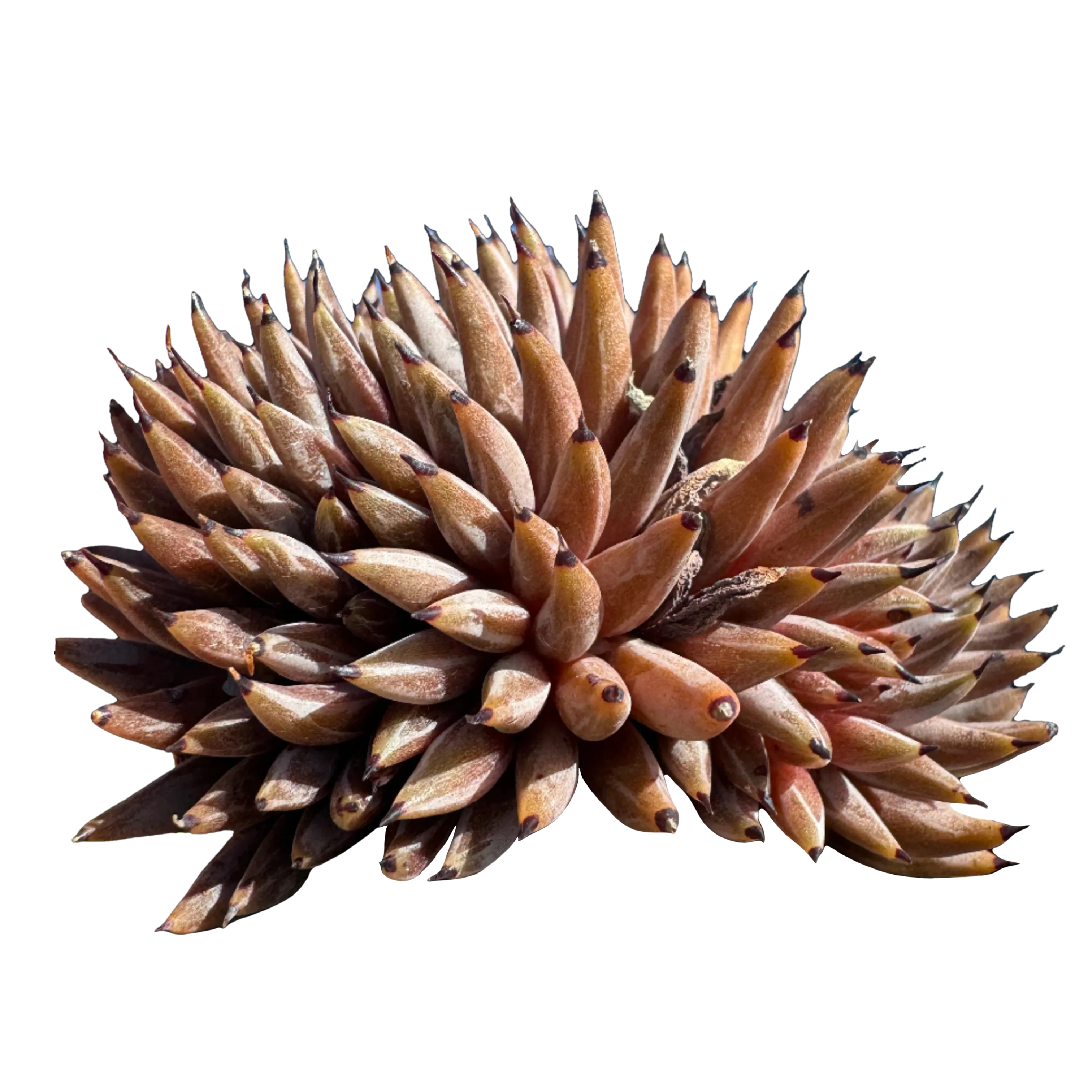
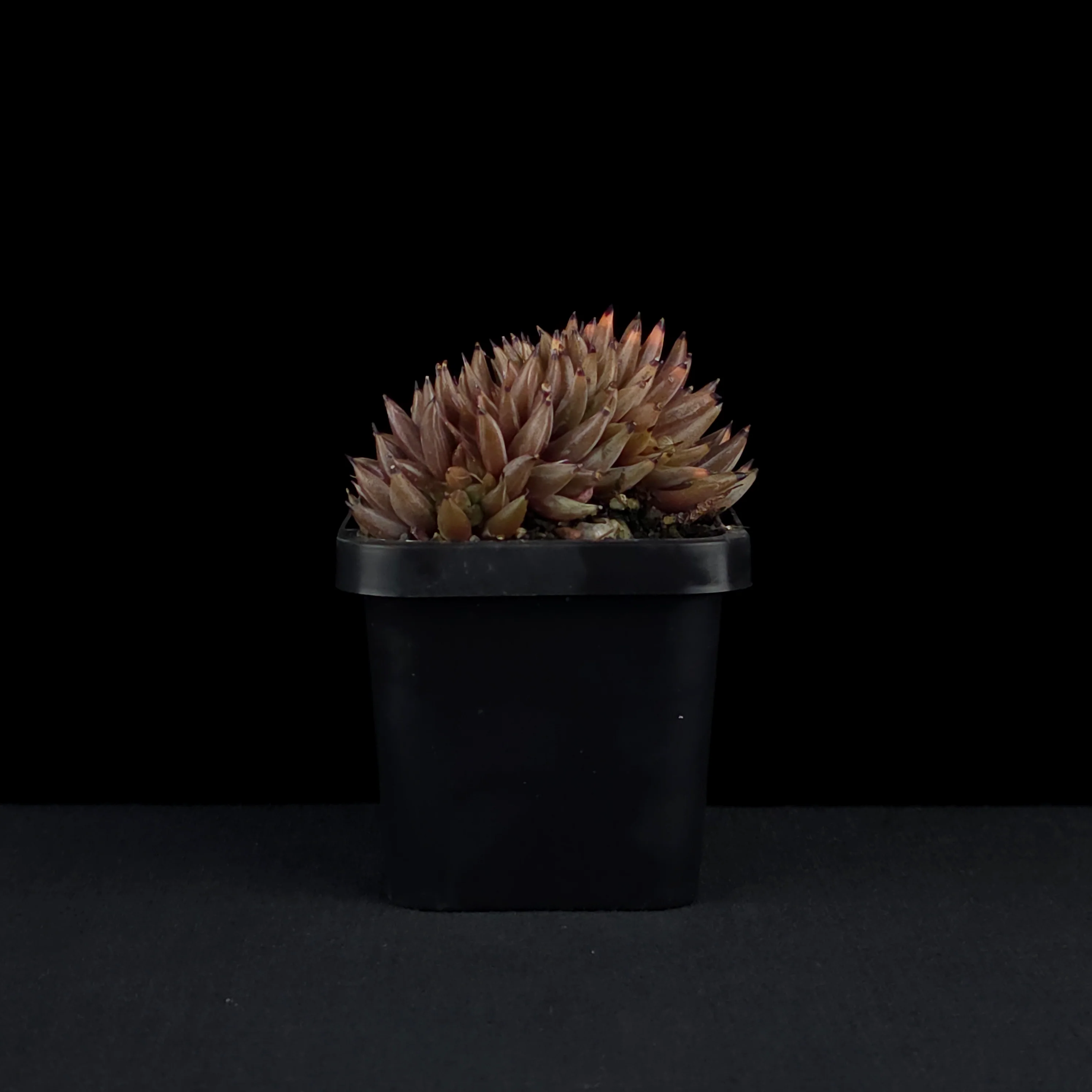
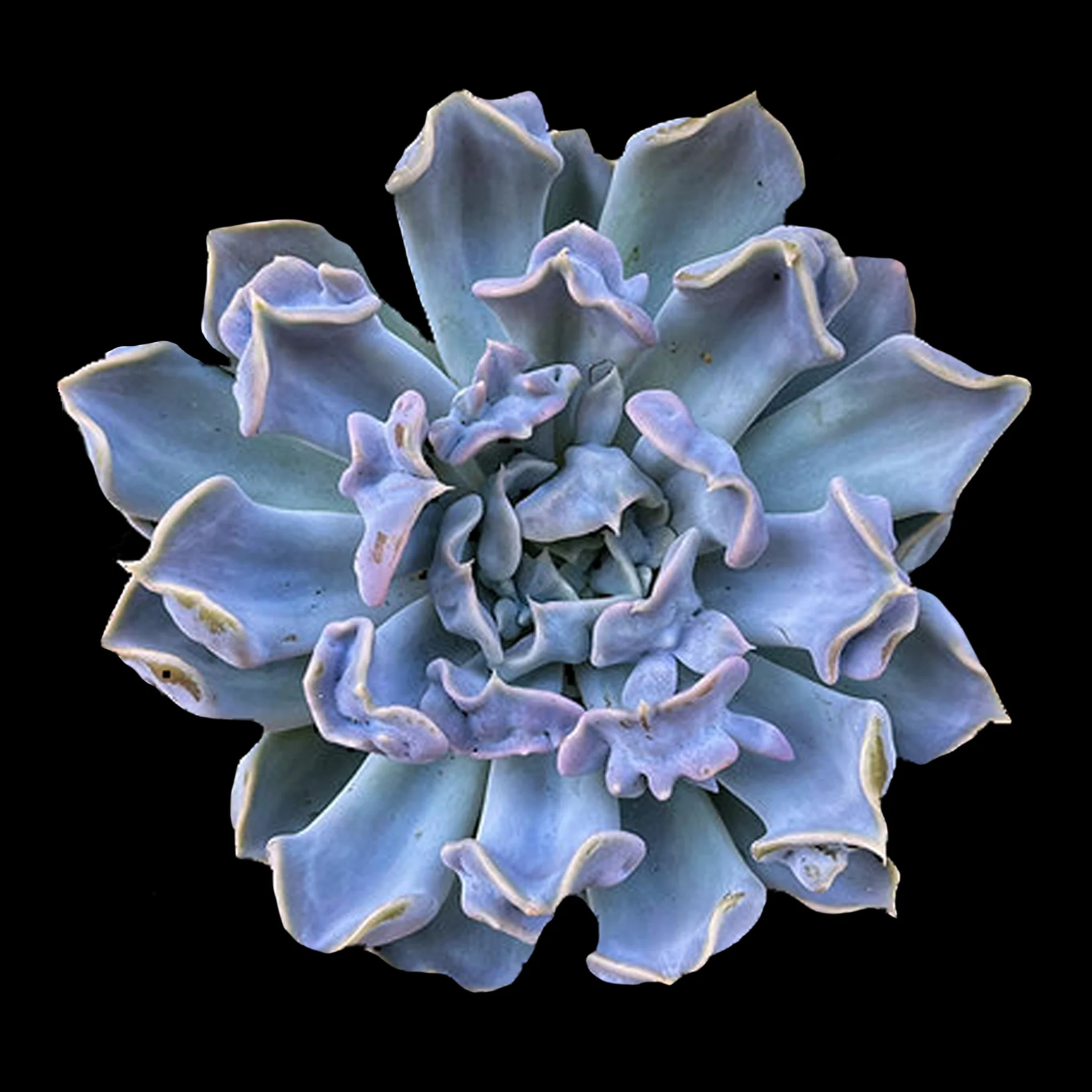
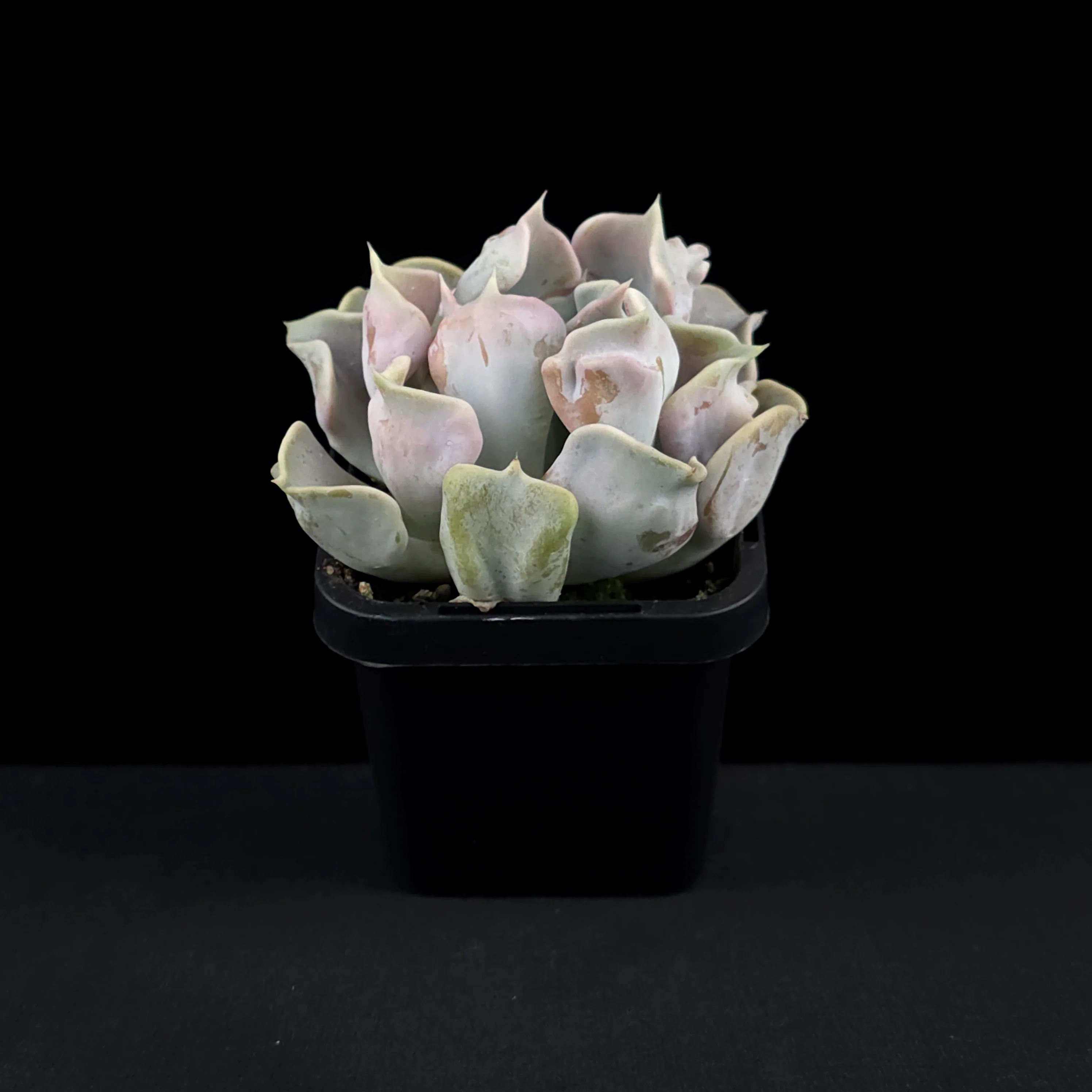
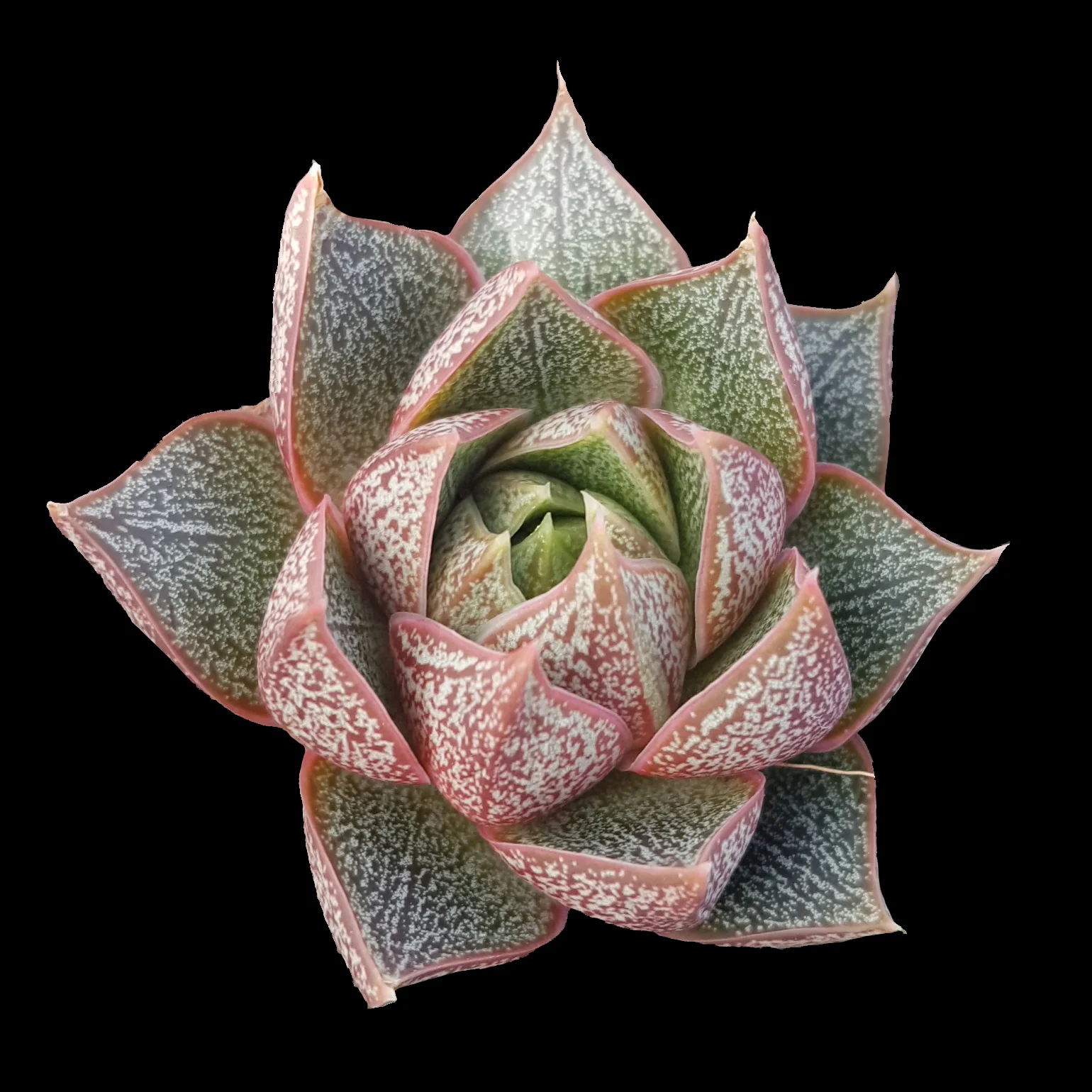
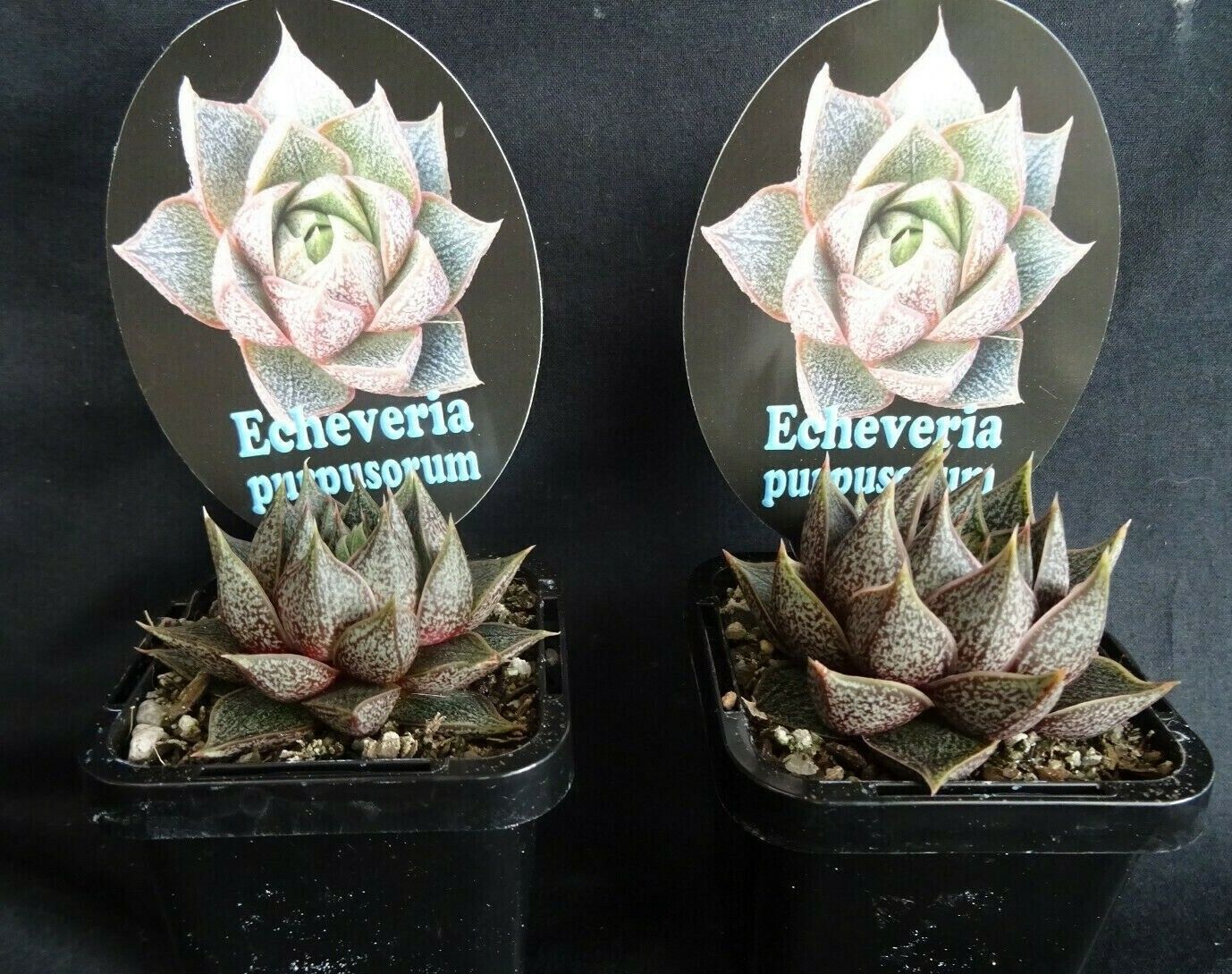
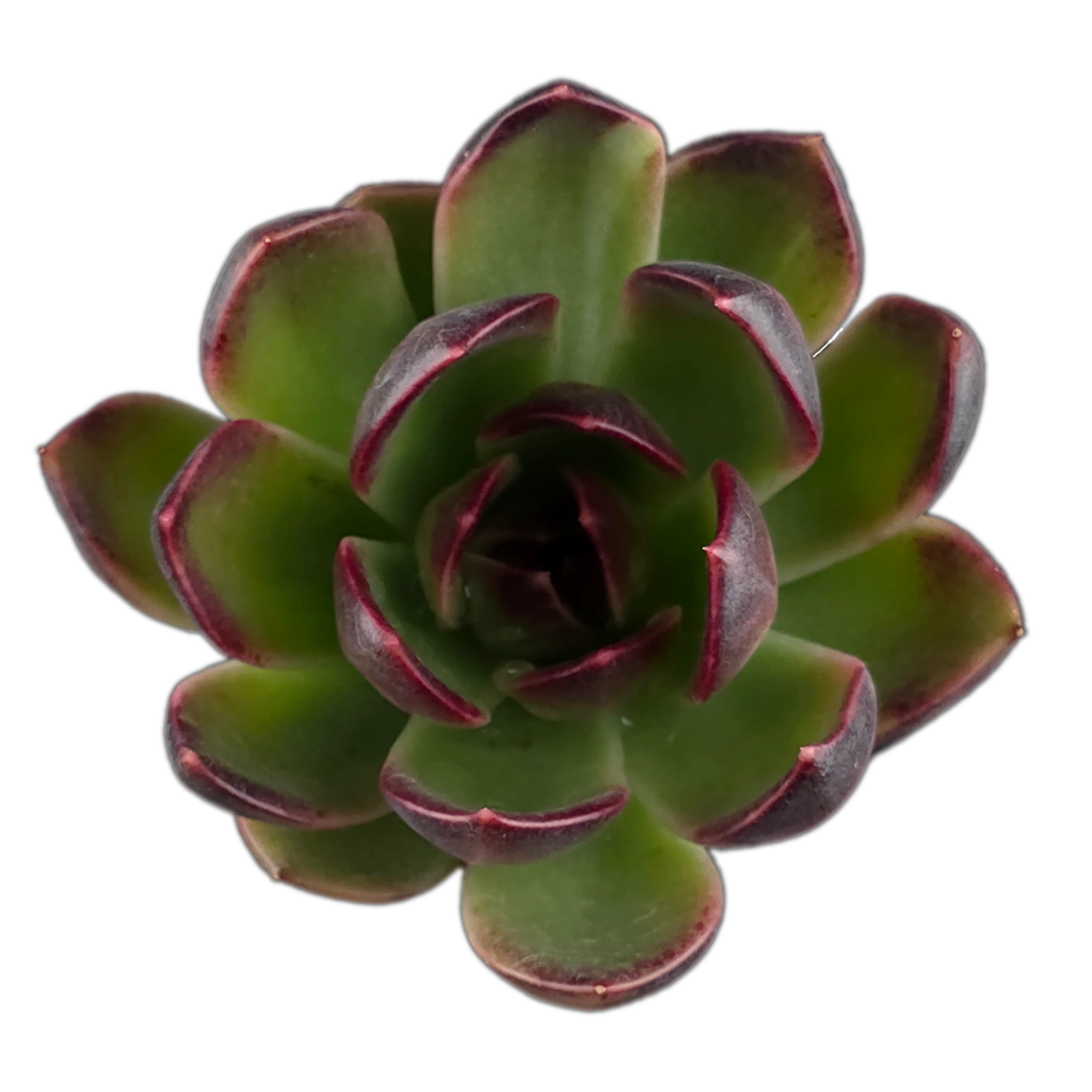
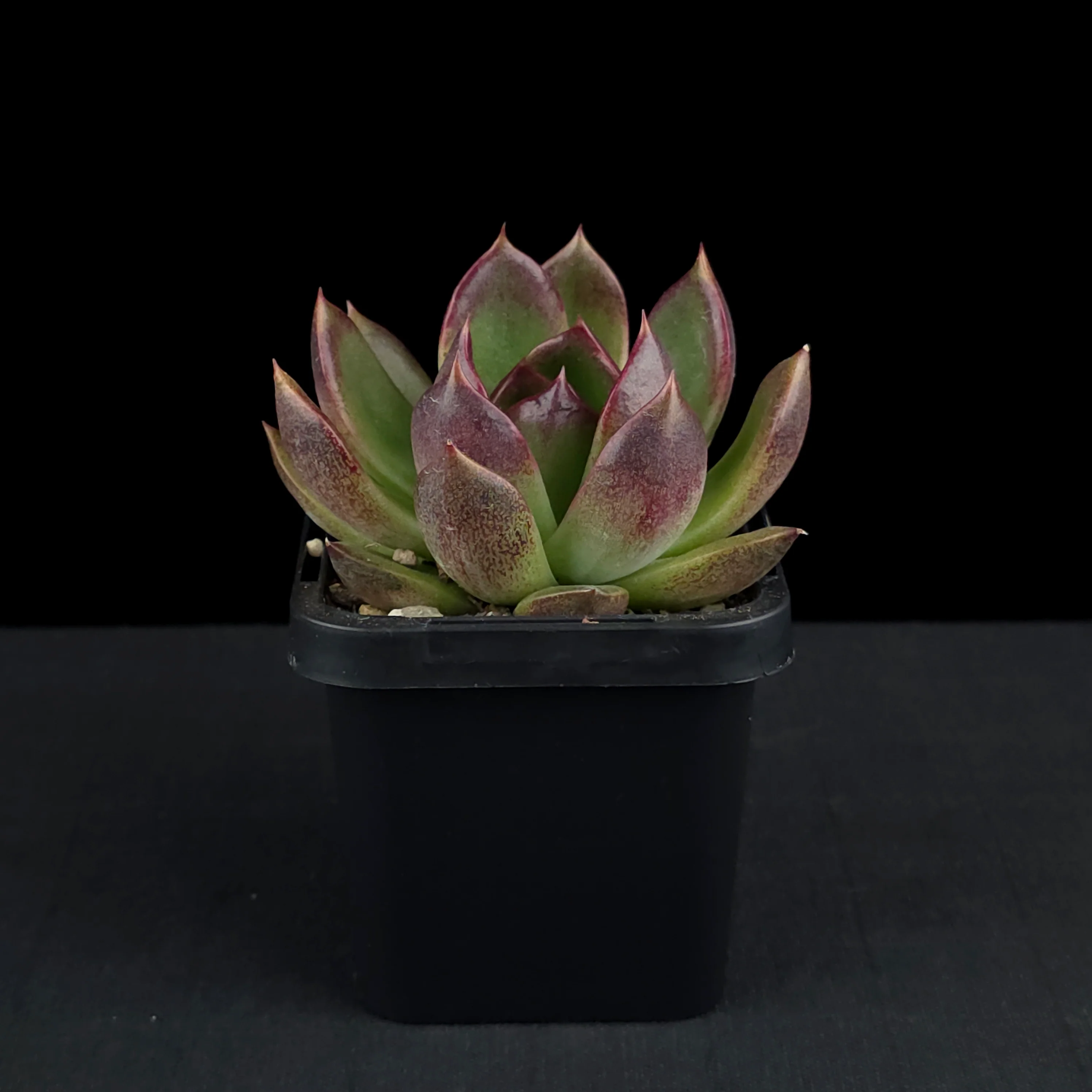
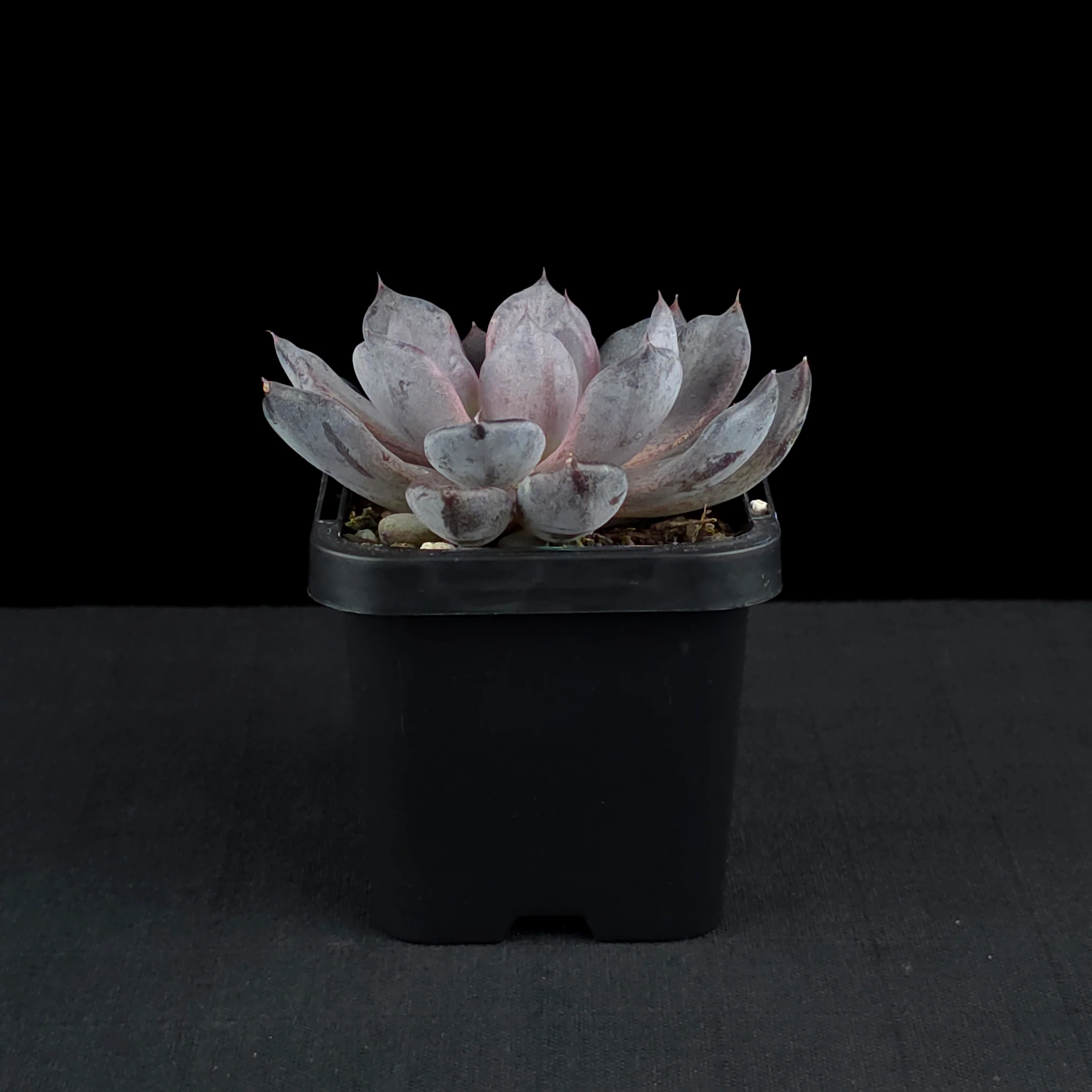
mported hybrid from Korea, Echeveria 'Black Pearl' forms tight, symmetrical rosettes with deep charcoal to purple tones that intensify under bright light. Mature plants reach around 12 cm across and rarely produce offsets, remaining neat and architectural. An excellent collector plant for containers and succulent arrangements.
Care
- Light: Full sun to bright filtered light. Best colour develops with good light and cool nights. Indoors, place only in the brightest position.
- Water: Water thoroughly, then allow to dry completely. Extend dry periods in winter. Avoid water sitting in the rosette.
- Media: Free-draining succulent mix; add coarse sand or pumice for extra aeration.
- Temperature: Protect from frost; ideal above 7 °C.
- Feeding: Use 25 % of the usual fertiliser rate monthly through the growing season. Too much nitrogen reduces colour and form.
- Repotting: Can be left to overgrow its pot or repotted during warmer months into any well-drained mix.
Key Characteristics
- Rosette size: ~12 cm (mature)
- Leaf: Dark purple-black with subtle green centre tones; slightly glossy surface
- Habit: Compact, mostly solitary
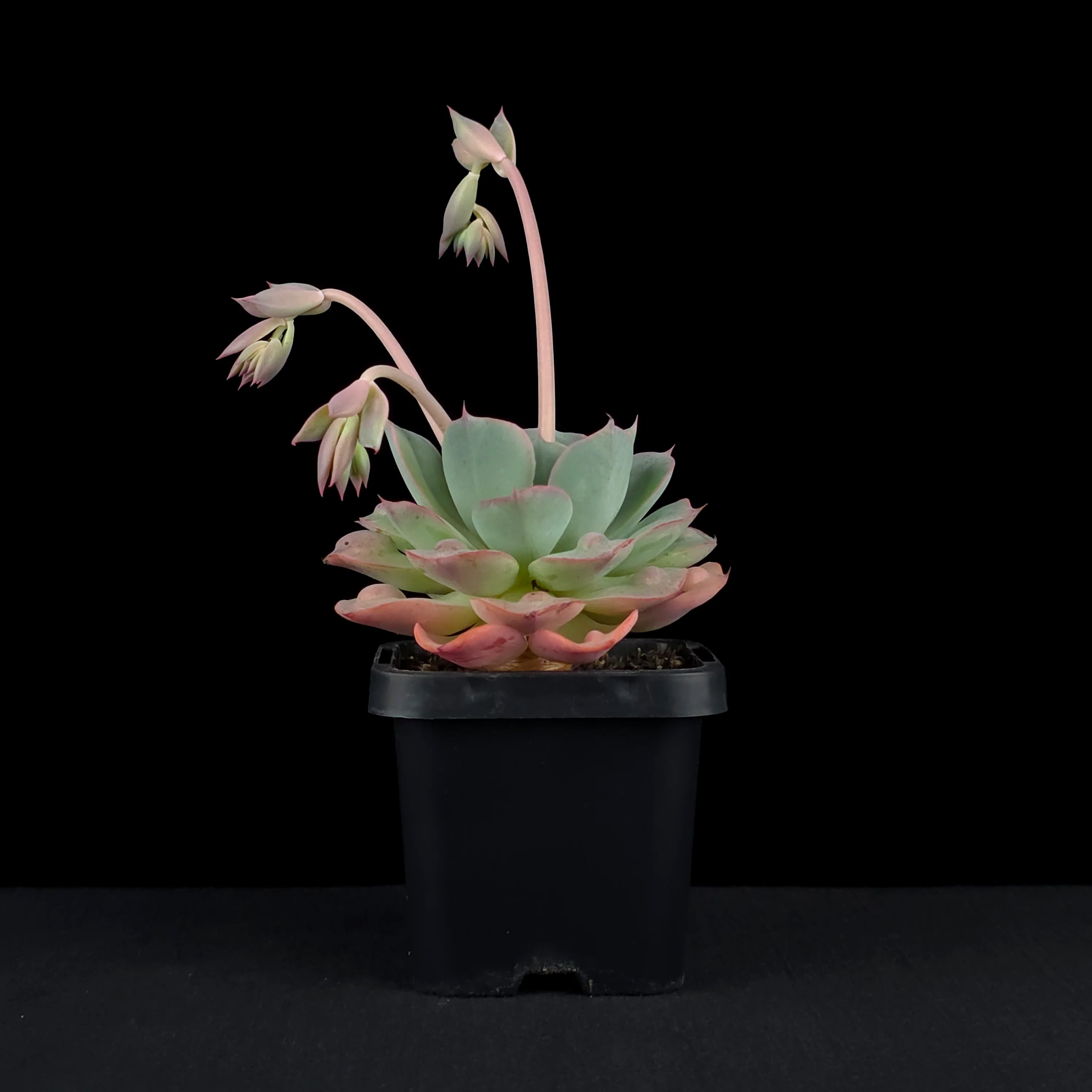
- Flower: Pink to orange bells on tall scapes, typically late winter to spring
- Propagation: Leaf cuttings or beheading; offsets uncommon
Note: Decorative or slip pots shown in photos are for display purposes only and are not included with the plant.
Original: $19.50
-65%$19.50
$6.82More Images


Echeveria 'Black Pearl'
mported hybrid from Korea, Echeveria 'Black Pearl' forms tight, symmetrical rosettes with deep charcoal to purple tones that intensify under bright light. Mature plants reach around 12 cm across and rarely produce offsets, remaining neat and architectural. An excellent collector plant for containers and succulent arrangements.
Care
- Light: Full sun to bright filtered light. Best colour develops with good light and cool nights. Indoors, place only in the brightest position.
- Water: Water thoroughly, then allow to dry completely. Extend dry periods in winter. Avoid water sitting in the rosette.
- Media: Free-draining succulent mix; add coarse sand or pumice for extra aeration.
- Temperature: Protect from frost; ideal above 7 °C.
- Feeding: Use 25 % of the usual fertiliser rate monthly through the growing season. Too much nitrogen reduces colour and form.
- Repotting: Can be left to overgrow its pot or repotted during warmer months into any well-drained mix.
Key Characteristics
- Rosette size: ~12 cm (mature)
- Leaf: Dark purple-black with subtle green centre tones; slightly glossy surface
- Habit: Compact, mostly solitary
- Flower: Pink to orange bells on tall scapes, typically late winter to spring
- Propagation: Leaf cuttings or beheading; offsets uncommon
Note: Decorative or slip pots shown in photos are for display purposes only and are not included with the plant.
Product Information
Product Information
Shipping & Returns
Shipping & Returns
Description
mported hybrid from Korea, Echeveria 'Black Pearl' forms tight, symmetrical rosettes with deep charcoal to purple tones that intensify under bright light. Mature plants reach around 12 cm across and rarely produce offsets, remaining neat and architectural. An excellent collector plant for containers and succulent arrangements.
Care
- Light: Full sun to bright filtered light. Best colour develops with good light and cool nights. Indoors, place only in the brightest position.
- Water: Water thoroughly, then allow to dry completely. Extend dry periods in winter. Avoid water sitting in the rosette.
- Media: Free-draining succulent mix; add coarse sand or pumice for extra aeration.
- Temperature: Protect from frost; ideal above 7 °C.
- Feeding: Use 25 % of the usual fertiliser rate monthly through the growing season. Too much nitrogen reduces colour and form.
- Repotting: Can be left to overgrow its pot or repotted during warmer months into any well-drained mix.
Key Characteristics
- Rosette size: ~12 cm (mature)
- Leaf: Dark purple-black with subtle green centre tones; slightly glossy surface
- Habit: Compact, mostly solitary
- Flower: Pink to orange bells on tall scapes, typically late winter to spring
- Propagation: Leaf cuttings or beheading; offsets uncommon
Note: Decorative or slip pots shown in photos are for display purposes only and are not included with the plant.