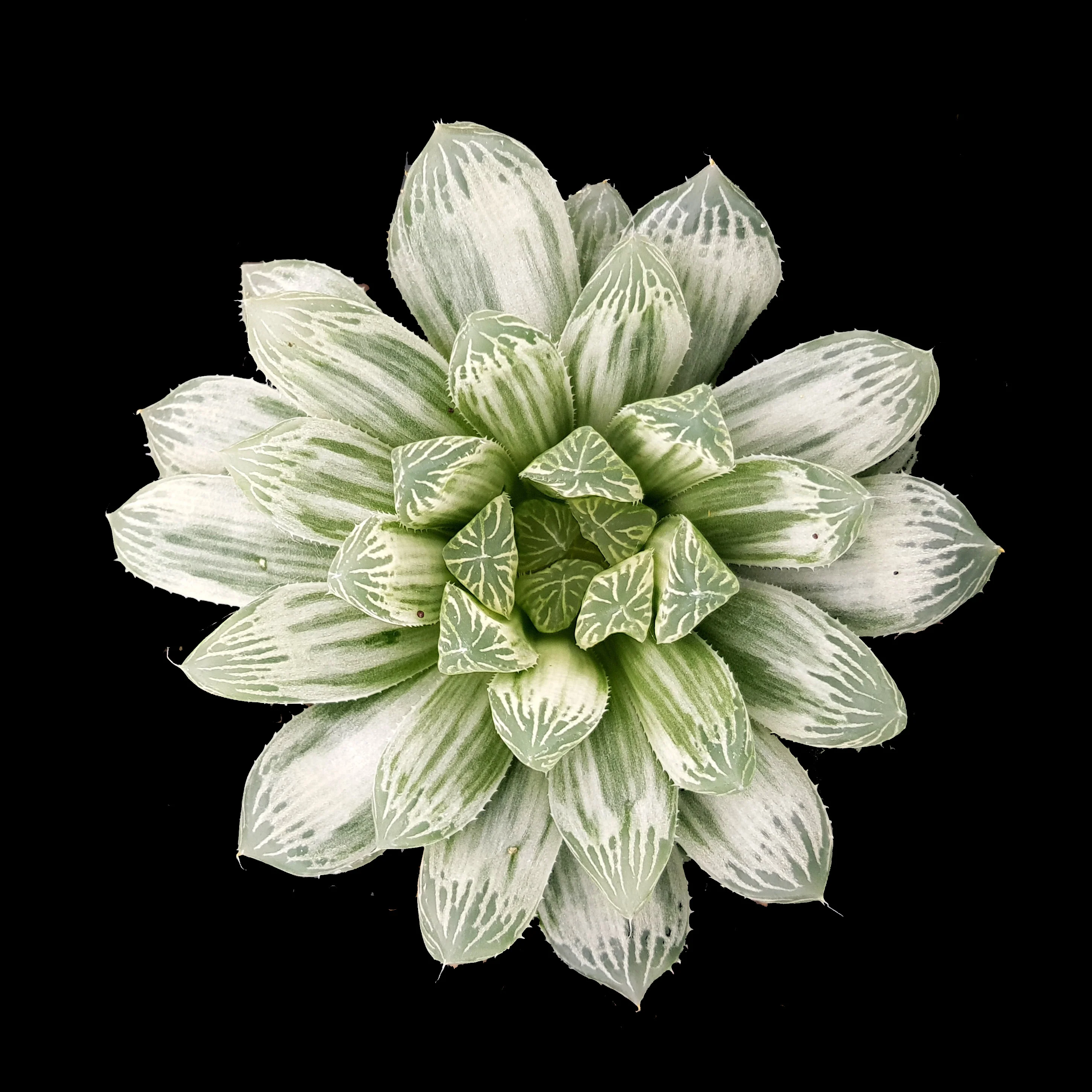
Haworthia cooperi 'Silver Swirls'
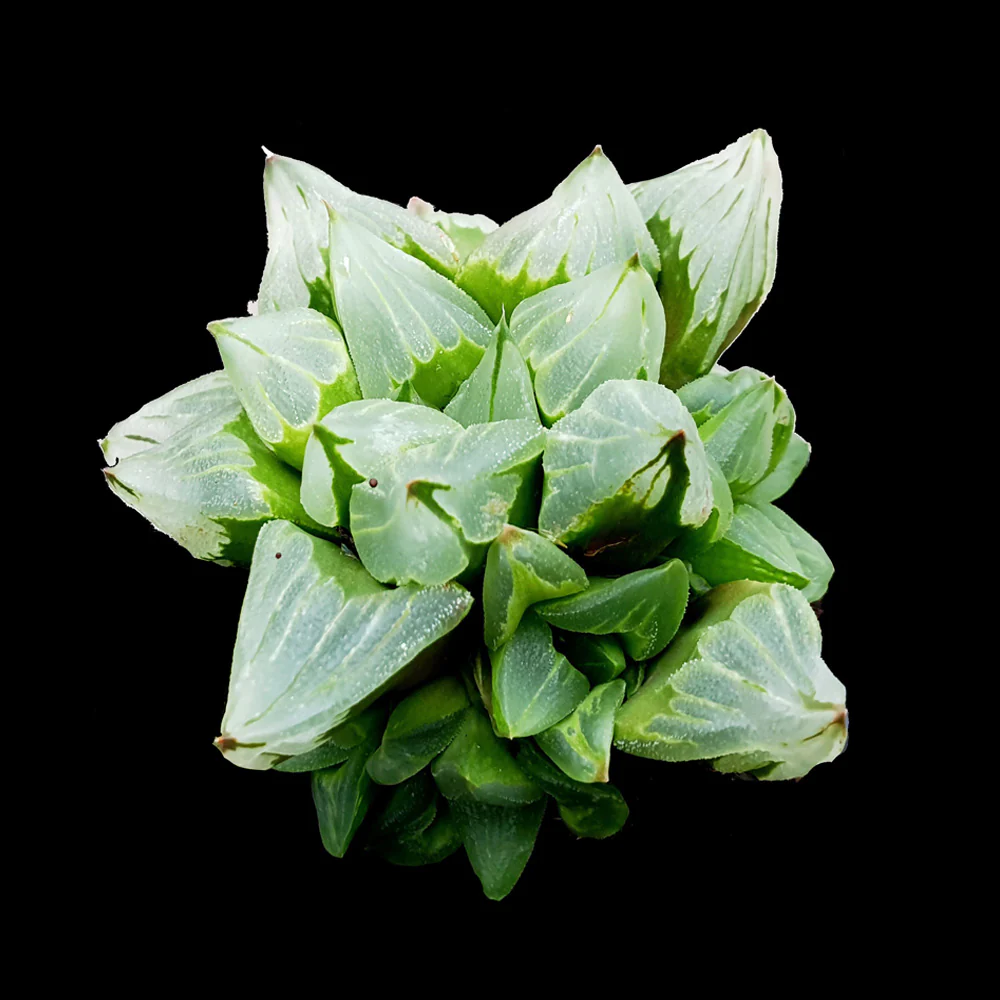
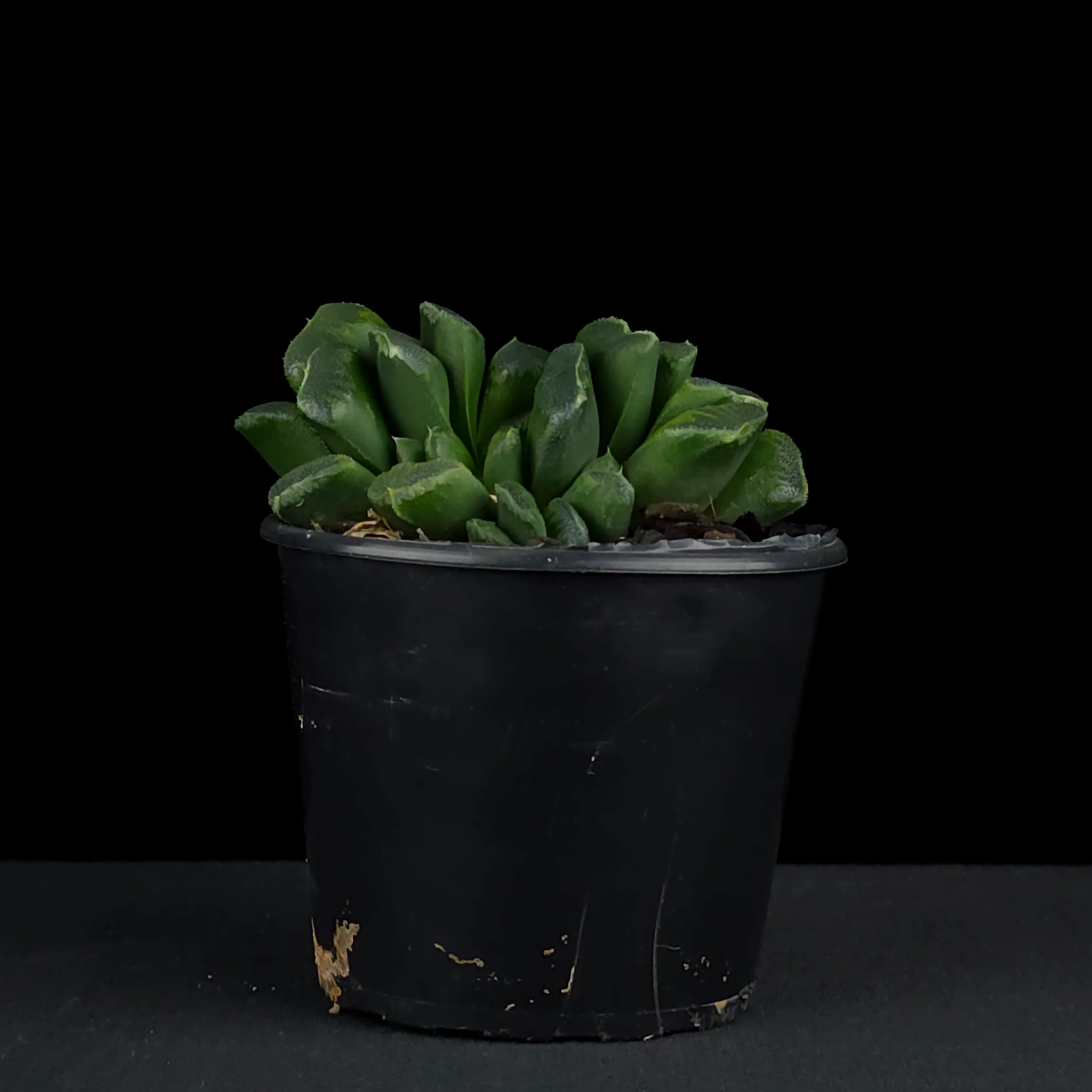
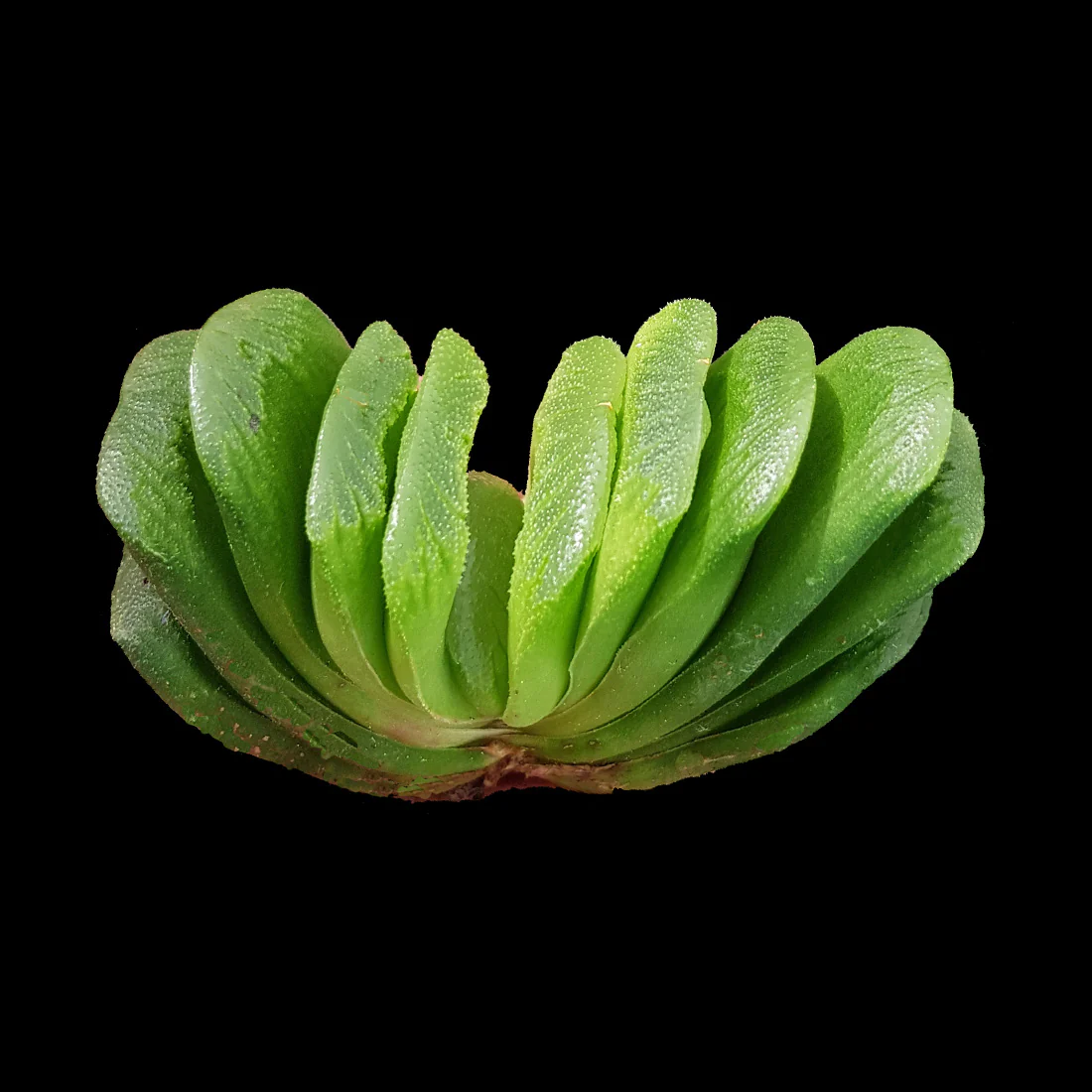
Haworthia cooperi 'Silver Swirls' is a cultivated form of a species native to South Africa’s Eastern Cape. In the wild, Haworthia cooperi grows in shallow, stony soils and often stays partly buried, with only its translucent leaf tips showing above the surface. This reduces water loss and protects the plant from harsh sun while still allowing photosynthesis to occur.
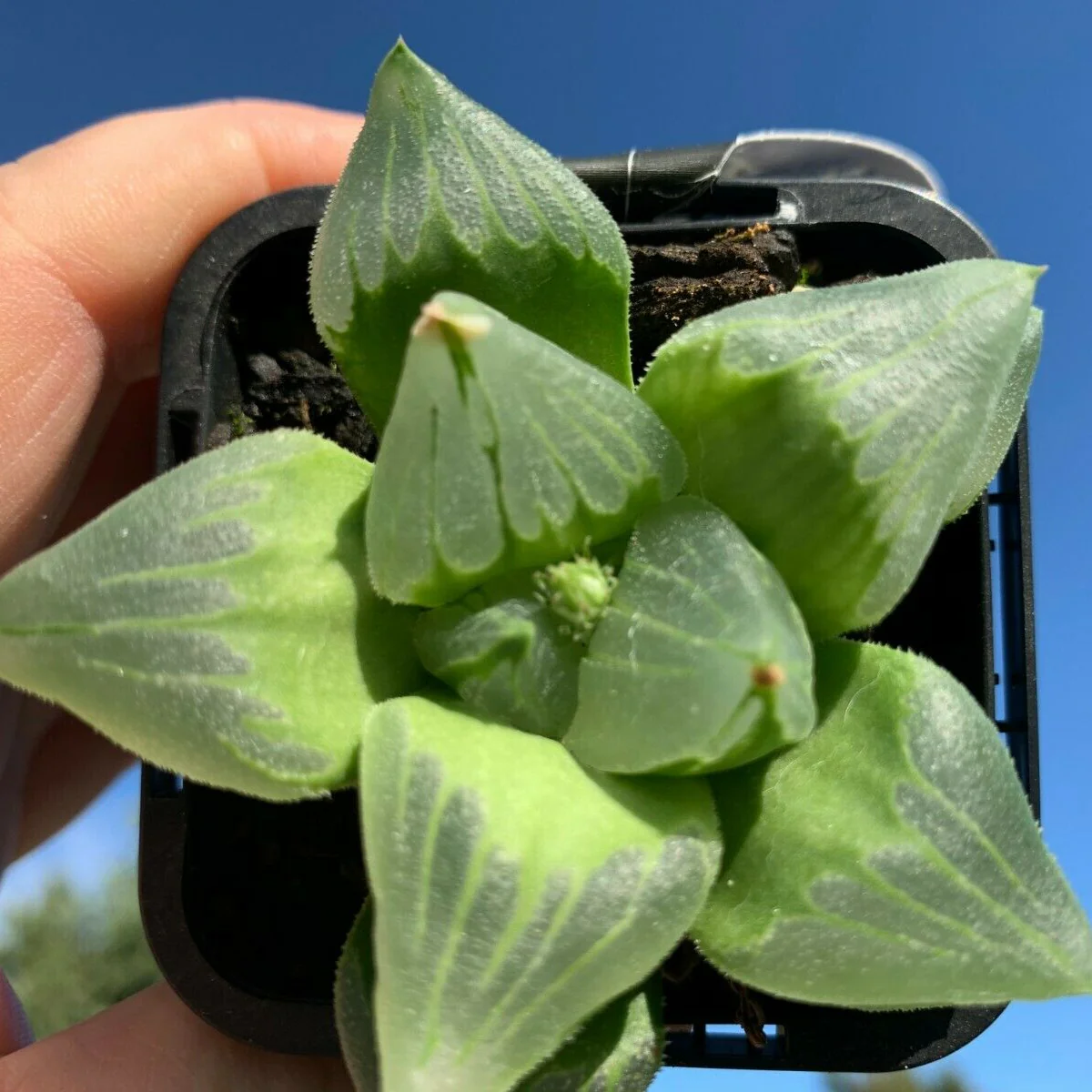
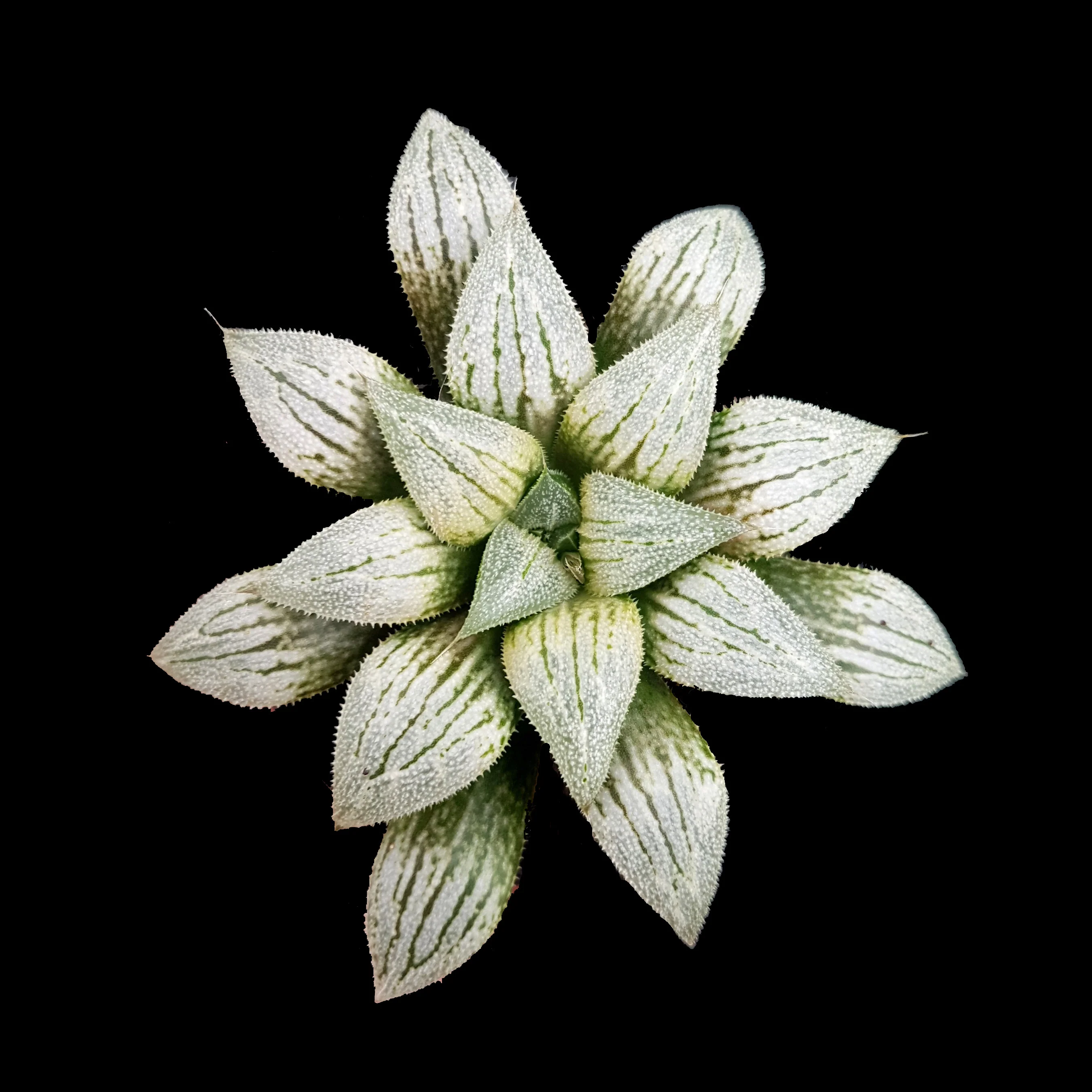
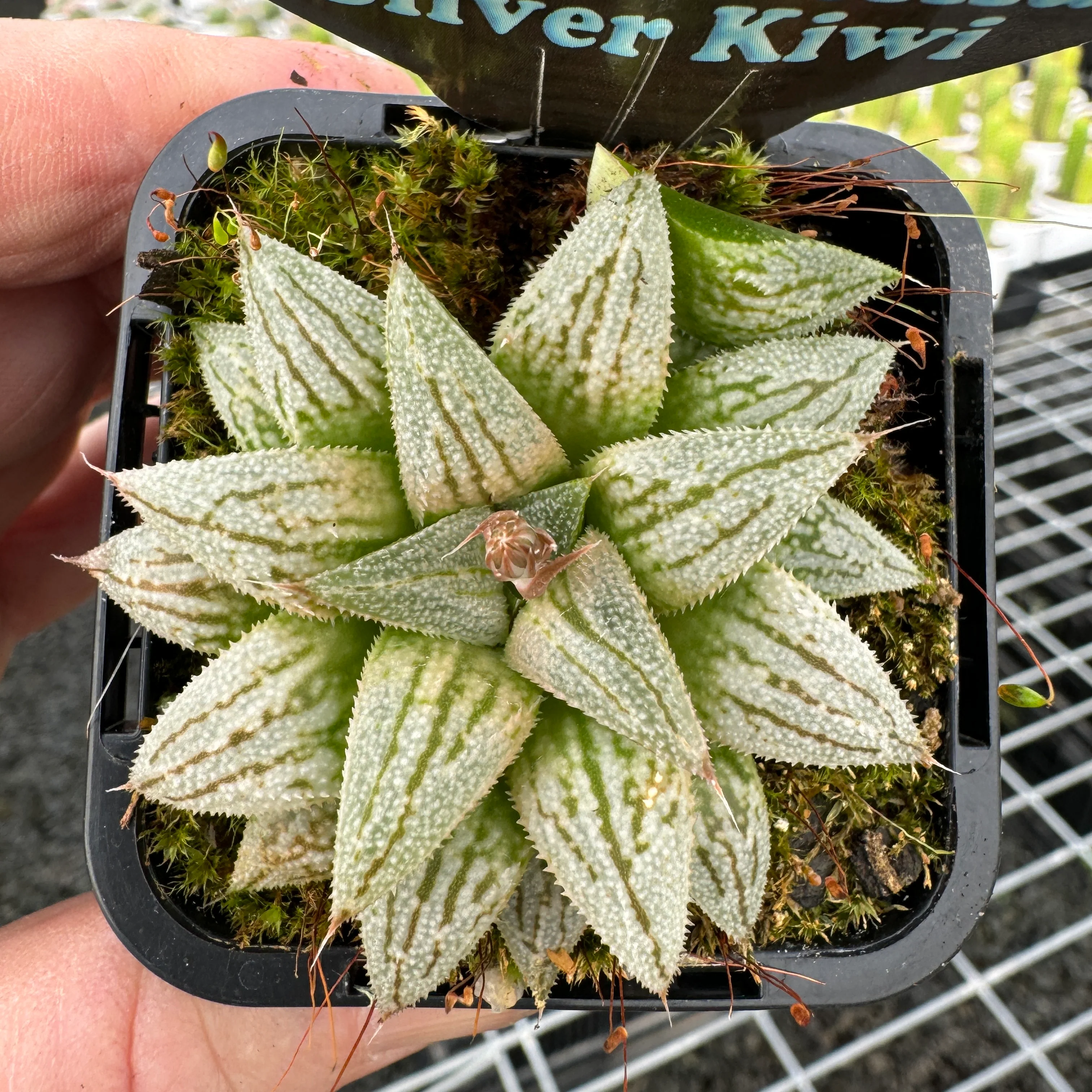
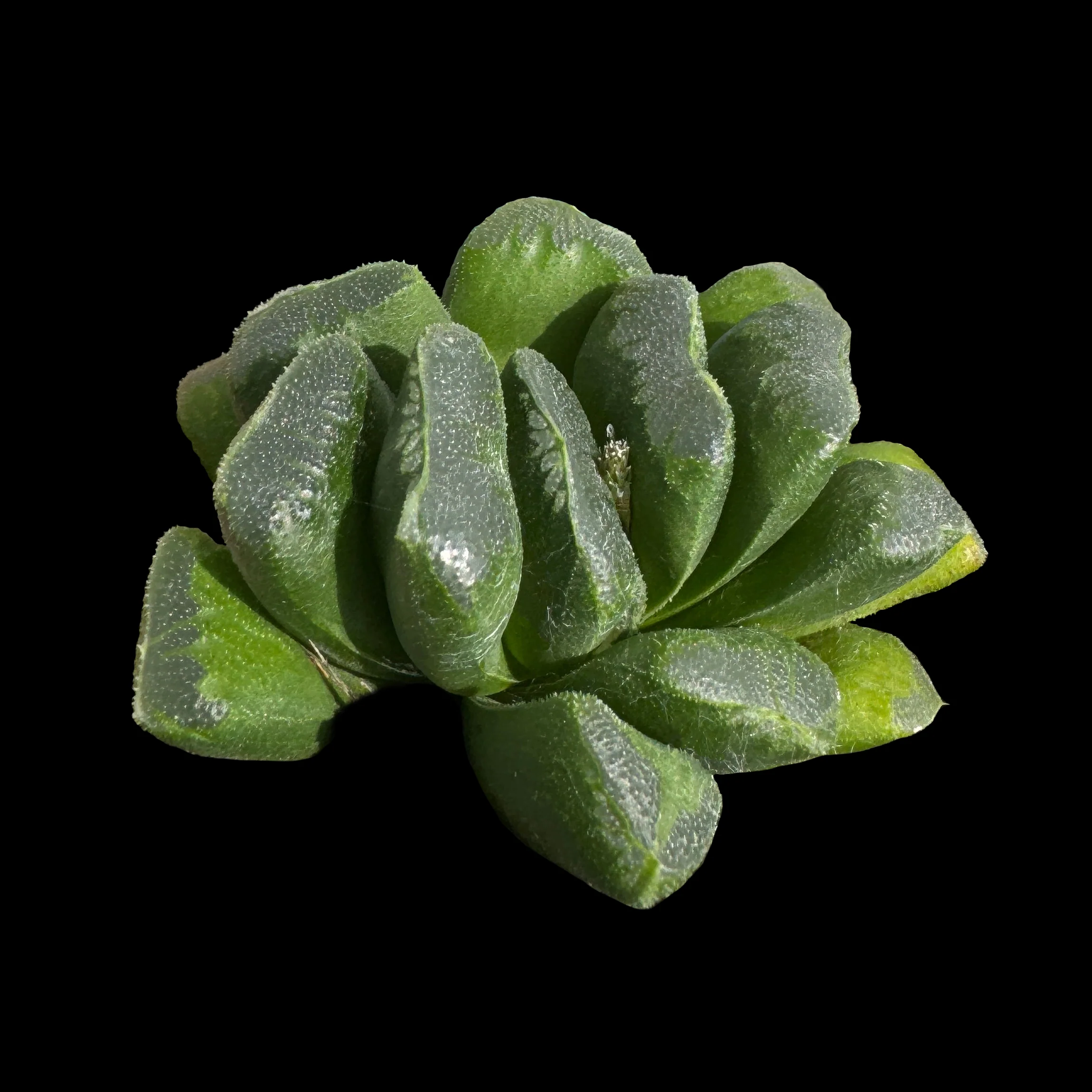
'Silver Swirls' is valued for its swirling markings on the windowed leaf tips. These translucent windows are more than ornamental – they are an adaptation that lets light penetrate deep into the leaf tissue, enabling growth even when most of the plant is underground. This adaptation is key to the survival of the species in arid, high-radiation environments.
In cultivation, flowers arise on thin stalks in late spring or summer. The blooms are small, tubular, and white with subtle striping, pollinated in the wild by tiny insects. While the flowers are modest, they reflect the plant’s seasonal rhythm and adaptation to short windows of favourable growth.
Care Tips:
- Light: Bright, indirect light; tolerates some soft morning or evening sun.
- Water: Water deeply but infrequently, allowing soil to dry; reduce in winter.
- Media: Use a gritty, free-draining succulent mix.
- Temperature: Ideal range 10–28 °C; protect from frost.
- Fertiliser: Apply diluted succulent fertiliser during active growth, about once a month.
- Repotting: Refresh soil every 2–3 years to maintain healthy roots.
More Images
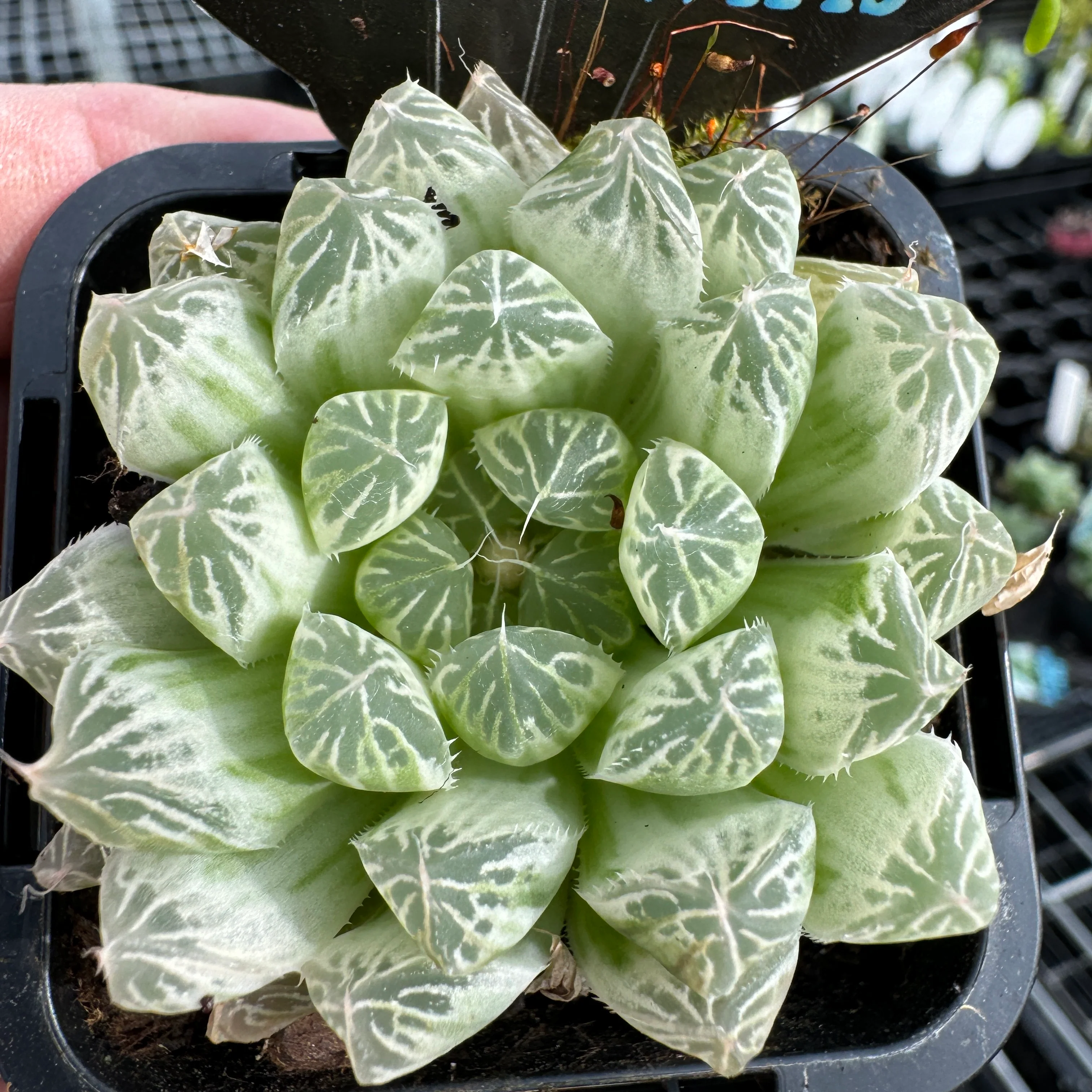
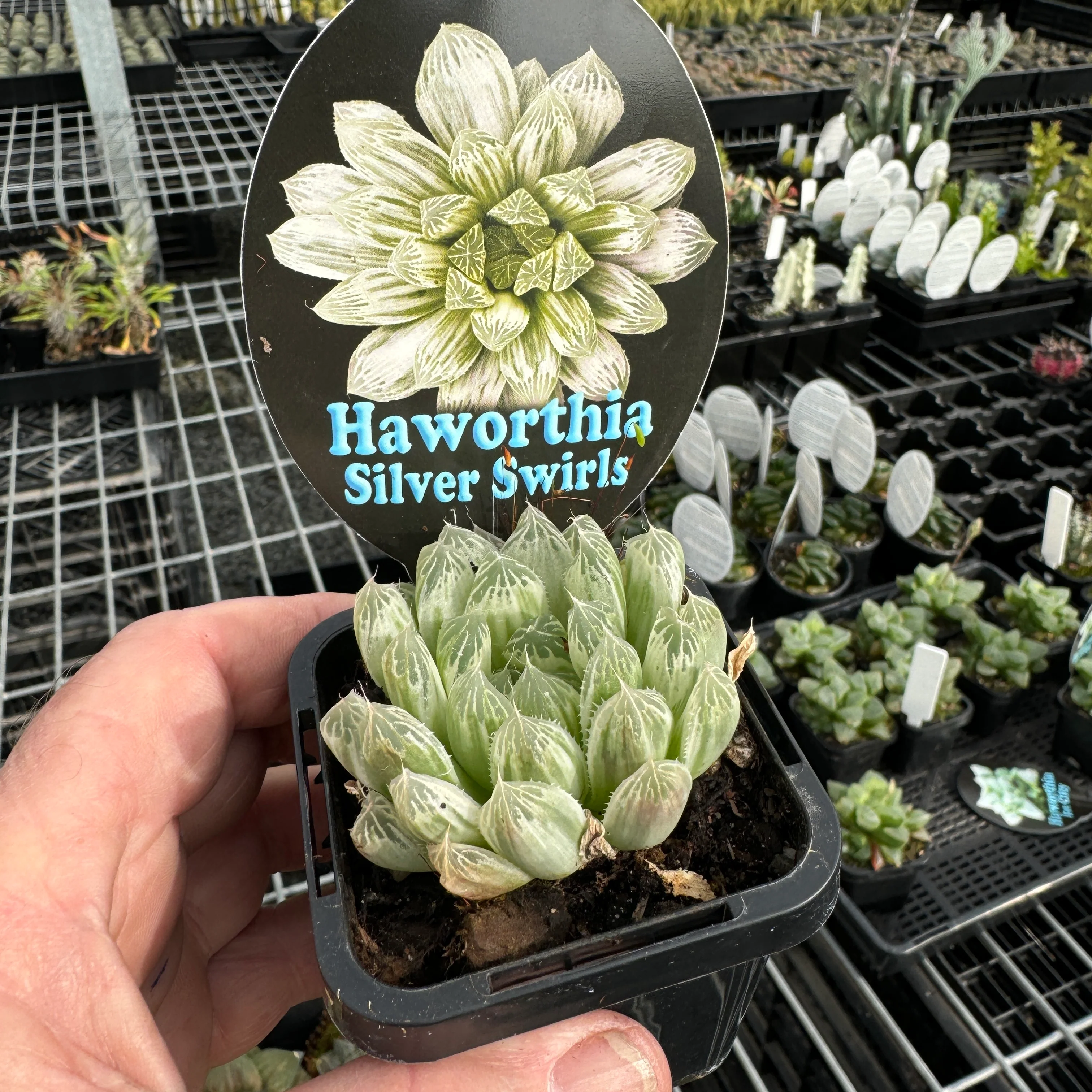
Haworthia cooperi 'Silver Swirls'
Haworthia cooperi 'Silver Swirls' is a cultivated form of a species native to South Africa’s Eastern Cape. In the wild, Haworthia cooperi grows in shallow, stony soils and often stays partly buried, with only its translucent leaf tips showing above the surface. This reduces water loss and protects the plant from harsh sun while still allowing photosynthesis to occur.
'Silver Swirls' is valued for its swirling markings on the windowed leaf tips. These translucent windows are more than ornamental – they are an adaptation that lets light penetrate deep into the leaf tissue, enabling growth even when most of the plant is underground. This adaptation is key to the survival of the species in arid, high-radiation environments.
In cultivation, flowers arise on thin stalks in late spring or summer. The blooms are small, tubular, and white with subtle striping, pollinated in the wild by tiny insects. While the flowers are modest, they reflect the plant’s seasonal rhythm and adaptation to short windows of favourable growth.
Care Tips:
- Light: Bright, indirect light; tolerates some soft morning or evening sun.
- Water: Water deeply but infrequently, allowing soil to dry; reduce in winter.
- Media: Use a gritty, free-draining succulent mix.
- Temperature: Ideal range 10–28 °C; protect from frost.
- Fertiliser: Apply diluted succulent fertiliser during active growth, about once a month.
- Repotting: Refresh soil every 2–3 years to maintain healthy roots.
Product Information
Product Information
Shipping & Returns
Shipping & Returns
Description
Haworthia cooperi 'Silver Swirls' is a cultivated form of a species native to South Africa’s Eastern Cape. In the wild, Haworthia cooperi grows in shallow, stony soils and often stays partly buried, with only its translucent leaf tips showing above the surface. This reduces water loss and protects the plant from harsh sun while still allowing photosynthesis to occur.
'Silver Swirls' is valued for its swirling markings on the windowed leaf tips. These translucent windows are more than ornamental – they are an adaptation that lets light penetrate deep into the leaf tissue, enabling growth even when most of the plant is underground. This adaptation is key to the survival of the species in arid, high-radiation environments.
In cultivation, flowers arise on thin stalks in late spring or summer. The blooms are small, tubular, and white with subtle striping, pollinated in the wild by tiny insects. While the flowers are modest, they reflect the plant’s seasonal rhythm and adaptation to short windows of favourable growth.
Care Tips:
- Light: Bright, indirect light; tolerates some soft morning or evening sun.
- Water: Water deeply but infrequently, allowing soil to dry; reduce in winter.
- Media: Use a gritty, free-draining succulent mix.
- Temperature: Ideal range 10–28 °C; protect from frost.
- Fertiliser: Apply diluted succulent fertiliser during active growth, about once a month.
- Repotting: Refresh soil every 2–3 years to maintain healthy roots.