Melocactus matanzanus 'Dwarf Turks'
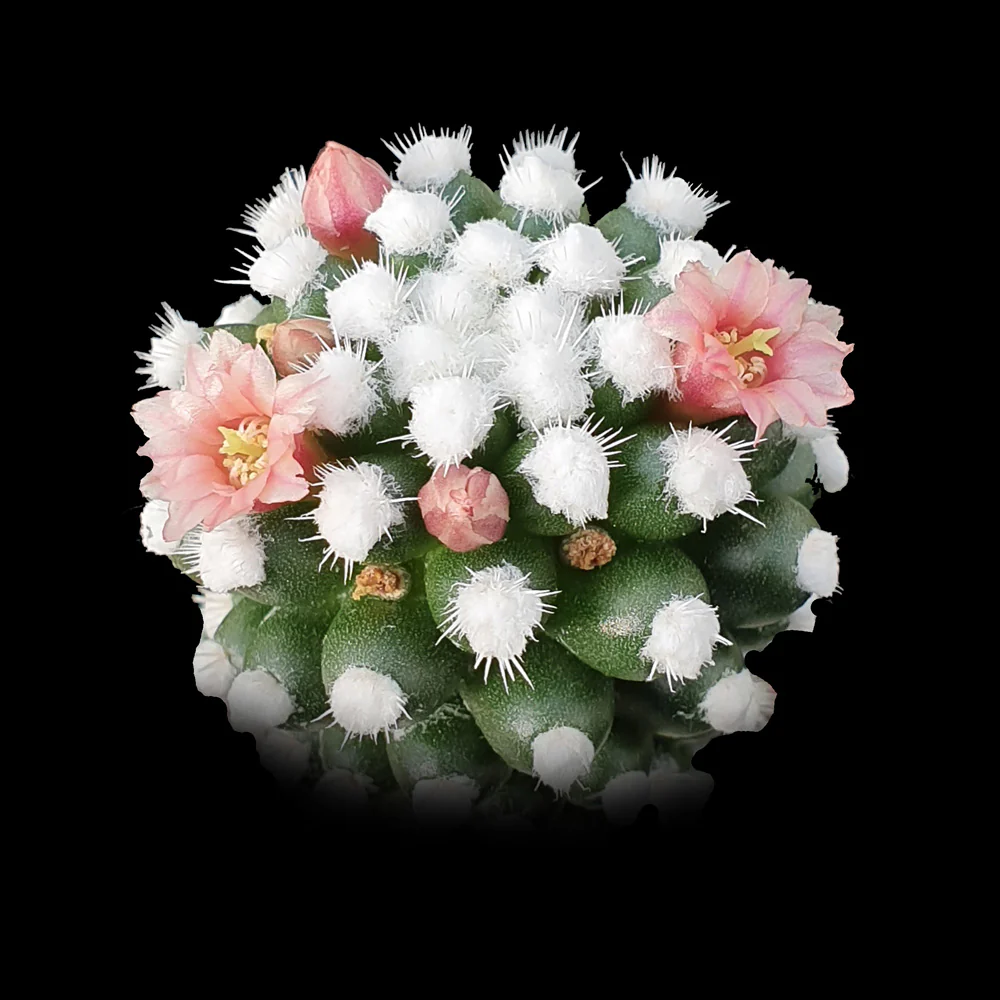
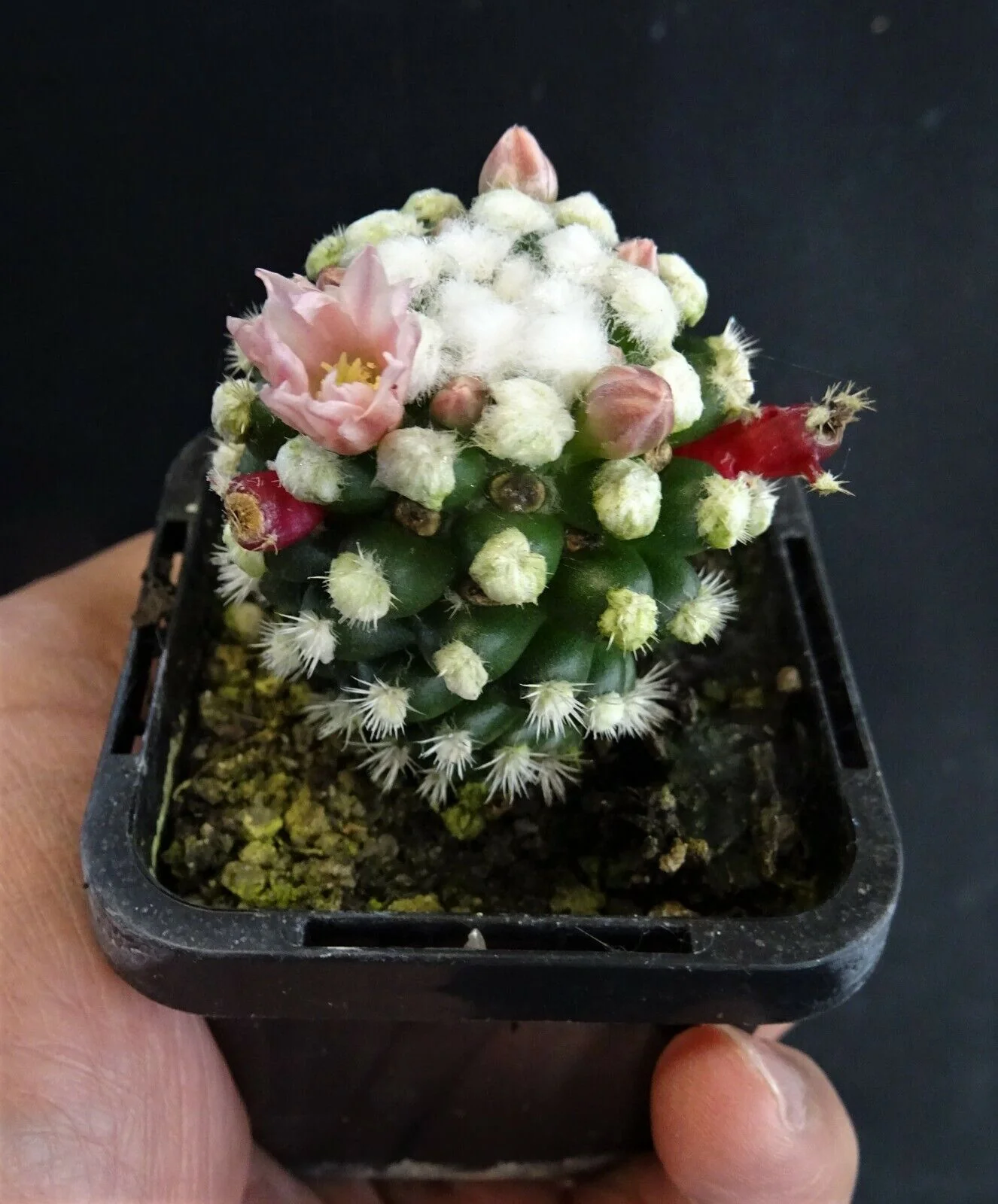
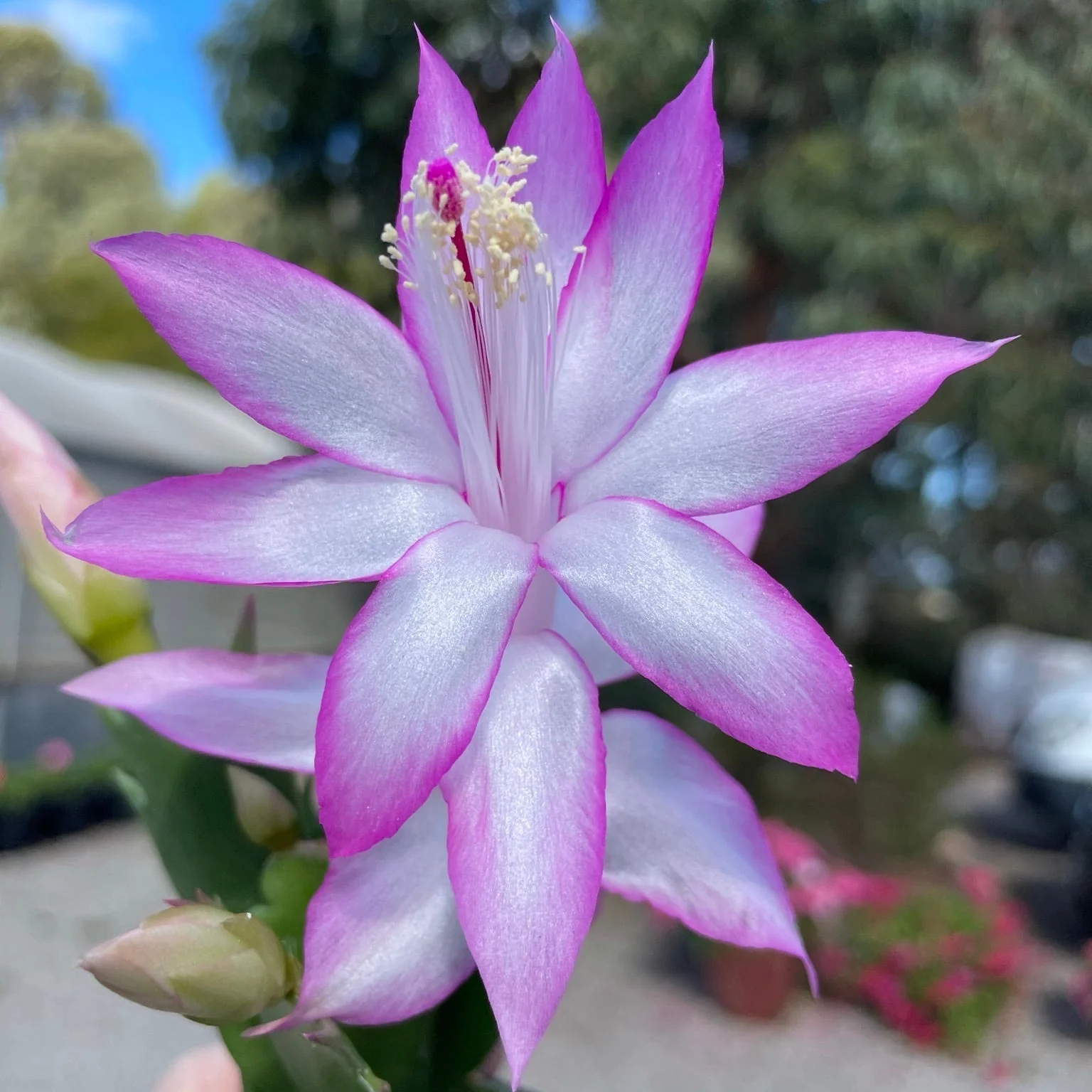
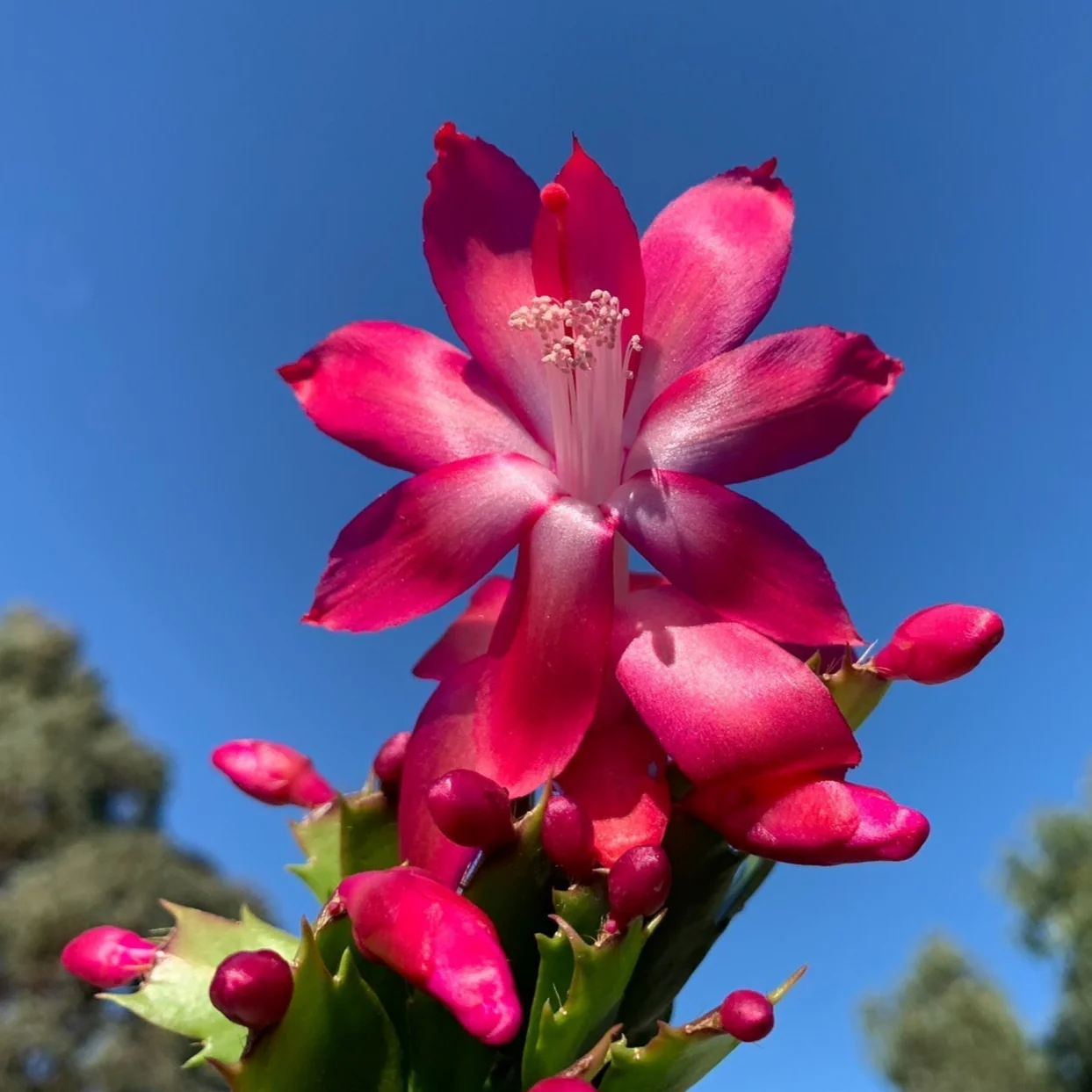
Melocactus matanzanus, commonly called the Dwarf Turks, is a Cuban cactus species endemic to the province of Matanzas. The species is recognised for its distinctive woolly cephalium that develops at maturity, from which small pink to red flowers emerge. Its common name refers to the compact size of the species compared to other Melocactus, as well as the “Turk’s cap” appearance of the cephalium.
Young plants grow as ribbed, globular cacti with short spines, eventually shifting energy to cephalium production rather than stem elongation. Once the cephalium forms, flowering and fruiting occur regularly in the growing season. In its native habitat, M. matanzanus grows in rocky, well-drained soils under strong sun, conditions that help maintain its compact form and healthy spination.
The species performs best in full sun or very bright light, planted in a mineral-rich, free-draining cactus mix. It is drought-tolerant once established, but benefits from occasional watering during warm, active growth periods. As with all Melocactus, it is sensitive to prolonged cold and should be grown in a warm, frost-free position year-round.
Care Tips:
- Light: Full sun or very bright light for compact growth and cephalium development.
- Water: Water sparingly, allowing soil to dry between waterings; increase slightly during summer growth.
- Humidity: Prefers low humidity and good airflow.
- Media: Use a fast-draining cactus mix with added grit or sand.
- Fertiliser: Apply a dilute, low-nitrogen cactus fertiliser during active growth.
- Temperature: Maintain above 15 °C; protect from frost and extended cool periods.
- Repotting: Repot infrequently, as Melocactus are sensitive to root disturbance.
Original: $10.00
-65%$10.00
$3.50More Images


Melocactus matanzanus 'Dwarf Turks'
Melocactus matanzanus, commonly called the Dwarf Turks, is a Cuban cactus species endemic to the province of Matanzas. The species is recognised for its distinctive woolly cephalium that develops at maturity, from which small pink to red flowers emerge. Its common name refers to the compact size of the species compared to other Melocactus, as well as the “Turk’s cap” appearance of the cephalium.
Young plants grow as ribbed, globular cacti with short spines, eventually shifting energy to cephalium production rather than stem elongation. Once the cephalium forms, flowering and fruiting occur regularly in the growing season. In its native habitat, M. matanzanus grows in rocky, well-drained soils under strong sun, conditions that help maintain its compact form and healthy spination.
The species performs best in full sun or very bright light, planted in a mineral-rich, free-draining cactus mix. It is drought-tolerant once established, but benefits from occasional watering during warm, active growth periods. As with all Melocactus, it is sensitive to prolonged cold and should be grown in a warm, frost-free position year-round.
Care Tips:
- Light: Full sun or very bright light for compact growth and cephalium development.
- Water: Water sparingly, allowing soil to dry between waterings; increase slightly during summer growth.
- Humidity: Prefers low humidity and good airflow.
- Media: Use a fast-draining cactus mix with added grit or sand.
- Fertiliser: Apply a dilute, low-nitrogen cactus fertiliser during active growth.
- Temperature: Maintain above 15 °C; protect from frost and extended cool periods.
- Repotting: Repot infrequently, as Melocactus are sensitive to root disturbance.
Product Information
Product Information
Shipping & Returns
Shipping & Returns
Description
Melocactus matanzanus, commonly called the Dwarf Turks, is a Cuban cactus species endemic to the province of Matanzas. The species is recognised for its distinctive woolly cephalium that develops at maturity, from which small pink to red flowers emerge. Its common name refers to the compact size of the species compared to other Melocactus, as well as the “Turk’s cap” appearance of the cephalium.
Young plants grow as ribbed, globular cacti with short spines, eventually shifting energy to cephalium production rather than stem elongation. Once the cephalium forms, flowering and fruiting occur regularly in the growing season. In its native habitat, M. matanzanus grows in rocky, well-drained soils under strong sun, conditions that help maintain its compact form and healthy spination.
The species performs best in full sun or very bright light, planted in a mineral-rich, free-draining cactus mix. It is drought-tolerant once established, but benefits from occasional watering during warm, active growth periods. As with all Melocactus, it is sensitive to prolonged cold and should be grown in a warm, frost-free position year-round.
Care Tips:
- Light: Full sun or very bright light for compact growth and cephalium development.
- Water: Water sparingly, allowing soil to dry between waterings; increase slightly during summer growth.
- Humidity: Prefers low humidity and good airflow.
- Media: Use a fast-draining cactus mix with added grit or sand.
- Fertiliser: Apply a dilute, low-nitrogen cactus fertiliser during active growth.
- Temperature: Maintain above 15 °C; protect from frost and extended cool periods.
- Repotting: Repot infrequently, as Melocactus are sensitive to root disturbance.