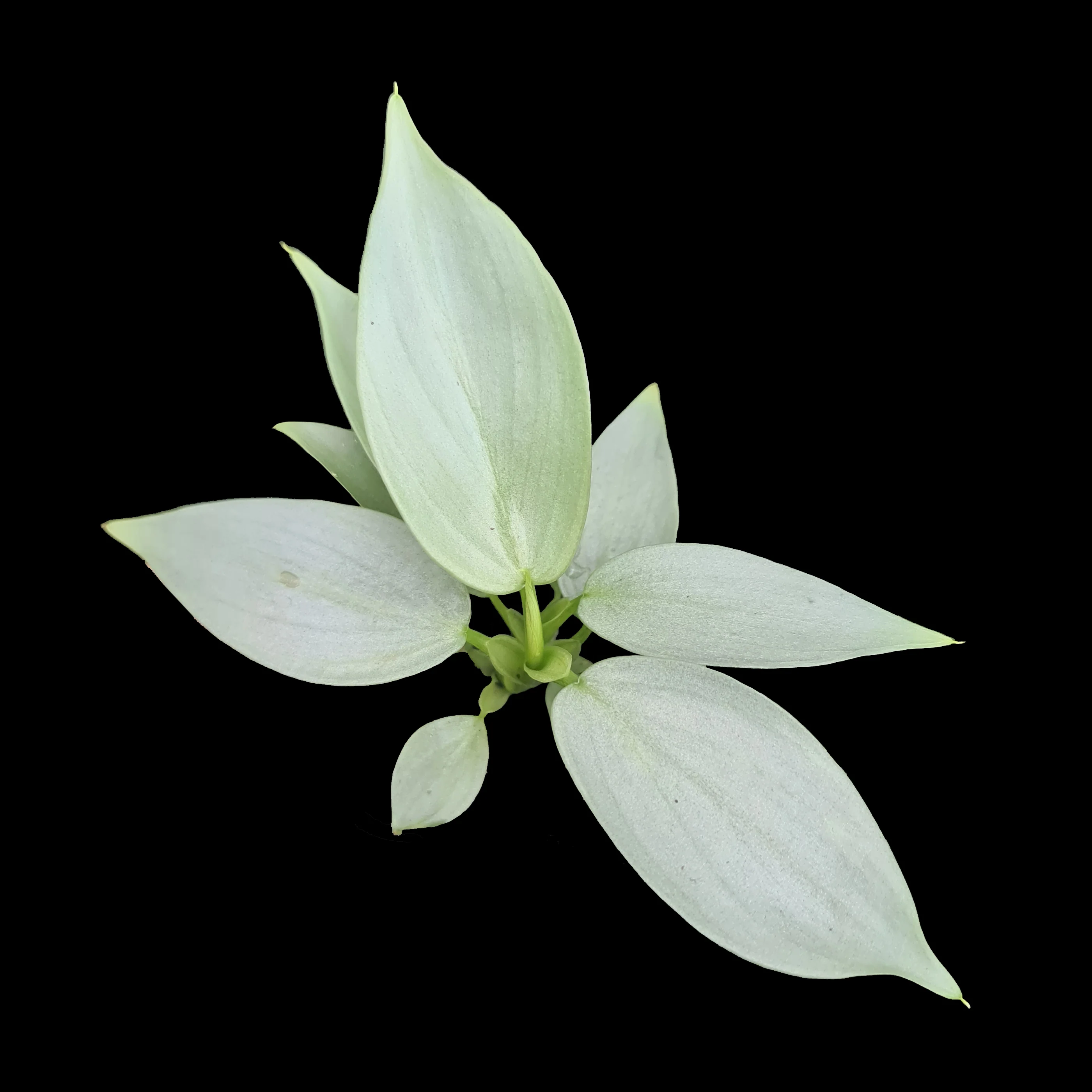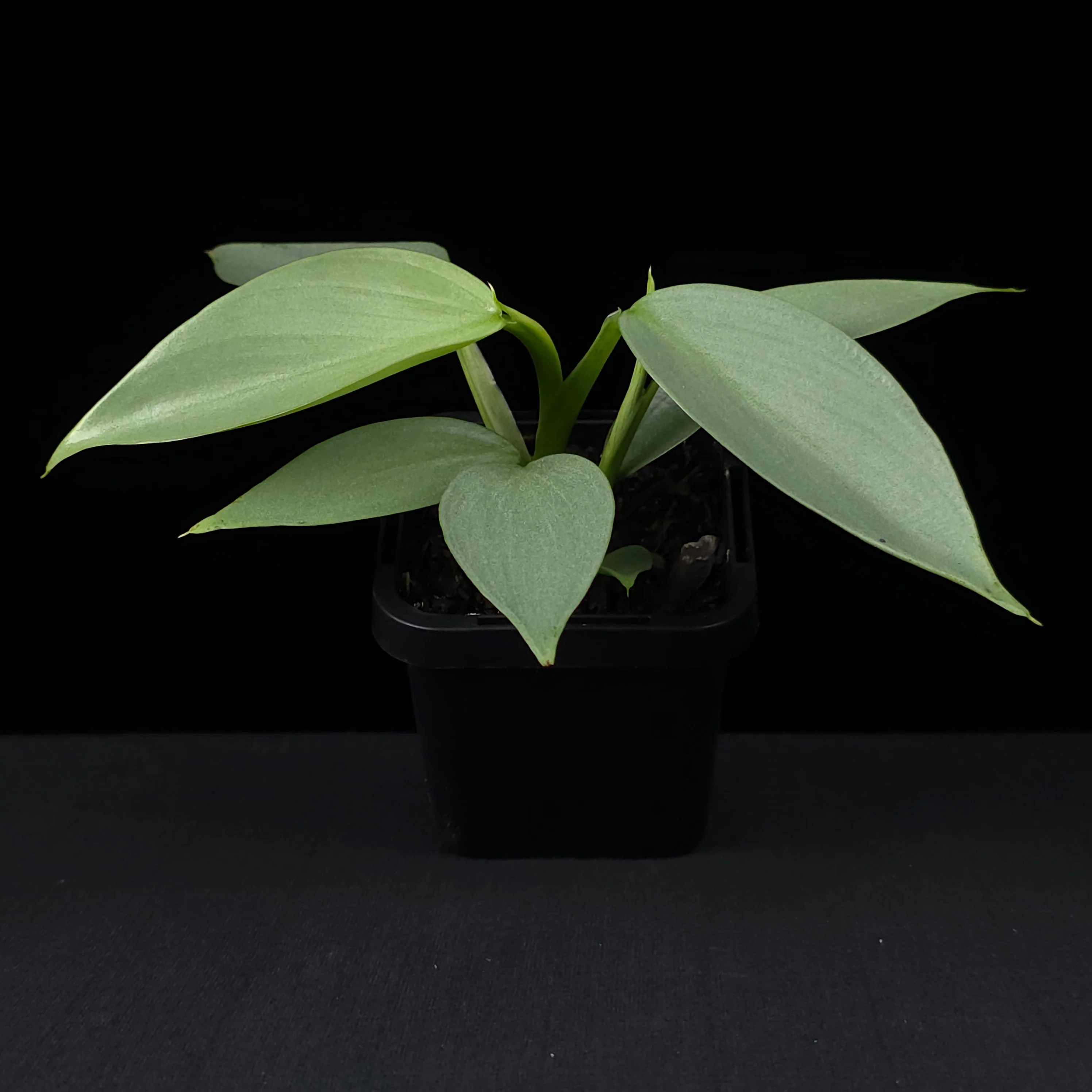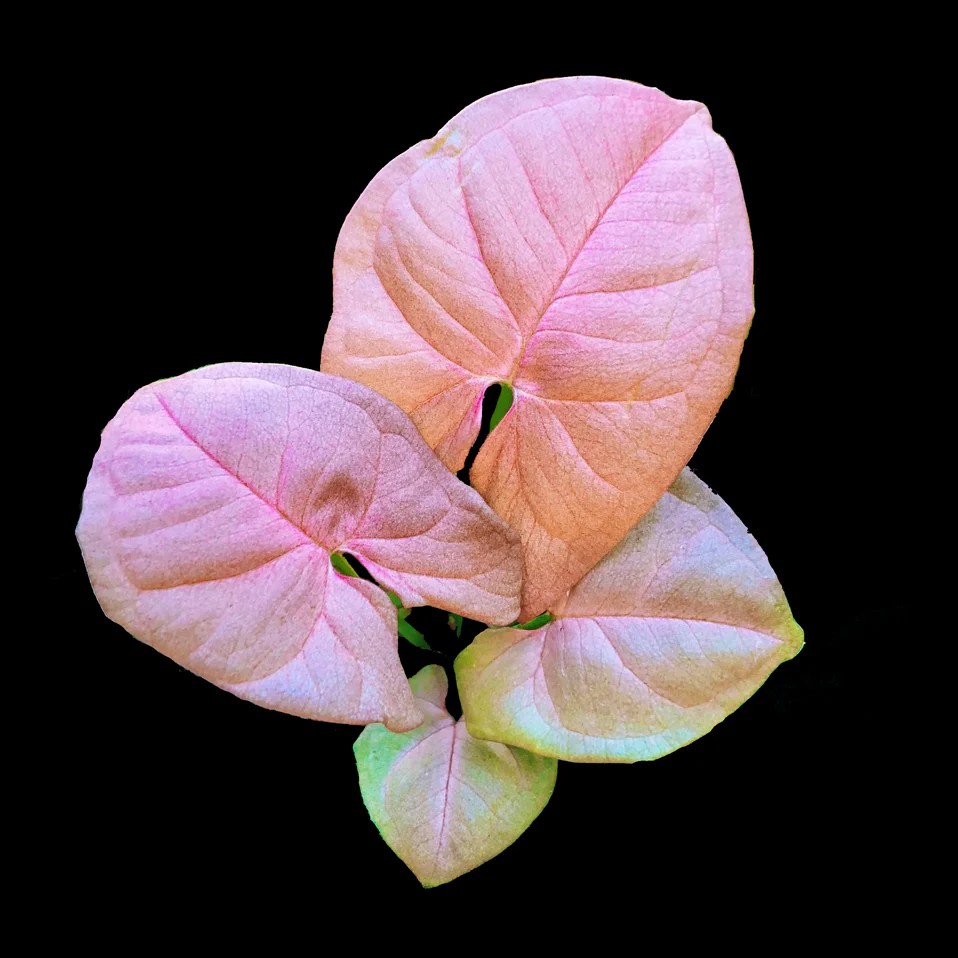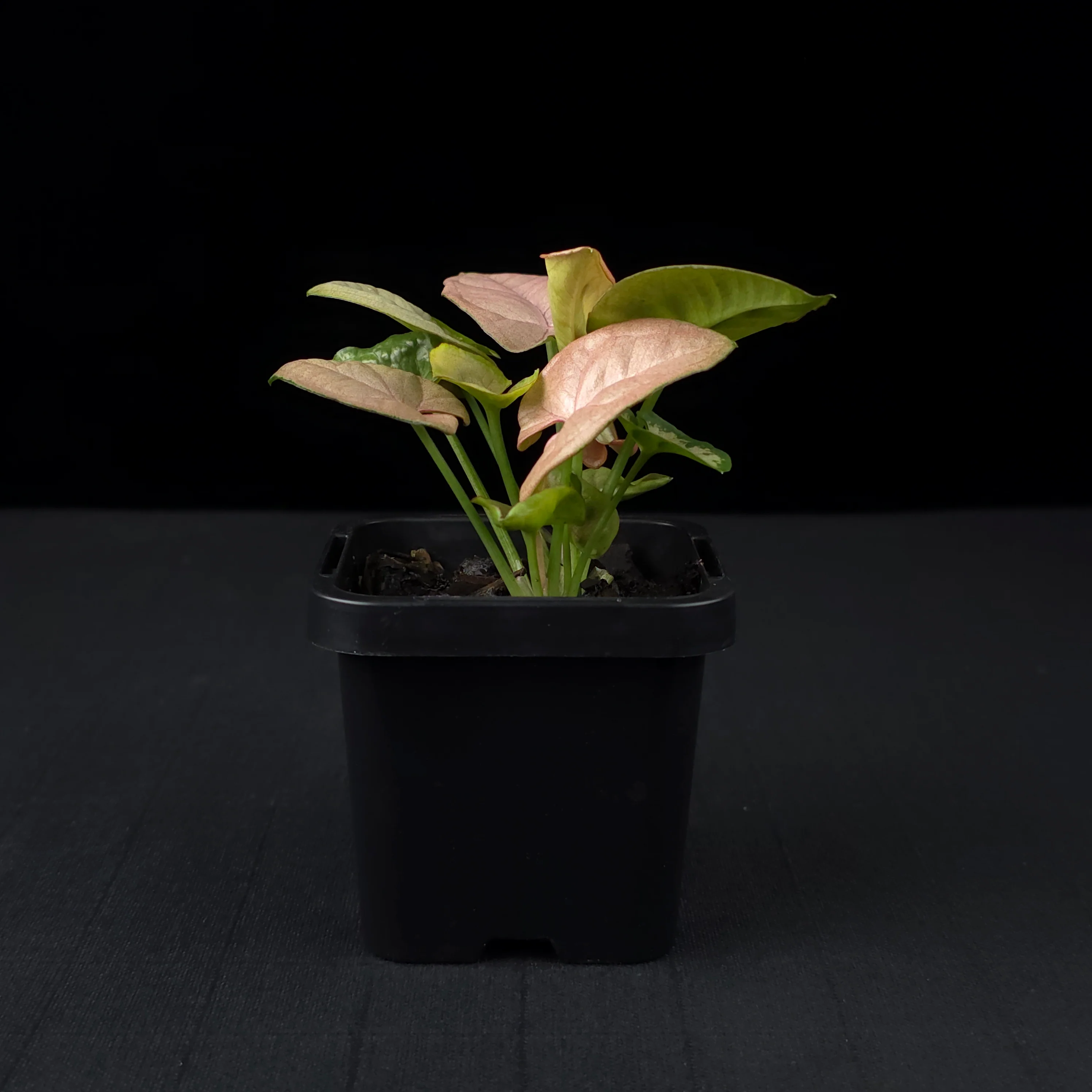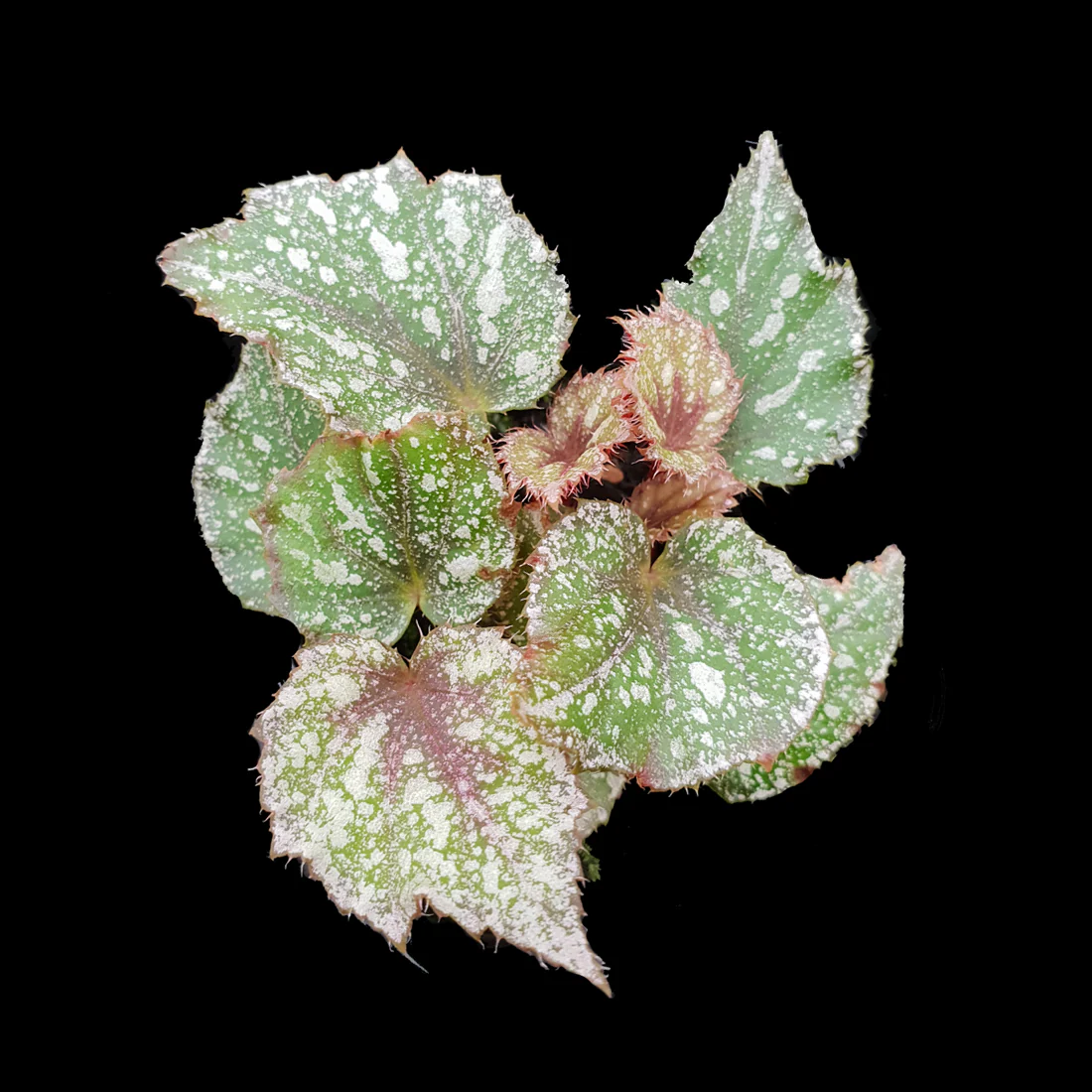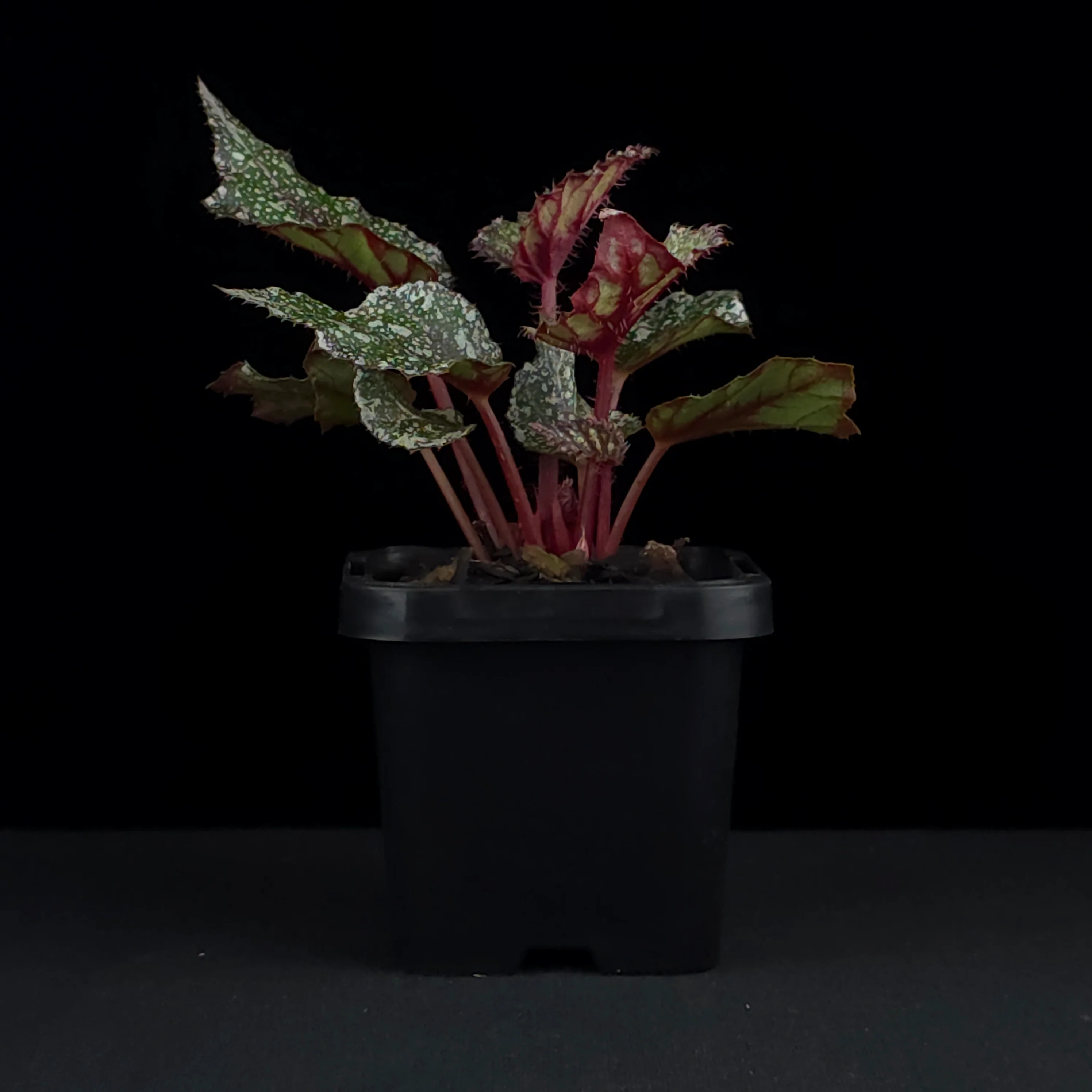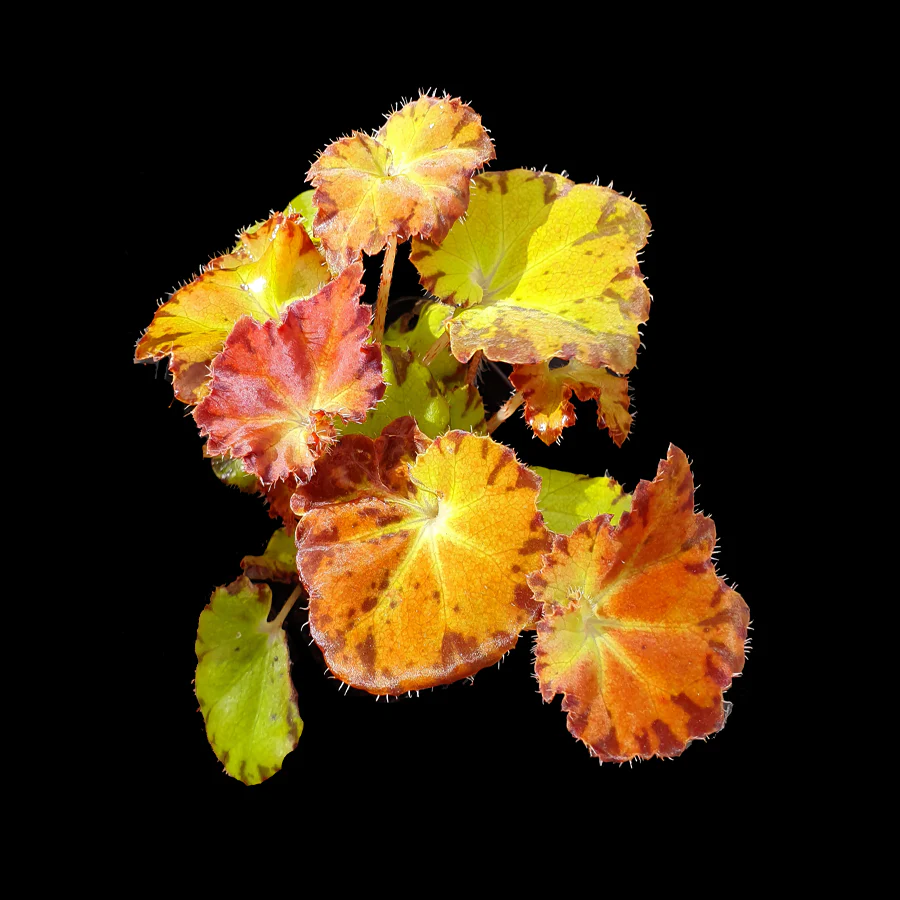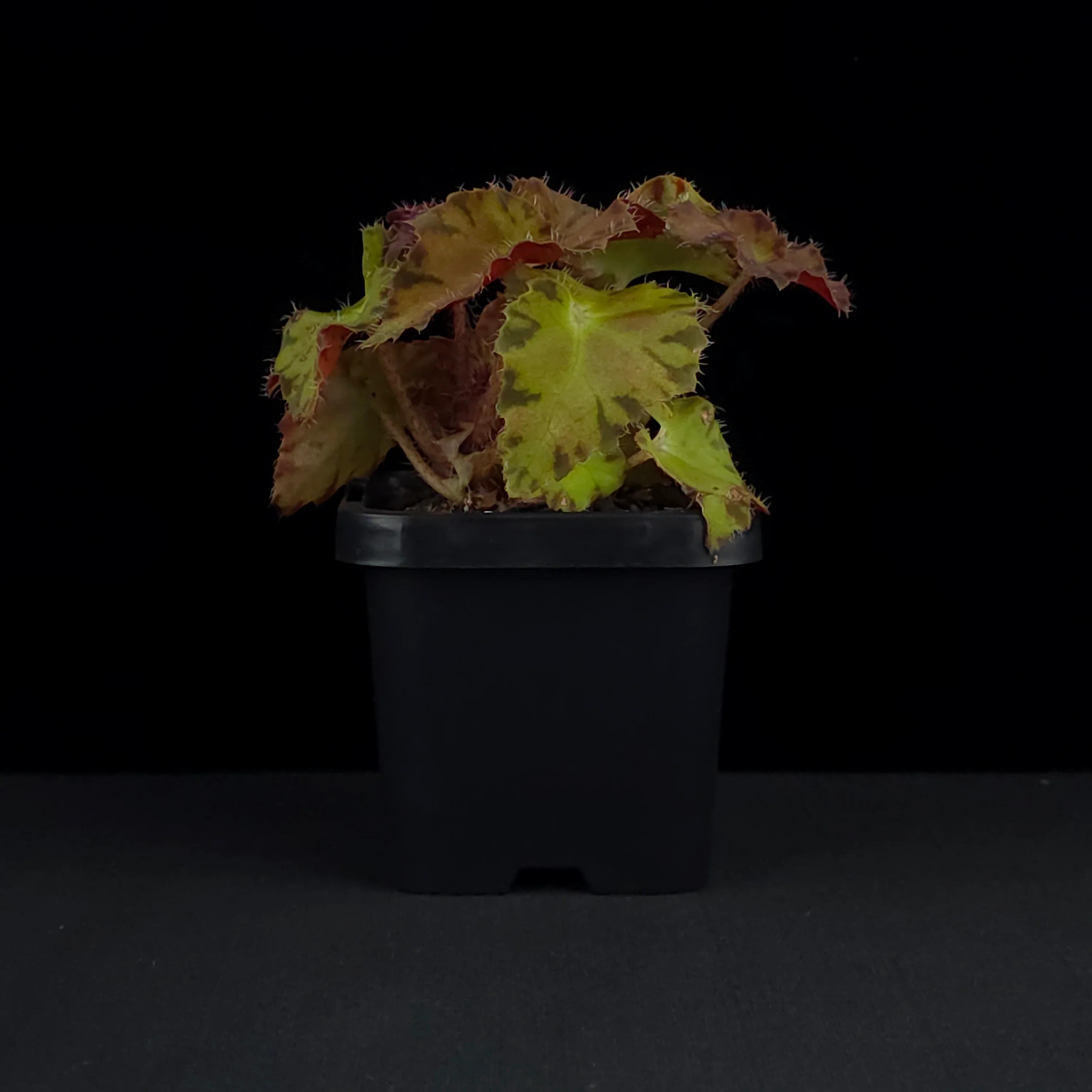
Peperomia prostrata 'String of Turtles' (WA Prohibited)
Peperomia prostrata 'String of Turtles' is a cultivated form of Peperomia prostrata, a trailing species native to the rainforests of Brazil. In its natural habitat, the species grows along the forest floor or over logs and rocks in warm, shaded, and humid conditions beneath the canopy.
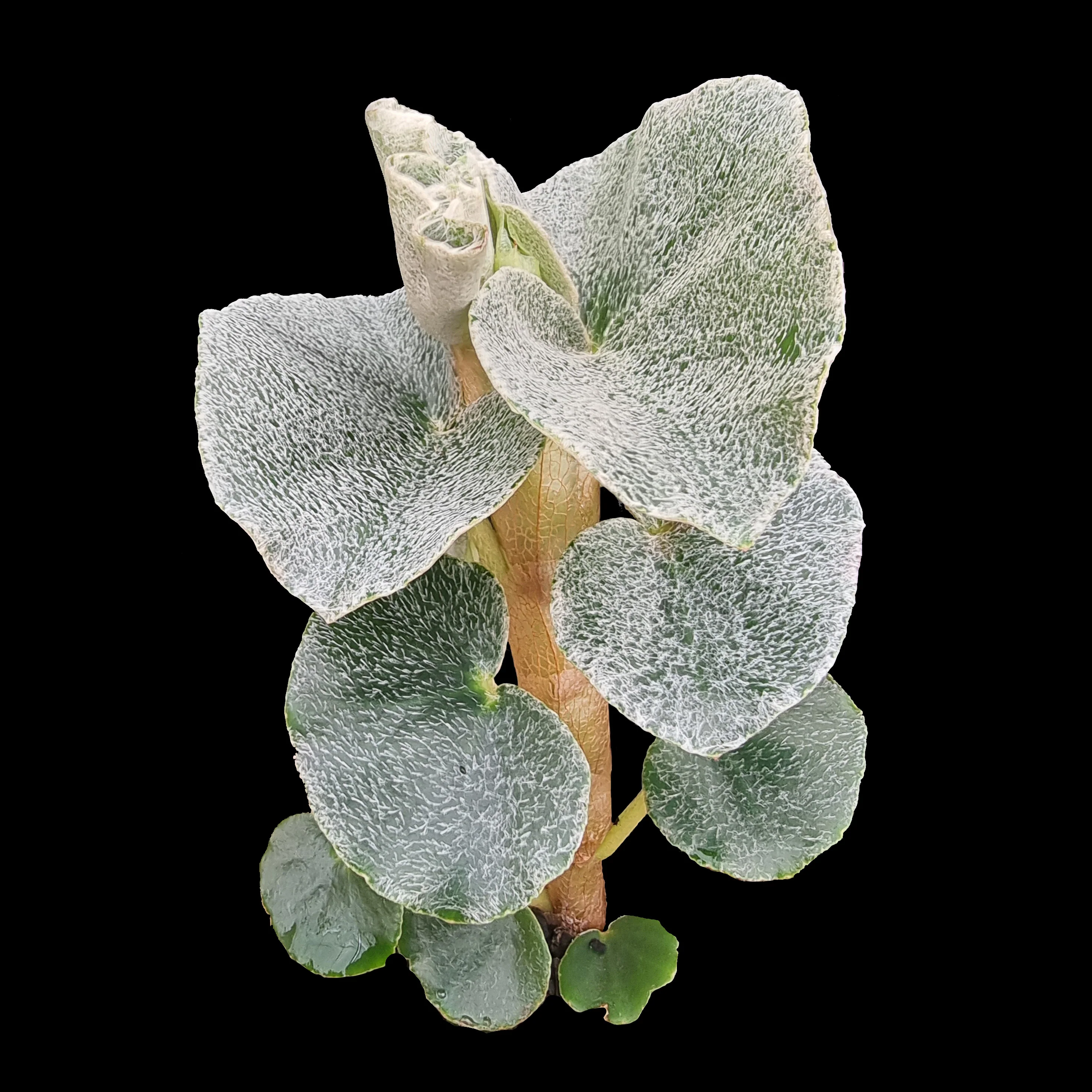
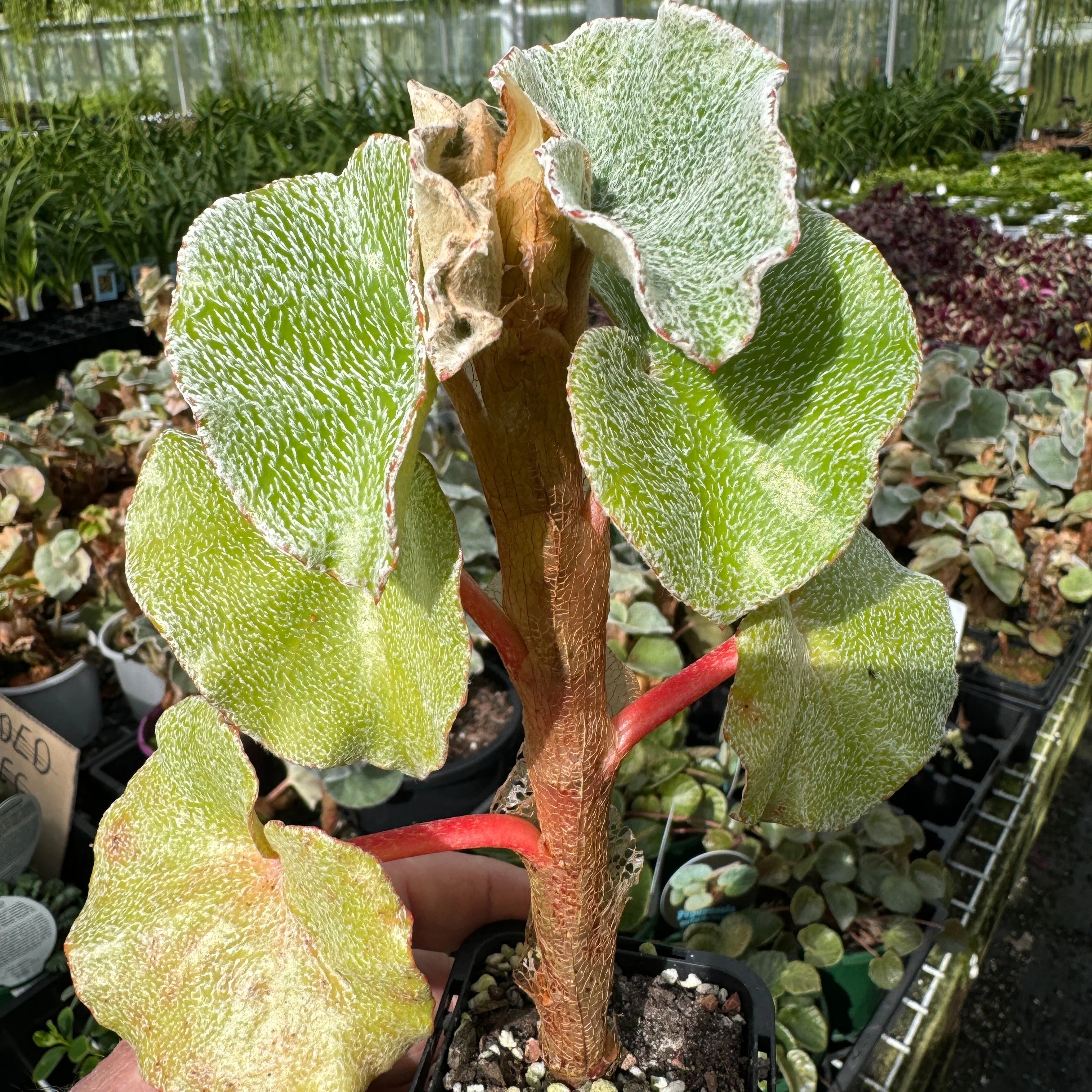
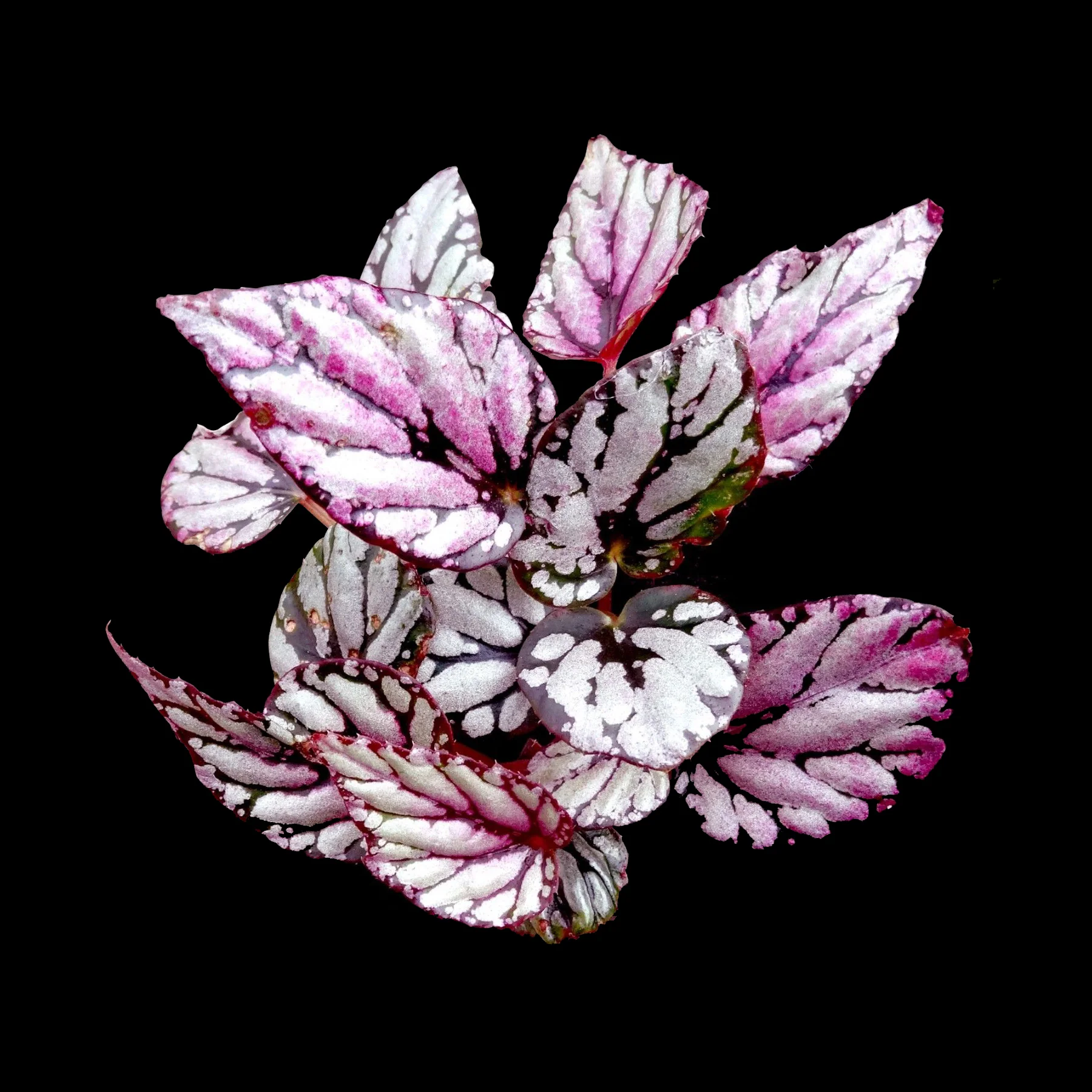
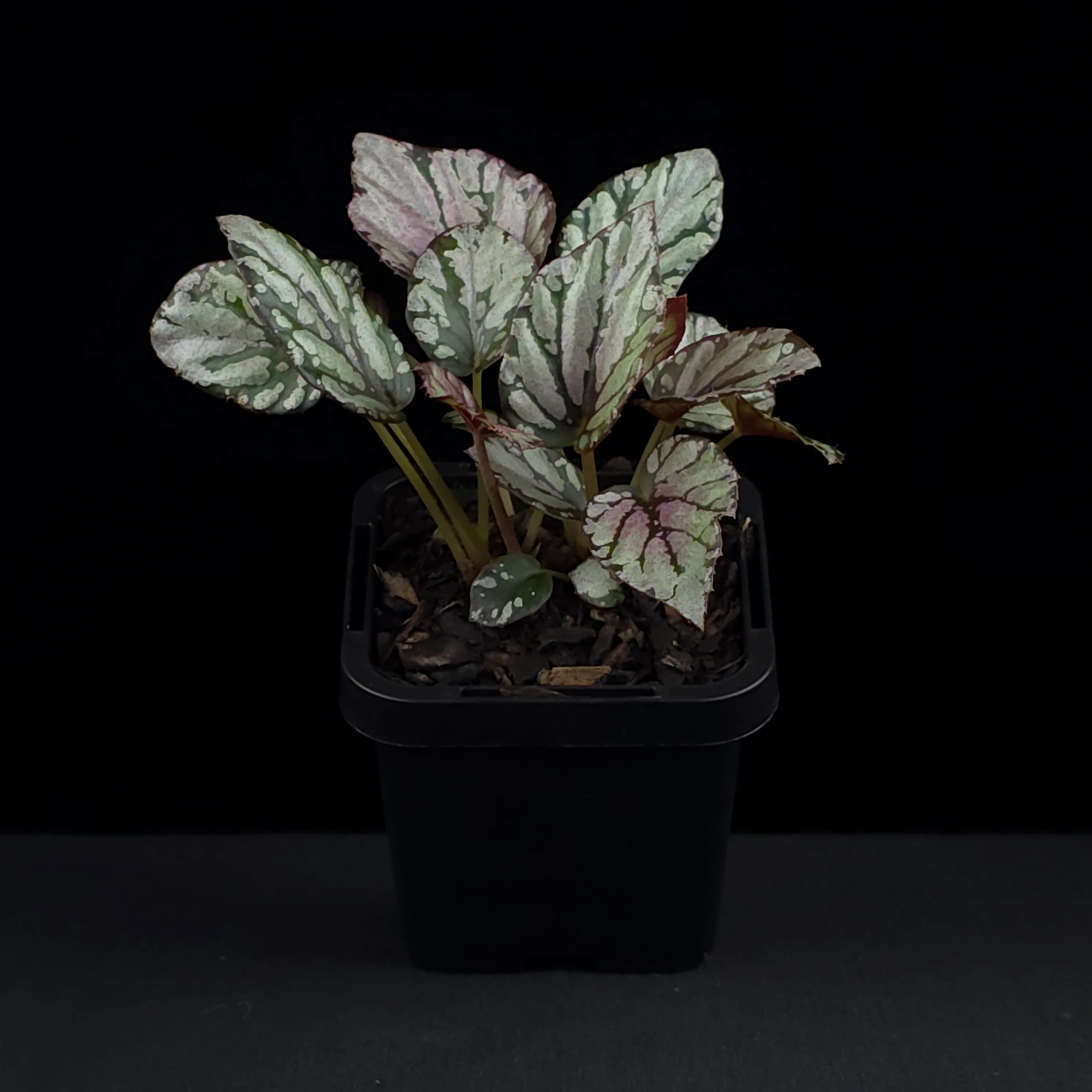
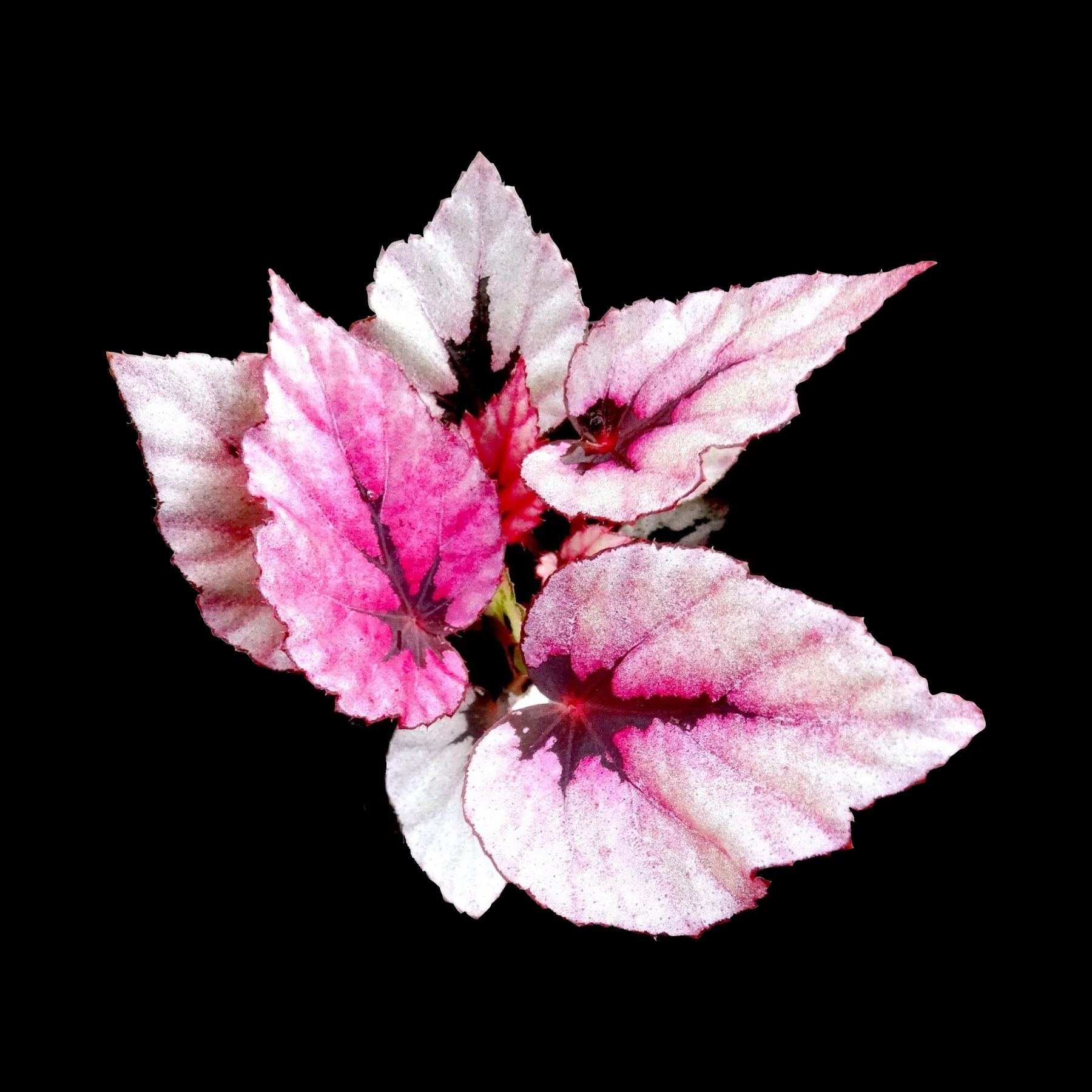
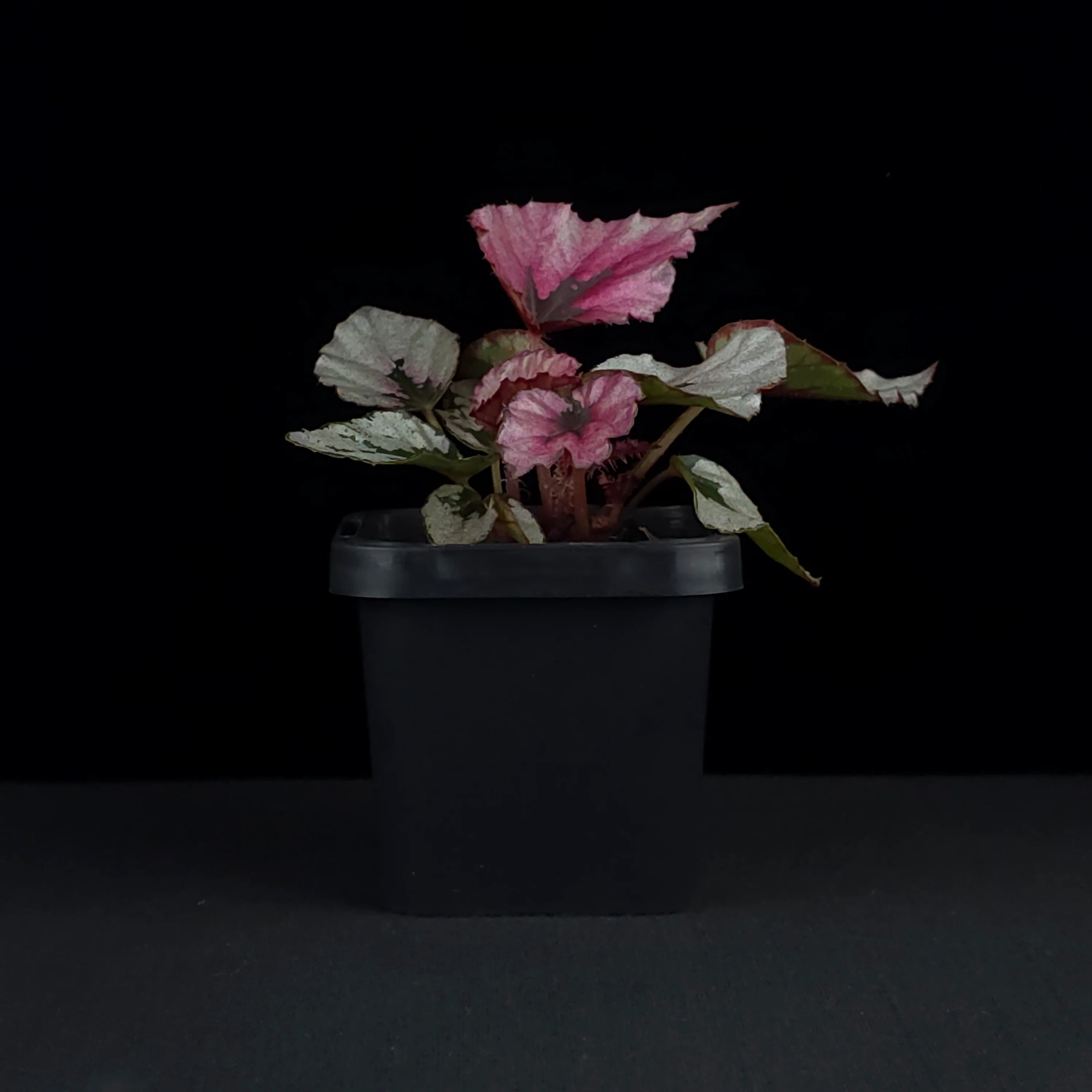
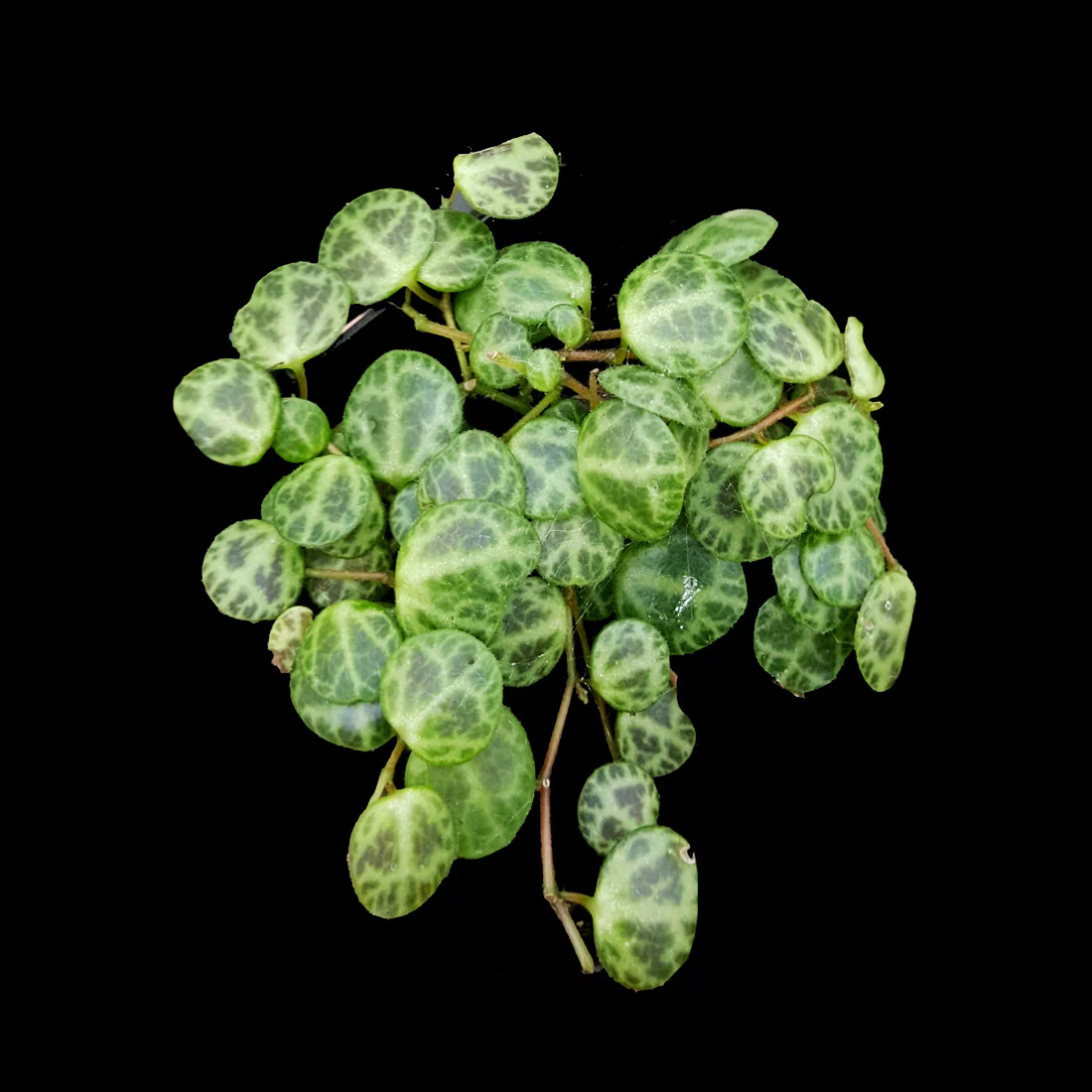
The plant produces slender, creeping stems densely lined with small, round leaves. Each leaf is patterned with intricate silver markings over a dark green background, resembling the shell of a turtle. The foliage is slightly succulent, storing moisture and allowing the plant to tolerate short dry spells.
In favourable conditions, it can produce delicate, spike-like inflorescences typical of the genus, though it is primarily grown for its foliage. The trailing habit makes it particularly suited to hanging baskets, shallow bowls, or terrarium culture.
Care Tips:
- Light: Bright, indirect light; avoid harsh direct sun that may scorch leaves.
- Water: Water when the top layer of the mix begins to dry; reduce watering in cooler months.
- Humidity: Prefers moderate to high humidity for best growth.
- Media: Use a well-draining mix with peat, perlite, and fine bark.
- Fertiliser: Feed every 4–6 weeks during active growth with a diluted balanced fertiliser.
- Temperature: Maintain between 18–27 °C; avoid cold drafts and temperatures below 15 °C.
- Repotting: Repot every 1–2 years, taking care not to bury the delicate stems.
Original: $12.50
-65%$12.50
$4.38More Images
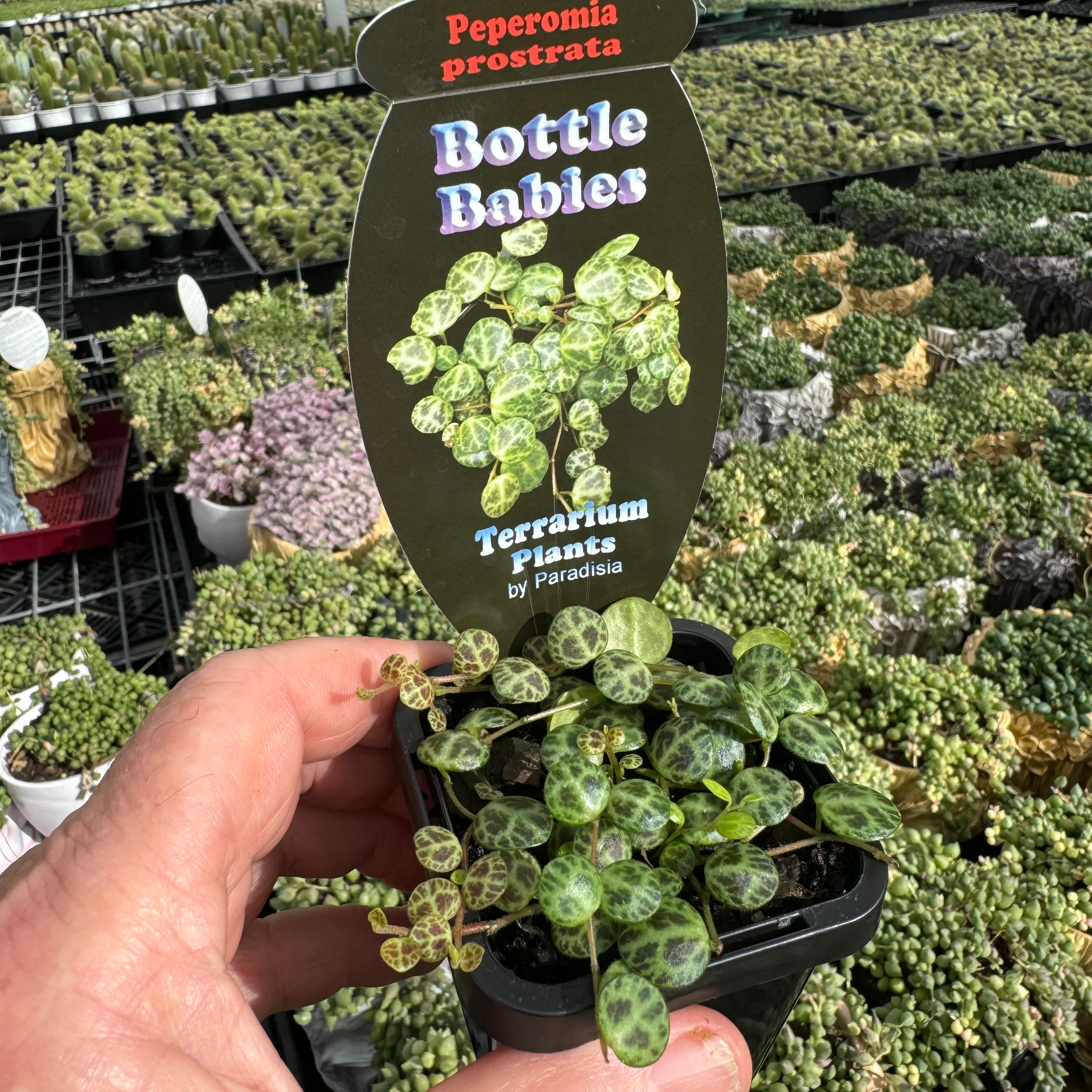
Peperomia prostrata 'String of Turtles' (WA Prohibited)
Peperomia prostrata 'String of Turtles' is a cultivated form of Peperomia prostrata, a trailing species native to the rainforests of Brazil. In its natural habitat, the species grows along the forest floor or over logs and rocks in warm, shaded, and humid conditions beneath the canopy.
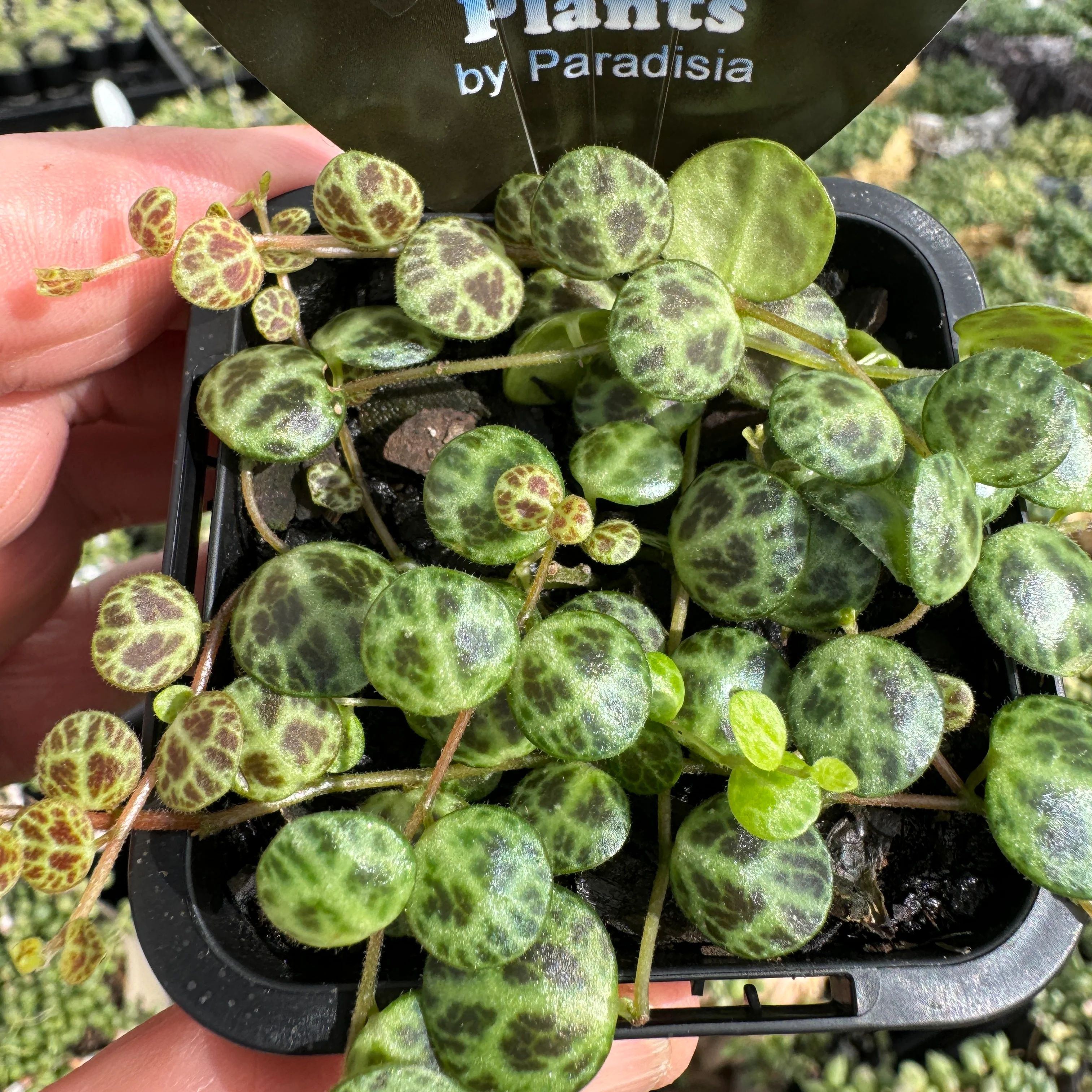
The plant produces slender, creeping stems densely lined with small, round leaves. Each leaf is patterned with intricate silver markings over a dark green background, resembling the shell of a turtle. The foliage is slightly succulent, storing moisture and allowing the plant to tolerate short dry spells.
In favourable conditions, it can produce delicate, spike-like inflorescences typical of the genus, though it is primarily grown for its foliage. The trailing habit makes it particularly suited to hanging baskets, shallow bowls, or terrarium culture.
Care Tips:
- Light: Bright, indirect light; avoid harsh direct sun that may scorch leaves.
- Water: Water when the top layer of the mix begins to dry; reduce watering in cooler months.
- Humidity: Prefers moderate to high humidity for best growth.
- Media: Use a well-draining mix with peat, perlite, and fine bark.
- Fertiliser: Feed every 4–6 weeks during active growth with a diluted balanced fertiliser.
- Temperature: Maintain between 18–27 °C; avoid cold drafts and temperatures below 15 °C.
- Repotting: Repot every 1–2 years, taking care not to bury the delicate stems.
Product Information
Product Information
Shipping & Returns
Shipping & Returns
Description
Peperomia prostrata 'String of Turtles' is a cultivated form of Peperomia prostrata, a trailing species native to the rainforests of Brazil. In its natural habitat, the species grows along the forest floor or over logs and rocks in warm, shaded, and humid conditions beneath the canopy.
The plant produces slender, creeping stems densely lined with small, round leaves. Each leaf is patterned with intricate silver markings over a dark green background, resembling the shell of a turtle. The foliage is slightly succulent, storing moisture and allowing the plant to tolerate short dry spells.
In favourable conditions, it can produce delicate, spike-like inflorescences typical of the genus, though it is primarily grown for its foliage. The trailing habit makes it particularly suited to hanging baskets, shallow bowls, or terrarium culture.
Care Tips:
- Light: Bright, indirect light; avoid harsh direct sun that may scorch leaves.
- Water: Water when the top layer of the mix begins to dry; reduce watering in cooler months.
- Humidity: Prefers moderate to high humidity for best growth.
- Media: Use a well-draining mix with peat, perlite, and fine bark.
- Fertiliser: Feed every 4–6 weeks during active growth with a diluted balanced fertiliser.
- Temperature: Maintain between 18–27 °C; avoid cold drafts and temperatures below 15 °C.
- Repotting: Repot every 1–2 years, taking care not to bury the delicate stems.