Rhipsalis baccifera subsp. mauritiana - Mistletoe Cactus
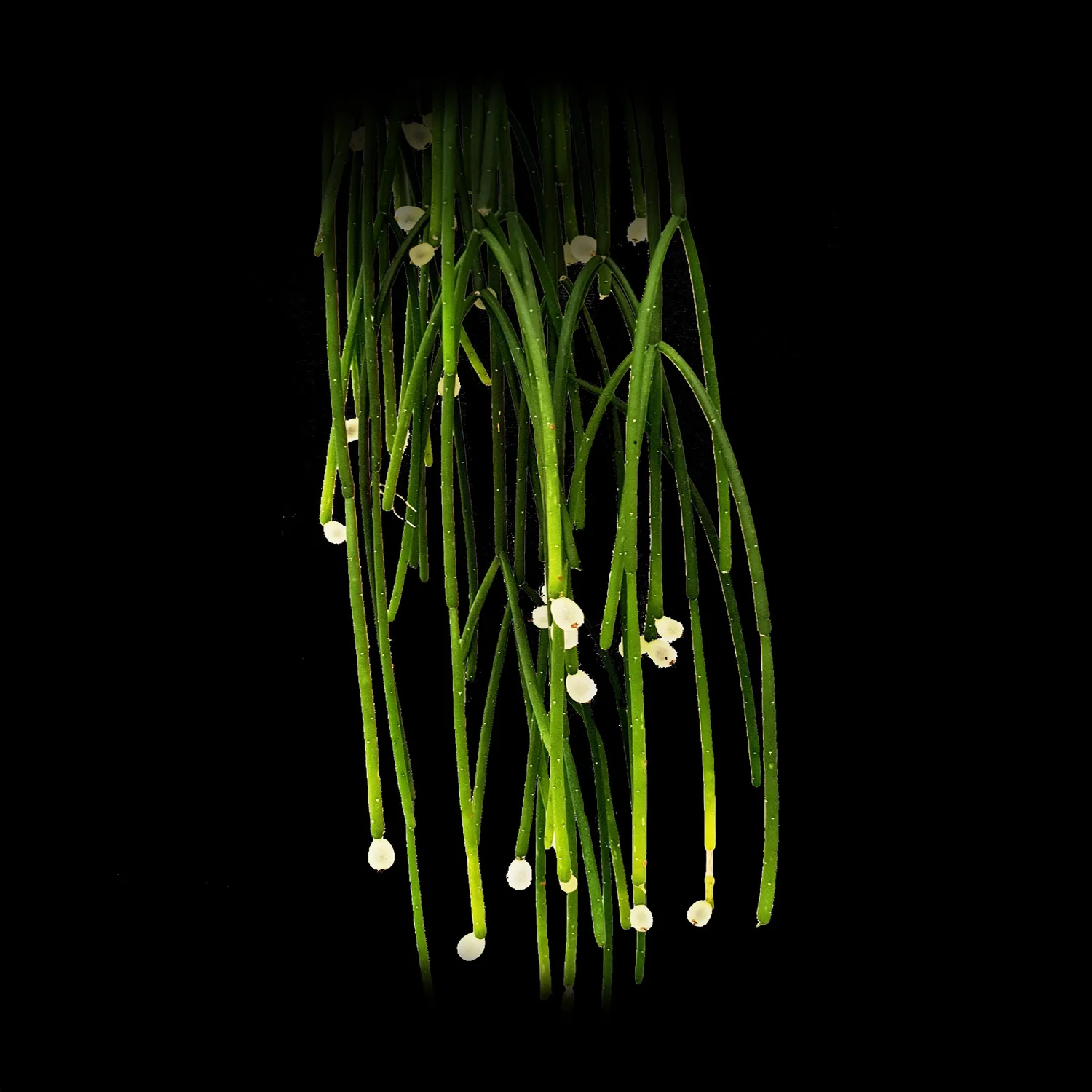
Rhipsalis baccifera subsp. mauritiana, commonly referred to as the Mistletoe Cactus, is a subspecies of the widespread Rhipsalis baccifera, occurring naturally in Madagascar and nearby islands. It inhabits warm, humid, and shaded habitats, most often growing on tree branches in coastal and lowland forests, where it receives filtered light and benefits from the consistent moisture of the surrounding air.
The stems are long, slender, and cylindrical, branching freely to form trailing growth that can extend for several metres. They are smooth and green, remaining flexible to adapt to the contours of their growing surface. Branching is irregular, with new stems developing from the tips of older segments.
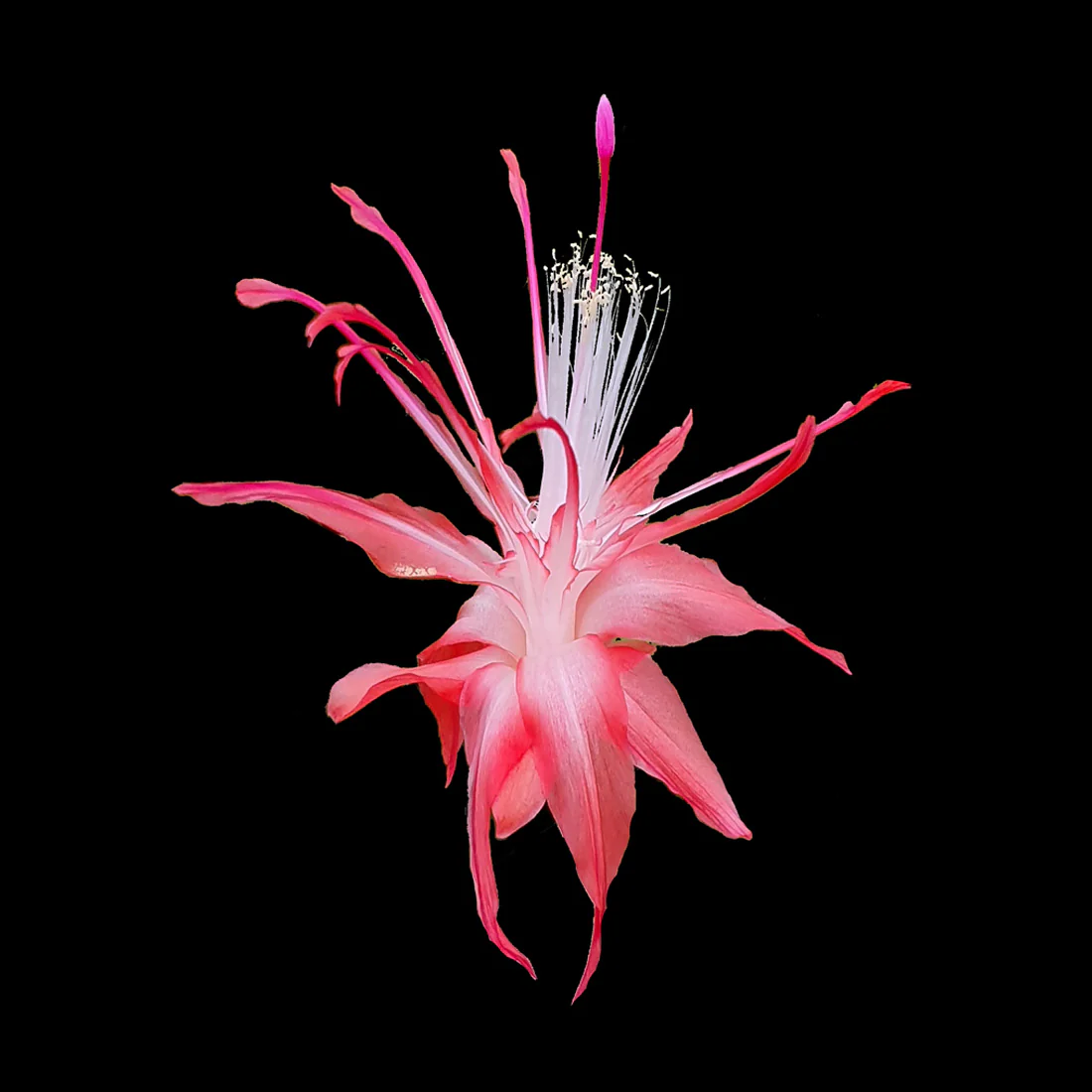
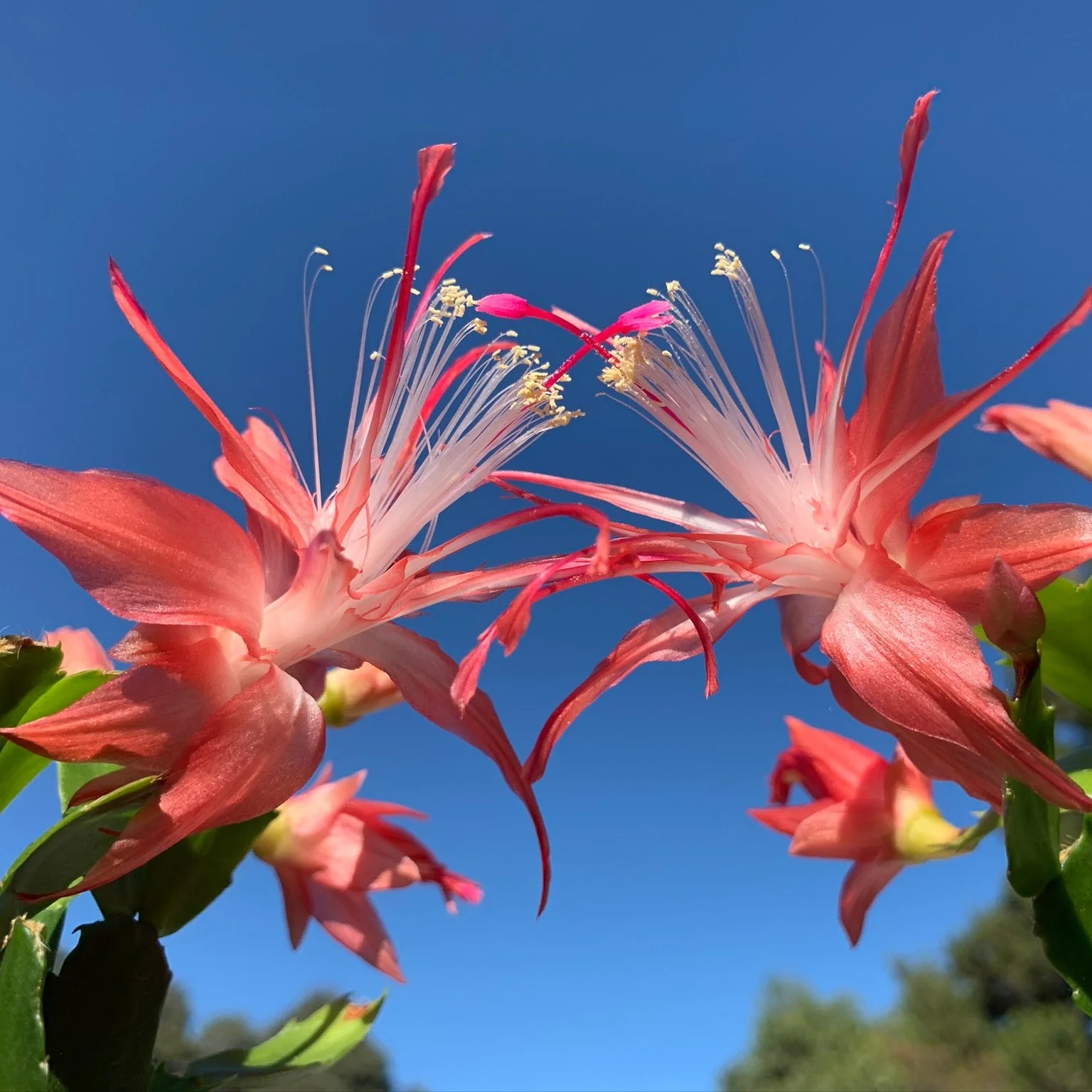
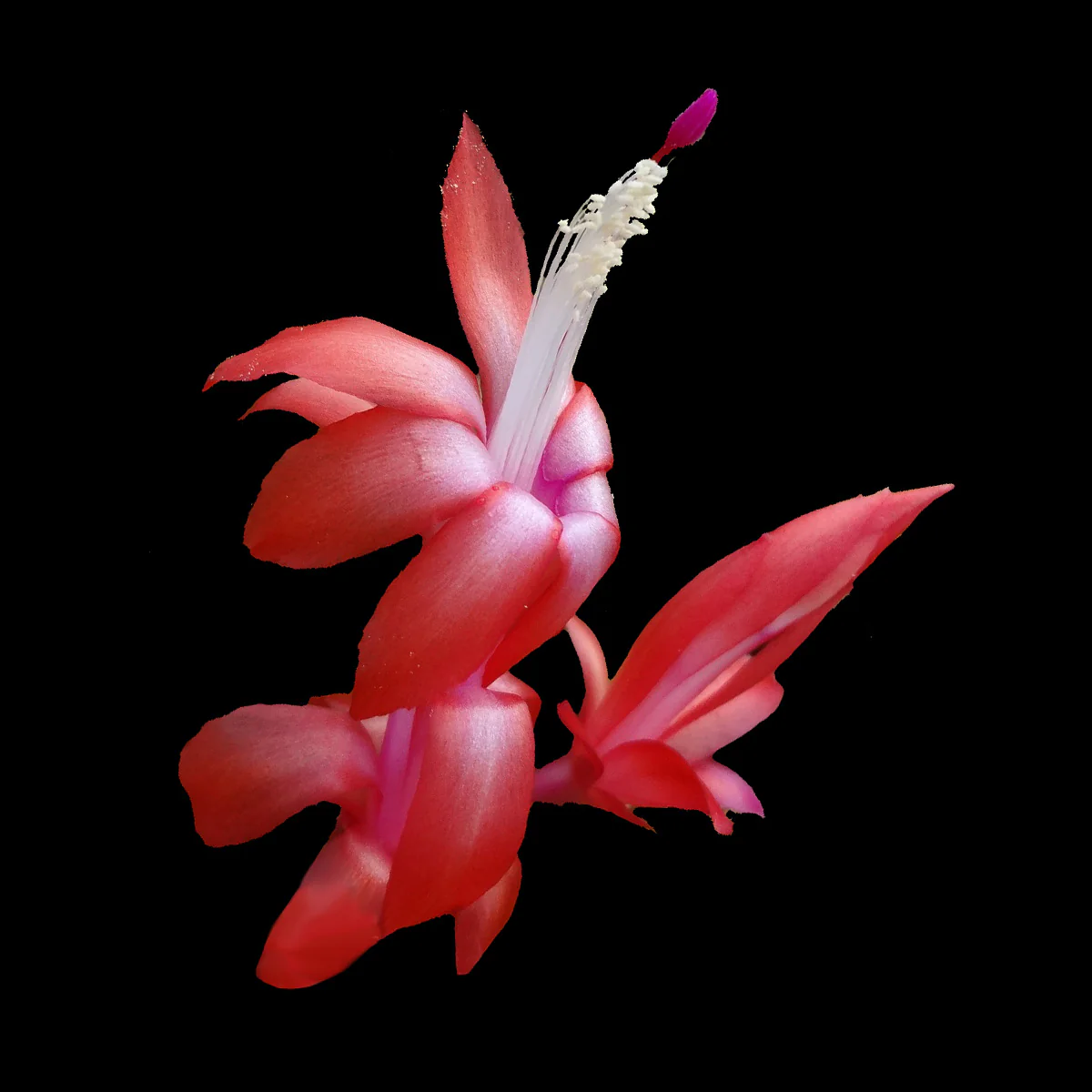
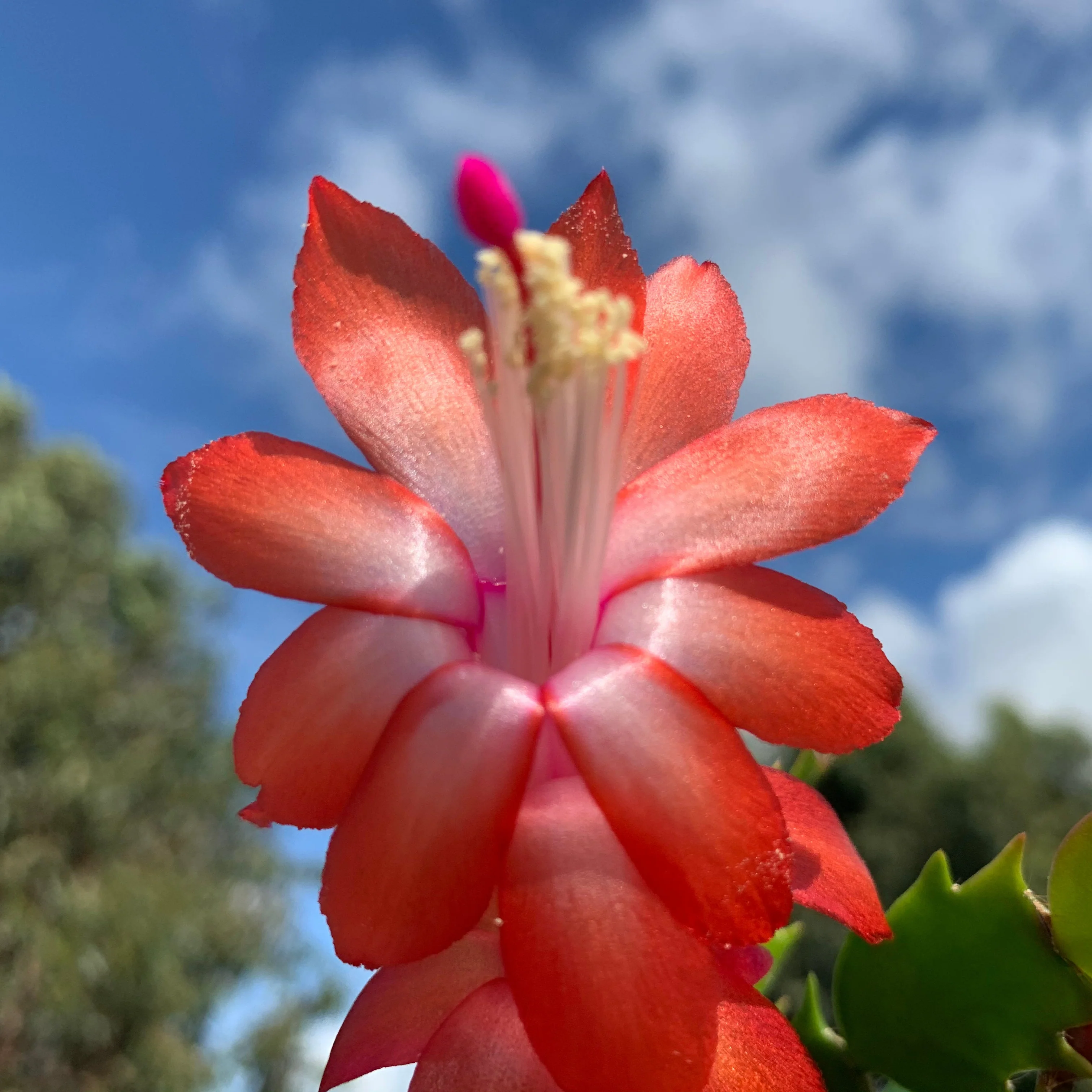
Small, white flowers appear along the stems, followed by spherical, translucent to whitish berries. These are eaten by birds and other wildlife, facilitating seed dispersal throughout the forest canopy.
Care Tips:
- Light: Provide bright, indirect light; protect from prolonged direct sun which can scorch stems.
- Water: Keep the media evenly moist during active growth, allowing the top layer to dry slightly before rewatering; reduce watering in winter.
- Humidity: Prefers moderate to high humidity; mist occasionally in dry conditions.
- Media: Use a free-draining mix containing fine orchid bark, peat or coir, and perlite.
- Temperature: Maintain between 15–27°C; avoid frost.
- Fertiliser: Apply a diluted, balanced fertiliser every 4–6 weeks during the growing season.
- Repotting: Repot every 2–3 years or when root-bound, preferably in spring.
Original: $12.00
-65%$12.00
$4.20More Images
Rhipsalis baccifera subsp. mauritiana - Mistletoe Cactus
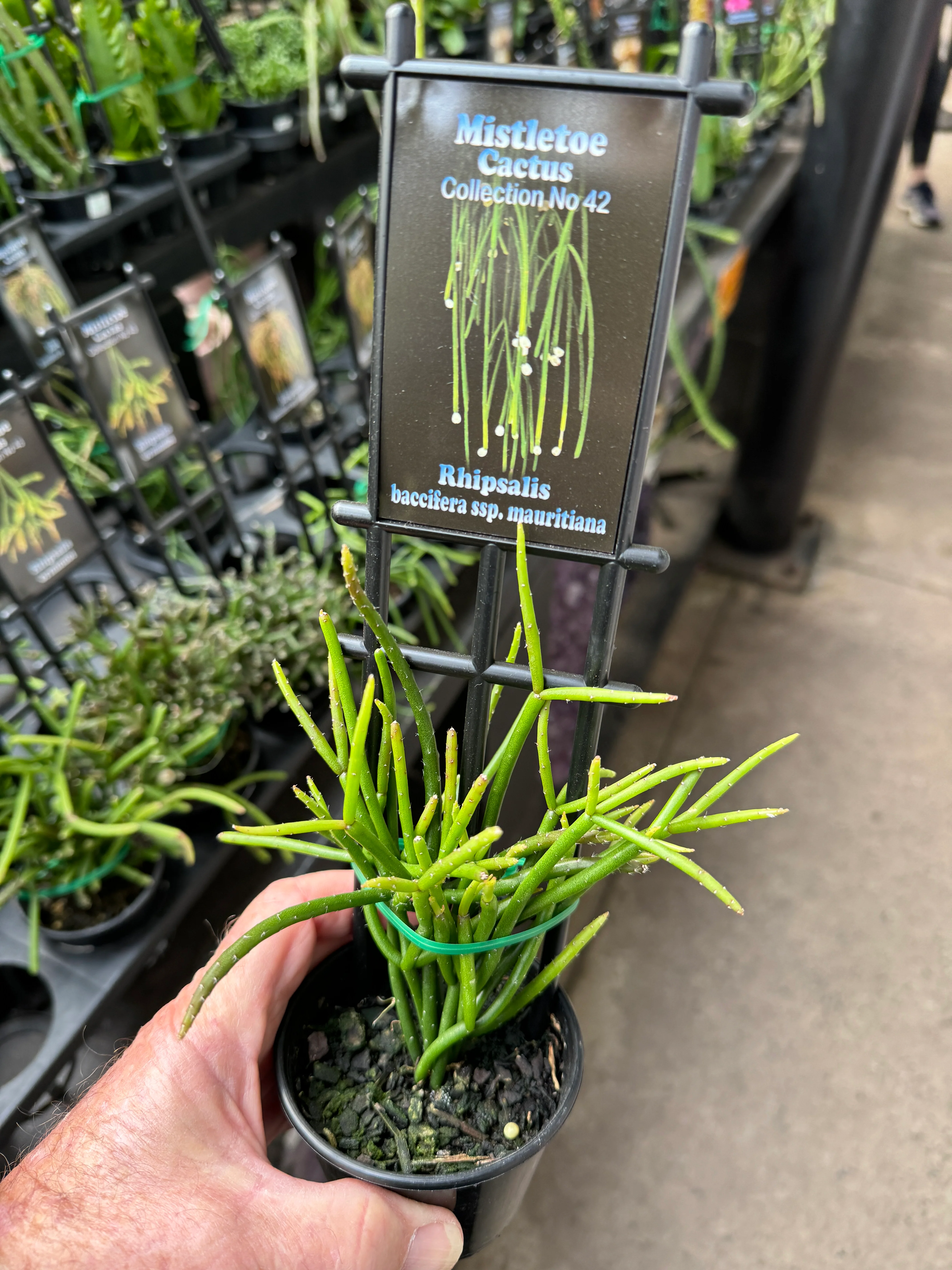
Rhipsalis baccifera subsp. mauritiana, commonly referred to as the Mistletoe Cactus, is a subspecies of the widespread Rhipsalis baccifera, occurring naturally in Madagascar and nearby islands. It inhabits warm, humid, and shaded habitats, most often growing on tree branches in coastal and lowland forests, where it receives filtered light and benefits from the consistent moisture of the surrounding air.
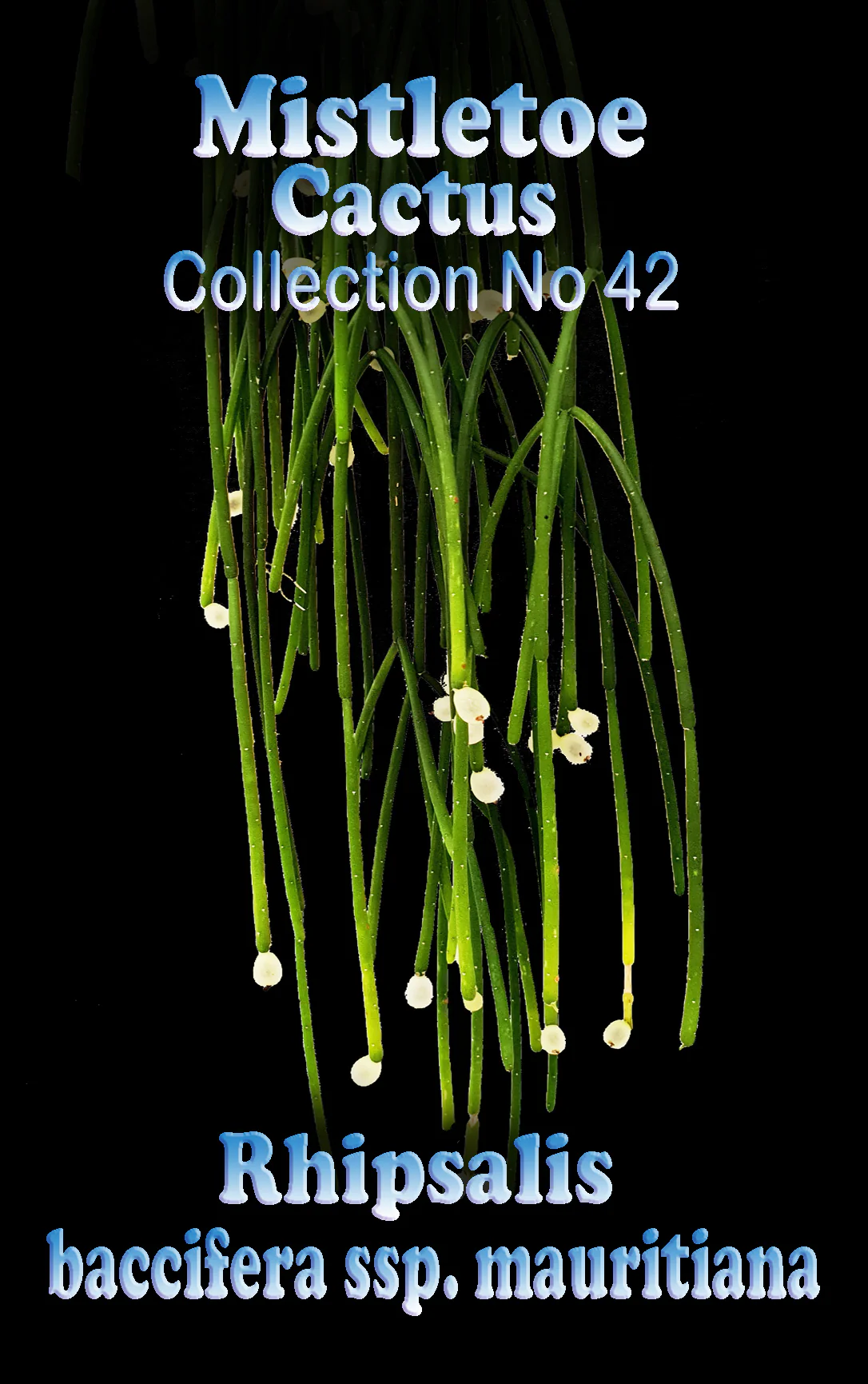
The stems are long, slender, and cylindrical, branching freely to form trailing growth that can extend for several metres. They are smooth and green, remaining flexible to adapt to the contours of their growing surface. Branching is irregular, with new stems developing from the tips of older segments.
Small, white flowers appear along the stems, followed by spherical, translucent to whitish berries. These are eaten by birds and other wildlife, facilitating seed dispersal throughout the forest canopy.
Care Tips:
- Light: Provide bright, indirect light; protect from prolonged direct sun which can scorch stems.
- Water: Keep the media evenly moist during active growth, allowing the top layer to dry slightly before rewatering; reduce watering in winter.
- Humidity: Prefers moderate to high humidity; mist occasionally in dry conditions.
- Media: Use a free-draining mix containing fine orchid bark, peat or coir, and perlite.
- Temperature: Maintain between 15–27°C; avoid frost.
- Fertiliser: Apply a diluted, balanced fertiliser every 4–6 weeks during the growing season.
- Repotting: Repot every 2–3 years or when root-bound, preferably in spring.
Product Information
Product Information
Shipping & Returns
Shipping & Returns
Description
Rhipsalis baccifera subsp. mauritiana, commonly referred to as the Mistletoe Cactus, is a subspecies of the widespread Rhipsalis baccifera, occurring naturally in Madagascar and nearby islands. It inhabits warm, humid, and shaded habitats, most often growing on tree branches in coastal and lowland forests, where it receives filtered light and benefits from the consistent moisture of the surrounding air.
The stems are long, slender, and cylindrical, branching freely to form trailing growth that can extend for several metres. They are smooth and green, remaining flexible to adapt to the contours of their growing surface. Branching is irregular, with new stems developing from the tips of older segments.
Small, white flowers appear along the stems, followed by spherical, translucent to whitish berries. These are eaten by birds and other wildlife, facilitating seed dispersal throughout the forest canopy.
Care Tips:
- Light: Provide bright, indirect light; protect from prolonged direct sun which can scorch stems.
- Water: Keep the media evenly moist during active growth, allowing the top layer to dry slightly before rewatering; reduce watering in winter.
- Humidity: Prefers moderate to high humidity; mist occasionally in dry conditions.
- Media: Use a free-draining mix containing fine orchid bark, peat or coir, and perlite.
- Temperature: Maintain between 15–27°C; avoid frost.
- Fertiliser: Apply a diluted, balanced fertiliser every 4–6 weeks during the growing season.
- Repotting: Repot every 2–3 years or when root-bound, preferably in spring.