Rhipsalis campos-portoana - Mistletoe Cactus
Rhipsalis campos-portoana, commonly known as the Mistletoe Cactus, is a Brazilian species native to the Atlantic Forest, where it grows in humid, shaded habitats. It is most often found attached to tree branches, thriving in the filtered light and constant atmospheric moisture of the forest canopy.
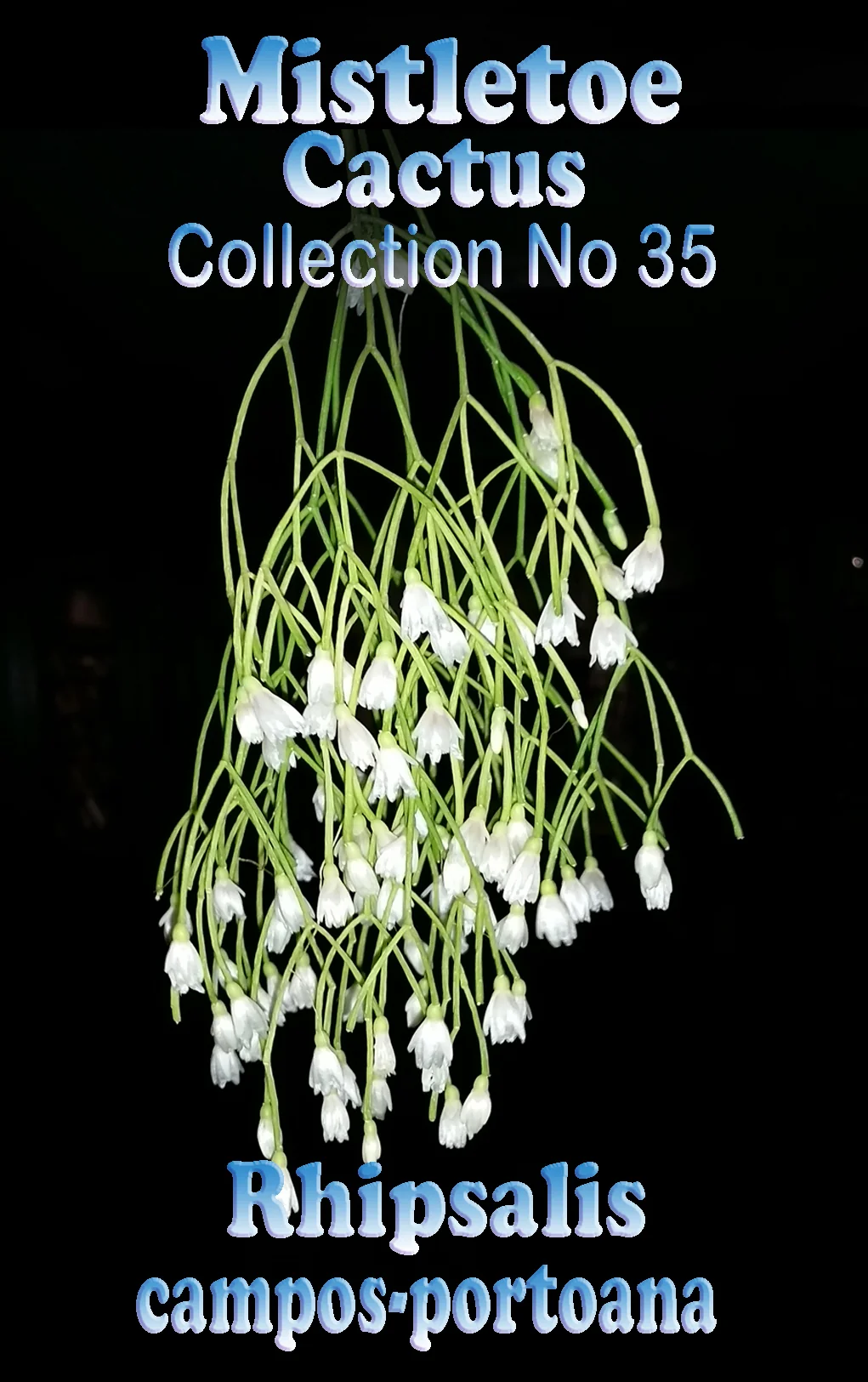
The stems are slender, cylindrical, and smooth, branching irregularly to form long, pendent growth. Segments are bright green when young, maturing to a deeper tone over time. The flexible stems allow the plant to drape naturally over its support, whether in the wild or in cultivation.
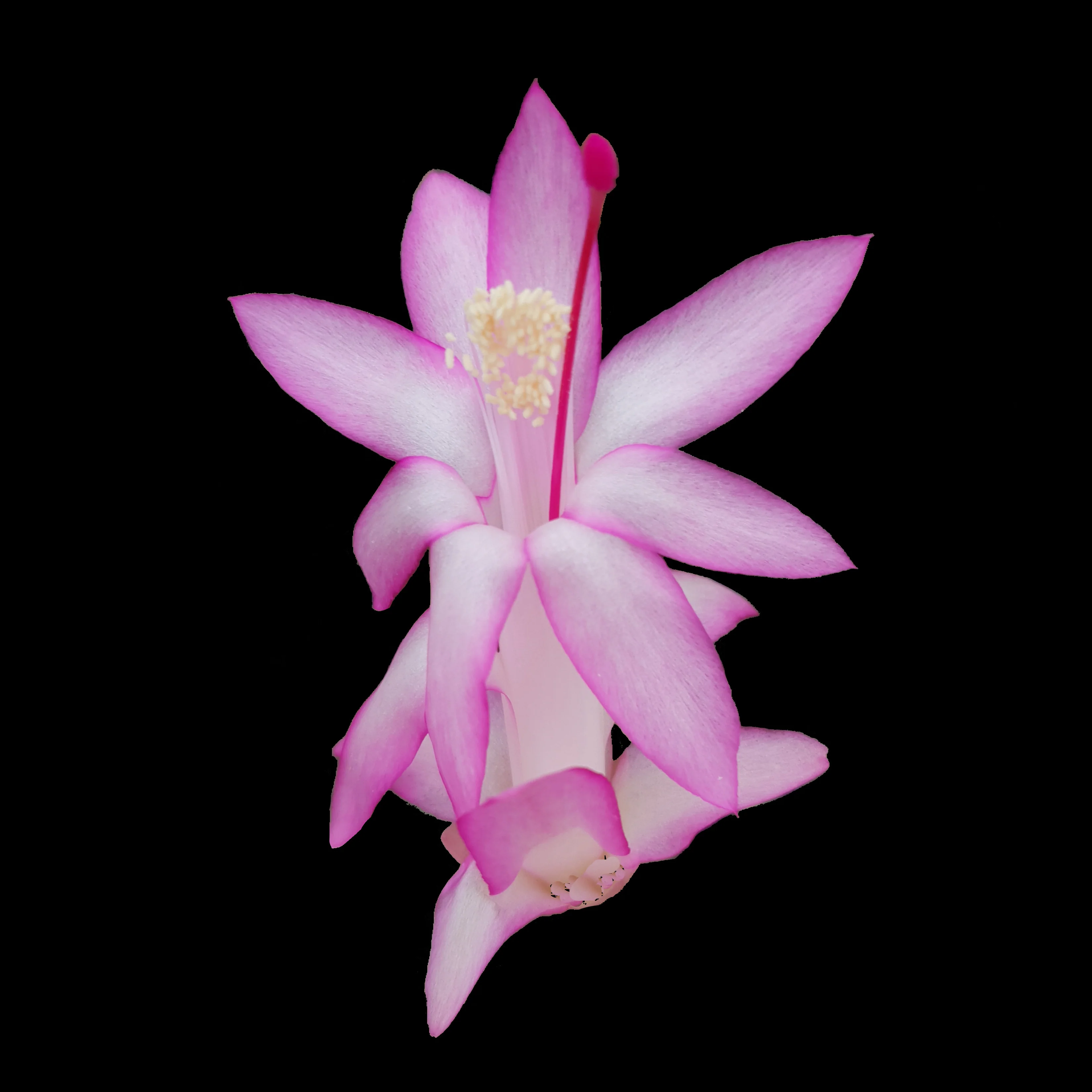
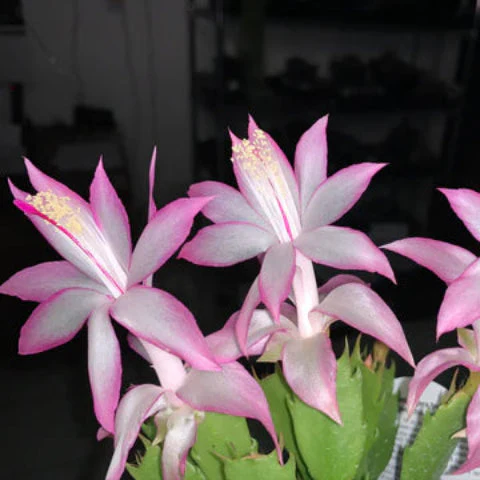
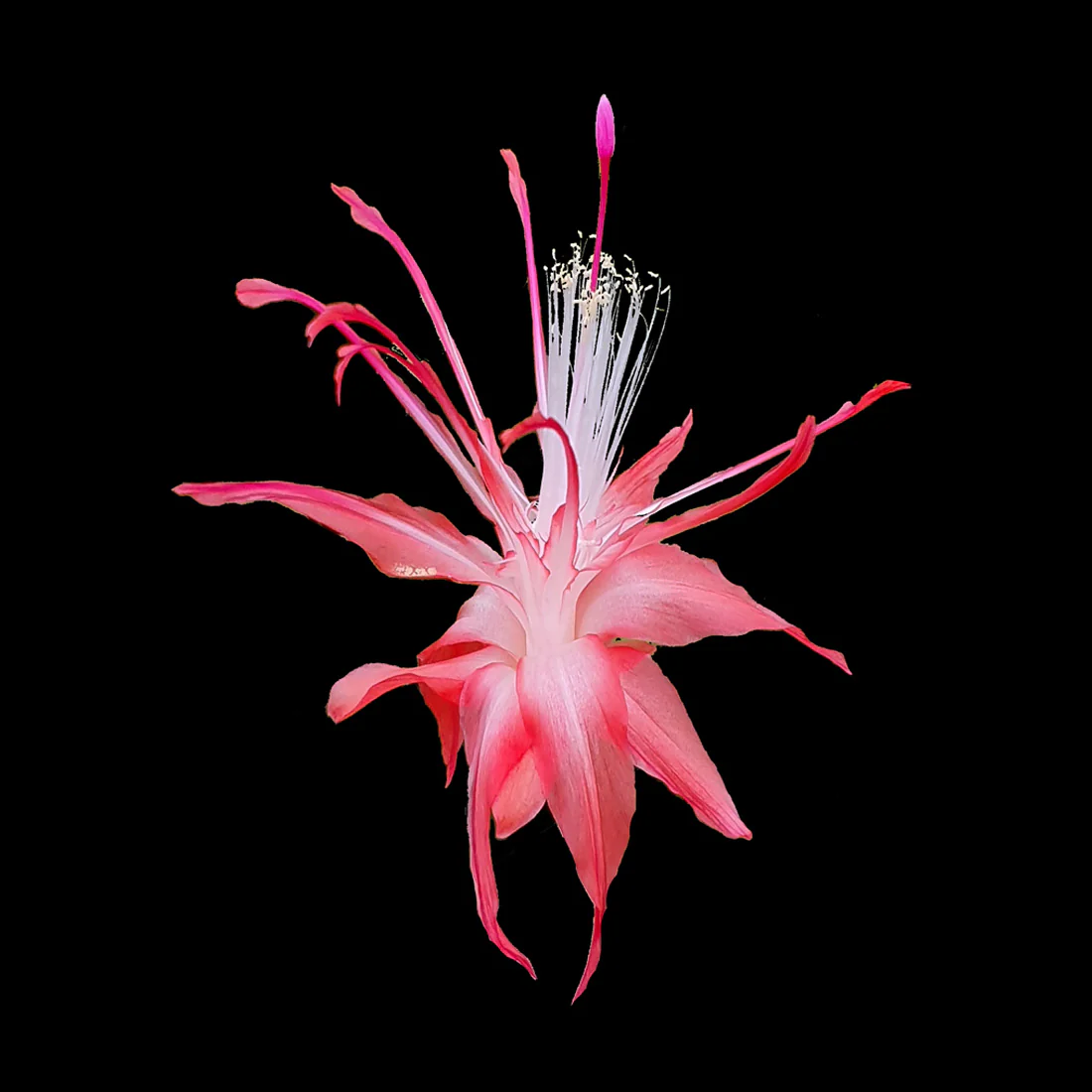
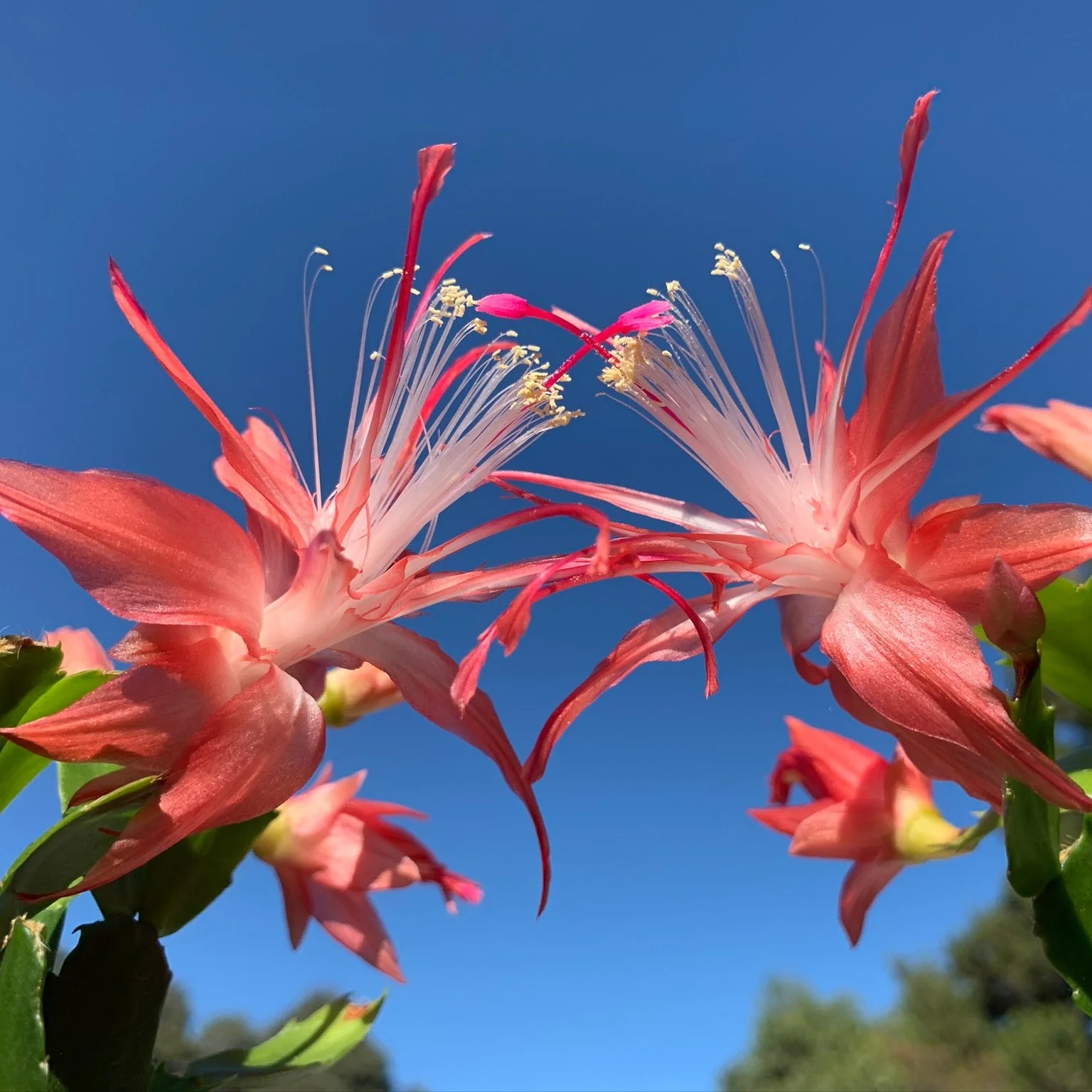
Small, white flowers appear along the stem sides, usually in the warmer months, followed by rounded, whitish berries. Birds consume the fruits, helping to disperse the seeds throughout the forest environment.
Care Tips:
- Light: Provide bright, indirect light; protect from prolonged direct sun which can scorch stems.
- Water: Keep evenly moist during the growing season, allowing the top layer of media to dry slightly between waterings; reduce watering in winter.
- Humidity: Benefits from moderate to high humidity; mist occasionally in dry indoor air.
- Media: Use a free-draining mix containing fine orchid bark, peat or coir, and perlite.
- Temperature: Maintain between 15–27°C; protect from frost.
- Fertiliser: Feed every 4–6 weeks in the growing season with a diluted, balanced fertiliser.
- Repotting: Repot every 2–3 years or when root-bound, preferably in spring.
More Images

Rhipsalis campos-portoana - Mistletoe Cactus
Rhipsalis campos-portoana, commonly known as the Mistletoe Cactus, is a Brazilian species native to the Atlantic Forest, where it grows in humid, shaded habitats. It is most often found attached to tree branches, thriving in the filtered light and constant atmospheric moisture of the forest canopy.
The stems are slender, cylindrical, and smooth, branching irregularly to form long, pendent growth. Segments are bright green when young, maturing to a deeper tone over time. The flexible stems allow the plant to drape naturally over its support, whether in the wild or in cultivation.
Small, white flowers appear along the stem sides, usually in the warmer months, followed by rounded, whitish berries. Birds consume the fruits, helping to disperse the seeds throughout the forest environment.
Care Tips:
- Light: Provide bright, indirect light; protect from prolonged direct sun which can scorch stems.
- Water: Keep evenly moist during the growing season, allowing the top layer of media to dry slightly between waterings; reduce watering in winter.
- Humidity: Benefits from moderate to high humidity; mist occasionally in dry indoor air.
- Media: Use a free-draining mix containing fine orchid bark, peat or coir, and perlite.
- Temperature: Maintain between 15–27°C; protect from frost.
- Fertiliser: Feed every 4–6 weeks in the growing season with a diluted, balanced fertiliser.
- Repotting: Repot every 2–3 years or when root-bound, preferably in spring.
Product Information
Product Information
Shipping & Returns
Shipping & Returns
Description
Rhipsalis campos-portoana, commonly known as the Mistletoe Cactus, is a Brazilian species native to the Atlantic Forest, where it grows in humid, shaded habitats. It is most often found attached to tree branches, thriving in the filtered light and constant atmospheric moisture of the forest canopy.
The stems are slender, cylindrical, and smooth, branching irregularly to form long, pendent growth. Segments are bright green when young, maturing to a deeper tone over time. The flexible stems allow the plant to drape naturally over its support, whether in the wild or in cultivation.
Small, white flowers appear along the stem sides, usually in the warmer months, followed by rounded, whitish berries. Birds consume the fruits, helping to disperse the seeds throughout the forest environment.
Care Tips:
- Light: Provide bright, indirect light; protect from prolonged direct sun which can scorch stems.
- Water: Keep evenly moist during the growing season, allowing the top layer of media to dry slightly between waterings; reduce watering in winter.
- Humidity: Benefits from moderate to high humidity; mist occasionally in dry indoor air.
- Media: Use a free-draining mix containing fine orchid bark, peat or coir, and perlite.
- Temperature: Maintain between 15–27°C; protect from frost.
- Fertiliser: Feed every 4–6 weeks in the growing season with a diluted, balanced fertiliser.
- Repotting: Repot every 2–3 years or when root-bound, preferably in spring.