Rhipsalis cereuscula - Mistletoe Cactus
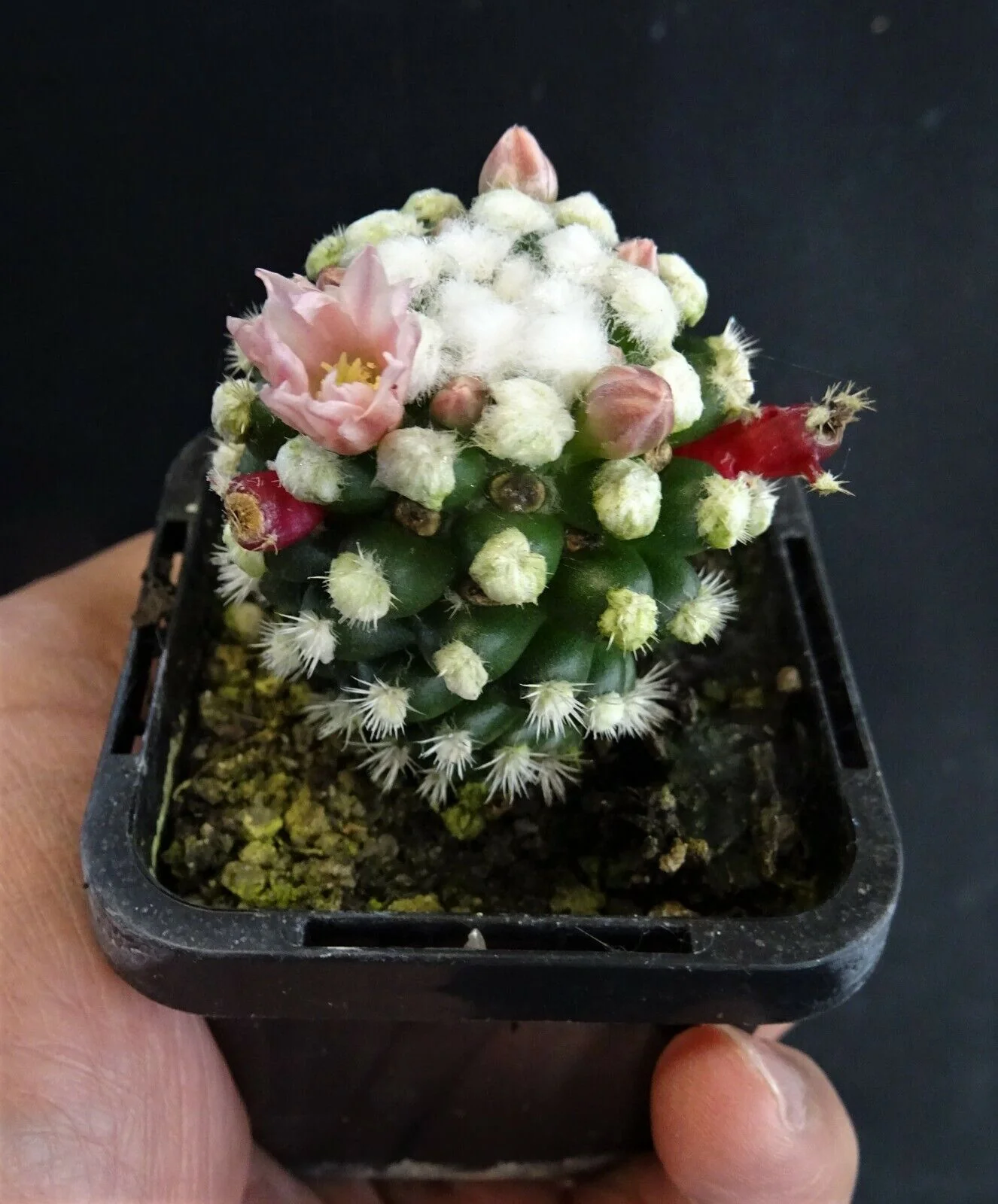
Rhipsalis cereuscula, commonly known as the Mistletoe Cactus, is a trailing cactus species native to the Atlantic Forest of southeastern Brazil. It grows in warm, humid, and shaded habitats, often rooted on tree branches where it receives filtered light and benefits from high atmospheric moisture.
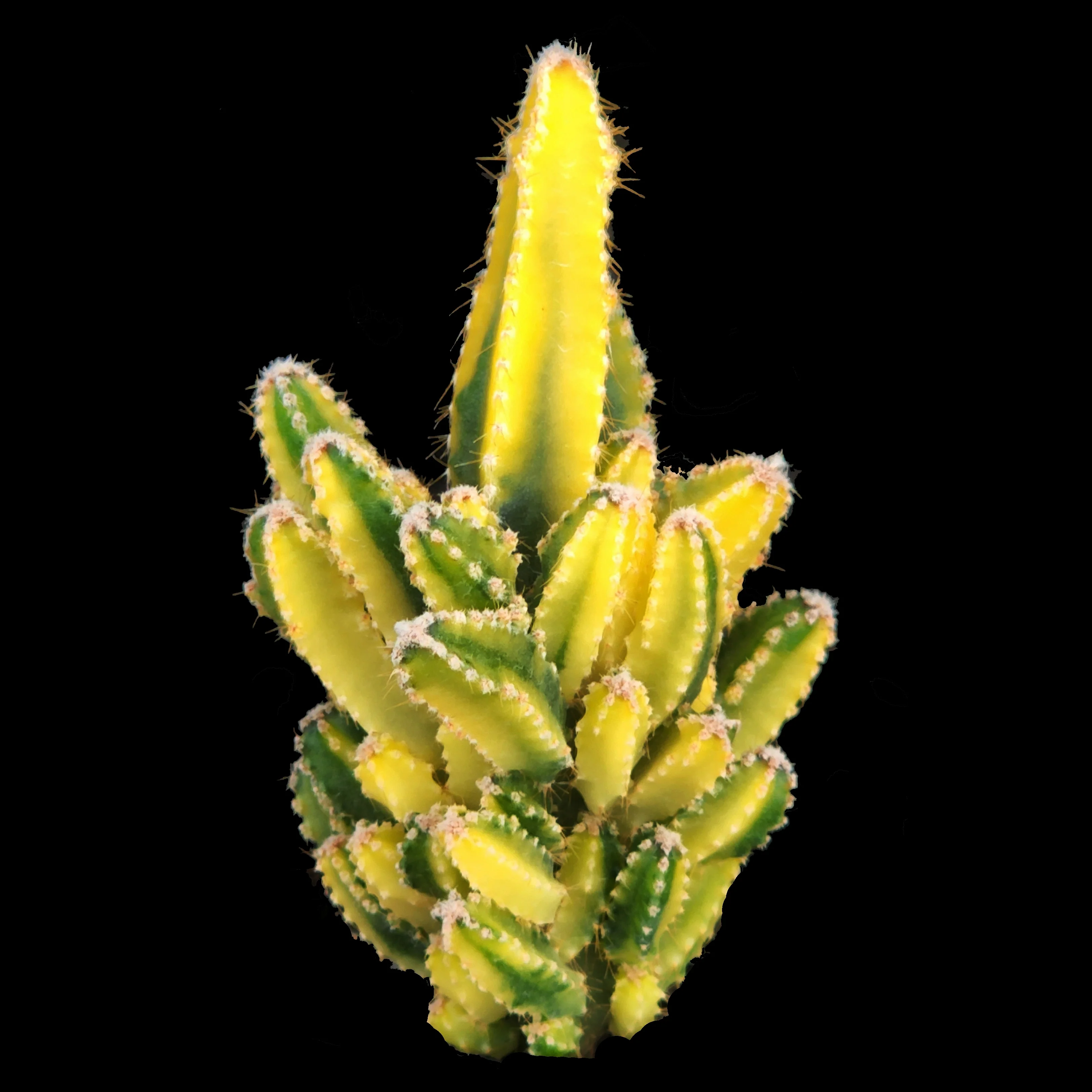
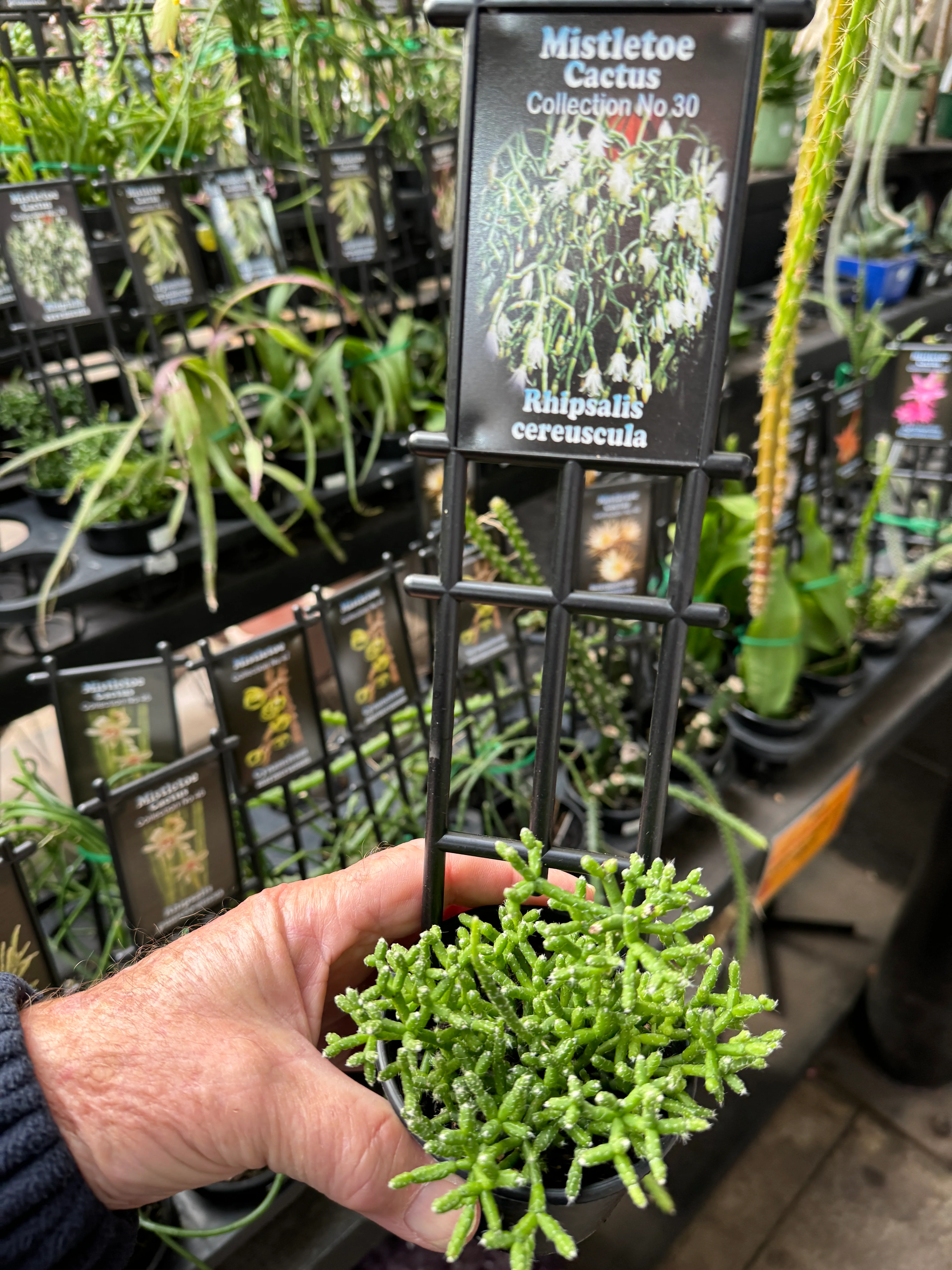
The stems are slender, cylindrical, and composed of many small bead-like segments, giving the plant a distinctive articulated appearance. Branching occurs freely, forming dense, cascading growth that can spill over the edges of containers or hanging baskets. Younger stems are bright green, maturing to a slightly deeper tone over time.
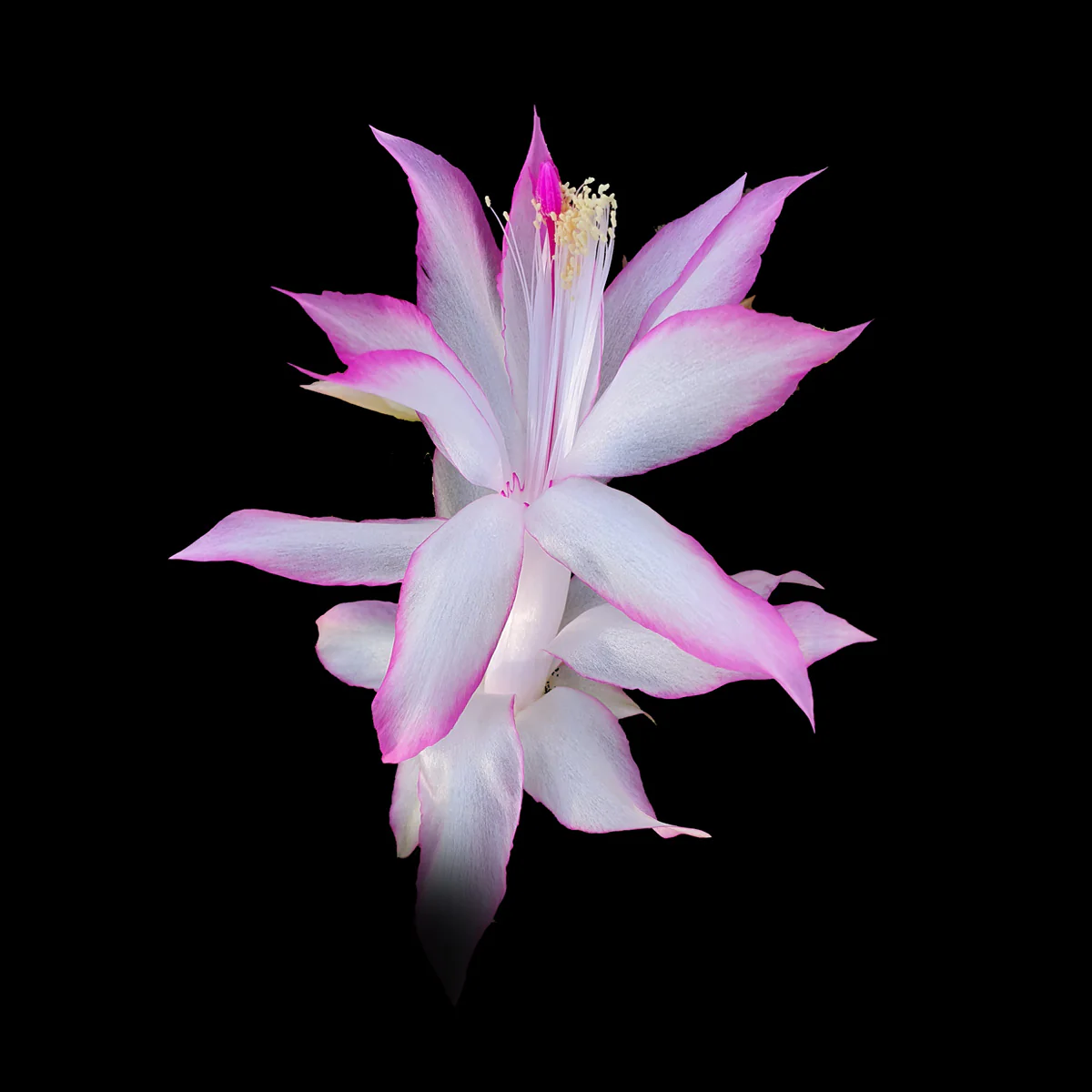
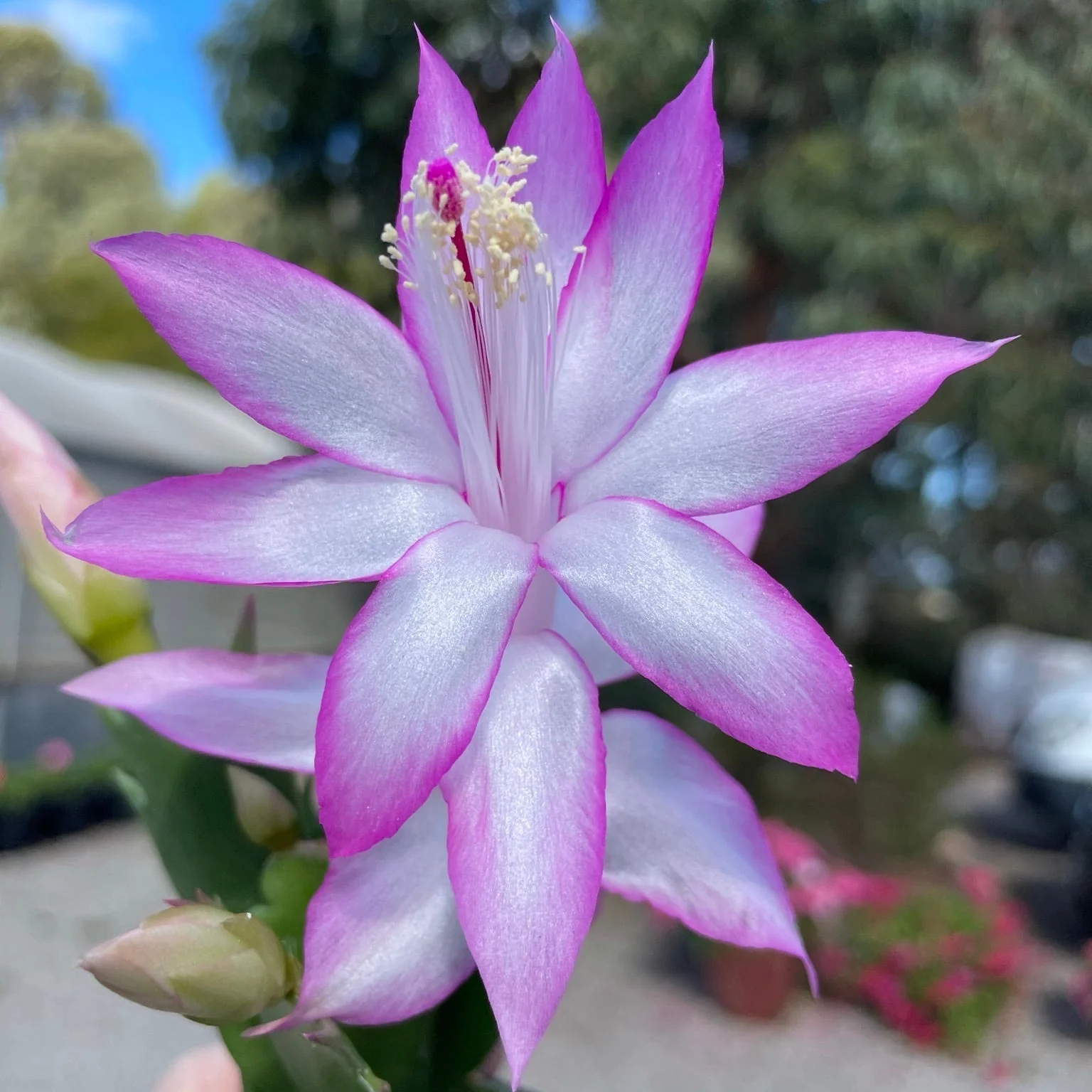
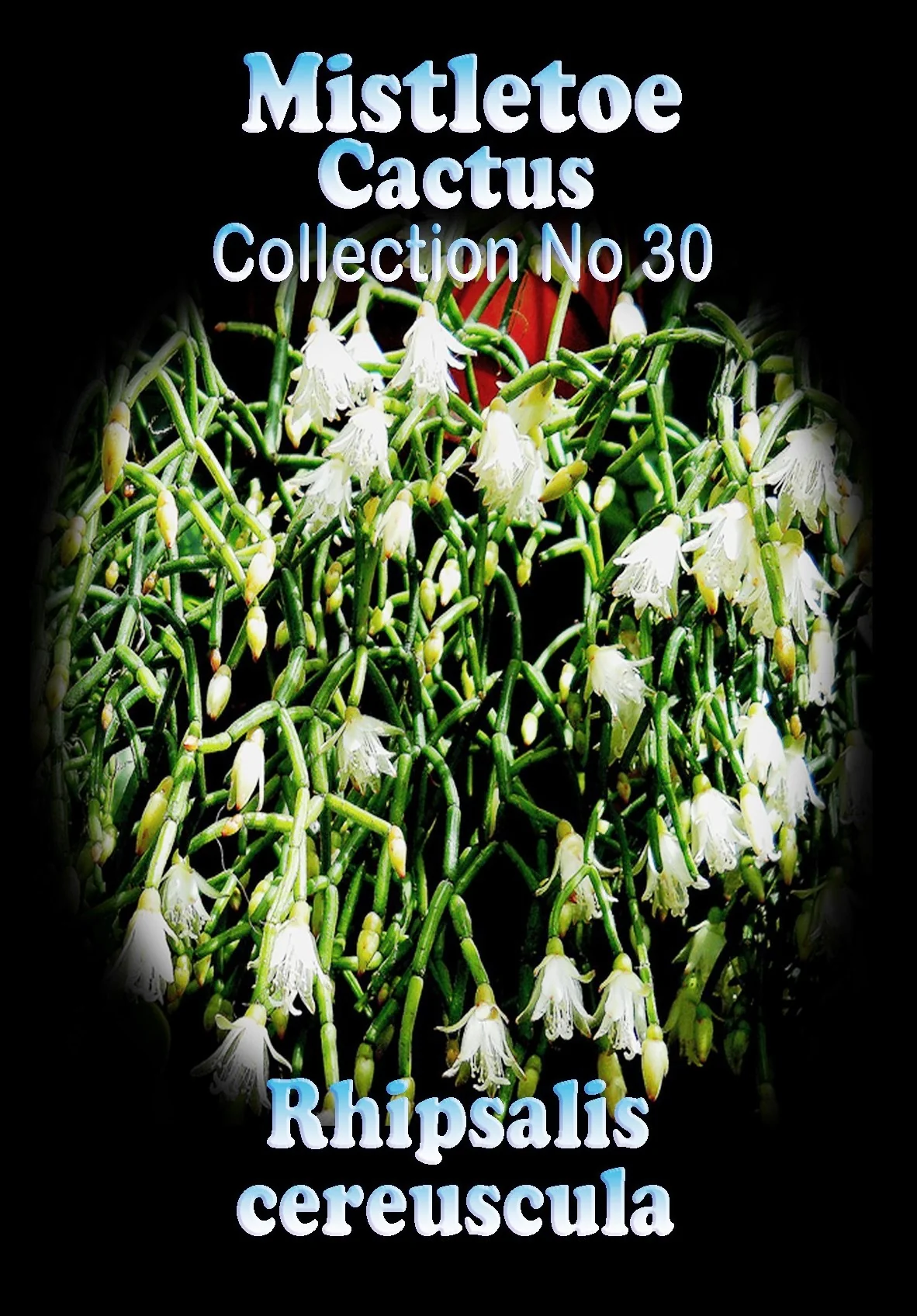
Small, white flowers emerge along the stems, usually in spring to early summer, and are followed by spherical, translucent to whitish berries. These fruits are dispersed by birds, aiding the plant’s spread within its native forest environment.
Care Tips:
- Light: Provide bright, indirect light; protect from harsh direct sunlight to prevent stem damage.
- Water: Keep evenly moist during active growth, allowing the surface to dry slightly before rewatering; reduce watering in winter.
- Humidity: Thrives in moderate to high humidity; mist occasionally if indoor air is dry.
- Media: Use a free-draining mix with fine orchid bark, peat or coir, and perlite.
- Temperature: Maintain between 15–27°C; avoid frost.
- Fertiliser: Apply a diluted, balanced fertiliser every 4–6 weeks during the growing season.
- Repotting: Repot every 2–3 years or when root-bound, preferably in spring.
More Images
Rhipsalis cereuscula - Mistletoe Cactus
Rhipsalis cereuscula, commonly known as the Mistletoe Cactus, is a trailing cactus species native to the Atlantic Forest of southeastern Brazil. It grows in warm, humid, and shaded habitats, often rooted on tree branches where it receives filtered light and benefits from high atmospheric moisture.
The stems are slender, cylindrical, and composed of many small bead-like segments, giving the plant a distinctive articulated appearance. Branching occurs freely, forming dense, cascading growth that can spill over the edges of containers or hanging baskets. Younger stems are bright green, maturing to a slightly deeper tone over time.
Small, white flowers emerge along the stems, usually in spring to early summer, and are followed by spherical, translucent to whitish berries. These fruits are dispersed by birds, aiding the plant’s spread within its native forest environment.
Care Tips:
- Light: Provide bright, indirect light; protect from harsh direct sunlight to prevent stem damage.
- Water: Keep evenly moist during active growth, allowing the surface to dry slightly before rewatering; reduce watering in winter.
- Humidity: Thrives in moderate to high humidity; mist occasionally if indoor air is dry.
- Media: Use a free-draining mix with fine orchid bark, peat or coir, and perlite.
- Temperature: Maintain between 15–27°C; avoid frost.
- Fertiliser: Apply a diluted, balanced fertiliser every 4–6 weeks during the growing season.
- Repotting: Repot every 2–3 years or when root-bound, preferably in spring.
Product Information
Product Information
Shipping & Returns
Shipping & Returns
Description
Rhipsalis cereuscula, commonly known as the Mistletoe Cactus, is a trailing cactus species native to the Atlantic Forest of southeastern Brazil. It grows in warm, humid, and shaded habitats, often rooted on tree branches where it receives filtered light and benefits from high atmospheric moisture.
The stems are slender, cylindrical, and composed of many small bead-like segments, giving the plant a distinctive articulated appearance. Branching occurs freely, forming dense, cascading growth that can spill over the edges of containers or hanging baskets. Younger stems are bright green, maturing to a slightly deeper tone over time.
Small, white flowers emerge along the stems, usually in spring to early summer, and are followed by spherical, translucent to whitish berries. These fruits are dispersed by birds, aiding the plant’s spread within its native forest environment.
Care Tips:
- Light: Provide bright, indirect light; protect from harsh direct sunlight to prevent stem damage.
- Water: Keep evenly moist during active growth, allowing the surface to dry slightly before rewatering; reduce watering in winter.
- Humidity: Thrives in moderate to high humidity; mist occasionally if indoor air is dry.
- Media: Use a free-draining mix with fine orchid bark, peat or coir, and perlite.
- Temperature: Maintain between 15–27°C; avoid frost.
- Fertiliser: Apply a diluted, balanced fertiliser every 4–6 weeks during the growing season.
- Repotting: Repot every 2–3 years or when root-bound, preferably in spring.