Rhipsalis elliptica - Mistletoe Cactus
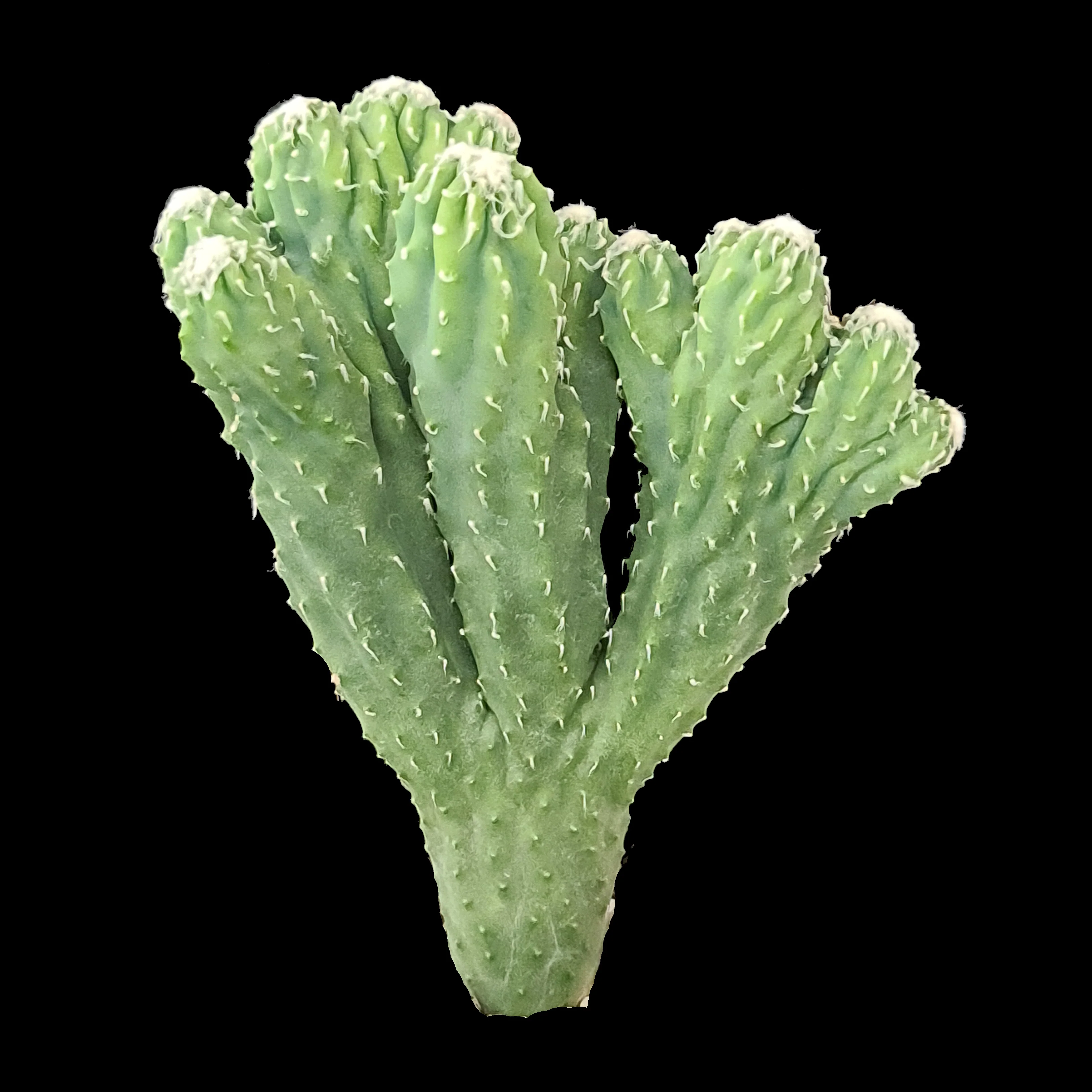
Rhipsalis elliptica, commonly referred to as the Mistletoe Cactus, is a Brazilian species native to the Atlantic Forest, where it grows in humid, shaded habitats. It is most often found attached to tree branches, benefiting from filtered light, warm temperatures, and consistent atmospheric moisture.
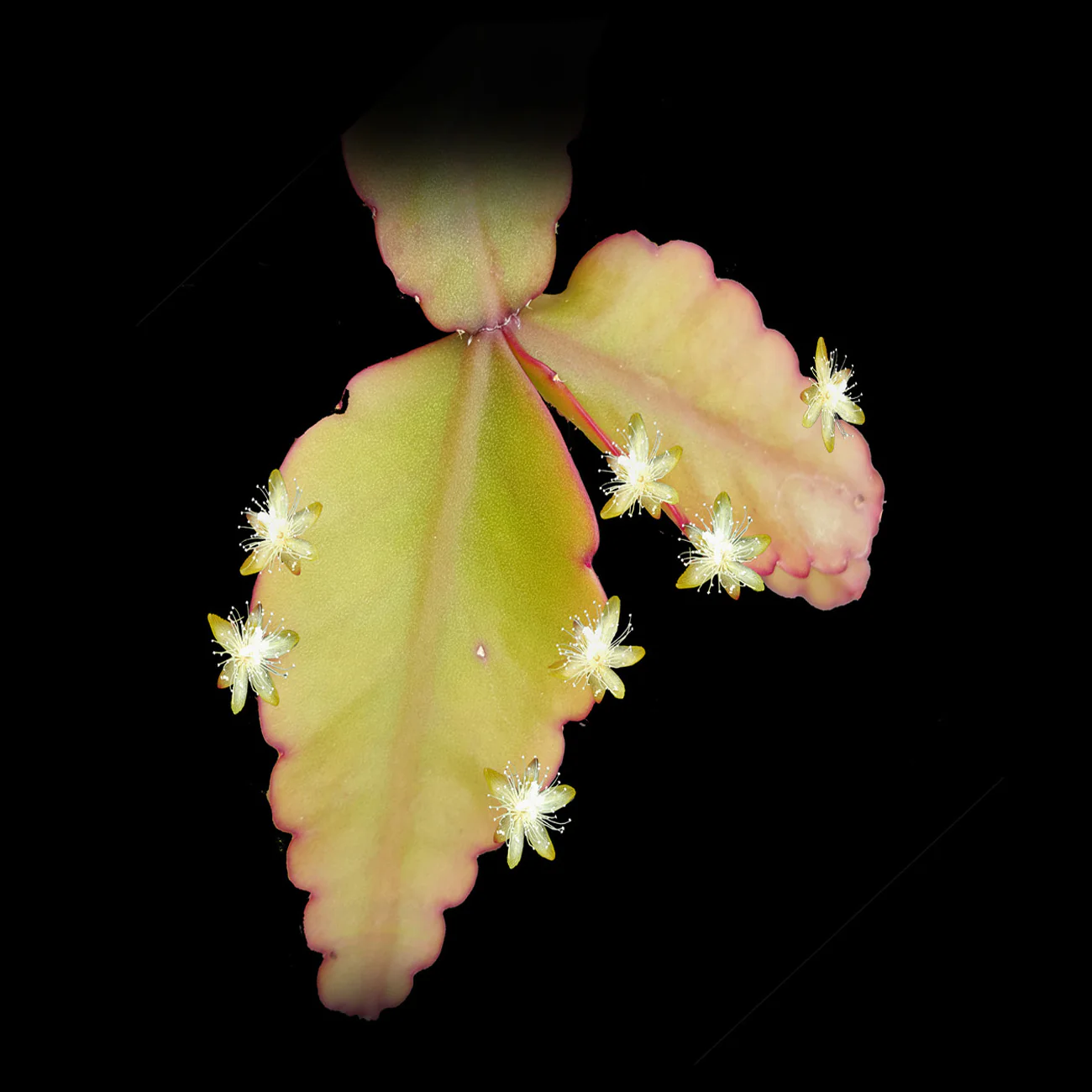
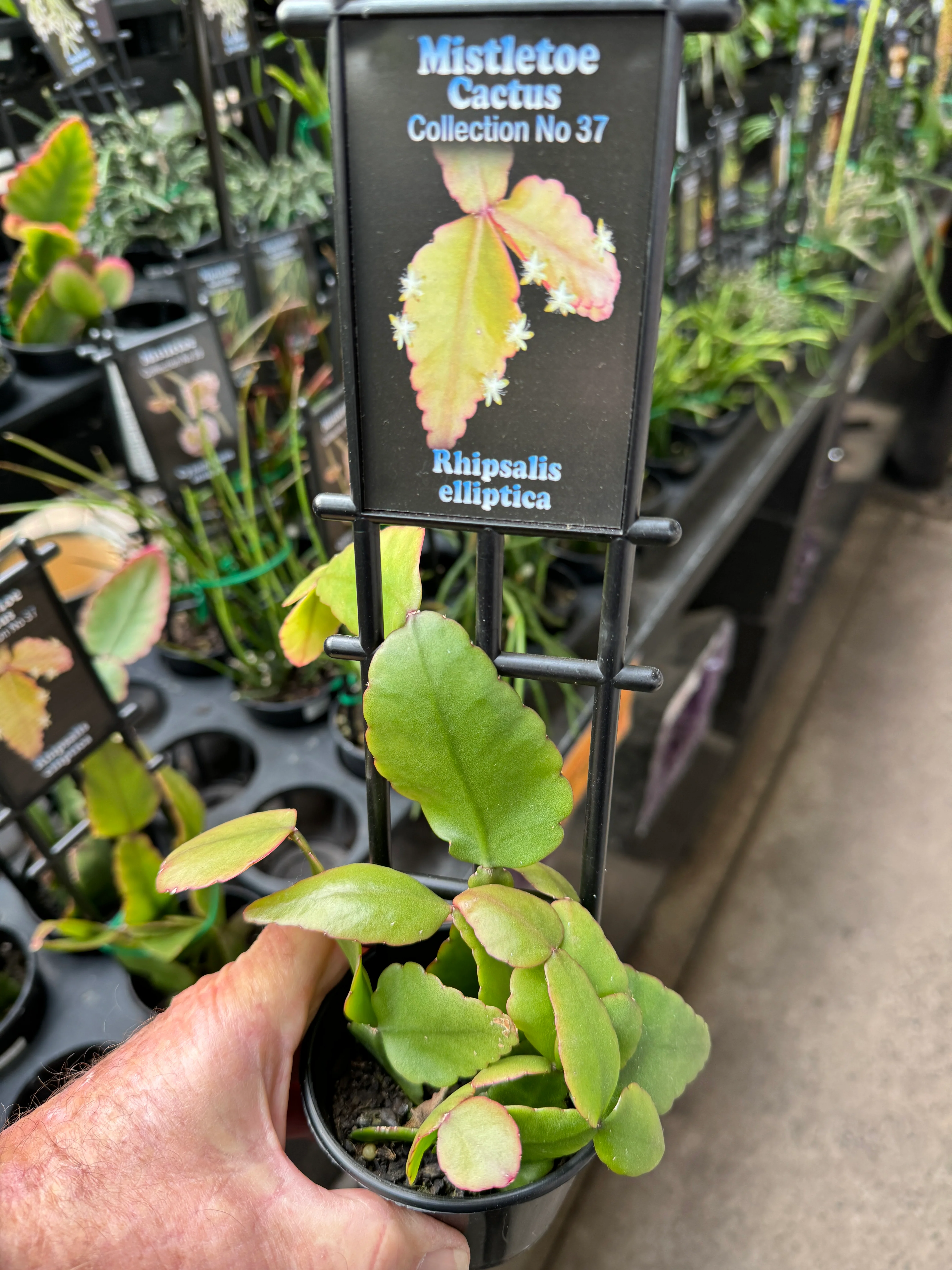
The stems are broad, flattened, and elliptical in shape, with slightly scalloped margins and a central midrib. Segments branch from the tips, forming pendant chains that can extend considerably in mature specimens. The green stems remain flexible, allowing the plant to drape naturally over the surfaces it inhabits.
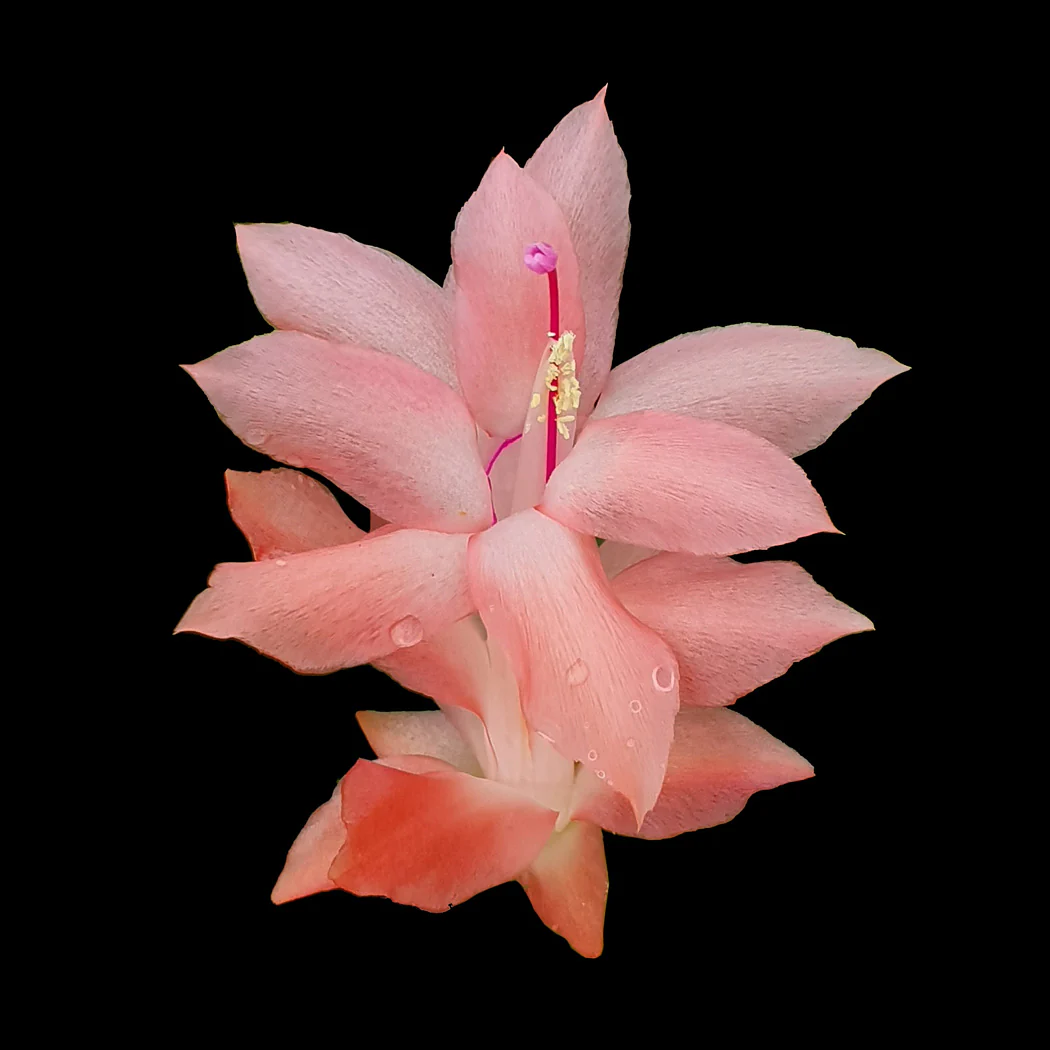
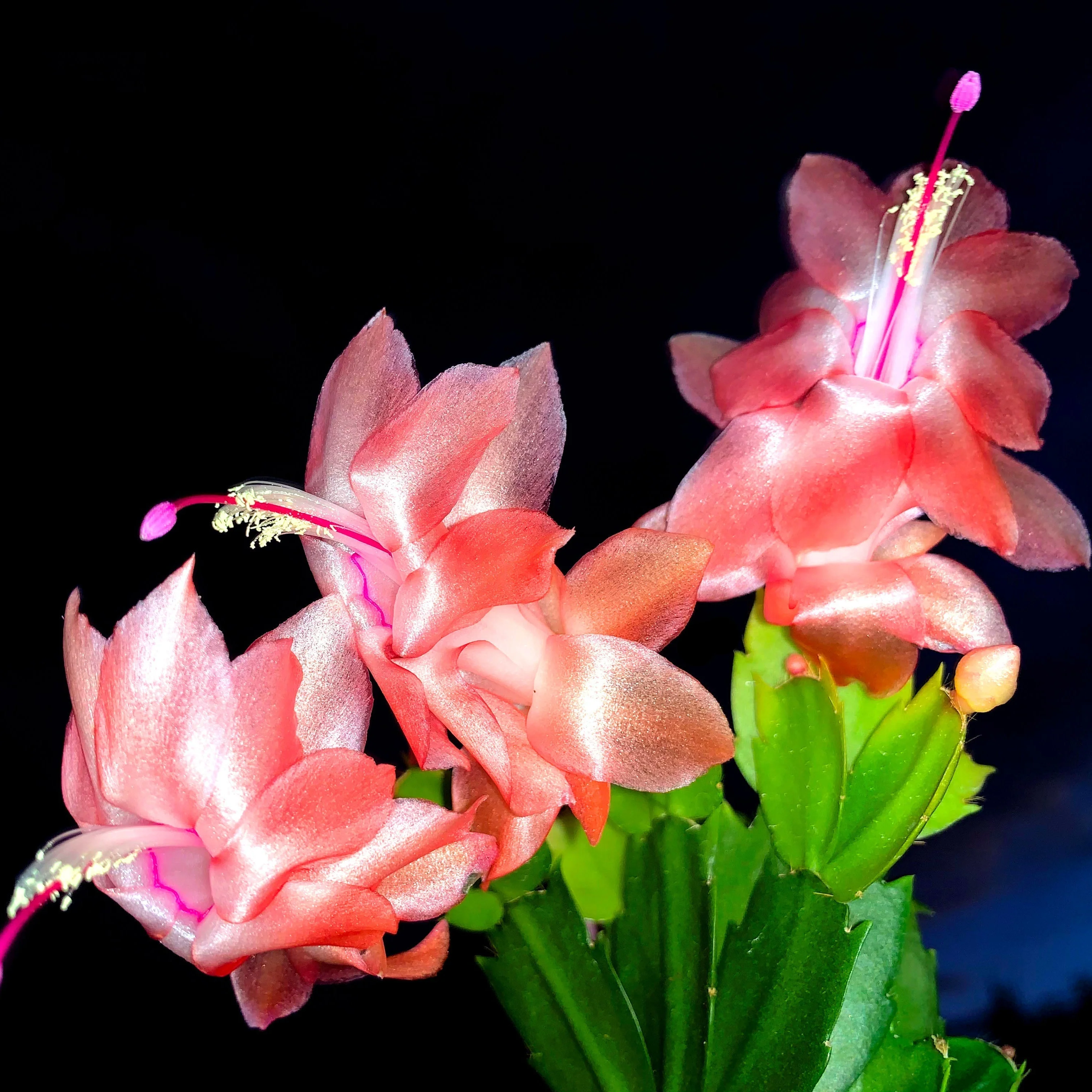
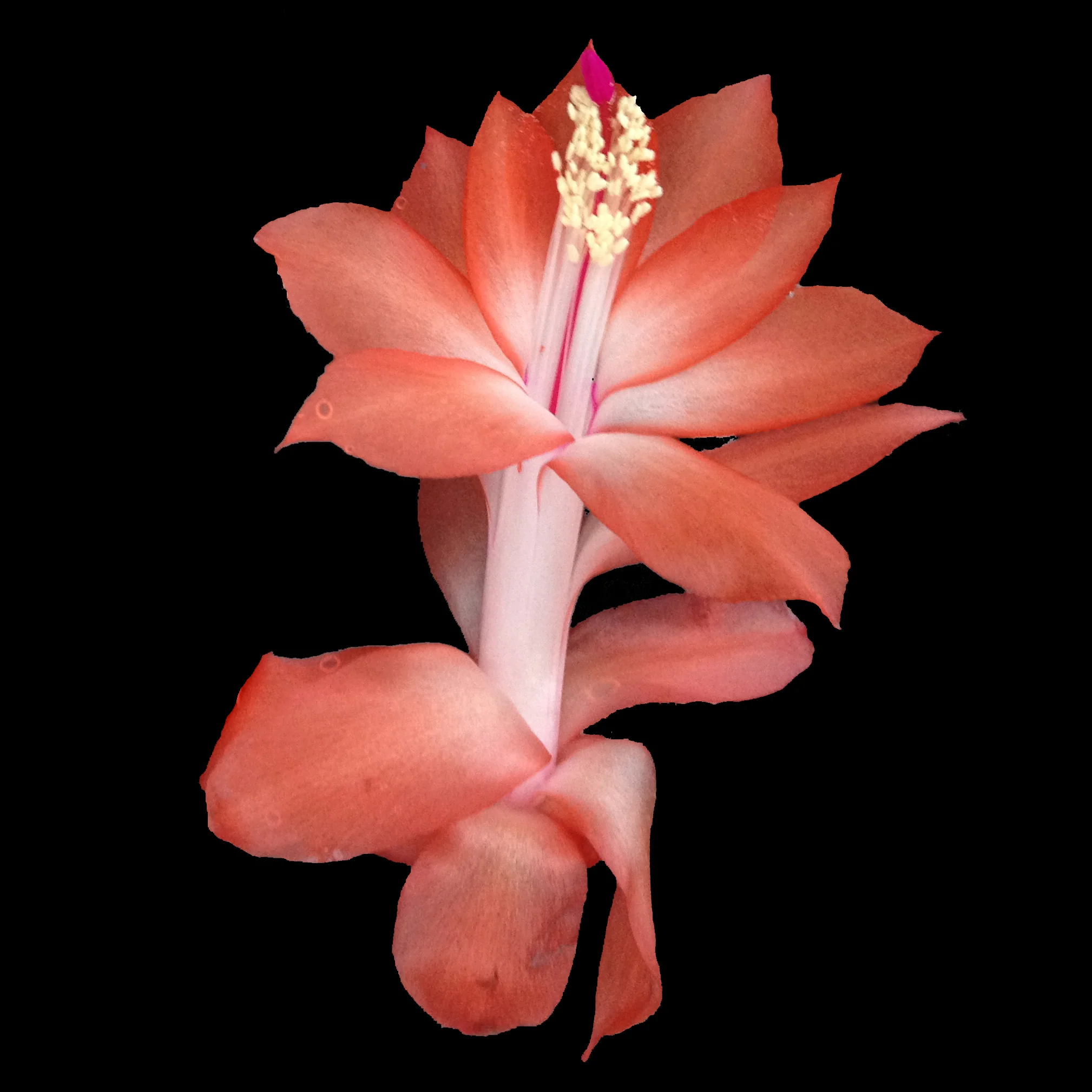
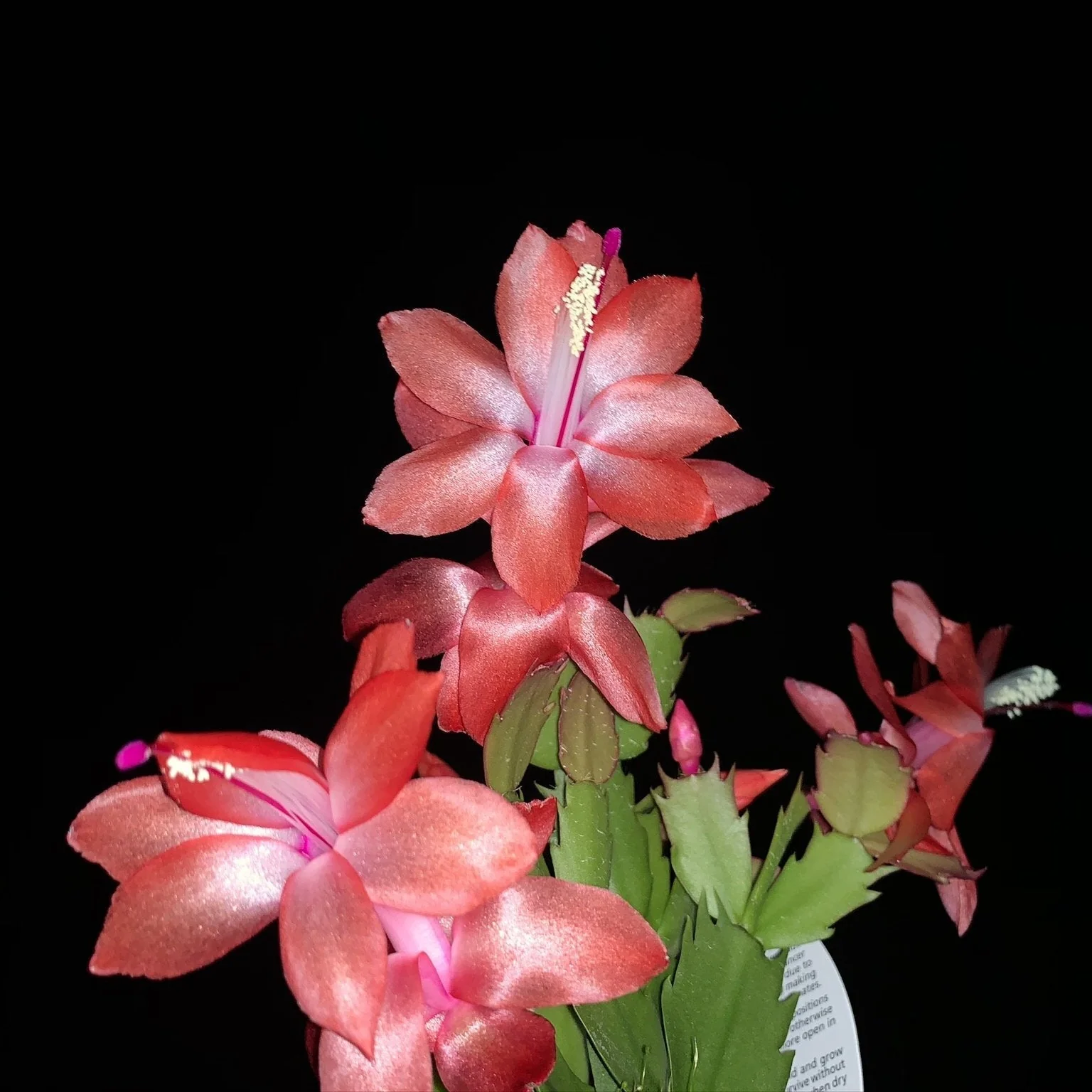
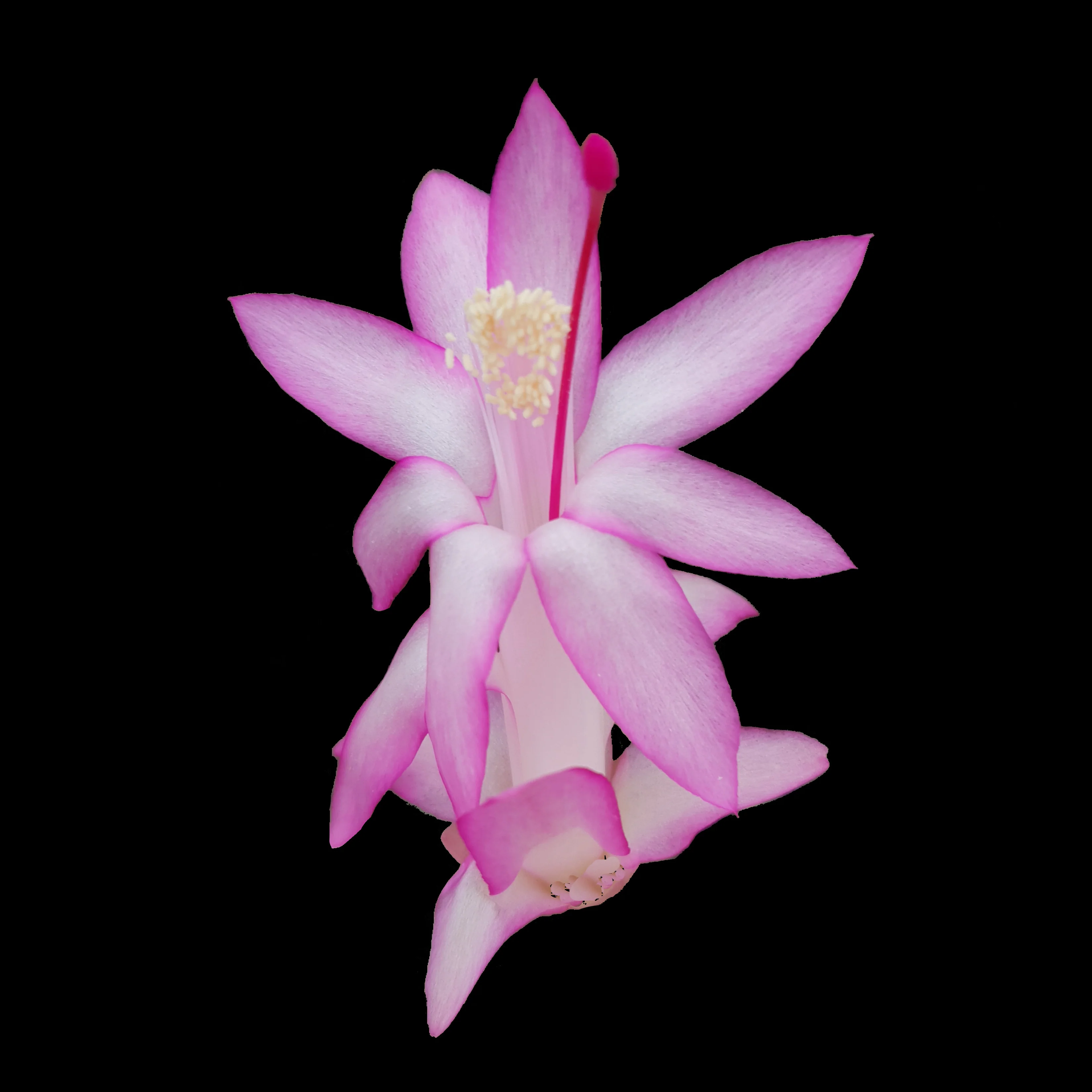
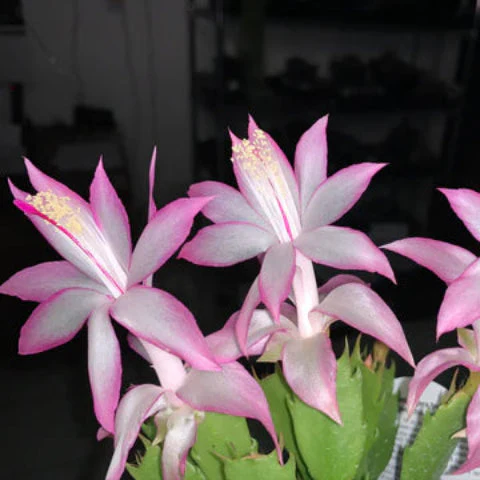
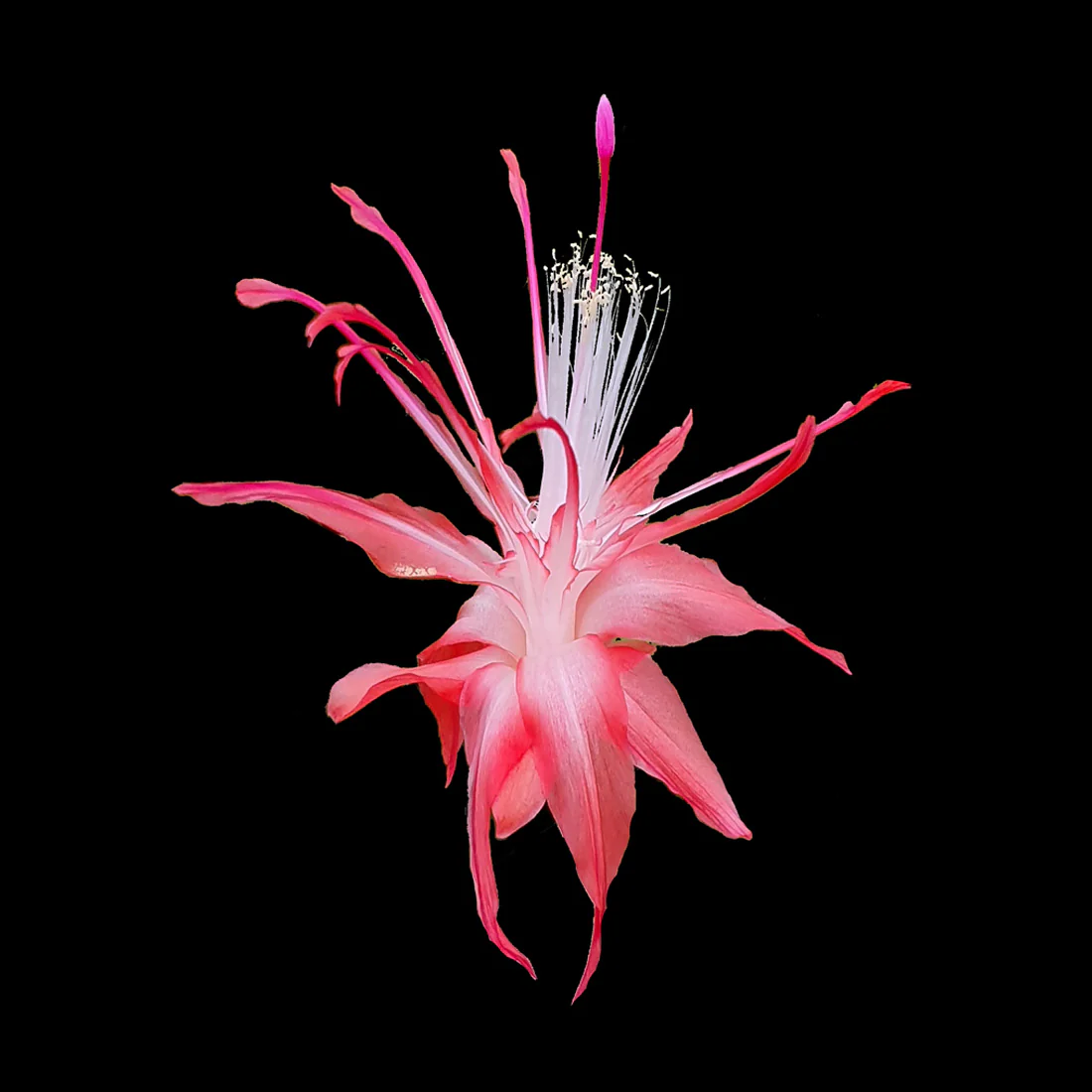
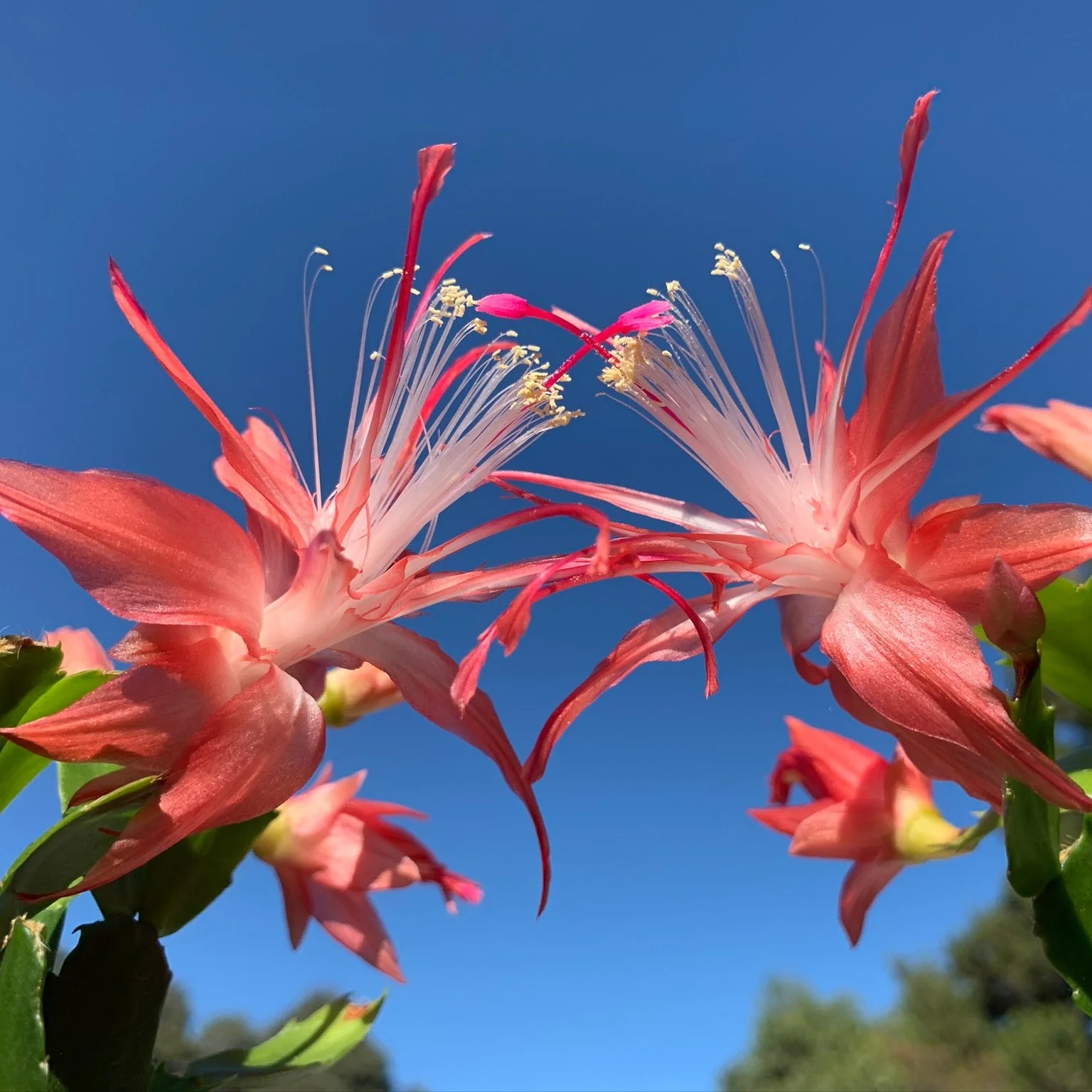
Flowers are small, white to pale cream, and emerge along the segment edges. These are followed by rounded, whitish berries that are eaten by birds, enabling seed dispersal within the forest canopy.
Care Tips:
- Light: Prefers bright, indirect light; protect from prolonged direct sun which may scorch segments.
- Water: Keep evenly moist during the growing season, allowing the surface to dry slightly between waterings; reduce watering in winter.
- Humidity: Thrives in moderate to high humidity; occasional misting helps in dry indoor air.
- Media: Use a free-draining mix containing fine orchid bark, peat or coir, and perlite.
- Temperature: Maintain between 15–27°C; avoid frost.
- Fertiliser: Apply a diluted, balanced fertiliser every 4–6 weeks during active growth.
- Repotting: Repot every 2–3 years or when the plant becomes root-bound, preferably in spring.
More Images
Rhipsalis elliptica - Mistletoe Cactus
Rhipsalis elliptica, commonly referred to as the Mistletoe Cactus, is a Brazilian species native to the Atlantic Forest, where it grows in humid, shaded habitats. It is most often found attached to tree branches, benefiting from filtered light, warm temperatures, and consistent atmospheric moisture.
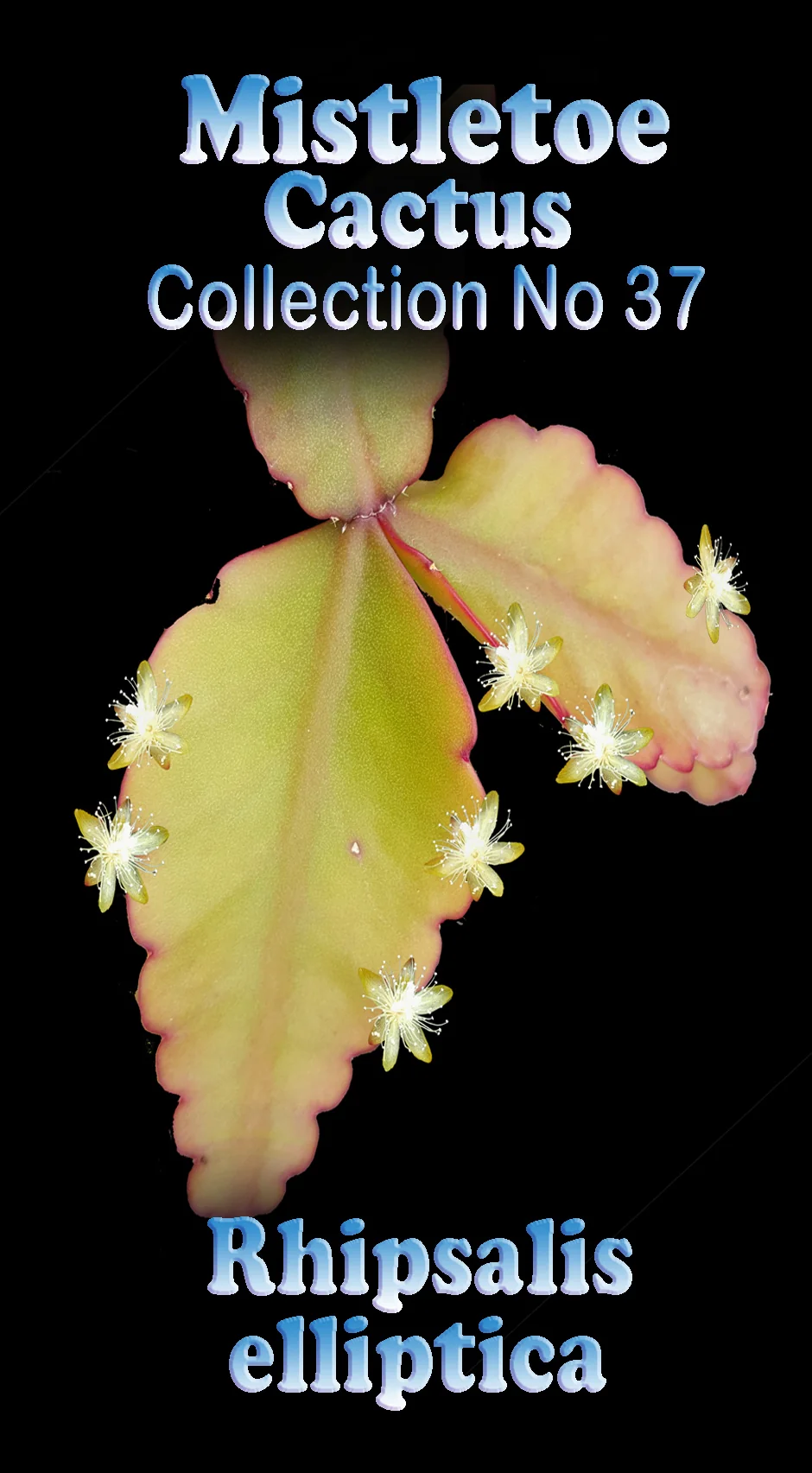
The stems are broad, flattened, and elliptical in shape, with slightly scalloped margins and a central midrib. Segments branch from the tips, forming pendant chains that can extend considerably in mature specimens. The green stems remain flexible, allowing the plant to drape naturally over the surfaces it inhabits.
Flowers are small, white to pale cream, and emerge along the segment edges. These are followed by rounded, whitish berries that are eaten by birds, enabling seed dispersal within the forest canopy.
Care Tips:
- Light: Prefers bright, indirect light; protect from prolonged direct sun which may scorch segments.
- Water: Keep evenly moist during the growing season, allowing the surface to dry slightly between waterings; reduce watering in winter.
- Humidity: Thrives in moderate to high humidity; occasional misting helps in dry indoor air.
- Media: Use a free-draining mix containing fine orchid bark, peat or coir, and perlite.
- Temperature: Maintain between 15–27°C; avoid frost.
- Fertiliser: Apply a diluted, balanced fertiliser every 4–6 weeks during active growth.
- Repotting: Repot every 2–3 years or when the plant becomes root-bound, preferably in spring.
Product Information
Product Information
Shipping & Returns
Shipping & Returns
Description
Rhipsalis elliptica, commonly referred to as the Mistletoe Cactus, is a Brazilian species native to the Atlantic Forest, where it grows in humid, shaded habitats. It is most often found attached to tree branches, benefiting from filtered light, warm temperatures, and consistent atmospheric moisture.
The stems are broad, flattened, and elliptical in shape, with slightly scalloped margins and a central midrib. Segments branch from the tips, forming pendant chains that can extend considerably in mature specimens. The green stems remain flexible, allowing the plant to drape naturally over the surfaces it inhabits.
Flowers are small, white to pale cream, and emerge along the segment edges. These are followed by rounded, whitish berries that are eaten by birds, enabling seed dispersal within the forest canopy.
Care Tips:
- Light: Prefers bright, indirect light; protect from prolonged direct sun which may scorch segments.
- Water: Keep evenly moist during the growing season, allowing the surface to dry slightly between waterings; reduce watering in winter.
- Humidity: Thrives in moderate to high humidity; occasional misting helps in dry indoor air.
- Media: Use a free-draining mix containing fine orchid bark, peat or coir, and perlite.
- Temperature: Maintain between 15–27°C; avoid frost.
- Fertiliser: Apply a diluted, balanced fertiliser every 4–6 weeks during active growth.
- Repotting: Repot every 2–3 years or when the plant becomes root-bound, preferably in spring.