Rhipsalis paradoxa - Mistletoe Cactus
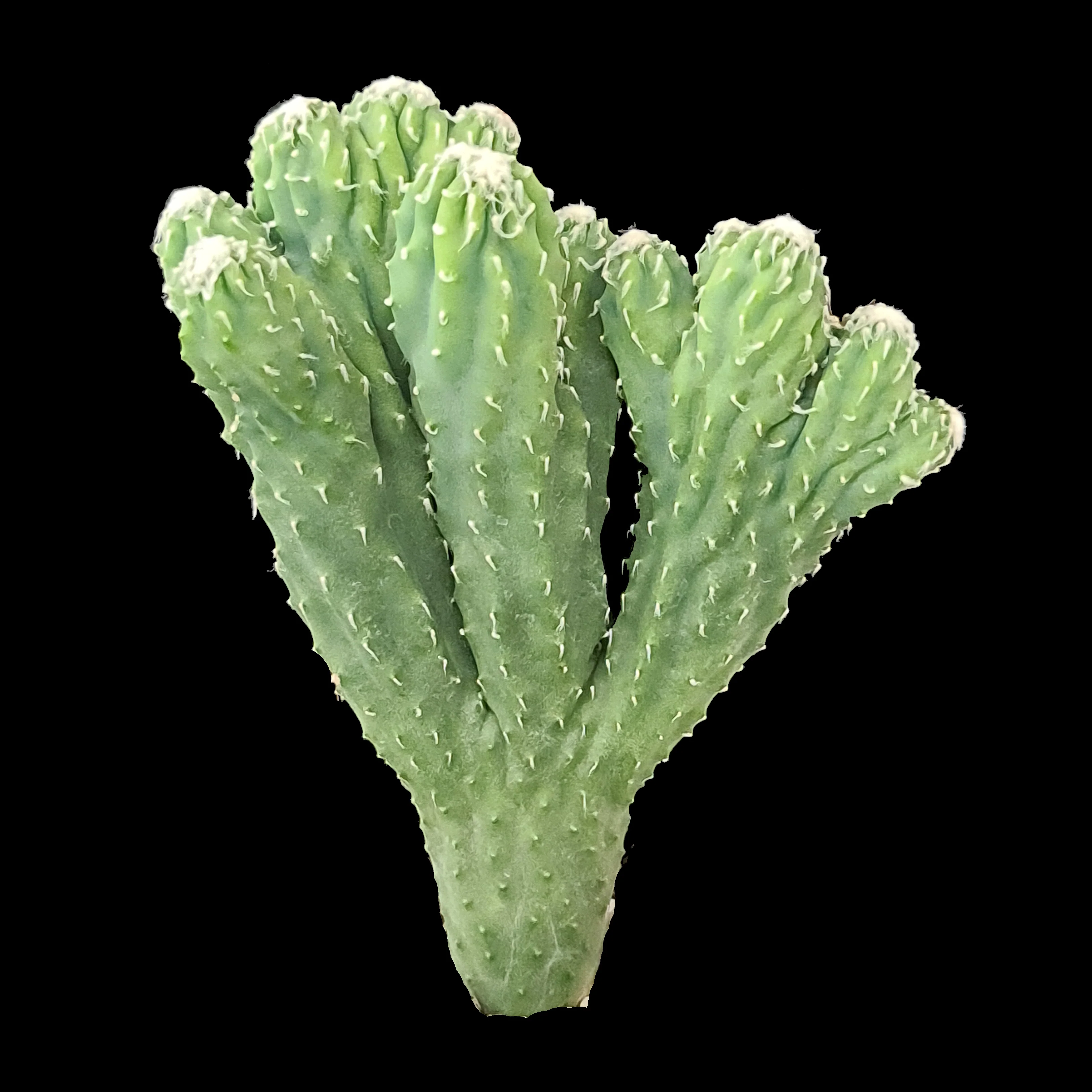
Rhipsalis paradoxa, commonly called the Mistletoe Cactus, is a distinctive Brazilian species found in the Atlantic Forest, where it grows in humid, shaded conditions on tree branches or occasionally on moss-covered rock faces. Its natural habitat provides consistent moisture, protection from direct sun, and good air movement.
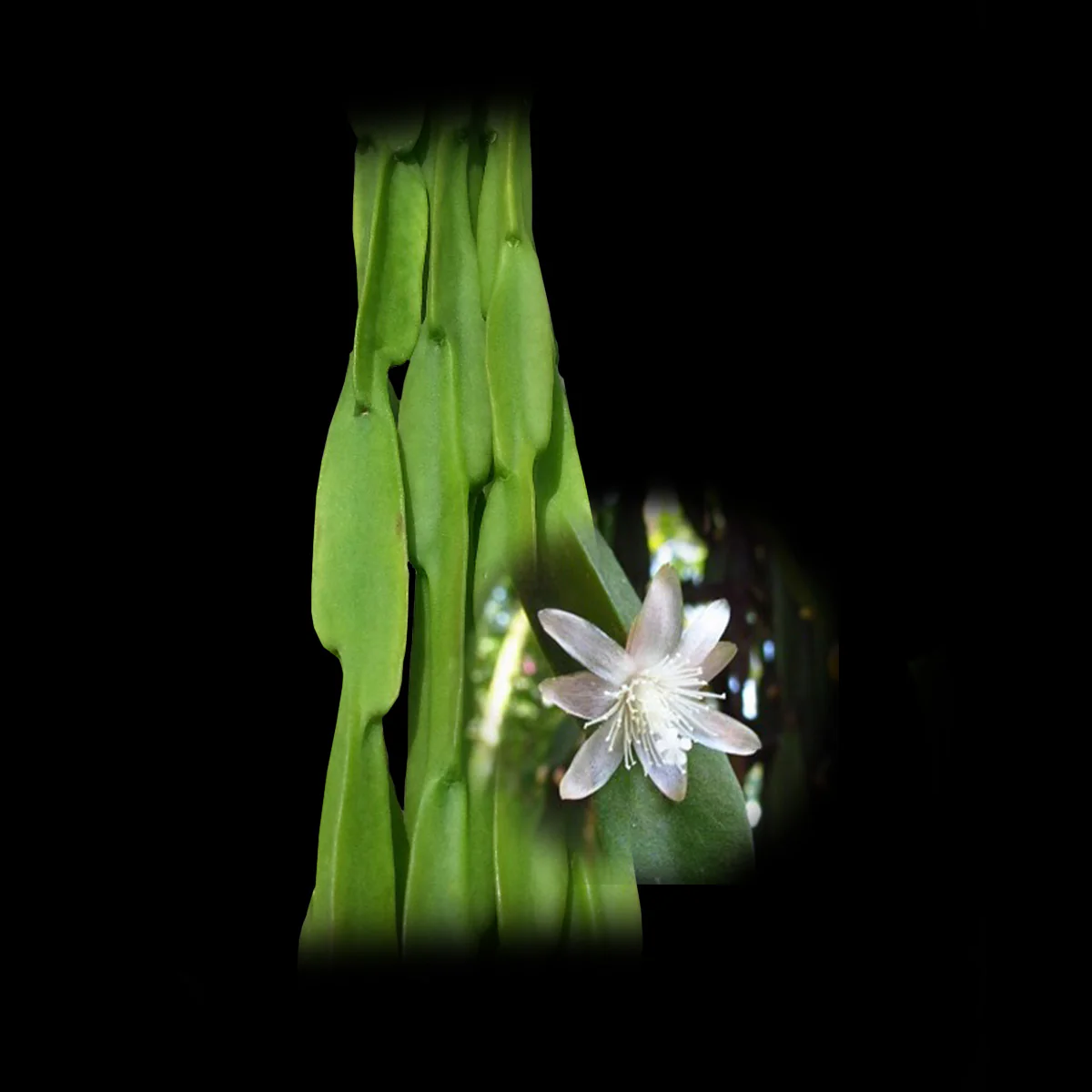
The stems are flat and segmented, with each segment joined in a zig-zag formation, creating an unusual chain-like appearance. The edges of the segments are slightly notched, and growth proceeds by adding new segments from the tips, allowing the plant to form long, pendulous chains over time.
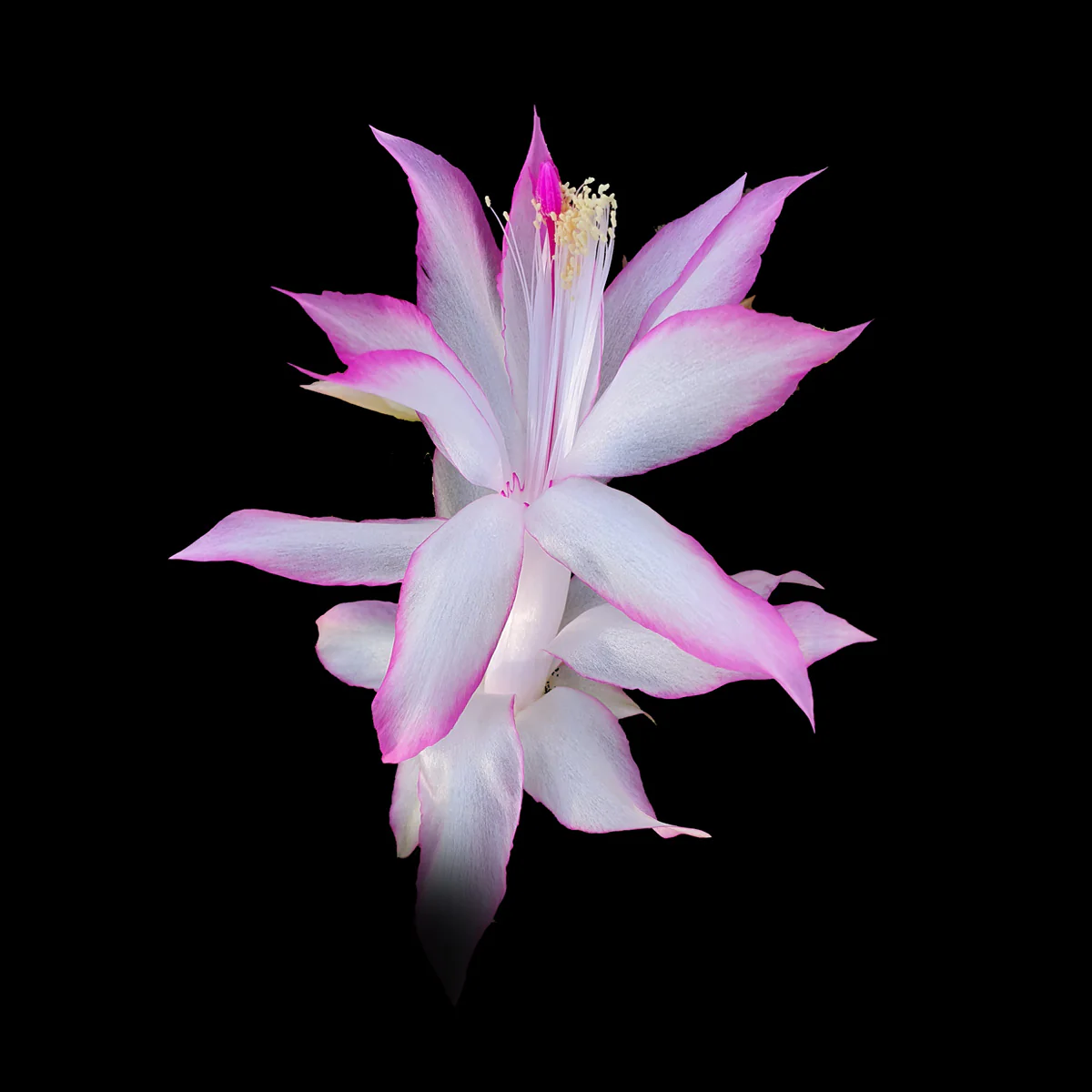
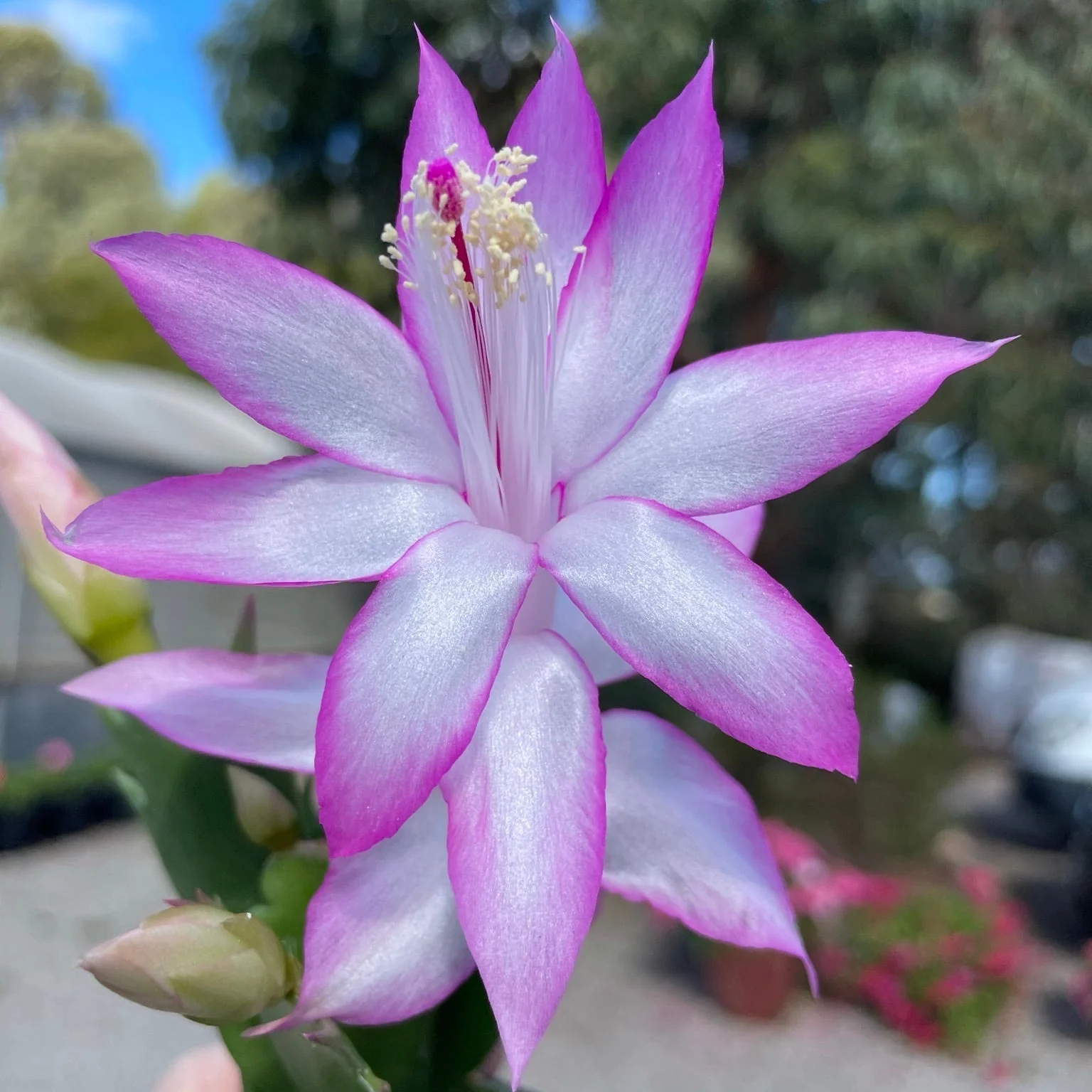
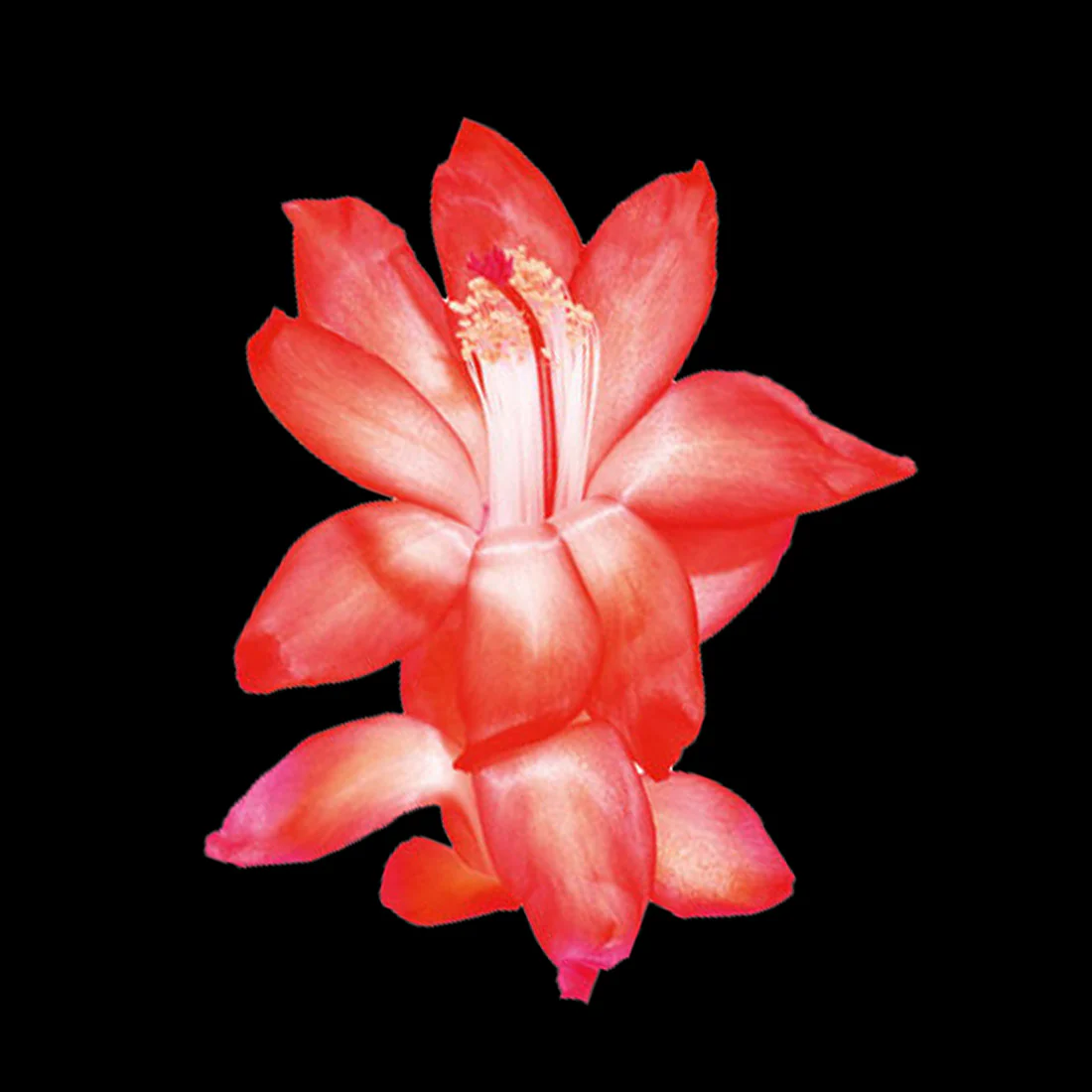
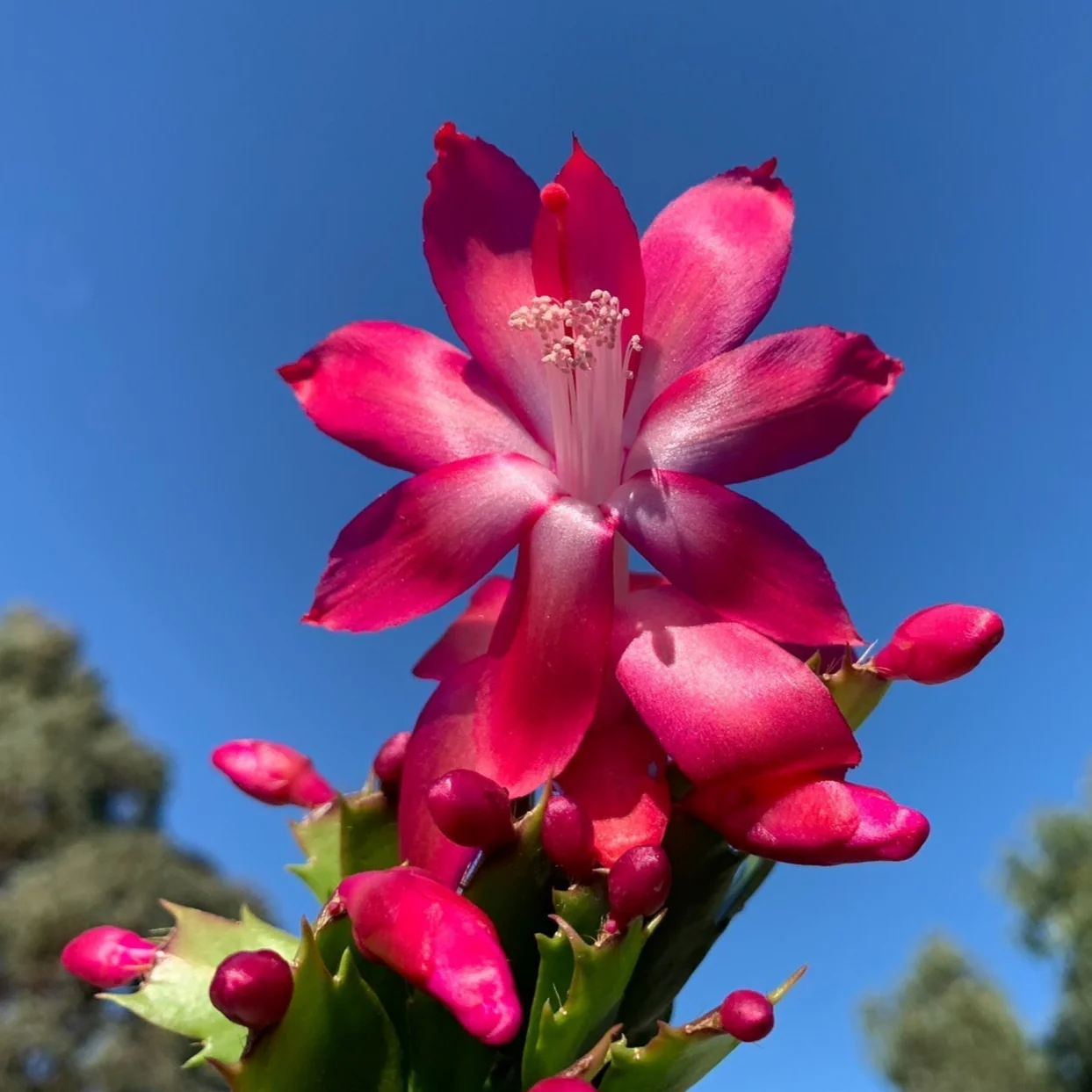
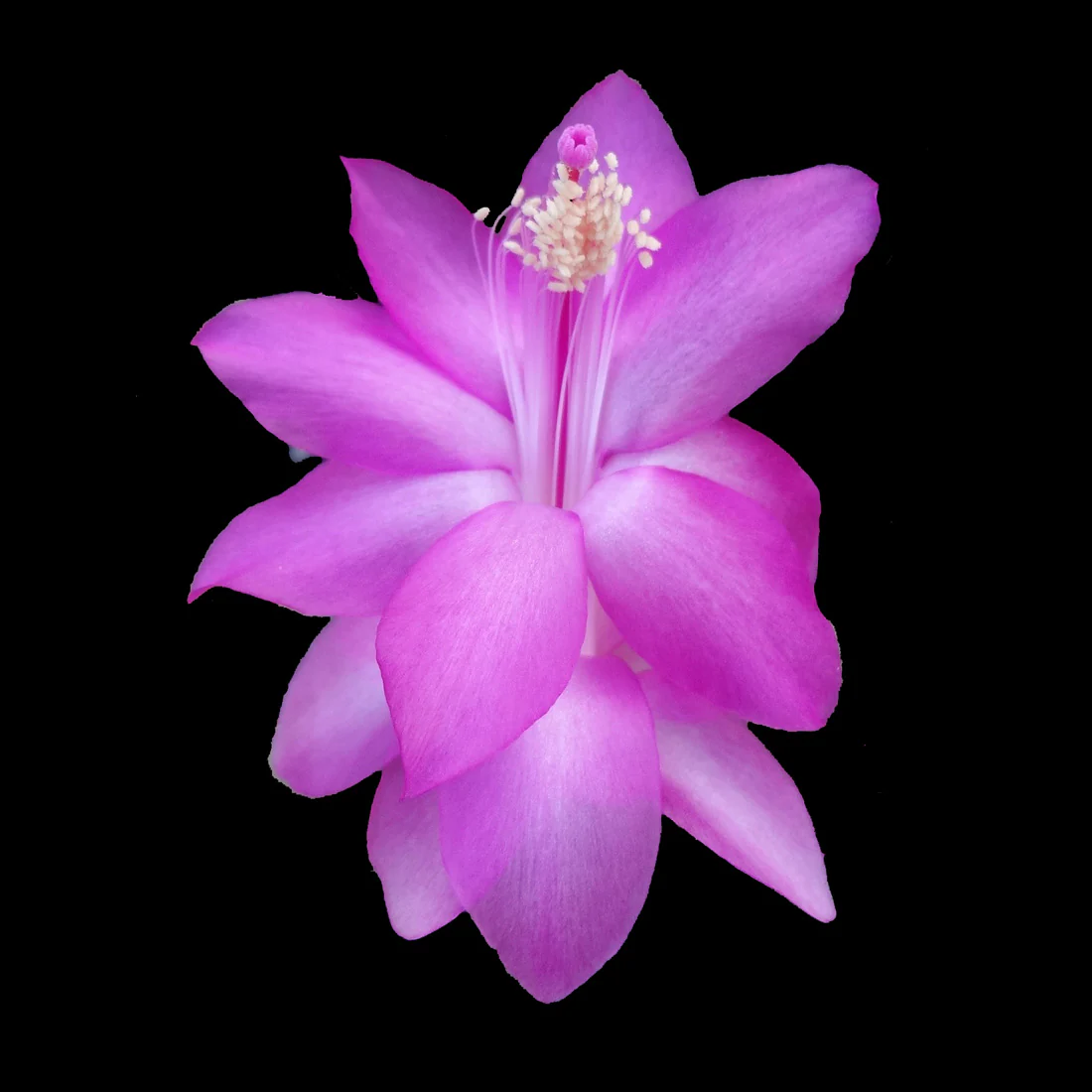
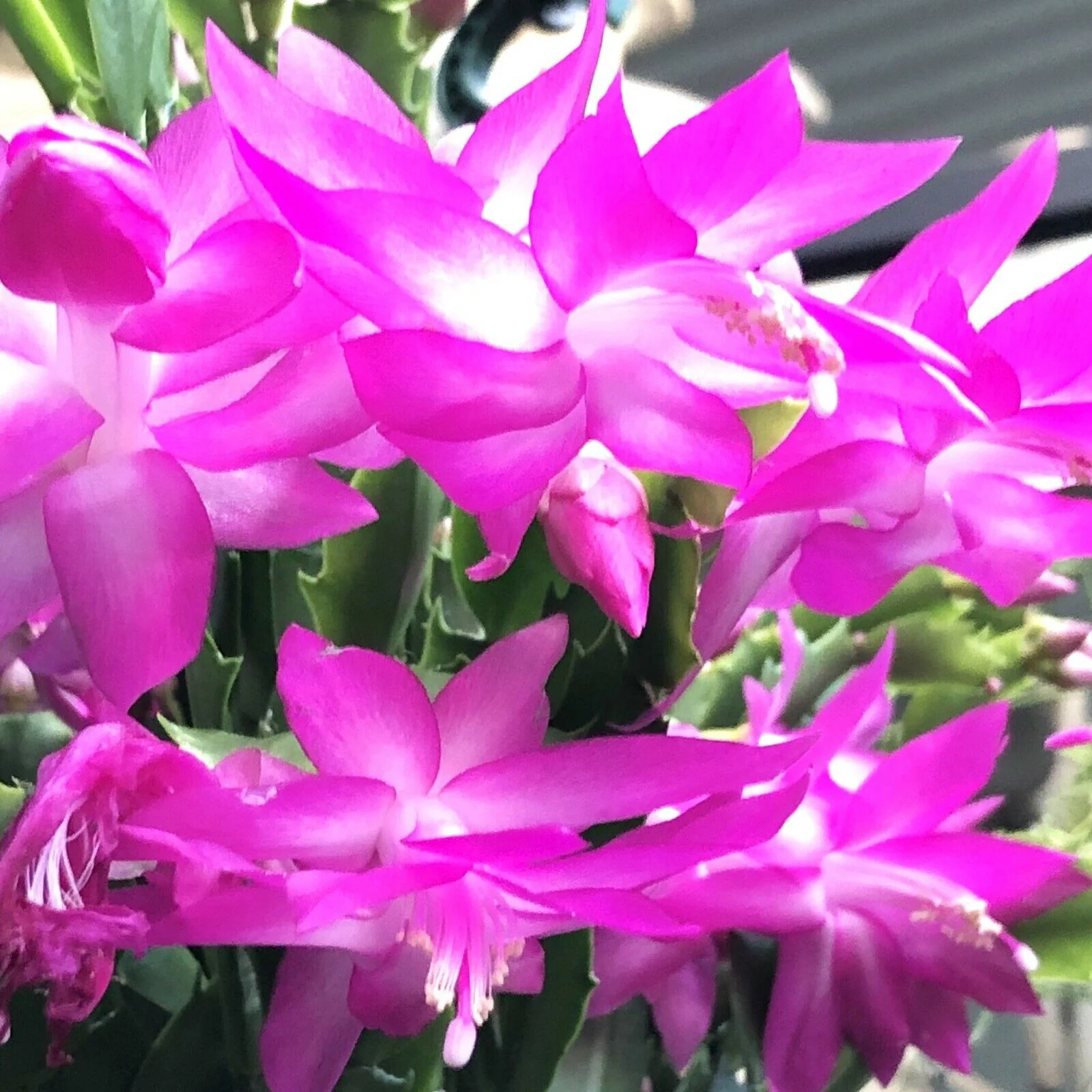
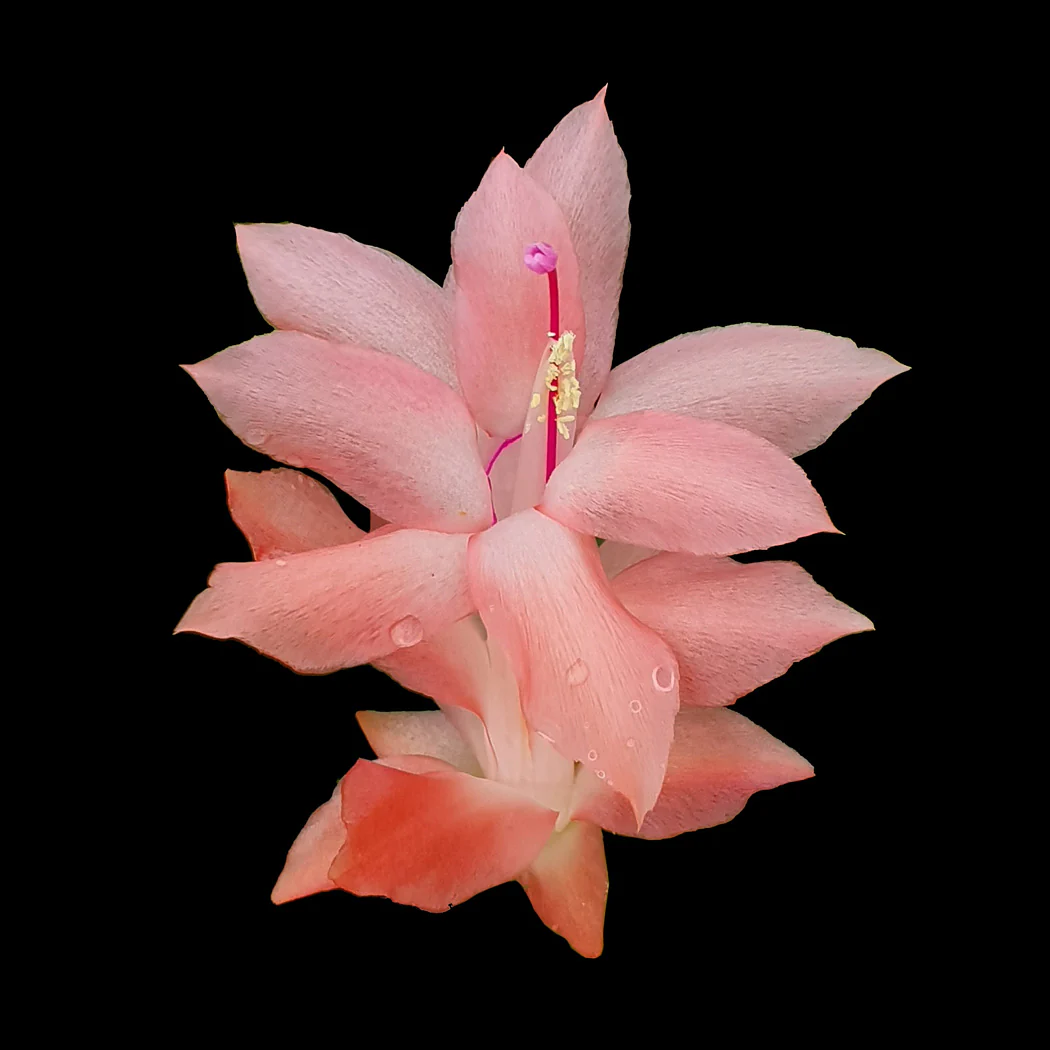
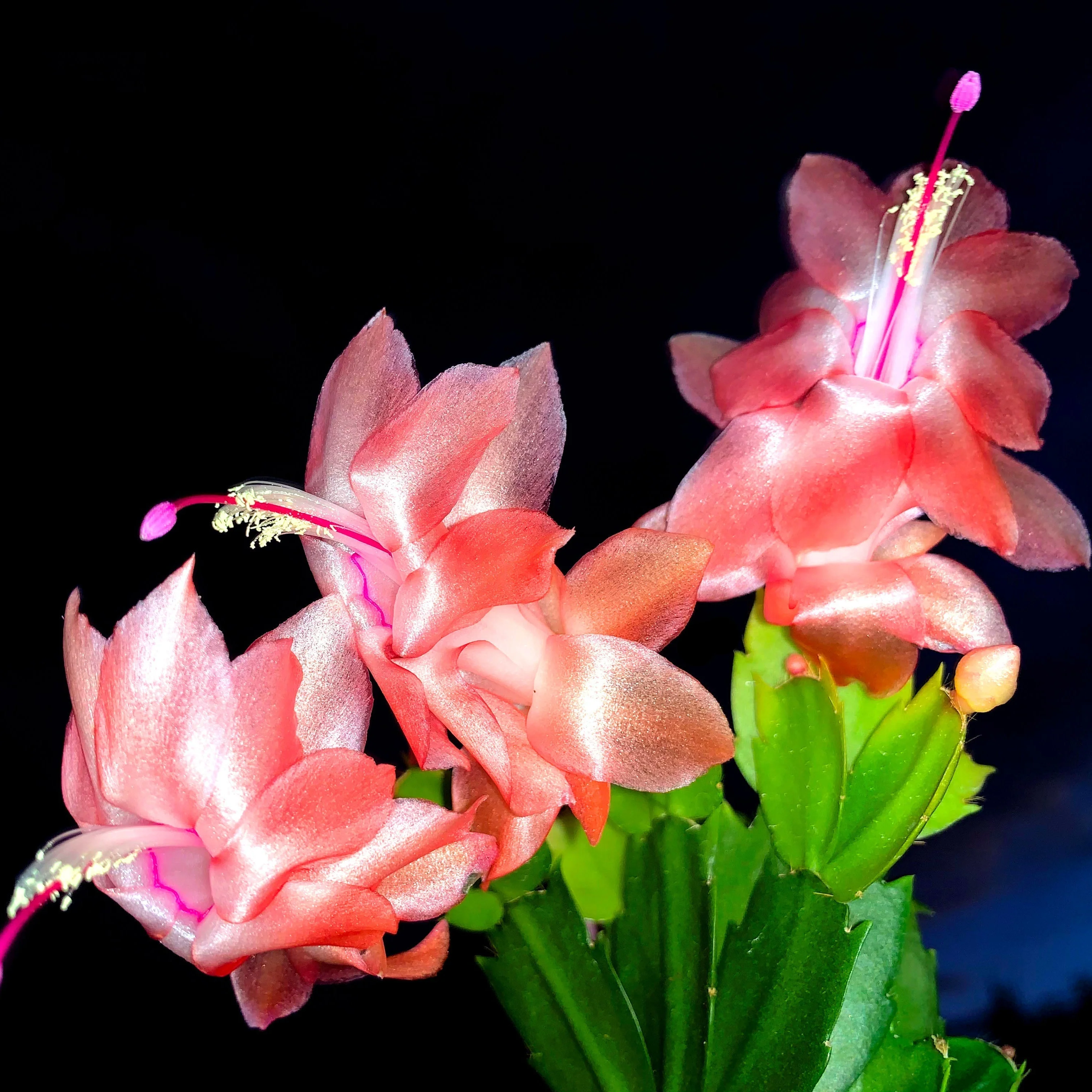
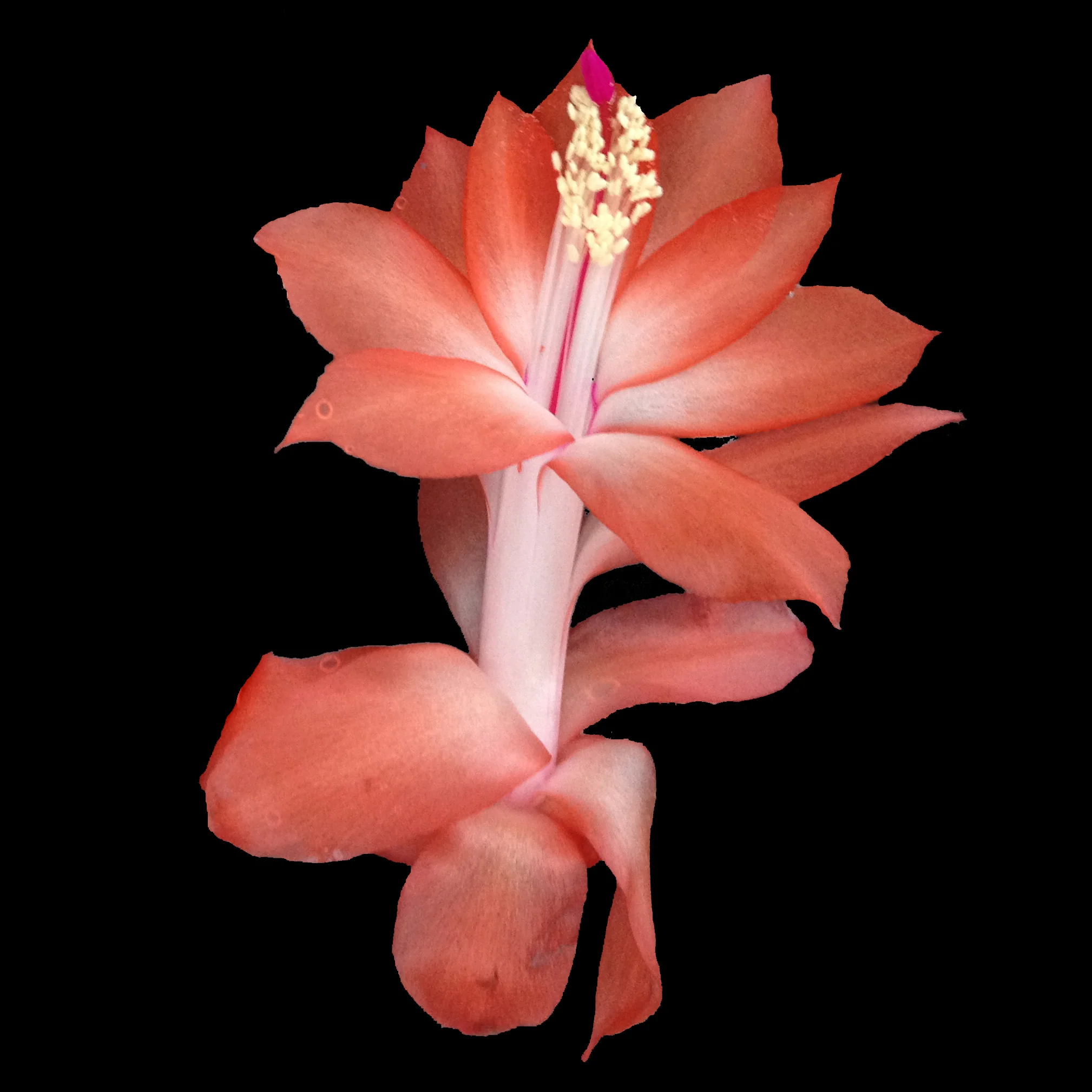
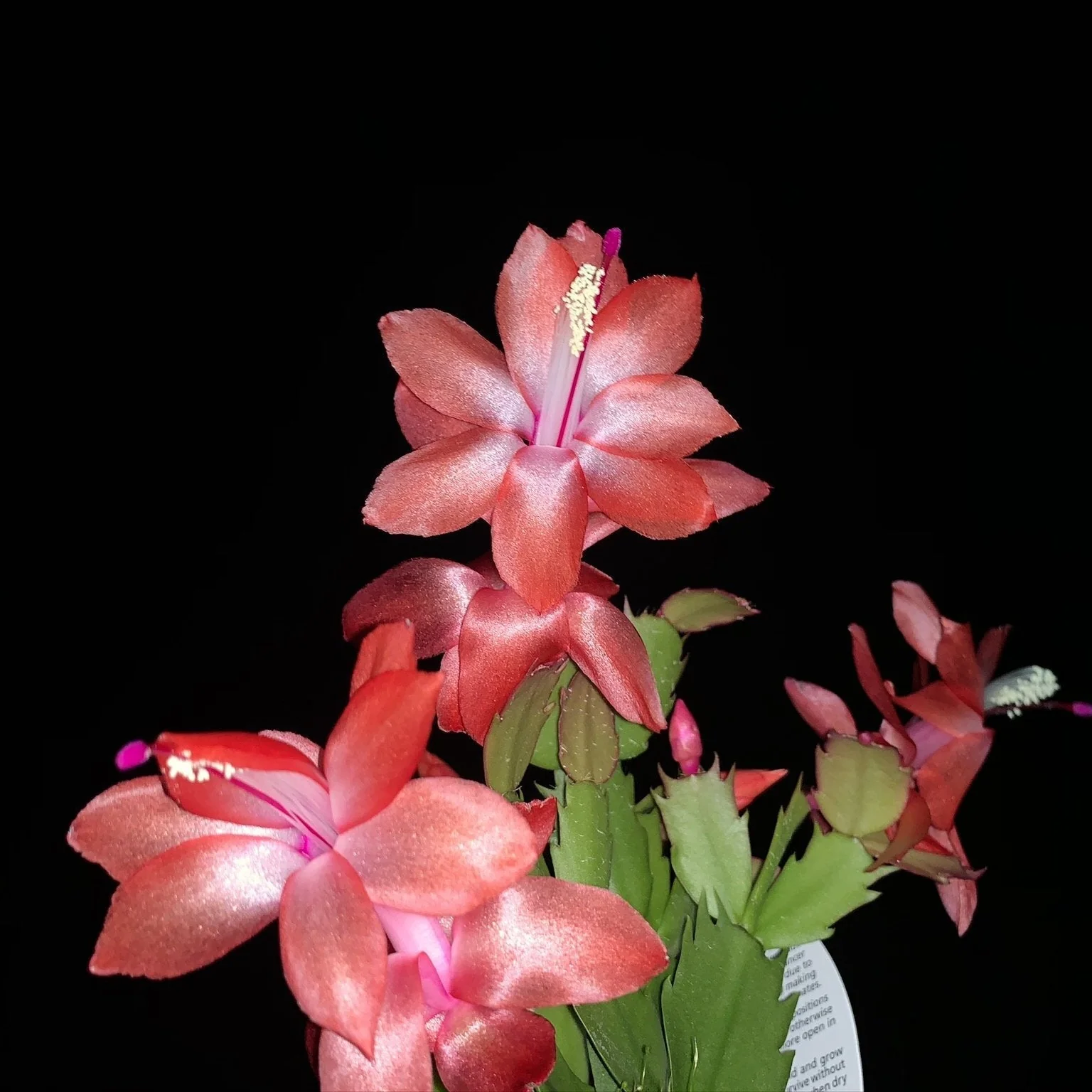
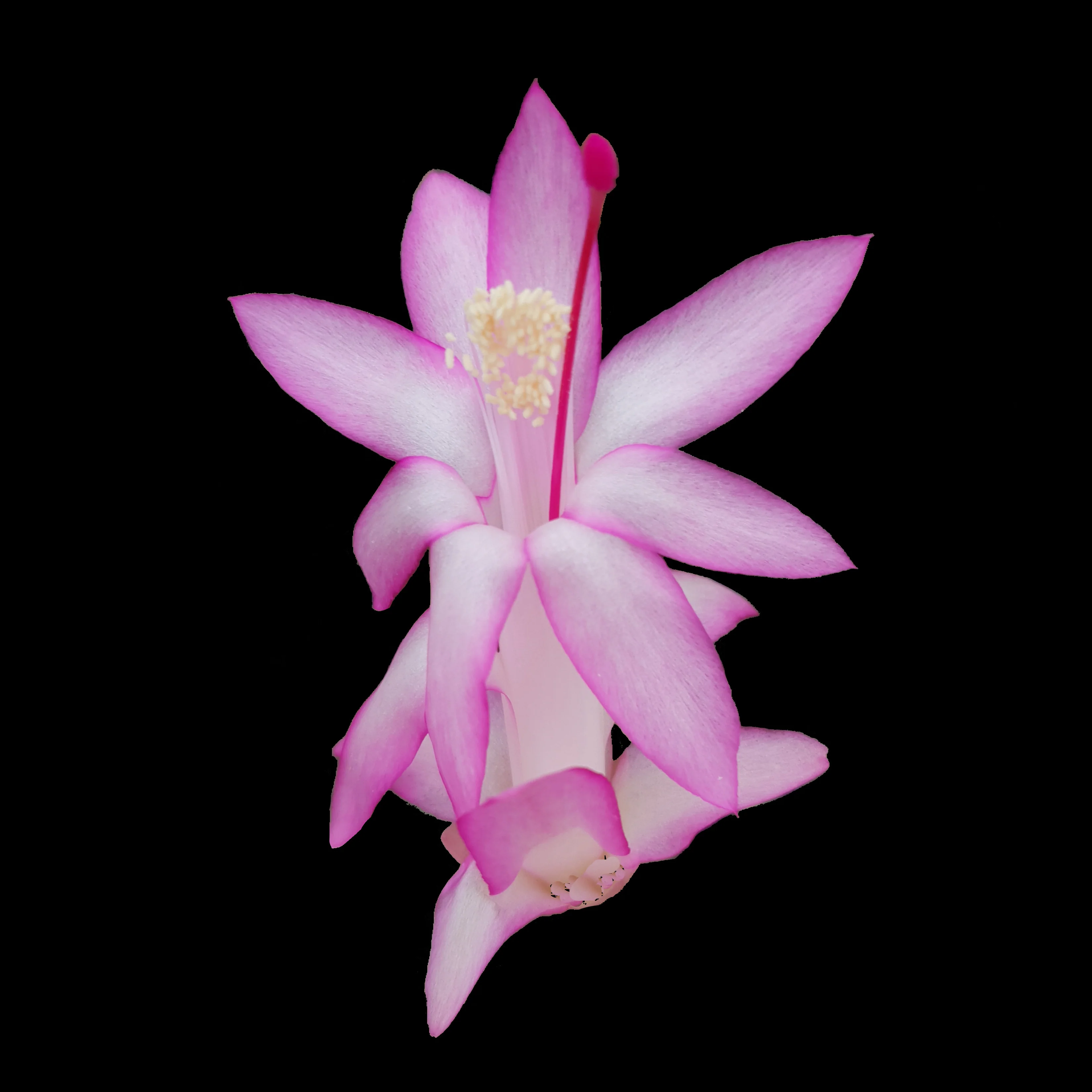
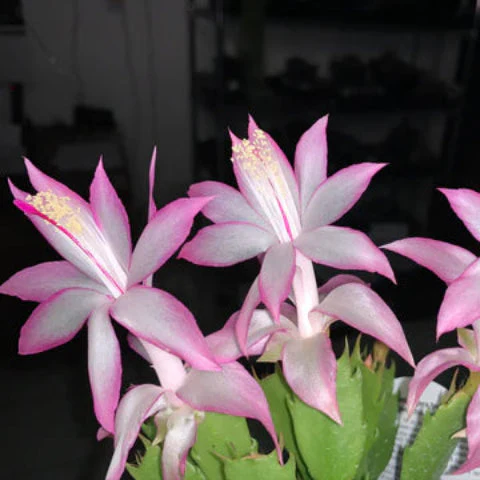
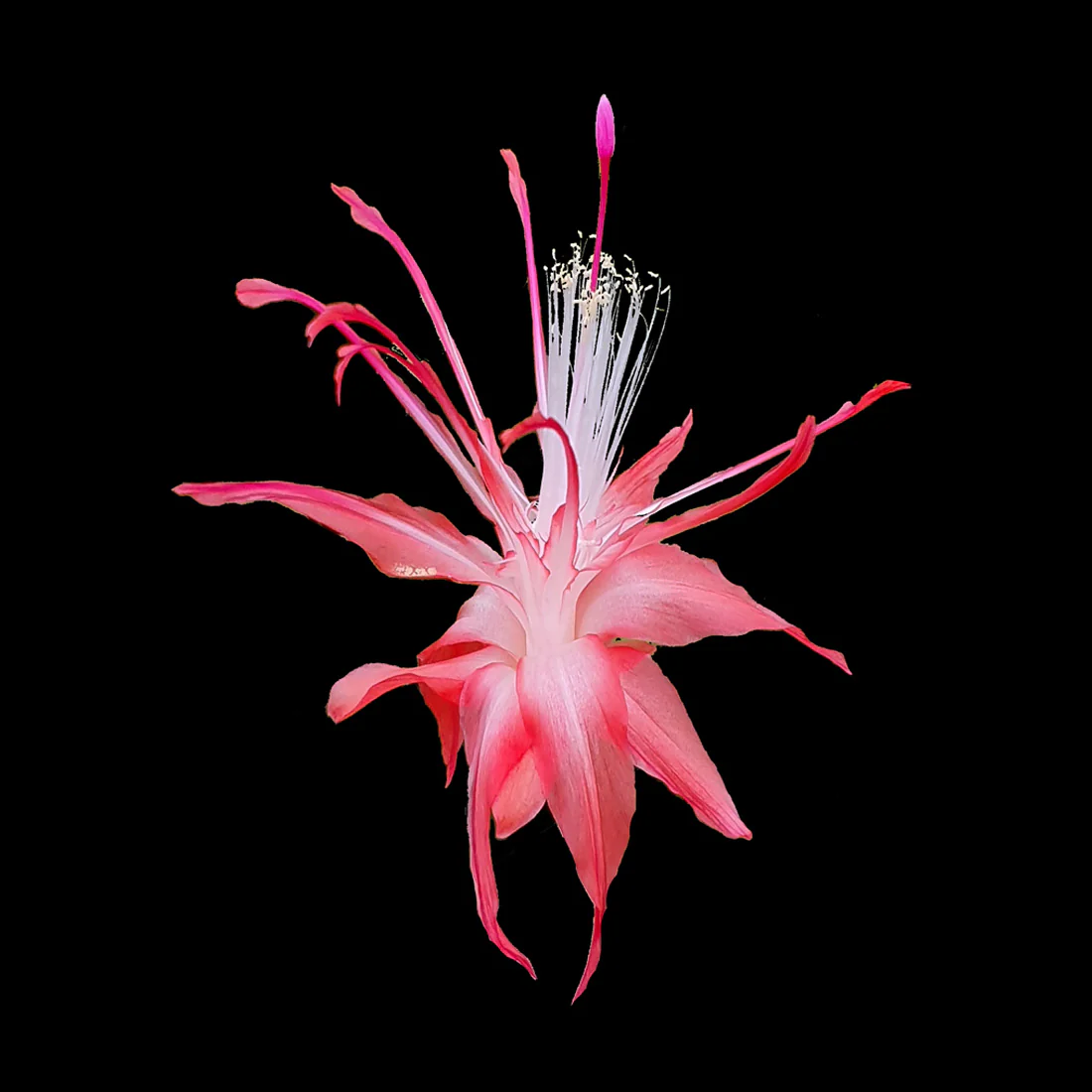
Small, white to pale pink flowers appear along the segment margins, often in spring to summer. These are followed by rounded berries that may be white or pinkish when ripe, providing a food source for birds and helping disperse seeds throughout the forest.
Care Tips:
- Light: Needs bright, indirect light; avoid prolonged direct sunlight to prevent leaf scorch.
- Water: Keep evenly moist during active growth, letting the surface of the media dry slightly before rewatering; reduce in winter.
- Humidity: Prefers moderate to high humidity; mist occasionally in dry conditions.
- Media: Use a free-draining mix containing fine orchid bark, peat or coir, and perlite.
- Temperature: Maintain between 15–27°C; protect from frost.
- Fertiliser: Feed every 4–6 weeks in the growing season with a diluted, balanced fertiliser.
- Repotting: Repot every 2–3 years or when the plant becomes crowded in its container, ideally in spring.
More Images

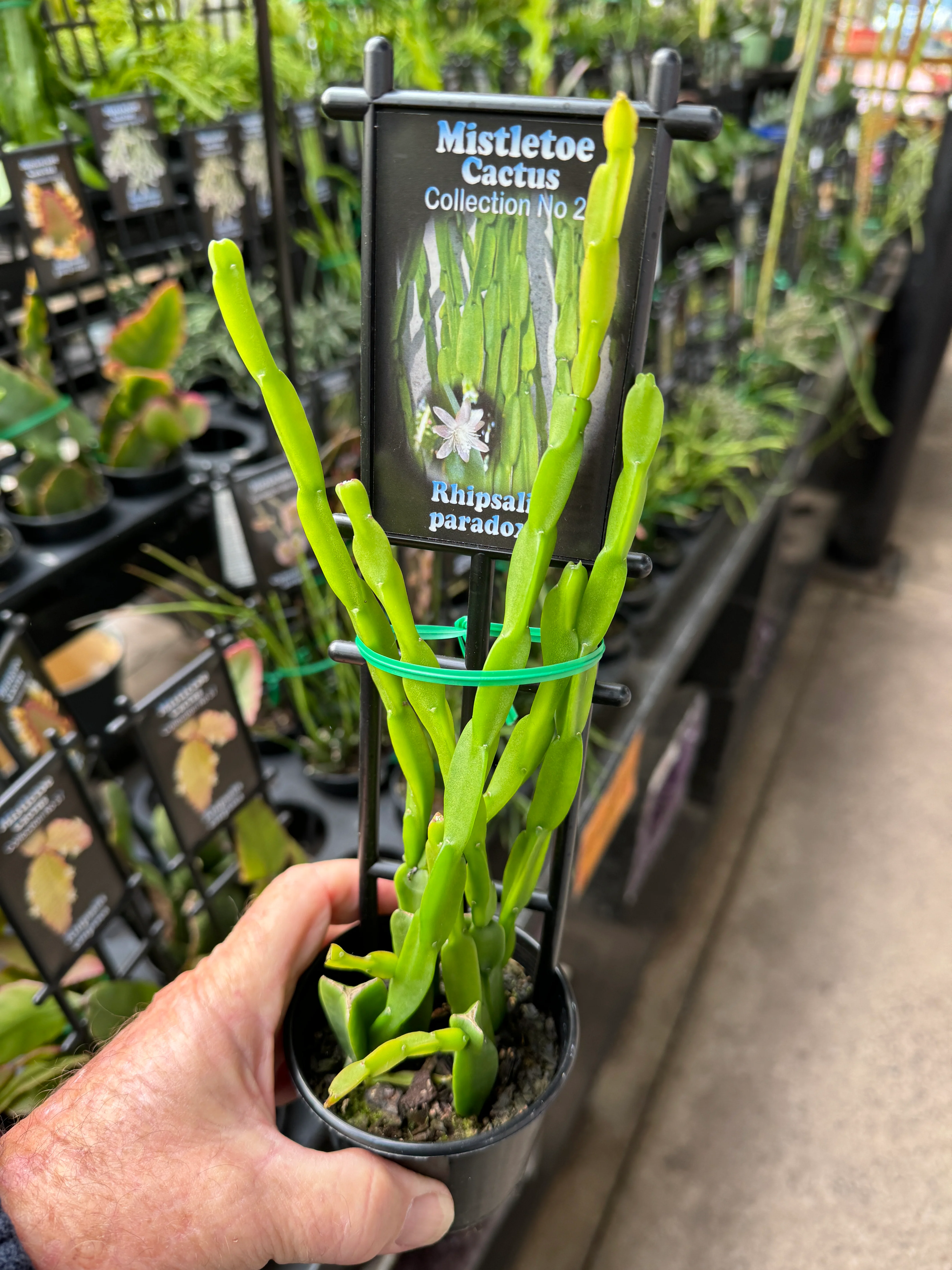
Rhipsalis paradoxa - Mistletoe Cactus
Rhipsalis paradoxa, commonly called the Mistletoe Cactus, is a distinctive Brazilian species found in the Atlantic Forest, where it grows in humid, shaded conditions on tree branches or occasionally on moss-covered rock faces. Its natural habitat provides consistent moisture, protection from direct sun, and good air movement.
The stems are flat and segmented, with each segment joined in a zig-zag formation, creating an unusual chain-like appearance. The edges of the segments are slightly notched, and growth proceeds by adding new segments from the tips, allowing the plant to form long, pendulous chains over time.
Small, white to pale pink flowers appear along the segment margins, often in spring to summer. These are followed by rounded berries that may be white or pinkish when ripe, providing a food source for birds and helping disperse seeds throughout the forest.
Care Tips:
- Light: Needs bright, indirect light; avoid prolonged direct sunlight to prevent leaf scorch.
- Water: Keep evenly moist during active growth, letting the surface of the media dry slightly before rewatering; reduce in winter.
- Humidity: Prefers moderate to high humidity; mist occasionally in dry conditions.
- Media: Use a free-draining mix containing fine orchid bark, peat or coir, and perlite.
- Temperature: Maintain between 15–27°C; protect from frost.
- Fertiliser: Feed every 4–6 weeks in the growing season with a diluted, balanced fertiliser.
- Repotting: Repot every 2–3 years or when the plant becomes crowded in its container, ideally in spring.
Product Information
Product Information
Shipping & Returns
Shipping & Returns
Description
Rhipsalis paradoxa, commonly called the Mistletoe Cactus, is a distinctive Brazilian species found in the Atlantic Forest, where it grows in humid, shaded conditions on tree branches or occasionally on moss-covered rock faces. Its natural habitat provides consistent moisture, protection from direct sun, and good air movement.
The stems are flat and segmented, with each segment joined in a zig-zag formation, creating an unusual chain-like appearance. The edges of the segments are slightly notched, and growth proceeds by adding new segments from the tips, allowing the plant to form long, pendulous chains over time.
Small, white to pale pink flowers appear along the segment margins, often in spring to summer. These are followed by rounded berries that may be white or pinkish when ripe, providing a food source for birds and helping disperse seeds throughout the forest.
Care Tips:
- Light: Needs bright, indirect light; avoid prolonged direct sunlight to prevent leaf scorch.
- Water: Keep evenly moist during active growth, letting the surface of the media dry slightly before rewatering; reduce in winter.
- Humidity: Prefers moderate to high humidity; mist occasionally in dry conditions.
- Media: Use a free-draining mix containing fine orchid bark, peat or coir, and perlite.
- Temperature: Maintain between 15–27°C; protect from frost.
- Fertiliser: Feed every 4–6 weeks in the growing season with a diluted, balanced fertiliser.
- Repotting: Repot every 2–3 years or when the plant becomes crowded in its container, ideally in spring.