Rhipsalis puniceodiscus - Mistletoe Cactus
Rhipsalis puniceodiscus, known as the Mistletoe Cactus, is a trailing forest cactus native to southeastern Brazil, where it occurs in humid, shaded habitats of the Atlantic Forest. It grows attached to tree branches or occasionally on rocky ledges, taking advantage of filtered canopy light and high atmospheric moisture.
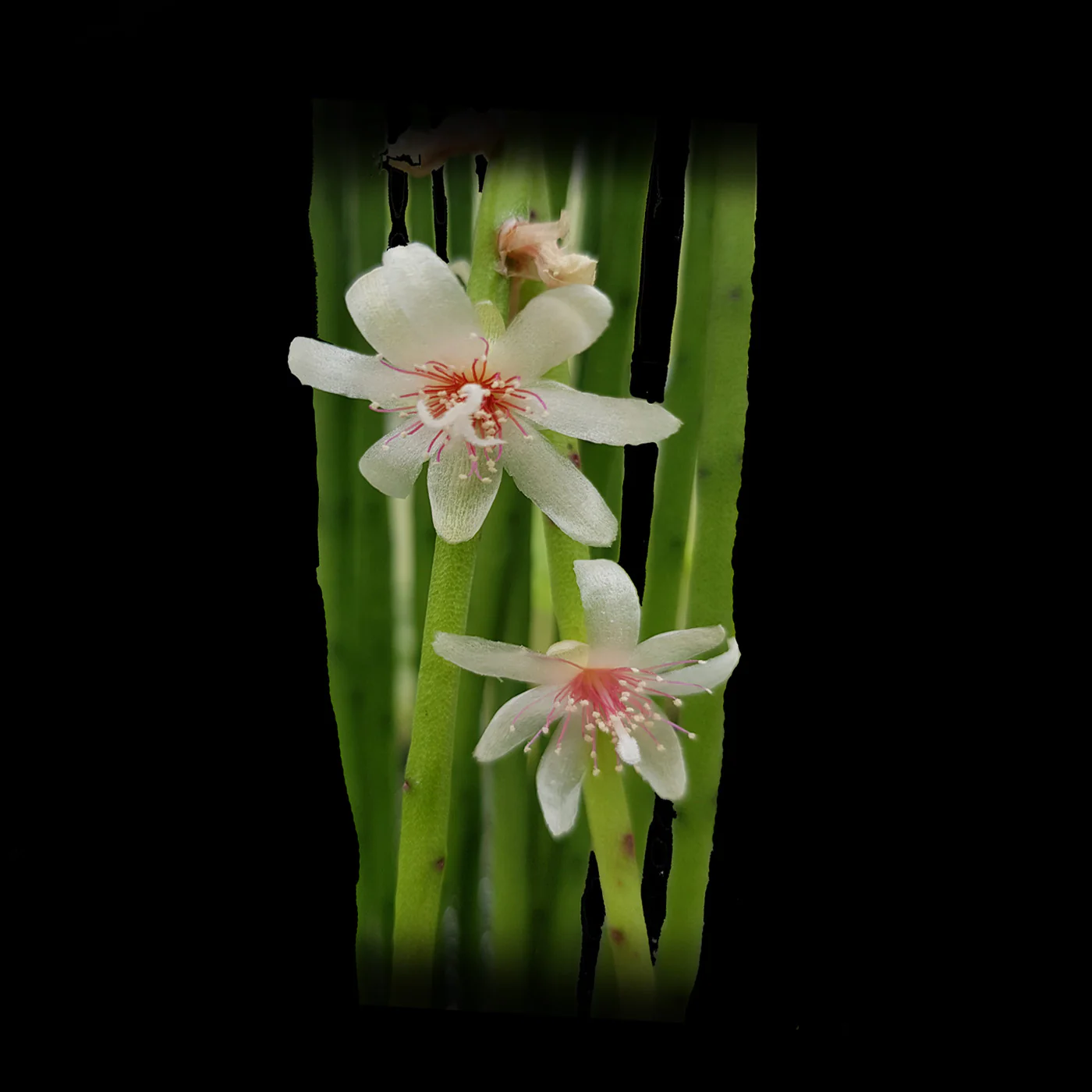
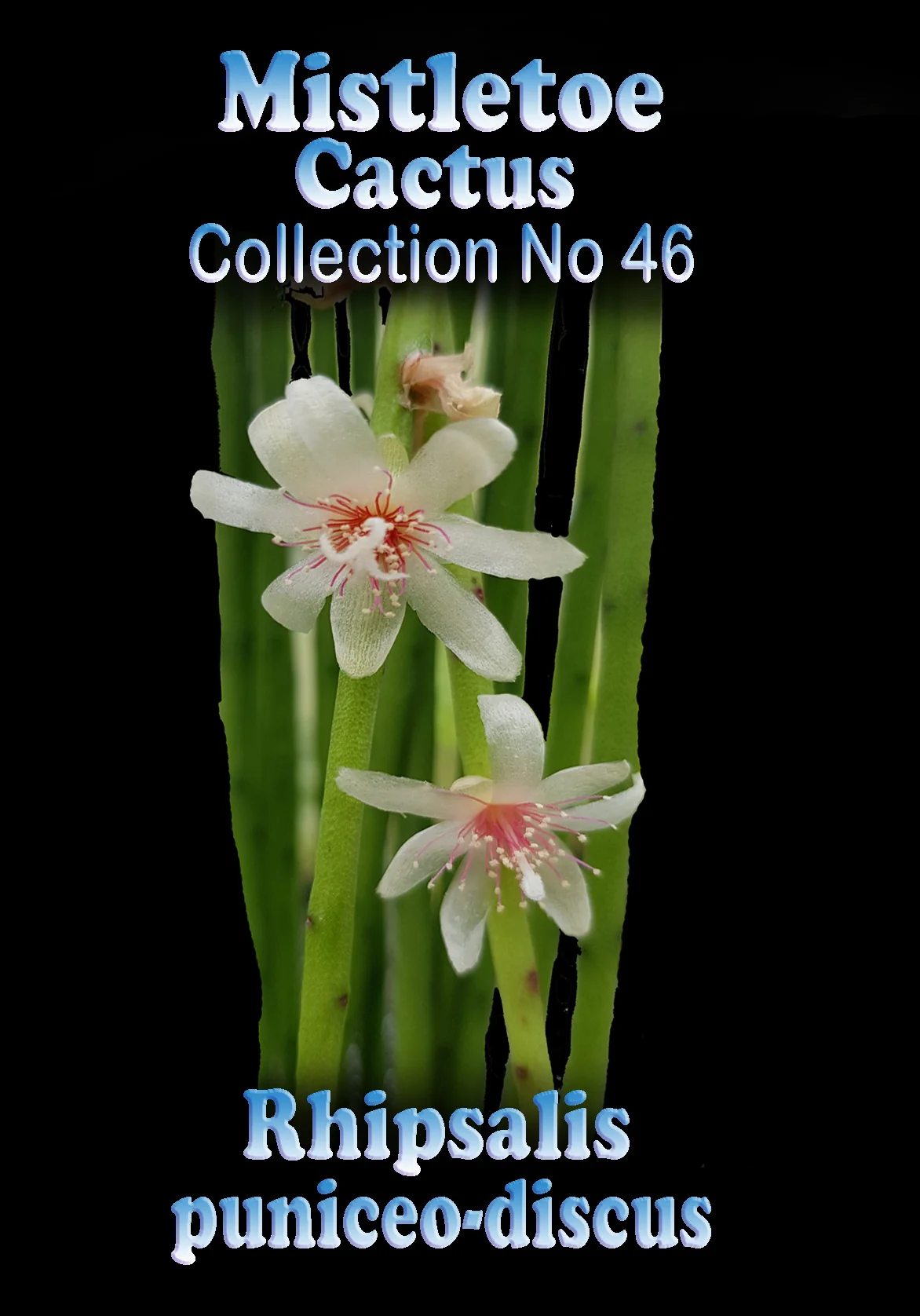
The stems are slender, flattened to slightly angled, and green, often producing a tangled, pendent habit. New growth emerges from the segment tips, with branching that can form dense, cascading mats over time. The species name refers to the reddish disc at the base of the flower segments, a distinctive feature that can be seen when the plant blooms.
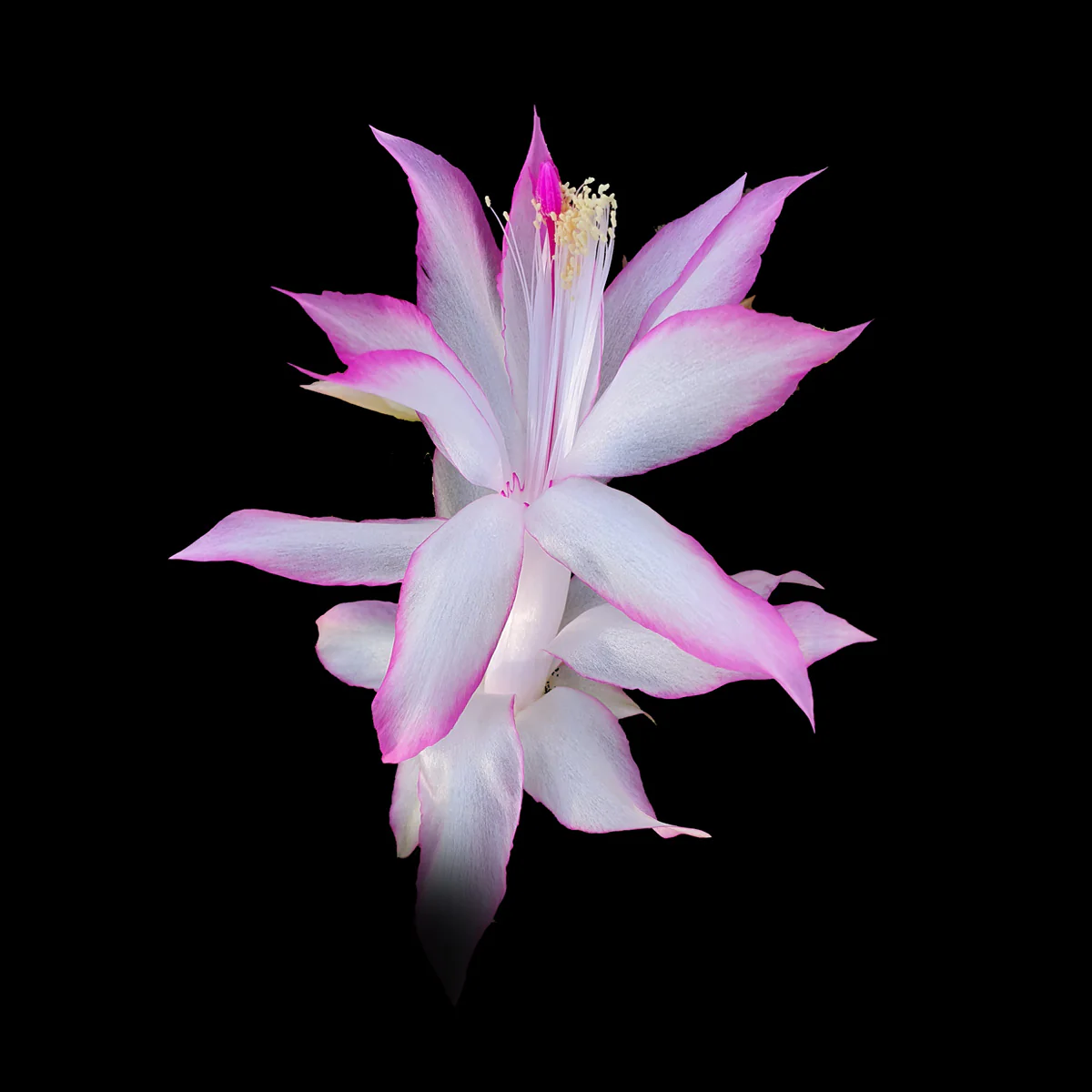
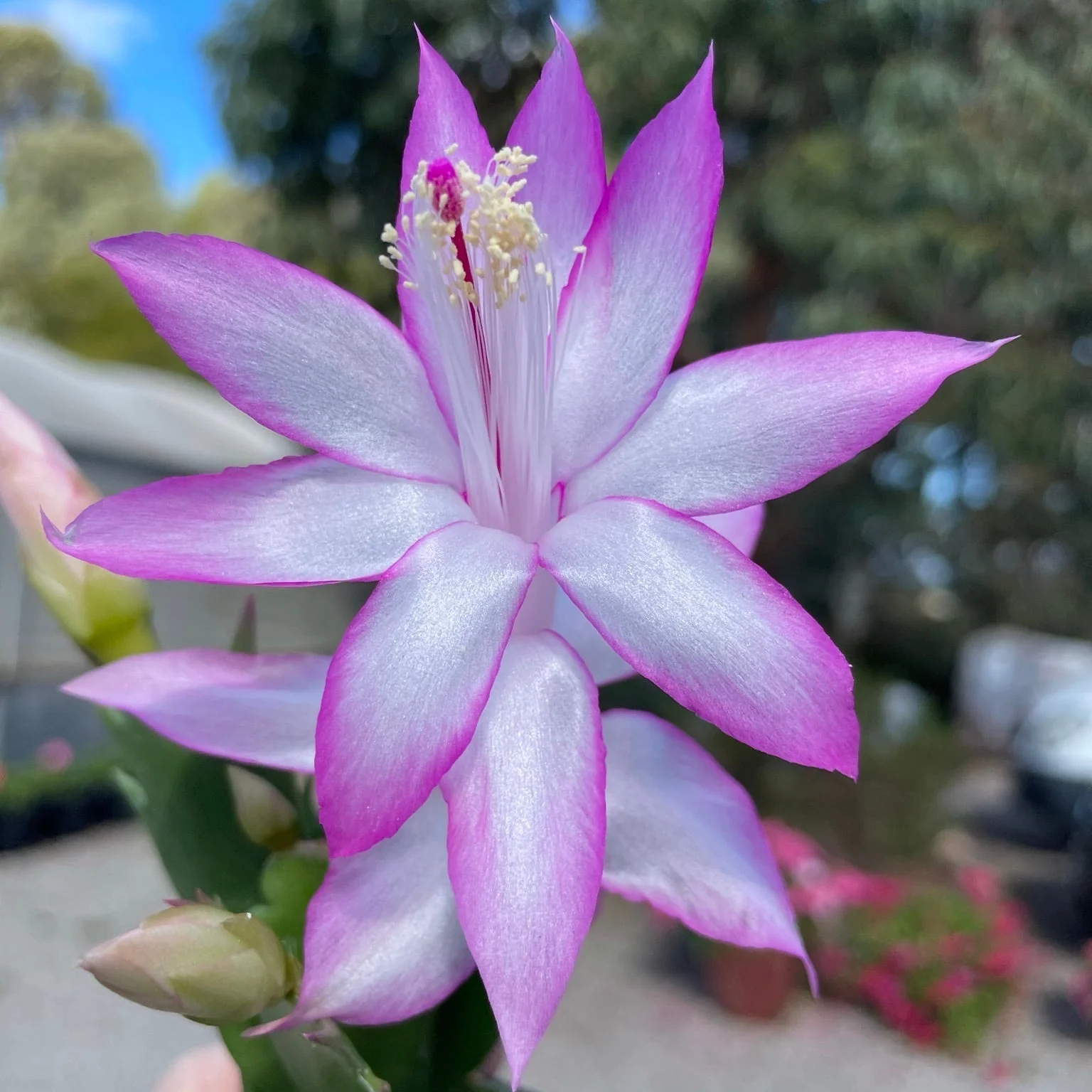
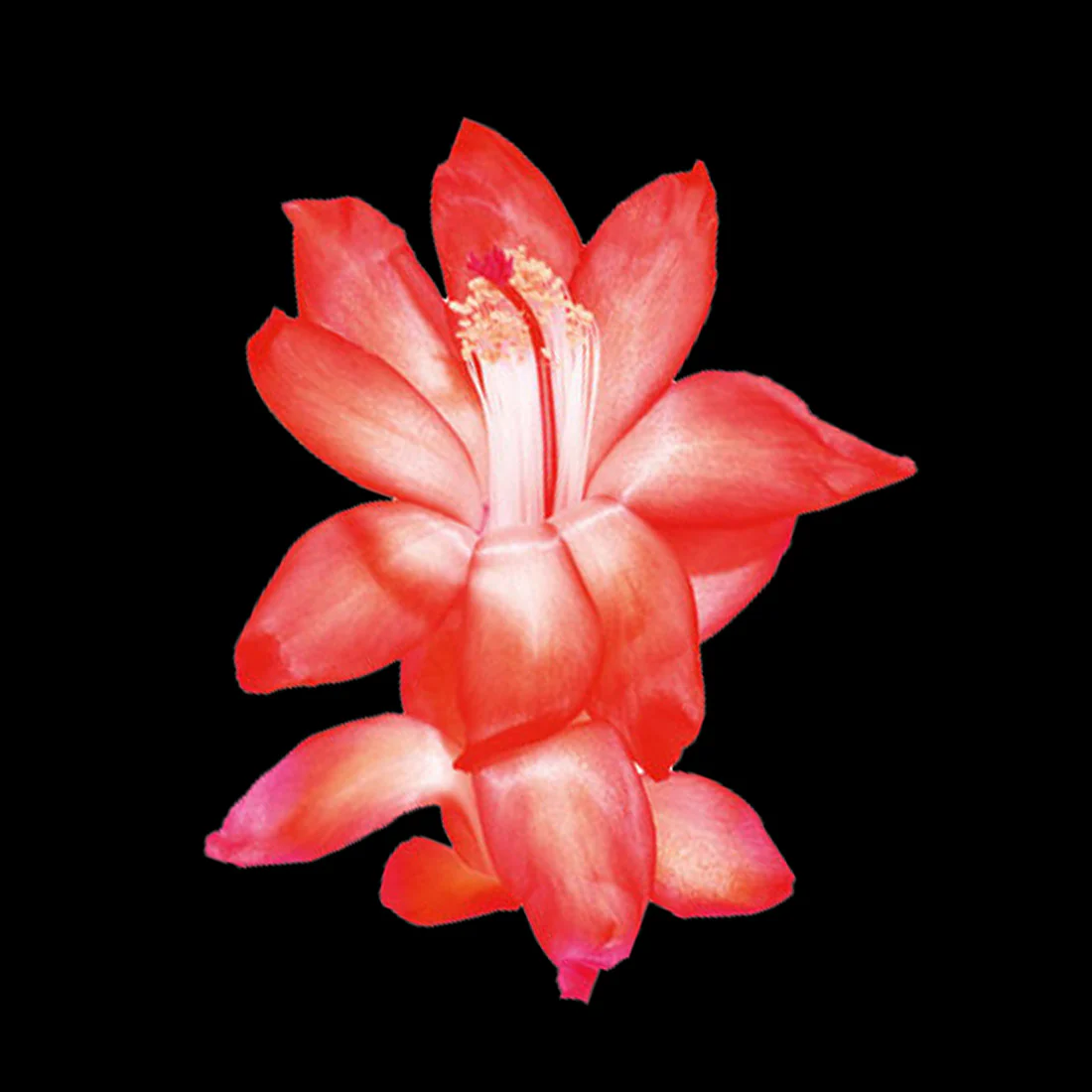
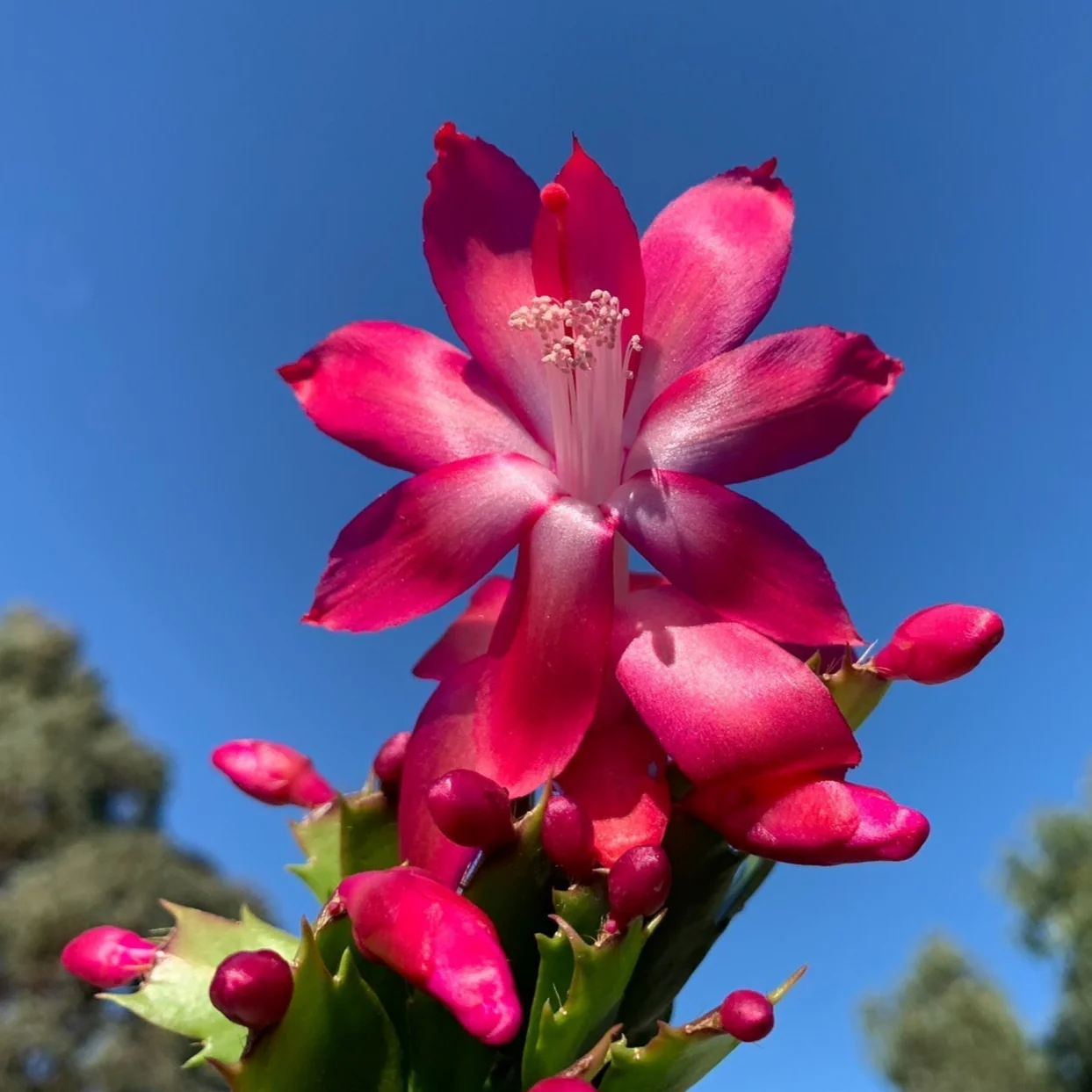
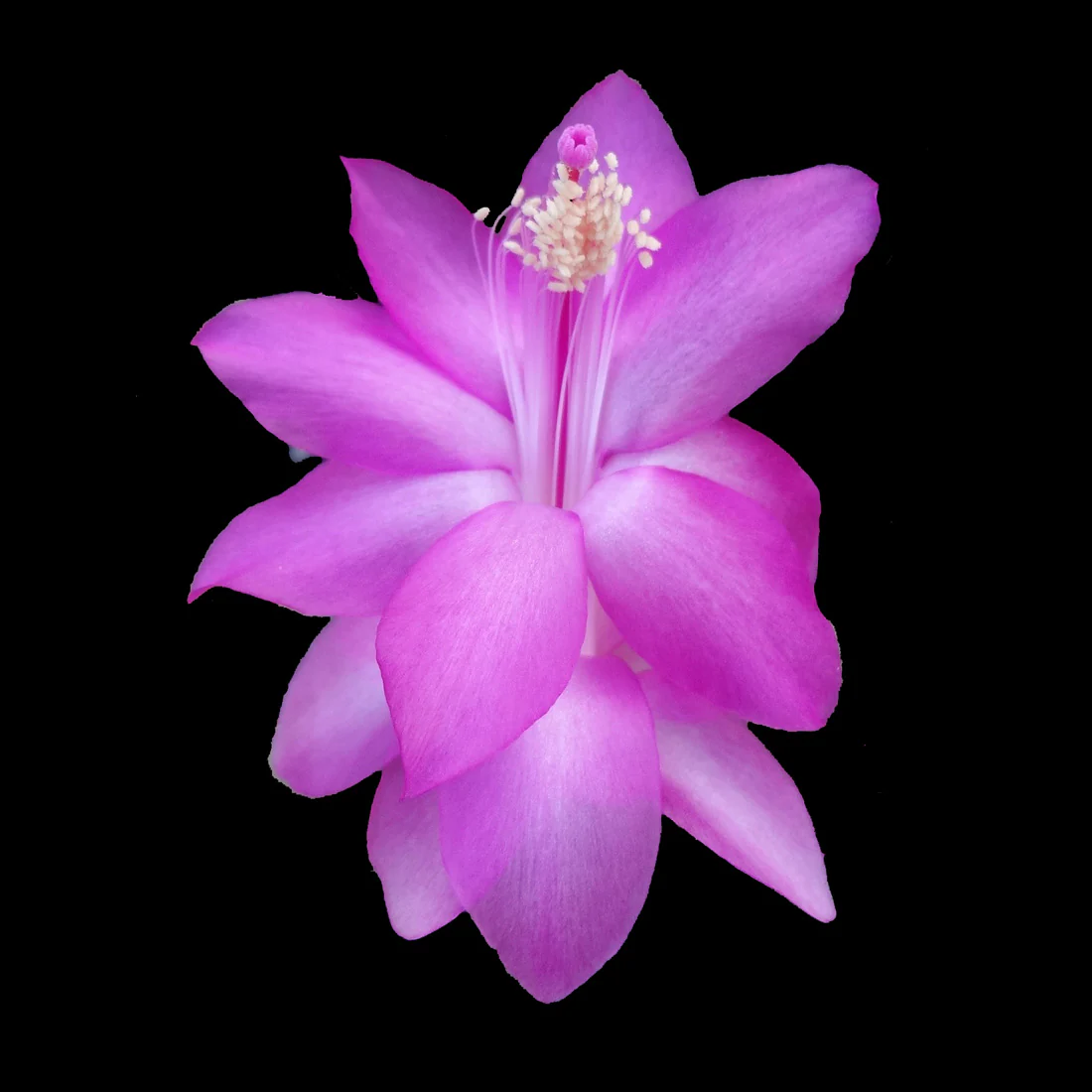
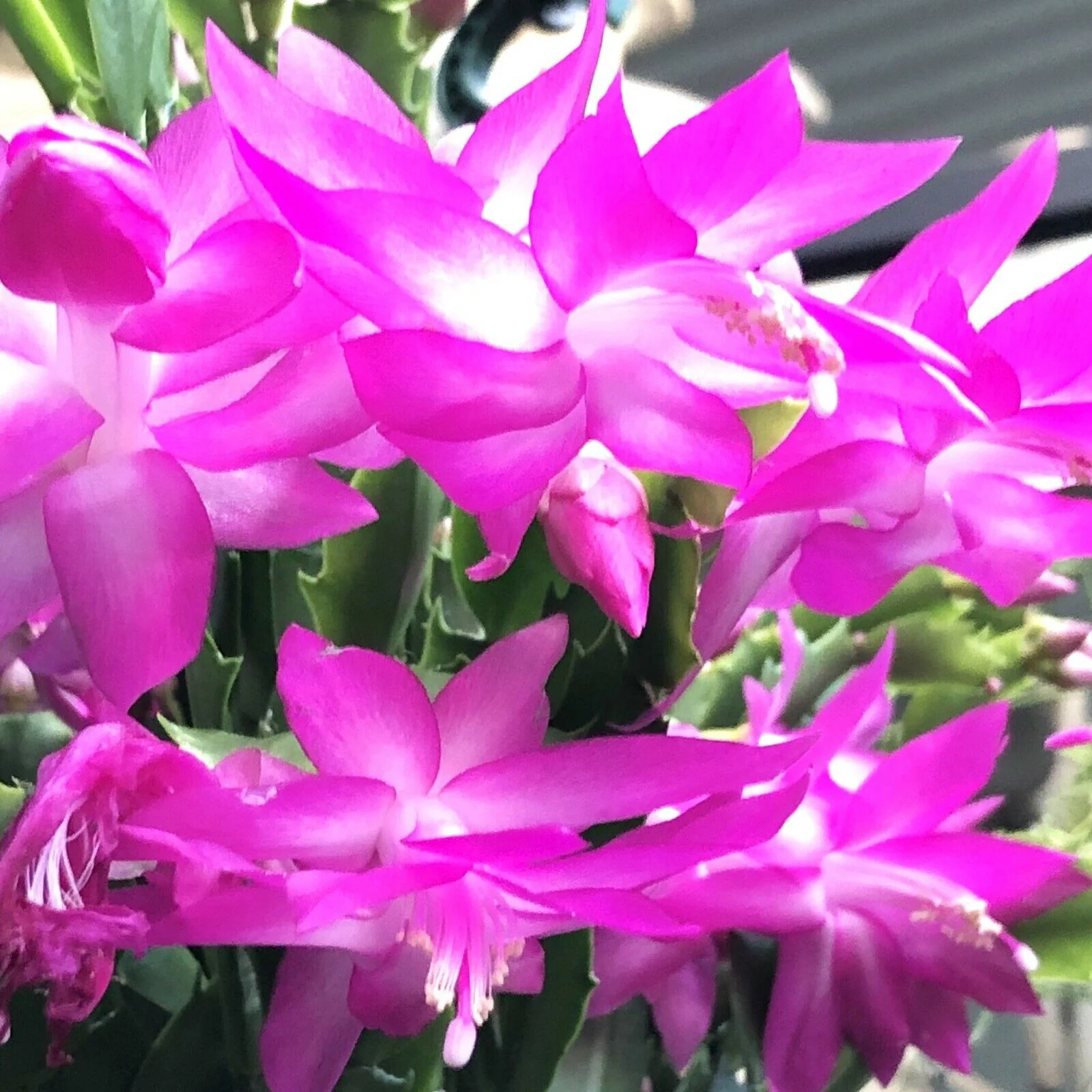
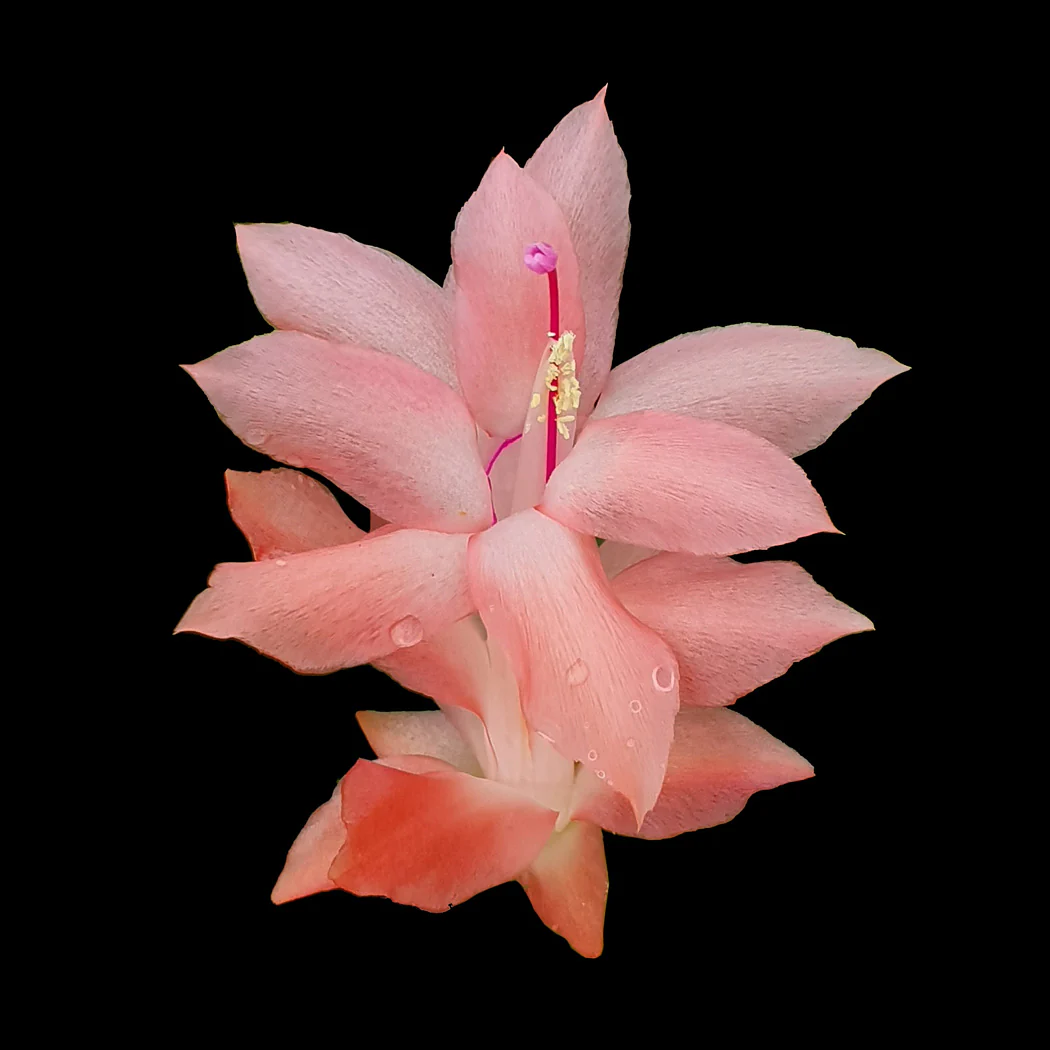
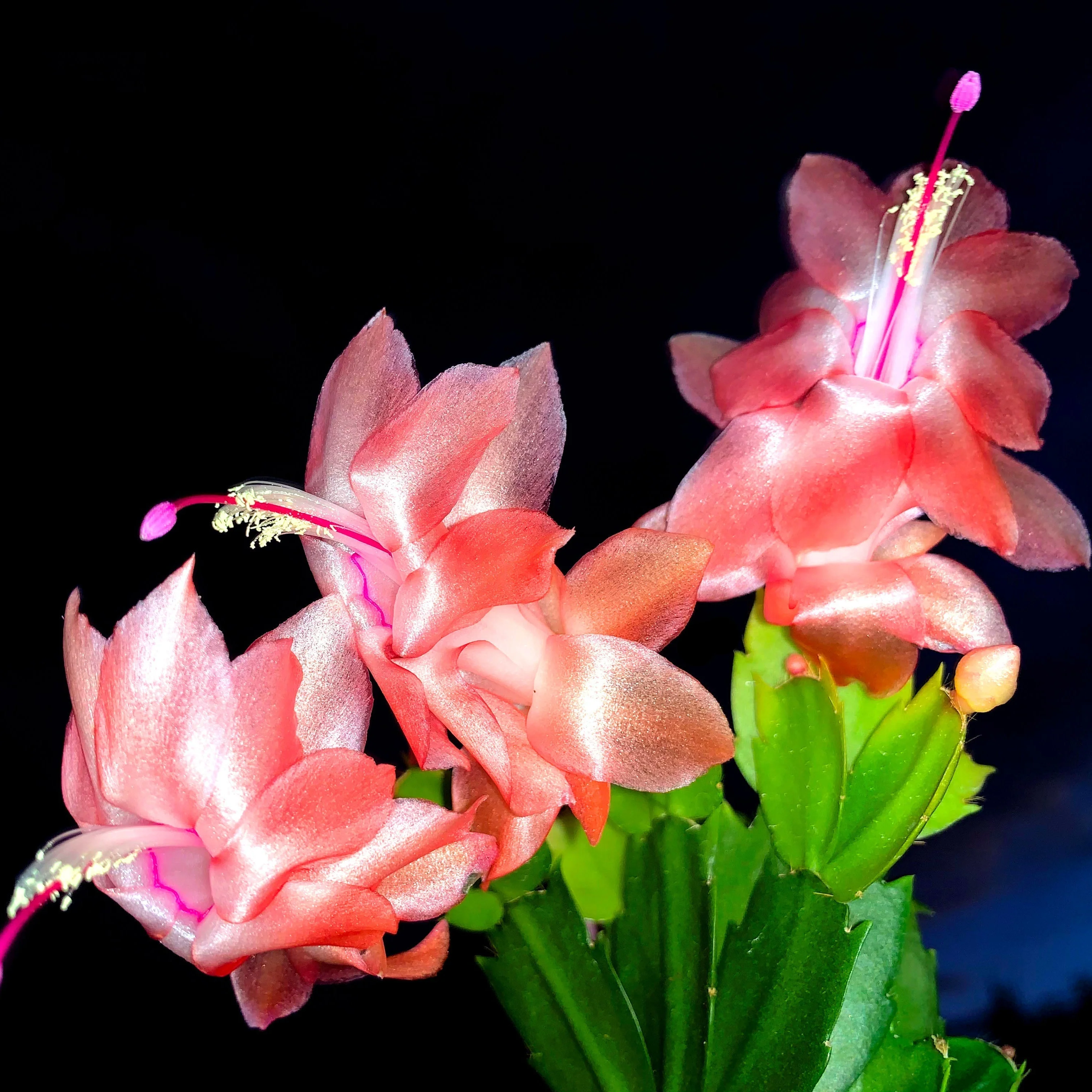
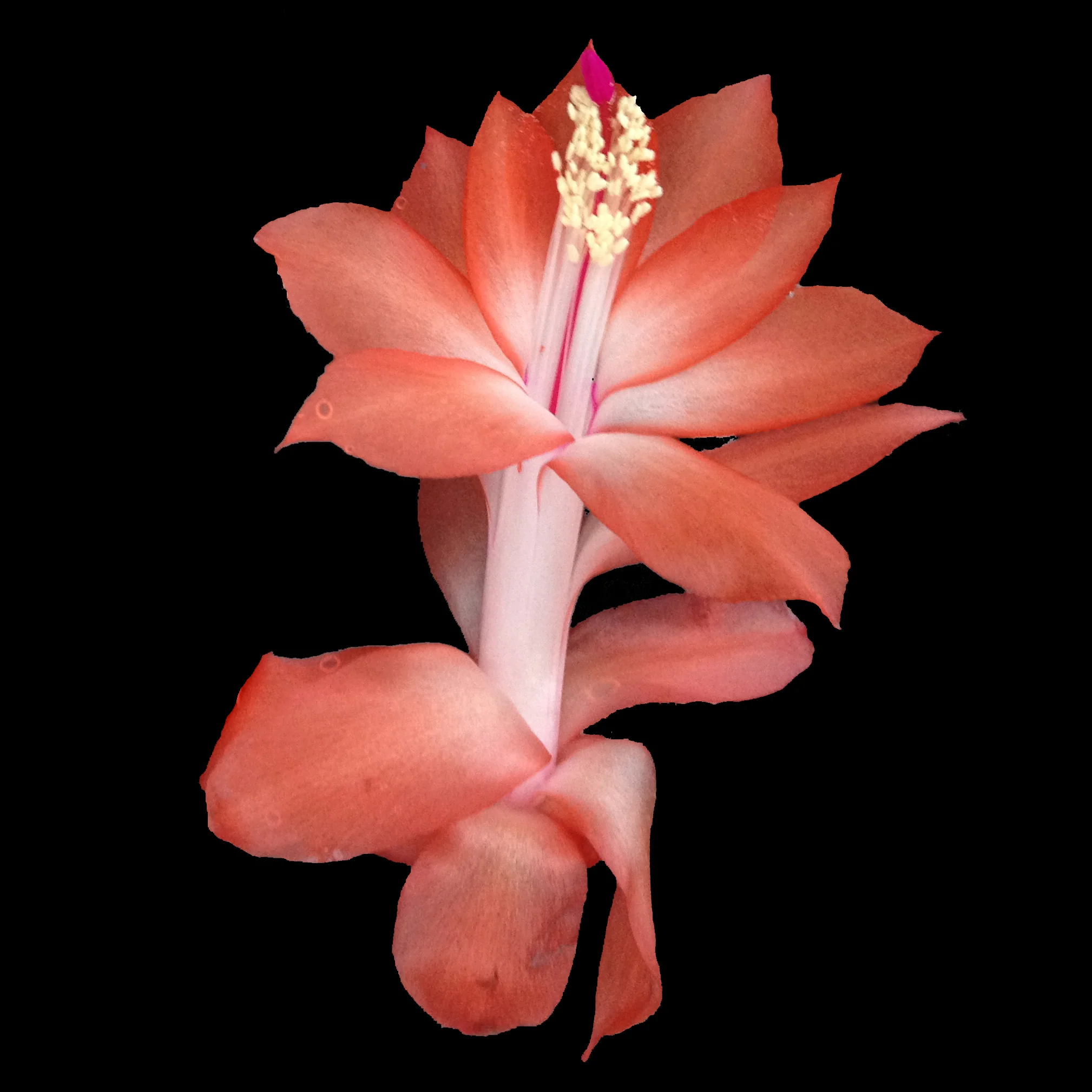
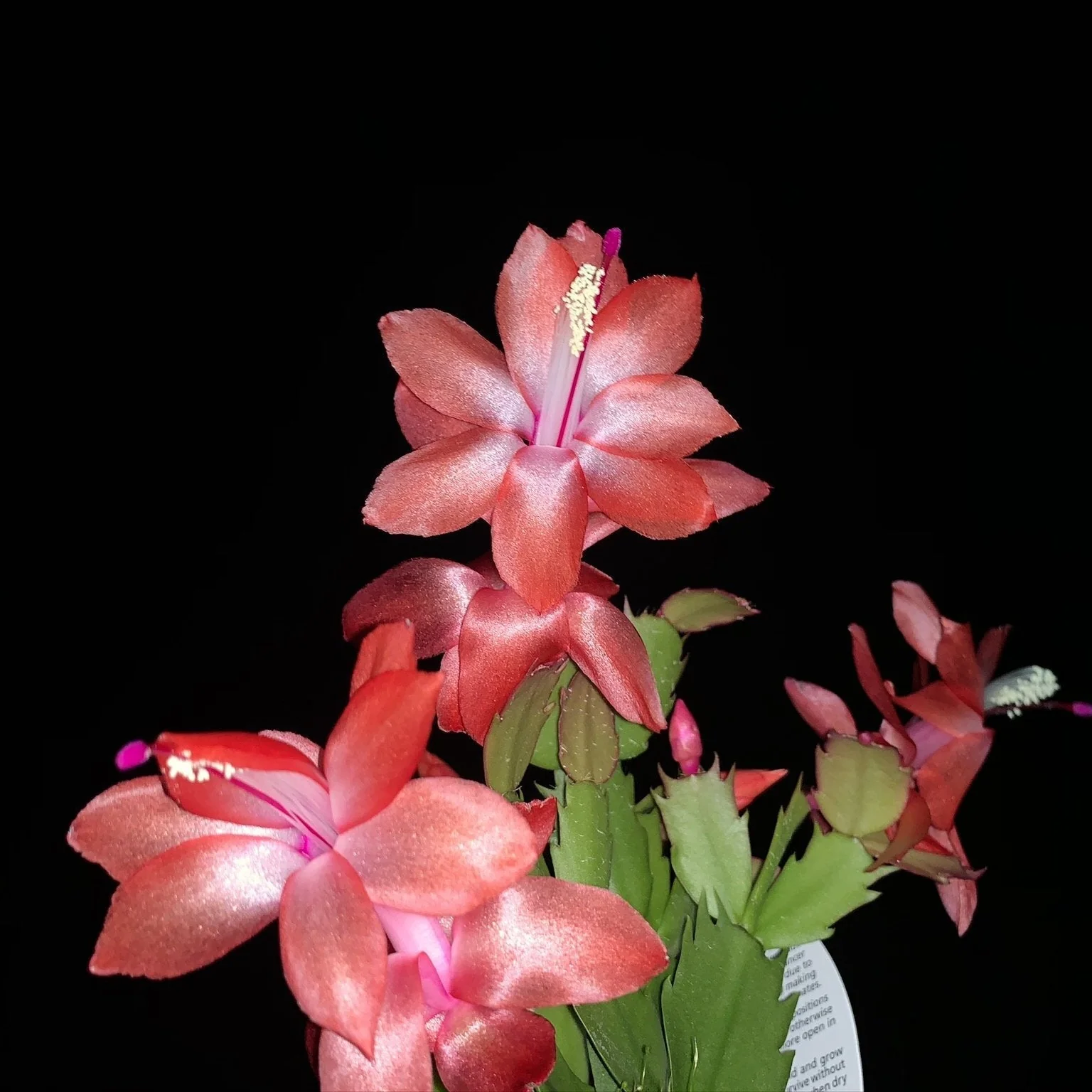
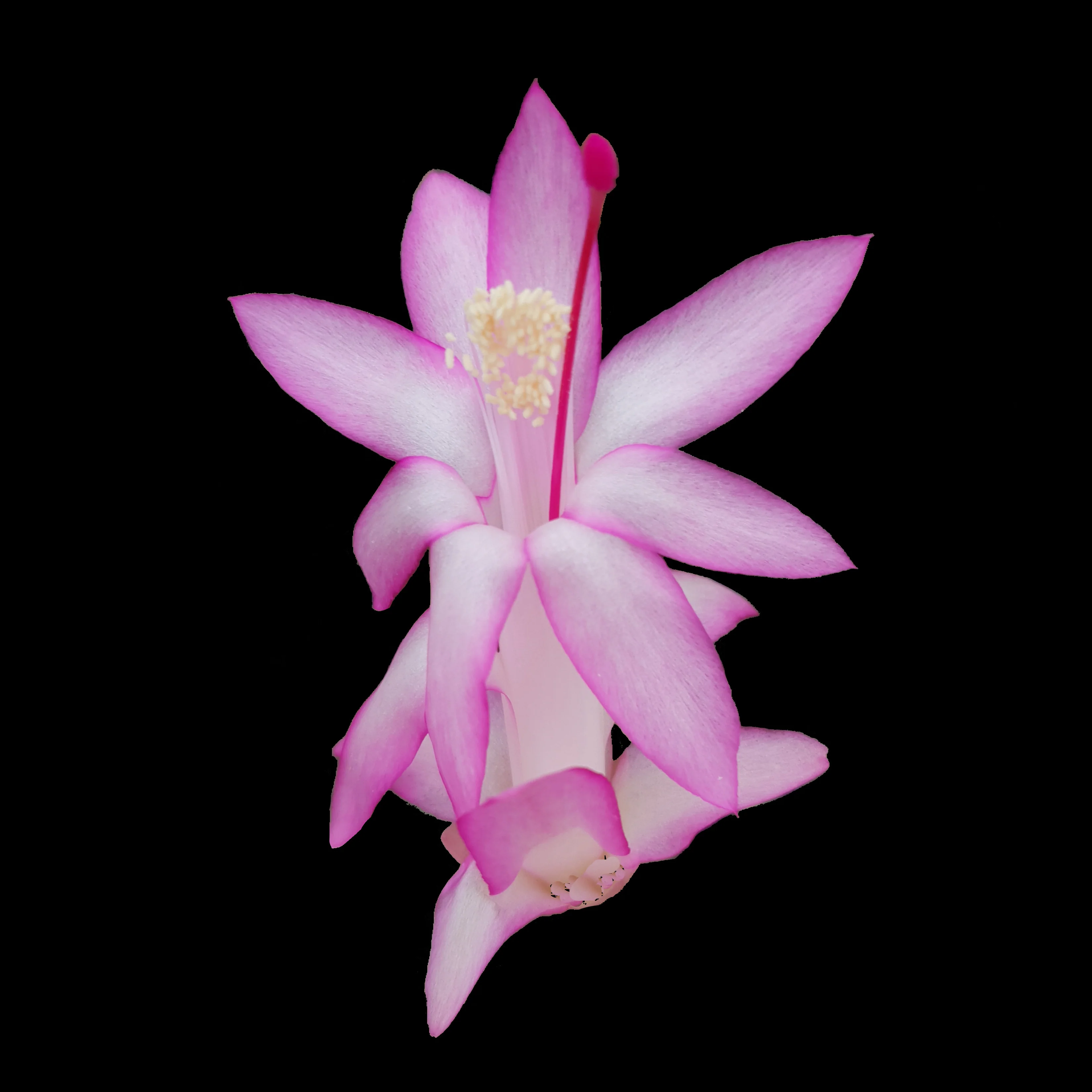
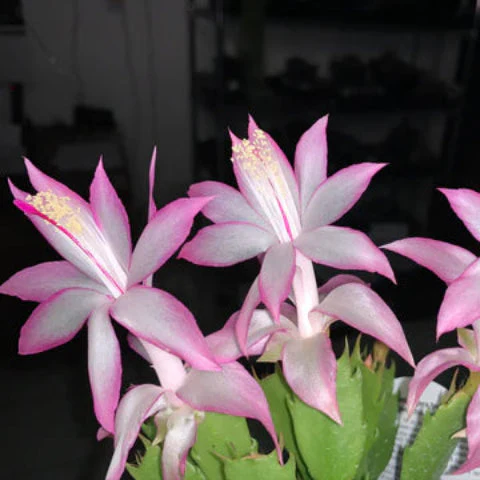
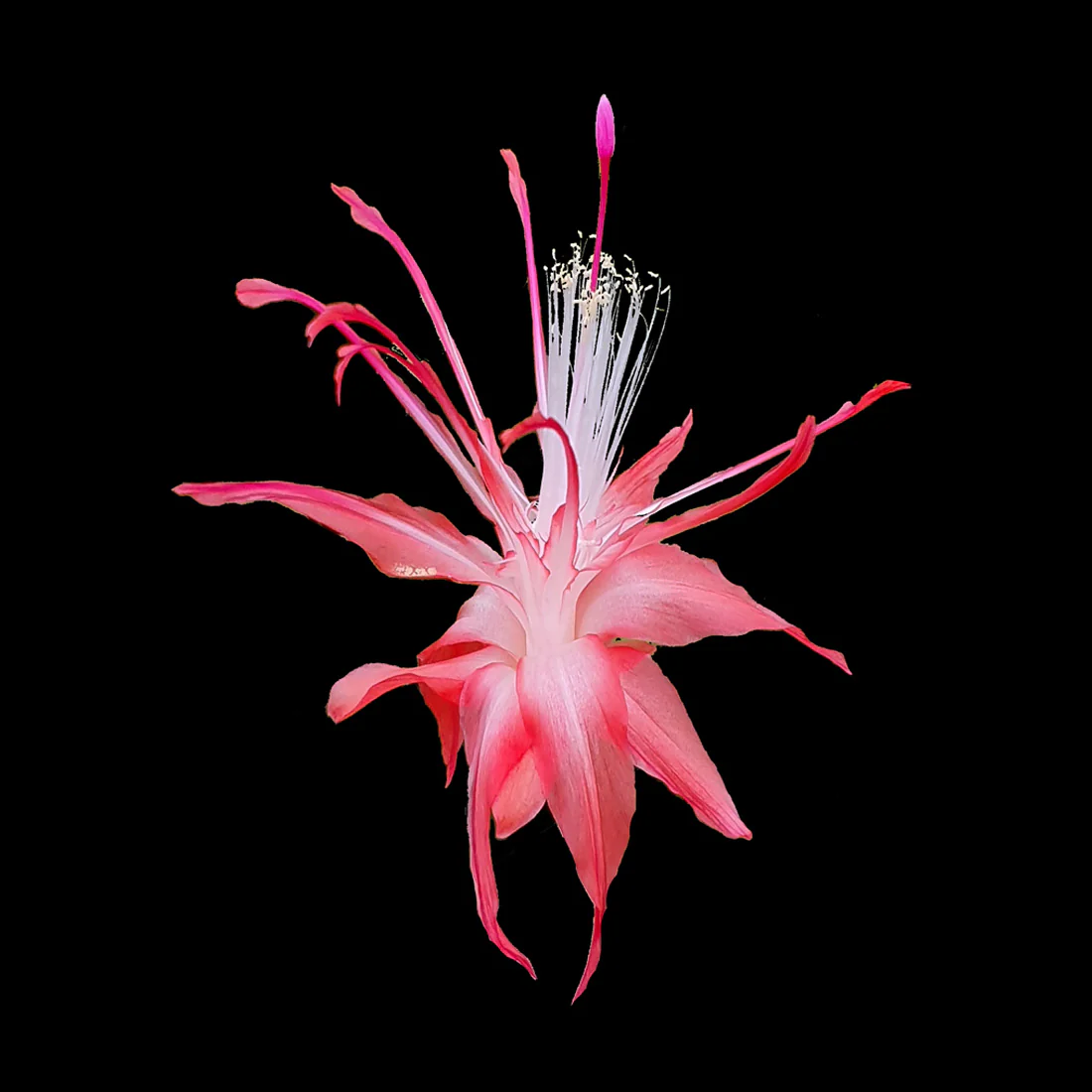
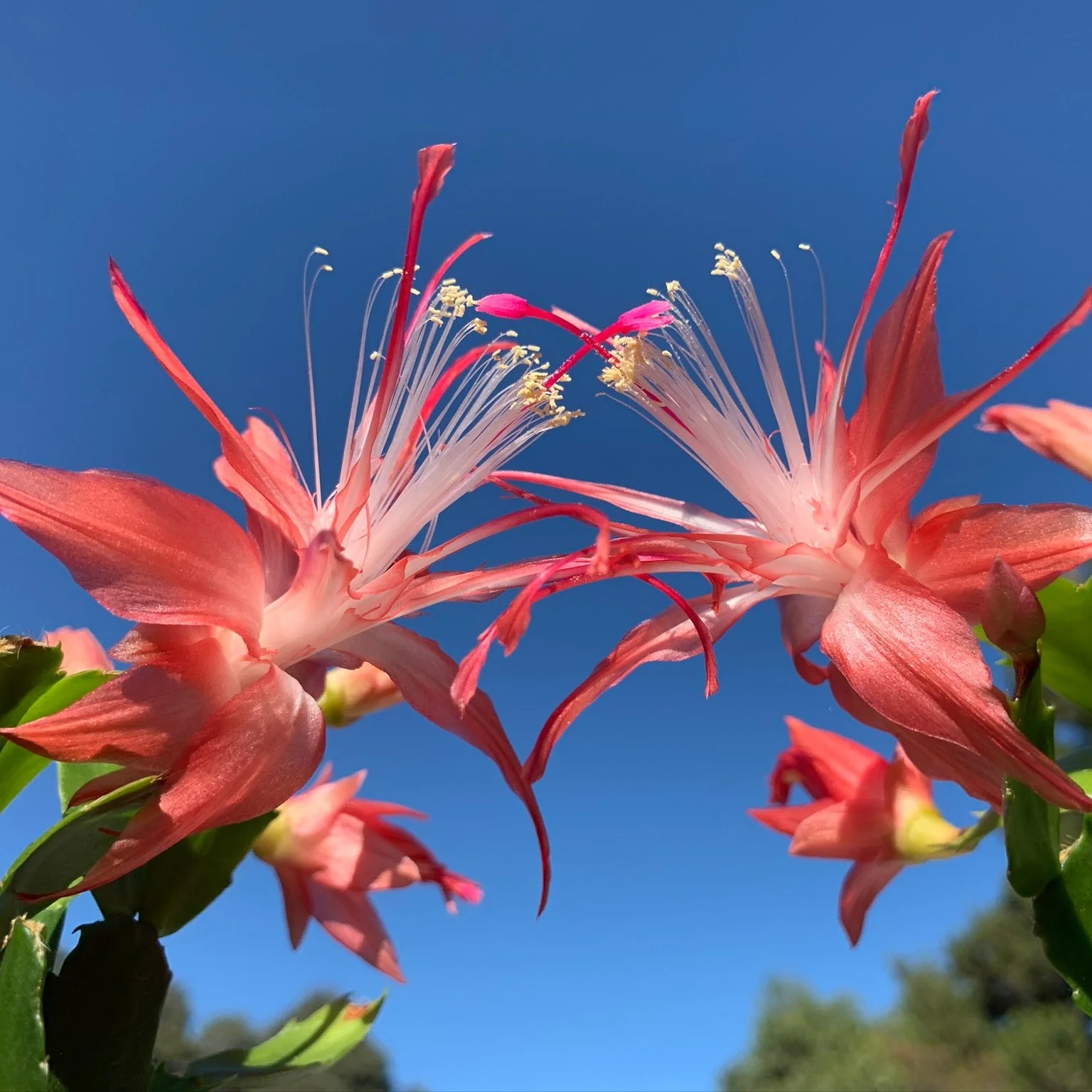
Flowers are typically white to pale cream, with a subtle contrast from the reddish floral disc. These are followed by small, globular berries that may be white or pinkish when ripe, containing seeds dispersed by birds and other forest fauna.
Care Tips:
- Light: Requires bright, indirect light; protect from harsh midday sun to prevent stem damage.
- Water: Keep the substrate evenly moist during the growing season, allowing the top layer to dry slightly between waterings; reduce watering in cooler months.
- Humidity: Prefers moderate to high humidity; occasional misting helps in dry indoor air.
- Media: Grow in a free-draining mix containing fine orchid bark, peat or coir, and perlite.
- Temperature: Best suited to 15–27°C; avoid exposure to frost.
- Fertiliser: Feed every 4–6 weeks during active growth with a diluted, balanced fertiliser.
- Repotting: Repot every 2–3 years or when root-bound, ideally in spring.
Original: $14.95
-65%$14.95
$5.23More Images
Rhipsalis puniceodiscus - Mistletoe Cactus
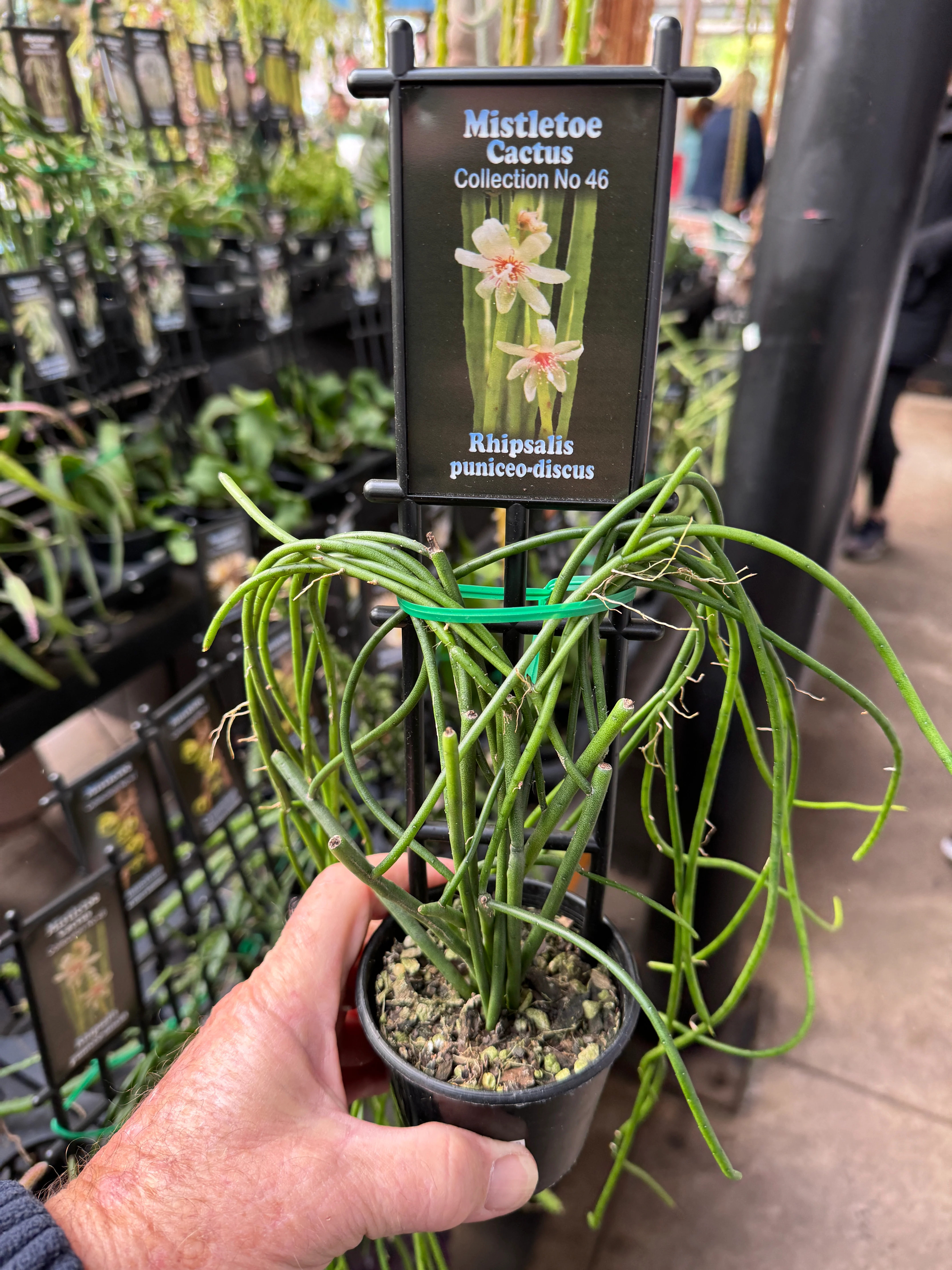
Rhipsalis puniceodiscus, known as the Mistletoe Cactus, is a trailing forest cactus native to southeastern Brazil, where it occurs in humid, shaded habitats of the Atlantic Forest. It grows attached to tree branches or occasionally on rocky ledges, taking advantage of filtered canopy light and high atmospheric moisture.
The stems are slender, flattened to slightly angled, and green, often producing a tangled, pendent habit. New growth emerges from the segment tips, with branching that can form dense, cascading mats over time. The species name refers to the reddish disc at the base of the flower segments, a distinctive feature that can be seen when the plant blooms.
Flowers are typically white to pale cream, with a subtle contrast from the reddish floral disc. These are followed by small, globular berries that may be white or pinkish when ripe, containing seeds dispersed by birds and other forest fauna.
Care Tips:
- Light: Requires bright, indirect light; protect from harsh midday sun to prevent stem damage.
- Water: Keep the substrate evenly moist during the growing season, allowing the top layer to dry slightly between waterings; reduce watering in cooler months.
- Humidity: Prefers moderate to high humidity; occasional misting helps in dry indoor air.
- Media: Grow in a free-draining mix containing fine orchid bark, peat or coir, and perlite.
- Temperature: Best suited to 15–27°C; avoid exposure to frost.
- Fertiliser: Feed every 4–6 weeks during active growth with a diluted, balanced fertiliser.
- Repotting: Repot every 2–3 years or when root-bound, ideally in spring.
Product Information
Product Information
Shipping & Returns
Shipping & Returns
Description
Rhipsalis puniceodiscus, known as the Mistletoe Cactus, is a trailing forest cactus native to southeastern Brazil, where it occurs in humid, shaded habitats of the Atlantic Forest. It grows attached to tree branches or occasionally on rocky ledges, taking advantage of filtered canopy light and high atmospheric moisture.
The stems are slender, flattened to slightly angled, and green, often producing a tangled, pendent habit. New growth emerges from the segment tips, with branching that can form dense, cascading mats over time. The species name refers to the reddish disc at the base of the flower segments, a distinctive feature that can be seen when the plant blooms.
Flowers are typically white to pale cream, with a subtle contrast from the reddish floral disc. These are followed by small, globular berries that may be white or pinkish when ripe, containing seeds dispersed by birds and other forest fauna.
Care Tips:
- Light: Requires bright, indirect light; protect from harsh midday sun to prevent stem damage.
- Water: Keep the substrate evenly moist during the growing season, allowing the top layer to dry slightly between waterings; reduce watering in cooler months.
- Humidity: Prefers moderate to high humidity; occasional misting helps in dry indoor air.
- Media: Grow in a free-draining mix containing fine orchid bark, peat or coir, and perlite.
- Temperature: Best suited to 15–27°C; avoid exposure to frost.
- Fertiliser: Feed every 4–6 weeks during active growth with a diluted, balanced fertiliser.
- Repotting: Repot every 2–3 years or when root-bound, ideally in spring.