Sarcostemma subterranea
Sarcostemma subterranea is a leafless, twining perennial in the Apocynaceae family, native to arid inland regions of Australia, particularly in Western Australia, South Australia, and parts of the Northern Territory. It is adapted to sandy and rocky soils in open woodland, shrubland, and spinifex grasslands, often occurring in areas with seasonal rainfall and prolonged dry periods.
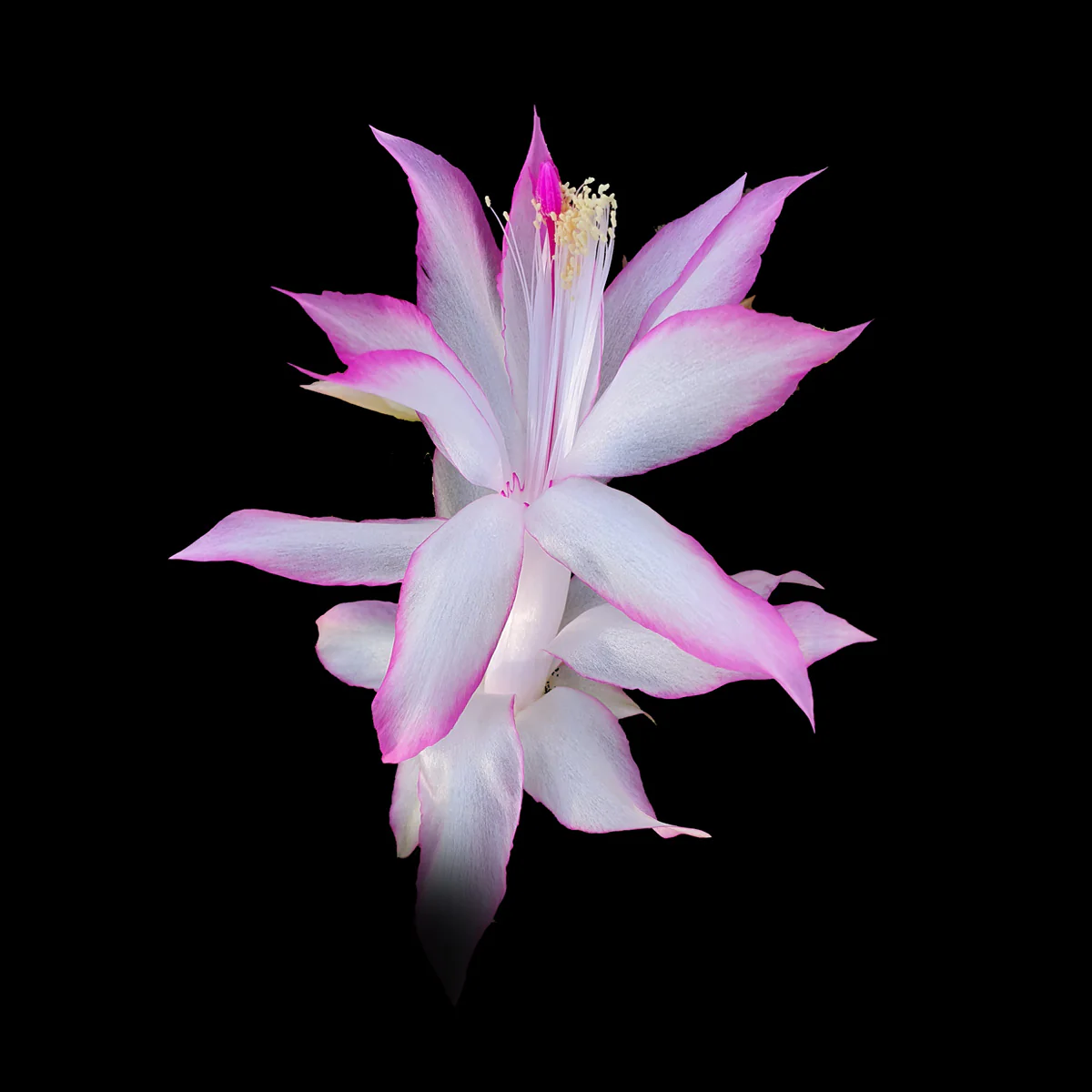
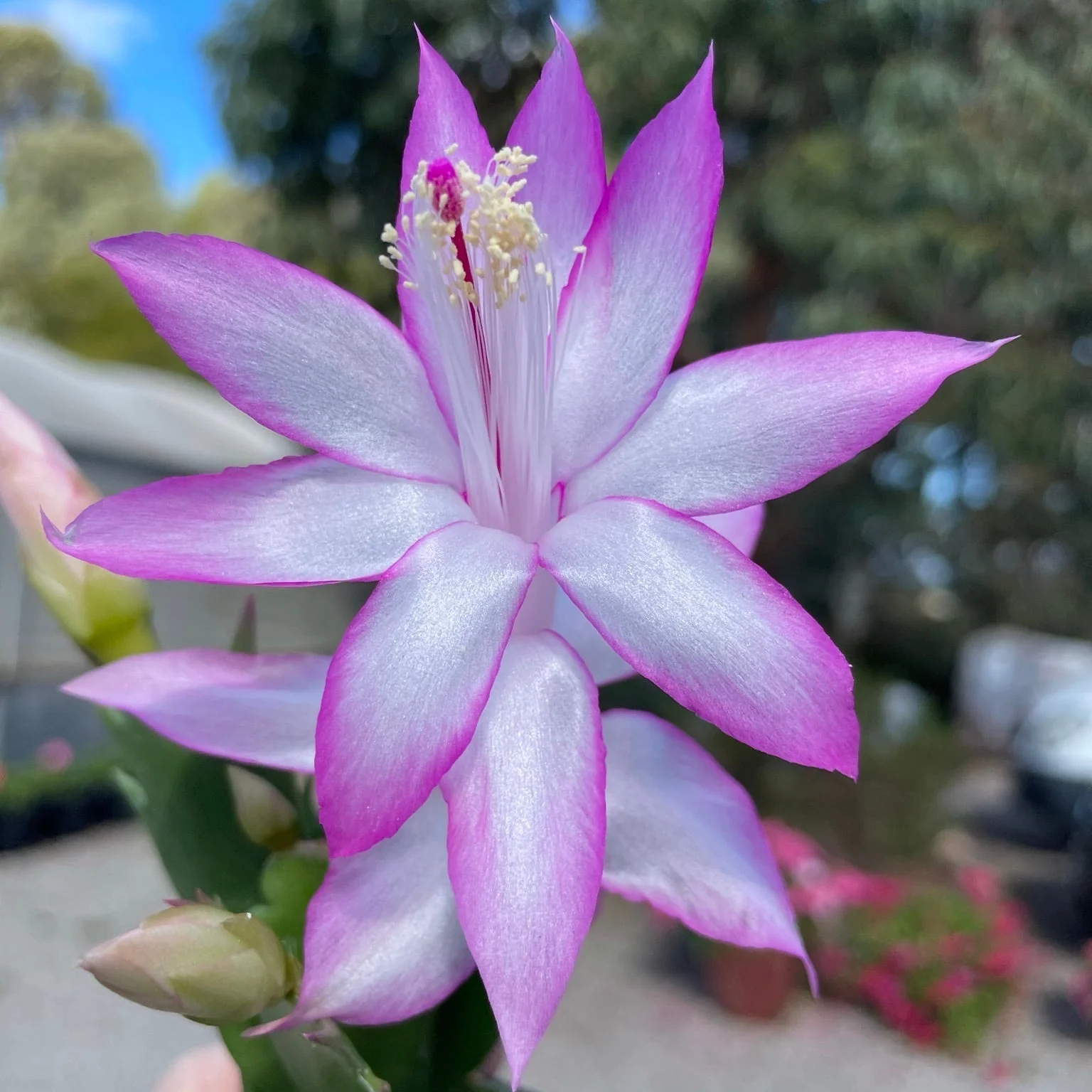
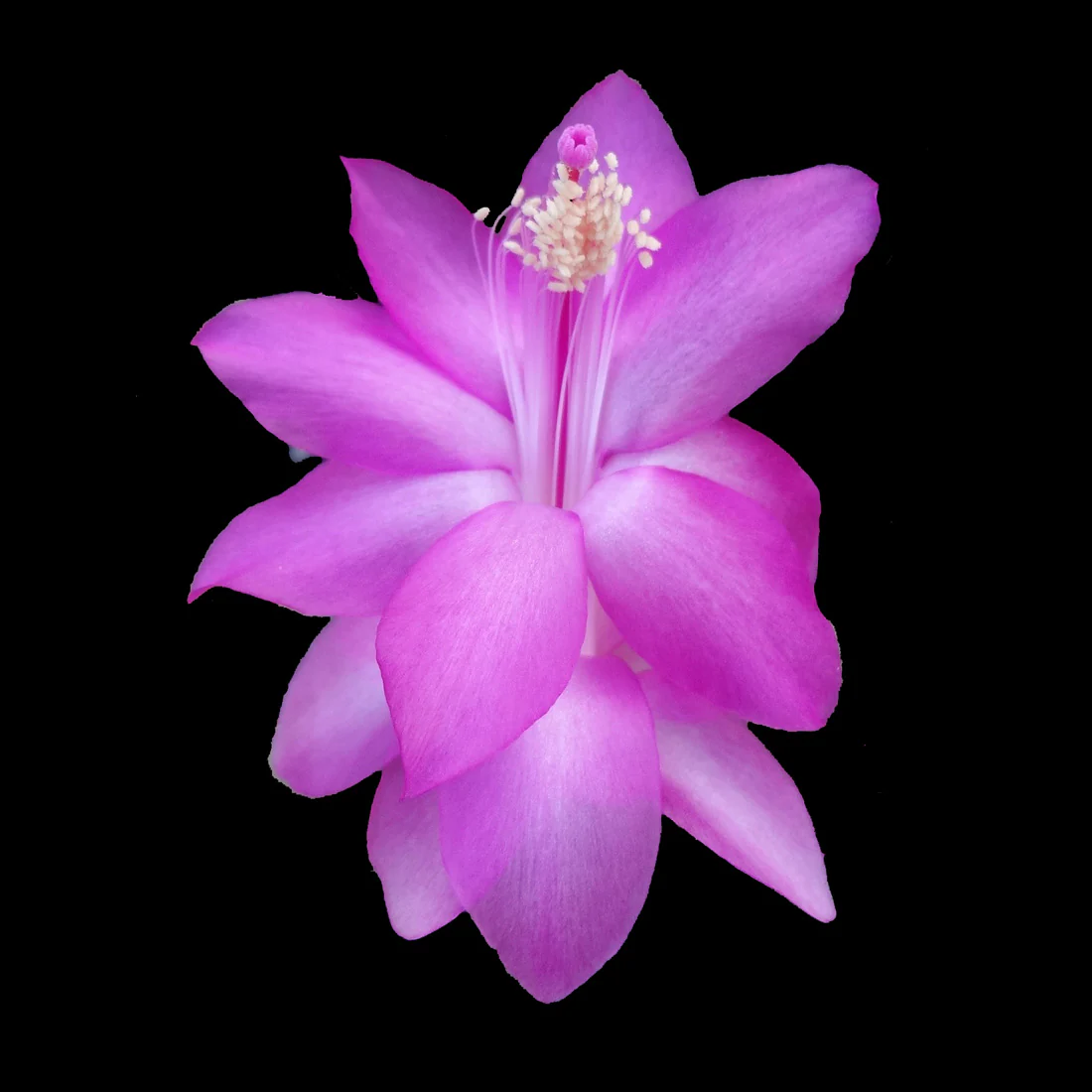
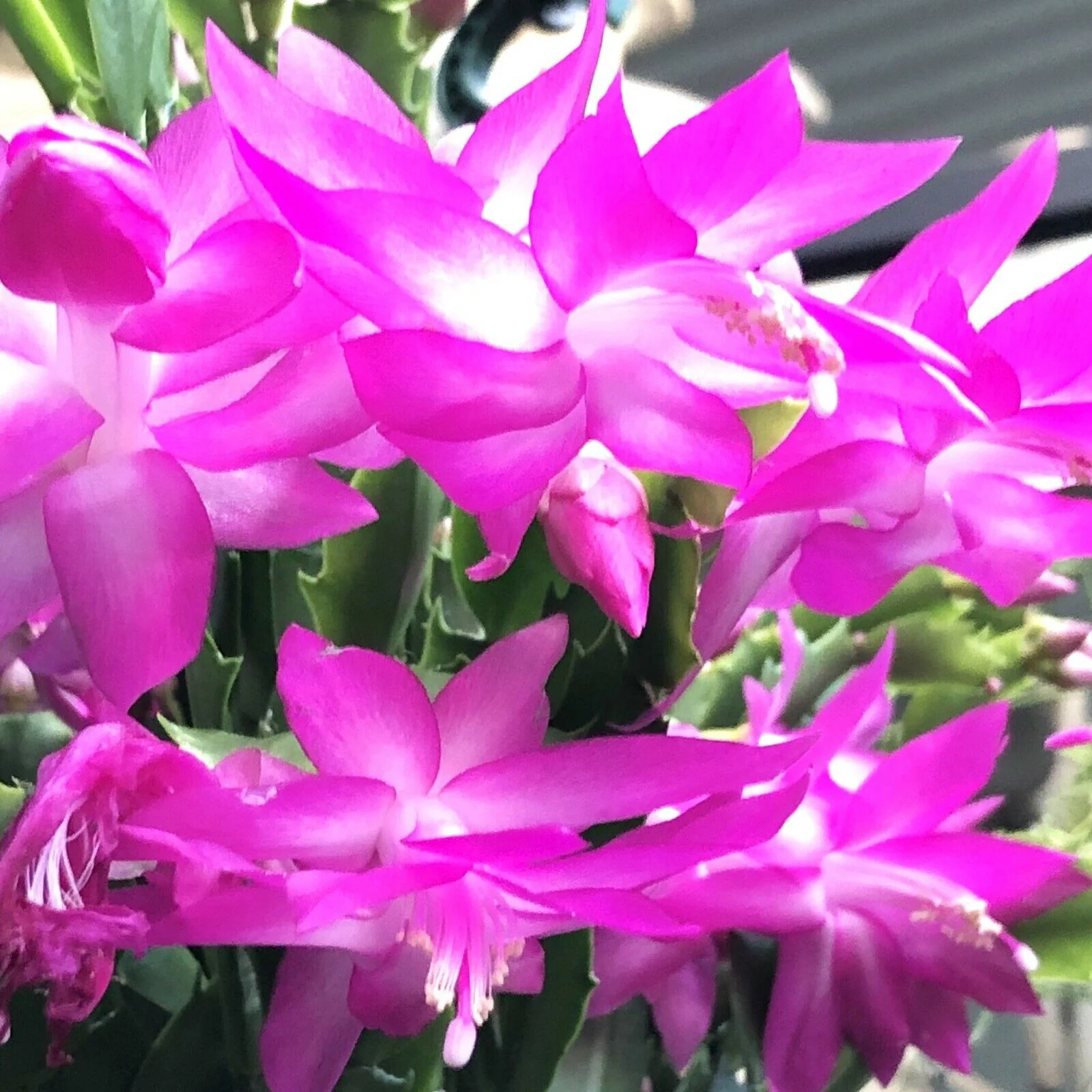
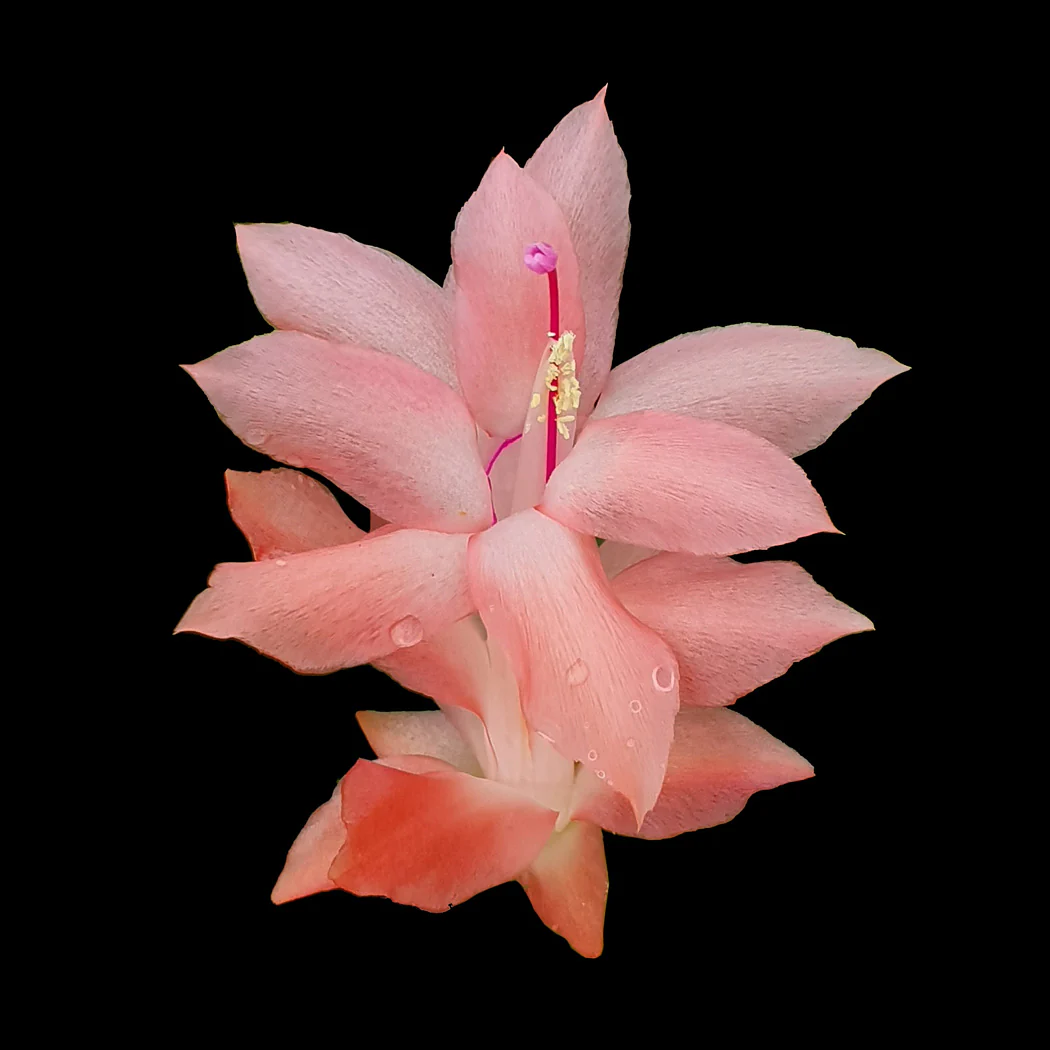
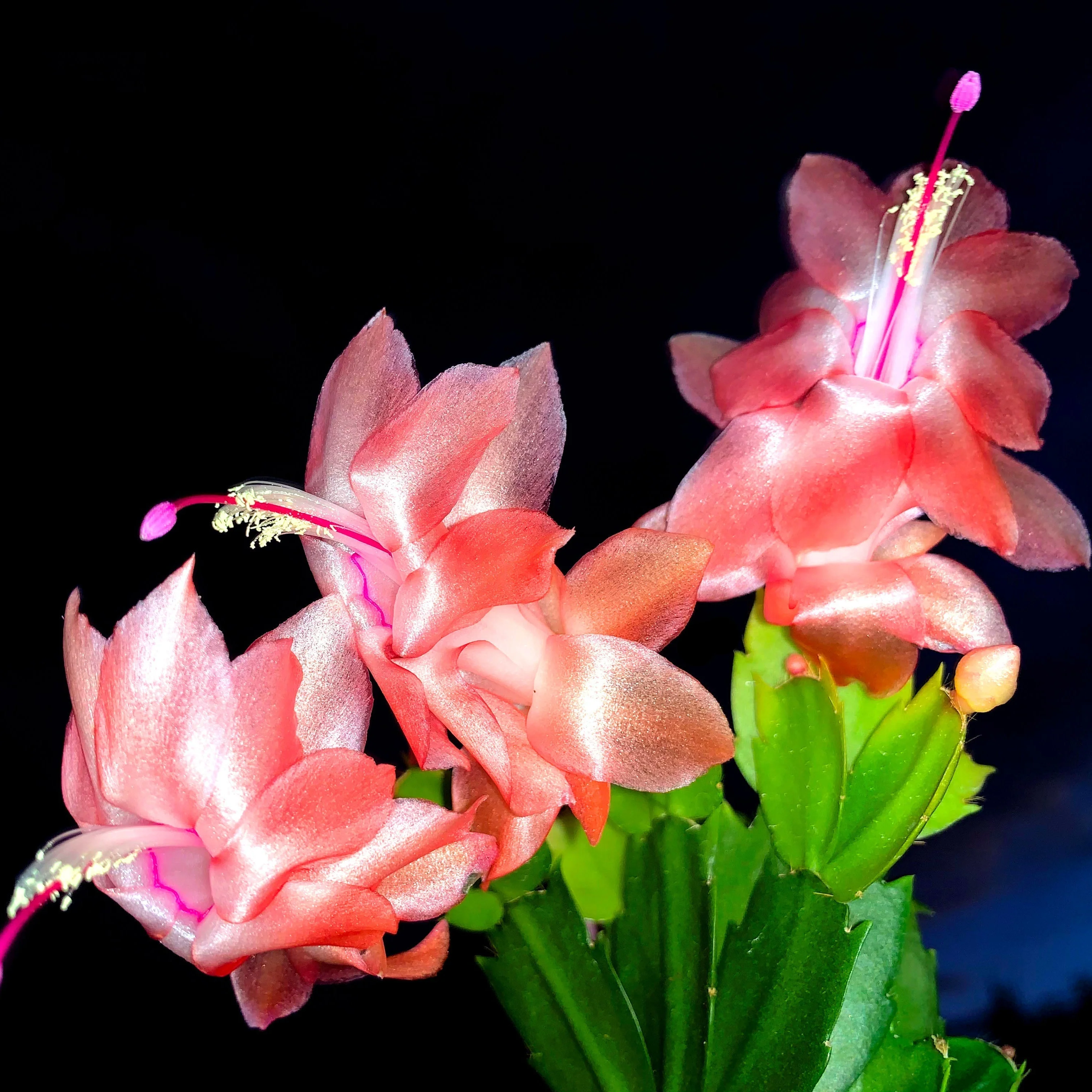
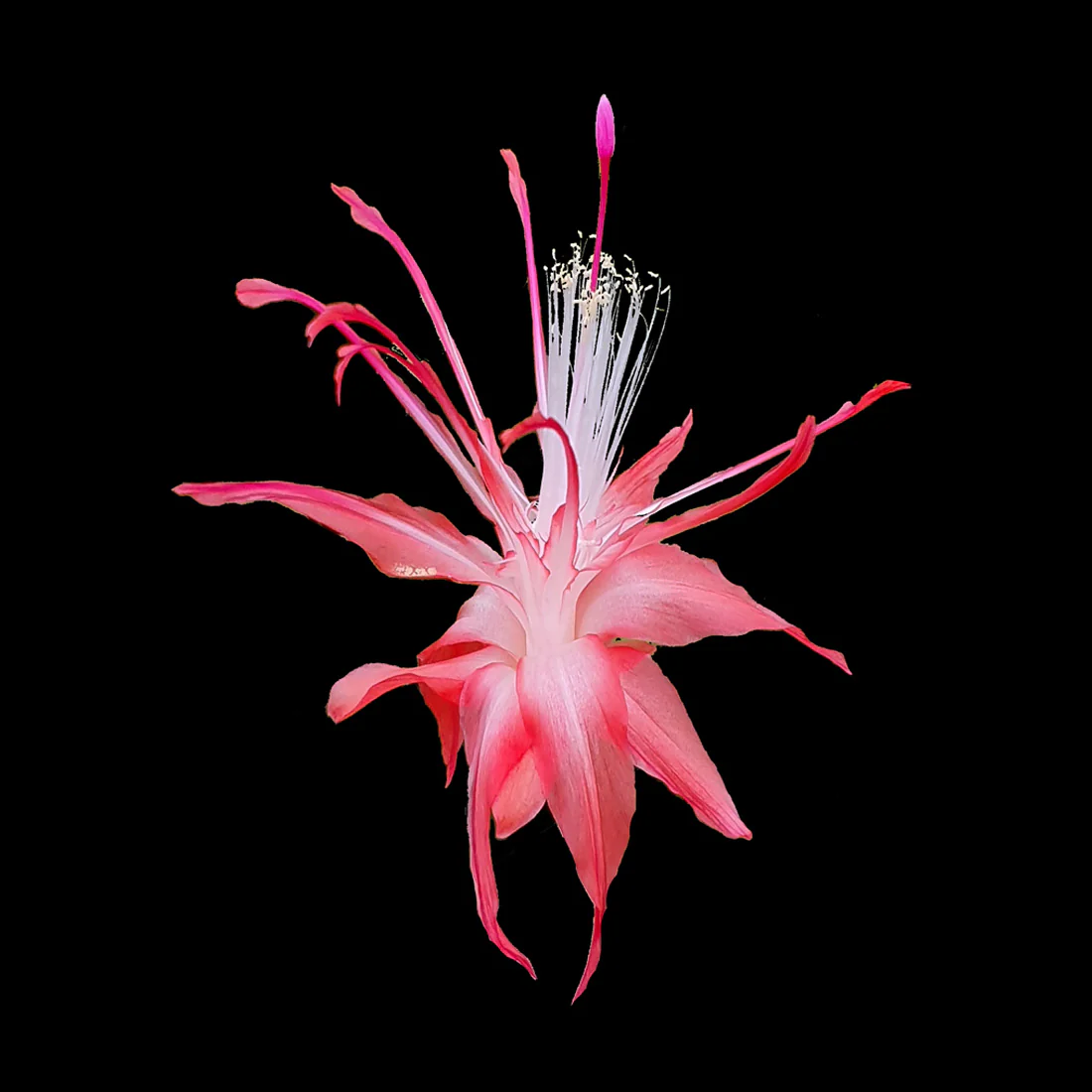
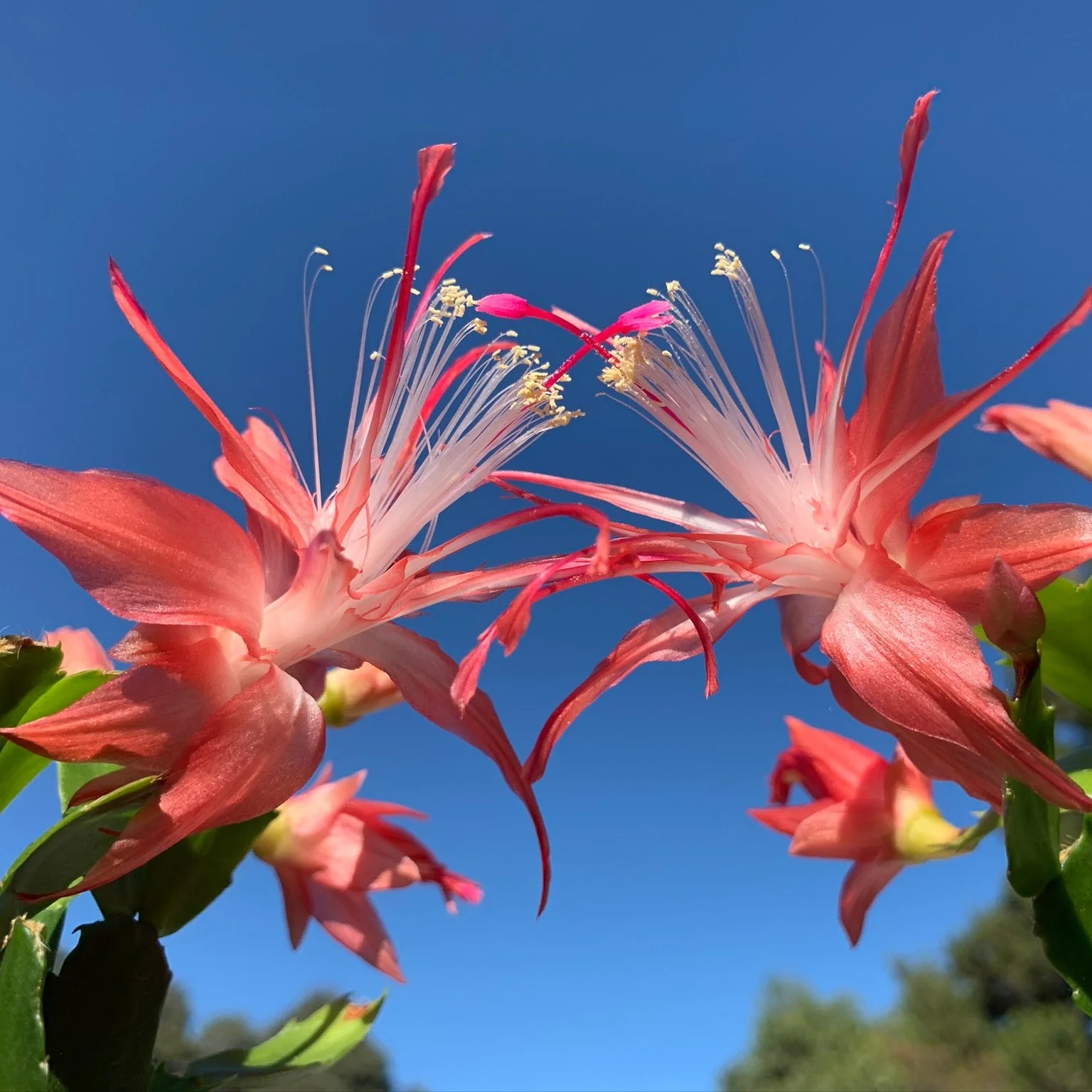
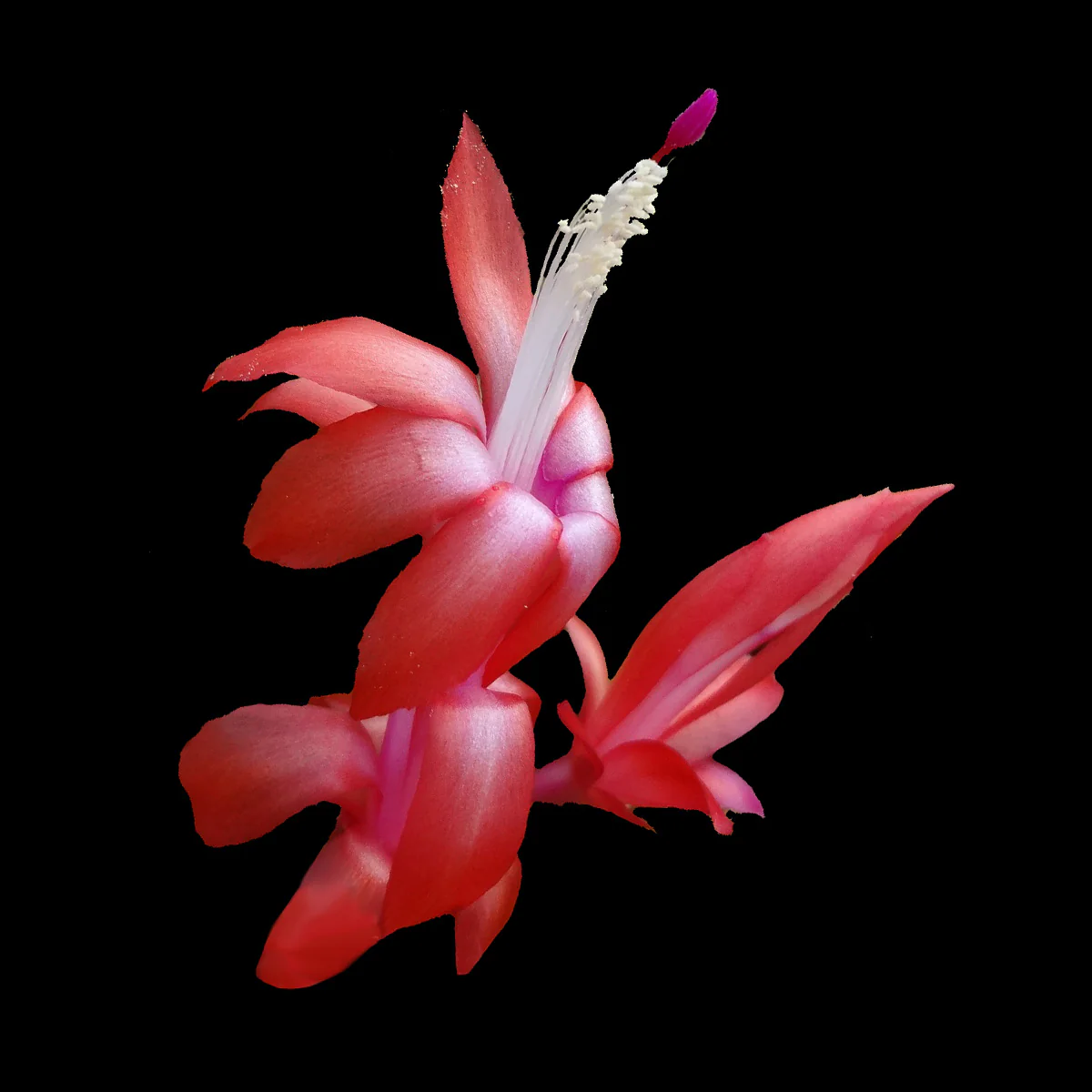
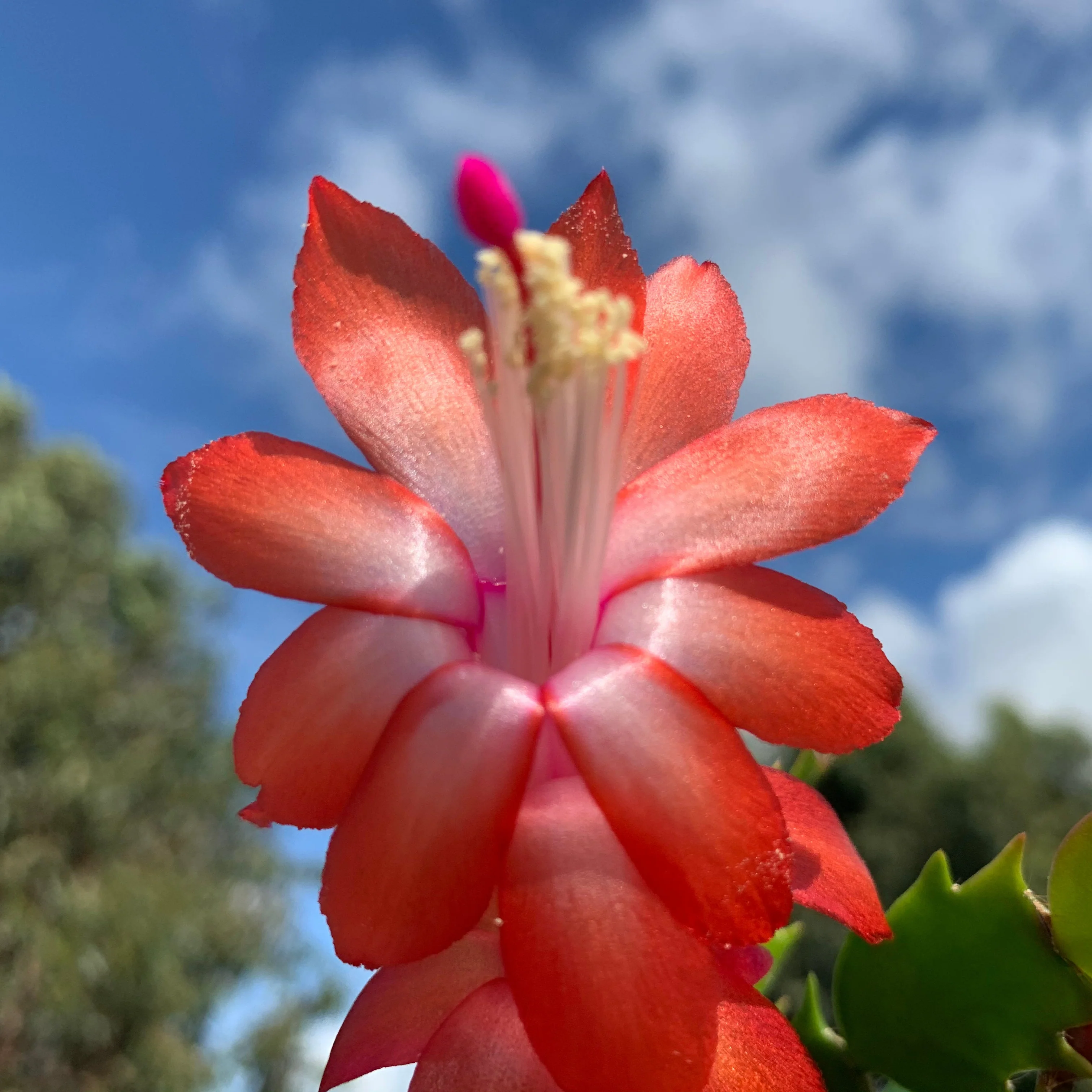
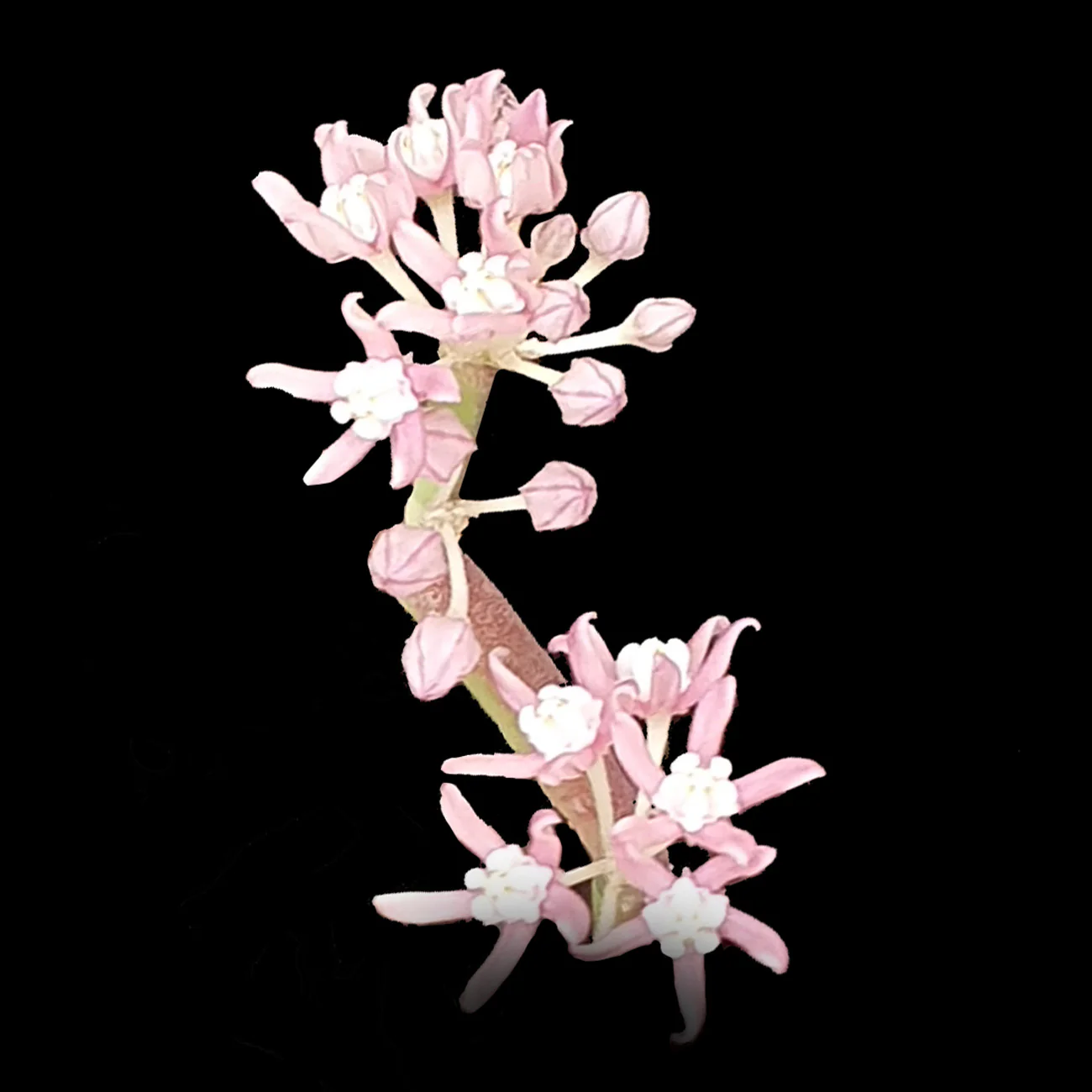
The plant produces slender, green, cylindrical stems that serve as its main photosynthetic organs, with leaves reduced to minute scales. These stems can sprawl along the ground or climb over nearby vegetation for support. The root system includes a substantial underground tuber, which stores water and nutrients, allowing the plant to survive drought. Clusters of small, star-shaped white to pale pink flowers are produced along the stems, typically after rainfall. These blooms are followed by elongated seed pods containing silky-haired seeds adapted for wind dispersal.
In cultivation, it is rarely grown outside of specialist collections, as it requires conditions that closely replicate its natural habitat. Its drought tolerance and unusual form make it a notable subject for those interested in Australian arid flora.
Care Tips:
- Light: Requires full sun for healthy growth and flowering.
- Water: Water sparingly; allow the soil to dry out completely between waterings. Increase slightly during active growth after rain events.
- Humidity: Prefers low humidity; well suited to arid climates.
- Media: Plant in a sharply draining mix, such as coarse sand blended with gravel or other inert materials.
- Fertiliser: Feed lightly with a low-nitrogen fertiliser during active growth.
- Temperature: Tolerates high summer heat and mild winter frost; protect from prolonged freezing conditions.
- Repotting: Infrequent repotting is best; handle the tuber carefully to avoid damage.
- Propagation: Grown from seed, which should be sown fresh for best germination.
More Images
Sarcostemma subterranea
Sarcostemma subterranea is a leafless, twining perennial in the Apocynaceae family, native to arid inland regions of Australia, particularly in Western Australia, South Australia, and parts of the Northern Territory. It is adapted to sandy and rocky soils in open woodland, shrubland, and spinifex grasslands, often occurring in areas with seasonal rainfall and prolonged dry periods.
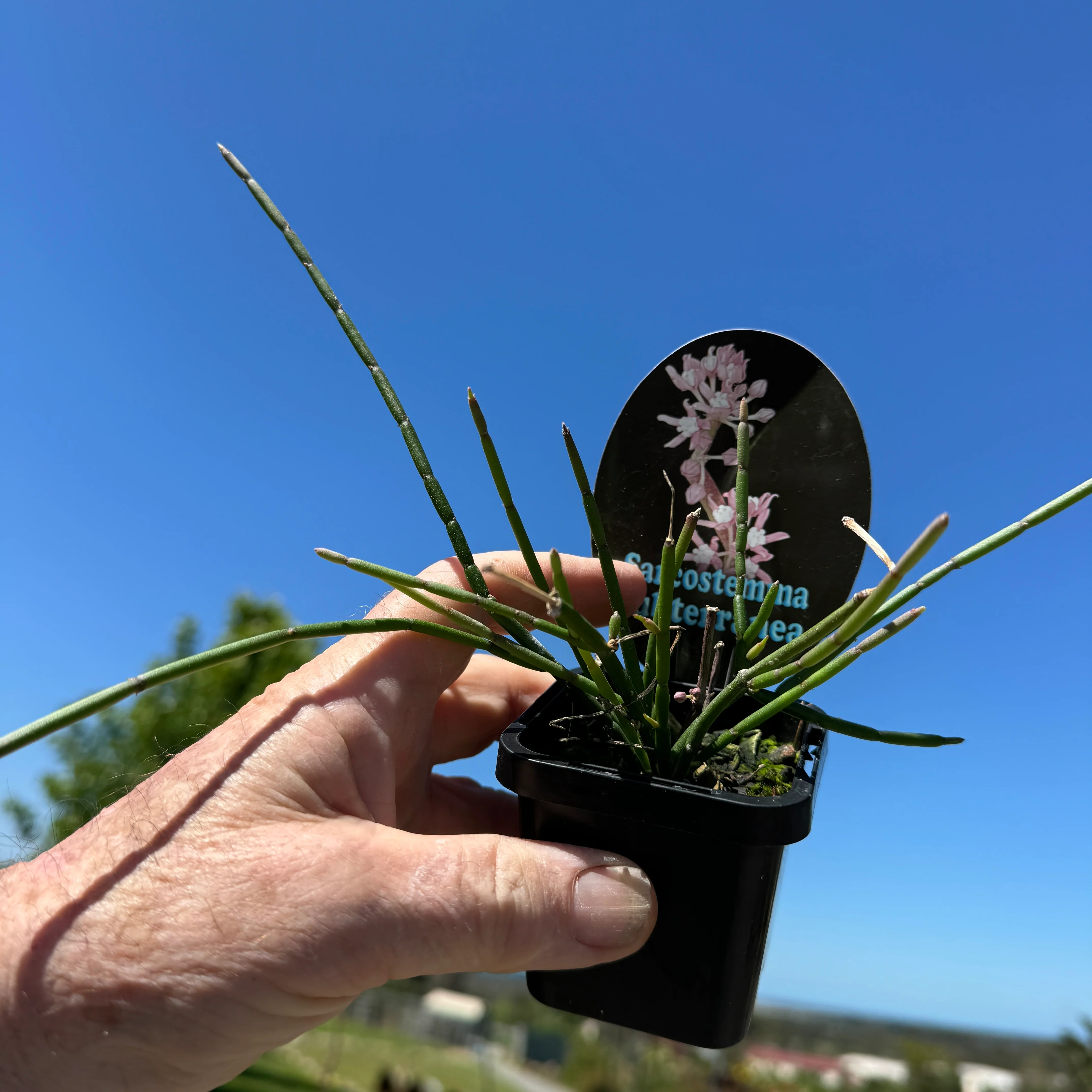
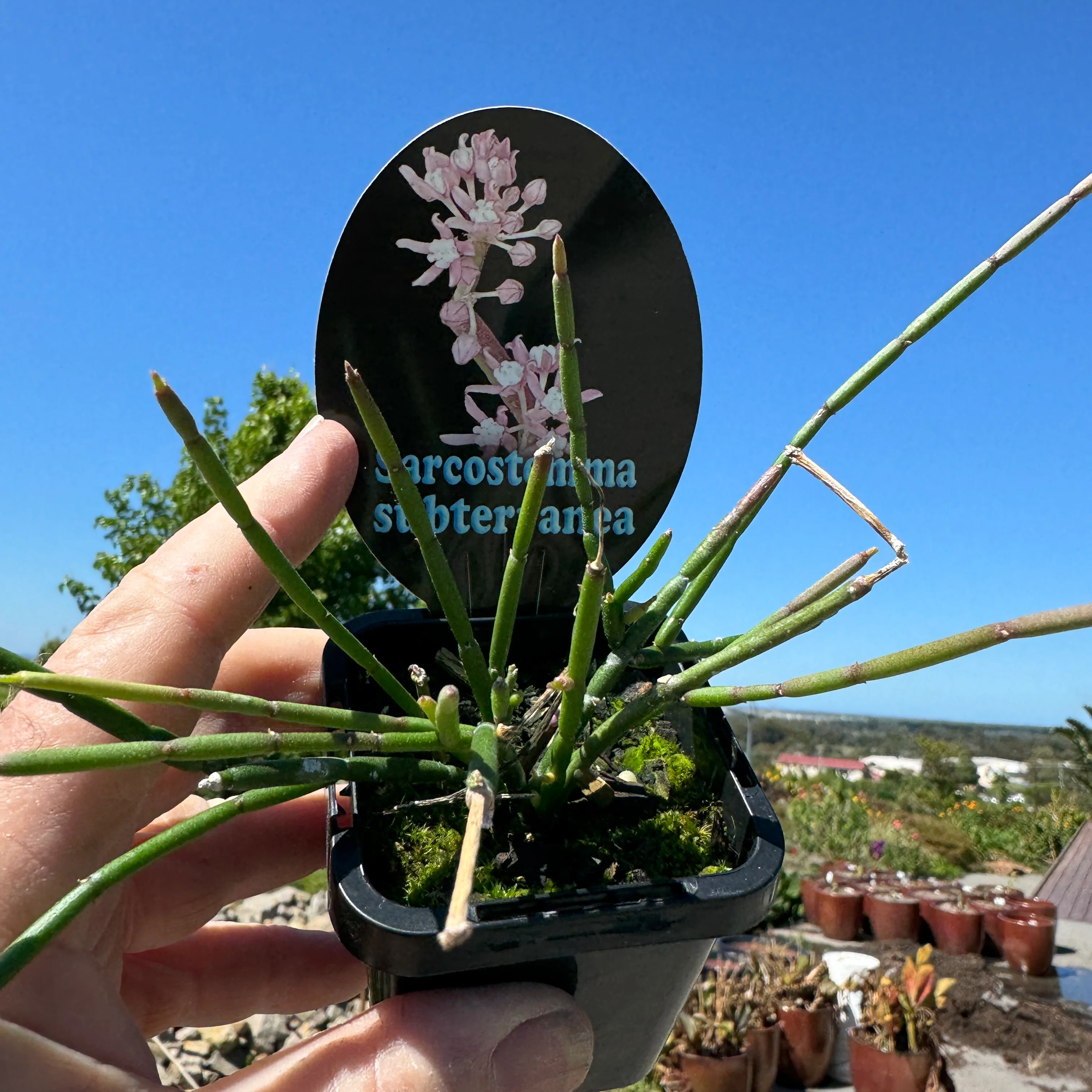
The plant produces slender, green, cylindrical stems that serve as its main photosynthetic organs, with leaves reduced to minute scales. These stems can sprawl along the ground or climb over nearby vegetation for support. The root system includes a substantial underground tuber, which stores water and nutrients, allowing the plant to survive drought. Clusters of small, star-shaped white to pale pink flowers are produced along the stems, typically after rainfall. These blooms are followed by elongated seed pods containing silky-haired seeds adapted for wind dispersal.
In cultivation, it is rarely grown outside of specialist collections, as it requires conditions that closely replicate its natural habitat. Its drought tolerance and unusual form make it a notable subject for those interested in Australian arid flora.
Care Tips:
- Light: Requires full sun for healthy growth and flowering.
- Water: Water sparingly; allow the soil to dry out completely between waterings. Increase slightly during active growth after rain events.
- Humidity: Prefers low humidity; well suited to arid climates.
- Media: Plant in a sharply draining mix, such as coarse sand blended with gravel or other inert materials.
- Fertiliser: Feed lightly with a low-nitrogen fertiliser during active growth.
- Temperature: Tolerates high summer heat and mild winter frost; protect from prolonged freezing conditions.
- Repotting: Infrequent repotting is best; handle the tuber carefully to avoid damage.
- Propagation: Grown from seed, which should be sown fresh for best germination.
Product Information
Product Information
Shipping & Returns
Shipping & Returns
Description
Sarcostemma subterranea is a leafless, twining perennial in the Apocynaceae family, native to arid inland regions of Australia, particularly in Western Australia, South Australia, and parts of the Northern Territory. It is adapted to sandy and rocky soils in open woodland, shrubland, and spinifex grasslands, often occurring in areas with seasonal rainfall and prolonged dry periods.
The plant produces slender, green, cylindrical stems that serve as its main photosynthetic organs, with leaves reduced to minute scales. These stems can sprawl along the ground or climb over nearby vegetation for support. The root system includes a substantial underground tuber, which stores water and nutrients, allowing the plant to survive drought. Clusters of small, star-shaped white to pale pink flowers are produced along the stems, typically after rainfall. These blooms are followed by elongated seed pods containing silky-haired seeds adapted for wind dispersal.
In cultivation, it is rarely grown outside of specialist collections, as it requires conditions that closely replicate its natural habitat. Its drought tolerance and unusual form make it a notable subject for those interested in Australian arid flora.
Care Tips:
- Light: Requires full sun for healthy growth and flowering.
- Water: Water sparingly; allow the soil to dry out completely between waterings. Increase slightly during active growth after rain events.
- Humidity: Prefers low humidity; well suited to arid climates.
- Media: Plant in a sharply draining mix, such as coarse sand blended with gravel or other inert materials.
- Fertiliser: Feed lightly with a low-nitrogen fertiliser during active growth.
- Temperature: Tolerates high summer heat and mild winter frost; protect from prolonged freezing conditions.
- Repotting: Infrequent repotting is best; handle the tuber carefully to avoid damage.
- Propagation: Grown from seed, which should be sown fresh for best germination.