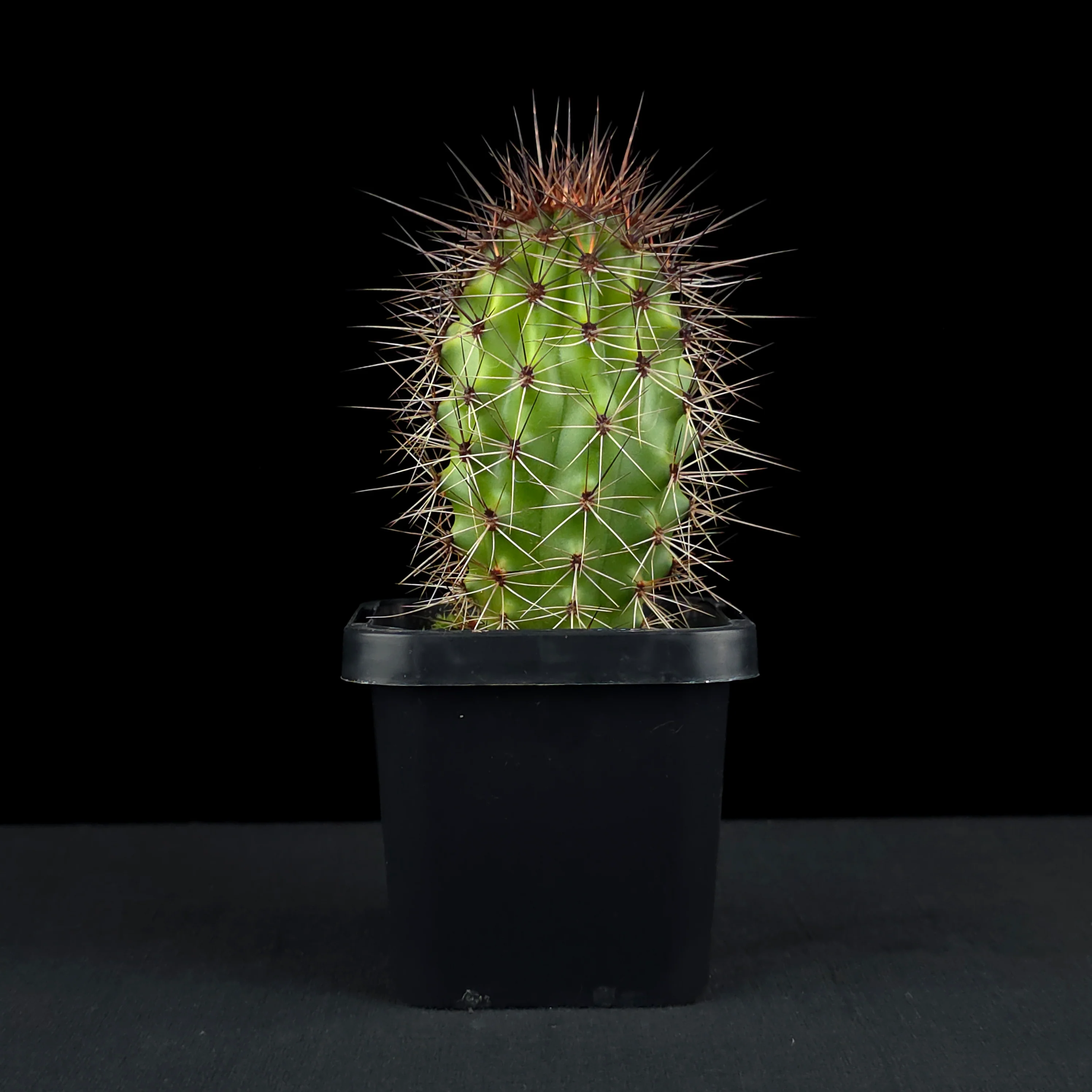
Stenocereus thurberi
Pachycereus thurberi, also known under the synonym Lemairocereus thurberi, is a columnar cactus native to the Sonoran Desert of northwestern Mexico and southern Arizona. It grows in arid, rocky terrain and is adapted to survive extreme heat, intense sunlight, and long dry periods.
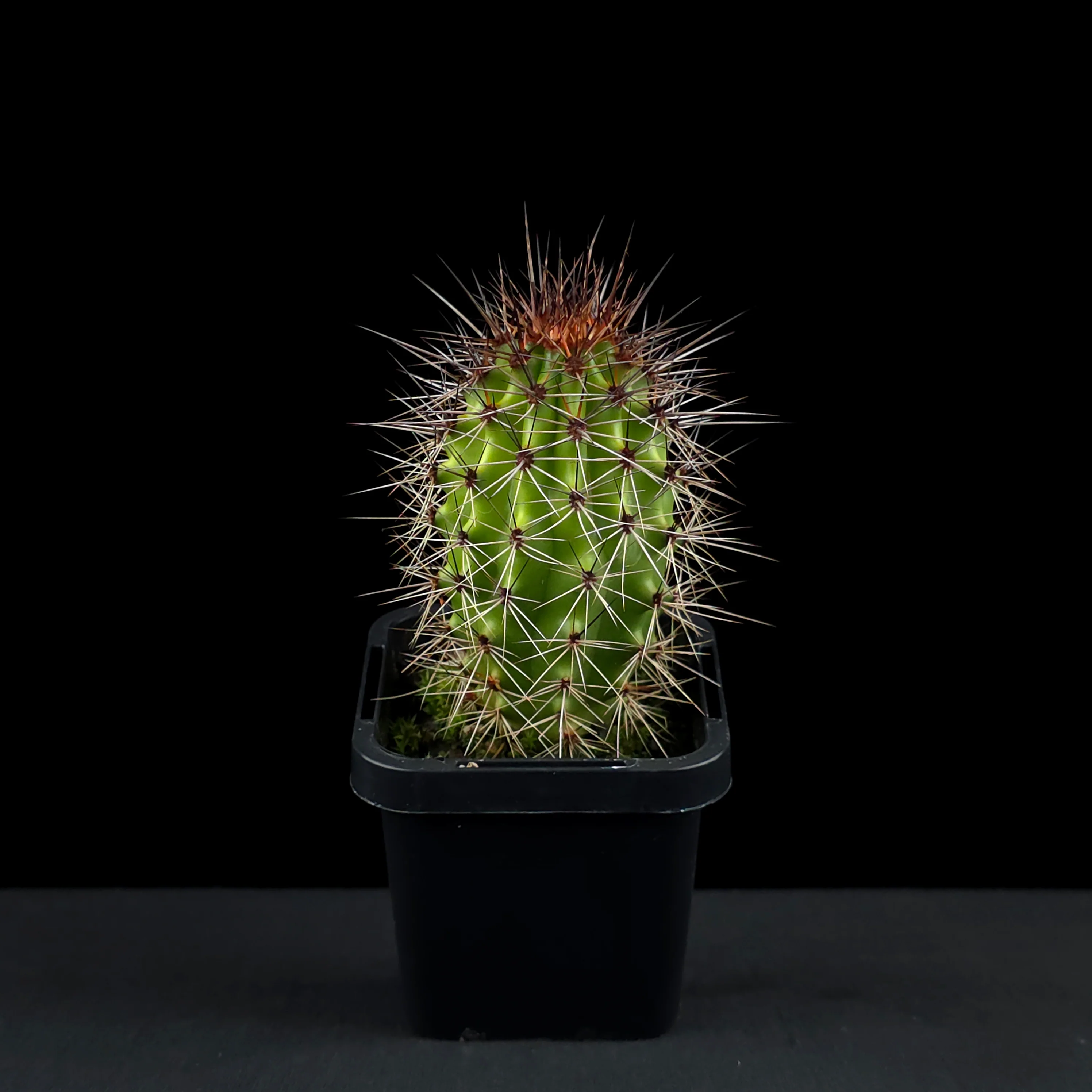
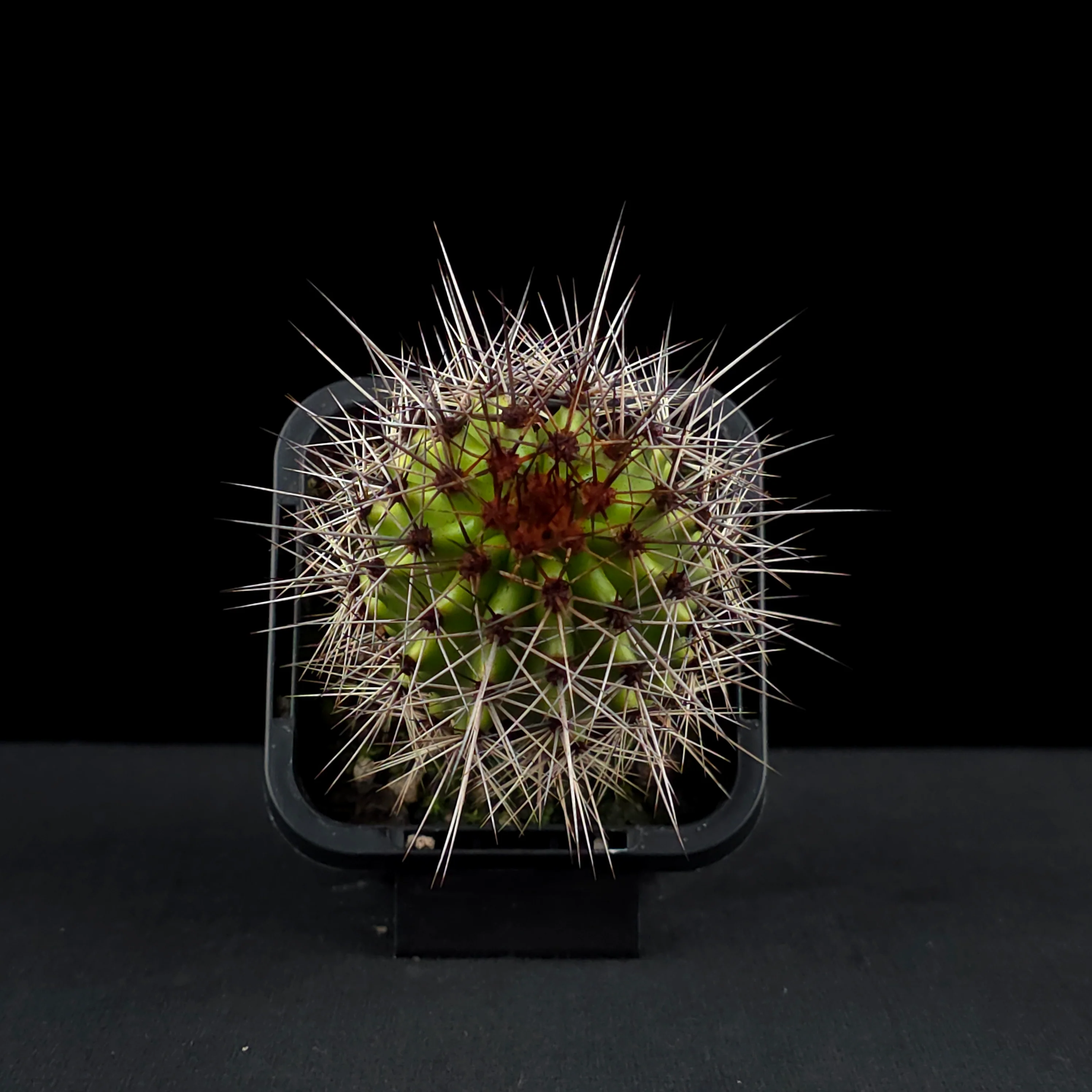
This species can form tall, tree-like clumps with multiple upright stems branching from the base. Mature stems are grey-green with numerous vertical ribs, each lined with clusters of short, sturdy spines. Over time, plants can reach heights exceeding 10 m in their native habitat, making them one of the tallest cacti in the Sonoran region.
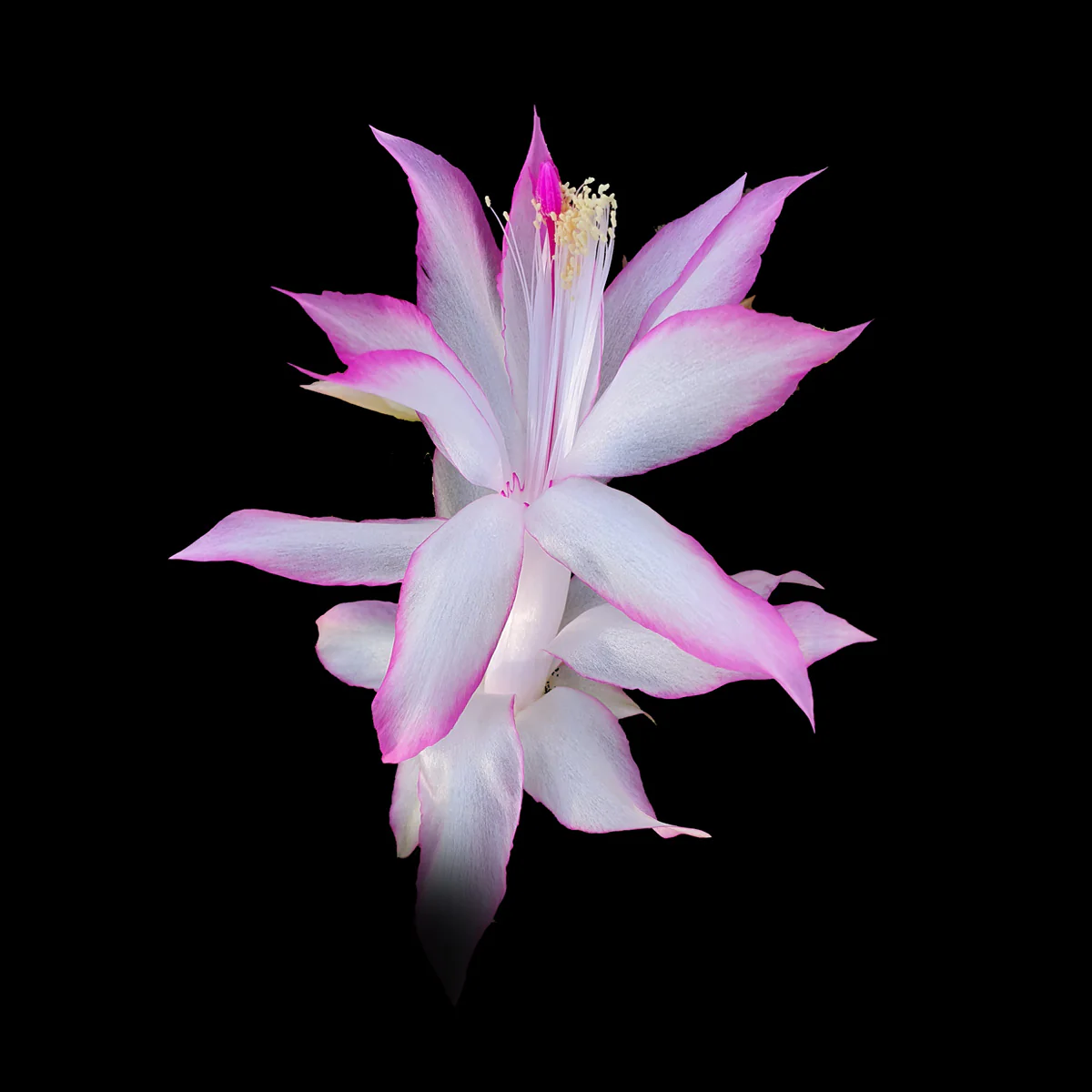
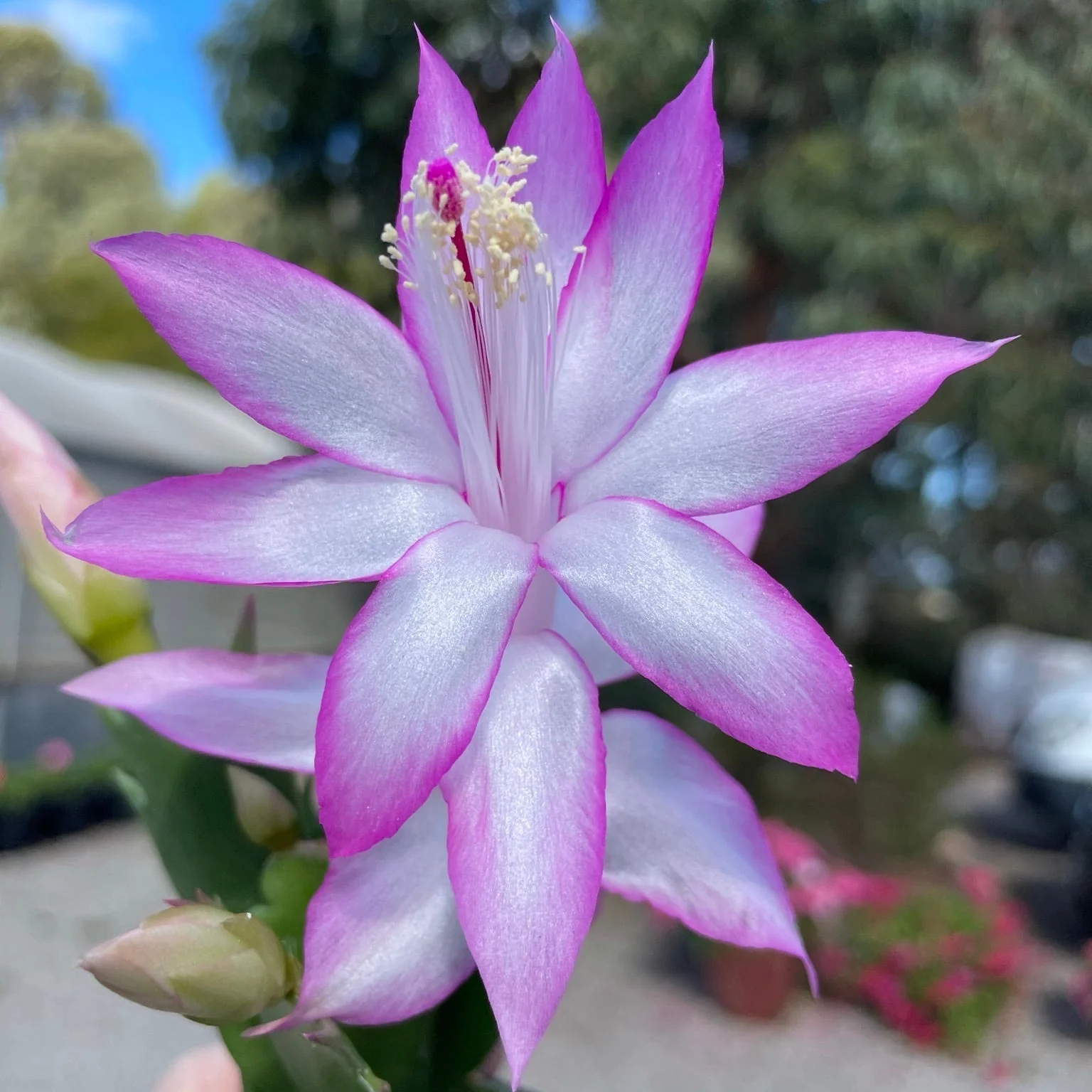
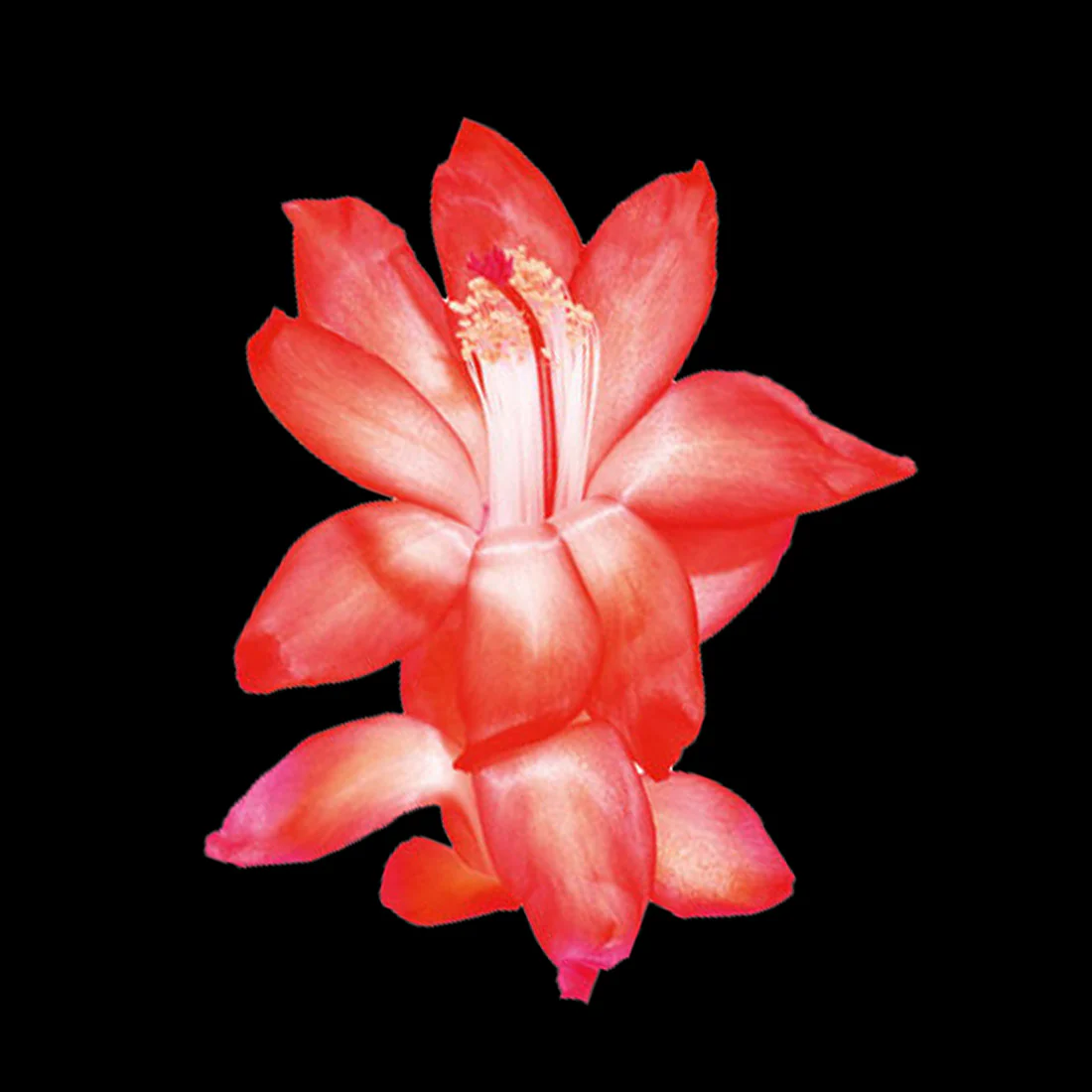
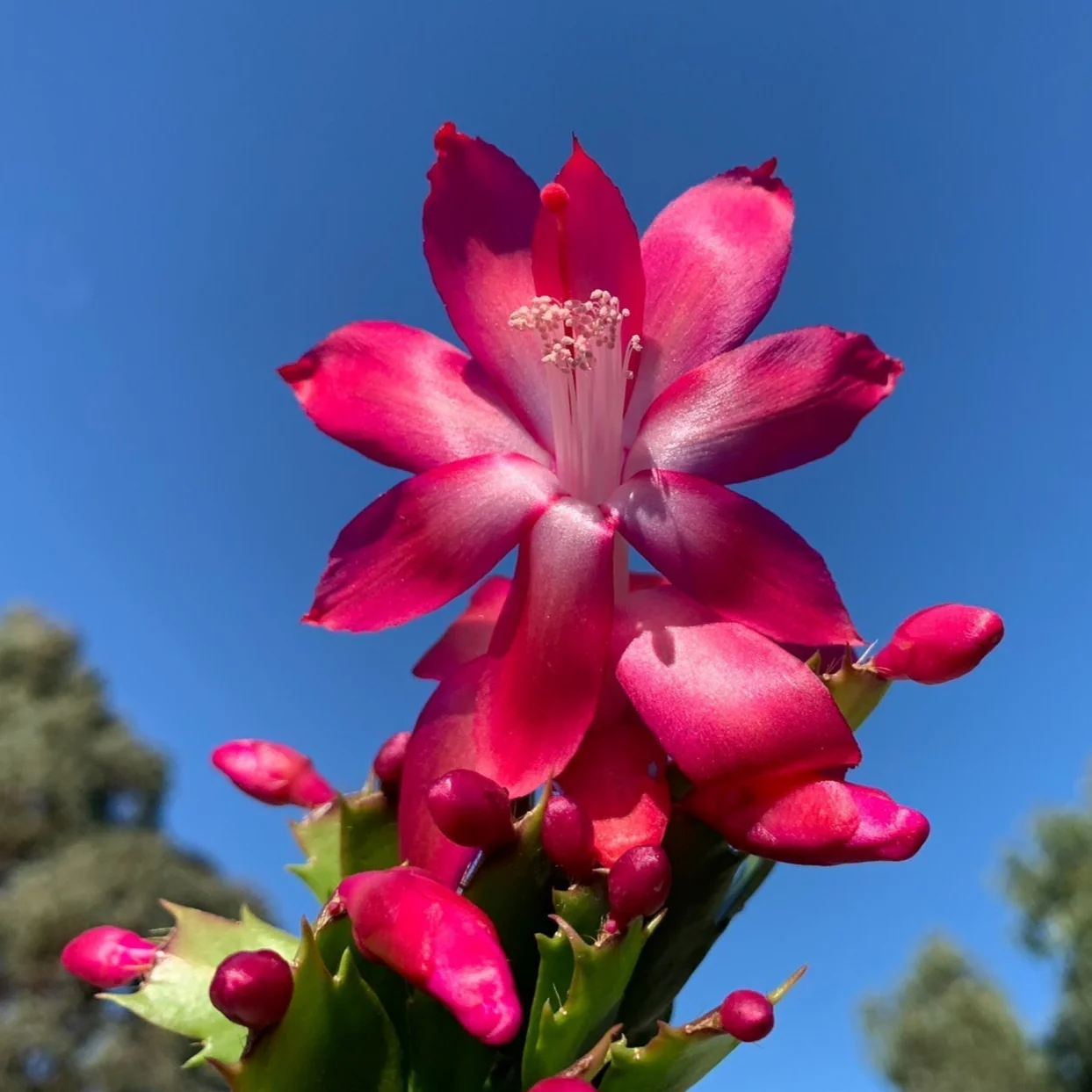
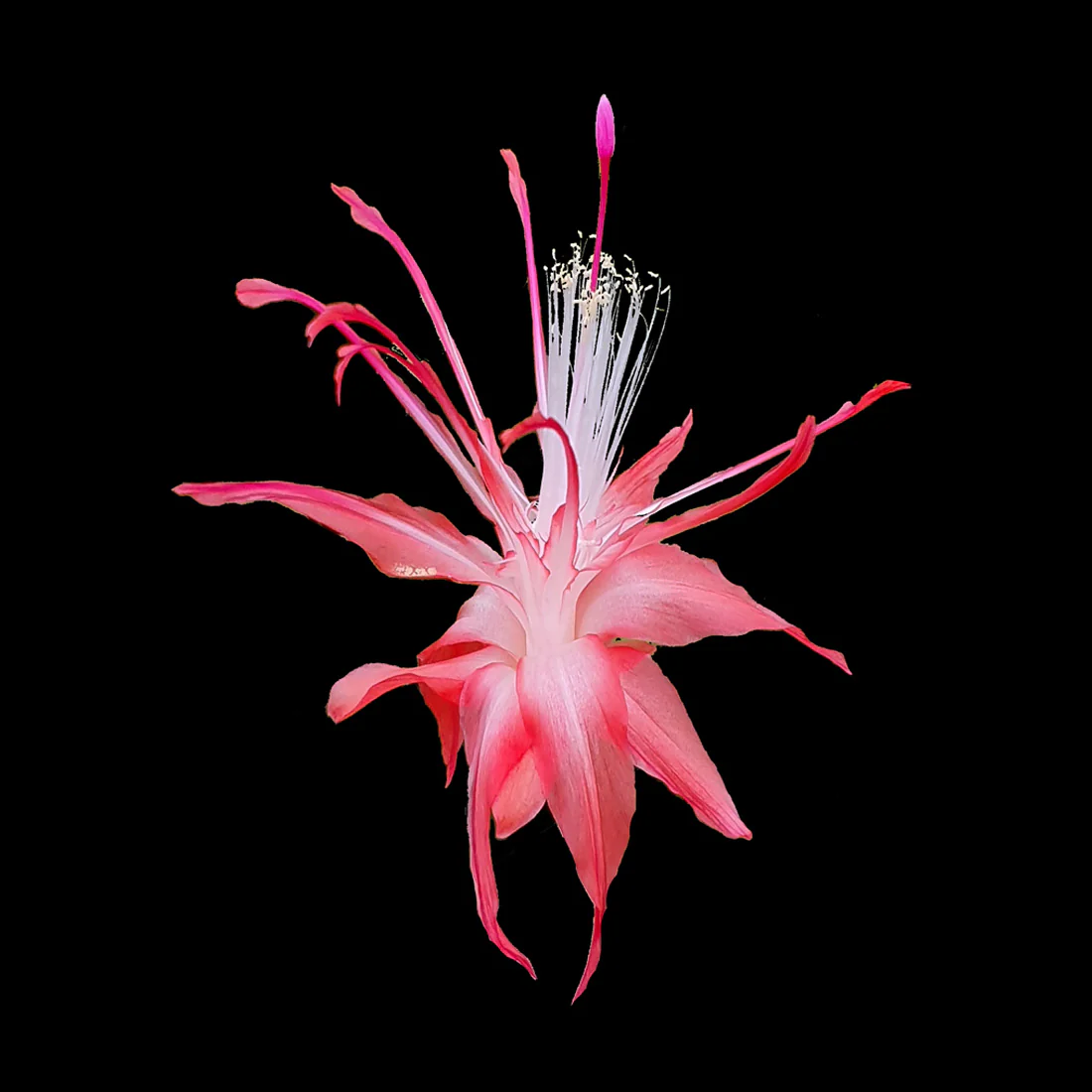
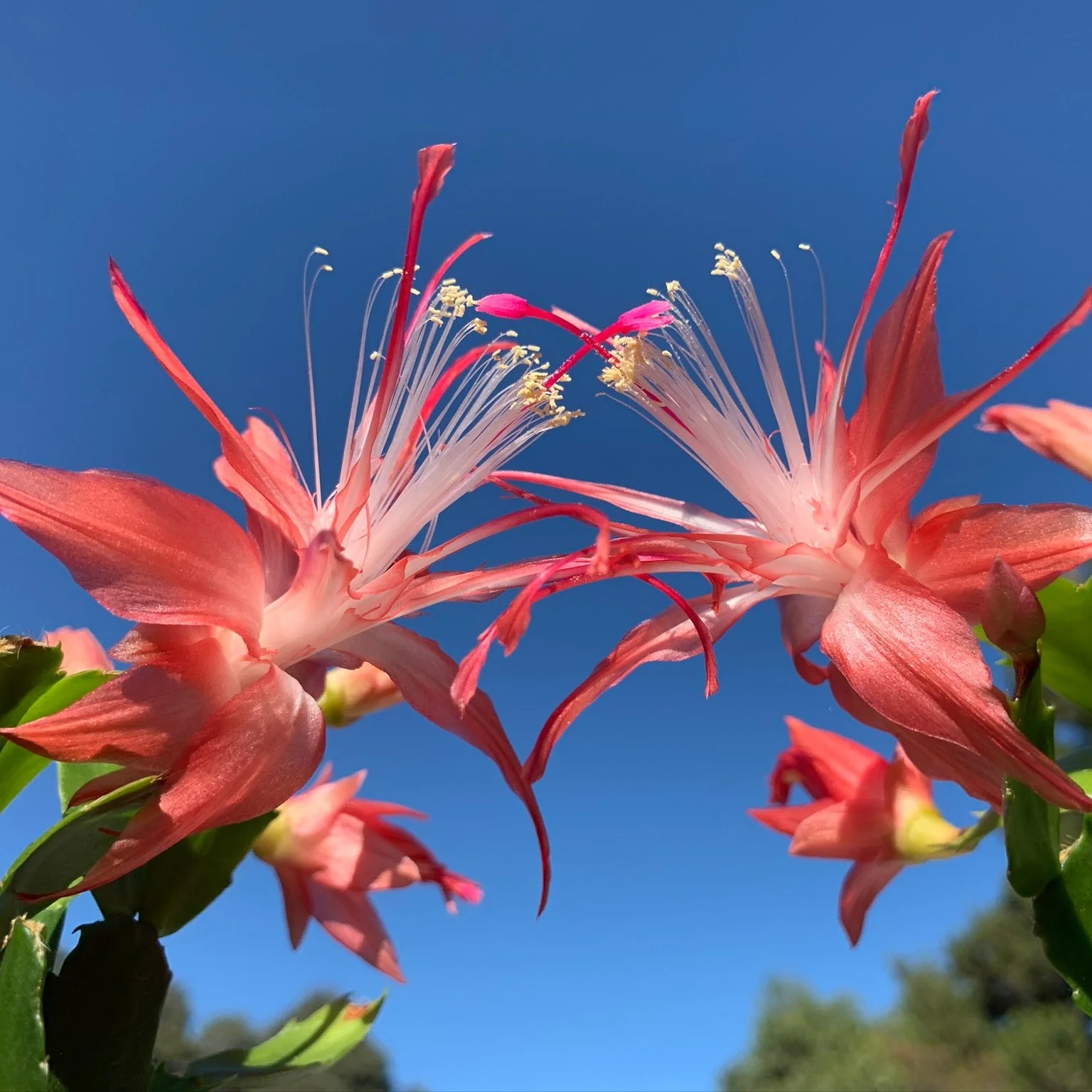
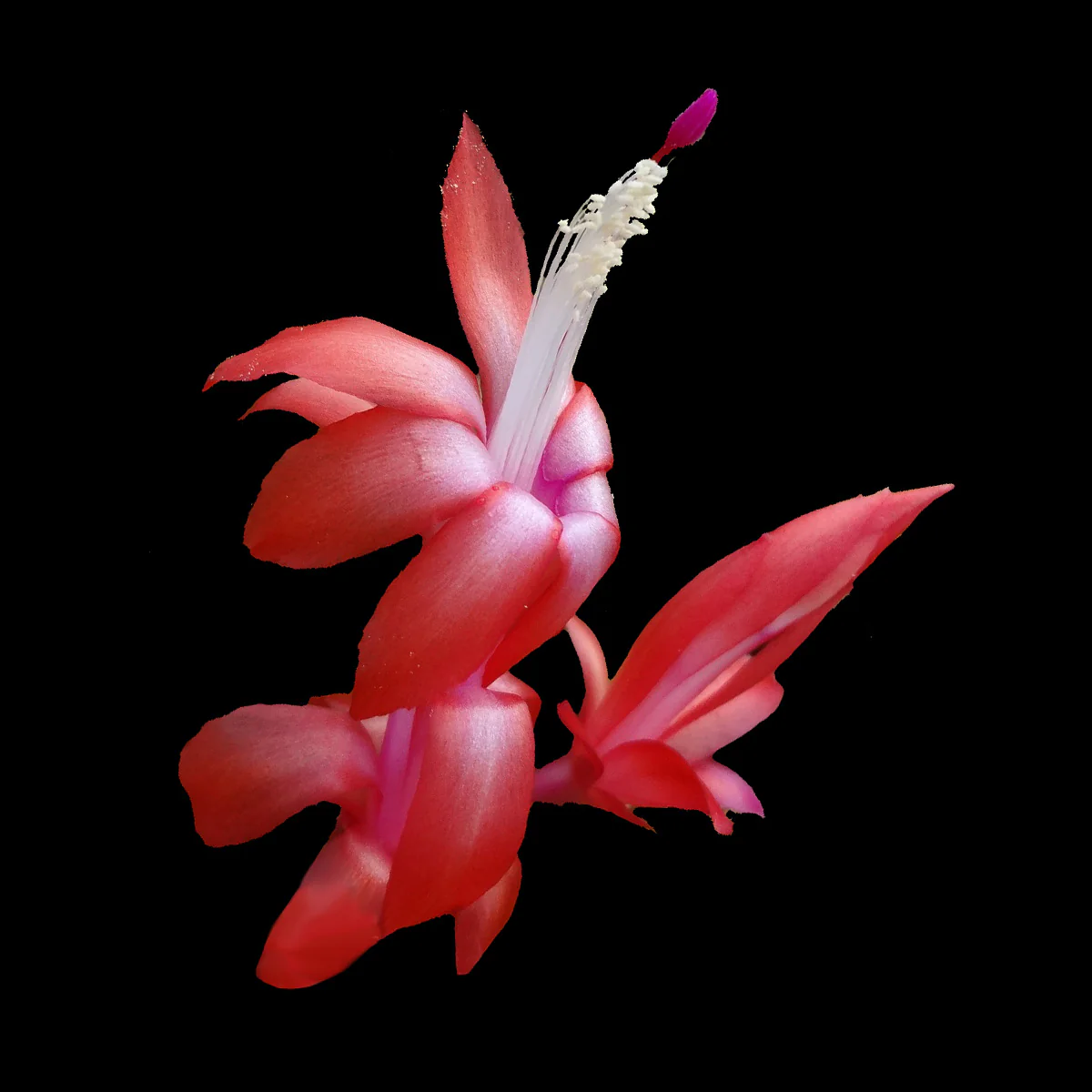
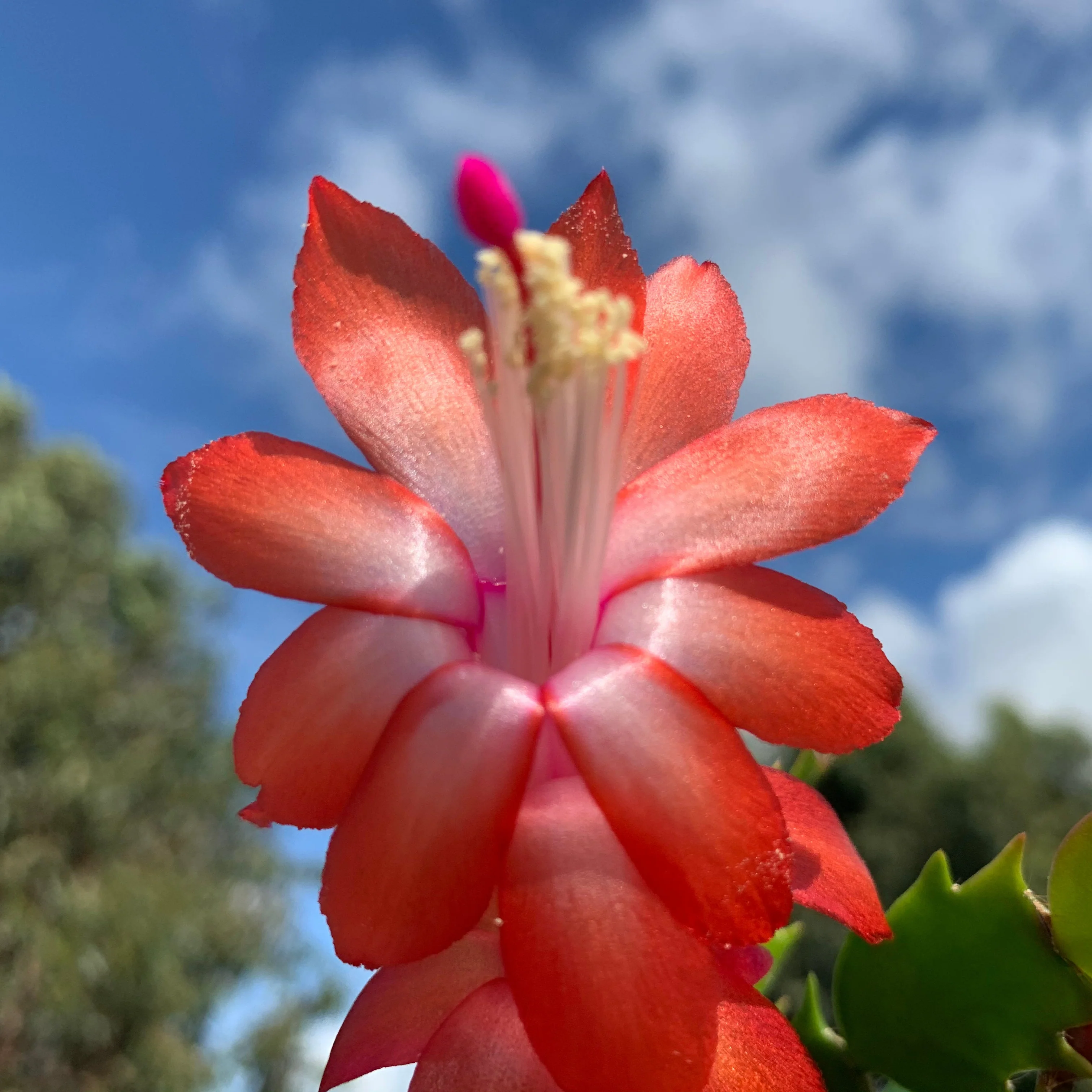
Flowering occurs mainly in late spring to early summer, producing large, white, funnel-shaped blooms that open at night and are pollinated by bats. These are followed by red, spiny fruits that split open when ripe to reveal sweet, edible pulp, which is consumed by wildlife and humans.
Care Tips:
- Light: Full sun is essential for healthy growth.
- Water: Water deeply during the growing season when the soil is completely dry; keep almost dry in winter.
- Humidity: Prefers very low humidity.
- Media: Use a very free-draining cactus mix with coarse sand or gravel.
- Fertiliser: Feed monthly in the growing season with a diluted low-nitrogen cactus fertiliser.
- Temperature: Tolerates high heat; can withstand brief drops to near freezing if kept dry.
- Repotting: Repot infrequently, only when necessary, due to its slow growth and eventual large size.
More Images
Stenocereus thurberi
Pachycereus thurberi, also known under the synonym Lemairocereus thurberi, is a columnar cactus native to the Sonoran Desert of northwestern Mexico and southern Arizona. It grows in arid, rocky terrain and is adapted to survive extreme heat, intense sunlight, and long dry periods.
This species can form tall, tree-like clumps with multiple upright stems branching from the base. Mature stems are grey-green with numerous vertical ribs, each lined with clusters of short, sturdy spines. Over time, plants can reach heights exceeding 10 m in their native habitat, making them one of the tallest cacti in the Sonoran region.
Flowering occurs mainly in late spring to early summer, producing large, white, funnel-shaped blooms that open at night and are pollinated by bats. These are followed by red, spiny fruits that split open when ripe to reveal sweet, edible pulp, which is consumed by wildlife and humans.
Care Tips:
- Light: Full sun is essential for healthy growth.
- Water: Water deeply during the growing season when the soil is completely dry; keep almost dry in winter.
- Humidity: Prefers very low humidity.
- Media: Use a very free-draining cactus mix with coarse sand or gravel.
- Fertiliser: Feed monthly in the growing season with a diluted low-nitrogen cactus fertiliser.
- Temperature: Tolerates high heat; can withstand brief drops to near freezing if kept dry.
- Repotting: Repot infrequently, only when necessary, due to its slow growth and eventual large size.
Product Information
Product Information
Shipping & Returns
Shipping & Returns
Description
Pachycereus thurberi, also known under the synonym Lemairocereus thurberi, is a columnar cactus native to the Sonoran Desert of northwestern Mexico and southern Arizona. It grows in arid, rocky terrain and is adapted to survive extreme heat, intense sunlight, and long dry periods.
This species can form tall, tree-like clumps with multiple upright stems branching from the base. Mature stems are grey-green with numerous vertical ribs, each lined with clusters of short, sturdy spines. Over time, plants can reach heights exceeding 10 m in their native habitat, making them one of the tallest cacti in the Sonoran region.
Flowering occurs mainly in late spring to early summer, producing large, white, funnel-shaped blooms that open at night and are pollinated by bats. These are followed by red, spiny fruits that split open when ripe to reveal sweet, edible pulp, which is consumed by wildlife and humans.
Care Tips:
- Light: Full sun is essential for healthy growth.
- Water: Water deeply during the growing season when the soil is completely dry; keep almost dry in winter.
- Humidity: Prefers very low humidity.
- Media: Use a very free-draining cactus mix with coarse sand or gravel.
- Fertiliser: Feed monthly in the growing season with a diluted low-nitrogen cactus fertiliser.
- Temperature: Tolerates high heat; can withstand brief drops to near freezing if kept dry.
- Repotting: Repot infrequently, only when necessary, due to its slow growth and eventual large size.