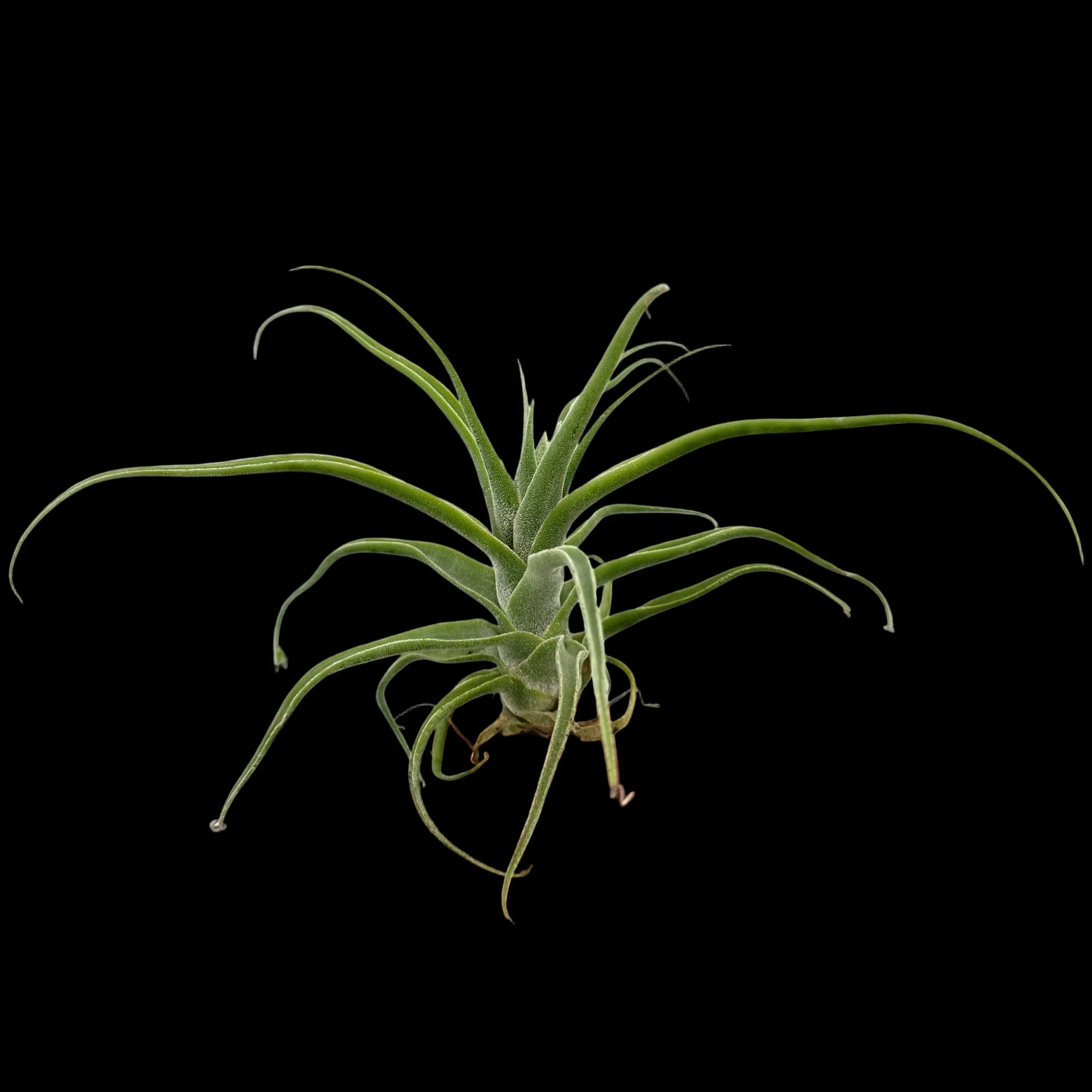
Tillandsia diguetii
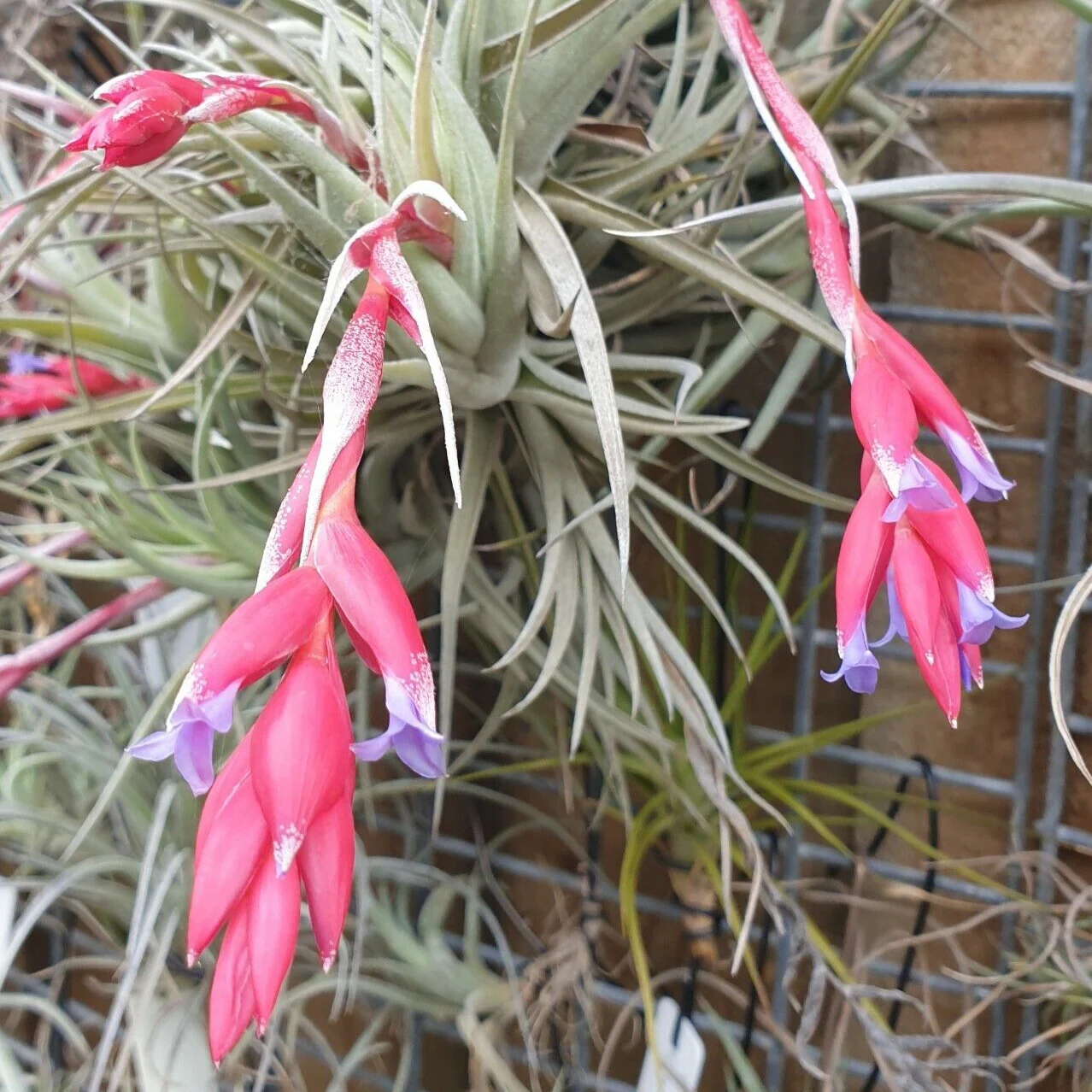
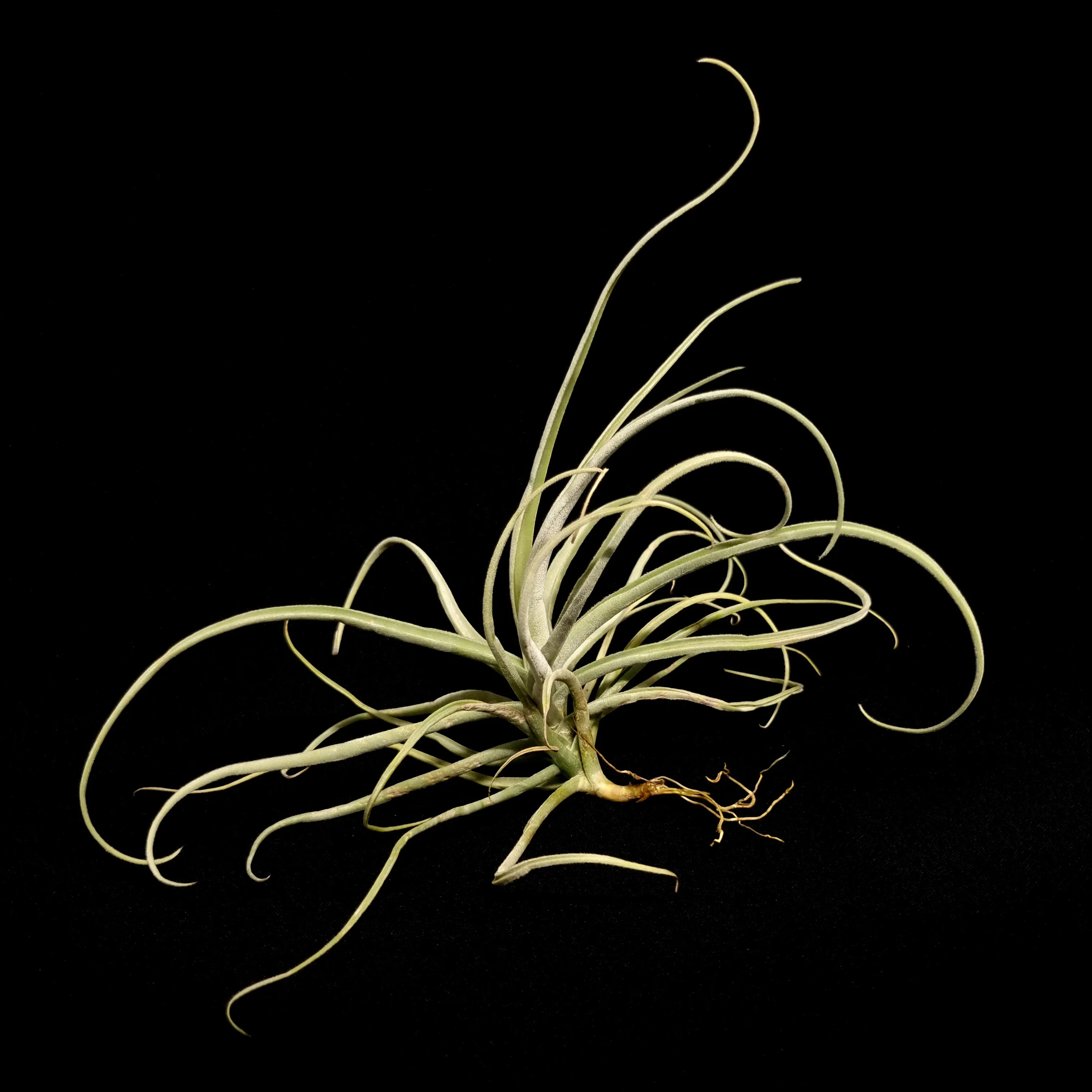
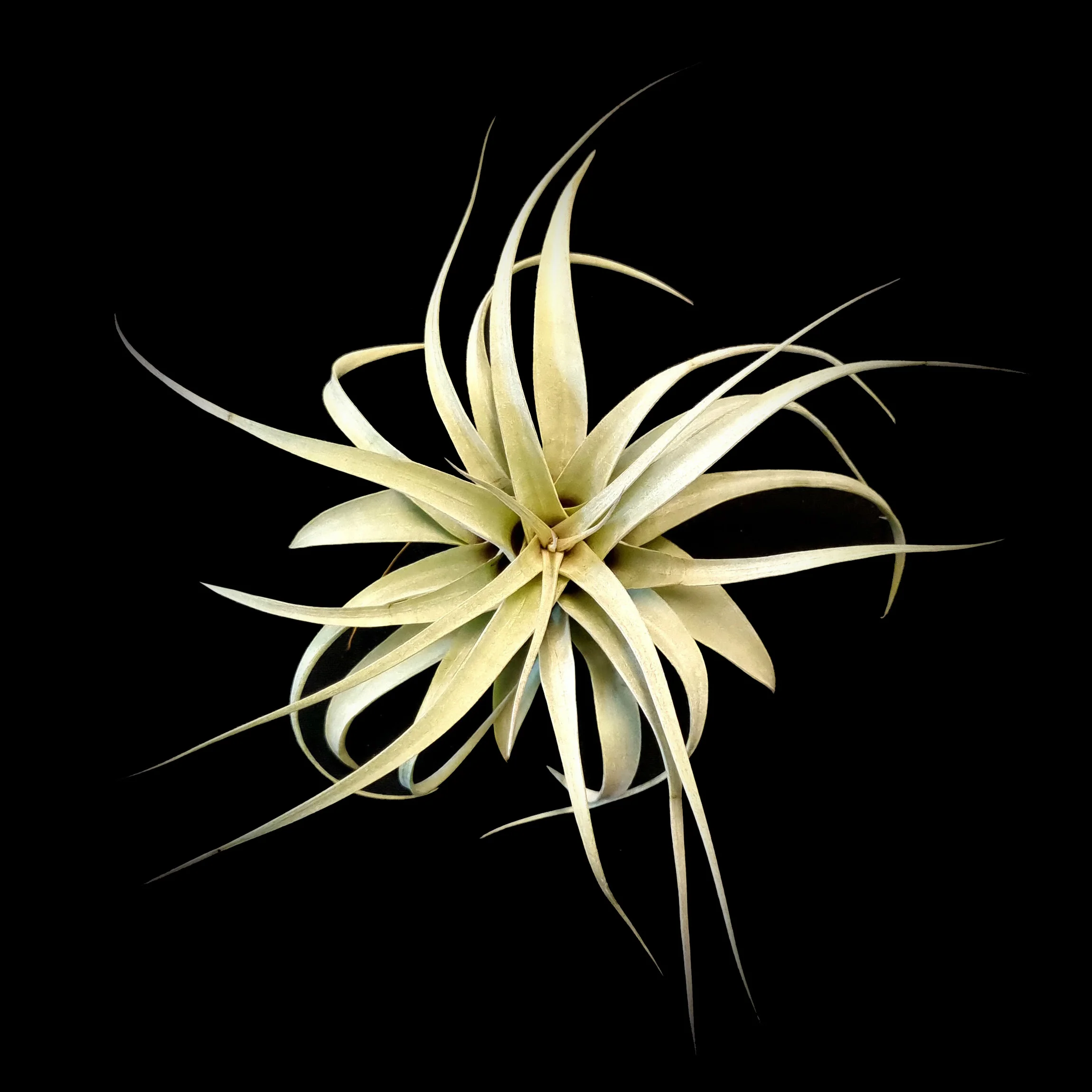
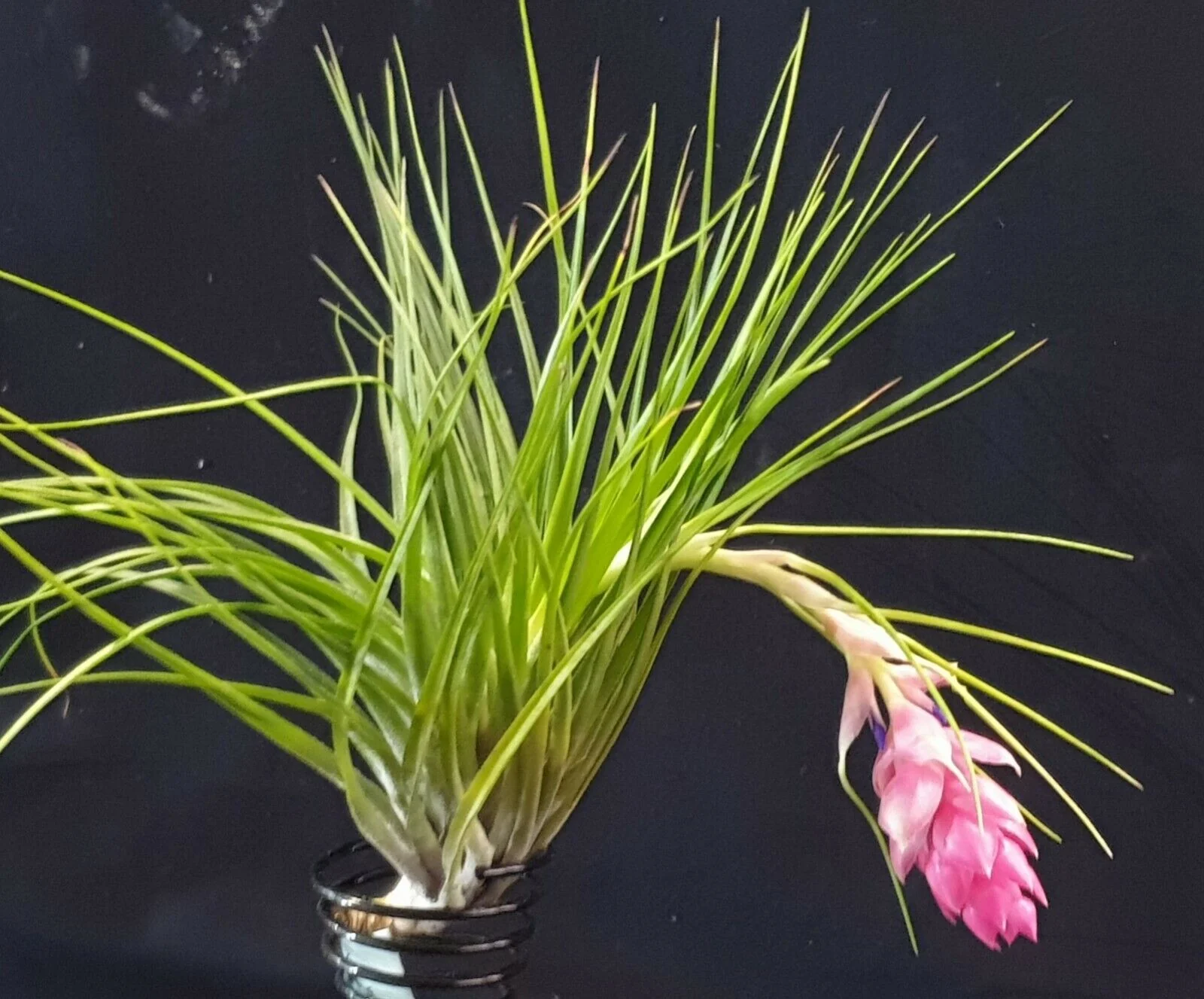
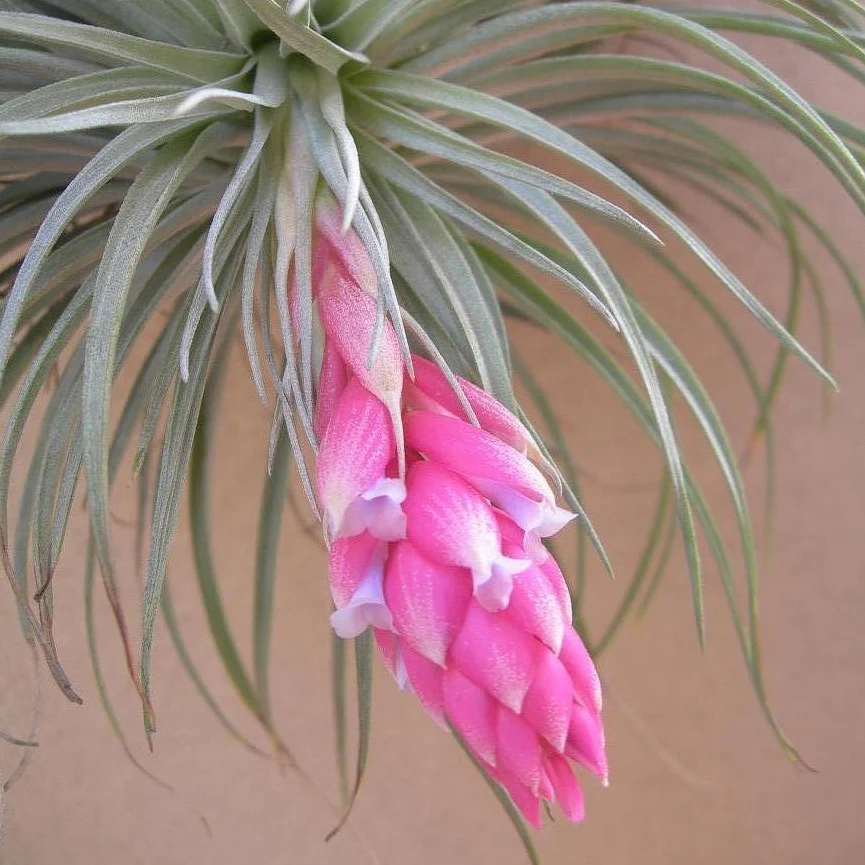
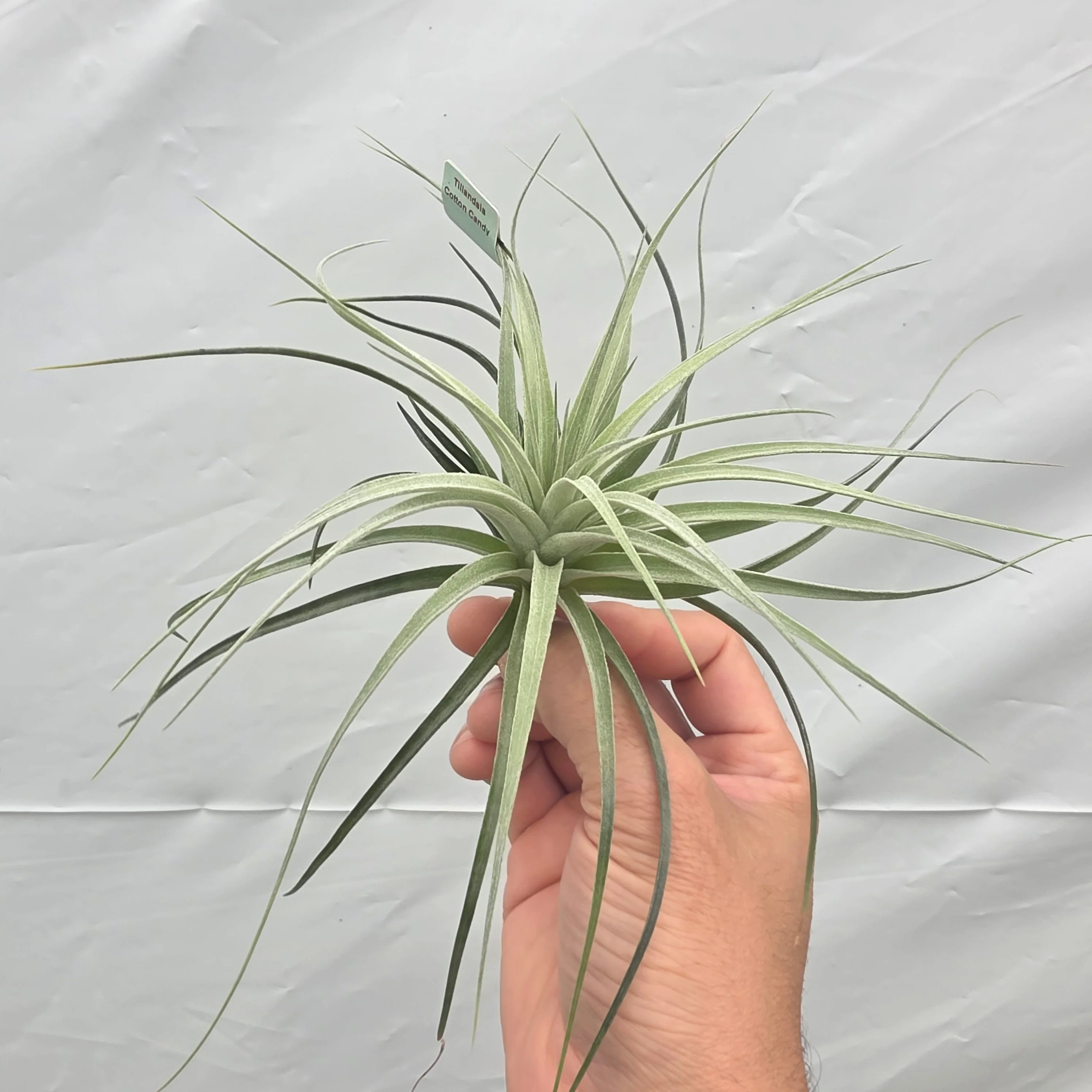
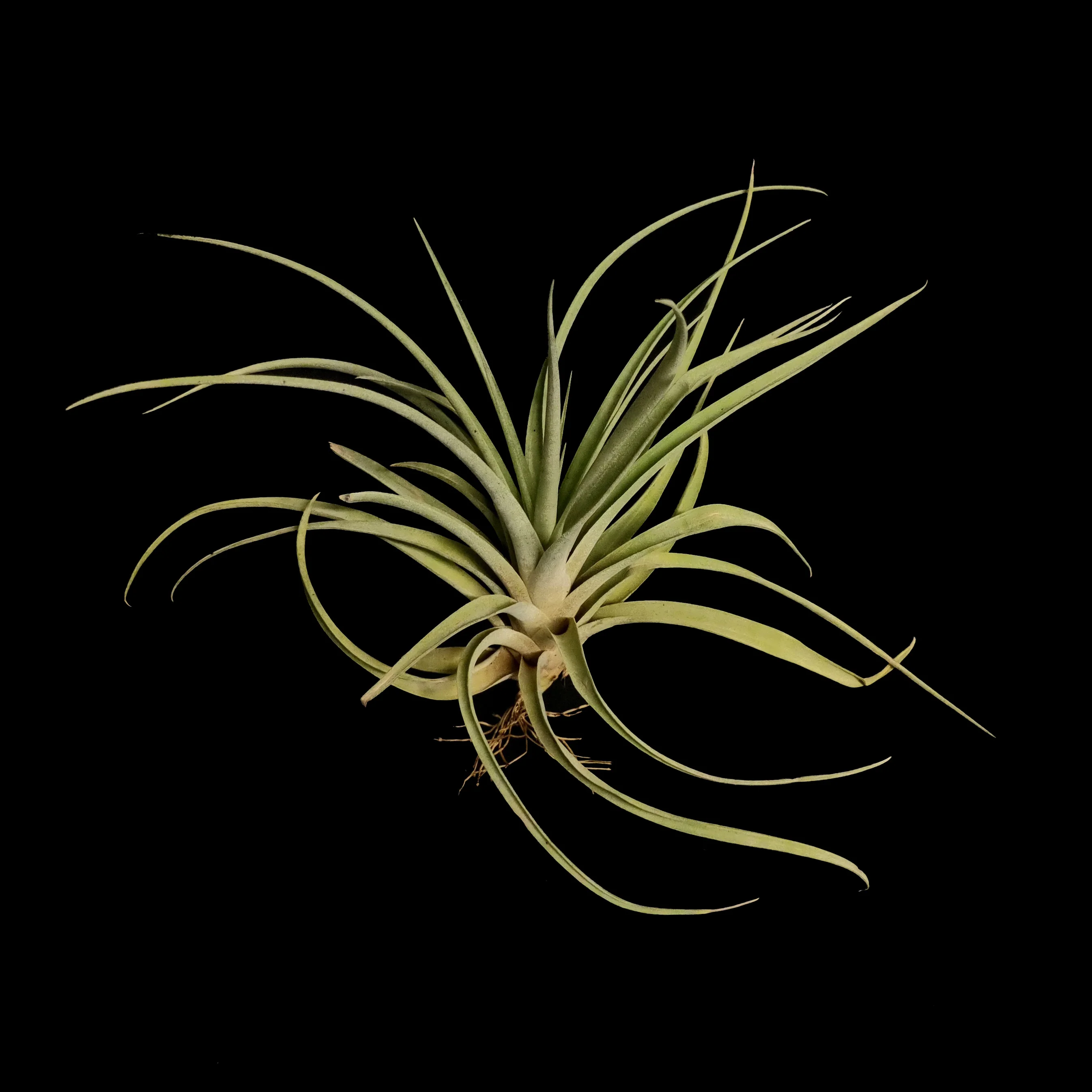
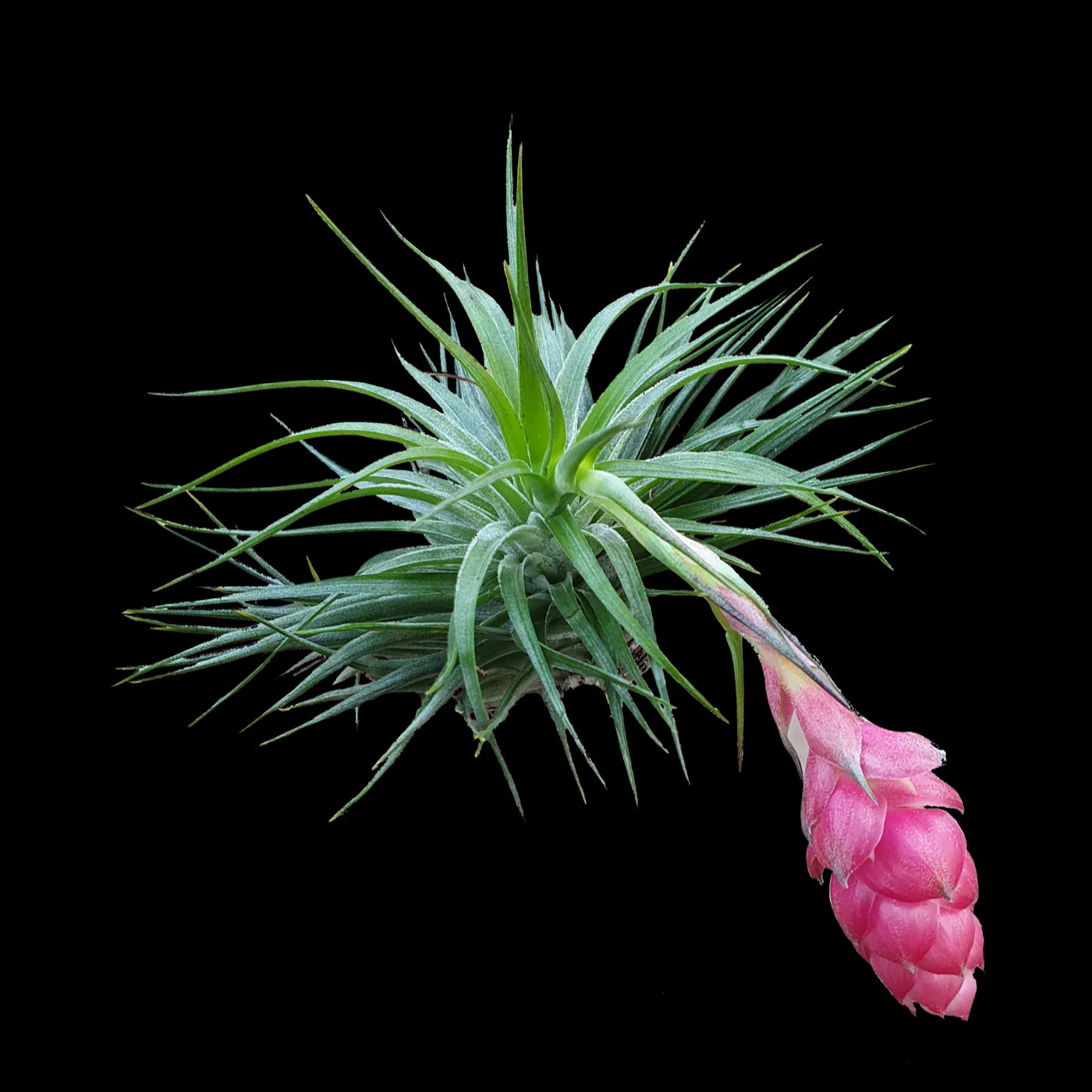
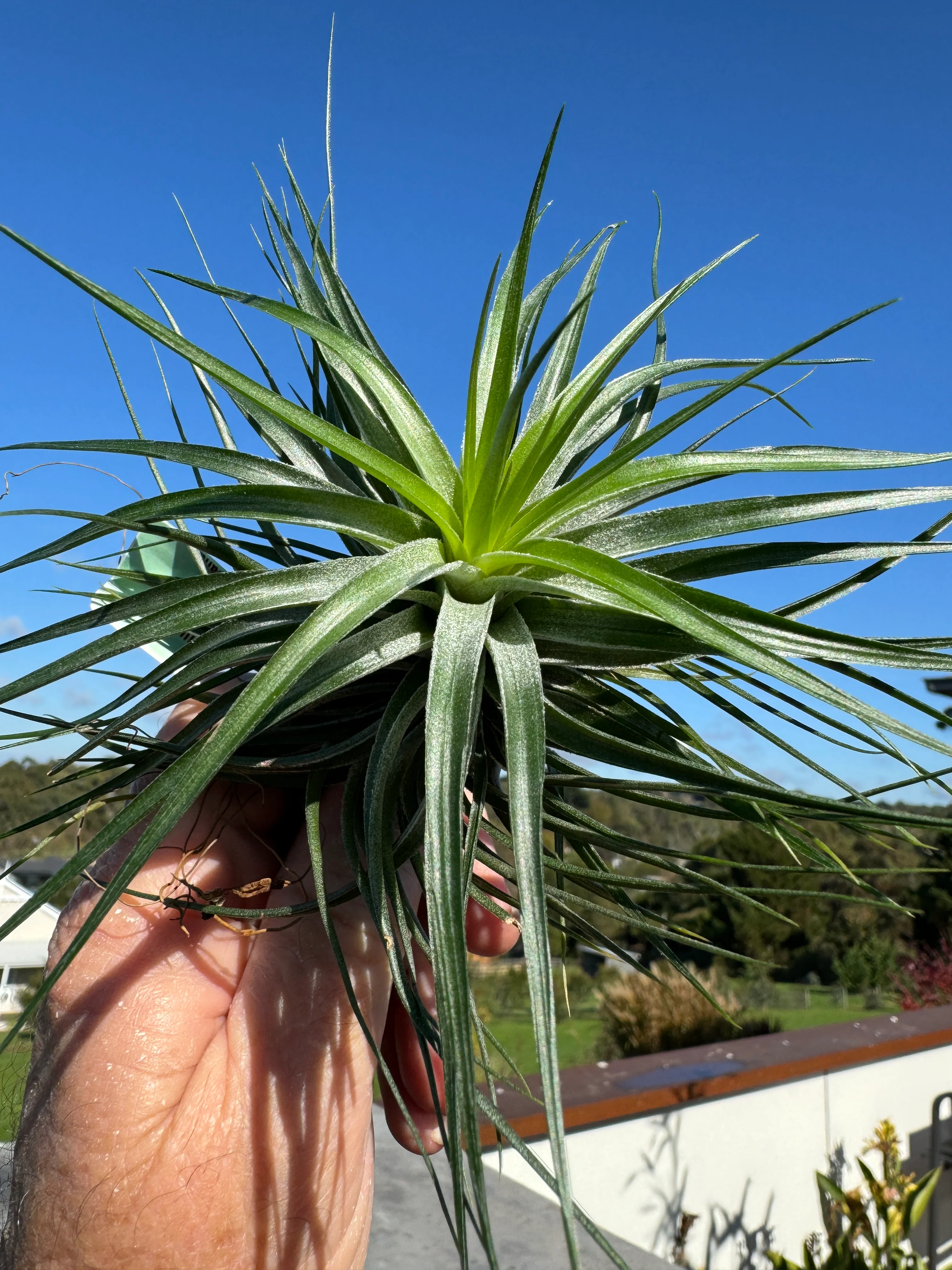
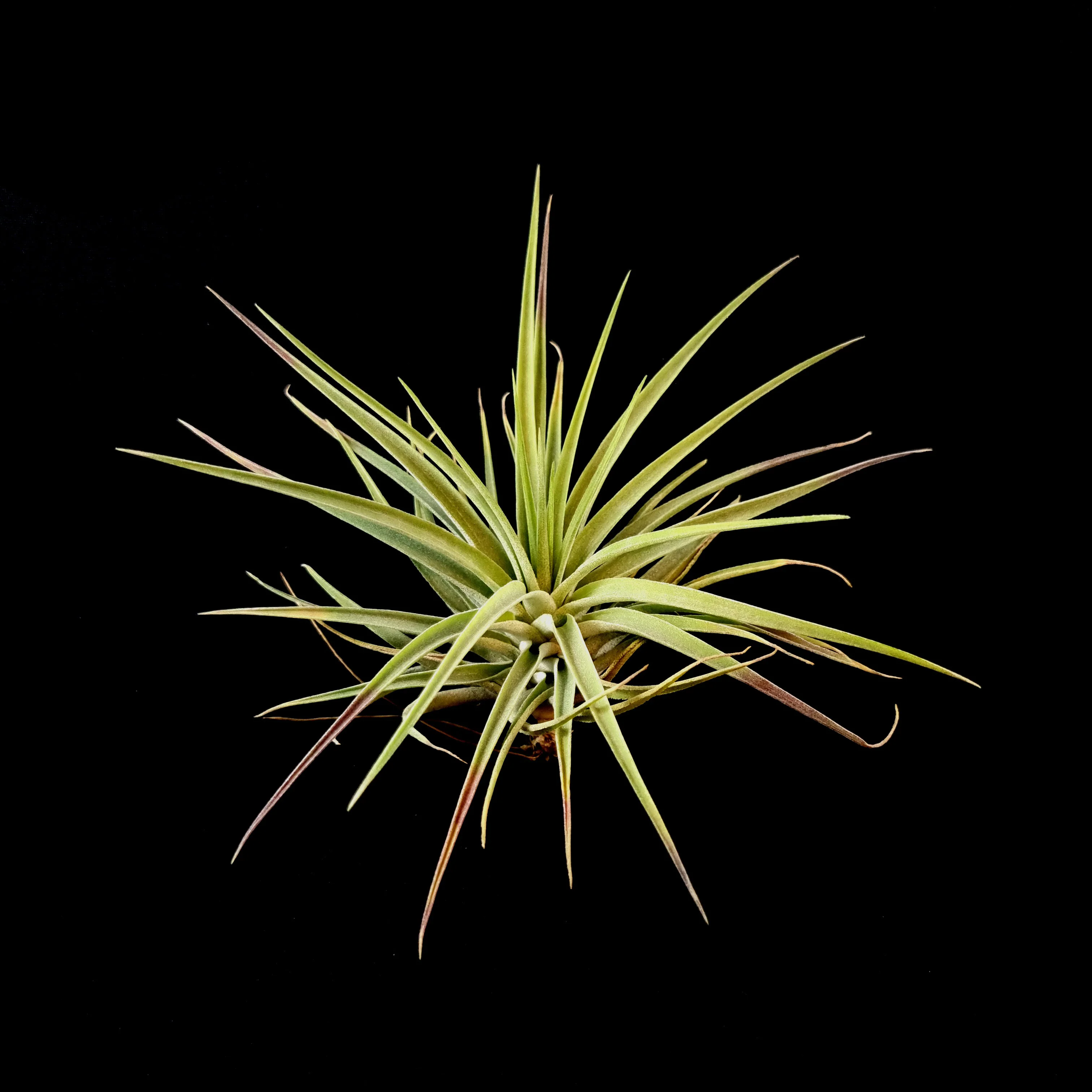
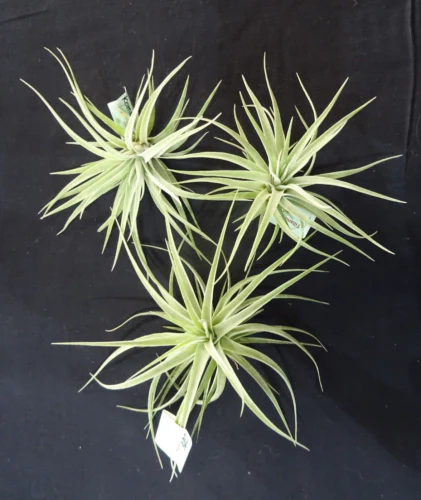
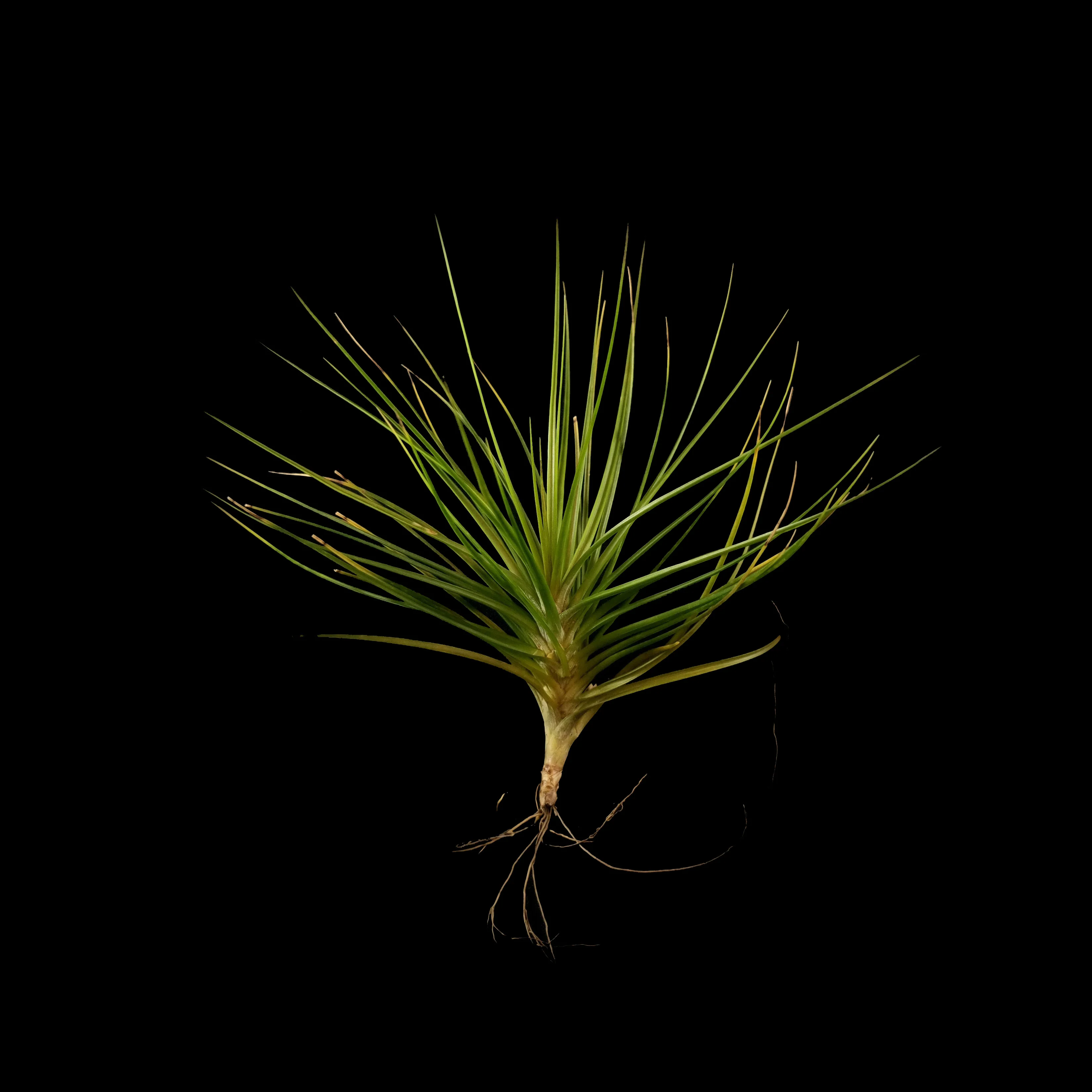
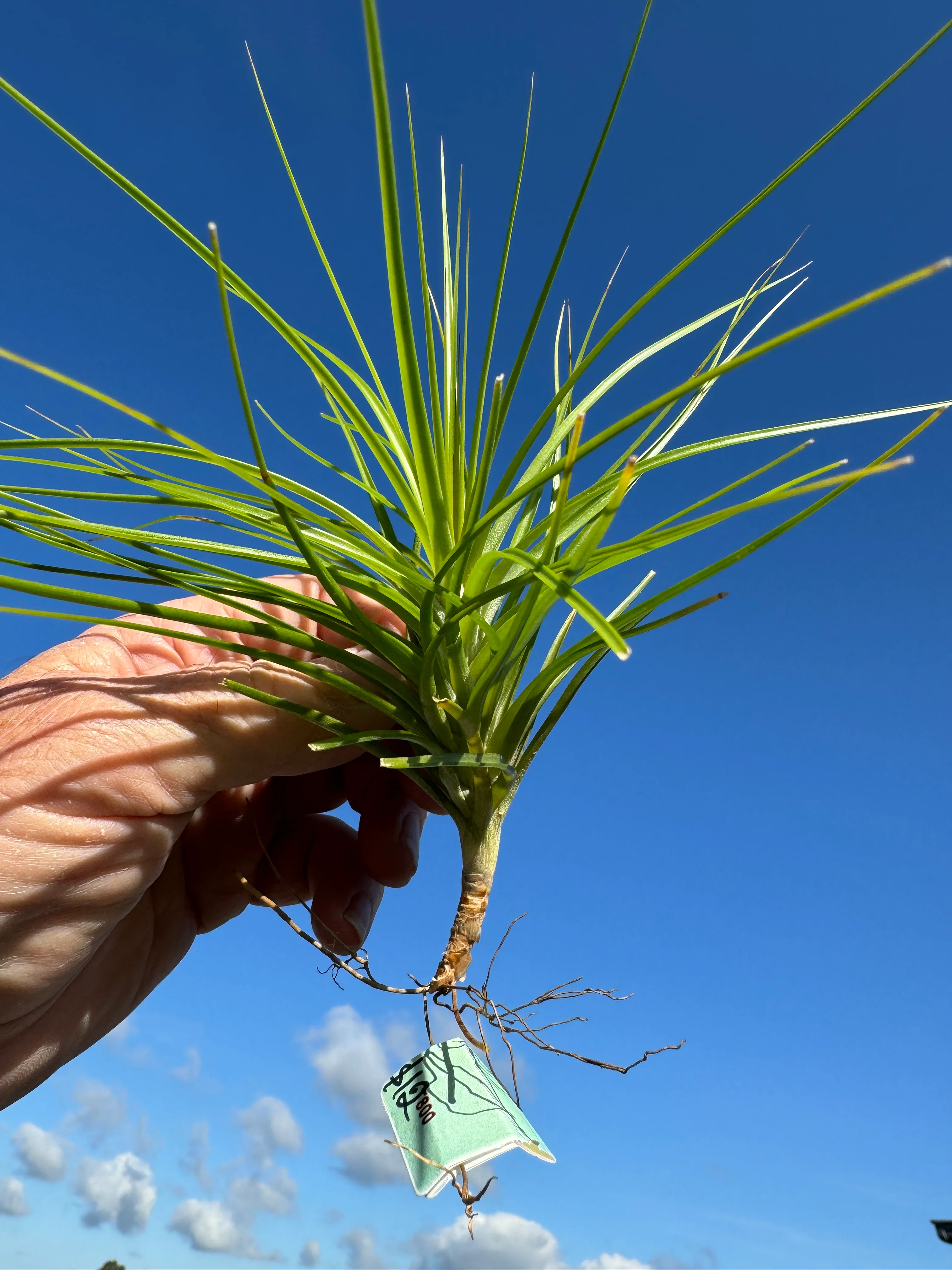
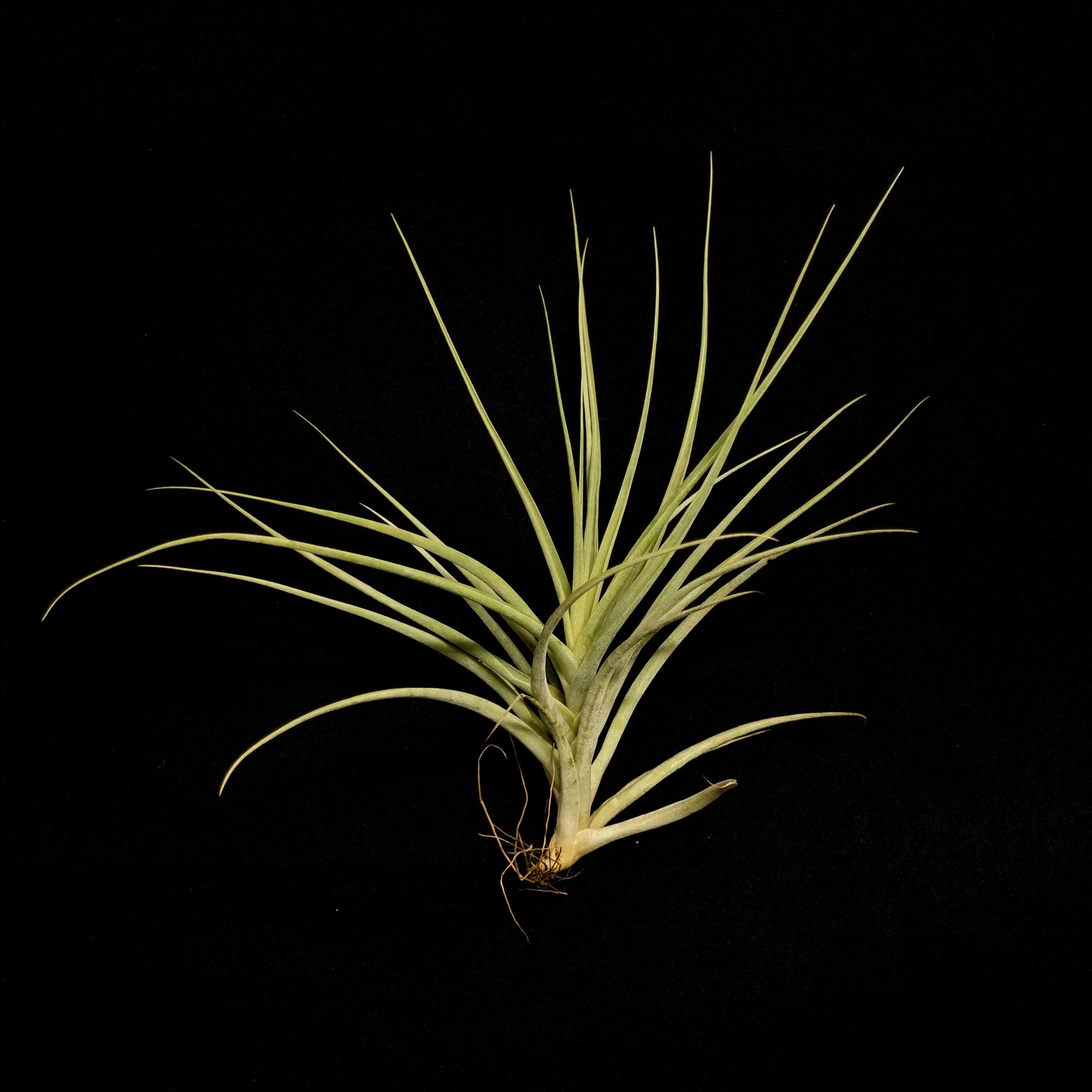
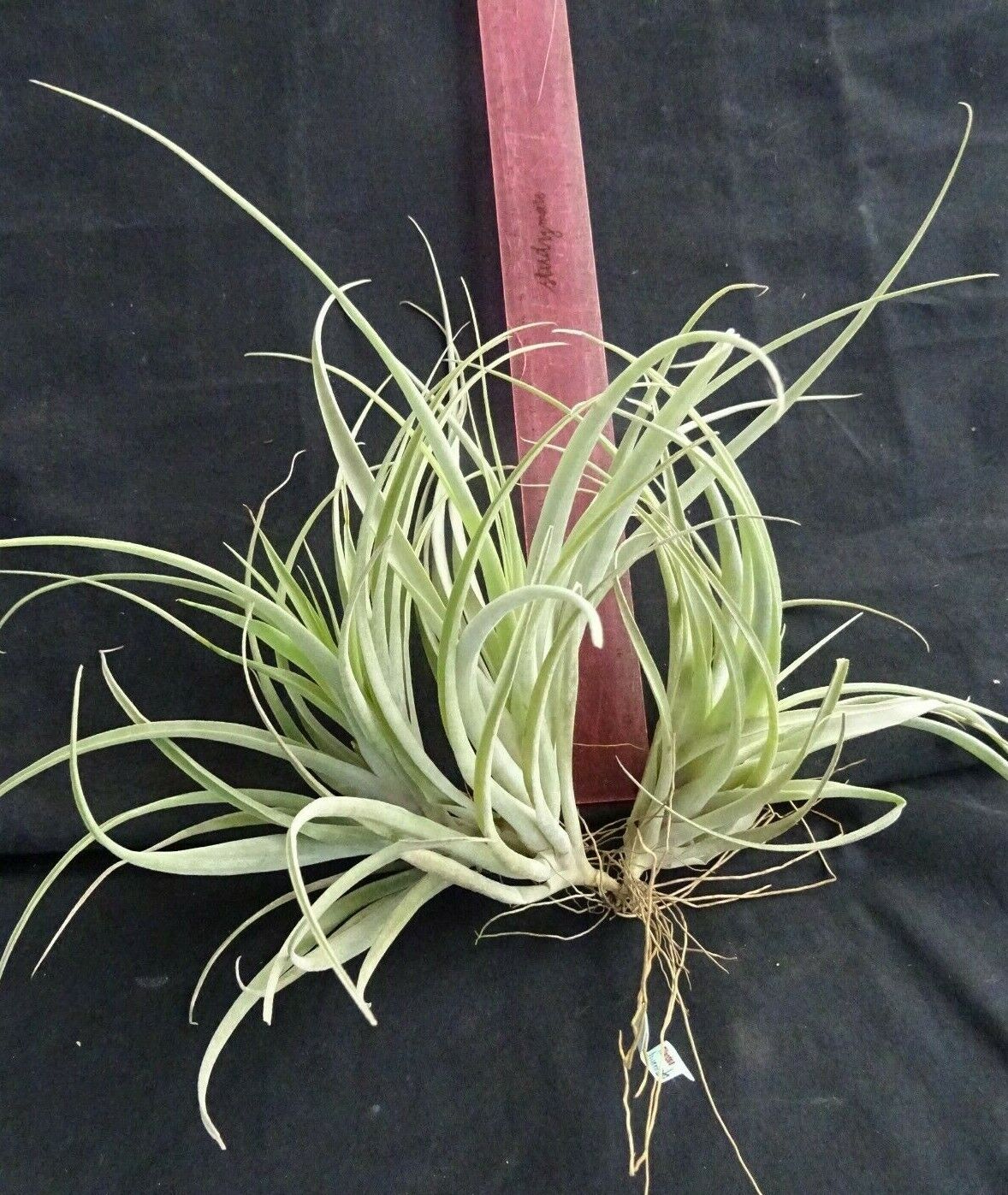
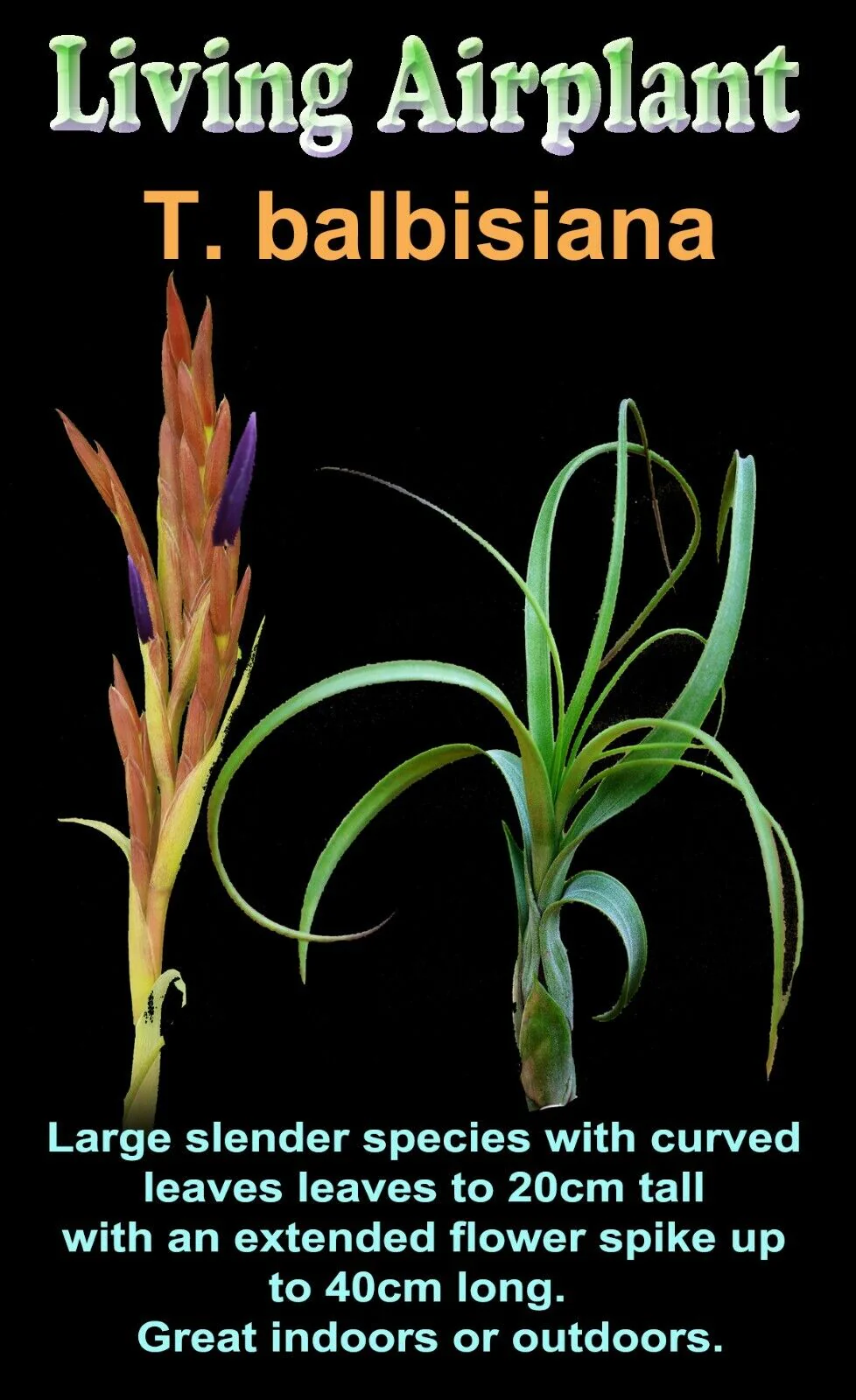
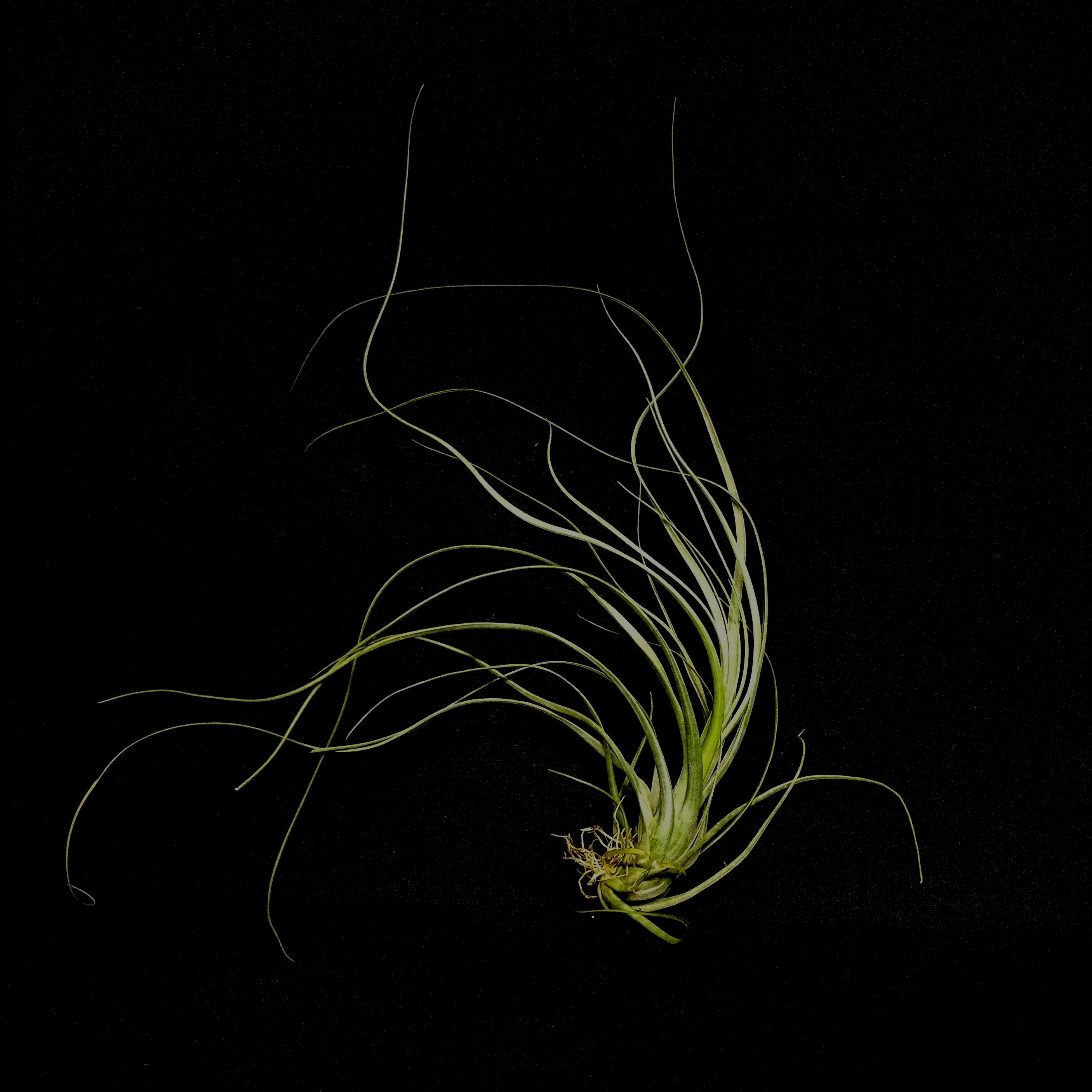
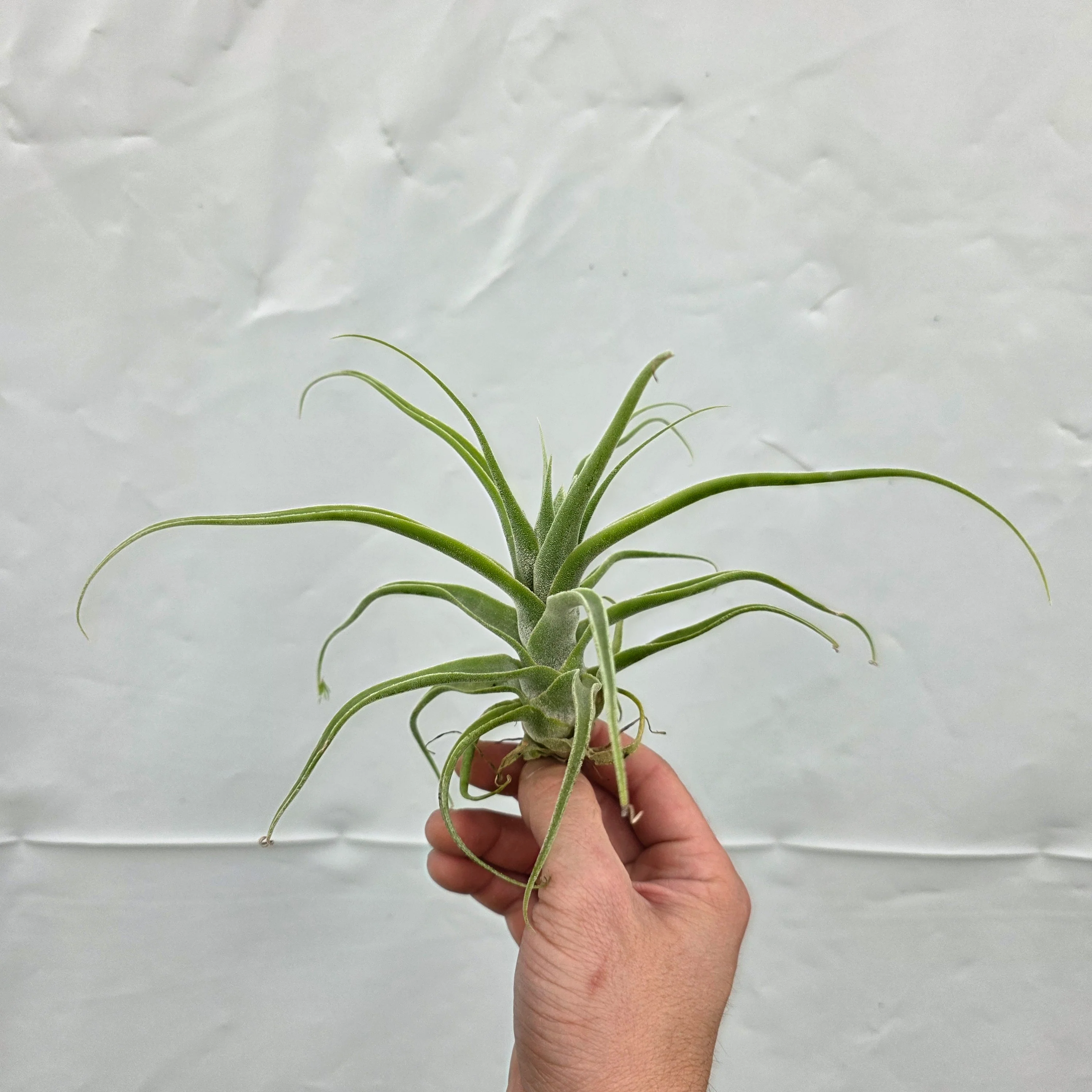
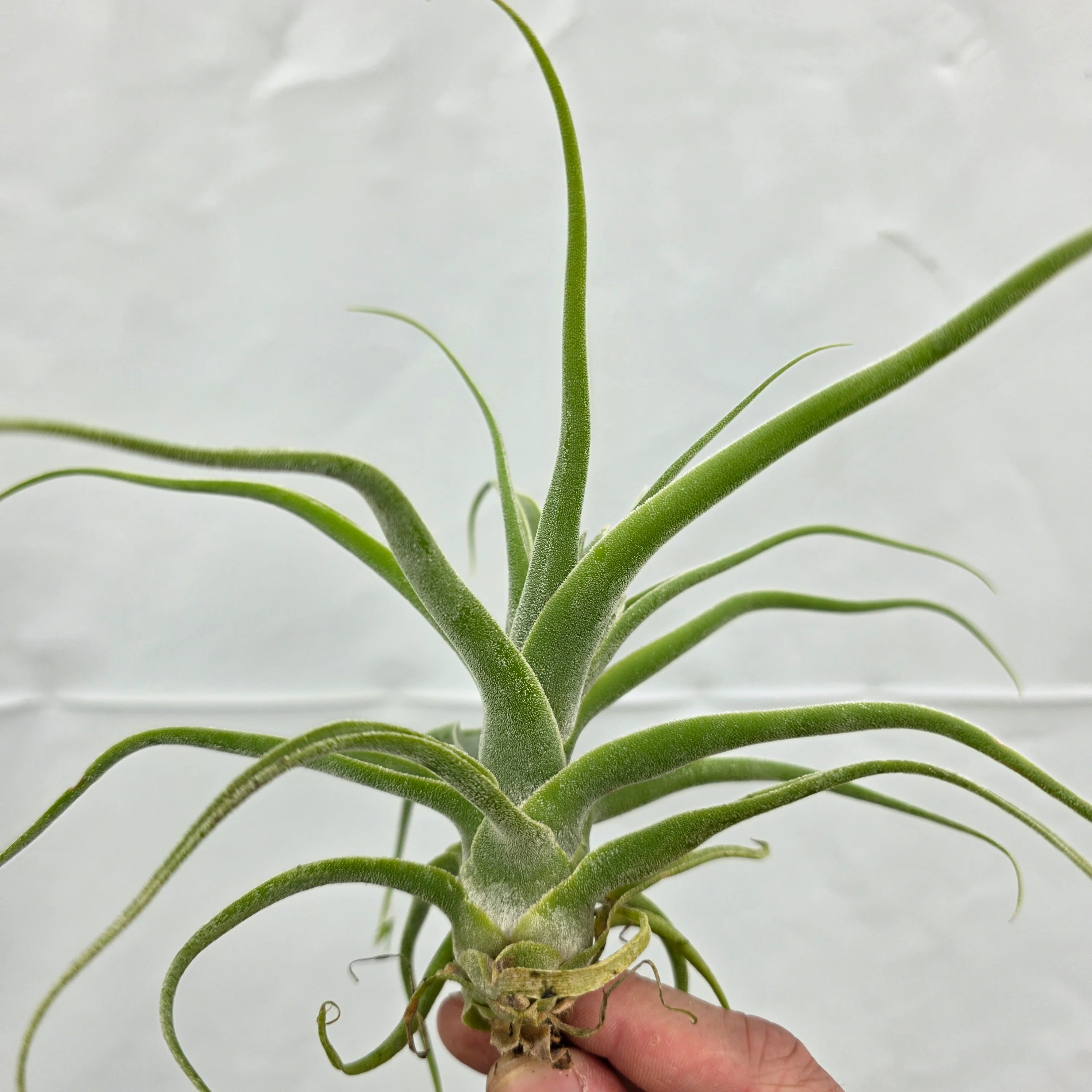
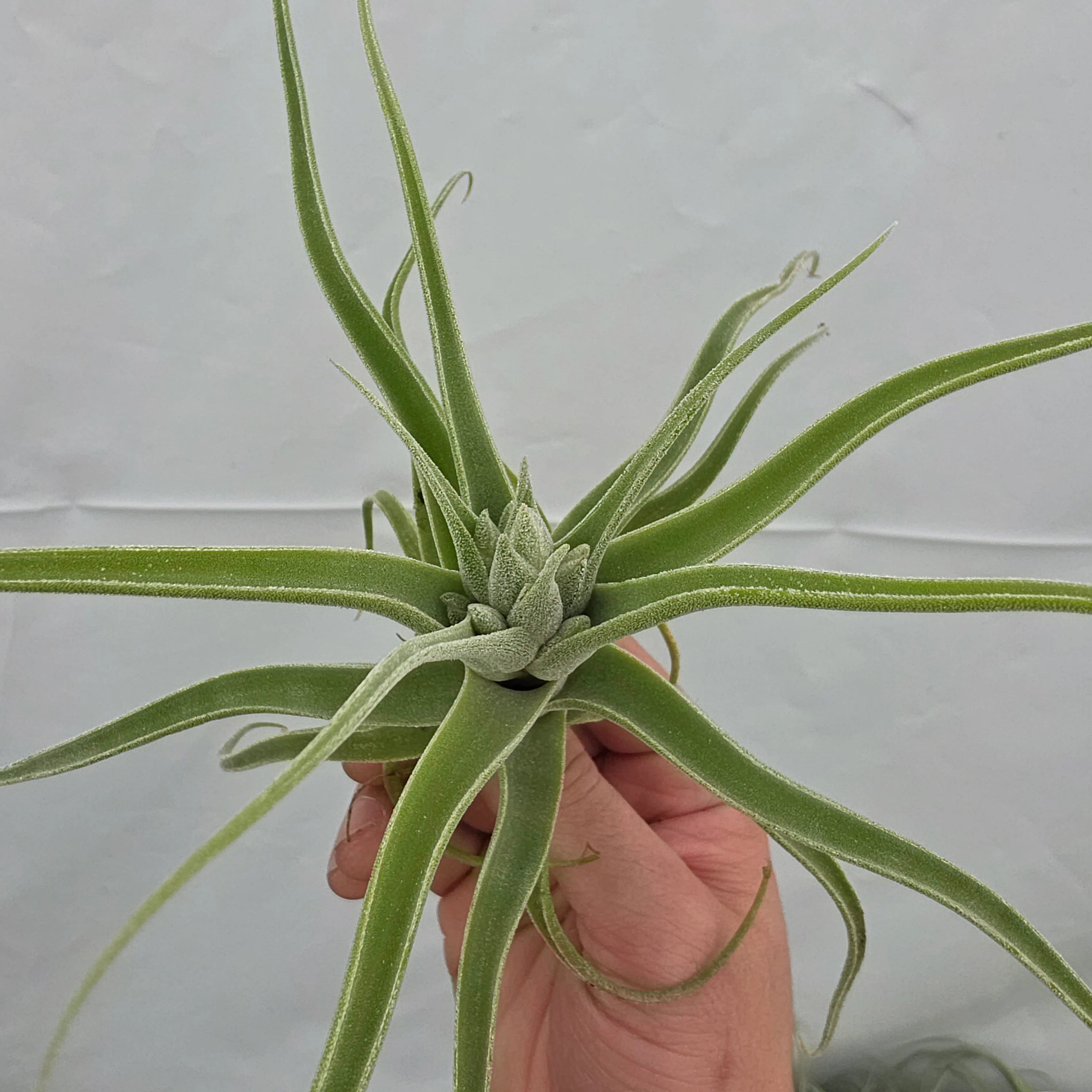
Tillandsia diguetii is a relatively uncommon species described from western Mexico, particularly from Colima and Jalisco. It belongs to the bulbous group of Tillandsias, developing a compact, swollen base where the narrow, twisting leaves emerge. These leaves are thickly coated in silvery-grey trichomes, an adaptation that allows the plant to harvest water and nutrients from mist, dew, and rainfall while also tolerating long, dry intervals.
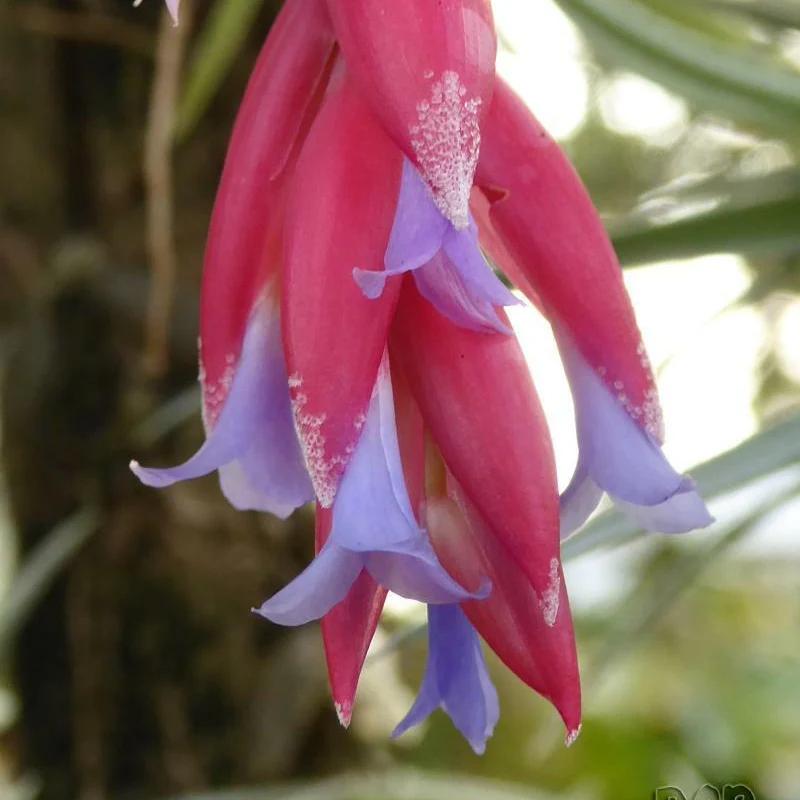
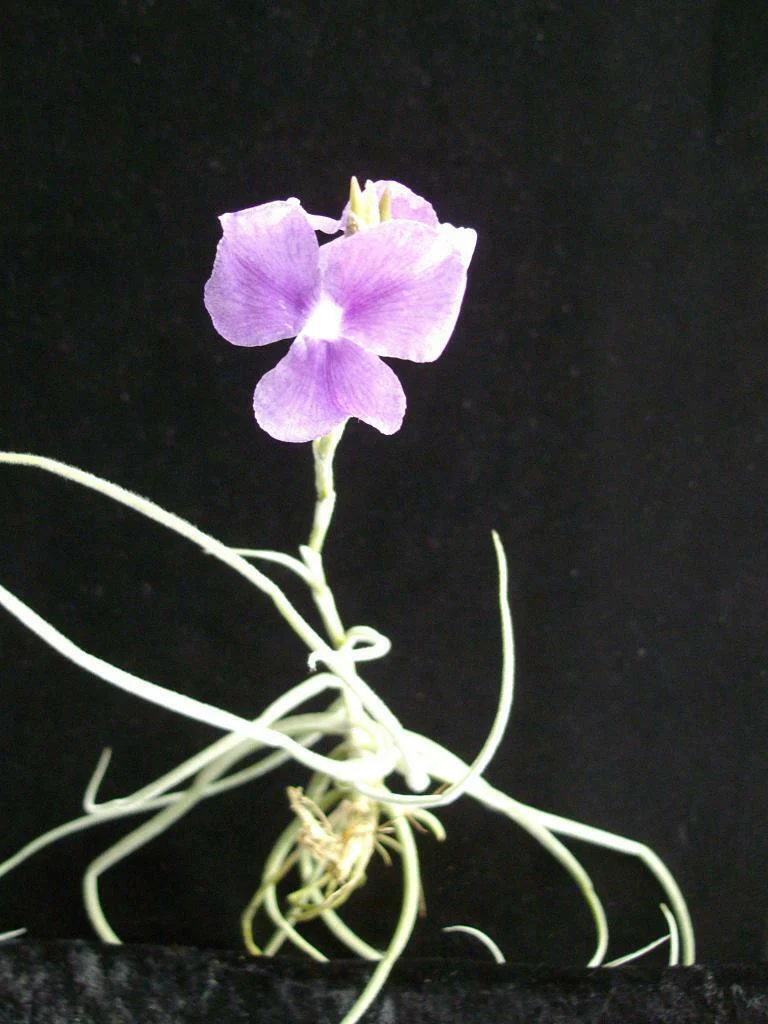
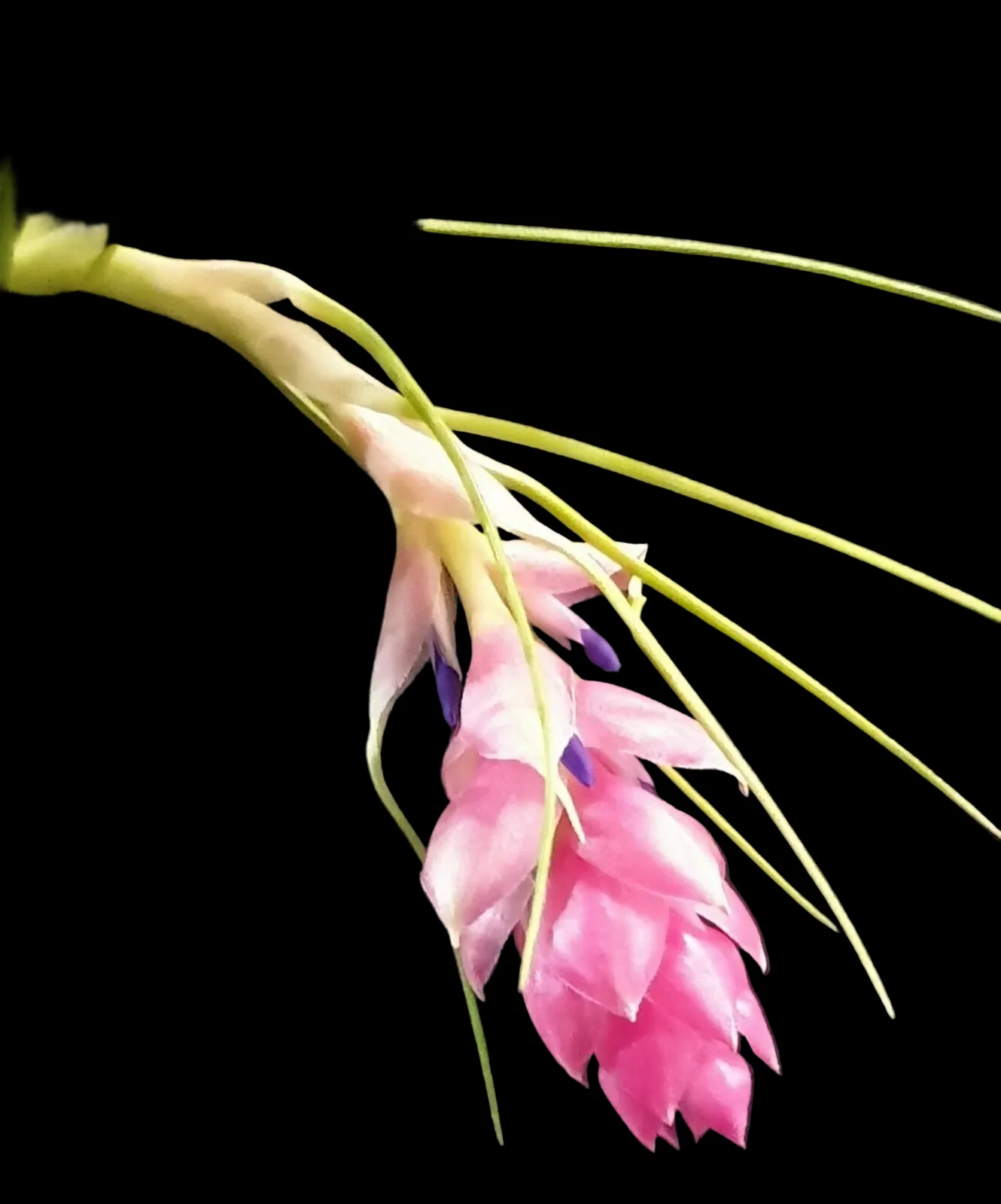
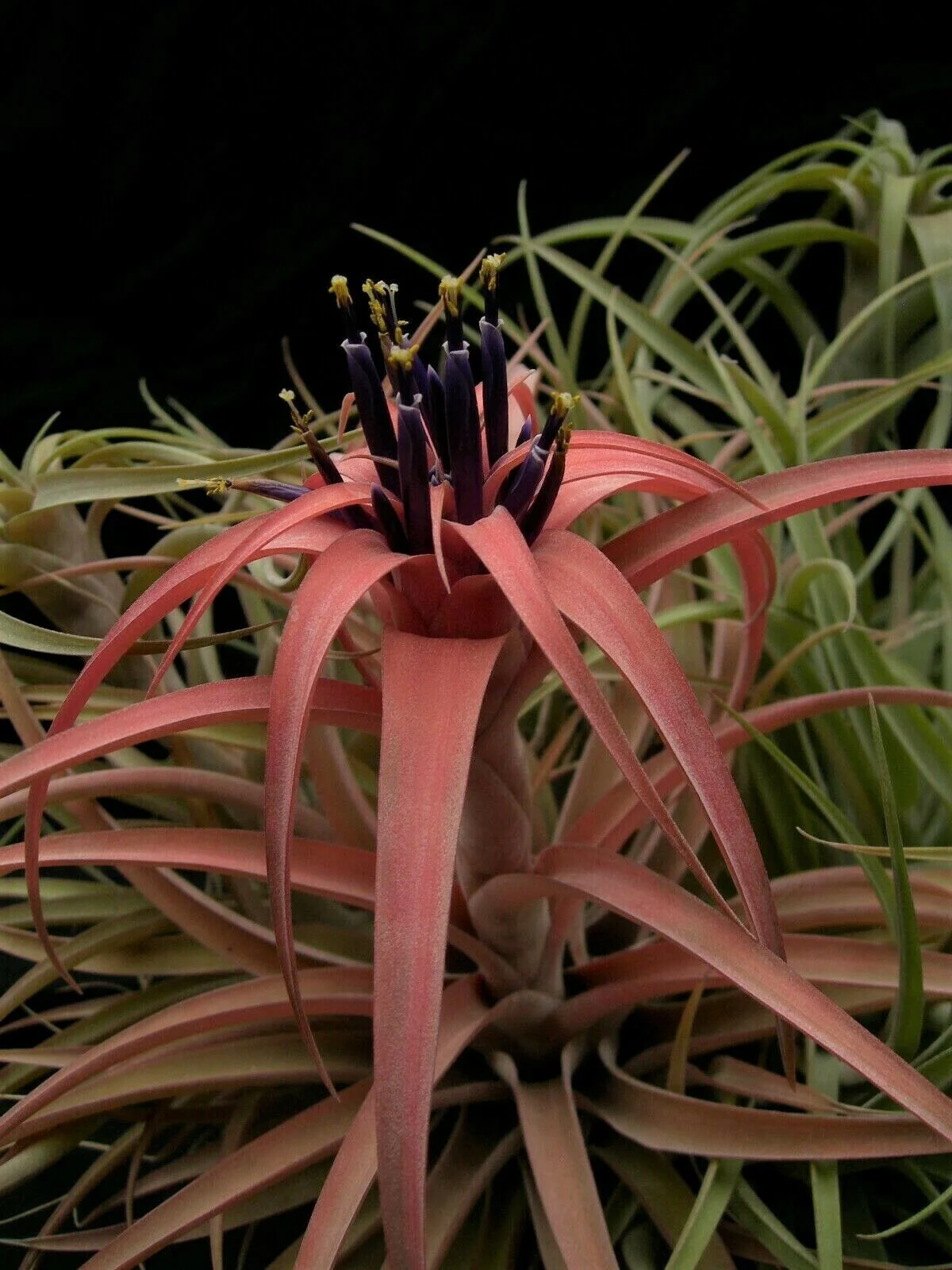
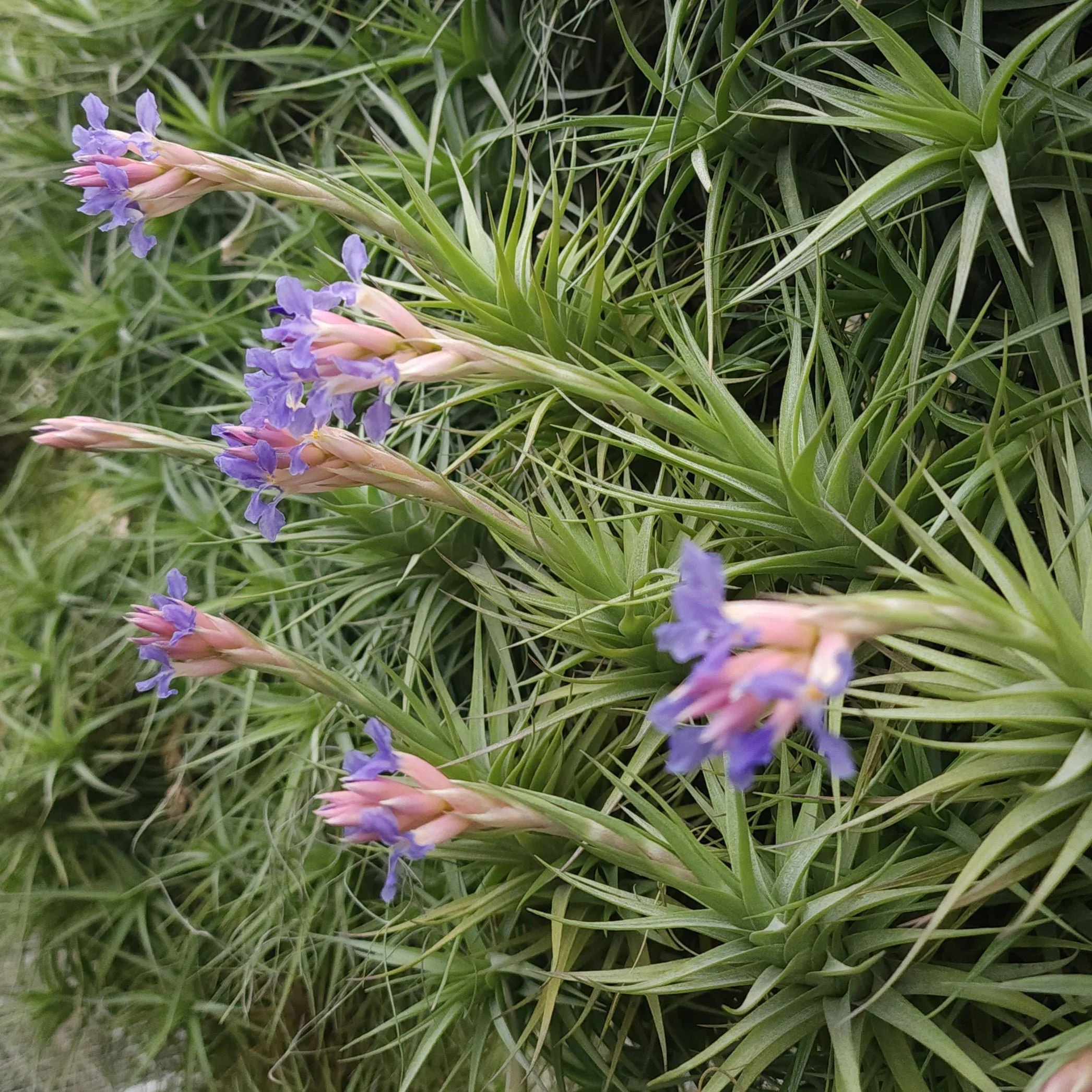
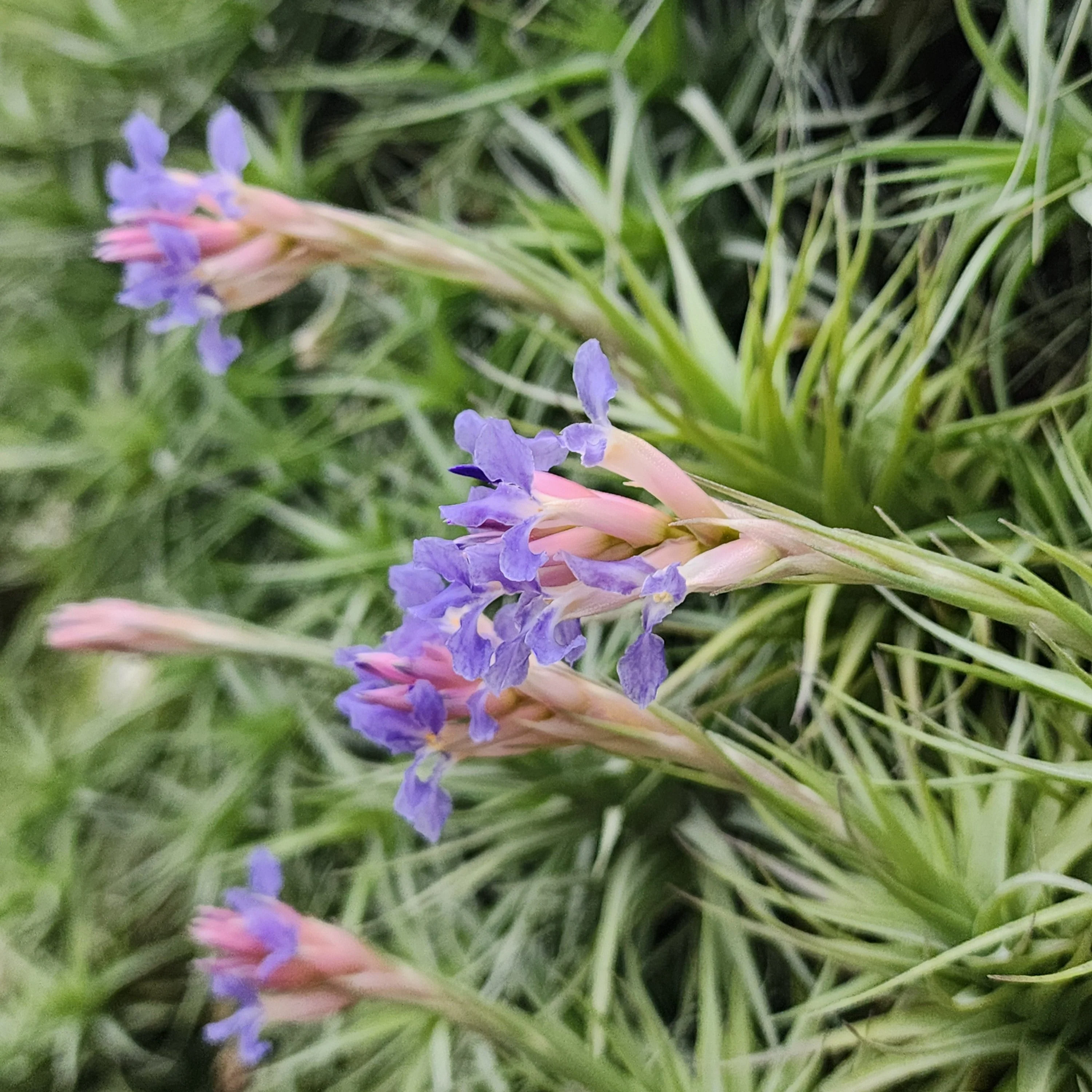
In its natural setting, Tillandsia diguetii grows attached to branches or rocks in seasonally dry tropical forests, often in areas with high light exposure and constant air movement. Unlike many Tillandsias with tall, showy spikes, its inflorescence is fairly short and produces small, tubular flowers. The flowers are pale in colour and not long-lasting, so most of the plant's interest lies in its growth form and leaf habit.
One notable feature is the way its leaves curl and twist more strongly when grown under brighter light and drier, breezy conditions, a response to stress that mirrors its habitat. The pseudobulbous base can sometimes trap water, so in cultivation it benefits from being mounted at an angle to allow drainage.
Care Tips
- Light: Bright to very bright light; some gentle direct sun helps maintain compact, curling foliage.
- Water: Soak or heavy misting, then allow to dry fully within 4-6 hours; reduce in cooler months.
- Humidity: Moderate to low levels are tolerated if drying is quick after watering.
- Air circulation: Essential to prevent water lingering in the bulbous base.
- Temperature: Best between 15-32 °C; protect from frost.
- Fertiliser: Very dilute bromeliad fertiliser every 4-6 weeks during growth; flush occasionally with plain water.
- Mounting: Mount securely to cork or hardwood at a slight angle to improve drainage.
Original: $35.00
-65%$35.00
$12.25More Images
Tillandsia diguetii
Tillandsia diguetii is a relatively uncommon species described from western Mexico, particularly from Colima and Jalisco. It belongs to the bulbous group of Tillandsias, developing a compact, swollen base where the narrow, twisting leaves emerge. These leaves are thickly coated in silvery-grey trichomes, an adaptation that allows the plant to harvest water and nutrients from mist, dew, and rainfall while also tolerating long, dry intervals.
In its natural setting, Tillandsia diguetii grows attached to branches or rocks in seasonally dry tropical forests, often in areas with high light exposure and constant air movement. Unlike many Tillandsias with tall, showy spikes, its inflorescence is fairly short and produces small, tubular flowers. The flowers are pale in colour and not long-lasting, so most of the plant's interest lies in its growth form and leaf habit.
One notable feature is the way its leaves curl and twist more strongly when grown under brighter light and drier, breezy conditions, a response to stress that mirrors its habitat. The pseudobulbous base can sometimes trap water, so in cultivation it benefits from being mounted at an angle to allow drainage.
Care Tips
- Light: Bright to very bright light; some gentle direct sun helps maintain compact, curling foliage.
- Water: Soak or heavy misting, then allow to dry fully within 4-6 hours; reduce in cooler months.
- Humidity: Moderate to low levels are tolerated if drying is quick after watering.
- Air circulation: Essential to prevent water lingering in the bulbous base.
- Temperature: Best between 15-32 °C; protect from frost.
- Fertiliser: Very dilute bromeliad fertiliser every 4-6 weeks during growth; flush occasionally with plain water.
- Mounting: Mount securely to cork or hardwood at a slight angle to improve drainage.
Product Information
Product Information
Shipping & Returns
Shipping & Returns
Description
Tillandsia diguetii is a relatively uncommon species described from western Mexico, particularly from Colima and Jalisco. It belongs to the bulbous group of Tillandsias, developing a compact, swollen base where the narrow, twisting leaves emerge. These leaves are thickly coated in silvery-grey trichomes, an adaptation that allows the plant to harvest water and nutrients from mist, dew, and rainfall while also tolerating long, dry intervals.
In its natural setting, Tillandsia diguetii grows attached to branches or rocks in seasonally dry tropical forests, often in areas with high light exposure and constant air movement. Unlike many Tillandsias with tall, showy spikes, its inflorescence is fairly short and produces small, tubular flowers. The flowers are pale in colour and not long-lasting, so most of the plant's interest lies in its growth form and leaf habit.
One notable feature is the way its leaves curl and twist more strongly when grown under brighter light and drier, breezy conditions, a response to stress that mirrors its habitat. The pseudobulbous base can sometimes trap water, so in cultivation it benefits from being mounted at an angle to allow drainage.
Care Tips
- Light: Bright to very bright light; some gentle direct sun helps maintain compact, curling foliage.
- Water: Soak or heavy misting, then allow to dry fully within 4-6 hours; reduce in cooler months.
- Humidity: Moderate to low levels are tolerated if drying is quick after watering.
- Air circulation: Essential to prevent water lingering in the bulbous base.
- Temperature: Best between 15-32 °C; protect from frost.
- Fertiliser: Very dilute bromeliad fertiliser every 4-6 weeks during growth; flush occasionally with plain water.
- Mounting: Mount securely to cork or hardwood at a slight angle to improve drainage.