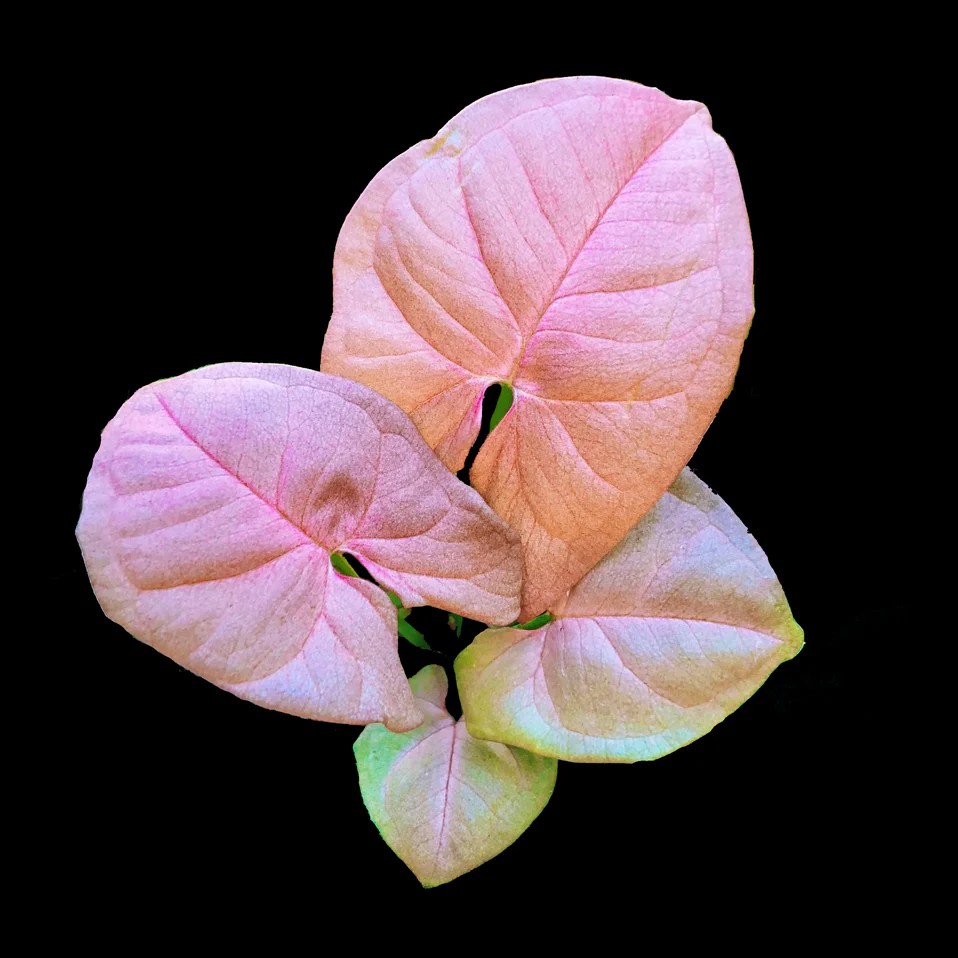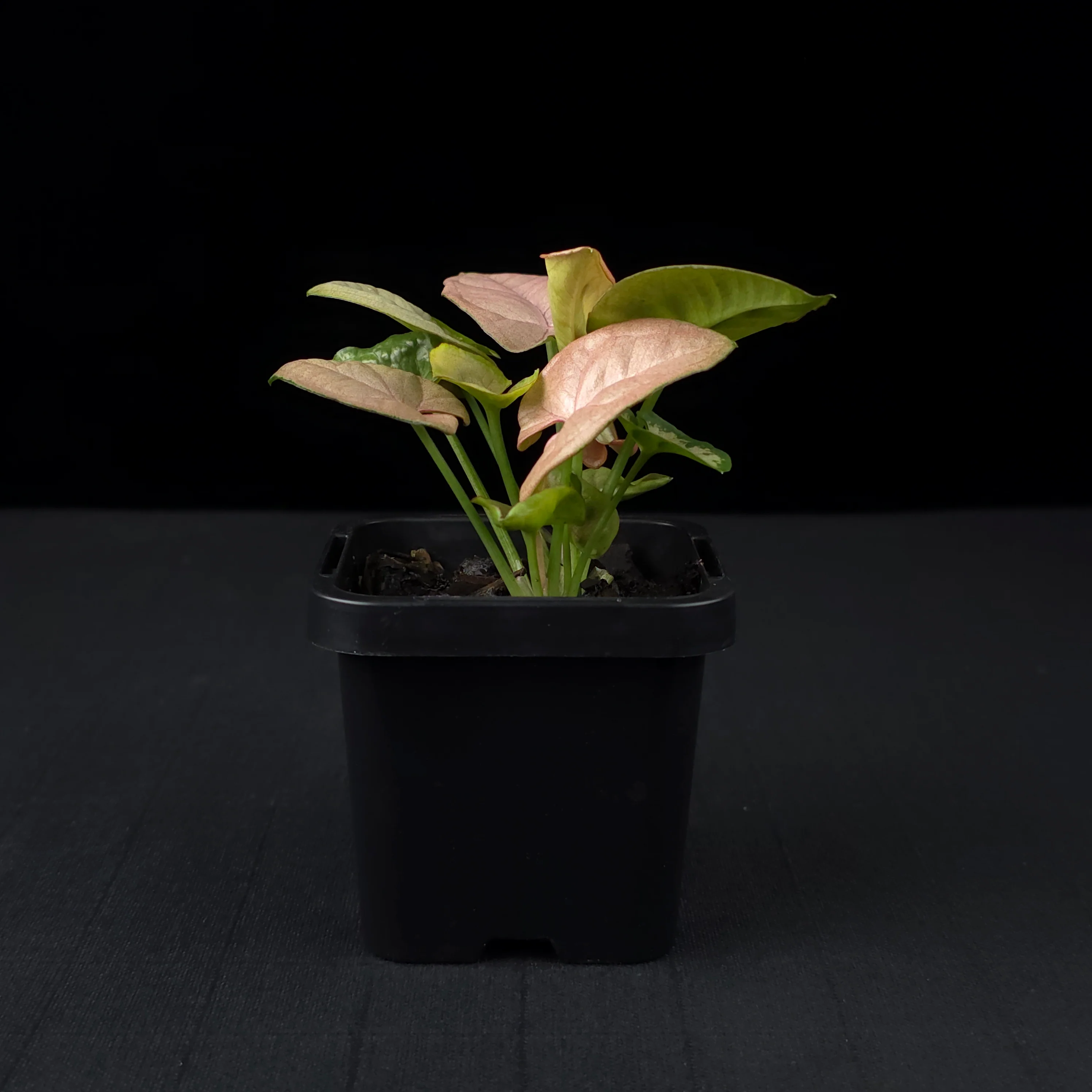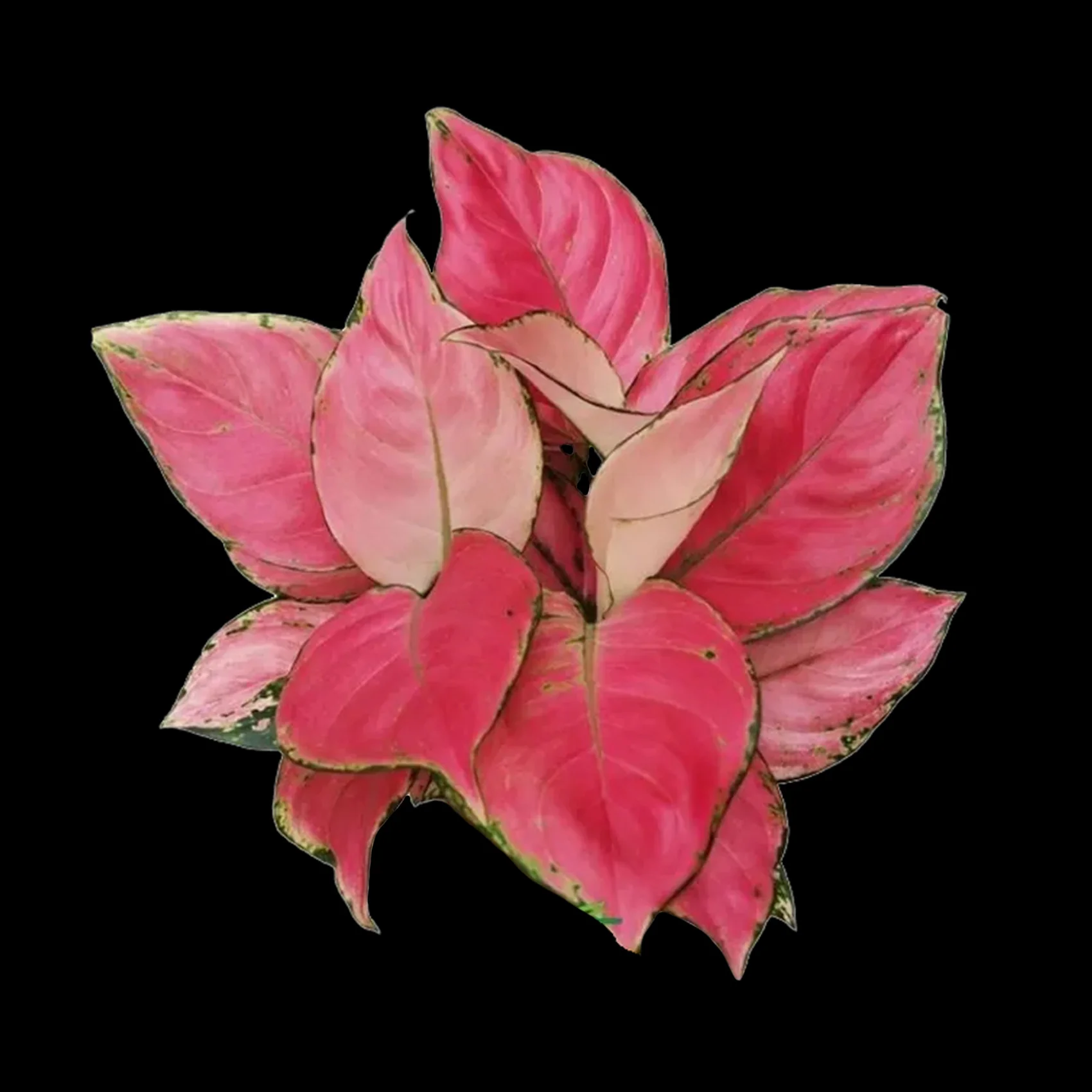
Aglaonema 'Auspicious Red'
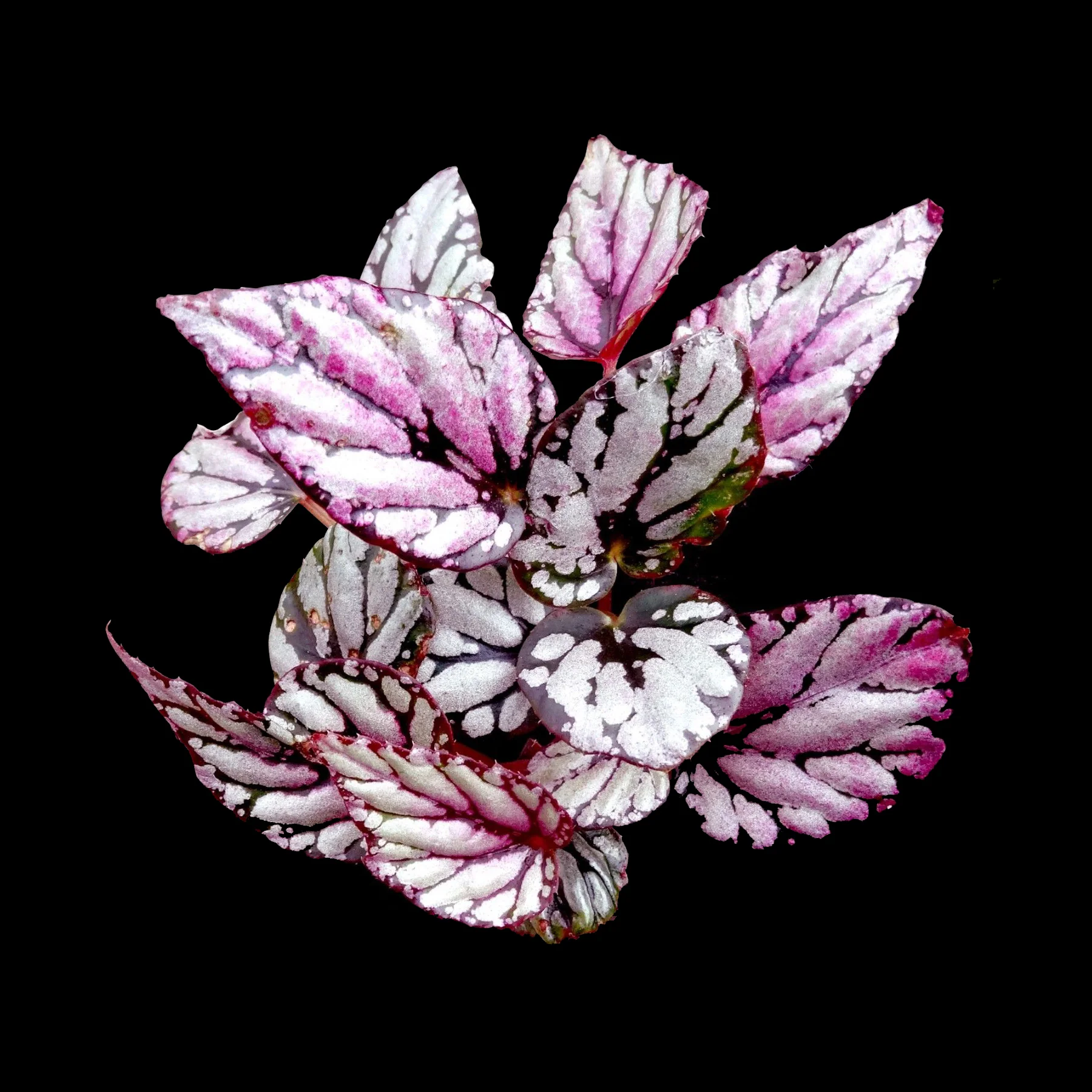
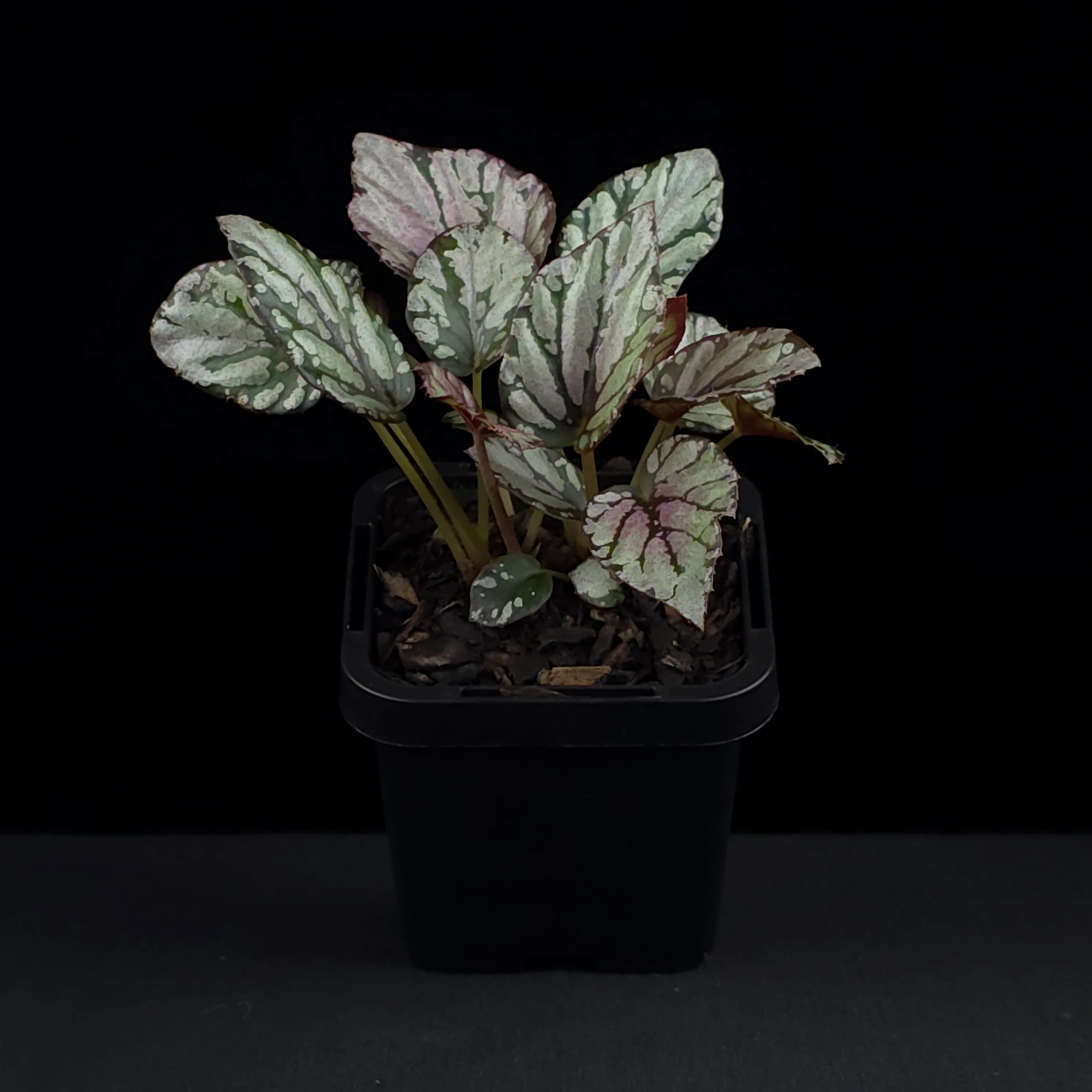
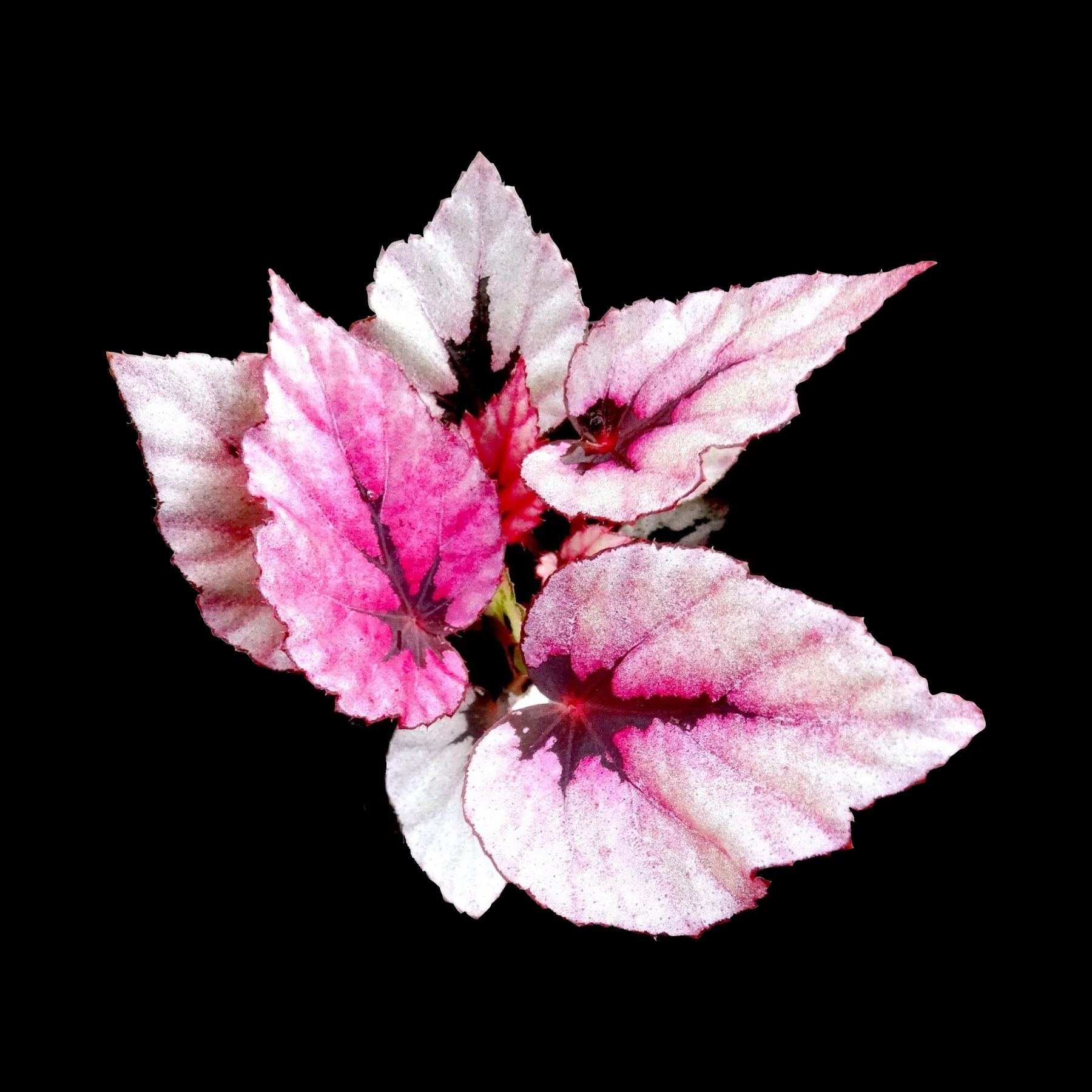
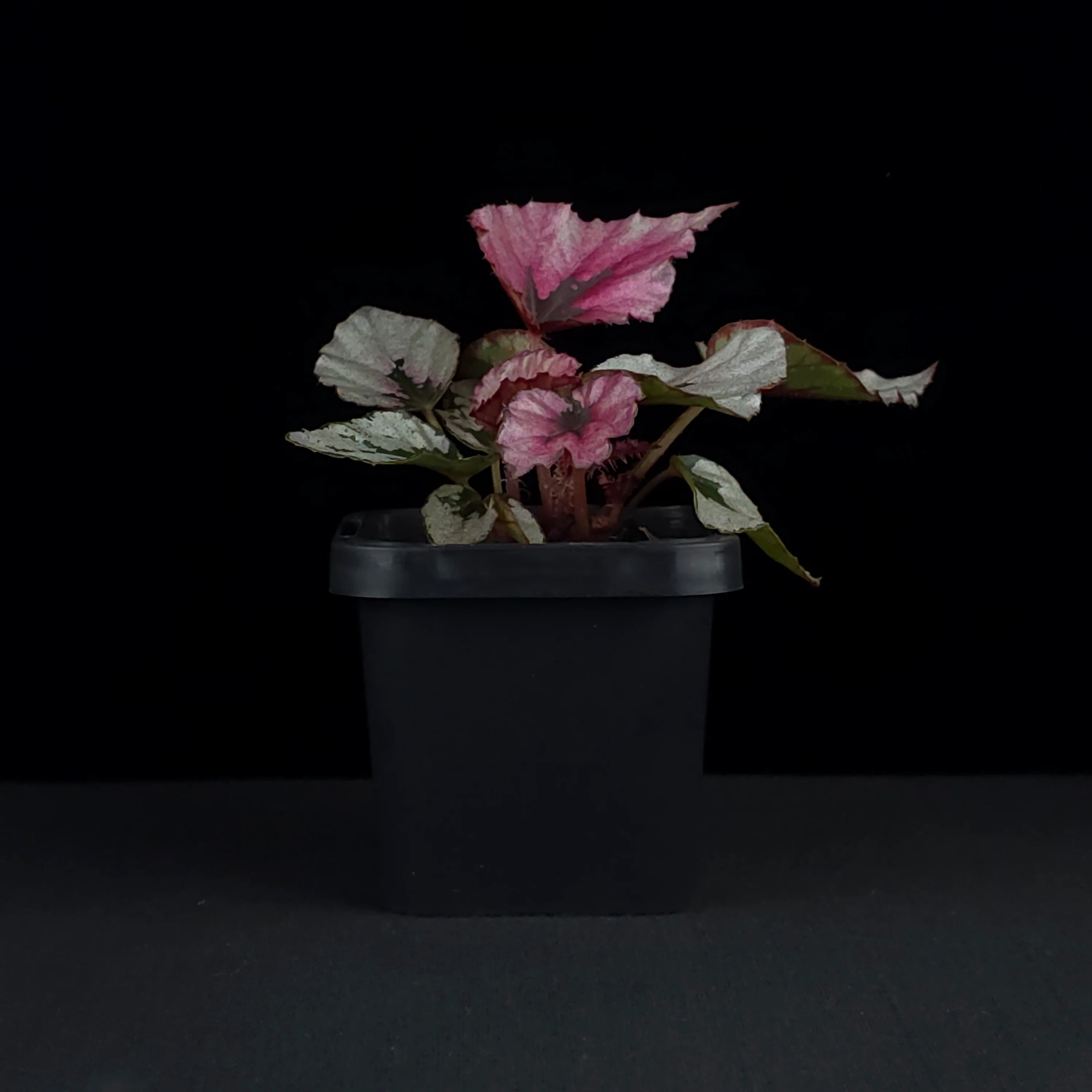
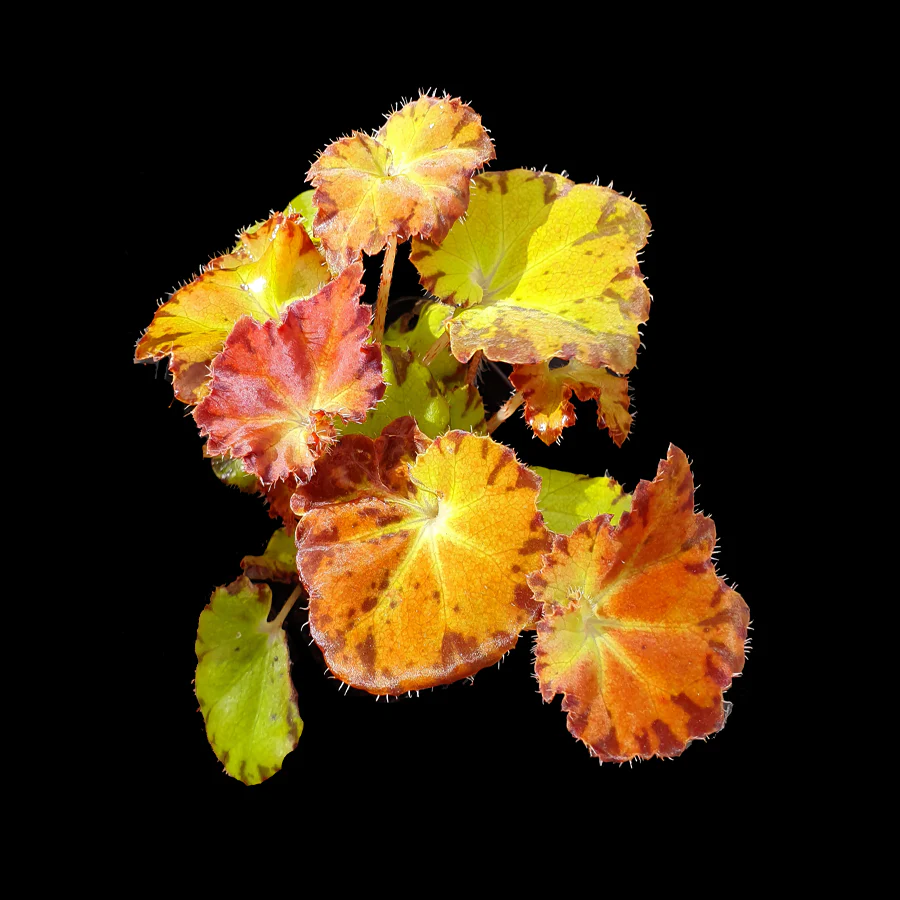
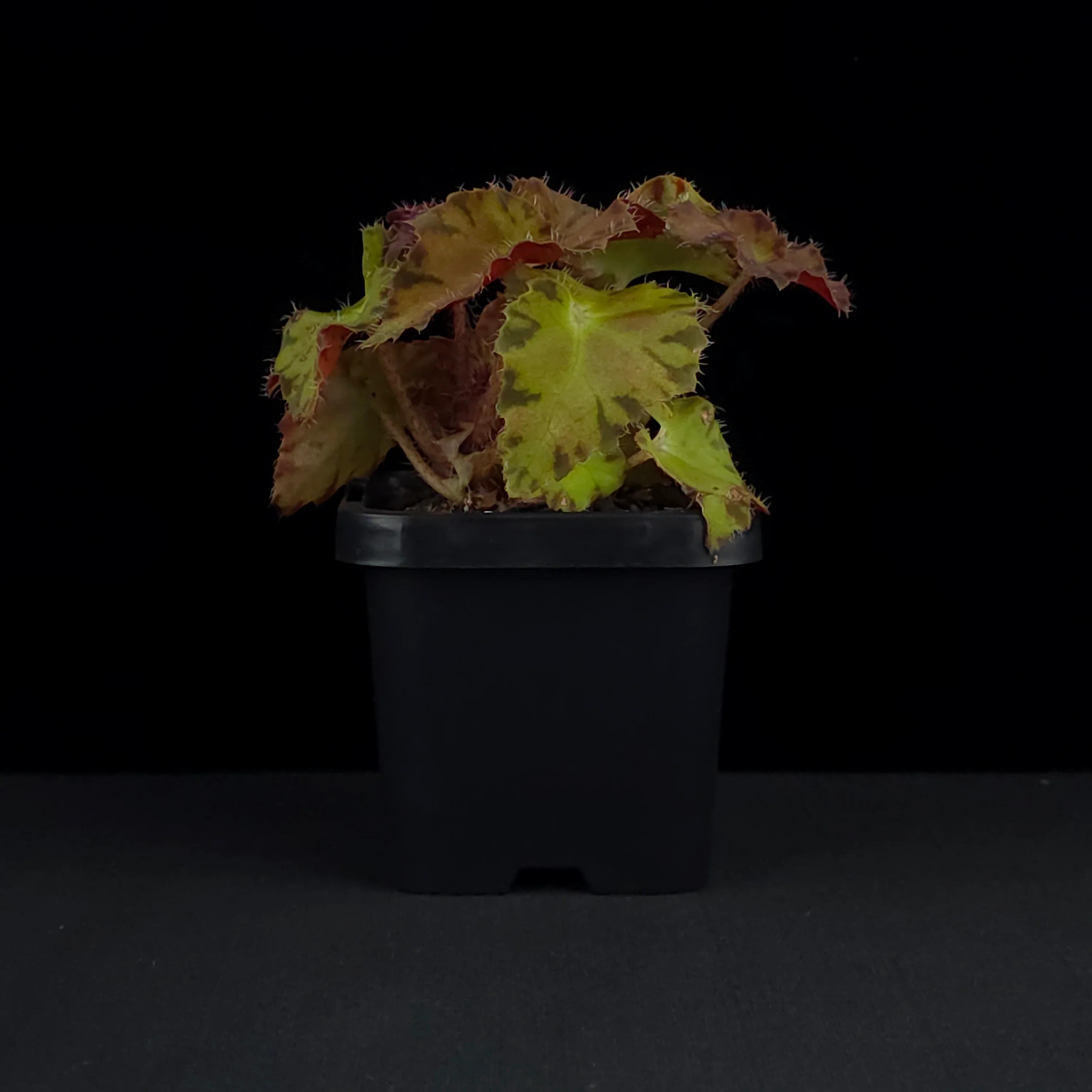
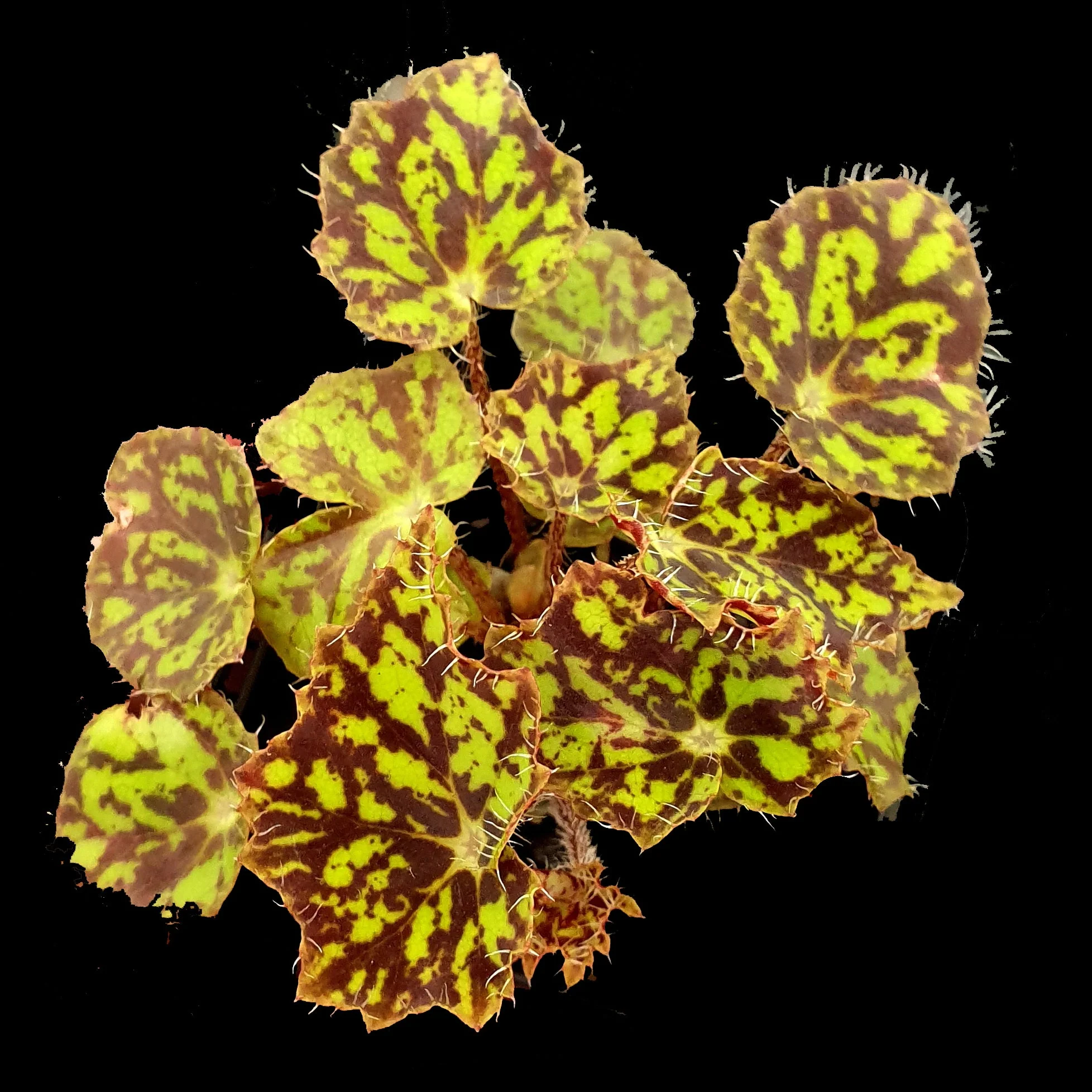
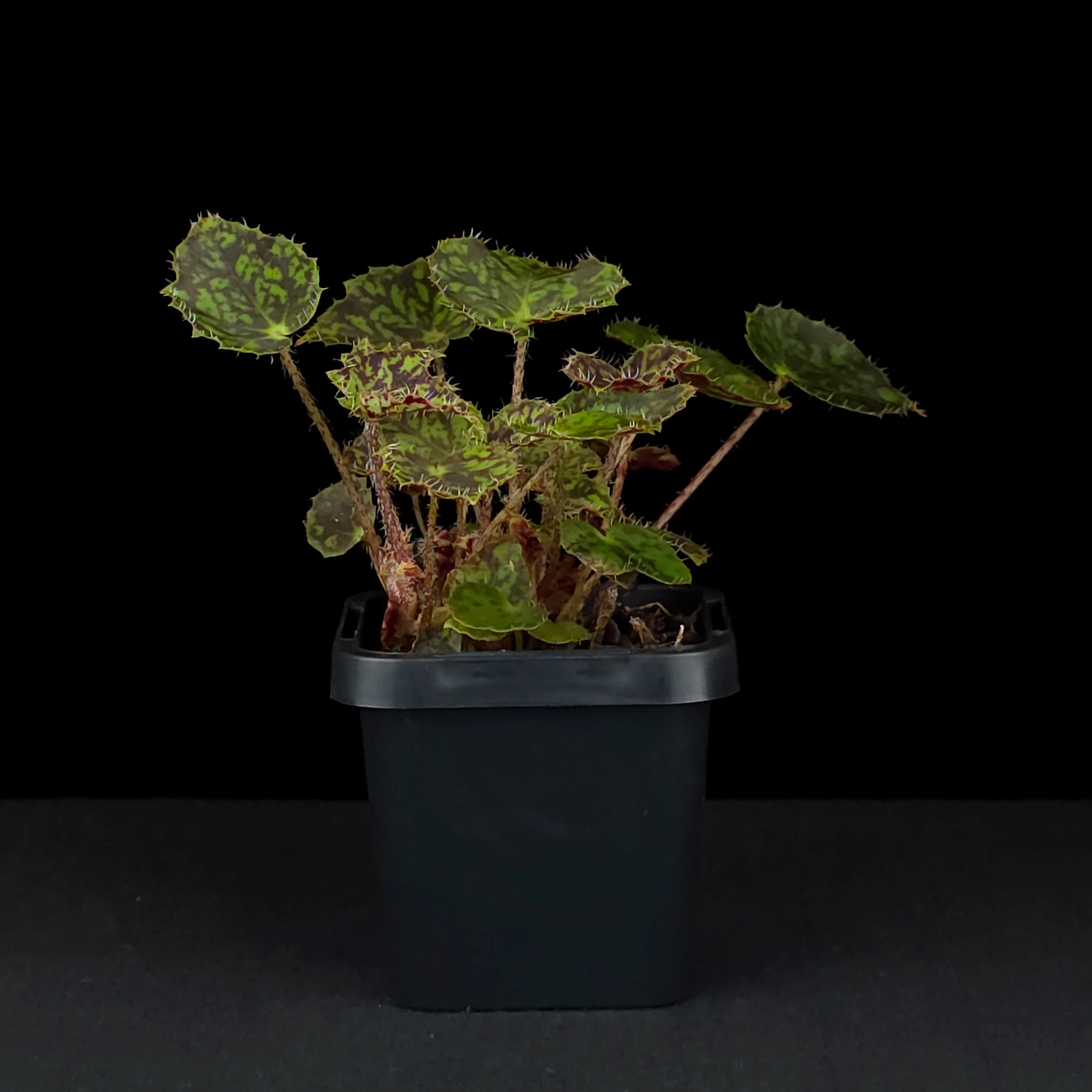
Aglaonema 'Auspicious Red' is a cultivated form within the Aglaonema genus, originally derived from species native to the tropical understories of Southeast Asia. These parent species typically occur in humid, shaded forest floors with consistently warm temperatures. 'Auspicious Red' is known for its vibrant red leaf colouring, often concentrated along the midrib and inner leaf area, with green or deep red margins. This cultivar is frequently associated with traditional symbolism and is popular in ornamental horticulture across Asia.
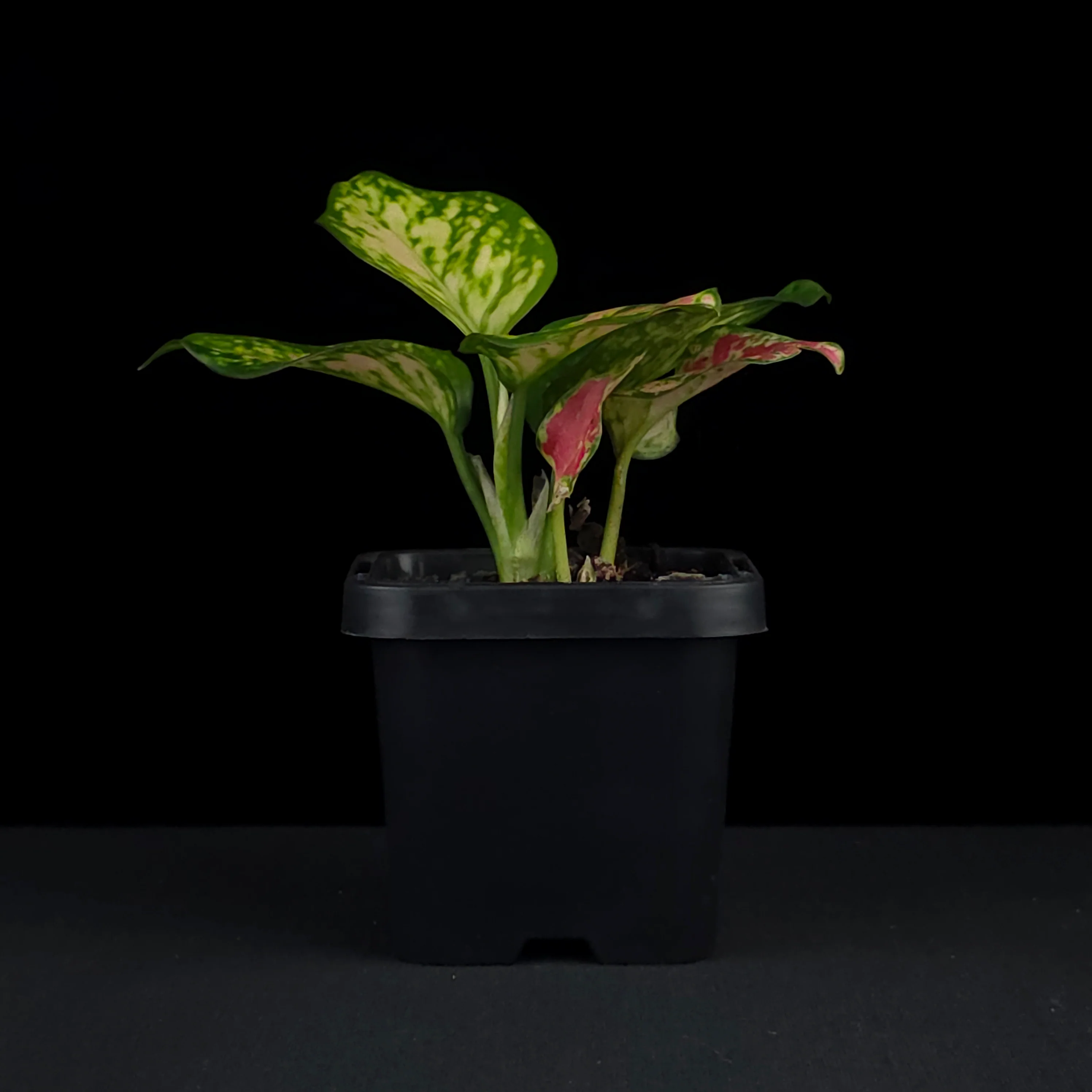
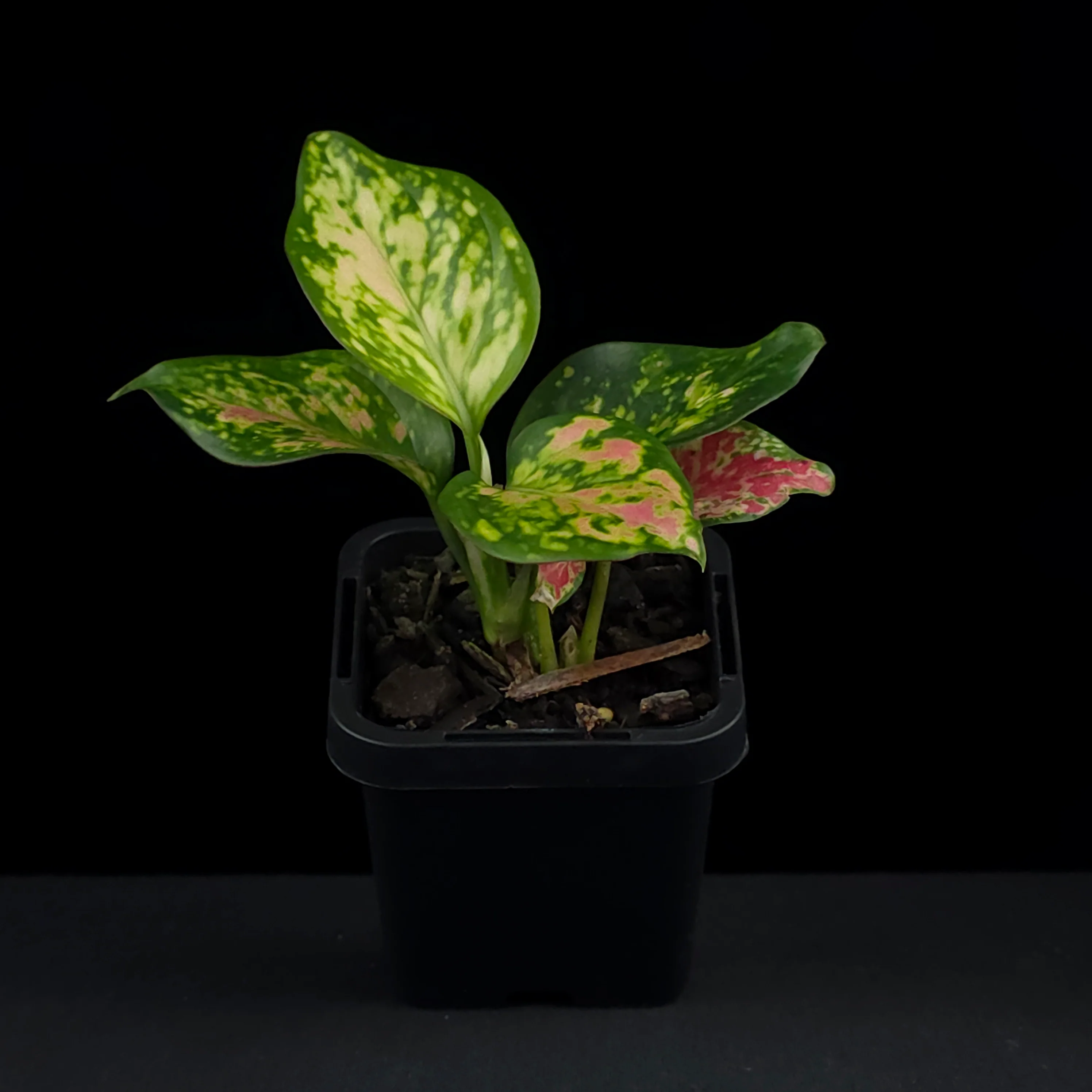
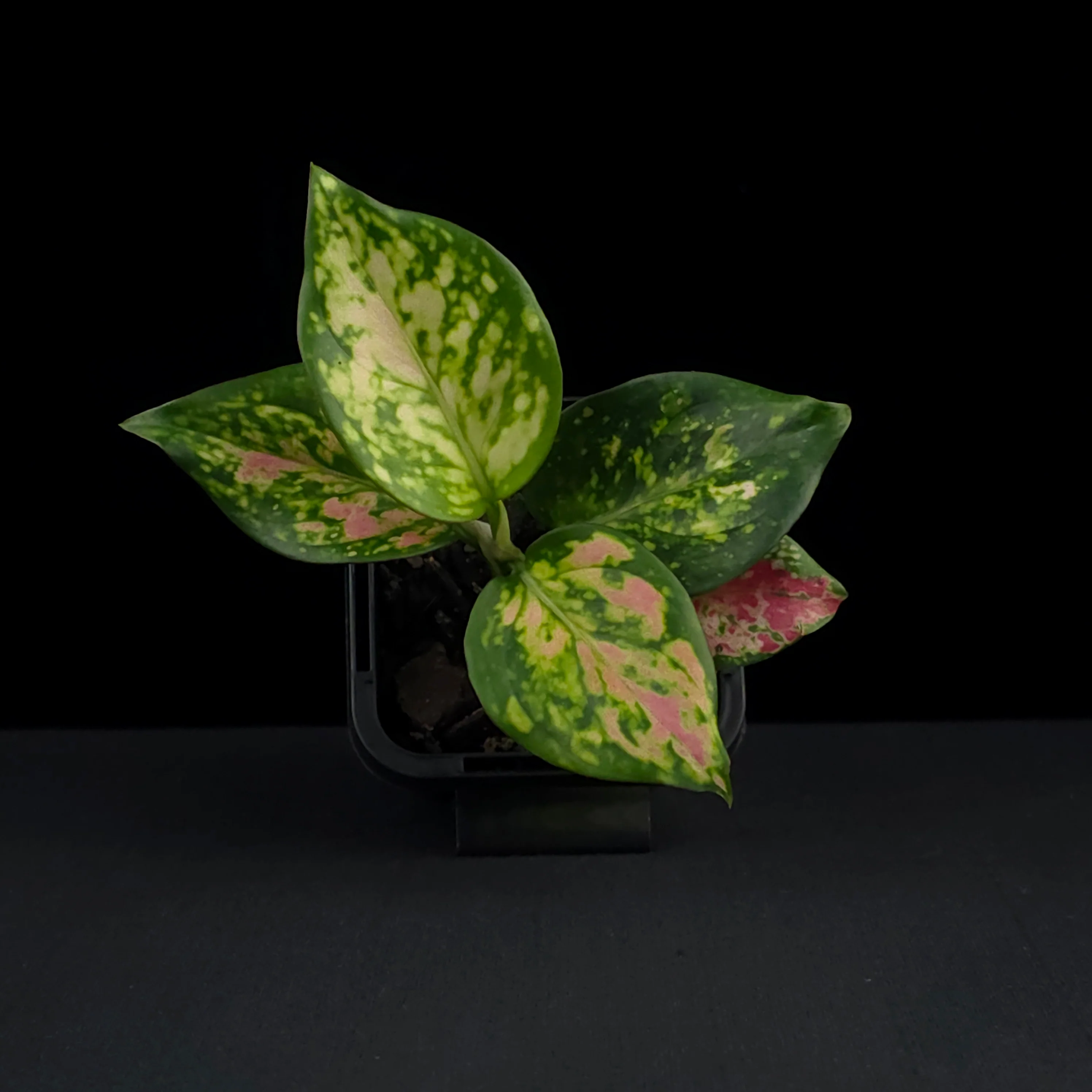
Young plants may show little red at first, with the colour becoming stronger and more defined as the leaves mature.
Distinctive features:
- Leaves with vivid red centres and green or reddish borders
- Broad, lance-shaped foliage with a glossy surface
- Compact, upright growth habit
- Often used decoratively for its association with prosperity
Care Tips:
- Light: Prefers bright, indirect light; tolerates low light but colouration may reduce
- Water: Water when the top layer of substrate becomes dry; avoid soggy soil
- Humidity: Performs well in moderate humidity; can adapt to typical indoor levels
- Media: Use a loose, free-draining potting mix with added perlite or bark
- Temperature: Grows best between 18–28°C; protect from temperatures below 15°C
- Fertiliser: Feed monthly with a balanced liquid fertiliser during the warmer months
- Repotting: Repot every 1–2 years or when roots fill the container
Additional Notes:
- Known to be toxic
Original: $10.00
-65%$10.00
$3.50More Images
Aglaonema 'Auspicious Red'
Aglaonema 'Auspicious Red' is a cultivated form within the Aglaonema genus, originally derived from species native to the tropical understories of Southeast Asia. These parent species typically occur in humid, shaded forest floors with consistently warm temperatures. 'Auspicious Red' is known for its vibrant red leaf colouring, often concentrated along the midrib and inner leaf area, with green or deep red margins. This cultivar is frequently associated with traditional symbolism and is popular in ornamental horticulture across Asia.
Young plants may show little red at first, with the colour becoming stronger and more defined as the leaves mature.
Distinctive features:
- Leaves with vivid red centres and green or reddish borders
- Broad, lance-shaped foliage with a glossy surface
- Compact, upright growth habit
- Often used decoratively for its association with prosperity
Care Tips:
- Light: Prefers bright, indirect light; tolerates low light but colouration may reduce
- Water: Water when the top layer of substrate becomes dry; avoid soggy soil
- Humidity: Performs well in moderate humidity; can adapt to typical indoor levels
- Media: Use a loose, free-draining potting mix with added perlite or bark
- Temperature: Grows best between 18–28°C; protect from temperatures below 15°C
- Fertiliser: Feed monthly with a balanced liquid fertiliser during the warmer months
- Repotting: Repot every 1–2 years or when roots fill the container
Additional Notes:
- Known to be toxic
Product Information
Product Information
Shipping & Returns
Shipping & Returns
Description
Aglaonema 'Auspicious Red' is a cultivated form within the Aglaonema genus, originally derived from species native to the tropical understories of Southeast Asia. These parent species typically occur in humid, shaded forest floors with consistently warm temperatures. 'Auspicious Red' is known for its vibrant red leaf colouring, often concentrated along the midrib and inner leaf area, with green or deep red margins. This cultivar is frequently associated with traditional symbolism and is popular in ornamental horticulture across Asia.
Young plants may show little red at first, with the colour becoming stronger and more defined as the leaves mature.
Distinctive features:
- Leaves with vivid red centres and green or reddish borders
- Broad, lance-shaped foliage with a glossy surface
- Compact, upright growth habit
- Often used decoratively for its association with prosperity
Care Tips:
- Light: Prefers bright, indirect light; tolerates low light but colouration may reduce
- Water: Water when the top layer of substrate becomes dry; avoid soggy soil
- Humidity: Performs well in moderate humidity; can adapt to typical indoor levels
- Media: Use a loose, free-draining potting mix with added perlite or bark
- Temperature: Grows best between 18–28°C; protect from temperatures below 15°C
- Fertiliser: Feed monthly with a balanced liquid fertiliser during the warmer months
- Repotting: Repot every 1–2 years or when roots fill the container
Additional Notes:
- Known to be toxic