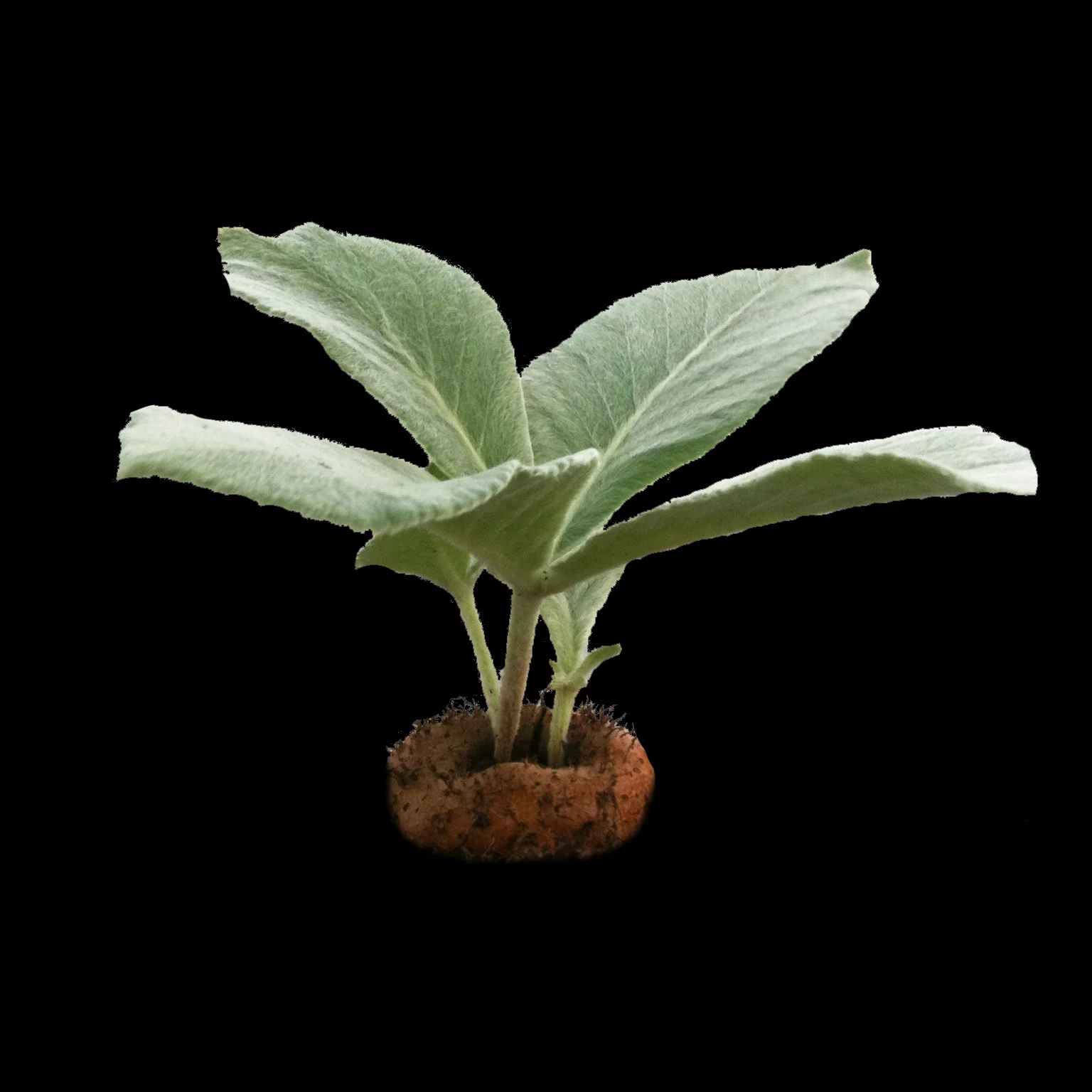
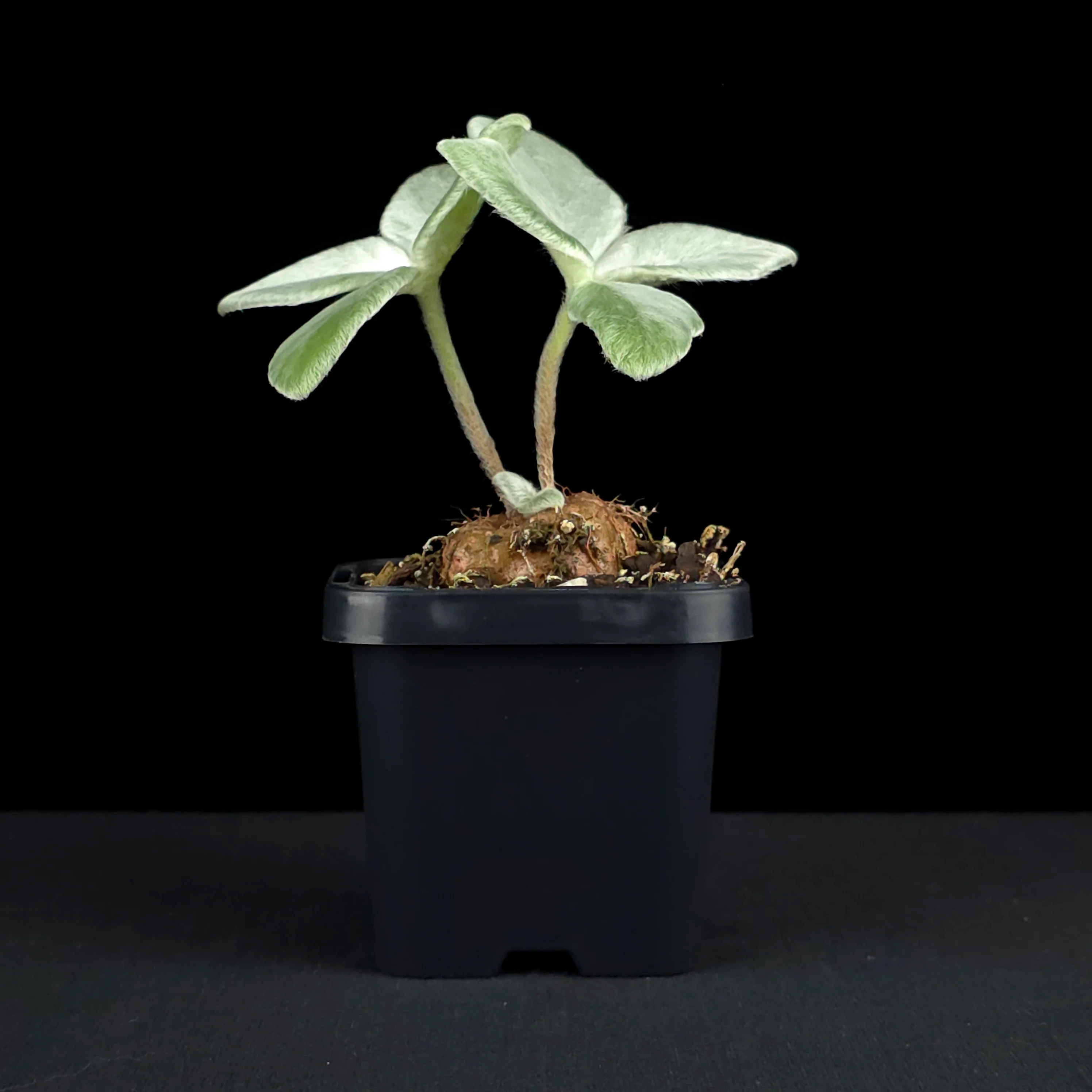
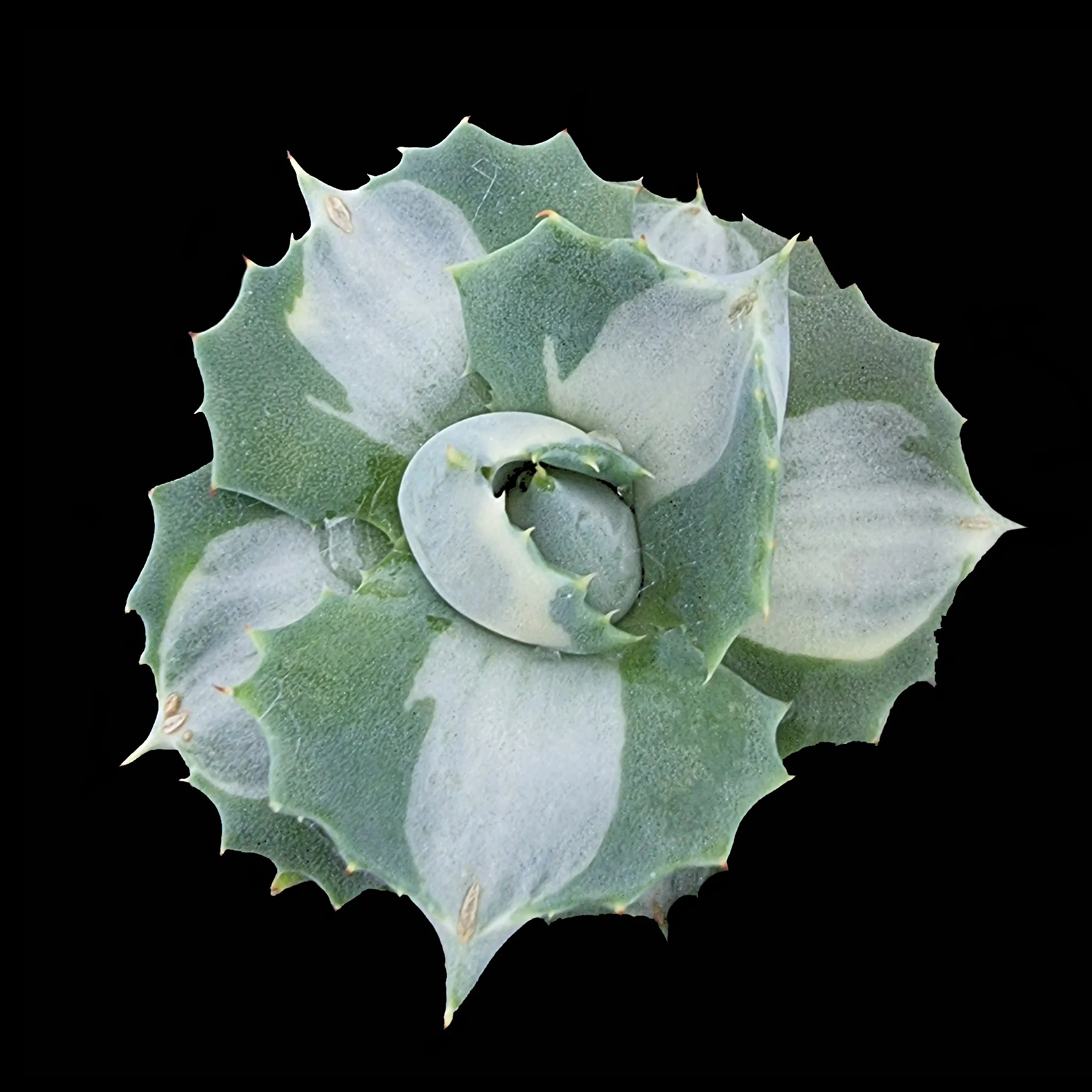
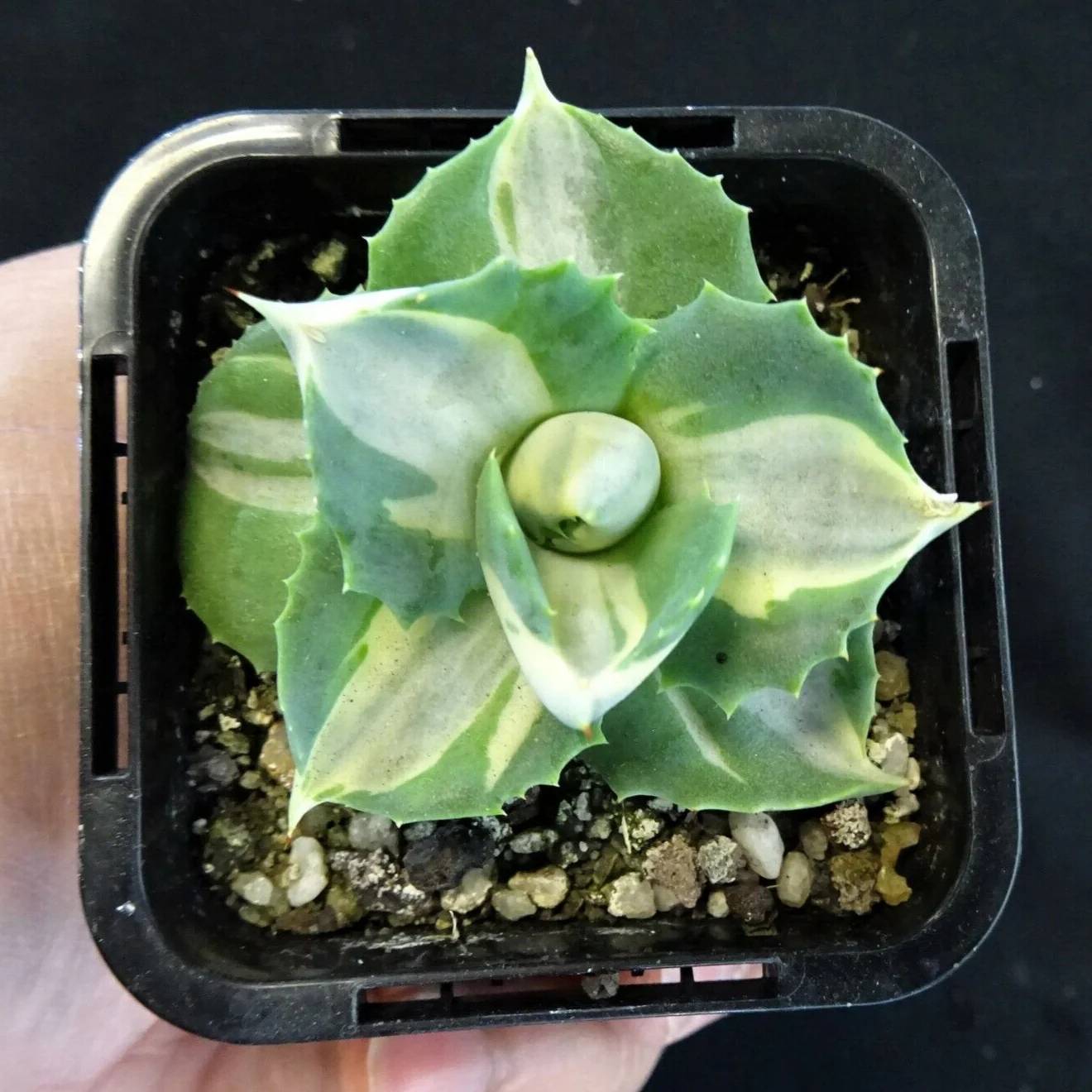
Albuca spiralis species.
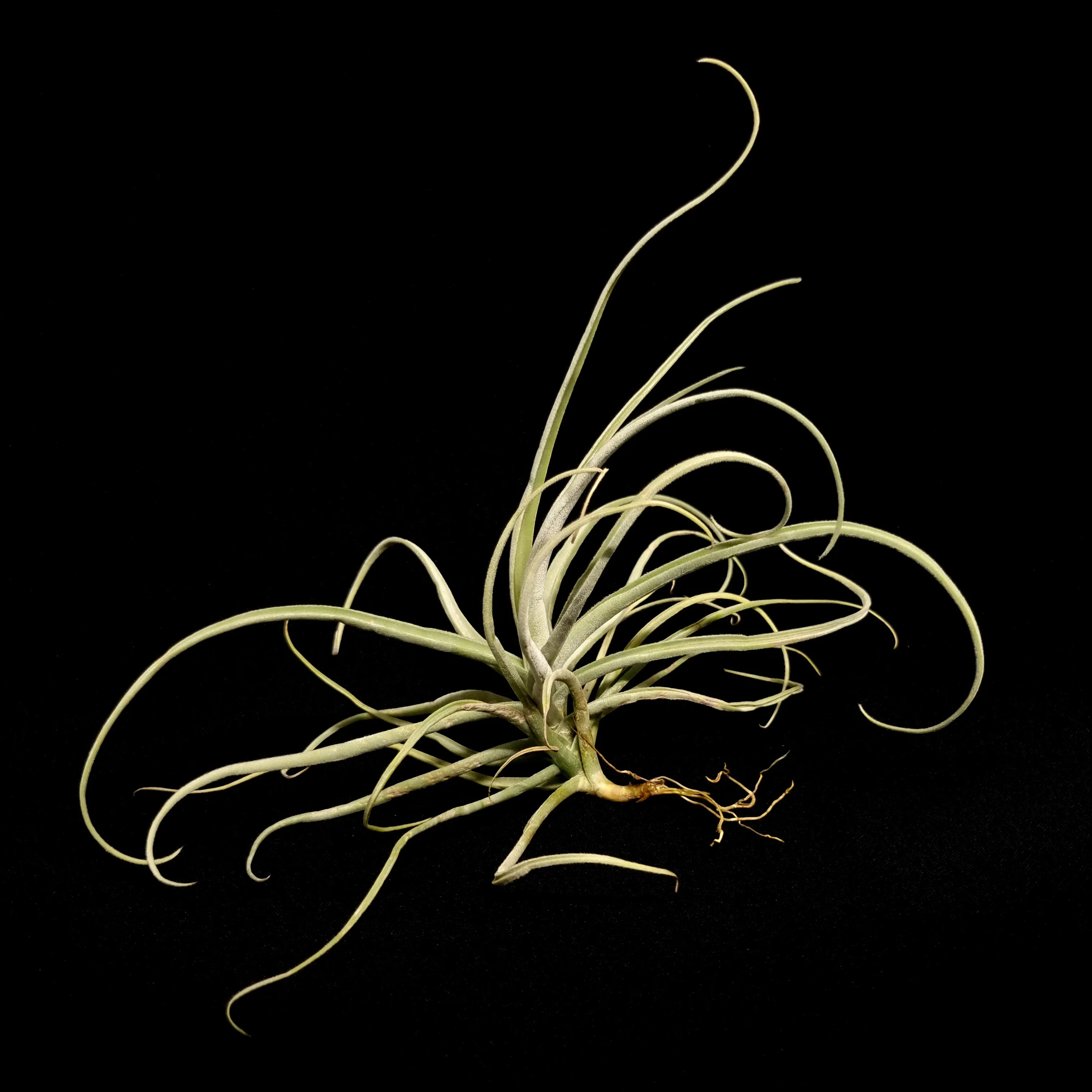
Albuca spiralis is a geophytic species in the family Asparagaceae, native to the Western and Northern Cape of South Africa. It grows in regions with a Mediterranean climate, where winters bring rainfall and summers are hot and dry. The plant produces a bulb from which slender, bright green leaves emerge, each twisting into loose coils, a trait that gives the species its distinctive appearance. In spring, mature plants develop inflorescences bearing yellow, nodding, sweetly scented flowers with green stripes on the petals. These flowers are pollinated by insects in their native habitat.
Care Tips
- Light: Requires bright light to full sun to maintain the coiled form of the leaves.
- Water: Water during the active growing season in autumn and winter; keep dry during dormancy in summer.
- Media: Best in a sandy, well-drained mix to prevent bulb rot.
- Fertiliser: Apply a diluted balanced fertiliser during the growth phase to support leaf and flower development.
- Temperature: Prefers cool to mild conditions in winter; protect from frost by growing under cover in colder climates.
- Repotting: Repot bulbs every few years at the start of the growth cycle, spacing them to allow for offsets.
Original: $20.00
-65%$20.00
$7.00More Images


Albuca spiralis species.
Albuca spiralis is a geophytic species in the family Asparagaceae, native to the Western and Northern Cape of South Africa. It grows in regions with a Mediterranean climate, where winters bring rainfall and summers are hot and dry. The plant produces a bulb from which slender, bright green leaves emerge, each twisting into loose coils, a trait that gives the species its distinctive appearance. In spring, mature plants develop inflorescences bearing yellow, nodding, sweetly scented flowers with green stripes on the petals. These flowers are pollinated by insects in their native habitat.
Care Tips
- Light: Requires bright light to full sun to maintain the coiled form of the leaves.
- Water: Water during the active growing season in autumn and winter; keep dry during dormancy in summer.
- Media: Best in a sandy, well-drained mix to prevent bulb rot.
- Fertiliser: Apply a diluted balanced fertiliser during the growth phase to support leaf and flower development.
- Temperature: Prefers cool to mild conditions in winter; protect from frost by growing under cover in colder climates.
- Repotting: Repot bulbs every few years at the start of the growth cycle, spacing them to allow for offsets.
Product Information
Product Information
Shipping & Returns
Shipping & Returns
Description
Albuca spiralis is a geophytic species in the family Asparagaceae, native to the Western and Northern Cape of South Africa. It grows in regions with a Mediterranean climate, where winters bring rainfall and summers are hot and dry. The plant produces a bulb from which slender, bright green leaves emerge, each twisting into loose coils, a trait that gives the species its distinctive appearance. In spring, mature plants develop inflorescences bearing yellow, nodding, sweetly scented flowers with green stripes on the petals. These flowers are pollinated by insects in their native habitat.
Care Tips
- Light: Requires bright light to full sun to maintain the coiled form of the leaves.
- Water: Water during the active growing season in autumn and winter; keep dry during dormancy in summer.
- Media: Best in a sandy, well-drained mix to prevent bulb rot.
- Fertiliser: Apply a diluted balanced fertiliser during the growth phase to support leaf and flower development.
- Temperature: Prefers cool to mild conditions in winter; protect from frost by growing under cover in colder climates.
- Repotting: Repot bulbs every few years at the start of the growth cycle, spacing them to allow for offsets.