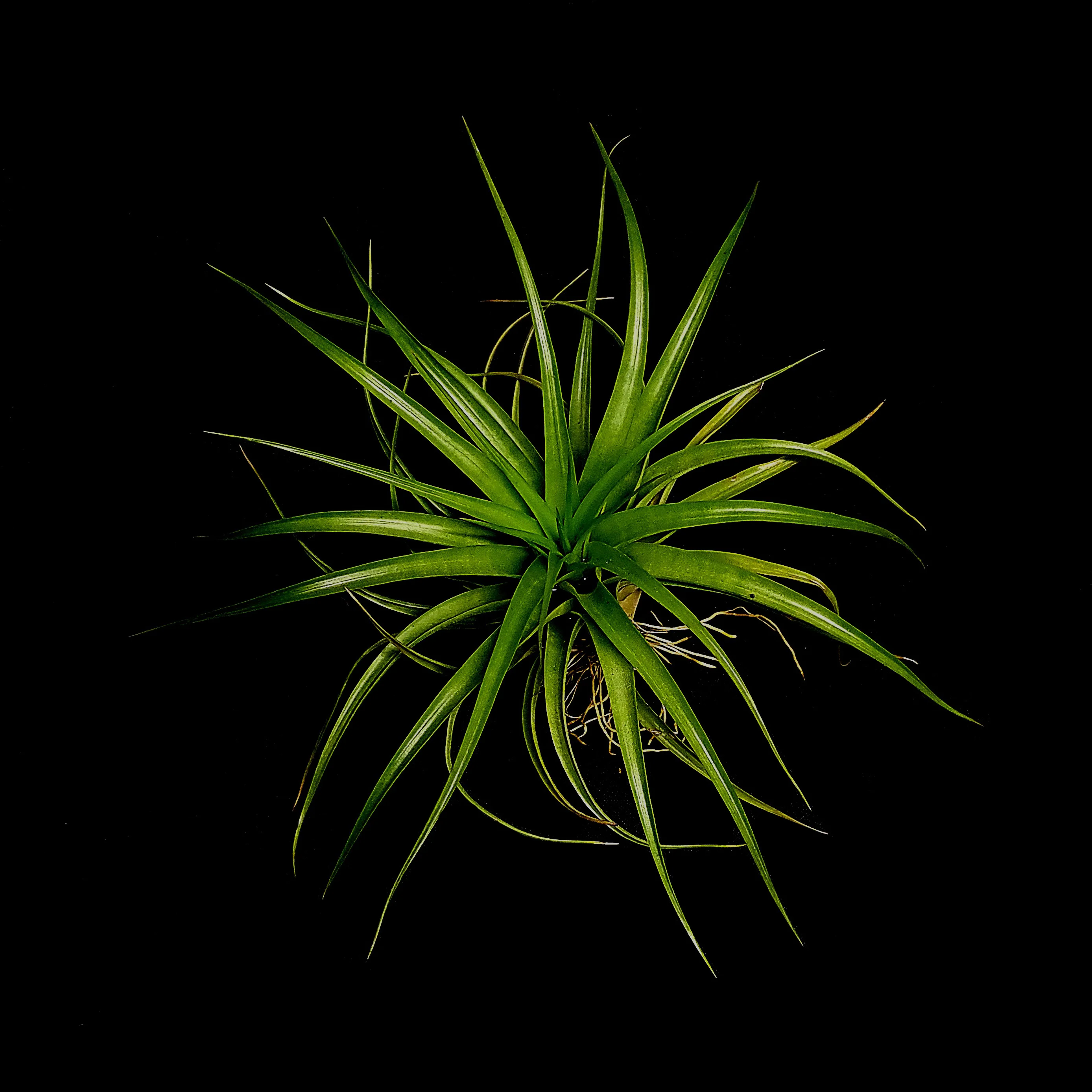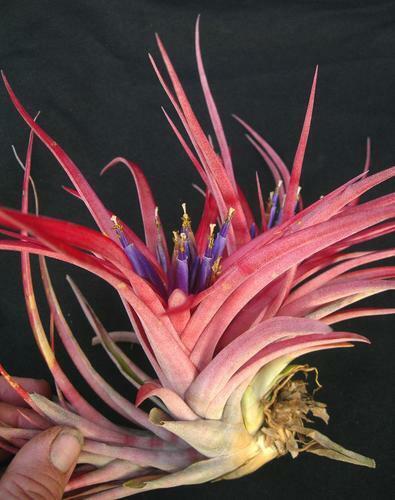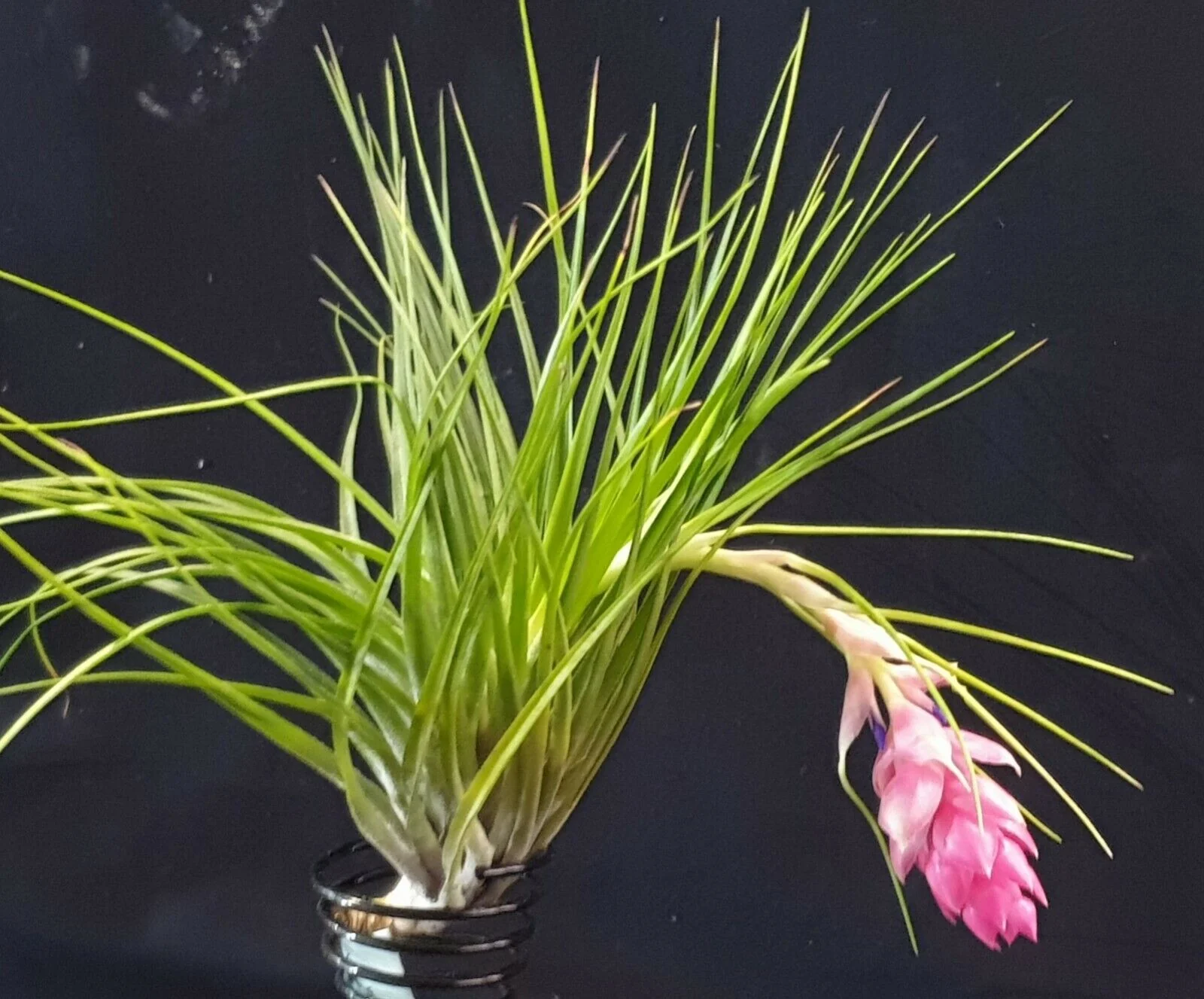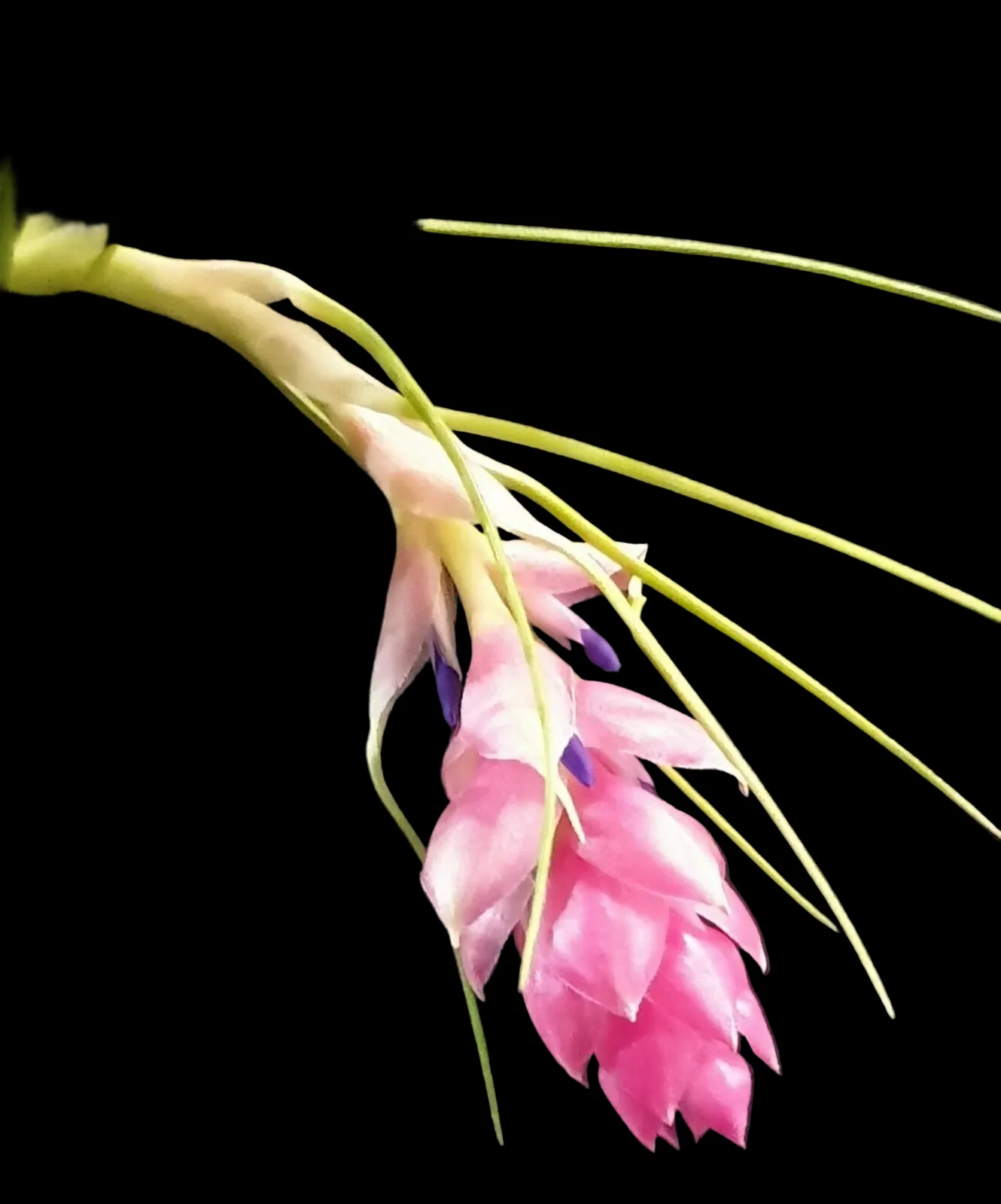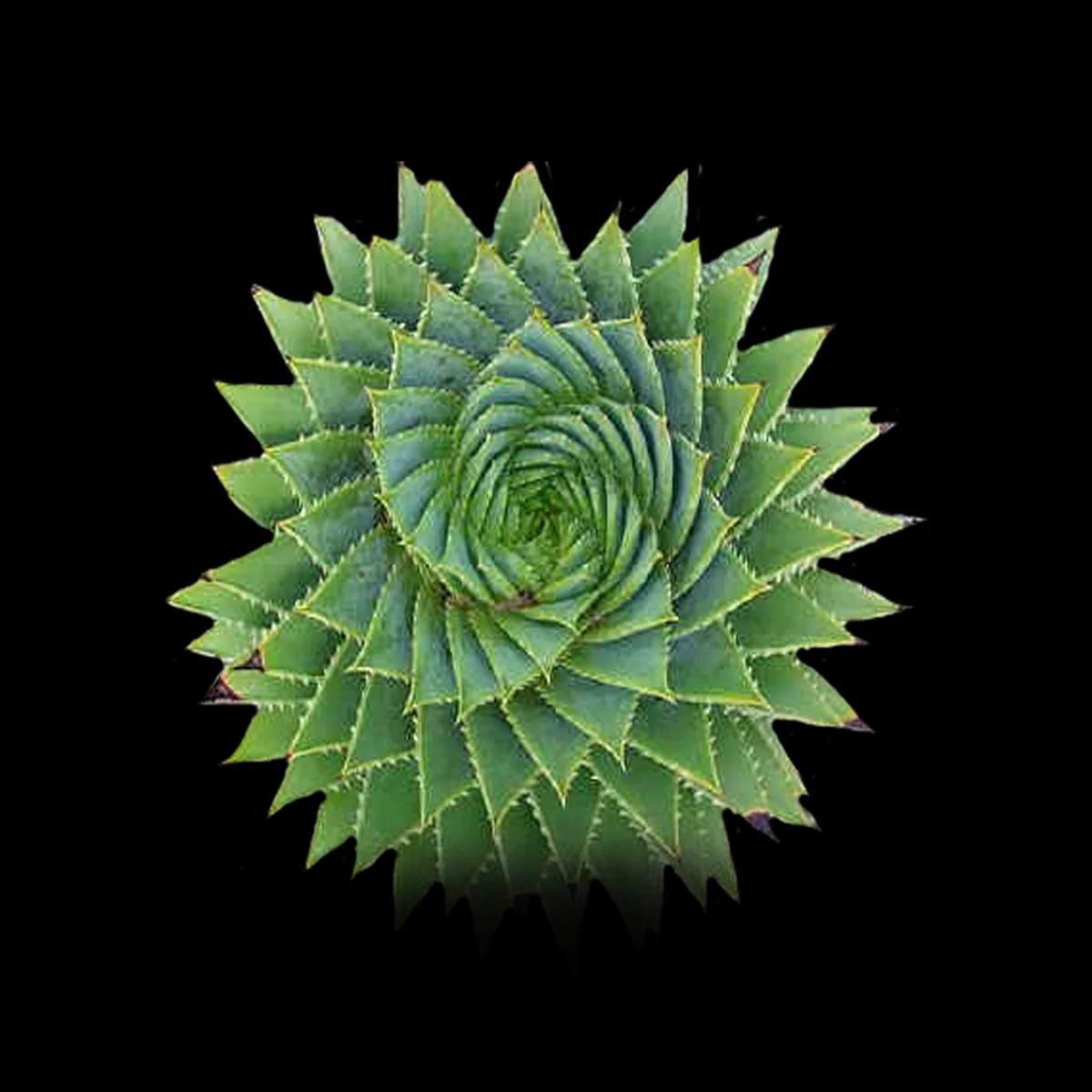
Aloe polyphylla 'Spiral Aloe'
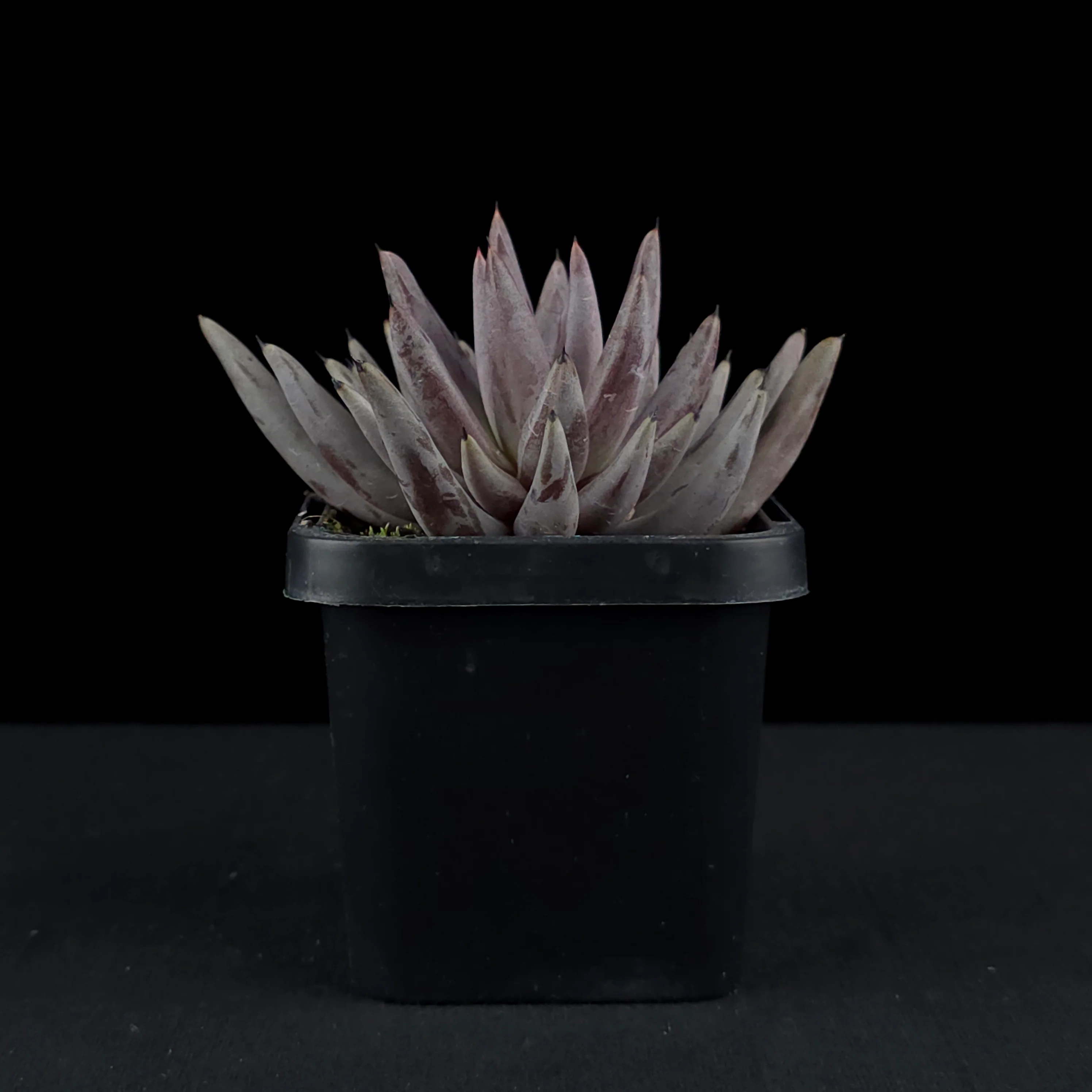
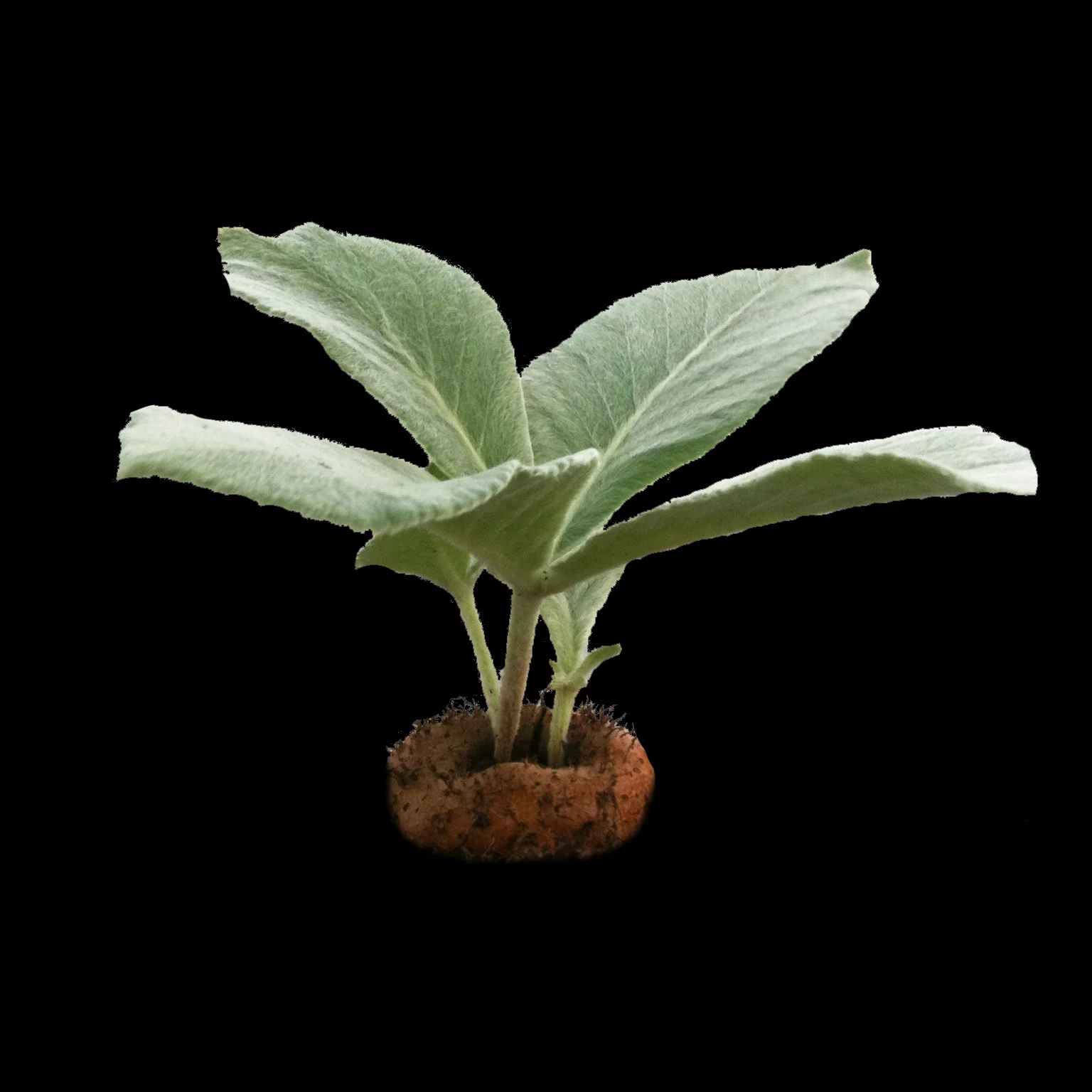
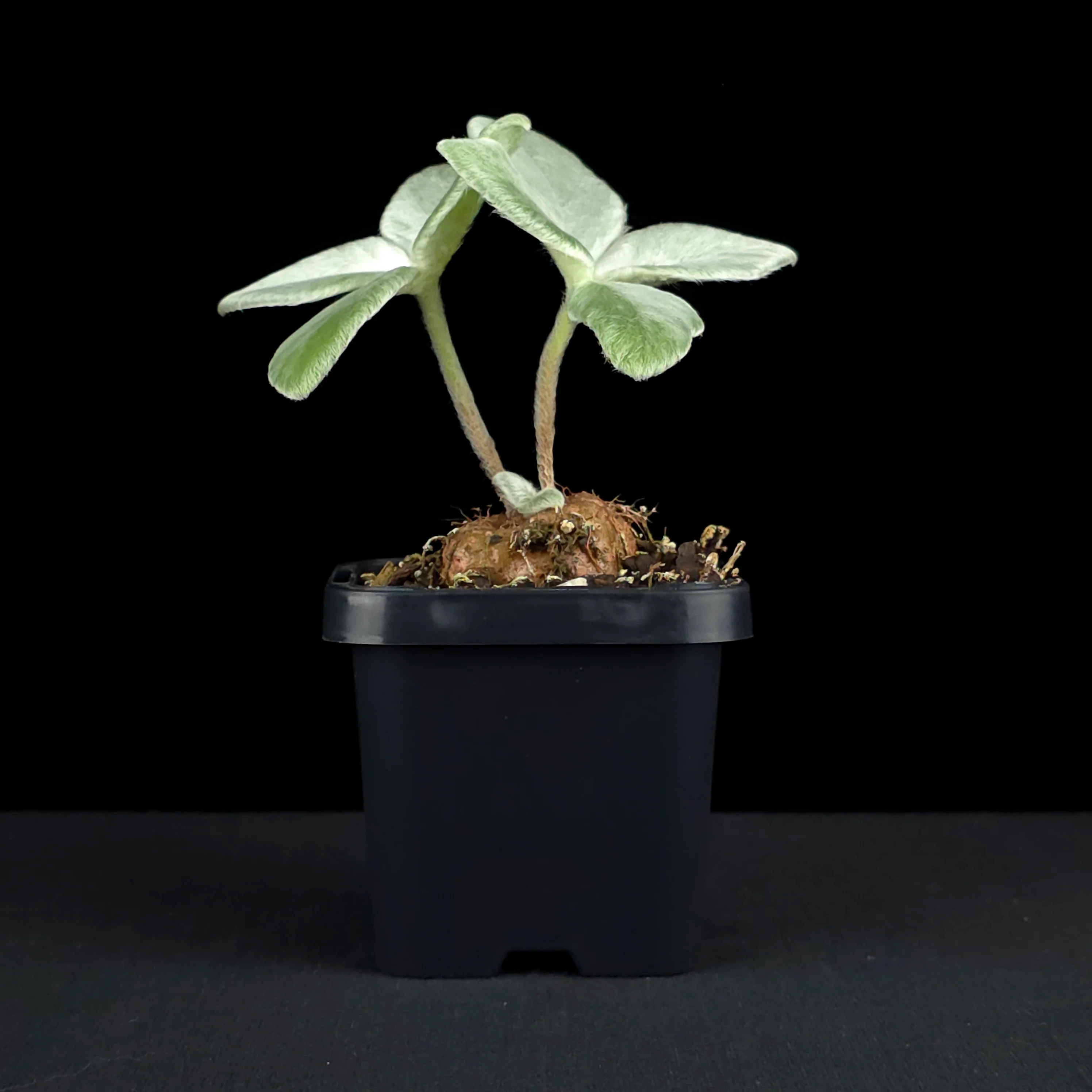
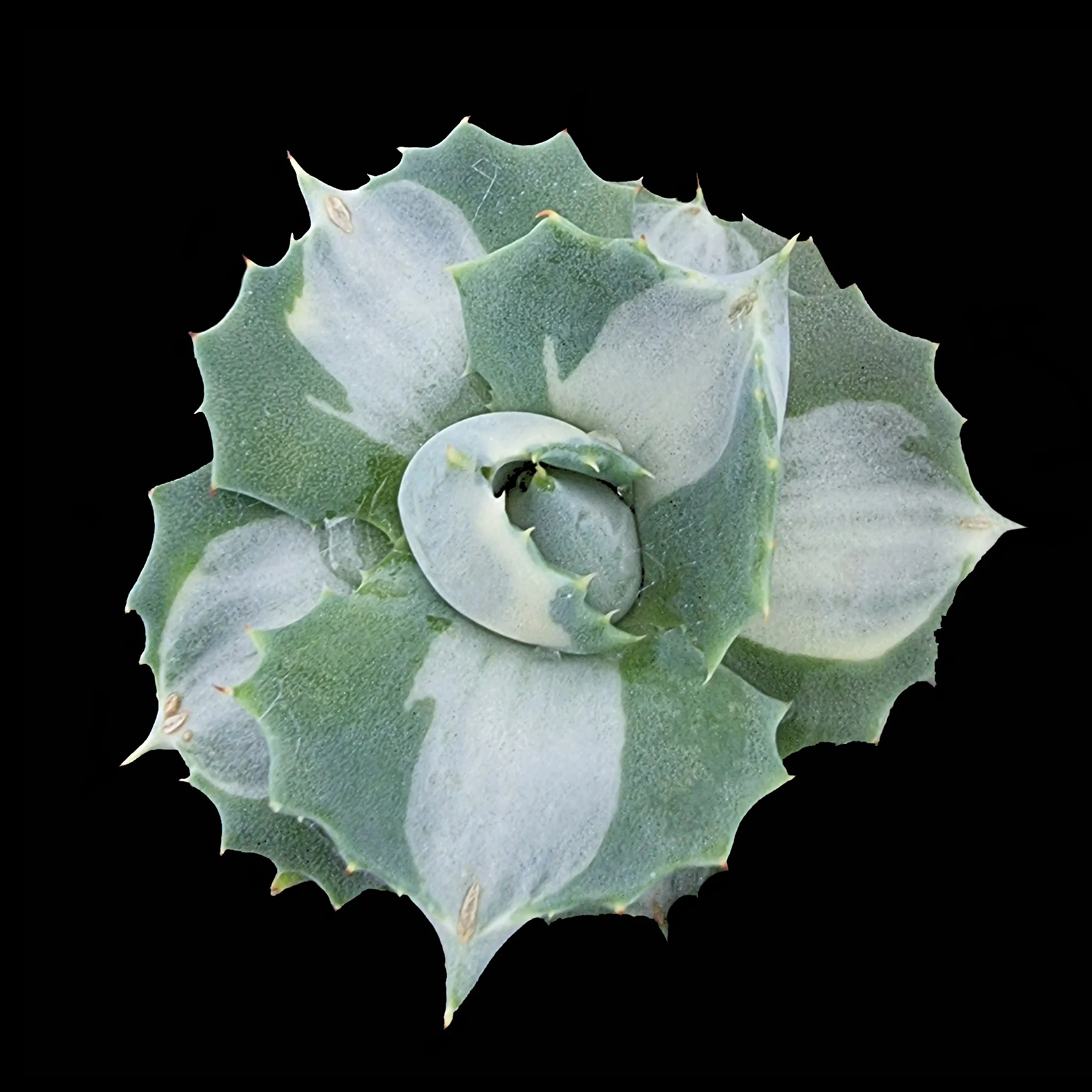
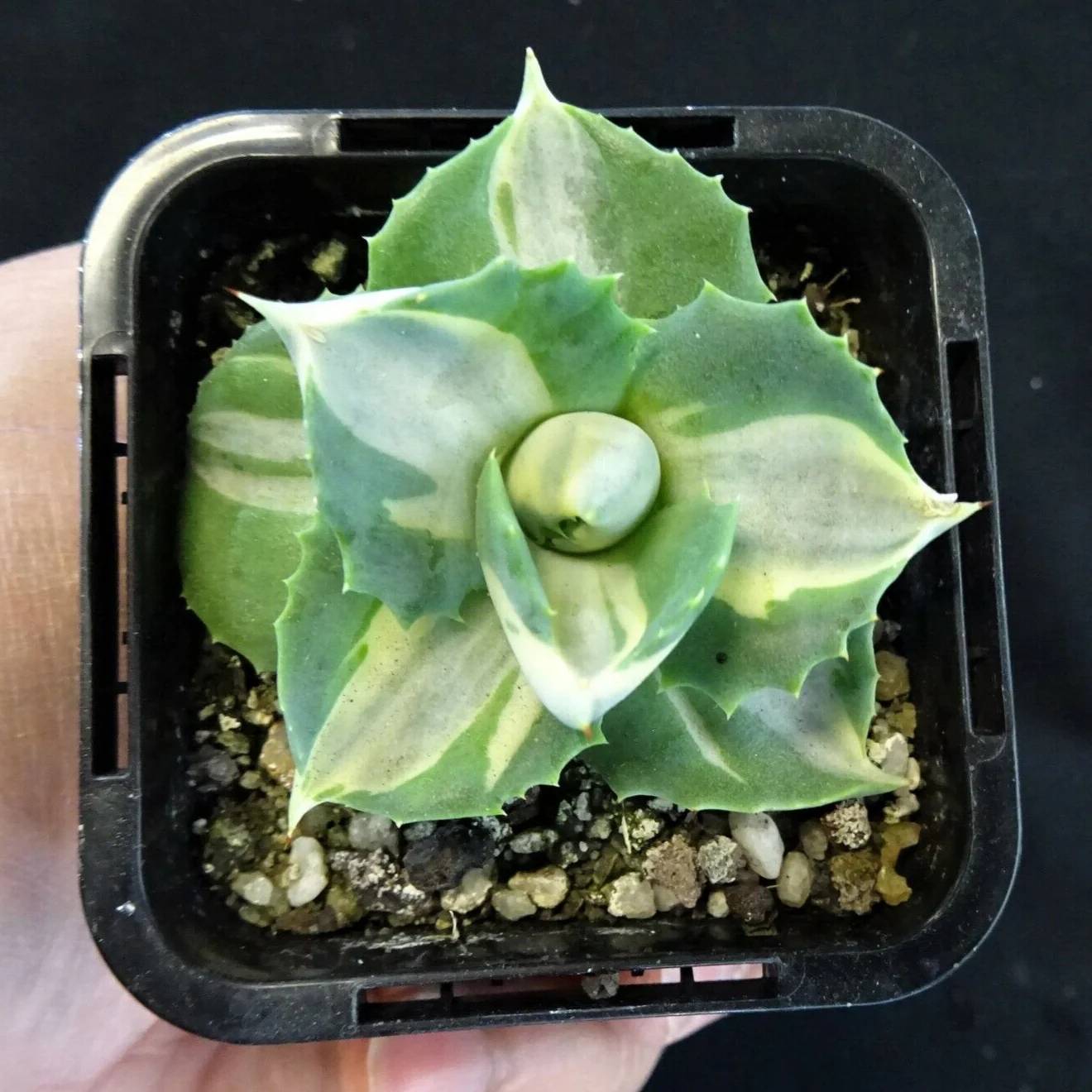
Aloe polyphylla, widely known as the Spiral Aloe, is a rare species endemic to the high mountains of Lesotho in southern Africa. It grows on steep basaltic slopes between 2,000 and 2,500 m, where it experiences cool summers, snow in winter, and excellent drainage from rocky soils. The plant forms a solitary rosette of up to 150 triangular leaves, each tipped with a small spine. As the plant matures, the leaves arrange themselves into a perfect clockwise or counter-clockwise spiral, a trait that has made this species highly sought after. In late spring to summer, mature plants may produce branched inflorescences with orange to red tubular flowers, pollinated by birds in the wild.
Care Tips
- Light: Requires full sun to very bright light for proper spiral formation.
- Water: Water regularly in the growing season, allowing soil to dry slightly between waterings. Avoid prolonged drought or waterlogging.
- Media: Needs a sharply draining, rocky mix; raised beds or deep pots with grit and sand are ideal.
- Fertiliser: Apply a diluted, low-nitrogen fertiliser during spring and summer growth.
- Temperature: Prefers cool to mild conditions; tolerates frost and snow if drainage is excellent, but struggles in prolonged heat.
- Repotting: Repot sparingly, as plants dislike root disturbance; use deep, free-draining containers if not planted outdoors.
Original: $10.00
-65%$10.00
$3.50More Images

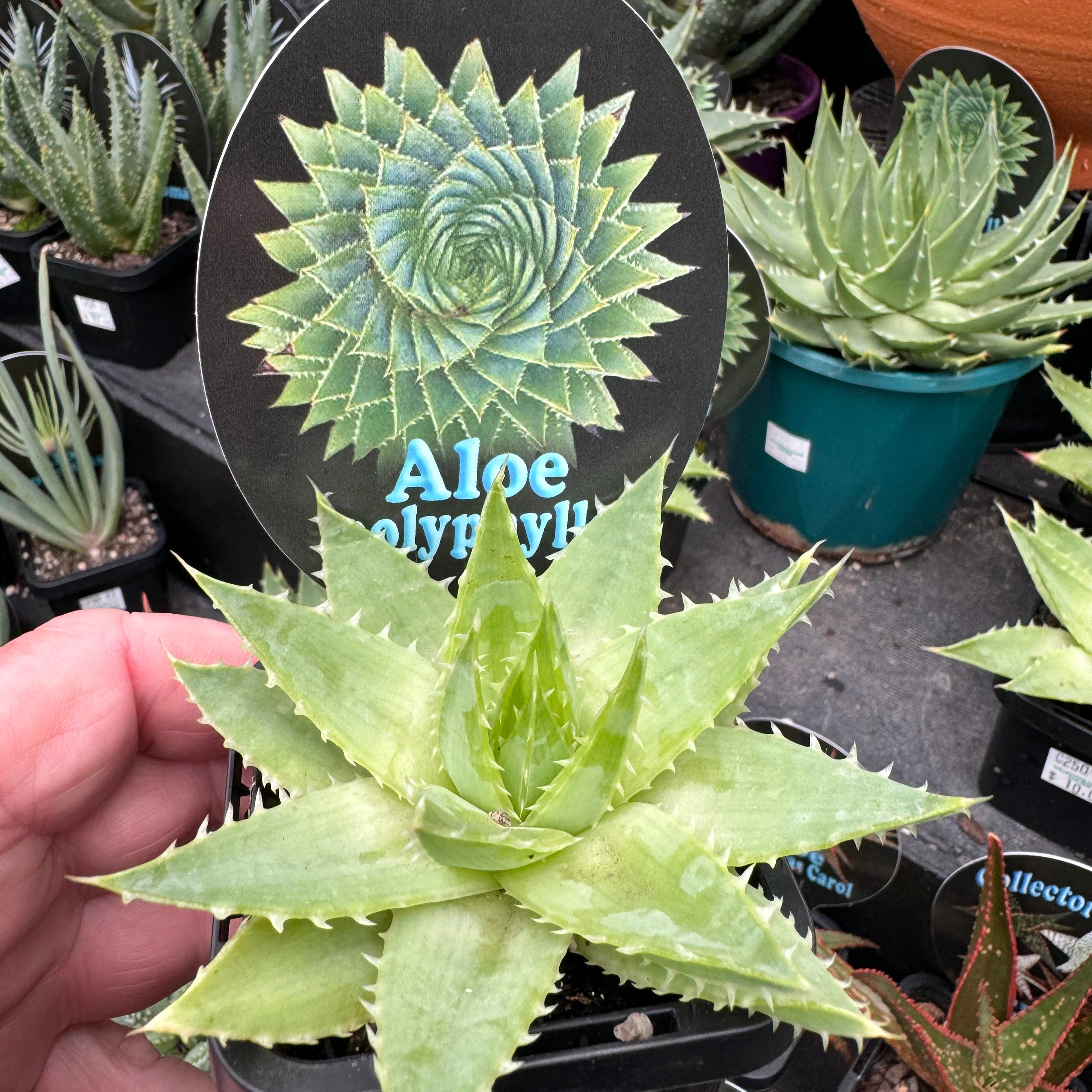
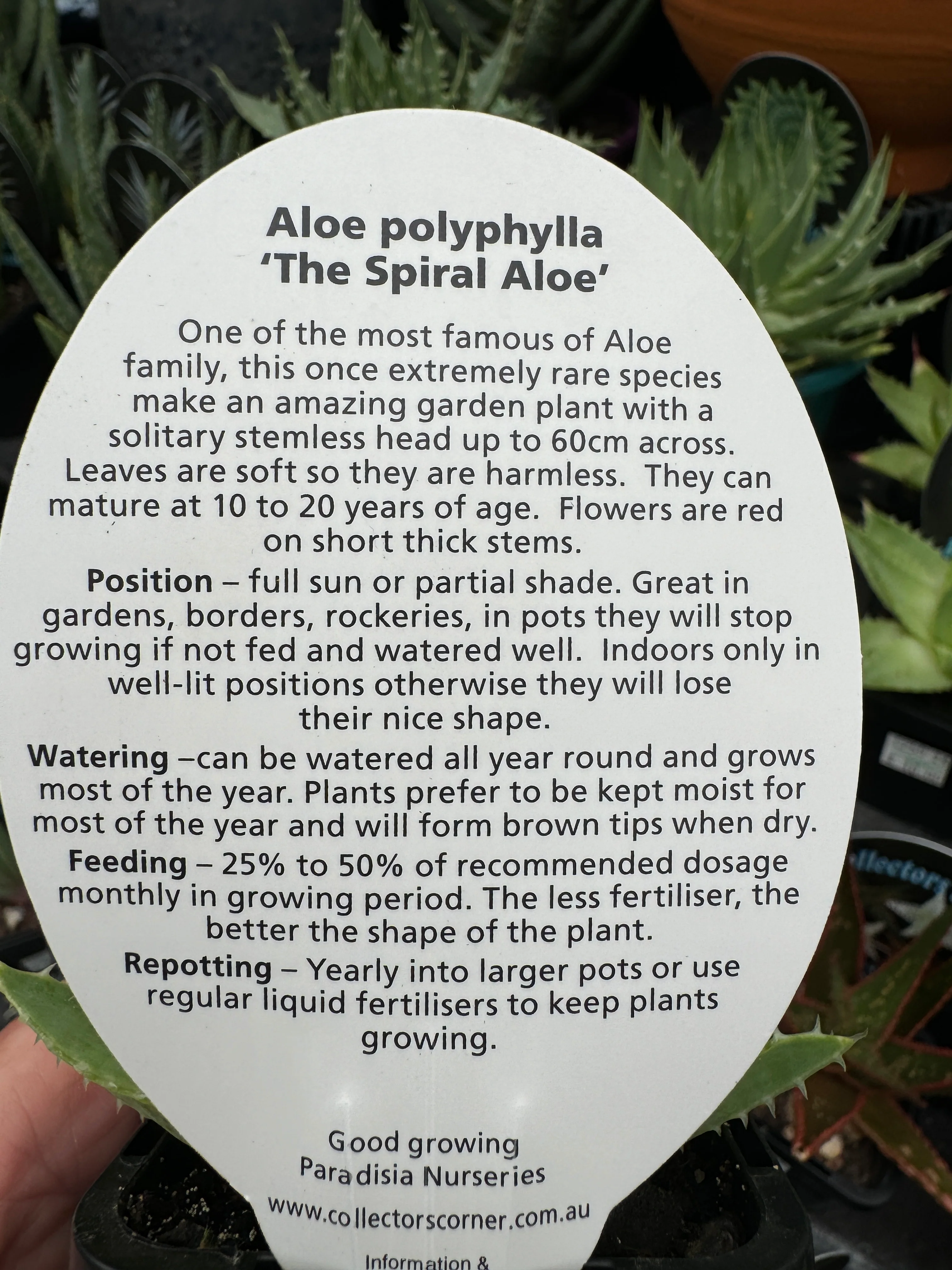
Aloe polyphylla 'Spiral Aloe'
Aloe polyphylla, widely known as the Spiral Aloe, is a rare species endemic to the high mountains of Lesotho in southern Africa. It grows on steep basaltic slopes between 2,000 and 2,500 m, where it experiences cool summers, snow in winter, and excellent drainage from rocky soils. The plant forms a solitary rosette of up to 150 triangular leaves, each tipped with a small spine. As the plant matures, the leaves arrange themselves into a perfect clockwise or counter-clockwise spiral, a trait that has made this species highly sought after. In late spring to summer, mature plants may produce branched inflorescences with orange to red tubular flowers, pollinated by birds in the wild.
Care Tips
- Light: Requires full sun to very bright light for proper spiral formation.
- Water: Water regularly in the growing season, allowing soil to dry slightly between waterings. Avoid prolonged drought or waterlogging.
- Media: Needs a sharply draining, rocky mix; raised beds or deep pots with grit and sand are ideal.
- Fertiliser: Apply a diluted, low-nitrogen fertiliser during spring and summer growth.
- Temperature: Prefers cool to mild conditions; tolerates frost and snow if drainage is excellent, but struggles in prolonged heat.
- Repotting: Repot sparingly, as plants dislike root disturbance; use deep, free-draining containers if not planted outdoors.
Product Information
Product Information
Shipping & Returns
Shipping & Returns
Description
Aloe polyphylla, widely known as the Spiral Aloe, is a rare species endemic to the high mountains of Lesotho in southern Africa. It grows on steep basaltic slopes between 2,000 and 2,500 m, where it experiences cool summers, snow in winter, and excellent drainage from rocky soils. The plant forms a solitary rosette of up to 150 triangular leaves, each tipped with a small spine. As the plant matures, the leaves arrange themselves into a perfect clockwise or counter-clockwise spiral, a trait that has made this species highly sought after. In late spring to summer, mature plants may produce branched inflorescences with orange to red tubular flowers, pollinated by birds in the wild.
Care Tips
- Light: Requires full sun to very bright light for proper spiral formation.
- Water: Water regularly in the growing season, allowing soil to dry slightly between waterings. Avoid prolonged drought or waterlogging.
- Media: Needs a sharply draining, rocky mix; raised beds or deep pots with grit and sand are ideal.
- Fertiliser: Apply a diluted, low-nitrogen fertiliser during spring and summer growth.
- Temperature: Prefers cool to mild conditions; tolerates frost and snow if drainage is excellent, but struggles in prolonged heat.
- Repotting: Repot sparingly, as plants dislike root disturbance; use deep, free-draining containers if not planted outdoors.