Aporocactus flagelliformis (syn. Disocactus) - Rat Tail Cactus - Mistletoe Cactus
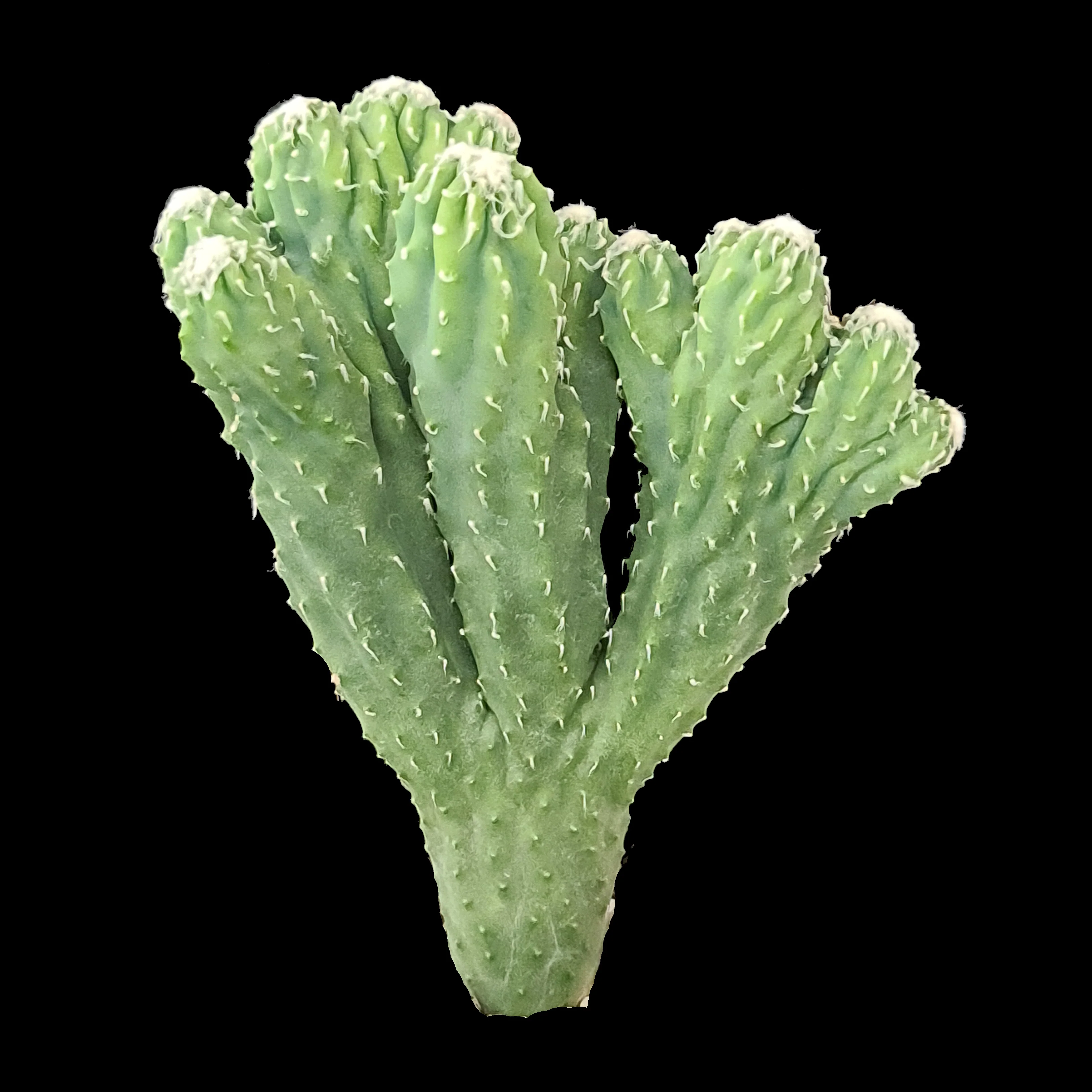
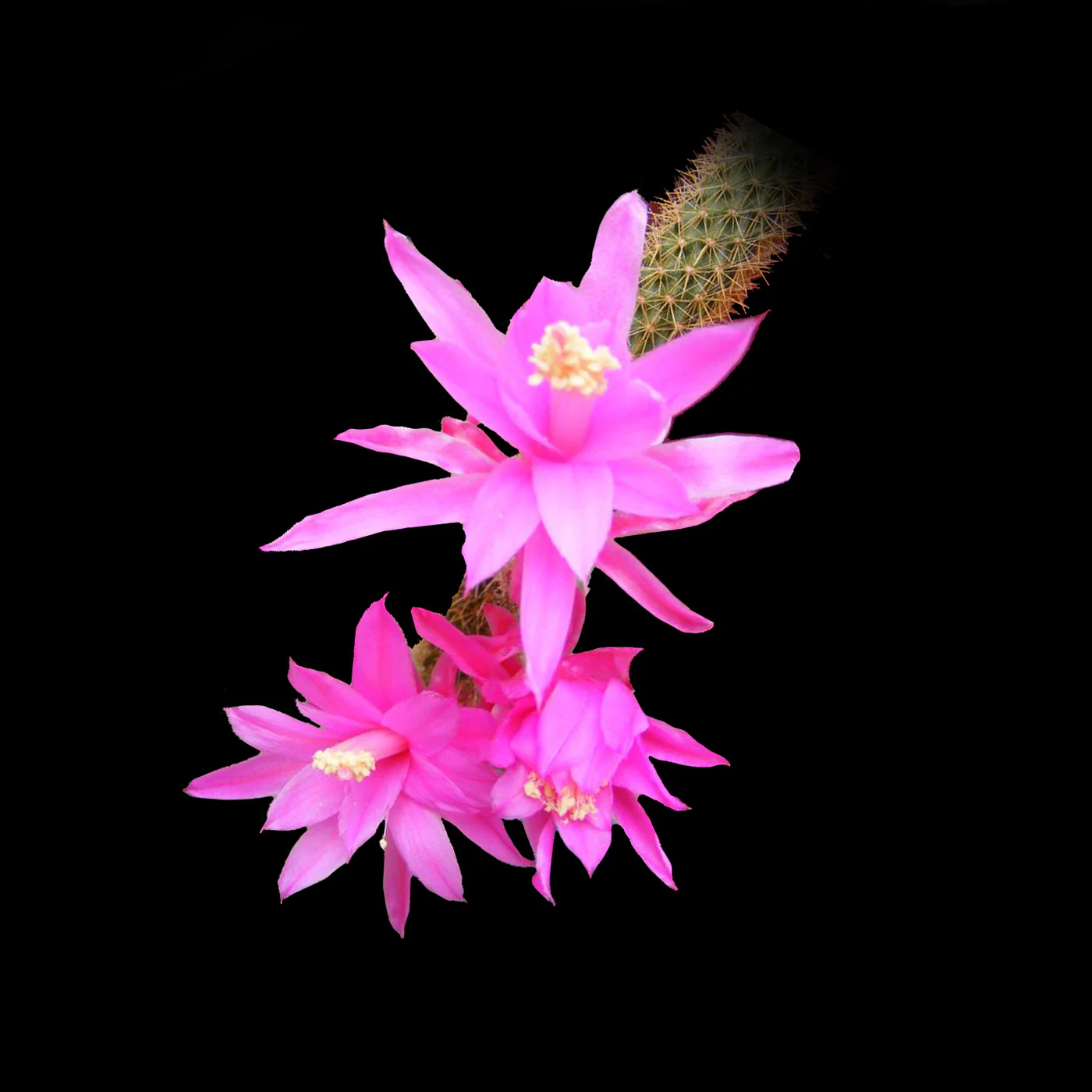
Aporocactus flagelliformis (syn. Disocactus), commonly called the Rat’s Tail Cactus, is a captivating epiphytic cactus native to Mexico and Central America. Its long, trailing stems and vivid pink blooms make it a popular choice for hanging baskets and decorative displays. This resilient species thrives in well-draining soil and bright conditions, producing stunning floral displays in spring and summer.
Distinctive Features
- Trailing stems: Slender, cylindrical stems grow up to 1.5 metres long, covered in short golden spines.
- Vibrant blooms: Large, tubular pink to magenta flowers emerge along the length of the stems in spring and summer.
- Epiphytic nature: Naturally grows in rock crevices and tree branches, making it well-suited for mounted or hanging arrangements.
Care Tips
- Light: Prefers bright, indirect light; tolerates some direct sun.
- Water: Water moderately during the growing season; reduce watering in winter.
- Humidity: Adapts to moderate humidity; benefits from occasional misting in dry environments.
- Temperature: Thrives between 10-25°C; protect from frost.
- Fertiliser: Use a diluted cactus fertiliser monthly during active growth.
- Potting: Plant in a well-draining mix, ideally a blend of cactus soil and organic matter.
- Propagation: Easily propagated through stem cuttings left to callous before planting.
Original: $15.00
-65%$15.00
$5.25More Images
Aporocactus flagelliformis (syn. Disocactus) - Rat Tail Cactus - Mistletoe Cactus
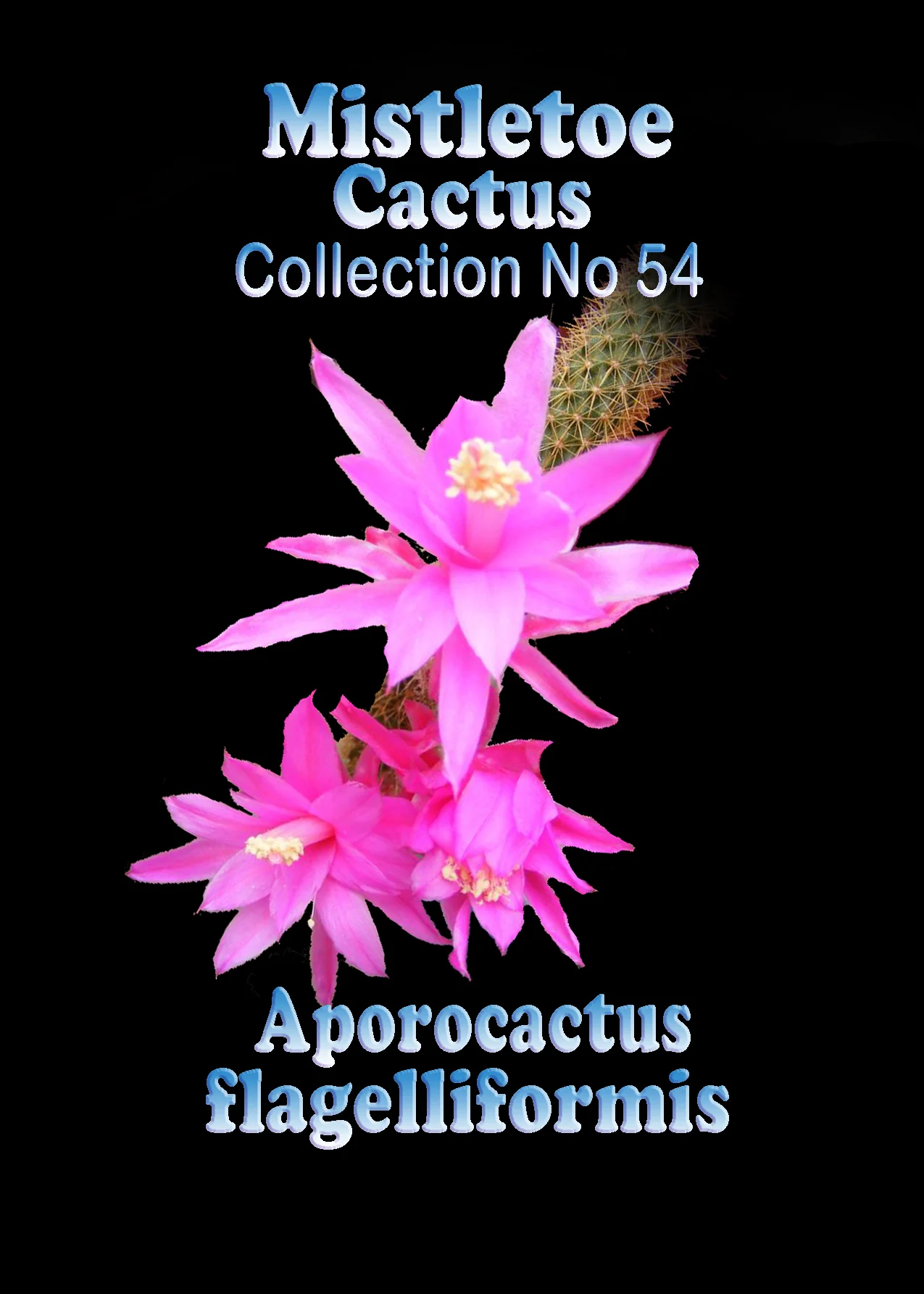
Aporocactus flagelliformis (syn. Disocactus), commonly called the Rat’s Tail Cactus, is a captivating epiphytic cactus native to Mexico and Central America. Its long, trailing stems and vivid pink blooms make it a popular choice for hanging baskets and decorative displays. This resilient species thrives in well-draining soil and bright conditions, producing stunning floral displays in spring and summer.
Distinctive Features
- Trailing stems: Slender, cylindrical stems grow up to 1.5 metres long, covered in short golden spines.
- Vibrant blooms: Large, tubular pink to magenta flowers emerge along the length of the stems in spring and summer.
- Epiphytic nature: Naturally grows in rock crevices and tree branches, making it well-suited for mounted or hanging arrangements.
Care Tips
- Light: Prefers bright, indirect light; tolerates some direct sun.
- Water: Water moderately during the growing season; reduce watering in winter.
- Humidity: Adapts to moderate humidity; benefits from occasional misting in dry environments.
- Temperature: Thrives between 10-25°C; protect from frost.
- Fertiliser: Use a diluted cactus fertiliser monthly during active growth.
- Potting: Plant in a well-draining mix, ideally a blend of cactus soil and organic matter.
- Propagation: Easily propagated through stem cuttings left to callous before planting.
Product Information
Product Information
Shipping & Returns
Shipping & Returns
Description
Aporocactus flagelliformis (syn. Disocactus), commonly called the Rat’s Tail Cactus, is a captivating epiphytic cactus native to Mexico and Central America. Its long, trailing stems and vivid pink blooms make it a popular choice for hanging baskets and decorative displays. This resilient species thrives in well-draining soil and bright conditions, producing stunning floral displays in spring and summer.
Distinctive Features
- Trailing stems: Slender, cylindrical stems grow up to 1.5 metres long, covered in short golden spines.
- Vibrant blooms: Large, tubular pink to magenta flowers emerge along the length of the stems in spring and summer.
- Epiphytic nature: Naturally grows in rock crevices and tree branches, making it well-suited for mounted or hanging arrangements.
Care Tips
- Light: Prefers bright, indirect light; tolerates some direct sun.
- Water: Water moderately during the growing season; reduce watering in winter.
- Humidity: Adapts to moderate humidity; benefits from occasional misting in dry environments.
- Temperature: Thrives between 10-25°C; protect from frost.
- Fertiliser: Use a diluted cactus fertiliser monthly during active growth.
- Potting: Plant in a well-draining mix, ideally a blend of cactus soil and organic matter.
- Propagation: Easily propagated through stem cuttings left to callous before planting.