Brocchinia reducta – Carnivorous Bromeliad of the Tepuis
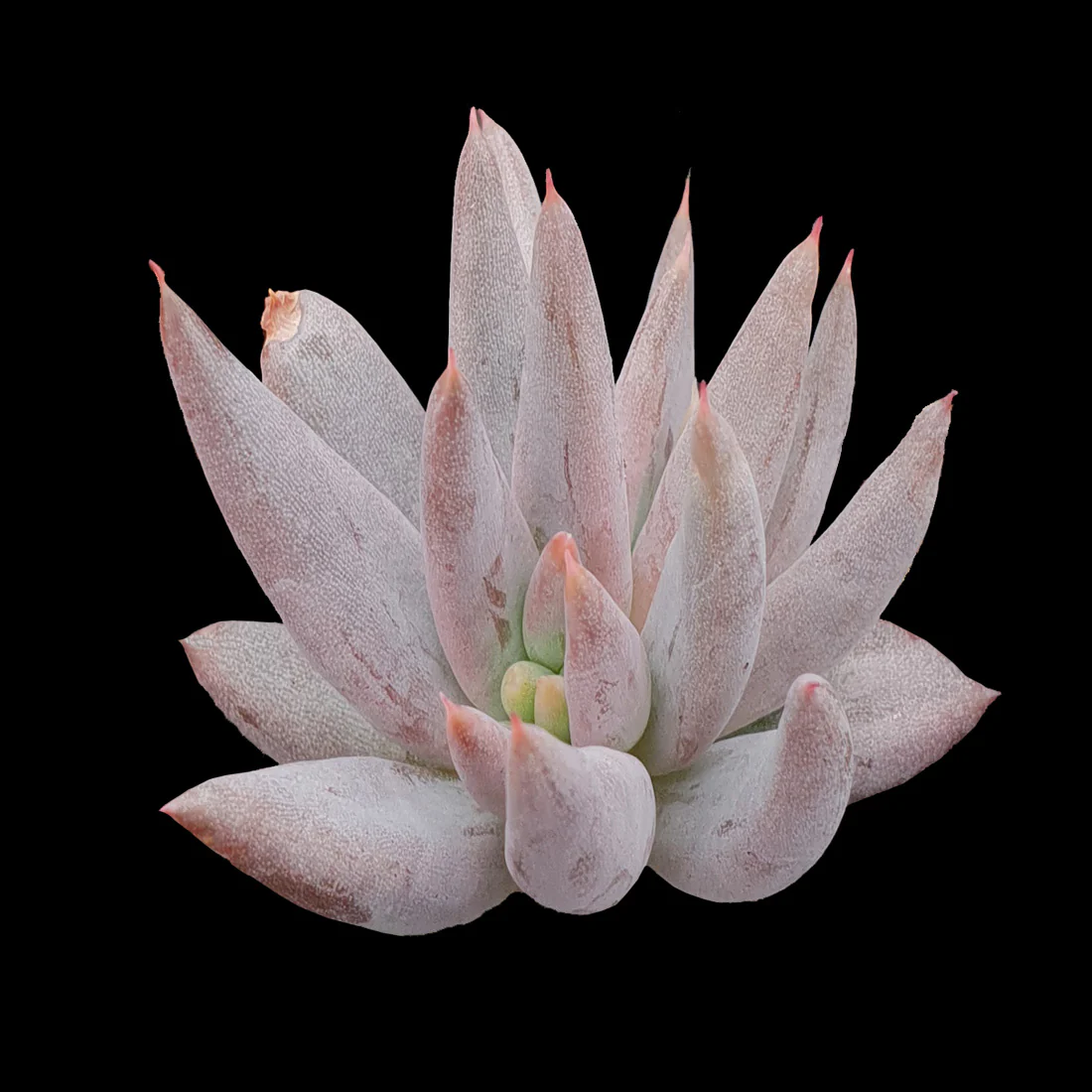
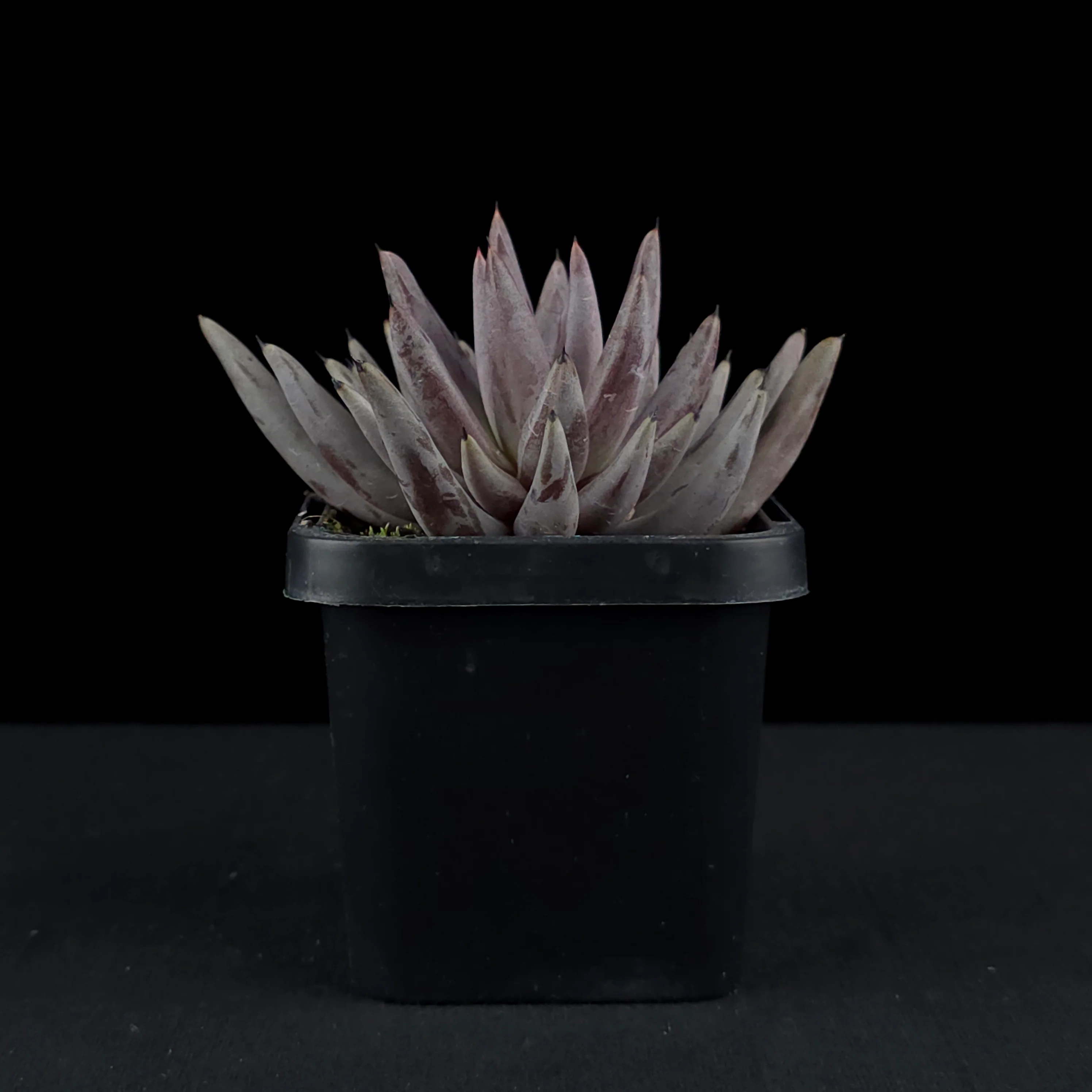
Brocchinia reducta is a rare carnivorous bromeliad endemic to the nutrient-deficient, misty highlands of southern Venezuela and neighbouring Guyana. It thrives atop the ancient tabletop mountains known as tepuis, where its highly specialised pitfall trap leaves make it one of the few insectivorous bromeliads in existence.
Distinctive Features
- Tubular Rosette: Forms a tight, upright funnel of overlapping pale green leaves that collect water and trap prey.
- Carnivorous Adaptation: Its water-filled leaf tanks produce enzymes and house symbiotic bacteria to digest insects, aiding nutrient absorption in poor soils.
- Waxy Surface: Leaves are coated in a slick wax that causes insects to slip inside, making escape virtually impossible.
Care Tips
- Light: Prefers bright, indirect light or filtered sunlight; can adapt to partial shade but requires light for strong colour and form.
- Water: Use rainwater or distilled water only; keep the central tank filled and flush regularly to avoid stagnation.
- Humidity: Thrives in high humidity (above 60%) but can adjust to lower levels if given consistent care.
- Media: Use a mix of sphagnum moss and orchid bark or a loose, acidic carnivorous plant mix with excellent drainage.
- Temperature: Enjoys warm conditions between 18–30°C; avoid temperatures below 10°C.
- Fertiliser: Minimal feeding needed; a very dilute orchid fertiliser can be added to the tank monthly during growth.
- Repotting: Repot every 2–3 years or when pups appear; handle gently to preserve the delicate roots.
Brocchinia reducta – Carnivorous Bromeliad of the Tepuis
Brocchinia reducta is a rare carnivorous bromeliad endemic to the nutrient-deficient, misty highlands of southern Venezuela and neighbouring Guyana. It thrives atop the ancient tabletop mountains known as tepuis, where its highly specialised pitfall trap leaves make it one of the few insectivorous bromeliads in existence.
Distinctive Features
- Tubular Rosette: Forms a tight, upright funnel of overlapping pale green leaves that collect water and trap prey.
- Carnivorous Adaptation: Its water-filled leaf tanks produce enzymes and house symbiotic bacteria to digest insects, aiding nutrient absorption in poor soils.
- Waxy Surface: Leaves are coated in a slick wax that causes insects to slip inside, making escape virtually impossible.
Care Tips
- Light: Prefers bright, indirect light or filtered sunlight; can adapt to partial shade but requires light for strong colour and form.
- Water: Use rainwater or distilled water only; keep the central tank filled and flush regularly to avoid stagnation.
- Humidity: Thrives in high humidity (above 60%) but can adjust to lower levels if given consistent care.
- Media: Use a mix of sphagnum moss and orchid bark or a loose, acidic carnivorous plant mix with excellent drainage.
- Temperature: Enjoys warm conditions between 18–30°C; avoid temperatures below 10°C.
- Fertiliser: Minimal feeding needed; a very dilute orchid fertiliser can be added to the tank monthly during growth.
- Repotting: Repot every 2–3 years or when pups appear; handle gently to preserve the delicate roots.
Product Information
Product Information
Shipping & Returns
Shipping & Returns
Description
Brocchinia reducta is a rare carnivorous bromeliad endemic to the nutrient-deficient, misty highlands of southern Venezuela and neighbouring Guyana. It thrives atop the ancient tabletop mountains known as tepuis, where its highly specialised pitfall trap leaves make it one of the few insectivorous bromeliads in existence.
Distinctive Features
- Tubular Rosette: Forms a tight, upright funnel of overlapping pale green leaves that collect water and trap prey.
- Carnivorous Adaptation: Its water-filled leaf tanks produce enzymes and house symbiotic bacteria to digest insects, aiding nutrient absorption in poor soils.
- Waxy Surface: Leaves are coated in a slick wax that causes insects to slip inside, making escape virtually impossible.
Care Tips
- Light: Prefers bright, indirect light or filtered sunlight; can adapt to partial shade but requires light for strong colour and form.
- Water: Use rainwater or distilled water only; keep the central tank filled and flush regularly to avoid stagnation.
- Humidity: Thrives in high humidity (above 60%) but can adjust to lower levels if given consistent care.
- Media: Use a mix of sphagnum moss and orchid bark or a loose, acidic carnivorous plant mix with excellent drainage.
- Temperature: Enjoys warm conditions between 18–30°C; avoid temperatures below 10°C.
- Fertiliser: Minimal feeding needed; a very dilute orchid fertiliser can be added to the tank monthly during growth.
- Repotting: Repot every 2–3 years or when pups appear; handle gently to preserve the delicate roots.