Bulbophyllum lasianthum
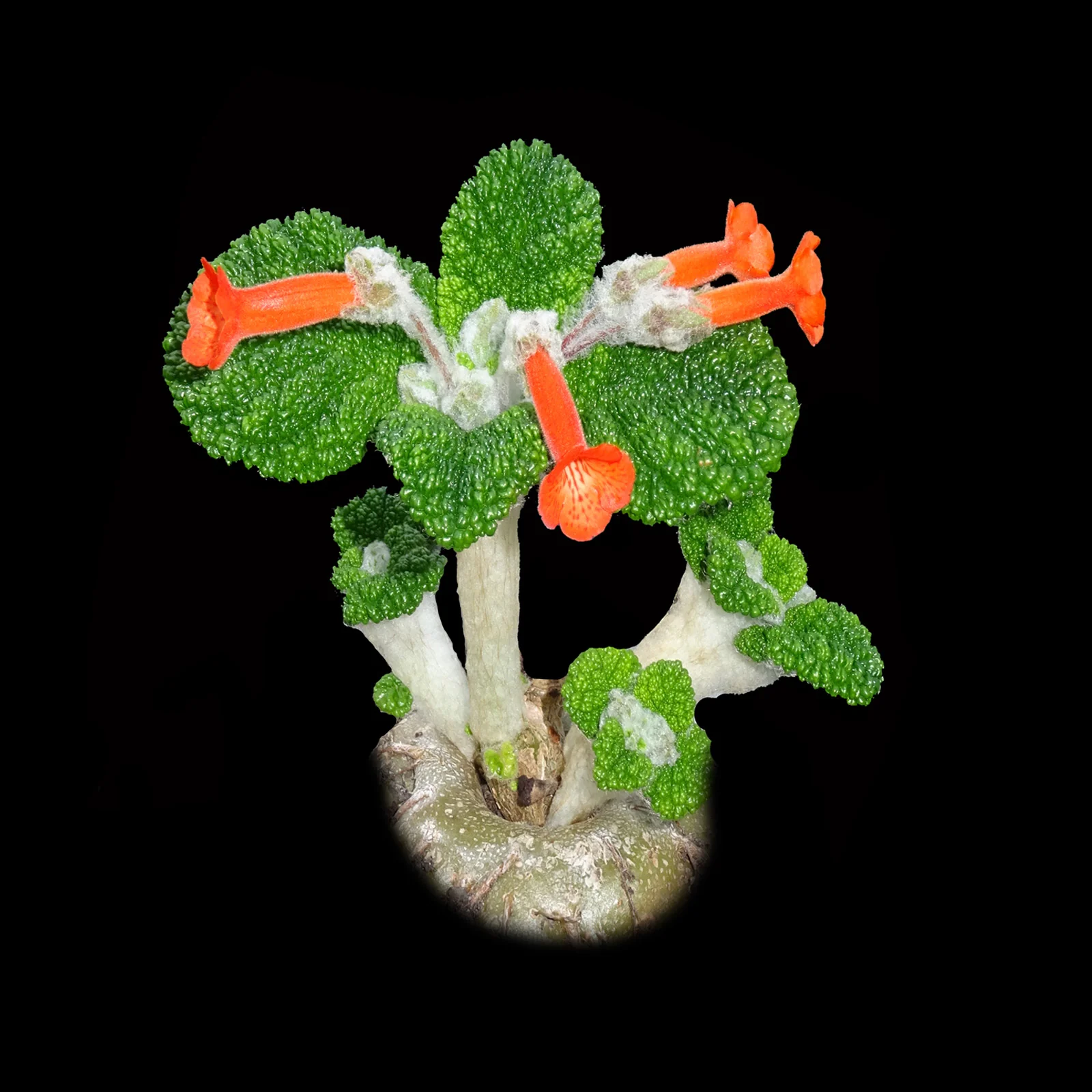
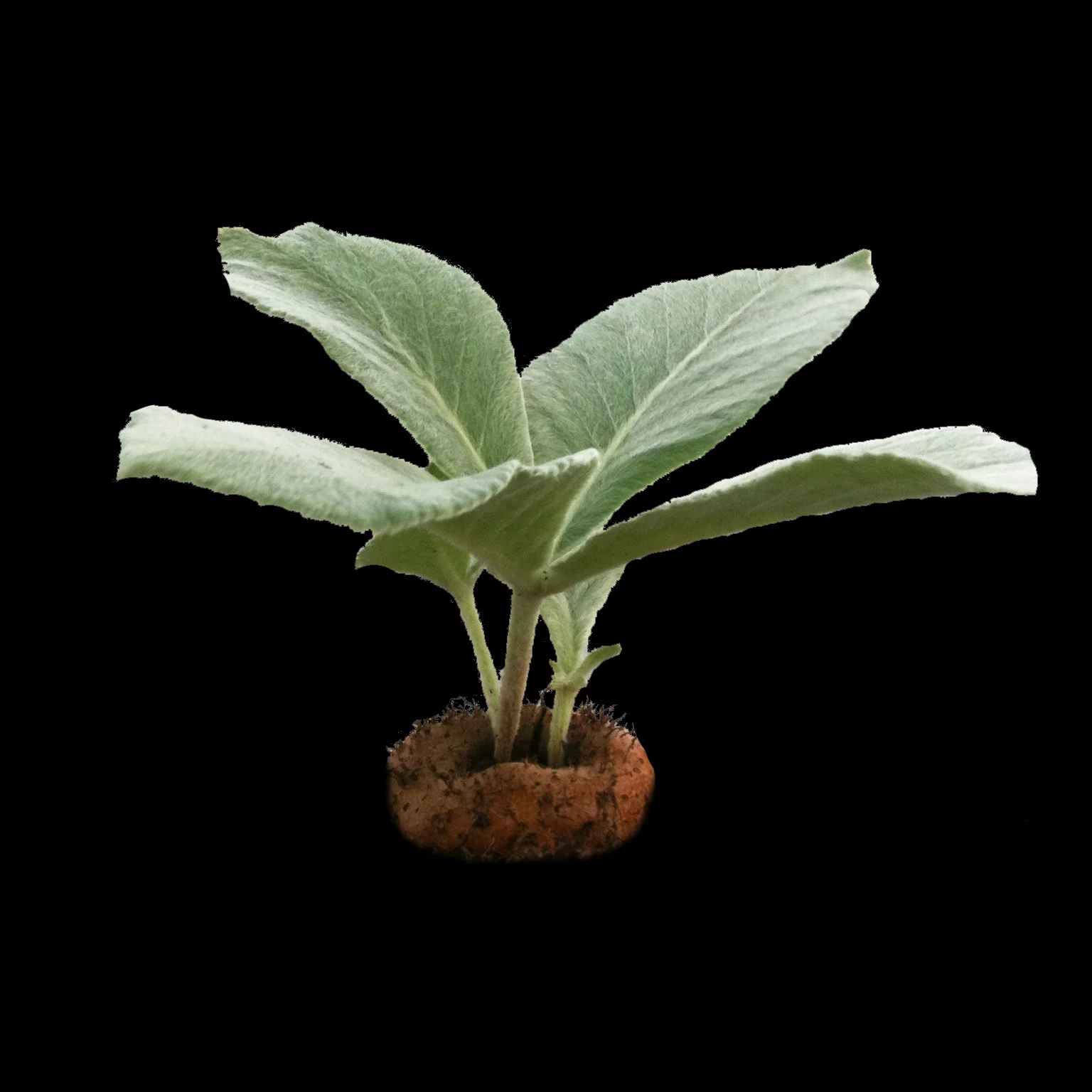
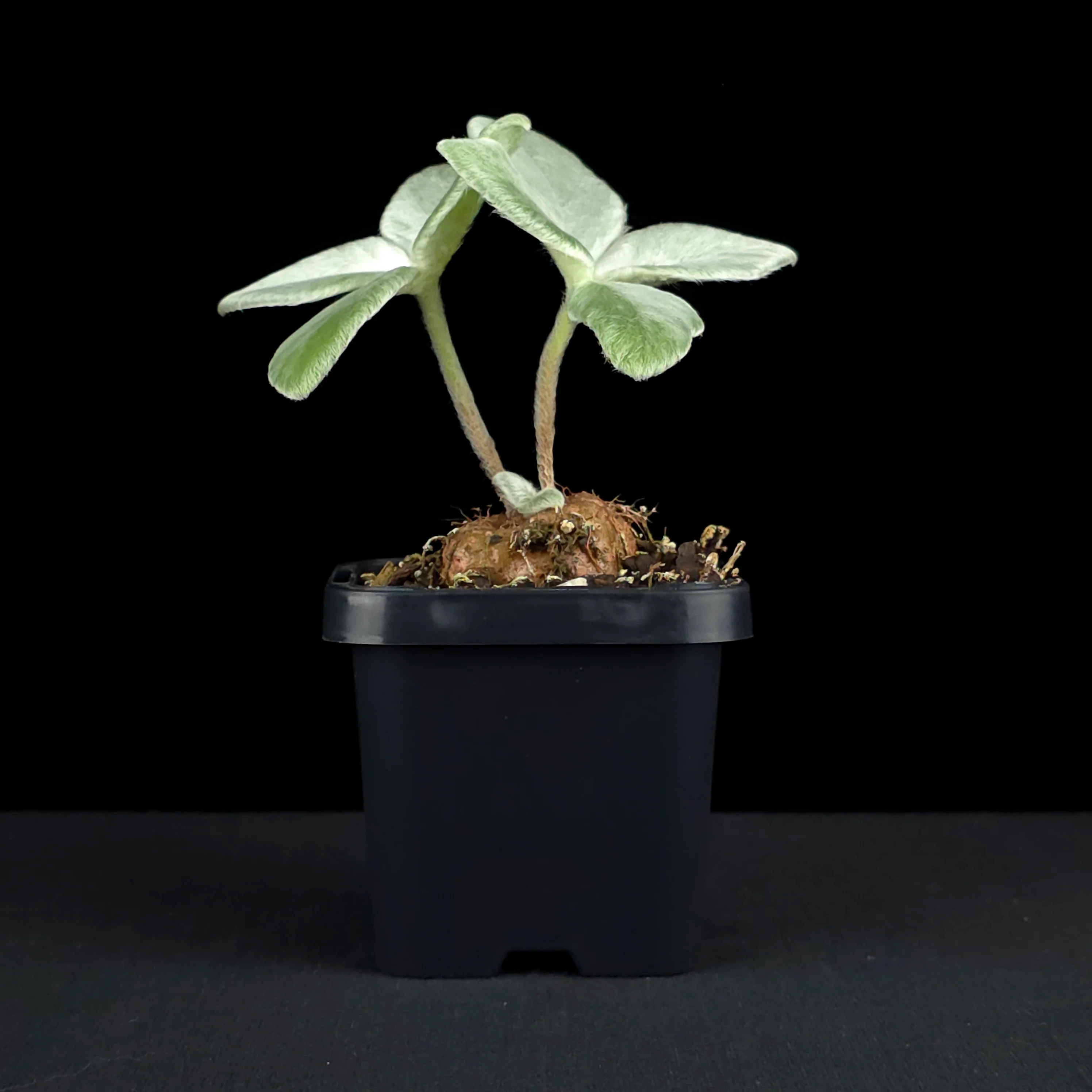
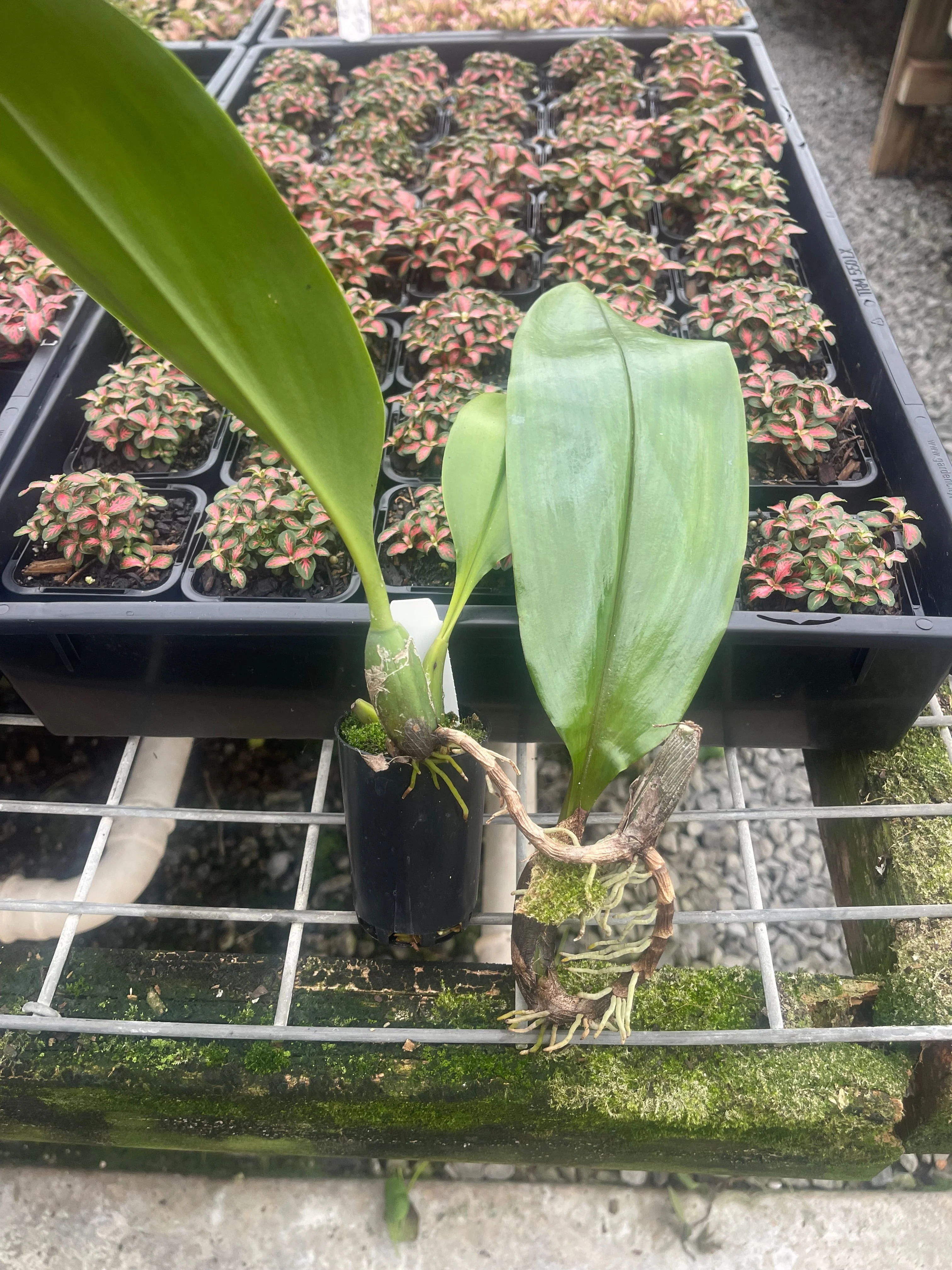
Bulbophyllum lasianthum is a species native to parts of Southeast Asia, including Thailand and surrounding regions. It inhabits humid, shaded forests at low to mid elevations, growing as an epiphyte on tree trunks and branches. The plant forms small pseudobulbs on a creeping rhizome, each with a single leaf. Inflorescences produce umbels of several flowers, usually yellow to orange, with sepals and petals fringed in fine hairs – a trait that gives the species its name. The flowers are fly-pollinated and, like many in the genus, may emit a faint musky scent. Collectors value this orchid for its unusual hairy flowers and compact habit.
Distinctive Features
- Leaves: Oval-shaped, green and glossy leaves.
- Flowers: Produces clusters of small, hairy flowers that are typically yellow or orange in colour. The flowers are adorned with long, hair-like structures, giving them a shaggy appearance that contrasts with the smooth leaves.
- Growth Habit: This Bulbophyllum has a creeping rhizome from which the leaves and flowers emerge. It is an epiphyte, which means it naturally grows on trees and other surfaces, absorbing moisture and nutrients from the air and rain.
Care Tips
- Light: Bright, indirect light is best. Avoid harsh direct sunlight, which can scorch the leaves.
- Water: Water regularly, allowing the potting mix to dry out slightly between waterings. Ensure good drainage to prevent root rot.
- Humidity: This Bulbophyllum appreciates high humidity. You can increase humidity by using a humidifier, placing the plant on a pebble tray filled with water, or misting the leaves regularly.
- Temperature: Maintain warm temperatures between 18-29°C (65-85°F) for optimal growth. Avoid exposing this tropical orchid to cold draughts or temperatures below 15°C (59°F).
- Fertiliser: Use a balanced orchid fertiliser at half strength every two weeks during the growing season (spring and summer).
- Potting: This orchid can be grown in a pot or mounted on a piece of bark or cork. Use a well-draining orchid potting mix.
Original: $25.00
-65%$25.00
$8.75Bulbophyllum lasianthum
Bulbophyllum lasianthum is a species native to parts of Southeast Asia, including Thailand and surrounding regions. It inhabits humid, shaded forests at low to mid elevations, growing as an epiphyte on tree trunks and branches. The plant forms small pseudobulbs on a creeping rhizome, each with a single leaf. Inflorescences produce umbels of several flowers, usually yellow to orange, with sepals and petals fringed in fine hairs – a trait that gives the species its name. The flowers are fly-pollinated and, like many in the genus, may emit a faint musky scent. Collectors value this orchid for its unusual hairy flowers and compact habit.
Distinctive Features
- Leaves: Oval-shaped, green and glossy leaves.
- Flowers: Produces clusters of small, hairy flowers that are typically yellow or orange in colour. The flowers are adorned with long, hair-like structures, giving them a shaggy appearance that contrasts with the smooth leaves.
- Growth Habit: This Bulbophyllum has a creeping rhizome from which the leaves and flowers emerge. It is an epiphyte, which means it naturally grows on trees and other surfaces, absorbing moisture and nutrients from the air and rain.
Care Tips
- Light: Bright, indirect light is best. Avoid harsh direct sunlight, which can scorch the leaves.
- Water: Water regularly, allowing the potting mix to dry out slightly between waterings. Ensure good drainage to prevent root rot.
- Humidity: This Bulbophyllum appreciates high humidity. You can increase humidity by using a humidifier, placing the plant on a pebble tray filled with water, or misting the leaves regularly.
- Temperature: Maintain warm temperatures between 18-29°C (65-85°F) for optimal growth. Avoid exposing this tropical orchid to cold draughts or temperatures below 15°C (59°F).
- Fertiliser: Use a balanced orchid fertiliser at half strength every two weeks during the growing season (spring and summer).
- Potting: This orchid can be grown in a pot or mounted on a piece of bark or cork. Use a well-draining orchid potting mix.
Product Information
Product Information
Shipping & Returns
Shipping & Returns
Description
Bulbophyllum lasianthum is a species native to parts of Southeast Asia, including Thailand and surrounding regions. It inhabits humid, shaded forests at low to mid elevations, growing as an epiphyte on tree trunks and branches. The plant forms small pseudobulbs on a creeping rhizome, each with a single leaf. Inflorescences produce umbels of several flowers, usually yellow to orange, with sepals and petals fringed in fine hairs – a trait that gives the species its name. The flowers are fly-pollinated and, like many in the genus, may emit a faint musky scent. Collectors value this orchid for its unusual hairy flowers and compact habit.
Distinctive Features
- Leaves: Oval-shaped, green and glossy leaves.
- Flowers: Produces clusters of small, hairy flowers that are typically yellow or orange in colour. The flowers are adorned with long, hair-like structures, giving them a shaggy appearance that contrasts with the smooth leaves.
- Growth Habit: This Bulbophyllum has a creeping rhizome from which the leaves and flowers emerge. It is an epiphyte, which means it naturally grows on trees and other surfaces, absorbing moisture and nutrients from the air and rain.
Care Tips
- Light: Bright, indirect light is best. Avoid harsh direct sunlight, which can scorch the leaves.
- Water: Water regularly, allowing the potting mix to dry out slightly between waterings. Ensure good drainage to prevent root rot.
- Humidity: This Bulbophyllum appreciates high humidity. You can increase humidity by using a humidifier, placing the plant on a pebble tray filled with water, or misting the leaves regularly.
- Temperature: Maintain warm temperatures between 18-29°C (65-85°F) for optimal growth. Avoid exposing this tropical orchid to cold draughts or temperatures below 15°C (59°F).
- Fertiliser: Use a balanced orchid fertiliser at half strength every two weeks during the growing season (spring and summer).
- Potting: This orchid can be grown in a pot or mounted on a piece of bark or cork. Use a well-draining orchid potting mix.