Dendrobium lindleyi
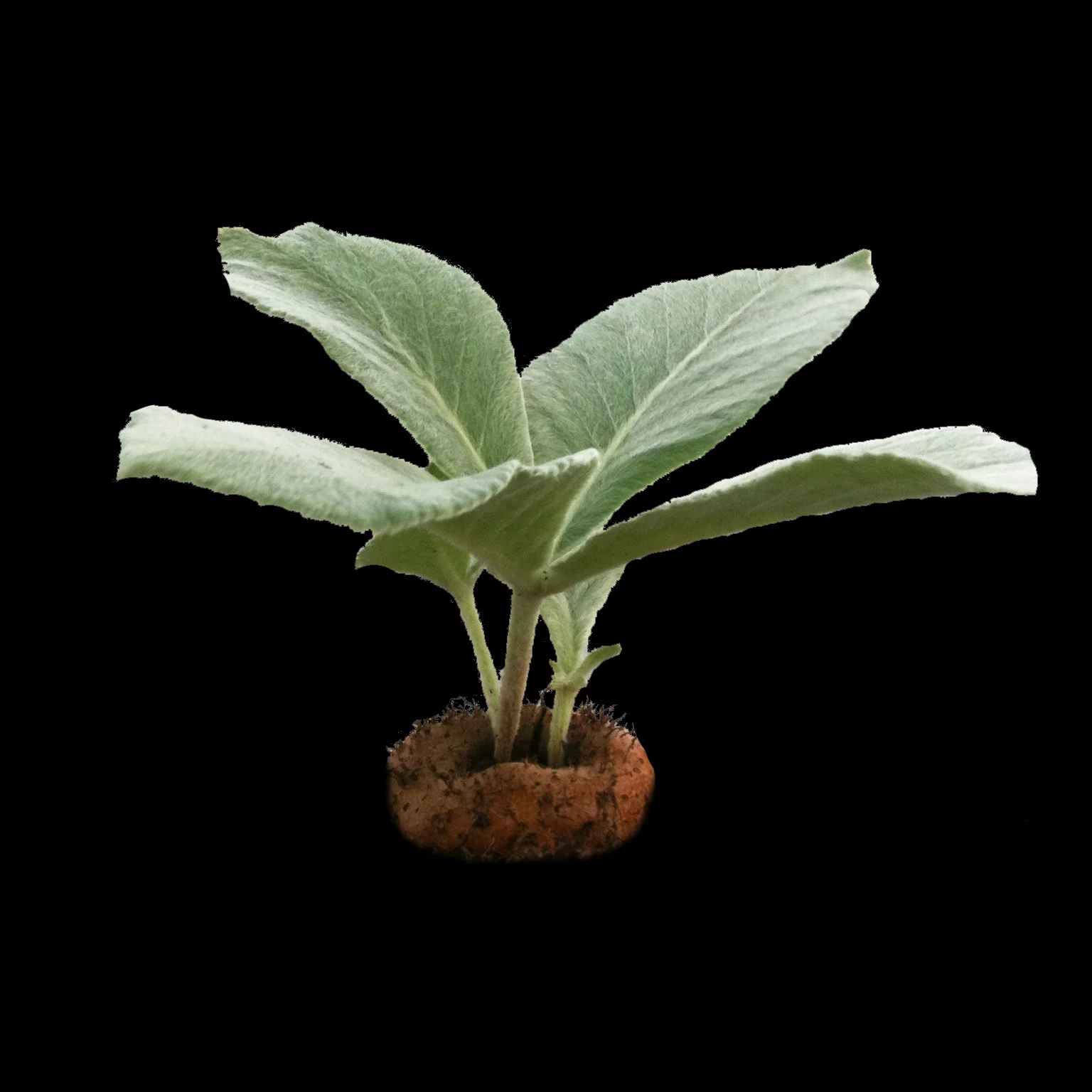
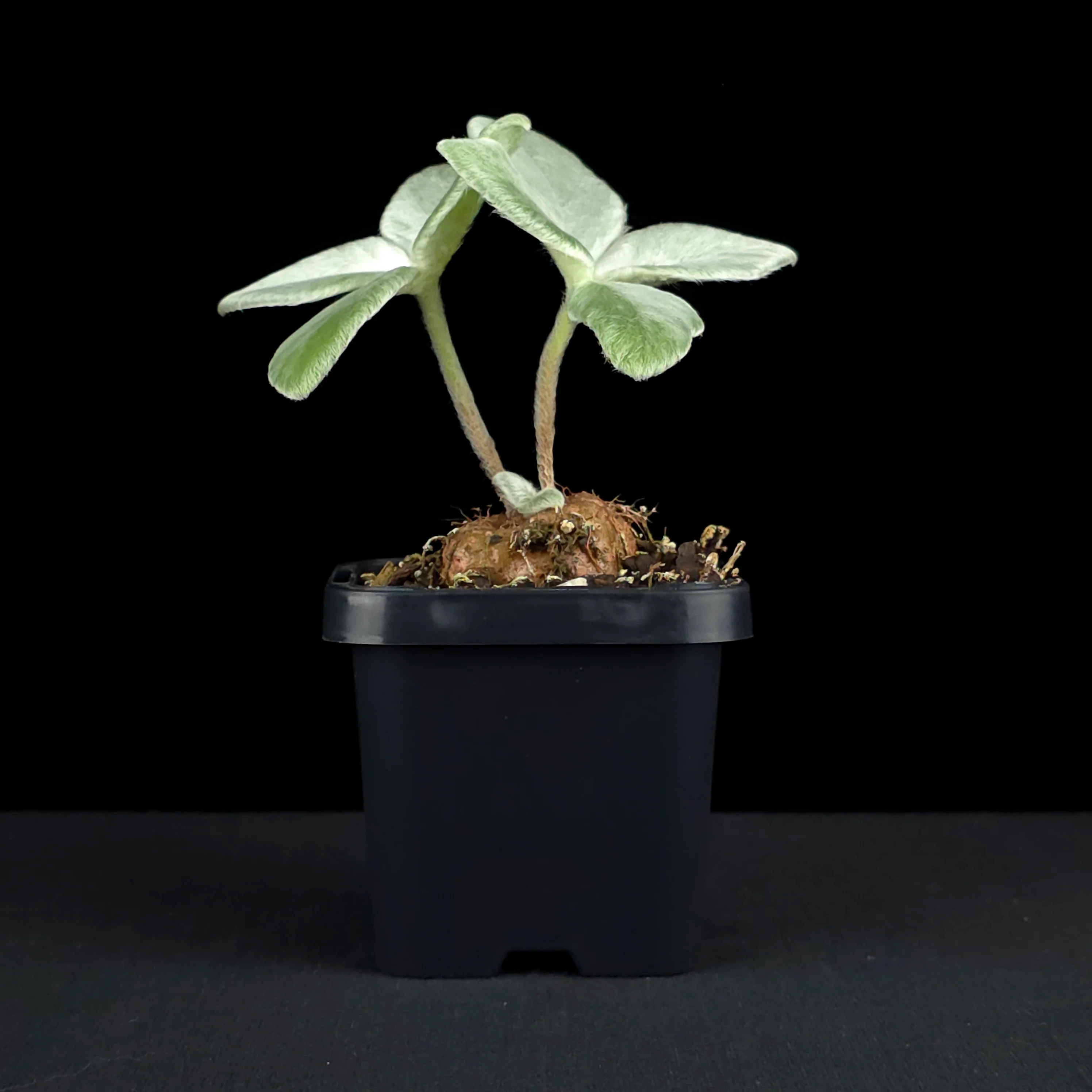
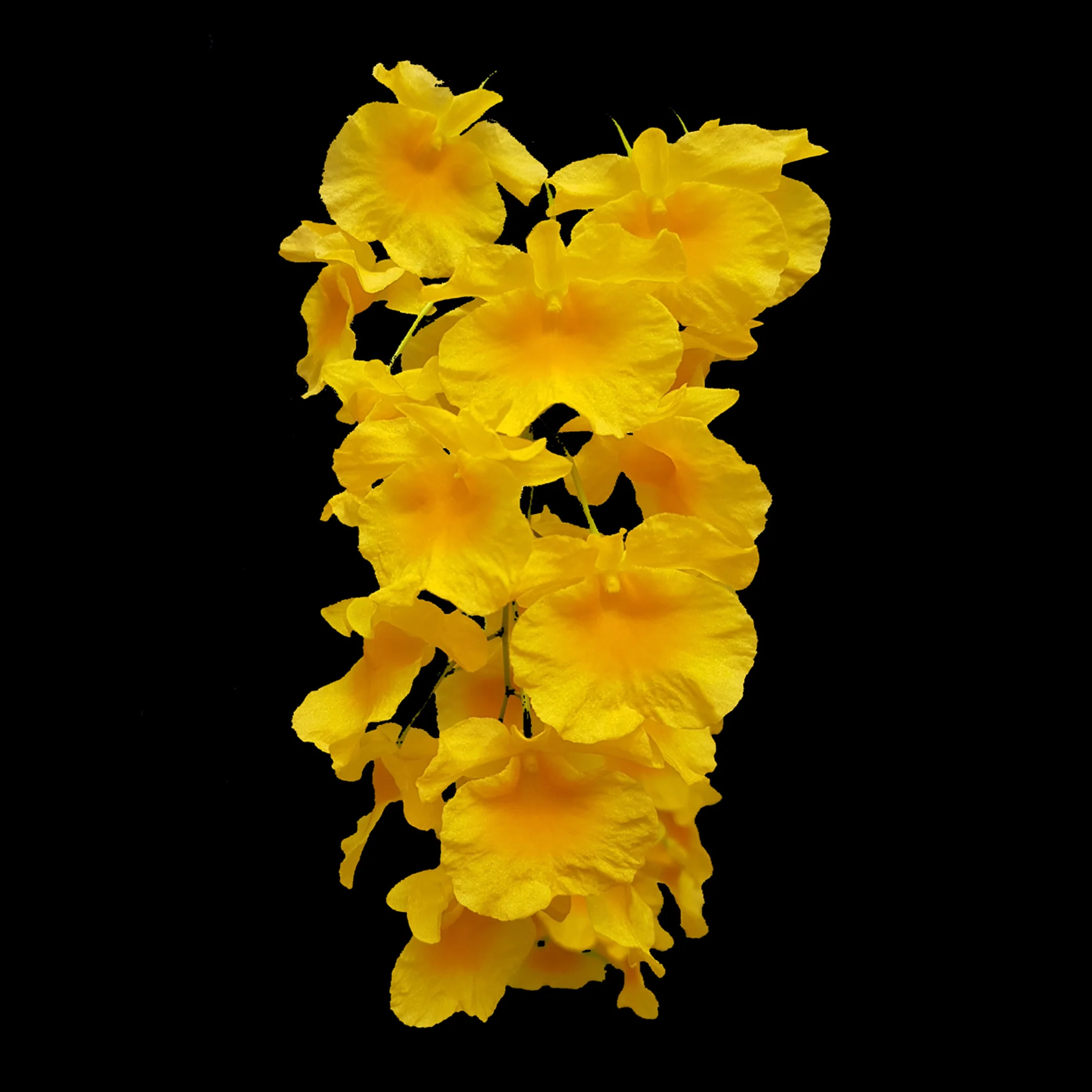
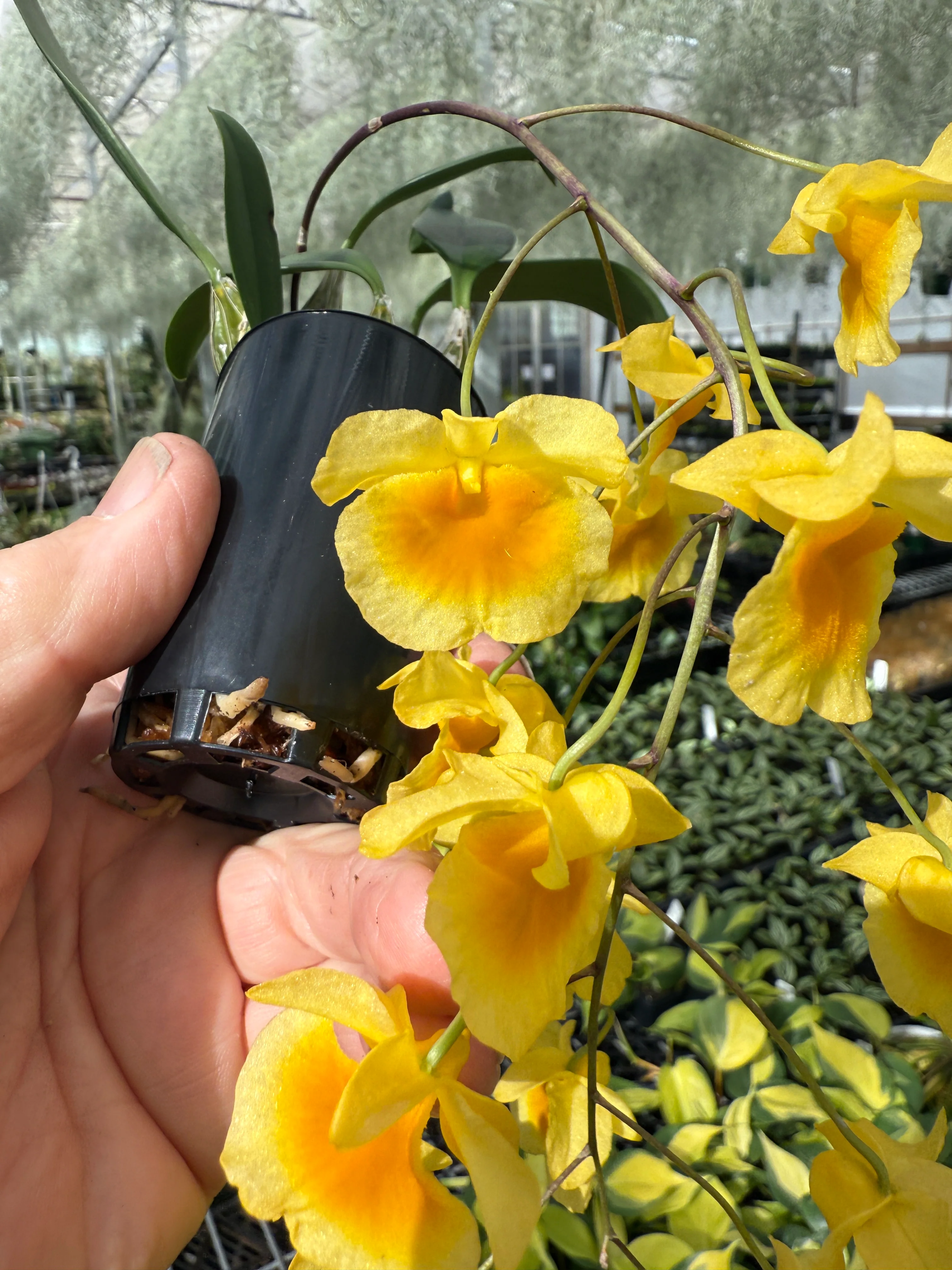
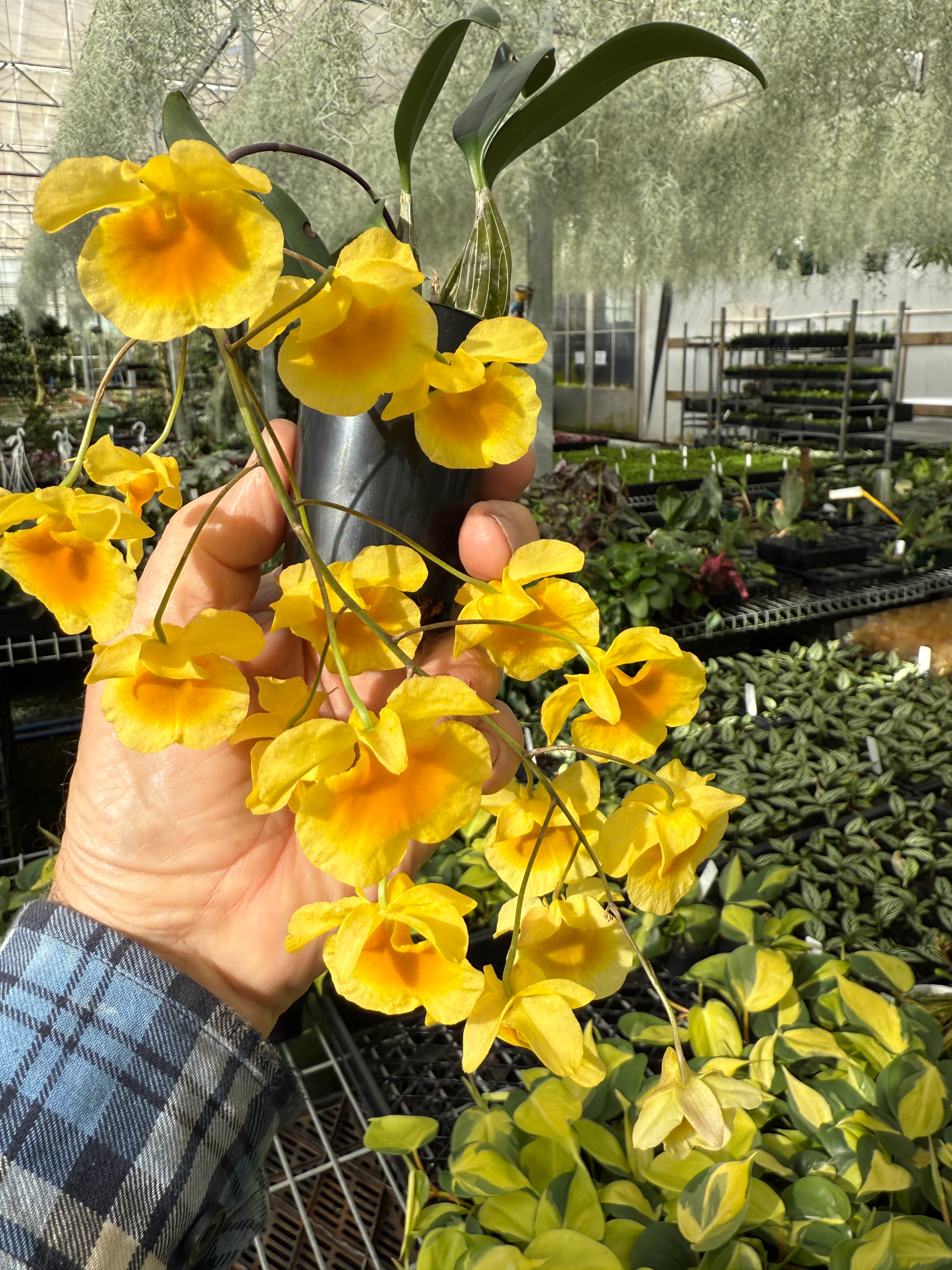
Dendrobium lindleyi is a compact orchid species native to Southeast Asia, with records from regions such as Thailand, Laos, and Vietnam. It is usually found growing on trees or rocks in seasonally dry forests at lower to mid elevations, where it benefits from bright light and distinct wet and dry cycles. The plant develops short, clustered pseudobulbs that carry a single, leathery leaf at the tip. Its inflorescences emerge in spring, producing pendulous clusters of bright yellow flowers with a deeper coloured throat. These flowers are relatively long-lasting and appear in profusion when the plant has been given a proper dry rest period during the cooler months.
Care Tips
- Light: Prefers bright light with some direct sun, particularly in the morning.
- Water: Water heavily during the growing season, then reduce sharply in the cooler months to initiate flowering.
- Fertiliser: Apply diluted orchid fertiliser during active growth, tapering off as the pseudobulbs mature.
- Temperature: Thrives in intermediate to warm conditions, tolerating cooler nights in winter.
- Air circulation: Benefits from good air movement around the leaves and roots.
- Mounting: Commonly grown mounted on cork or hardwood to mimic its natural habit.
- Repotting: If grown in a pot or basket, repot only when necessary, as plants prefer to remain undisturbed.
Original: $25.00
-65%$25.00
$8.75More Images
Dendrobium lindleyi
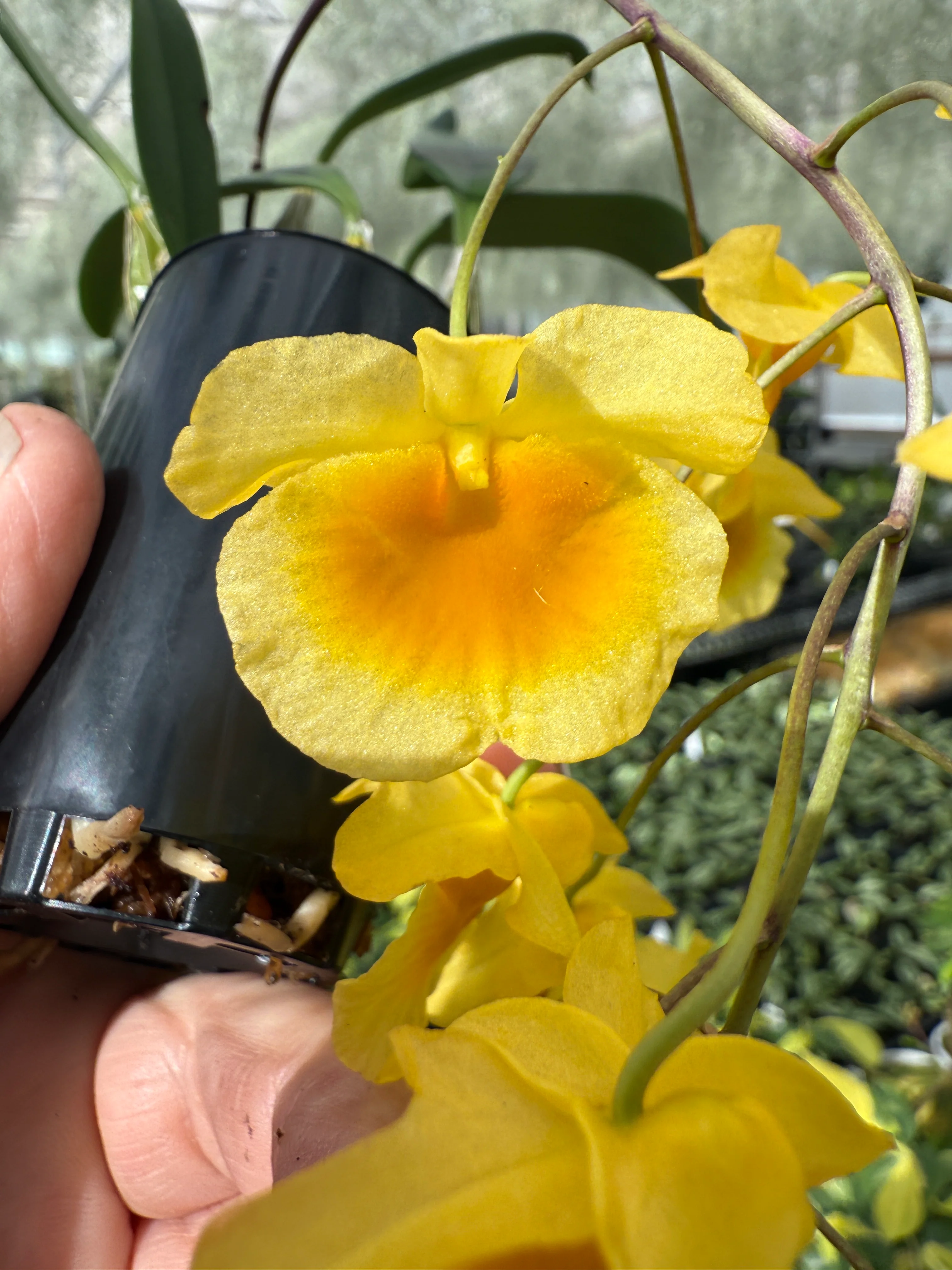
Dendrobium lindleyi is a compact orchid species native to Southeast Asia, with records from regions such as Thailand, Laos, and Vietnam. It is usually found growing on trees or rocks in seasonally dry forests at lower to mid elevations, where it benefits from bright light and distinct wet and dry cycles. The plant develops short, clustered pseudobulbs that carry a single, leathery leaf at the tip. Its inflorescences emerge in spring, producing pendulous clusters of bright yellow flowers with a deeper coloured throat. These flowers are relatively long-lasting and appear in profusion when the plant has been given a proper dry rest period during the cooler months.
Care Tips
- Light: Prefers bright light with some direct sun, particularly in the morning.
- Water: Water heavily during the growing season, then reduce sharply in the cooler months to initiate flowering.
- Fertiliser: Apply diluted orchid fertiliser during active growth, tapering off as the pseudobulbs mature.
- Temperature: Thrives in intermediate to warm conditions, tolerating cooler nights in winter.
- Air circulation: Benefits from good air movement around the leaves and roots.
- Mounting: Commonly grown mounted on cork or hardwood to mimic its natural habit.
- Repotting: If grown in a pot or basket, repot only when necessary, as plants prefer to remain undisturbed.
Product Information
Product Information
Shipping & Returns
Shipping & Returns
Description
Dendrobium lindleyi is a compact orchid species native to Southeast Asia, with records from regions such as Thailand, Laos, and Vietnam. It is usually found growing on trees or rocks in seasonally dry forests at lower to mid elevations, where it benefits from bright light and distinct wet and dry cycles. The plant develops short, clustered pseudobulbs that carry a single, leathery leaf at the tip. Its inflorescences emerge in spring, producing pendulous clusters of bright yellow flowers with a deeper coloured throat. These flowers are relatively long-lasting and appear in profusion when the plant has been given a proper dry rest period during the cooler months.
Care Tips
- Light: Prefers bright light with some direct sun, particularly in the morning.
- Water: Water heavily during the growing season, then reduce sharply in the cooler months to initiate flowering.
- Fertiliser: Apply diluted orchid fertiliser during active growth, tapering off as the pseudobulbs mature.
- Temperature: Thrives in intermediate to warm conditions, tolerating cooler nights in winter.
- Air circulation: Benefits from good air movement around the leaves and roots.
- Mounting: Commonly grown mounted on cork or hardwood to mimic its natural habit.
- Repotting: If grown in a pot or basket, repot only when necessary, as plants prefer to remain undisturbed.