Dendrobium primulinum - The Primrose Orchid
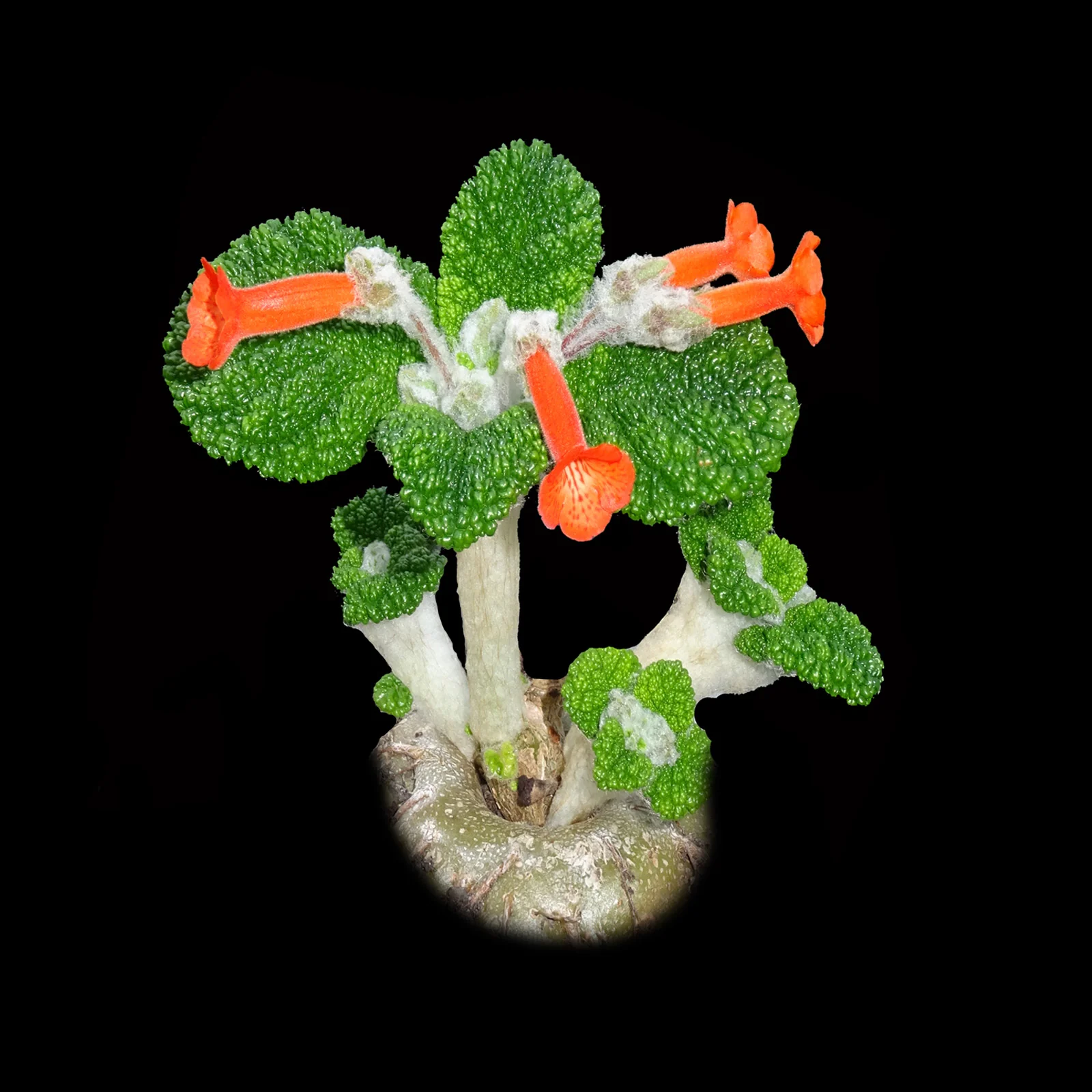
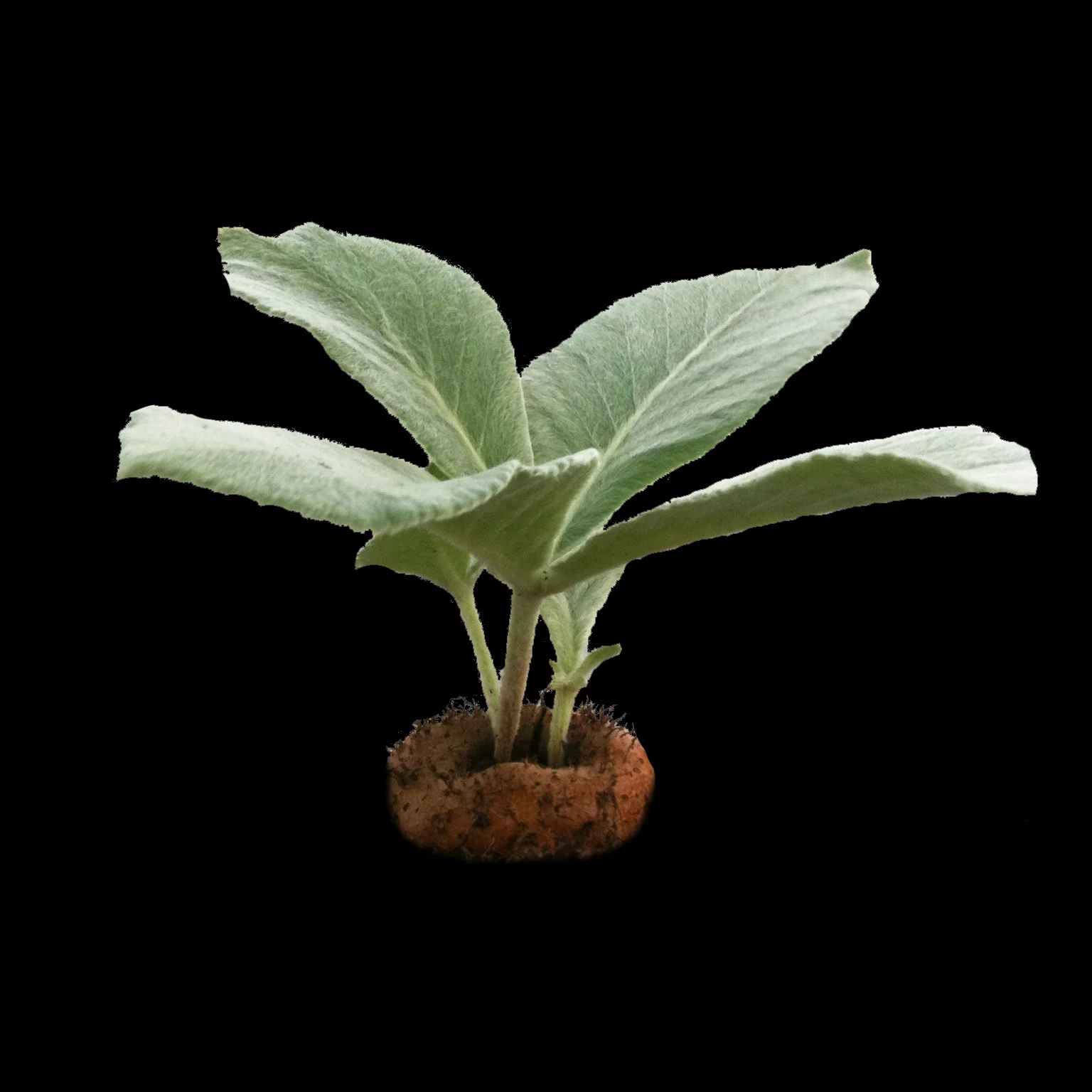
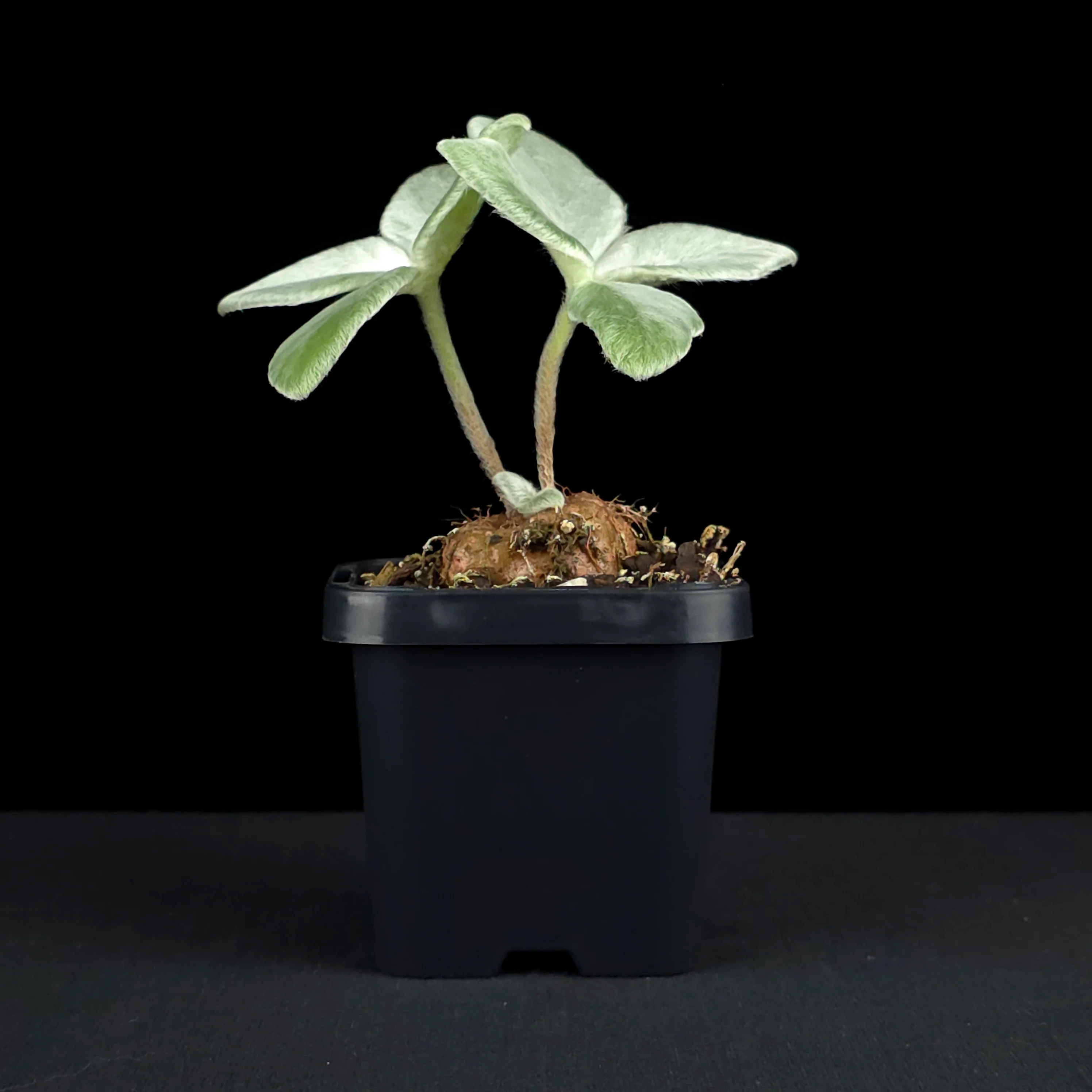
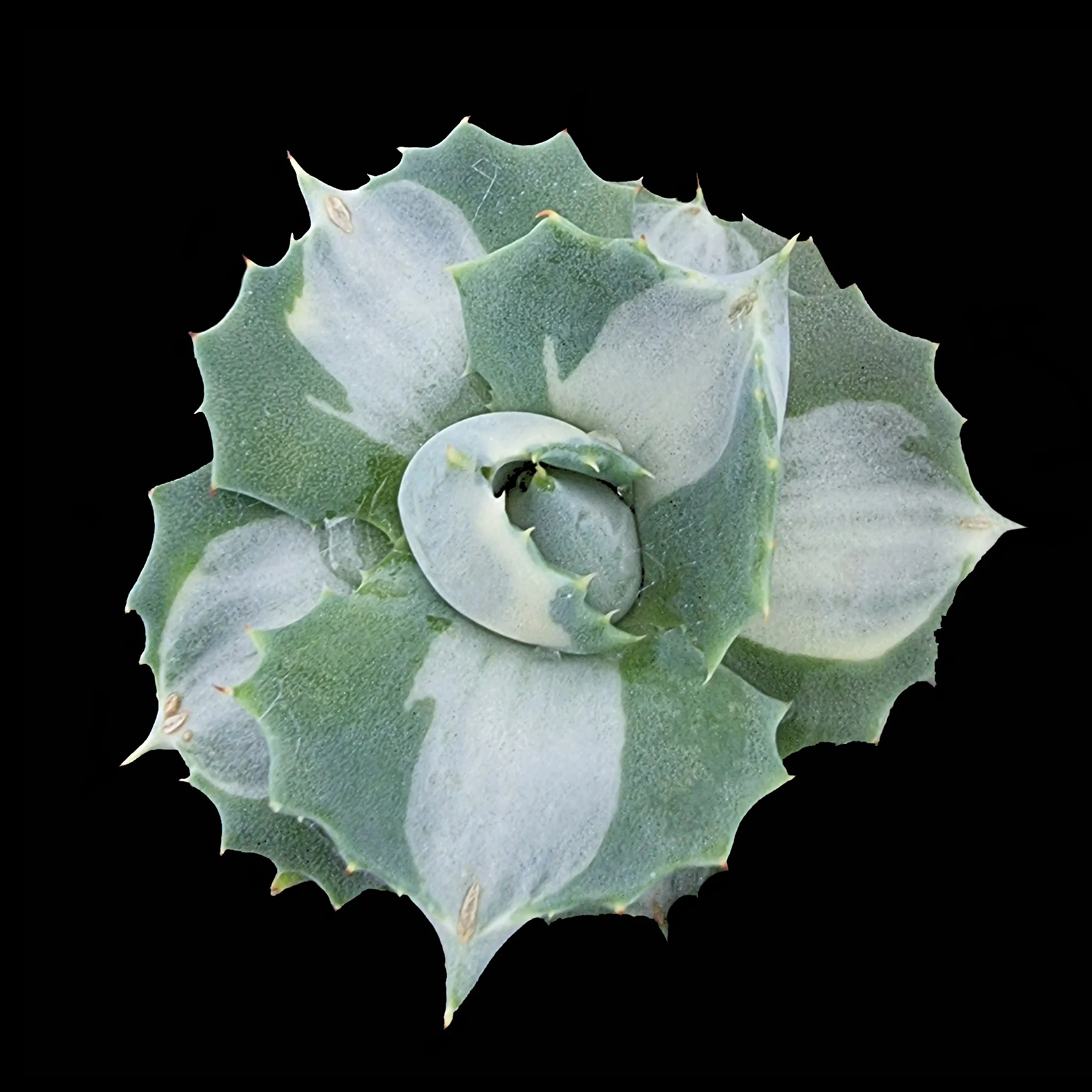
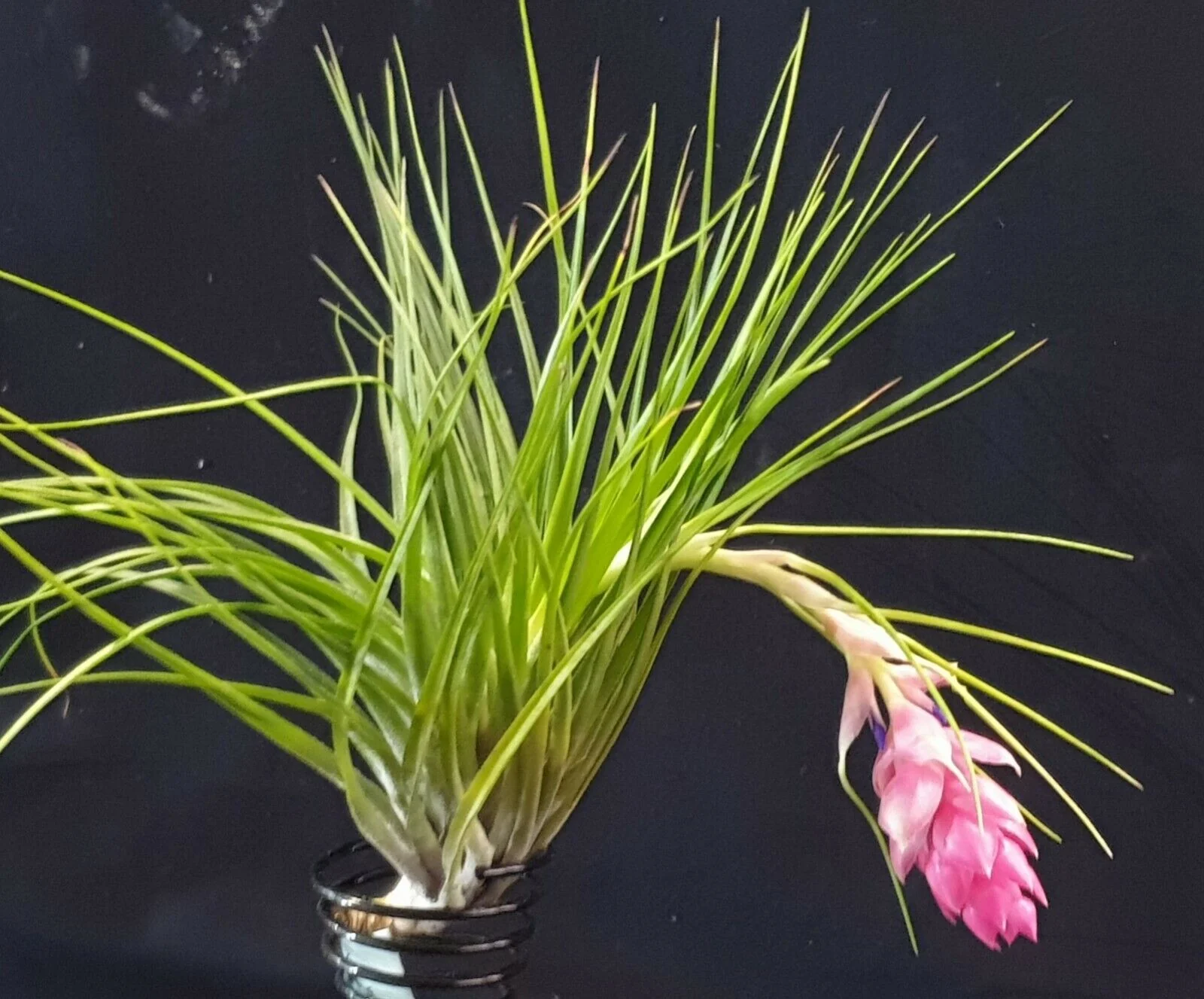
Dendrobium primulinum is an orchid species native to the eastern Himalayas, Assam, Nepal, Bhutan, Myanmar, Thailand, Laos, and Vietnam. It inhabits warm to cool forested regions, usually growing on trees in areas with distinct wet and dry seasons. The plant produces slender, pendulous canes that can reach up to 60 cm in length. In spring, older leafless canes bear soft pink to lavender flowers with a pale yellow throat. The blooms are short-lived individually but can appear in profusion, creating a display along the length of the canes.
Distinctive Features
- Pseudobulbs: Slender, cane-like pseudobulbs that are typically 30-60cm long (approximately 12-24 inches). The pseudobulbs are adorned with alternating leaves along their length.
- Flowers: Produces clusters of fragrant, delicate flowers that resemble primroses. The blooms are typically white or pale pink with a yellow or orange lip and are 4-6cm in diameter (approximately 1.5-2.5 inches).
- Growth Habit: This Dendrobium has a pendant growth habit, meaning the pseudobulbs tend to arch or hang downwards. It is an epiphyte, which means it naturally grows on trees and other surfaces, absorbing moisture and nutrients from the air and rain.
Care Tips
- Light: Bright, indirect light is best. Avoid harsh direct sunlight, which can scorch the leaves. An east-facing windowsill or a shaded south-facing window is often ideal.
- Water: Water thoroughly when the potting mix approaches dryness. Allow excess water to drain completely. Avoid overwatering, which can lead to root rot.
- Humidity: This Dendrobium appreciates moderate to high humidity. You can increase humidity by using a humidifier, placing the plant on a pebble tray filled with water, or misting the leaves regularly.
- Temperature: Maintain intermediate to warm temperatures between 18-29°C (65-85°F) for optimal growth. Avoid exposing this tropical orchid to cold draughts or frost.
- Fertiliser: Use a balanced orchid fertiliser at half strength every two weeks during the growing season (spring and summer).
- Potting: Repot every 1-2 years as needed, using a well-draining orchid potting mix. A mix containing bark, sphagnum moss, and perlite is ideal.
More Images

Dendrobium primulinum - The Primrose Orchid
Dendrobium primulinum is an orchid species native to the eastern Himalayas, Assam, Nepal, Bhutan, Myanmar, Thailand, Laos, and Vietnam. It inhabits warm to cool forested regions, usually growing on trees in areas with distinct wet and dry seasons. The plant produces slender, pendulous canes that can reach up to 60 cm in length. In spring, older leafless canes bear soft pink to lavender flowers with a pale yellow throat. The blooms are short-lived individually but can appear in profusion, creating a display along the length of the canes.
Distinctive Features
- Pseudobulbs: Slender, cane-like pseudobulbs that are typically 30-60cm long (approximately 12-24 inches). The pseudobulbs are adorned with alternating leaves along their length.
- Flowers: Produces clusters of fragrant, delicate flowers that resemble primroses. The blooms are typically white or pale pink with a yellow or orange lip and are 4-6cm in diameter (approximately 1.5-2.5 inches).
- Growth Habit: This Dendrobium has a pendant growth habit, meaning the pseudobulbs tend to arch or hang downwards. It is an epiphyte, which means it naturally grows on trees and other surfaces, absorbing moisture and nutrients from the air and rain.
Care Tips
- Light: Bright, indirect light is best. Avoid harsh direct sunlight, which can scorch the leaves. An east-facing windowsill or a shaded south-facing window is often ideal.
- Water: Water thoroughly when the potting mix approaches dryness. Allow excess water to drain completely. Avoid overwatering, which can lead to root rot.
- Humidity: This Dendrobium appreciates moderate to high humidity. You can increase humidity by using a humidifier, placing the plant on a pebble tray filled with water, or misting the leaves regularly.
- Temperature: Maintain intermediate to warm temperatures between 18-29°C (65-85°F) for optimal growth. Avoid exposing this tropical orchid to cold draughts or frost.
- Fertiliser: Use a balanced orchid fertiliser at half strength every two weeks during the growing season (spring and summer).
- Potting: Repot every 1-2 years as needed, using a well-draining orchid potting mix. A mix containing bark, sphagnum moss, and perlite is ideal.
Product Information
Product Information
Shipping & Returns
Shipping & Returns
Description
Dendrobium primulinum is an orchid species native to the eastern Himalayas, Assam, Nepal, Bhutan, Myanmar, Thailand, Laos, and Vietnam. It inhabits warm to cool forested regions, usually growing on trees in areas with distinct wet and dry seasons. The plant produces slender, pendulous canes that can reach up to 60 cm in length. In spring, older leafless canes bear soft pink to lavender flowers with a pale yellow throat. The blooms are short-lived individually but can appear in profusion, creating a display along the length of the canes.
Distinctive Features
- Pseudobulbs: Slender, cane-like pseudobulbs that are typically 30-60cm long (approximately 12-24 inches). The pseudobulbs are adorned with alternating leaves along their length.
- Flowers: Produces clusters of fragrant, delicate flowers that resemble primroses. The blooms are typically white or pale pink with a yellow or orange lip and are 4-6cm in diameter (approximately 1.5-2.5 inches).
- Growth Habit: This Dendrobium has a pendant growth habit, meaning the pseudobulbs tend to arch or hang downwards. It is an epiphyte, which means it naturally grows on trees and other surfaces, absorbing moisture and nutrients from the air and rain.
Care Tips
- Light: Bright, indirect light is best. Avoid harsh direct sunlight, which can scorch the leaves. An east-facing windowsill or a shaded south-facing window is often ideal.
- Water: Water thoroughly when the potting mix approaches dryness. Allow excess water to drain completely. Avoid overwatering, which can lead to root rot.
- Humidity: This Dendrobium appreciates moderate to high humidity. You can increase humidity by using a humidifier, placing the plant on a pebble tray filled with water, or misting the leaves regularly.
- Temperature: Maintain intermediate to warm temperatures between 18-29°C (65-85°F) for optimal growth. Avoid exposing this tropical orchid to cold draughts or frost.
- Fertiliser: Use a balanced orchid fertiliser at half strength every two weeks during the growing season (spring and summer).
- Potting: Repot every 1-2 years as needed, using a well-draining orchid potting mix. A mix containing bark, sphagnum moss, and perlite is ideal.