Dischidia vidalii × Dischidia sp. Camiguin Island (WA Prohibited)
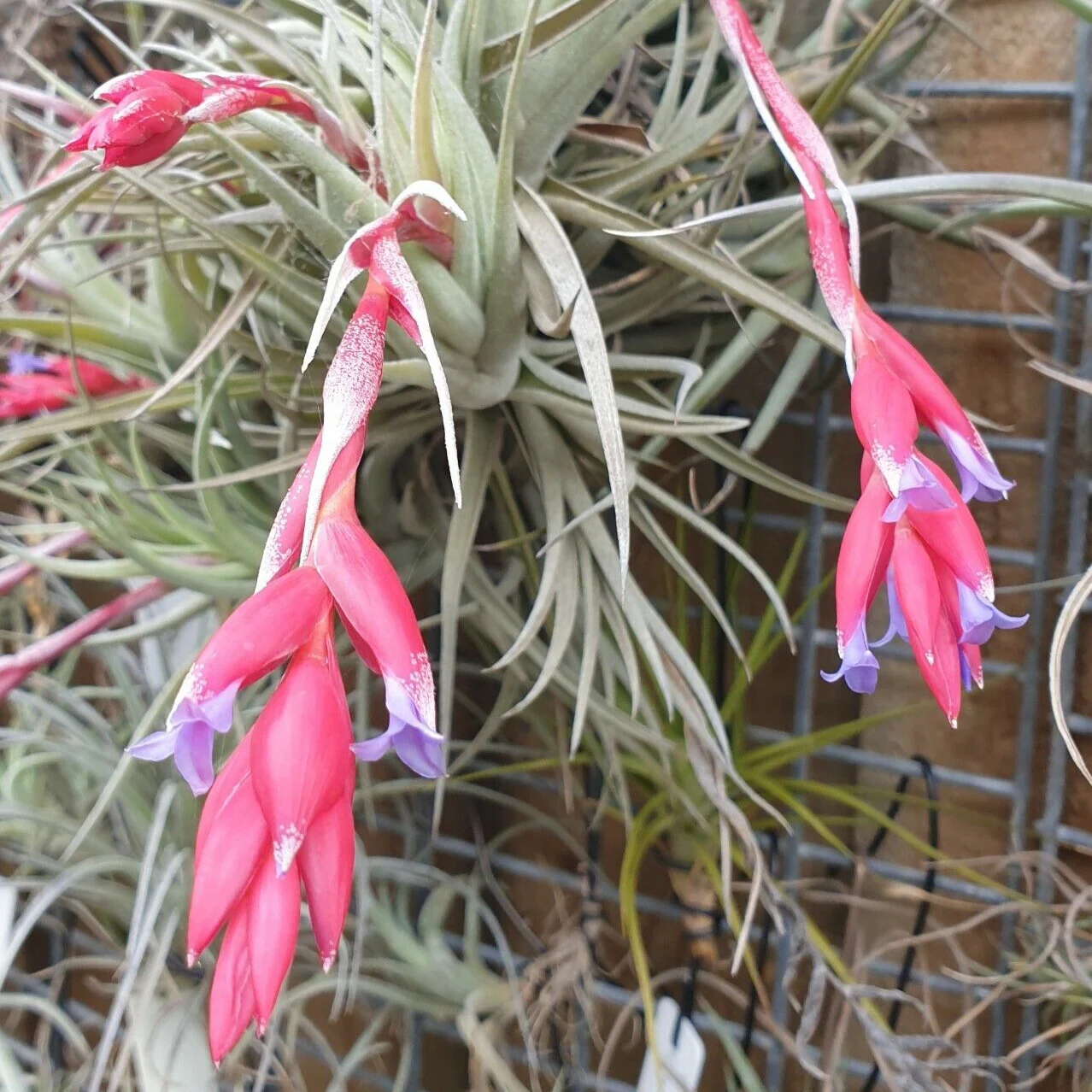
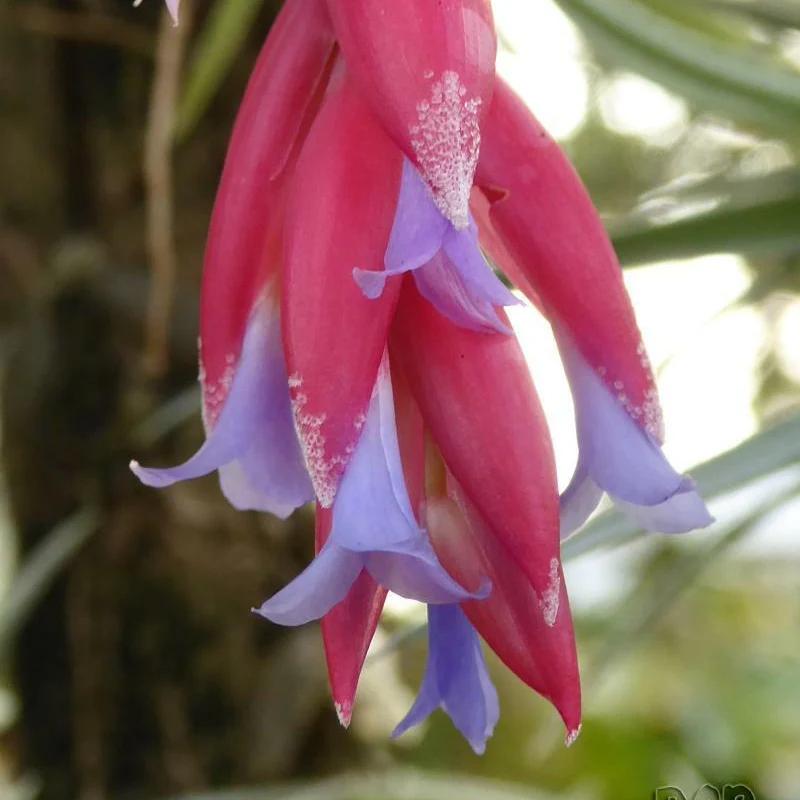
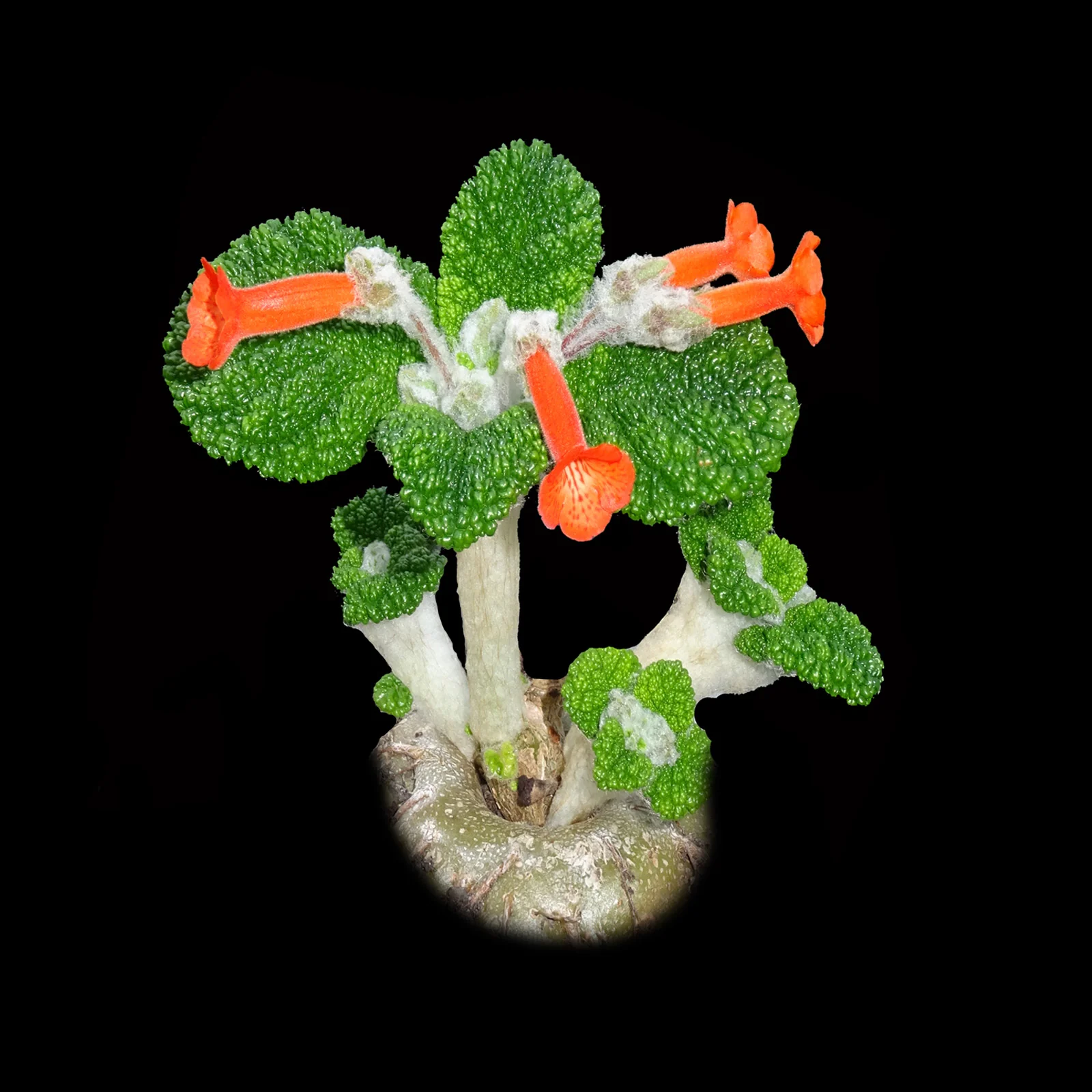
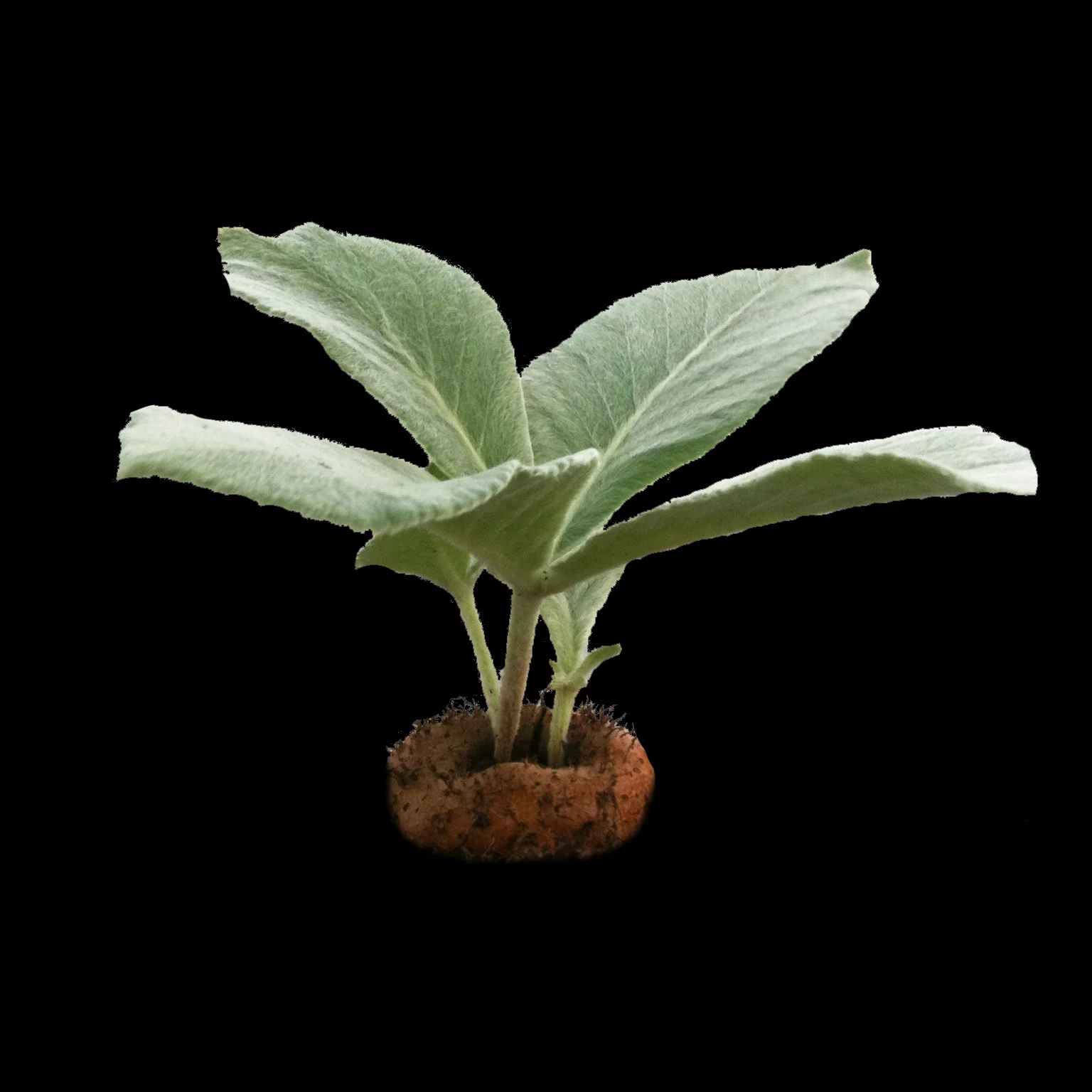
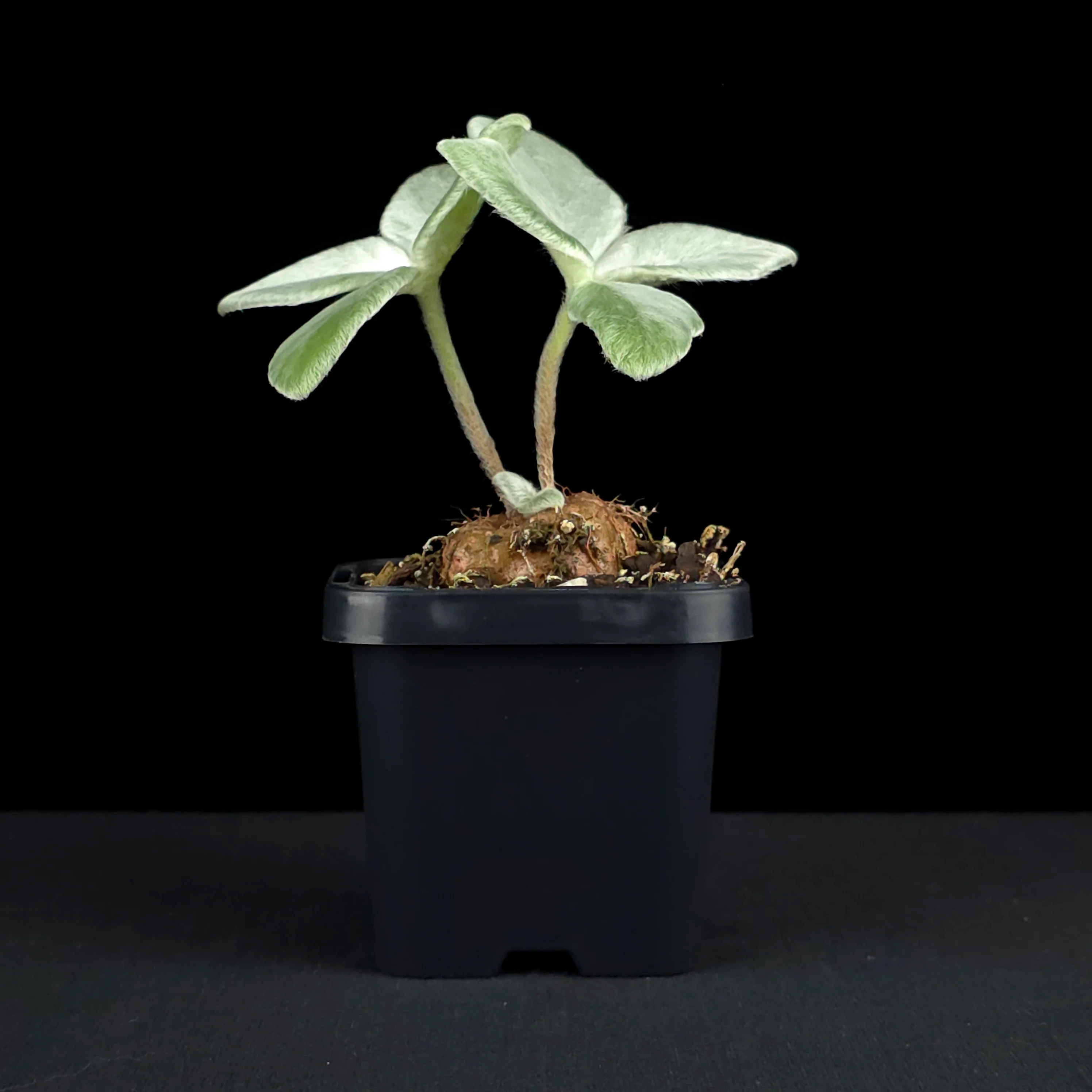
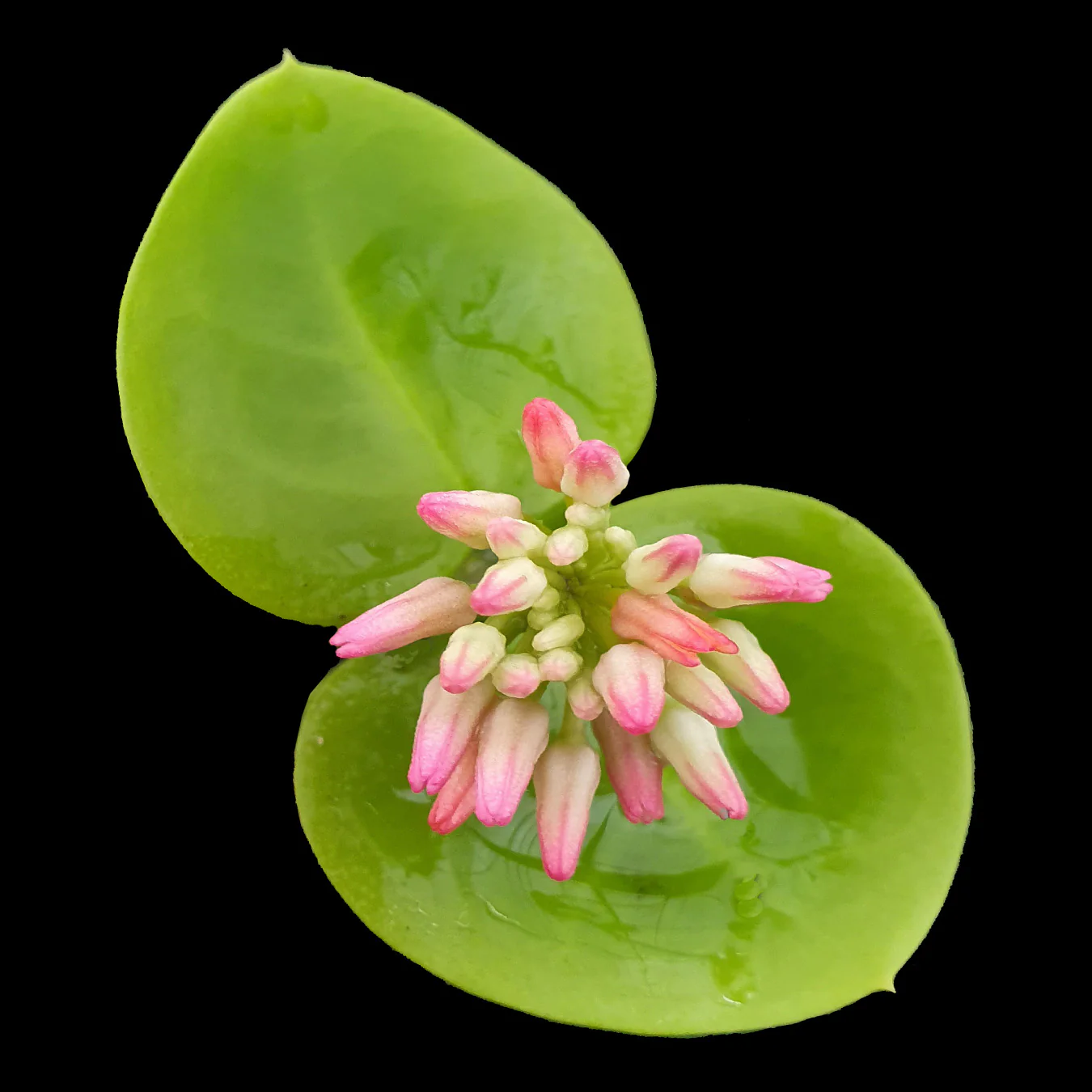
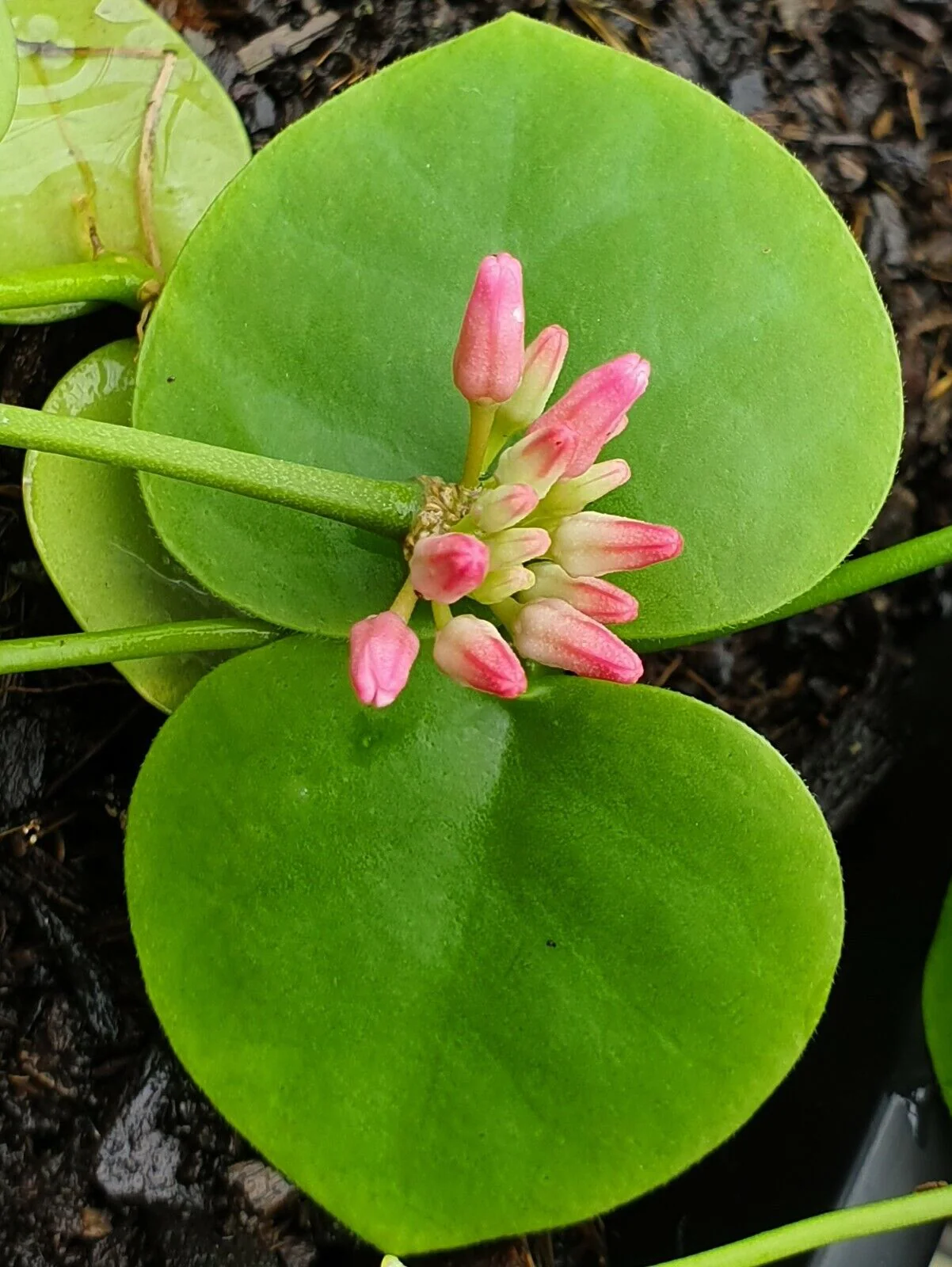
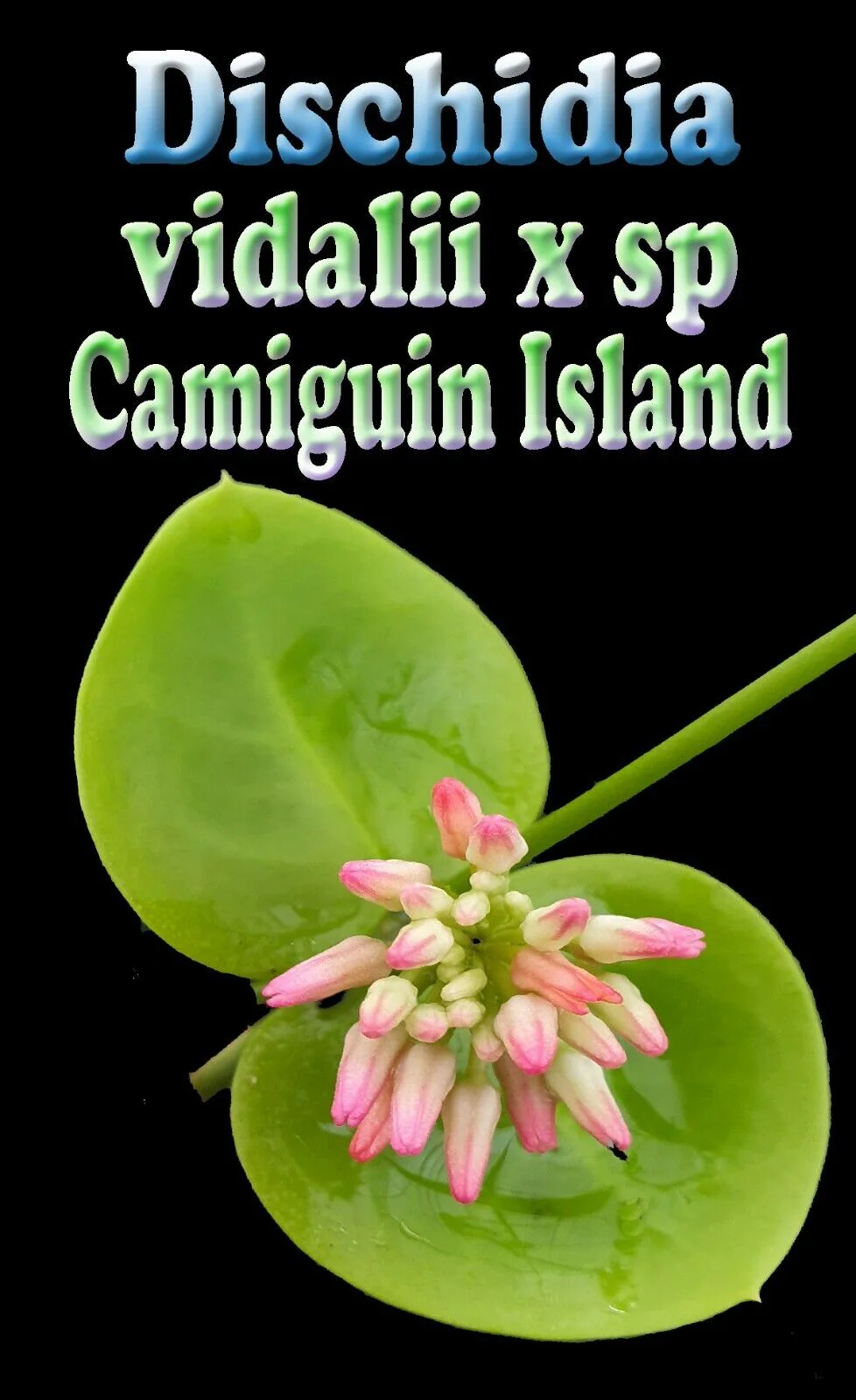
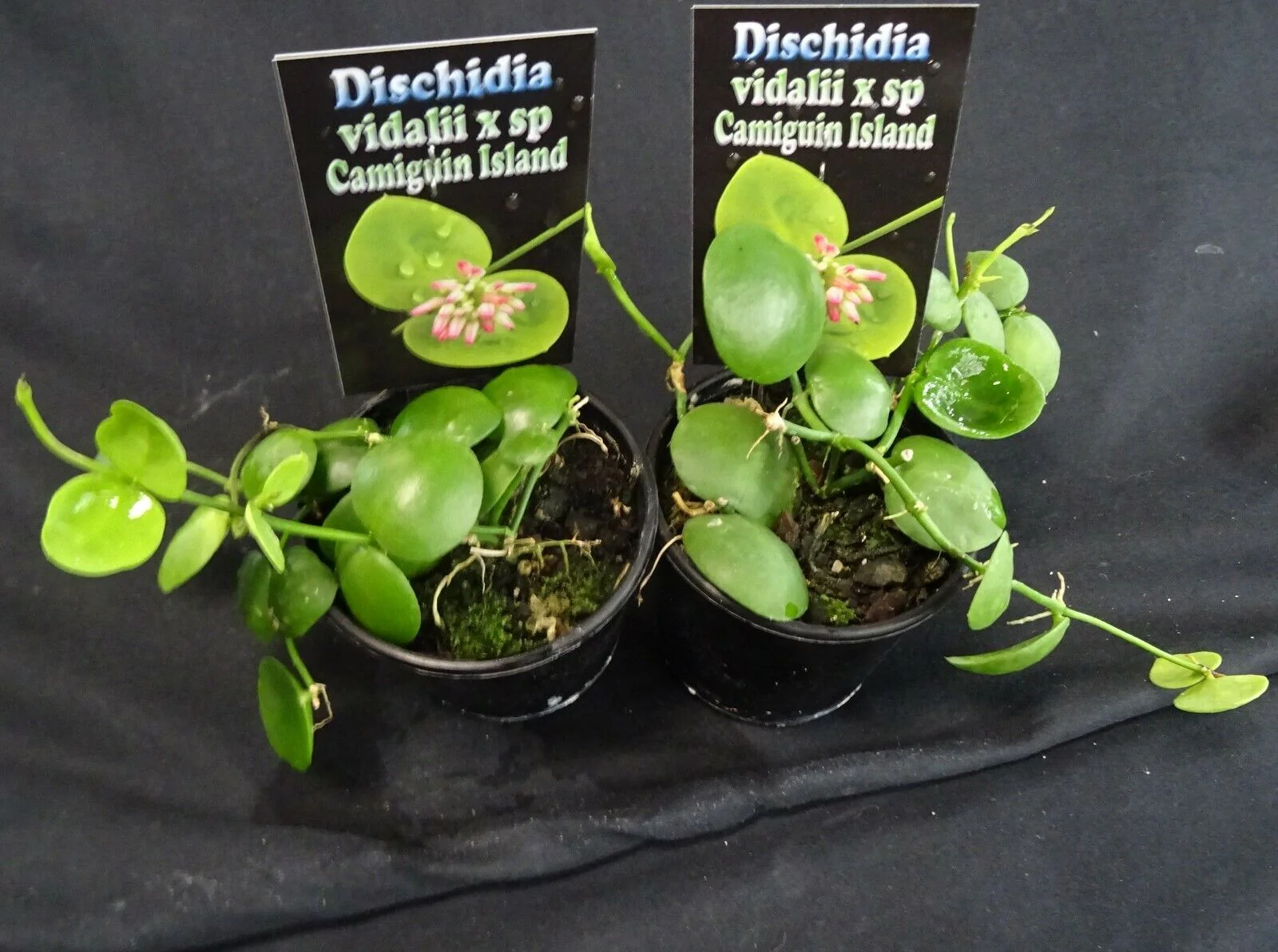
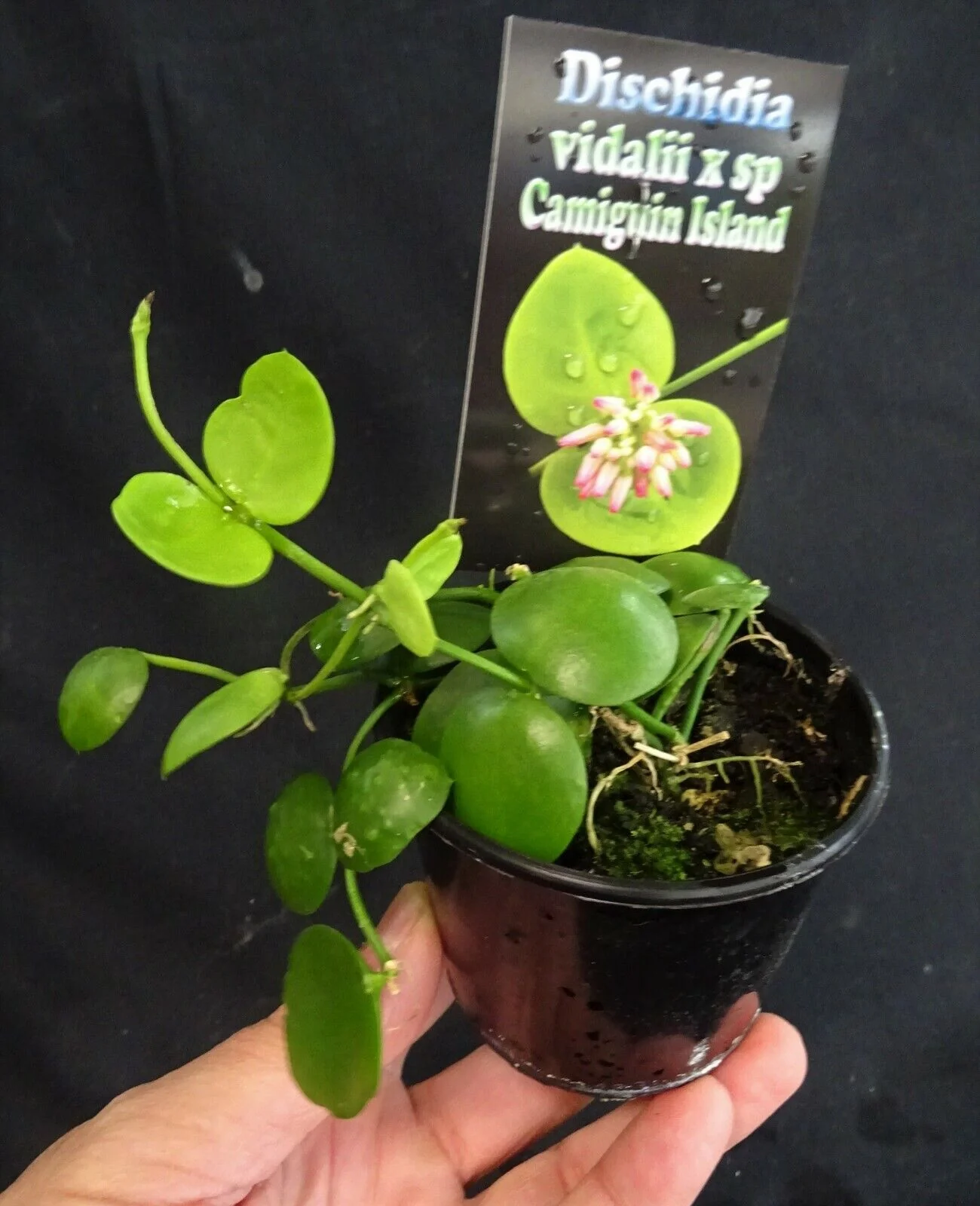
Dischidia vidalii × Dischidia sp. Camiguin Island is a cultivated cross combining two distinct Philippine species. This hybrid is valued for its unusually thick, glossy foliage and its tightly clustered, tubular pink blooms, making it a fine candidate for terraria or mounted displays.
Distinctive Features
- Glossy orbicular foliage: Leaf blades are succulent, circular to slightly heart-shaped, and exhibit a highly polished surface.
- Compact pink flowers: Floral clusters are composed of thick, blunt-tipped buds with a gradient of white to pink, showing clear influence from D. vidalii.
- Creeping to pendent growth: Stems root readily at nodes and can form a mat or trail when mounted or grown in baskets.
Care Tips
- Light: Thrives in bright, indirect light; avoid prolonged direct sun to prevent scorching delicate foliage.
- Water: Water moderately when substrate dries; reduce during cooler months while maintaining ambient humidity.
- Humidity: Prefers high humidity environments, particularly in enclosed or tropical growing setups.
- Media: Best in loose, airy epiphytic mixes – such as fine bark, perlite, and coconut husk fibre – or grown mounted with moss.
- Temperature: Ideal range is 18–28°C; protect from frost and cold drafts.
- Fertiliser: Apply dilute liquid orchid or foliage fertiliser monthly during the active growing season.
- Repotting: Reposition or refresh mount or media every 2–3 years or when growth slows due to media breakdown.
Original: $25.00
-65%$25.00
$8.75More Images
Dischidia vidalii × Dischidia sp. Camiguin Island (WA Prohibited)
Dischidia vidalii × Dischidia sp. Camiguin Island is a cultivated cross combining two distinct Philippine species. This hybrid is valued for its unusually thick, glossy foliage and its tightly clustered, tubular pink blooms, making it a fine candidate for terraria or mounted displays.
Distinctive Features
- Glossy orbicular foliage: Leaf blades are succulent, circular to slightly heart-shaped, and exhibit a highly polished surface.
- Compact pink flowers: Floral clusters are composed of thick, blunt-tipped buds with a gradient of white to pink, showing clear influence from D. vidalii.
- Creeping to pendent growth: Stems root readily at nodes and can form a mat or trail when mounted or grown in baskets.
Care Tips
- Light: Thrives in bright, indirect light; avoid prolonged direct sun to prevent scorching delicate foliage.
- Water: Water moderately when substrate dries; reduce during cooler months while maintaining ambient humidity.
- Humidity: Prefers high humidity environments, particularly in enclosed or tropical growing setups.
- Media: Best in loose, airy epiphytic mixes – such as fine bark, perlite, and coconut husk fibre – or grown mounted with moss.
- Temperature: Ideal range is 18–28°C; protect from frost and cold drafts.
- Fertiliser: Apply dilute liquid orchid or foliage fertiliser monthly during the active growing season.
- Repotting: Reposition or refresh mount or media every 2–3 years or when growth slows due to media breakdown.
Product Information
Product Information
Shipping & Returns
Shipping & Returns
Description
Dischidia vidalii × Dischidia sp. Camiguin Island is a cultivated cross combining two distinct Philippine species. This hybrid is valued for its unusually thick, glossy foliage and its tightly clustered, tubular pink blooms, making it a fine candidate for terraria or mounted displays.
Distinctive Features
- Glossy orbicular foliage: Leaf blades are succulent, circular to slightly heart-shaped, and exhibit a highly polished surface.
- Compact pink flowers: Floral clusters are composed of thick, blunt-tipped buds with a gradient of white to pink, showing clear influence from D. vidalii.
- Creeping to pendent growth: Stems root readily at nodes and can form a mat or trail when mounted or grown in baskets.
Care Tips
- Light: Thrives in bright, indirect light; avoid prolonged direct sun to prevent scorching delicate foliage.
- Water: Water moderately when substrate dries; reduce during cooler months while maintaining ambient humidity.
- Humidity: Prefers high humidity environments, particularly in enclosed or tropical growing setups.
- Media: Best in loose, airy epiphytic mixes – such as fine bark, perlite, and coconut husk fibre – or grown mounted with moss.
- Temperature: Ideal range is 18–28°C; protect from frost and cold drafts.
- Fertiliser: Apply dilute liquid orchid or foliage fertiliser monthly during the active growing season.
- Repotting: Reposition or refresh mount or media every 2–3 years or when growth slows due to media breakdown.