Euphorbia inermis - One Off Specials (WA Prohibited)
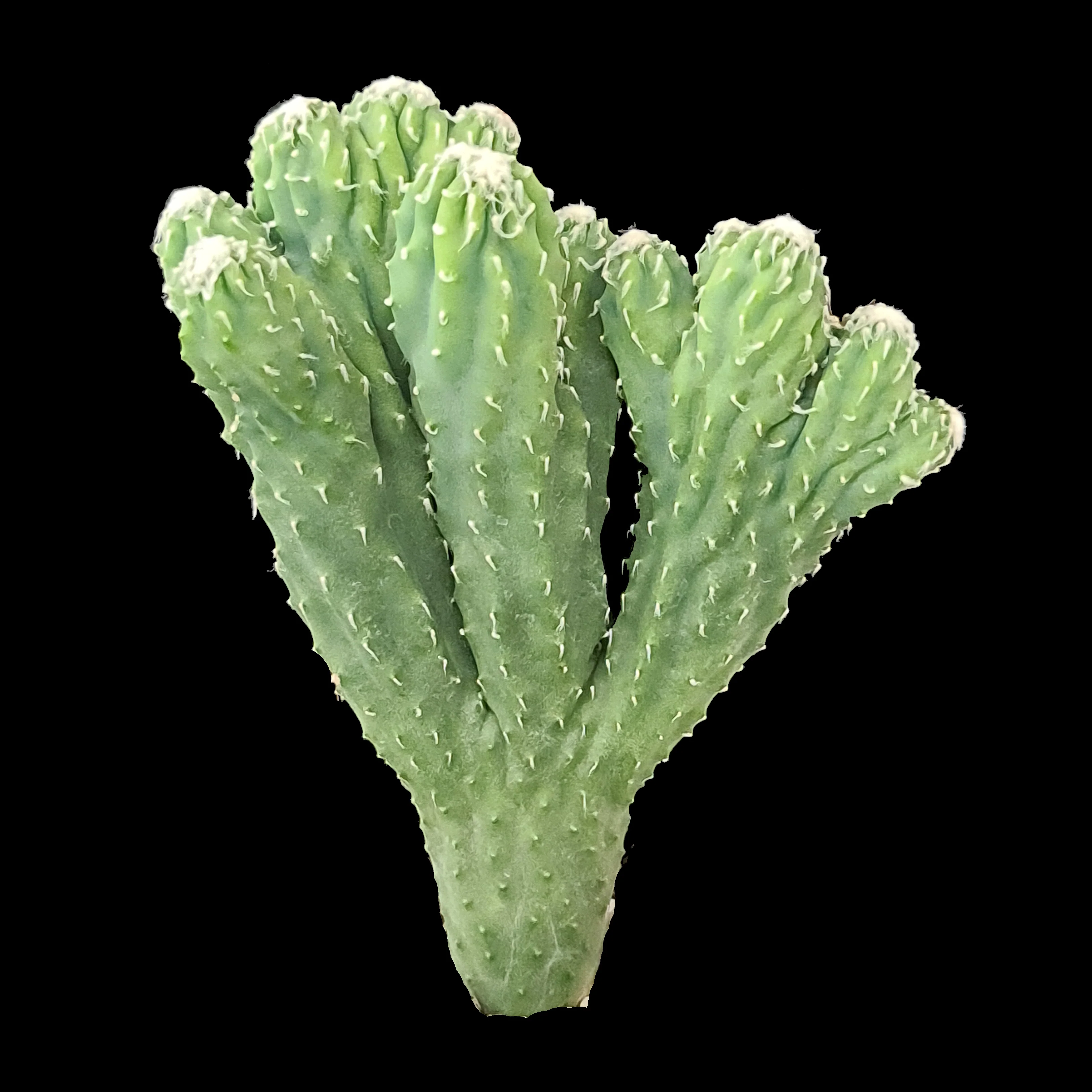
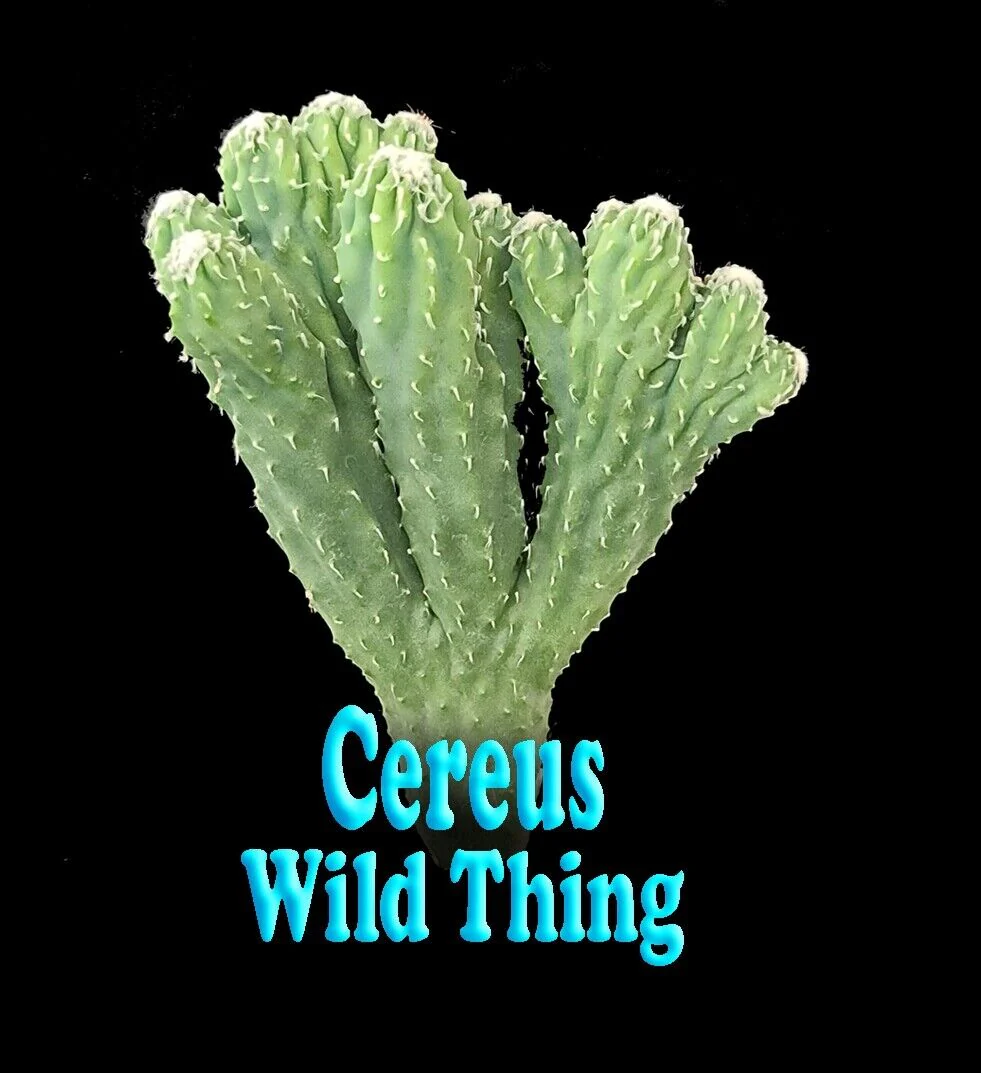
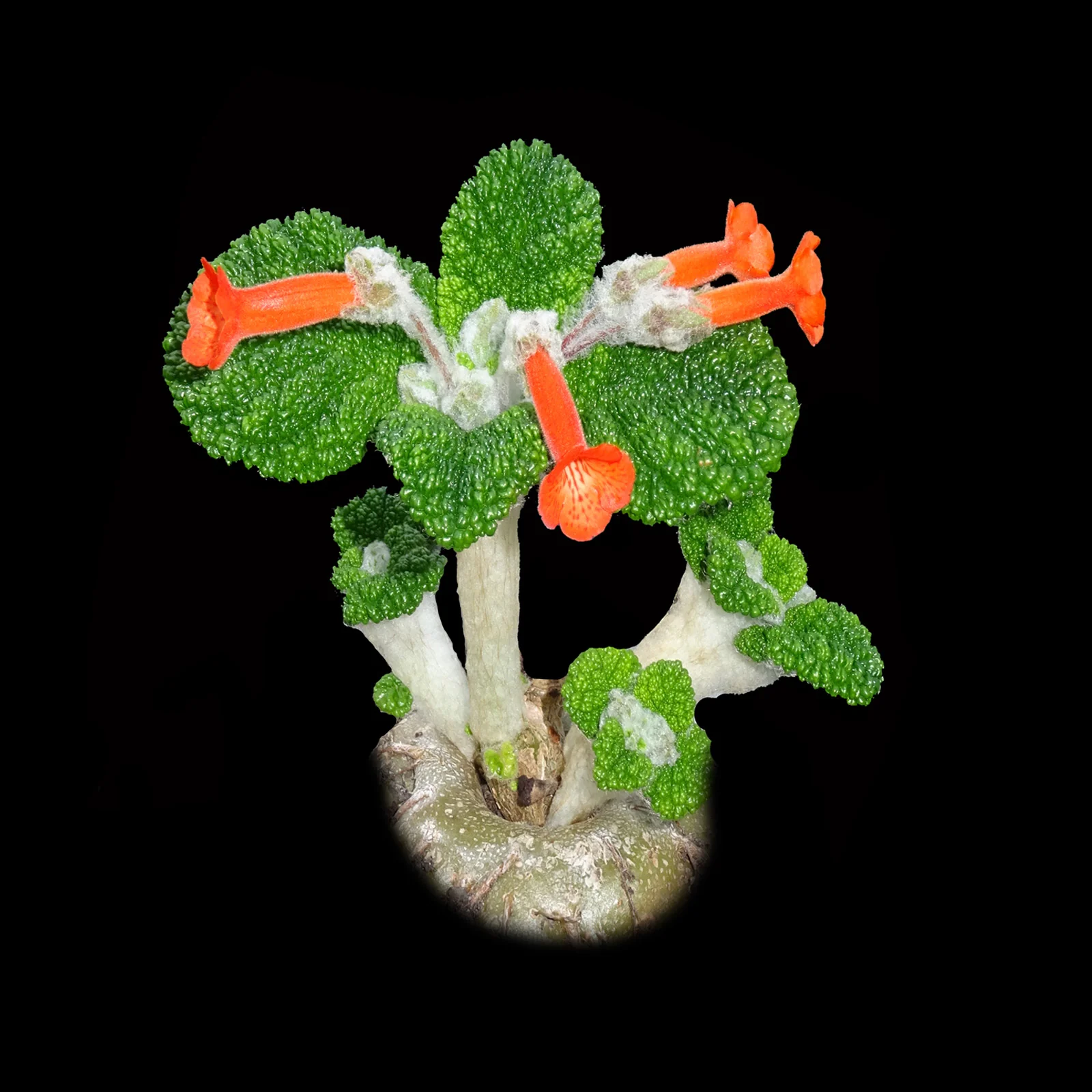
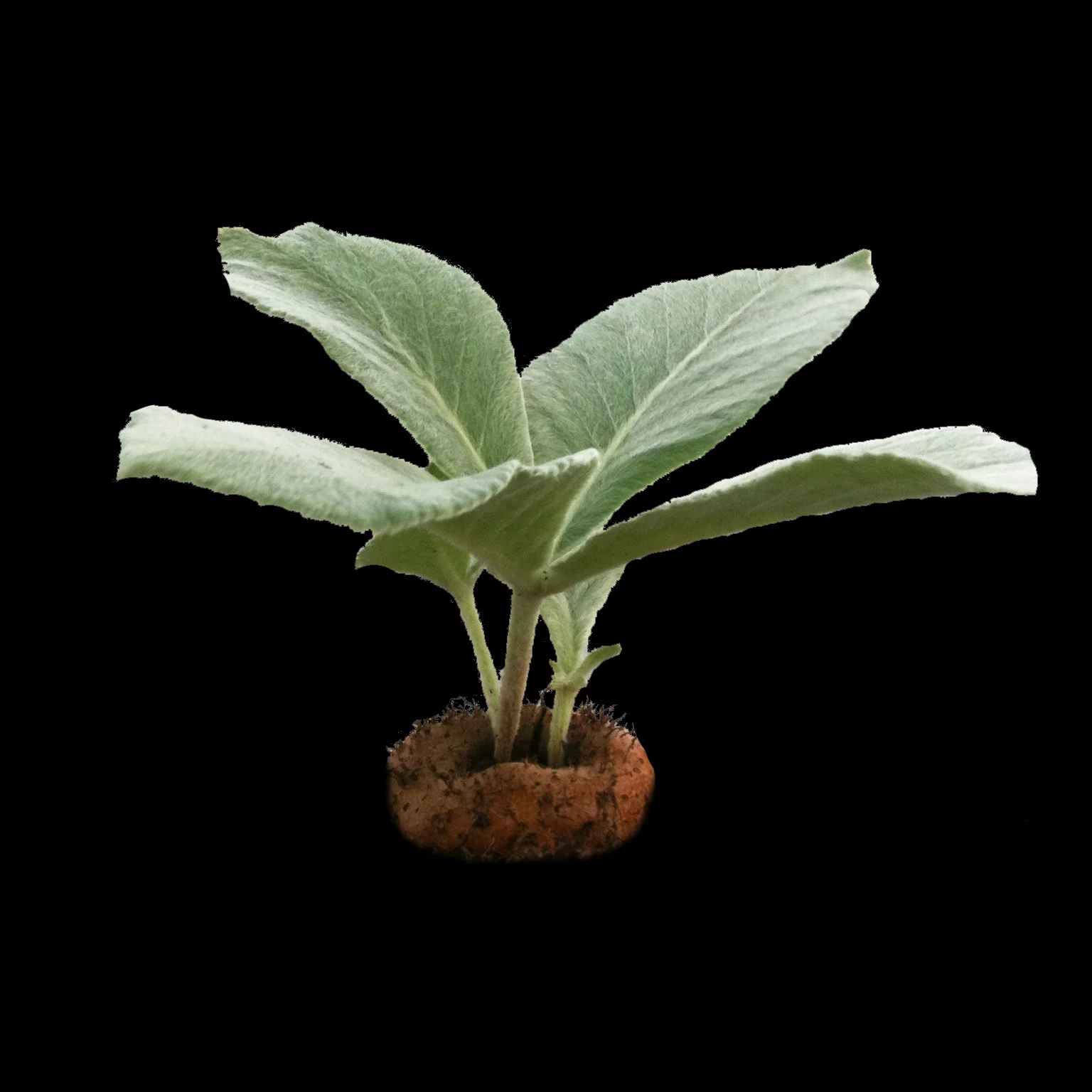
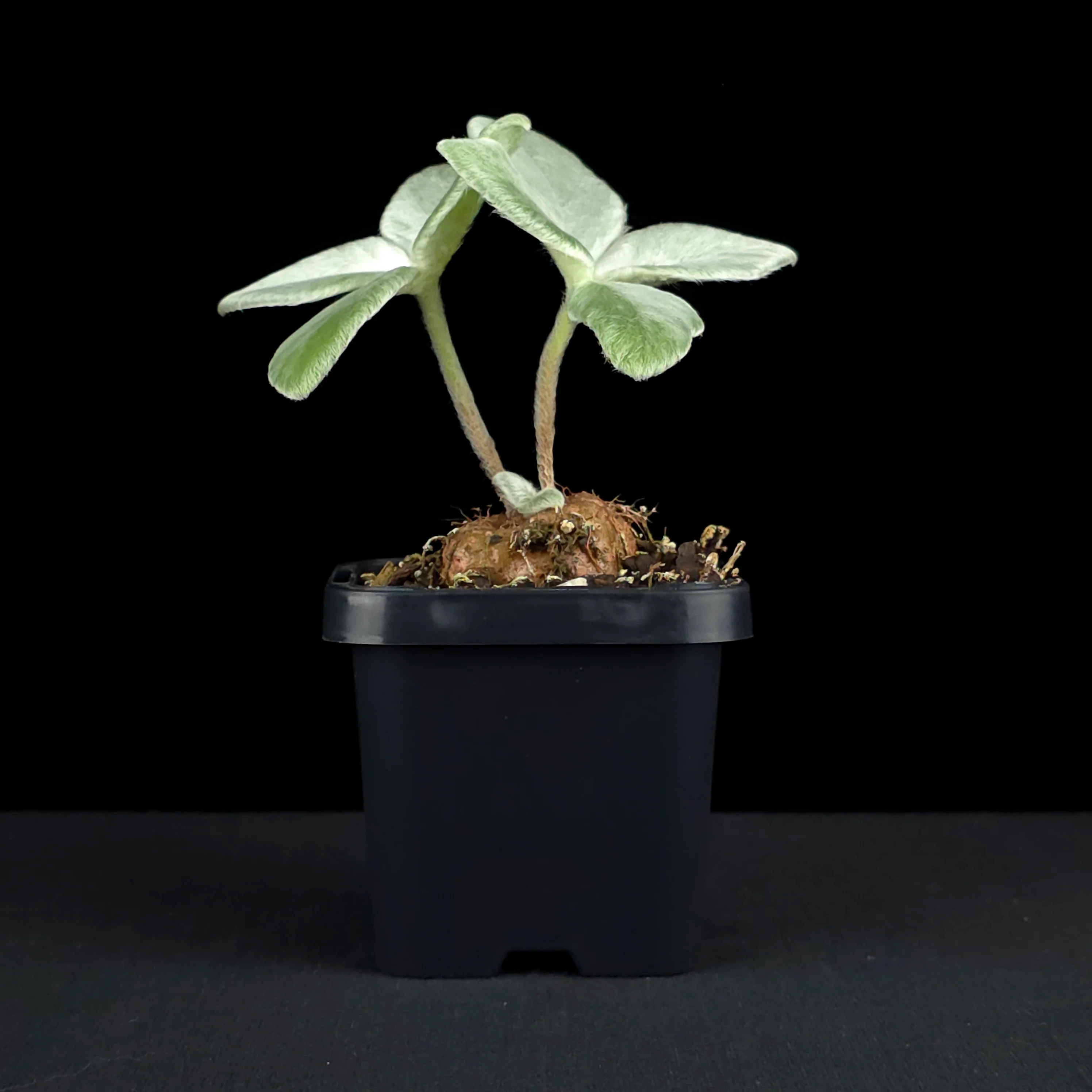
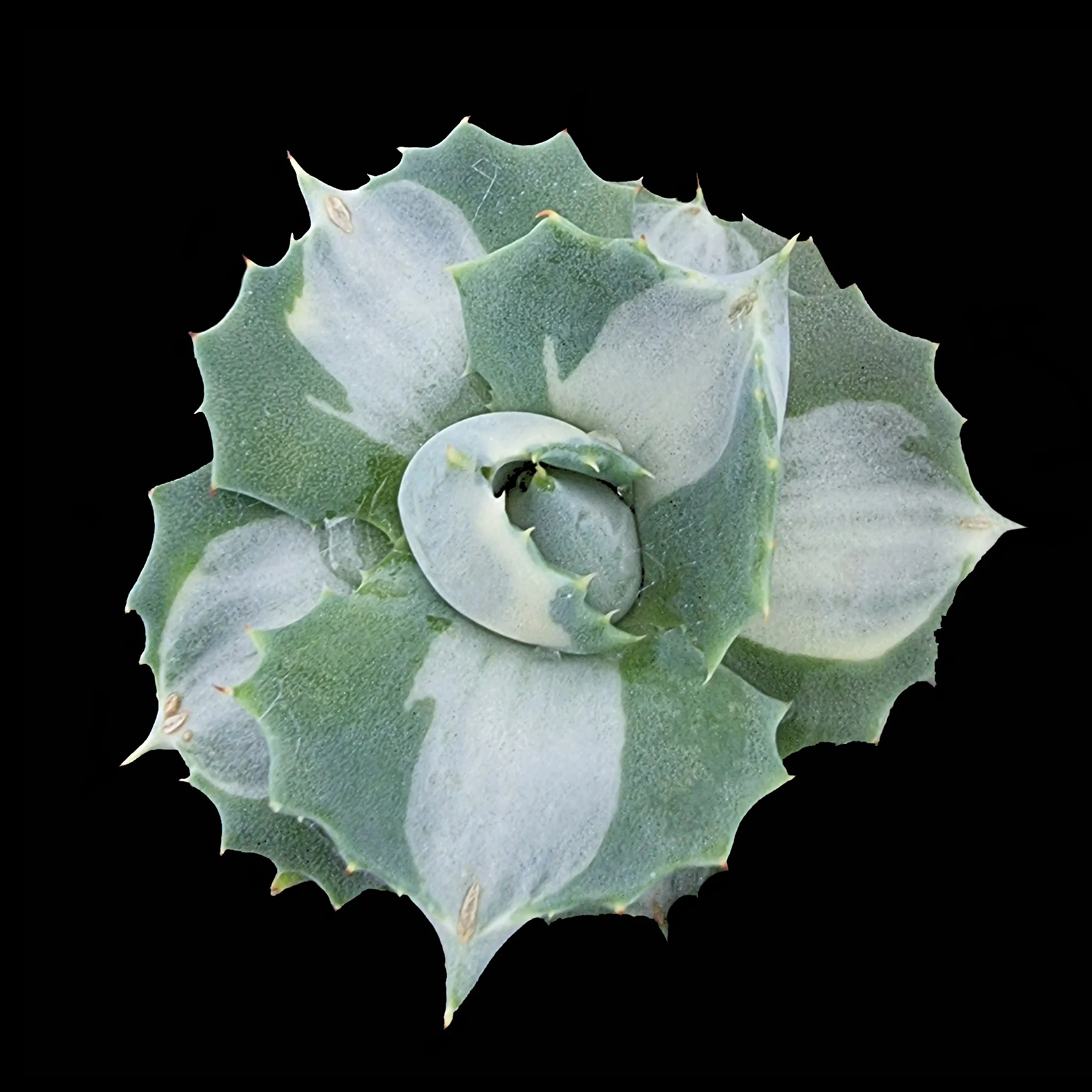
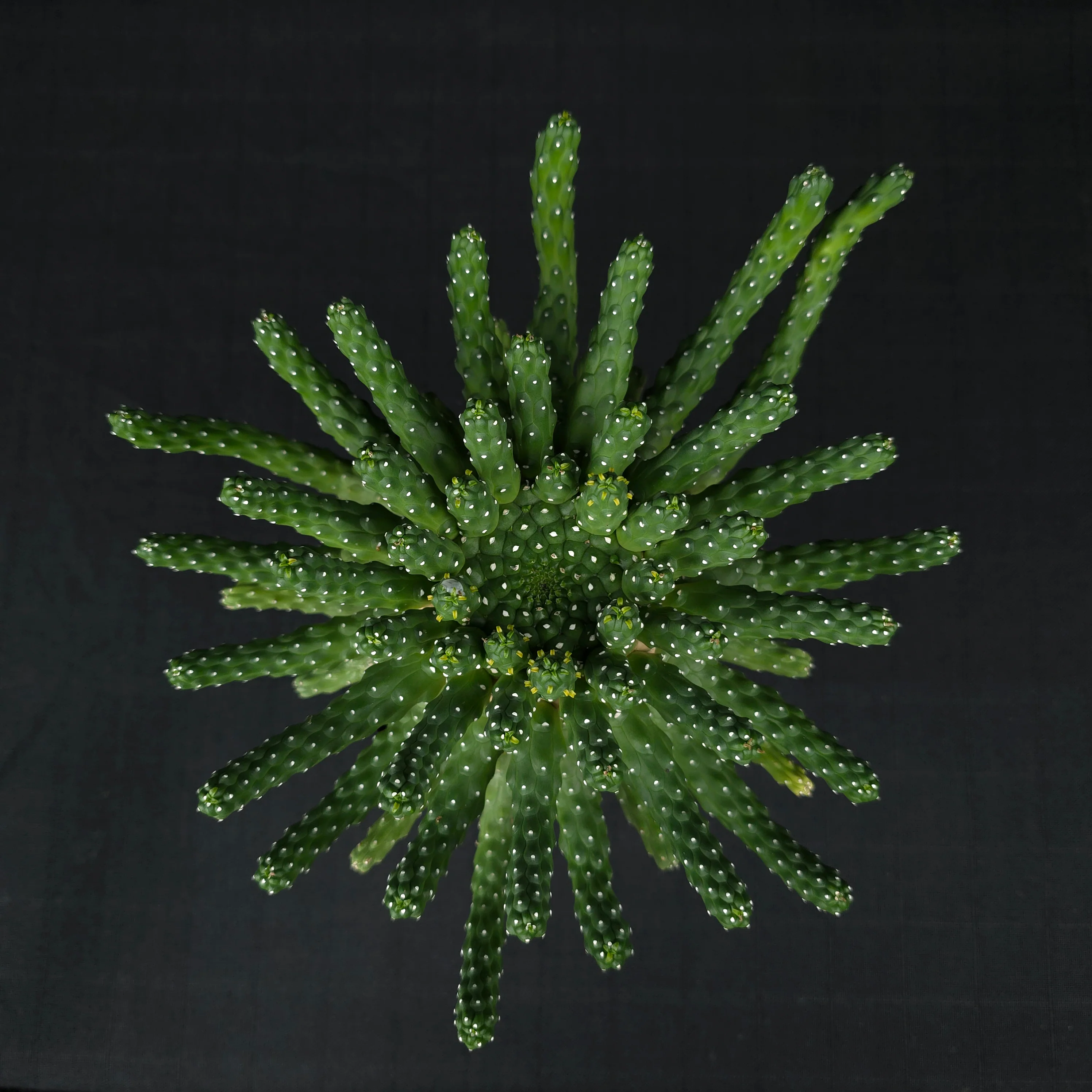
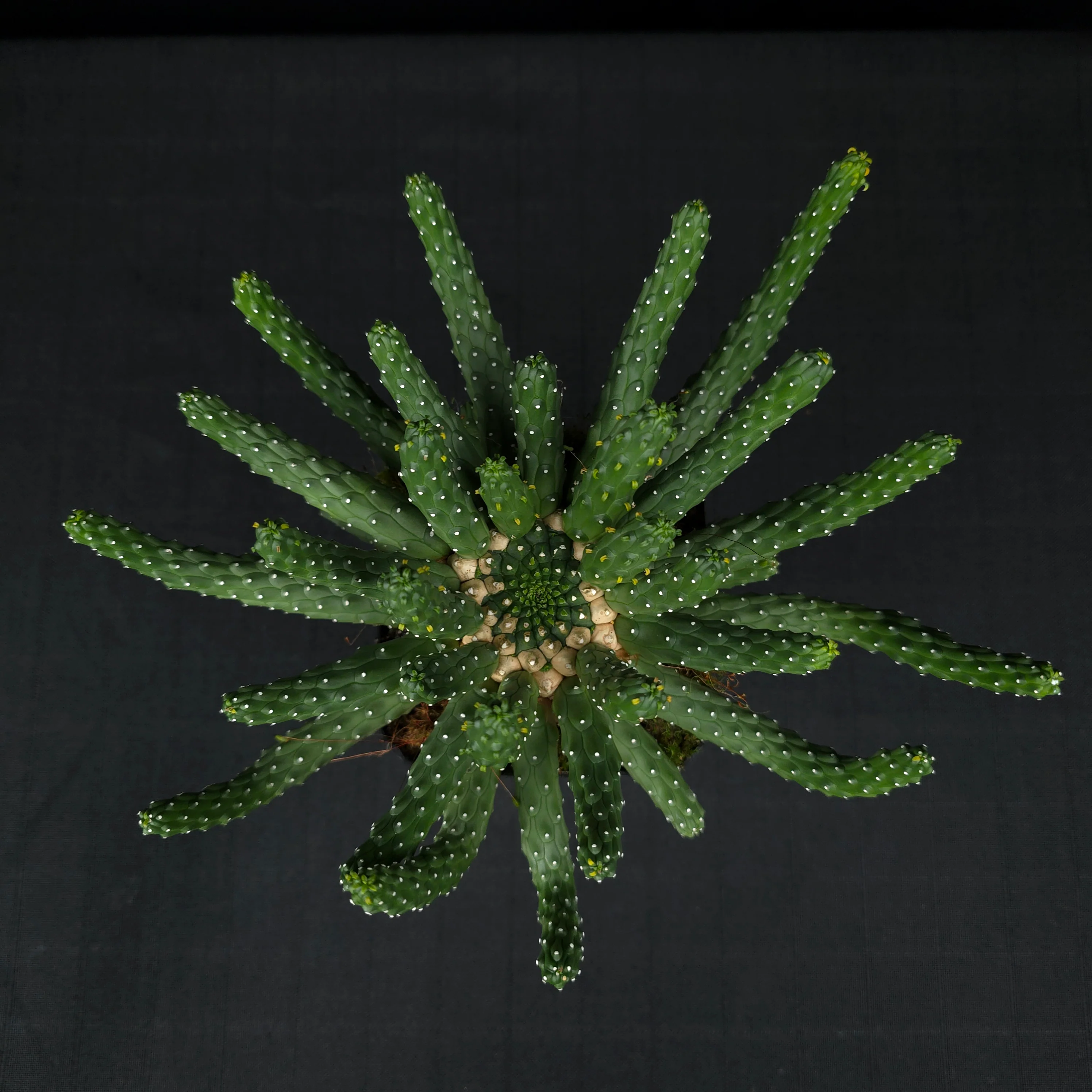
Euphorbia inermis is a fascinating caudiciform succulent native to the arid landscapes of South Africa. Known as the Spineless Spurge, it displays a remarkable blend of architectural symmetry and botanical quirkiness. These three large specimens, released from the Boss’ private vault, are exceptional in both form and size.
Distinctive Features
- Spineless succulent arms: Unlike many members of its genus, this species lacks spines, making it both sculptural and user-friendly.
- Underground caudex: Thick, tuberous rootstock gives rise to clustered upright stems, which resemble cacti but are wholly Euphorbia.
- Showy cyathia: Produces unusual greenish to maroon floral structures in warmer months that add seasonal interest.
Care Tips
- Light: Prefers full sun to very bright indirect light; avoid shaded positions.
- Water: Water sparingly during the growing season and withhold in winter to encourage dormancy.
- Humidity: Thrives in low humidity and well-ventilated conditions.
- Media: Use a very free-draining cactus or caudiciform mix with added grit or pumice.
- Temperature: Ideal range is 18–28°C; protect from frost at all costs.
- Fertiliser: Apply a low-nitrogen, diluted cactus fertiliser monthly during active growth.
- Repotting: Only when root-bound—disturbing the caudex too frequently can hinder growth.
Additional Notes
- Highly toxic to pets and humans if ingested.
Original: $45.00
-65%$45.00
$15.75More Images
Euphorbia inermis - One Off Specials (WA Prohibited)
Euphorbia inermis is a fascinating caudiciform succulent native to the arid landscapes of South Africa. Known as the Spineless Spurge, it displays a remarkable blend of architectural symmetry and botanical quirkiness. These three large specimens, released from the Boss’ private vault, are exceptional in both form and size.
Distinctive Features
- Spineless succulent arms: Unlike many members of its genus, this species lacks spines, making it both sculptural and user-friendly.
- Underground caudex: Thick, tuberous rootstock gives rise to clustered upright stems, which resemble cacti but are wholly Euphorbia.
- Showy cyathia: Produces unusual greenish to maroon floral structures in warmer months that add seasonal interest.
Care Tips
- Light: Prefers full sun to very bright indirect light; avoid shaded positions.
- Water: Water sparingly during the growing season and withhold in winter to encourage dormancy.
- Humidity: Thrives in low humidity and well-ventilated conditions.
- Media: Use a very free-draining cactus or caudiciform mix with added grit or pumice.
- Temperature: Ideal range is 18–28°C; protect from frost at all costs.
- Fertiliser: Apply a low-nitrogen, diluted cactus fertiliser monthly during active growth.
- Repotting: Only when root-bound—disturbing the caudex too frequently can hinder growth.
Additional Notes
- Highly toxic to pets and humans if ingested.
Product Information
Product Information
Shipping & Returns
Shipping & Returns
Description
Euphorbia inermis is a fascinating caudiciform succulent native to the arid landscapes of South Africa. Known as the Spineless Spurge, it displays a remarkable blend of architectural symmetry and botanical quirkiness. These three large specimens, released from the Boss’ private vault, are exceptional in both form and size.
Distinctive Features
- Spineless succulent arms: Unlike many members of its genus, this species lacks spines, making it both sculptural and user-friendly.
- Underground caudex: Thick, tuberous rootstock gives rise to clustered upright stems, which resemble cacti but are wholly Euphorbia.
- Showy cyathia: Produces unusual greenish to maroon floral structures in warmer months that add seasonal interest.
Care Tips
- Light: Prefers full sun to very bright indirect light; avoid shaded positions.
- Water: Water sparingly during the growing season and withhold in winter to encourage dormancy.
- Humidity: Thrives in low humidity and well-ventilated conditions.
- Media: Use a very free-draining cactus or caudiciform mix with added grit or pumice.
- Temperature: Ideal range is 18–28°C; protect from frost at all costs.
- Fertiliser: Apply a low-nitrogen, diluted cactus fertiliser monthly during active growth.
- Repotting: Only when root-bound—disturbing the caudex too frequently can hinder growth.
Additional Notes
- Highly toxic to pets and humans if ingested.