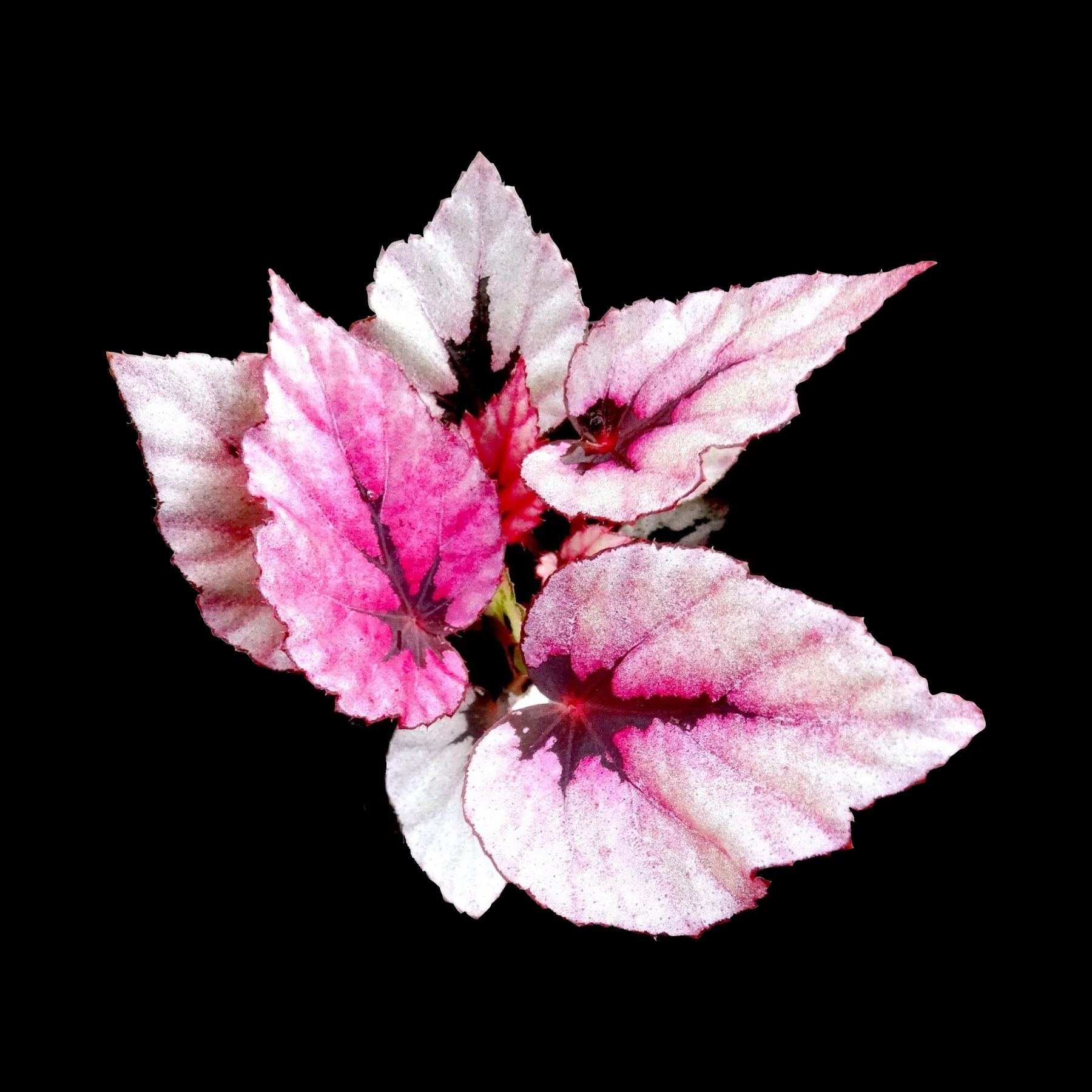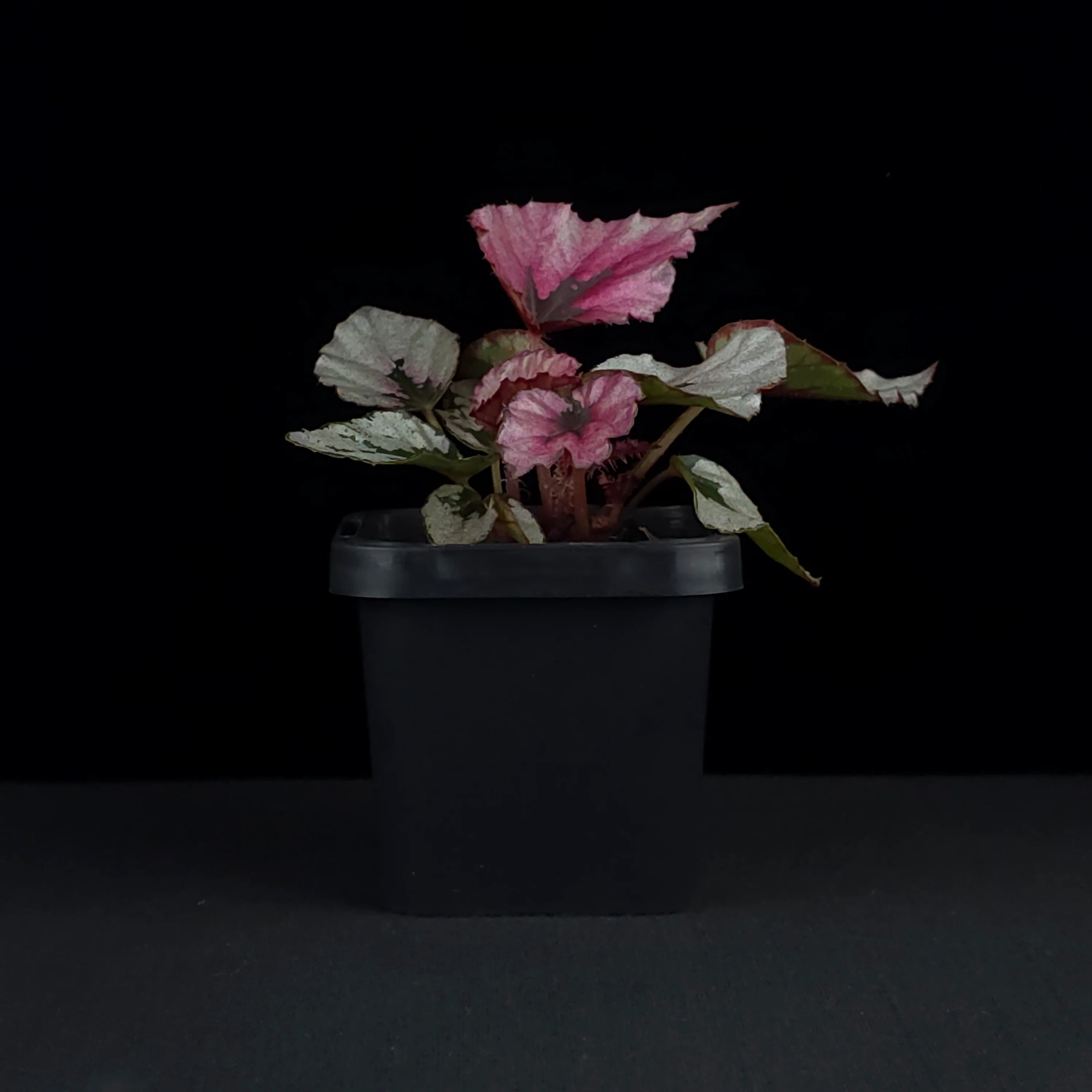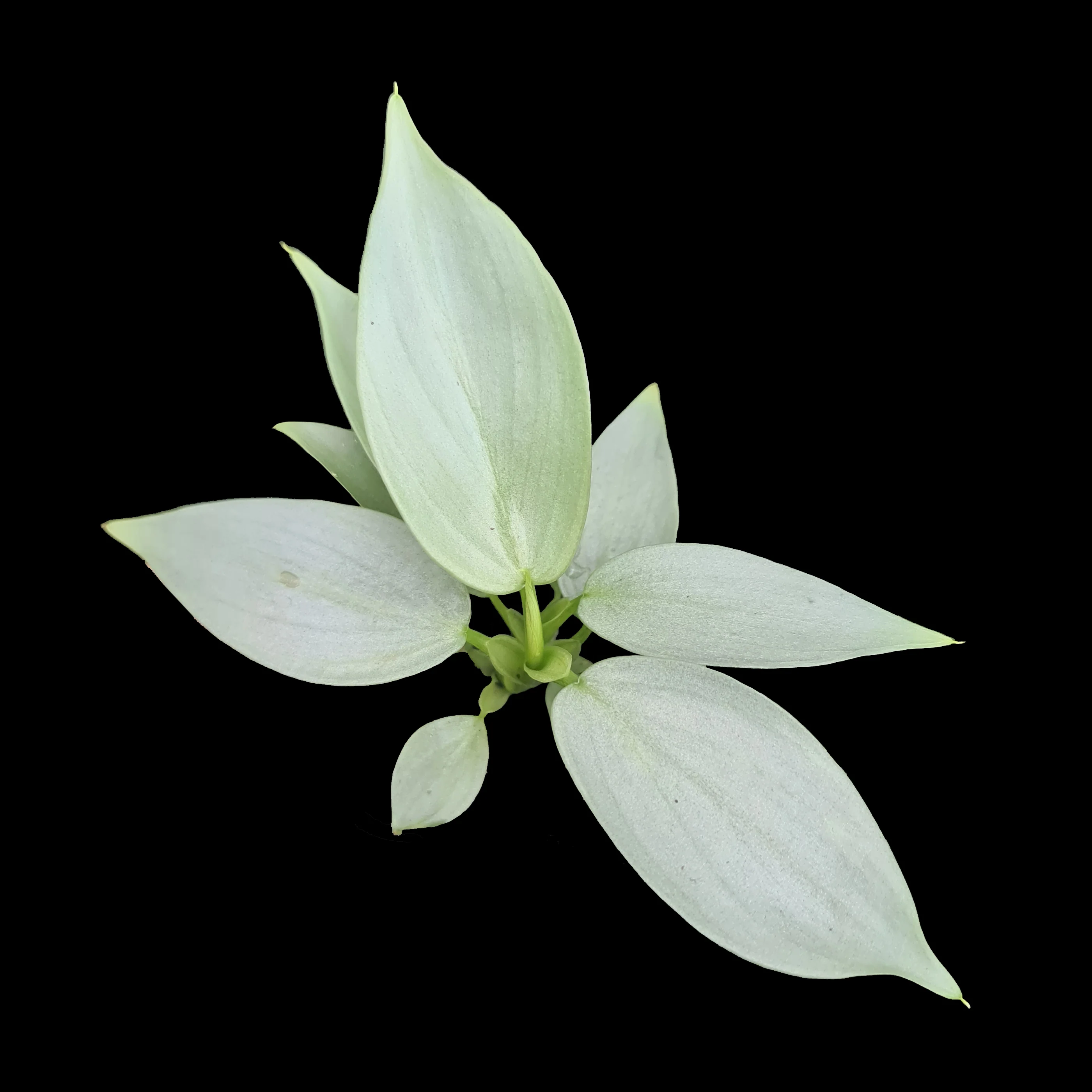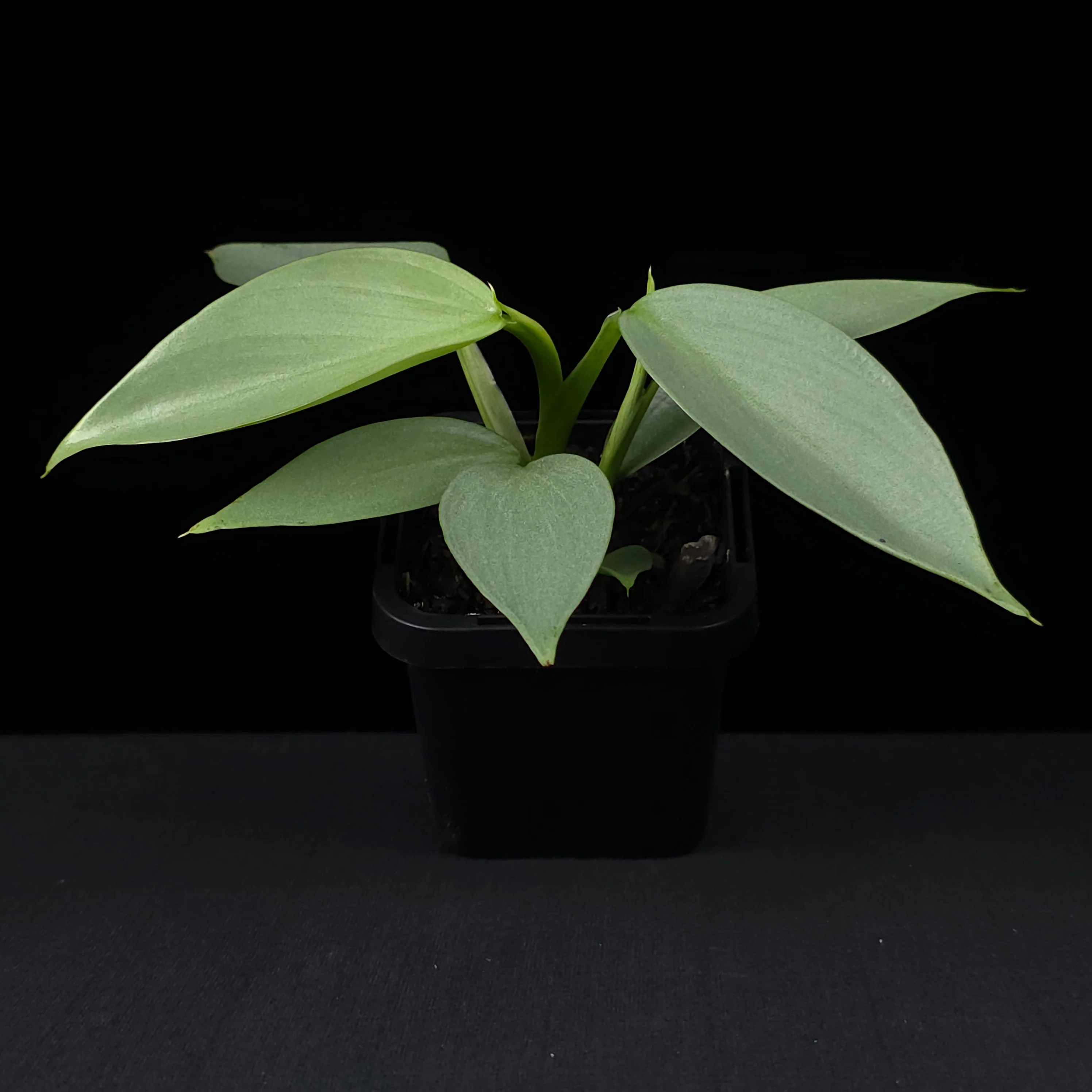
Ficus elastica 'Tineke' - Variegated Rubber Plant
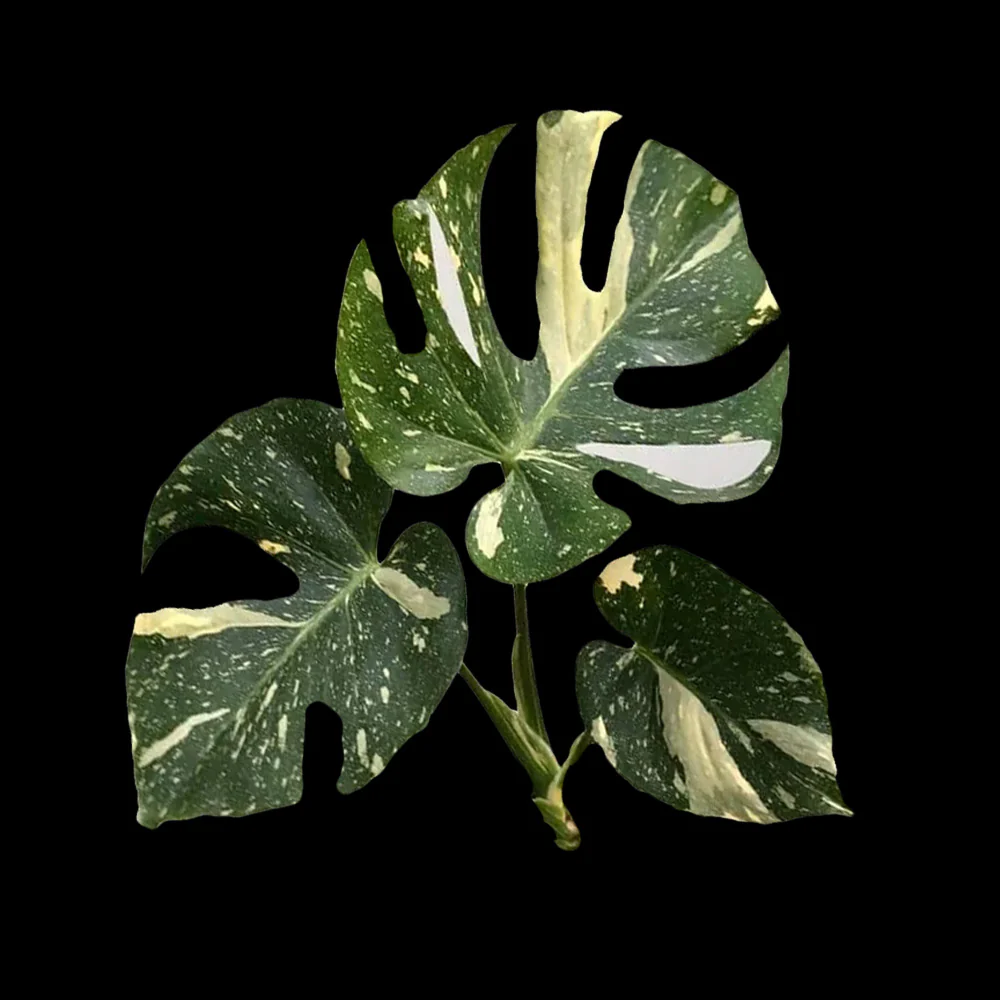
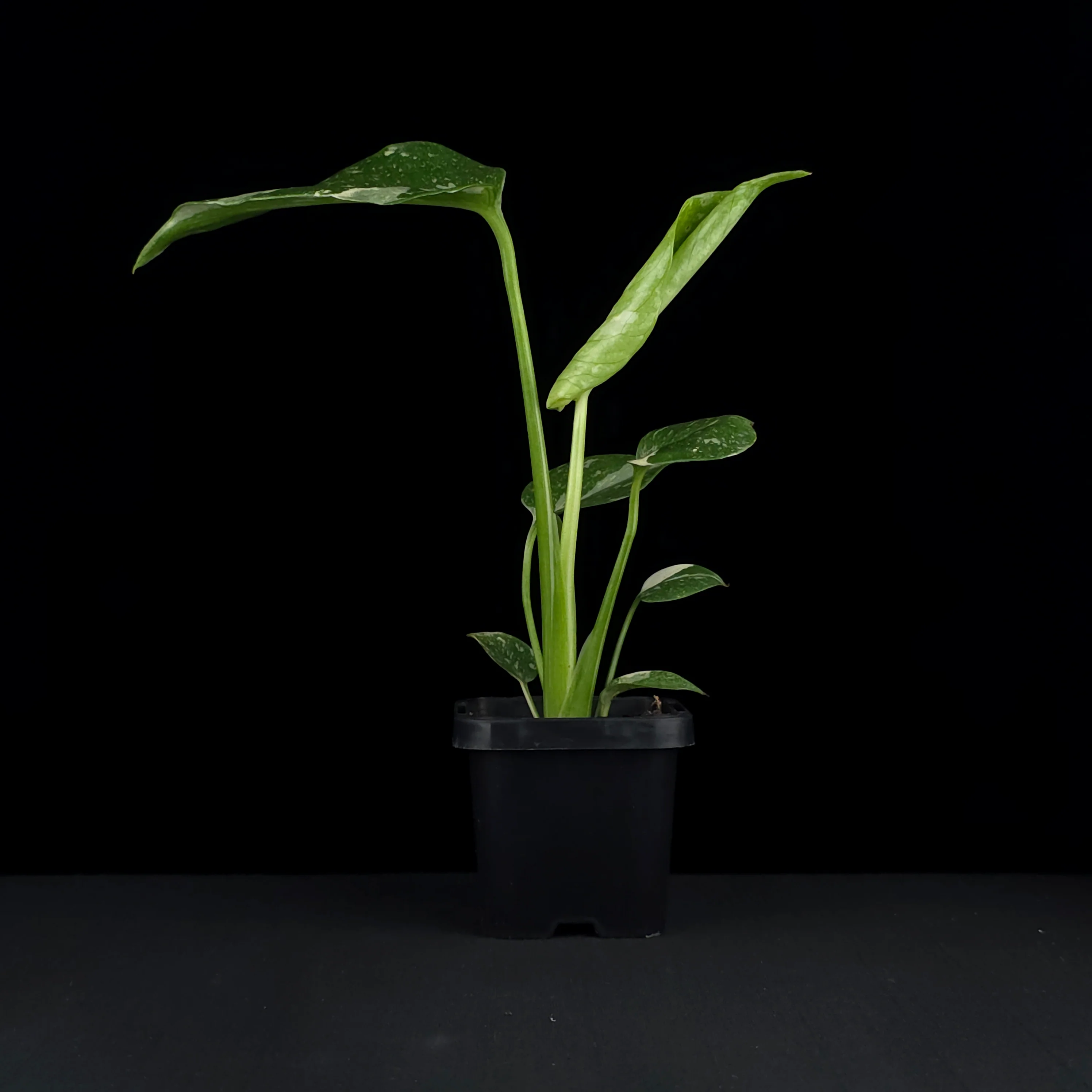
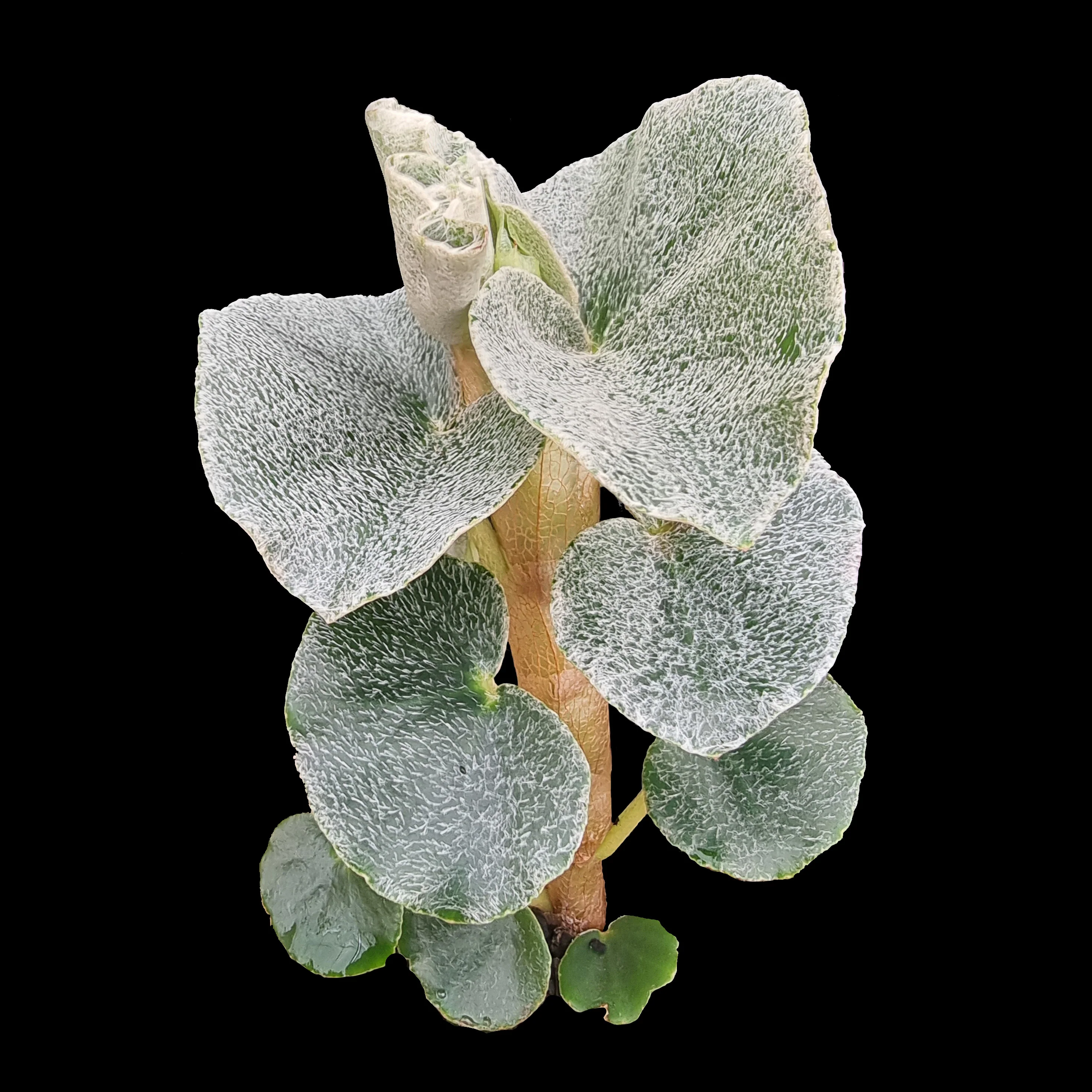
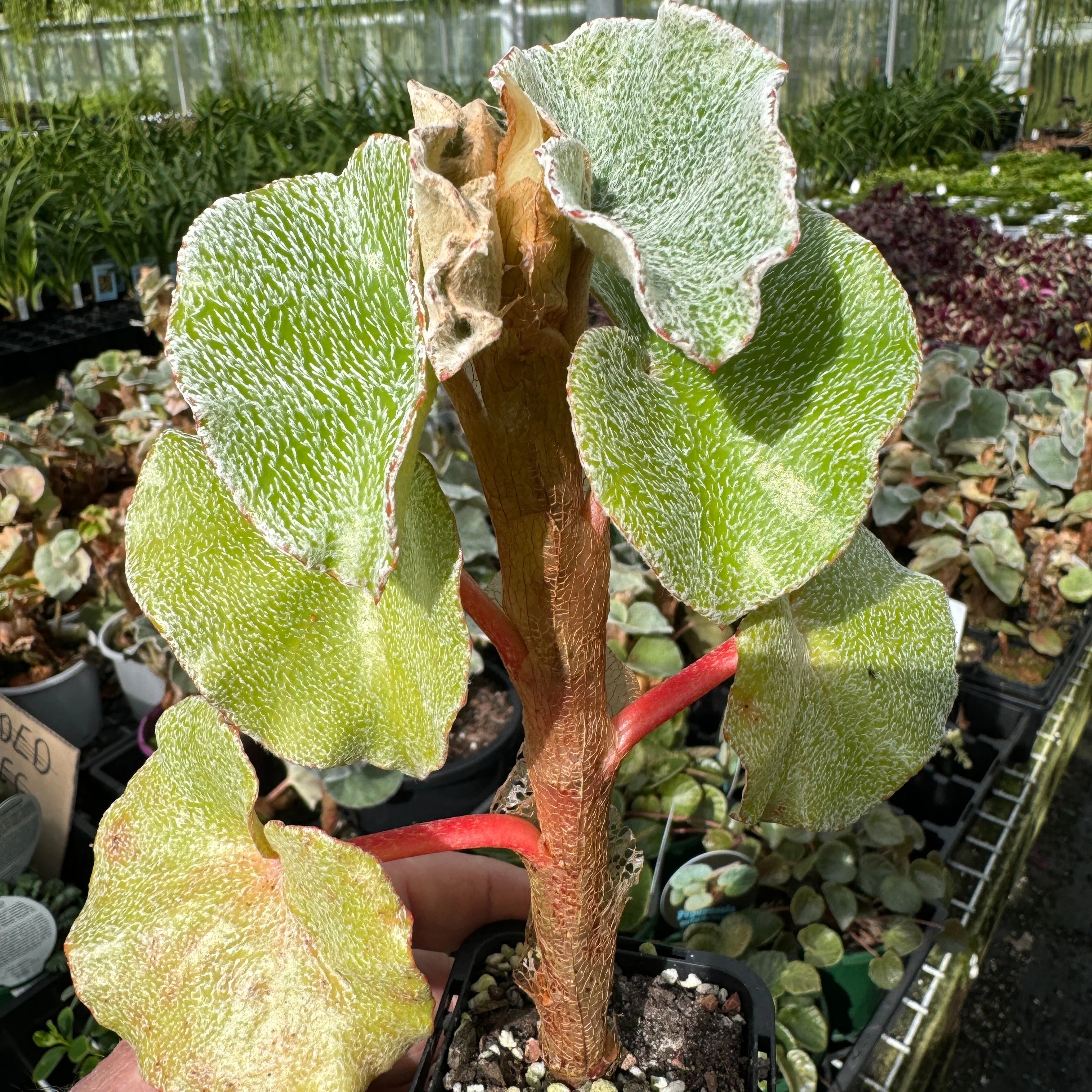
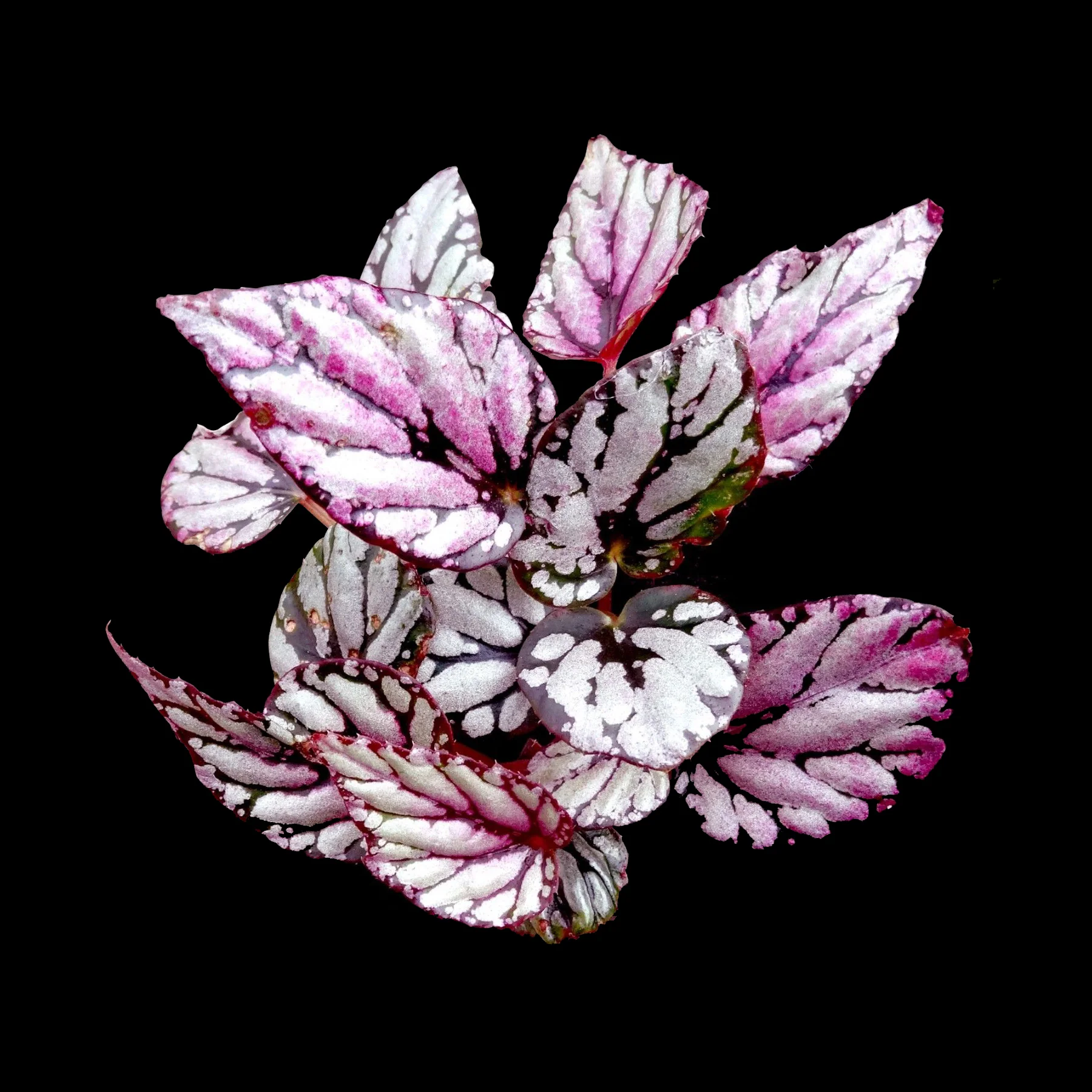
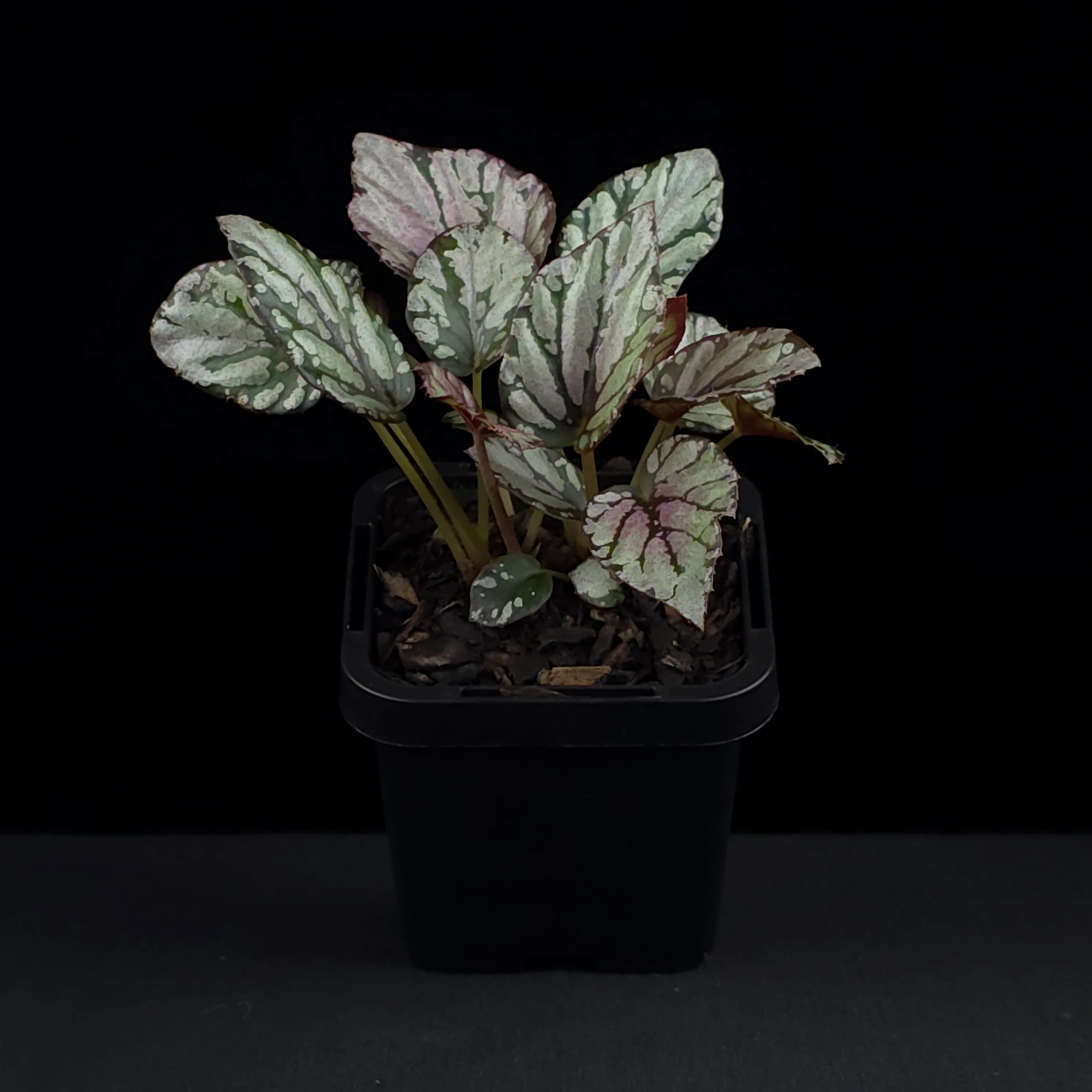
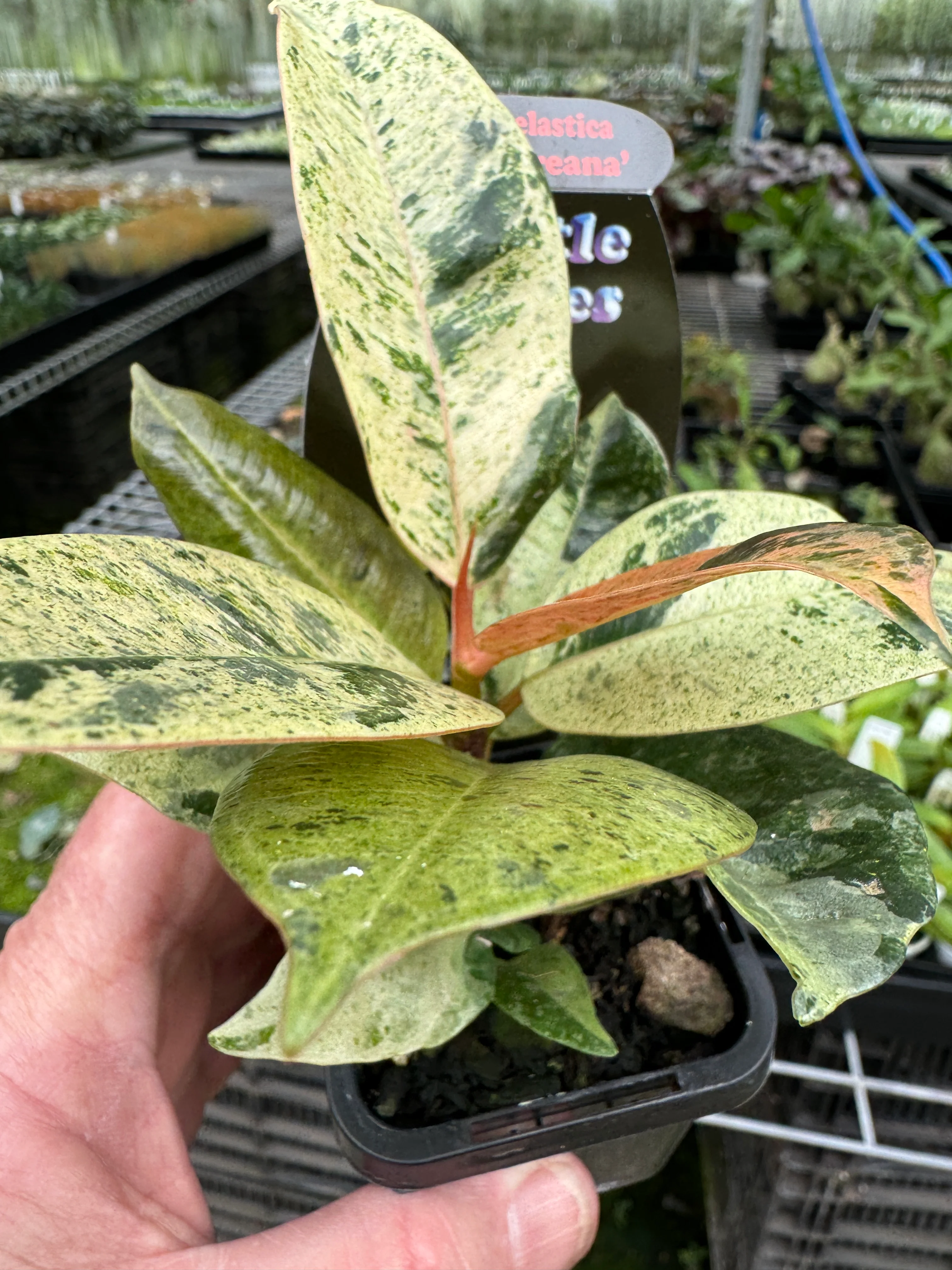
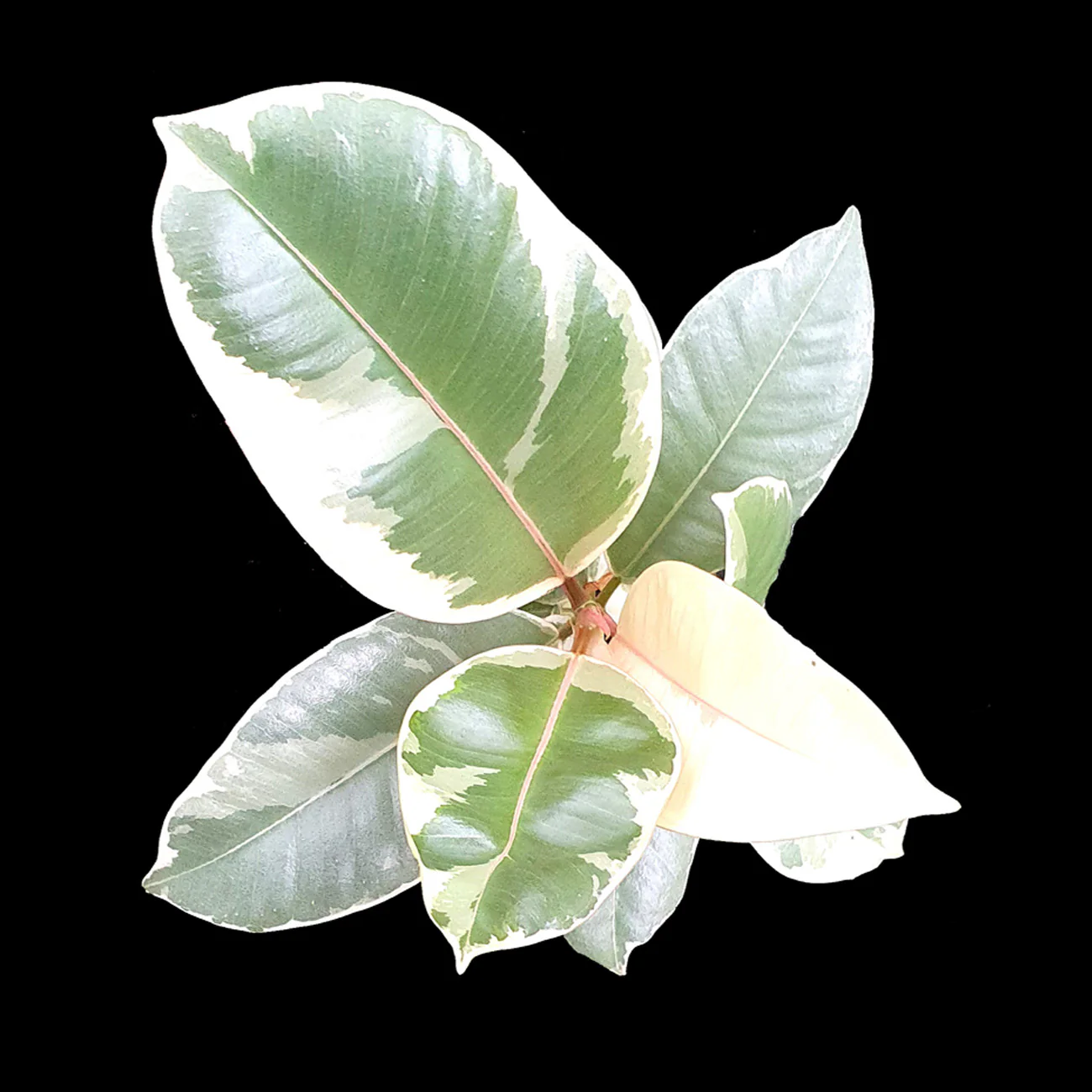
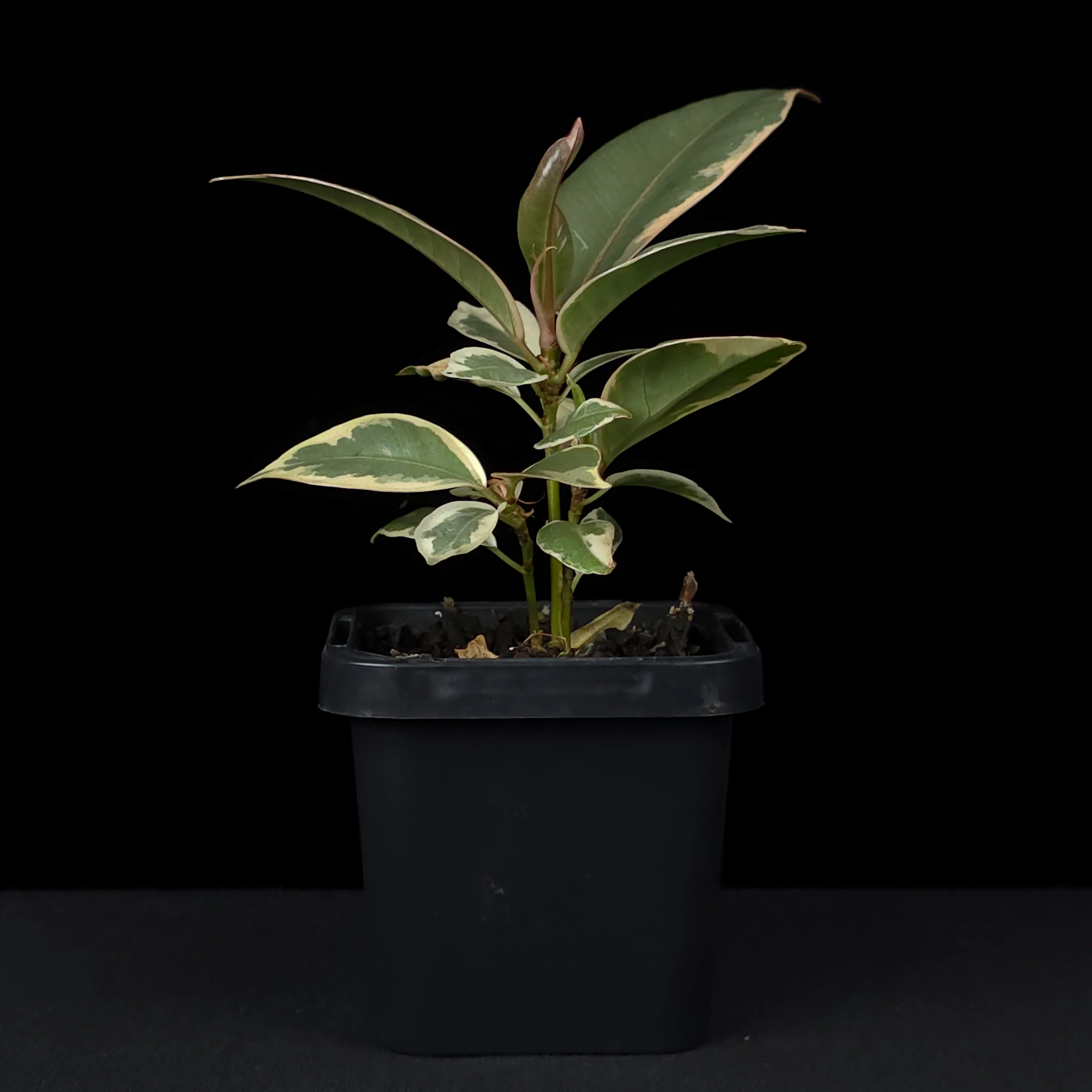
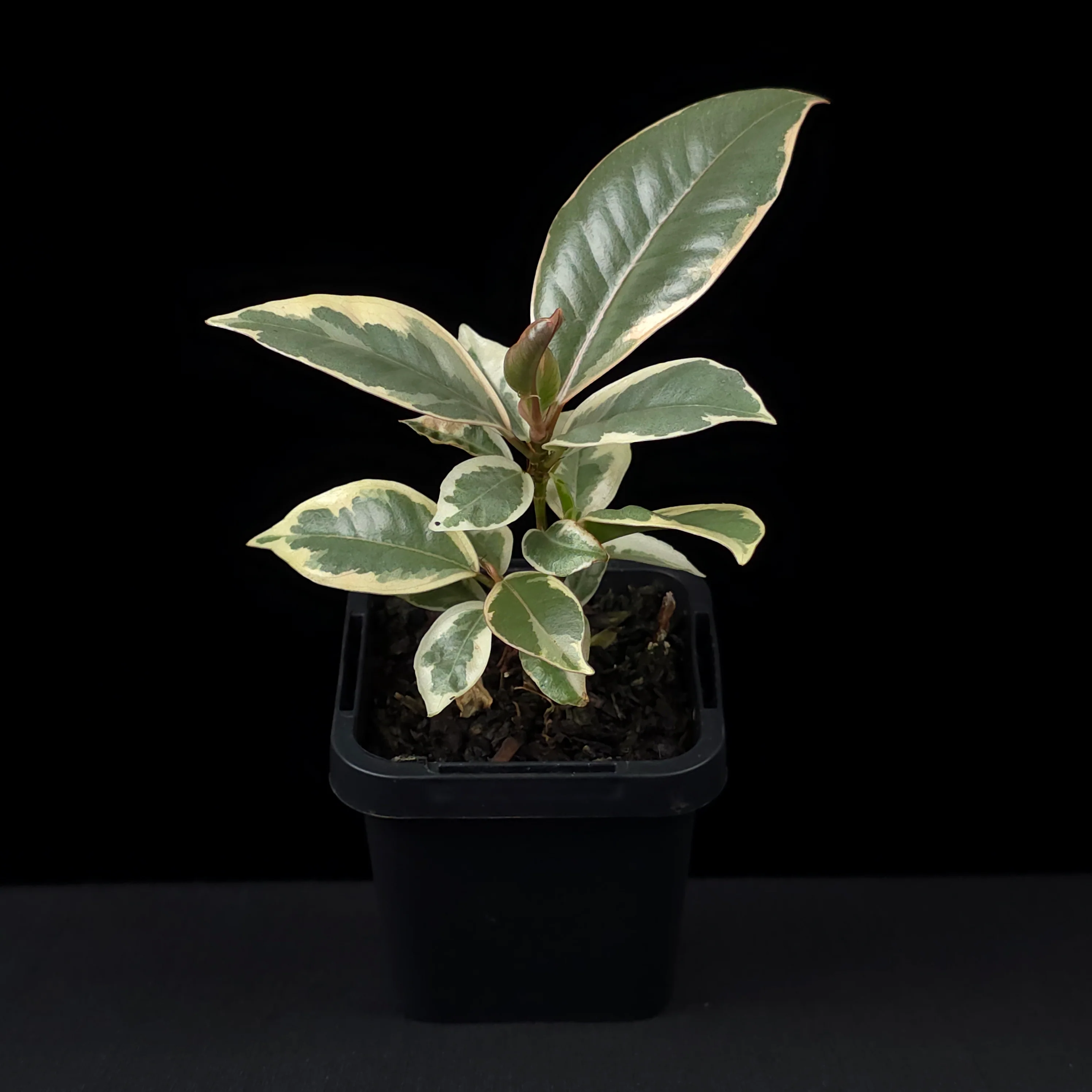
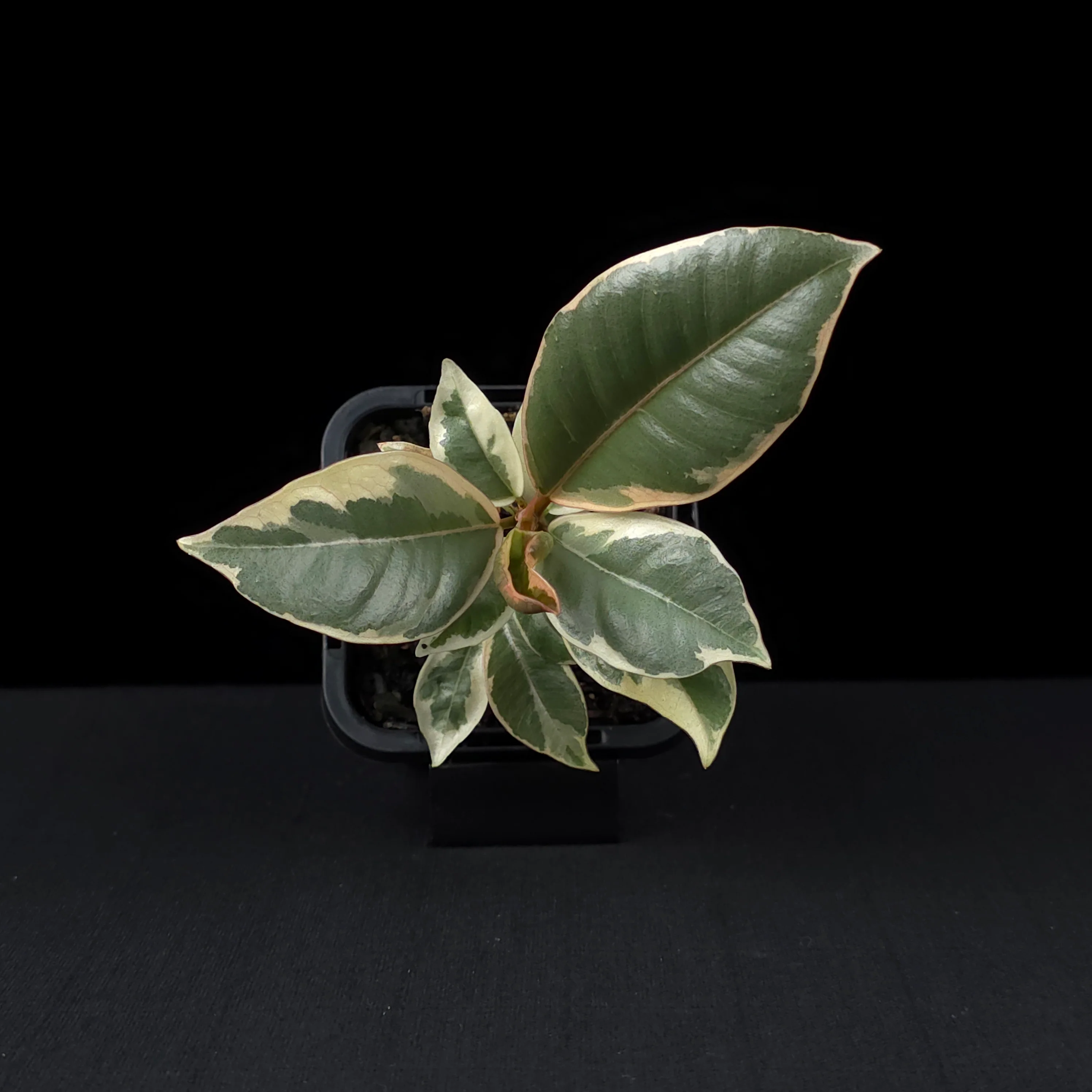
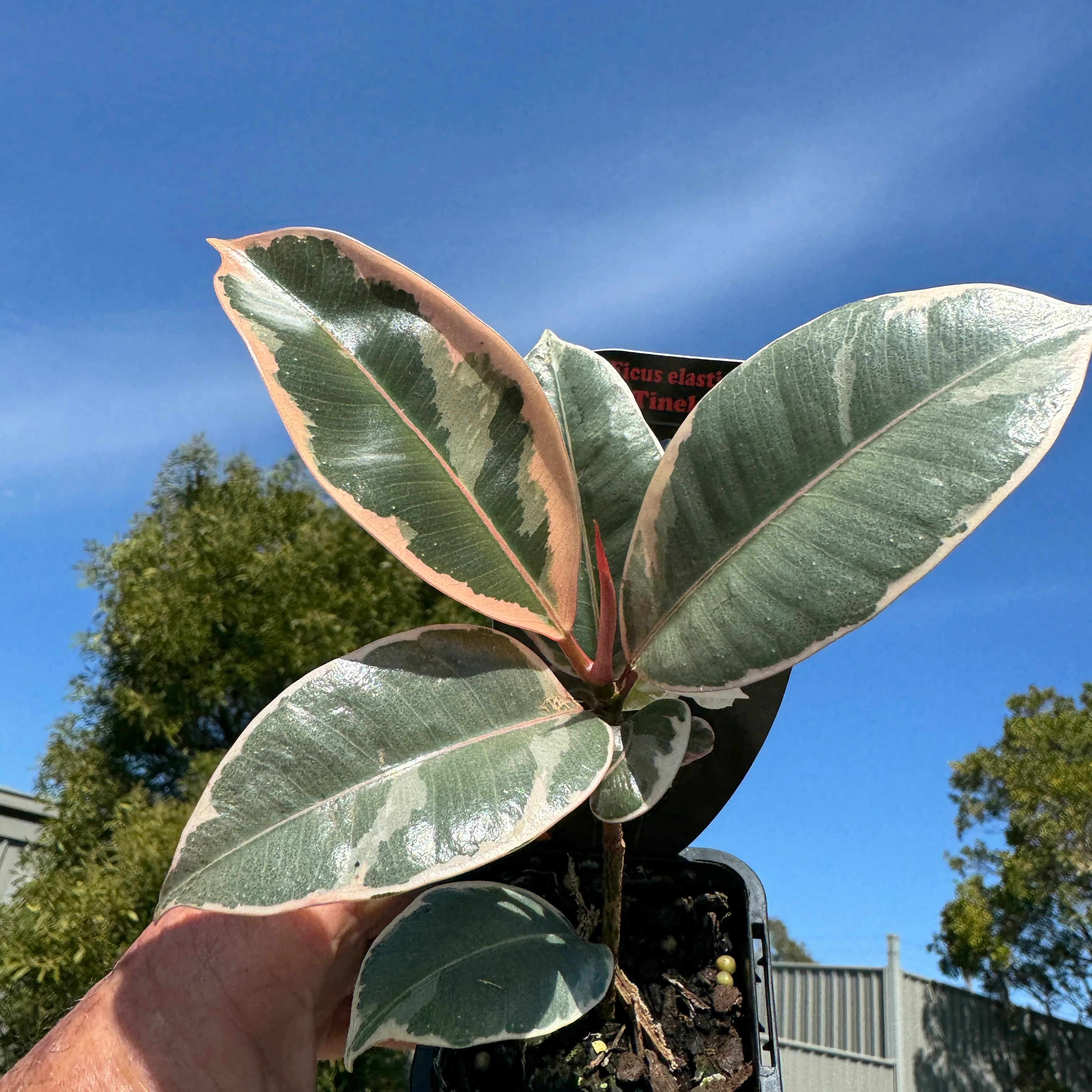
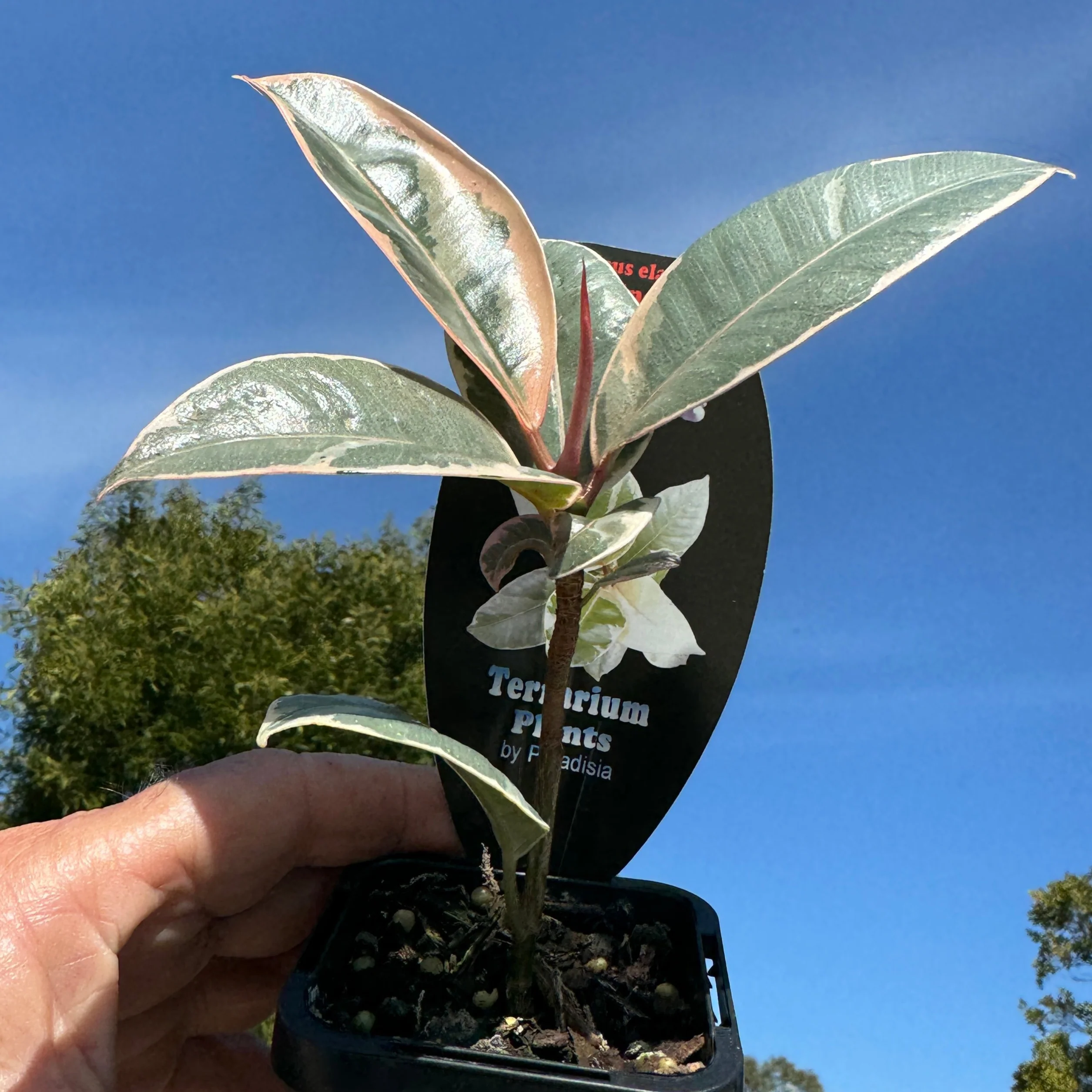
Ficus elastica 'Tineke' is a variegated form of the rubber tree, a species native to parts of South and Southeast Asia where it grows in warm forests. The species can reach considerable heights in its native range, but in cultivation, 'Tineke' is appreciated for its patterned foliage. Its leathery leaves display irregular patches of cream, pale green, and deeper green, with some leaves flushing pink when young. This variation makes it a distinctive foliage plant in indoor collections.
Distinctive Features
- Variegated Foliage: The large, glossy leaves display a mesmerising mix of creamy white, green, and pink hues.
- Robust Growth: Can reach up to 2 metres indoors with proper care, developing a strong, upright habit.
- Air-Purifying Qualities: Known for removing toxins from indoor air, improving overall air quality.
Care Tips
- Light: Prefers bright, indirect light; too much direct sun may scorch the leaves.
- Water: Allow the topsoil to dry between waterings; avoid overwatering to prevent root rot.
- Humidity: Enjoys moderate to high humidity; occasional misting can help maintain leaf vibrancy.
- Temperature: Thrives in temperatures between 16-24°C; avoid sudden temperature drops.
- Fertiliser: Feed with a balanced liquid fertiliser every month during the growing season.
- Potting: Use well-draining soil with a mix of peat and perlite for optimal growth.
- Propagation: Best propagated via stem cuttings placed in water or soil.
Additional Notes
- Toxic to pets if ingested, so keep it out of reach of cats and dogs.
Original: $8.50
-65%$8.50
$2.97More Images
Ficus elastica 'Tineke' - Variegated Rubber Plant
Ficus elastica 'Tineke' is a variegated form of the rubber tree, a species native to parts of South and Southeast Asia where it grows in warm forests. The species can reach considerable heights in its native range, but in cultivation, 'Tineke' is appreciated for its patterned foliage. Its leathery leaves display irregular patches of cream, pale green, and deeper green, with some leaves flushing pink when young. This variation makes it a distinctive foliage plant in indoor collections.
Distinctive Features
- Variegated Foliage: The large, glossy leaves display a mesmerising mix of creamy white, green, and pink hues.
- Robust Growth: Can reach up to 2 metres indoors with proper care, developing a strong, upright habit.
- Air-Purifying Qualities: Known for removing toxins from indoor air, improving overall air quality.
Care Tips
- Light: Prefers bright, indirect light; too much direct sun may scorch the leaves.
- Water: Allow the topsoil to dry between waterings; avoid overwatering to prevent root rot.
- Humidity: Enjoys moderate to high humidity; occasional misting can help maintain leaf vibrancy.
- Temperature: Thrives in temperatures between 16-24°C; avoid sudden temperature drops.
- Fertiliser: Feed with a balanced liquid fertiliser every month during the growing season.
- Potting: Use well-draining soil with a mix of peat and perlite for optimal growth.
- Propagation: Best propagated via stem cuttings placed in water or soil.
Additional Notes
- Toxic to pets if ingested, so keep it out of reach of cats and dogs.
Product Information
Product Information
Shipping & Returns
Shipping & Returns
Description
Ficus elastica 'Tineke' is a variegated form of the rubber tree, a species native to parts of South and Southeast Asia where it grows in warm forests. The species can reach considerable heights in its native range, but in cultivation, 'Tineke' is appreciated for its patterned foliage. Its leathery leaves display irregular patches of cream, pale green, and deeper green, with some leaves flushing pink when young. This variation makes it a distinctive foliage plant in indoor collections.
Distinctive Features
- Variegated Foliage: The large, glossy leaves display a mesmerising mix of creamy white, green, and pink hues.
- Robust Growth: Can reach up to 2 metres indoors with proper care, developing a strong, upright habit.
- Air-Purifying Qualities: Known for removing toxins from indoor air, improving overall air quality.
Care Tips
- Light: Prefers bright, indirect light; too much direct sun may scorch the leaves.
- Water: Allow the topsoil to dry between waterings; avoid overwatering to prevent root rot.
- Humidity: Enjoys moderate to high humidity; occasional misting can help maintain leaf vibrancy.
- Temperature: Thrives in temperatures between 16-24°C; avoid sudden temperature drops.
- Fertiliser: Feed with a balanced liquid fertiliser every month during the growing season.
- Potting: Use well-draining soil with a mix of peat and perlite for optimal growth.
- Propagation: Best propagated via stem cuttings placed in water or soil.
Additional Notes
- Toxic to pets if ingested, so keep it out of reach of cats and dogs.