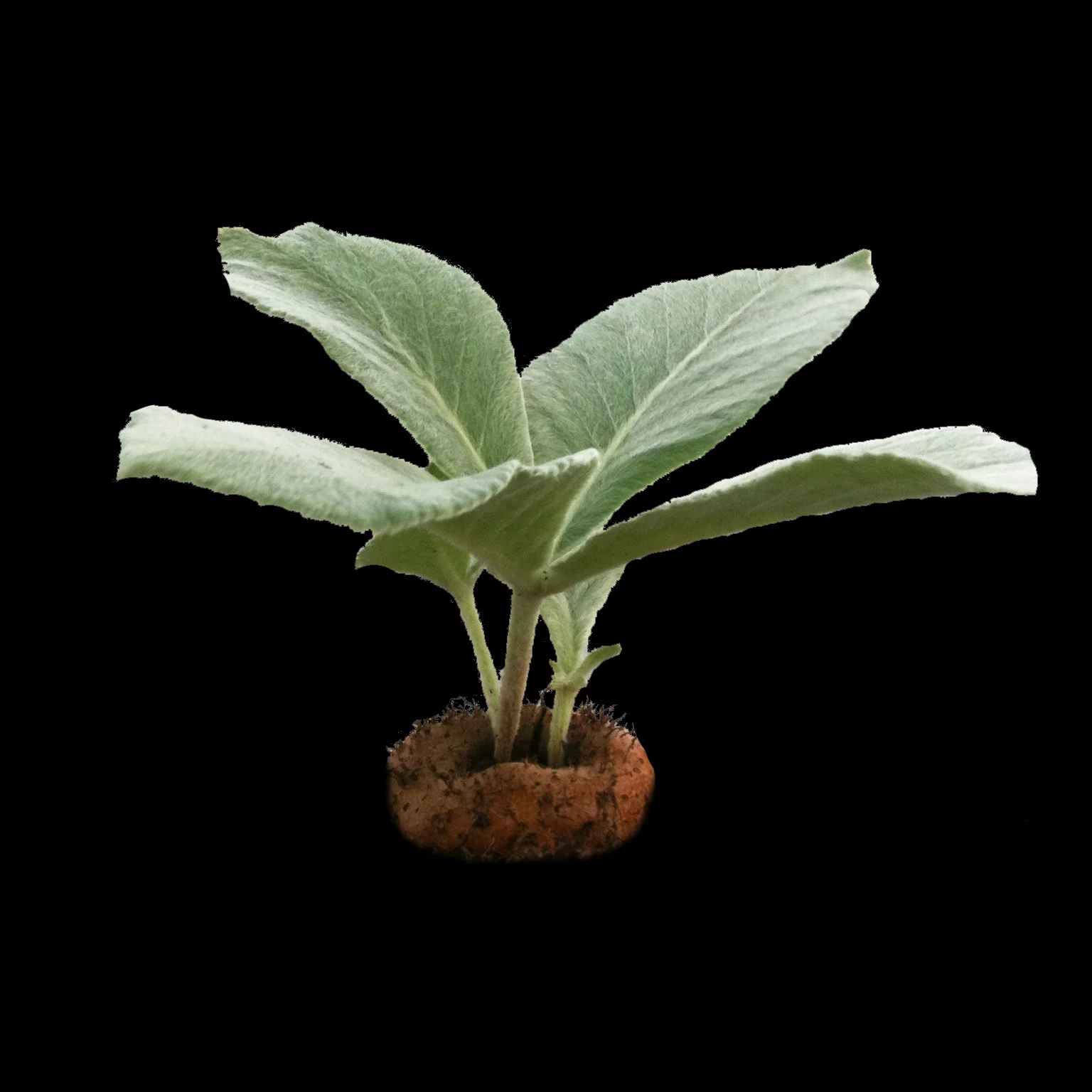
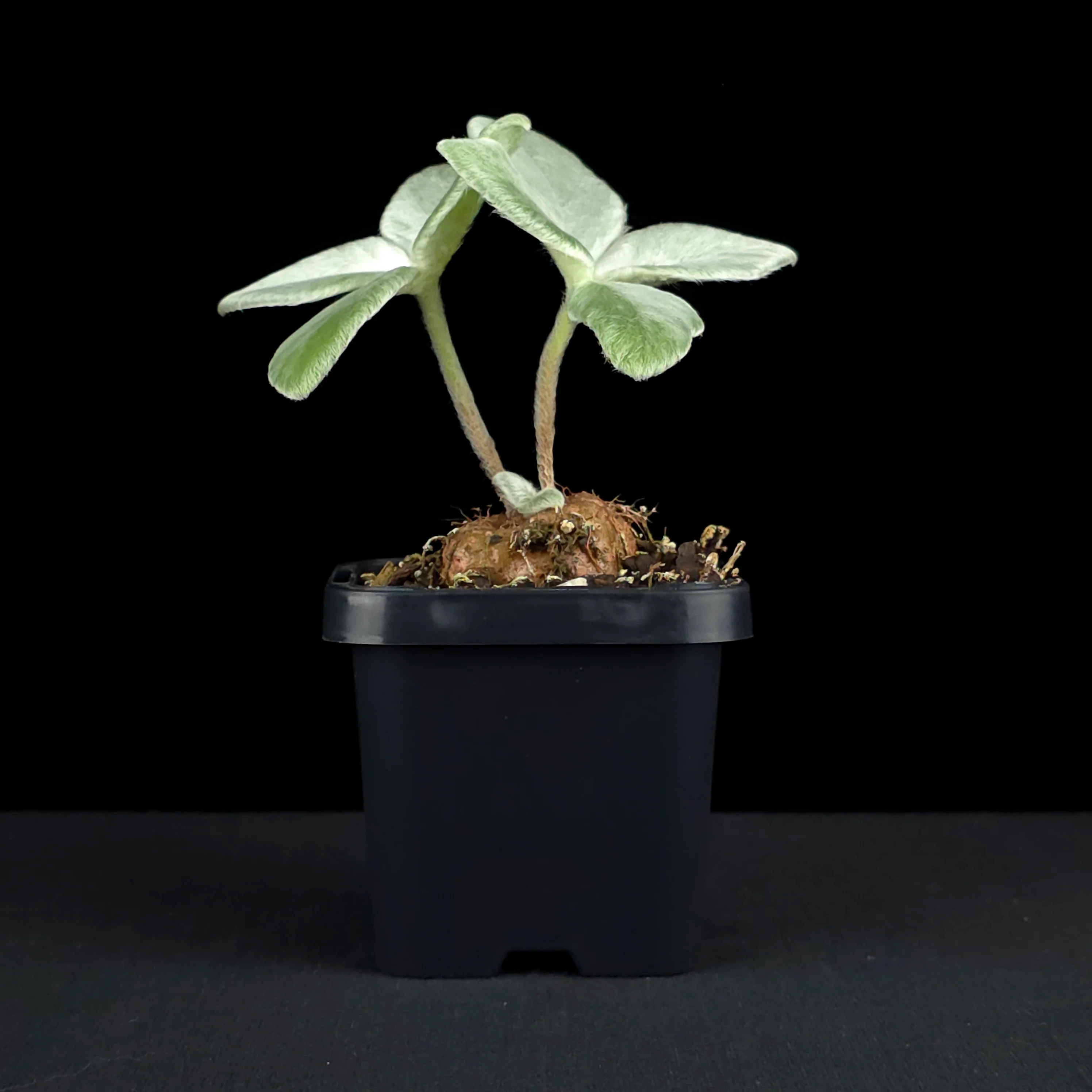
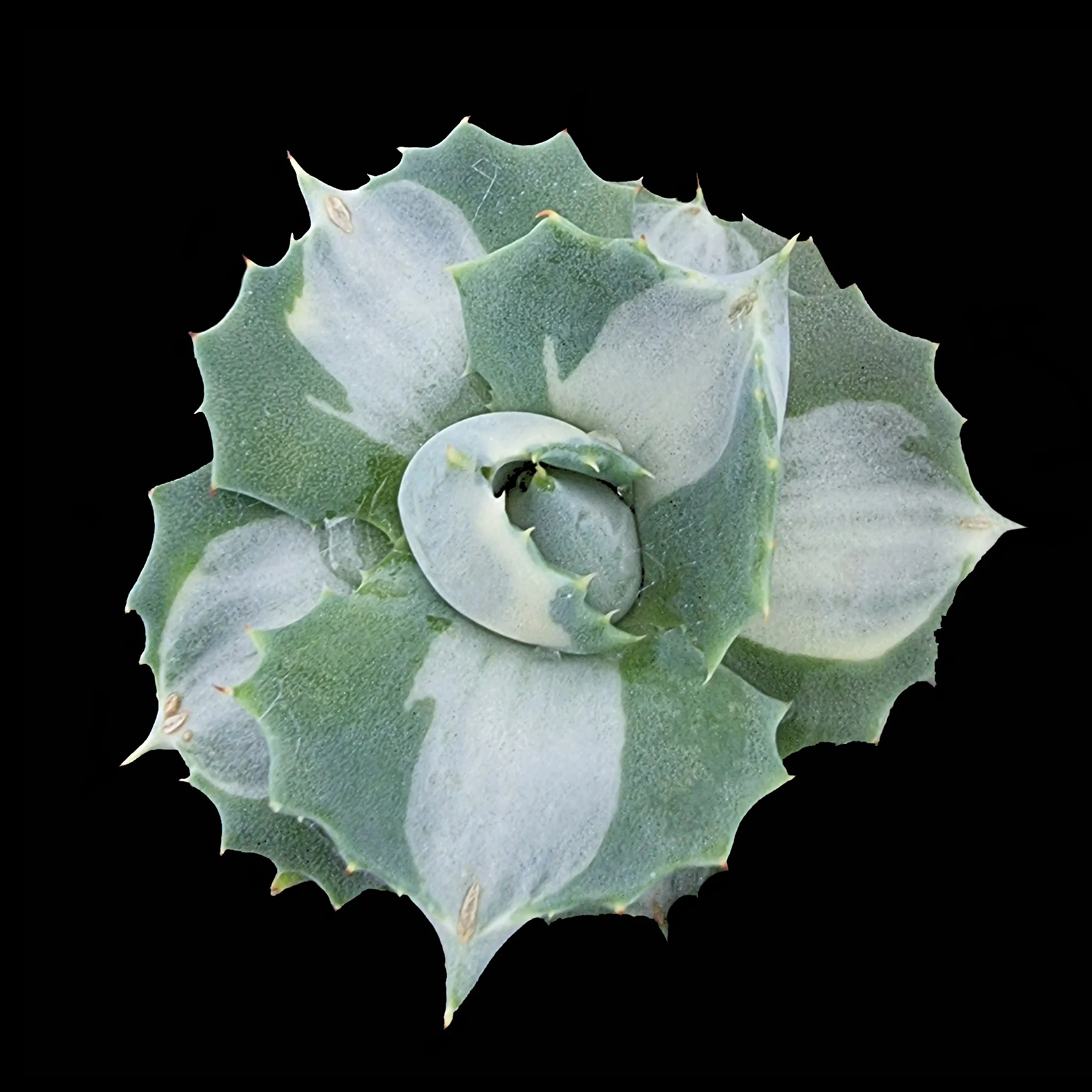
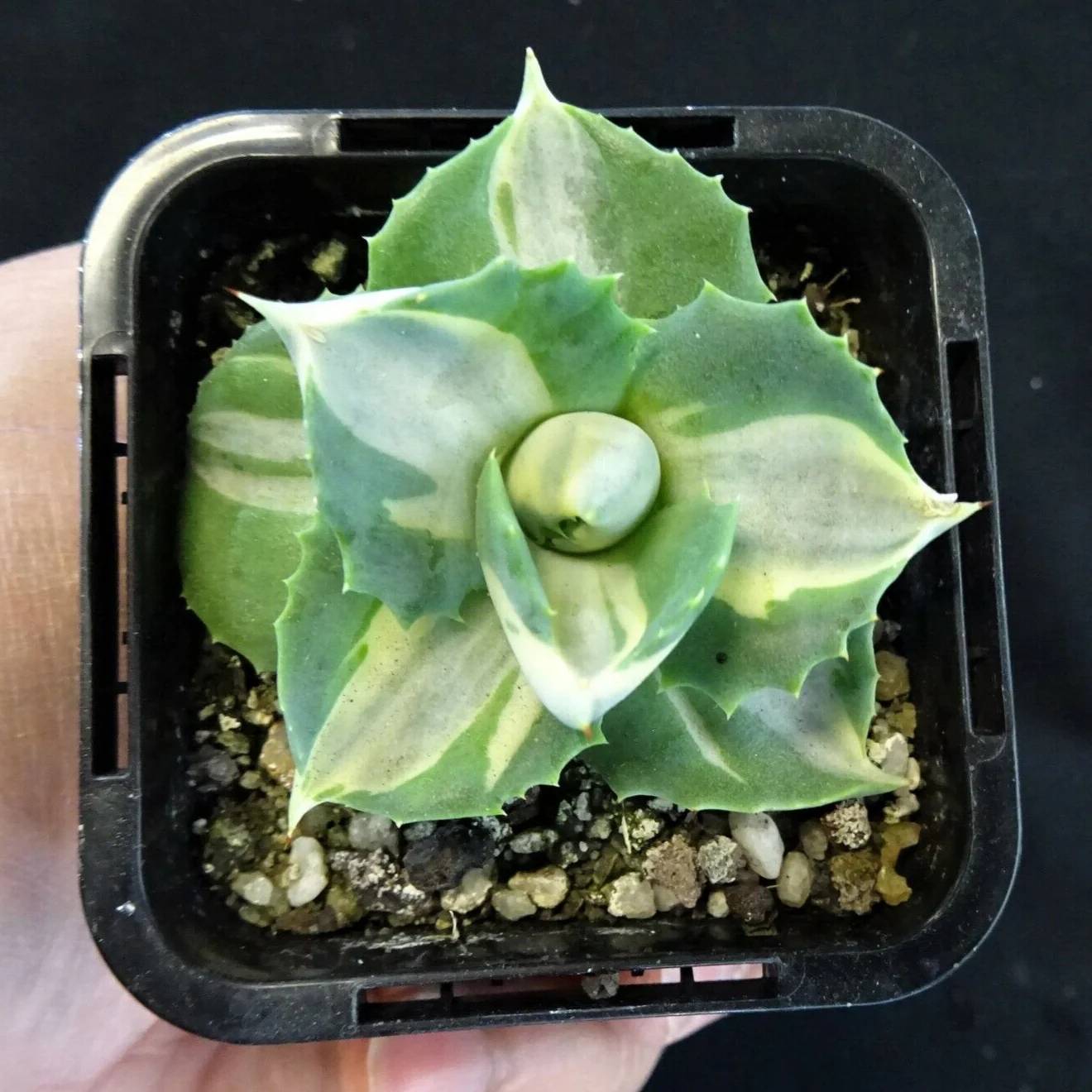
Laelia purpurata x self species (Cattleya)
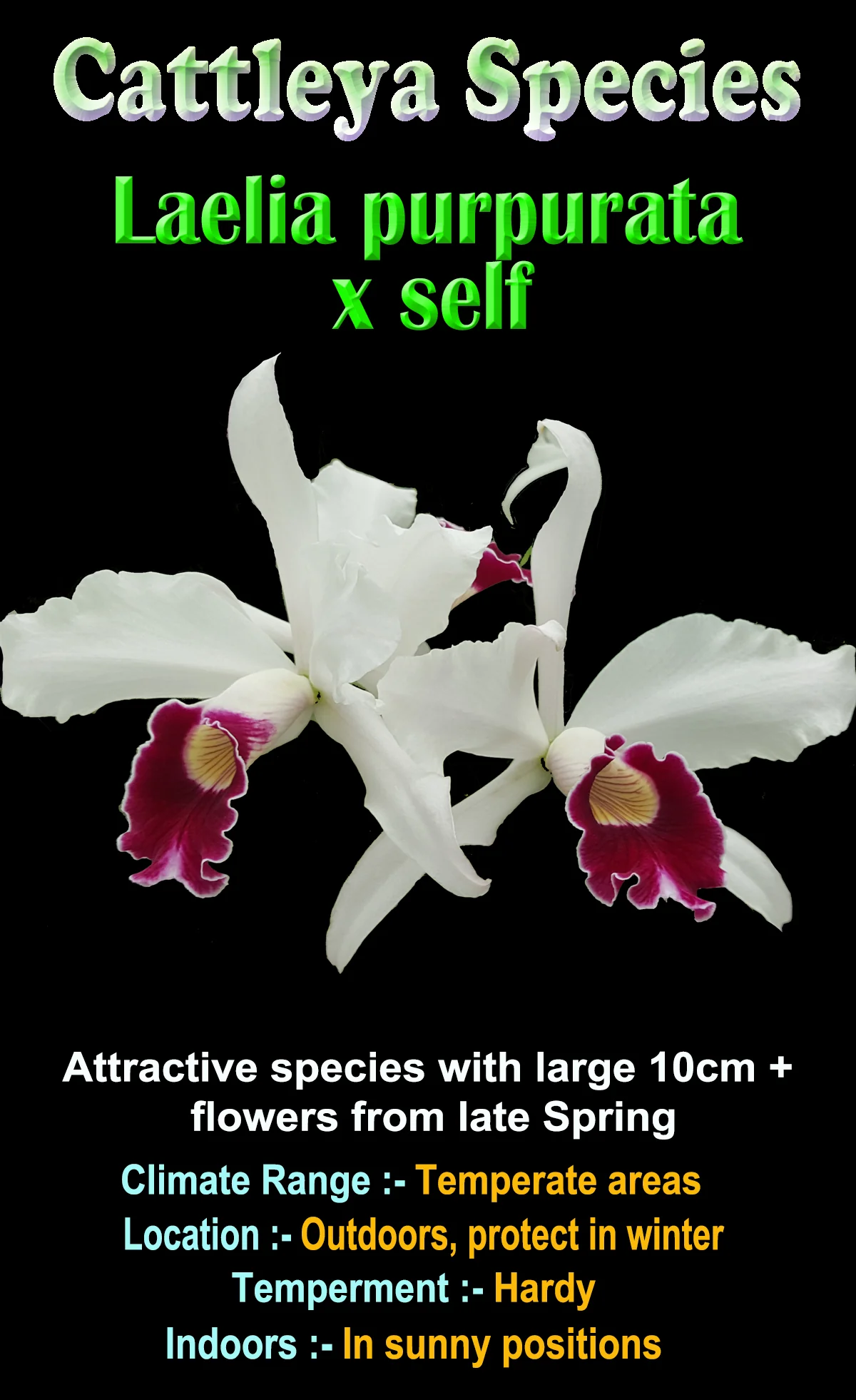
Laelia purpurata is a species native to the Atlantic coastal forests of southern Brazil, where it typically grows on trees in bright, airy conditions. Known for its large, long-lasting flowers, it produces upright to arching inflorescences bearing one to several blooms in late spring to early summer. The flowers are most often white or pale lilac with a contrasting lip that can range from deep purple to lavender, though many colour forms exist. Each flower can reach up to 20 cm across, with broad petals and a showy, ruffled lip. The plants grow from robust pseudobulbs, each topped with one or two leathery leaves.
Care Tips:
- Light – Requires bright, filtered light to full morning sun; protect from intense midday heat.
- Water – Water regularly during active growth, allowing the media to dry slightly between waterings; reduce in cooler months.
- Humidity – Prefers moderate to high humidity with good air movement.
- Media – Best grown in coarse orchid bark or mounted on hardwood with moss in humid conditions.
- Temperature – Performs well between 12–28 °C; tolerates cooler nights if kept dry.
- Fertiliser – Use a balanced orchid fertiliser during the growing season; reduce when dormant.
- Repotting – Repot every 2–3 years or when the medium breaks down, ideally just after flowering or when new growth appears.
Original: $15.00
-65%$15.00
$5.25More Images

Laelia purpurata x self species (Cattleya)
Laelia purpurata is a species native to the Atlantic coastal forests of southern Brazil, where it typically grows on trees in bright, airy conditions. Known for its large, long-lasting flowers, it produces upright to arching inflorescences bearing one to several blooms in late spring to early summer. The flowers are most often white or pale lilac with a contrasting lip that can range from deep purple to lavender, though many colour forms exist. Each flower can reach up to 20 cm across, with broad petals and a showy, ruffled lip. The plants grow from robust pseudobulbs, each topped with one or two leathery leaves.
Care Tips:
- Light – Requires bright, filtered light to full morning sun; protect from intense midday heat.
- Water – Water regularly during active growth, allowing the media to dry slightly between waterings; reduce in cooler months.
- Humidity – Prefers moderate to high humidity with good air movement.
- Media – Best grown in coarse orchid bark or mounted on hardwood with moss in humid conditions.
- Temperature – Performs well between 12–28 °C; tolerates cooler nights if kept dry.
- Fertiliser – Use a balanced orchid fertiliser during the growing season; reduce when dormant.
- Repotting – Repot every 2–3 years or when the medium breaks down, ideally just after flowering or when new growth appears.
Product Information
Product Information
Shipping & Returns
Shipping & Returns
Description
Laelia purpurata is a species native to the Atlantic coastal forests of southern Brazil, where it typically grows on trees in bright, airy conditions. Known for its large, long-lasting flowers, it produces upright to arching inflorescences bearing one to several blooms in late spring to early summer. The flowers are most often white or pale lilac with a contrasting lip that can range from deep purple to lavender, though many colour forms exist. Each flower can reach up to 20 cm across, with broad petals and a showy, ruffled lip. The plants grow from robust pseudobulbs, each topped with one or two leathery leaves.
Care Tips:
- Light – Requires bright, filtered light to full morning sun; protect from intense midday heat.
- Water – Water regularly during active growth, allowing the media to dry slightly between waterings; reduce in cooler months.
- Humidity – Prefers moderate to high humidity with good air movement.
- Media – Best grown in coarse orchid bark or mounted on hardwood with moss in humid conditions.
- Temperature – Performs well between 12–28 °C; tolerates cooler nights if kept dry.
- Fertiliser – Use a balanced orchid fertiliser during the growing season; reduce when dormant.
- Repotting – Repot every 2–3 years or when the medium breaks down, ideally just after flowering or when new growth appears.