Mammillaria geminispina 'Cristata' – Crested Twin Spine Cactus
Mammillaria geminispina ‘Cristata’ is a crested form of the Mexican species Mammillaria geminispina, which occurs naturally in the central highlands of Hidalgo, Querétaro, and San Luis Potosí. The typical species inhabits rocky limestone slopes within arid scrub, but this unusual form is maintained only through cultivation.
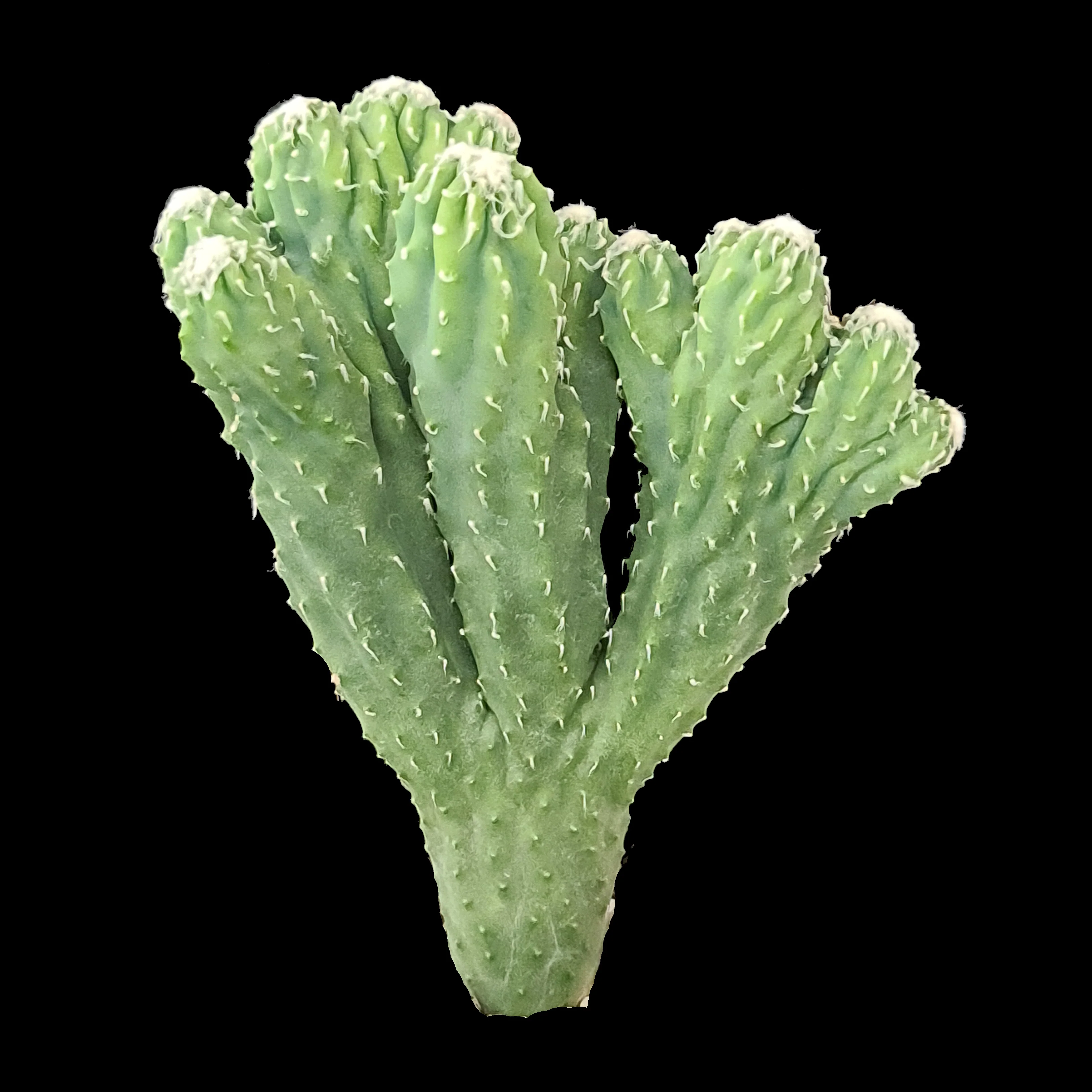
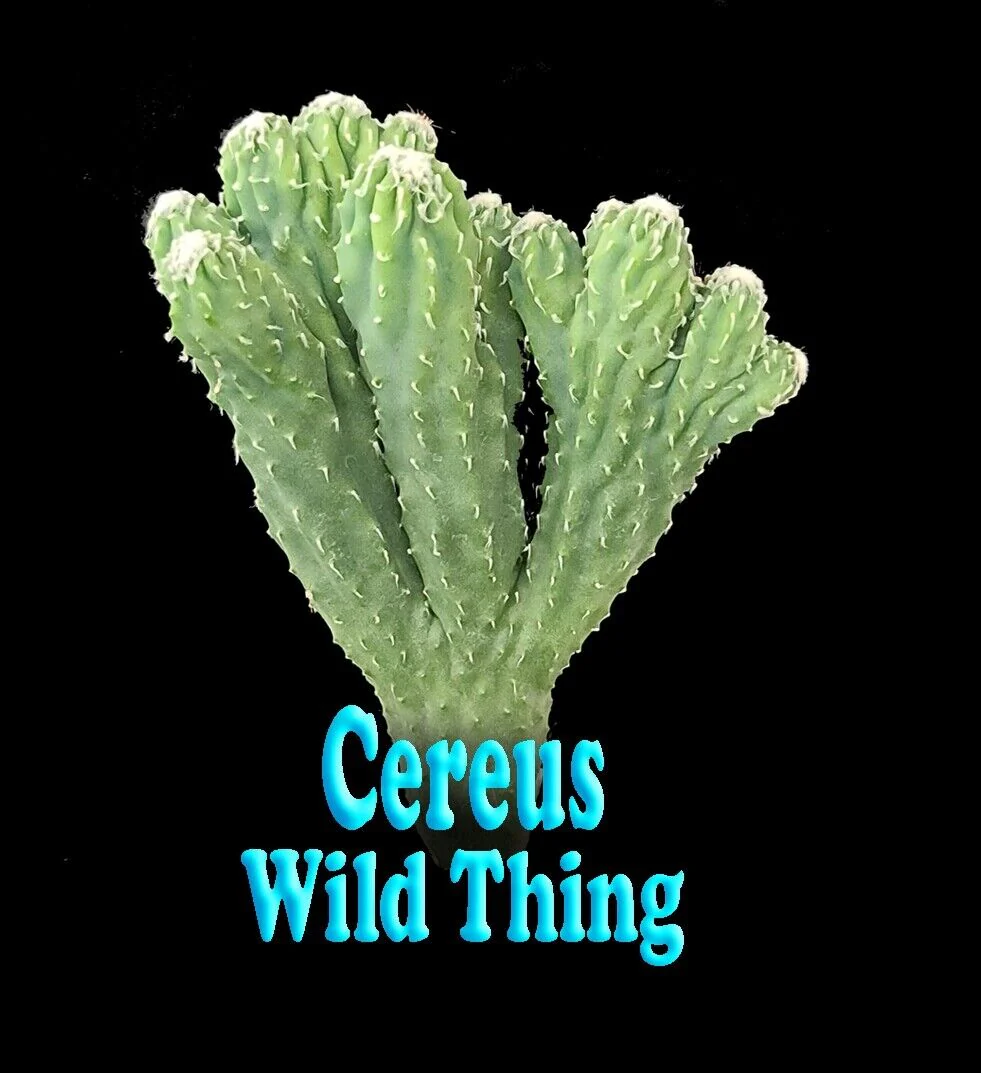
Instead of producing rounded stems, the crested growth develops flattened, fan-shaped ridges that twist and fold irregularly. The surface is covered in spiralling tubercles, each bearing dense white radial spines with pairs of darker central spines, giving the plant a textured, contoured appearance that differs greatly from the normal clustering habit.
When mature, it may produce small pink to reddish-purple flowers along the edges of the crest, generally during spring or summer. These are followed by slender red fruits containing black seeds, though seed-grown plants usually revert to the standard form rather than the cristate shape.
Care Tips:
- Light: Provide bright light with several hours of gentle direct sun daily; protect the crest from harsh midday exposure.
- Water: Water lightly during the active growing season, letting the mix dry completely before rewatering. Keep dry in winter.
- Media: Use a mineral-based, fast-draining cactus mix with added pumice or grit.
- Fertiliser: Apply a diluted, low-nitrogen cactus fertiliser once a month in spring and summer.
- Temperature: Prefers 18–30 °C. Tolerates down to about 5 °C if kept dry, but prolonged cold may damage crested tissue.
- Repotting: Repot carefully every few years as the crest expands. Support fragile ridges to prevent breakage when handling.
Original: $29.50
-65%$29.50
$10.32More Images


Mammillaria geminispina 'Cristata' – Crested Twin Spine Cactus
Mammillaria geminispina ‘Cristata’ is a crested form of the Mexican species Mammillaria geminispina, which occurs naturally in the central highlands of Hidalgo, Querétaro, and San Luis Potosí. The typical species inhabits rocky limestone slopes within arid scrub, but this unusual form is maintained only through cultivation.
Instead of producing rounded stems, the crested growth develops flattened, fan-shaped ridges that twist and fold irregularly. The surface is covered in spiralling tubercles, each bearing dense white radial spines with pairs of darker central spines, giving the plant a textured, contoured appearance that differs greatly from the normal clustering habit.
When mature, it may produce small pink to reddish-purple flowers along the edges of the crest, generally during spring or summer. These are followed by slender red fruits containing black seeds, though seed-grown plants usually revert to the standard form rather than the cristate shape.
Care Tips:
- Light: Provide bright light with several hours of gentle direct sun daily; protect the crest from harsh midday exposure.
- Water: Water lightly during the active growing season, letting the mix dry completely before rewatering. Keep dry in winter.
- Media: Use a mineral-based, fast-draining cactus mix with added pumice or grit.
- Fertiliser: Apply a diluted, low-nitrogen cactus fertiliser once a month in spring and summer.
- Temperature: Prefers 18–30 °C. Tolerates down to about 5 °C if kept dry, but prolonged cold may damage crested tissue.
- Repotting: Repot carefully every few years as the crest expands. Support fragile ridges to prevent breakage when handling.
Product Information
Product Information
Shipping & Returns
Shipping & Returns
Description
Mammillaria geminispina ‘Cristata’ is a crested form of the Mexican species Mammillaria geminispina, which occurs naturally in the central highlands of Hidalgo, Querétaro, and San Luis Potosí. The typical species inhabits rocky limestone slopes within arid scrub, but this unusual form is maintained only through cultivation.
Instead of producing rounded stems, the crested growth develops flattened, fan-shaped ridges that twist and fold irregularly. The surface is covered in spiralling tubercles, each bearing dense white radial spines with pairs of darker central spines, giving the plant a textured, contoured appearance that differs greatly from the normal clustering habit.
When mature, it may produce small pink to reddish-purple flowers along the edges of the crest, generally during spring or summer. These are followed by slender red fruits containing black seeds, though seed-grown plants usually revert to the standard form rather than the cristate shape.
Care Tips:
- Light: Provide bright light with several hours of gentle direct sun daily; protect the crest from harsh midday exposure.
- Water: Water lightly during the active growing season, letting the mix dry completely before rewatering. Keep dry in winter.
- Media: Use a mineral-based, fast-draining cactus mix with added pumice or grit.
- Fertiliser: Apply a diluted, low-nitrogen cactus fertiliser once a month in spring and summer.
- Temperature: Prefers 18–30 °C. Tolerates down to about 5 °C if kept dry, but prolonged cold may damage crested tissue.
- Repotting: Repot carefully every few years as the crest expands. Support fragile ridges to prevent breakage when handling.