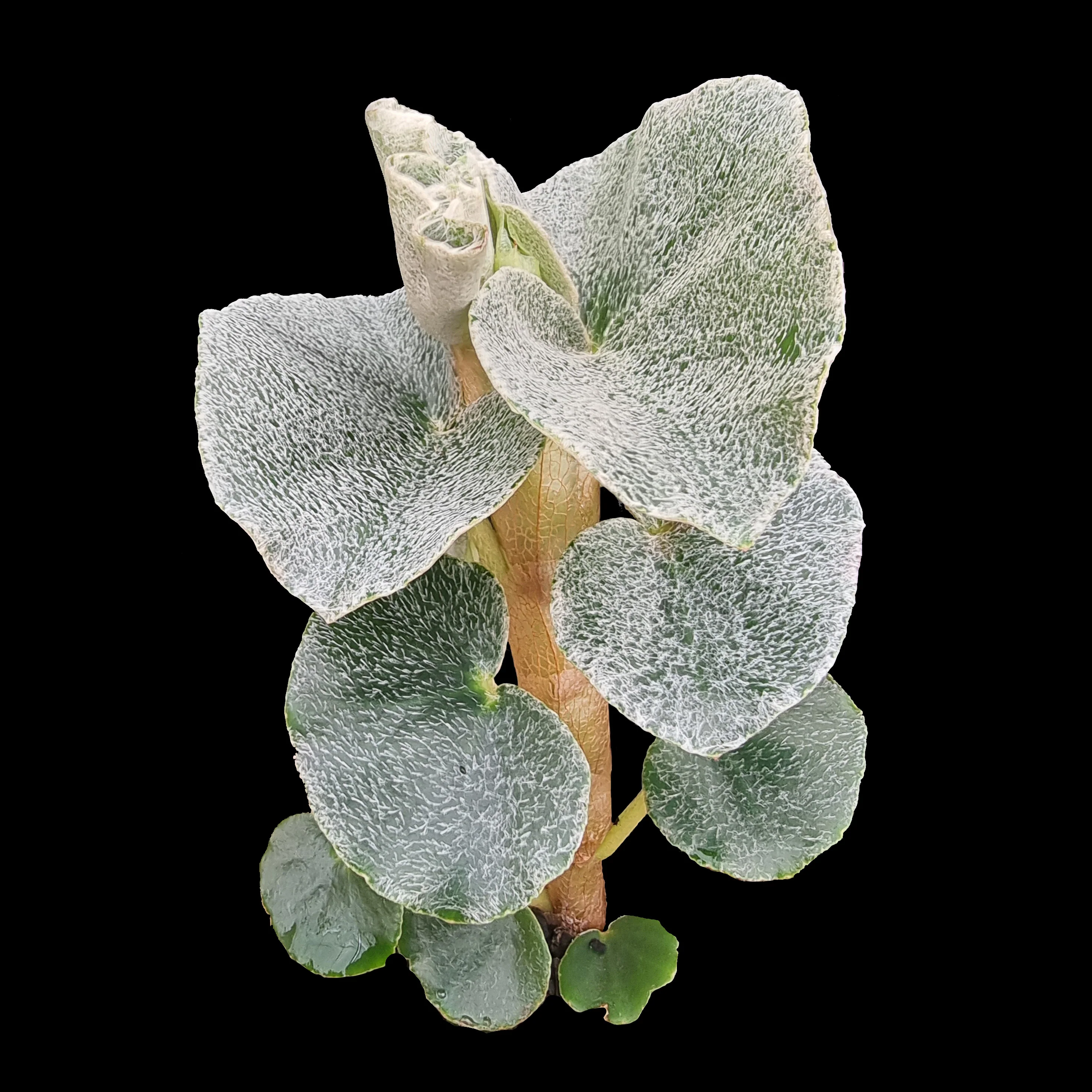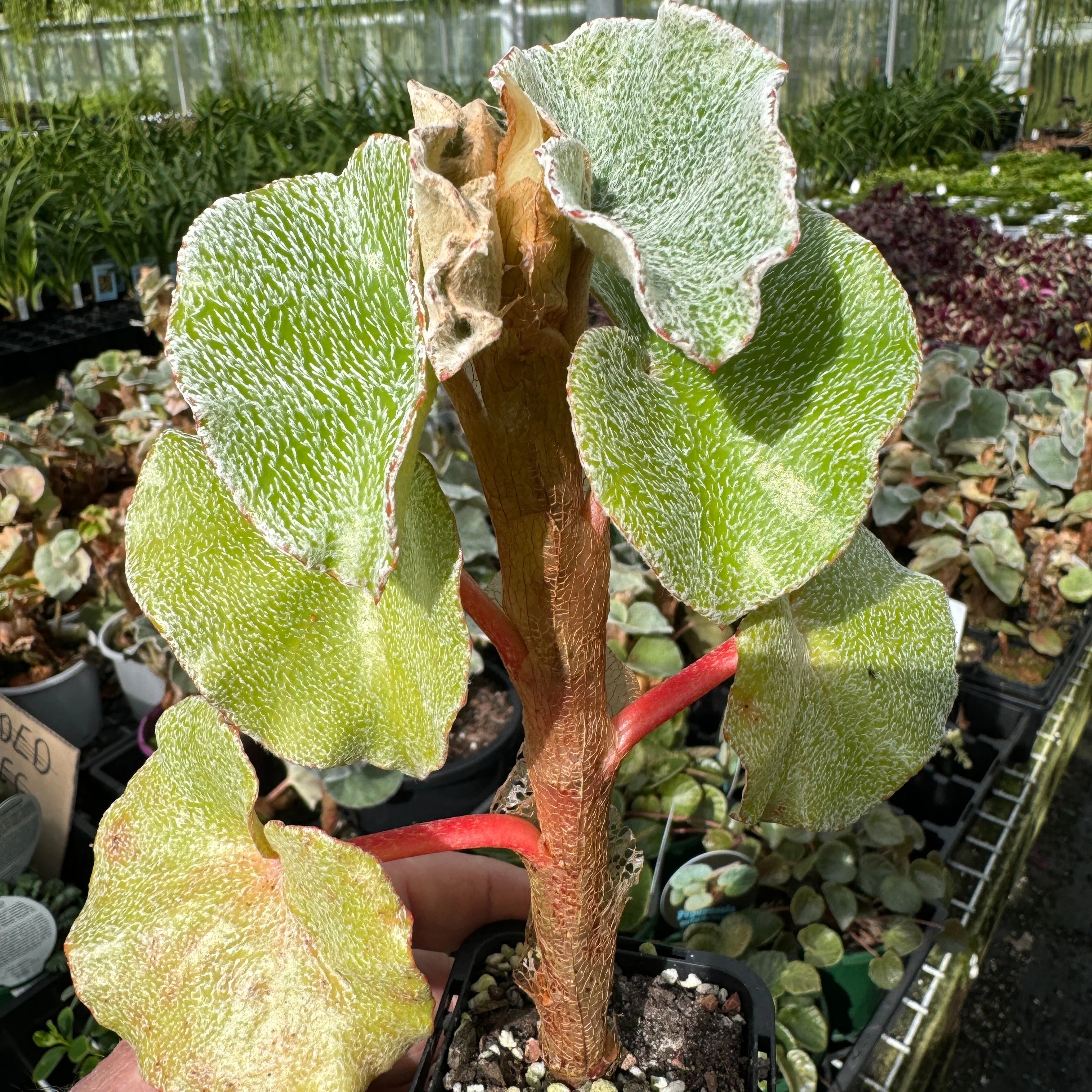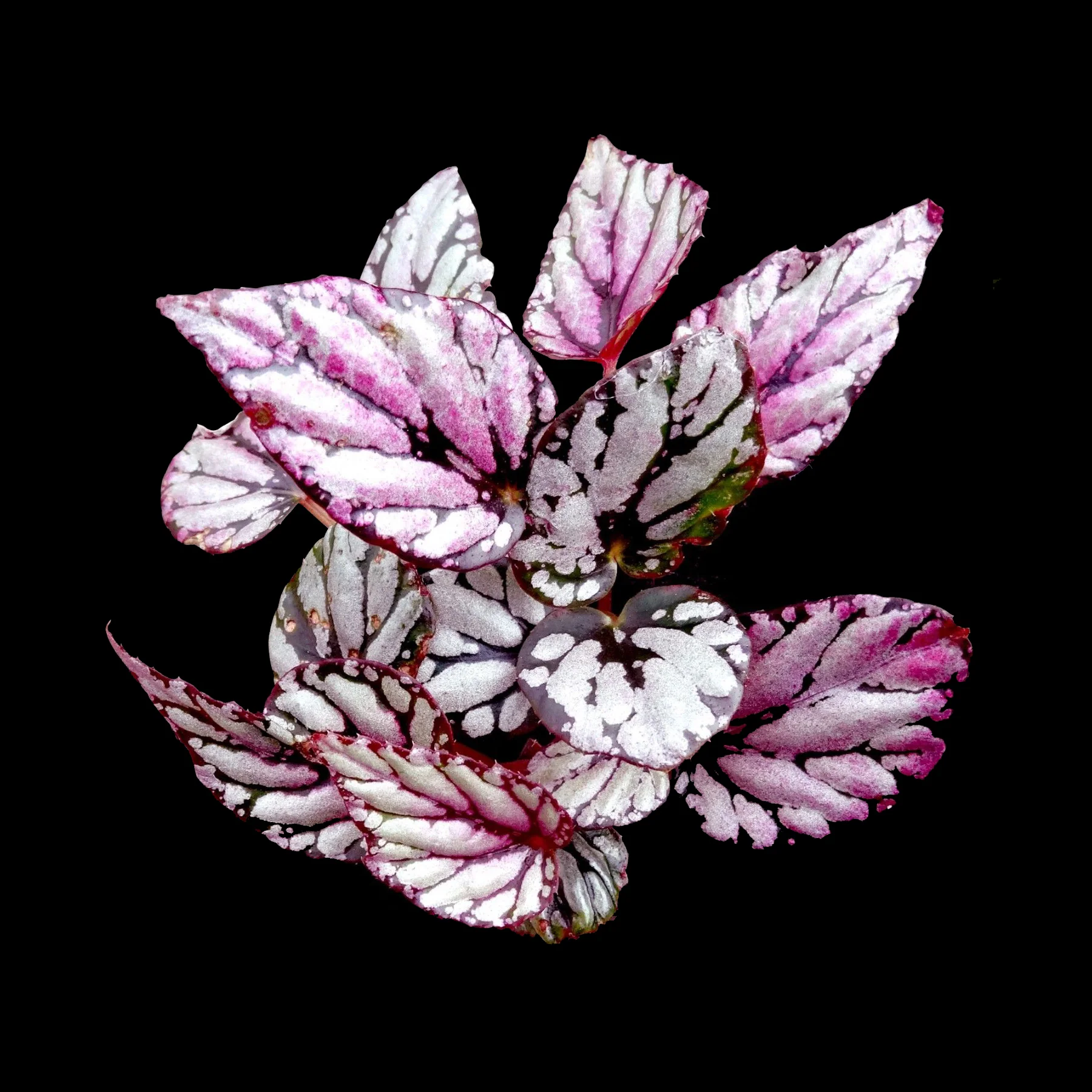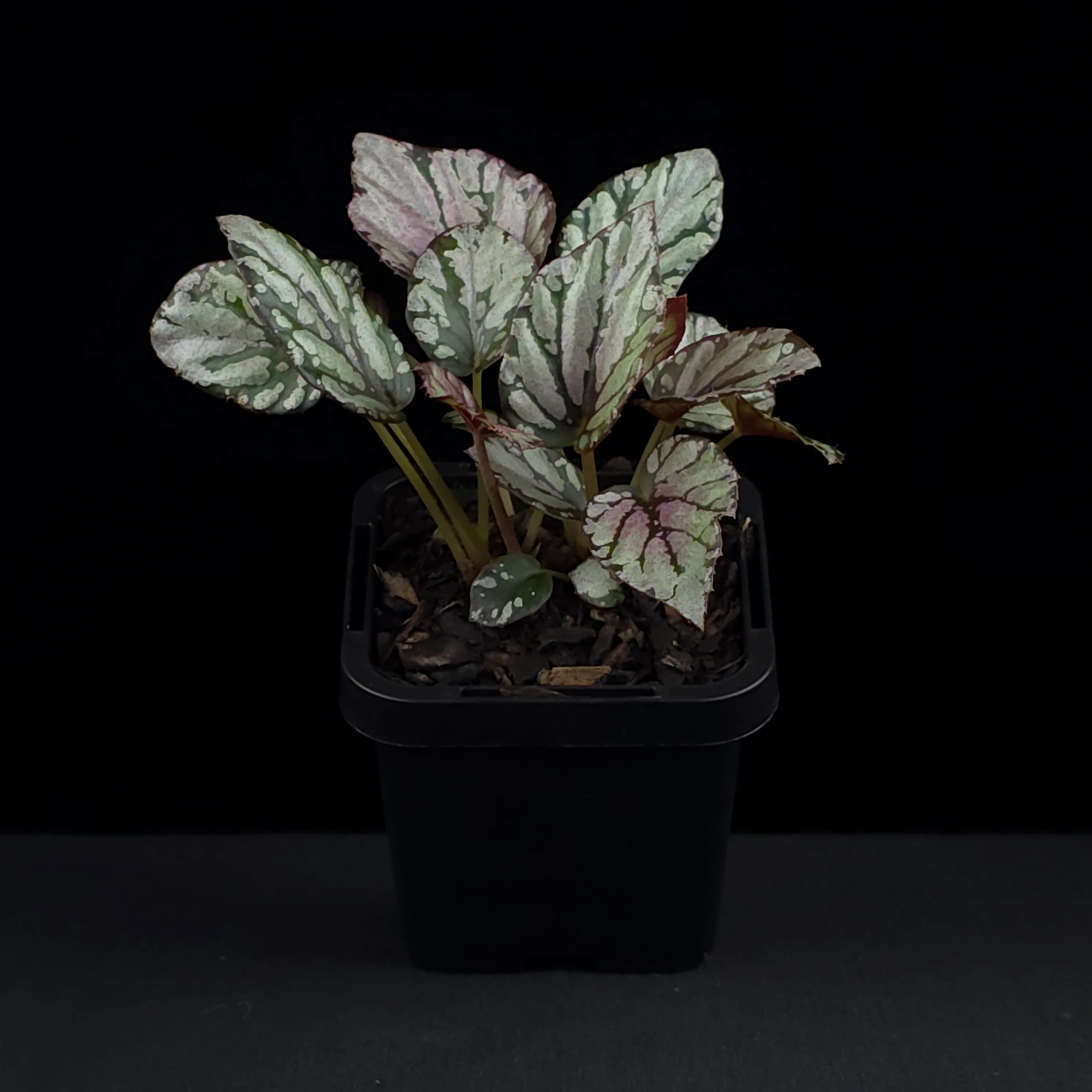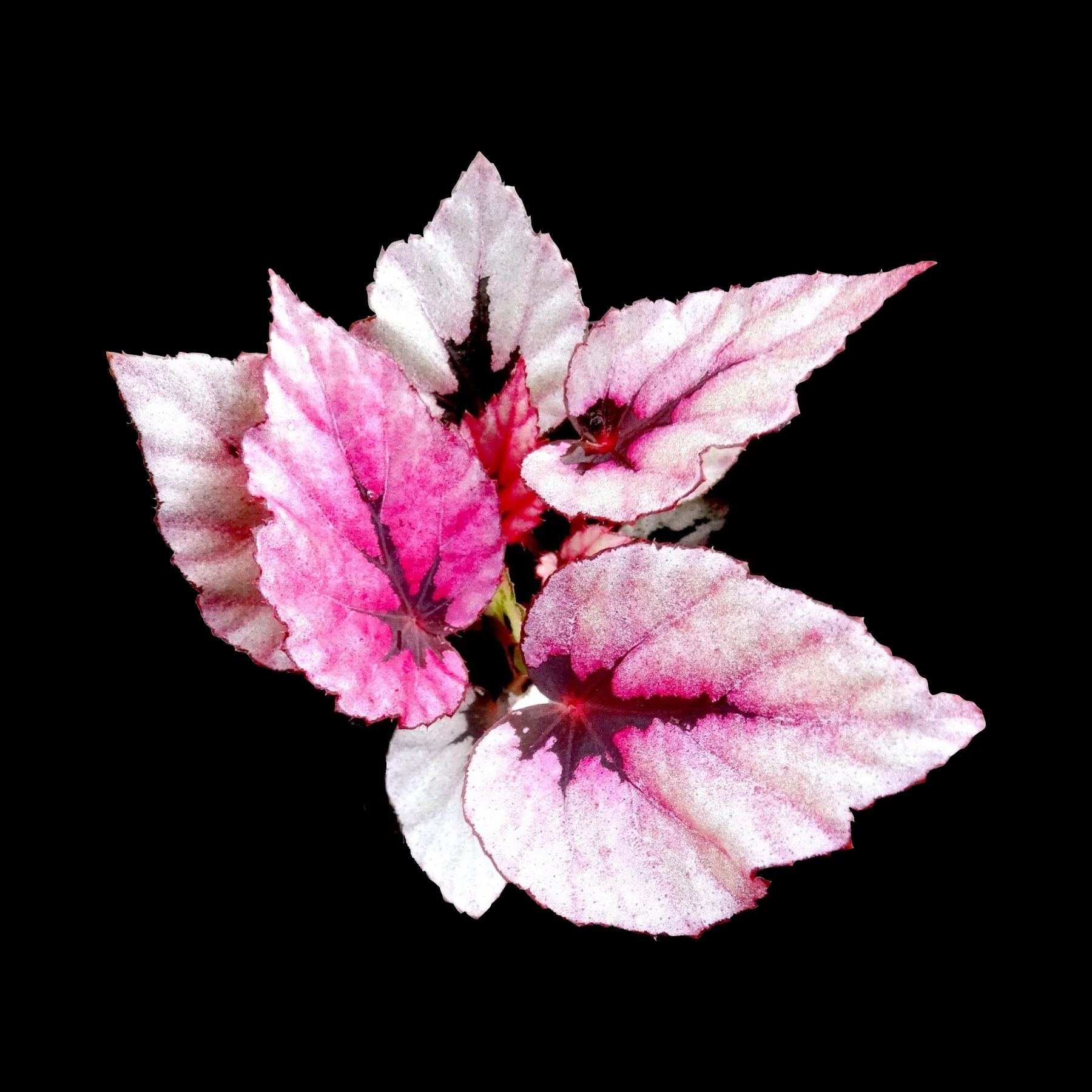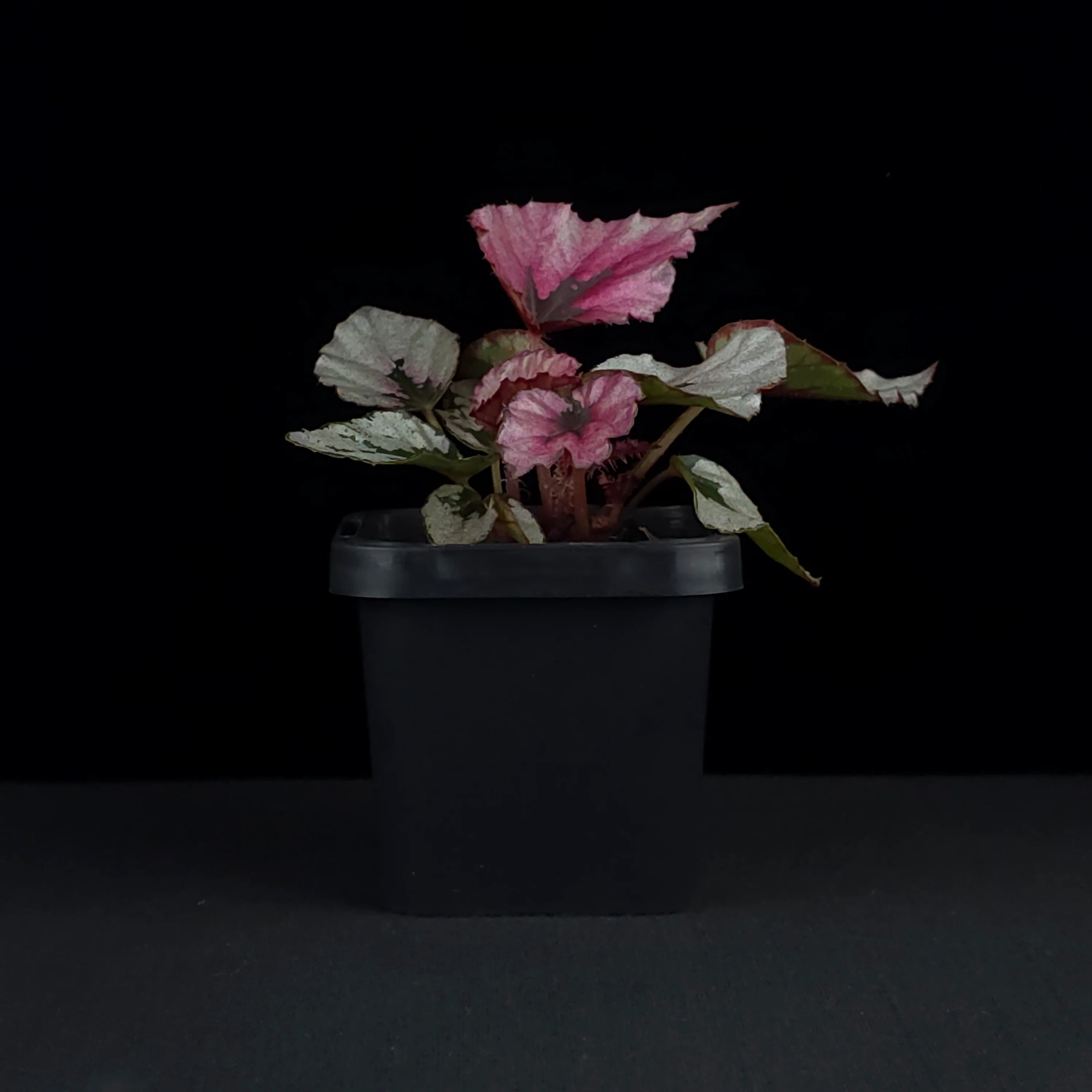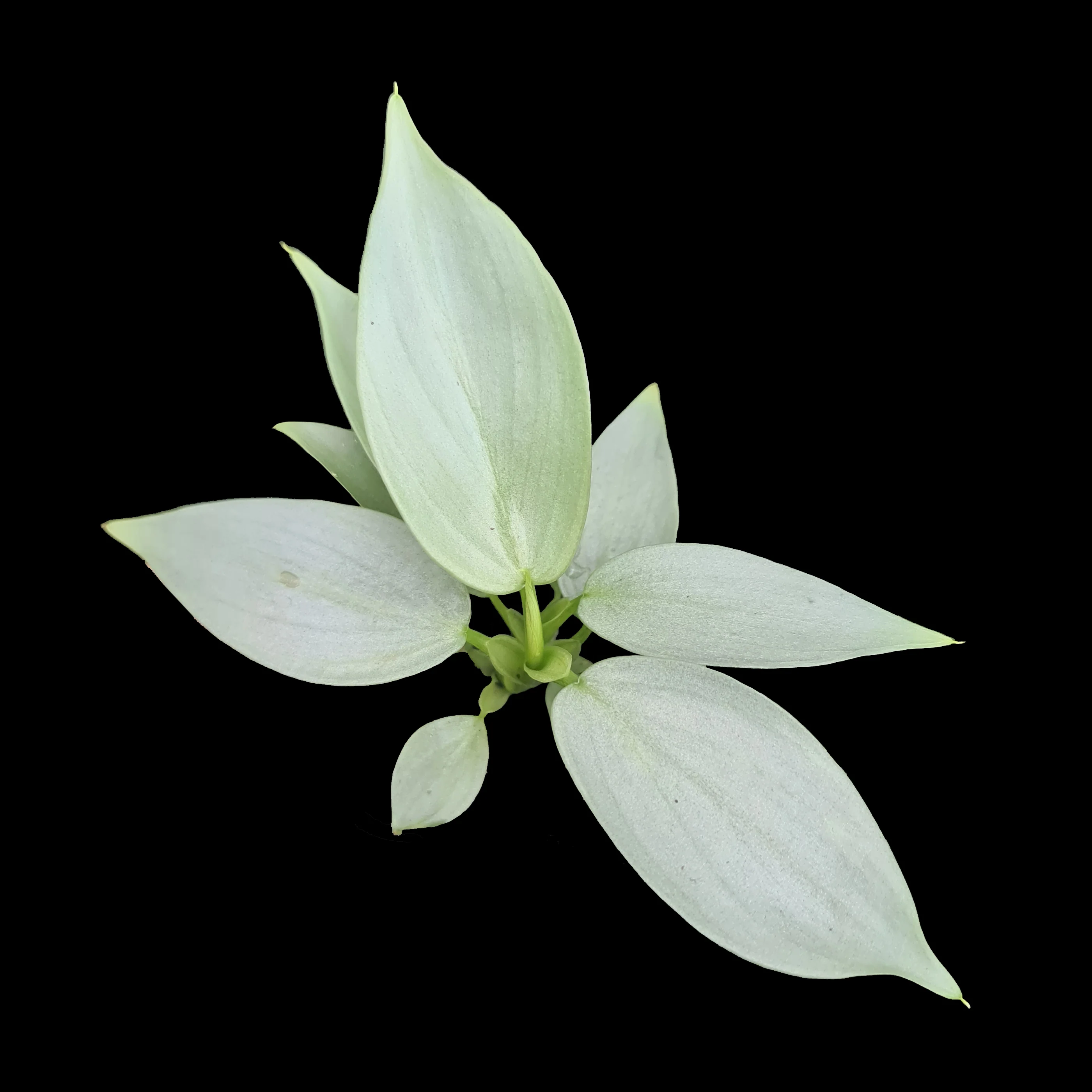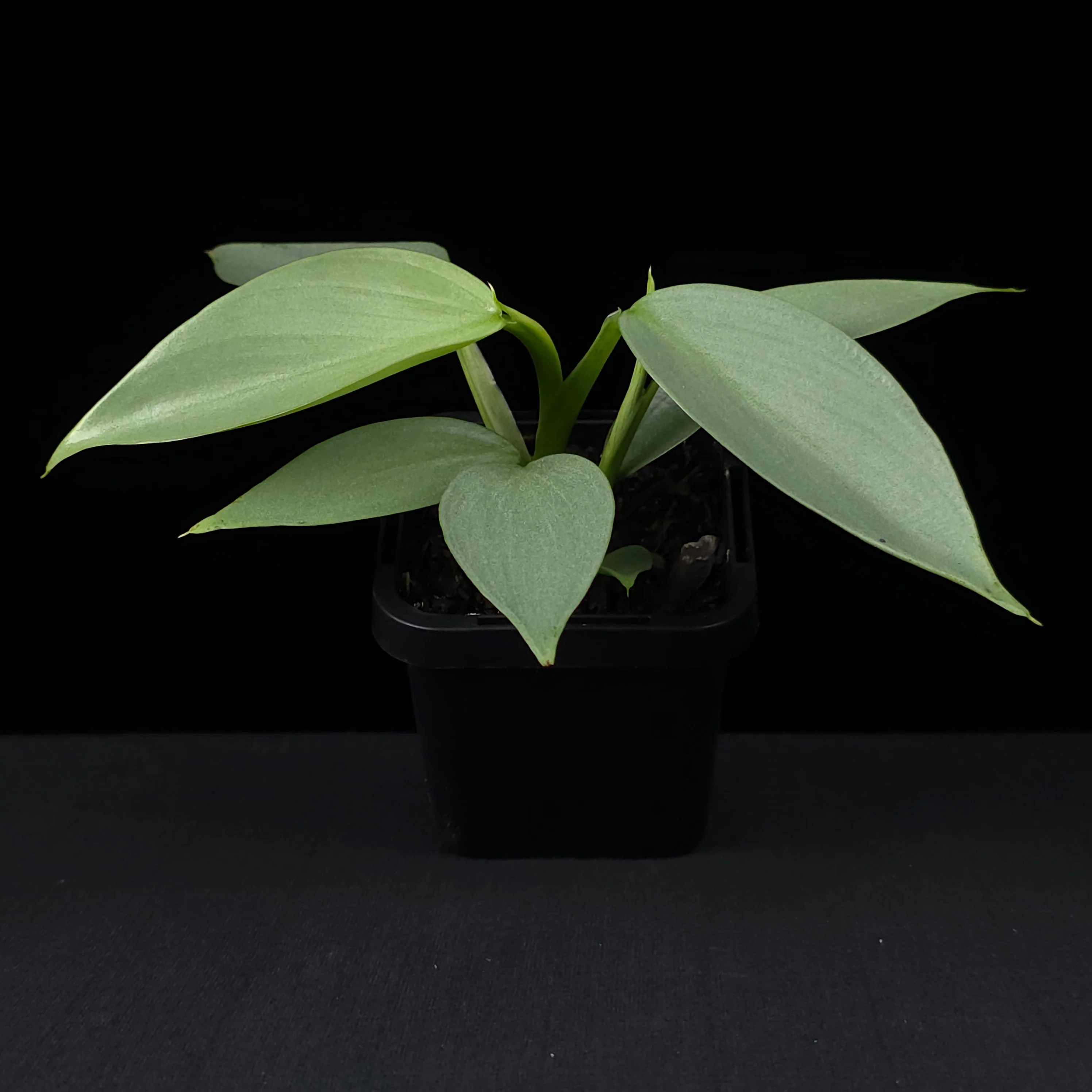
Monstera adansonii Variegated
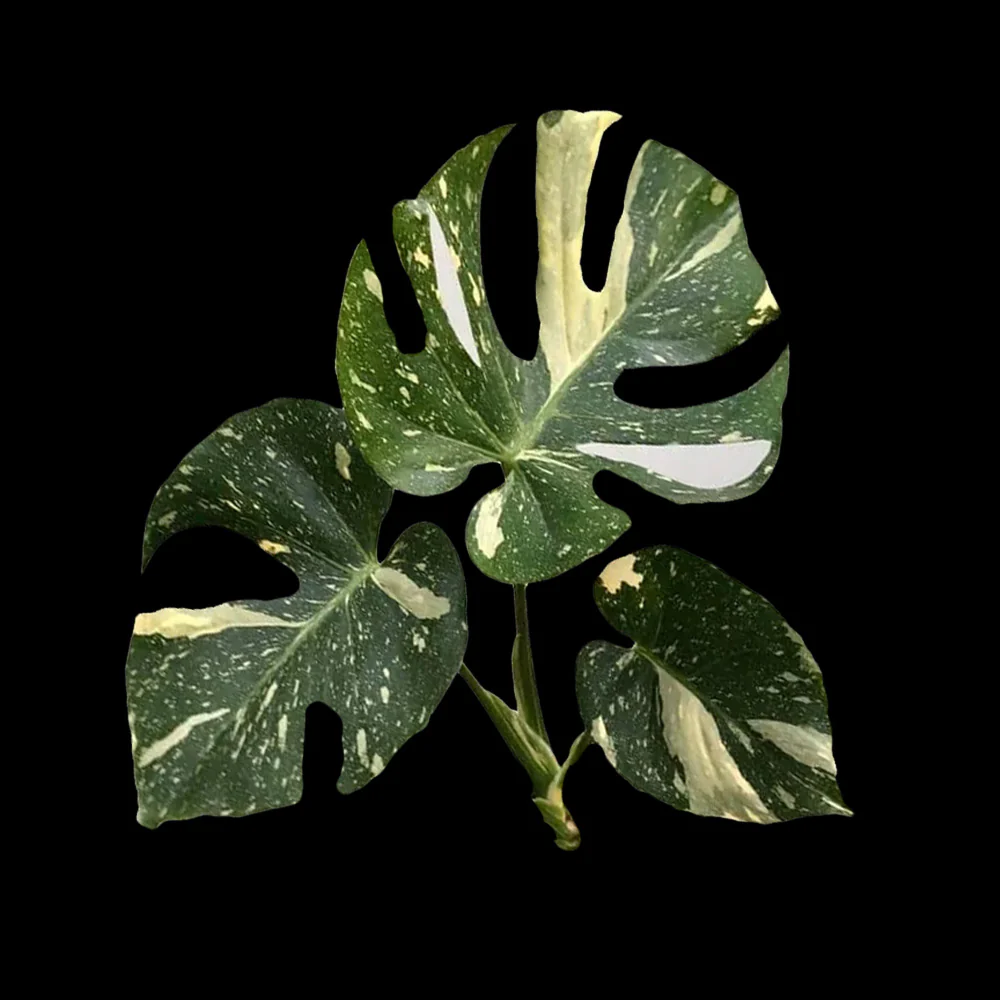
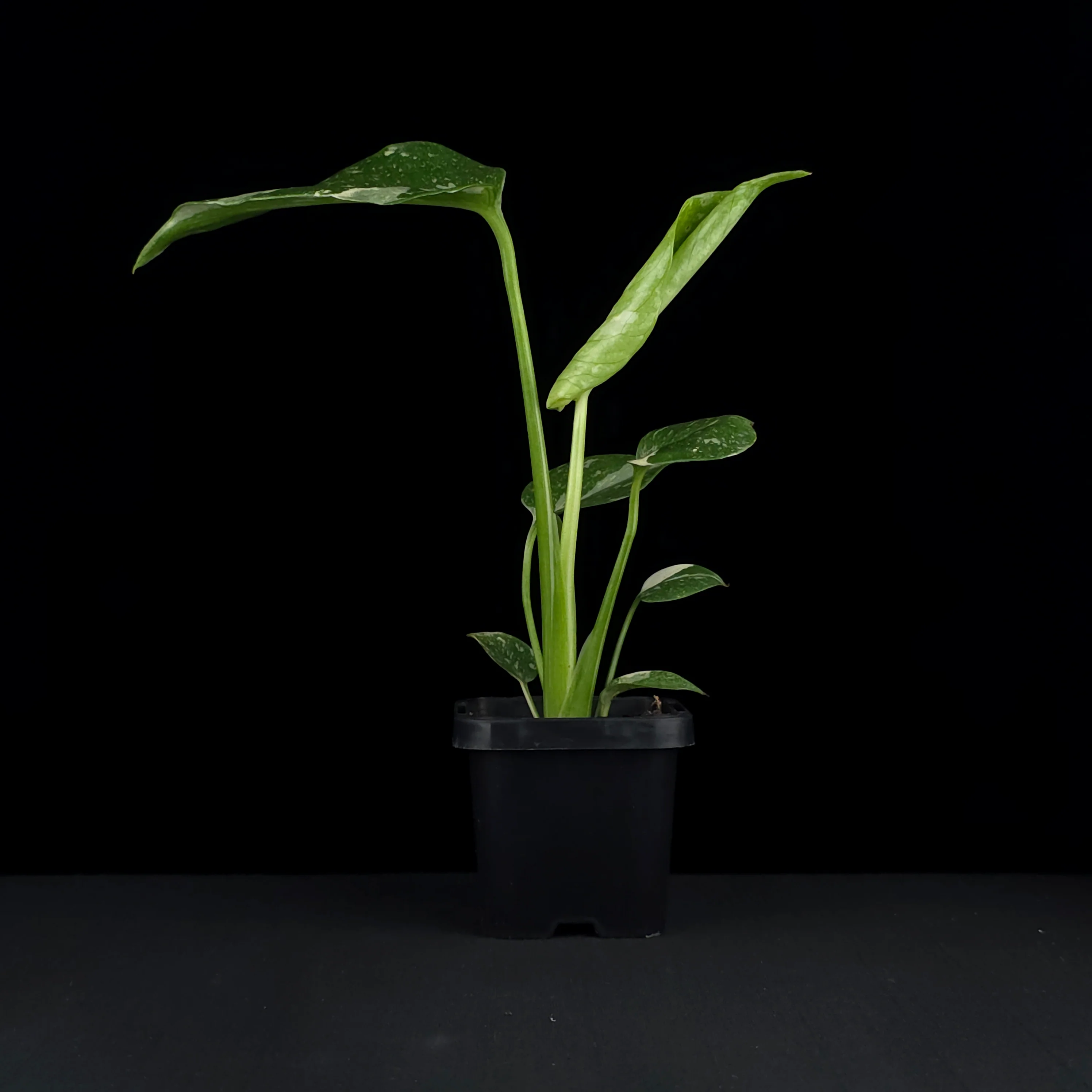
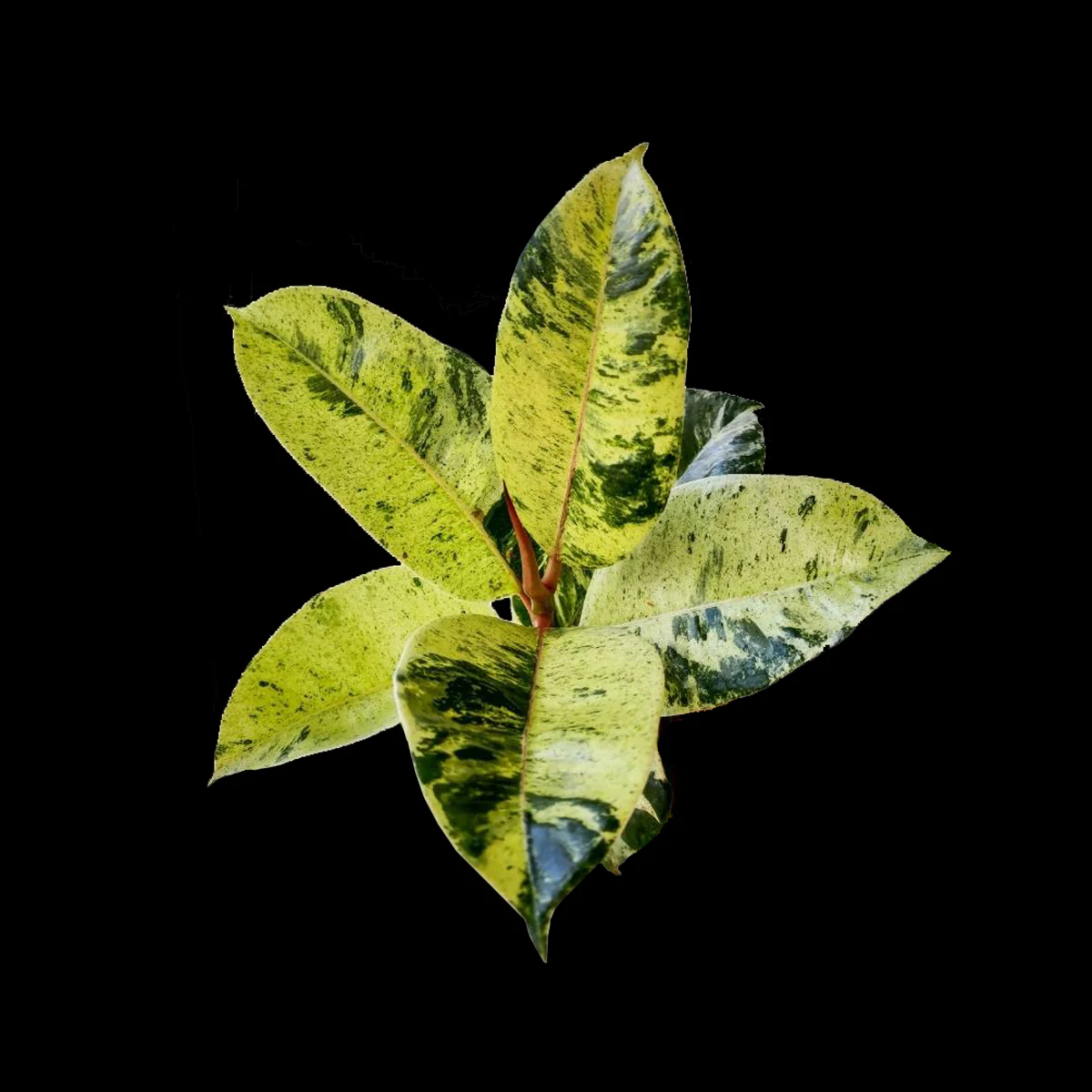
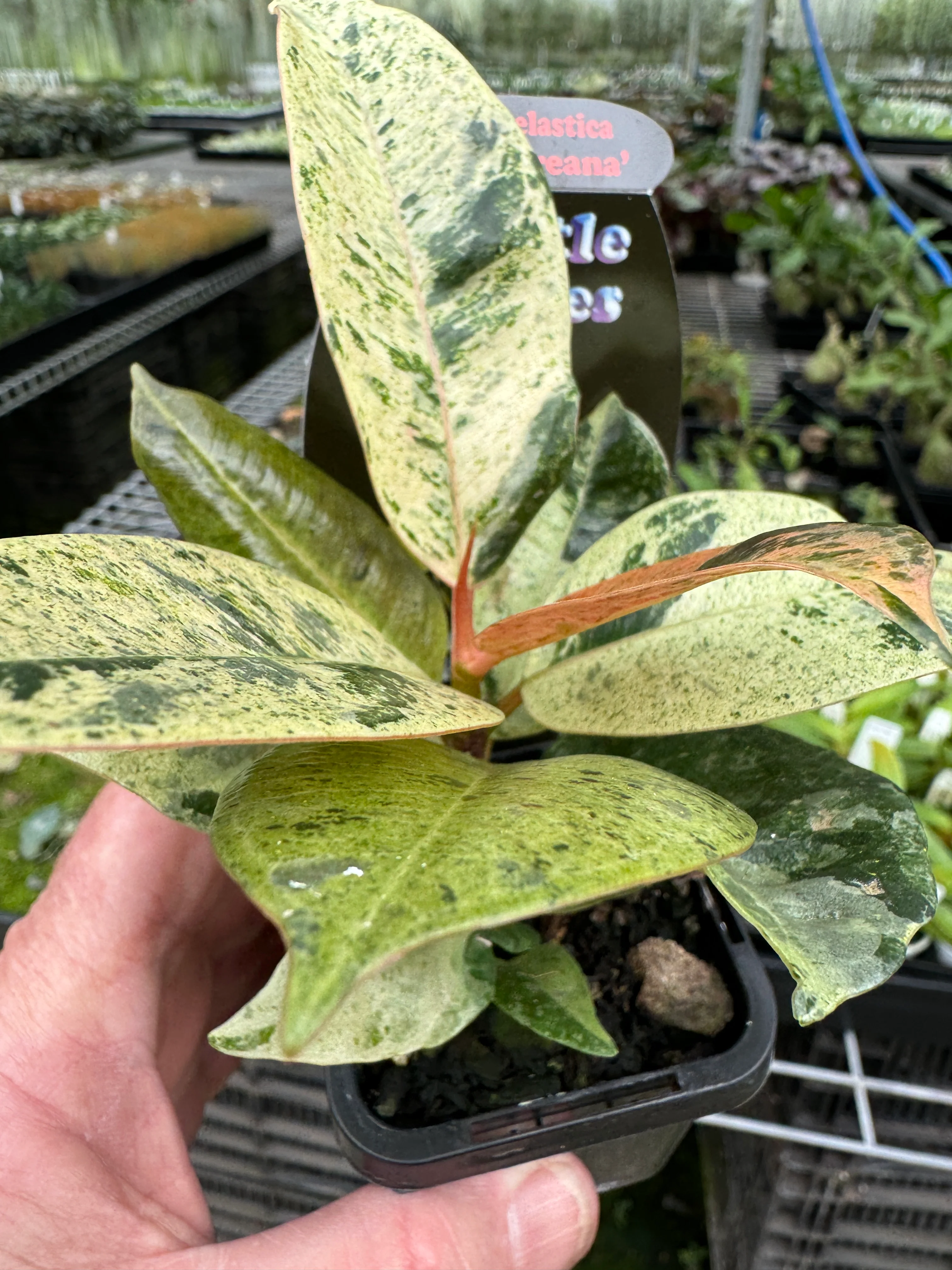
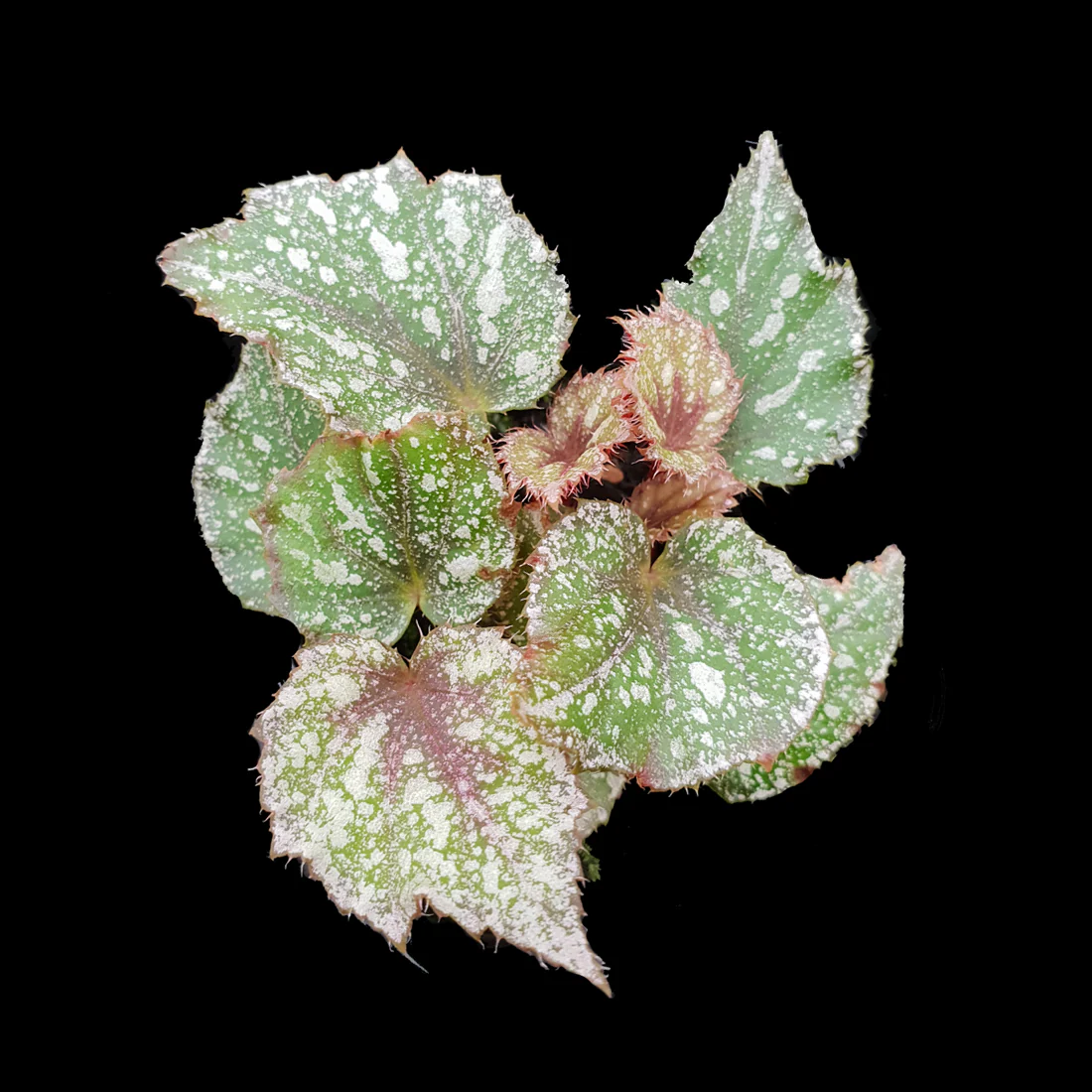
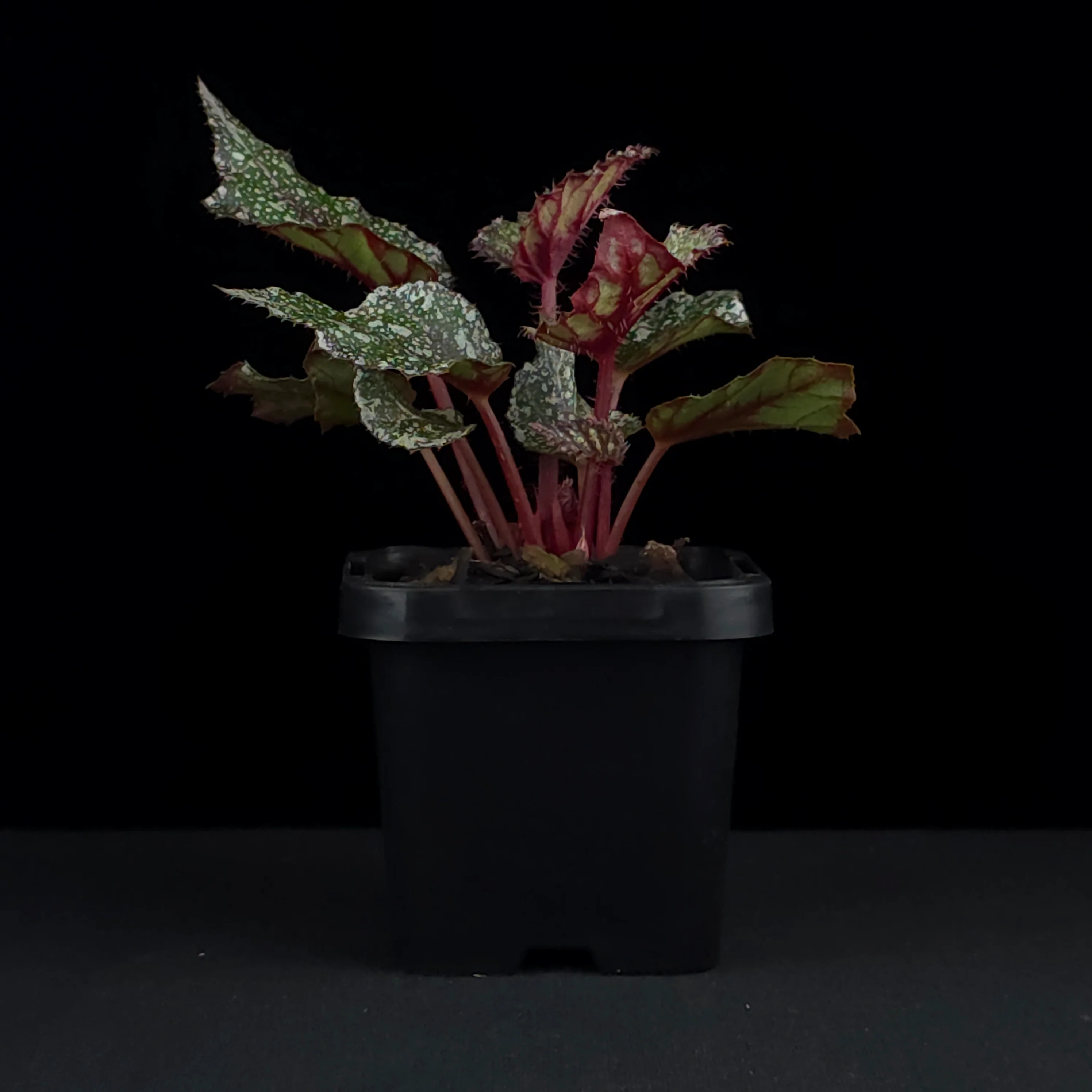
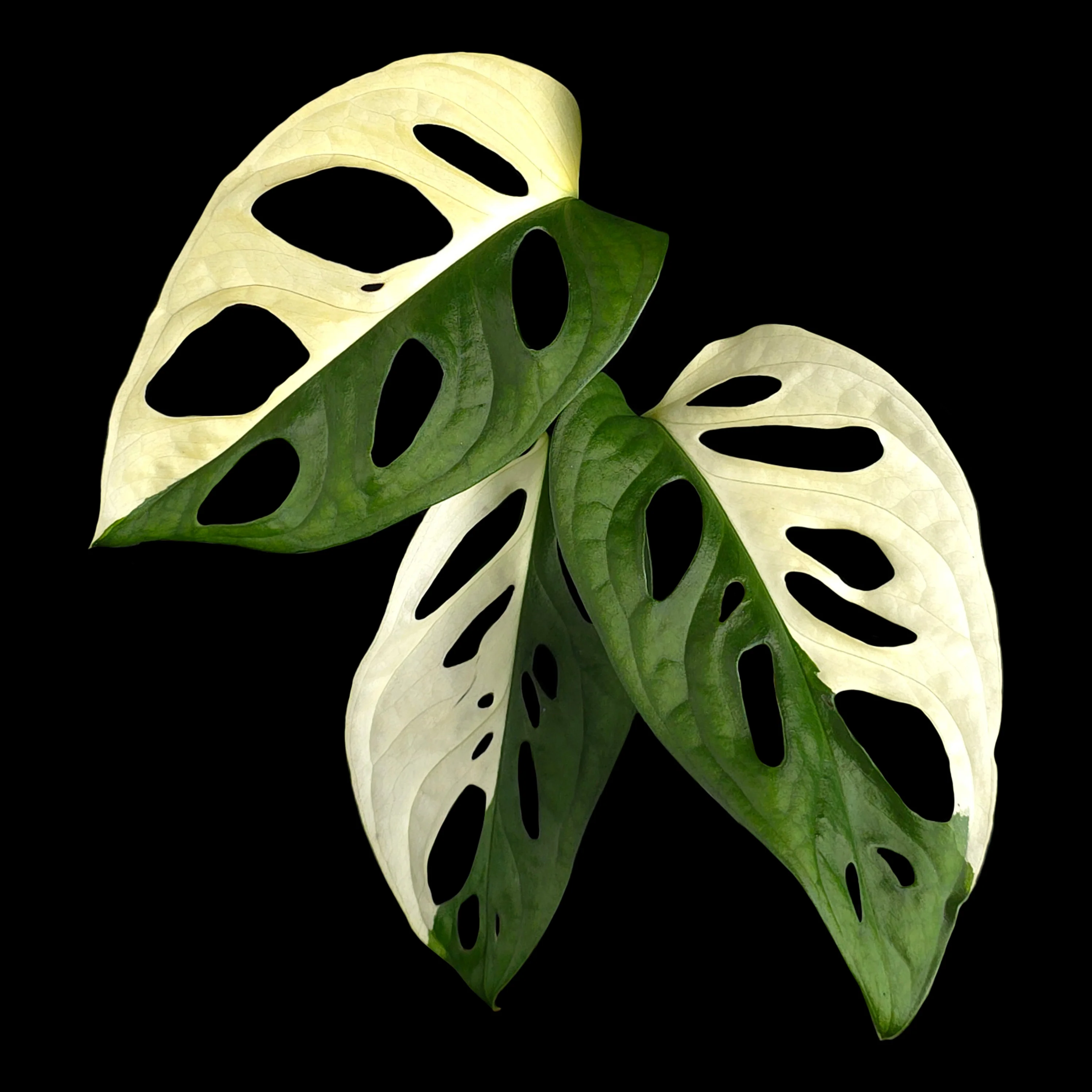
Monstera adansonii variegated is a cultivated form of adansonii, a tropical hemiepiphyte native to Central and South America, where it grows in lowland rainforests, climbing trees and scrambling through the understory. This form is characterised by patches or marbling of cream, yellow, or white variegation across the perforated, heart-shaped leaves. The variegation pattern varies from sectoral to marbled and is unstable across growth, with light levels and genetics influencing its intensity. Like the species, the plant develops fenestrations (leaf holes) as it matures and uses aerial roots to climb or trail.
Care Tips:
- Light – Requires bright, indirect light; avoid direct sun which may burn the variegated portions
- Water – Water when the top 2–5 cm of soil are dry; do not allow the roots to sit in water
- Humidity – Prefers moderate to high humidity; leaf edges may brown in dry conditions
- Media – Use a well-draining aroid mix with bark, perlite, and coco coir or peat
- Temperature – Ideal range is 18–28°C; avoid temperatures below 12°C
- Fertiliser – Apply a balanced liquid fertiliser monthly during active growth
- Repotting – Repot every 1–2 years or when roots outgrow the container
Additional Notes:
- Known to be toxic
Original: $75.00
-65%$75.00
$26.25More Images
Monstera adansonii Variegated
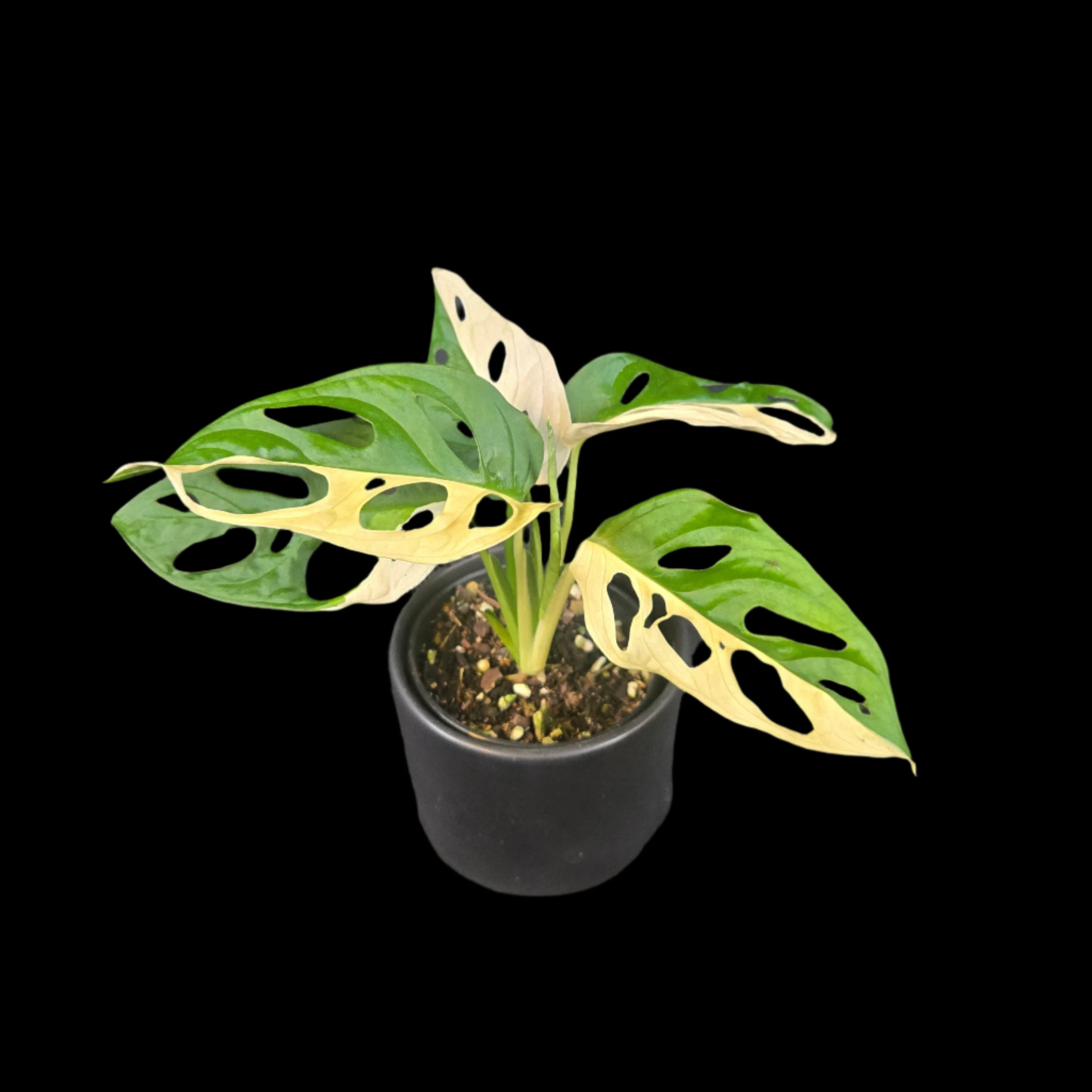
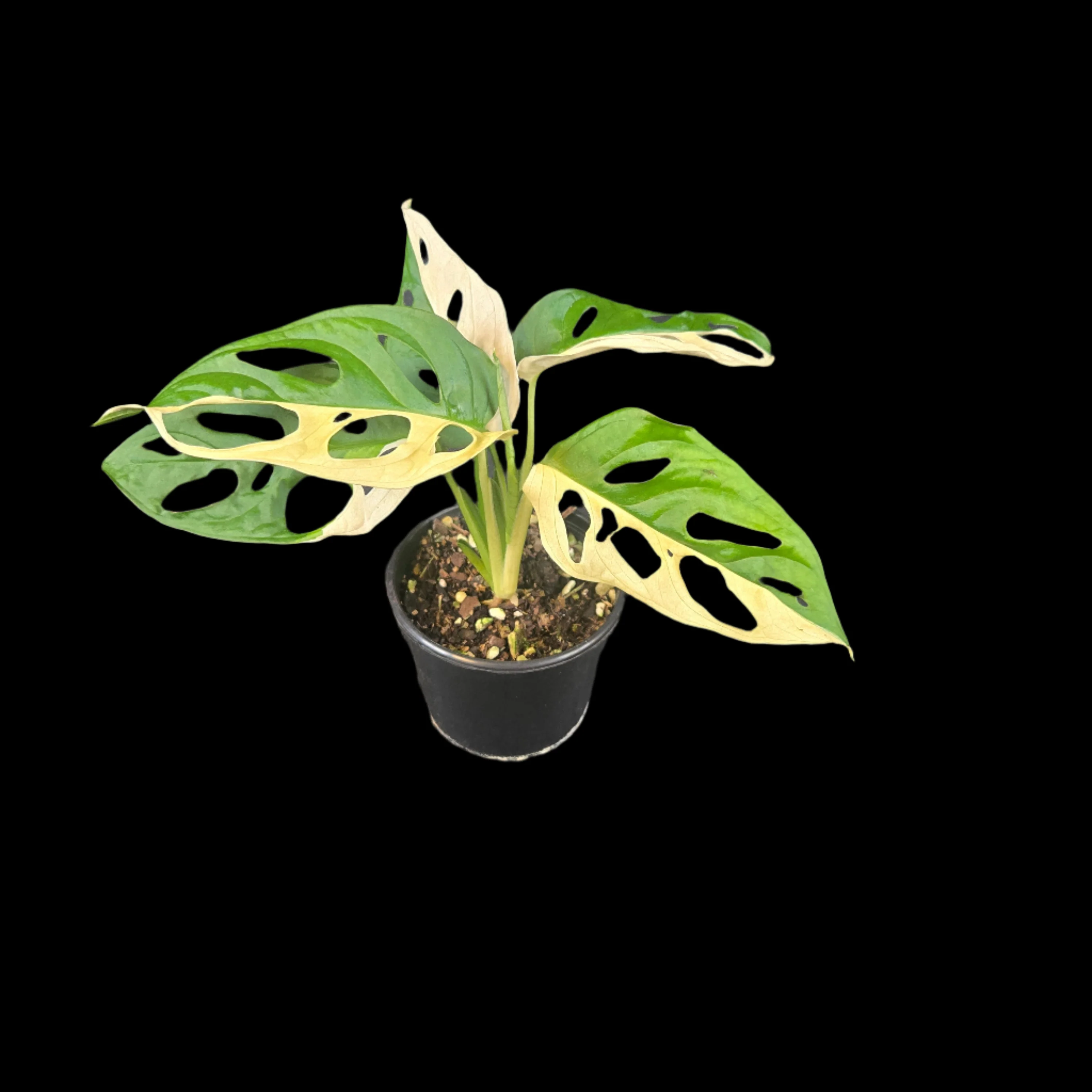
Monstera adansonii variegated is a cultivated form of adansonii, a tropical hemiepiphyte native to Central and South America, where it grows in lowland rainforests, climbing trees and scrambling through the understory. This form is characterised by patches or marbling of cream, yellow, or white variegation across the perforated, heart-shaped leaves. The variegation pattern varies from sectoral to marbled and is unstable across growth, with light levels and genetics influencing its intensity. Like the species, the plant develops fenestrations (leaf holes) as it matures and uses aerial roots to climb or trail.
Care Tips:
- Light – Requires bright, indirect light; avoid direct sun which may burn the variegated portions
- Water – Water when the top 2–5 cm of soil are dry; do not allow the roots to sit in water
- Humidity – Prefers moderate to high humidity; leaf edges may brown in dry conditions
- Media – Use a well-draining aroid mix with bark, perlite, and coco coir or peat
- Temperature – Ideal range is 18–28°C; avoid temperatures below 12°C
- Fertiliser – Apply a balanced liquid fertiliser monthly during active growth
- Repotting – Repot every 1–2 years or when roots outgrow the container
Additional Notes:
- Known to be toxic
Product Information
Product Information
Shipping & Returns
Shipping & Returns
Description
Monstera adansonii variegated is a cultivated form of adansonii, a tropical hemiepiphyte native to Central and South America, where it grows in lowland rainforests, climbing trees and scrambling through the understory. This form is characterised by patches or marbling of cream, yellow, or white variegation across the perforated, heart-shaped leaves. The variegation pattern varies from sectoral to marbled and is unstable across growth, with light levels and genetics influencing its intensity. Like the species, the plant develops fenestrations (leaf holes) as it matures and uses aerial roots to climb or trail.
Care Tips:
- Light – Requires bright, indirect light; avoid direct sun which may burn the variegated portions
- Water – Water when the top 2–5 cm of soil are dry; do not allow the roots to sit in water
- Humidity – Prefers moderate to high humidity; leaf edges may brown in dry conditions
- Media – Use a well-draining aroid mix with bark, perlite, and coco coir or peat
- Temperature – Ideal range is 18–28°C; avoid temperatures below 12°C
- Fertiliser – Apply a balanced liquid fertiliser monthly during active growth
- Repotting – Repot every 1–2 years or when roots outgrow the container
Additional Notes:
- Known to be toxic