Monstera standleyana
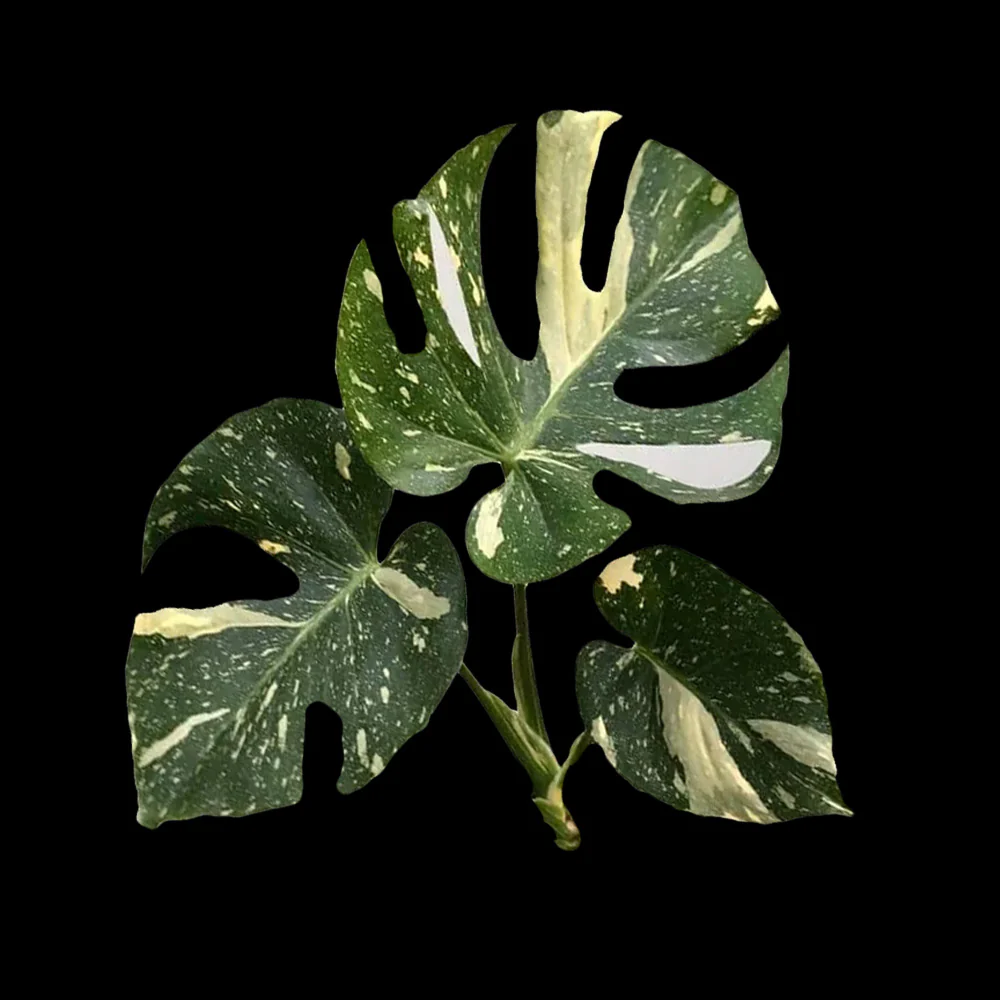
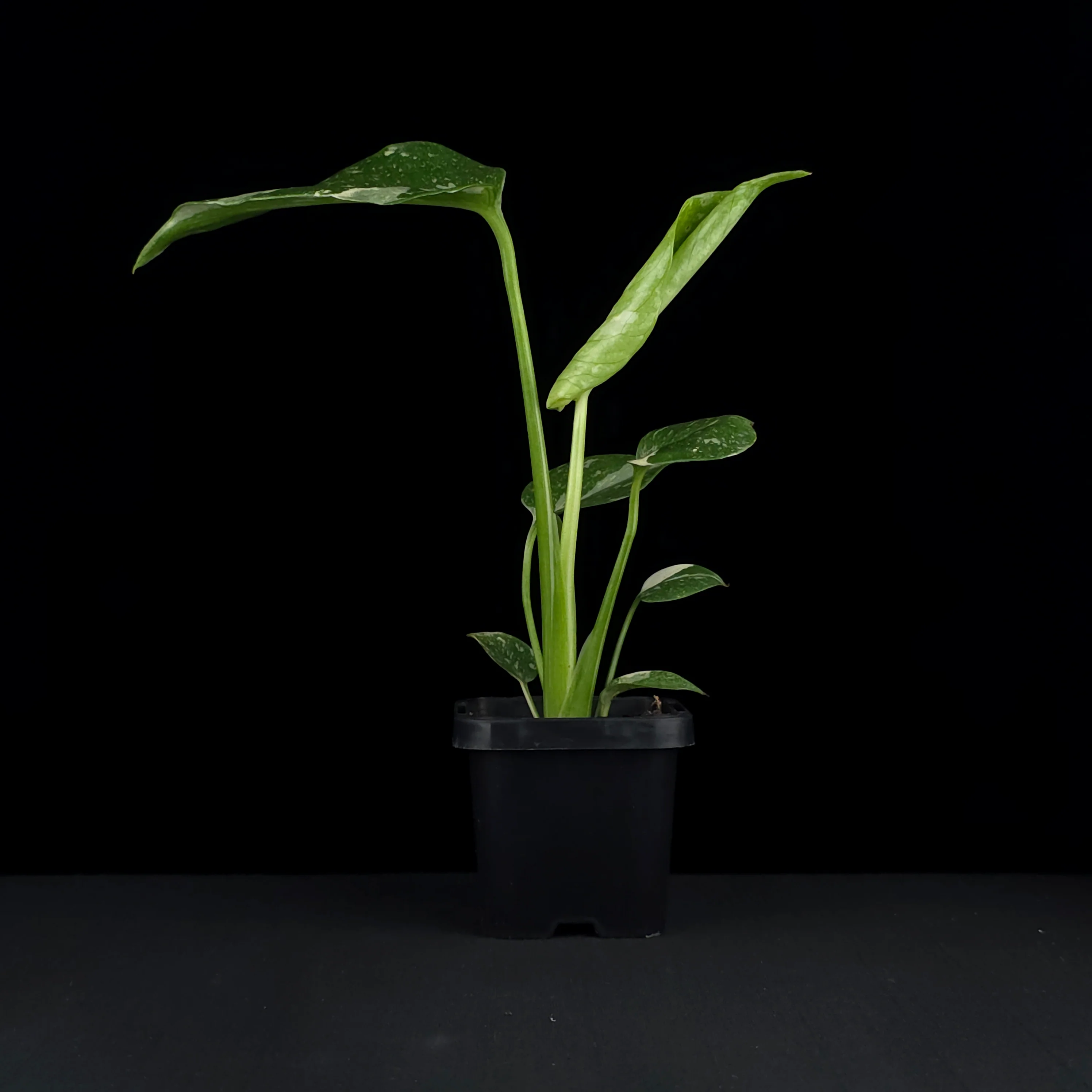
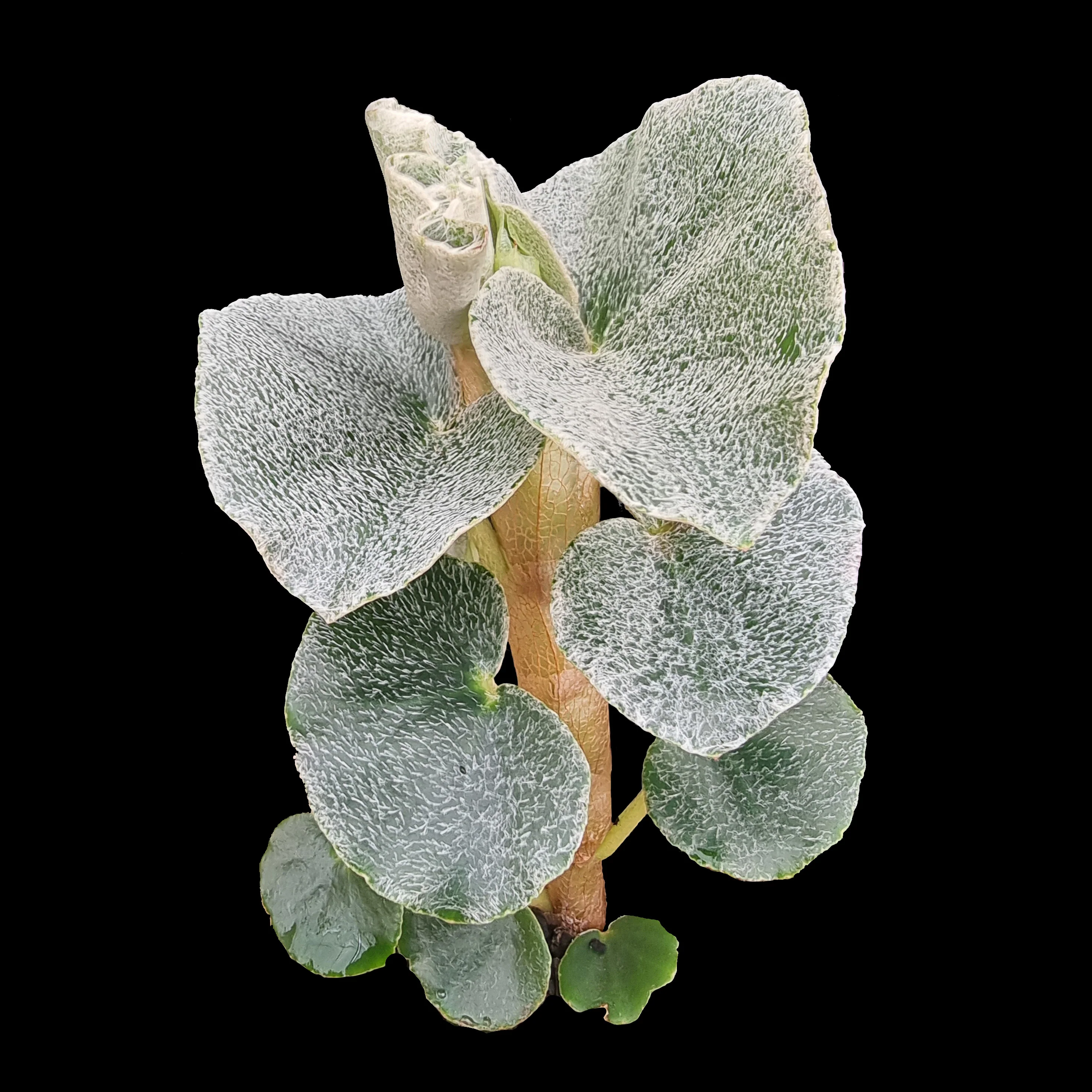
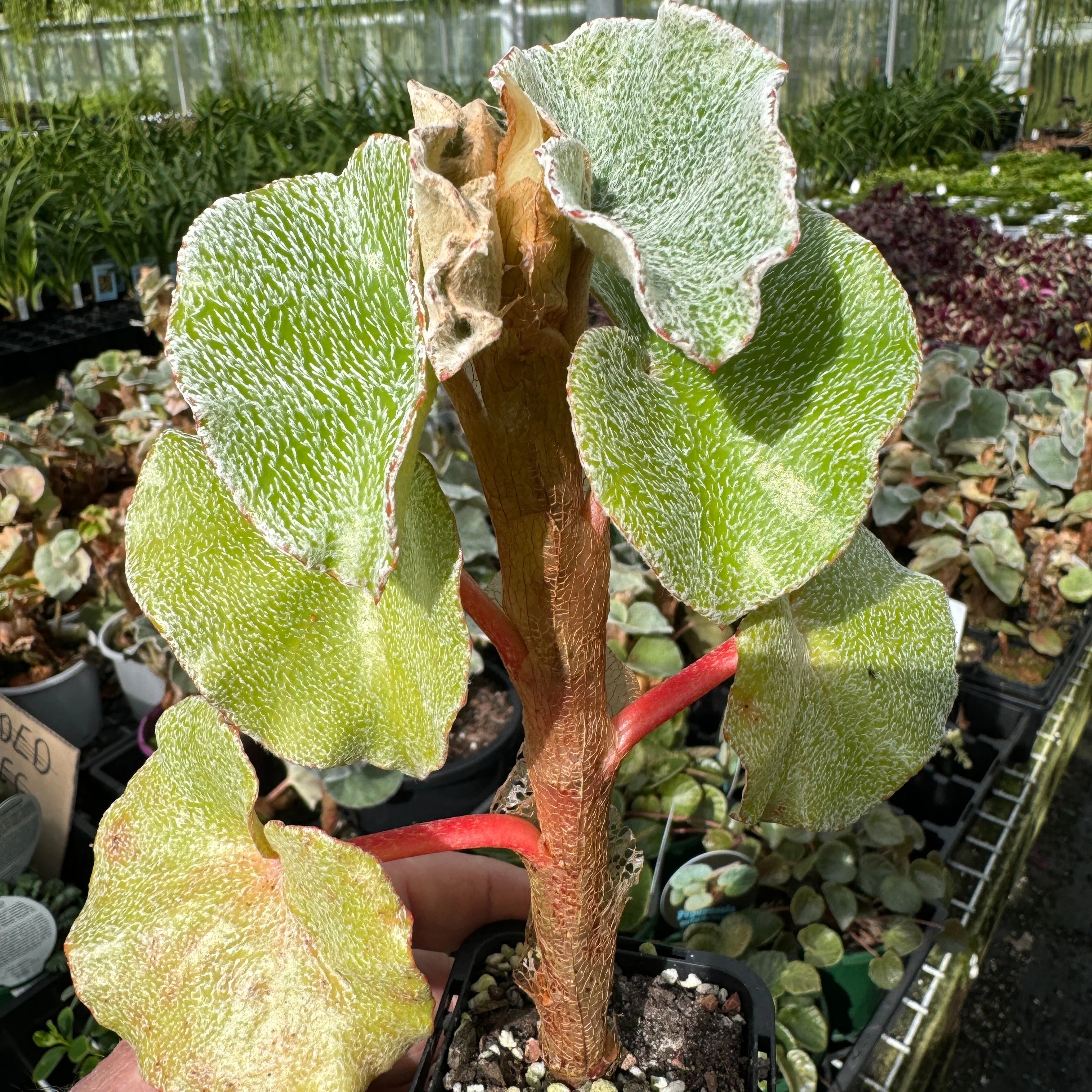
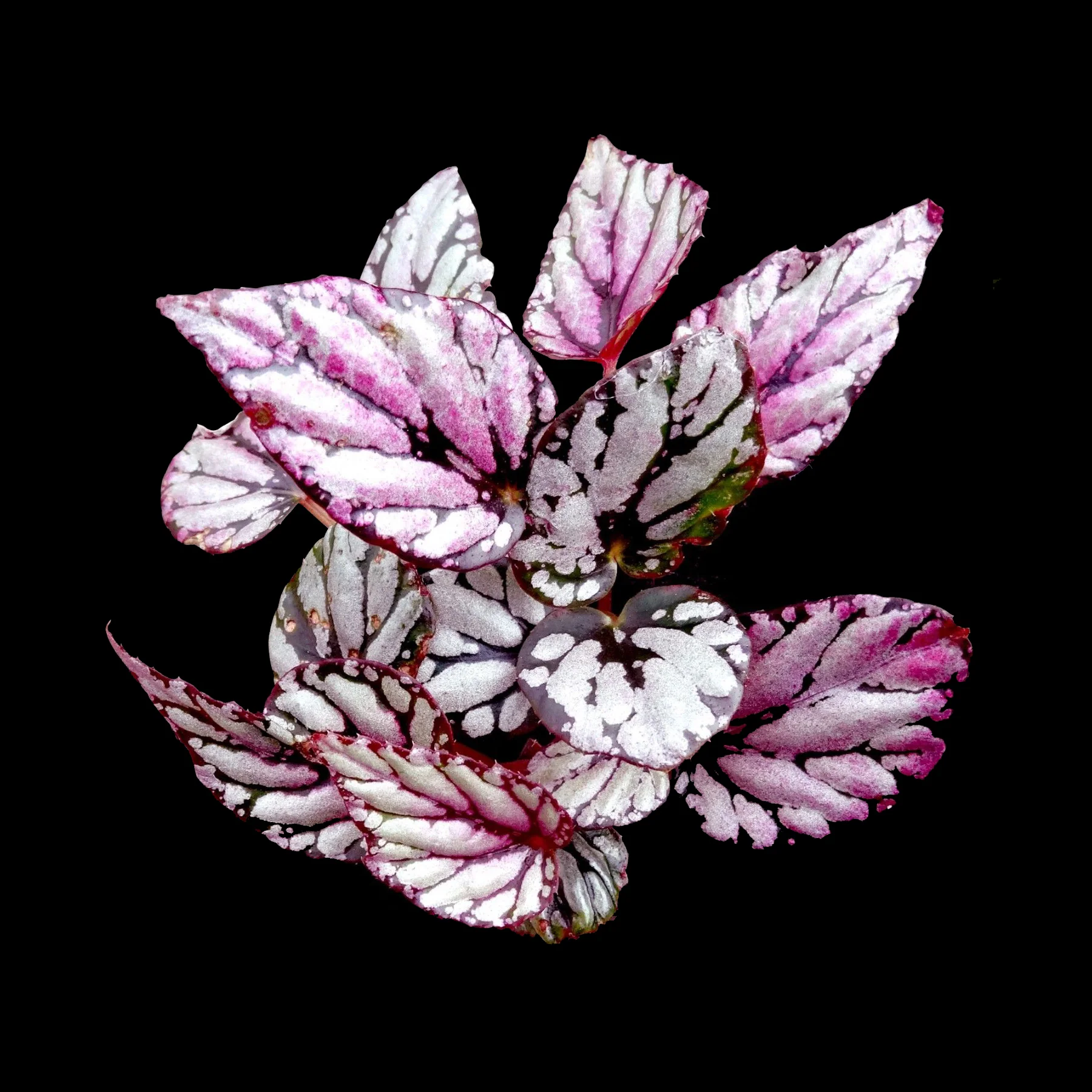
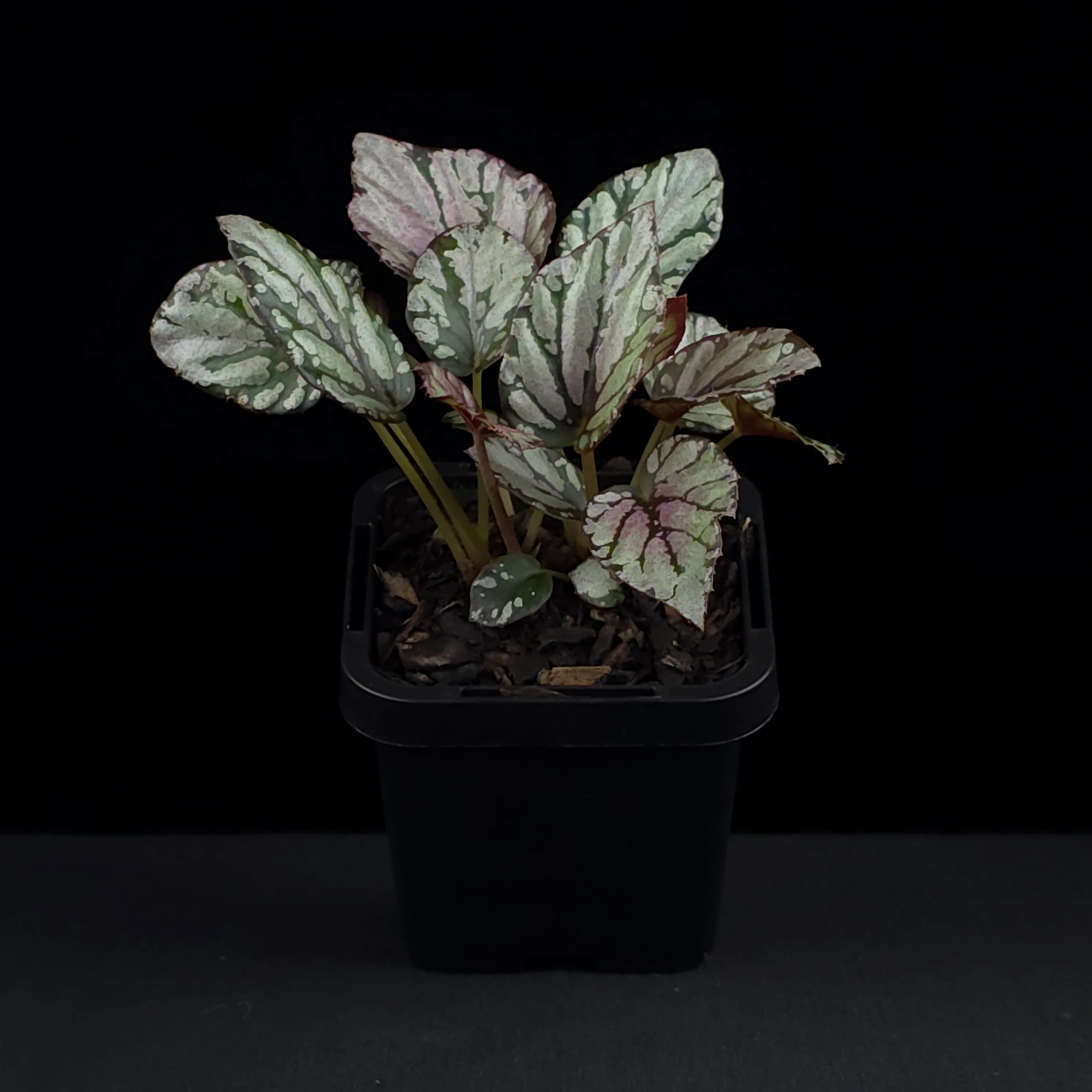
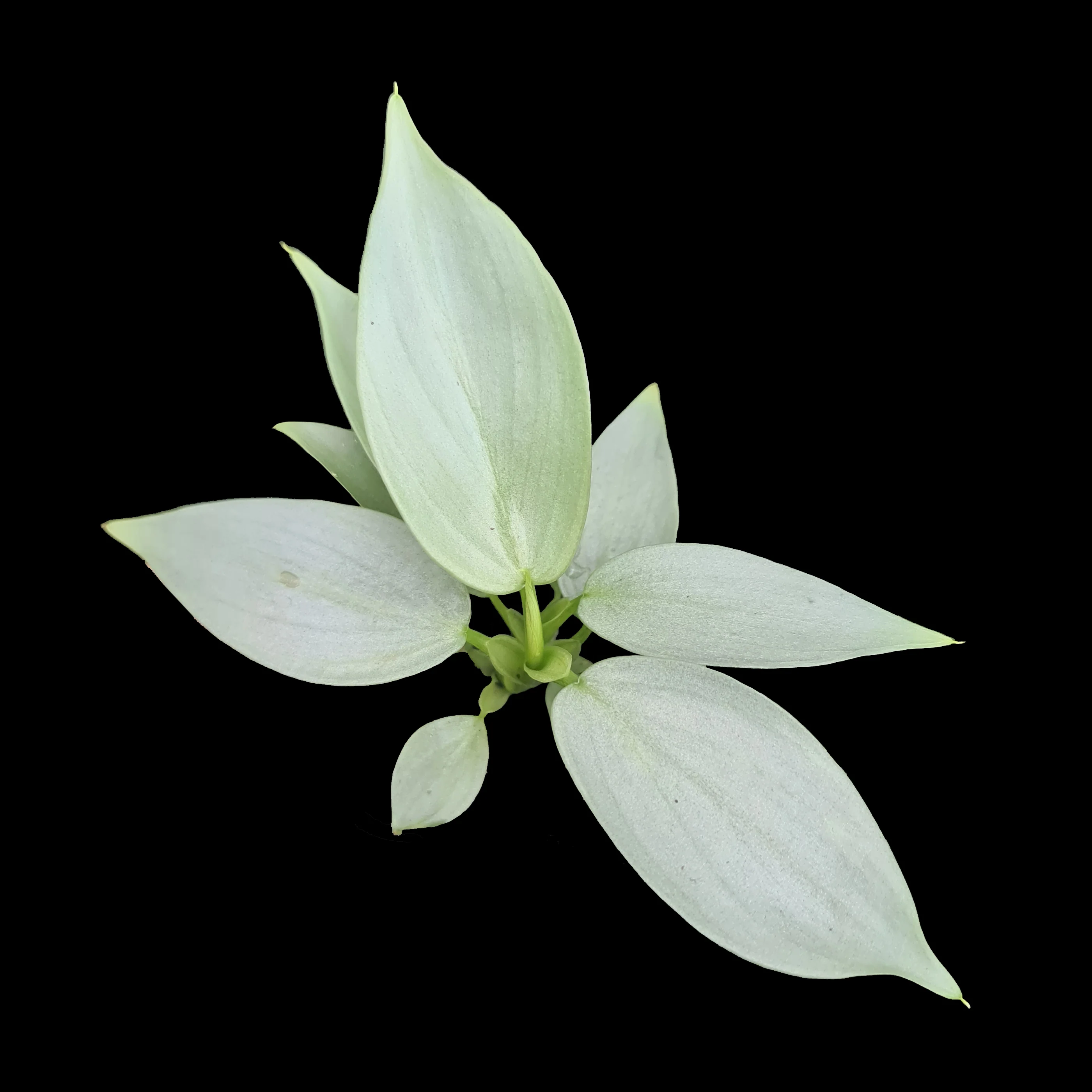
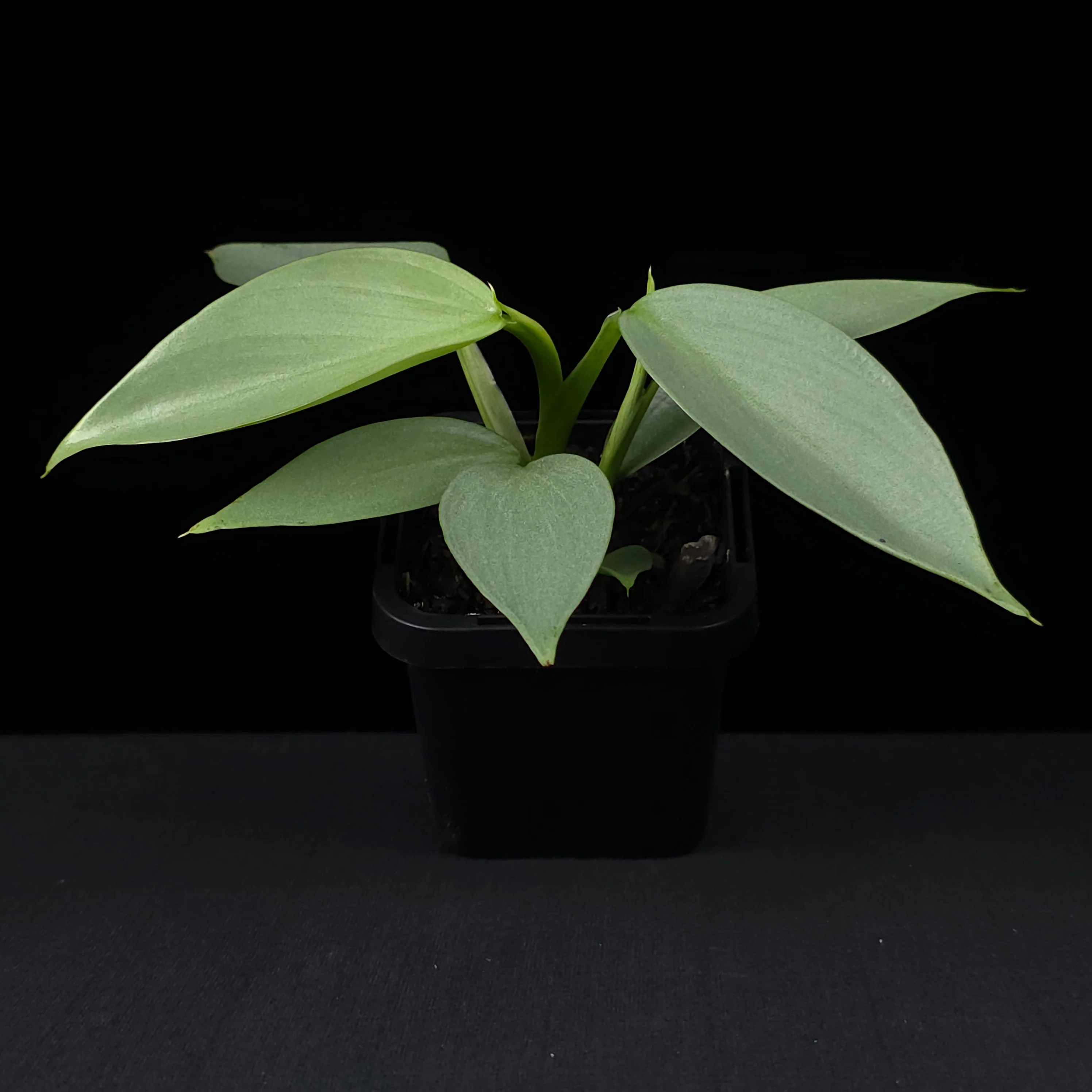
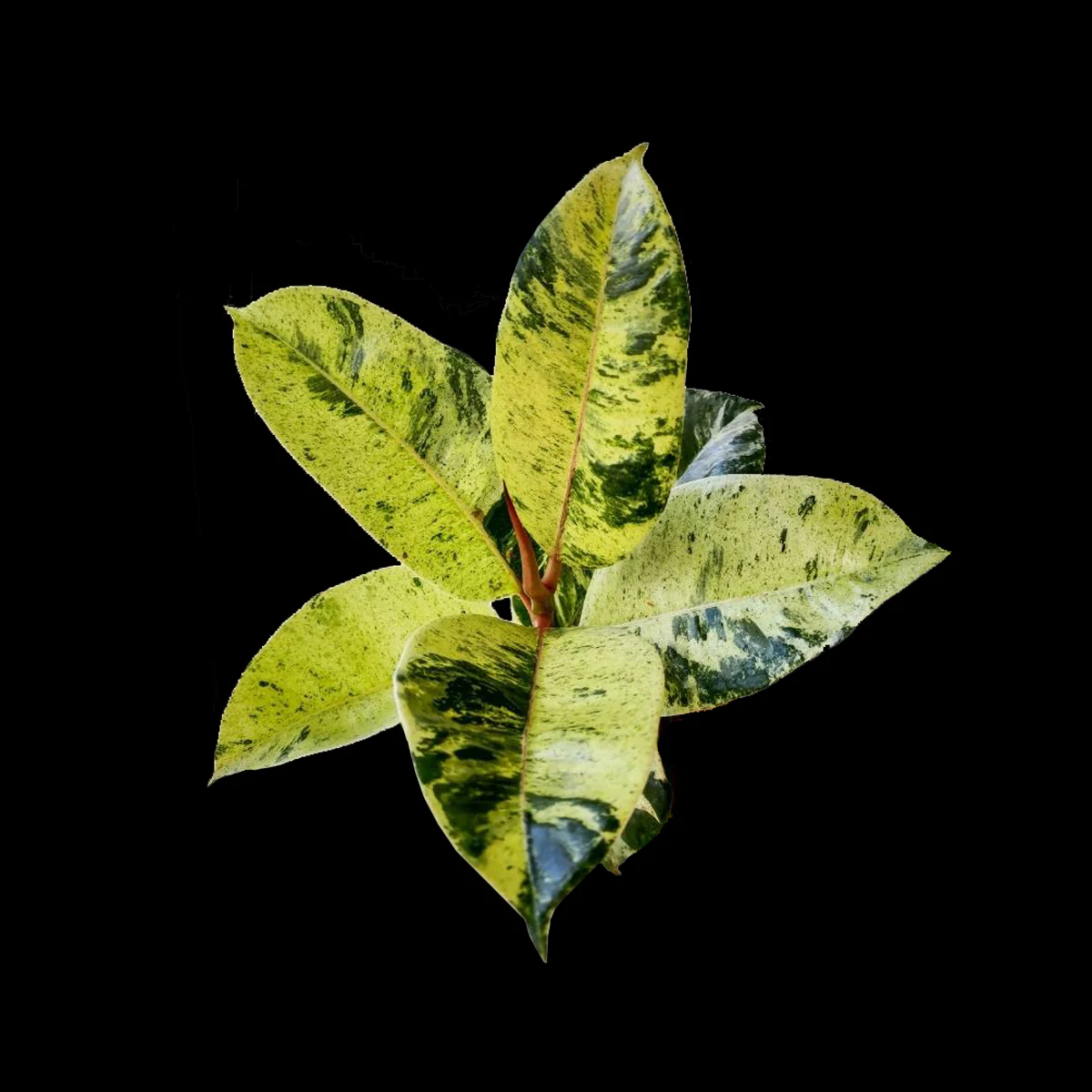
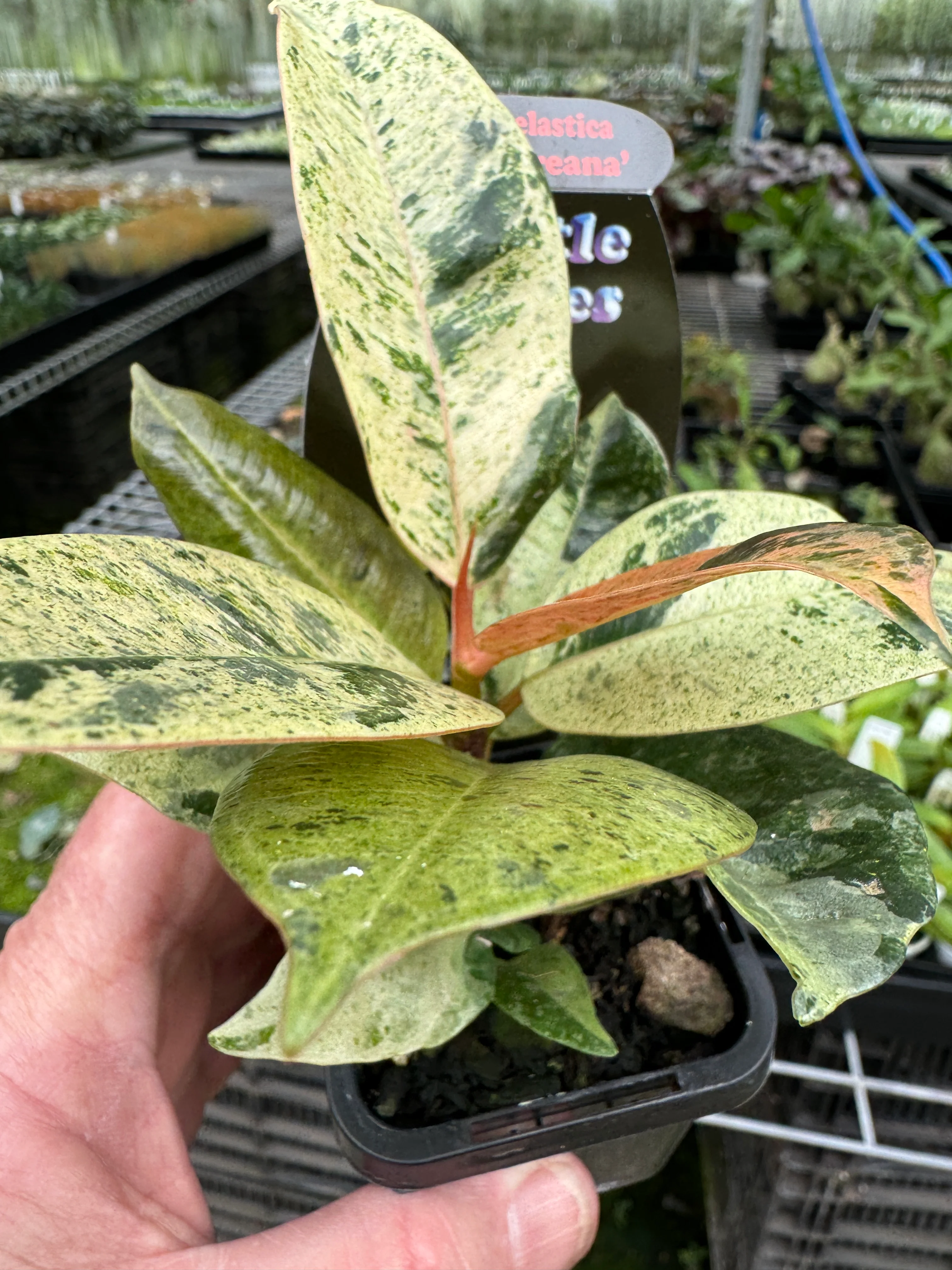
Monstera standleyana is a striking tropical climber native to the rainforests of Central America, particularly Honduras, Nicaragua, and Panama. Unlike its better-known relatives, it has narrow, glossy leaves marked with cream or pale green variegation, often mistaken for a Philodendron due to its leaf shape. This species is an epiphytic aroid that thrives with support and has gained popularity for its unique foliage and manageable size indoors.
Care Tips
- Light: Bright, indirect light is best. Too little light can reduce variegation; too much can scorch the leaves.
- Water: Water when the top 2–3 cm of soil are dry. Avoid soggy conditions to prevent root rot.
- Humidity: Prefers moderate to high humidity; misting or a humidifier is beneficial in drier climates.
- Media: Use a chunky, well-draining aroid mix with bark, perlite, and peat or coco coir.
- Temperature: Thrives between 18–28°C; protect from cold drafts and avoid drops below 12°C.
- Fertiliser: Feed monthly during spring and summer with a balanced liquid fertiliser at half strength.
- Repotting: Repot every 1–2 years or when rootbound, preferably in early spring.
Additional Notes
- Toxic to pets if ingested due to calcium oxalate crystals; keep out of reach of cats and dogs.
More Images

Monstera standleyana
Monstera standleyana is a striking tropical climber native to the rainforests of Central America, particularly Honduras, Nicaragua, and Panama. Unlike its better-known relatives, it has narrow, glossy leaves marked with cream or pale green variegation, often mistaken for a Philodendron due to its leaf shape. This species is an epiphytic aroid that thrives with support and has gained popularity for its unique foliage and manageable size indoors.
Care Tips
- Light: Bright, indirect light is best. Too little light can reduce variegation; too much can scorch the leaves.
- Water: Water when the top 2–3 cm of soil are dry. Avoid soggy conditions to prevent root rot.
- Humidity: Prefers moderate to high humidity; misting or a humidifier is beneficial in drier climates.
- Media: Use a chunky, well-draining aroid mix with bark, perlite, and peat or coco coir.
- Temperature: Thrives between 18–28°C; protect from cold drafts and avoid drops below 12°C.
- Fertiliser: Feed monthly during spring and summer with a balanced liquid fertiliser at half strength.
- Repotting: Repot every 1–2 years or when rootbound, preferably in early spring.
Additional Notes
- Toxic to pets if ingested due to calcium oxalate crystals; keep out of reach of cats and dogs.
Product Information
Product Information
Shipping & Returns
Shipping & Returns
Description
Monstera standleyana is a striking tropical climber native to the rainforests of Central America, particularly Honduras, Nicaragua, and Panama. Unlike its better-known relatives, it has narrow, glossy leaves marked with cream or pale green variegation, often mistaken for a Philodendron due to its leaf shape. This species is an epiphytic aroid that thrives with support and has gained popularity for its unique foliage and manageable size indoors.
Care Tips
- Light: Bright, indirect light is best. Too little light can reduce variegation; too much can scorch the leaves.
- Water: Water when the top 2–3 cm of soil are dry. Avoid soggy conditions to prevent root rot.
- Humidity: Prefers moderate to high humidity; misting or a humidifier is beneficial in drier climates.
- Media: Use a chunky, well-draining aroid mix with bark, perlite, and peat or coco coir.
- Temperature: Thrives between 18–28°C; protect from cold drafts and avoid drops below 12°C.
- Fertiliser: Feed monthly during spring and summer with a balanced liquid fertiliser at half strength.
- Repotting: Repot every 1–2 years or when rootbound, preferably in early spring.
Additional Notes
- Toxic to pets if ingested due to calcium oxalate crystals; keep out of reach of cats and dogs.