Myrmecodia tuberosa - Ant Plant
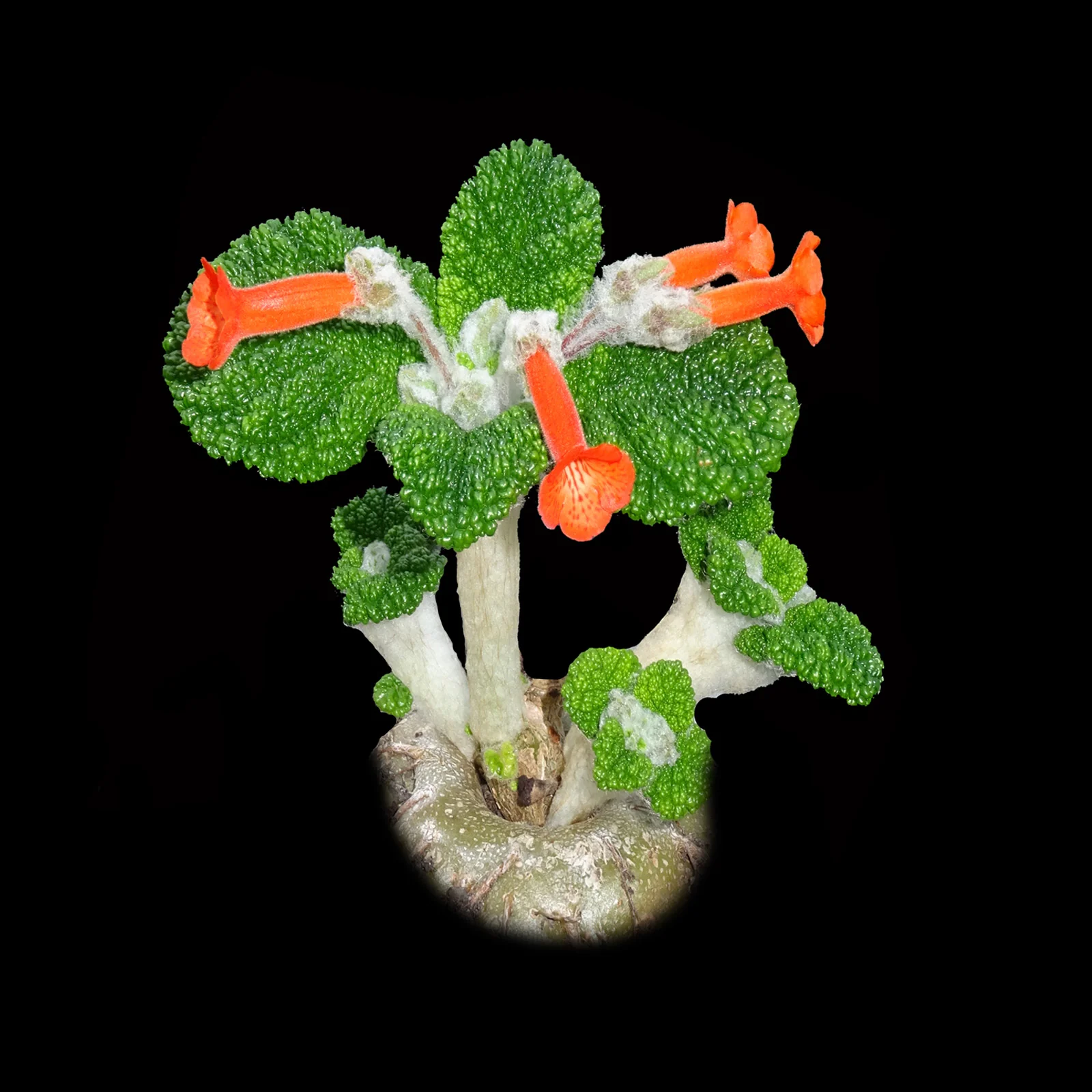
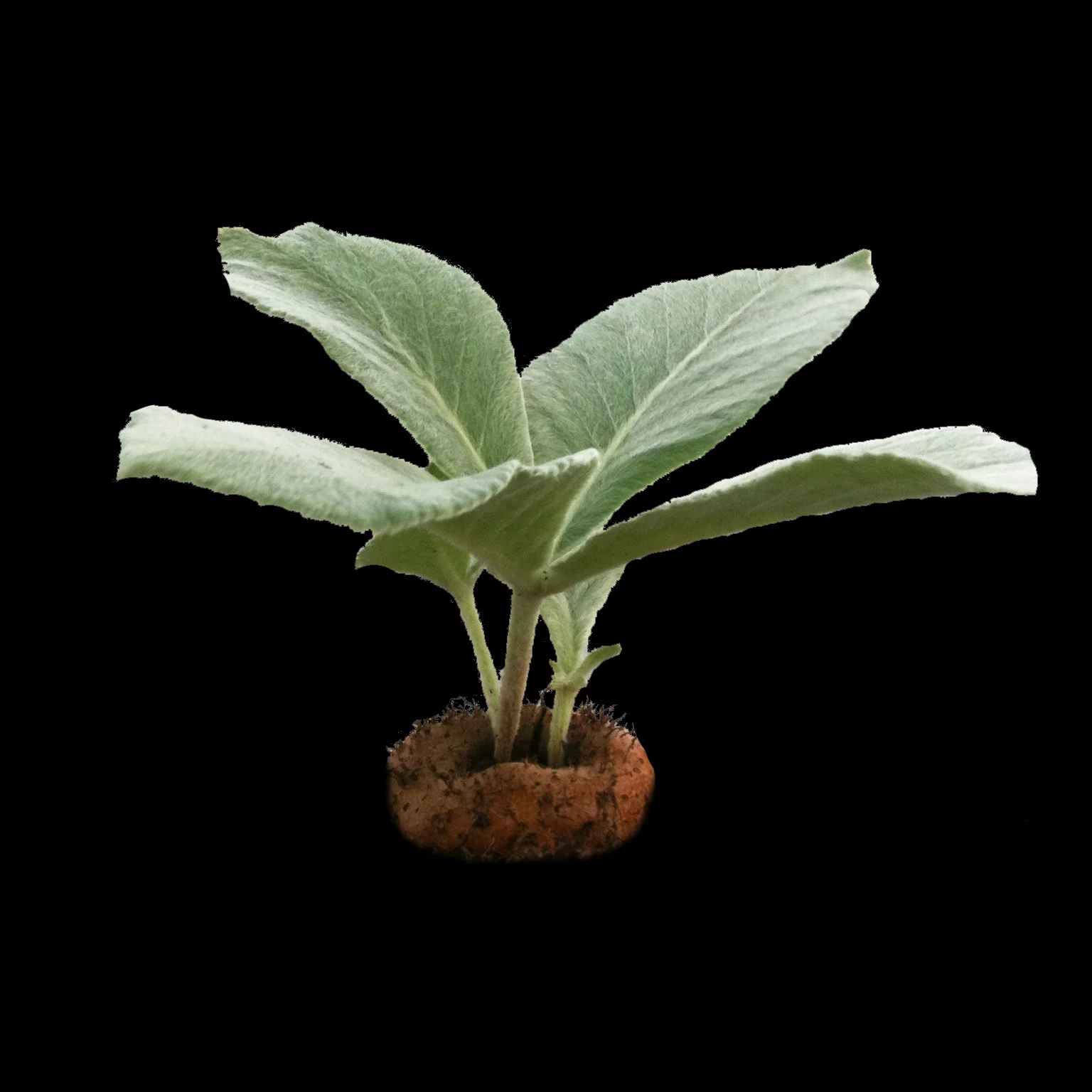
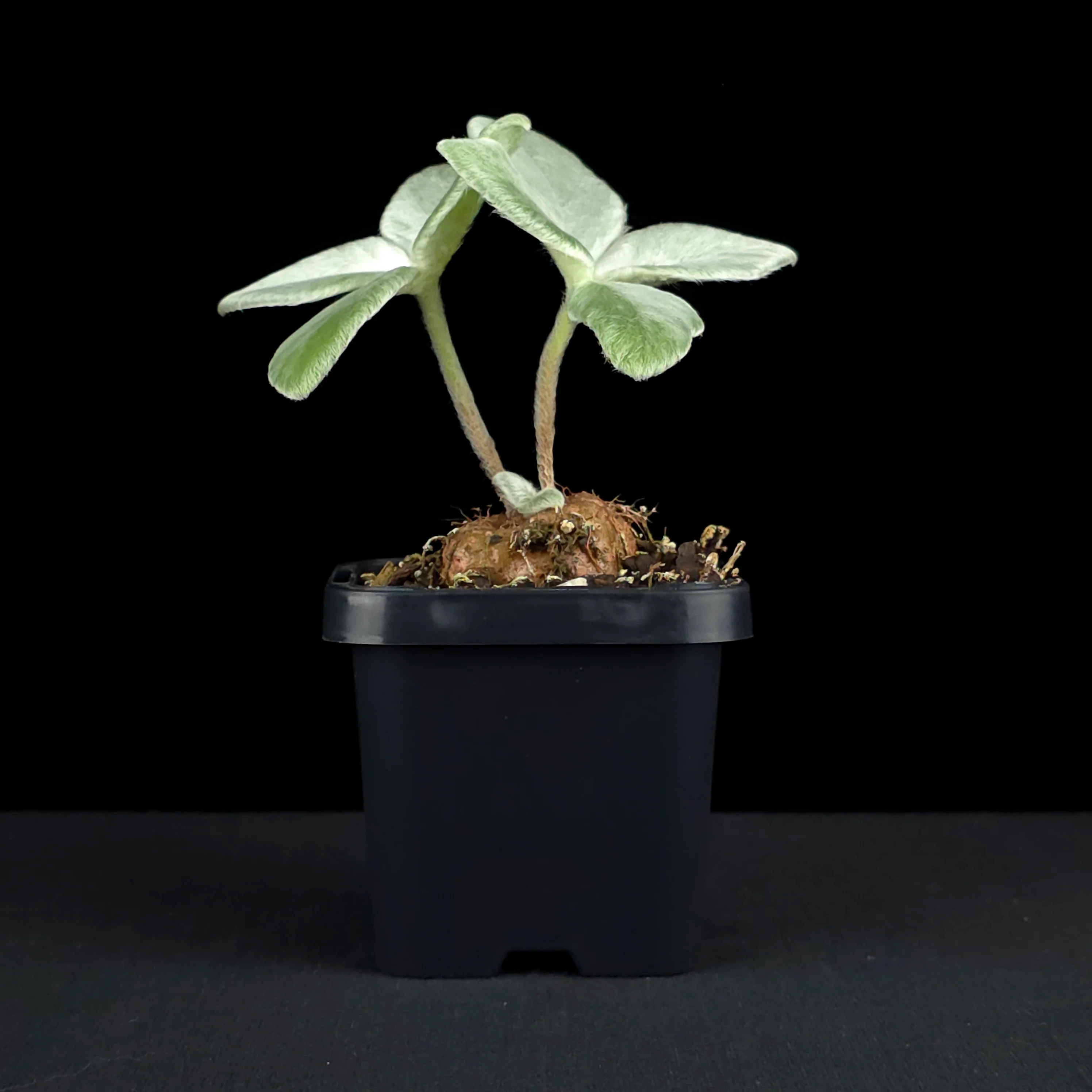
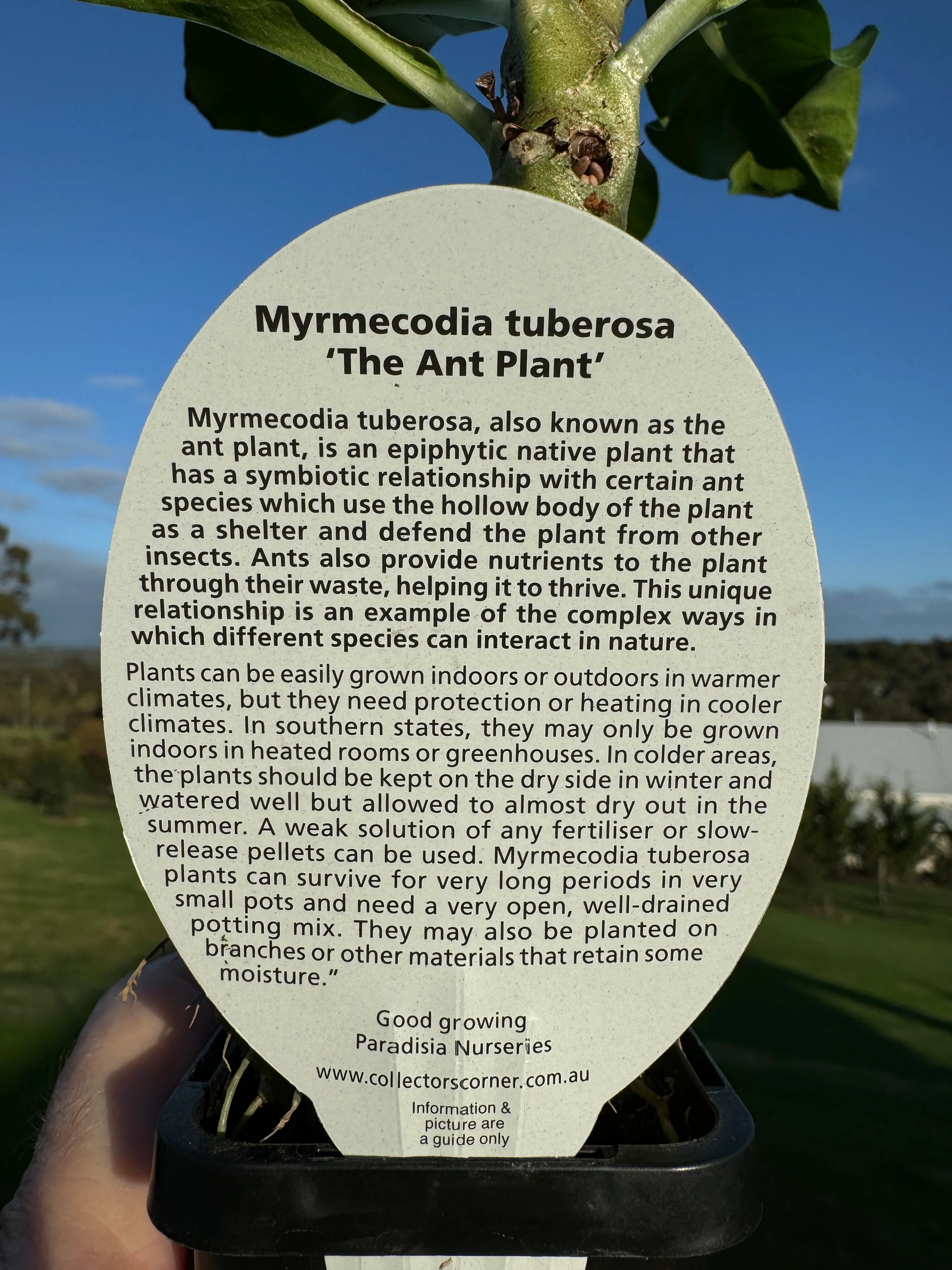
Myrmecodia tuberosa, commonly known as the Ant Plant, is a fascinating epiphyte native to Southeast Asia and Australia. It is renowned for its unique symbiotic relationship with ants, which live within the plant's specialized chambers.
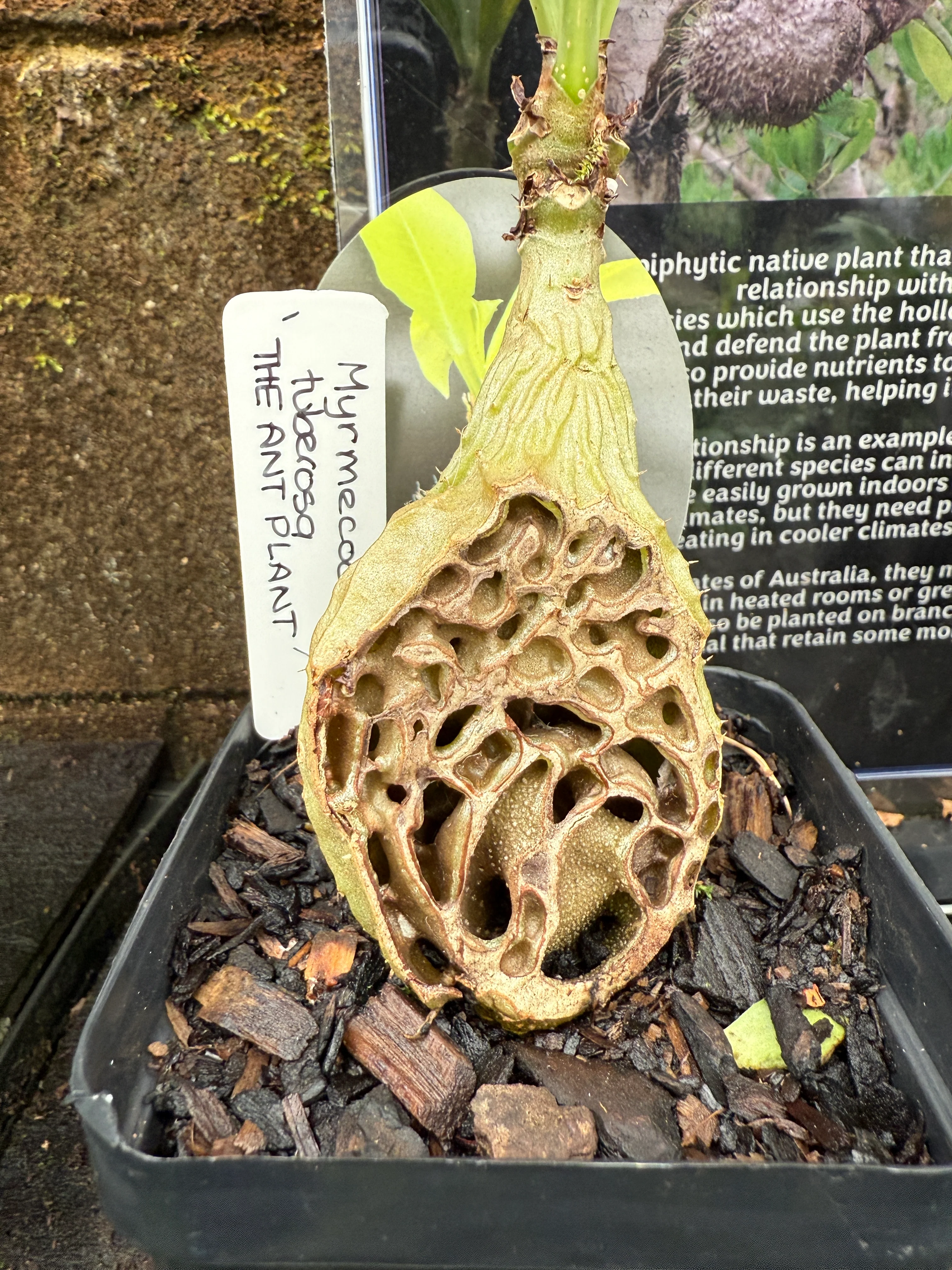
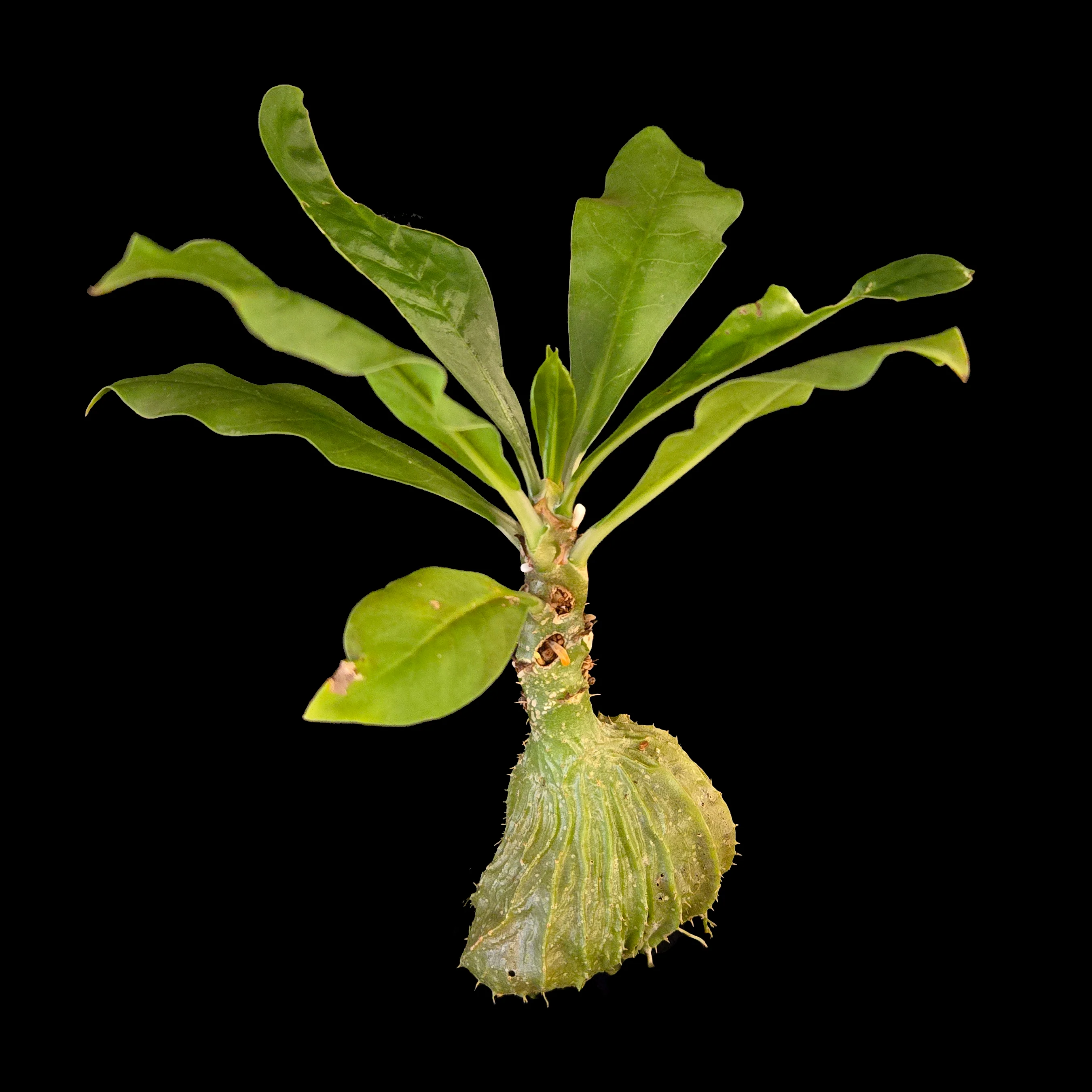
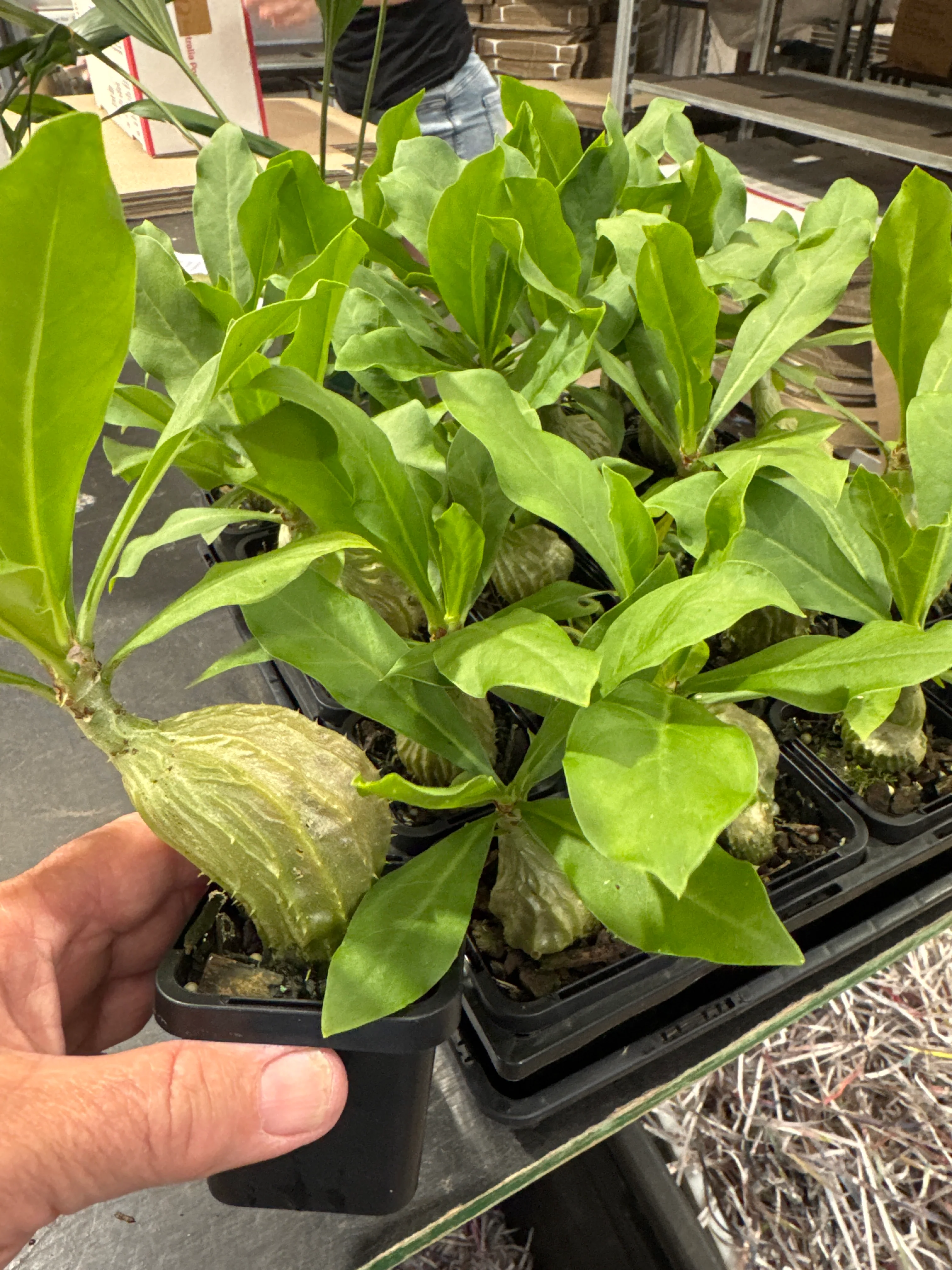
This epiphyte grows on trees, clinging to branches with its thick roots. It has a large, swollen caudex (stem base) that is typically smooth and covered in spines. The caudex is hollow and contains numerous chambers and tunnels that provide shelter for ants.
Suggested in the common name, it has a mutually beneficial relationship with ants. The ants live within the plant's caudex, providing protection from herbivores and also supplying nutrients through their waste. In return, the plant provides the ants with shelter and food in the form of nectar.
Care Tips
- Light: Provide bright, indirect light. Avoid direct sunlight, which can burn the leaves.
- Water: Water regularly, keeping the potting media moist but not soggy. Allow the top layer to dry slightly between waterings. Reduce watering during the winter months.
- Humidity: Maintain moderate to high humidity levels, around 50-70%. You can achieve this by misting the plant regularly or using a humidity tray.
- Temperature: This plant prefers warm temperatures, ideally between 18-28°C (64-82°F) during the day and 13-18°C (55-64°F) at night.
- Potting Media: Use a well-draining epiphyte potting mix, such as bark or a mixture of bark and sphagnum moss. You can also grow it mounted on cork bark or tree fern fibre.
- Fertiliser: Fertilise weakly, every other week during the growing season (spring-summer) with a balanced liquid fertiliser.
- Air Circulation: Ensure good air circulation to prevent fungal diseases.
More Images
Myrmecodia tuberosa - Ant Plant
Myrmecodia tuberosa, commonly known as the Ant Plant, is a fascinating epiphyte native to Southeast Asia and Australia. It is renowned for its unique symbiotic relationship with ants, which live within the plant's specialized chambers.
This epiphyte grows on trees, clinging to branches with its thick roots. It has a large, swollen caudex (stem base) that is typically smooth and covered in spines. The caudex is hollow and contains numerous chambers and tunnels that provide shelter for ants.
Suggested in the common name, it has a mutually beneficial relationship with ants. The ants live within the plant's caudex, providing protection from herbivores and also supplying nutrients through their waste. In return, the plant provides the ants with shelter and food in the form of nectar.
Care Tips
- Light: Provide bright, indirect light. Avoid direct sunlight, which can burn the leaves.
- Water: Water regularly, keeping the potting media moist but not soggy. Allow the top layer to dry slightly between waterings. Reduce watering during the winter months.
- Humidity: Maintain moderate to high humidity levels, around 50-70%. You can achieve this by misting the plant regularly or using a humidity tray.
- Temperature: This plant prefers warm temperatures, ideally between 18-28°C (64-82°F) during the day and 13-18°C (55-64°F) at night.
- Potting Media: Use a well-draining epiphyte potting mix, such as bark or a mixture of bark and sphagnum moss. You can also grow it mounted on cork bark or tree fern fibre.
- Fertiliser: Fertilise weakly, every other week during the growing season (spring-summer) with a balanced liquid fertiliser.
- Air Circulation: Ensure good air circulation to prevent fungal diseases.
Product Information
Product Information
Shipping & Returns
Shipping & Returns
Description
Myrmecodia tuberosa, commonly known as the Ant Plant, is a fascinating epiphyte native to Southeast Asia and Australia. It is renowned for its unique symbiotic relationship with ants, which live within the plant's specialized chambers.
This epiphyte grows on trees, clinging to branches with its thick roots. It has a large, swollen caudex (stem base) that is typically smooth and covered in spines. The caudex is hollow and contains numerous chambers and tunnels that provide shelter for ants.
Suggested in the common name, it has a mutually beneficial relationship with ants. The ants live within the plant's caudex, providing protection from herbivores and also supplying nutrients through their waste. In return, the plant provides the ants with shelter and food in the form of nectar.
Care Tips
- Light: Provide bright, indirect light. Avoid direct sunlight, which can burn the leaves.
- Water: Water regularly, keeping the potting media moist but not soggy. Allow the top layer to dry slightly between waterings. Reduce watering during the winter months.
- Humidity: Maintain moderate to high humidity levels, around 50-70%. You can achieve this by misting the plant regularly or using a humidity tray.
- Temperature: This plant prefers warm temperatures, ideally between 18-28°C (64-82°F) during the day and 13-18°C (55-64°F) at night.
- Potting Media: Use a well-draining epiphyte potting mix, such as bark or a mixture of bark and sphagnum moss. You can also grow it mounted on cork bark or tree fern fibre.
- Fertiliser: Fertilise weakly, every other week during the growing season (spring-summer) with a balanced liquid fertiliser.
- Air Circulation: Ensure good air circulation to prevent fungal diseases.