Oxalis palmifrons
Oxalis palmifrons is a bulbous perennial native to the arid interior regions of South Africa, particularly the Karoo, where it grows in sandy, well-drained soils and experiences a winter rainfall climate. It remains dormant through the hot, dry summer months, resprouting with cooler temperatures and seasonal rains in autumn.
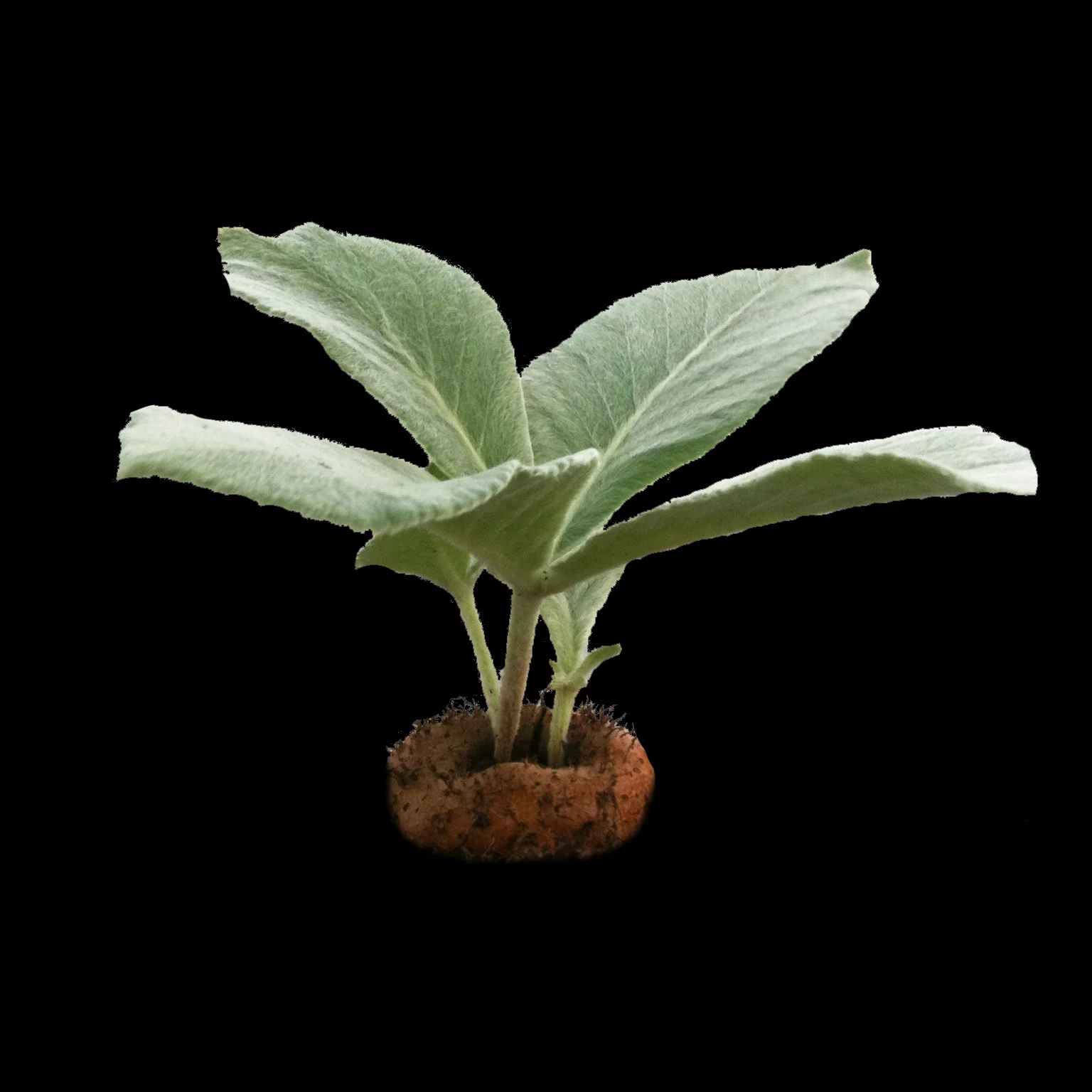
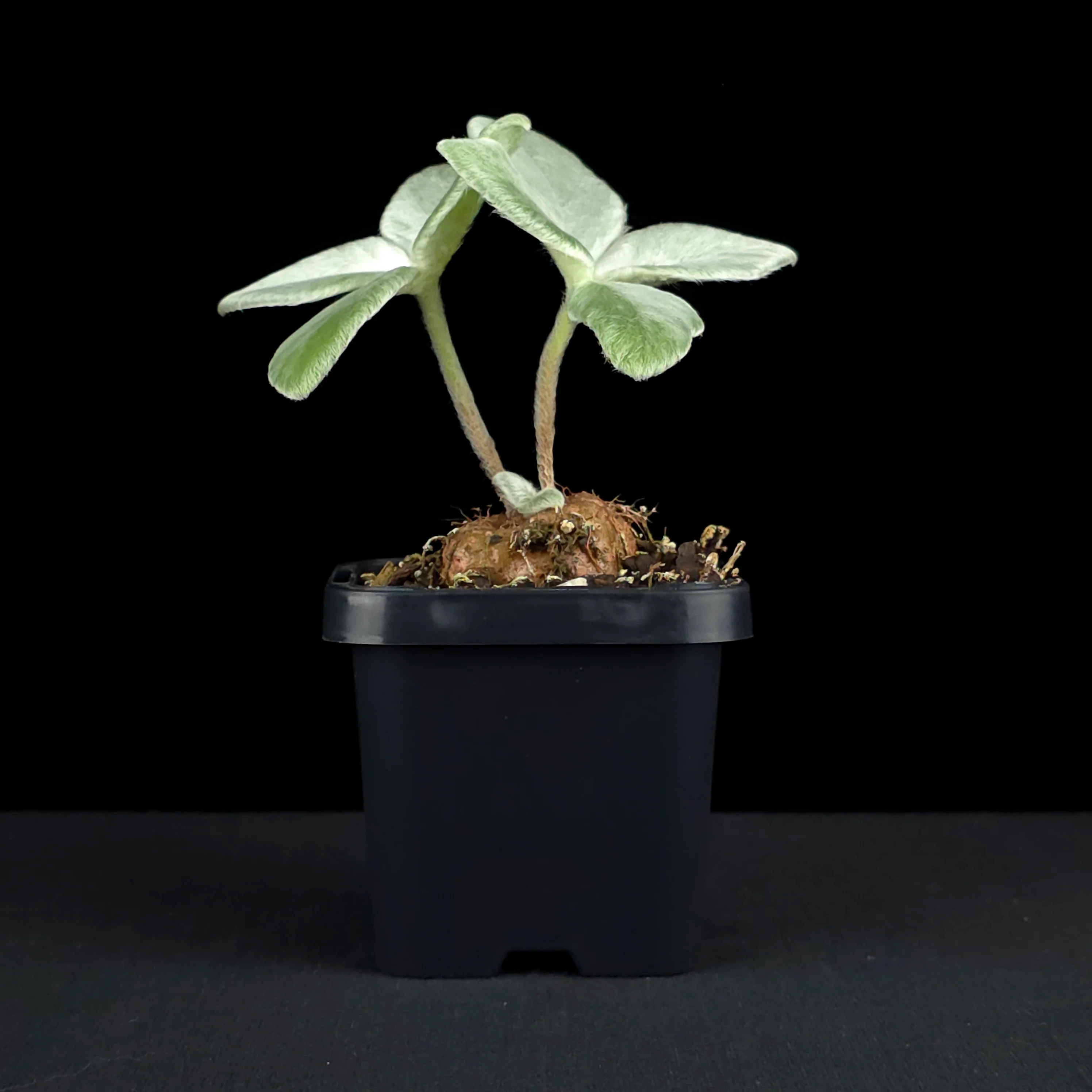
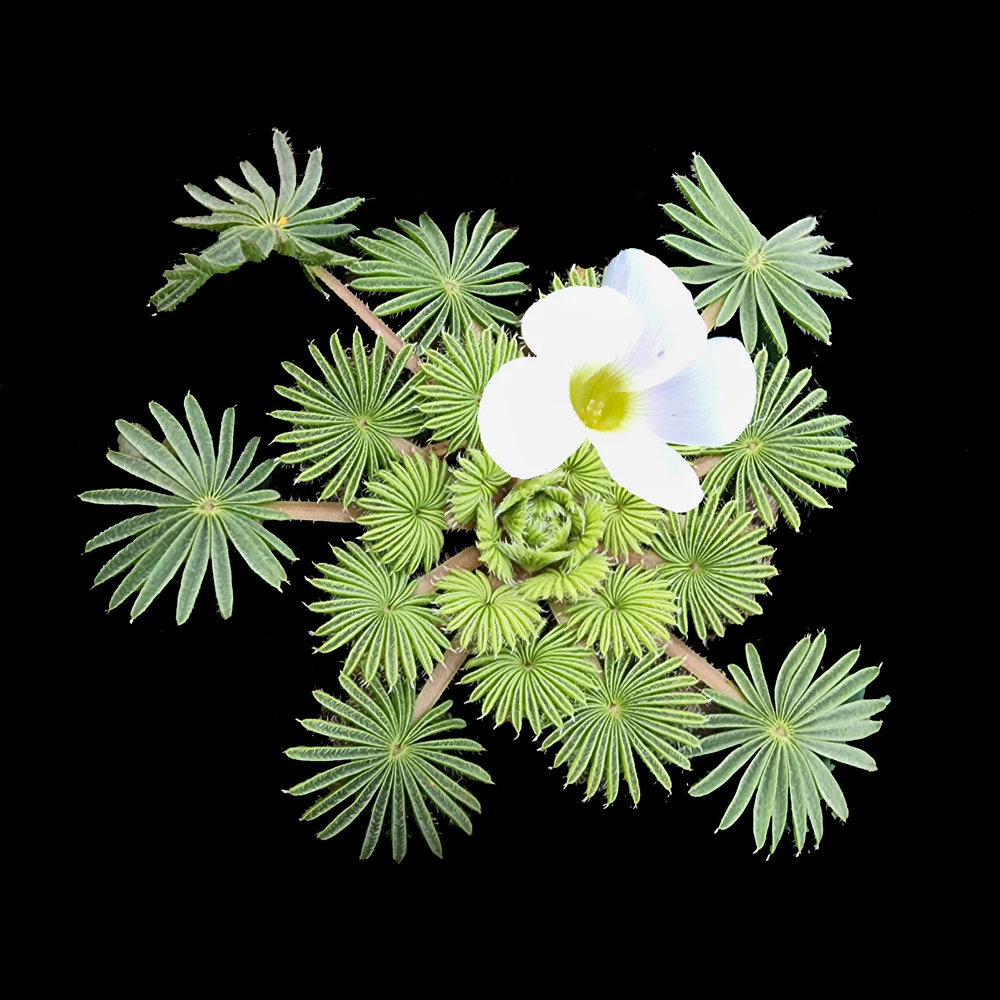
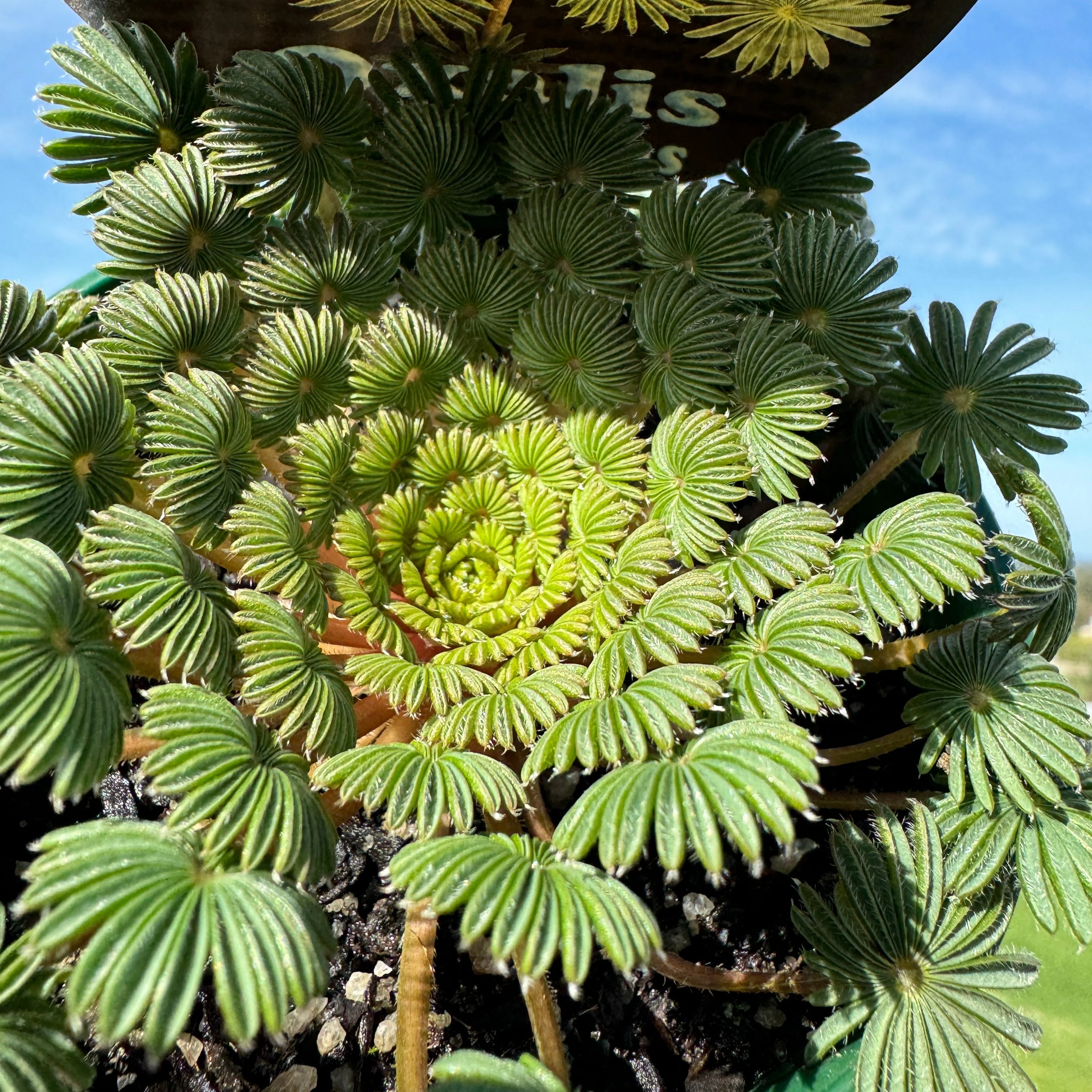
Fan-shaped leaves made up of numerous narrow, grey-green leaflets form low, symmetrical clumps close to the ground. In the growing season, clusters of bright pink to magenta, five-petalled flowers rise just above the foliage, opening fully in direct sunlight and closing in cloudy weather or at night.
Flowering takes place from late autumn into early winter, adding seasonal colour to its architectural leaf structure. The compact size and distinctive foliage make it well suited to container growing and bulb collections.
Care Tips:
- Light: Full sun is essential for compact growth and flowering.
- Water: Water regularly during active growth in the cooler months; keep completely dry in summer dormancy.
- Humidity: Prefers low humidity.
- Media: Use a sandy, free-draining mix.
- Fertiliser: Apply a diluted, balanced fertiliser every 2–3 weeks during the growing season.
- Temperature: Best grown between 10–25 °C; protect from frost.
- Repotting: Replant bulbs during dormancy, refreshing the mix before the next growth cycle.
Original: $15.00
-65%$15.00
$5.25More Images
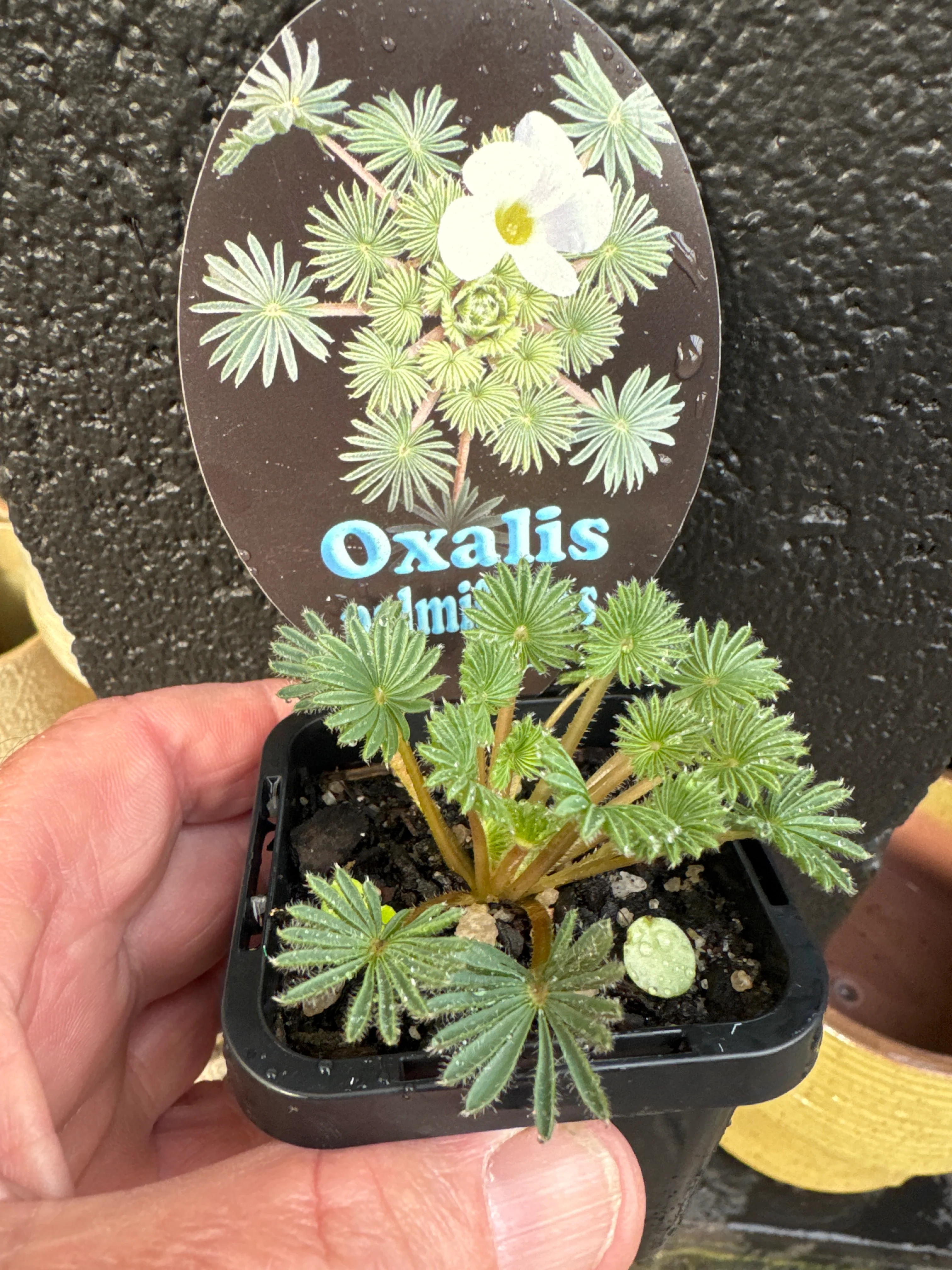
Oxalis palmifrons
Oxalis palmifrons is a bulbous perennial native to the arid interior regions of South Africa, particularly the Karoo, where it grows in sandy, well-drained soils and experiences a winter rainfall climate. It remains dormant through the hot, dry summer months, resprouting with cooler temperatures and seasonal rains in autumn.
Fan-shaped leaves made up of numerous narrow, grey-green leaflets form low, symmetrical clumps close to the ground. In the growing season, clusters of bright pink to magenta, five-petalled flowers rise just above the foliage, opening fully in direct sunlight and closing in cloudy weather or at night.
Flowering takes place from late autumn into early winter, adding seasonal colour to its architectural leaf structure. The compact size and distinctive foliage make it well suited to container growing and bulb collections.
Care Tips:
- Light: Full sun is essential for compact growth and flowering.
- Water: Water regularly during active growth in the cooler months; keep completely dry in summer dormancy.
- Humidity: Prefers low humidity.
- Media: Use a sandy, free-draining mix.
- Fertiliser: Apply a diluted, balanced fertiliser every 2–3 weeks during the growing season.
- Temperature: Best grown between 10–25 °C; protect from frost.
- Repotting: Replant bulbs during dormancy, refreshing the mix before the next growth cycle.
Product Information
Product Information
Shipping & Returns
Shipping & Returns
Description
Oxalis palmifrons is a bulbous perennial native to the arid interior regions of South Africa, particularly the Karoo, where it grows in sandy, well-drained soils and experiences a winter rainfall climate. It remains dormant through the hot, dry summer months, resprouting with cooler temperatures and seasonal rains in autumn.
Fan-shaped leaves made up of numerous narrow, grey-green leaflets form low, symmetrical clumps close to the ground. In the growing season, clusters of bright pink to magenta, five-petalled flowers rise just above the foliage, opening fully in direct sunlight and closing in cloudy weather or at night.
Flowering takes place from late autumn into early winter, adding seasonal colour to its architectural leaf structure. The compact size and distinctive foliage make it well suited to container growing and bulb collections.
Care Tips:
- Light: Full sun is essential for compact growth and flowering.
- Water: Water regularly during active growth in the cooler months; keep completely dry in summer dormancy.
- Humidity: Prefers low humidity.
- Media: Use a sandy, free-draining mix.
- Fertiliser: Apply a diluted, balanced fertiliser every 2–3 weeks during the growing season.
- Temperature: Best grown between 10–25 °C; protect from frost.
- Repotting: Replant bulbs during dormancy, refreshing the mix before the next growth cycle.