Parodia haselbergii - Scarlet Ball Cactus
Parodia haselbergii, commonly called the Scarlet Ball Cactus, is native to the grasslands and rocky outcrops of southern Brazil. It grows in free-draining soils with high sun exposure, experiencing seasonal rainfall and cooler, drier winters.
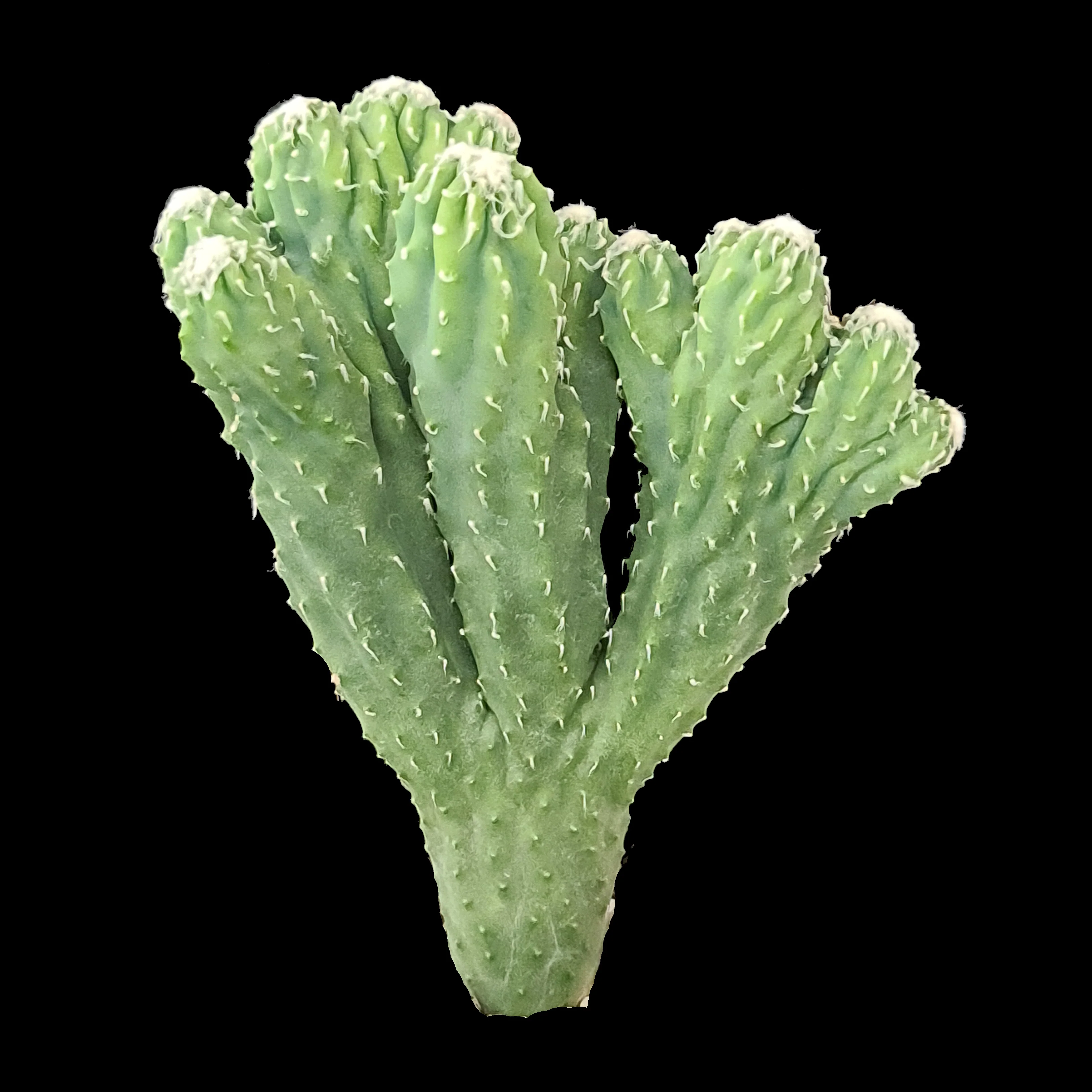
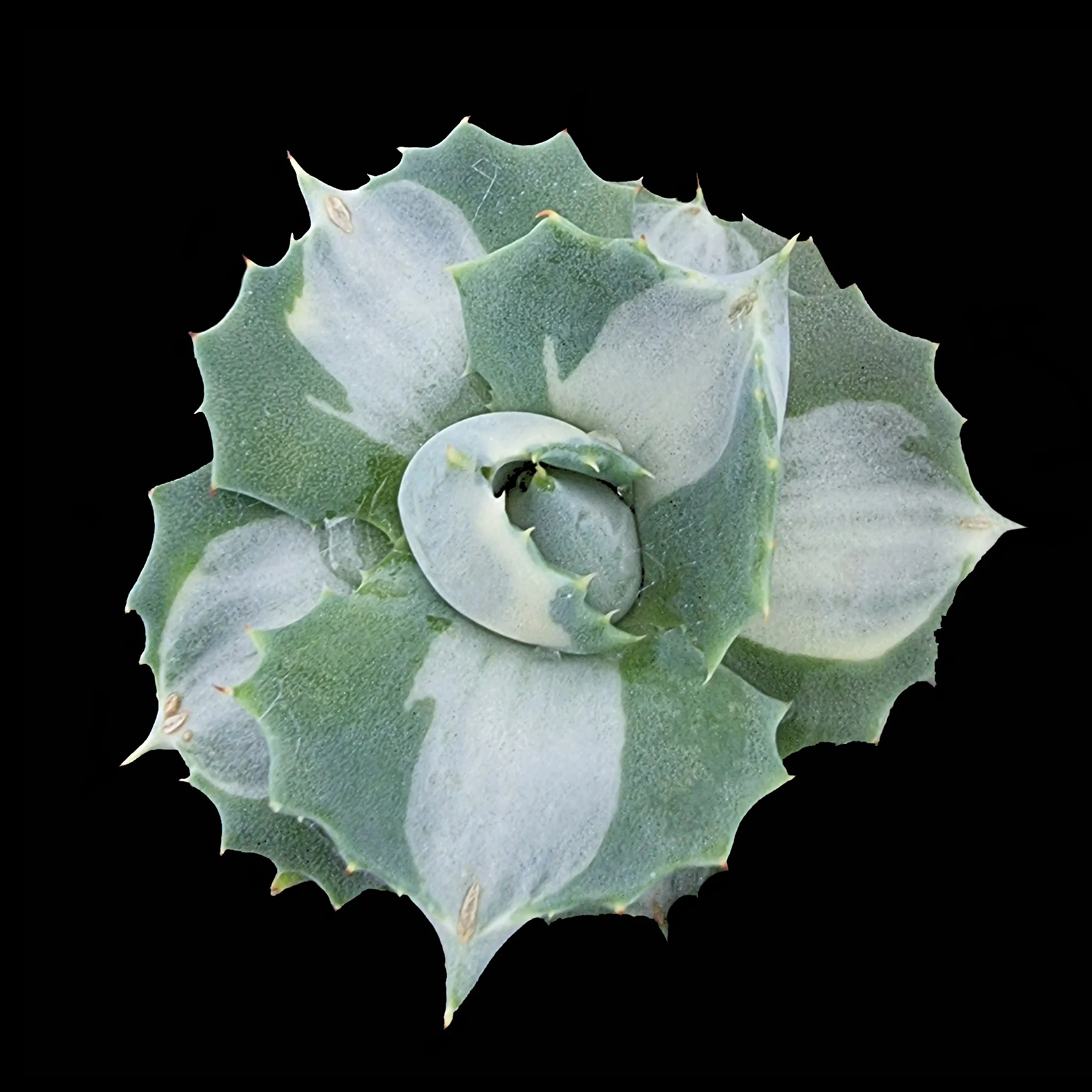
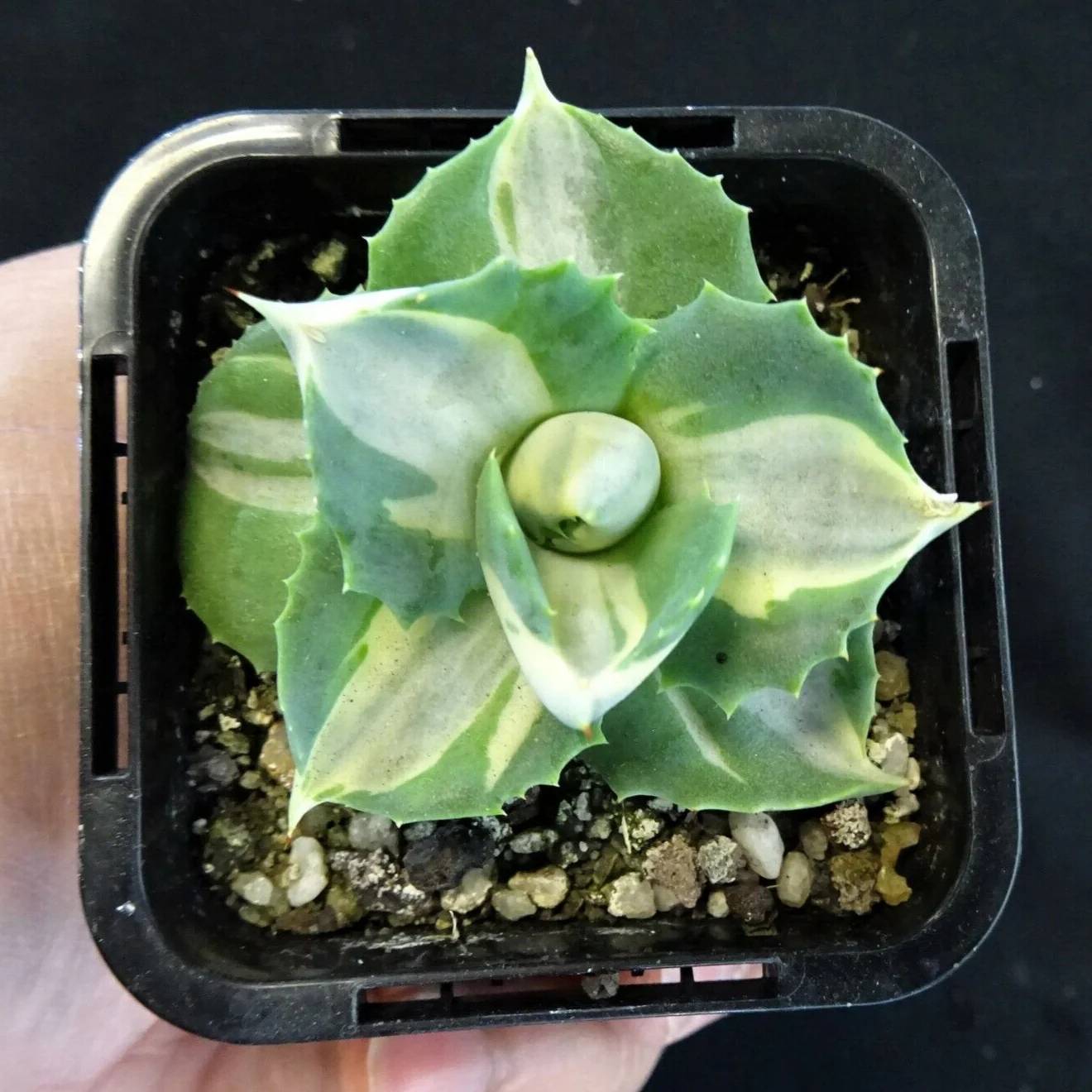
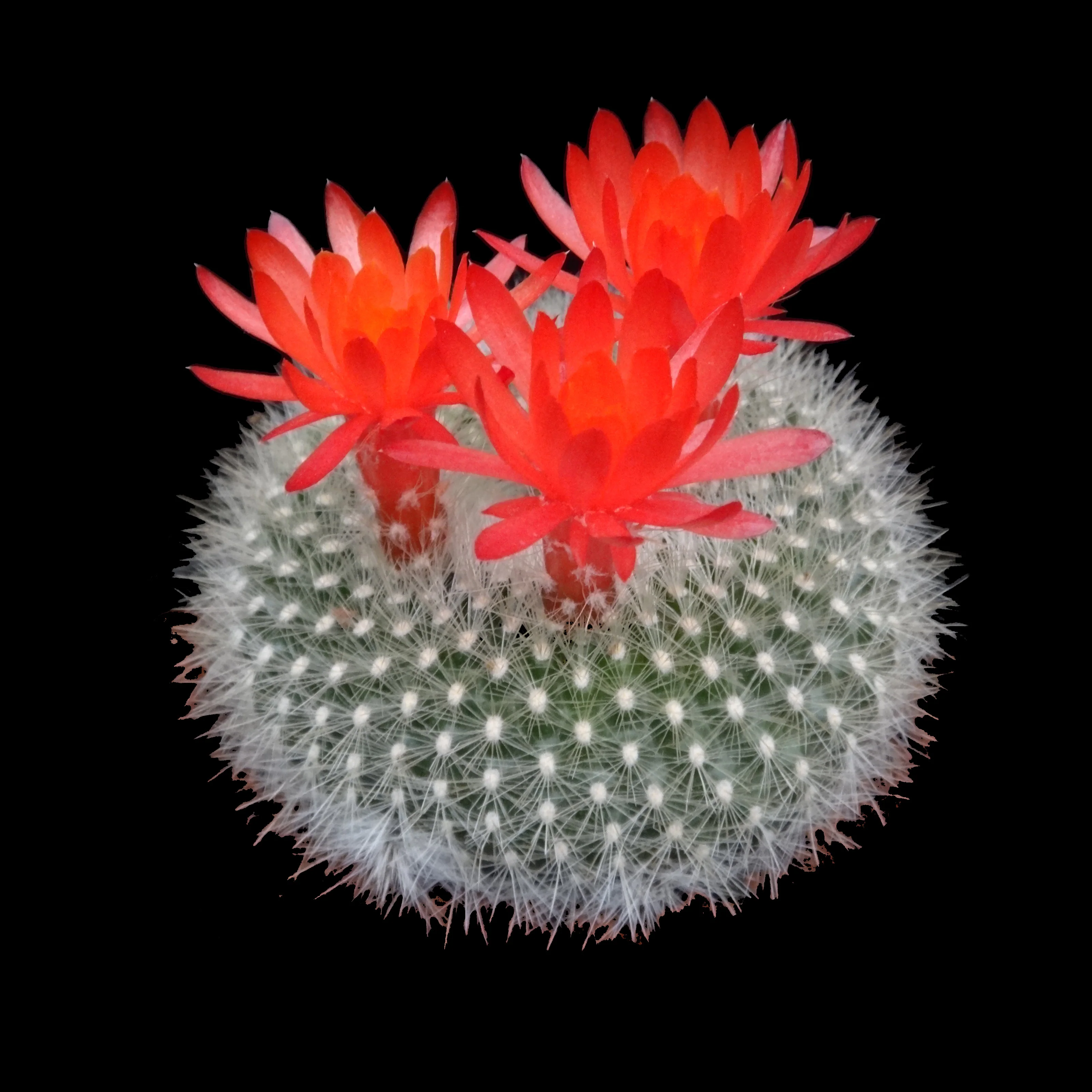
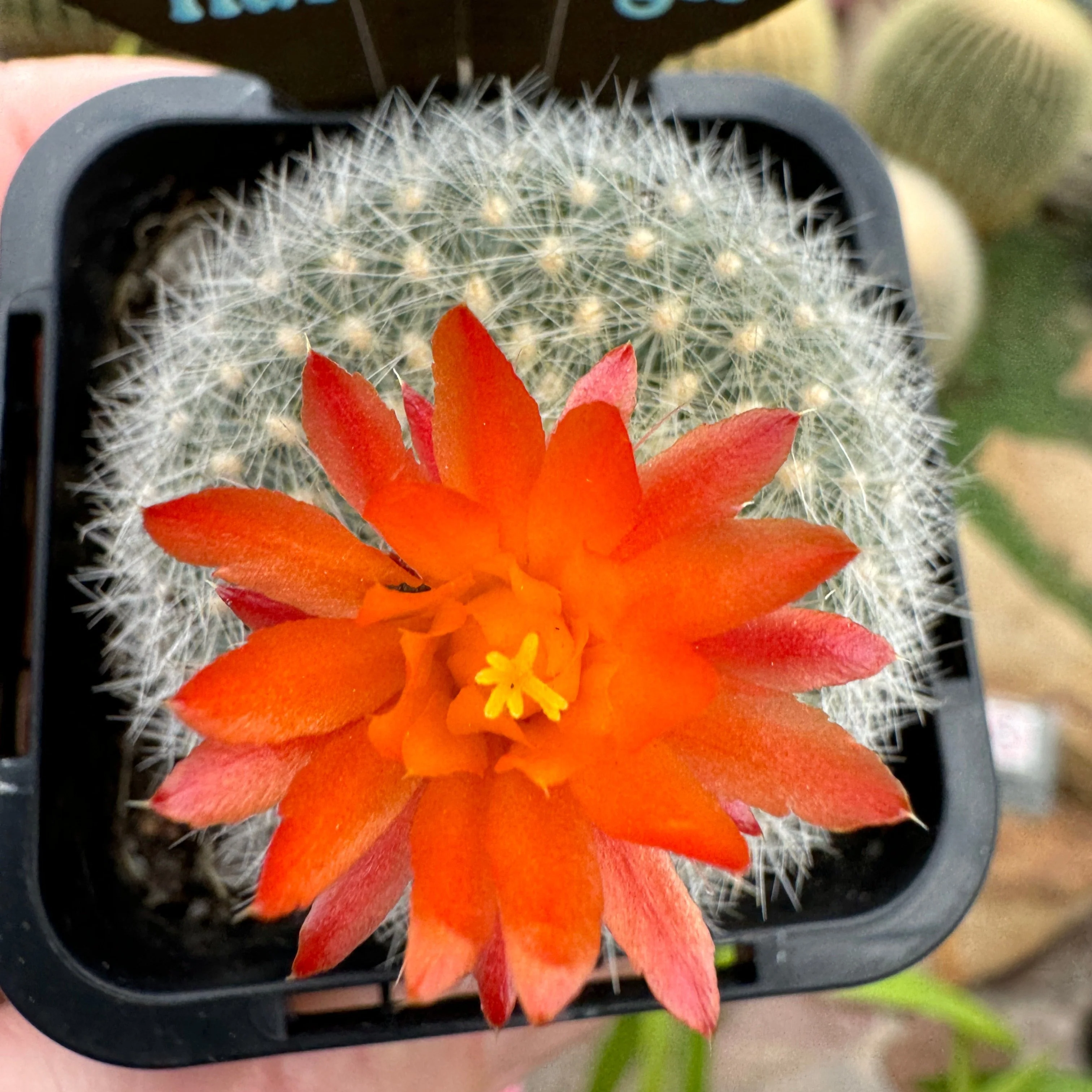
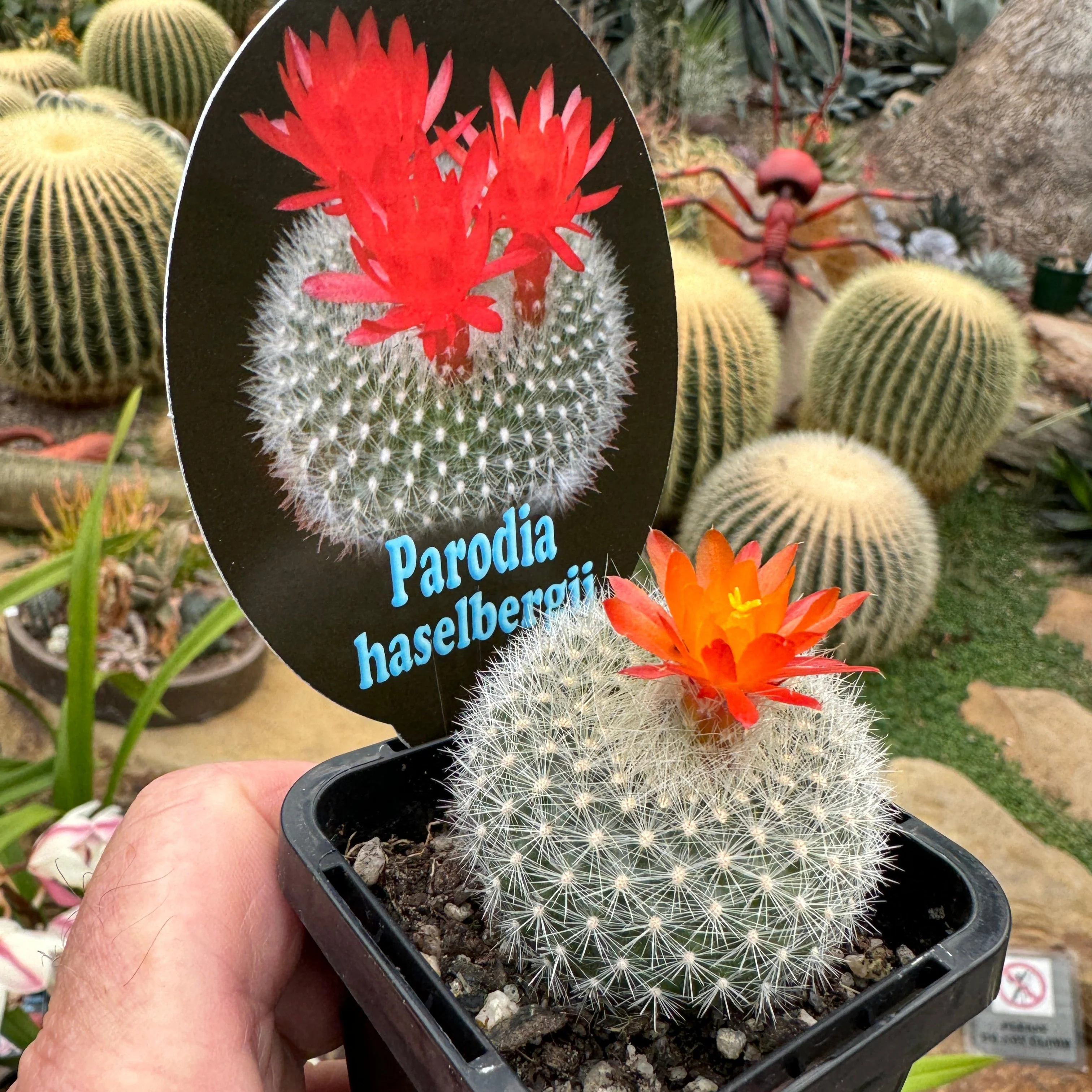
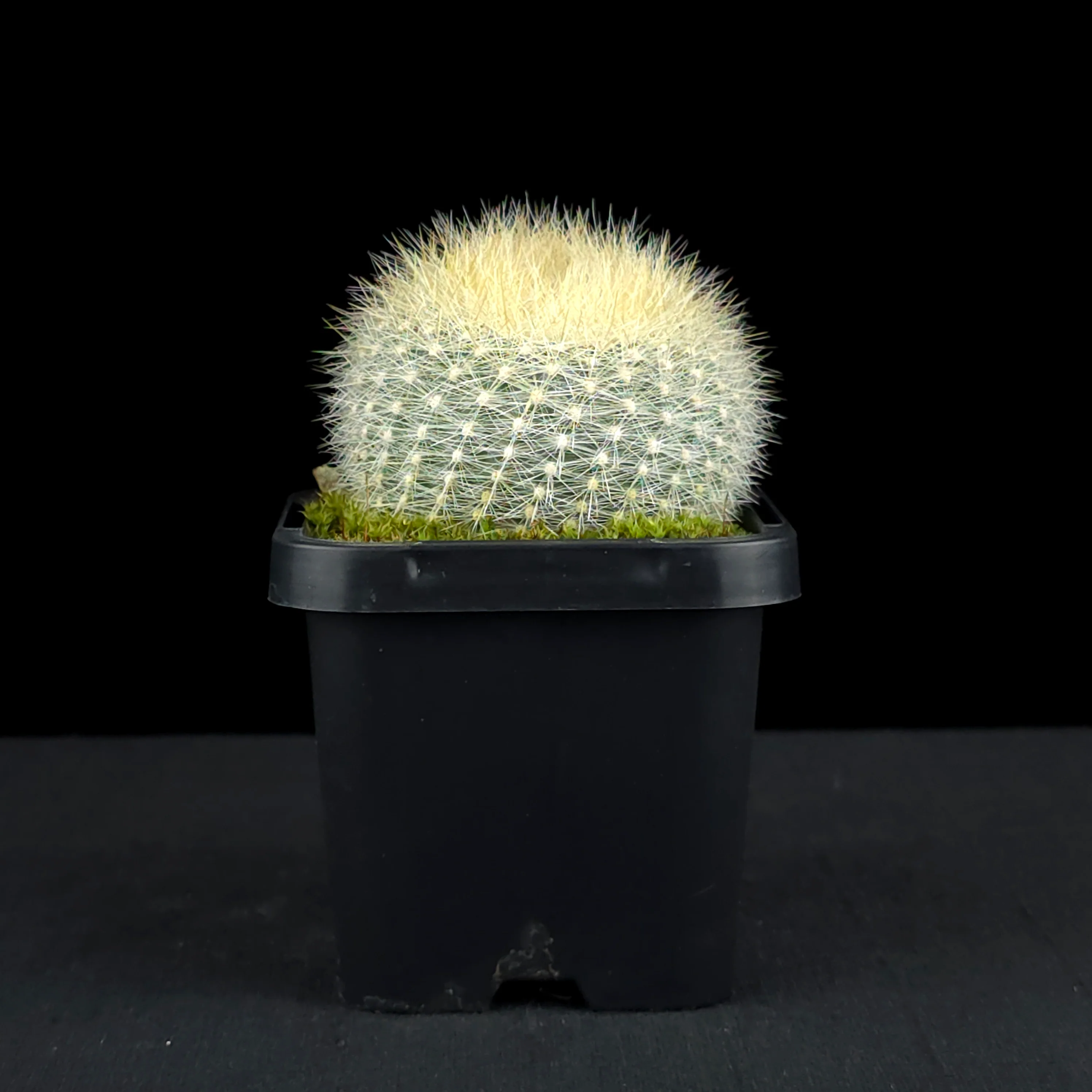
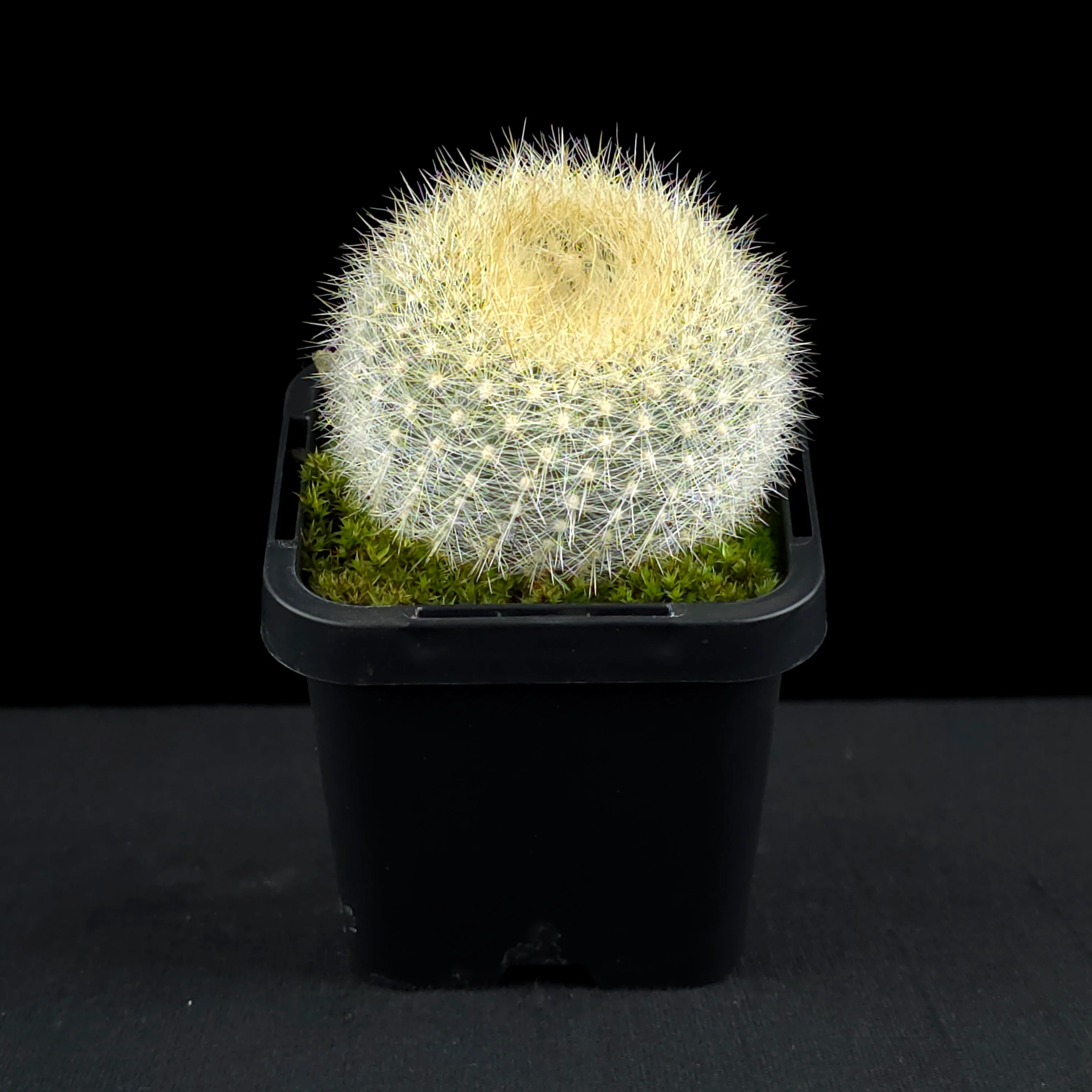
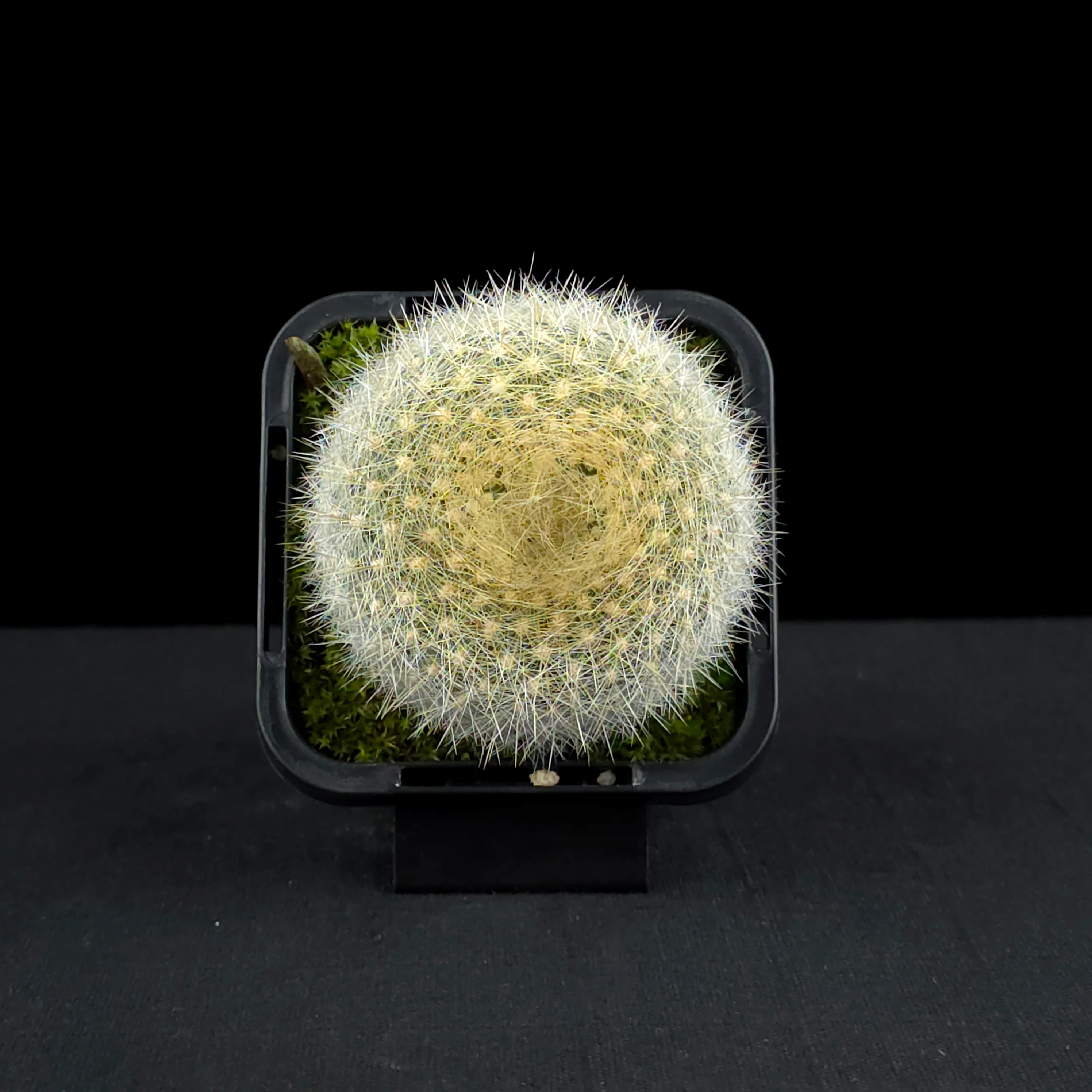
The plant forms a solitary, spherical stem densely covered in fine white spines, giving it a woolly appearance. The stem is bright to dark green and marked with well-defined ribs. Over time, mature plants may produce small offsets around the base, forming loose clusters.
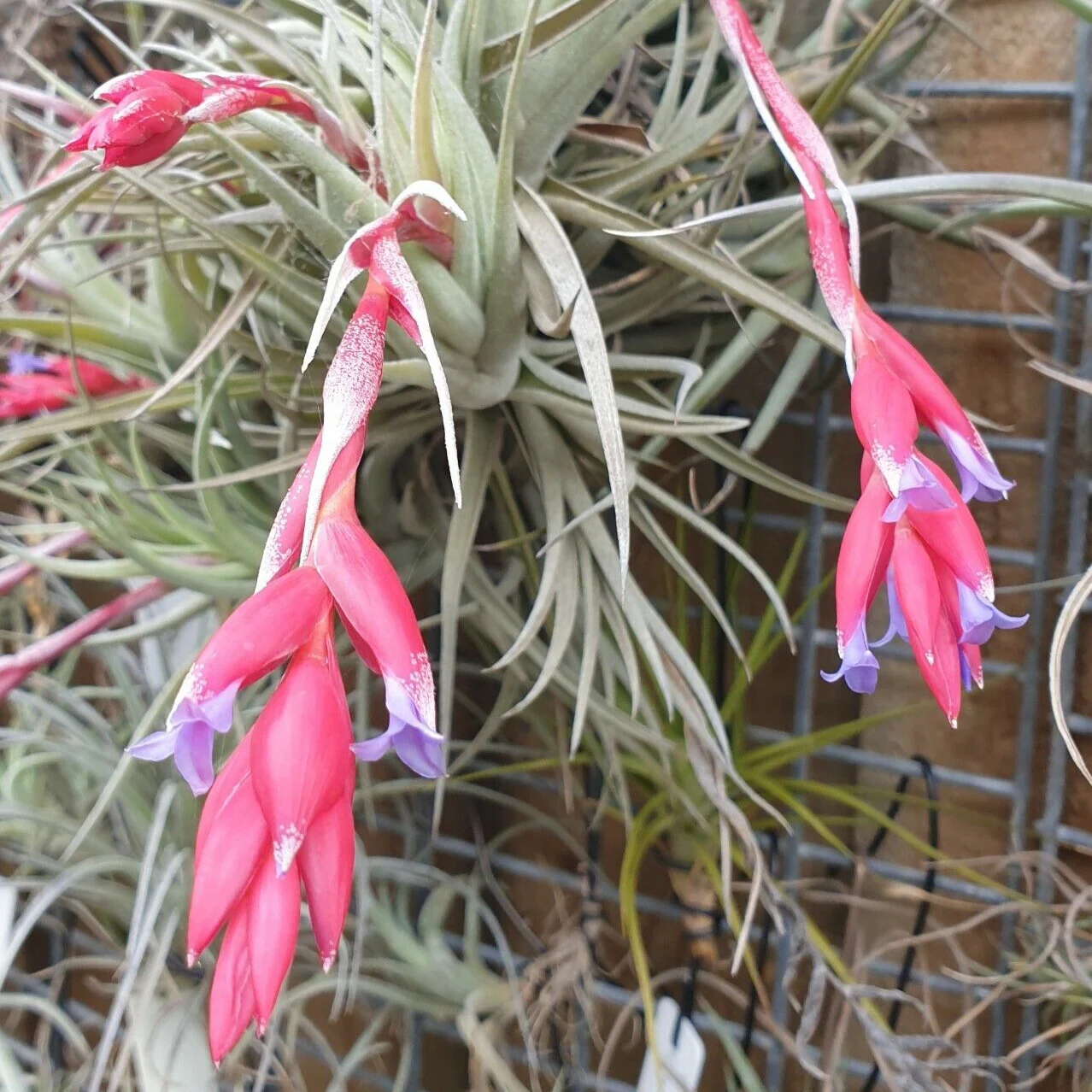
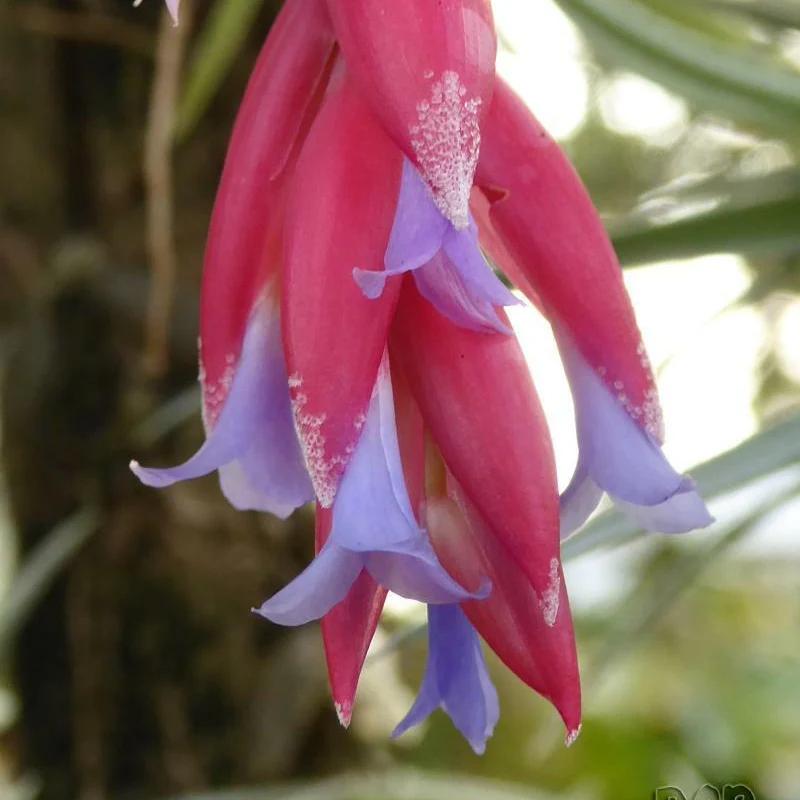
Flowering occurs in warmer months, producing vivid scarlet-red blooms from the crown, often in succession over the season. These striking flowers contrast sharply with the white spination, making it a popular choice for cactus collections.
Care Tips:
- Light: Full sun to bright light for strong growth and abundant flowering.
- Water: Water deeply when the soil is dry during the growing season; keep almost dry in winter.
- Humidity: Prefers low humidity.
- Media: Use a very free-draining cactus mix with coarse sand or grit.
- Fertiliser: Feed monthly during active growth with a diluted low-nitrogen cactus fertiliser.
- Temperature: Can tolerate short periods down to around 0 °C if kept dry; ideal range is 15-27 °C.
- Repotting: Repot every 2-3 years in spring, refreshing the mix and checking root health.
More Images
Parodia haselbergii - Scarlet Ball Cactus
Parodia haselbergii, commonly called the Scarlet Ball Cactus, is native to the grasslands and rocky outcrops of southern Brazil. It grows in free-draining soils with high sun exposure, experiencing seasonal rainfall and cooler, drier winters.
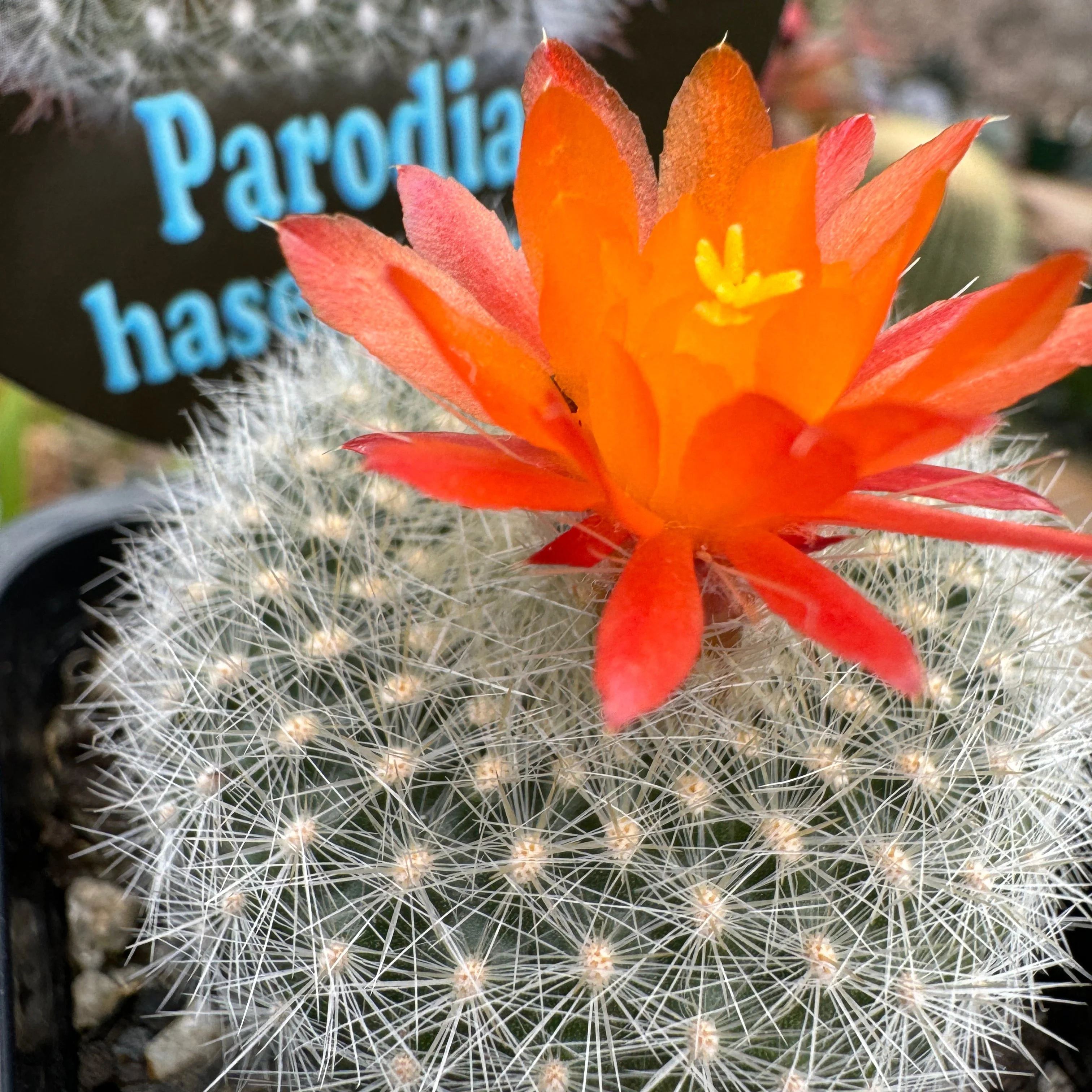
The plant forms a solitary, spherical stem densely covered in fine white spines, giving it a woolly appearance. The stem is bright to dark green and marked with well-defined ribs. Over time, mature plants may produce small offsets around the base, forming loose clusters.
Flowering occurs in warmer months, producing vivid scarlet-red blooms from the crown, often in succession over the season. These striking flowers contrast sharply with the white spination, making it a popular choice for cactus collections.
Care Tips:
- Light: Full sun to bright light for strong growth and abundant flowering.
- Water: Water deeply when the soil is dry during the growing season; keep almost dry in winter.
- Humidity: Prefers low humidity.
- Media: Use a very free-draining cactus mix with coarse sand or grit.
- Fertiliser: Feed monthly during active growth with a diluted low-nitrogen cactus fertiliser.
- Temperature: Can tolerate short periods down to around 0 °C if kept dry; ideal range is 15-27 °C.
- Repotting: Repot every 2-3 years in spring, refreshing the mix and checking root health.
Product Information
Product Information
Shipping & Returns
Shipping & Returns
Description
Parodia haselbergii, commonly called the Scarlet Ball Cactus, is native to the grasslands and rocky outcrops of southern Brazil. It grows in free-draining soils with high sun exposure, experiencing seasonal rainfall and cooler, drier winters.
The plant forms a solitary, spherical stem densely covered in fine white spines, giving it a woolly appearance. The stem is bright to dark green and marked with well-defined ribs. Over time, mature plants may produce small offsets around the base, forming loose clusters.
Flowering occurs in warmer months, producing vivid scarlet-red blooms from the crown, often in succession over the season. These striking flowers contrast sharply with the white spination, making it a popular choice for cactus collections.
Care Tips:
- Light: Full sun to bright light for strong growth and abundant flowering.
- Water: Water deeply when the soil is dry during the growing season; keep almost dry in winter.
- Humidity: Prefers low humidity.
- Media: Use a very free-draining cactus mix with coarse sand or grit.
- Fertiliser: Feed monthly during active growth with a diluted low-nitrogen cactus fertiliser.
- Temperature: Can tolerate short periods down to around 0 °C if kept dry; ideal range is 15-27 °C.
- Repotting: Repot every 2-3 years in spring, refreshing the mix and checking root health.