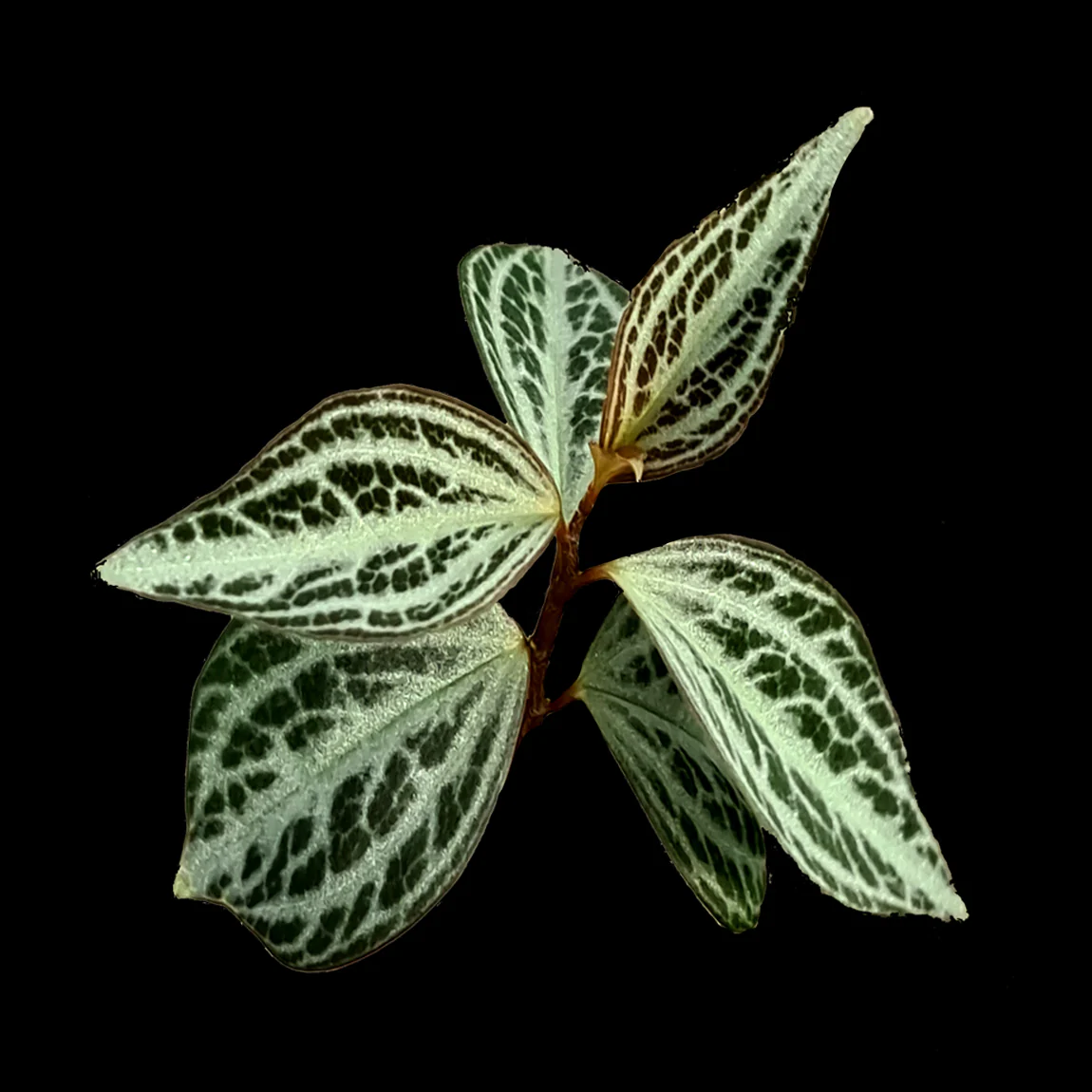
Peperomia trinervis
Peperomia trinervis is a compact species native to tropical South America, where it grows in shaded understory habitats with warm temperatures and high humidity. It is typically found on the forest floor or on decaying wood, benefiting from filtered light and consistently moist conditions.
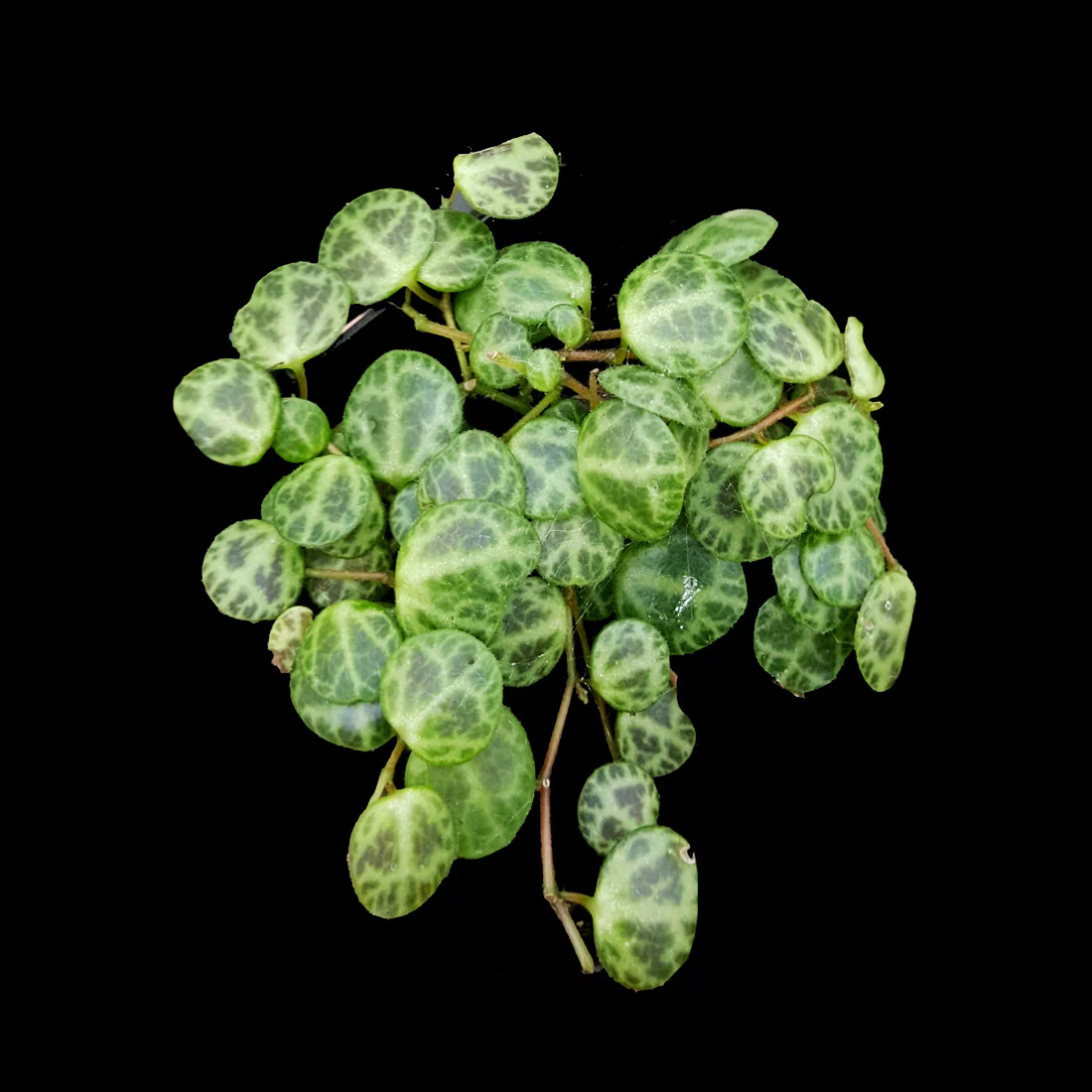
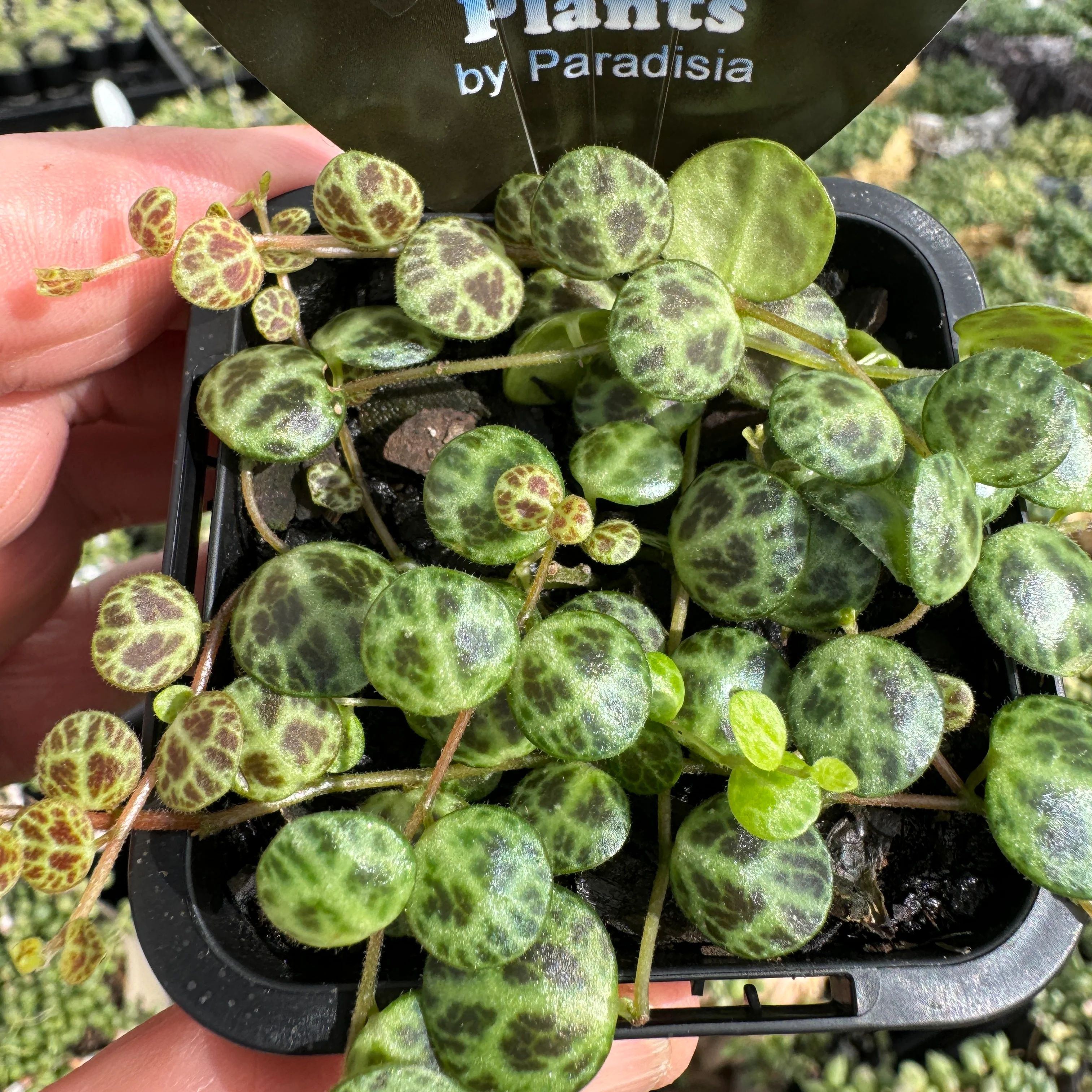
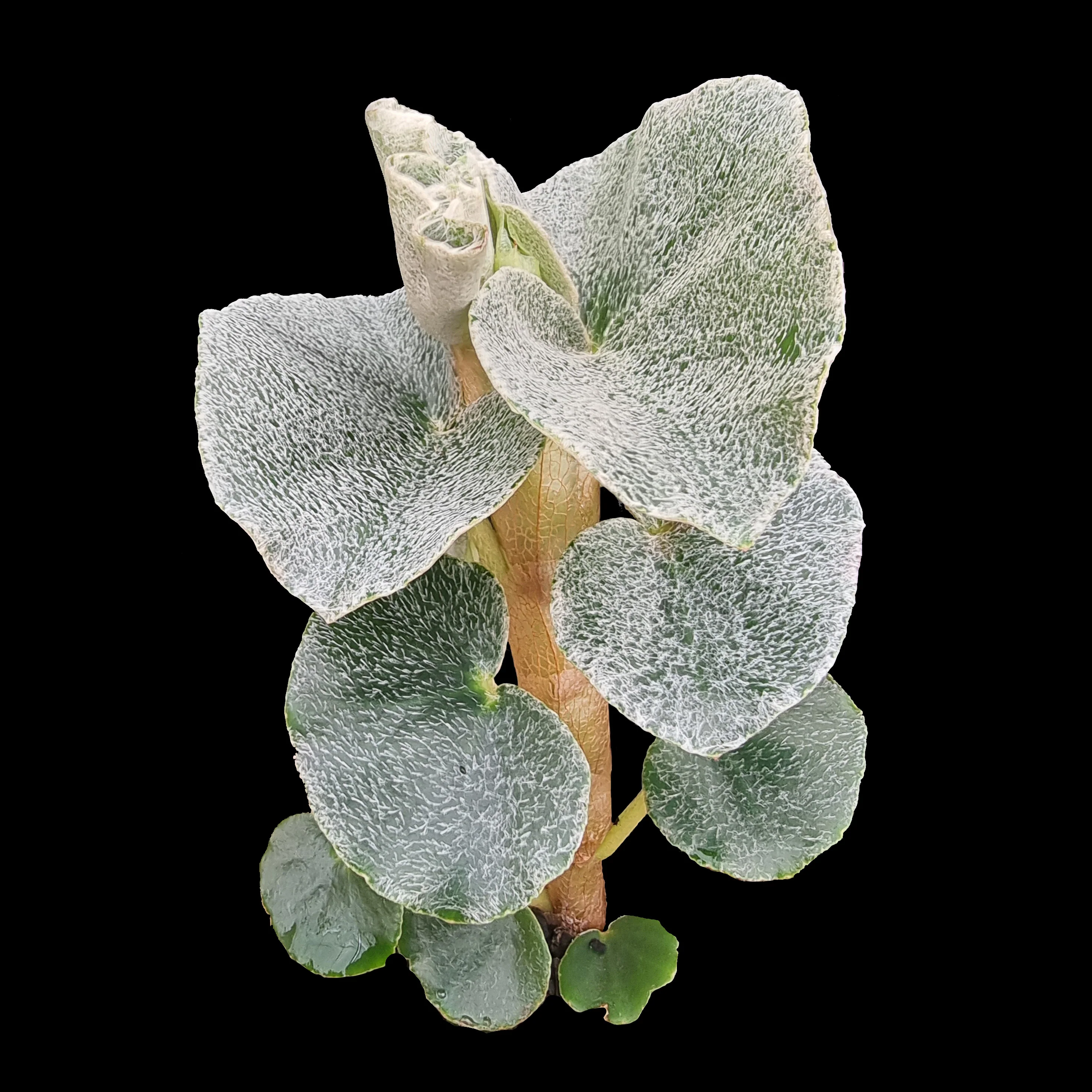
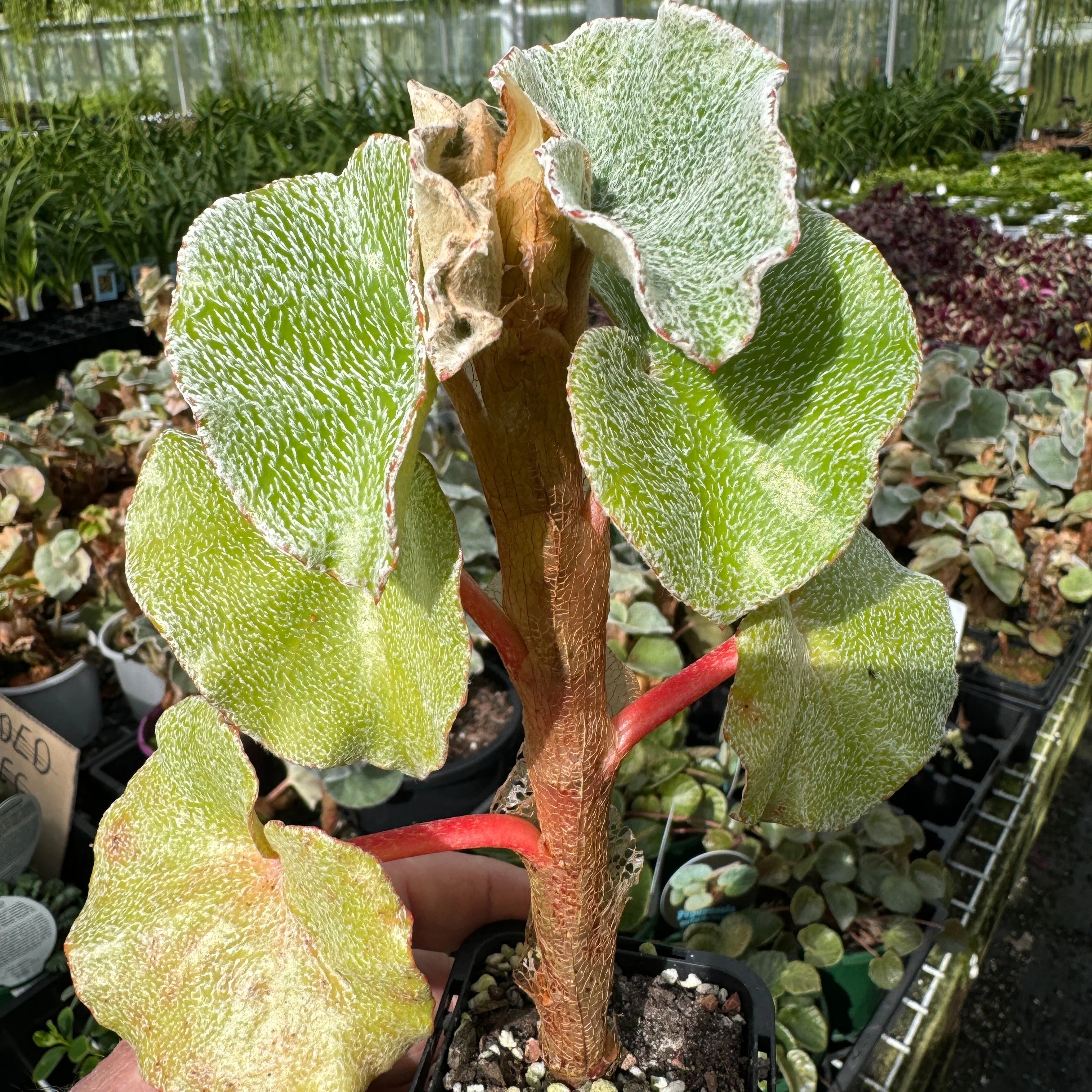
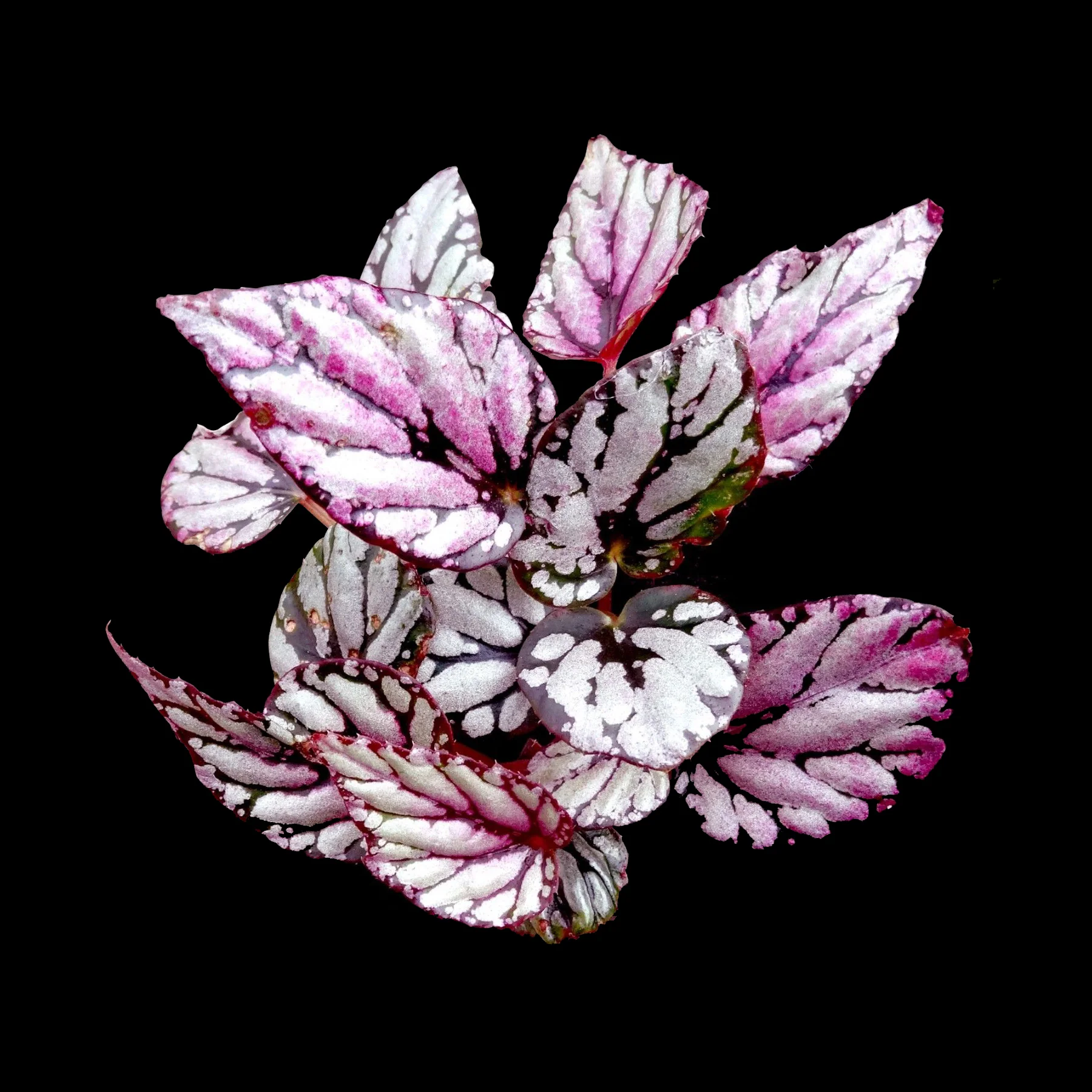
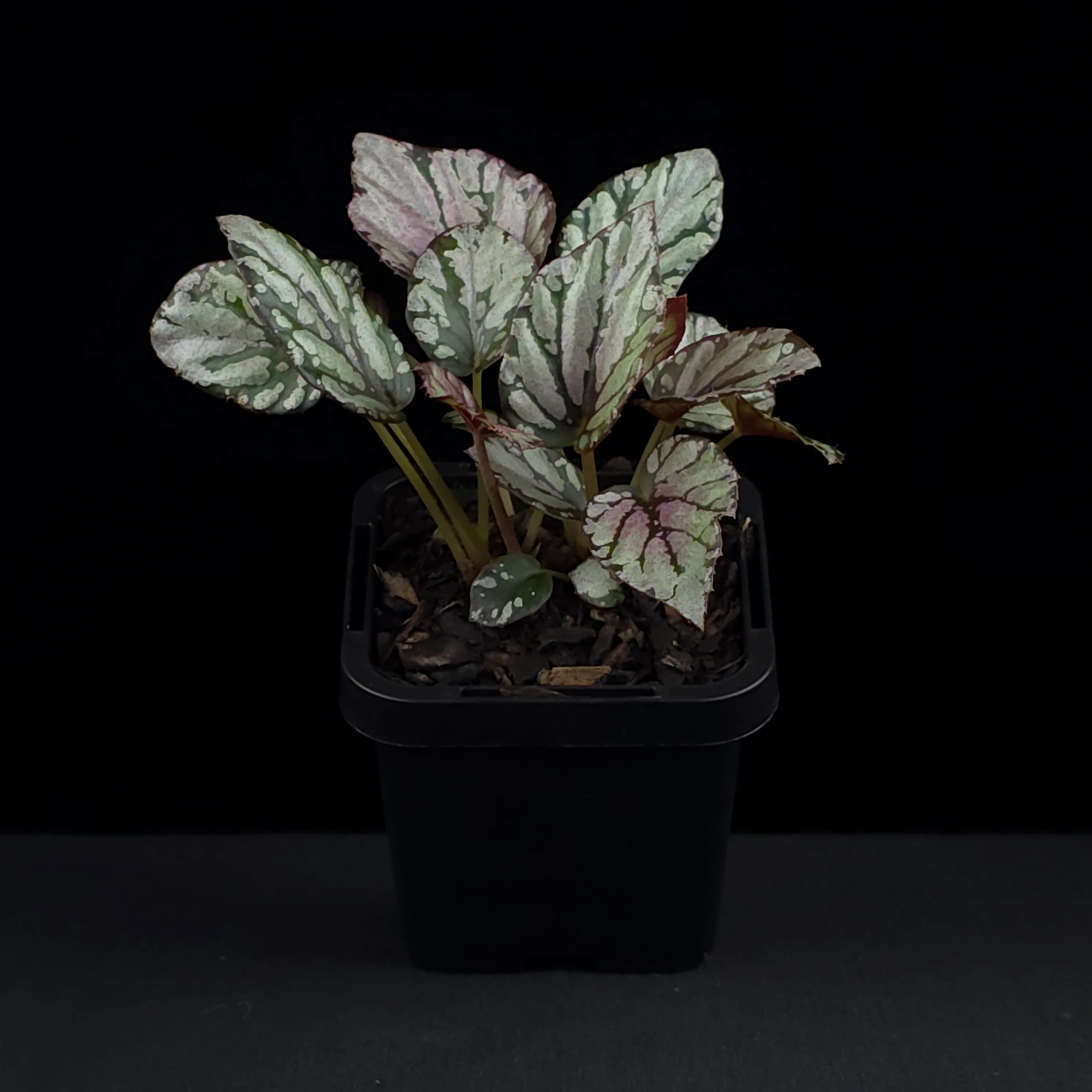
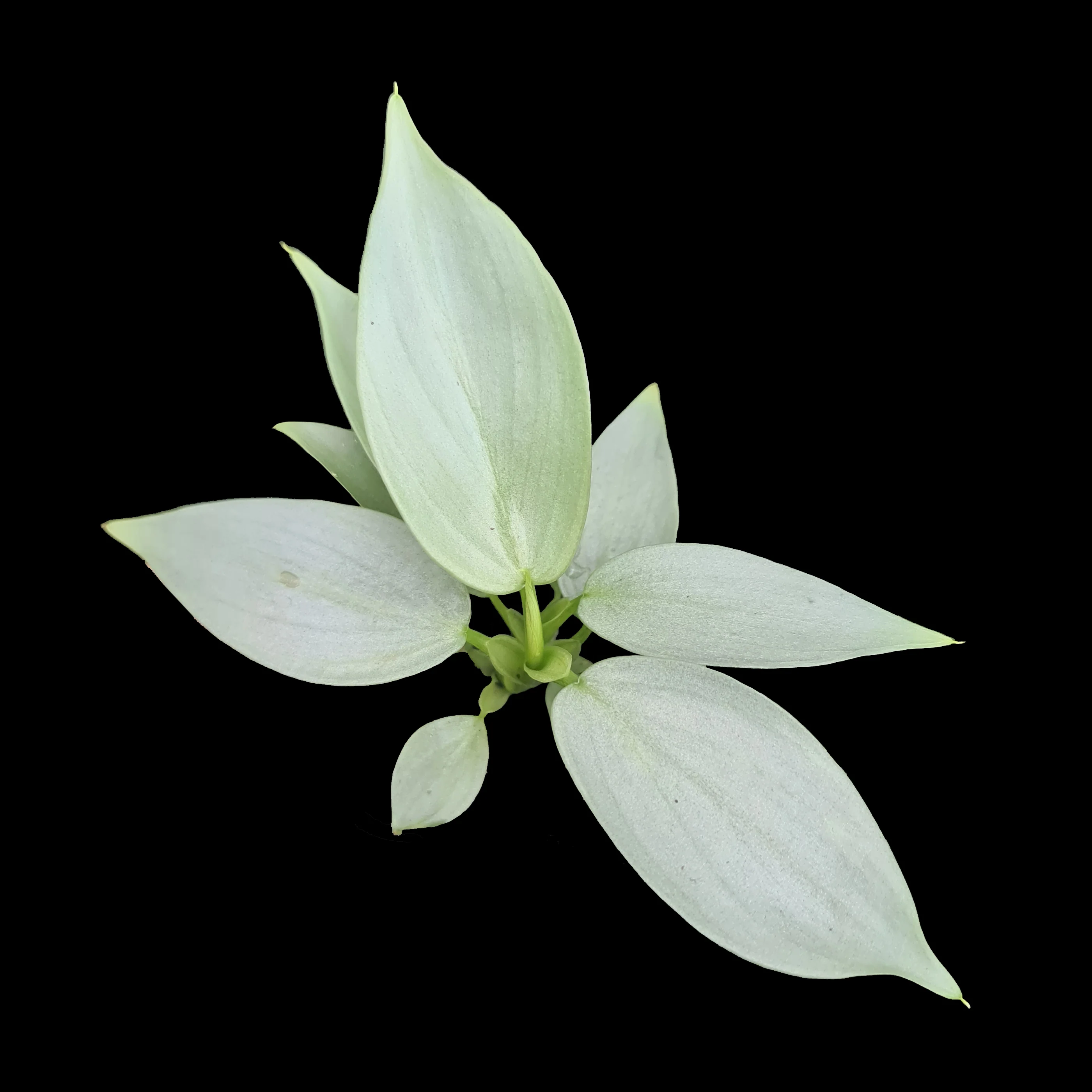
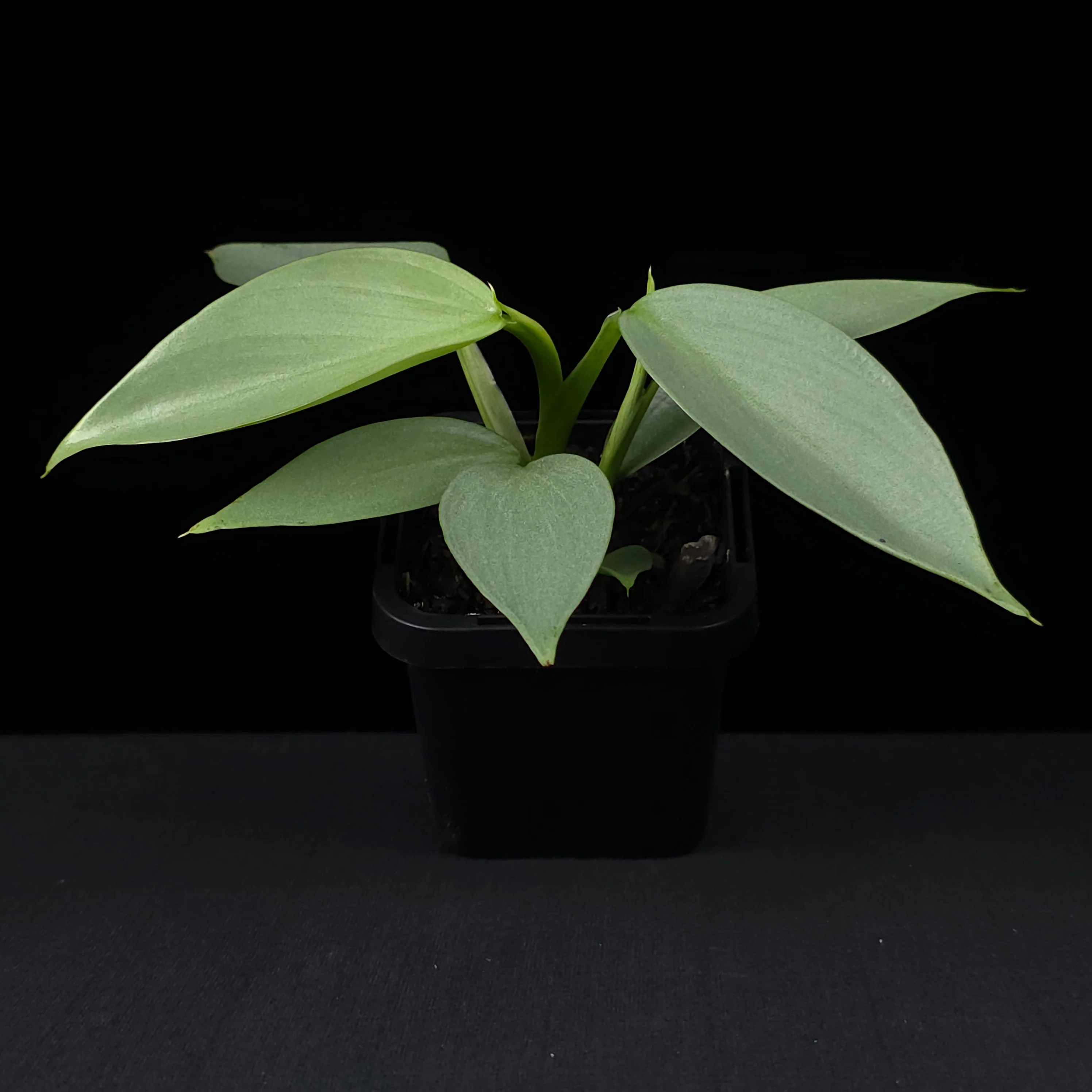
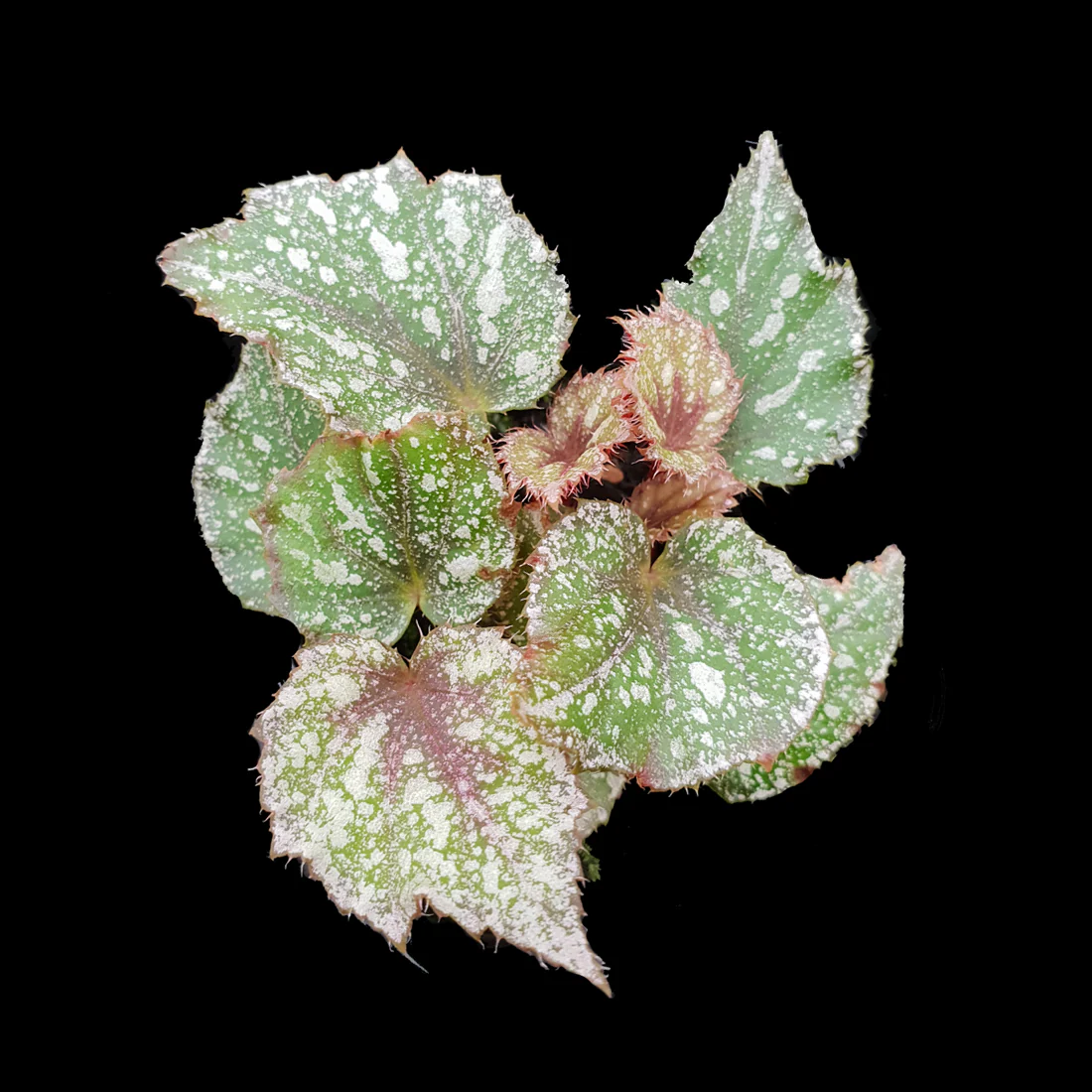
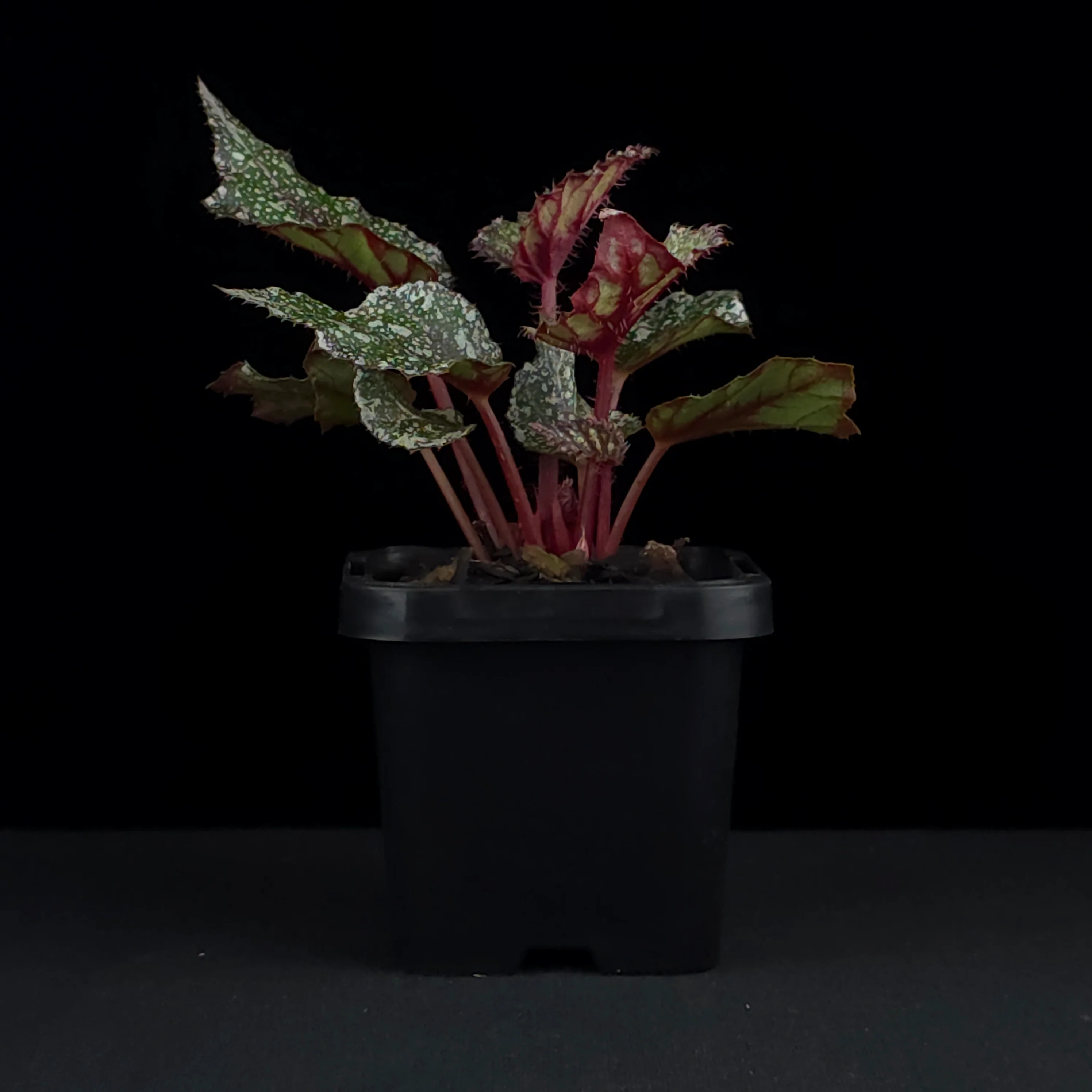
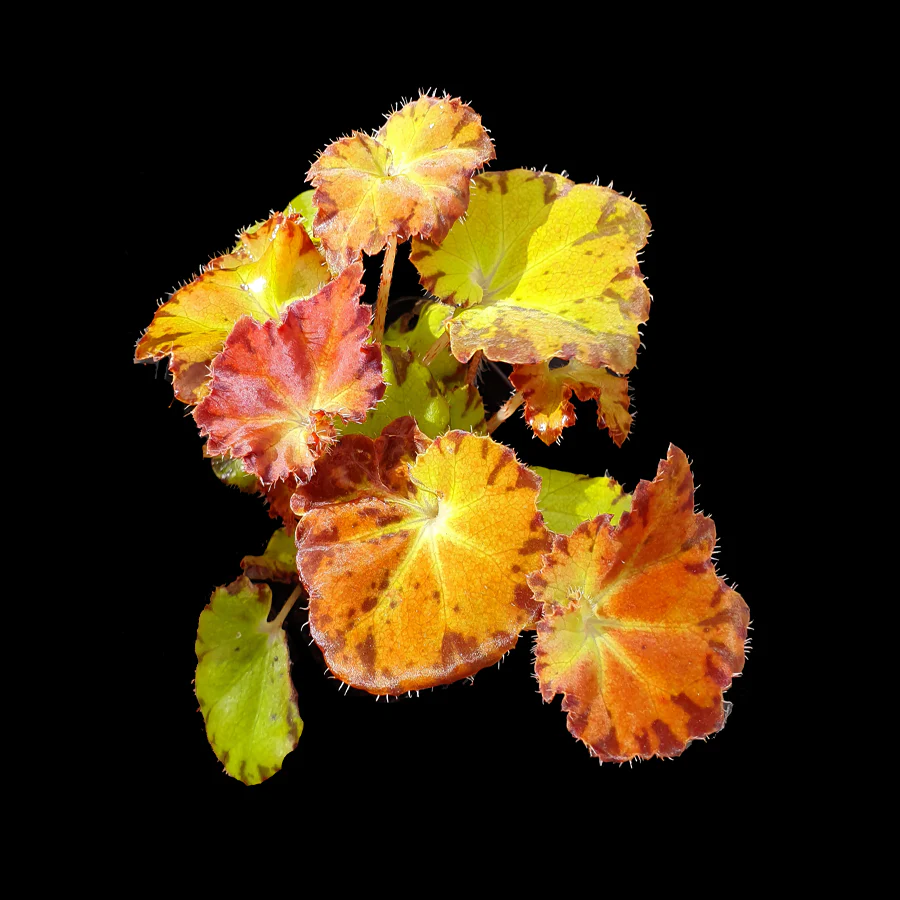
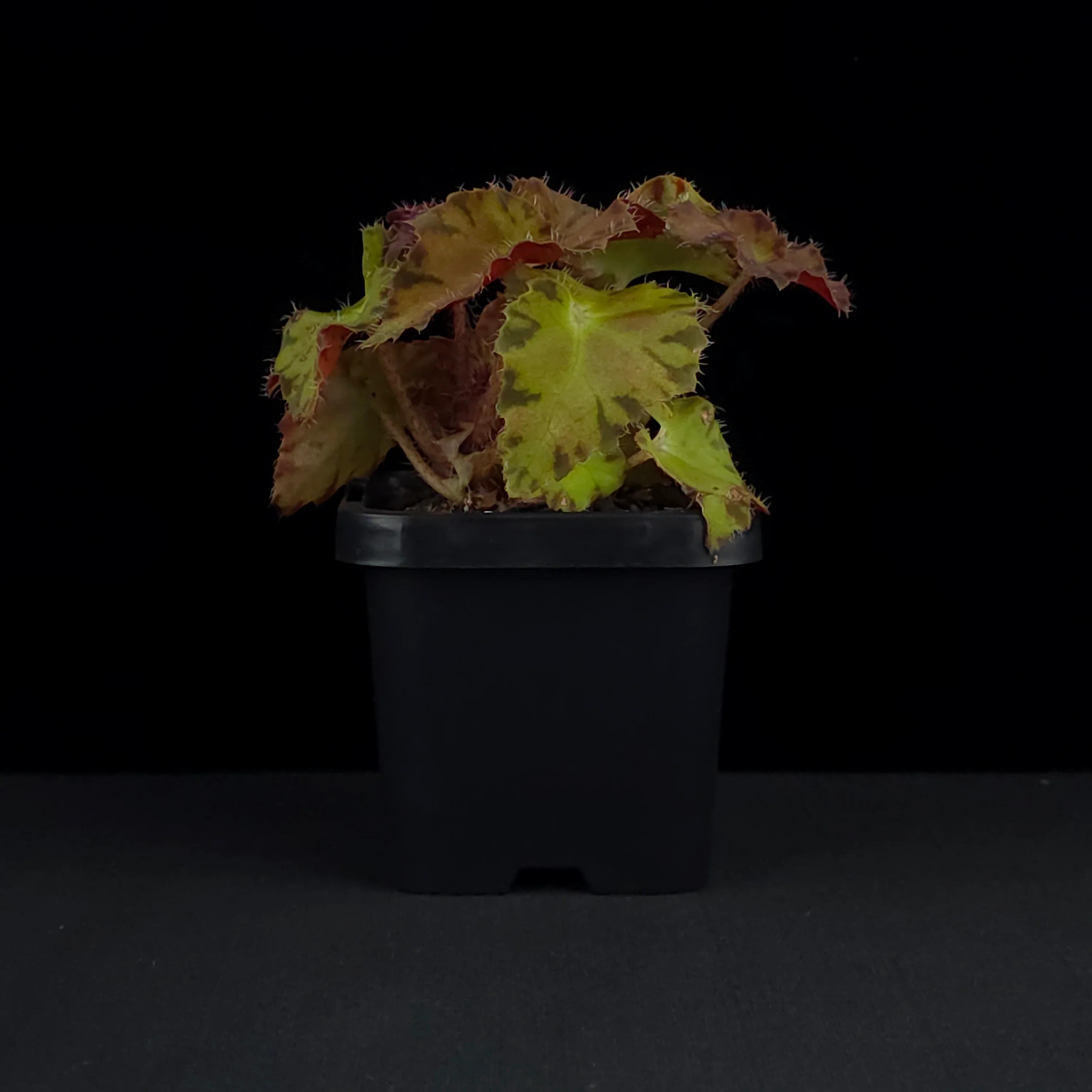
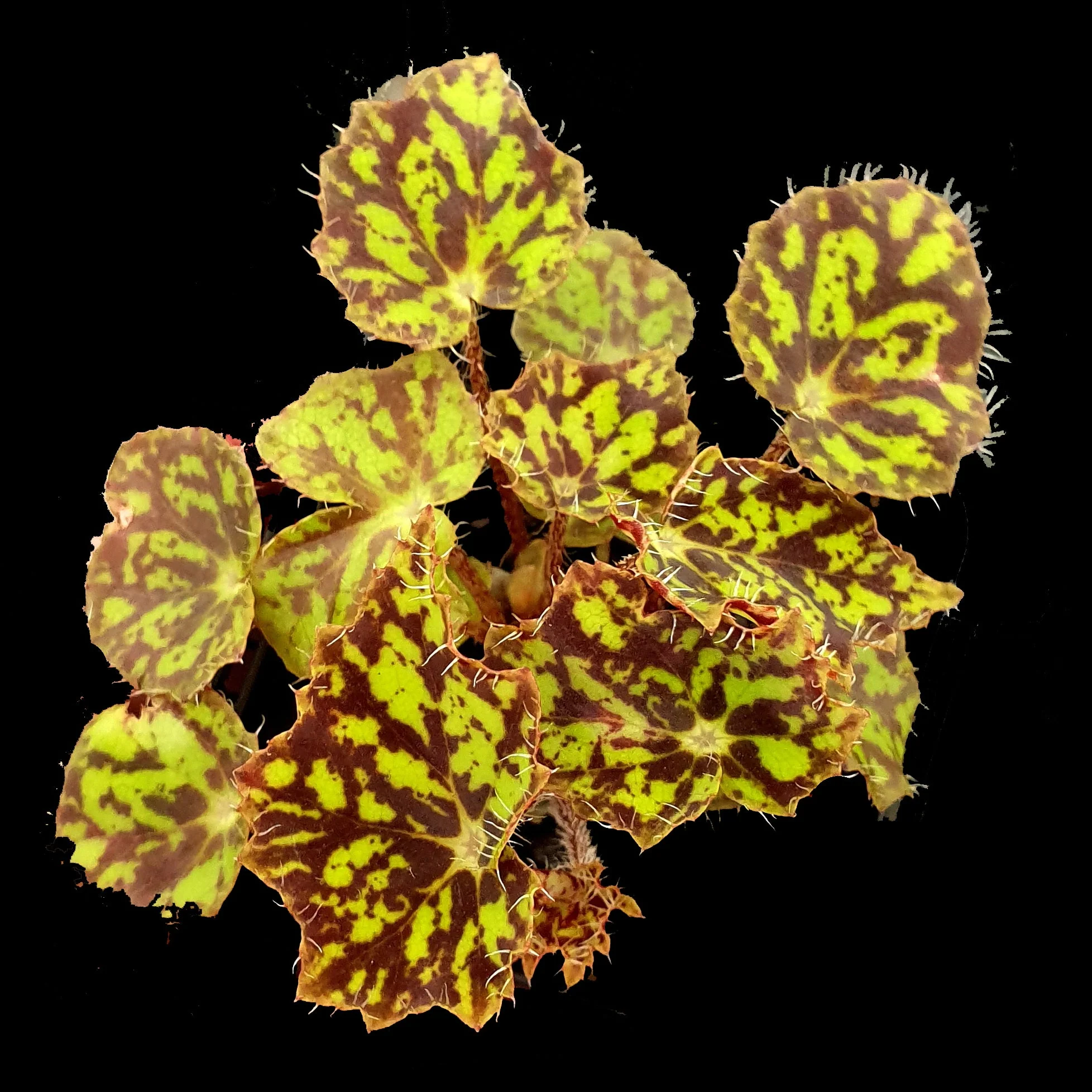
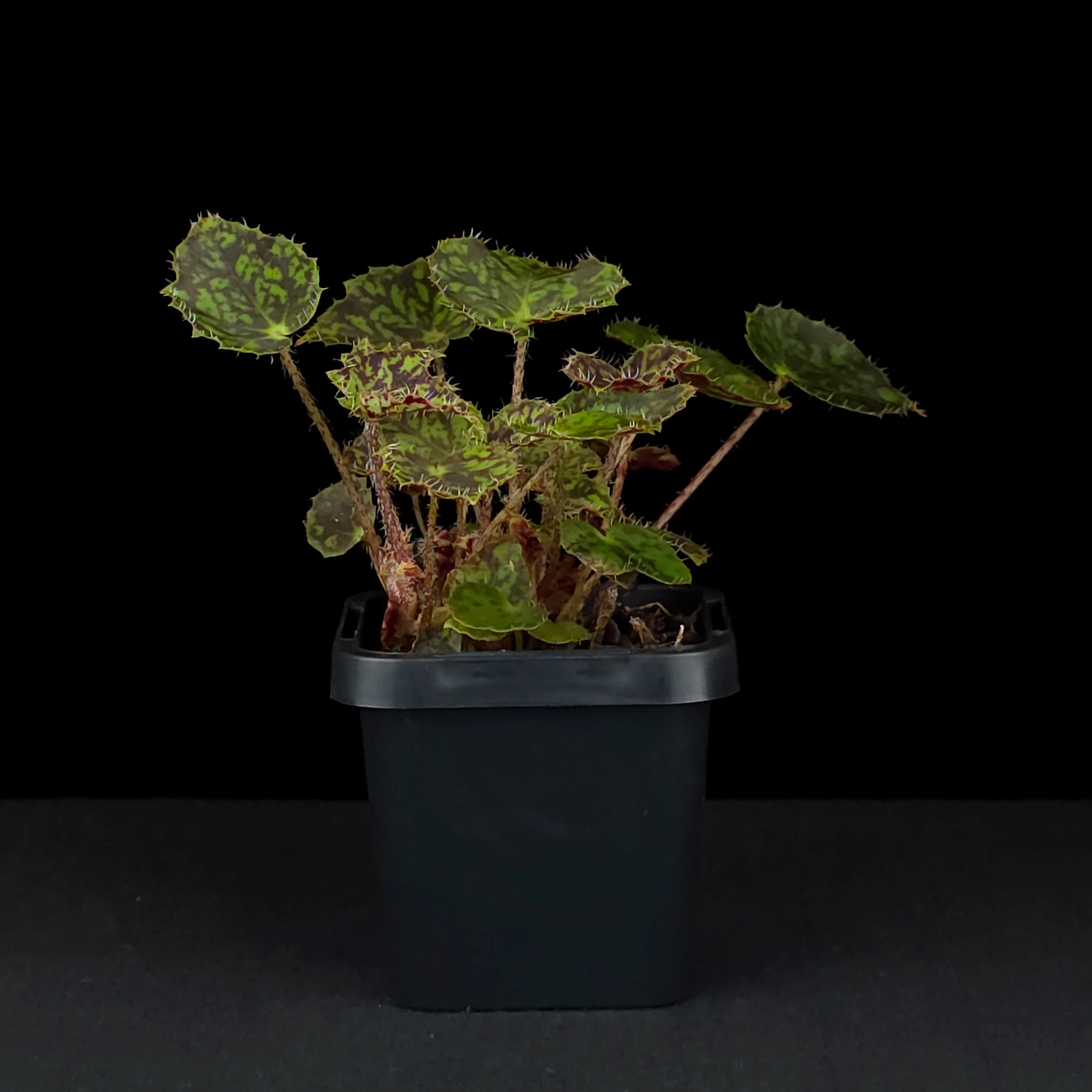
The plant forms a small clump of upright to slightly arching stems bearing ovate leaves with a glossy surface. Foliage is deep green with three prominent, pale veins running lengthwise from base to tip, a feature reflected in the species name. Leaves are thick and slightly succulent, helping the plant retain moisture between waterings.
In its native environment, Peperomia trinervis produces slender, tail-like inflorescences bearing numerous tiny flowers. In cultivation, it is primarily valued for its foliage and neat growth habit, making it well suited to small pots, terrariums, or indoor displays.
Care Tips:
- Light: Bright, indirect light; tolerates lower light but growth will be slower.
- Water: Water when the top layer of soil begins to dry; avoid waterlogging.
- Humidity: Prefers moderate to high humidity; protect from prolonged dry air.
- Media: Use a well-draining mix containing peat, perlite, and fine bark.
- Fertiliser: Feed every 4–6 weeks in the growing season with a diluted balanced fertiliser.
- Temperature: Maintain 18–27 °C; protect from cold drafts and temperatures below 15 °C.
- Repotting: Repot every 1–2 years to refresh the mix and maintain healthy growth.
Original: $8.00
-65%$8.00
$2.80More Images
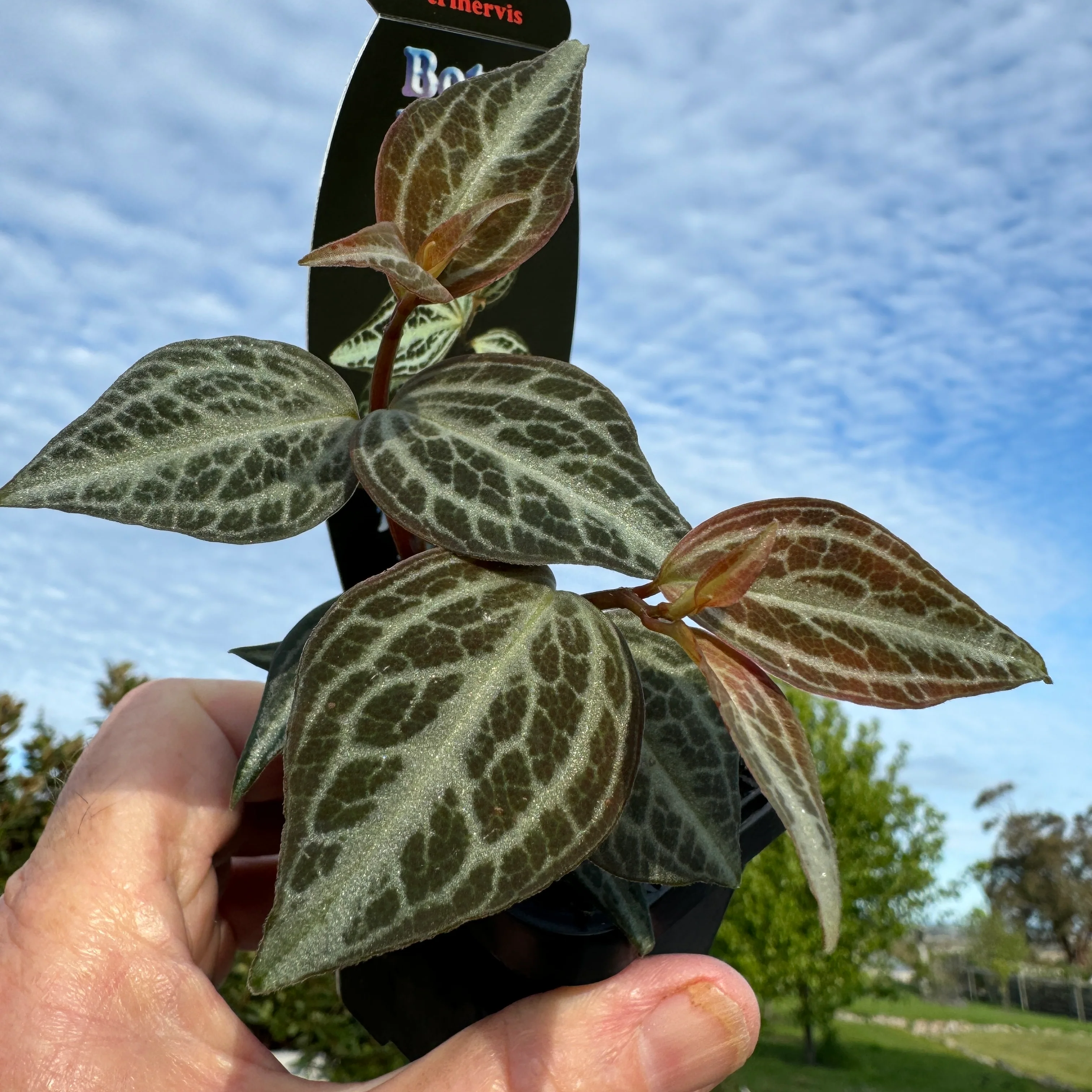
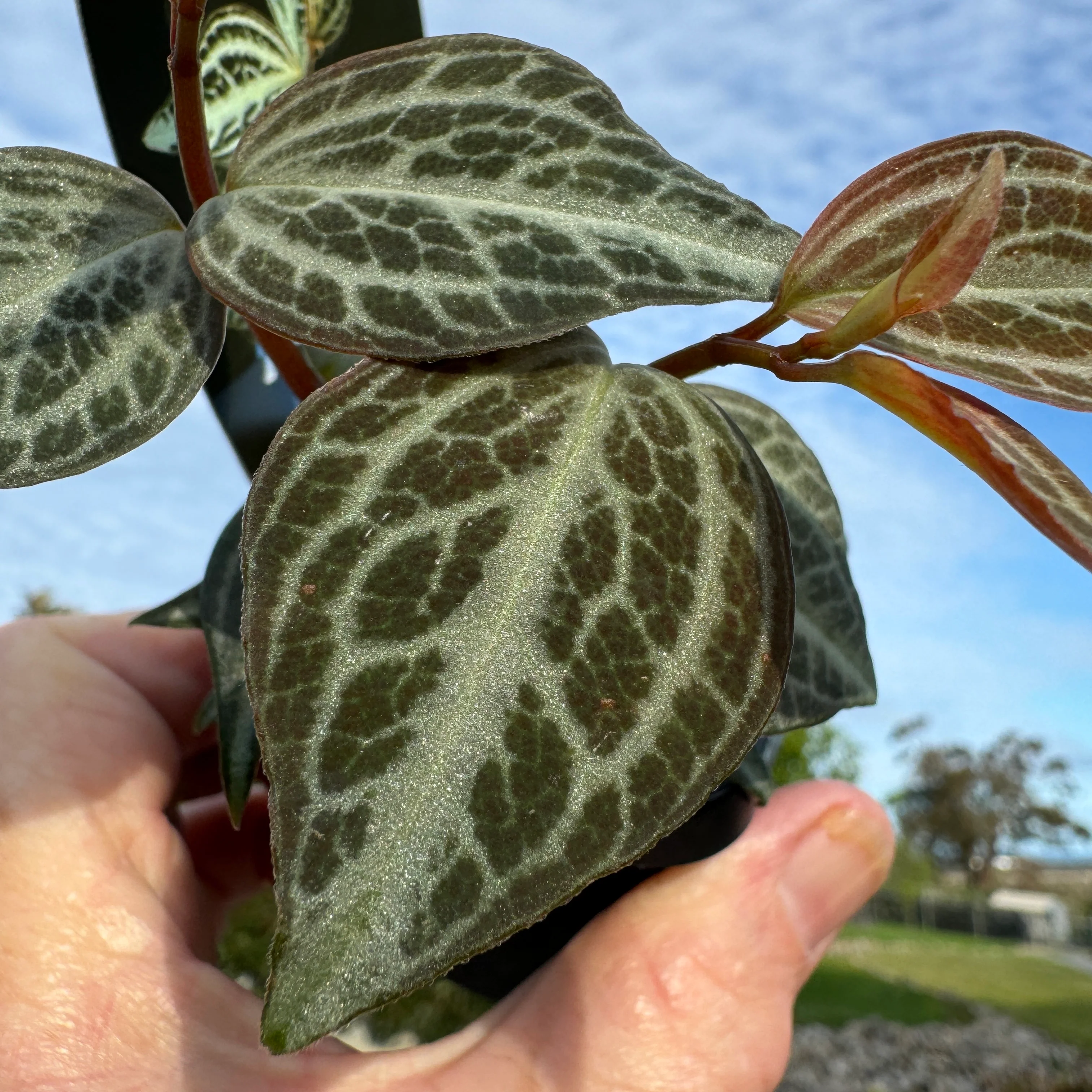
Peperomia trinervis
Peperomia trinervis is a compact species native to tropical South America, where it grows in shaded understory habitats with warm temperatures and high humidity. It is typically found on the forest floor or on decaying wood, benefiting from filtered light and consistently moist conditions.
The plant forms a small clump of upright to slightly arching stems bearing ovate leaves with a glossy surface. Foliage is deep green with three prominent, pale veins running lengthwise from base to tip, a feature reflected in the species name. Leaves are thick and slightly succulent, helping the plant retain moisture between waterings.
In its native environment, Peperomia trinervis produces slender, tail-like inflorescences bearing numerous tiny flowers. In cultivation, it is primarily valued for its foliage and neat growth habit, making it well suited to small pots, terrariums, or indoor displays.
Care Tips:
- Light: Bright, indirect light; tolerates lower light but growth will be slower.
- Water: Water when the top layer of soil begins to dry; avoid waterlogging.
- Humidity: Prefers moderate to high humidity; protect from prolonged dry air.
- Media: Use a well-draining mix containing peat, perlite, and fine bark.
- Fertiliser: Feed every 4–6 weeks in the growing season with a diluted balanced fertiliser.
- Temperature: Maintain 18–27 °C; protect from cold drafts and temperatures below 15 °C.
- Repotting: Repot every 1–2 years to refresh the mix and maintain healthy growth.
Product Information
Product Information
Shipping & Returns
Shipping & Returns
Description
Peperomia trinervis is a compact species native to tropical South America, where it grows in shaded understory habitats with warm temperatures and high humidity. It is typically found on the forest floor or on decaying wood, benefiting from filtered light and consistently moist conditions.
The plant forms a small clump of upright to slightly arching stems bearing ovate leaves with a glossy surface. Foliage is deep green with three prominent, pale veins running lengthwise from base to tip, a feature reflected in the species name. Leaves are thick and slightly succulent, helping the plant retain moisture between waterings.
In its native environment, Peperomia trinervis produces slender, tail-like inflorescences bearing numerous tiny flowers. In cultivation, it is primarily valued for its foliage and neat growth habit, making it well suited to small pots, terrariums, or indoor displays.
Care Tips:
- Light: Bright, indirect light; tolerates lower light but growth will be slower.
- Water: Water when the top layer of soil begins to dry; avoid waterlogging.
- Humidity: Prefers moderate to high humidity; protect from prolonged dry air.
- Media: Use a well-draining mix containing peat, perlite, and fine bark.
- Fertiliser: Feed every 4–6 weeks in the growing season with a diluted balanced fertiliser.
- Temperature: Maintain 18–27 °C; protect from cold drafts and temperatures below 15 °C.
- Repotting: Repot every 1–2 years to refresh the mix and maintain healthy growth.