Pinguicula 'Sethos'
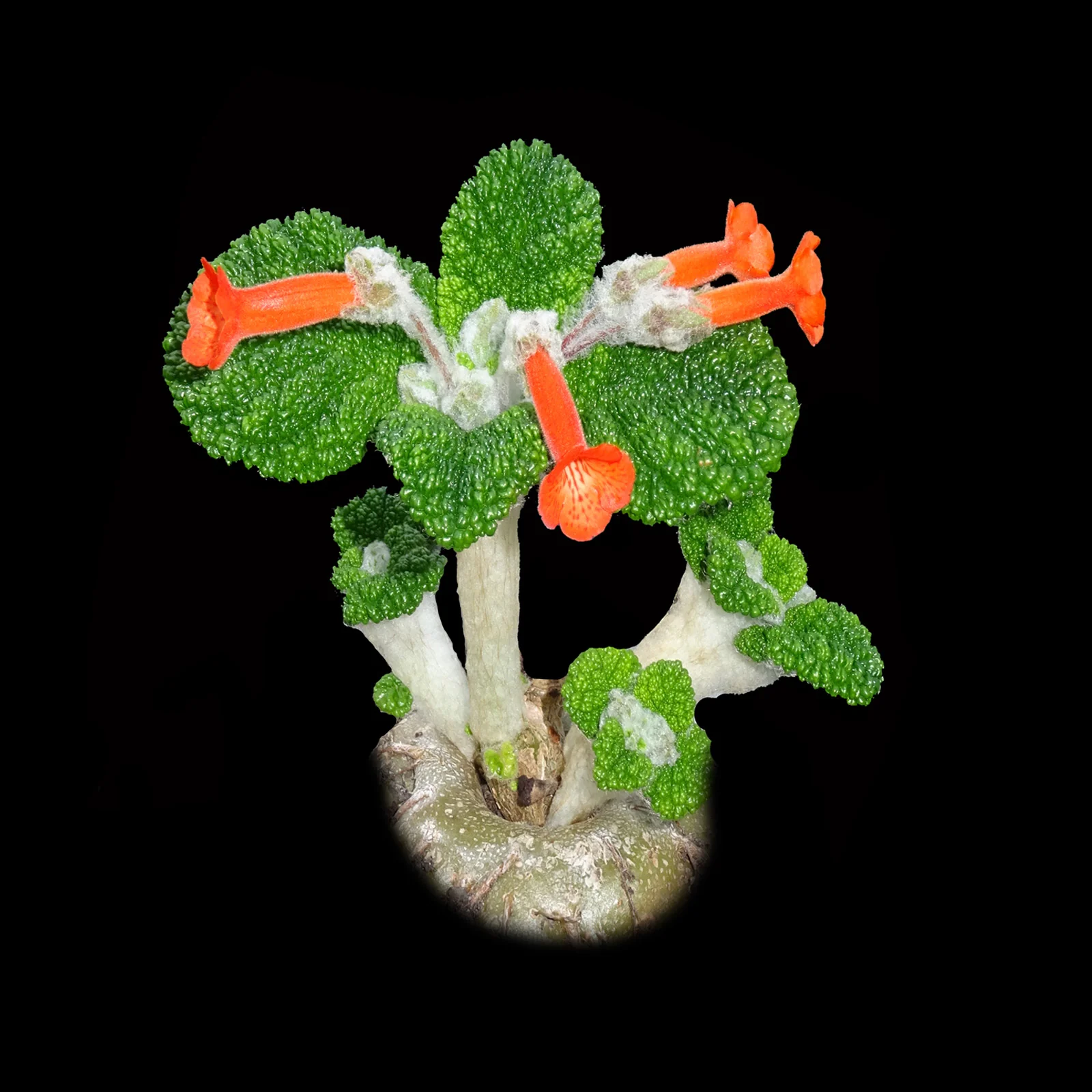
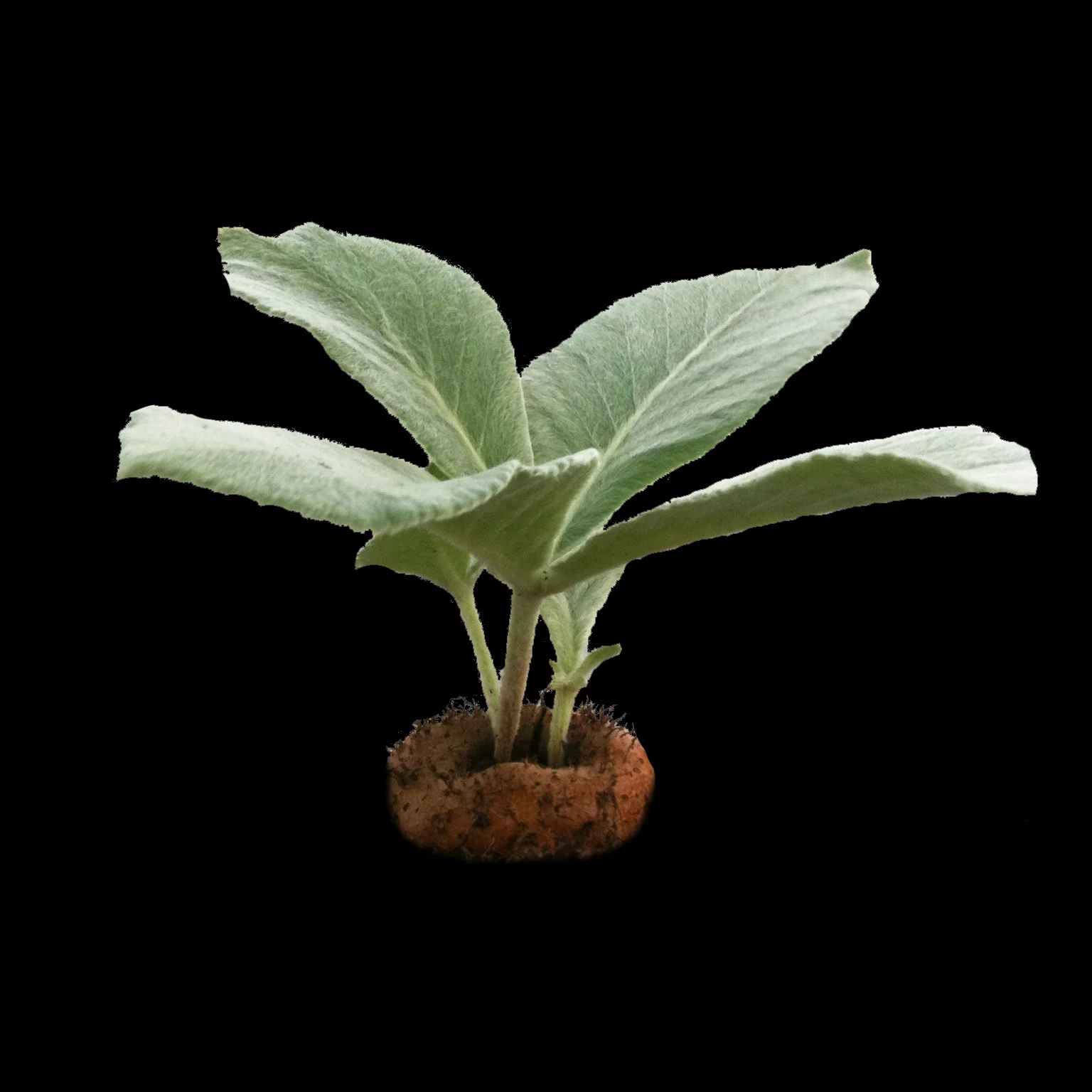
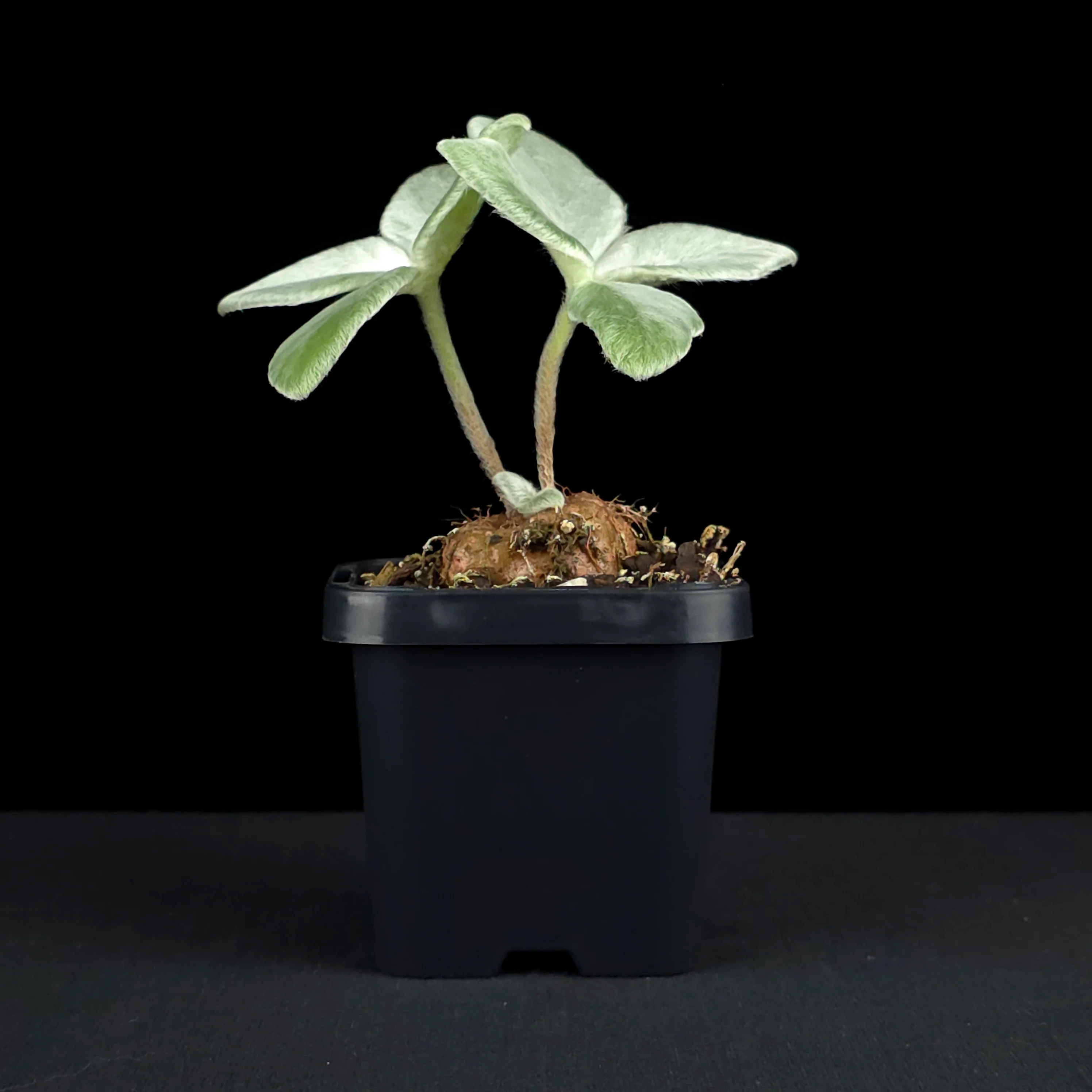
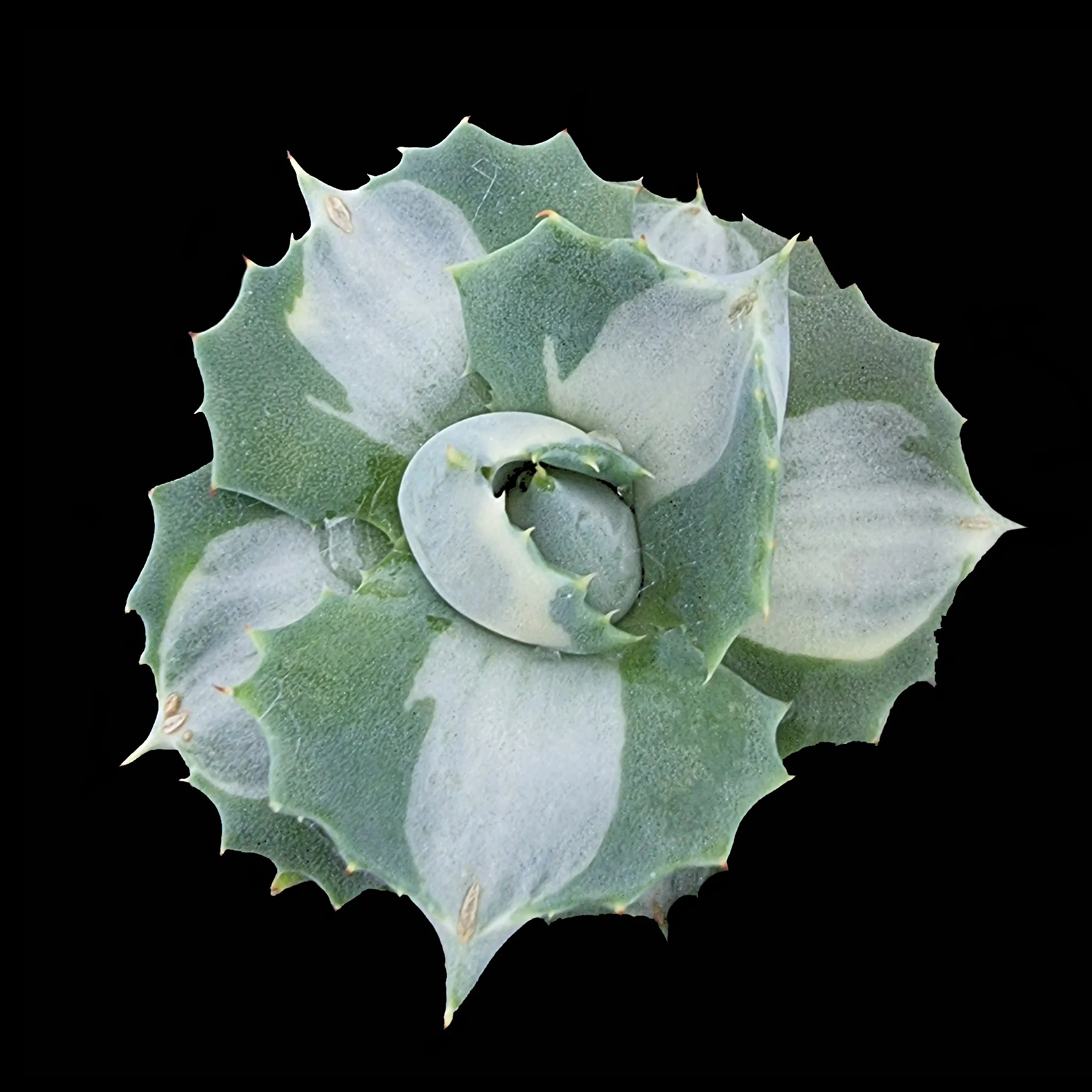
Pinguicula 'Sethos' is a hybrid butterwort resulting from a cross between Pinguicula ehlersiae and Pinguicula moranensis. Like other butterworts, it is a carnivorous plant that captures and digests small insects using sticky mucilage secreted from specialised leaf glands. This adaptation supplements its nutrient intake in the mineral-poor soils it is typically grown in.
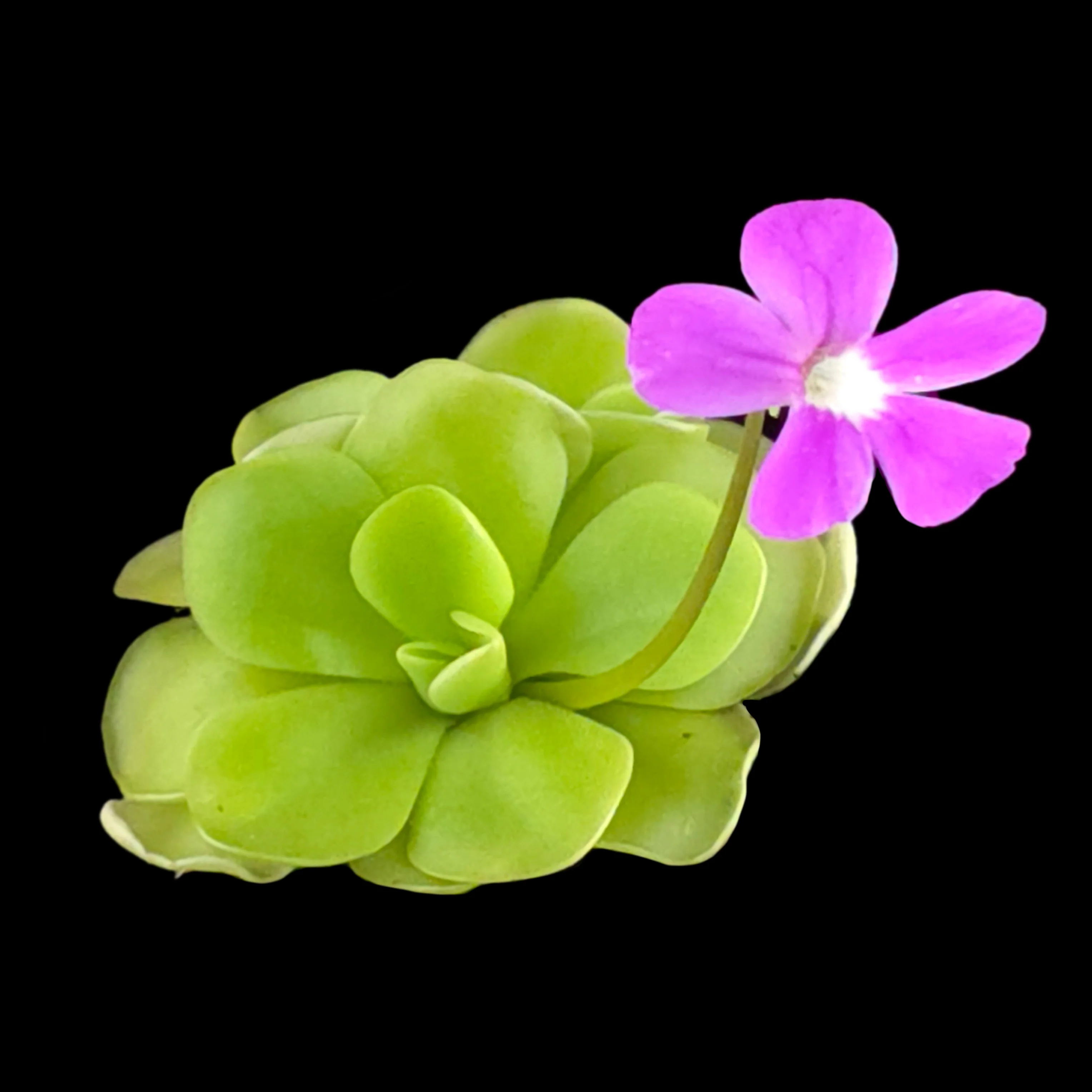
The plant forms a flat rosette of fleshy, gland-covered leaves that are usually a soft green with a pinkish tinge, becoming more intensely coloured under bright light. During its winter dormancy, it produces smaller, non-carnivorous leaves in a tight rosette, resuming carnivorous growth with larger leaves in the warmer months.
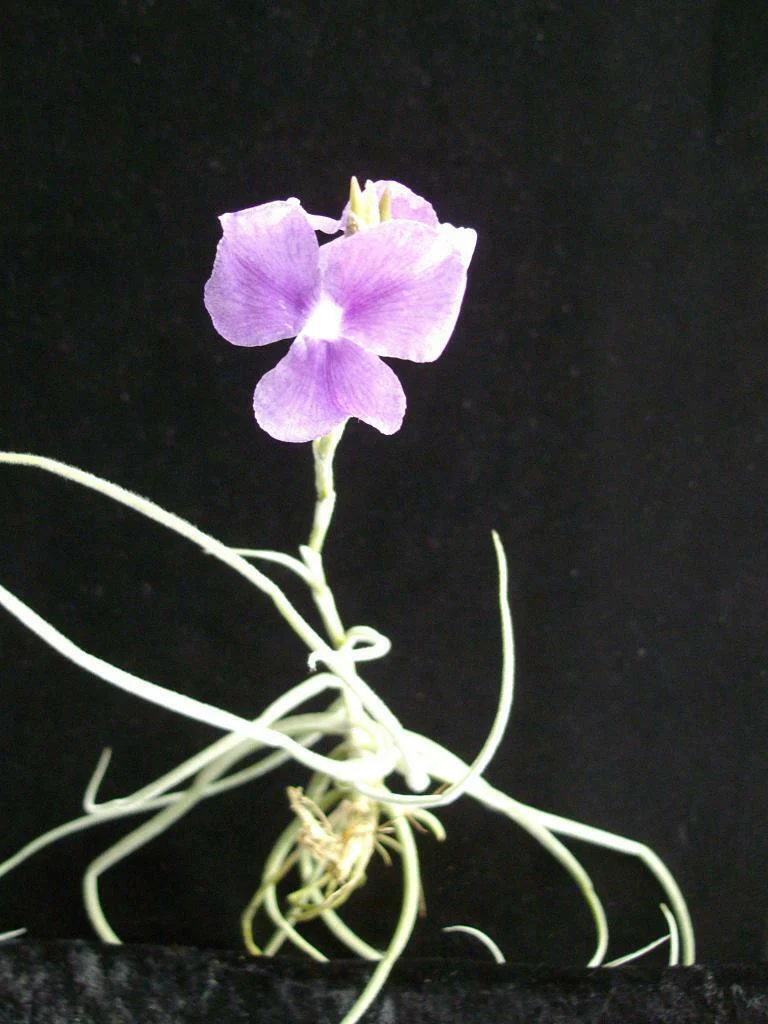
Flowering can occur during the active growth period, with blooms held well above the foliage on slender stems. The flowers are typically mauve to pink with a contrasting white throat, reflecting the characteristics of both parent species. Each bloom may last several days, and the plant is capable of producing multiple flowers in succession.
Care Tips:
- Light: Bright, indirect light; can tolerate some direct morning sun.
- Water: Use only rainwater, distilled, or reverse-osmosis water. Keep the soil moist in summer; reduce watering in winter dormancy.
- Humidity: Moderate humidity is sufficient; avoid overly stagnant air.
- Media: Grow in a nutrient-poor mix such as peat with sand or perlite; avoid fertiliser in the soil.
- Fertiliser: Not needed in the medium; can be fed occasionally with small insects if not catching prey naturally.
- Temperature: Prefers mild temperatures between 15–25 °C; protect from frost.
- Repotting: Repot annually after winter dormancy to refresh the medium.
Original: $16.50
-65%$16.50
$5.77More Images


Pinguicula 'Sethos'
Pinguicula 'Sethos' is a hybrid butterwort resulting from a cross between Pinguicula ehlersiae and Pinguicula moranensis. Like other butterworts, it is a carnivorous plant that captures and digests small insects using sticky mucilage secreted from specialised leaf glands. This adaptation supplements its nutrient intake in the mineral-poor soils it is typically grown in.
The plant forms a flat rosette of fleshy, gland-covered leaves that are usually a soft green with a pinkish tinge, becoming more intensely coloured under bright light. During its winter dormancy, it produces smaller, non-carnivorous leaves in a tight rosette, resuming carnivorous growth with larger leaves in the warmer months.
Flowering can occur during the active growth period, with blooms held well above the foliage on slender stems. The flowers are typically mauve to pink with a contrasting white throat, reflecting the characteristics of both parent species. Each bloom may last several days, and the plant is capable of producing multiple flowers in succession.
Care Tips:
- Light: Bright, indirect light; can tolerate some direct morning sun.
- Water: Use only rainwater, distilled, or reverse-osmosis water. Keep the soil moist in summer; reduce watering in winter dormancy.
- Humidity: Moderate humidity is sufficient; avoid overly stagnant air.
- Media: Grow in a nutrient-poor mix such as peat with sand or perlite; avoid fertiliser in the soil.
- Fertiliser: Not needed in the medium; can be fed occasionally with small insects if not catching prey naturally.
- Temperature: Prefers mild temperatures between 15–25 °C; protect from frost.
- Repotting: Repot annually after winter dormancy to refresh the medium.
Product Information
Product Information
Shipping & Returns
Shipping & Returns
Description
Pinguicula 'Sethos' is a hybrid butterwort resulting from a cross between Pinguicula ehlersiae and Pinguicula moranensis. Like other butterworts, it is a carnivorous plant that captures and digests small insects using sticky mucilage secreted from specialised leaf glands. This adaptation supplements its nutrient intake in the mineral-poor soils it is typically grown in.
The plant forms a flat rosette of fleshy, gland-covered leaves that are usually a soft green with a pinkish tinge, becoming more intensely coloured under bright light. During its winter dormancy, it produces smaller, non-carnivorous leaves in a tight rosette, resuming carnivorous growth with larger leaves in the warmer months.
Flowering can occur during the active growth period, with blooms held well above the foliage on slender stems. The flowers are typically mauve to pink with a contrasting white throat, reflecting the characteristics of both parent species. Each bloom may last several days, and the plant is capable of producing multiple flowers in succession.
Care Tips:
- Light: Bright, indirect light; can tolerate some direct morning sun.
- Water: Use only rainwater, distilled, or reverse-osmosis water. Keep the soil moist in summer; reduce watering in winter dormancy.
- Humidity: Moderate humidity is sufficient; avoid overly stagnant air.
- Media: Grow in a nutrient-poor mix such as peat with sand or perlite; avoid fertiliser in the soil.
- Fertiliser: Not needed in the medium; can be fed occasionally with small insects if not catching prey naturally.
- Temperature: Prefers mild temperatures between 15–25 °C; protect from frost.
- Repotting: Repot annually after winter dormancy to refresh the medium.