Rhyncholaelia digbyana
Rhyncholaelia digbyana is an orchid species native to Central America, with populations found in Belize, Guatemala, Honduras, and Mexico’s Yucatán Peninsula. It typically grows as an epiphyte on tree branches in seasonally dry forests, where it receives high light, good air circulation, and a marked dry season. In some locations, it can also grow lithophytically on exposed limestone outcrops.
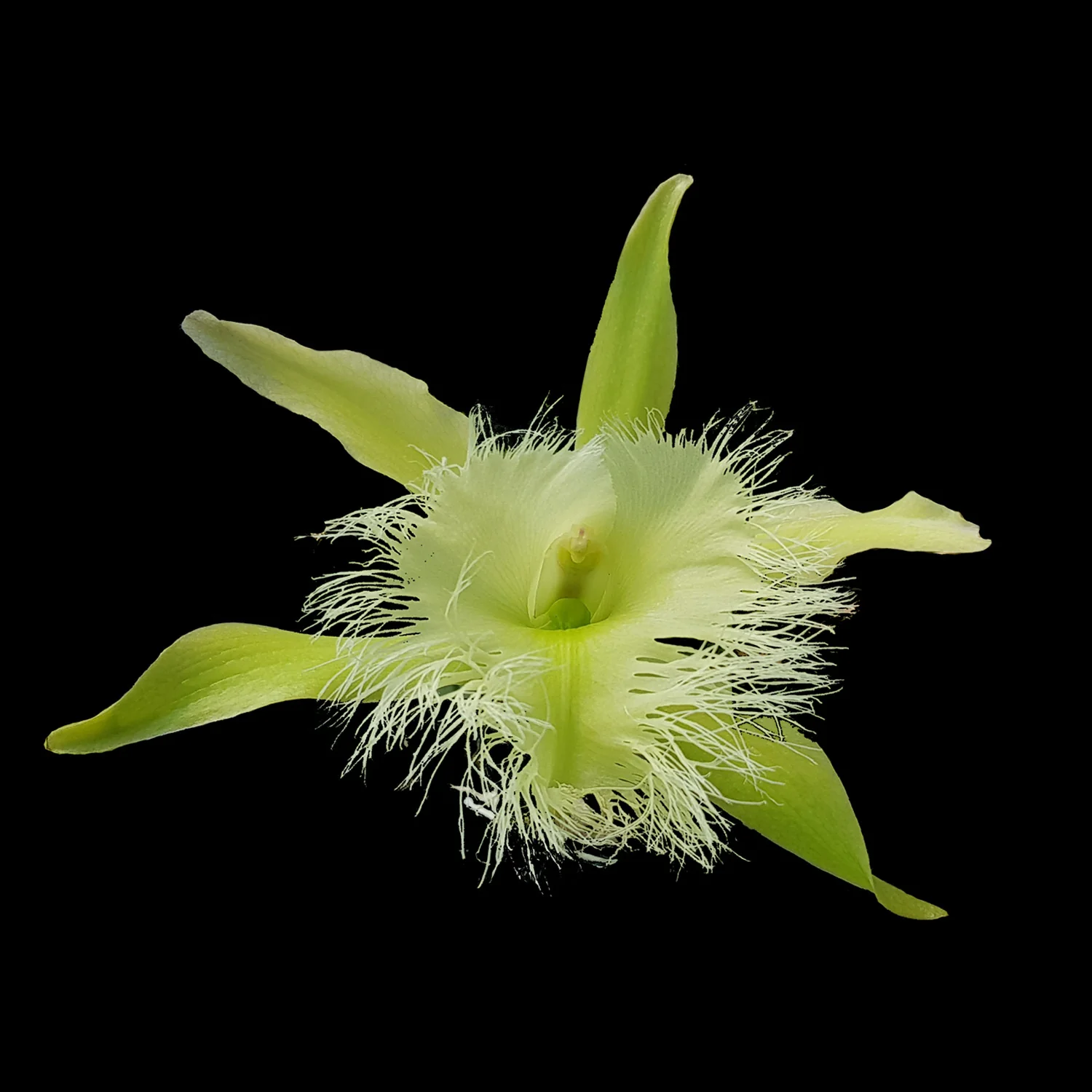
The plant produces thick, leathery leaves on short, robust pseudobulbs. Its most distinctive feature is the large, pale green to creamy white flower, notable for its broad lip edged with deep, frilled margins. These blooms are fragrant, often most pronounced at night, suggesting pollination by nocturnal moths. Flowering usually occurs in late spring to summer, with each inflorescence carrying a single, long-lasting bloom.
In cultivation, it is valued both as a species plant and as a parent in hybridising, where it imparts its large, frilled lip and strong fragrance. It performs best mounted or in open baskets, allowing roots to dry quickly between waterings while receiving bright light year-round.
Care Tips:
More Images
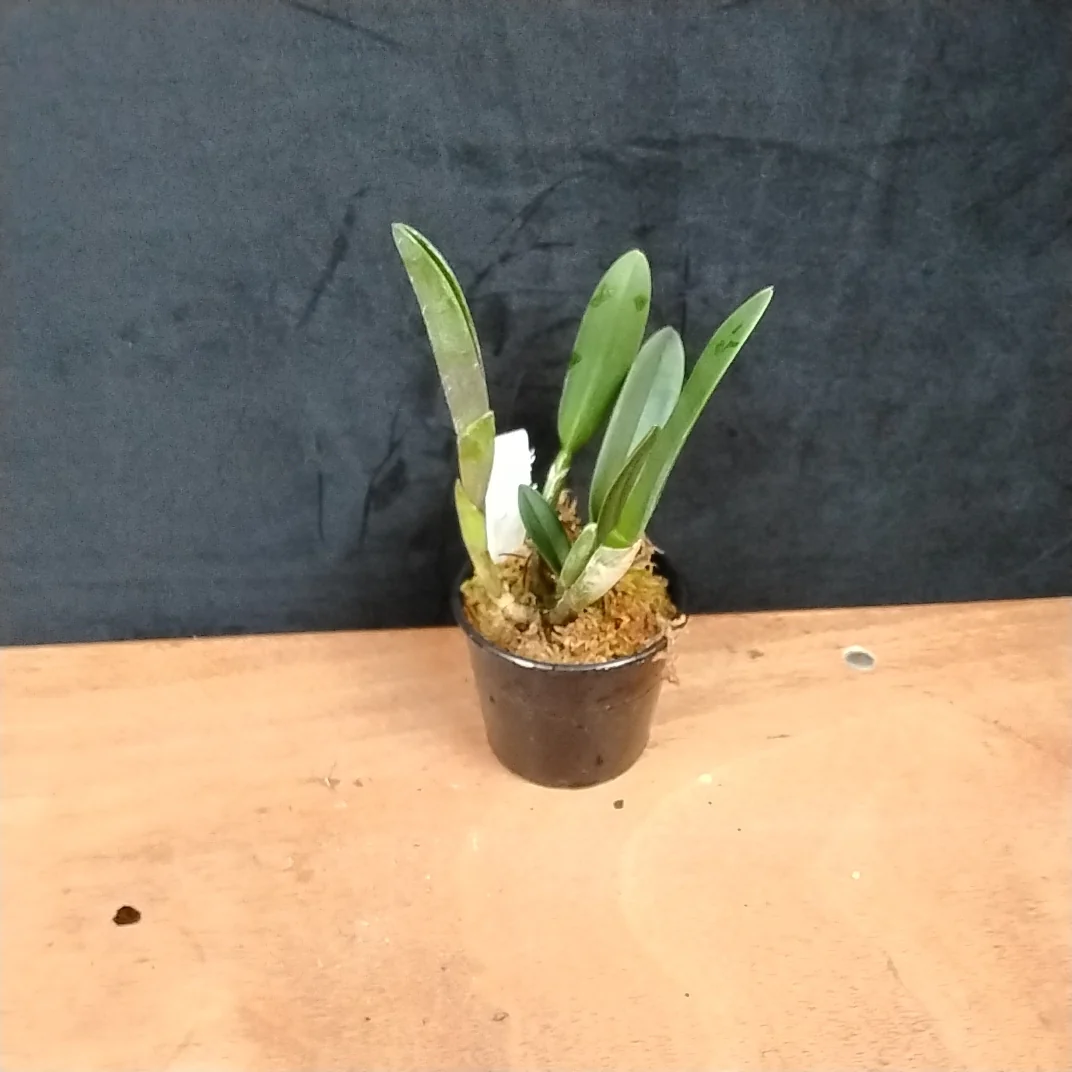
Rhyncholaelia digbyana
Rhyncholaelia digbyana is an orchid species native to Central America, with populations found in Belize, Guatemala, Honduras, and Mexico’s Yucatán Peninsula. It typically grows as an epiphyte on tree branches in seasonally dry forests, where it receives high light, good air circulation, and a marked dry season. In some locations, it can also grow lithophytically on exposed limestone outcrops.
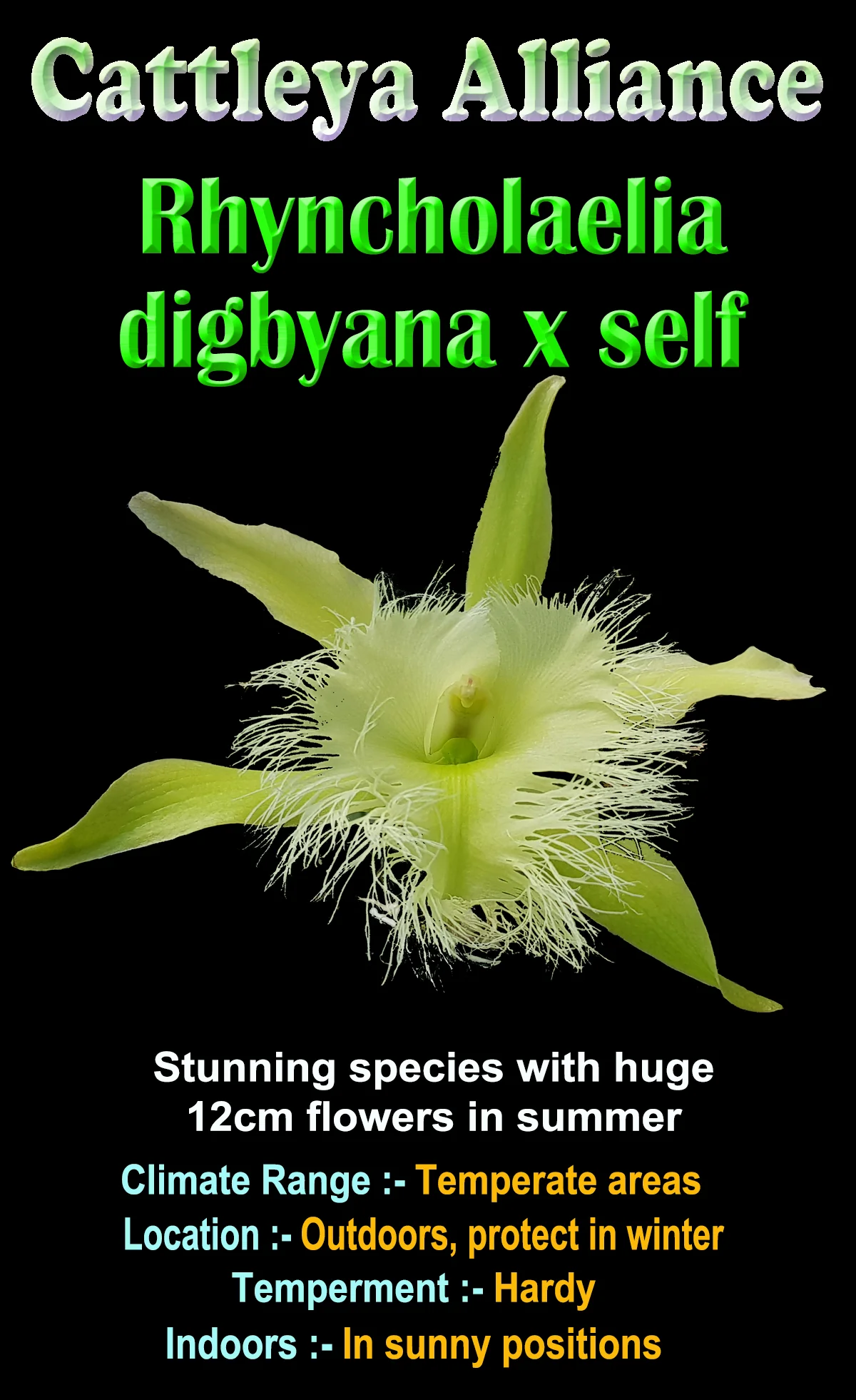
The plant produces thick, leathery leaves on short, robust pseudobulbs. Its most distinctive feature is the large, pale green to creamy white flower, notable for its broad lip edged with deep, frilled margins. These blooms are fragrant, often most pronounced at night, suggesting pollination by nocturnal moths. Flowering usually occurs in late spring to summer, with each inflorescence carrying a single, long-lasting bloom.
In cultivation, it is valued both as a species plant and as a parent in hybridising, where it imparts its large, frilled lip and strong fragrance. It performs best mounted or in open baskets, allowing roots to dry quickly between waterings while receiving bright light year-round.
Care Tips:
Product Information
Product Information
Shipping & Returns
Shipping & Returns
Description
Rhyncholaelia digbyana is an orchid species native to Central America, with populations found in Belize, Guatemala, Honduras, and Mexico’s Yucatán Peninsula. It typically grows as an epiphyte on tree branches in seasonally dry forests, where it receives high light, good air circulation, and a marked dry season. In some locations, it can also grow lithophytically on exposed limestone outcrops.
The plant produces thick, leathery leaves on short, robust pseudobulbs. Its most distinctive feature is the large, pale green to creamy white flower, notable for its broad lip edged with deep, frilled margins. These blooms are fragrant, often most pronounced at night, suggesting pollination by nocturnal moths. Flowering usually occurs in late spring to summer, with each inflorescence carrying a single, long-lasting bloom.
In cultivation, it is valued both as a species plant and as a parent in hybridising, where it imparts its large, frilled lip and strong fragrance. It performs best mounted or in open baskets, allowing roots to dry quickly between waterings while receiving bright light year-round.