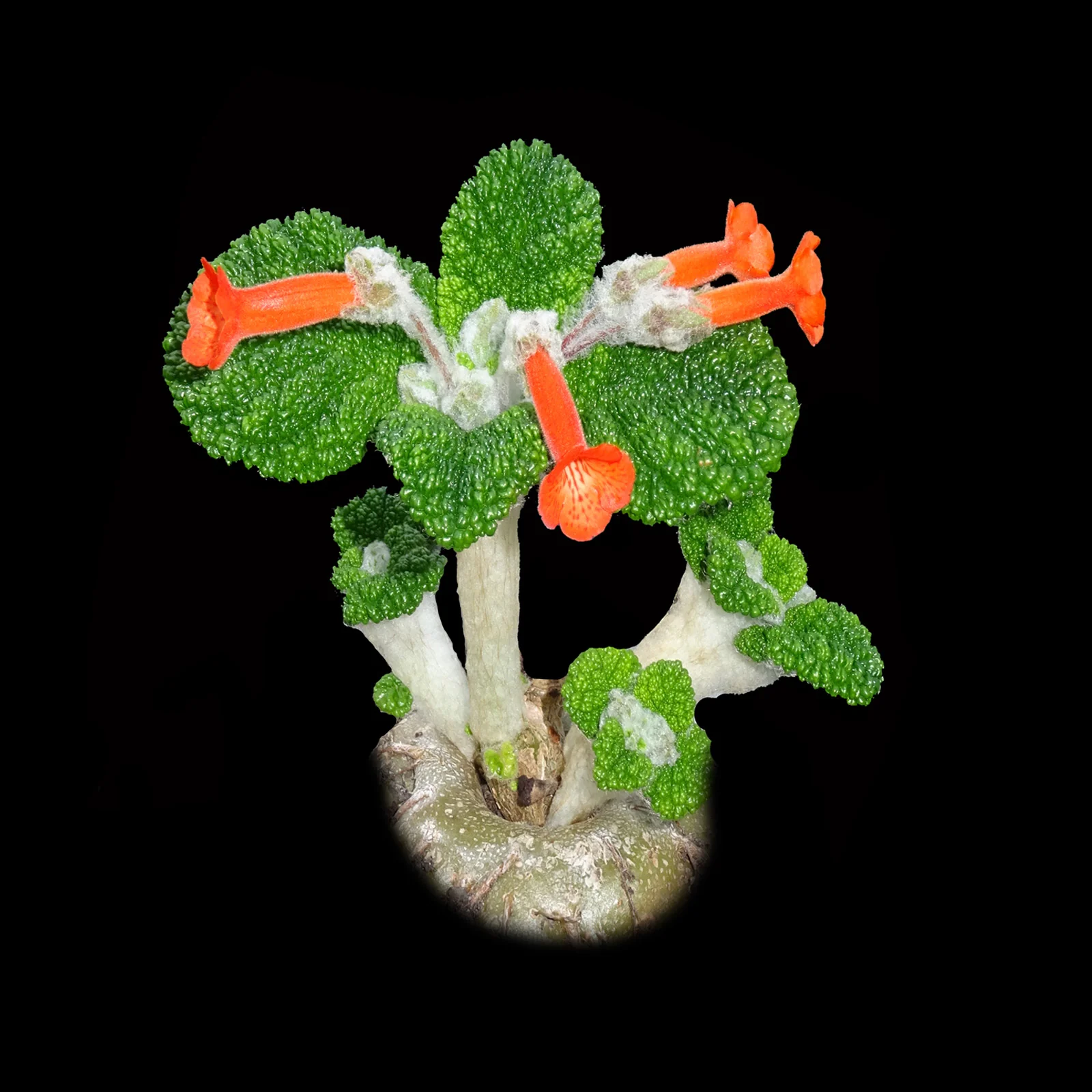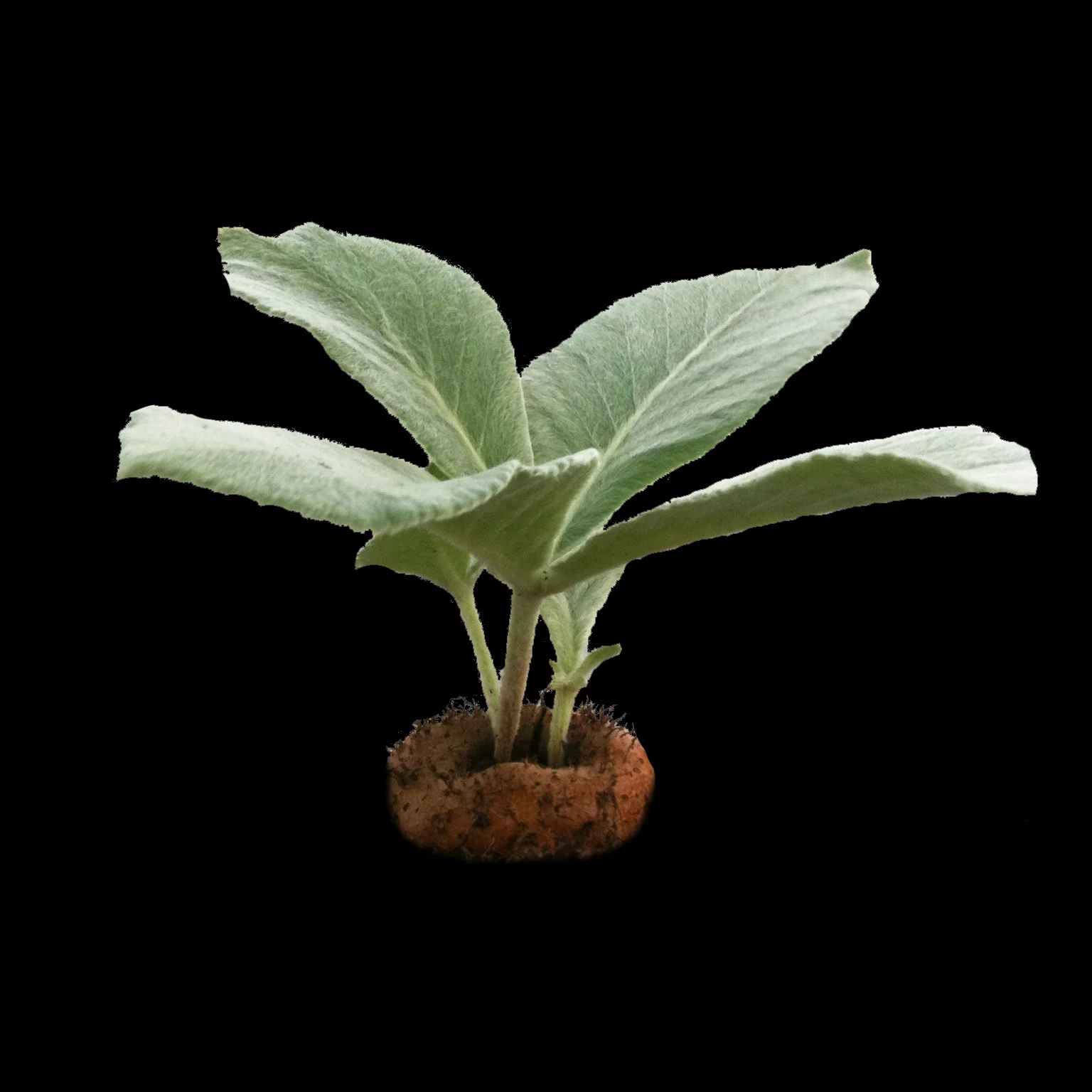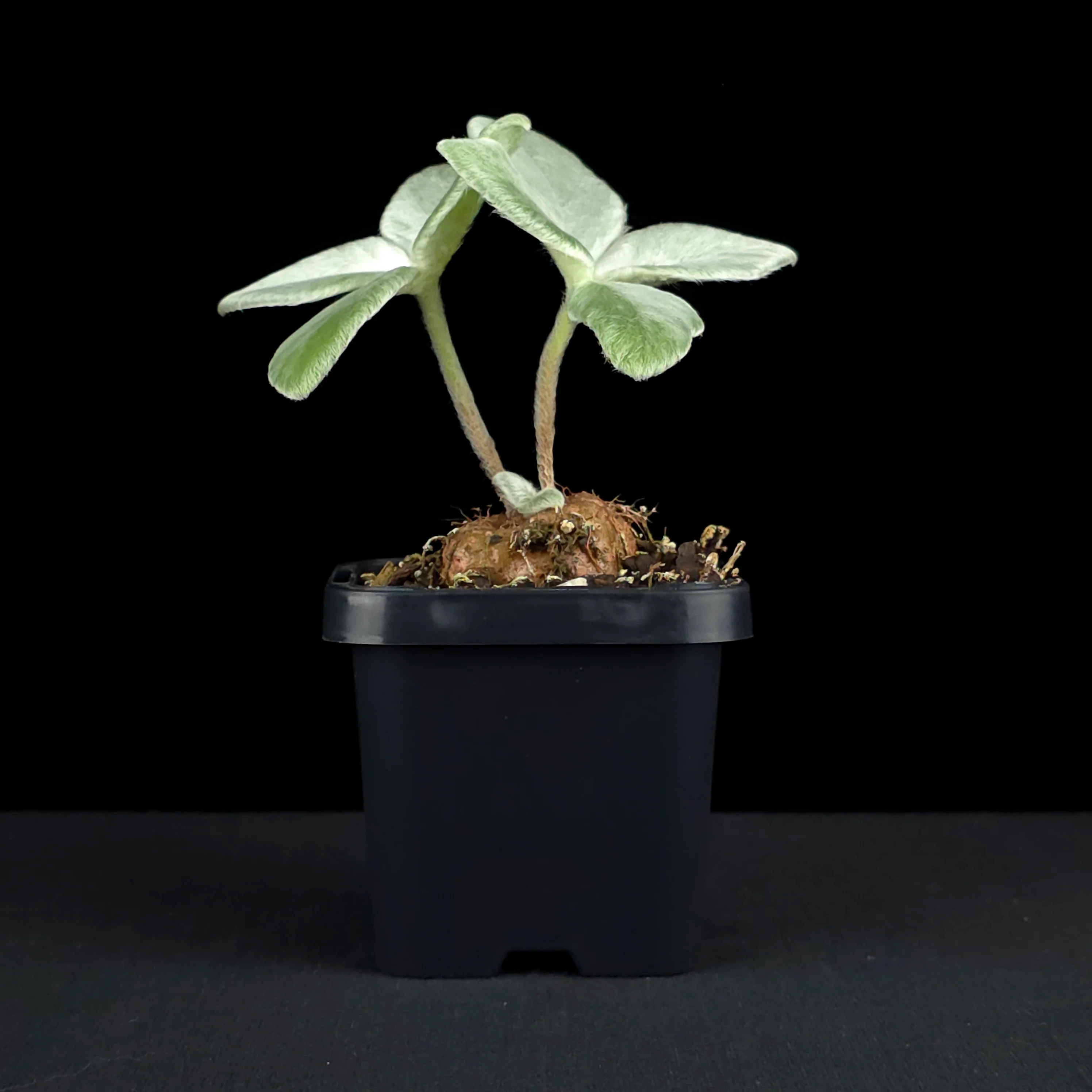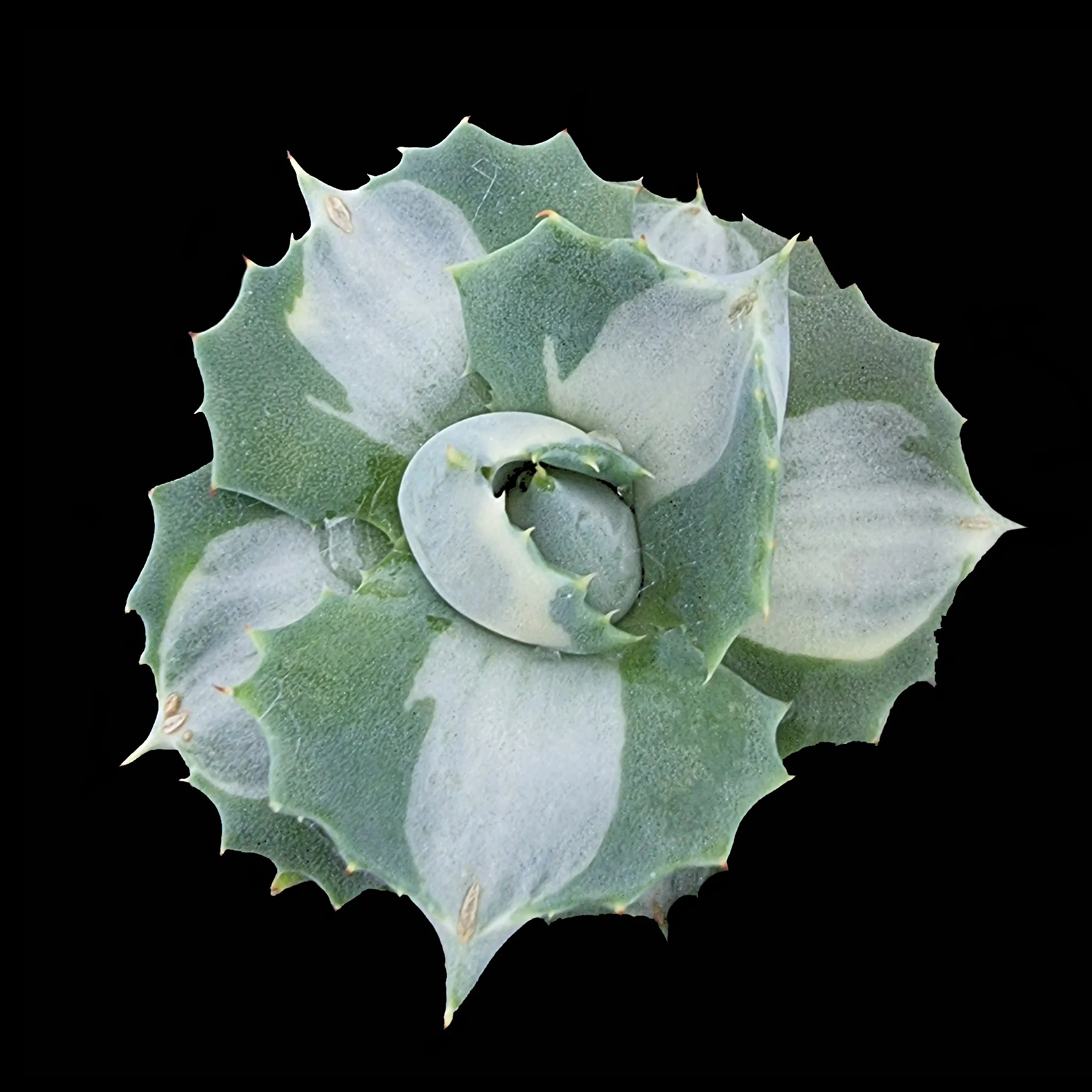
Rhynchostylis gigantea 'Red' - Fragrant Blooms
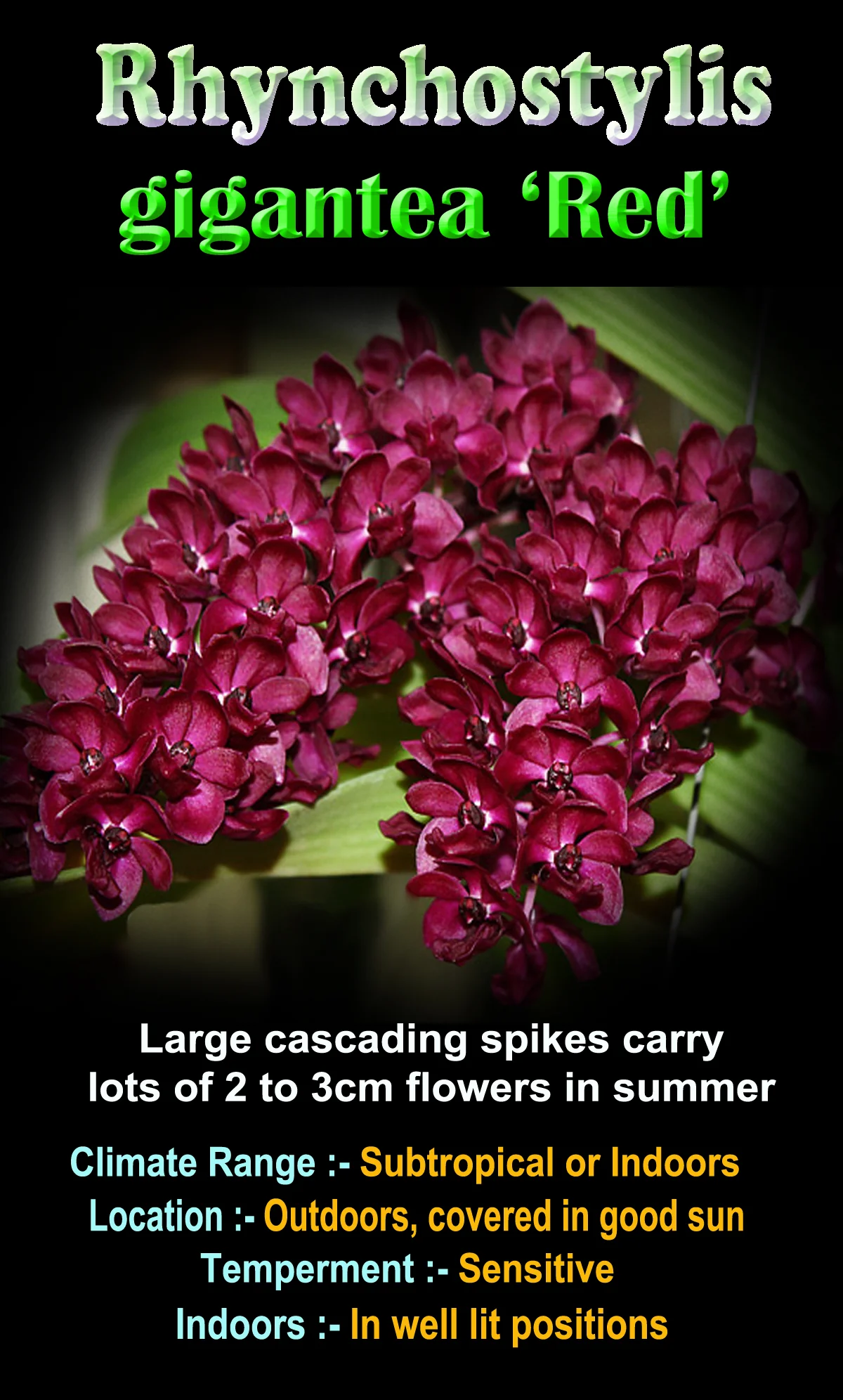
Rhynchostylis gigantea 'Red' is a selected form of the species Rhynchostylis gigantea in the Orchidaceae family, distinguished by its deep red to burgundy flowers. The species occurs naturally in Southeast Asia, including Thailand, Myanmar, Laos, Vietnam, and Malaysia, where it grows on tree trunks and branches in warm, humid forests. In its native environment, it receives bright, filtered light, high humidity, and consistent air movement throughout the year.
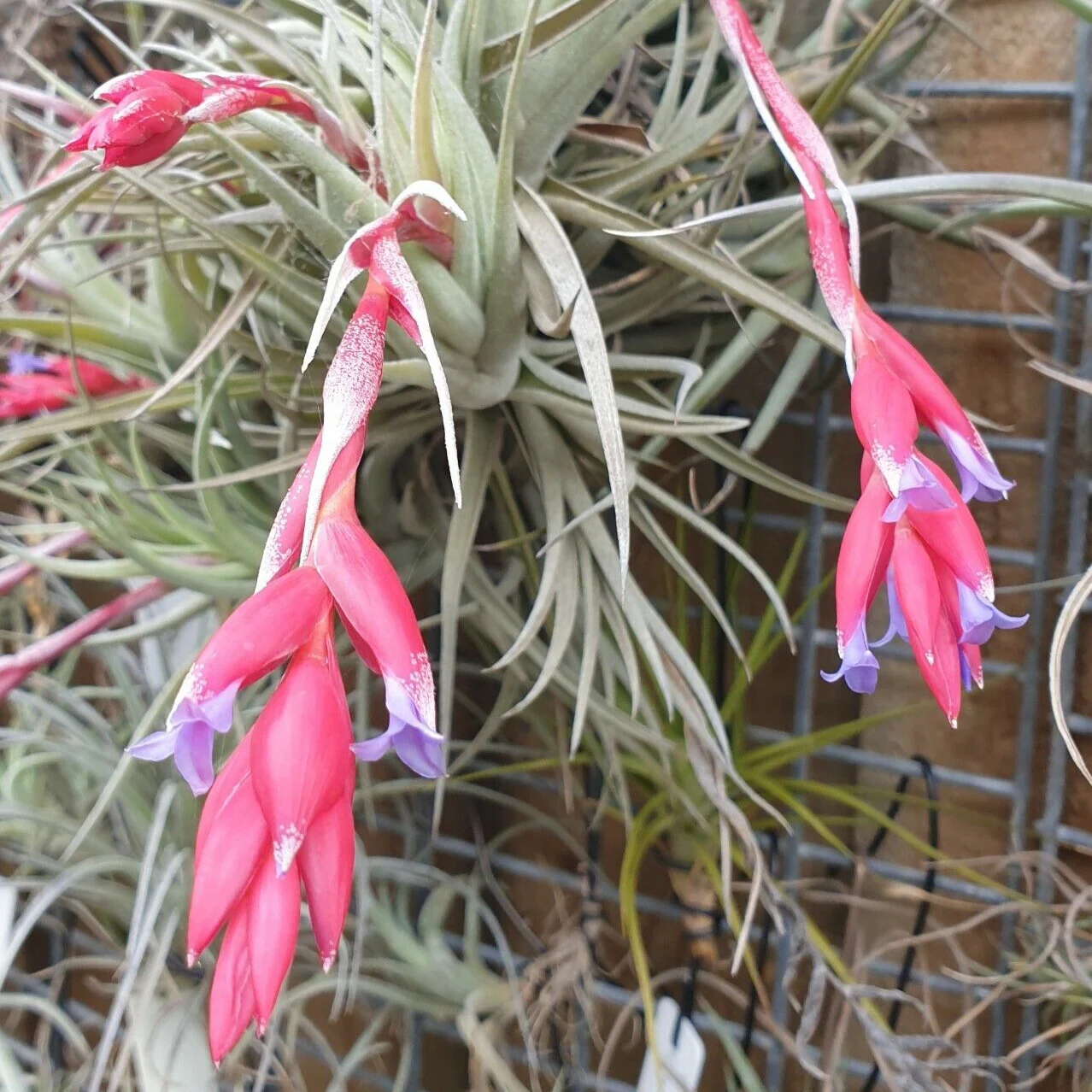
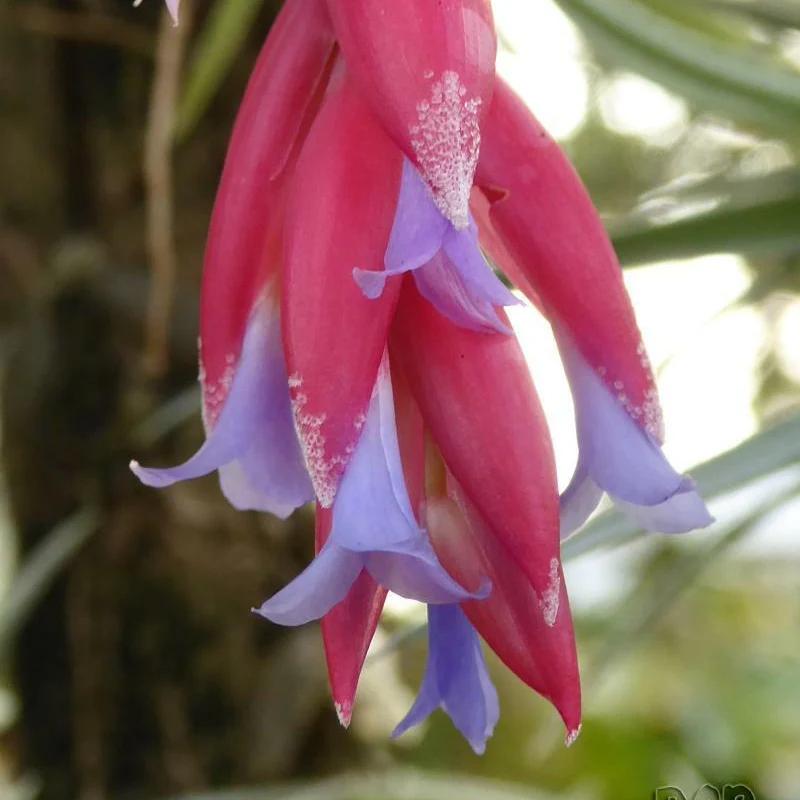
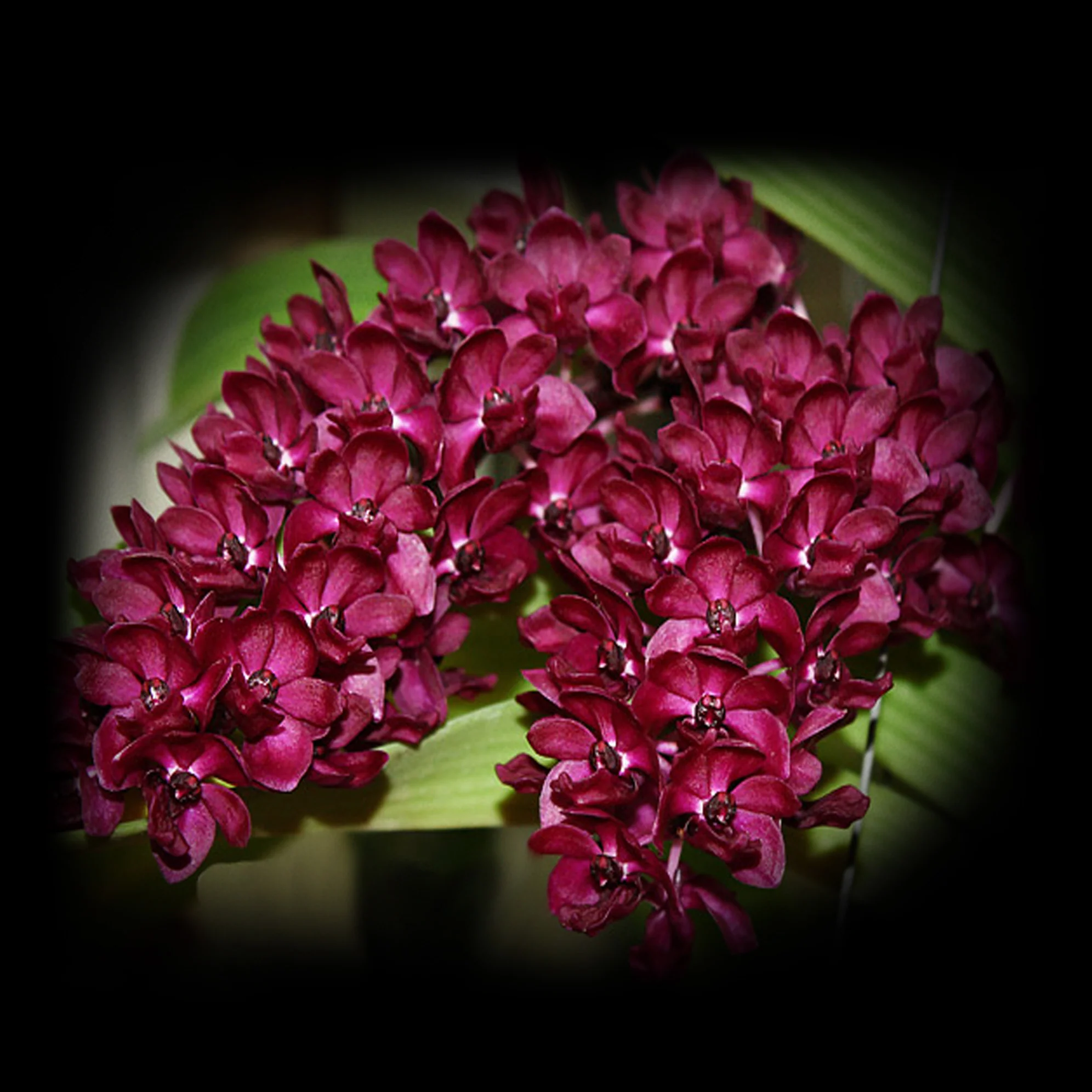
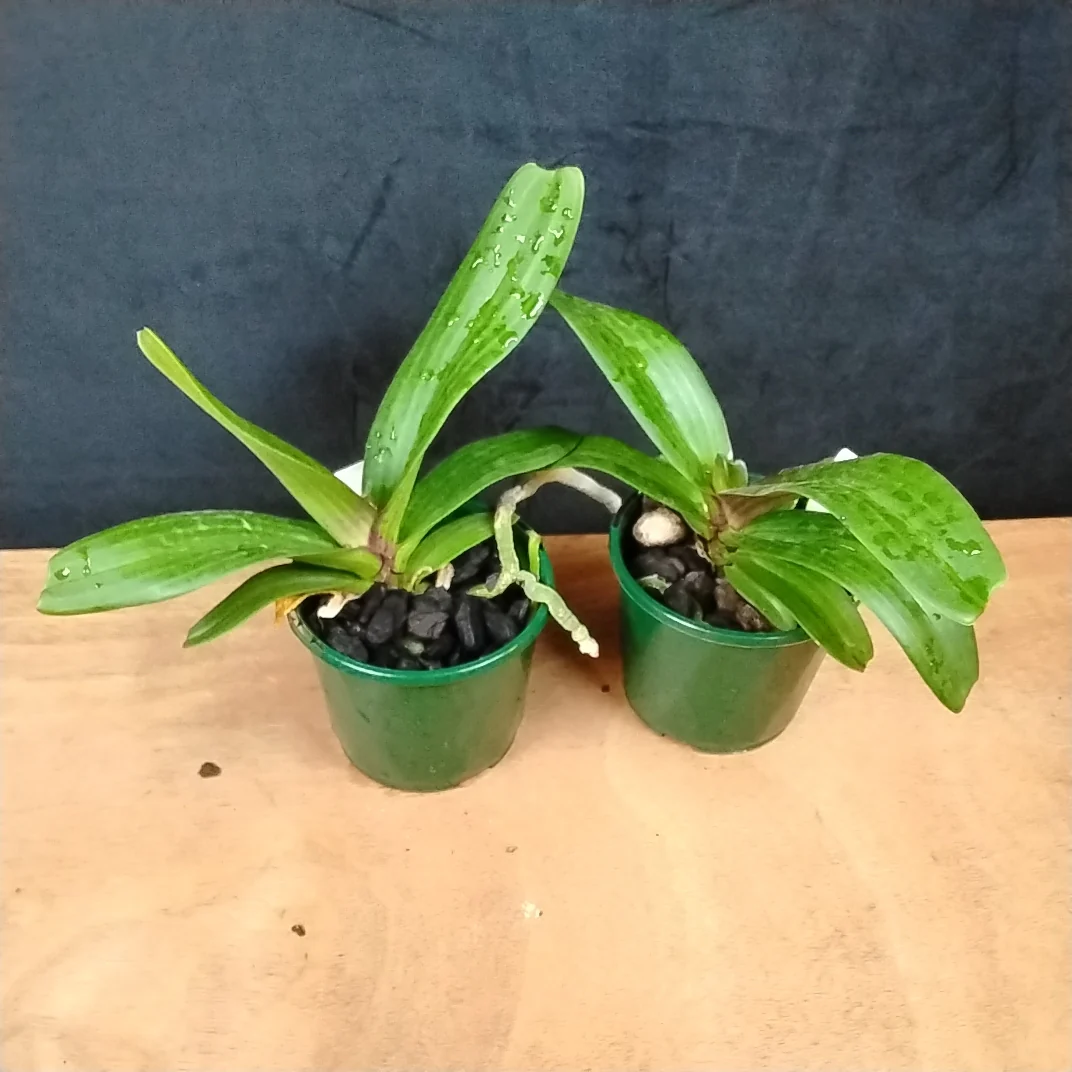
The plant develops a short stem with thick, leathery leaves arranged in a fan shape. In winter to early spring, it produces long, arching or pendulous spikes up to 30 cm or more, densely packed with fragrant blooms. In this colour form, the petals and sepals are a uniform rich red, sometimes with subtle shading or veining. The tightly clustered flowers and their cascading presentation resemble a fox’s tail, a characteristic feature of the species.
In cultivation, this form is appreciated for its intense flower colour and strong perfume. It grows well mounted or in open baskets that allow its aerial roots to spread freely and accommodate the drooping flower spikes. Consistent warmth, moisture, and humidity are essential for optimal growth and flowering.
Care Tips:
- Light: Bright, filtered light; avoid direct midday sun to prevent leaf scorch.
- Water: Water regularly during the growing season, keeping the root zone evenly moist but never waterlogged; reduce slightly after flowering.
- Humidity: Requires high humidity (60–80%) with excellent air circulation to prevent fungal and bacterial problems.
- Media: Best grown mounted on hardwood or in slatted baskets with coarse orchid bark, charcoal, and sphagnum moss for drainage and aeration.
- Fertiliser: Feed with a balanced orchid fertiliser at quarter to half strength every 1–2 weeks in the active growth phase; reduce feeding during winter rest.
- Temperature: Prefers warm conditions of 18–30°C; protect from prolonged exposure below 12°C.
- Repotting: Repot or remount after flowering only when necessary, as the species dislikes root disturbance.
- Propagation: Propagate by division of large, established plants with multiple growths.
More Images
Rhynchostylis gigantea 'Red' - Fragrant Blooms
Rhynchostylis gigantea 'Red' is a selected form of the species Rhynchostylis gigantea in the Orchidaceae family, distinguished by its deep red to burgundy flowers. The species occurs naturally in Southeast Asia, including Thailand, Myanmar, Laos, Vietnam, and Malaysia, where it grows on tree trunks and branches in warm, humid forests. In its native environment, it receives bright, filtered light, high humidity, and consistent air movement throughout the year.
The plant develops a short stem with thick, leathery leaves arranged in a fan shape. In winter to early spring, it produces long, arching or pendulous spikes up to 30 cm or more, densely packed with fragrant blooms. In this colour form, the petals and sepals are a uniform rich red, sometimes with subtle shading or veining. The tightly clustered flowers and their cascading presentation resemble a fox’s tail, a characteristic feature of the species.
In cultivation, this form is appreciated for its intense flower colour and strong perfume. It grows well mounted or in open baskets that allow its aerial roots to spread freely and accommodate the drooping flower spikes. Consistent warmth, moisture, and humidity are essential for optimal growth and flowering.
Care Tips:
- Light: Bright, filtered light; avoid direct midday sun to prevent leaf scorch.
- Water: Water regularly during the growing season, keeping the root zone evenly moist but never waterlogged; reduce slightly after flowering.
- Humidity: Requires high humidity (60–80%) with excellent air circulation to prevent fungal and bacterial problems.
- Media: Best grown mounted on hardwood or in slatted baskets with coarse orchid bark, charcoal, and sphagnum moss for drainage and aeration.
- Fertiliser: Feed with a balanced orchid fertiliser at quarter to half strength every 1–2 weeks in the active growth phase; reduce feeding during winter rest.
- Temperature: Prefers warm conditions of 18–30°C; protect from prolonged exposure below 12°C.
- Repotting: Repot or remount after flowering only when necessary, as the species dislikes root disturbance.
- Propagation: Propagate by division of large, established plants with multiple growths.
Product Information
Product Information
Shipping & Returns
Shipping & Returns
Description
Rhynchostylis gigantea 'Red' is a selected form of the species Rhynchostylis gigantea in the Orchidaceae family, distinguished by its deep red to burgundy flowers. The species occurs naturally in Southeast Asia, including Thailand, Myanmar, Laos, Vietnam, and Malaysia, where it grows on tree trunks and branches in warm, humid forests. In its native environment, it receives bright, filtered light, high humidity, and consistent air movement throughout the year.
The plant develops a short stem with thick, leathery leaves arranged in a fan shape. In winter to early spring, it produces long, arching or pendulous spikes up to 30 cm or more, densely packed with fragrant blooms. In this colour form, the petals and sepals are a uniform rich red, sometimes with subtle shading or veining. The tightly clustered flowers and their cascading presentation resemble a fox’s tail, a characteristic feature of the species.
In cultivation, this form is appreciated for its intense flower colour and strong perfume. It grows well mounted or in open baskets that allow its aerial roots to spread freely and accommodate the drooping flower spikes. Consistent warmth, moisture, and humidity are essential for optimal growth and flowering.
Care Tips:
- Light: Bright, filtered light; avoid direct midday sun to prevent leaf scorch.
- Water: Water regularly during the growing season, keeping the root zone evenly moist but never waterlogged; reduce slightly after flowering.
- Humidity: Requires high humidity (60–80%) with excellent air circulation to prevent fungal and bacterial problems.
- Media: Best grown mounted on hardwood or in slatted baskets with coarse orchid bark, charcoal, and sphagnum moss for drainage and aeration.
- Fertiliser: Feed with a balanced orchid fertiliser at quarter to half strength every 1–2 weeks in the active growth phase; reduce feeding during winter rest.
- Temperature: Prefers warm conditions of 18–30°C; protect from prolonged exposure below 12°C.
- Repotting: Repot or remount after flowering only when necessary, as the species dislikes root disturbance.
- Propagation: Propagate by division of large, established plants with multiple growths.