Sempervivum 'Spring Beauty'
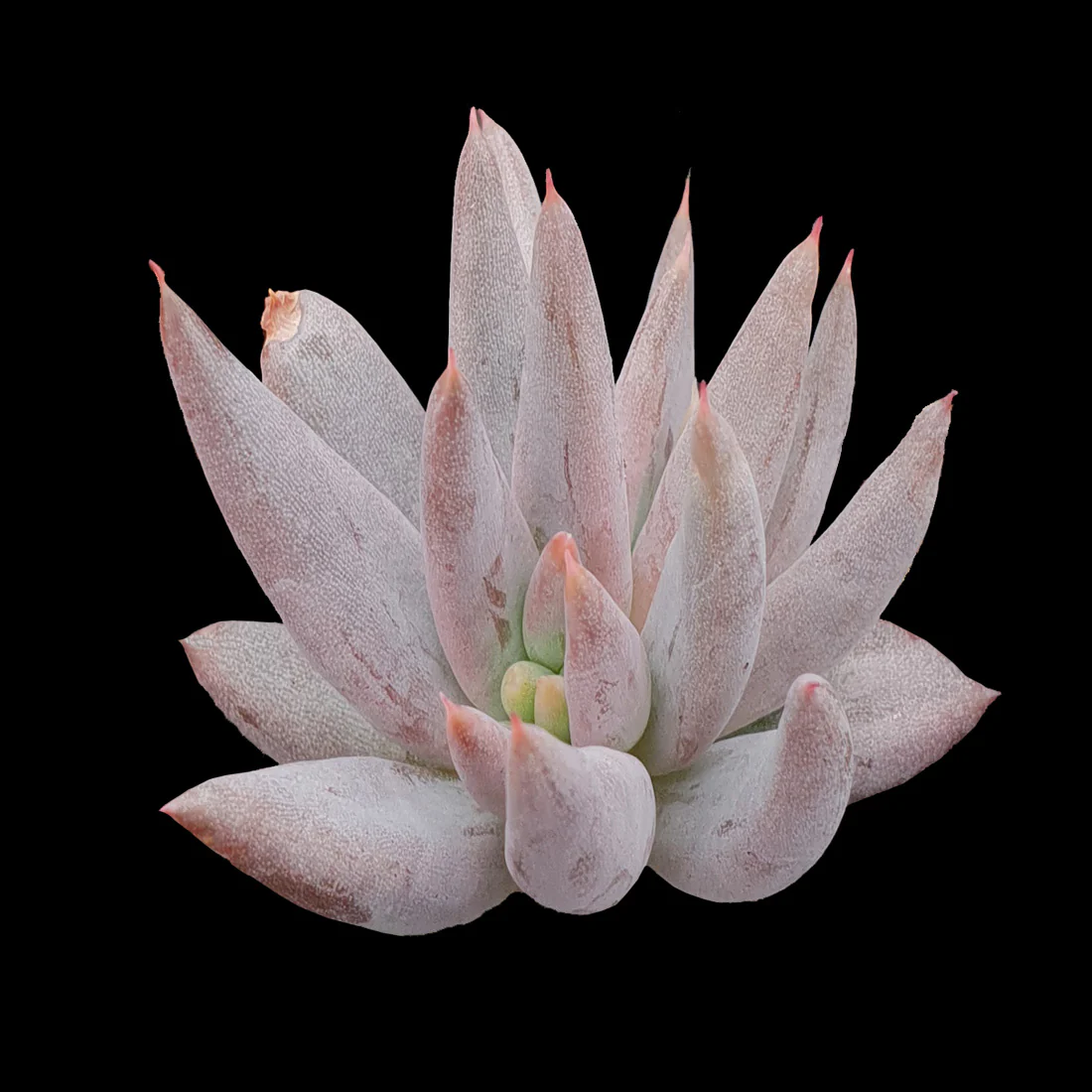
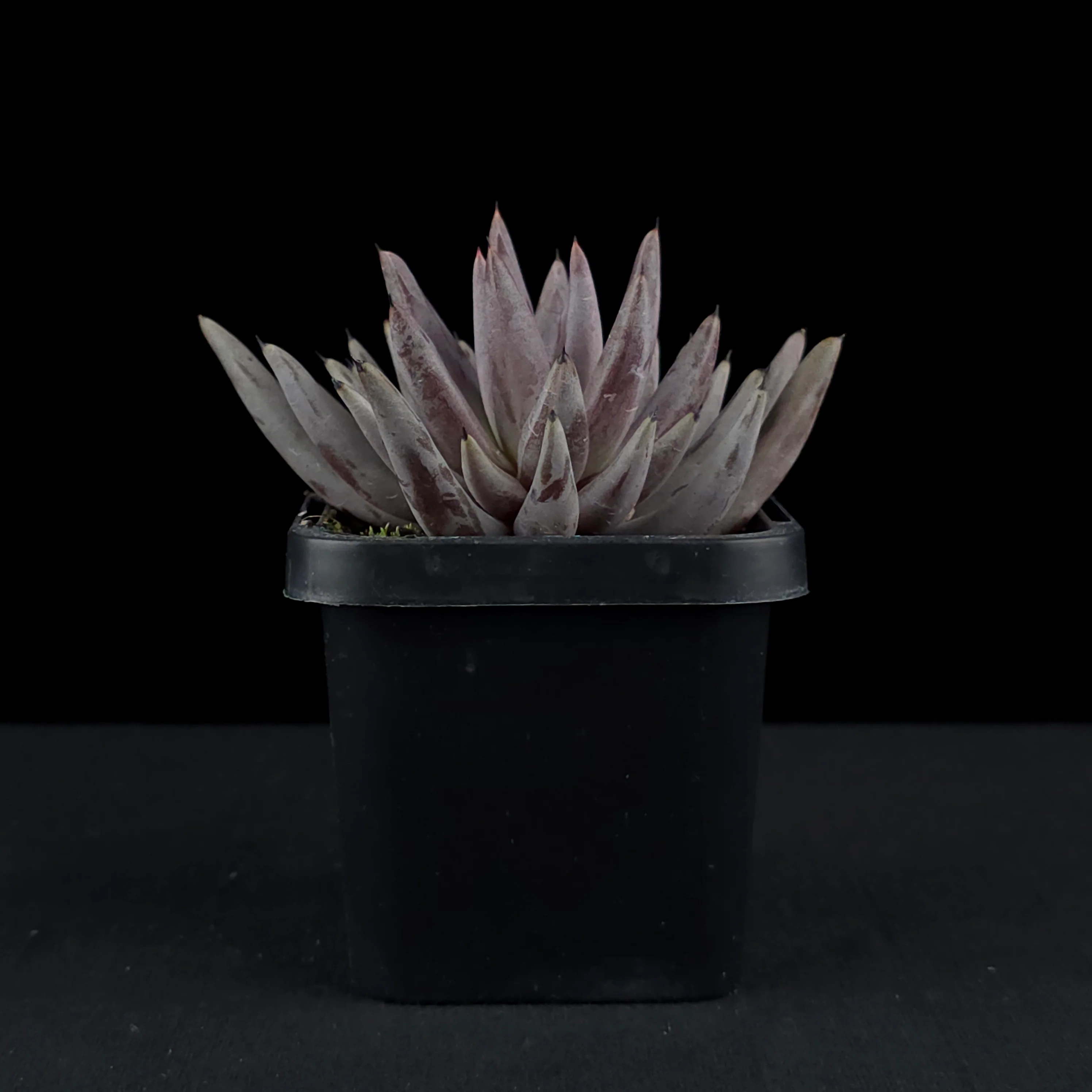
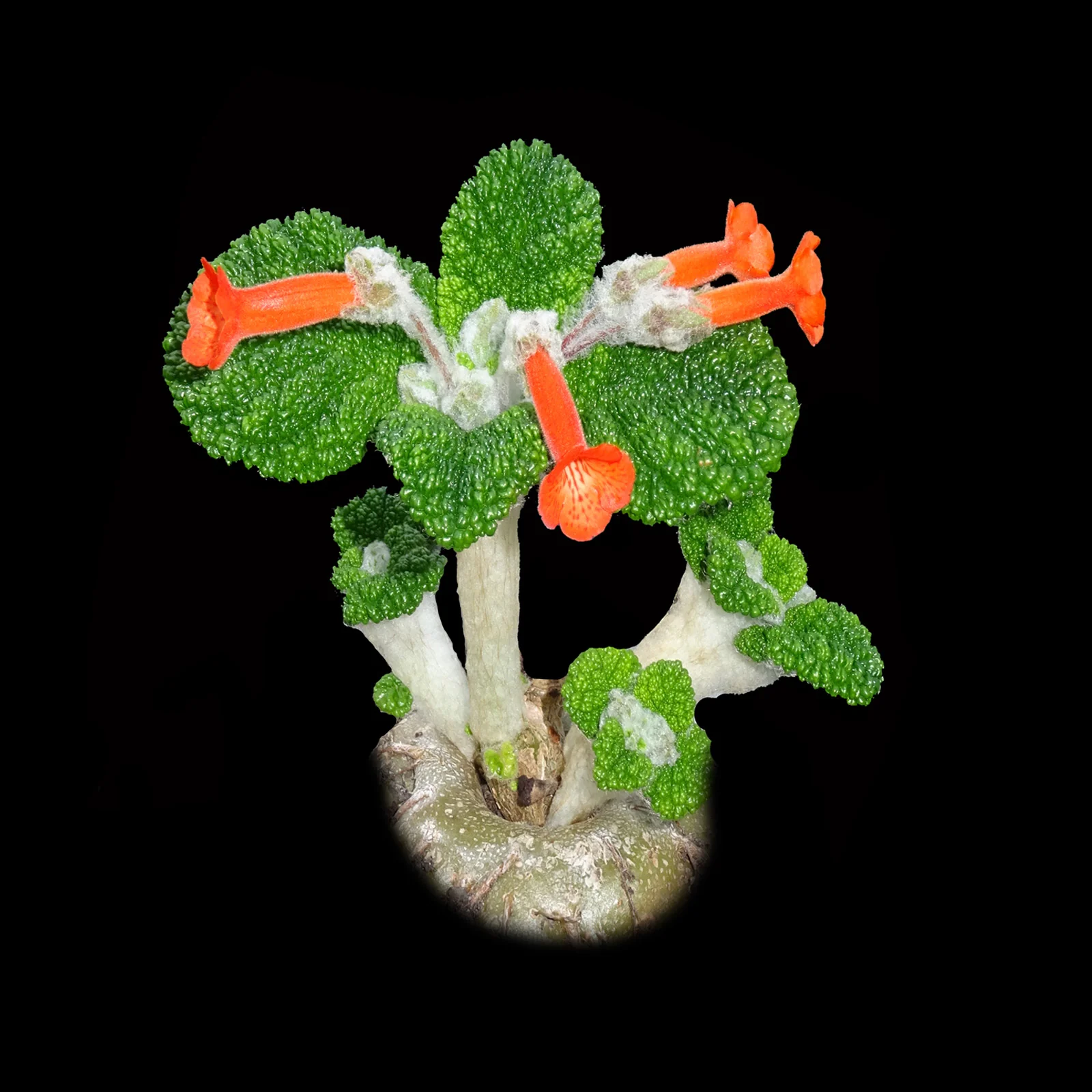
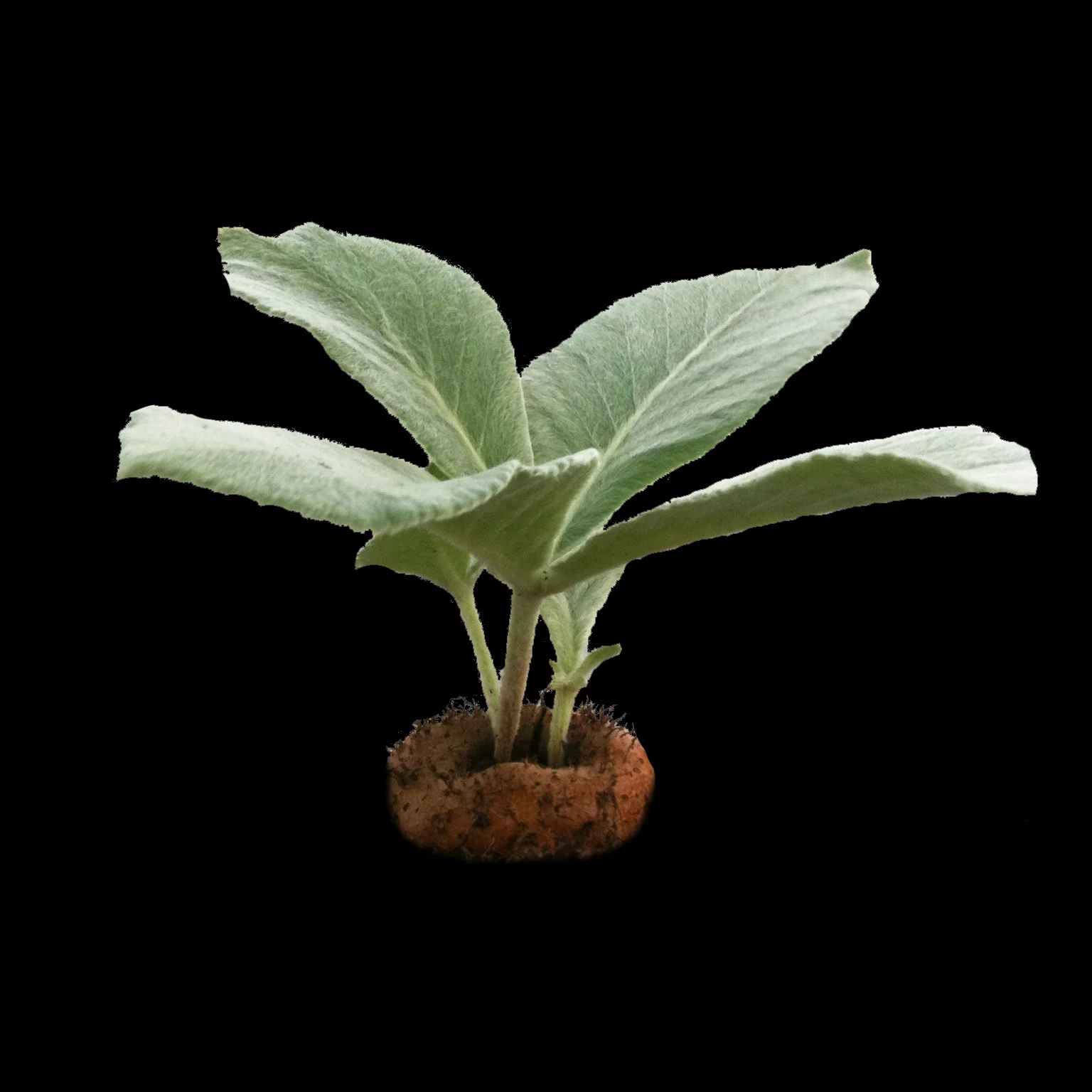
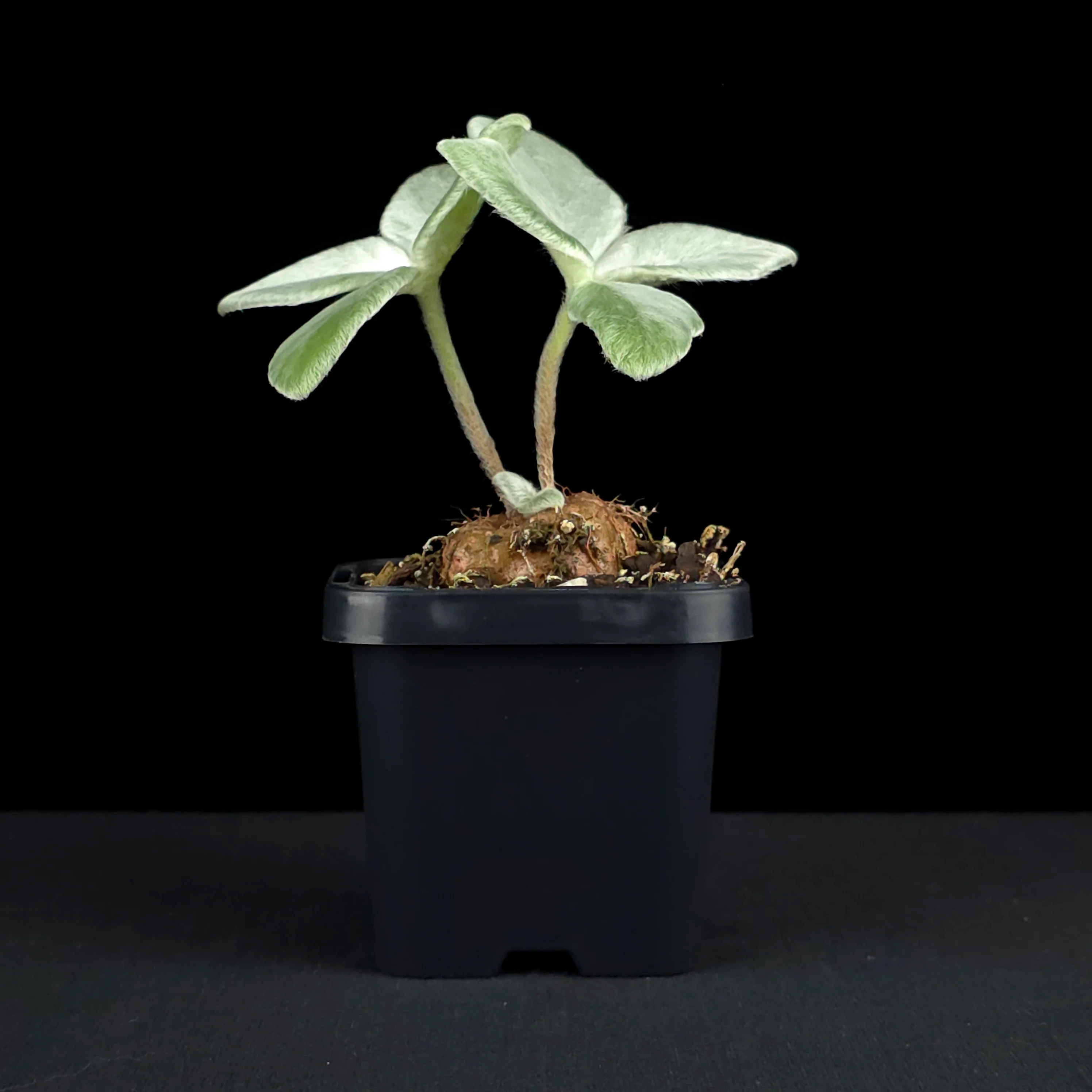
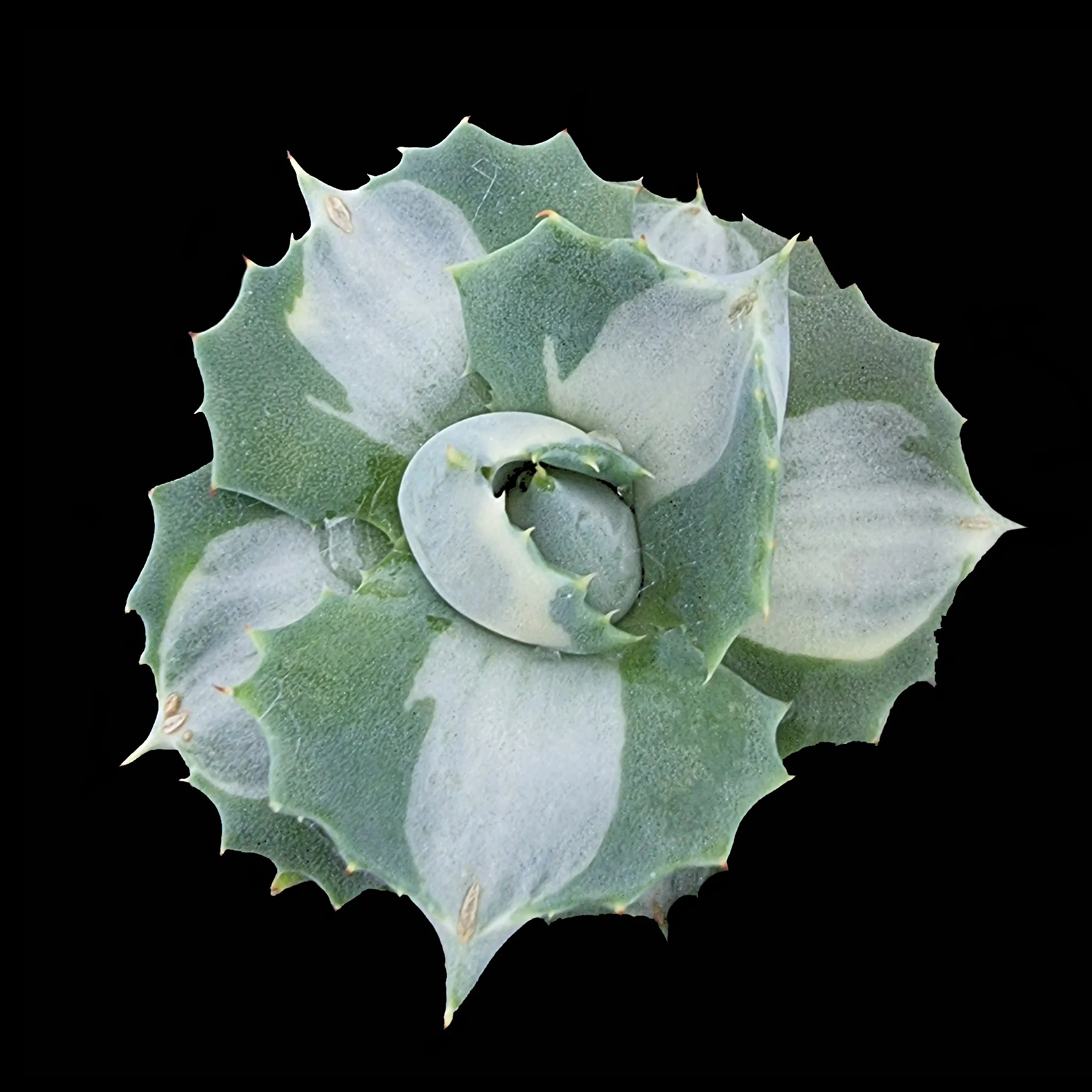
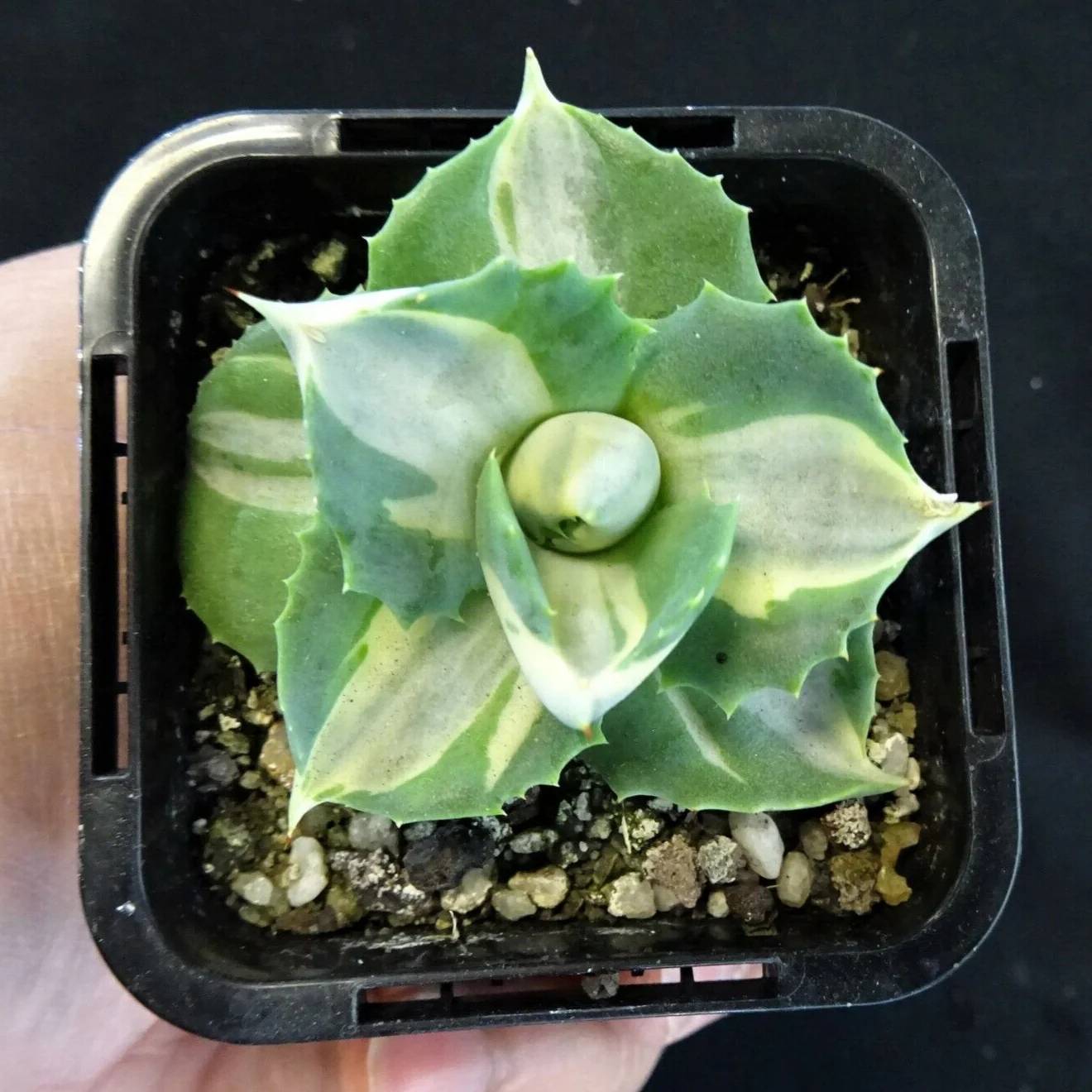
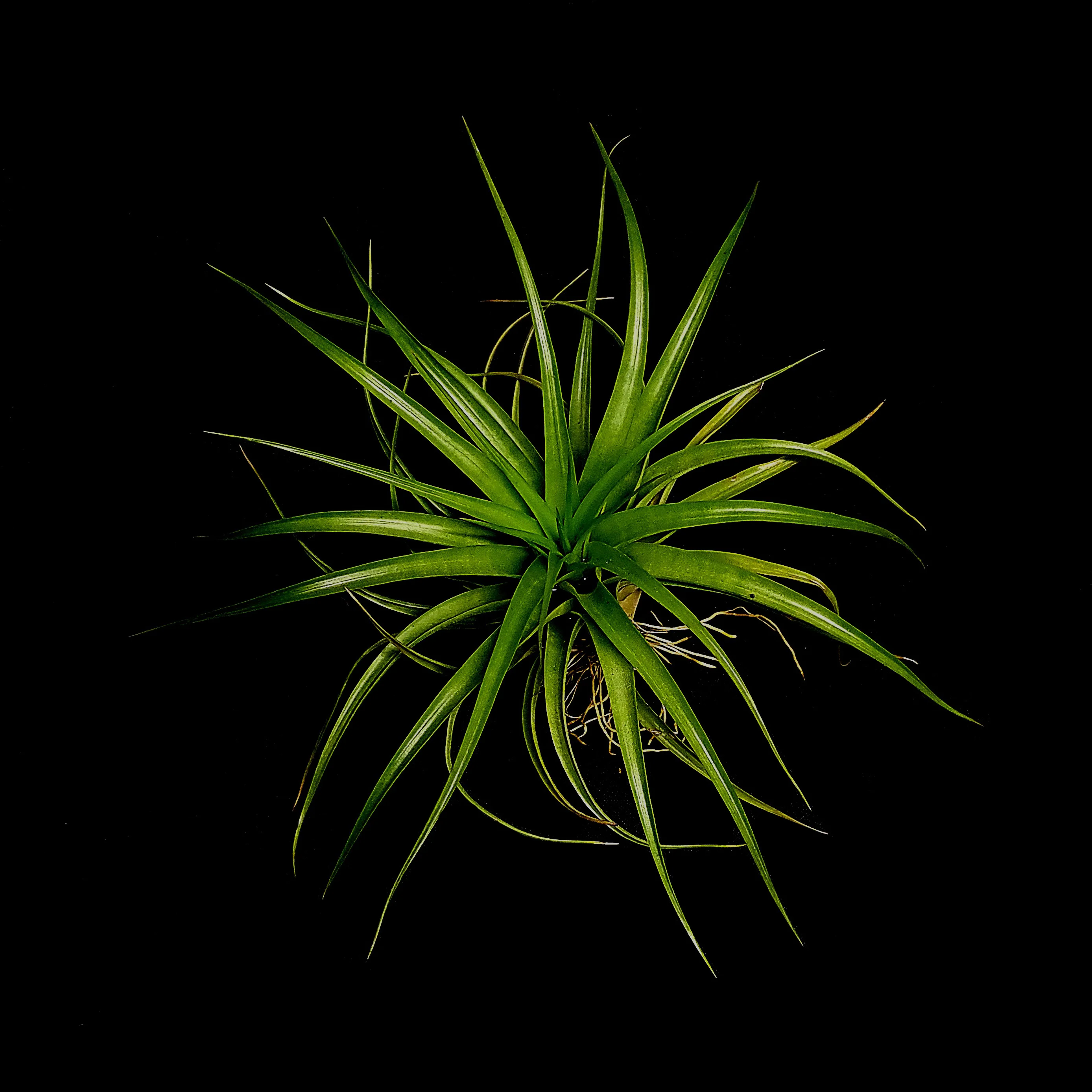
Sempervivum 'Spring Beauty' is a cultivated variety within the genus Sempervivum, part of the Crassulaceae family. This rosette-forming succulent is derived from species native to mountainous regions of southern Europe, where they grow in rocky, well-drained sites exposed to full sun and variable weather. Like its wild relatives, this cultivar is adapted to survive cold winters and summer droughts.
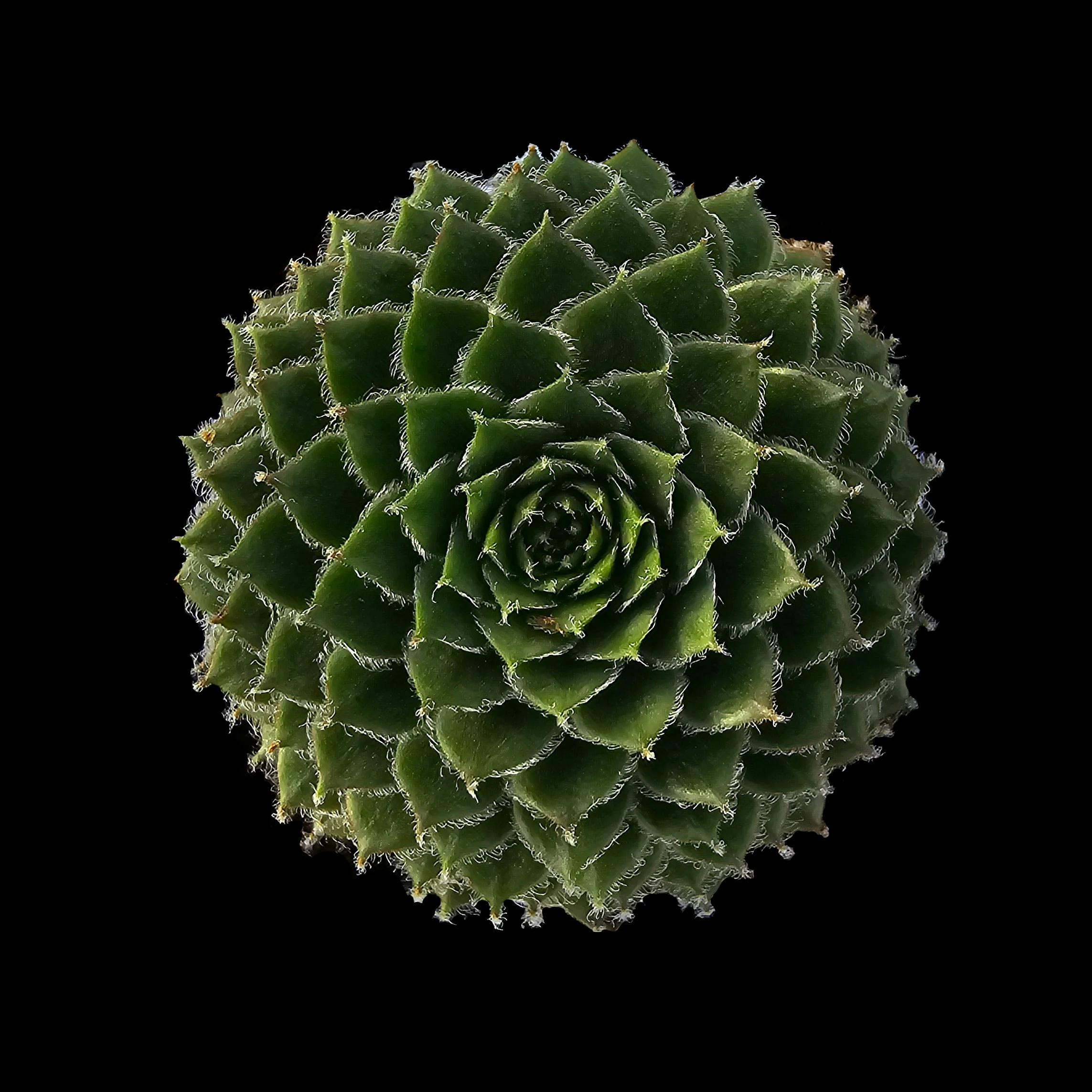
The rosettes are composed of fleshy, triangular leaves that display seasonal colour changes, often intensifying in cooler conditions. Leaf margins may have fine cilia, and offsets form readily around the base, allowing colonies to expand over time. Mature rosettes will eventually flower once before dying, producing a tall, leafy stem topped with clusters of star-shaped flowers.
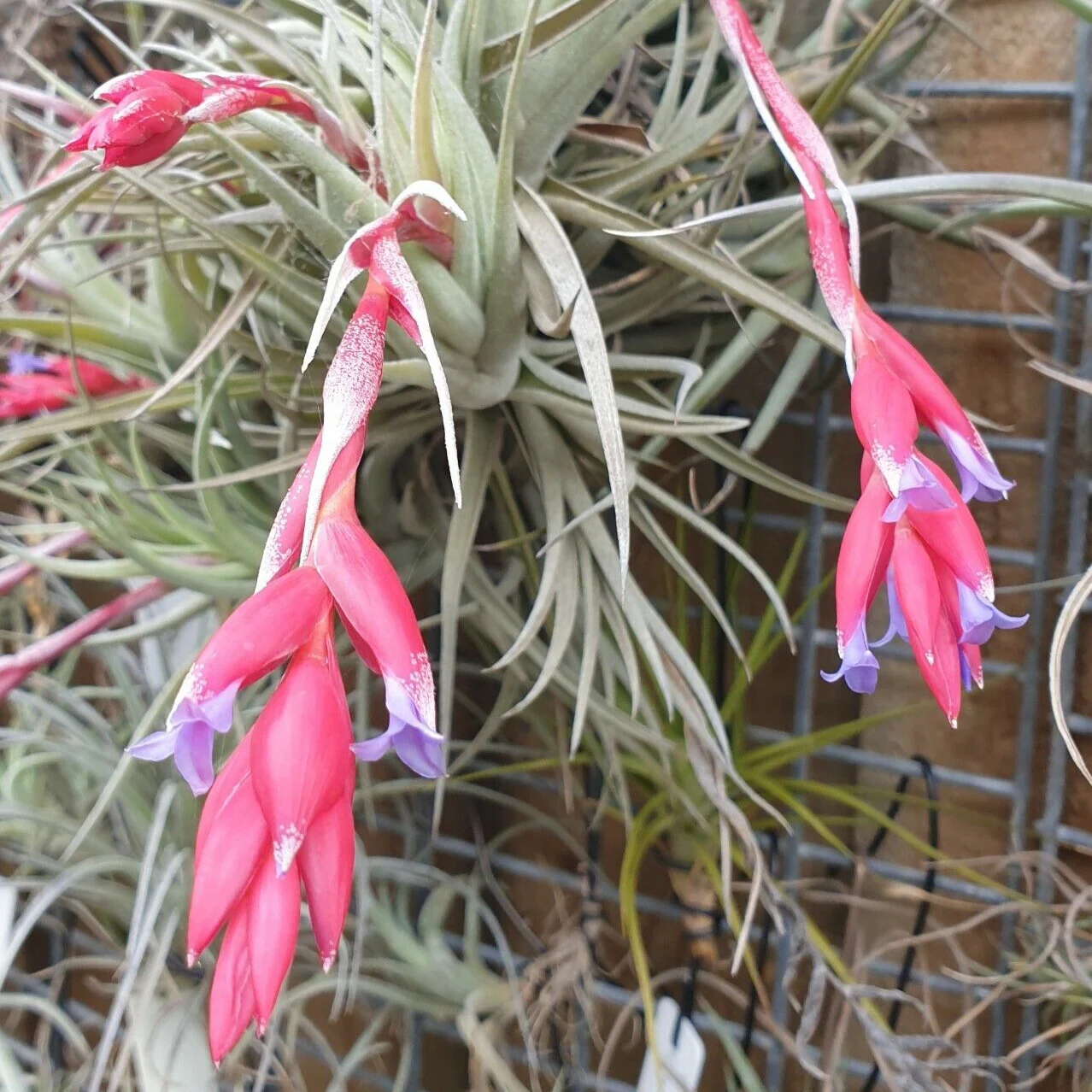
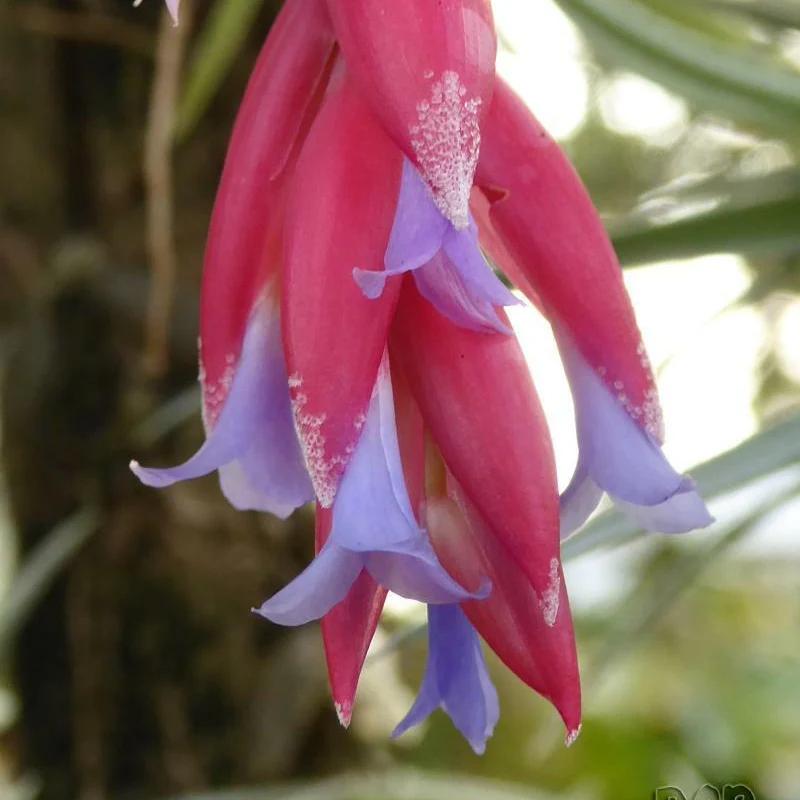
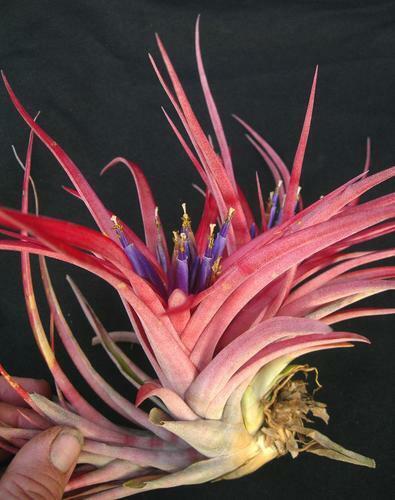
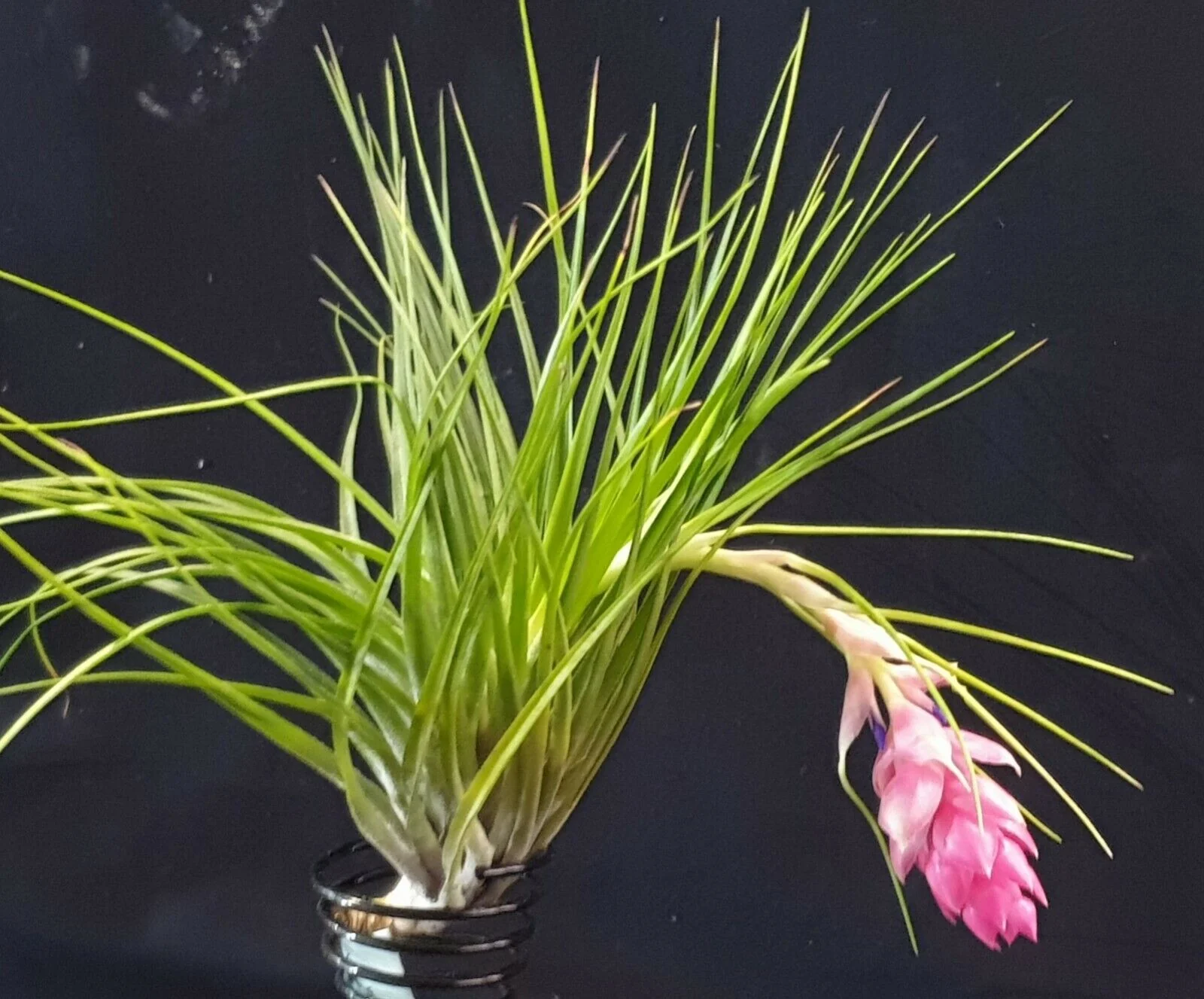
The flowers are typically pink to reddish in tone, attracting pollinators such as bees and other insects. Flowering generally occurs in summer, and after seed set, the parent rosette dies back, leaving space for surrounding offsets to take its place. This growth cycle is characteristic of the genus and contributes to the plant’s persistence in challenging habitats.
Care Tips:
- Light: Full sun for best colour development and compact growth.
- Water: Allow soil to dry between waterings; avoid waterlogging.
- Media: Free-draining, gritty substrate.
- Fertiliser: Occasional feeding during the growing season with a diluted, low-nitrogen fertiliser.
- Temperature: Tolerates frost and freezing temperatures when kept dry.
- Repotting: Infrequent; refresh substrate when clumps outgrow the container or media becomes compacted.
Sempervivum 'Spring Beauty'
Sempervivum 'Spring Beauty' is a cultivated variety within the genus Sempervivum, part of the Crassulaceae family. This rosette-forming succulent is derived from species native to mountainous regions of southern Europe, where they grow in rocky, well-drained sites exposed to full sun and variable weather. Like its wild relatives, this cultivar is adapted to survive cold winters and summer droughts.
The rosettes are composed of fleshy, triangular leaves that display seasonal colour changes, often intensifying in cooler conditions. Leaf margins may have fine cilia, and offsets form readily around the base, allowing colonies to expand over time. Mature rosettes will eventually flower once before dying, producing a tall, leafy stem topped with clusters of star-shaped flowers.
The flowers are typically pink to reddish in tone, attracting pollinators such as bees and other insects. Flowering generally occurs in summer, and after seed set, the parent rosette dies back, leaving space for surrounding offsets to take its place. This growth cycle is characteristic of the genus and contributes to the plant’s persistence in challenging habitats.
Care Tips:
- Light: Full sun for best colour development and compact growth.
- Water: Allow soil to dry between waterings; avoid waterlogging.
- Media: Free-draining, gritty substrate.
- Fertiliser: Occasional feeding during the growing season with a diluted, low-nitrogen fertiliser.
- Temperature: Tolerates frost and freezing temperatures when kept dry.
- Repotting: Infrequent; refresh substrate when clumps outgrow the container or media becomes compacted.
Product Information
Product Information
Shipping & Returns
Shipping & Returns
Description
Sempervivum 'Spring Beauty' is a cultivated variety within the genus Sempervivum, part of the Crassulaceae family. This rosette-forming succulent is derived from species native to mountainous regions of southern Europe, where they grow in rocky, well-drained sites exposed to full sun and variable weather. Like its wild relatives, this cultivar is adapted to survive cold winters and summer droughts.
The rosettes are composed of fleshy, triangular leaves that display seasonal colour changes, often intensifying in cooler conditions. Leaf margins may have fine cilia, and offsets form readily around the base, allowing colonies to expand over time. Mature rosettes will eventually flower once before dying, producing a tall, leafy stem topped with clusters of star-shaped flowers.
The flowers are typically pink to reddish in tone, attracting pollinators such as bees and other insects. Flowering generally occurs in summer, and after seed set, the parent rosette dies back, leaving space for surrounding offsets to take its place. This growth cycle is characteristic of the genus and contributes to the plant’s persistence in challenging habitats.
Care Tips:
- Light: Full sun for best colour development and compact growth.
- Water: Allow soil to dry between waterings; avoid waterlogging.
- Media: Free-draining, gritty substrate.
- Fertiliser: Occasional feeding during the growing season with a diluted, low-nitrogen fertiliser.
- Temperature: Tolerates frost and freezing temperatures when kept dry.
- Repotting: Infrequent; refresh substrate when clumps outgrow the container or media becomes compacted.