Stanhopea Hybrids 'The Upside-down Orchid'
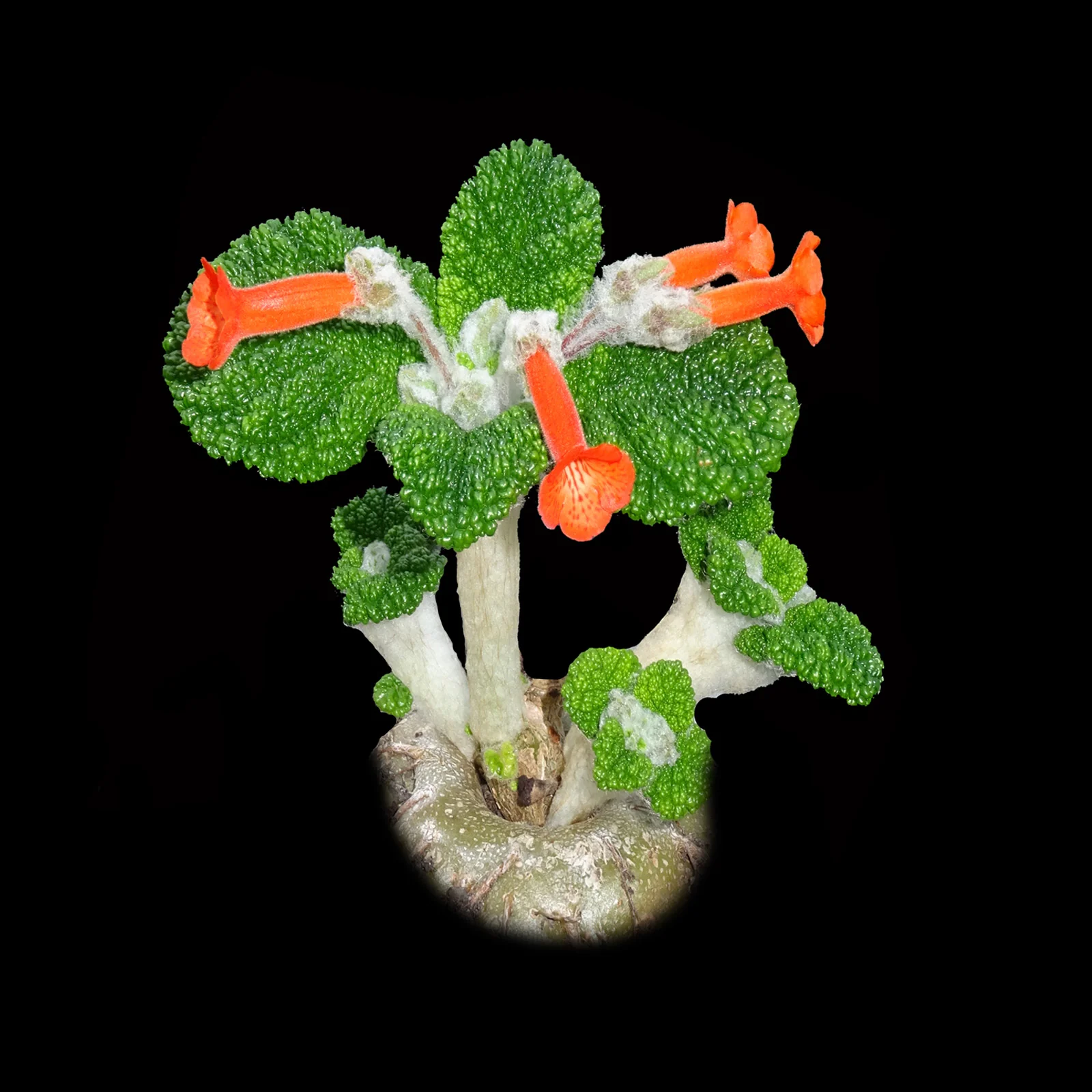
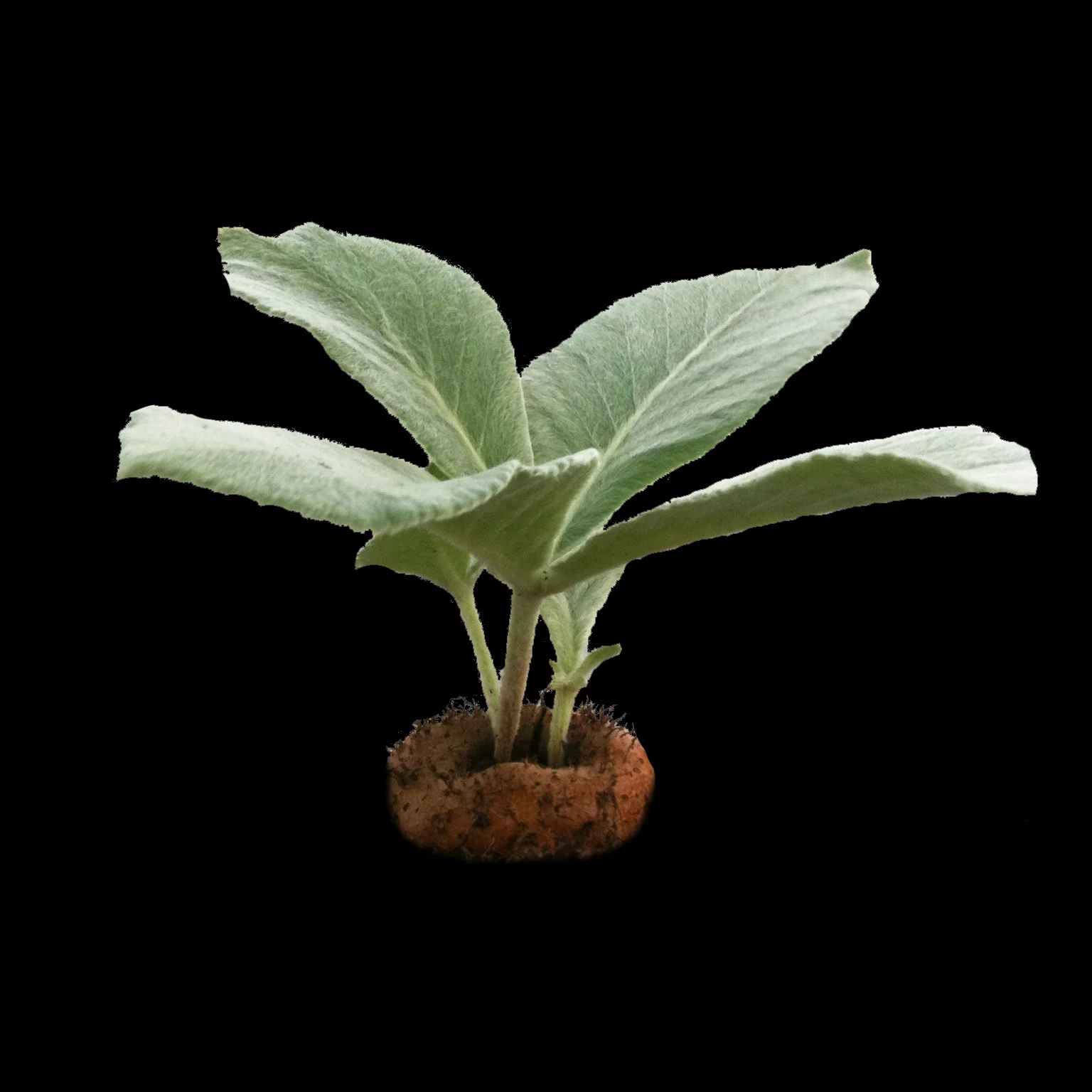
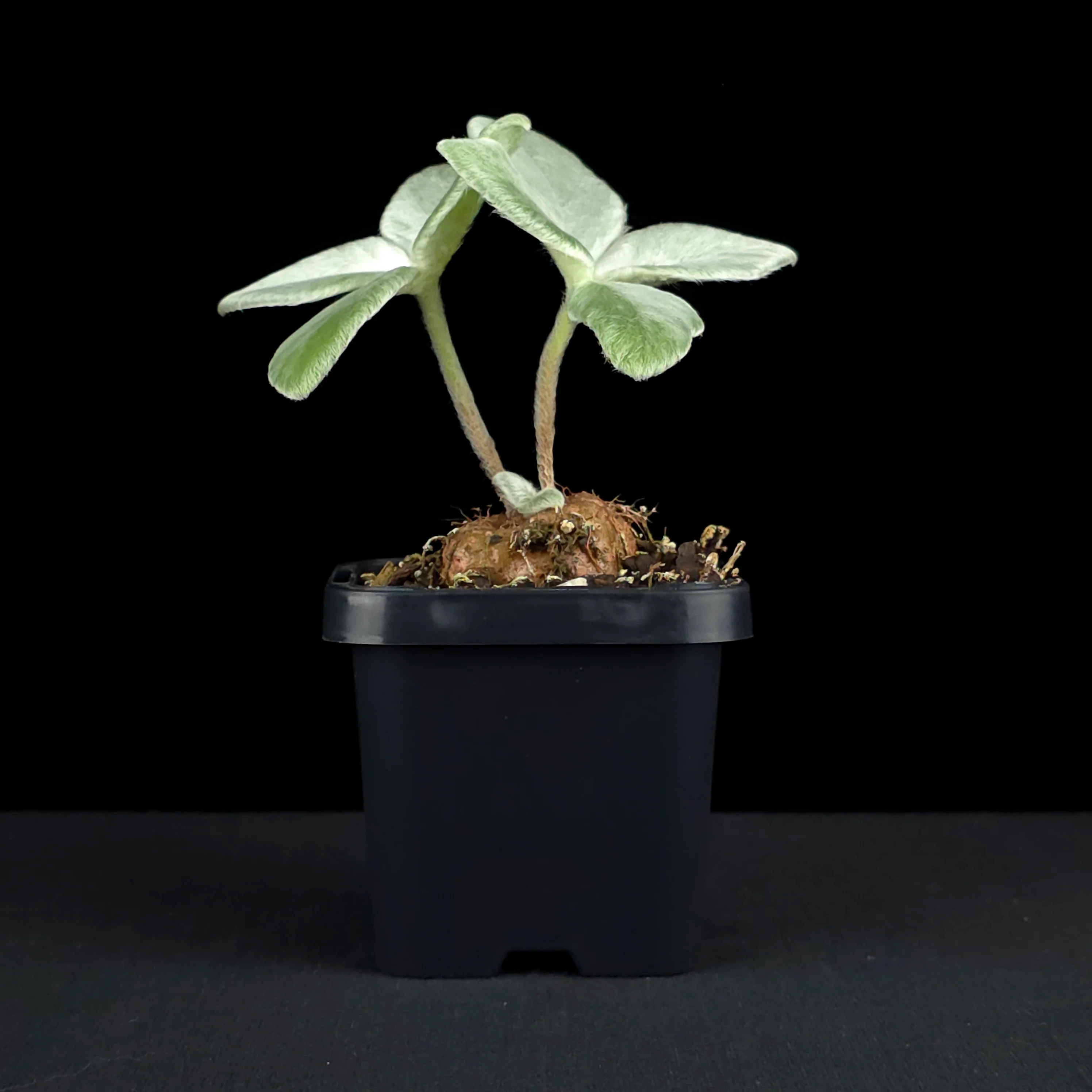
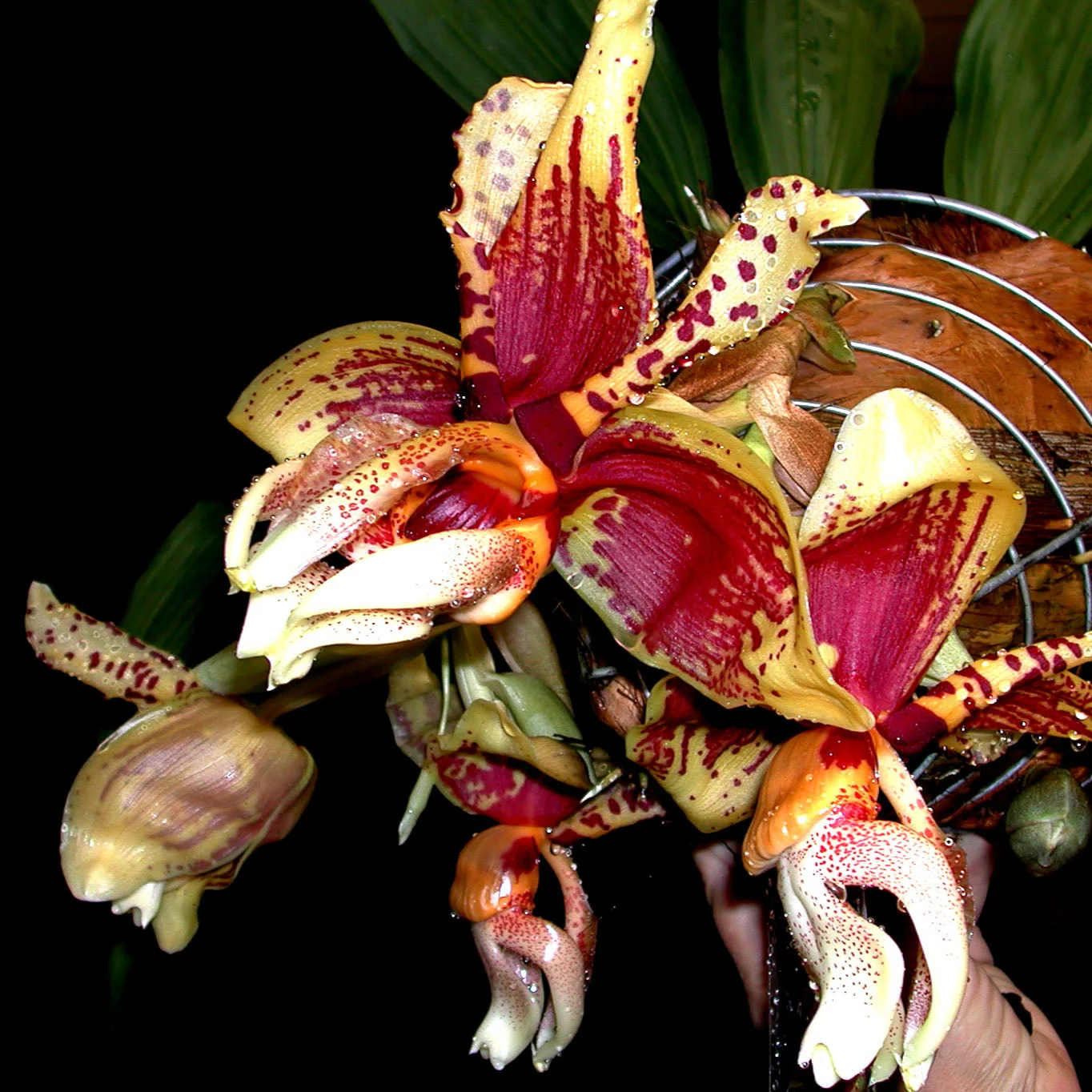
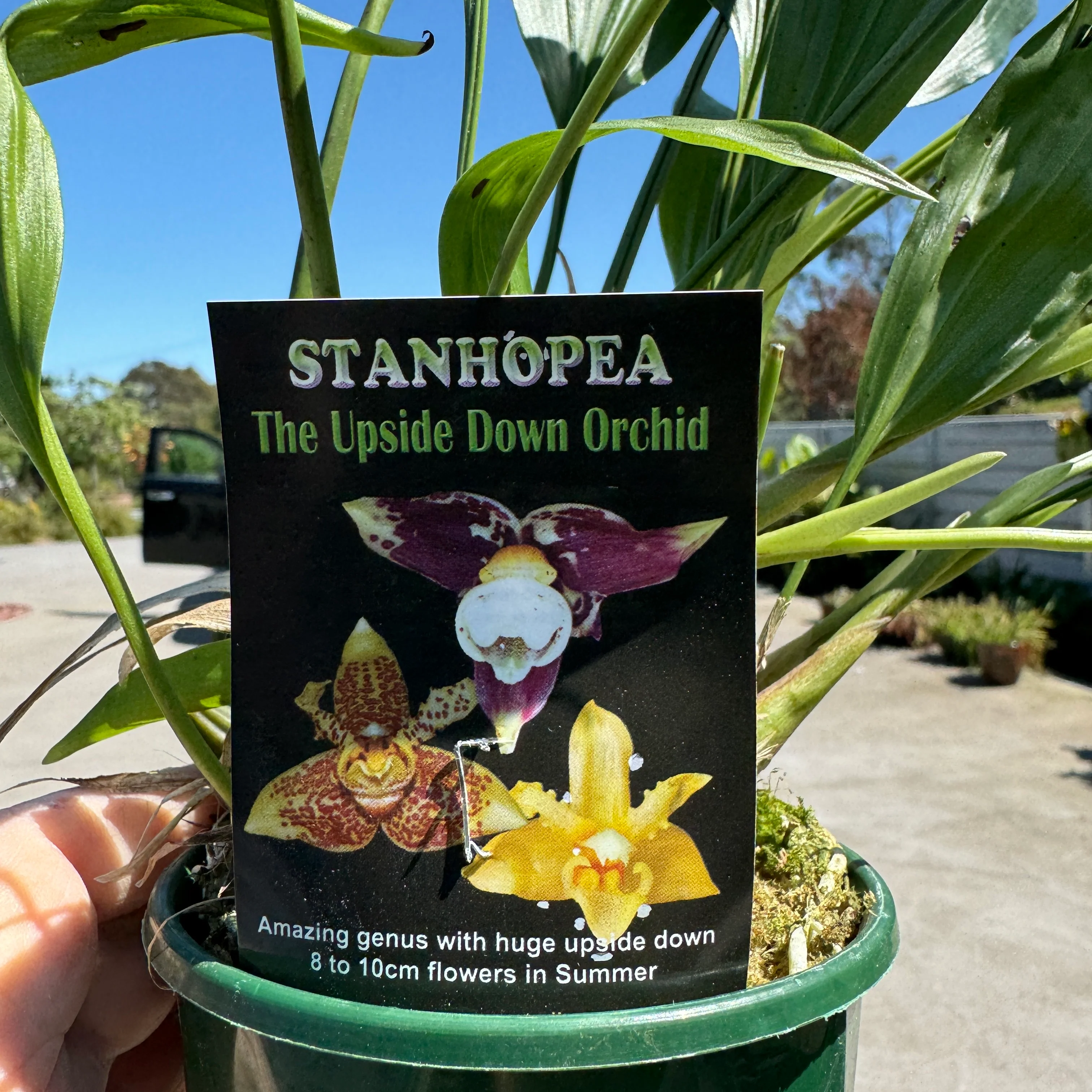
Stanhopea hybrids are remarkable orchids known for their large, highly fragrant flowers that emerge from the base of the plant, often appearing to "hang upside down." These epiphytic orchids originate from Central and South America and are prized for their intricate, short-lived blooms that release an intoxicating scent to attract pollinators.
Distinctive Features:
- Large, waxy flowers with intricate patterns and spots.
- Flowers emerge from the base, requiring an open-bottom basket for proper blooming.
- Highly fragrant, often described as spicy, vanilla-like, or reminiscent of citrus.
- Short-lived blooms, typically lasting only 2–3 days.
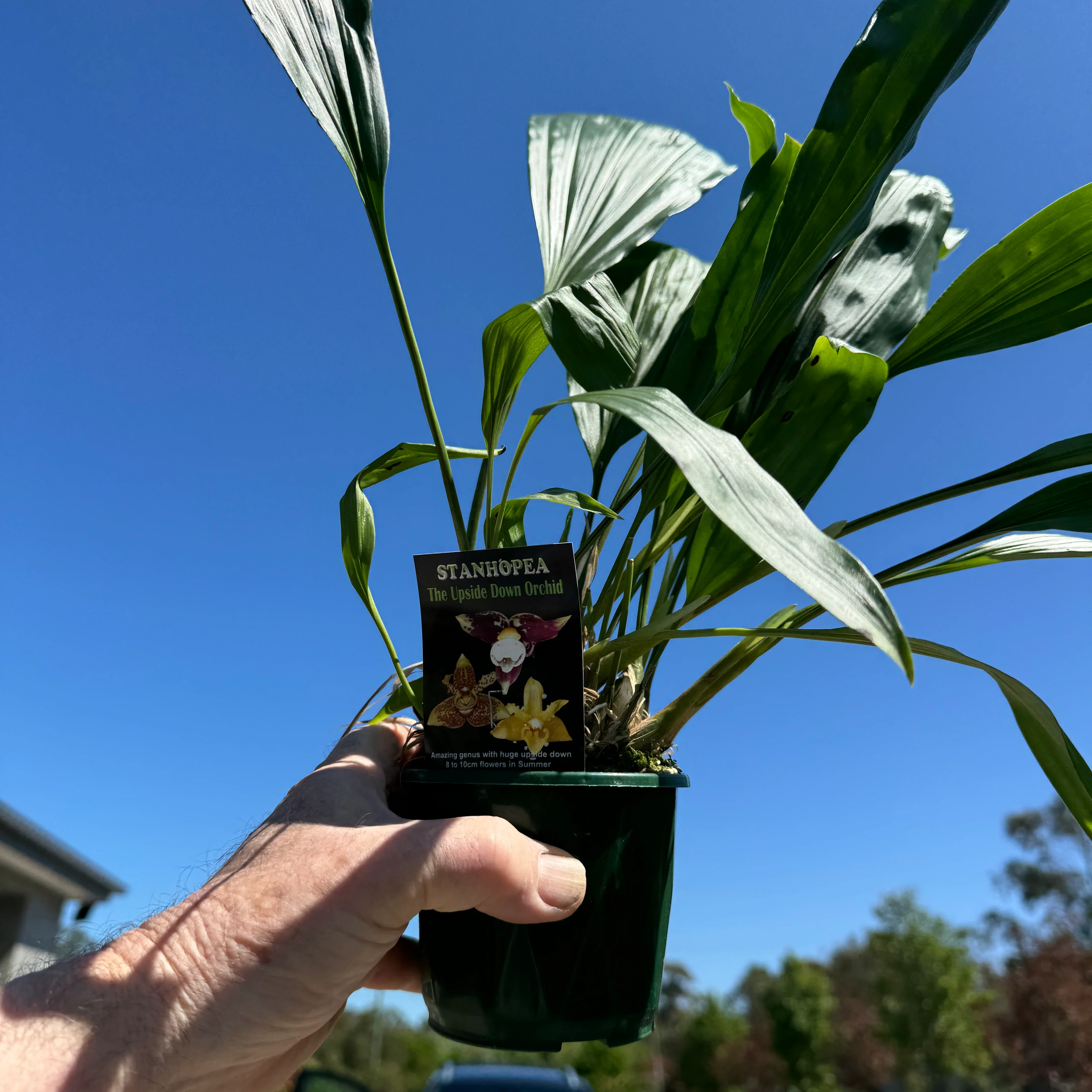
- Thick, pleated leaves and pseudobulbs that store water and nutrients.
Care Tips:
- Light: Prefers bright, indirect light with dappled shade; avoid harsh midday sun.
- Water: Keep evenly moist during active growth but allow slight drying between watering in cooler months.
- Humidity: Requires high humidity (60–80%), making it ideal for greenhouse or terrarium cultivation.
- Media: Best grown in an open basket filled with a coarse, well-draining mix of bark, sphagnum moss, and perlite.
- Temperature: Thrives in intermediate to warm conditions (15–28°C), avoiding extreme heat or cold.
- Fertiliser: Feed regularly with a balanced orchid fertiliser (weakly, weekly) during active growth.
- Repotting: Minimal repotting required; only when the medium breaks down, ensuring a hanging basket to accommodate basal blooming.
More Images
Stanhopea Hybrids 'The Upside-down Orchid'
Stanhopea hybrids are remarkable orchids known for their large, highly fragrant flowers that emerge from the base of the plant, often appearing to "hang upside down." These epiphytic orchids originate from Central and South America and are prized for their intricate, short-lived blooms that release an intoxicating scent to attract pollinators.
Distinctive Features:
- Large, waxy flowers with intricate patterns and spots.
- Flowers emerge from the base, requiring an open-bottom basket for proper blooming.
- Highly fragrant, often described as spicy, vanilla-like, or reminiscent of citrus.
- Short-lived blooms, typically lasting only 2–3 days.
- Thick, pleated leaves and pseudobulbs that store water and nutrients.
Care Tips:
- Light: Prefers bright, indirect light with dappled shade; avoid harsh midday sun.
- Water: Keep evenly moist during active growth but allow slight drying between watering in cooler months.
- Humidity: Requires high humidity (60–80%), making it ideal for greenhouse or terrarium cultivation.
- Media: Best grown in an open basket filled with a coarse, well-draining mix of bark, sphagnum moss, and perlite.
- Temperature: Thrives in intermediate to warm conditions (15–28°C), avoiding extreme heat or cold.
- Fertiliser: Feed regularly with a balanced orchid fertiliser (weakly, weekly) during active growth.
- Repotting: Minimal repotting required; only when the medium breaks down, ensuring a hanging basket to accommodate basal blooming.
Product Information
Product Information
Shipping & Returns
Shipping & Returns
Description
Stanhopea hybrids are remarkable orchids known for their large, highly fragrant flowers that emerge from the base of the plant, often appearing to "hang upside down." These epiphytic orchids originate from Central and South America and are prized for their intricate, short-lived blooms that release an intoxicating scent to attract pollinators.
Distinctive Features:
- Large, waxy flowers with intricate patterns and spots.
- Flowers emerge from the base, requiring an open-bottom basket for proper blooming.
- Highly fragrant, often described as spicy, vanilla-like, or reminiscent of citrus.
- Short-lived blooms, typically lasting only 2–3 days.
- Thick, pleated leaves and pseudobulbs that store water and nutrients.
Care Tips:
- Light: Prefers bright, indirect light with dappled shade; avoid harsh midday sun.
- Water: Keep evenly moist during active growth but allow slight drying between watering in cooler months.
- Humidity: Requires high humidity (60–80%), making it ideal for greenhouse or terrarium cultivation.
- Media: Best grown in an open basket filled with a coarse, well-draining mix of bark, sphagnum moss, and perlite.
- Temperature: Thrives in intermediate to warm conditions (15–28°C), avoiding extreme heat or cold.
- Fertiliser: Feed regularly with a balanced orchid fertiliser (weakly, weekly) during active growth.
- Repotting: Minimal repotting required; only when the medium breaks down, ensuring a hanging basket to accommodate basal blooming.