Stanhopea inodora × oculata
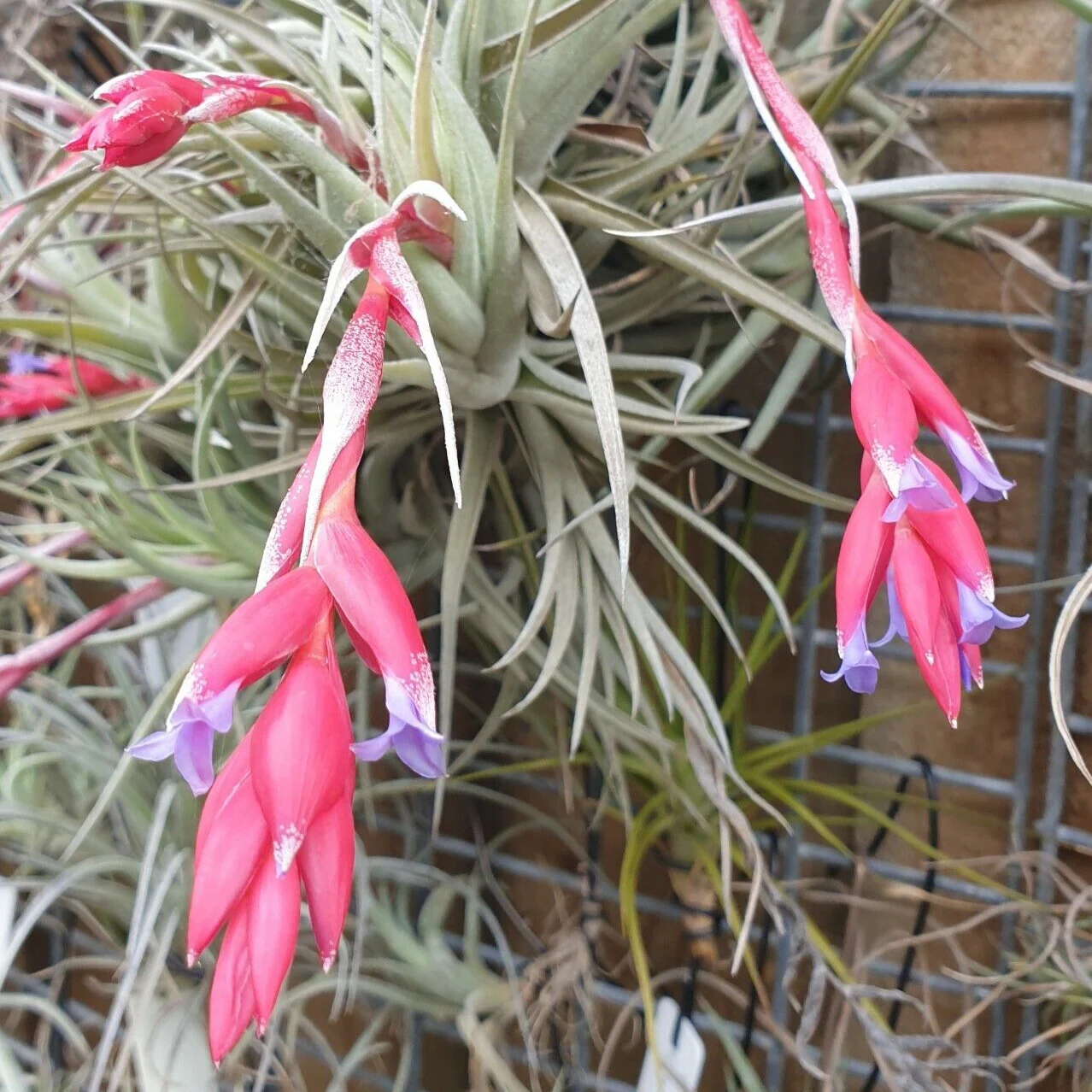
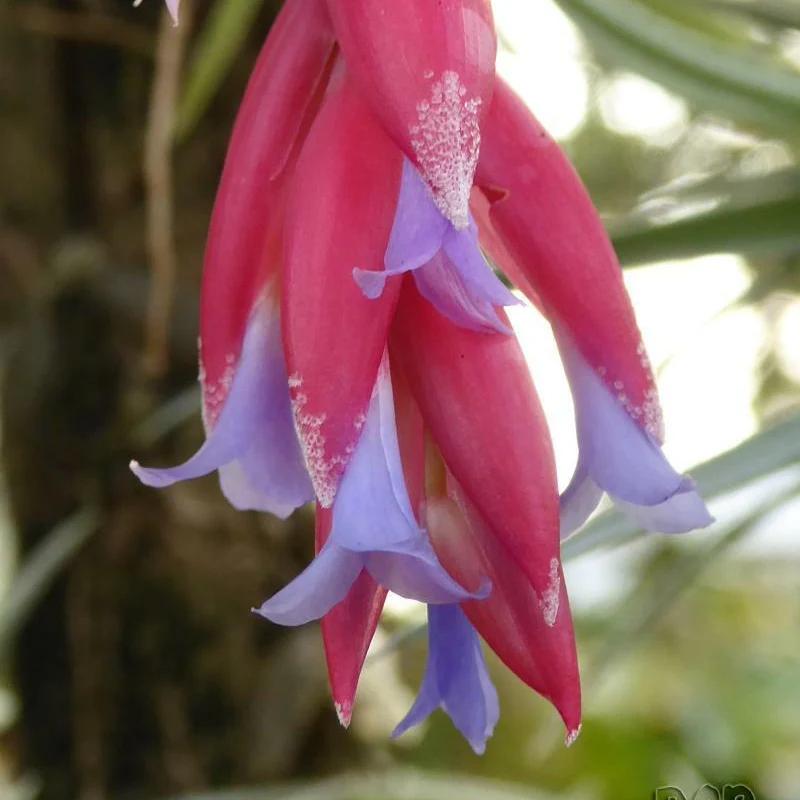
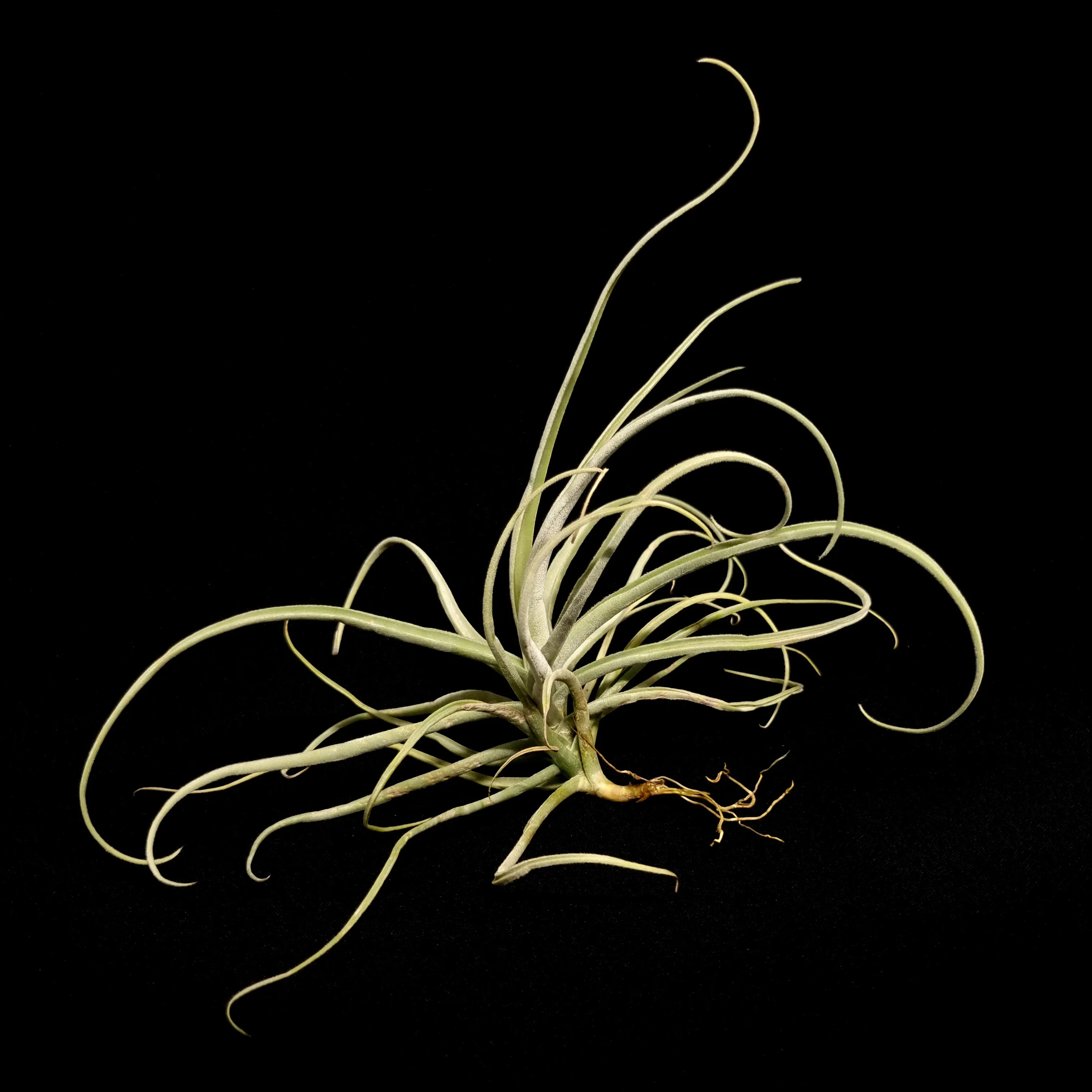
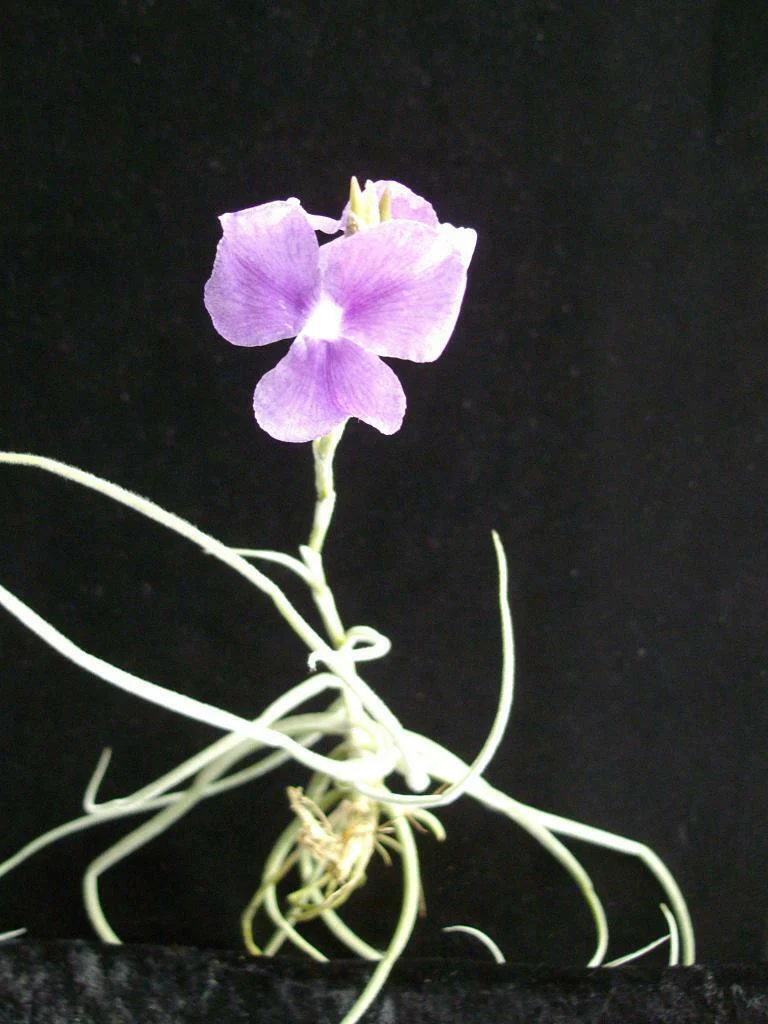
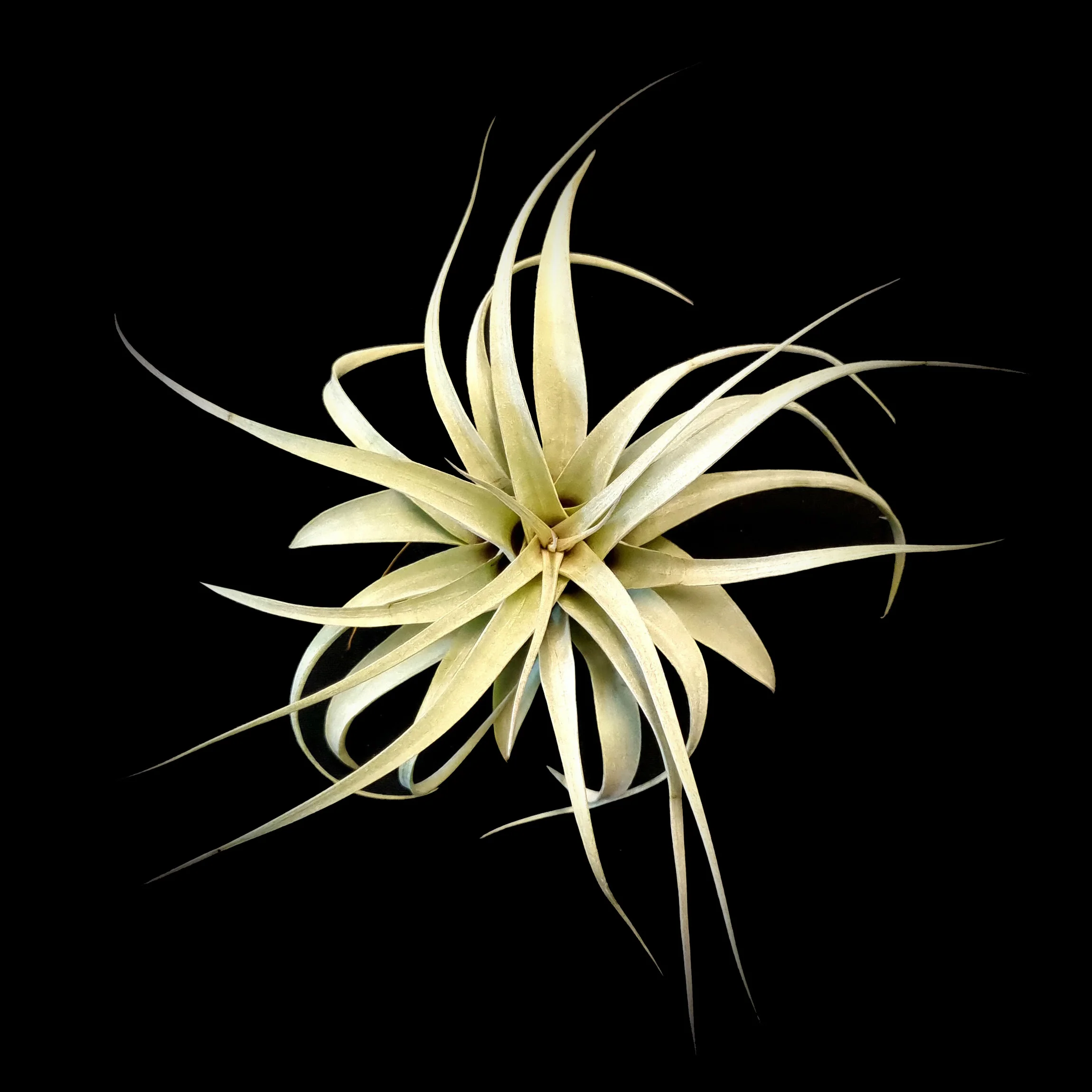
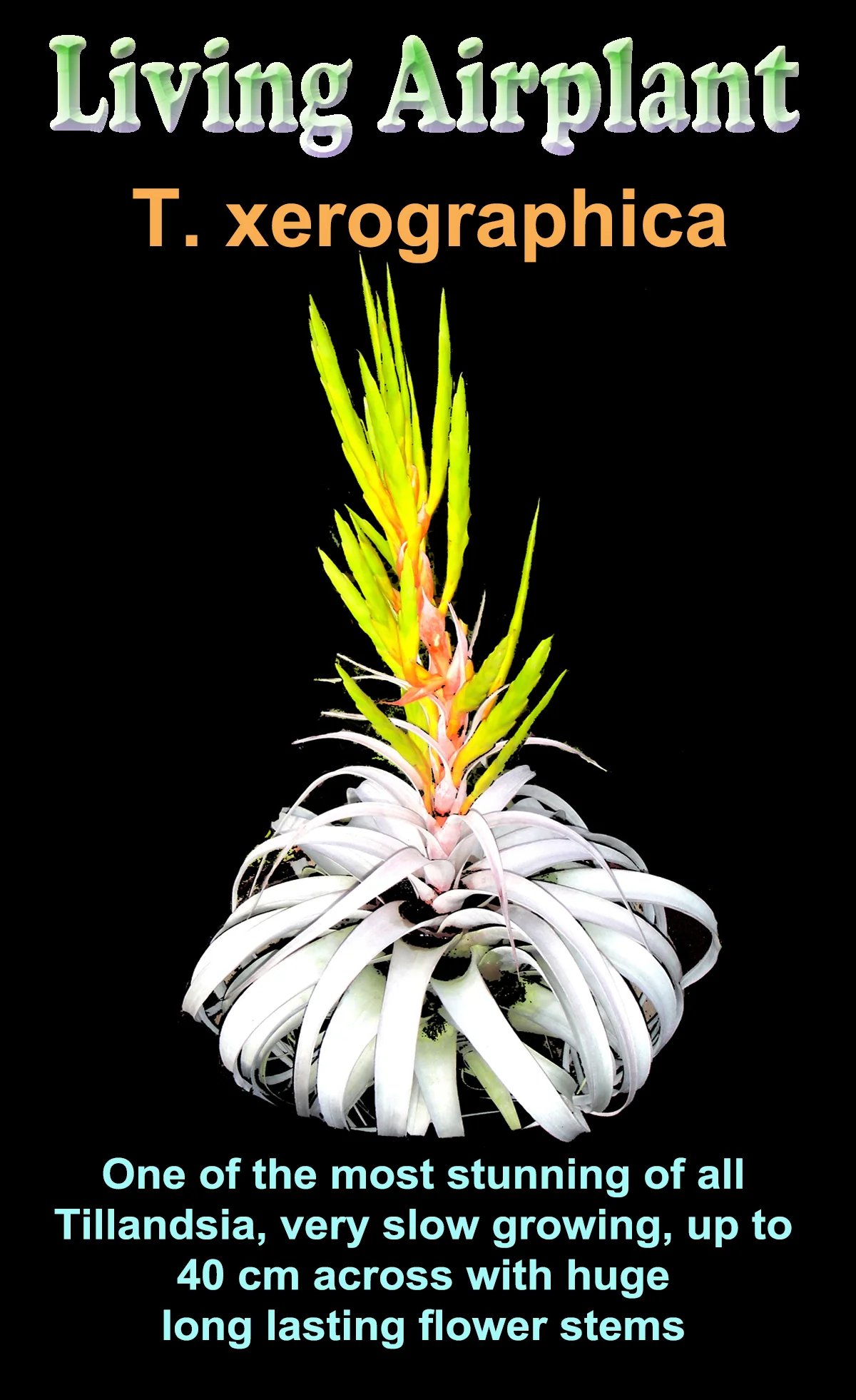
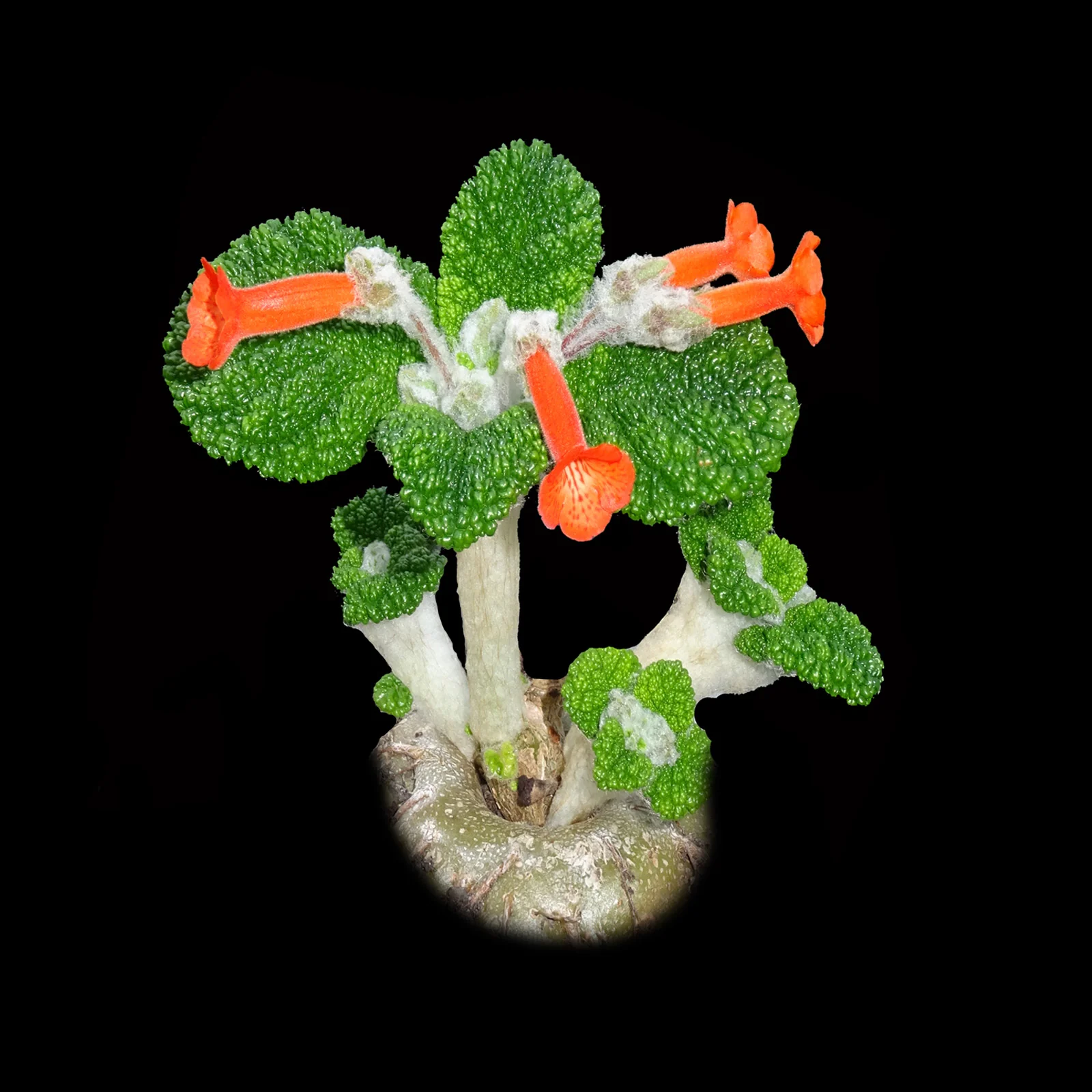
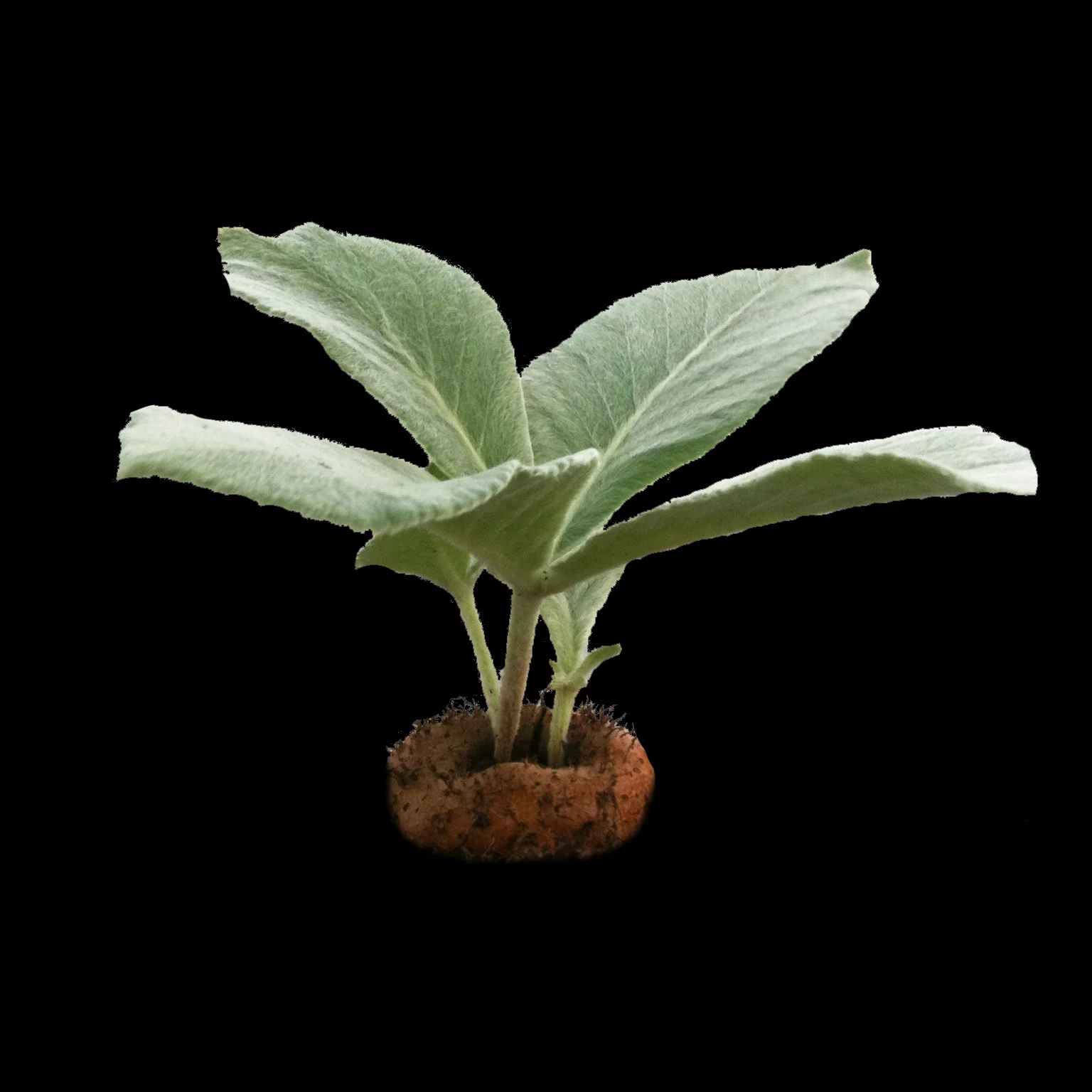
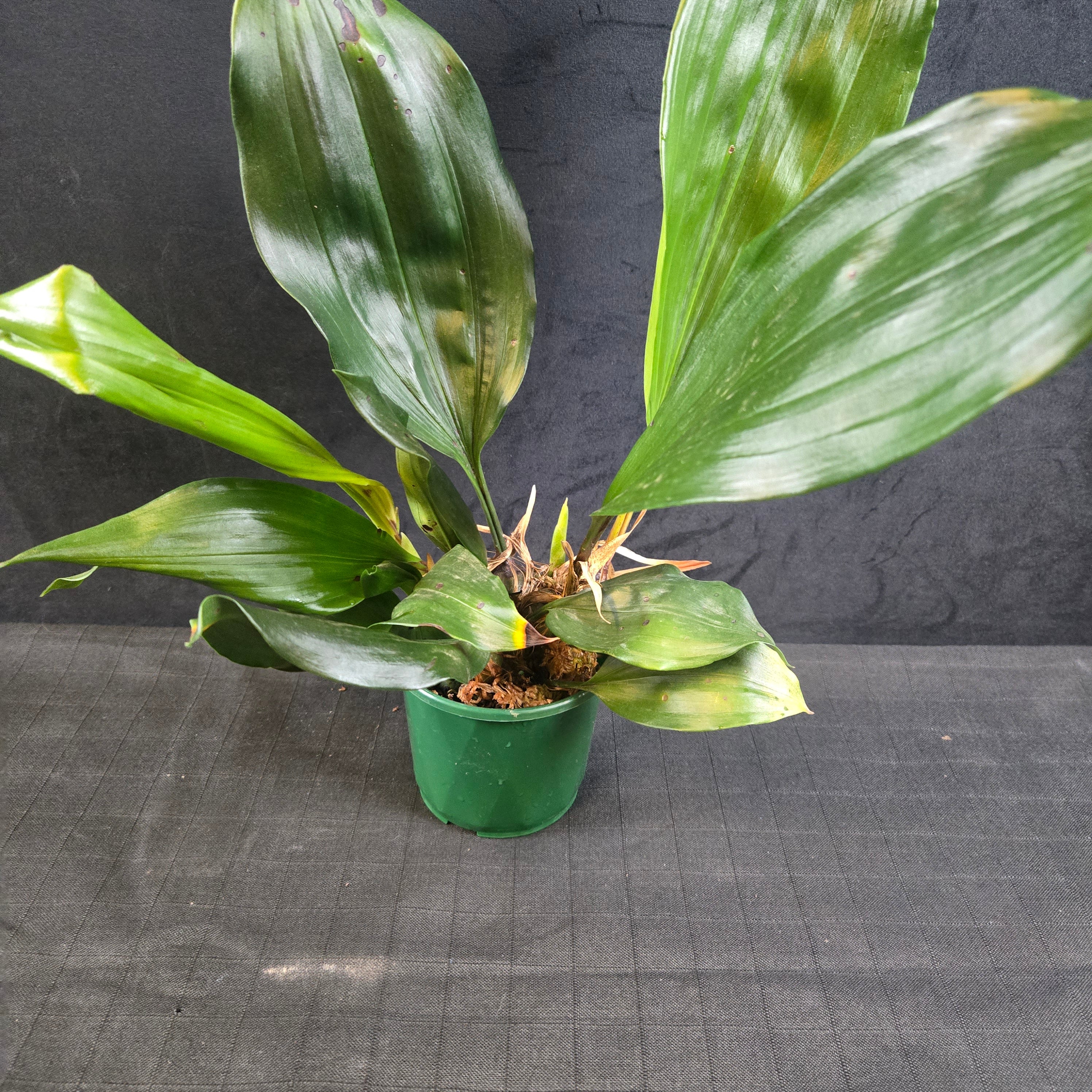
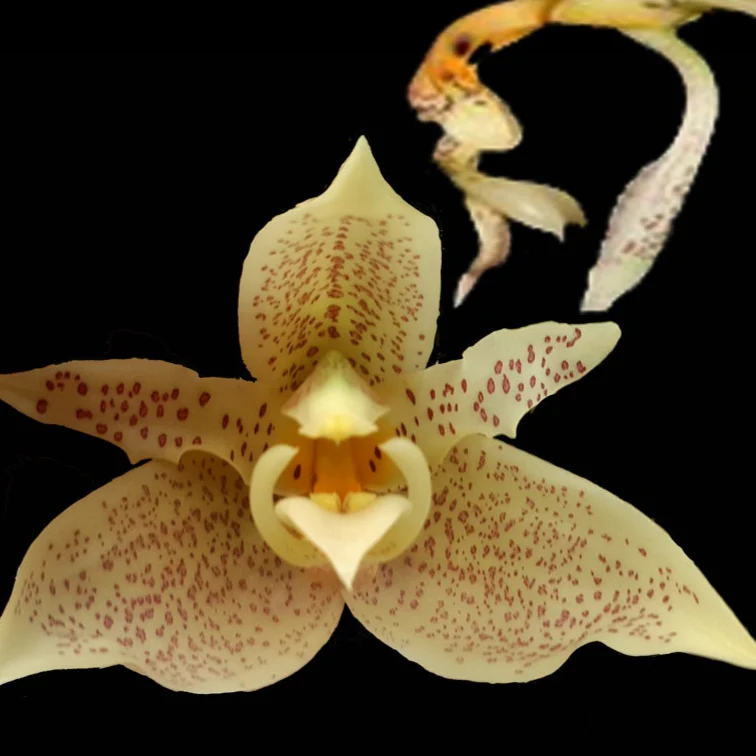
Photo 1 is inadora photo 2 is occulata
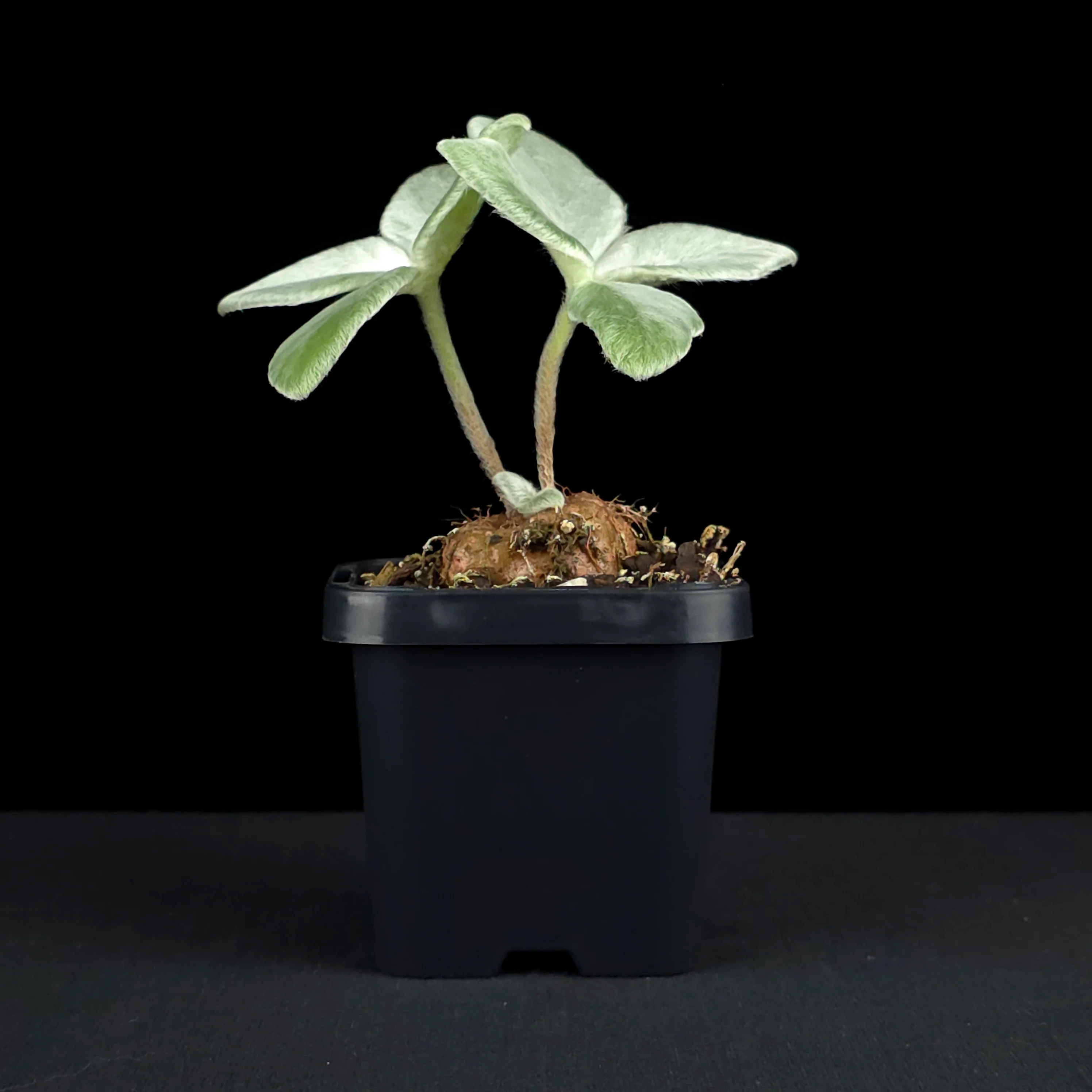
what is on offer is a seedling created from both and will vary in colour and form.
Stanhopea inodora × oculata is an intriguing primary hybrid, uniting the broad, sculptural blooms of Stanhopea inodora with the dramatic eye-like patterning of Stanhopea oculata. Native to Central and South America, both parents thrive in humid, shaded conditions and produce striking, pendant inflorescences that emerge from the bottom of the basket or pot.
Distinctive Features
- Floral Form: Large, waxy blooms with bold morphology, often appearing simultaneously in a downward-facing cluster.
- Visual Appeal: Combines creamy or pale yellow hues with central eye spots inherited from S. oculata.
- Growth Habit: Epiphytic with a tendency to produce pendant spikes that require open-bottomed containers.
Care Tips
- Light: Dappled shade to filtered light; avoid direct midday sun.
- Water: Keep moist during active growth; reduce slightly in winter but do not allow to dry out completely.
- Humidity: Prefers high humidity (60–80%), especially during spike development.
- Media: Open, airy orchid mix in a slatted basket or net pot to accommodate emerging spikes.
- Temperature: Intermediate to warm (15–28 °C); sensitive to cold draughts.
- Fertiliser: Balanced orchid fertiliser every two weeks during growth; reduce feeding in cooler months.
- Repotting: Only when necessary—typically every 2–3 years; avoid disturbing roots unless essential.
More Images
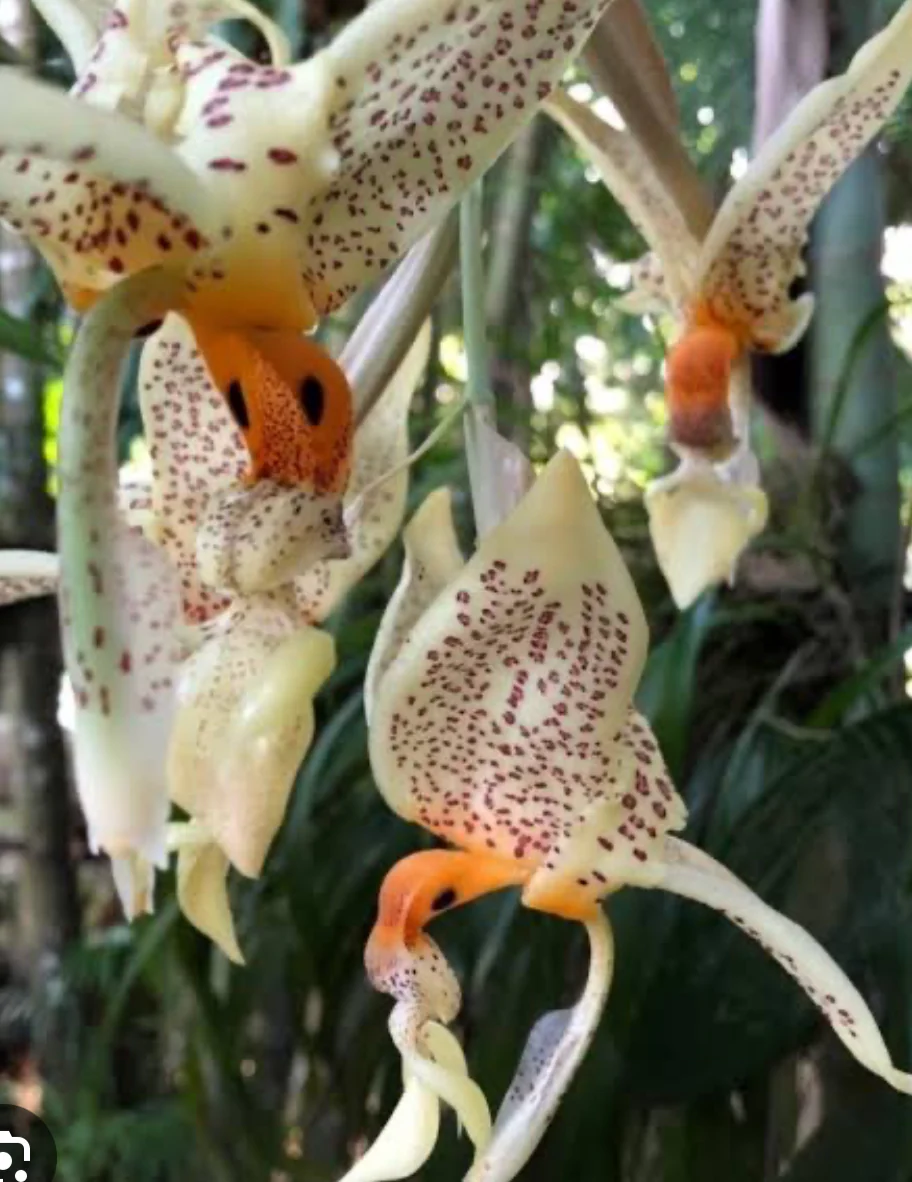

Stanhopea inodora × oculata
Photo 1 is inadora photo 2 is occulata
what is on offer is a seedling created from both and will vary in colour and form.
Stanhopea inodora × oculata is an intriguing primary hybrid, uniting the broad, sculptural blooms of Stanhopea inodora with the dramatic eye-like patterning of Stanhopea oculata. Native to Central and South America, both parents thrive in humid, shaded conditions and produce striking, pendant inflorescences that emerge from the bottom of the basket or pot.
Distinctive Features
- Floral Form: Large, waxy blooms with bold morphology, often appearing simultaneously in a downward-facing cluster.
- Visual Appeal: Combines creamy or pale yellow hues with central eye spots inherited from S. oculata.
- Growth Habit: Epiphytic with a tendency to produce pendant spikes that require open-bottomed containers.
Care Tips
- Light: Dappled shade to filtered light; avoid direct midday sun.
- Water: Keep moist during active growth; reduce slightly in winter but do not allow to dry out completely.
- Humidity: Prefers high humidity (60–80%), especially during spike development.
- Media: Open, airy orchid mix in a slatted basket or net pot to accommodate emerging spikes.
- Temperature: Intermediate to warm (15–28 °C); sensitive to cold draughts.
- Fertiliser: Balanced orchid fertiliser every two weeks during growth; reduce feeding in cooler months.
- Repotting: Only when necessary—typically every 2–3 years; avoid disturbing roots unless essential.
Product Information
Product Information
Shipping & Returns
Shipping & Returns
Description
Photo 1 is inadora photo 2 is occulata
what is on offer is a seedling created from both and will vary in colour and form.
Stanhopea inodora × oculata is an intriguing primary hybrid, uniting the broad, sculptural blooms of Stanhopea inodora with the dramatic eye-like patterning of Stanhopea oculata. Native to Central and South America, both parents thrive in humid, shaded conditions and produce striking, pendant inflorescences that emerge from the bottom of the basket or pot.
Distinctive Features
- Floral Form: Large, waxy blooms with bold morphology, often appearing simultaneously in a downward-facing cluster.
- Visual Appeal: Combines creamy or pale yellow hues with central eye spots inherited from S. oculata.
- Growth Habit: Epiphytic with a tendency to produce pendant spikes that require open-bottomed containers.
Care Tips
- Light: Dappled shade to filtered light; avoid direct midday sun.
- Water: Keep moist during active growth; reduce slightly in winter but do not allow to dry out completely.
- Humidity: Prefers high humidity (60–80%), especially during spike development.
- Media: Open, airy orchid mix in a slatted basket or net pot to accommodate emerging spikes.
- Temperature: Intermediate to warm (15–28 °C); sensitive to cold draughts.
- Fertiliser: Balanced orchid fertiliser every two weeks during growth; reduce feeding in cooler months.
- Repotting: Only when necessary—typically every 2–3 years; avoid disturbing roots unless essential.