Tillandsia butzii var. roseiflora
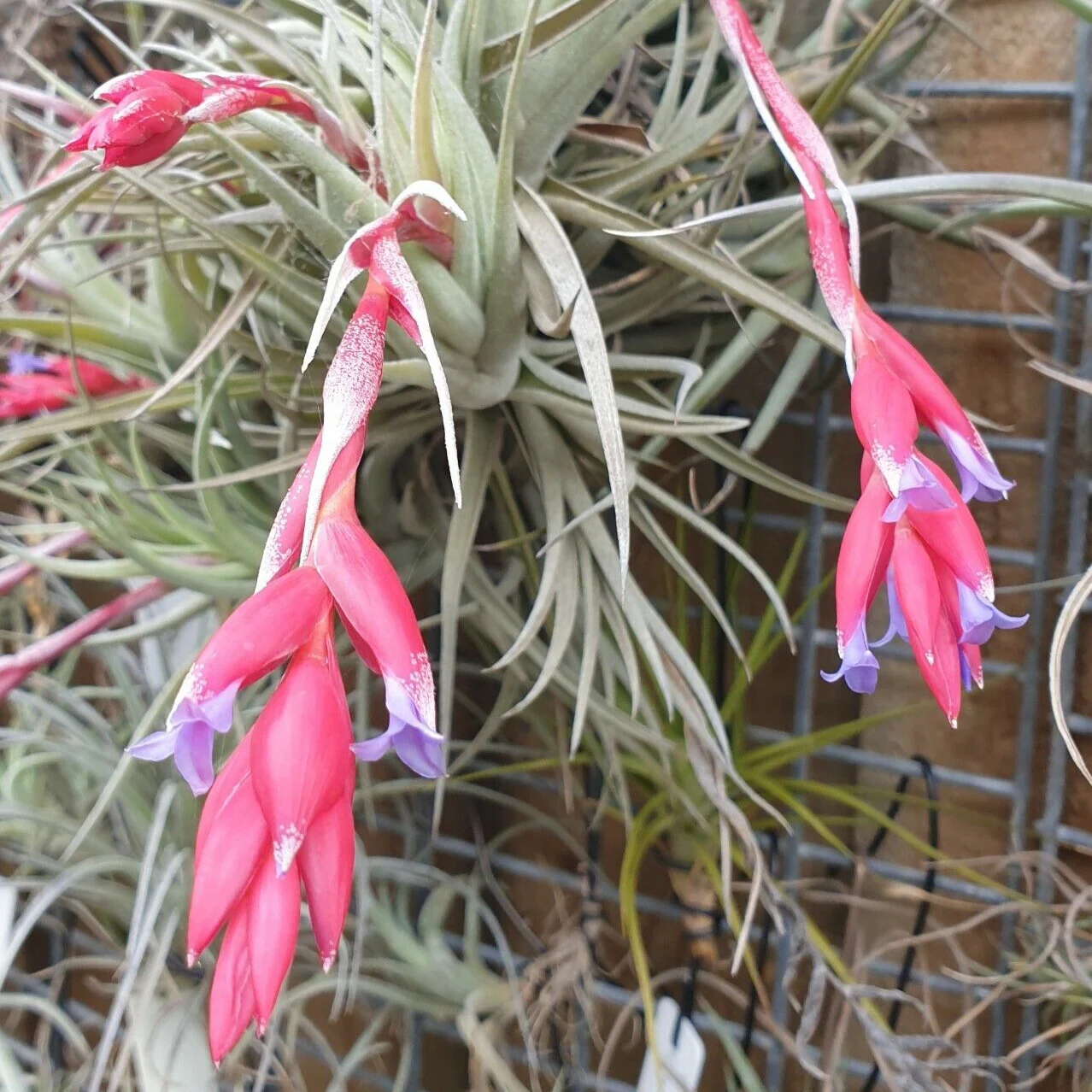
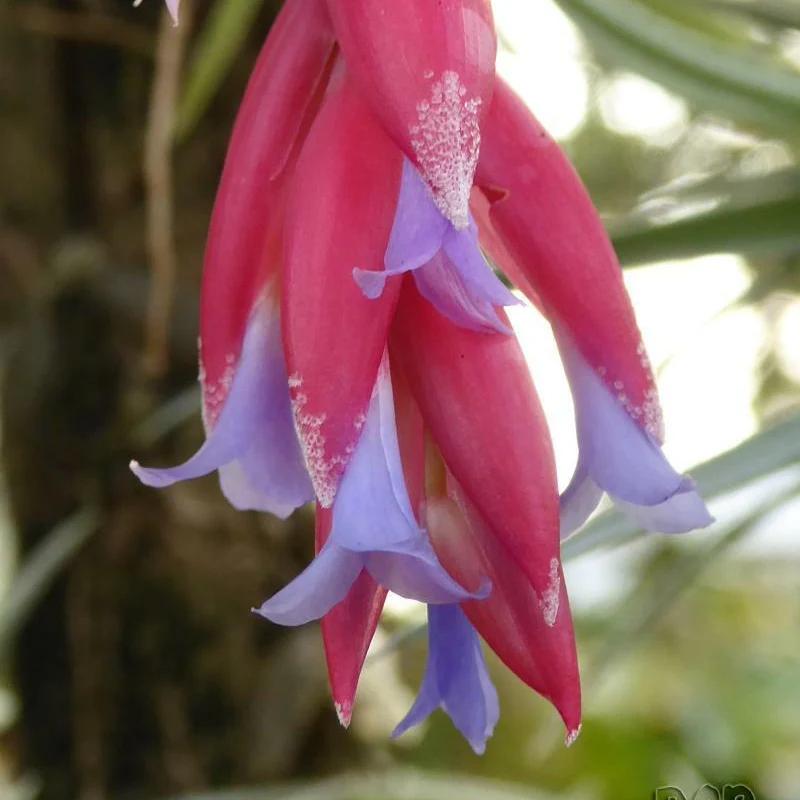
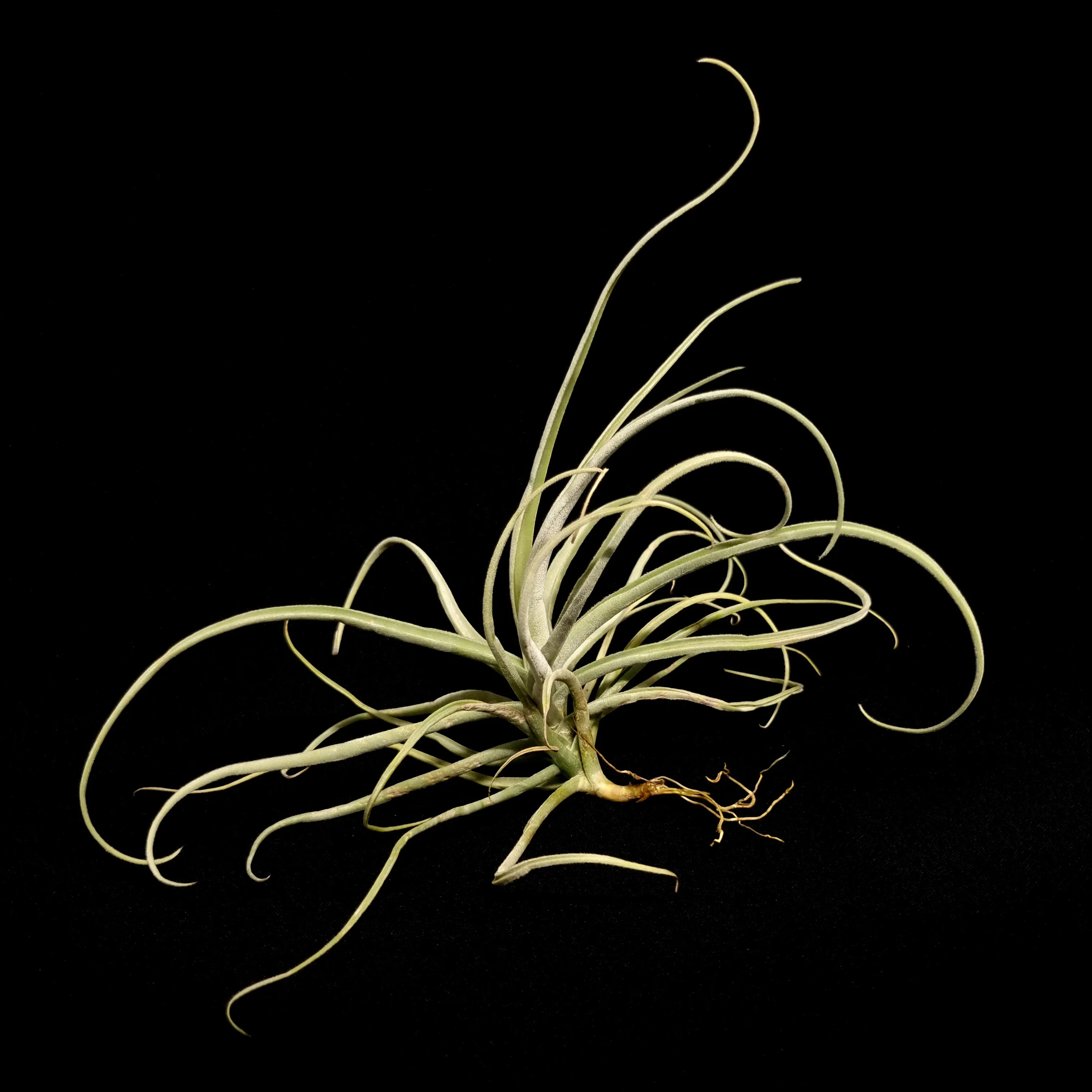
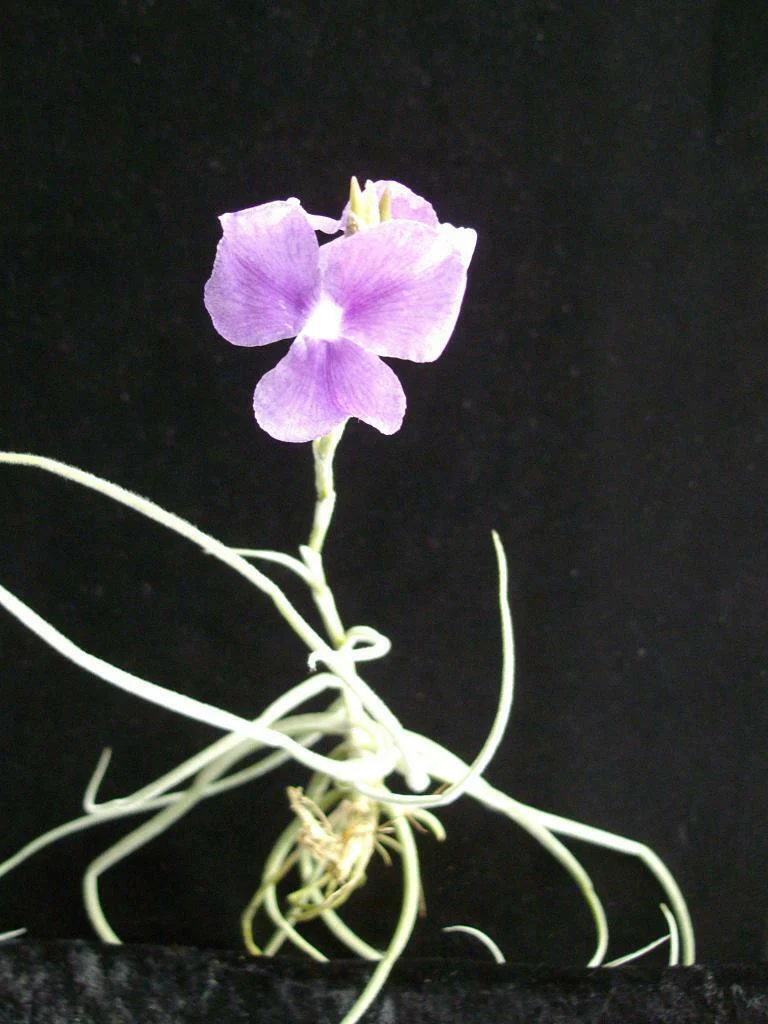
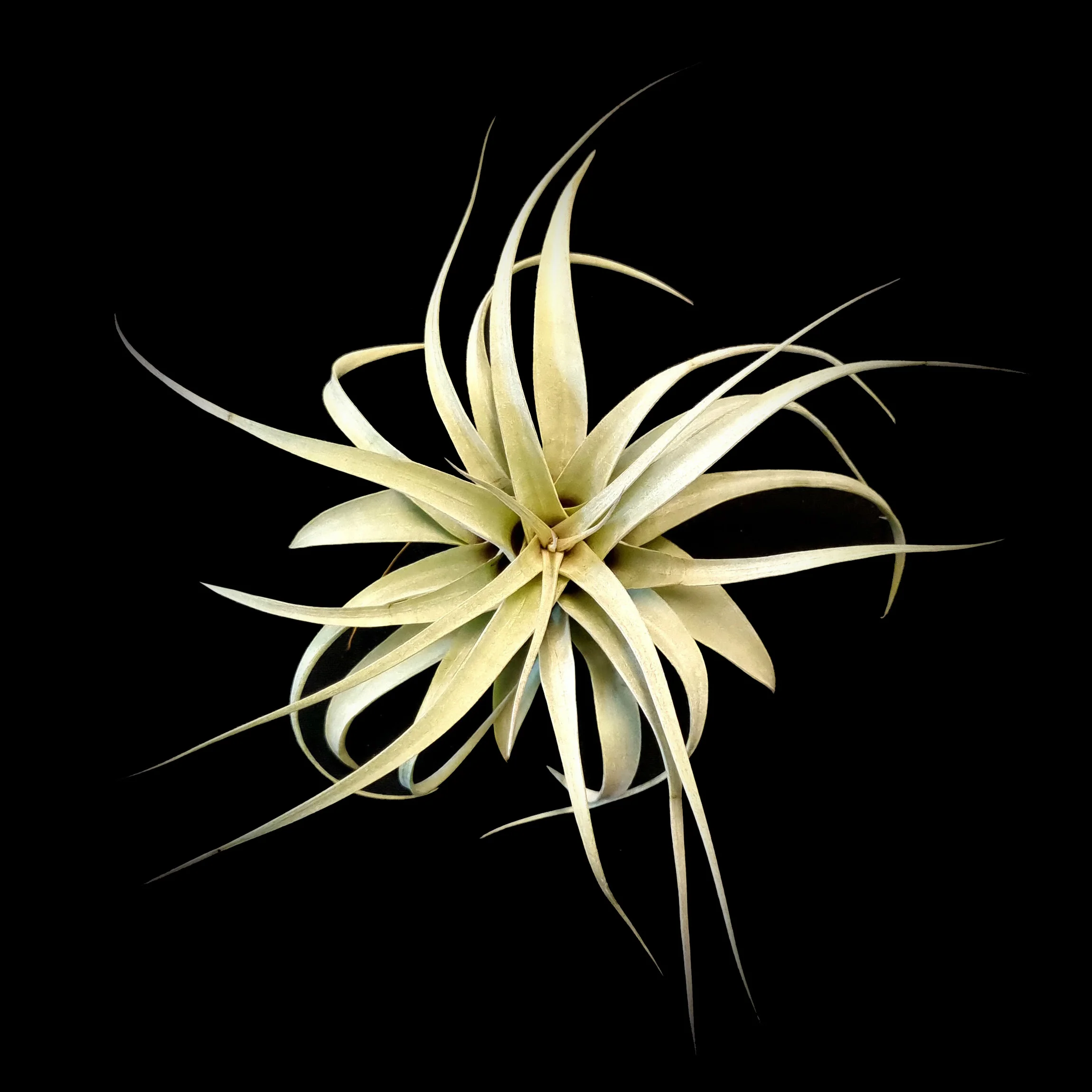
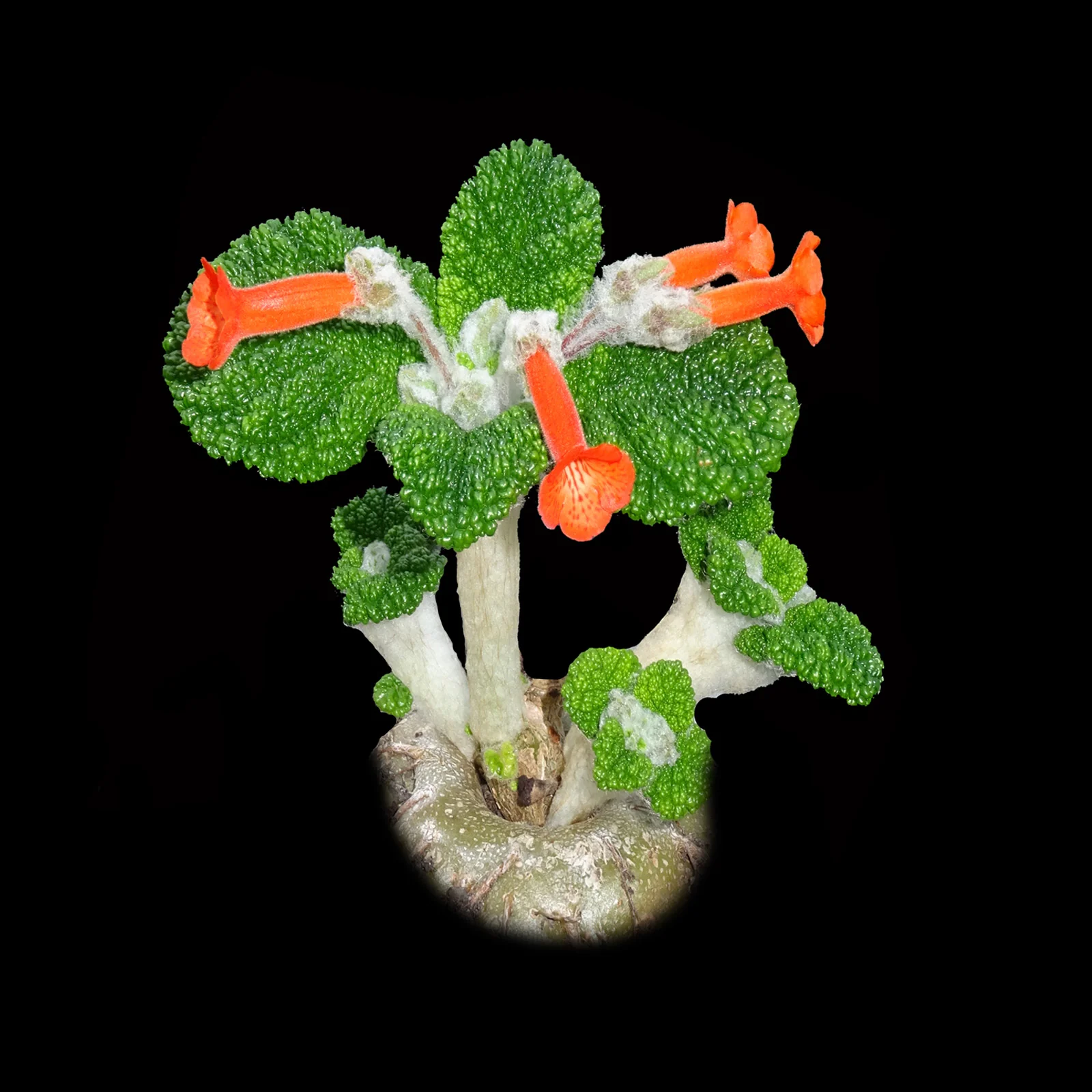
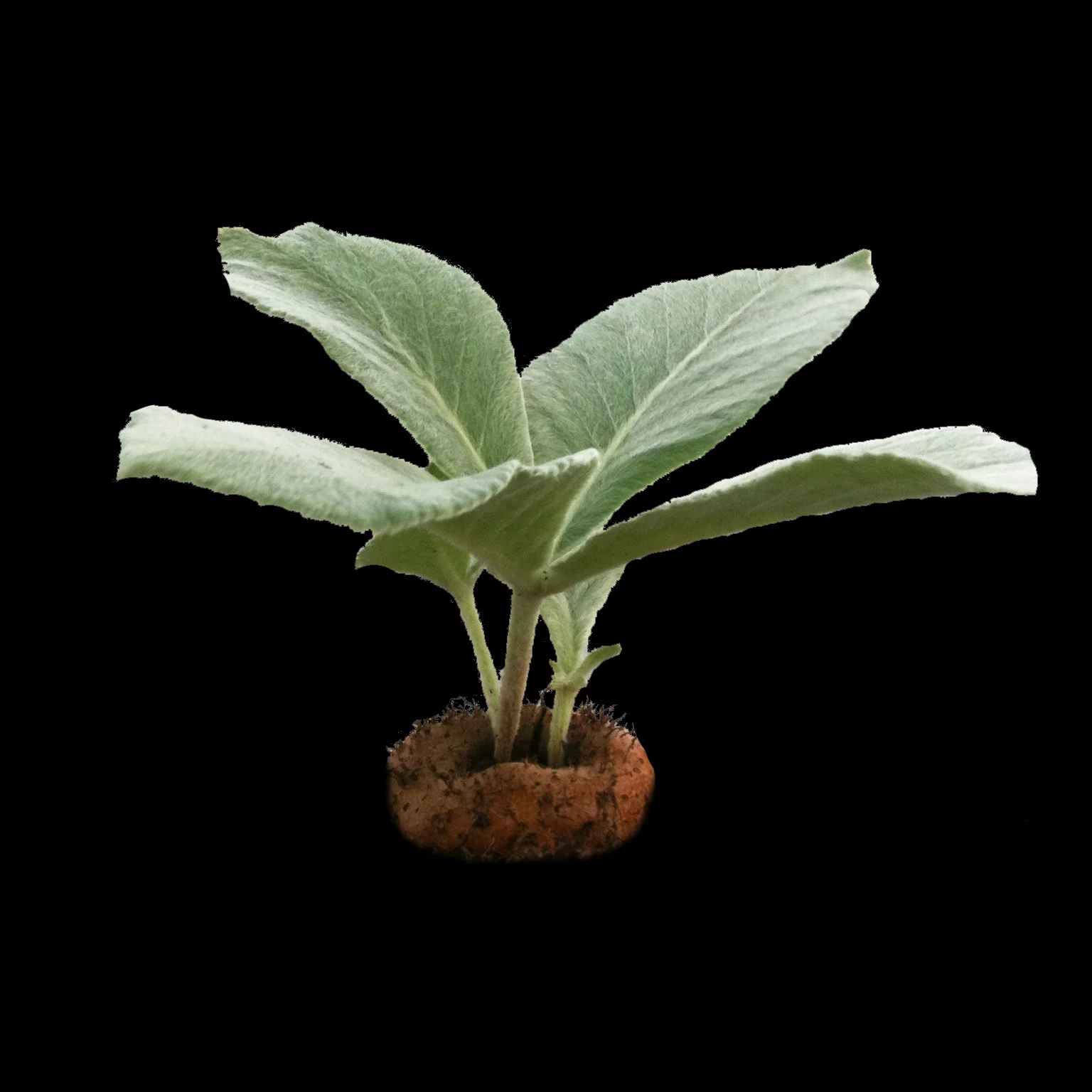
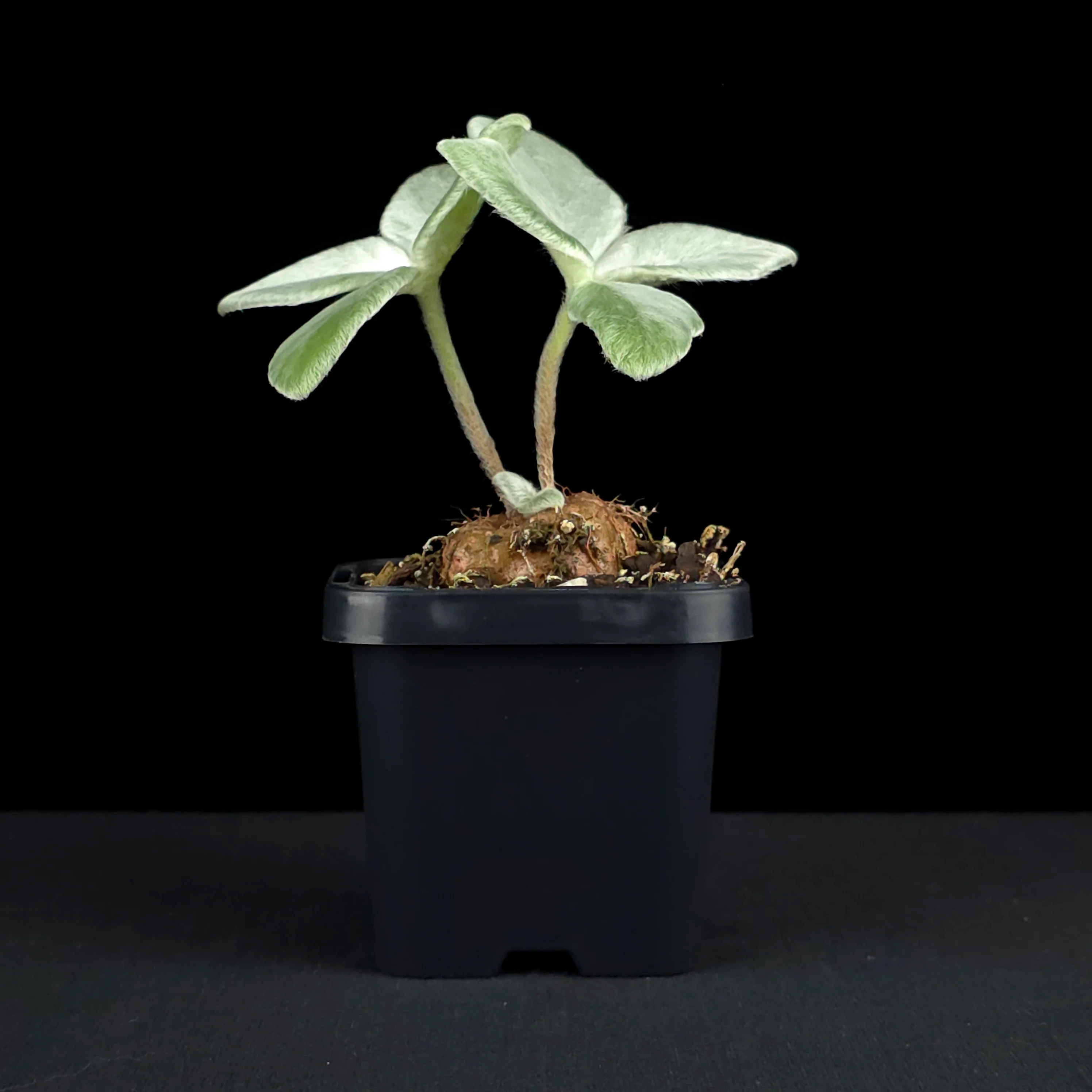
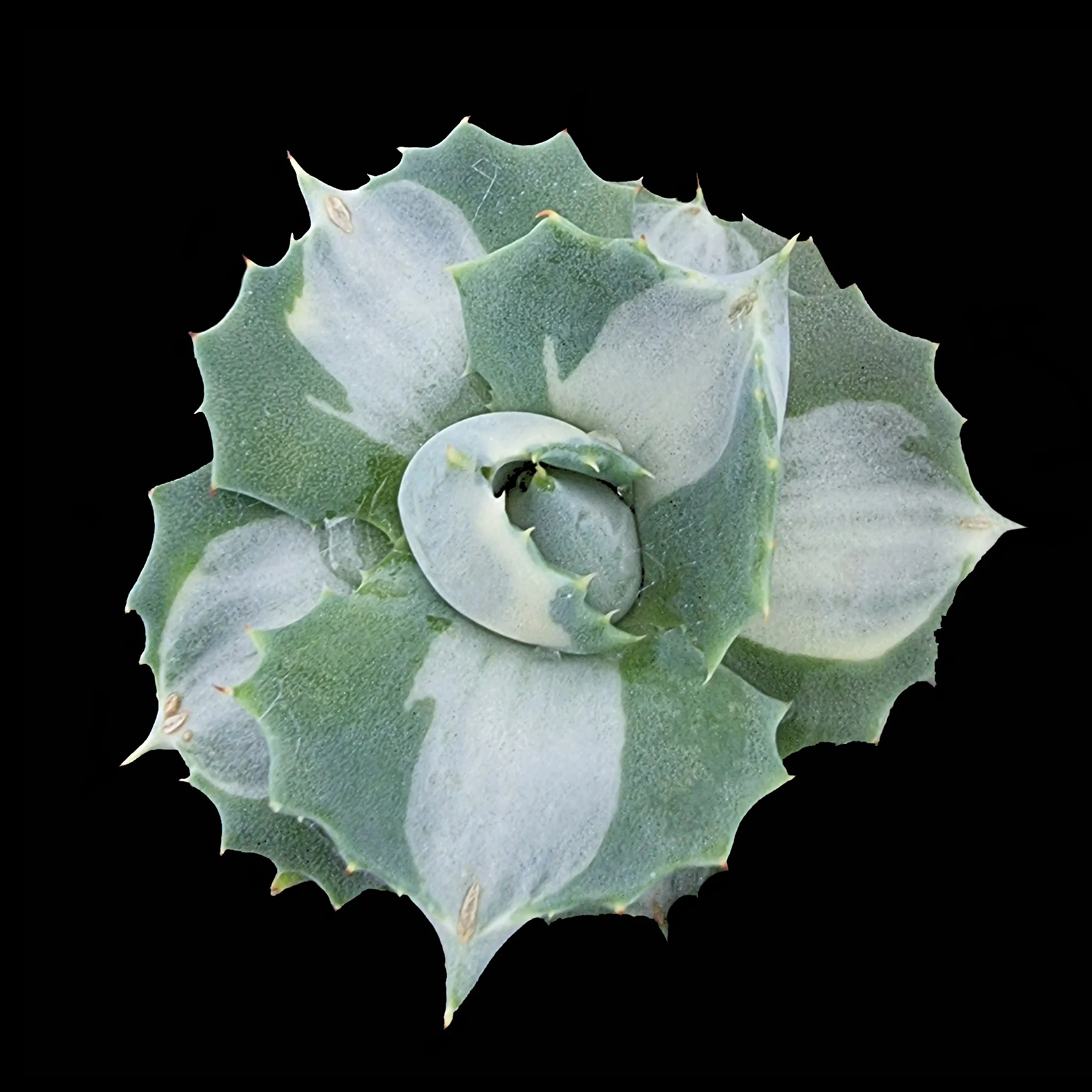
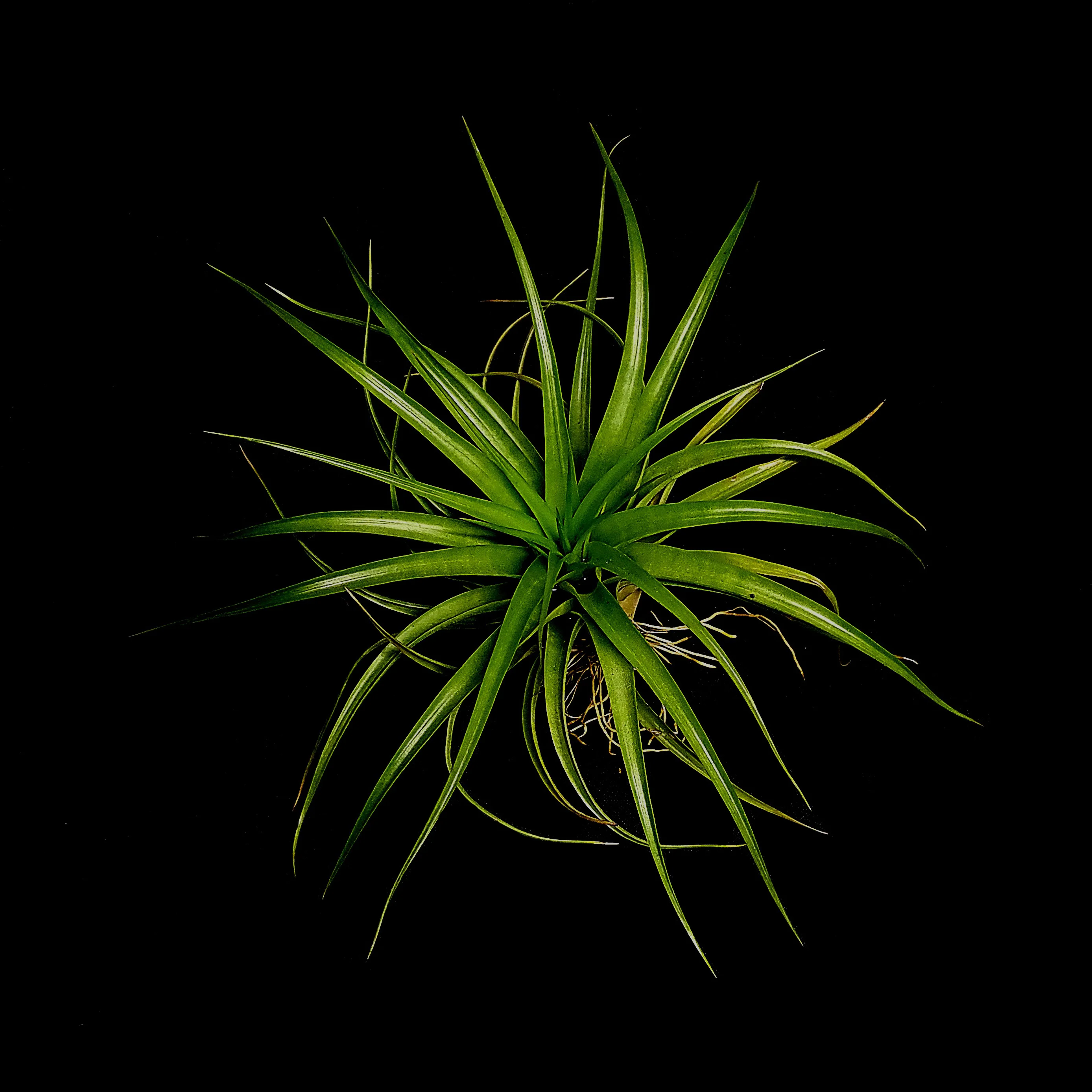
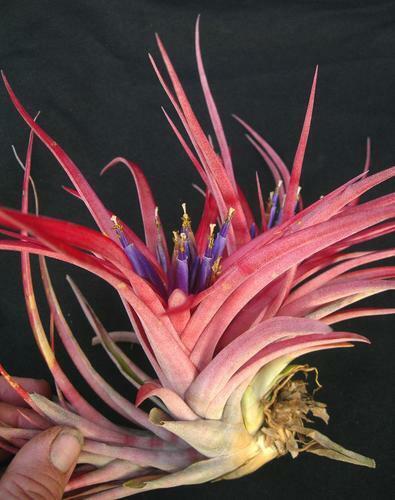
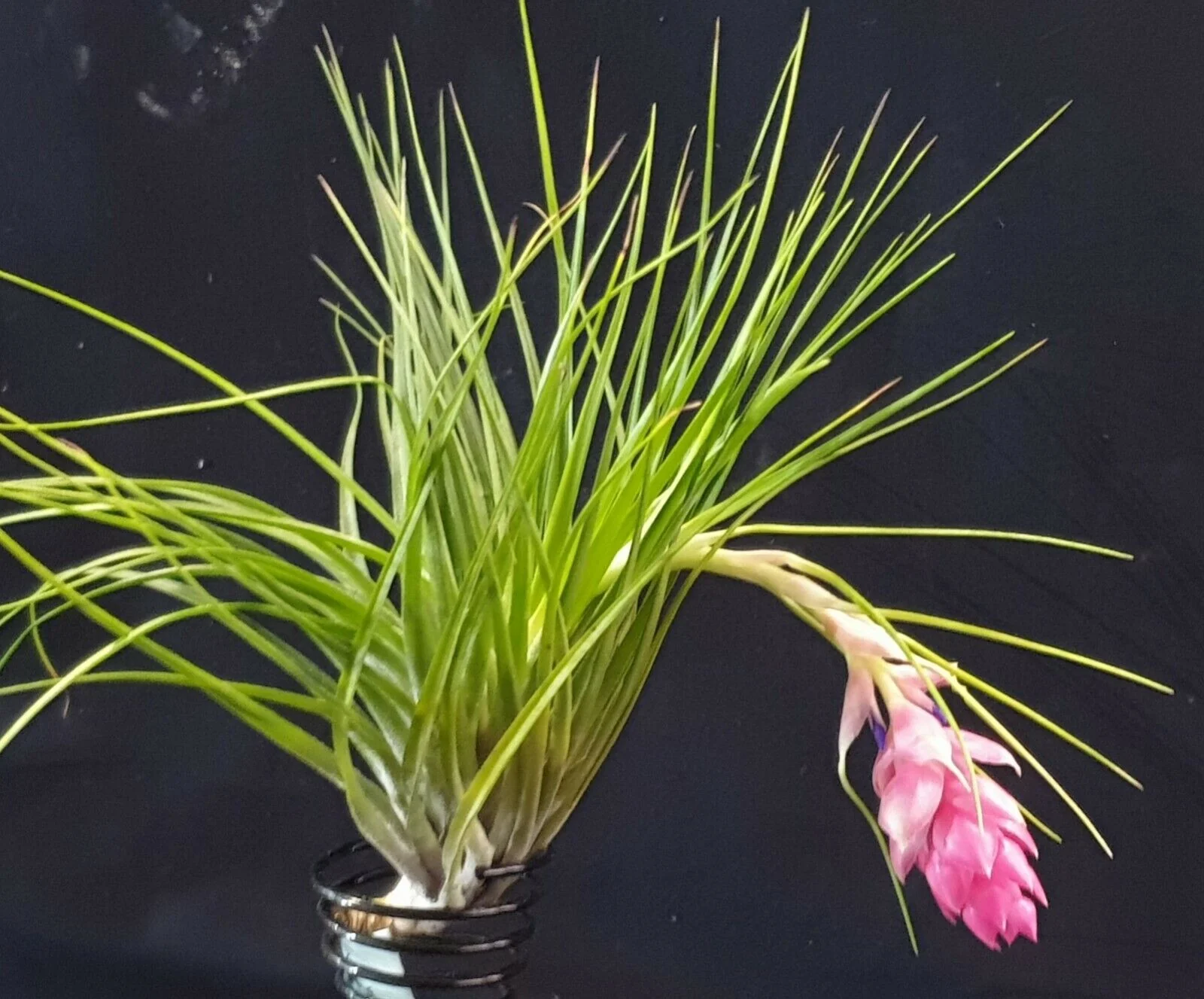
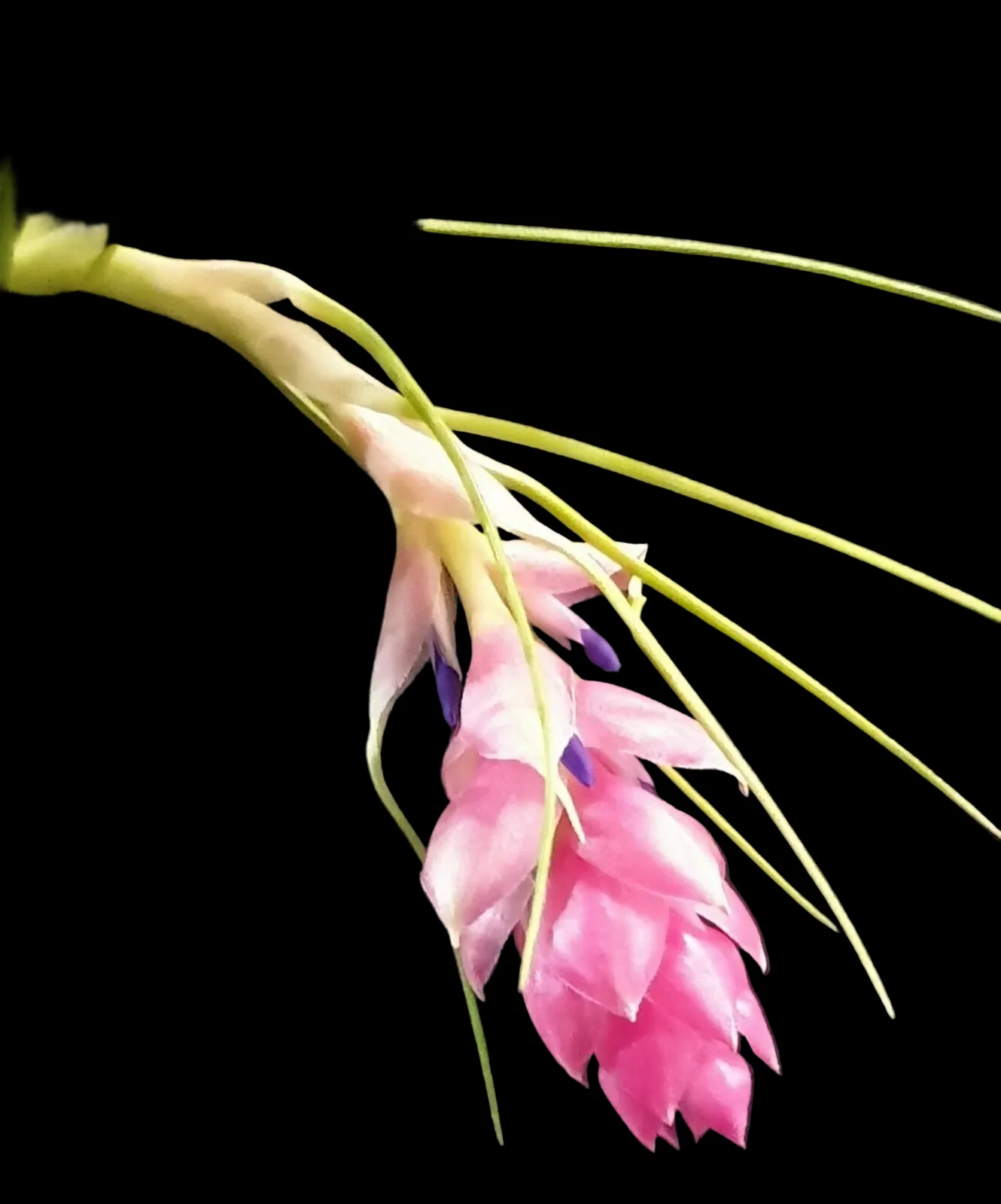
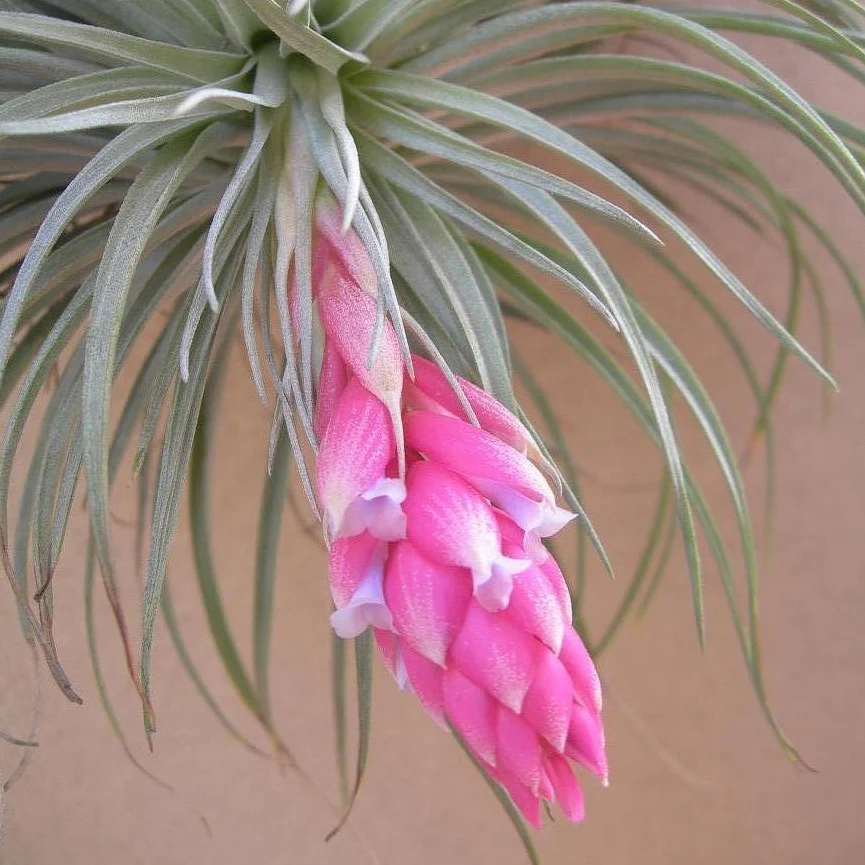
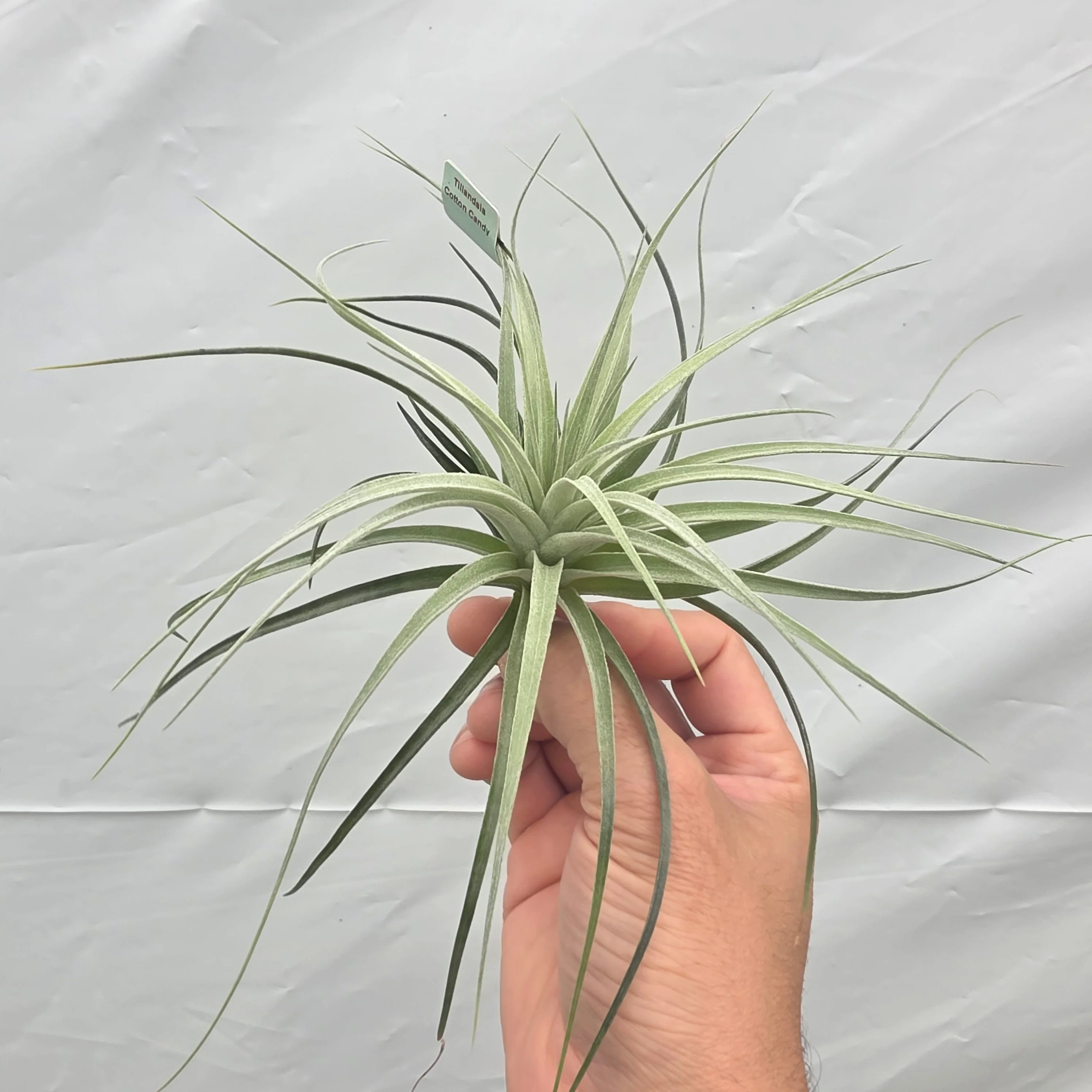
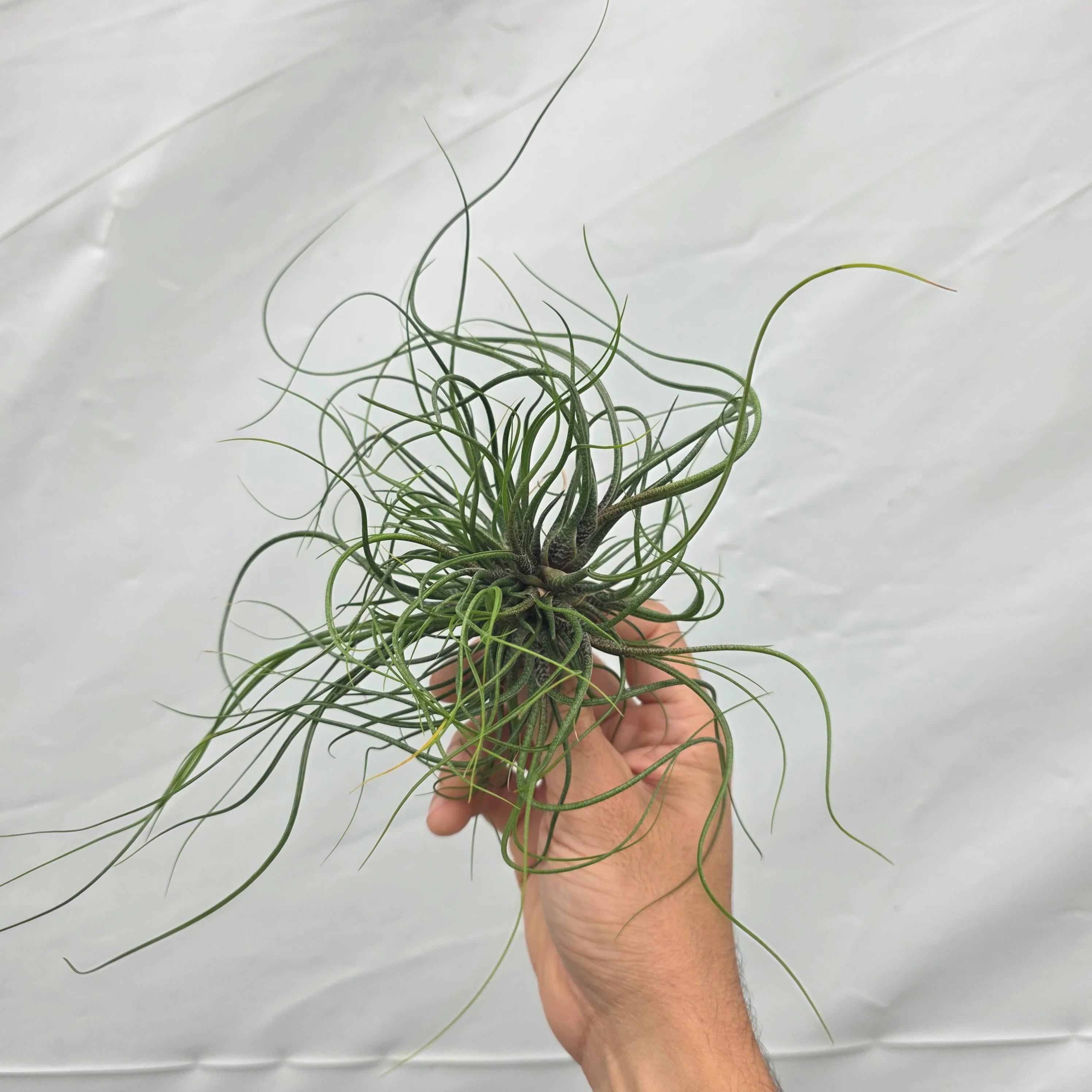
Tillandsia butzii var. roseiflora is a rare and botanically distinct variety native to southern Mexico, grown here from seed into natural clumps. Unlike vegetatively propagated offsets, these seed-raised specimens exhibit subtle genetic variation and robust multi-growth forms. Distinguished by their rose-pink floral bracts, they differ clearly from the green-bracted Tillandsia butzii var. butzii. This form flourishes epiphytically in moist montane forests, where it clings to trees and absorbs moisture through its specialised trichomes.
- Light: Bright filtered light or dappled shade is ideal; avoid harsh full sun.
- Water: Mist several times weekly or soak clump for 10–20 minutes, ensuring full drying within a few hours.
- Humidity: Best at 50–70% relative humidity with good ventilation.
- Media: Mount to cork, driftwood, or tree fern slab; no substrate is needed.
- Temperature: Optimal between 15–28 °C; protect from frost.
- Fertiliser: Apply a weak orchid or bromeliad fertiliser monthly during the growing season.
- Repotting: Not required; clumps can be divided once established if desired.
More Images
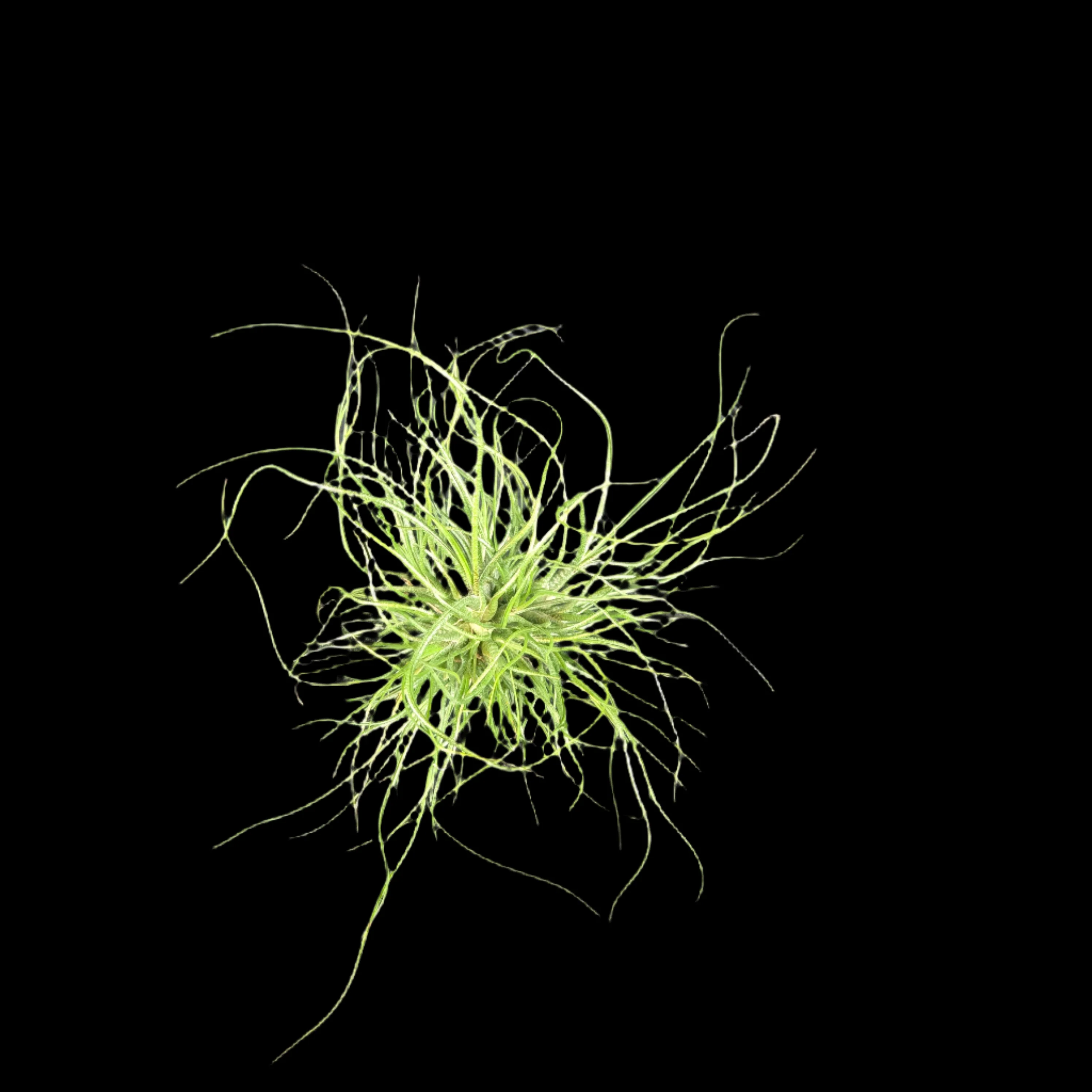
Tillandsia butzii var. roseiflora
Tillandsia butzii var. roseiflora is a rare and botanically distinct variety native to southern Mexico, grown here from seed into natural clumps. Unlike vegetatively propagated offsets, these seed-raised specimens exhibit subtle genetic variation and robust multi-growth forms. Distinguished by their rose-pink floral bracts, they differ clearly from the green-bracted Tillandsia butzii var. butzii. This form flourishes epiphytically in moist montane forests, where it clings to trees and absorbs moisture through its specialised trichomes.
- Light: Bright filtered light or dappled shade is ideal; avoid harsh full sun.
- Water: Mist several times weekly or soak clump for 10–20 minutes, ensuring full drying within a few hours.
- Humidity: Best at 50–70% relative humidity with good ventilation.
- Media: Mount to cork, driftwood, or tree fern slab; no substrate is needed.
- Temperature: Optimal between 15–28 °C; protect from frost.
- Fertiliser: Apply a weak orchid or bromeliad fertiliser monthly during the growing season.
- Repotting: Not required; clumps can be divided once established if desired.
Product Information
Product Information
Shipping & Returns
Shipping & Returns
Description
Tillandsia butzii var. roseiflora is a rare and botanically distinct variety native to southern Mexico, grown here from seed into natural clumps. Unlike vegetatively propagated offsets, these seed-raised specimens exhibit subtle genetic variation and robust multi-growth forms. Distinguished by their rose-pink floral bracts, they differ clearly from the green-bracted Tillandsia butzii var. butzii. This form flourishes epiphytically in moist montane forests, where it clings to trees and absorbs moisture through its specialised trichomes.
- Light: Bright filtered light or dappled shade is ideal; avoid harsh full sun.
- Water: Mist several times weekly or soak clump for 10–20 minutes, ensuring full drying within a few hours.
- Humidity: Best at 50–70% relative humidity with good ventilation.
- Media: Mount to cork, driftwood, or tree fern slab; no substrate is needed.
- Temperature: Optimal between 15–28 °C; protect from frost.
- Fertiliser: Apply a weak orchid or bromeliad fertiliser monthly during the growing season.
- Repotting: Not required; clumps can be divided once established if desired.