Tillandsia 'Mystic Albert' (albertiana x stricta) - One Off Specials
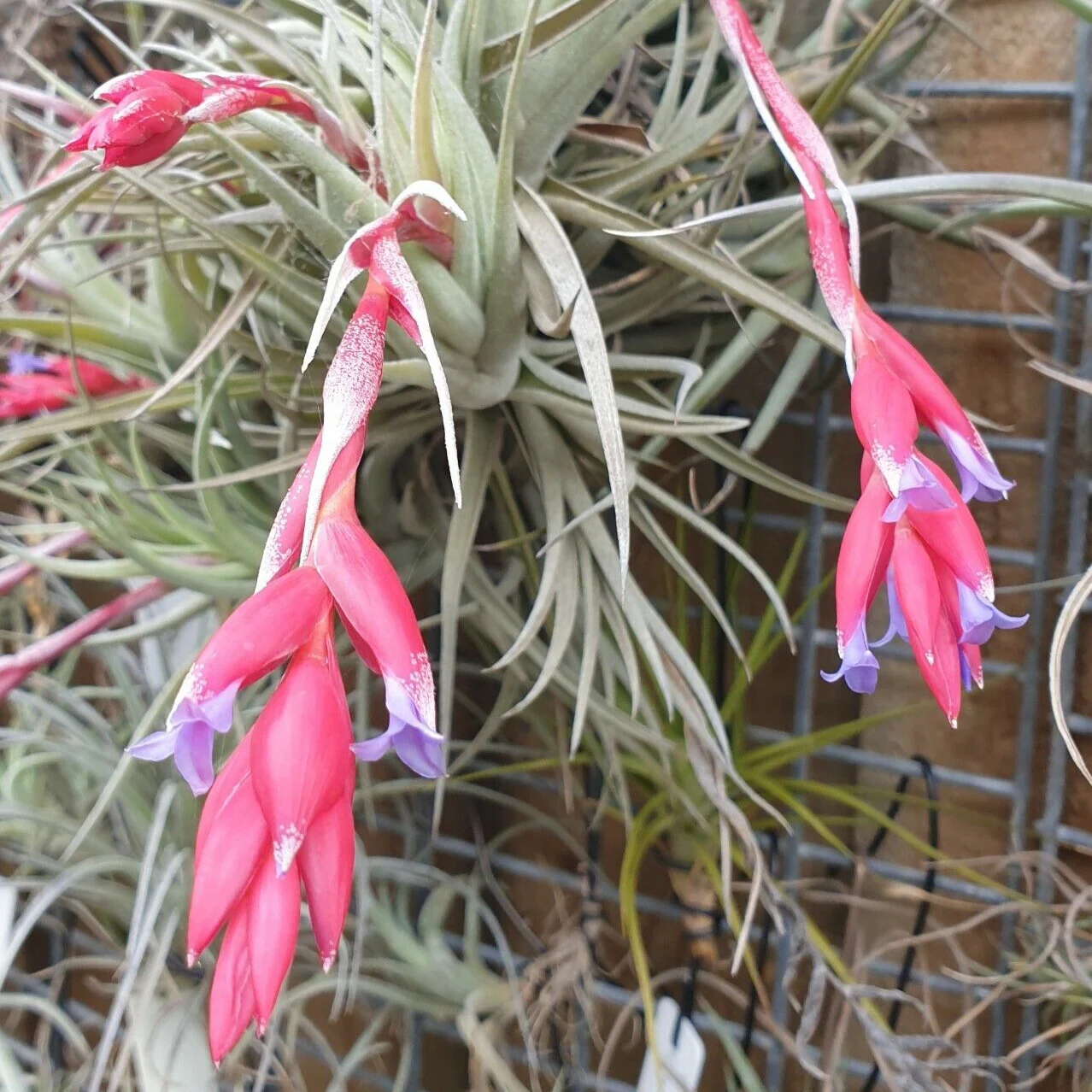
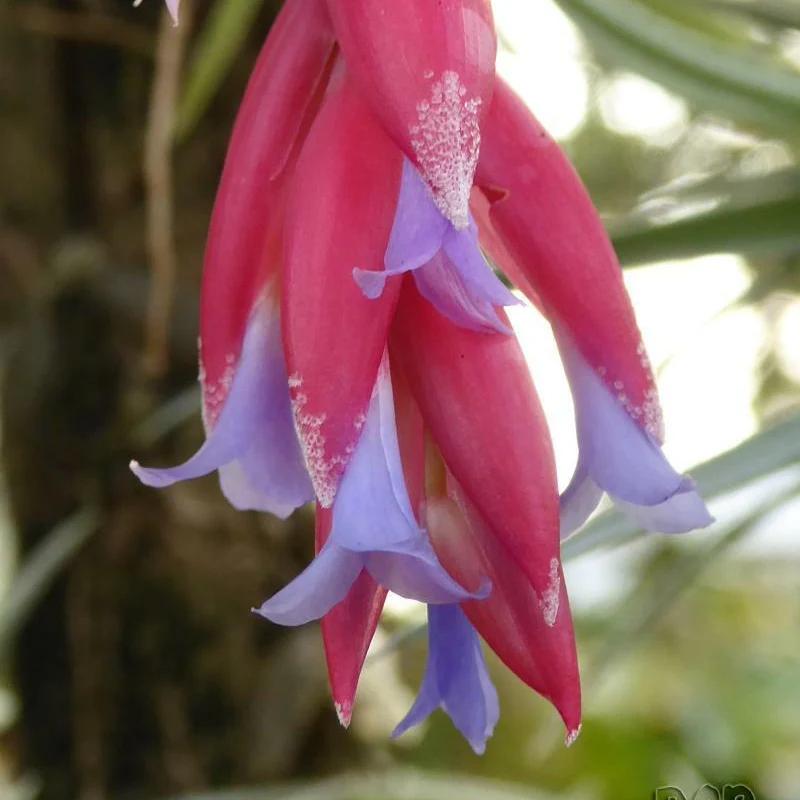
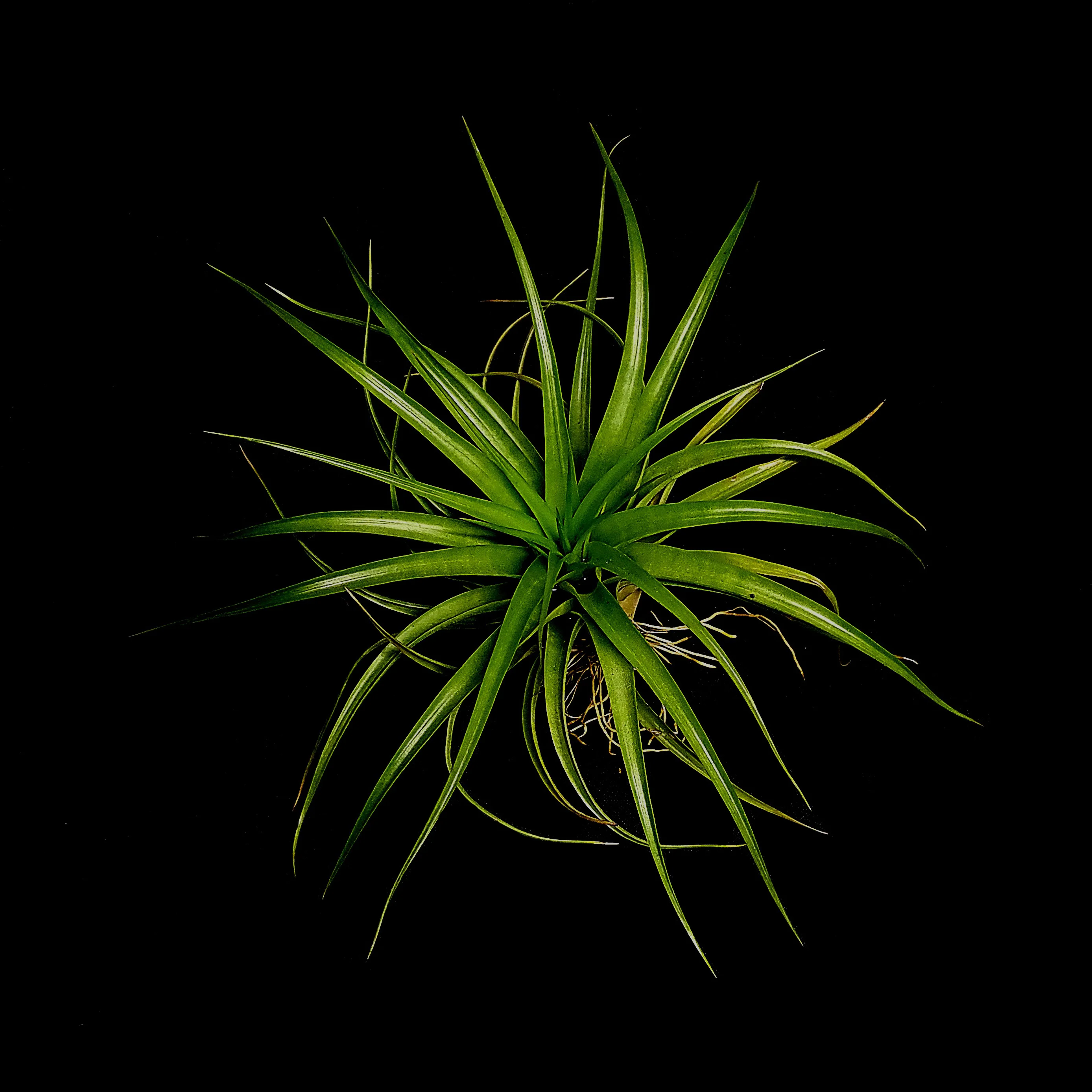
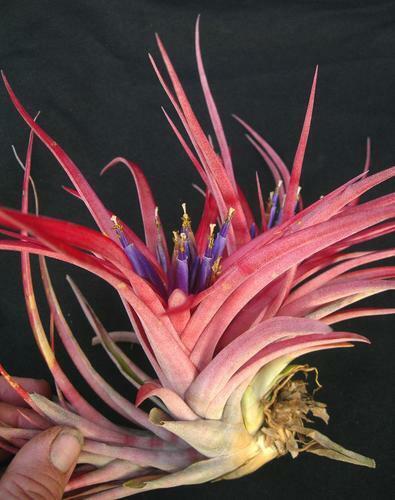
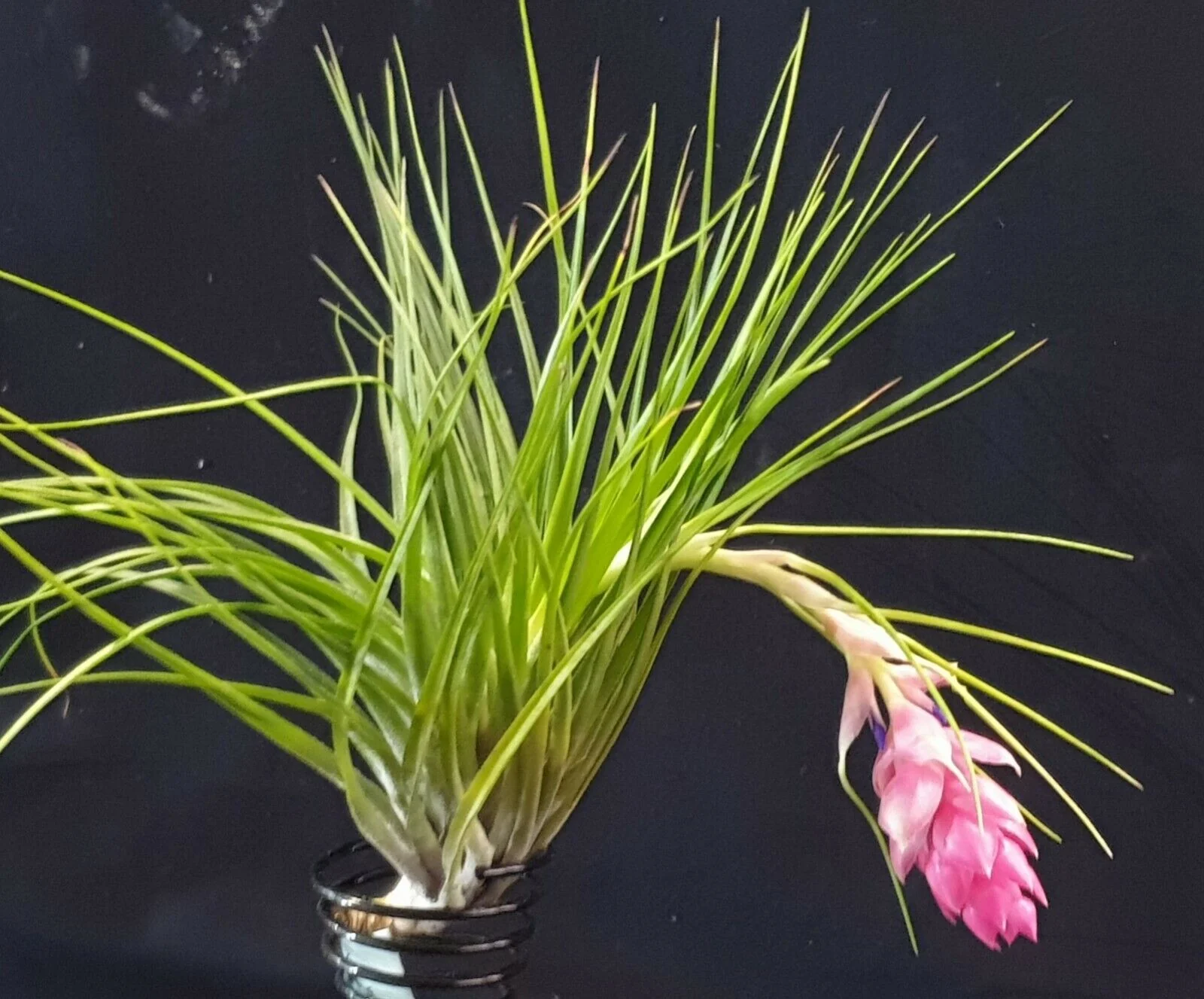
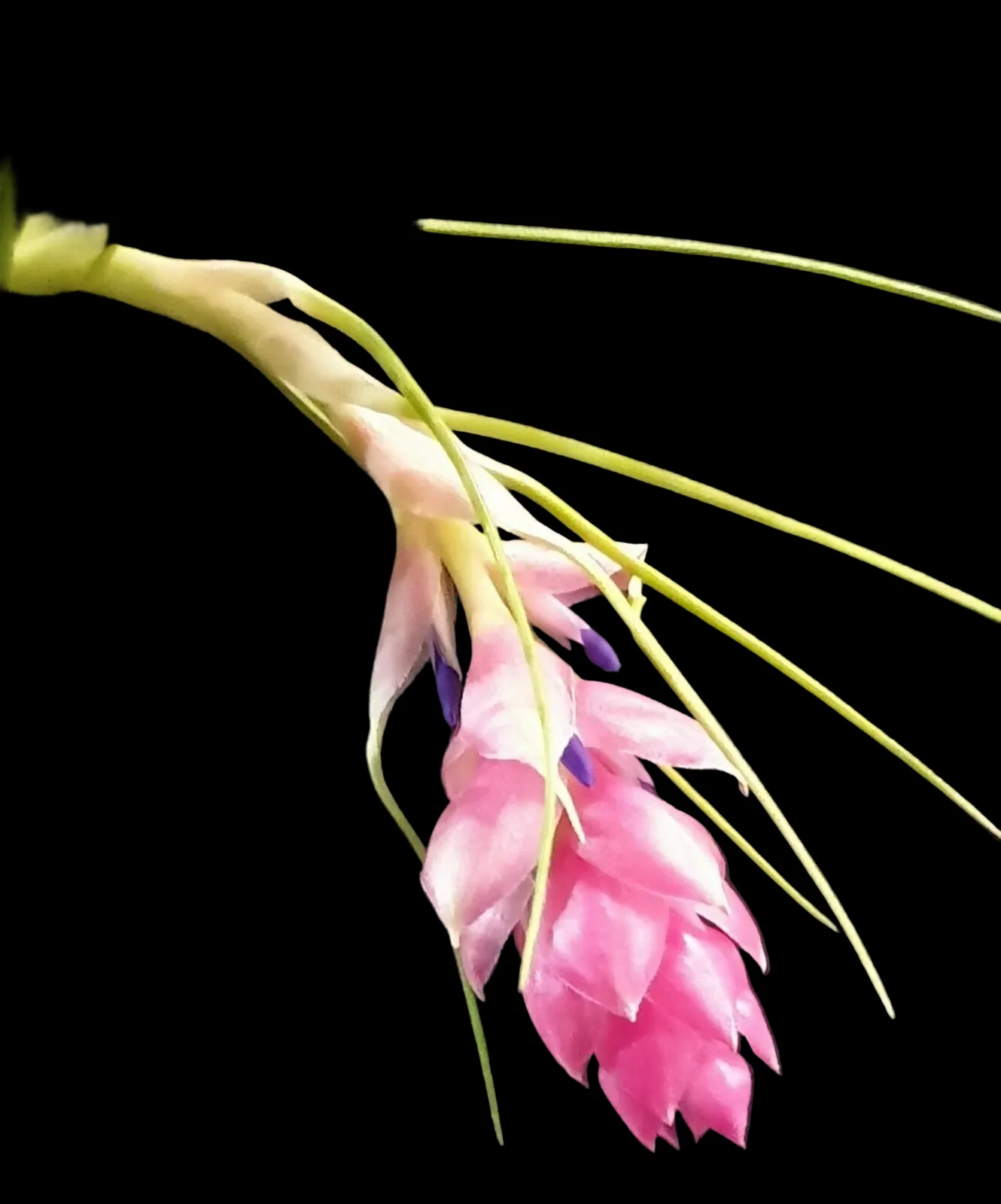
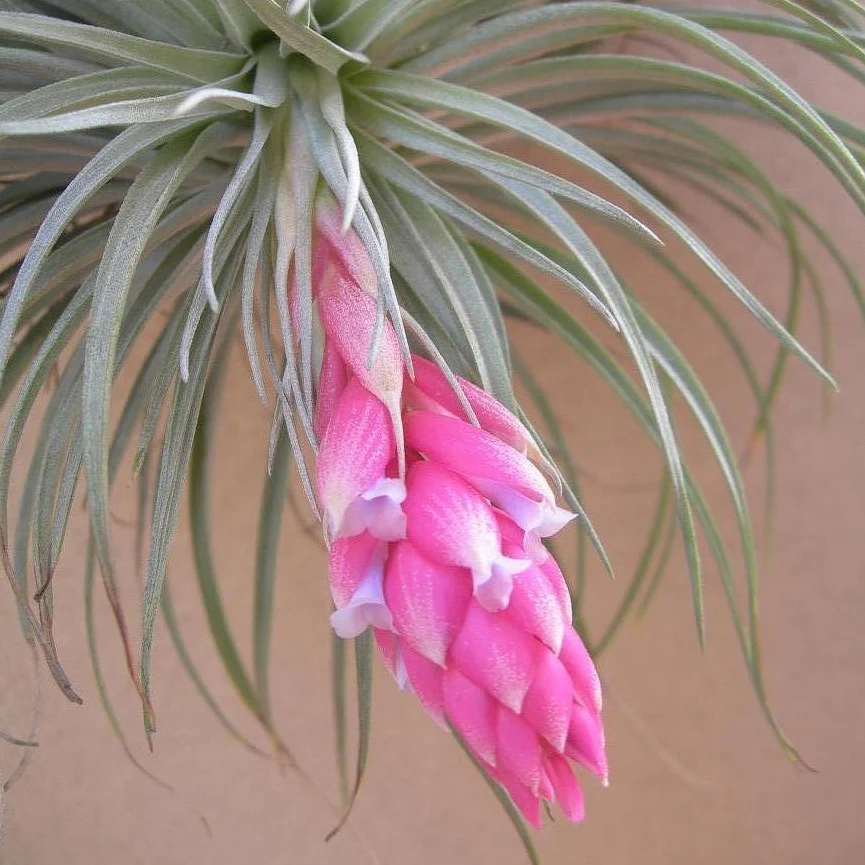
Tillandsia ‘Mystic Albert’ is a hybrid between T. stricta and T. albertiana. It combines the compact rosette and prolific blooming habit of Tillandsia stricta with the bright red flower colour and flattened floral bracts of Tillandsia albertiana. The leaves are narrow and green with a light covering of trichomes, forming a neat rosette that produces offsets readily to form attractive clumps. Flowering often brings multiple blooms on the same inflorescence, displaying vivid red petals with yellow stamens, creating a striking contrast against the green foliage.
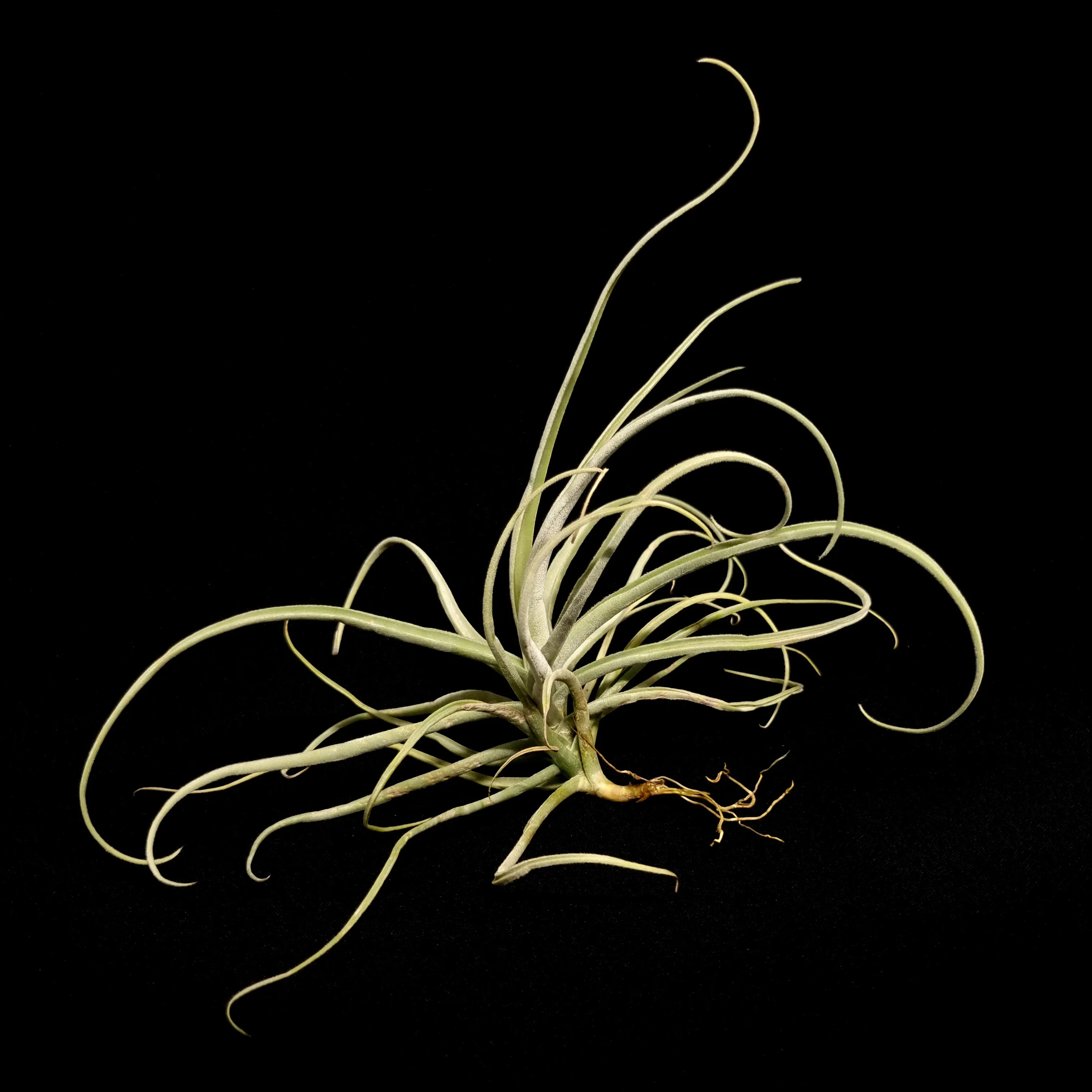
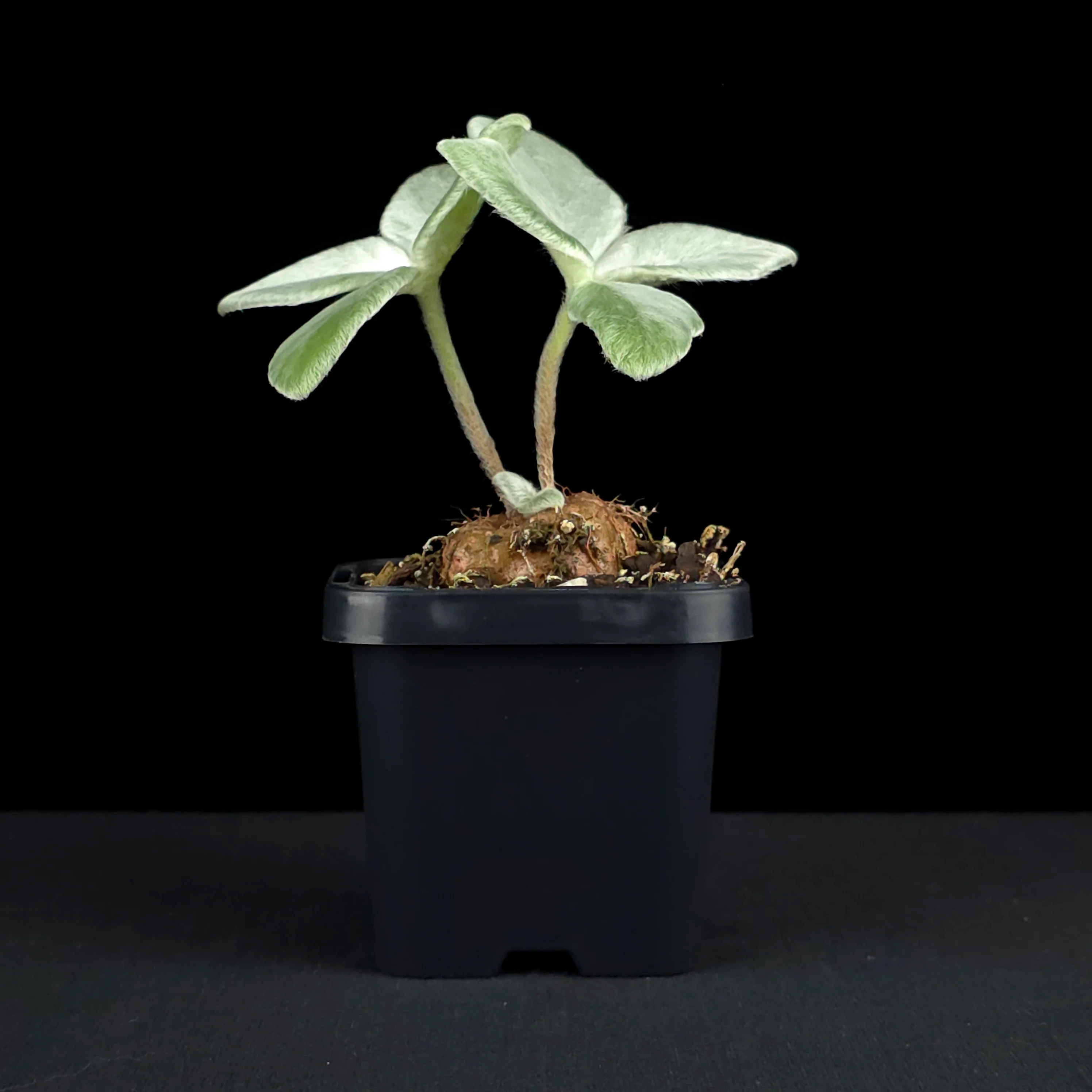
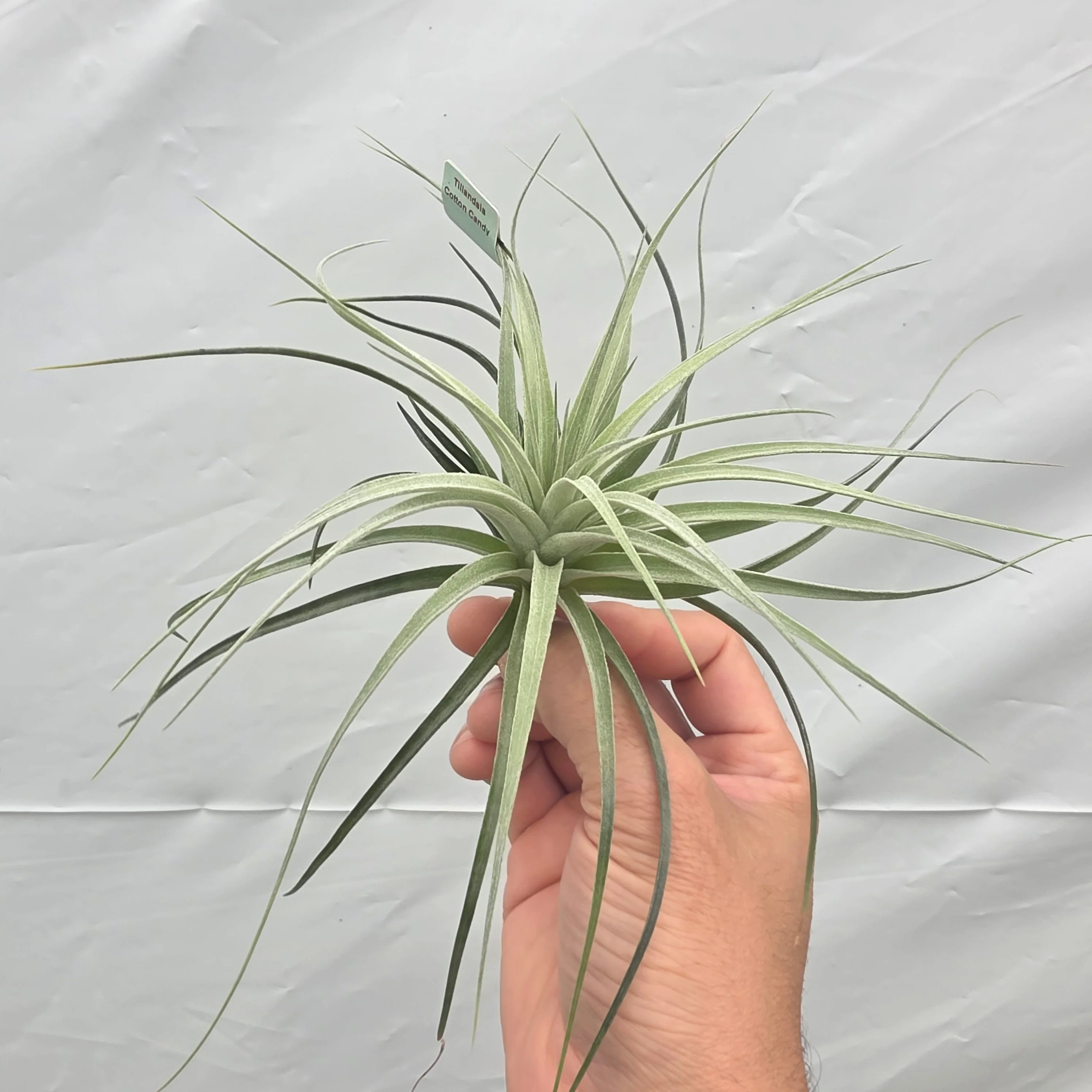
This specimen is the exact plant in the photo and is approximately 25-30cm.
Care Tips:
- Light – Provide bright, indirect light; some direct morning sun is beneficial with good airflow.
- Water – Mist or soak thoroughly, allowing the plant to dry quickly; reduce watering slightly in cooler months.
- Humidity – Thrives in moderate to high humidity with adequate air circulation.
- Media – Best grown mounted or displayed loose; no soil is required.
- Temperature – Ideal range is 10–27 °C; protect from frost.
- Fertiliser – Use a diluted bromeliad fertiliser during active growth to promote healthy flowering and clumping.
- Repotting – Not applicable; offsets naturally form and can be separated when mature to propagate new plants.
Original: $60.00
-65%$60.00
$21.00Tillandsia 'Mystic Albert' (albertiana x stricta) - One Off Specials
Tillandsia ‘Mystic Albert’ is a hybrid between T. stricta and T. albertiana. It combines the compact rosette and prolific blooming habit of Tillandsia stricta with the bright red flower colour and flattened floral bracts of Tillandsia albertiana. The leaves are narrow and green with a light covering of trichomes, forming a neat rosette that produces offsets readily to form attractive clumps. Flowering often brings multiple blooms on the same inflorescence, displaying vivid red petals with yellow stamens, creating a striking contrast against the green foliage.
This specimen is the exact plant in the photo and is approximately 25-30cm.
Care Tips:
- Light – Provide bright, indirect light; some direct morning sun is beneficial with good airflow.
- Water – Mist or soak thoroughly, allowing the plant to dry quickly; reduce watering slightly in cooler months.
- Humidity – Thrives in moderate to high humidity with adequate air circulation.
- Media – Best grown mounted or displayed loose; no soil is required.
- Temperature – Ideal range is 10–27 °C; protect from frost.
- Fertiliser – Use a diluted bromeliad fertiliser during active growth to promote healthy flowering and clumping.
- Repotting – Not applicable; offsets naturally form and can be separated when mature to propagate new plants.
Product Information
Product Information
Shipping & Returns
Shipping & Returns
Description
Tillandsia ‘Mystic Albert’ is a hybrid between T. stricta and T. albertiana. It combines the compact rosette and prolific blooming habit of Tillandsia stricta with the bright red flower colour and flattened floral bracts of Tillandsia albertiana. The leaves are narrow and green with a light covering of trichomes, forming a neat rosette that produces offsets readily to form attractive clumps. Flowering often brings multiple blooms on the same inflorescence, displaying vivid red petals with yellow stamens, creating a striking contrast against the green foliage.
This specimen is the exact plant in the photo and is approximately 25-30cm.
Care Tips:
- Light – Provide bright, indirect light; some direct morning sun is beneficial with good airflow.
- Water – Mist or soak thoroughly, allowing the plant to dry quickly; reduce watering slightly in cooler months.
- Humidity – Thrives in moderate to high humidity with adequate air circulation.
- Media – Best grown mounted or displayed loose; no soil is required.
- Temperature – Ideal range is 10–27 °C; protect from frost.
- Fertiliser – Use a diluted bromeliad fertiliser during active growth to promote healthy flowering and clumping.
- Repotting – Not applicable; offsets naturally form and can be separated when mature to propagate new plants.