Tillandsia tenuifolia 'Giant'
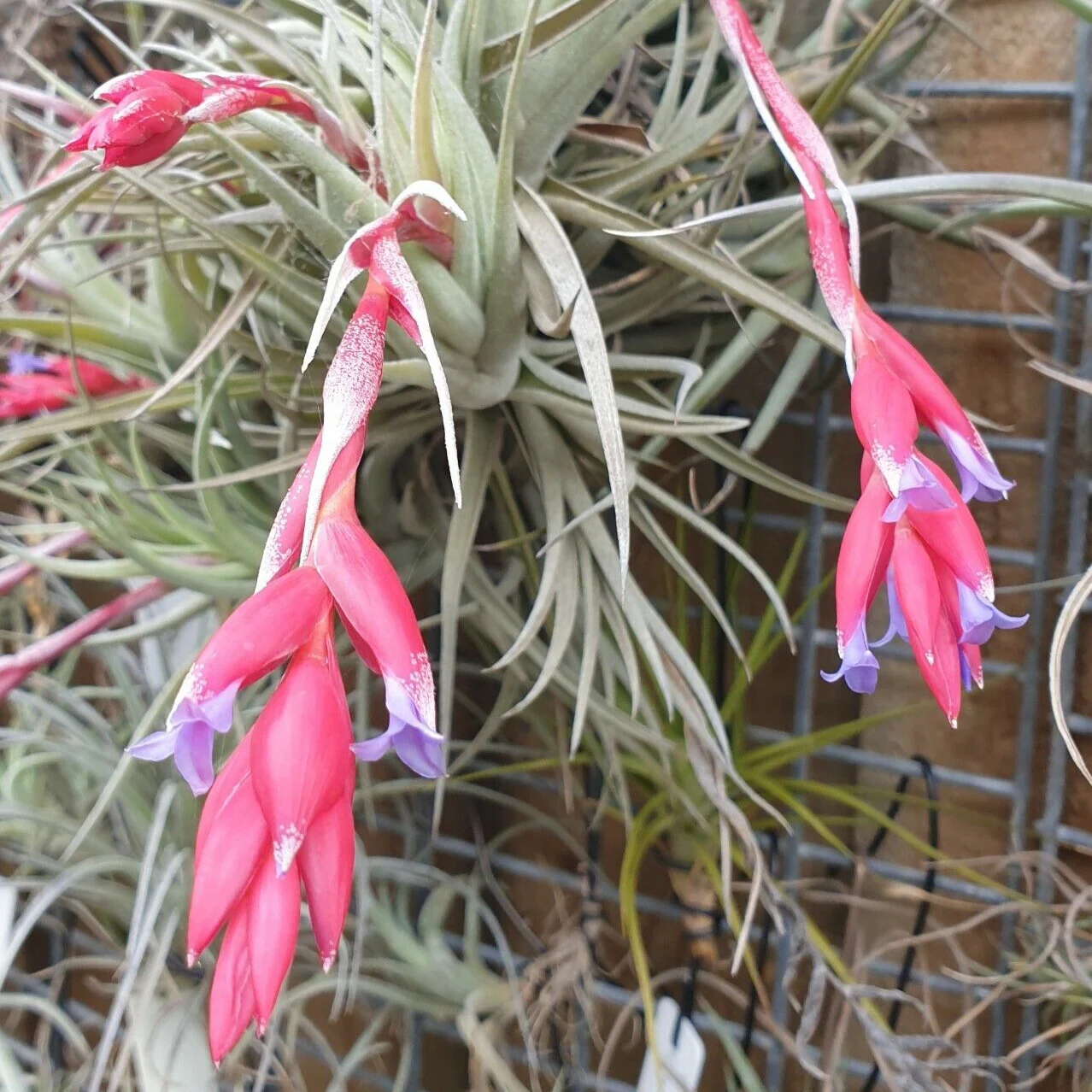
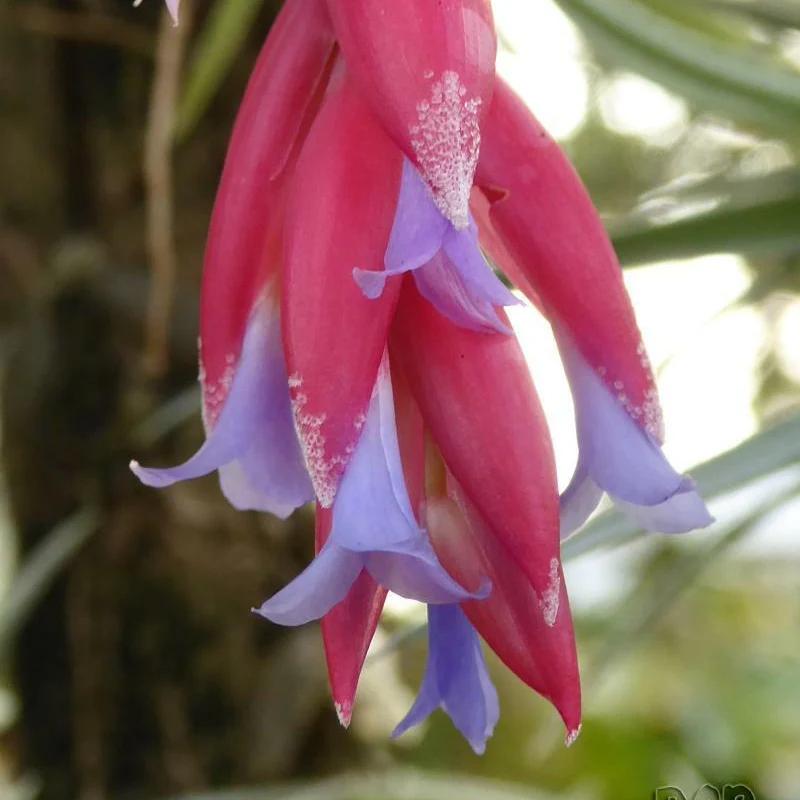
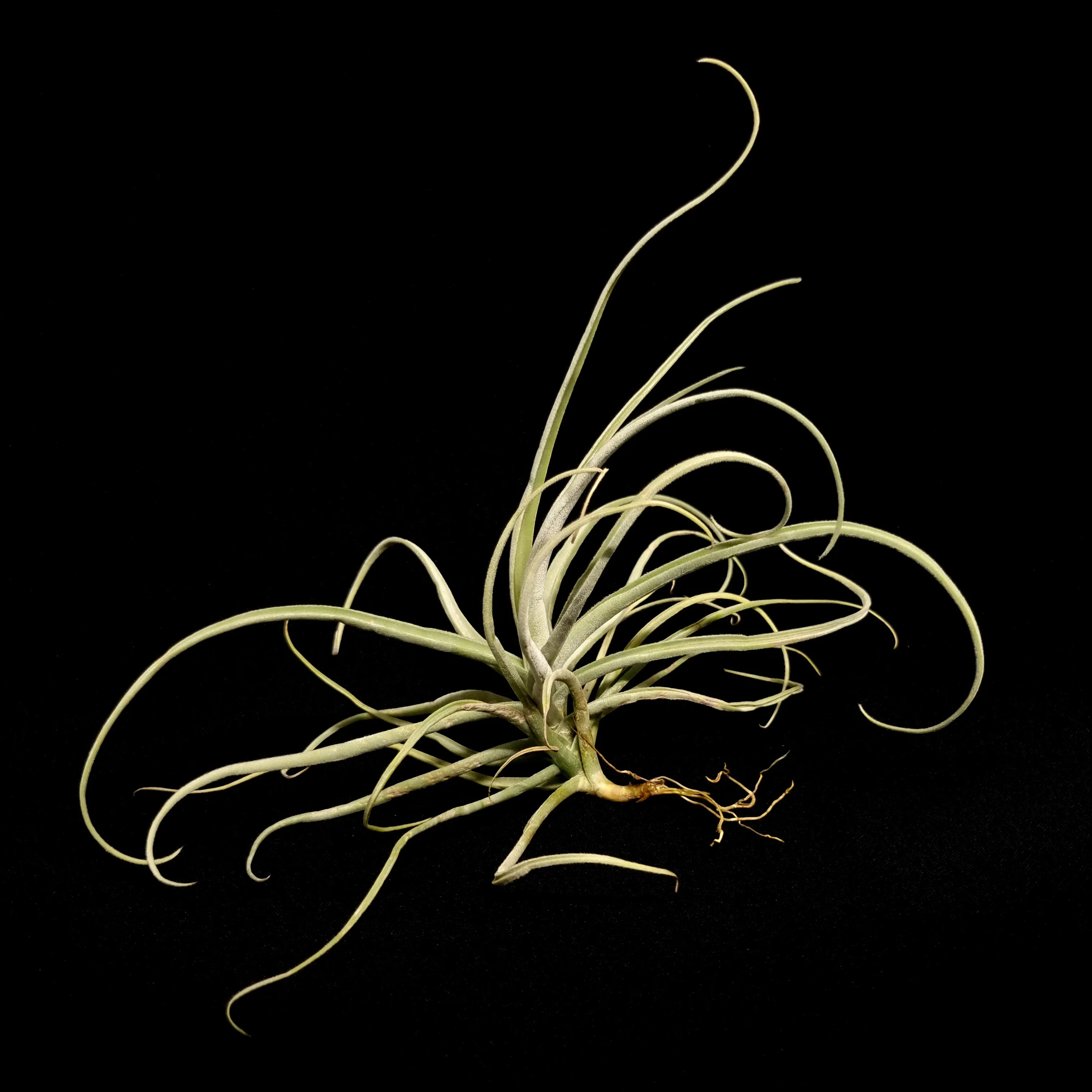
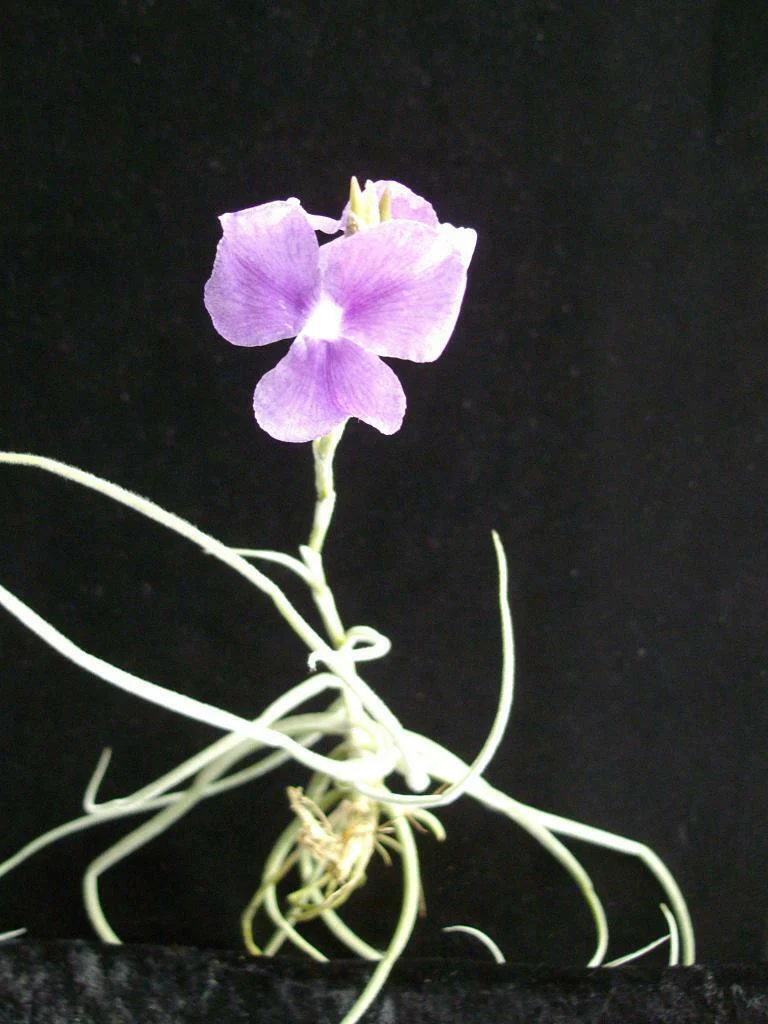
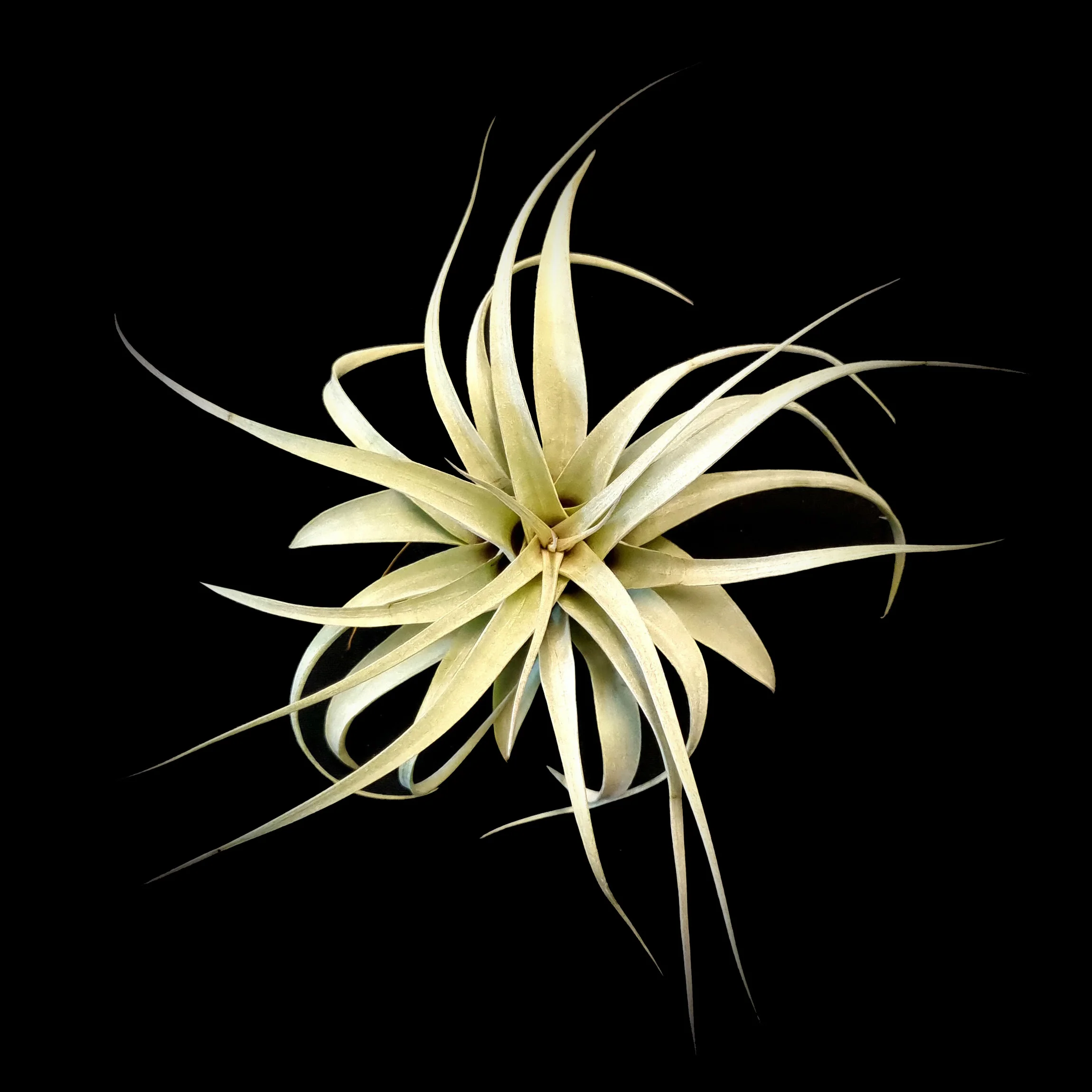
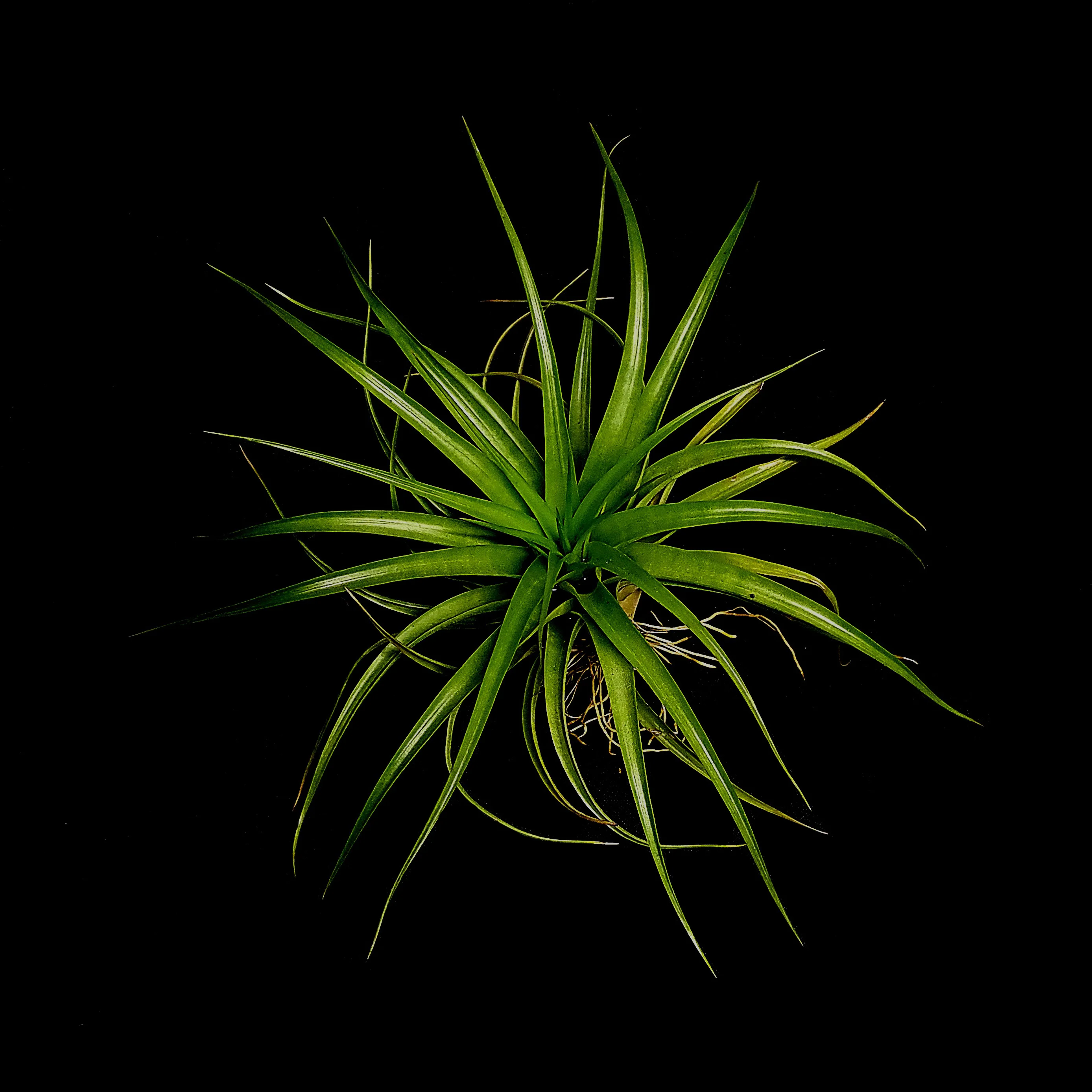
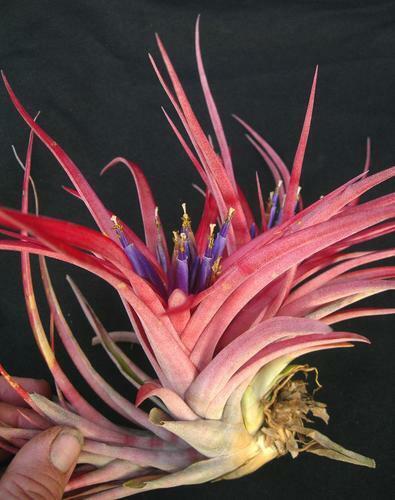
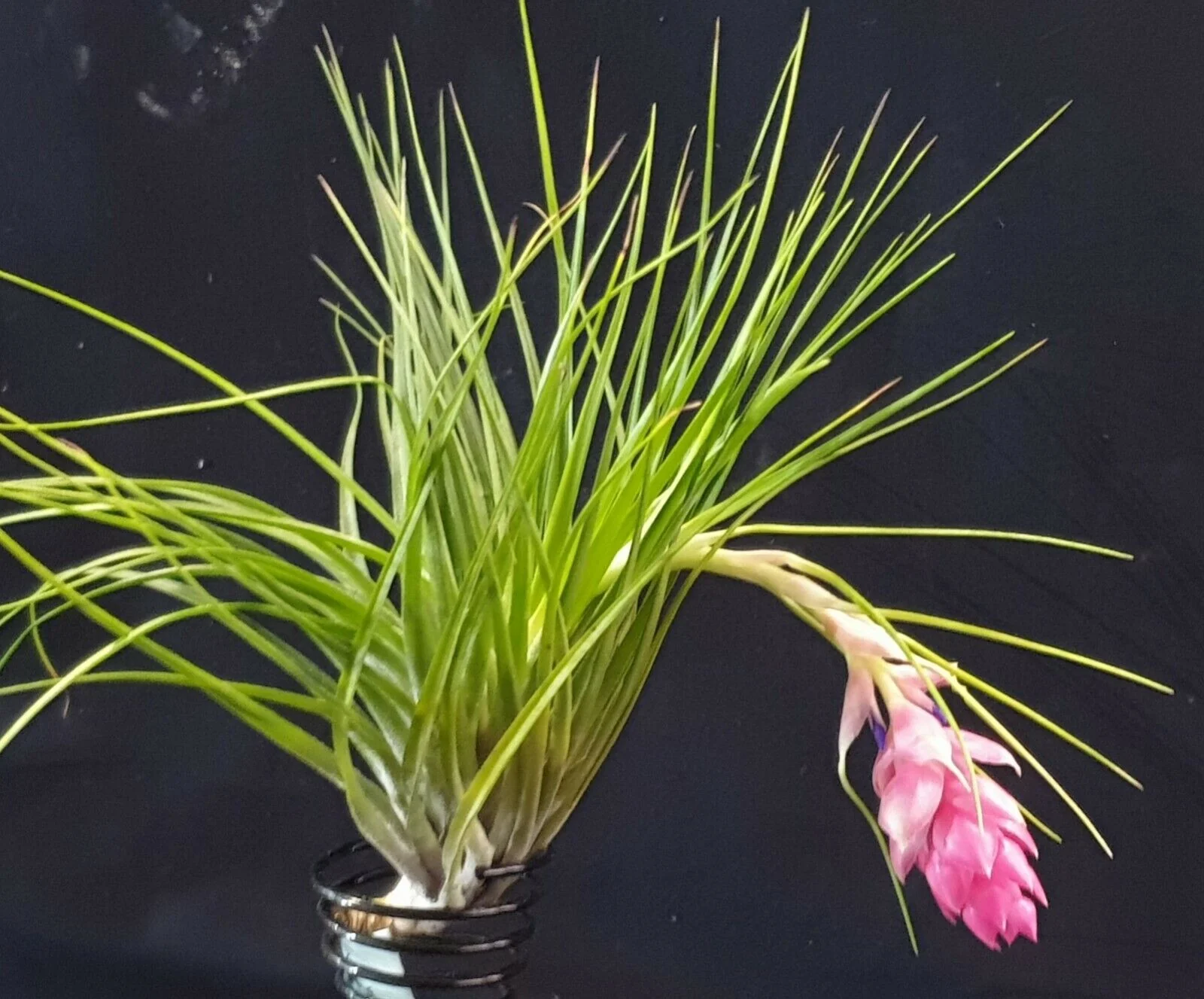
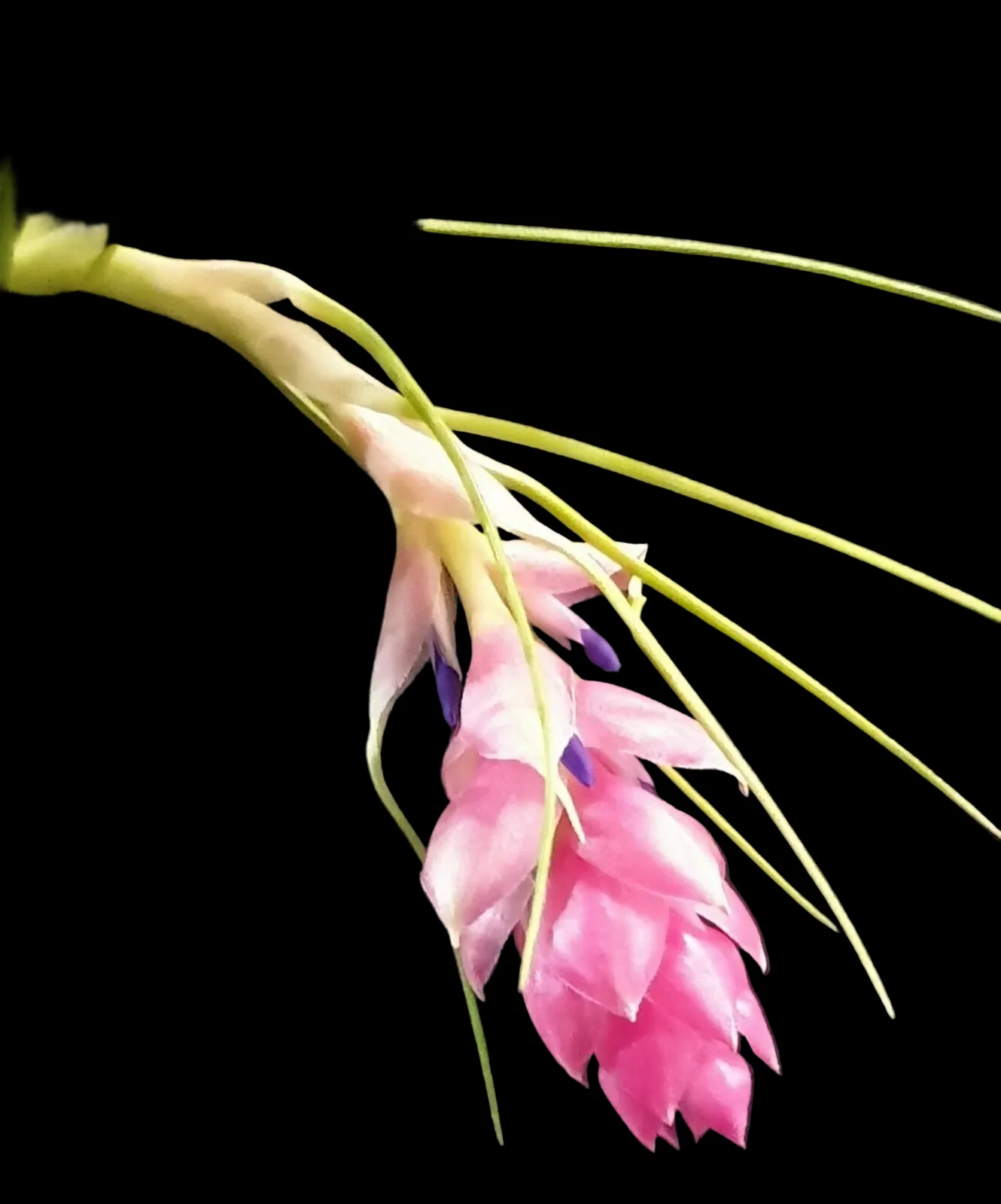
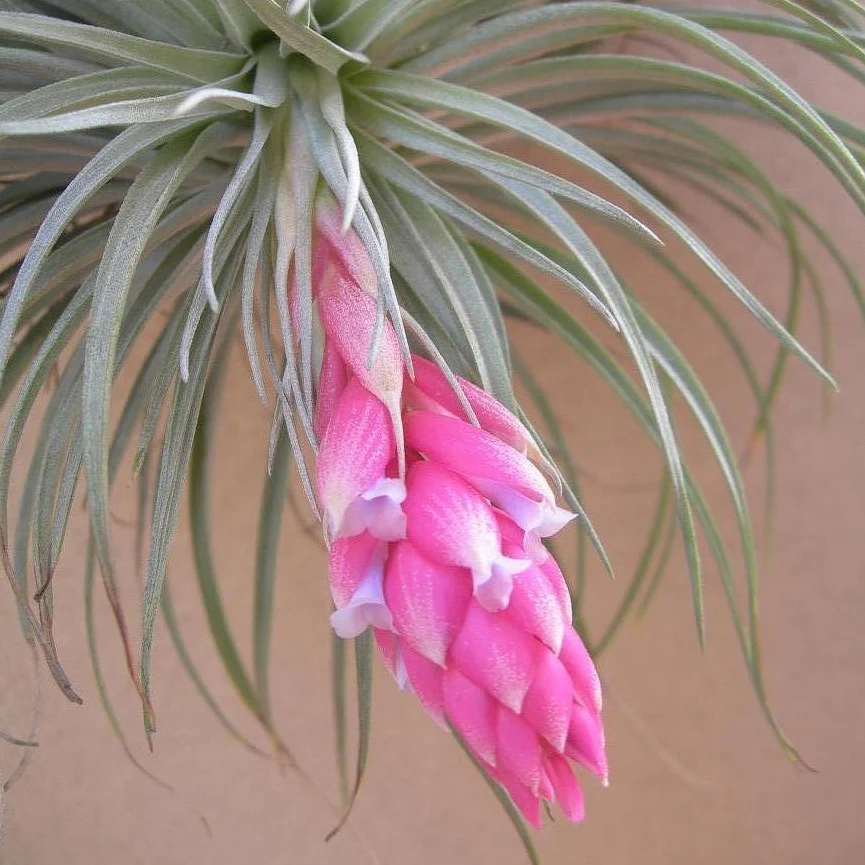
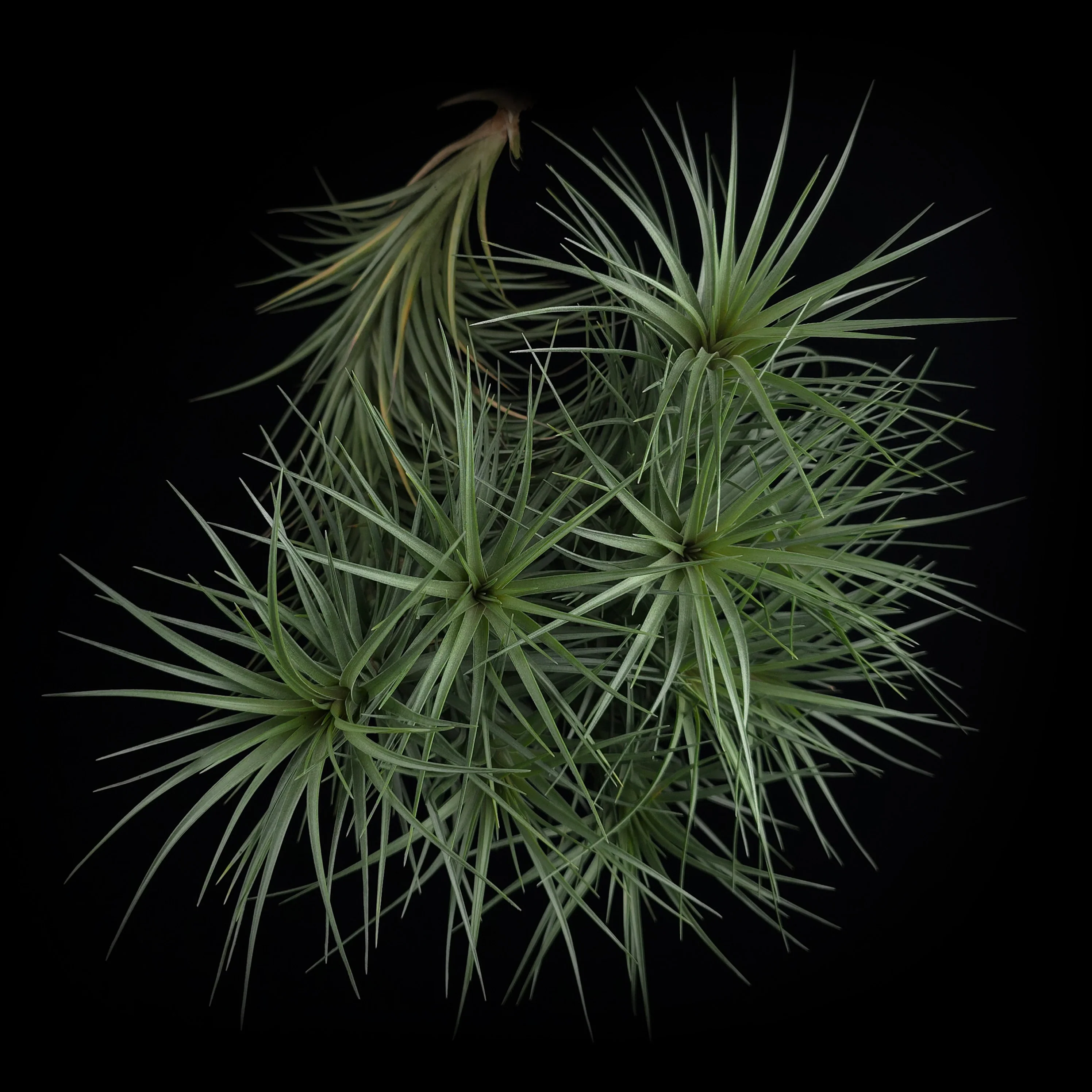
Tillandsia tenuifolia ‘Giant’ is the largest form of the species Tillandsia tenuifolia, which is native to a broad range including Central and South America and the Caribbean. This cultivated form produces broader leaves and a more robust overall rosette compared to typical examples of the species. The leaves are narrow, often arching slightly, and are covered with fine trichomes that give them a soft sheen. When mature, it produces upright bloom spikes carrying violet to purple tubular flowers with white throats, typical of the species. Offsets form readily, allowing clumps to develop over time.
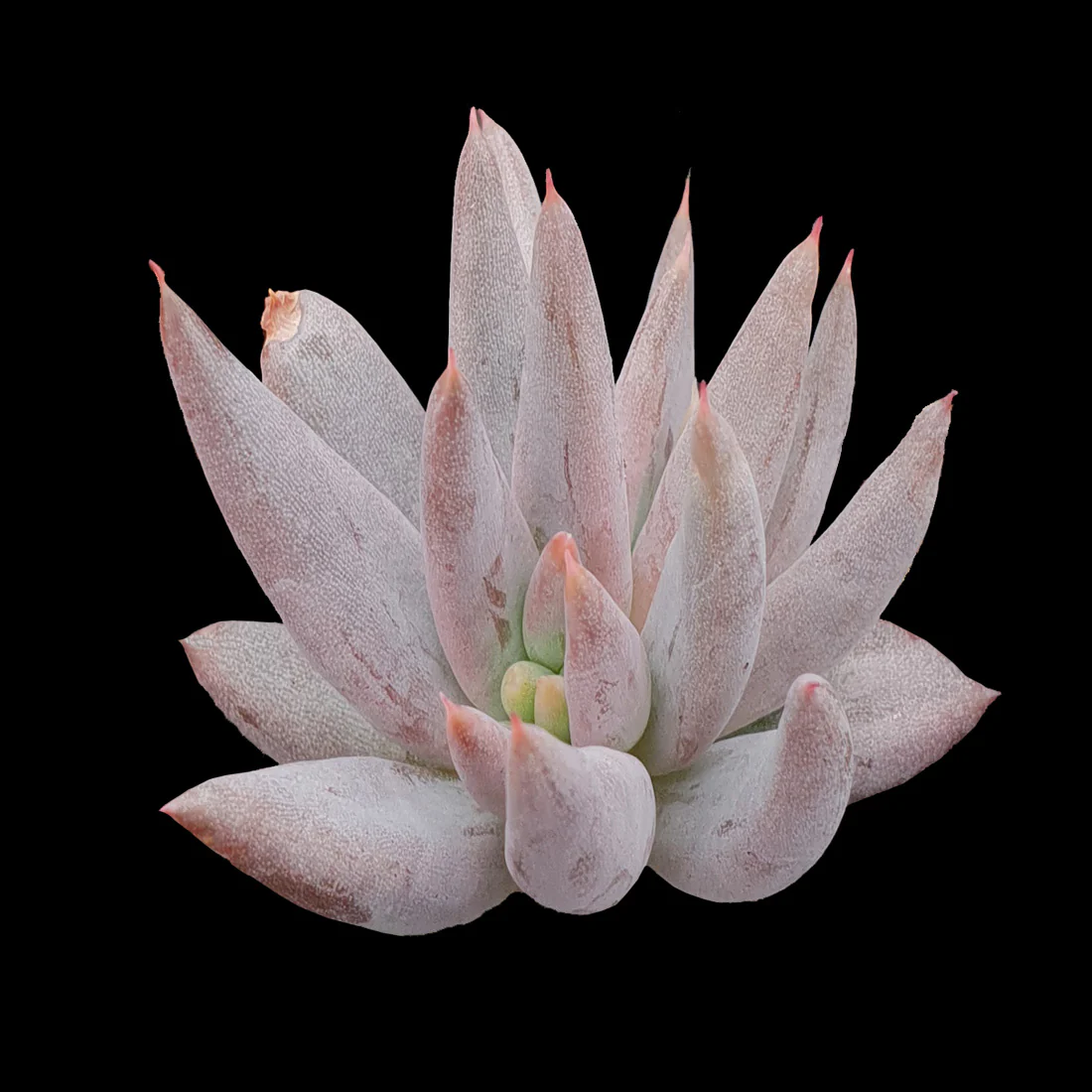
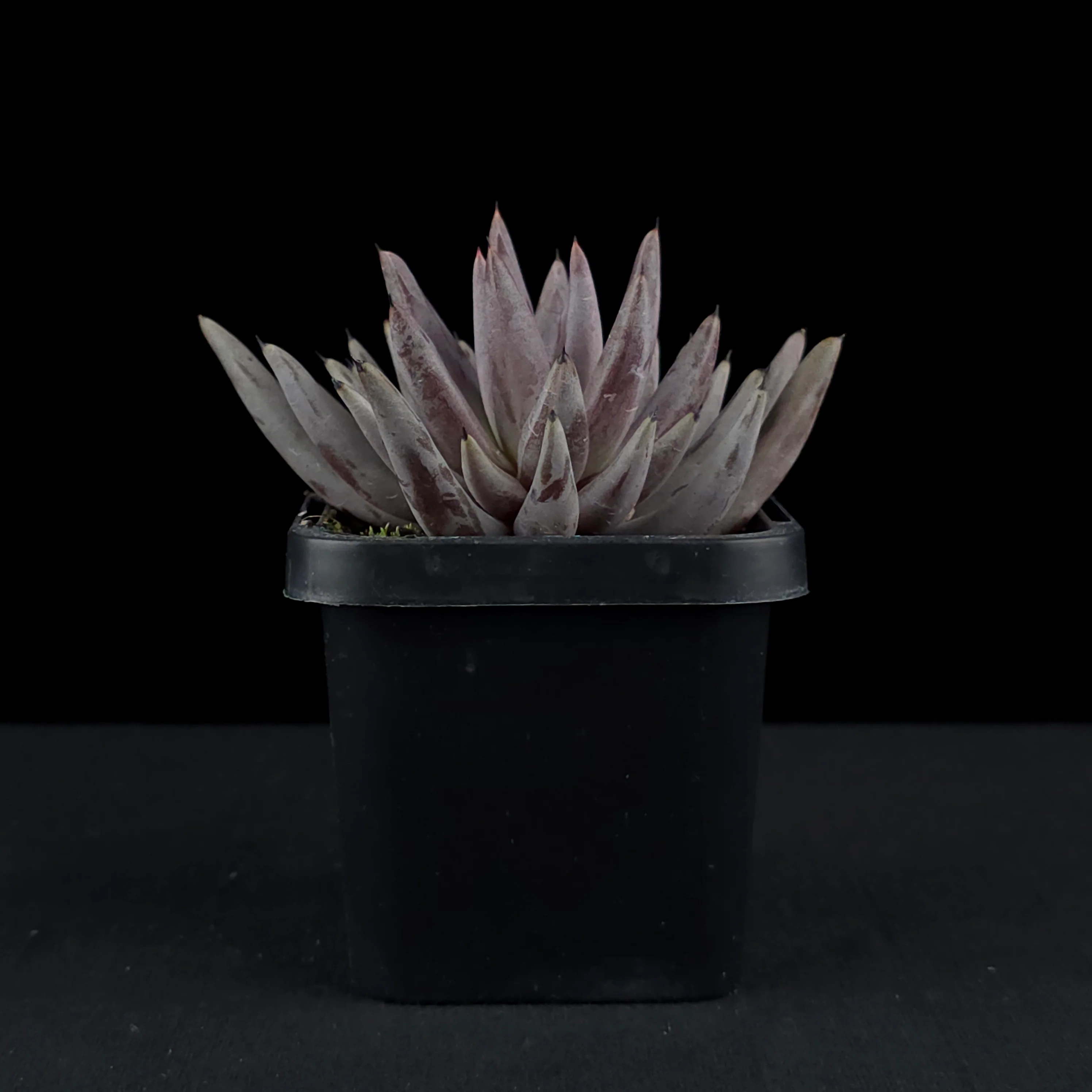
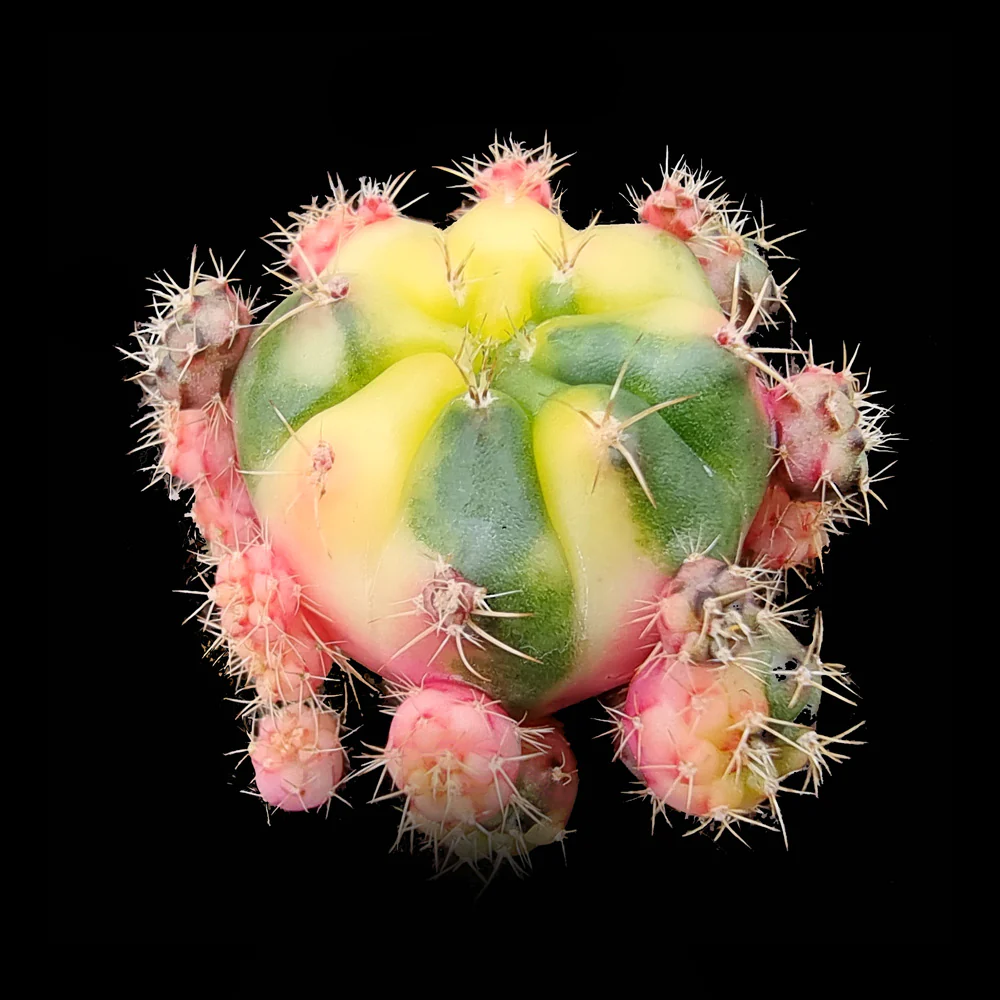
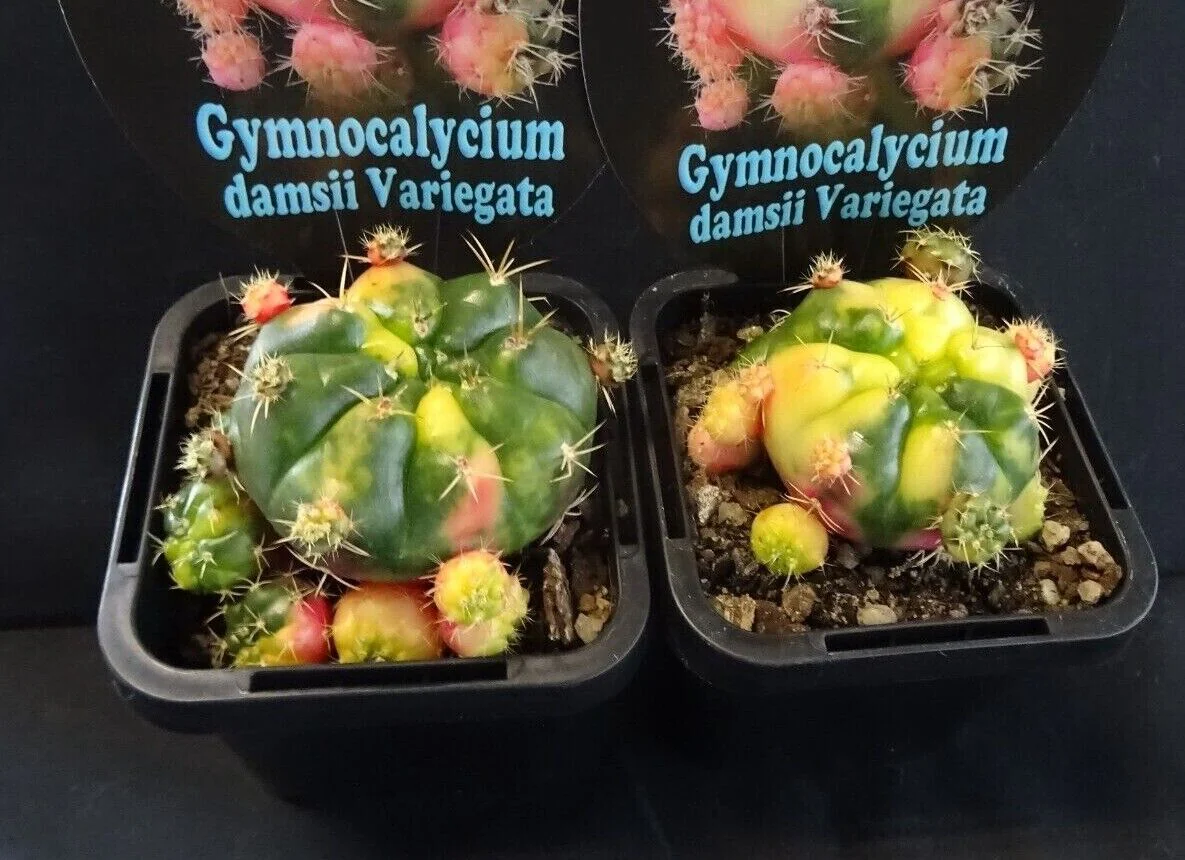
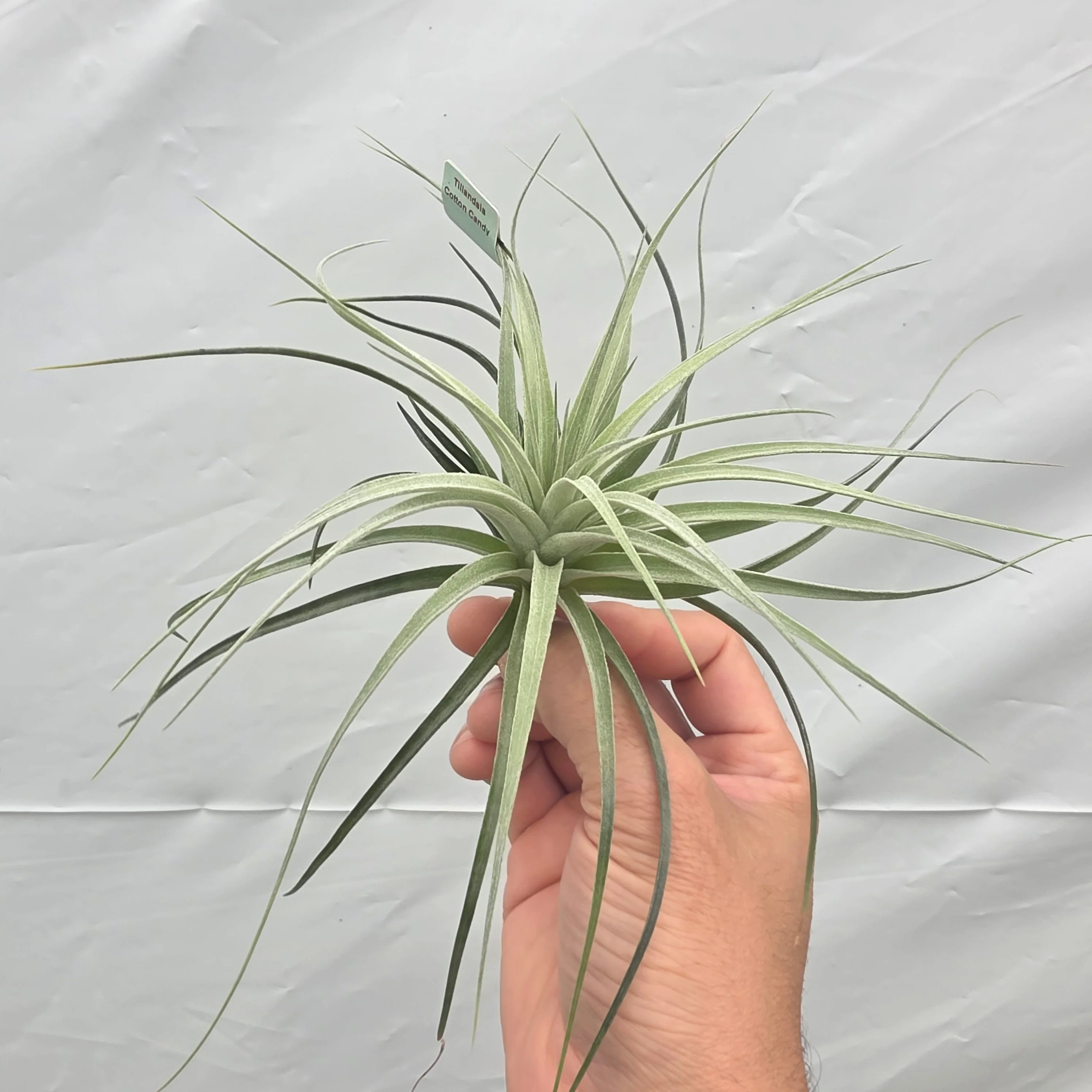
This specimen is the exact plant in the photo and is approximately 30-40cm.
Care Tips:
- Light – Provide bright, indirect light; can tolerate some direct morning sun with good airflow.
- Water – Mist or soak thoroughly, allowing the plant to dry quickly; reduce watering slightly during cooler months.
- Humidity – Thrives in moderate to high humidity with adequate air circulation.
- Media – Best mounted or displayed loose; does not require soil.
- Temperature – Grow at 10–27 °C; protect from frost.
- Fertiliser – Apply a diluted bromeliad fertiliser during active growth to support flowering and clump formation.
- Repotting – Not applicable; offsets can be separated when mature to propagate new plants.
Original: $95.00
-65%$95.00
$33.25Tillandsia tenuifolia 'Giant'
Tillandsia tenuifolia ‘Giant’ is the largest form of the species Tillandsia tenuifolia, which is native to a broad range including Central and South America and the Caribbean. This cultivated form produces broader leaves and a more robust overall rosette compared to typical examples of the species. The leaves are narrow, often arching slightly, and are covered with fine trichomes that give them a soft sheen. When mature, it produces upright bloom spikes carrying violet to purple tubular flowers with white throats, typical of the species. Offsets form readily, allowing clumps to develop over time.
This specimen is the exact plant in the photo and is approximately 30-40cm.
Care Tips:
- Light – Provide bright, indirect light; can tolerate some direct morning sun with good airflow.
- Water – Mist or soak thoroughly, allowing the plant to dry quickly; reduce watering slightly during cooler months.
- Humidity – Thrives in moderate to high humidity with adequate air circulation.
- Media – Best mounted or displayed loose; does not require soil.
- Temperature – Grow at 10–27 °C; protect from frost.
- Fertiliser – Apply a diluted bromeliad fertiliser during active growth to support flowering and clump formation.
- Repotting – Not applicable; offsets can be separated when mature to propagate new plants.
Product Information
Product Information
Shipping & Returns
Shipping & Returns
Description
Tillandsia tenuifolia ‘Giant’ is the largest form of the species Tillandsia tenuifolia, which is native to a broad range including Central and South America and the Caribbean. This cultivated form produces broader leaves and a more robust overall rosette compared to typical examples of the species. The leaves are narrow, often arching slightly, and are covered with fine trichomes that give them a soft sheen. When mature, it produces upright bloom spikes carrying violet to purple tubular flowers with white throats, typical of the species. Offsets form readily, allowing clumps to develop over time.
This specimen is the exact plant in the photo and is approximately 30-40cm.
Care Tips:
- Light – Provide bright, indirect light; can tolerate some direct morning sun with good airflow.
- Water – Mist or soak thoroughly, allowing the plant to dry quickly; reduce watering slightly during cooler months.
- Humidity – Thrives in moderate to high humidity with adequate air circulation.
- Media – Best mounted or displayed loose; does not require soil.
- Temperature – Grow at 10–27 °C; protect from frost.
- Fertiliser – Apply a diluted bromeliad fertiliser during active growth to support flowering and clump formation.
- Repotting – Not applicable; offsets can be separated when mature to propagate new plants.