Coelogyne filiforme (Syn. Dendrochilum filiforme)
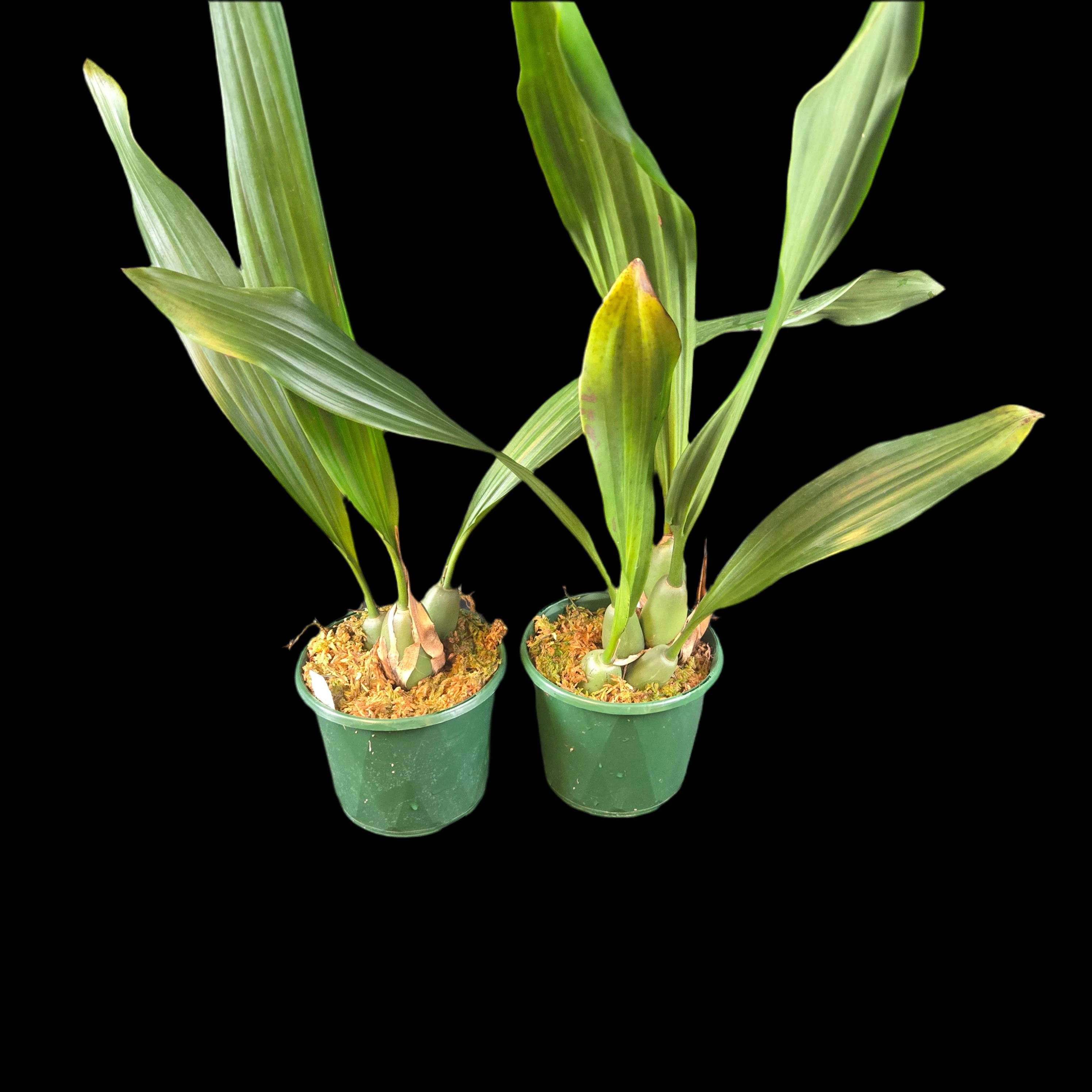
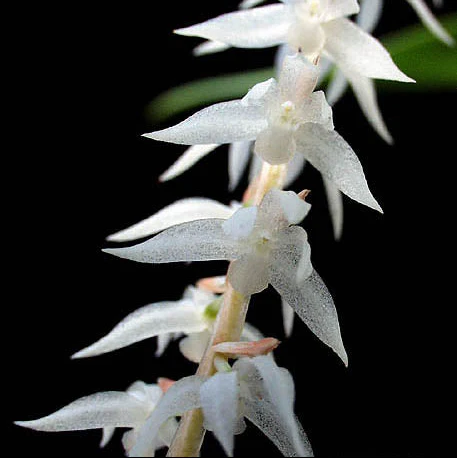
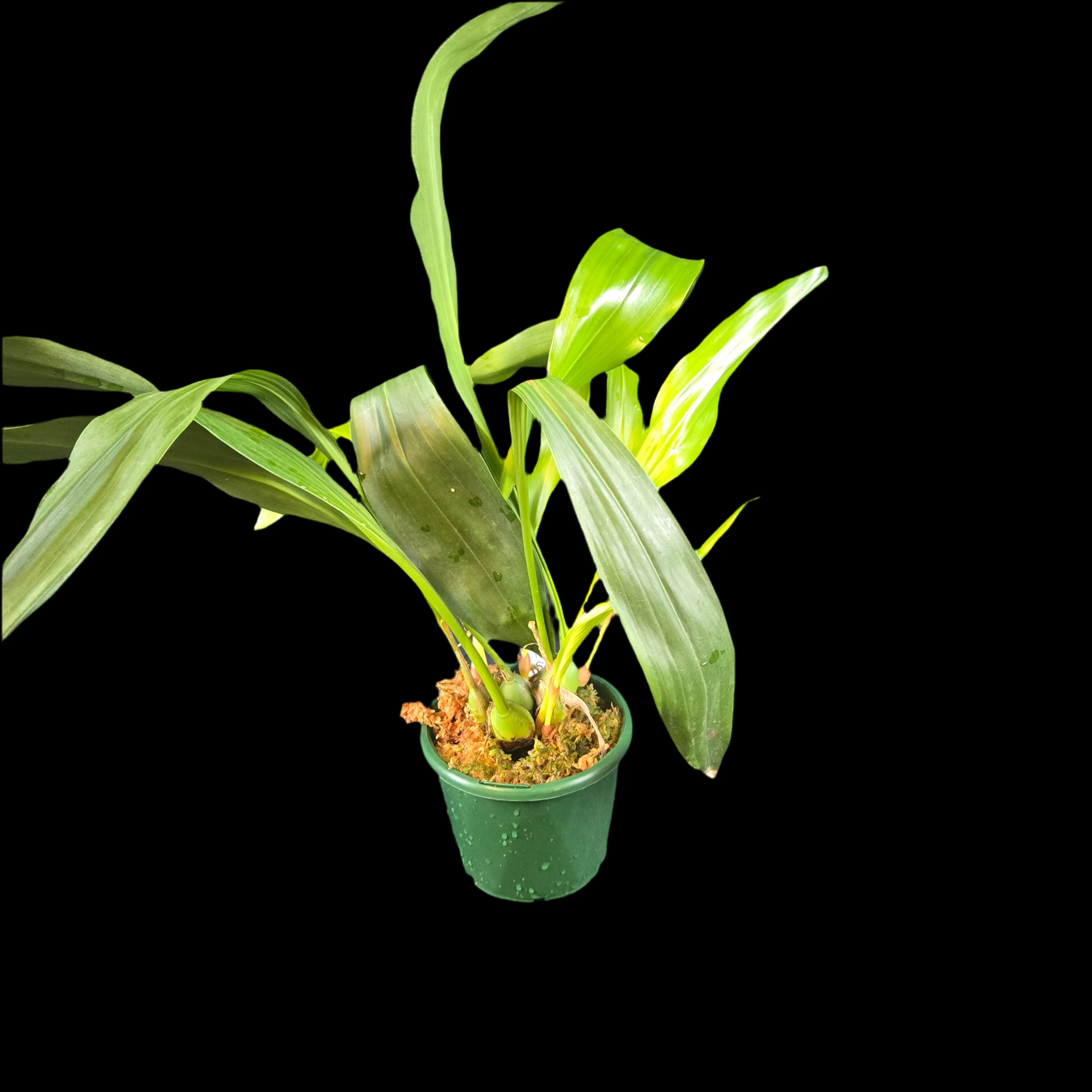
Coelogyne filiforme (Syn. Dendrochilum filiforme) is native to montane forests of the Philippines, thriving as an epiphyte in humid, shaded environments. This elegant species is celebrated for its fine, grass-like foliage and gracefully drooping flower spikes adorned with miniature blooms.
Distinctive Features
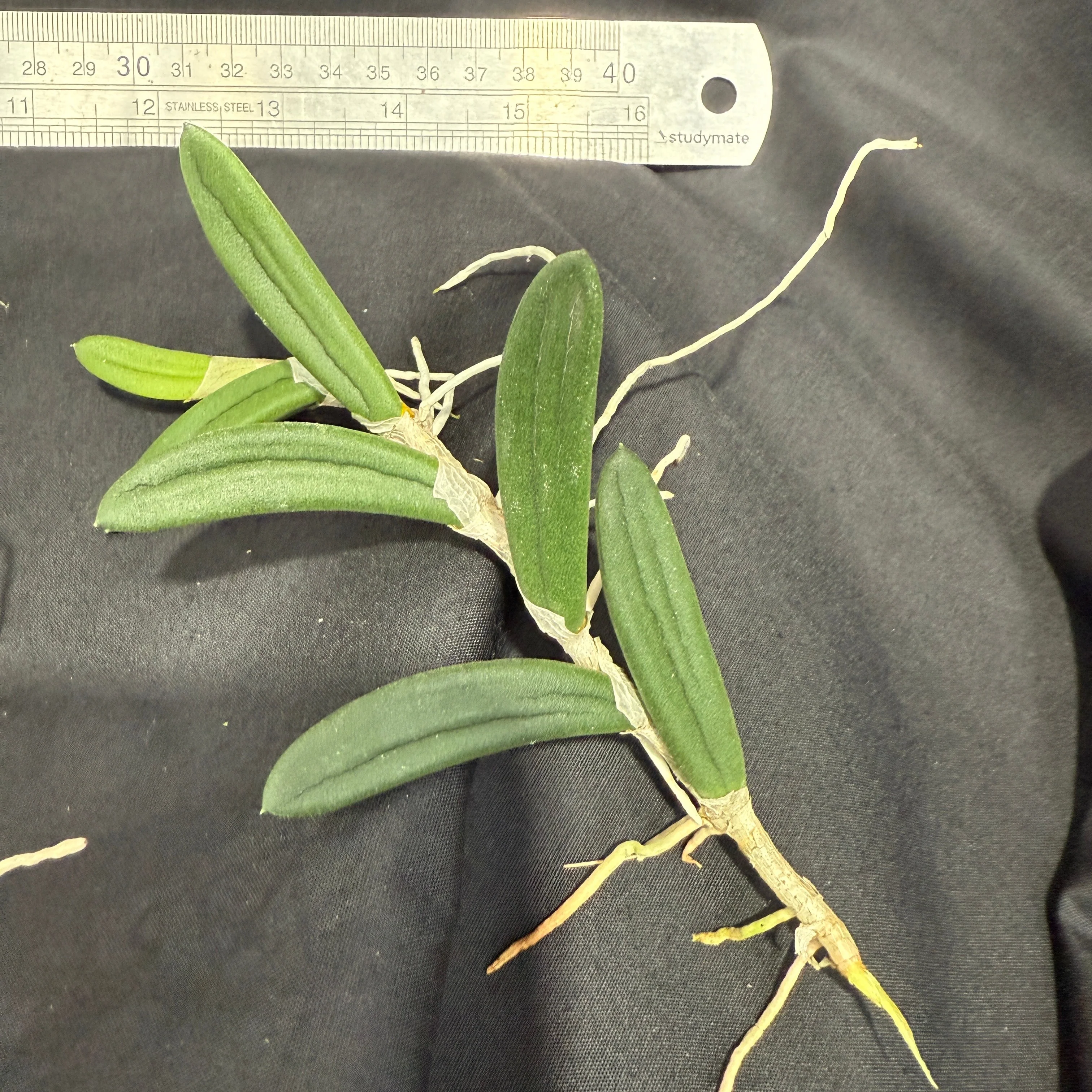
- Foliage: Narrow, linear leaves form compact tufts, lending the plant a refined, grassy appearance.
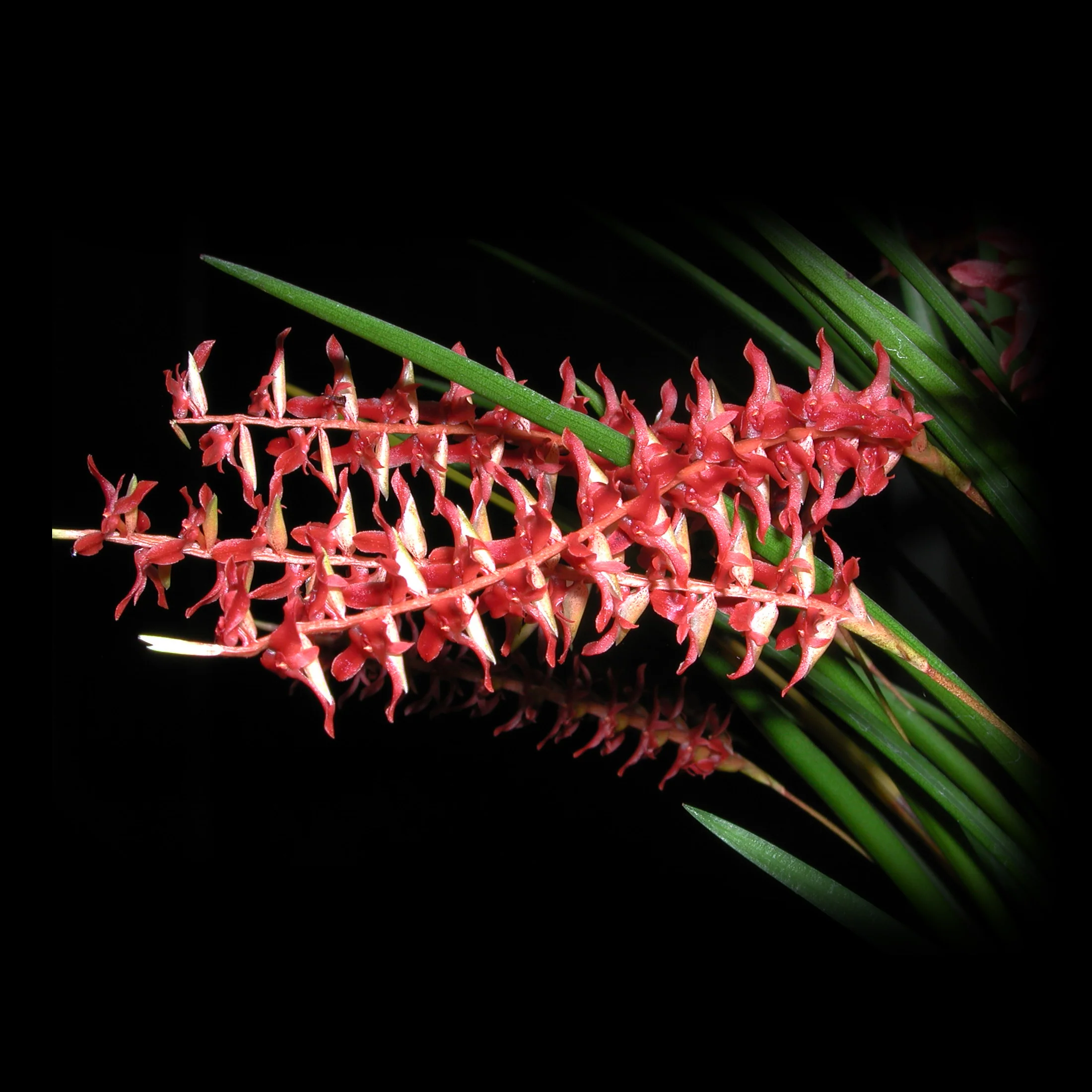
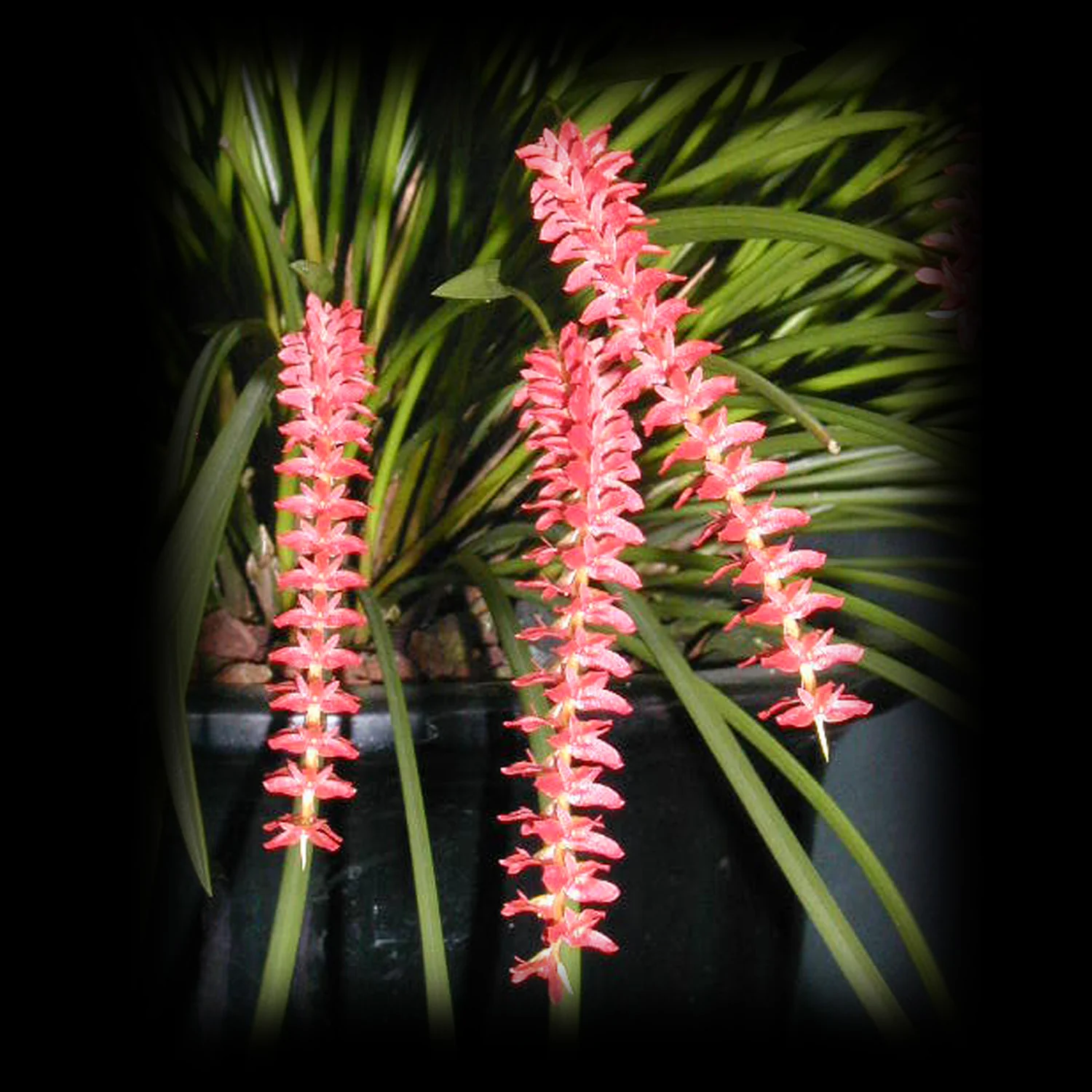
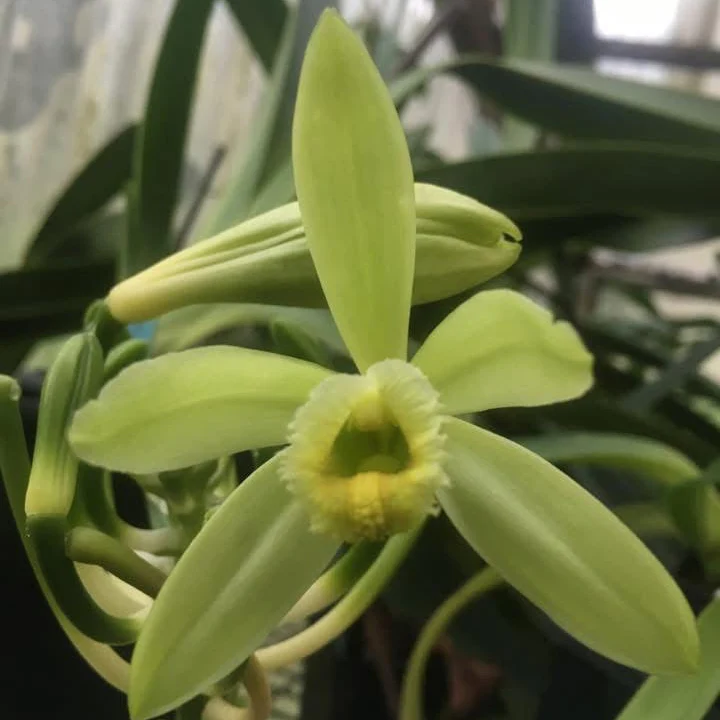
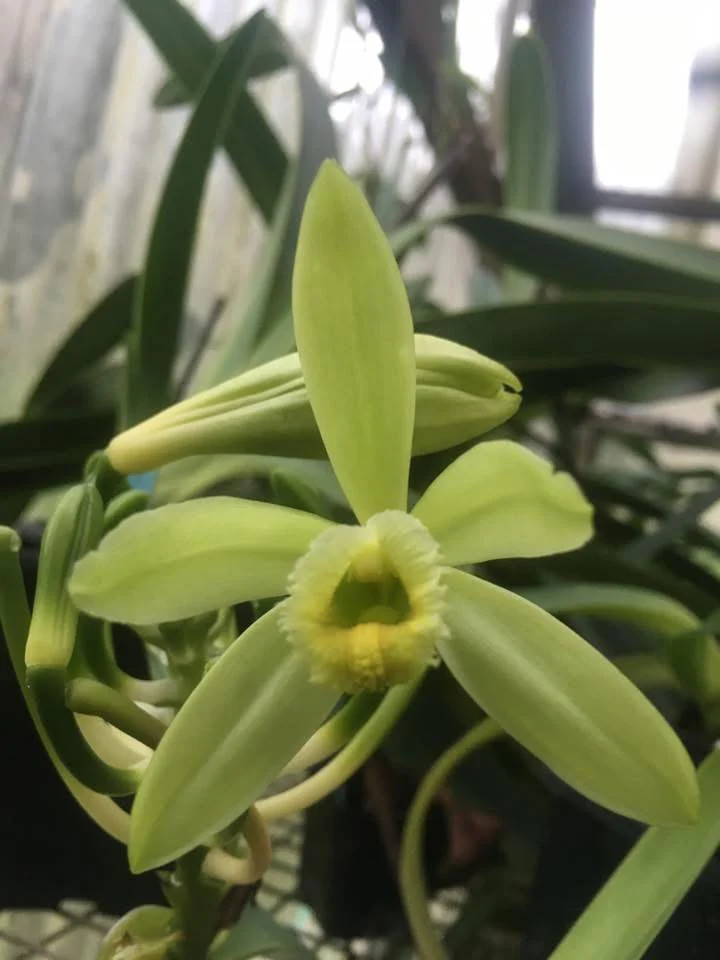
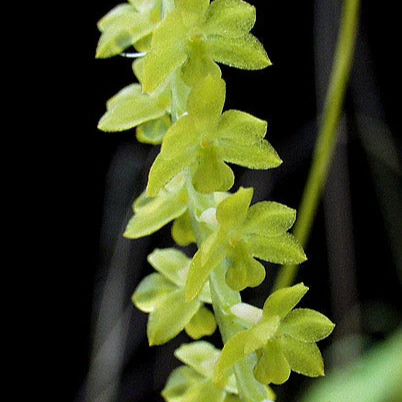
- Flowers: Delicate yellowish to pale green blooms are arranged in thread-like pendant racemes that sway with the slightest movement.
- Habit: Epiphytic and clump-forming, it grows from a creeping rhizome and readily establishes dense mats over time.
Care Tips
- Light: Prefers bright, filtered light or light shade; avoid direct sun which may scorch its fine foliage.
- Water: Keep evenly moist during active growth; reduce slightly in winter but avoid complete drying.
- Humidity: Enjoys high humidity; regular misting or a humid environment is beneficial.
- Media: Use an open, bark-based orchid mix or mount on cork with sphagnum for best airflow around the roots.
- Temperature: Ideal range is 15–25°C; protect from cold drafts and avoid exposure to frost.
- Fertiliser: Apply diluted orchid fertiliser fortnightly during active growth; use a bloom booster in late summer to autumn.
- Repotting: Repot every 2–3 years or when the medium starts to break down, preferably in spring.
More Images

Coelogyne filiforme (Syn. Dendrochilum filiforme)
Coelogyne filiforme (Syn. Dendrochilum filiforme) is native to montane forests of the Philippines, thriving as an epiphyte in humid, shaded environments. This elegant species is celebrated for its fine, grass-like foliage and gracefully drooping flower spikes adorned with miniature blooms.
Distinctive Features
- Foliage: Narrow, linear leaves form compact tufts, lending the plant a refined, grassy appearance.
- Flowers: Delicate yellowish to pale green blooms are arranged in thread-like pendant racemes that sway with the slightest movement.
- Habit: Epiphytic and clump-forming, it grows from a creeping rhizome and readily establishes dense mats over time.
Care Tips
- Light: Prefers bright, filtered light or light shade; avoid direct sun which may scorch its fine foliage.
- Water: Keep evenly moist during active growth; reduce slightly in winter but avoid complete drying.
- Humidity: Enjoys high humidity; regular misting or a humid environment is beneficial.
- Media: Use an open, bark-based orchid mix or mount on cork with sphagnum for best airflow around the roots.
- Temperature: Ideal range is 15–25°C; protect from cold drafts and avoid exposure to frost.
- Fertiliser: Apply diluted orchid fertiliser fortnightly during active growth; use a bloom booster in late summer to autumn.
- Repotting: Repot every 2–3 years or when the medium starts to break down, preferably in spring.
Product Information
Product Information
Shipping & Returns
Shipping & Returns
Description
Coelogyne filiforme (Syn. Dendrochilum filiforme) is native to montane forests of the Philippines, thriving as an epiphyte in humid, shaded environments. This elegant species is celebrated for its fine, grass-like foliage and gracefully drooping flower spikes adorned with miniature blooms.
Distinctive Features
- Foliage: Narrow, linear leaves form compact tufts, lending the plant a refined, grassy appearance.
- Flowers: Delicate yellowish to pale green blooms are arranged in thread-like pendant racemes that sway with the slightest movement.
- Habit: Epiphytic and clump-forming, it grows from a creeping rhizome and readily establishes dense mats over time.
Care Tips
- Light: Prefers bright, filtered light or light shade; avoid direct sun which may scorch its fine foliage.
- Water: Keep evenly moist during active growth; reduce slightly in winter but avoid complete drying.
- Humidity: Enjoys high humidity; regular misting or a humid environment is beneficial.
- Media: Use an open, bark-based orchid mix or mount on cork with sphagnum for best airflow around the roots.
- Temperature: Ideal range is 15–25°C; protect from cold drafts and avoid exposure to frost.
- Fertiliser: Apply diluted orchid fertiliser fortnightly during active growth; use a bloom booster in late summer to autumn.
- Repotting: Repot every 2–3 years or when the medium starts to break down, preferably in spring.