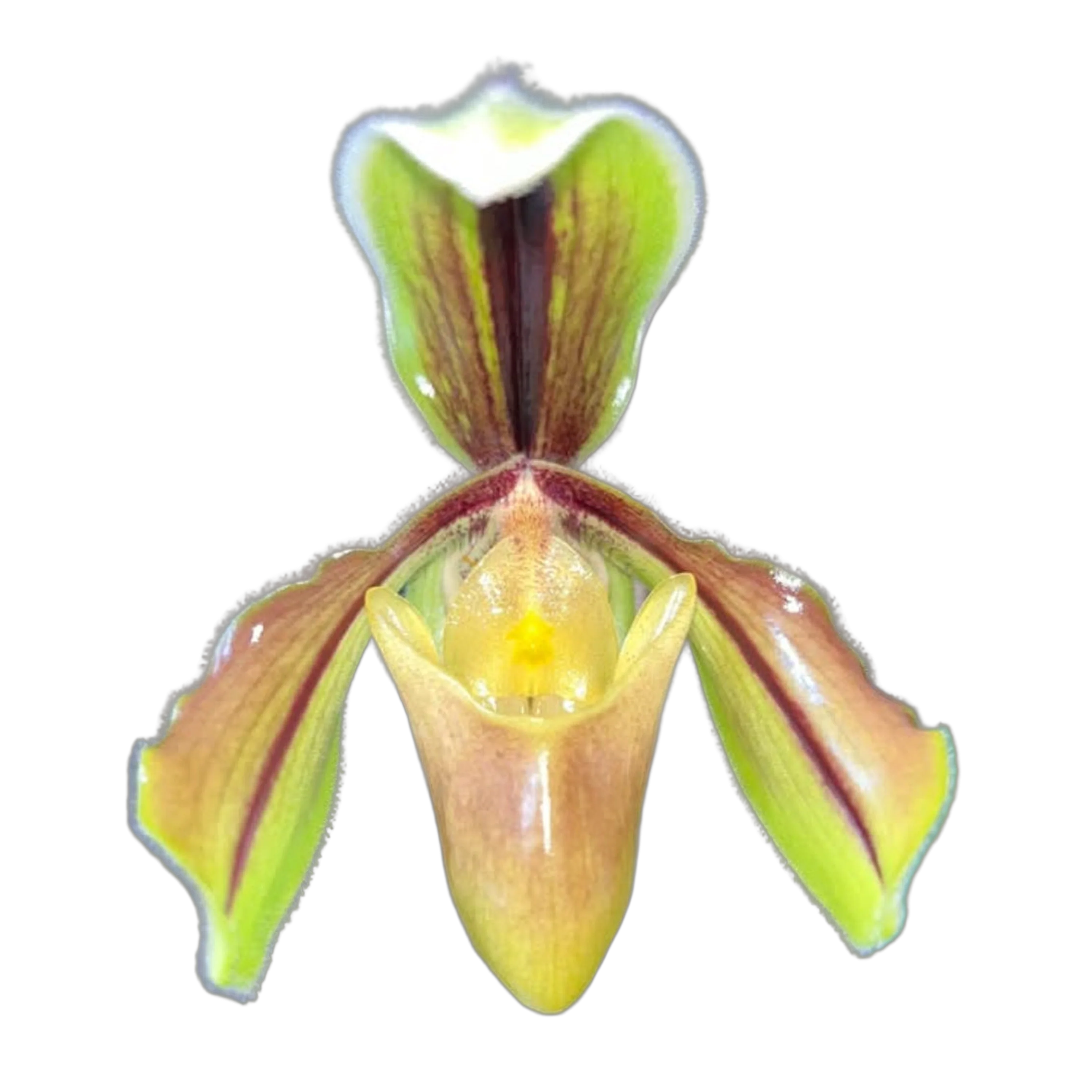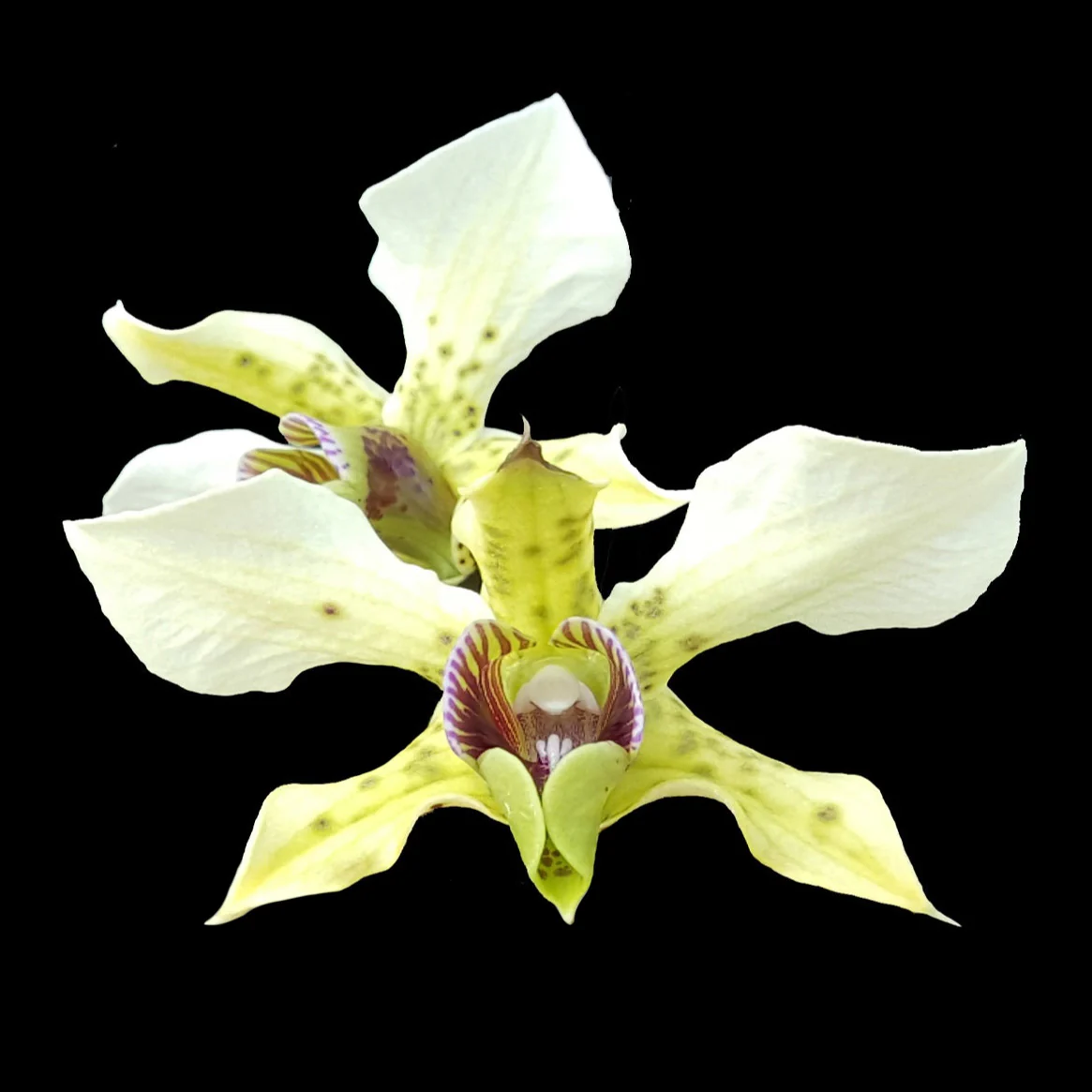
Dendrobium atroviolaceum
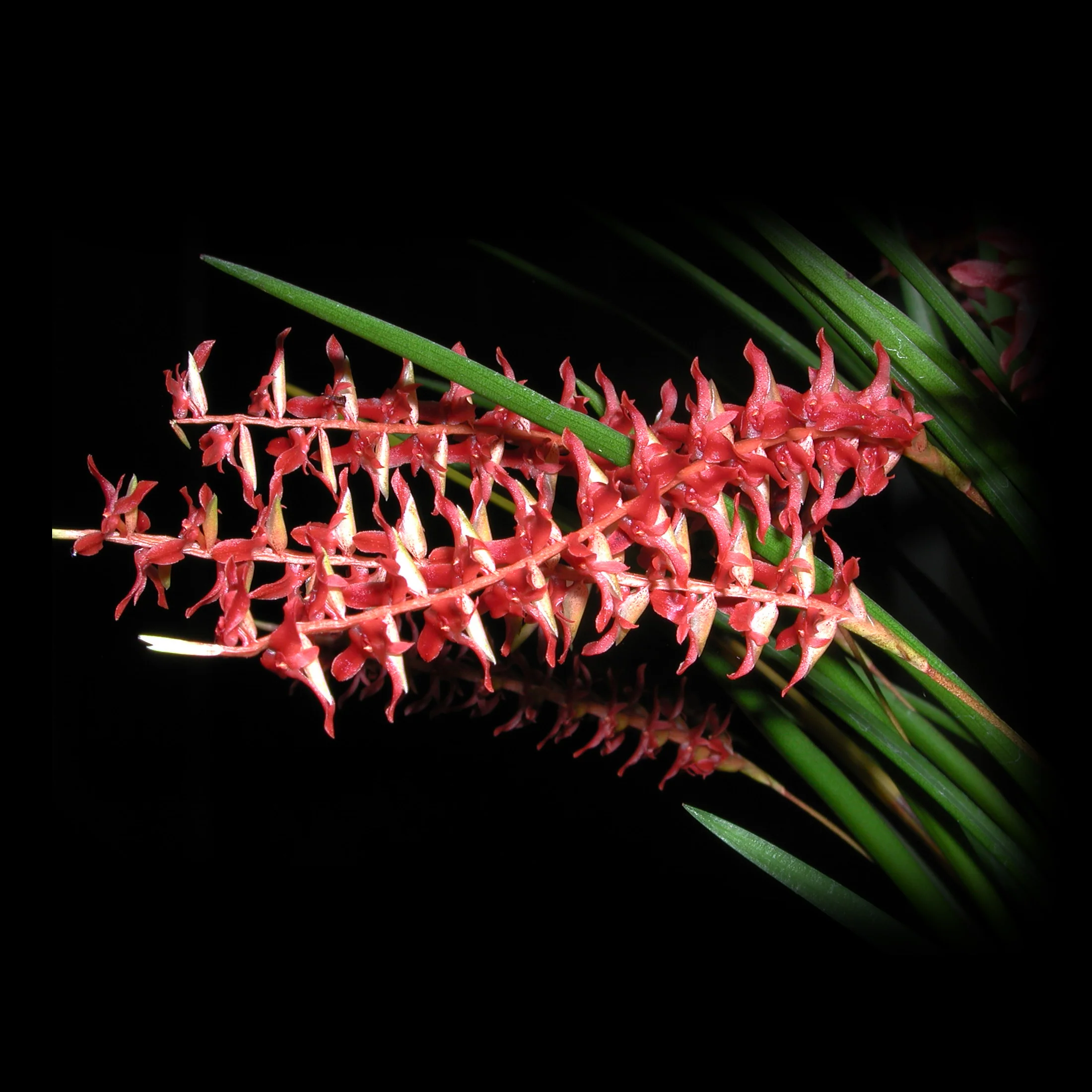
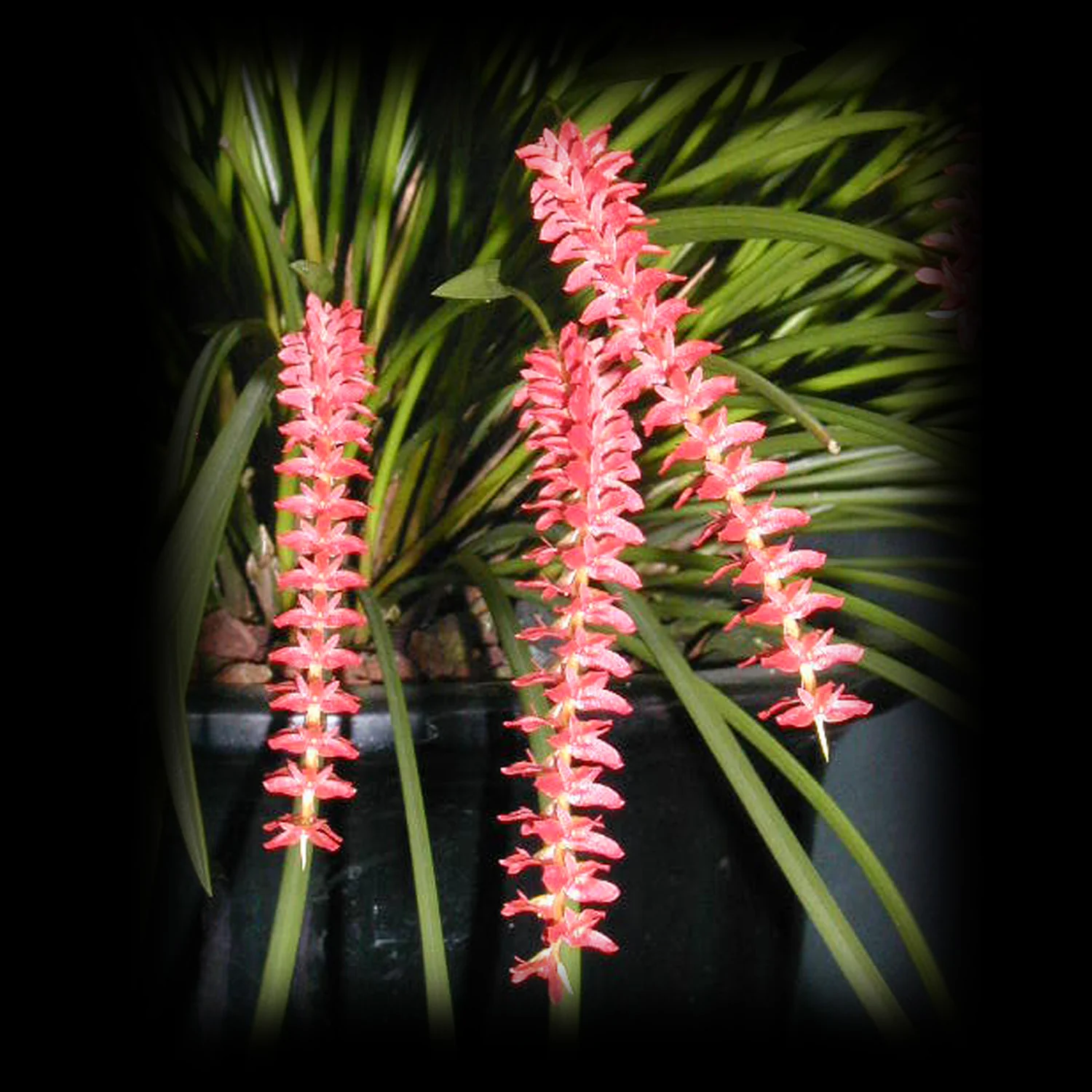
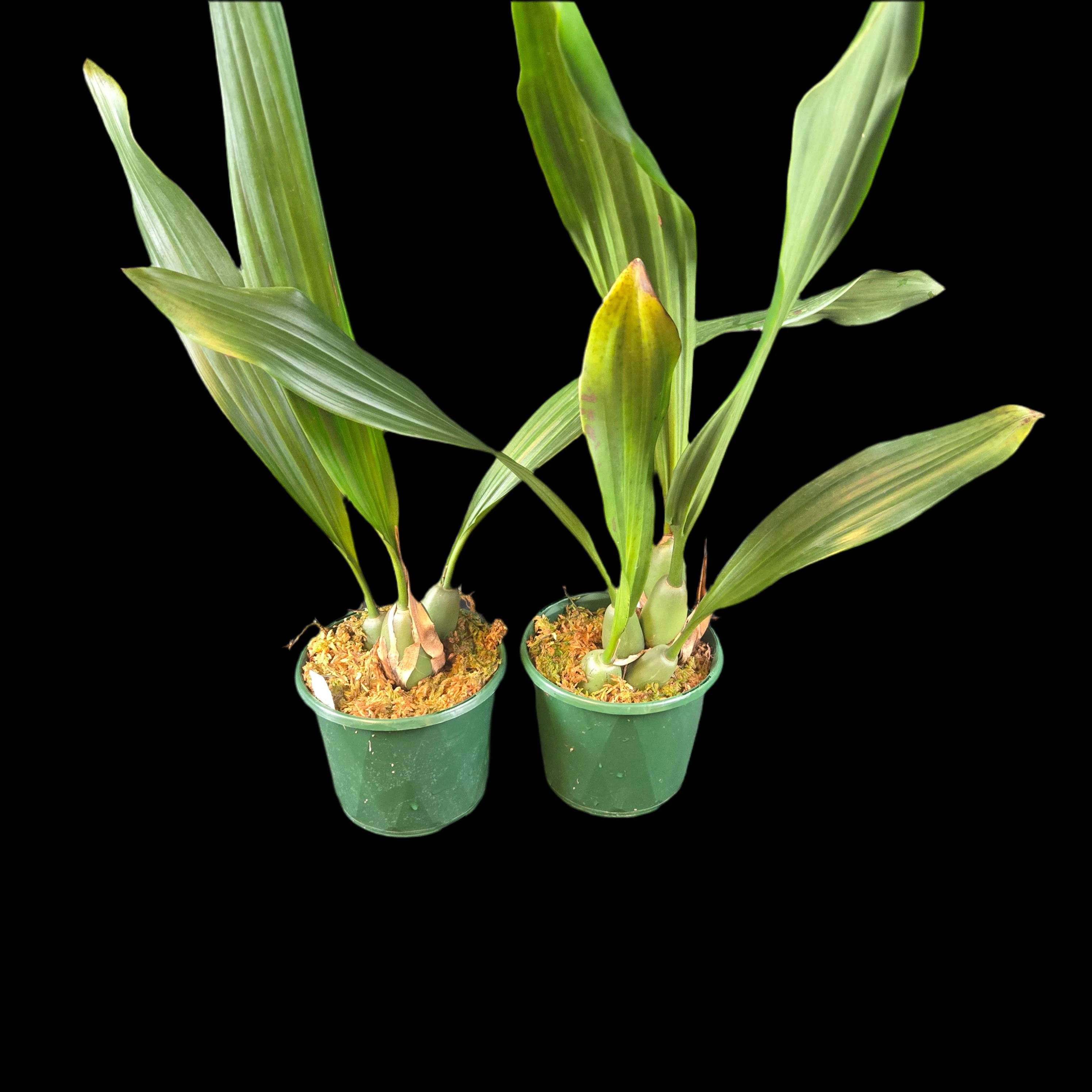
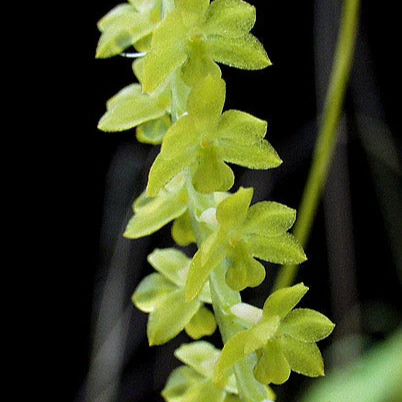
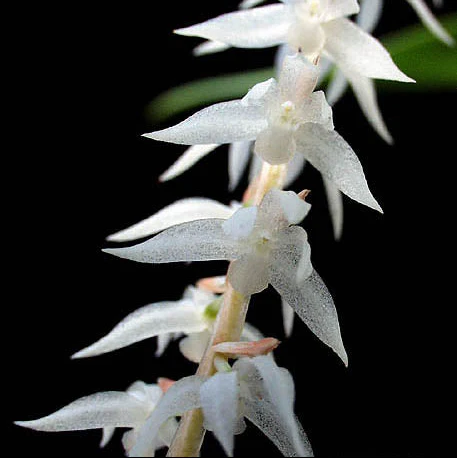
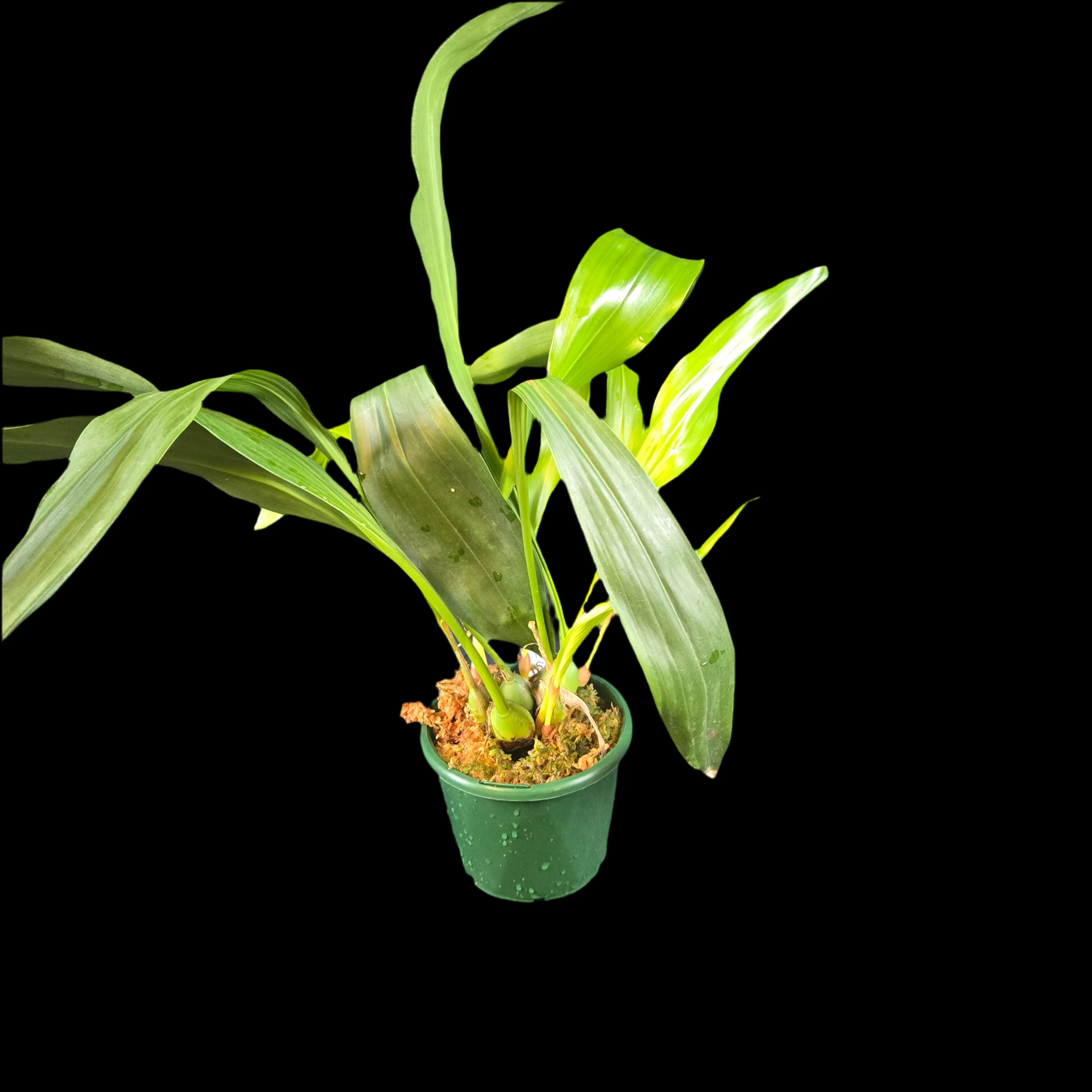
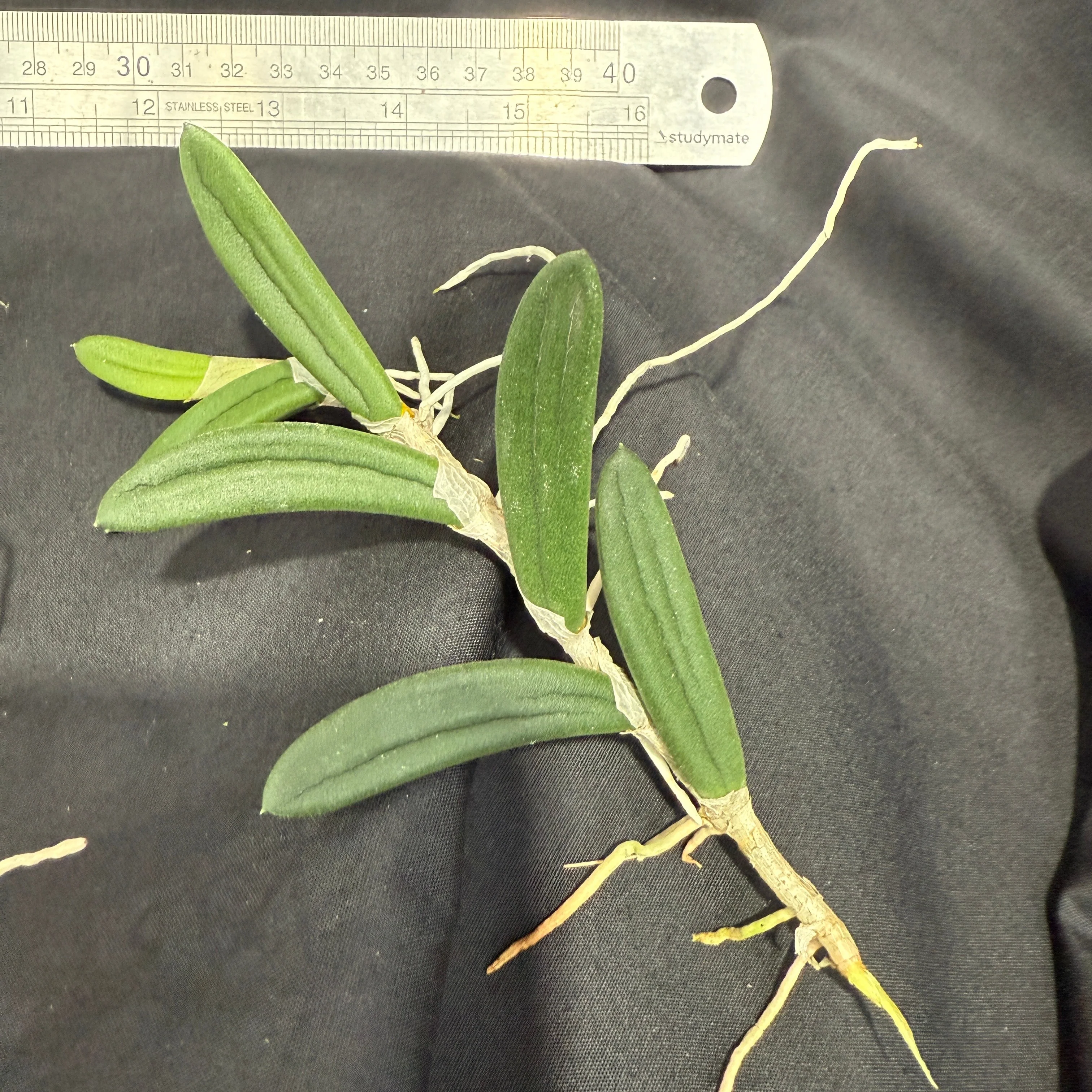
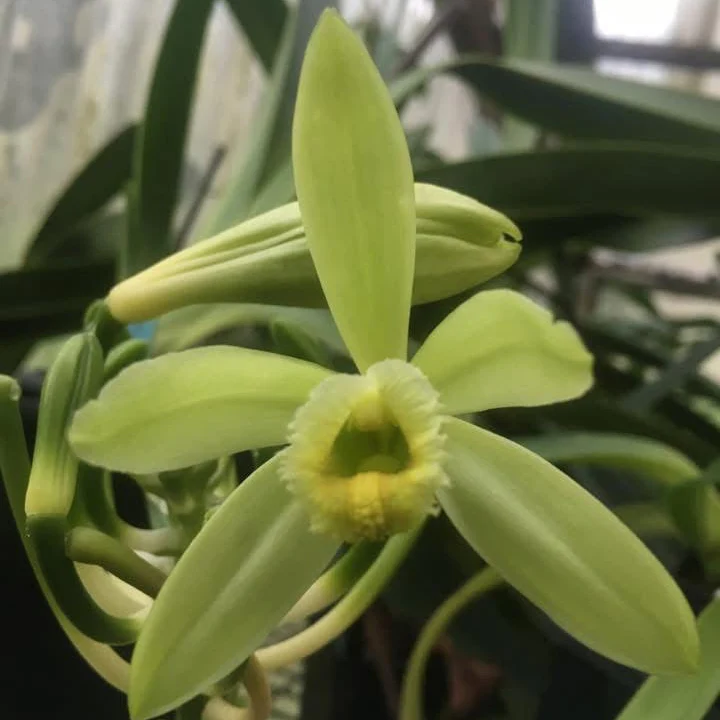
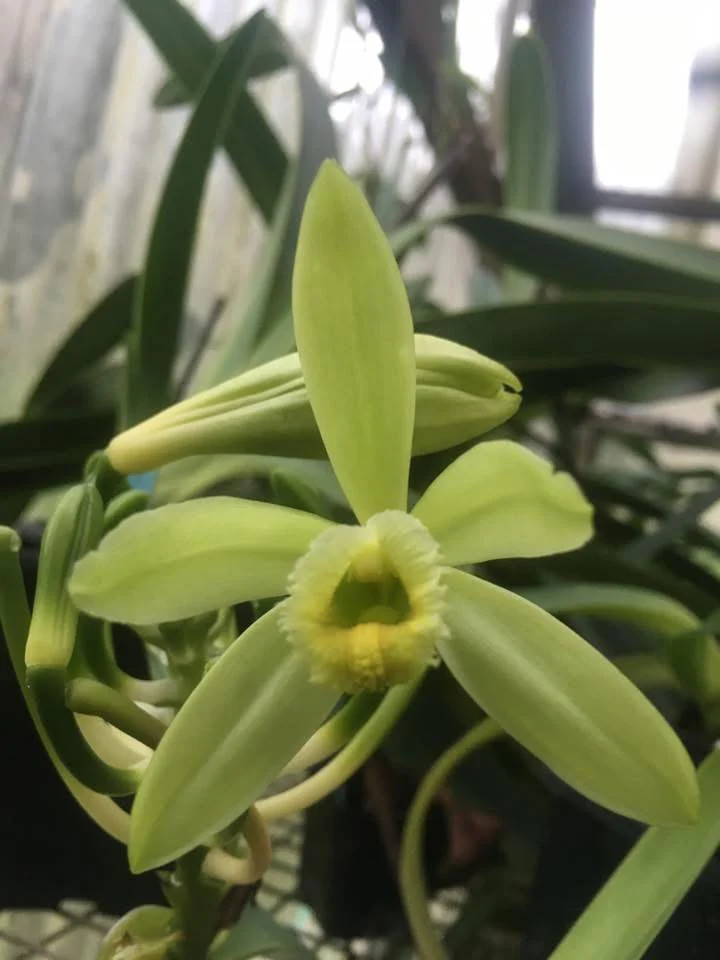
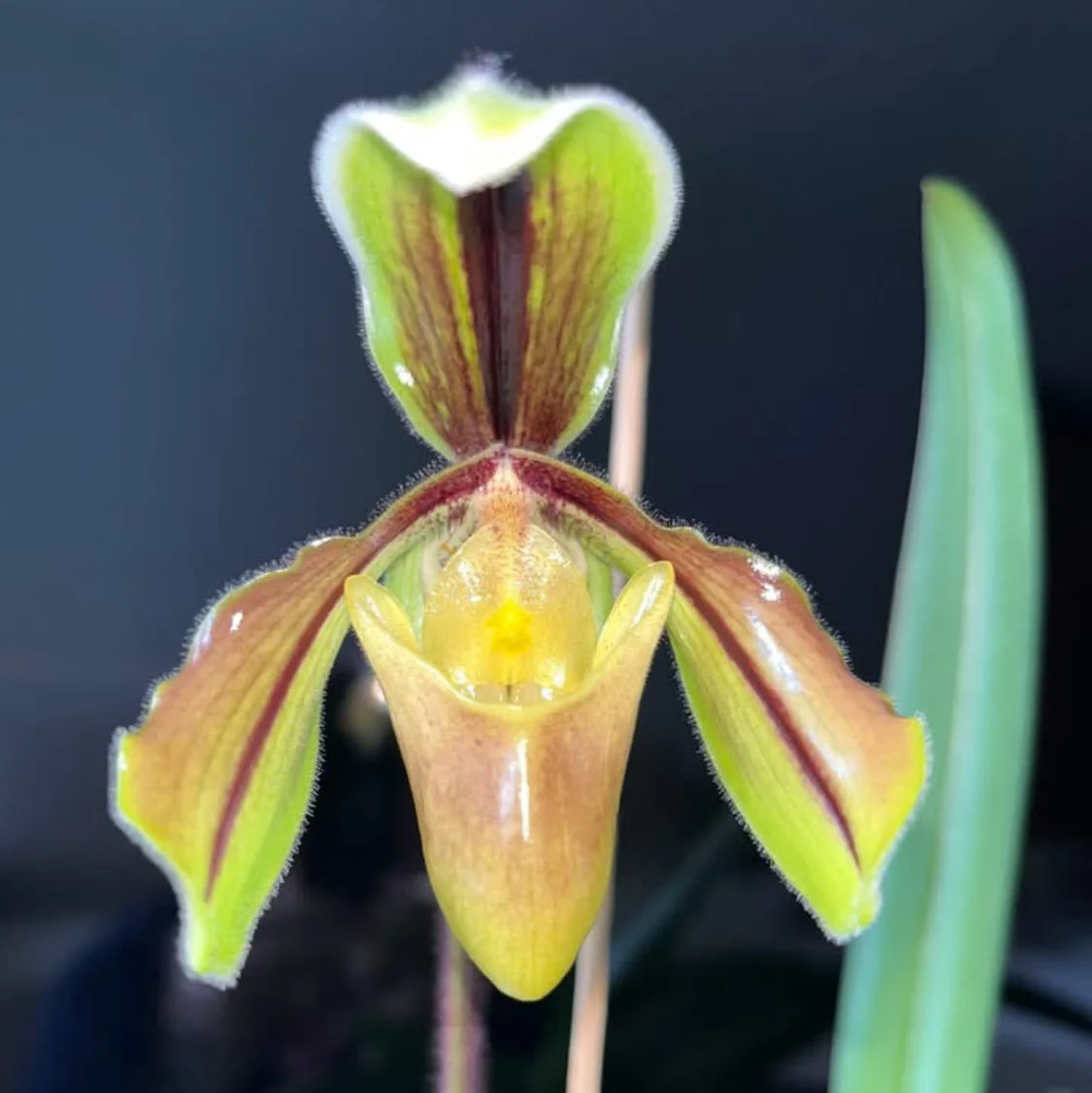
Dendrobium atroviolaceum is an orchid species native to Papua New Guinea and nearby islands, where it inhabits lowland forests and coastal areas. It forms clusters of upright, rigid canes that can remain leafy for several years. The flowers are waxy, long-lasting, and typically cream to pale green with contrasting deep purple to blackish-violet markings, most often concentrated on the lip. Flowering can occur at different times of the year depending on conditions, and the inflorescences arise near the tops of the canes, often carrying multiple blooms at once.
Distinctive Features
- Growth Habit: This epiphytic orchid grows on trees, clinging to branches with its thick roots. It has slender, cane-like stems that can reach up to 30 cm (12 inches) in length. The stems are adorned with numerous, closely-set leaves that are arranged in two ranks.
- Flowers: Dendrobium atroviolaceum produces clusters of nodding flowers that emerge from the apex of the canes. The flowers are typically a deep purple or maroon color with a white or yellow lip. They typically measure around 2 cm (0.8 inches) in diameter and have a long, slender spur. The flowers typically appear in spring and can last for several weeks.
- Easy Care: This orchid is known for its ease of care, making it an excellent choice for both experienced and novice growers.
Care Tips
- Light: Provide bright, indirect light. Avoid direct sunlight, which can burn the leaves.
- Water: Water regularly, keeping the potting media moist but not soggy. Allow the top layer to dry slightly between waterings. Reduce watering during the winter months.
- Humidity: Maintain moderate to high humidity levels, around 50-70%. You can achieve this by misting the plant regularly or using a humidity tray.
- Temperature: This orchid prefers intermediate to warm temperatures, ideally between 18-28°C (64-82°F) during the day and 13-18°C (55-64°F) at night.
- Potting Media: Use a well-draining orchid potting mix, such as bark or a mixture of bark and sphagnum moss.
- Fertiliser: Fertilise weakly, every other week during the growing season (spring-summer) with a balanced orchid fertiliser.
- Air Circulation: Ensure good air circulation to prevent fungal diseases.
Original: $35.00
-65%$35.00
$12.25More Images

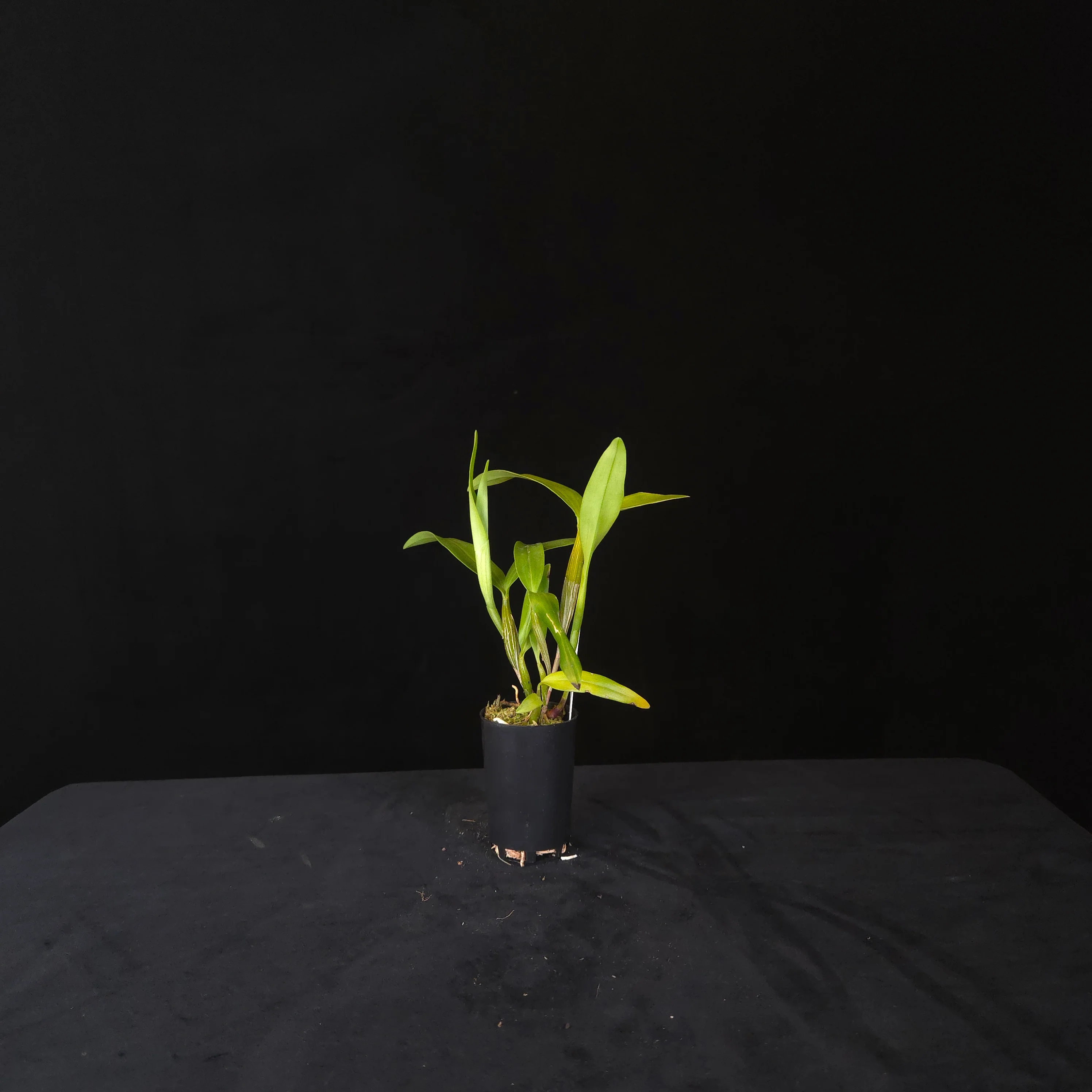
Dendrobium atroviolaceum
Dendrobium atroviolaceum is an orchid species native to Papua New Guinea and nearby islands, where it inhabits lowland forests and coastal areas. It forms clusters of upright, rigid canes that can remain leafy for several years. The flowers are waxy, long-lasting, and typically cream to pale green with contrasting deep purple to blackish-violet markings, most often concentrated on the lip. Flowering can occur at different times of the year depending on conditions, and the inflorescences arise near the tops of the canes, often carrying multiple blooms at once.
Distinctive Features
- Growth Habit: This epiphytic orchid grows on trees, clinging to branches with its thick roots. It has slender, cane-like stems that can reach up to 30 cm (12 inches) in length. The stems are adorned with numerous, closely-set leaves that are arranged in two ranks.
- Flowers: Dendrobium atroviolaceum produces clusters of nodding flowers that emerge from the apex of the canes. The flowers are typically a deep purple or maroon color with a white or yellow lip. They typically measure around 2 cm (0.8 inches) in diameter and have a long, slender spur. The flowers typically appear in spring and can last for several weeks.
- Easy Care: This orchid is known for its ease of care, making it an excellent choice for both experienced and novice growers.
Care Tips
- Light: Provide bright, indirect light. Avoid direct sunlight, which can burn the leaves.
- Water: Water regularly, keeping the potting media moist but not soggy. Allow the top layer to dry slightly between waterings. Reduce watering during the winter months.
- Humidity: Maintain moderate to high humidity levels, around 50-70%. You can achieve this by misting the plant regularly or using a humidity tray.
- Temperature: This orchid prefers intermediate to warm temperatures, ideally between 18-28°C (64-82°F) during the day and 13-18°C (55-64°F) at night.
- Potting Media: Use a well-draining orchid potting mix, such as bark or a mixture of bark and sphagnum moss.
- Fertiliser: Fertilise weakly, every other week during the growing season (spring-summer) with a balanced orchid fertiliser.
- Air Circulation: Ensure good air circulation to prevent fungal diseases.
Product Information
Product Information
Shipping & Returns
Shipping & Returns
Description
Dendrobium atroviolaceum is an orchid species native to Papua New Guinea and nearby islands, where it inhabits lowland forests and coastal areas. It forms clusters of upright, rigid canes that can remain leafy for several years. The flowers are waxy, long-lasting, and typically cream to pale green with contrasting deep purple to blackish-violet markings, most often concentrated on the lip. Flowering can occur at different times of the year depending on conditions, and the inflorescences arise near the tops of the canes, often carrying multiple blooms at once.
Distinctive Features
- Growth Habit: This epiphytic orchid grows on trees, clinging to branches with its thick roots. It has slender, cane-like stems that can reach up to 30 cm (12 inches) in length. The stems are adorned with numerous, closely-set leaves that are arranged in two ranks.
- Flowers: Dendrobium atroviolaceum produces clusters of nodding flowers that emerge from the apex of the canes. The flowers are typically a deep purple or maroon color with a white or yellow lip. They typically measure around 2 cm (0.8 inches) in diameter and have a long, slender spur. The flowers typically appear in spring and can last for several weeks.
- Easy Care: This orchid is known for its ease of care, making it an excellent choice for both experienced and novice growers.
Care Tips
- Light: Provide bright, indirect light. Avoid direct sunlight, which can burn the leaves.
- Water: Water regularly, keeping the potting media moist but not soggy. Allow the top layer to dry slightly between waterings. Reduce watering during the winter months.
- Humidity: Maintain moderate to high humidity levels, around 50-70%. You can achieve this by misting the plant regularly or using a humidity tray.
- Temperature: This orchid prefers intermediate to warm temperatures, ideally between 18-28°C (64-82°F) during the day and 13-18°C (55-64°F) at night.
- Potting Media: Use a well-draining orchid potting mix, such as bark or a mixture of bark and sphagnum moss.
- Fertiliser: Fertilise weakly, every other week during the growing season (spring-summer) with a balanced orchid fertiliser.
- Air Circulation: Ensure good air circulation to prevent fungal diseases.